Tag Archives: oceania

Six Turpin children forced to relive abuse in foster home 'of horrors'

Six of the 13 Turpin children – who were tortured in the USA for years by their biological parents – were placed in a foster home where they endured a "second bout" of abuse, including sexual, physical and emotional abuse, and their reports were ignored by the foster care agency, an attorney for two of the children says.

"One of the things that we've learned that this family would force these children to do is relive their past over and over and over again," attorney Elan Zektser said on Tuesday.

"They would force these kids for hours to relive what they went through."

READ MORE: Aussies warned to brace for 'confronting' economy as cost of living crisis soars

The Turpin family

The six children who were in that foster home, and have since been removed, filed two separate lawsuits last week against a foster care service and California's Riverside County. One lawsuit on behalf of four Turpin siblings includes children who are still minors. Zektser is representing the remaining two siblings in the second lawsuit.

Both lawsuits request a jury trial.

The complaints allege that foster care agency ChildNet Youth and Family Services was negligent in its care of the children, saying ChildNet was aware that the foster parents were "unfit" and "had a prior history of physically and emotionally abusing and neglecting children who had been placed in their care", but the agency did not act on that information.

One of the lawsuits alleges the foster care agency went "against the advice of some of its own employees", in placing the Turpin children in that foster home. The six children remained there for three years, the lawsuits say.

"It absolutely broke my heart for these kids that after feeling like they were saved, after finally feeling like someone was there for them, they were placed in another house of horrors," Zektser said.

READ MORE: 'Close to death': Children from Turpin 'house of horrors' speak for first time
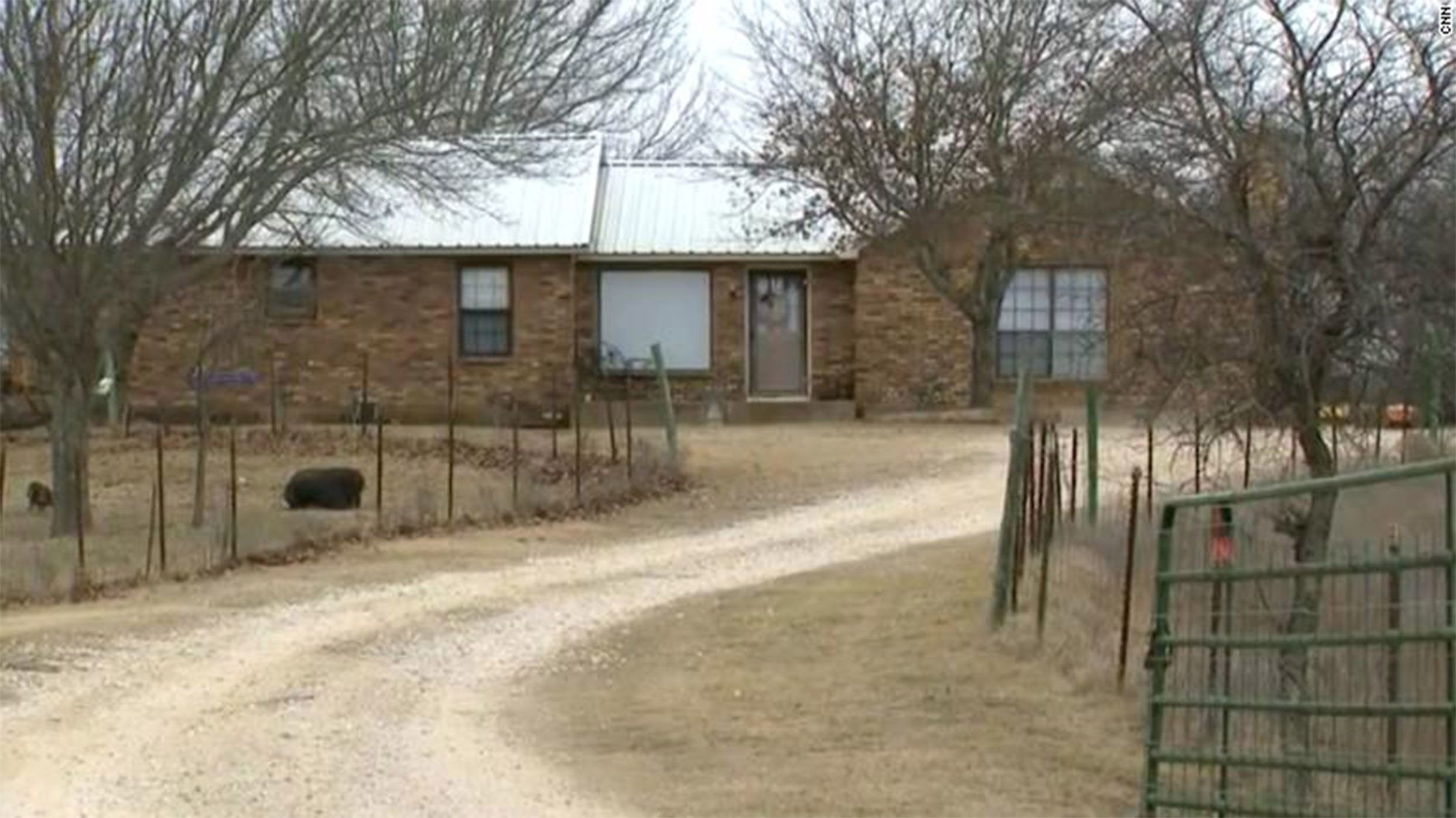
The Turpin family home in Perris, southeast of Los Angeles, was "dark and foul-smelling," authorities previously said.

"In talking to my clients, they indicate the abuse that happened in this foster home was in some ways worse than the abuse they had endured their whole life."

Brett Lewis, the director of development and communications for ChildNet, told HLN in a statement on Tuesday the agency "is not at liberty to disclose facts or discuss the allegations made in the complaint".

"We look forward to providing the facts at the appropriate time in court. Our agency has been serving California's most vulnerable, traumatised youth for over 50 years. We have a strong track record of providing excellent care and continue to demonstrate our commitment to these children," the statement said.

Riverside County's Department of Social Services told CNN last week that once the county receives a lawsuit, "it is thoroughly reviewed to determine next steps. The county does not comment on pending legal matters or specific juvenile cases due to confidentiality laws".

"Any instance when a child is harmed is heartbreaking. We continue to evaluate our practices with a critical eye and are committed to understanding and addressing the root cause. This includes expanding the availability of quality and safe placements for all children in foster care," the statement said.

READ MORE: Monkeypox declared a disease of 'national significance' in Australia

The Turpin children

Children reported foster home abuse but were 'shut down'

The lawsuits, which do not name the foster family but call them Mr and Ms O, allege the foster parents and their adult daughter abused the six Turpin children in their care, including by "hitting them in the face with sandals, pulling their hair, hitting them with a belt and striking their heads", the lawsuit that includes the minor children alleges.

Both lawsuits allege the children were forced to "eat excessive amounts of food" and "eat their own vomit". The lawsuit on behalf of the two siblings alleges the foster parents told them "they were worthless and should commit suicide" and would even "suggest how the plaintiffs should commit suicide".

The lawsuit for the four siblings also stated that the foster parents told the siblings they should commit suicide.

Zektser said the Turpin children spoke up about what was happening in the foster home but "many times, they were shut down, they weren't listened to, they were hushed," by employees of the foster care agency.

READ MORE: NT thieves cut through four fences, steal crocodile

The Turpin children

"ChildNet knew," Zektser said.

"The prior reports, the reports from other foster families, the reports from these brave Turpin siblings themselves, ChildNet was well aware of what was happening and they did nothing."

The attorney added there were some home visits at the foster home but oftentimes the mandated reporters were not allowed inside and met with the children on an outdoor porch "where they were aware their conversations were being videotaped by the foster family".

"When it gets to the level of the agency itself allowing something like this to happen or the county closing their eyes and allowing something like this to happen, then serious change needs to be made," Zektser said.

"The psychological damages of these children to have to go through this second bout of abuse is beyond anything that… most individuals could even imagine."

Roger Booth, who represents the three minor children and one adult in their lawsuit, said he hopes the case "sheds light" on issues in the foster care system.

"That's happening to kids who are sort of famous and the whole world is watching," Booth told HLN last week.

"There may be problems that are deeper affecting all sorts of kids."

READ MORE: Australian company's drone jammers helping Ukraine fight Russia

Louise and David Turpin

The foster parents and their daughter were arrested in March 2021 after a Riverside County Sheriff's Department investigation on charges of false imprisonment and child cruelty, among others, according to the lawsuits. The children were removed from their home.

When asked about a criminal investigation into ChildNet, the district attorney's office told HLN in an emailed statement that they "are prohibited by law and prosecutorial ethics from confirming or denying any investigations".

David and Louise Turpin, the Turpin children's biological parents, were each sentenced to 25 years in prison in 2019 after pleading guilty to holding captive and torturing their 13 children, who ranged in age from two to 29.

Trio of meteor showers set to light up Australian skies

Australia's winter sky is set to be illuminated by three colourful meteor showers for the next four nights.

The peak of three meteor showers – called Piscis Austrinids, Alpha Capricornids, and Southern Delta Aquariids – are expected to occur from Thursday, July 28 to Sunday, July 31.

The Piscis Austrinids meteor shower is meant to peak first, beginning tonight, while the Southern Delta Aquariids and the Alpha Capricornids will both peak on Saturday.

READ MORE: 'I felt so dumb': Scammers posing as Telstra steal $12k from single mum

Geminids meteor shower

Meteor showers' peak periods tend to last for about 48 hours.

The showers will be best visible from the Southern Hemisphere, meaning Australians should have prime viewing.

Macquarie University astronomer Professor Orsola De Marco has said the spectacular light shows will all come from the same area of the night sky.

She has advised that Alpha Capricornids could be particularly spectacular, with the shower able to produce very bright 'fireball' meteors that appear to fall slowly across the sky.

Alpha Capricornids comes from comet 169P-NEAT, which split from a different comet around 3000 years ago.

READ MORE: Meteor that hit Earth 50,000 years ago could revolutionise technology

The three showers will peak during the dark sky of a new moon, and between them may produce around 35 meteors per hour at their peak.

What is a meteor shower?

A meteor shower occurs when the Earth passes through the orbit of a comet's tail, the National Geographic has explained.

The particles that comets shed create colourful streaks, known as a meteor shower, when they collide with the atmosphere.

To best view a meteor shower, people are advised to get away from bright lights.

Midnight is also said to be the best time to view them, once the moon has set.

READ MORE: NASA reveals when first ever Mars samples will return to Earth

NT thieves cut through four fences, steal crocodile

If there's four fences between you and a crocodile, most people would probably want to leave them intact.

But a group of thieves in the Northern Territory decided on a different course.

Sometime between 7pm on Tuesday night and 6am Wednesday, some unknown offenders cut through said fences and broke into a business on Gunn Point Road in Howard Springs, south-east of Darwin.

READ MORE: Body of Australian climber found on world's second highest peak

Police said they took a number of items including a computer, tools and fuel.

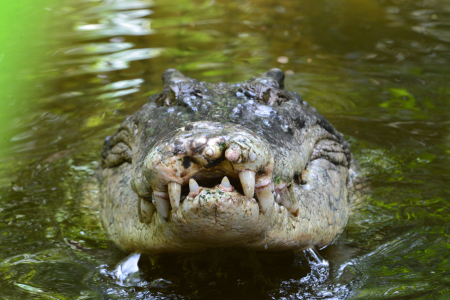
They also picked up what police described as a "small pet crocodile".

Anybody with information, including dash-cam footage, is urged to contact police on 131 444, and quote reference 10070596.

Australian company's drone jammers helping Ukraine fight Russia

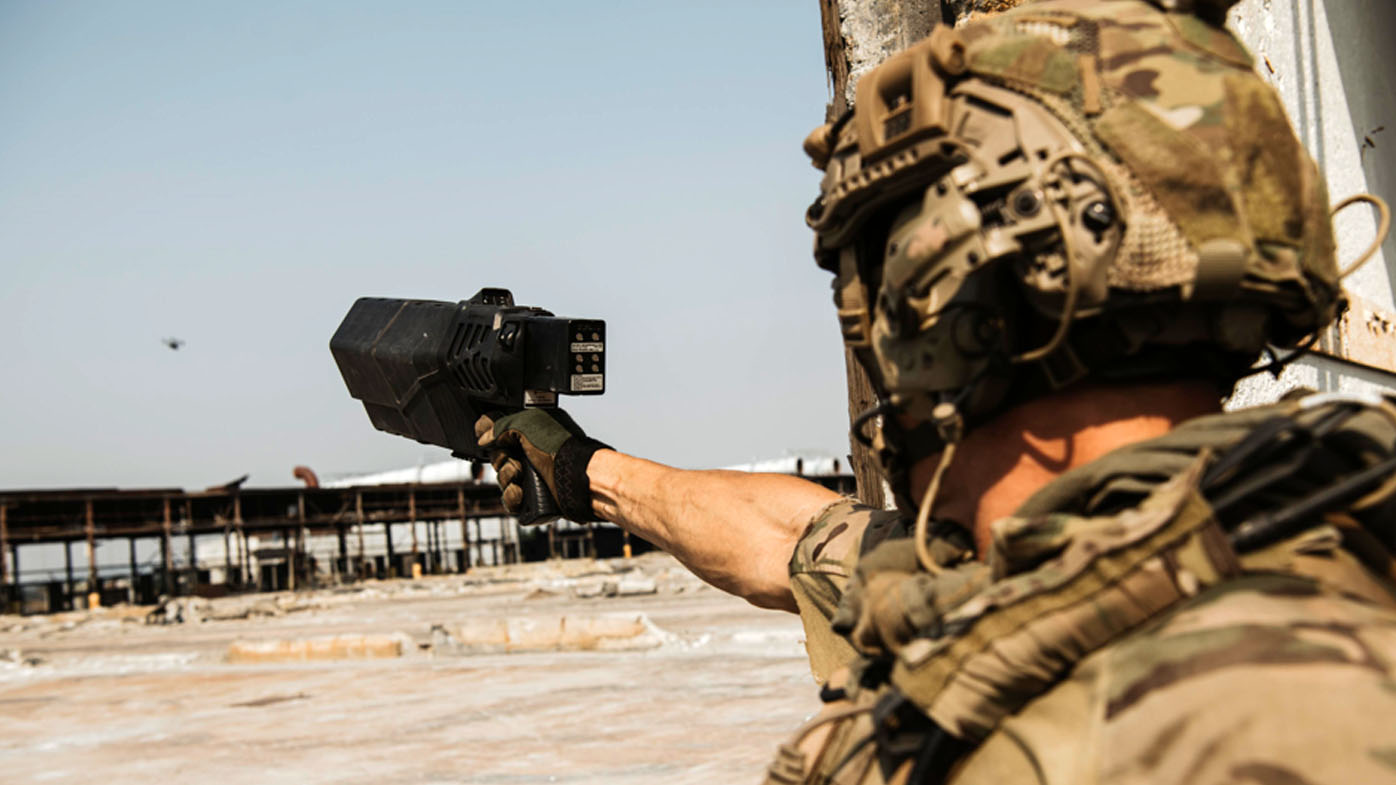
Australian-built drone jamming guns are helping protect Ukrainian military units from Russian attacks.

Sydney-based technology company DroneShield told 9news.com.au it had been supplying Ukraine with its equipment as part of a military aid contract.

The company was founded seven years ago with the aim of producing technology to counter civilian drones adapted for military uses.

READ MORE: Putin using critical gas pipeline as 'weapon', sending Europe into panic

DroneShield chief executive Oleg Vornik said the use of drones by Ukraine and Russia in the war had propelled the unmanned aerial vehicles into the media spotlight.

"Small drones were used against Saudi Arabia, in the Armenia-Azerbaijan conflict and the Syrian conflict," he said.

"But drones largely stayed off the front pages in those conflicts until the Ukrainian conflict came along and drones were front and centre."

Since the Ukraine war started on February 24, drones have been used by both sides to pinpoint enemy positions, guide artillery strikes, track troop movements and jam opposing forces' communications.

Vornik said his company's Drone Gun and hand-held radio-sized units have proven effective in Ukraine because many Russian drones used Western componentry.

"Even Russian military-grade drones use commercial parts … our gear is quite effective in detecting and defeating those drones," he said.

READ MORE: Body of Australian climber found on world's second-highest peak

He said the response from Ukraine's military about the performance of the Australian built technology was largely positive.

Drone-jamming technology works by blocking the signal a drone sends to its ground station, or pilot.

Vornik said he agrees with many defence experts that the wide use of drones in Ukraine has changed the face of modern warfare.

In the early part of the war, Ukraine extensively used its stocks of Turkish-made Bayraktar TB-2 laser-guided, bomb-dropping drones to hit long convoys of Russian troops and supply columns.

READ MORE: Why wages aren't going up in line with inflation in Australia

Since the war began, the US and Western allies have shipped hundreds of other drones, including an unspecified number of "kamikaze" Switchblade 600s that carry tank-piercing warheads and use artificial intelligence to track targets.

But their range is limited, and they can only stay aloft for about 40 minutes.

Ukraine has pushed strongly for more advanced long-range drones that can survive radio interference and GPS jamming and rely on satellite communications for control and navigation.

– Reported with Associated Press

NASA reveals when first ever Mars samples will return to Earth

The first mission to return samples from another planet will touch down on Earth in 2033, according to NASA and European Space Agency officials.

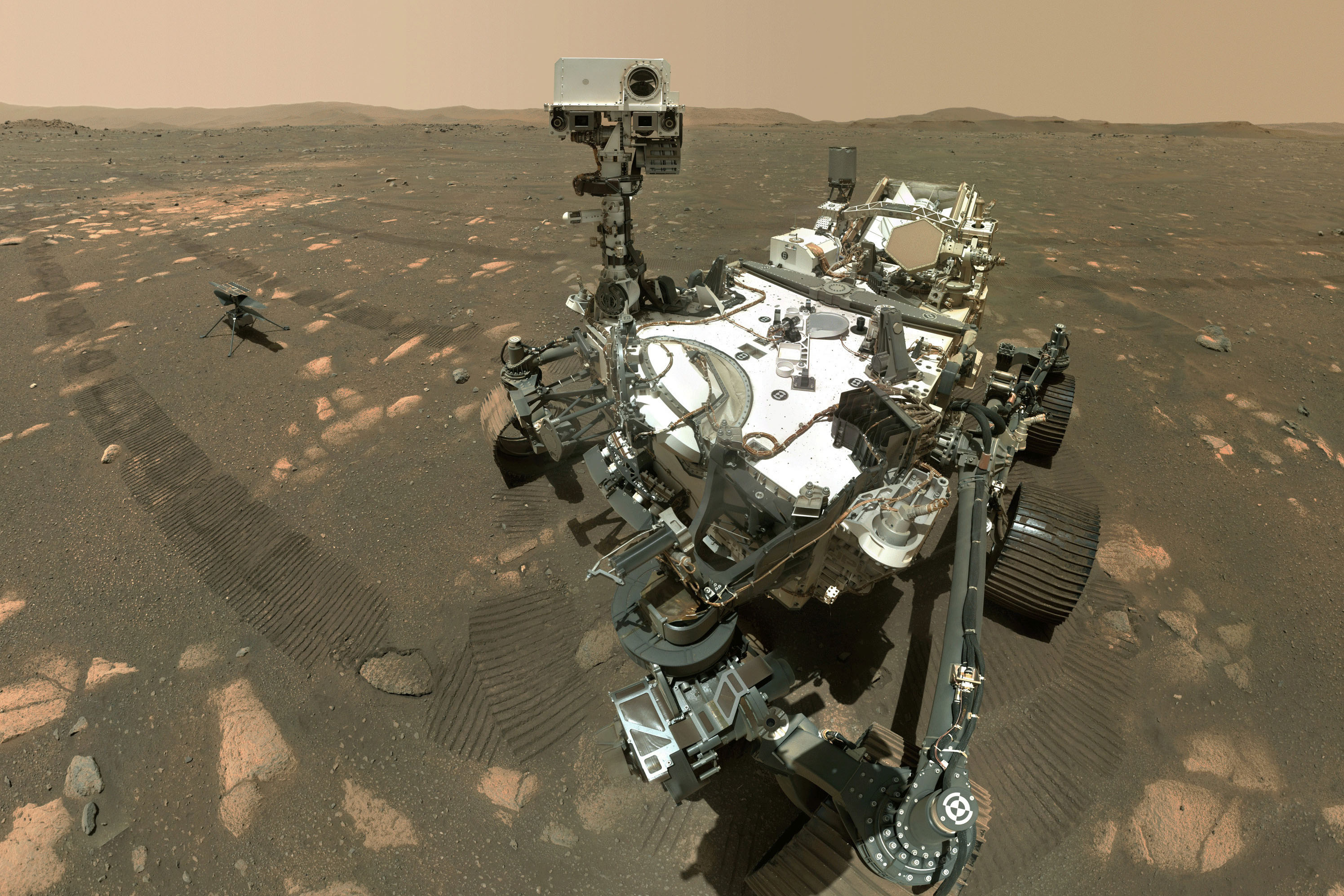
The Perseverance rover is currently collecting the samples on Mars.

As Perseverance investigates the site of an ancient lake that existed billions of years ago, it's collecting rocks and soil. This material is of interest because it could contain evidence of past microscopic organisms that would reveal whether life ever existed on Mars.

READ MORE: Body of Australian climber found on world's second highest peak

Scientists will have the chance to use some of the most sophisticated instruments around the world to study these precious samples.

The ambitious Mars Sample Return program involves collaboration between the two agencies to retrieve 30 samples from the red planet. Multiple missions will launch to Mars later this decade to safely pick up and bring the samples back.

The program is nearing the end of its conceptual design phase, and NASA has completed its system requirements review. The review has led to changes that will reduce the complexity of future missions and increase probability of success, according to NASA officials.

READ MORE: 'Looked like a bird's beak growing': Aussie mum's debilitating condition

"The conceptual design phase is when every facet of a mission plan gets put under a microscope," said Thomas Zurbuchen, associate administrator of NASA's Science Mission Directorate, in a statement.

"There are some significant and advantageous changes to the plan, which can be directly attributed to Perseverance's recent successes at Jezero and the amazing performance of our Mars helicopter."

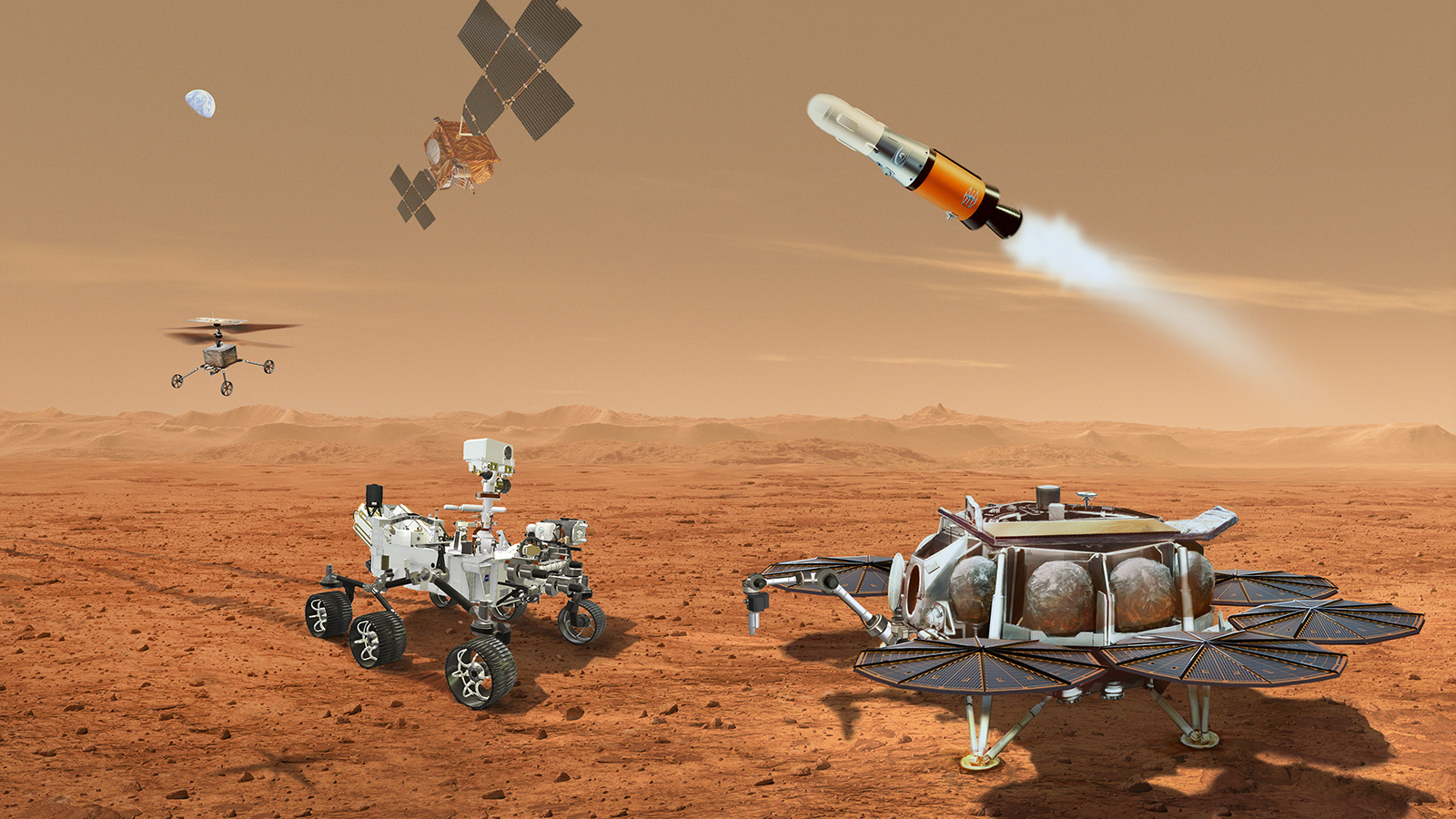
Initially, the plan was to launch a fetch rover along with a Sample Retrieval Lander in the mid-2020s. Once released on the Martian surface, the fetch rover would have retrieved samples from where Perseverance has stashed them on the Martian surface.

READ MORE: Why wages aren't going up in line with inflation in Australia

Now, Perseverance will be the primary transport vehicle to carry samples to the lander. The rover's latest health and life expectancy assessment shows that it should still be in prime condition to deliver the samples itself in 2030. Perseverance will back up to the lander, and the lander's robotic arm will transfer the samples.

The Sample Retrieval Lander will carry two sample recovery helicopters, similar in style to the Ingenuity helicopter currently on Mars – rather than a fetch rover.

"Recent operations of the Ingenuity helicopter on Mars, which has completed 29 flights – 24 more than originally planned – have shown us the usefulness of potential rotorcraft of Mars," said Jeff Gramling, director of the Mars Sample Return Program.

READ MORE: Russia to drop out of International Space Station after 2024

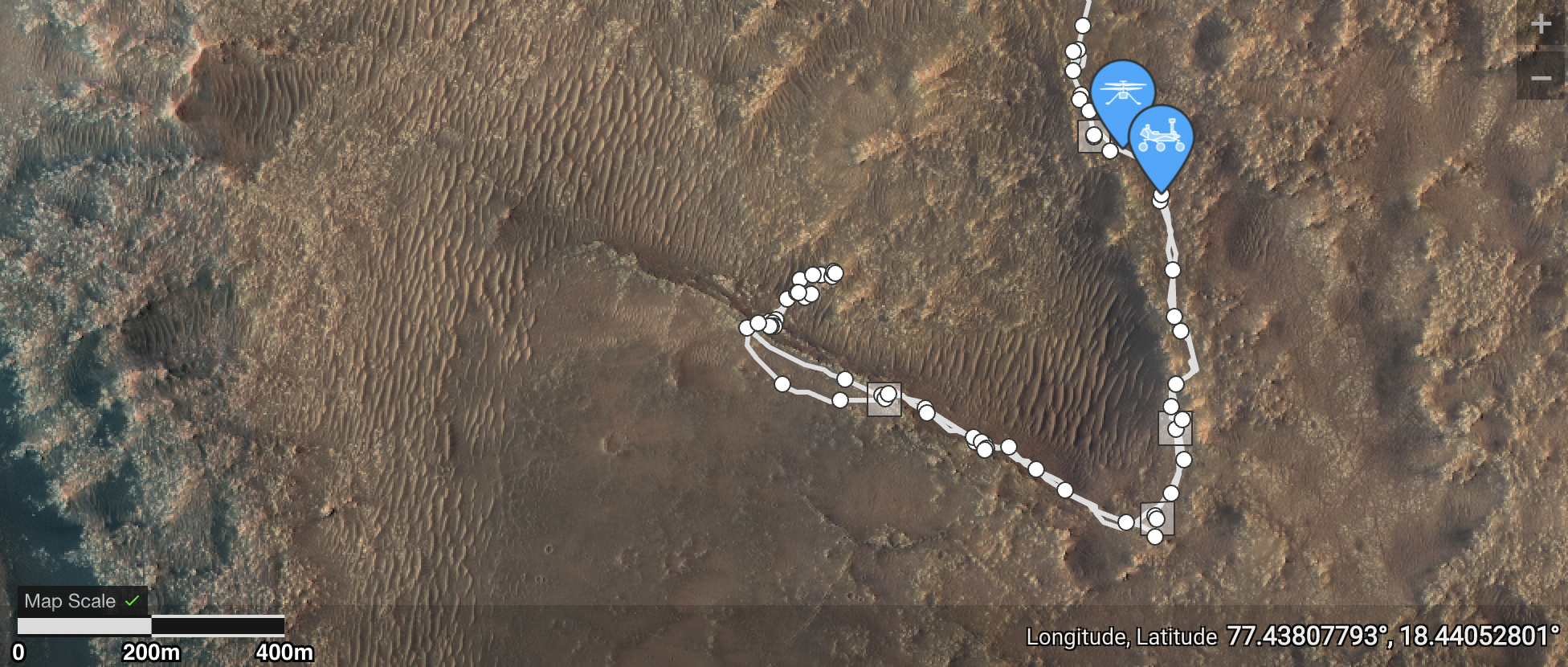
This map provided by NASA is updated each day with Perseverance's location. It also show the rover's landing site and the location of the Mars Helicopter, which was carried by Perseverance.

Engineers have been impressed with Ingenuity's performance. The helicopter has survived more than a year beyond its expected life span. In the event that Perseverance can't return the samples to the lander, the little choppers will be able to fly away from the lander, use arms to retrieve the samples and bring them back.

The two sample return helicopters will be similar in size to Ingenuity but will be a little bit heavier. The landing legs will come equipped with small mobility wheels to allow it to travel on the ground as well as fly, and each chopper will have a little arm that can grab sample tubes, said Richard Cook, Mars Sample Return program manager at NASA's Jet Propulsion Laboratory in Pasadena, California.

If Perseverance's health remains the same over the next eight years and it doesn't need any help in returning samples to the lander, the choppers could observe and capture images of the process.

Getting samples back to Earth

The Sample Retrieval Lander also carries the Mars Ascent Vehicle – the first rocket that will ever launch from the Martian surface, with the samples tucked safely inside. The spacecraft is currently set to launch from Mars in 2031.

A separate mission will launch from Earth in the mid-2020s, called the Earth Return Orbiter, to rendezvous with the Mars Ascent Vehicle.

Onboard the Earth Return Orbiter is the Capture/Containment and Return System, which will collect the container of samples from the Mars Ascent Vehicle while both vehicles are in orbit around Mars.

READ MORE: Mars rover finds bundle of string on planet's surface

Perseverance arrived in February at Mars' Jezero Crater to look for rocks that might hold evidence of ancient life.

The Earth Return Orbiter will then head back to our world. Once the spacecraft is close to Earth, it will release the Earth Entry Vehicle that contains the cache of samples, and that spacecraft will touchdown on Earth in 2033.

Previously, the agency said the samples could return to Earth by 2031, but the planned launch dates for the orbiter in fall 2027 and the lander in summer 2028 have created the new arrival date.

Engineers are currently testing robotic components for the campaign at NASA and ESA centers. The Mars Sample Return program will move into the preliminary design phase in October, which will last for about a year. The design phase will result in technology development as well as engineering prototypes for the main components.

"ESA is continuing at full speed the development of both the Earth Return Orbiter that will make the historic round-trip from Earth to Mars and back again; and the Sample Transfer Arm that will robotically place the sample tubes aboard the Orbiting Sample Container before its launch from the surface of the Red Planet," said David Parker, ESA director of human and robotic exploration, in a statement.

Diverse samples

The Perseverance rover has collected 11 rock core samples so far. The samples represent "an amazing suite of materials," said Meenakshi Wadhwa, principal scientist for Mars Sample Return and director of Arizona State University's School of Earth and Space Exploration.

"The latest one, in fact, is a fine-grained sedimentary rock that has the greatest potential for preserving biosignatures, potentially, and so we have a diversity of materials already in the bag, so to speak, and really excited about the potential for bringing these back," Wadhwa said.

"Working together on historic endeavors like Mars Sample Return not only provides invaluable data about our place in the universe but brings us closer together right here on Earth," Zurbuchen said.

READ MORE: Trio of meteor showers set to light up Australian skies