The Humane Society of the United States (HSUS) will transfer 4000 beagles from a research facility in Cumberland, Virginia, to humane societies across the United States where they can be adopted, under a plan approved by a federal judge last week.
Tag Archives: oceania
Genetically modified pig heart transplanted into brain-dead humans
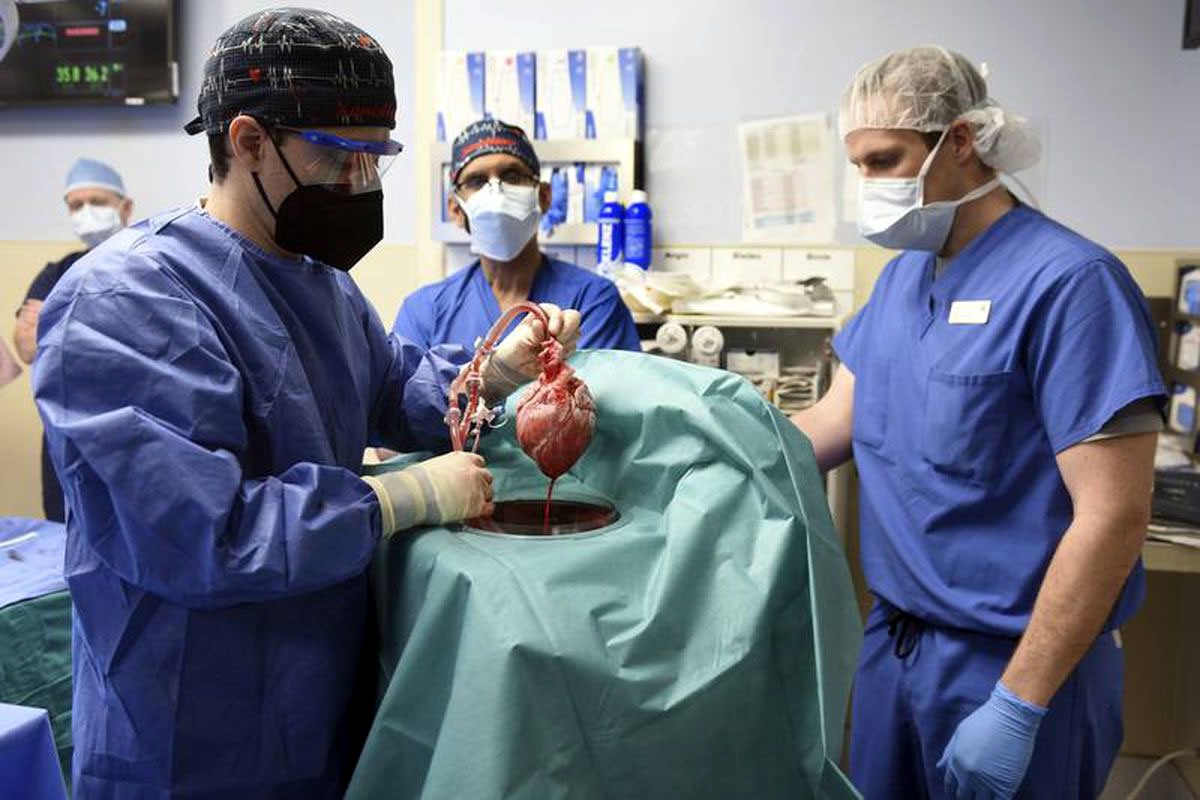
A surgical team transplanted a heart from a genetically modified pig into a dead man, as doctors try to determine whether organs in non-human animals can be modified and successfully used in humans in need of a transplant.
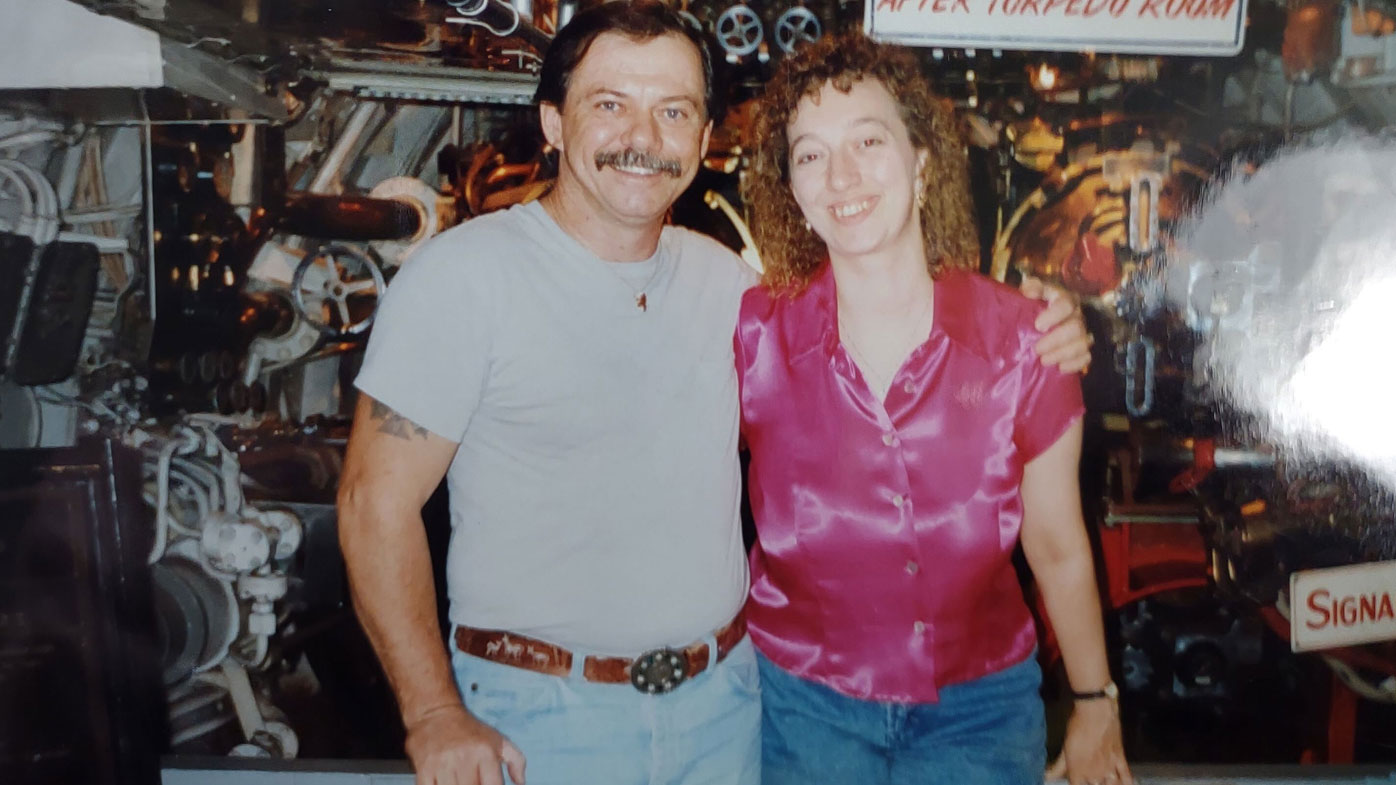
The 72-year-old recipient, Lawrence Kelly of Pennsylvania, had been declared brain-dead.
His family donated his body for the study at NYU Langone Health, which aimed to investigate how well the modified pig heart worked in a deceased human's body.
READ MORE: Bunnings lifts sausage sizzle prices for first time in 15 years
After Kelly's transplant in June, the research team repeated the procedure with another deceased recipient, 64-year-old Alva Capuano of New York City, in early July.
These transplants followed a procedure done by the University of Maryland in January of a pig heart into a living human.
That recipient died in March.
Dr Robert Montgomery, director of the NYU Langone Transplant Institute, said the procedures allowed for more in-depth study of how well the recipients' bodies tolerated the pig hearts.
"We can do much more frequent monitoring and really sort of understand the biology and fill in all of the unknowns," he said.
He added that their study was unique because they attempted to emulate real-world conditions by, for example, not using experimental devices and medications.
At any one time there are 1850 Australians on the transplant waiting list, according to Transplant Australia.
But this is only the tip of the iceberg, the organisation says, as there are 13,000 people on dialysis who could benefit from a transplant.
There were 112 heart transplants operations in Australia last year.
'He went out a hero'
Researchers travelled out of state to procure the heart, which had genetic modifications aimed at a number of factors, like modulating the organ's growth and reducing the chance that the recipient's immune system would reject it.
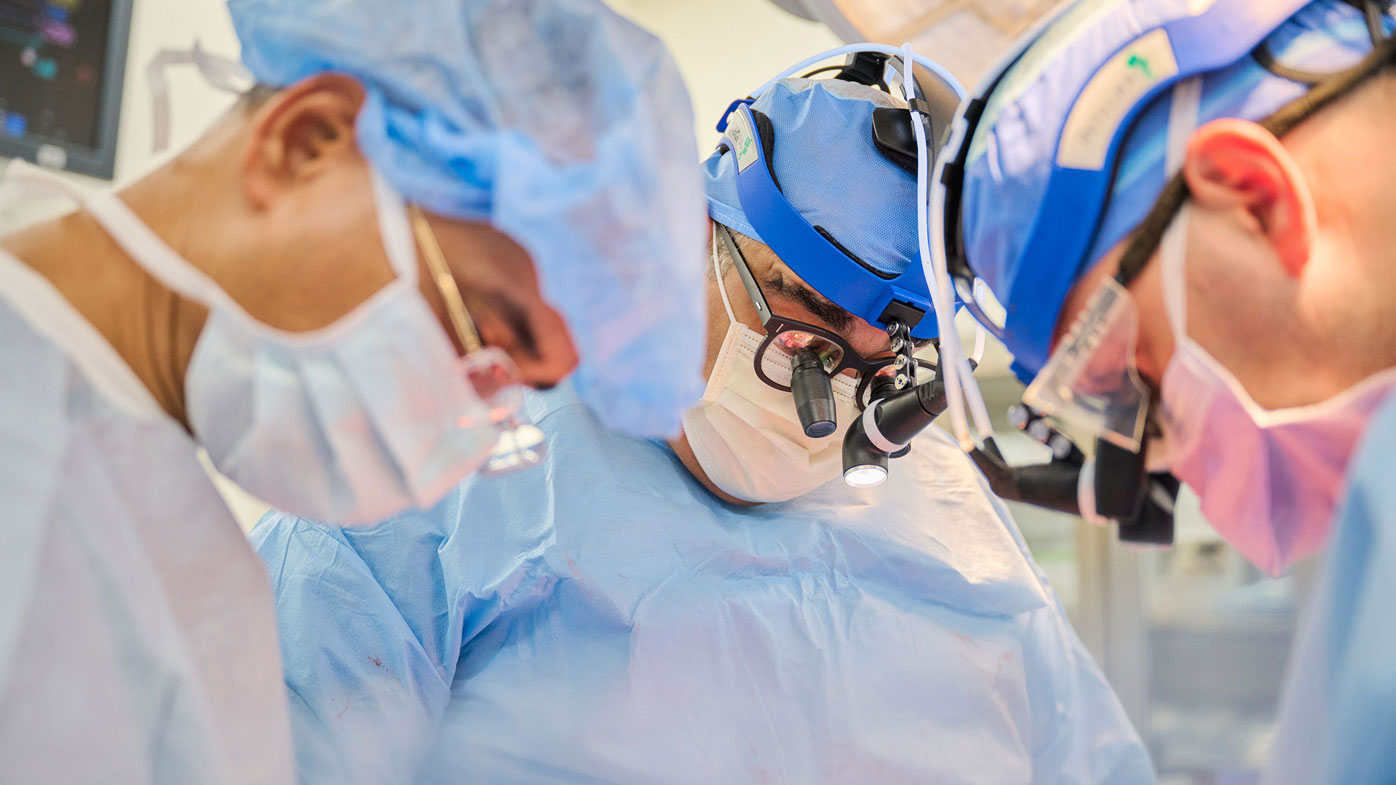
The flight meant the team could replicate the conditions of a typical heart transplant, said Dr Nader Moazami, surgical director of heart transplantation at NYU Langone Health.
"It was about an hour and 15 minute flight from New York, which is typical of the distance that we take hearts for clinical transplantation," said Moazami, who performed the transplant.
The heart went to Kelly, a Navy veteran who was declared brain-dead after a car crash.
Kelly's fiancee, Alice Michael, authorised the donation of his body to research.
"They were going to take his liver, and they couldn't find a recipient. And then New York University called me with this research thing. And I automatically said yes, because I know he would have wanted to do it. He loved to help people," she said.
READ MORE: First ever pig-to-human heart transplant performed by US doctors
READ MORE: Cruise ship with over 100 COVID-19 cases set to dock in Sydney
"When they asked me, I didn't have to think twice about it. I just automatically said yes, because I knew it was groundbreaking research, and I know he would have wanted it. It was hard because I had to wait to bury him. But in the long run, maybe he can help a lot of people.
"He was a hero in life, and he went out a hero," Michael said.
After the transplant, the researchers conducted tests for three days to monitor how well the heart was accepted, while the recipient's body was kept alive using machinery including ventilation.
"No signs of early rejection were observed and the heart functioned normally with standard post-transplant medications and without additional mechanical support," the medical centre said in a news release.
Additionally, the researchers said they found no signs of infection with porcine cytomegalovirus (pCMV), which experts have been concerned could pose an obstacle to using pig organs in human recipients.
A new method for transplant research
Testing how well an organ transplantation works using the donated body of a deceased person is a new method, Moazami said.
The first use of this technique for research happened in September, when a team at NYU Langone led by Montgomery transplanted a kidney from a genetically modified pig into a deceased human.
Although the study represents a step forward, Moazami said, there is still work to be done before such a procedure is made broadly available outside a research setting.
"There's still a long way to go before we go from here to clinical transplantation to support a patient in the longer term," he said.
"There's still many, many, many questions that need to be answered."
One important limitation was the length of the study, he said; the organ and recipient were evaluated for only 72 hours after the transplant.
Additionally, there could be important differences in how deceased human bodies respond to the procedure, compared with living humans.
READ MORE: Demand for action after granddad's death waiting for ambulance
More research will be needed to determine how transplant recipients would fare in the long term.
"We thought that in 72 hours, we could learn all the things that we would learn if we had extended this a little bit more," Moazami said, noting that the short time frame limited the expense of the study and allowed the recipient's body to be returned to his family quicker.
"We thought that 72 hours was a reasonable amount of period for our short-term study, to understand all the things that we needed – that three days versus five days versus seven days, wouldn't make a difference.
"Would three days versus one month make a difference? Yes, absolutely. But at this stage, that would have been very, very difficult to pull off."
Transplantation of animal organs into humans also raises an array of other ethical questions such as whether the benefits of using a modified pig heart outweigh the risks that a patient would face if they instead waited for a human organ to become available.
Generally, demand for organ transplantations far exceeds the supply of donor organs available in the United States.
As of July 7, there are 106,074 people on the organ transplant waiting list, with 3442 on the heart waiting list.
On average, 17 people die on the organ transplant waitlist every day.
With CNN
House swallowed by sinkhole may need to be demolished
A house in Sydney's north-west will remain partially in a sinkhole awaiting an assessment from council engineers before facing demolition.
Grey Lynn homicide: Neighbours shocked and guilty they couldn't do more to save victim
Neighbours are in shock and feeling guilty they couldn’t save the woman they only knew as “Cecilia” who was assaulted and later died on Cockburn St in Auckland’s Grey Lynn, on Saturday. The Herald understands Cecilia Ozyurteri,…
Rare preserved coffee beans from 1850s found during Melbourne tunnel dig
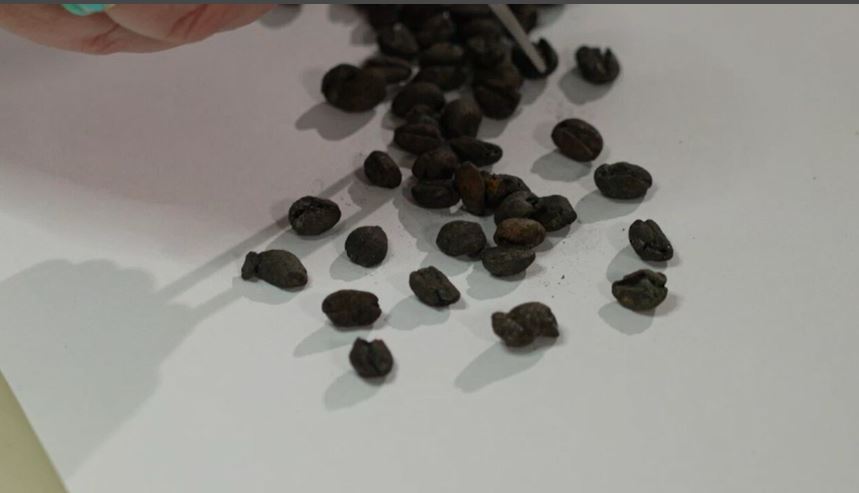
Perfectly preserved coffee beans dating back more than 167 years have been found by archaeologists working on the Metro Tunnel project, confirming that Melbourne has always been Australia's coffee capital.
The archaeologists were digging up the historic remains of a grocery store near the site of the Young and Jacksons pub on Swanston Street, in Melbourne's CBD, in 2018 when they discovered the artefacts.
The John Connell general store burnt down in the Gold Rush era, which preserved more than 500 coffee beans along with English biscuits, fruit remains and other perishables that would not ordinarily have lasted the test of time.
READ MORE: Melbourne aged care nurse charged for 'working after testing positive to COVID-19'
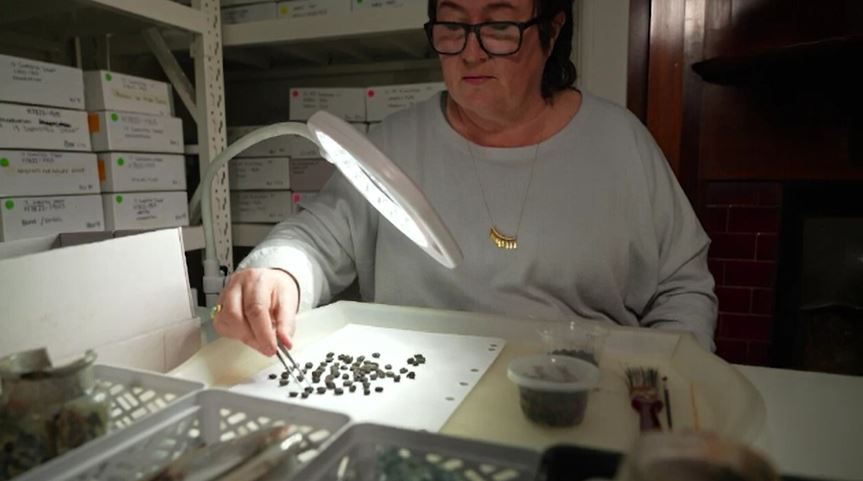
Excavation director Meg Goulding said the items had been carbonised and preserved in a similar way to the ancient Roman city of Pompeii when it was buried under volcanic ash.
"This was just a general store that was servicing the gold fields at the time," she said.
"He was there from the early 1850s, we know that the gold rush started in 1851."
Artefact manager Jennifer Porter said the beans were a "rare find".
"It's such a rare sight to find such a rich assemblage of different types of artefacts," she said.
READ MORE: COVID-19 reinfection period in NSW and Victoria revised from 12 weeks down to just four
Acting Premier Jacinta Allan said the discovery of coffee beans demonstrates Melbourne's iconic coffee culture goes way back to the 1850s.
"The discovery proving coffee has long been important to Melburnians," she said.
"Remarkably, the coffee beans have been preserved and they are now part of the rare finds that we are uncovering as we get on and deliver the Metro Tunnel project."
It's now hoped all of these items, including the coffee beans, will be put on display for the public to see.
Treasury paper warns more Government spending will hike interest rates
Treasury warned that interest rates are likely to rise even higher if the Government increases spending beyond what it outlined in the Budget earlier this year. A paper from Treasury to Parliament’s Finance and Expenditure Committee…
Man dies after shooting on inner Melbourne street
A 55-year-old man has died after being shot in inner Melbourne.
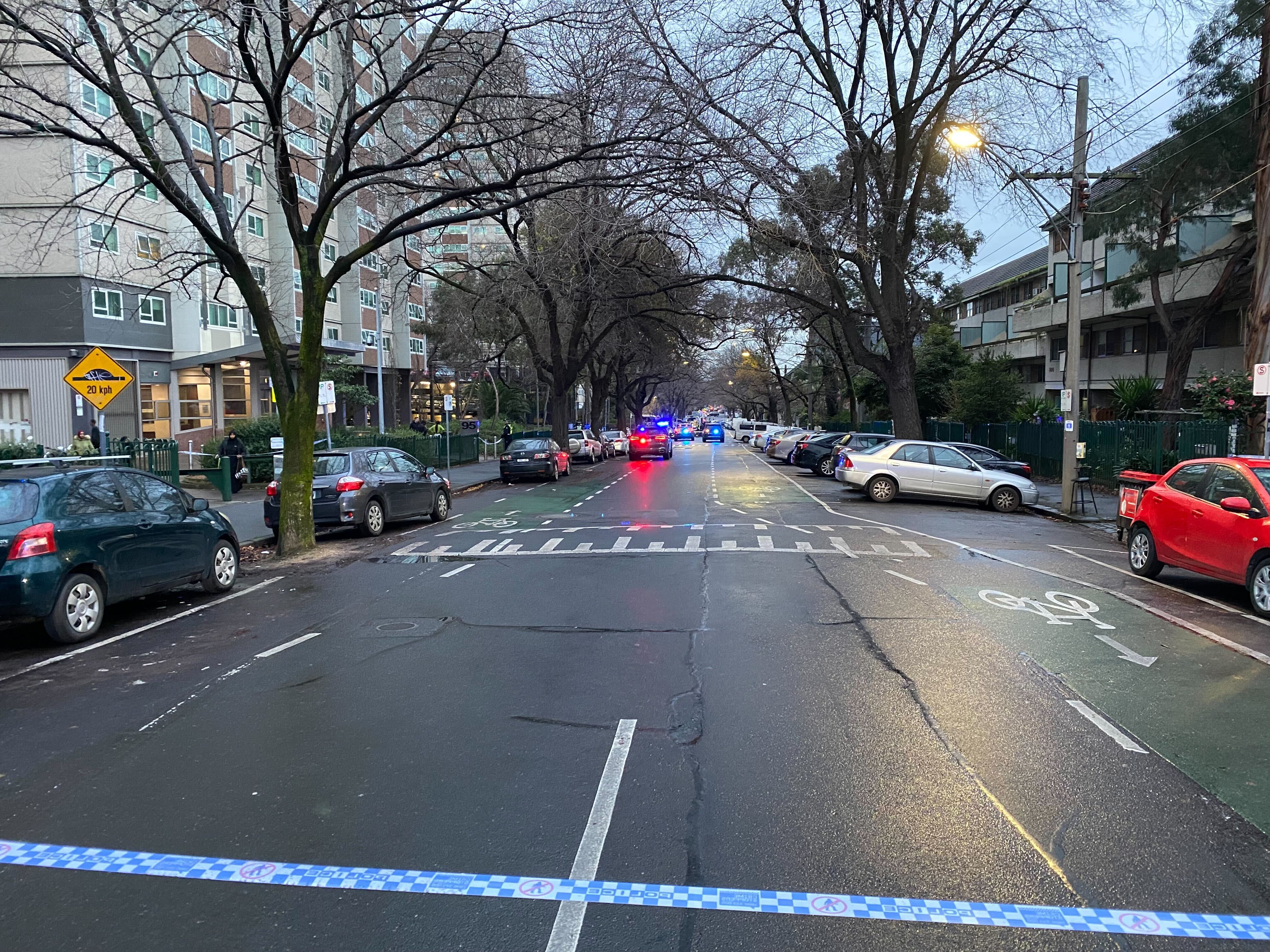
It's understood the man was getting out of a car and was shot in the back on the intersection of Napier and Gertrude streets in Fitzroy about 4.15pm on Tuesday.
Police believe the man was involved in an altercation with a number of people at a vehicle parked on Brunswick Street before being fatally shot.
READ MORE: Victoria's health minister rejects health advice on masks as COVID-19 reinfection period is revised
Passersby found the man and called triple zero.
Ambulance crews treated the man, who is yet to be formally identified, but he died at the scene.
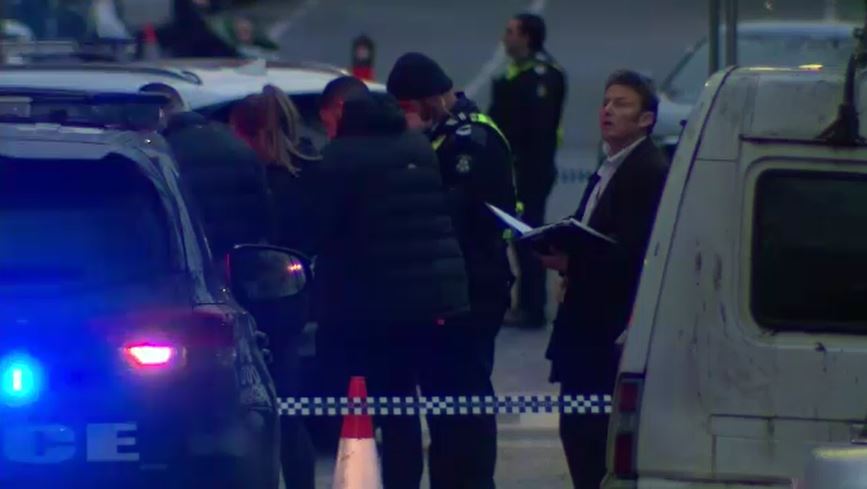
Police have cordoned off the area and a crime scene has been established
Detectives are still working to determine the exact circumstances of the incident.
Police said it appeared to be a targeted incident, with the parties involved possibly known to each other.
More to come.
Passengers tested before disembarking COVID-hit cruise ship
Passengers onboard a cruise ship battling a COVID-19 outbreak have been forced to pass a test before disembarking.
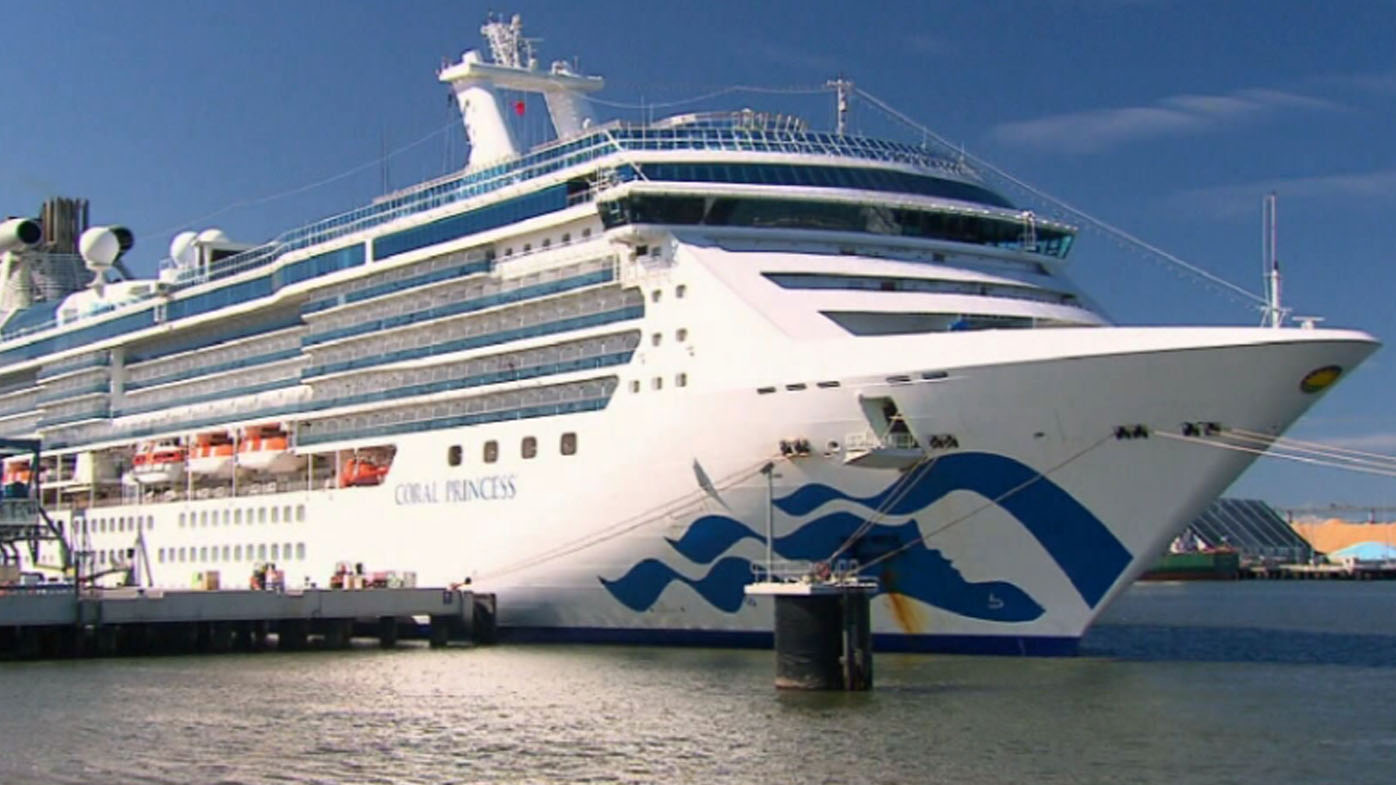
More than 100 people, largely crew members, have been infected on the Coral Princess as it sailed from Brisbane to New South Wales – the first COVID-19 outbreak since the local cruise industry restarted.
"With the cases that were on board on Sunday when they disembarked, I'm shocked that they boarded everyone again and have taken off to Sydney," Faithe Bulmer, a passenger, said.
"It's the Ruby Princess all over again."
READ MORE: Rainy months here to stay, Indian Ocean index predicts
The vessel's operator offered refunds to the more than 2000 passengers before it sailed from Brisbane to Sydney yesterday.
But it is understood most turned them down and remained aboard.
"There was no reason to cancel, you go to Coles you can get COVID-19, same difference," one passenger said.
The 800 passengers who disembarked in Eden, on the NSW South Coast, had to pass a COVID-19 test before stepping onto the shore while all the crew remained on the ship.
It comes after NSW Health deemed the ship only a moderate risk as the positive crew have been isolated and the four passengers with the virus likely caught it before they boarded the ship.
"COVID is here. We've got to live with COVID. People chose to go on cruises, there are many many places COVID is, cruises are just one of them," NSW Deputy Chief Health Officer Dr Jeremy McAnulty said.
READ MORE: Silica dust threatens Aussie workers with lung cancer, study reveals
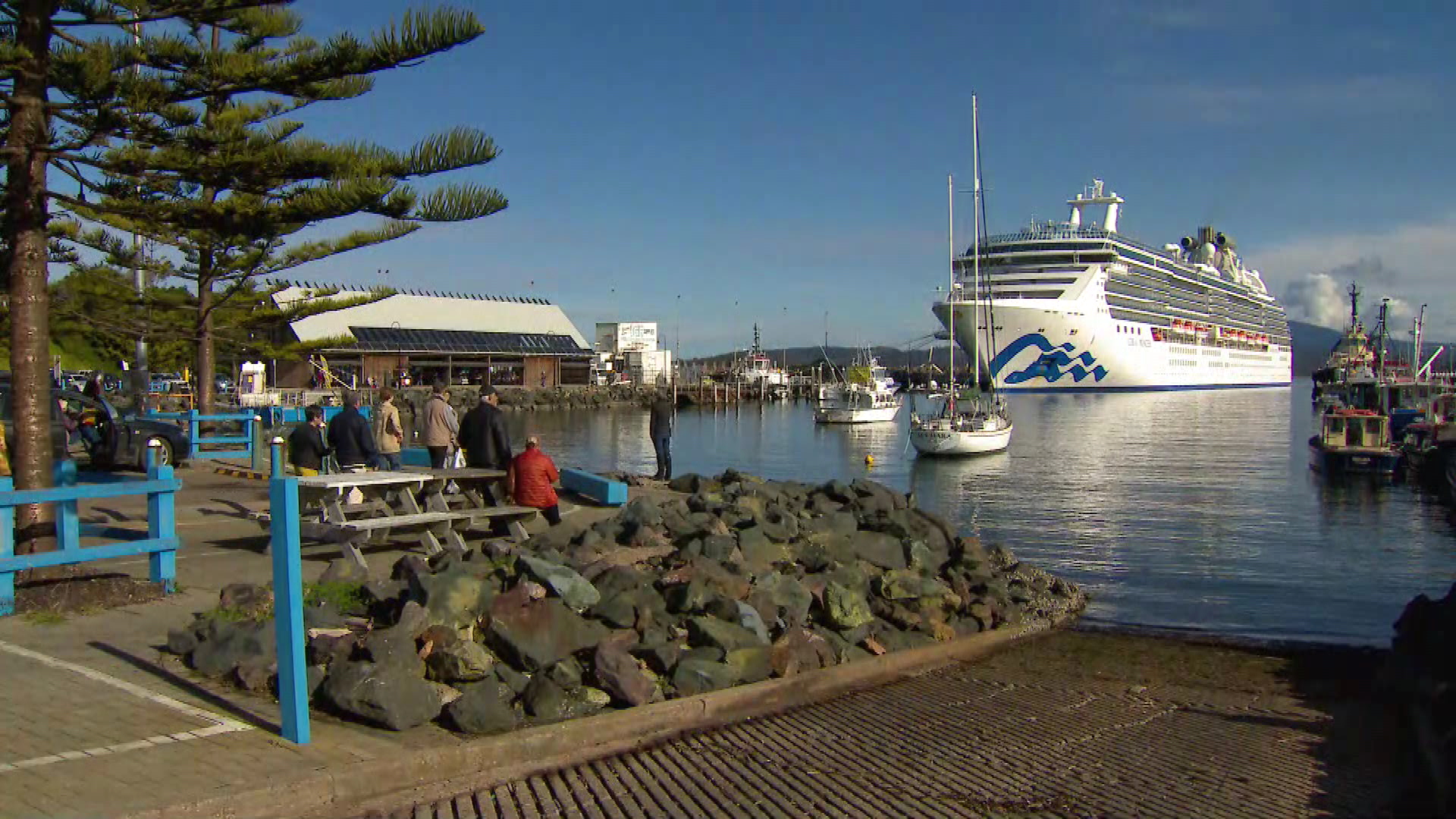
The cruise ship is set to dock in Sydney tomorrow but McAnulty couldn't confirm whether passengers would be tested before getting off.
The Coral Princess is a sister ship to the Ruby Princess, which was linked to 28 deaths after passengers became infected with coronavirus in 2020.
Cruise commentator Honida Beram said it is "hypocritical" to call it a COVID-19 outbreak as other industries are also facing transmission.
"I think it's quite dangerous to call it an outbreak or that it ripped through the ship," Beram said.
"Up to 100 people tested positive, the majority being crew, which shows the testing protocols are working.
"It is quite hypocritical that other industries aren't held under the same scrutiny, on planes or sporting events, we don't hear about how many people are testing positive."
She said the cruise industry is undertaking extensive safety protocols to contain the spread.
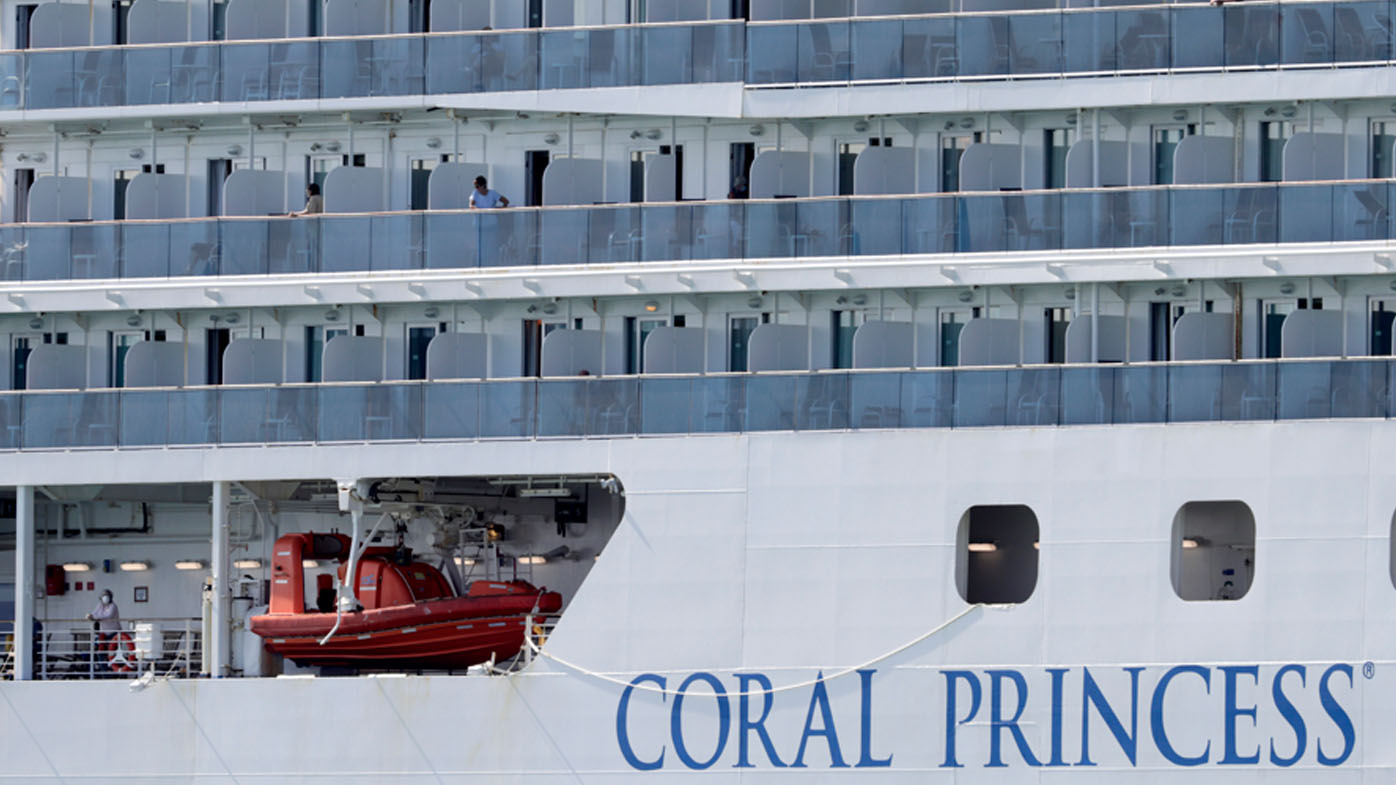
Queensland Health said COVID-19 protocols were in place on the Coral Princess before the outbreak started.
Some passengers decided to isolate at home or in alternative accommodation, while authorities are helping the company manage infected staff on board.
A spokesman for Princess Cruises said the coronavirus cases aboard the Coral Princess were largely crew members.
"Cases identified are overwhelmingly among crew who were isolated on board in line with the protocols that have effectively supported the resumption of cruising in Australia since May," the spokesman told 9news.com.au.
"Under the protocols, all crew must be fully vaccinated and we also regularly conduct surveillance testing of all crew.
"Some recorded positive tests in a recent full screening and were isolated and have no contact with guests. These crew members are either asymptomatic or have mild symptoms."
READ MORE: COVID-19 reinfection period in NSW revised from 12 weeks down to just four
The cruise industry was shut down from March 2020 to April 2022 when the former federal government announced a ban on international cruise ships entering Australia.
Its restart came after the industry worked with federal and state governments to overhaul health and safety protocols aboard for passengers and staff.
READ MORE: Passenger says cruise should have been halted after COVID-19 outbreak
Spate of mobile speed camera attacks across Melbourne
A man and woman are expected to face court after allegedly verbally abusing a mobile speed camera operator in Melbourne's west.
The incident is the latest in a spate of attacks targeting speed camera vehicles and operators across Victoria.
Police said a man approached the traffic camera car parked on Exford Road, Melton South, about 5.05pm last Tuesday.
READ MORE: Man dies after shooting on inner Melbourne street
He allegedly verbally abused the camera operator seated in the vehicle while trying to enter the car.
While police spoke to the 36-year-old Aintree man, a woman allegedly started abusing the officers and the operator.
Police said she initially refused to give her details and was arrested to confirm her identity.
Once police were able to confirm her identity, the 51-year-old Melton South woman was released and her and the man left the area.
Both parties are expected to be summonsed for unlawful assault to appear at a magistrates court at a later date.
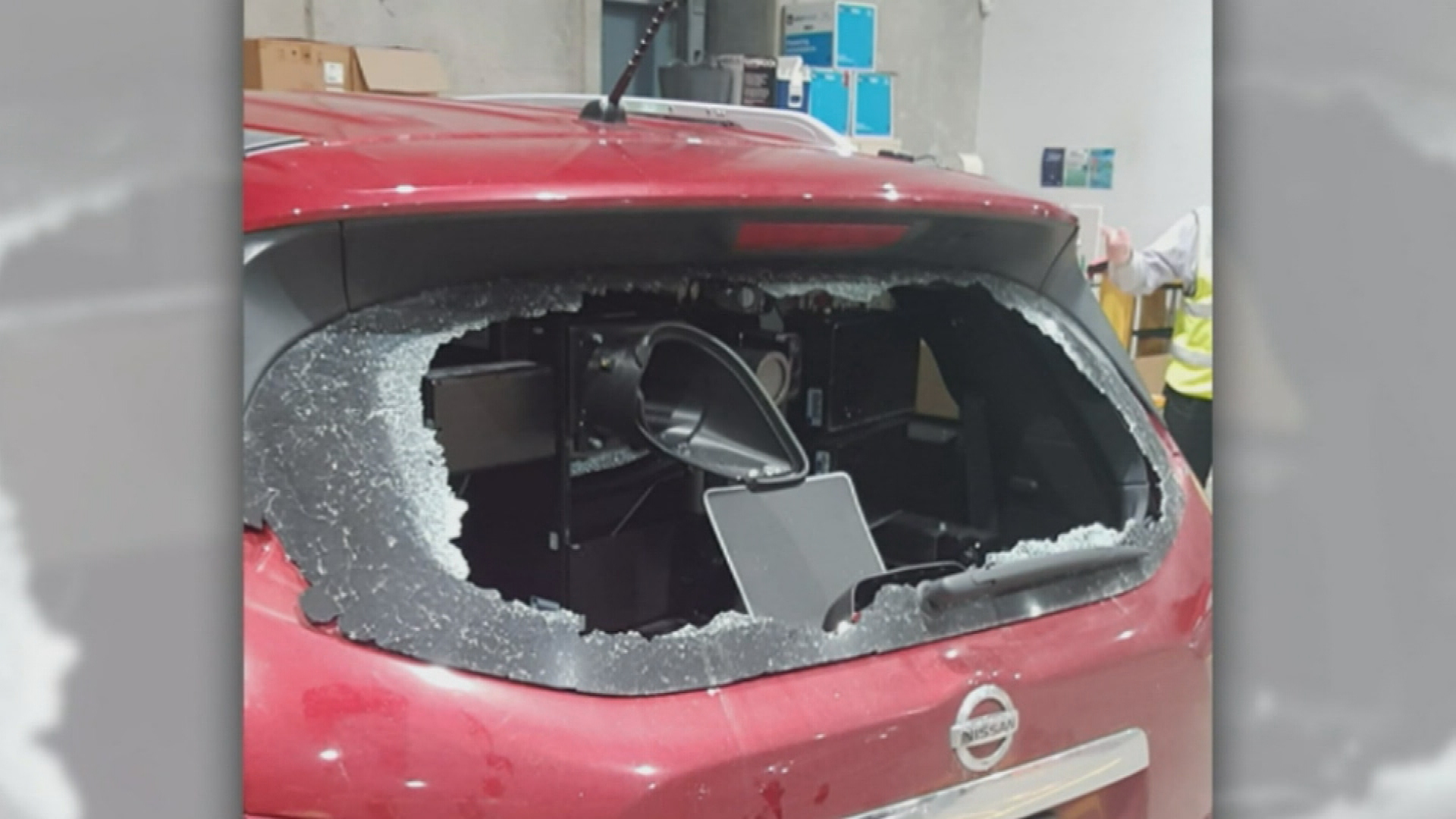
Another camera attendant was targeted in Rye on Monday, when a golf ball went through the back window while they were inside.
Serious two-car crash near Hastings
Emergency services are at a serious crash near Hastings which is expected to close the road for some time.The two-car crash happened at 6.10pm just south of Brookfields Road on Pakowhai Rd.Police said that more than one person…