They’ve powered some of New Zealand’s biggest deluges in recent years, causing millions of dollars in flood damage – and another is forecast to dump more than 100mm of rain on the Bay of Plenty early this week.Now, scientists have…
Tag Archives: oceania
Rotorua loses legend: Lady Kuia Morrison has died
Renowned Rotorua matriarch Lady Kuia Morrison has died.Lady Kuia, the wife of the late Sir Howard Morrison, has been a fixture of the Rotorua community for decades.According to a Facebook post from Te Arawa, Lady Kuia died on…
Shinzo Abe killing raises questions over police as Japan mourns
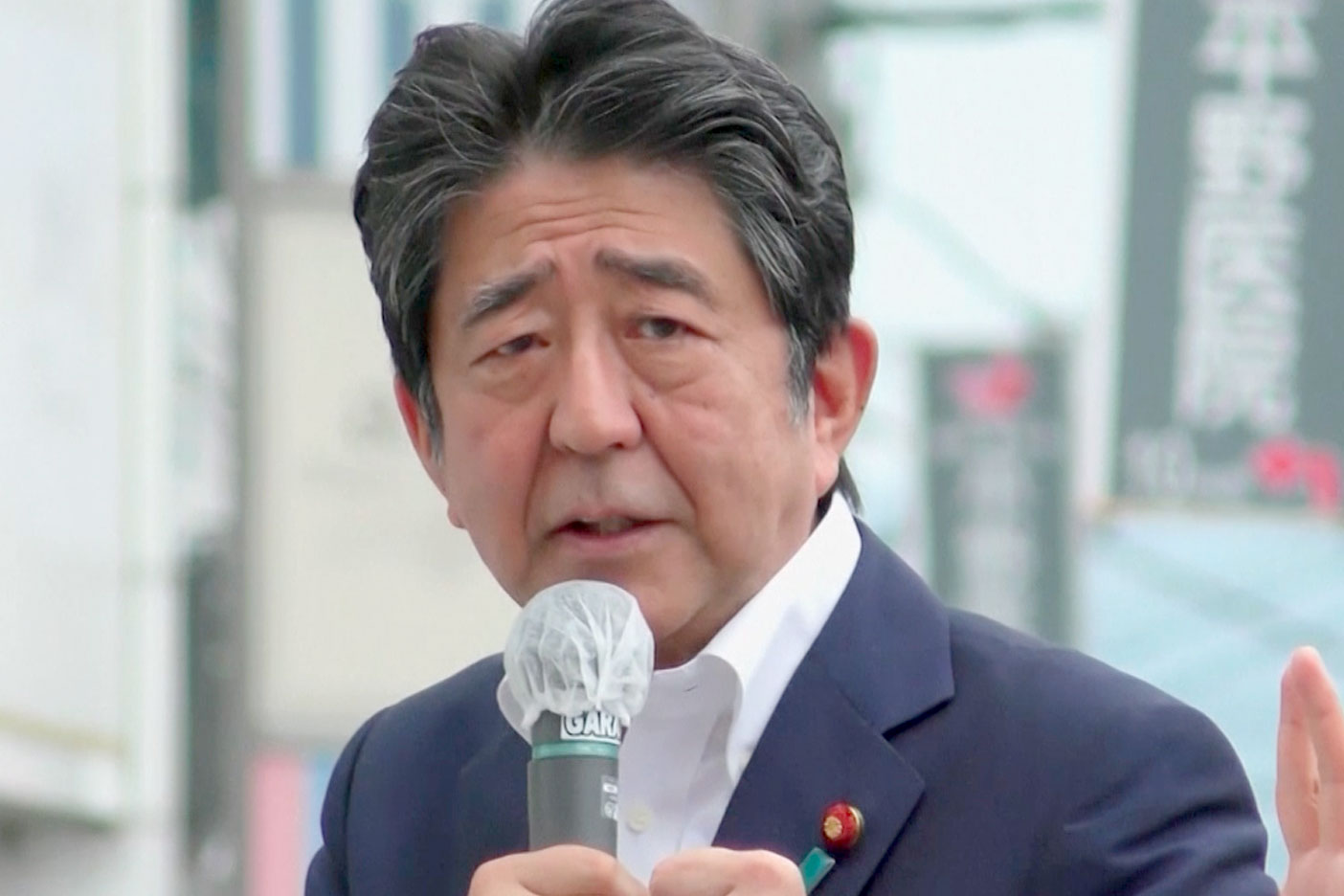
A top police official has acknowledged possible security lapses that allowed an assassin to fire his gun into former Japanese Prime Minister Shinzo Abe while he was addressing a campaign rally, raising questions how could the attacker get so close behind him.
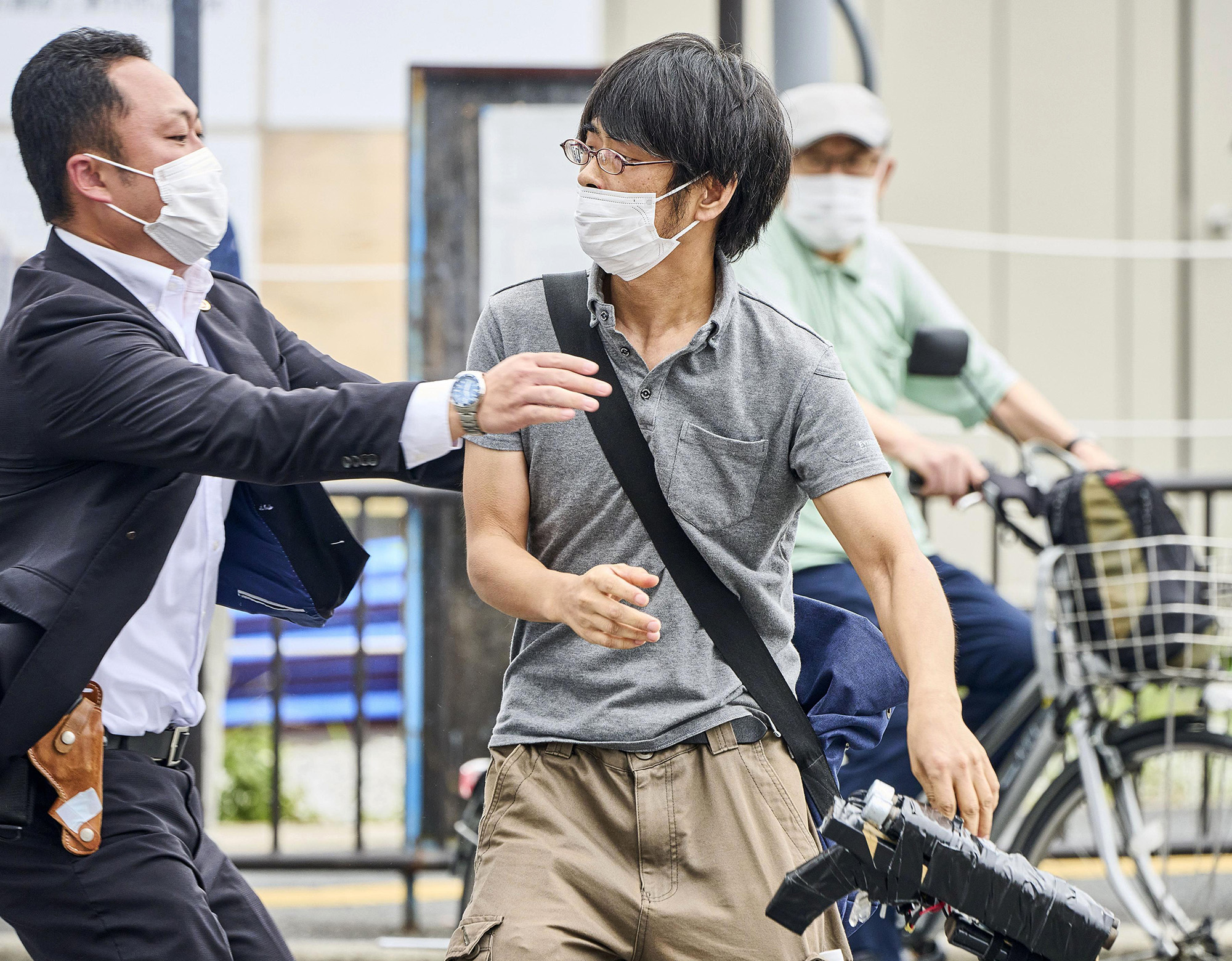
Abe was shot in the western city of Nara on Friday and airlifted to a hospital but died of blood loss. Police arrested the attacker, a former member of Japan's navy, at the scene. Police confiscated his homemade gun and several others were later found at his apartment.
The attacker, Tetsuya Yamagami, told investigators he acted because he believed rumours that Abe was connected to an organisation that he resents, police said.
READ MORE: Body of assassinated former Japanese leader Shinzo Abe arrives back in Tokyo
Japanese media reported that the man had developed hatred toward a religious group that his mother was obsessed about and that caused his family financial problems. The reports did not specify the group.
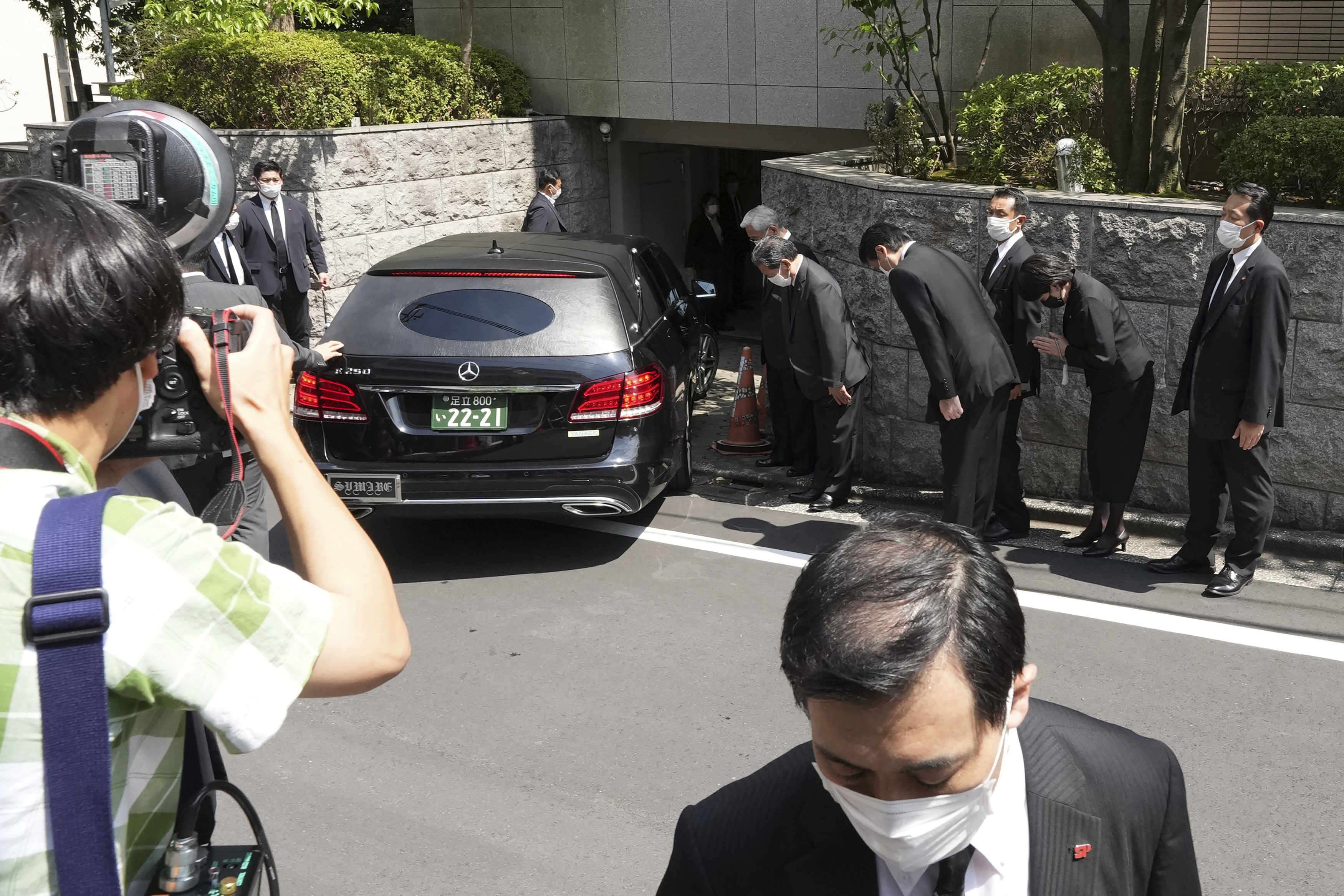
On Saturday, a black hearse carrying Abe's body and accompanied by his wife, Akie, arrived at his home in Tokyo's upscale residential area of Shibuya. Many mourners, including top party officials, waited for his remains and lowered their heads as the vehicle passed.
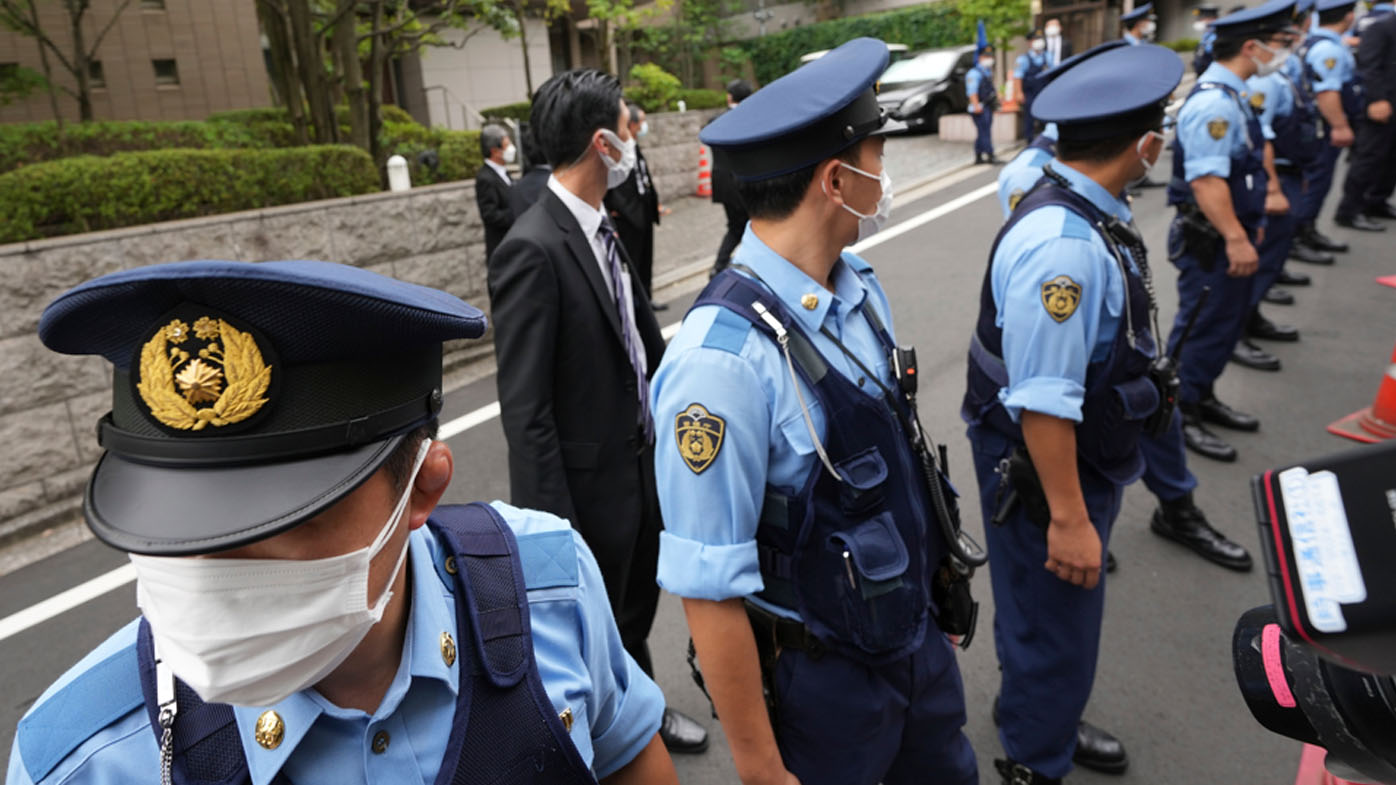
Nara prefectural police chief Tomoaki Onizuka said Abe's assassination was his "greatest regret" in a 27-year career. "I cannot deny there were problems with our security," Onizuka said.
"Whether it was a set-up, emergency response, or ability of individuals, we still have to find out. Overall, there was a problem and we will review it from every perspective."
EXPLAINED: Who is Shinzo Abe?
Abe's assassination ahead of Sunday's parliamentary election shocked the nation and raised questions over whether security for the former prime minister was adequate.
Some observers who watched videos of the attack noted a lack of attention in the open space behind Abe as he spoke.
A former Kyoto prefectural police investigator, Fumikazu Higuchi, said the footage suggested security was sparse at the event and insufficient for a former prime minister.
"It is necessary to investigate why security allowed Yamagami to freely move and go behind Mr Abe," Higuchi told a Nippon TV talk show.
Experts also said Abe was more vulnerable standing on the ground level, instead of atop a campaign vehicle, which is usually the case but was reportedly unavailable due to his hastily arranged visit to Nara.
"Looks like police were mainly focusing on frontward, while paying little attention to what's behind Mr Abe, and nobody stopped the suspect approaching him," said Mitsuru Fukuda, a crisis management professor at Nihon University.
"Clearly there were problems."
Fukuda said that election campaigns provide a chance for voters and politicians to interact because "political terrorism" was extremely rare in postwar Japan.
But Abe's assassination could prompt stricter security at crowded events like campaigns, sports games and others.
During a parliamentary debate in 2015, Abe resisted suggestions by an opposition lawmaker to beef up his security, insisting that "Japan is a safe country."
Rising cost of living the latest blow for gyms doing it tough
It's been blow after blow for Victorian gyms and fitness studios in the past two years, with owners saying they feel like they have been "hit from every angle".
The rising cost of living is the latest blow, and it comes as trainers and gym members continue to be taken out of the gym by waves of the flu and COVID-19, and after lockdowns and negative talk about hygiene at the facilities hit hard last year.
Many gym owners say they "just hanging in there" after watching numerous fellow fitness businesses throw in the towel.
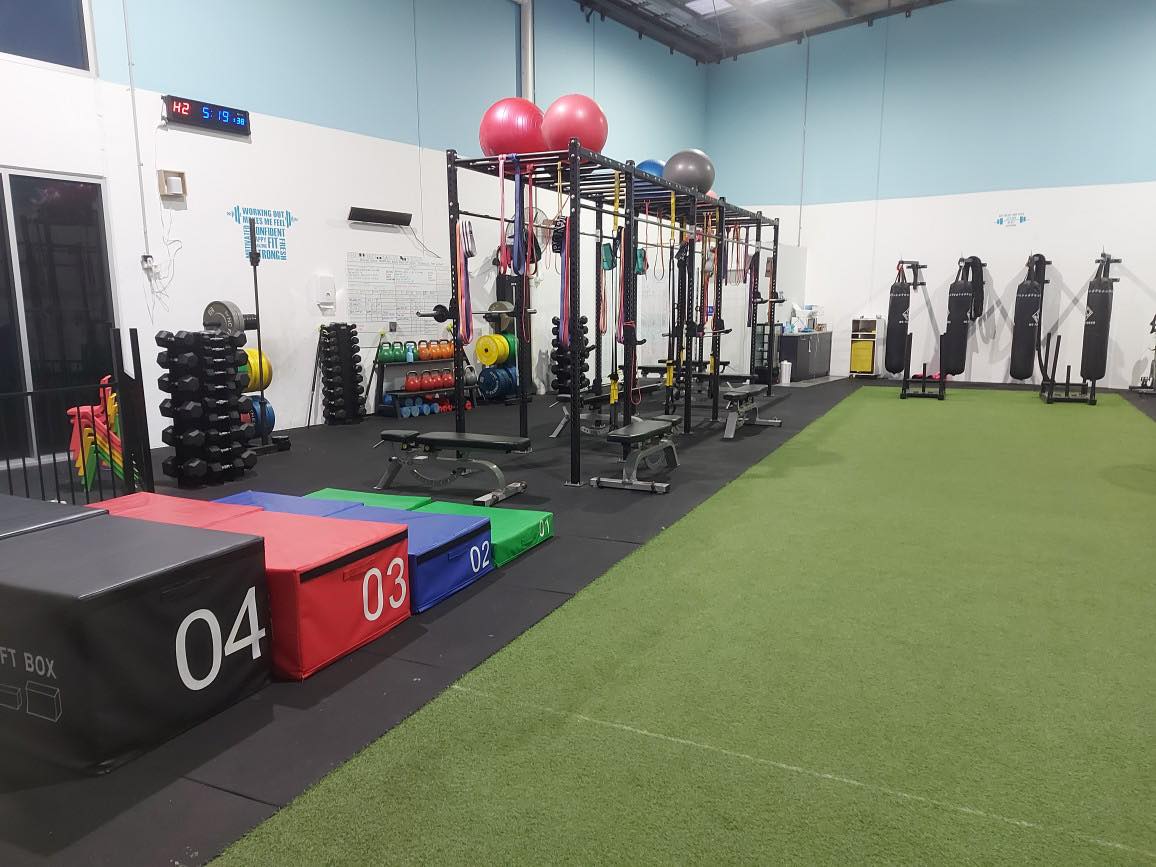
Cameron Robinson, who has run Fit X Sunbury for about five years, said this is the first year clients have been telling him they cannot afford to continue their memberships.
His small business has lost about 10 per cent of its members in the past couple of months, including three people who left in one week, saying they just couldn't afford it anymore "with everything else going on in the world".
"When you work with a smaller number of people anyway, when you lose 10 per cent it's a pretty significant hit to your budget," he said.
"Since everything's gone up – especially probably petrol being the big one – we're finding this year we're trying to throw out more specials, and offer cheaper sessions that just drag those extra people into the gym."
Sophia*, who owns two F45 gyms in Melbourne's south-east, said the rising cost of living had definitely caused a drop in membership recently – as well as a rise in the business expenses.
"We are 50 per cent down on what we were two years ago and of course our costs have increased dramatically," she said.
"And in the short term, I don't think it's going to get any better.
"I guess a lot is going to depend on what happens with interest rates in the next couple of months. People are reassessing their spending."
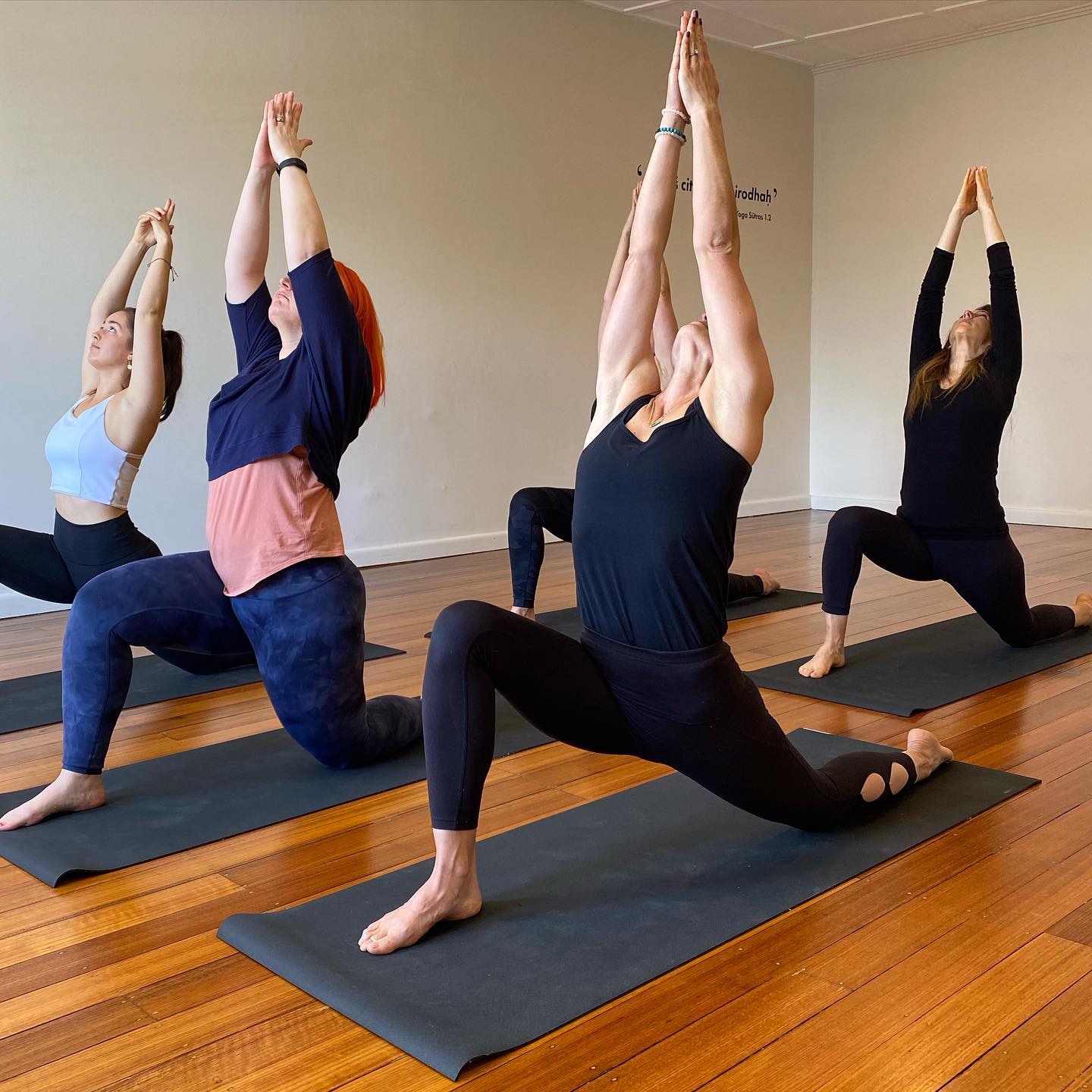
Maxine Yeates, who runs Soul Seed Yoga in Mentone, has also noticed members are "feeling the pinch" of living costs the past couple of months.
"We have seen a dip in the last sort of month or two," she said.
"Some people haven't renewed passes when they've been quite regular previously."
From bad to worse
Sophia said the rising cost of living was just "another whammy" after what had already been an exceptionally tough year for gyms on the back of six periods of lockdown.
"It's just seems like it's been this constant battle of getting people back into the studio – we've been hit from every angle," she said.
"With people getting COVID-19, the flu and now that they can travel, gym memberships have gone out the window."
Many gym owners' busiest period – January and February – was derailed this year by the surge of COVID-19 cases brought by the Omicron wave.
AusACTIVE CEO Barry Elvish, who runs the united body for Australia's health and wellbeing industry, agreed gyms "didn't get the kick you'd normally get at the start of a year where people make New Year's resolutions and that kind of stuff".
Yeates said her business also missed the regular January "massive uptick" in membership.
Since then, membership has continued to be hit by people continuing to get COVID-19, as well as the flu.
"A lot of people that have just been knocked out with the flu and colds," Yeates said.
The gym owners explained that people getting sick and taking a break from training – and their routine – often led to longer absences from the gym.
Elvish said the increased prevalence of the flu in the community was also likely to make people hesitant to attend group scenarios, like gym classes.
"In terms of another virus or people again, they've got their their antennae very much on high alert."
Sophia said Victoria's "cold and miserable" weather was also taking its usual toll on people choosing to get to the gym.
"But I feel like this year, it's been worse because it's coupled with school holidays and people can now finally travel, so everybody is going away," she said.
Sophia believes the Victorian government "painting the picture that gyms were not safe" from the risk of COVID-19 in 2020 and 2021 has also taken a toll on the mentality of Victorians.
"Everybody thinks we've all bounced back to normal. It's has not been the case," she said.
Elvish agreed Victorian gyms have had it much tougher than those in other states, where his organisation is observing that the industry isn't struggling nearly as much.
"Without a doubt the experience of Victoria found that this was the worst nationally. And that's not just because they had the longest lockdown," he said.
"They were being really crucified in the press by chief health officers and others making some pretty unhelpful statements about how unclean (gyms) were and so on."
Yeates said she had recently been in Queensland, where gyms seemed to be in much better positions.
"It's very different up there – that felt quite apparent for us," she said.
Sad landscape for gym owners
Sophia claimed to know of two Melbourne F45 gym studios that have closed as a result of financial pressures.
Robinson and Yeates are also aware of multiple gyms in their areas that have closed in the past year.
"There's far too many yoga gyms closing down than should be," Yeates said.
"A lot of us are just hanging in there."
For now, all gym owners can do is ride out the difficult situation and hope their industry will see some return to normality as the world adapts to changing circumstances – and as the weather improves.
"Hopefully it's a mad rush come spring," West said.
All four gym owners said the irony of people quitting their fitness memberships was that keeping moving was essential for their health at times of stress.
"I guess people will learn to live with the increased costs, and hopefully, they'll realise that one of the important things for them is their self care – and we'll see we'll see better attendance," Yeates said.
*Sophia requested her name be changed for this article.
GP who fled Ukraine for Australia still treats patients from war zone
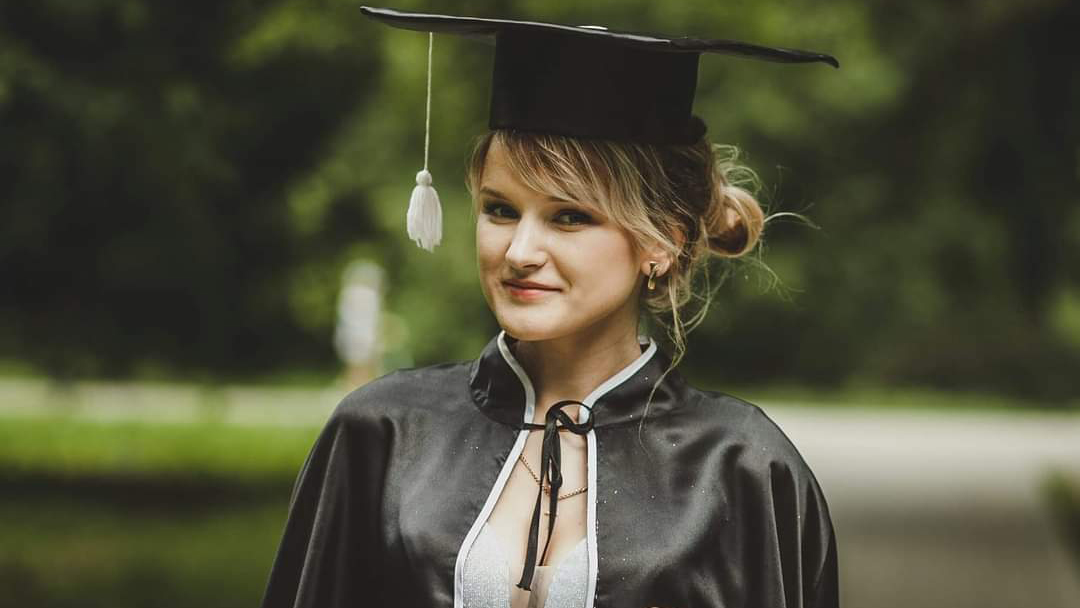
Iryna Humenna had recently graduated and was working as a GP when the war in Ukraine broke out earlier this year.
The 26-year-old, from the western city of Ternopil, was treating pregnant women and working across two hospitals.
But that all ended when Russia invaded in February.
READ MORE: Albanese pledges more Australian military aid for Ukraine during visit
Humenna recalled finding out about the deadly invasion before heading to work.
"When I was going to my hospital, I called my parents to find out if they knew about everything that was happening," she told 9News.com.au, via a translator.
"I was travelling to my clinic on public transport – everyone was overwhelmed, scared, in panic."
Her parents live in the countryside, so she had planned to head there.
But the family then decided it was safer leave the country altogether.
READ MORE: Russia claims control of pivotal eastern Ukrainian province
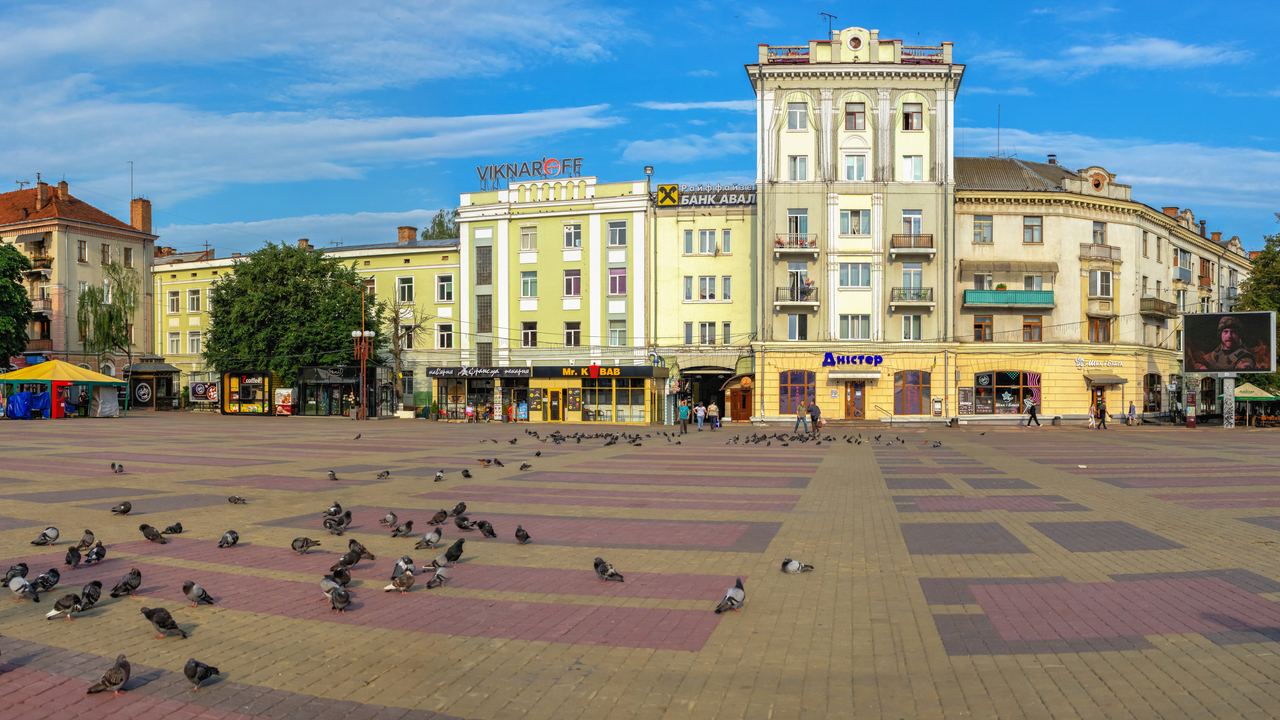
A distant relative in Australia helped, and the family, including her mother, sister-in-law, aunt and a cousin, made it to Poland during those early days of the war.
Humenna carried just one bag containing clothes and packed with medicine as she feared it might be hard to get access to any drugs they might need.
After eight days in a hotel near the border, as they needed to sort out paperwork, the group headed to Berlin, to fly to Sydney.

READ MORE: Pro-Russian officials targeted in three assassination attempts in Ukraine
And while she's now safe living in Strathfield in the inner west, she's still treating patients back in Ukraine.
She's not able to work as a doctor in Australia, until she goes through the long process of converting her qualifications.
"I'm still working with some of my patients. I'm in contact with three all the time, I'm trying to help them online," she said.
She also answers calls for help on instant messaging service Telegram.
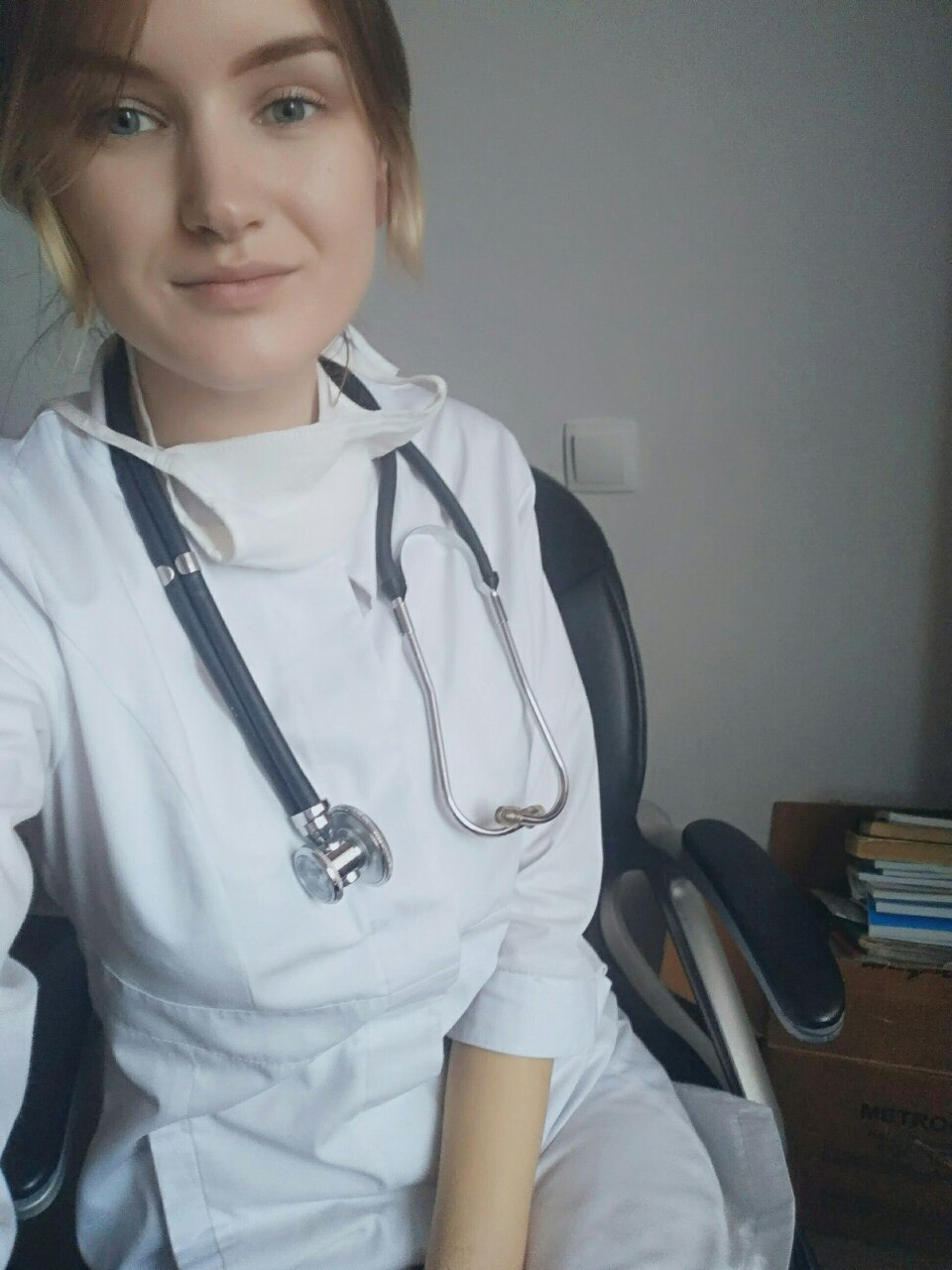
"It's called Medicine for Everyone, the aim is to help people in need of medical help," she said.
"We are trying to help people and I usually get requests for help from this channel too."
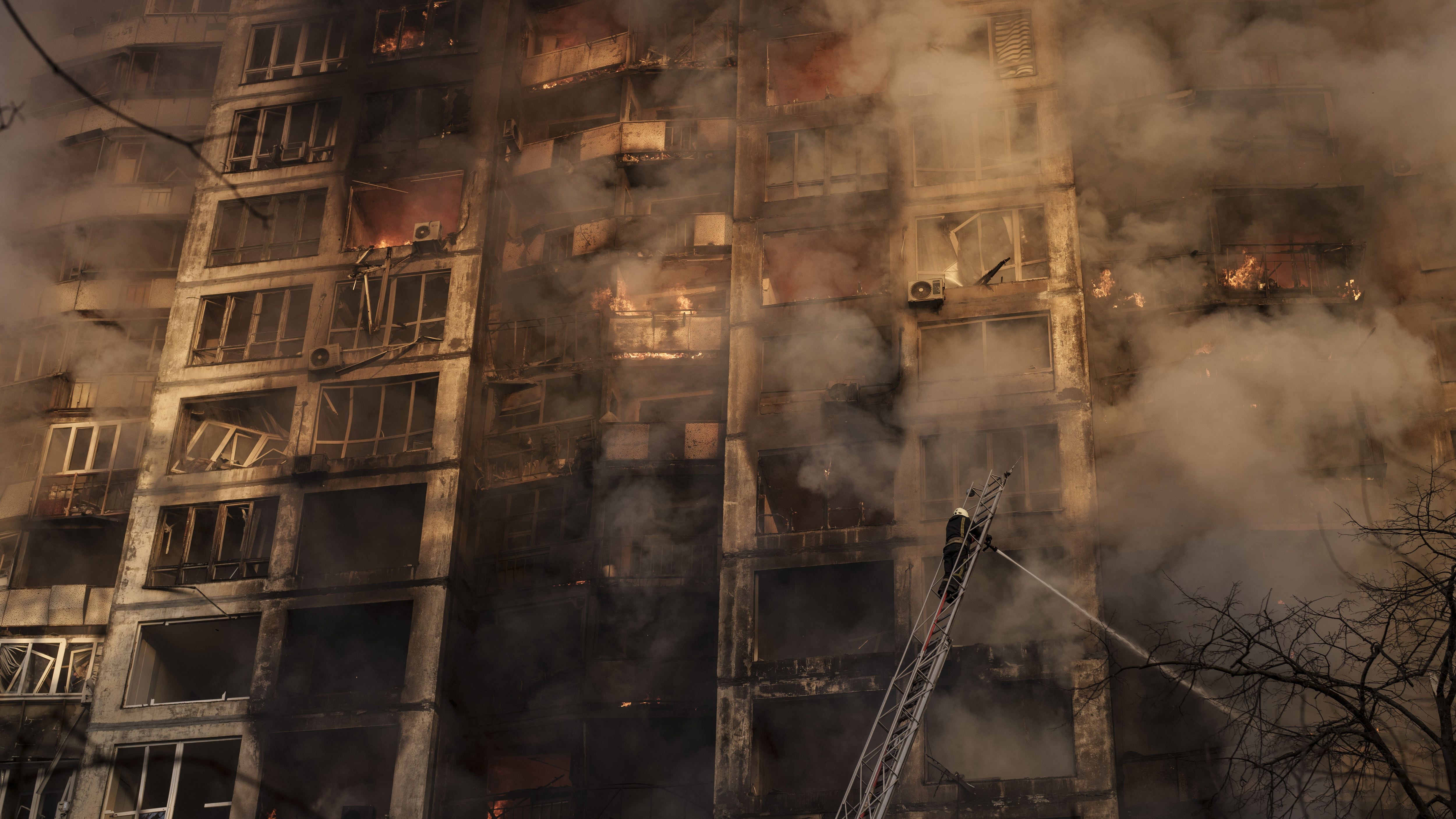
She said it "hurts" to watch the news from back home.
Her father and brother are still there, but are safe for now.
However, she said she has been "overwhelmed" by the kindness of Australians.
"They're sensitive when I'm talking about my country," she said.
"I'm surprised people who didn't suffer from the war, they can understand us and they offer help.
READ MORE: Russian hackers allegedly target Ukraine's biggest private energy firm
"That's the most amazing thing."
Humenna hopes to continue her career as a GP or as a gastroenterologist.
She has even taken her exams online from Australia.
But she admits the future is hard to think about.
"It's not an easy thing to dream about your life when your country is in a terrible situation," she said.
"For now the main dream for me is for the war to stop then I will start plans about my own life.
"I felt like I am safe. My family is safe, that was the main thing."
Humenna and her family in Sydney are being helped by Be Kind Sydney.
It has set up the Ukrainian Helping Hand Project to support Ukrainians arriving in Sydney.
The Department of Home Affairs says since 23 February 2022 it has granted over 8000 visas to Ukrainian nationals in Ukraine and hundreds more to Ukrainians elsewhere.
More than 3000 Ukrainians have already arrived in Australia.
The Department of Health told 9News.com.au there are a number of pathways international medical graduates, including doctors from Ukraine, can work towards registration in Australia.
"The Medical Board of Australia is responsible for all matters relating to the regulation of the medical profession in Australia," a spokesman said.
Settlement Services International (SSI) in Sydney is also helping refugees and asylum seekers get their qualifications recognised.
Ola Alhana, an SSI overseas qualification recognition facilitator, said it could take as long as five years for professionals like Humenna to be able to work as a GP in Australia.
"Any client who is ready and willing to initiate the process can feel overwhelmed about how long, difficult, and expensive the process is, on the top of all the changes in their new life," she said.
"But usually, after a while, they adapt to the idea of their career path changing for the next few years while they're getting their qualification recognised."
Running with the Bulls returns – and so do the injuries
The world-famous "running of the bulls" has returned to the Spanish city of Pamplona after a two-year hiatus.
Monkeypox in NZ: More cases likely after person in Auckland tests positive – expert
New Zealand can expect more cases of monkeypox in the coming weeks, an expert warns, following the news a person in Auckland has tested positive for the viral disease.The Ministry of Health announced the country’s first known case…
Teacher's five-year turmoil after unjustified dismissal from Auckland school
An Auckland teacher says he has been through mental and financial hell since being unjustifiably sacked five years ago after unproven allegations he touched three girls. The Employment Relations Authority ruled in favour of his…
Great Minds: Hamish and Kyle – On feeling SAD in winter
In this web series, psychotherapist Kyle MacDonald and Nutters Club co-host Hamish Williams look at mental health and how to navigate some of the more challenging parts of modern life. Today they talk about seasonal affective disorder….
Kiwi Thor director Taika Waititi and singer fiancee Rita Ora's loved-up red carpet walk
STAY IN THE KNOW. SIGN UP TO OUR DAILY NEWSLETTERS HERE. He was a boy from East Cape. She was a girl from Kosovo.This week, Kiwi director Taika Waititi and British singer Rita Ora did a red carpet turn for his latest Marvel…