A Dunedin man has taken responsibility in front of a community magistrate for his part in the Forsyth Barr Stadium illegal car meet-up a couple of weeks ago.About 400 to 500 modified cars gathered in the car park on June 25 . Police…
Tag Archives: oceania
Minister's stark warning about assassination in Australia
Australia's shadow minister for foreign affairs has issued a stark warning about possible assassination attempts in our own backyard after the murder of Japan's former prime minister Shinzo Abe.
Karen Andrews told Today that recent assassinations including Abe and British lawmaker David Amess raise concerns within Australia about the security of parliamentarians.
"I hate to say this, but it is a matter of time until we experience such an assassination attempt in Australia," she said.
READ MORE: Police raid home of Shinzo Abe murder suspect
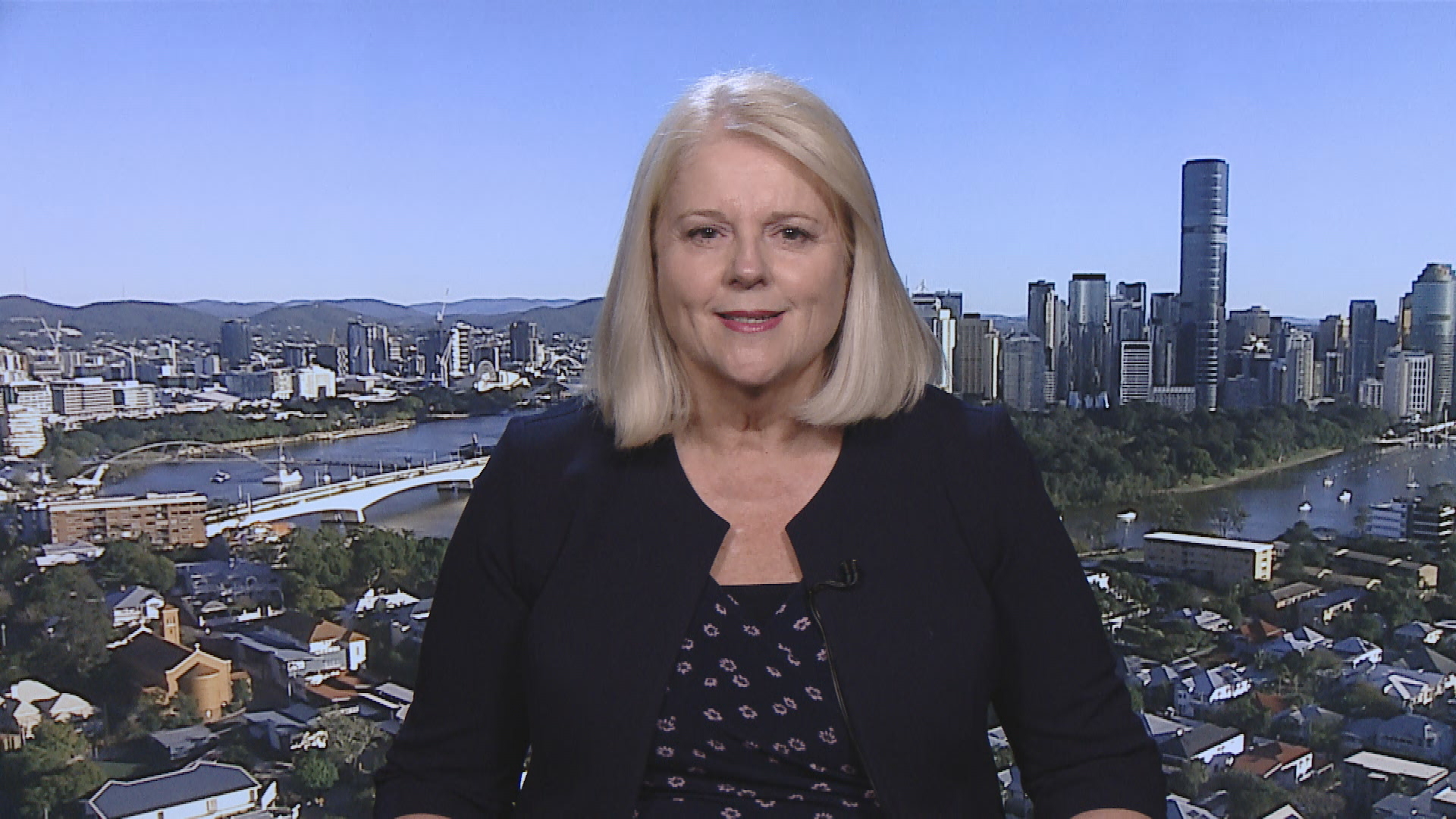
Andrews said the security of current and former parliamentarians was at the forefront of conversations following the assassination of Amess but it now needs to be revisited following the death of Abe.
"These are really good questions that should go to the commissioner of the Australian Federal Police," Andrews said.
Andrews said the shooting murder of Abe is "shocking" and seemed completely random.
"It seems to have come from nowhere," she said.
"It will be interesting to see how much intel the security forces in Japan actually had."
Andrews added Australian authorities are devastated by the loss of Abe.
"Our relationship with Japan is so important to us," she said.
READ MORE: Elon Musk says he's terminating $63 billion Twitter buyout deal

"The fact that we have now lost a very close friend Shinzo Abe is very, very devastating for us and of course, it's devastating for Japan."
A suspect remains in police custody following the assassination of Abe after police found explosives during a raid of his apartment.
Tributes have grown for Japan's longest-serving prime minister both across Australia and around the globe with world leaders expressing their shock and sadness.
Weather: Snow, rain, wind forecast for school holidays start, Auckland Harbour Bridge lower speeds limits
It’s set to be a wet and windy start to the school holidays for many, with heavy rain and wind watches in place across the country. Motorists are advised to expect delays on State Highway 1 at Karapiro after a tree came down near…
Auckland trust struggling to provide homes for families after Government funding cuts
Stephen Forbes, Local Democracy Reporter A social housing provider says it is struggling to provide homes for families stuck in transitional housing after a Government decision to cut funding for a rental scheme.In October,…
Police appeal for information over Kiwi teen who fled Australia
New Zealand police are urging a Kiwi teen who fled her Australian-based family and returned here to contact them. And they also want anyone who knows where she is to get in touch with them.The Herald revealed on Friday night that…
A look at high-profile political assassinations this century
As the world is left shocked by the assassination of former Japanese prime minister Shinzo Abe, we take a look at the other high-profile political assassinations this century.
Police raid home of Abe murder suspect
A suspect remains in police custody following the assassination of former Japanese prime minister Shinzo Abe, after police found explosives during a raid of his apartment.
Tributes have grown for Japan's longest-serving prime minister both across the nation and around the globe with world leaders expressing their shock and sadness.
Nara-nishi police said in a news conference on Friday that Yamagami Tetsuya, a 41-year-old unemployed man, was responding calmly to questions and had admitted to attacking Abe, telling investigators he had plotted to kill Abe because he believed rumours about the former leader's connection to a certain organisation that police did not identify.
READ MORE: World leaders 'shocked' by the death of Shinzo Abe
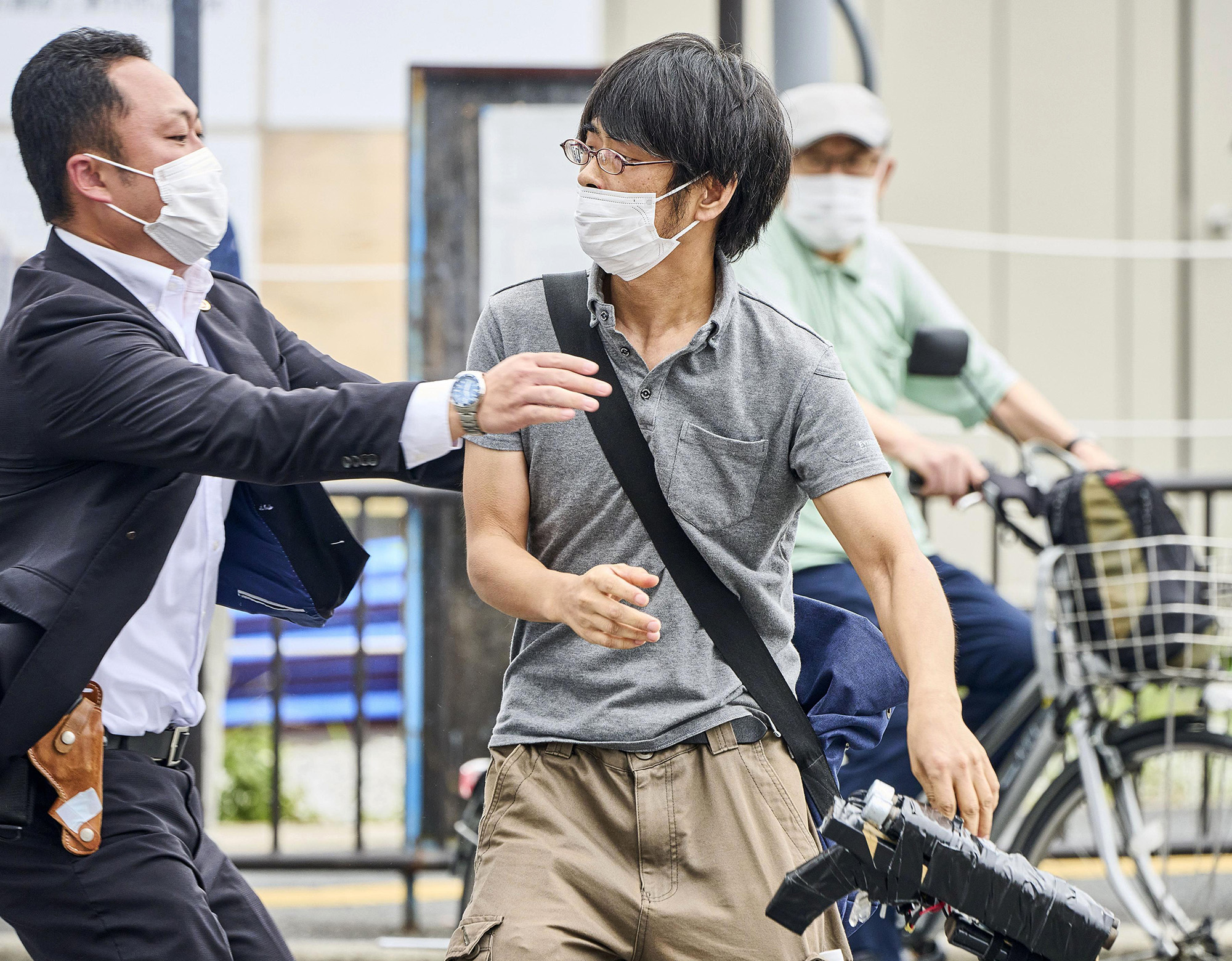
Eryk Bagshaw, reporter for Sydney Morning Herald, told Today Yamagami's motive is related to a religious cause.
"It appears he has told police that there is a religious connection to his assassination of Abe," he said.
The suspect had been arrested at the scene and later charged with attempted murder, according to local broadcaster NHK.
Yamagami is now being investigated on suspicion of murder police say, with a taskforce of 90 investigators dedicated to the case. Police are also looking into whether he acted alone.
It's been reported the suspect's neighbourhood had been cleared after a number of explosives were found along with handmade weapons during the raid.

Police said they searched the one-bedroom apartment at 5.17pm (6.17pm AEST) confiscating several homemade pistol-like items during the raid, along with his personal computer.
Dressed in protective gear, including helmets and body armour and carrying protective shields, several police officers made their way into the building NHK identified as the home of the suspect.
READ MORE: Obituary: Shinzo Abe leaves a divided legacy
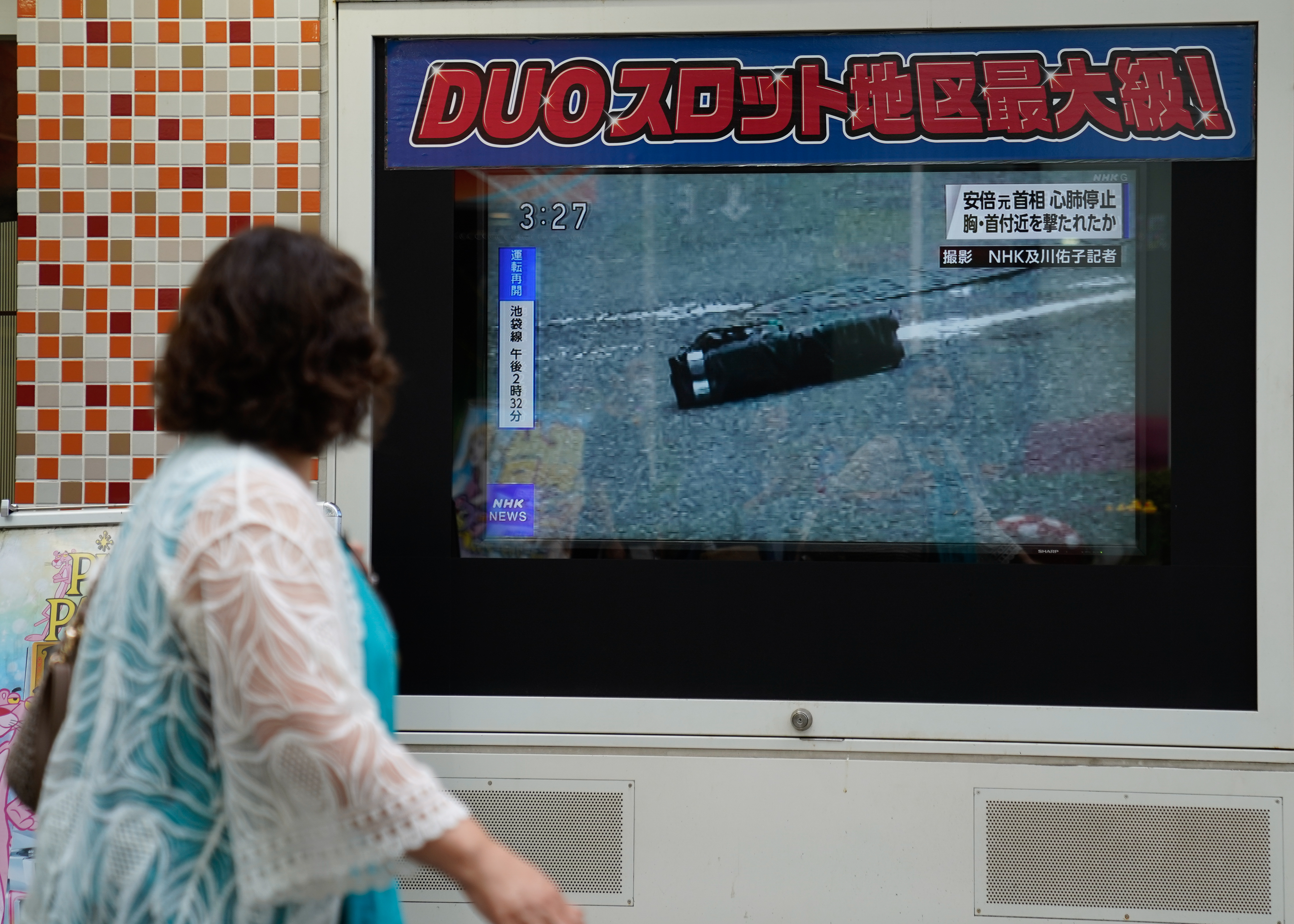
Yamagami allegedly shot at Abe from behind using a 40 centimetre-long homemade weapon. Police said the gun in the shooting was made using a mix of materials such as metal and wood.
However, they are unable to say whether the weapon was made using a 3D printer, the BBC reports.
It's been reported the suspect, a former member of Japan's navy, said he wanted to kill Abe because he had complaints about him unrelated to politics.
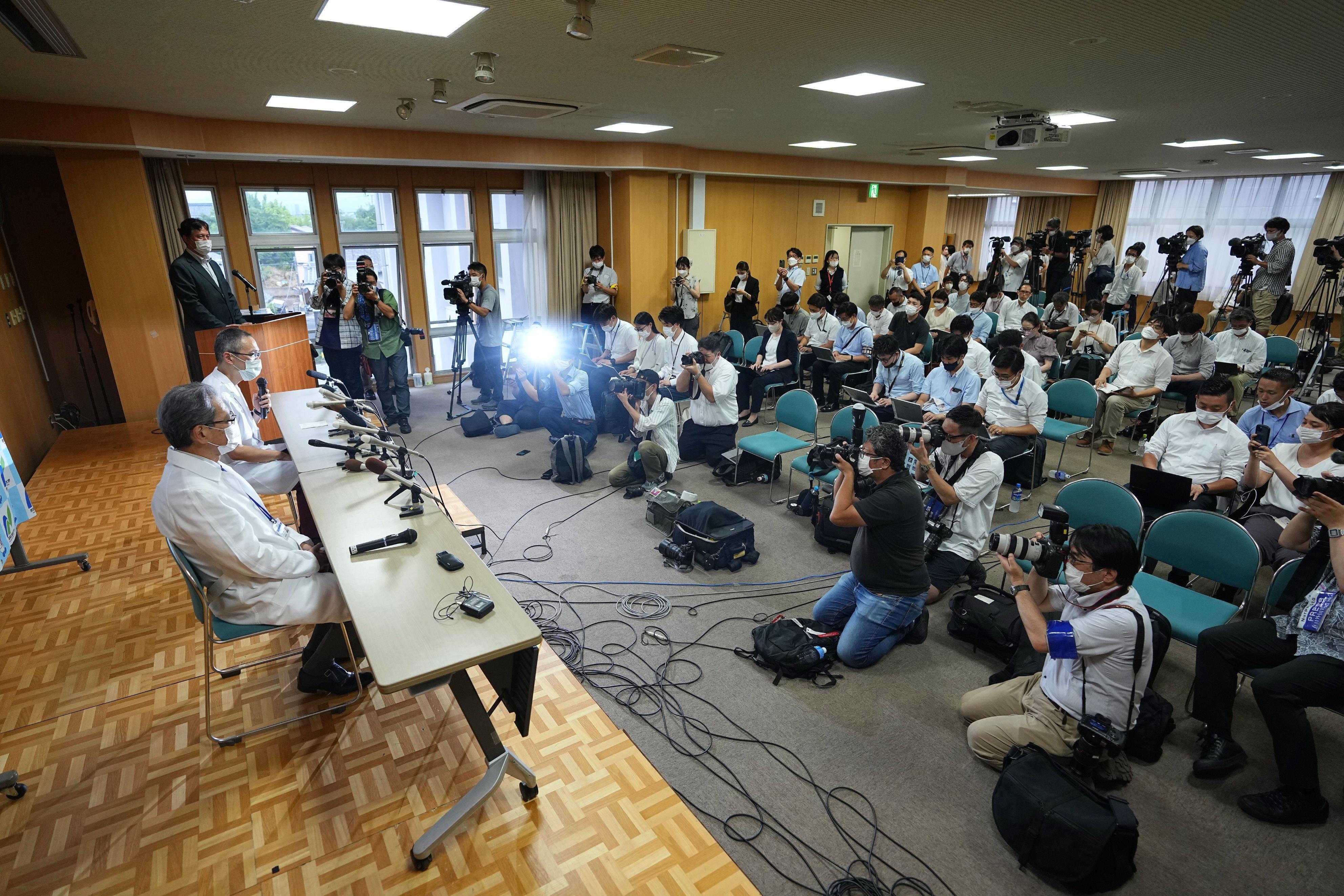
Abe died from excessive bleeding and was pronounced dead at 5.03pm (6.03pm AEST), doctors at the Nara Medical University hospital said during a press conference on Friday.
The doctors said the bullet that killed the former Japanese leader was "deep enough to reach his heart" and a team of 20 medical professionals were unable to stop the bleeding.
EXPLAINED: Who was Shinzo Abe?
Abe went into cardiopulmonary arrest (a term used to describe the sudden loss of heart function and breathing) at the site of the shooting and was rushed to hospital in a state of cardiac arrest at 12.20pm (1.20pm AEST), doctors said.
During surgery, doctors discovered a bullet wound to the 67-year-old's neck and a large wound on his heart.
Video aired by the public broadcaster captured the moments before the shooting, showing Abe speaking to a small crowd in front of Yamatosaidaiji railway station.
In subsequent videos, two shots can be heard and smoke can be seen in the air.
Photos of the scene show people gathered around the former leader as he lay in the street, with what appeared to be blood stains on his white shirt.
He was rushed to hospital via helicopter, where medics began frantic efforts to keep him alive. But Abe's heart had stopped beating by the time he reached the hospital, doctors said.

The former leader had two bullet wounds, one on the front of his neck and a large wound on the heart, they said. But doctors could not determine the trajectory of the bullet.
During surgery, doctors struggled to stem the bleeding and Abe died from a loss of blood. "We took resuscitative measures, but (Abe) unfortunately died," Hidenori Fukushima, a professor at Nara Medical University, told a press conference.
Akie Abe, the wife of Japan's former prime minister Shinzo Abe, arrived late Friday at the hospital where her husband was pronounced dead.
Nation in mourning
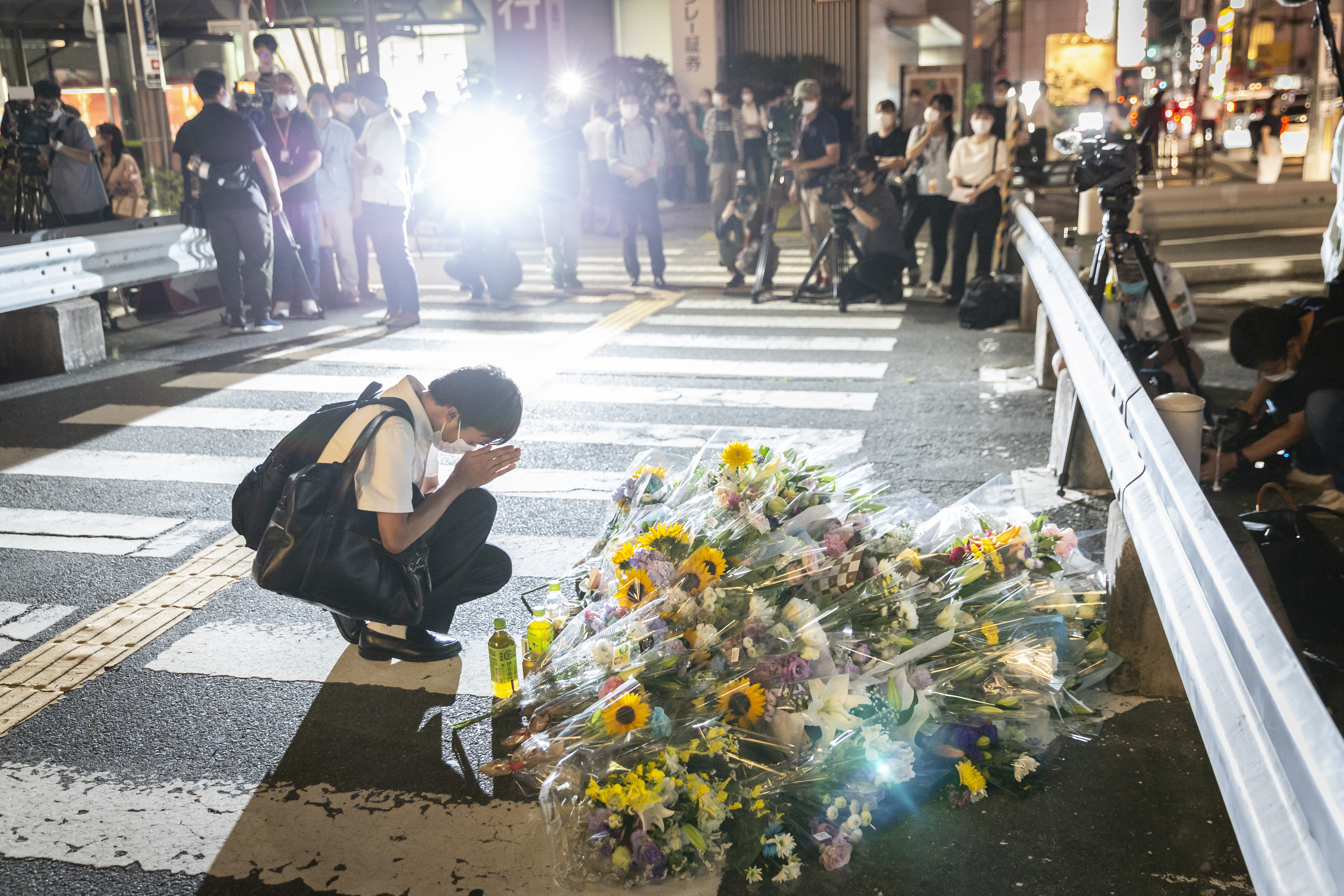
People have been laying flowers at the scene of the shooting in Nara, as shockwaves of Abe's death ripple across Japan.
A makeshift shrine emerged at Yamato-Saidaiji Station, where Abe was shot.
Many prayed for the former leader and his family as they paid their respects.
In Tokyo, people stopped to buy extra editions of newspapers or watch TV coverage of the shooting.
Meanwhile, social media companies including Twitter and Facebook scrambled to police videos on their platforms that break rules on harmful content.
Multiple videos of the attack by a gunman who fired a homemade, double-barreled weapon twice at Abe circulated on social media. Some only show the moments before and after the attack while others showed both shots.
Japan's low gun crime
Abe's assassination has shocked Japan, which has one of the lowest rates of gun crime in the world due to its extremely strict gun control laws.
The nation reported only one death due to firearms in 2021, according to the National Police Agency. A total of 10 firearm-related incidents were reported in the country in 2021 — up from seven in 2020.
Eight of the 10 reported incidents were gang-related, the agency's report states.
In the past five years, the highest number of firearm-related deaths per year reported in Japan was four.

The data indicates just how rare gun violence is in Japan, which can be credited to its strict gun ownership laws and thorough background check processes.
In 2018, Japan reported nine deaths from firearms, compared with 39,740 that year in the United States.
Under Japan's firearms laws, the only guns permitted for sale are shotguns and air rifles – handguns are outlawed. But getting them is a long and complicated process.
The last high-profile shooting occurred in 2019, when a former gang member was shot at a karaoke venue in Tokyo.
Nancy Snow, Japan director of the International Security Industrial Council, told CNN that Friday's shooting will change the country "forever."
"It's not only rare, but it's really culturally unfathomable," Snow said.
"The Japanese people can't imagine having a gun culture like we have in the United States. This is a speechless moment. I really feel at a loss for words. I pray for the best for the former prime minister."
Why do worms end up on footpaths after rain?
If you step onto the footpath after a night of rain, you might end up stepping on something gross.
Wriggling or writhing or drying out in the sun, one of the most reliable indicators of wet weather is a worm on the footpath.
But why is it that worms meet such a fate?
READ MORE: Satellite images reveal the impacts of NSW floods

As bizarre as it may seem, worms are surfacing during rain on purpose, according to eco-taxonomist Rob Blakemore.
During the daytime worms cannot surface because the soil is too hot and dry.
It also means they're more likely to fall victim to being eaten by even the least early bird.
"After rain and especially at night they are more free to roam," Blakemore told 9News.com.au.
"Often seeking a mate (which may be difficult to find underground) or to chance new territory."
READ MORE: Two viruses now in Bali a '$100 billion' timebomb for Aussie farmers
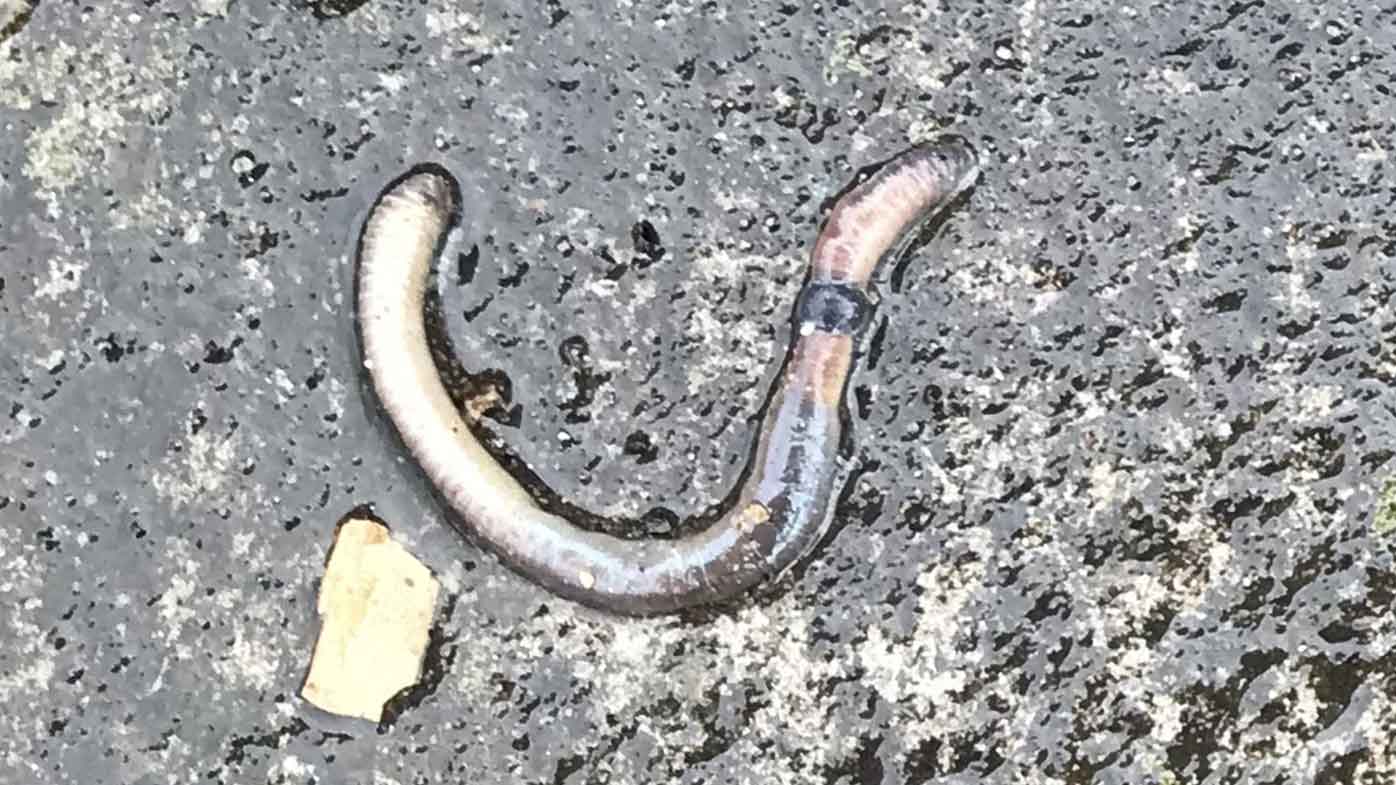
Mostly they are successful in their odysseys but the unlucky ones end up stuck on the footpaths.
So why do worms end up on footpaths?
"I guess worms just aren't that smart," Blakemore said.
"All their experience is that damp earth is diggable.
"When it is compacted or covered their instinct is to keep banging their heads until the sun is up and they die."
Blakemore said he once found many dead worms in a carpark about 20 metres away from any soil – indicating they can travel a long way at night.
"Why we see them on footpaths is that nowhere in their evolutionary history have they encountered asphalt nor cement nor crazy paving," he said.
"Stranded on the surface, when the sun comes up they soon succumb and we can find them floundering or dried out, often in their hundreds."
Drying out is a serious threat for worms, which must remain moist and covered in mucous in order to breathe through their skin.
Even though worms don't have eyes, they have light sensitive tissues in their head so they don't surface in the daytime.
Worms have been around for more than 500 million years, making them one of the earliest animals on Earth.
Footpaths, meanwhile, have only been around for around 4000 years, dating back to walkways in ancient Turkey.
With a full life in the wild, earthworms can live for six to eight years.
But if one finds itself stuck on a footpath, a worm would be lucky to survive more than a few hours.
READ MORE: Singleton appears to have passed peak flood level
Pics of the week: Museum prank lets punters pose with 'Boris' at job centre
Iconic waxworks museum Madame Tussauds found a new spot for their Boris Johnson sculpture after he announced his resignation.
Why this Indigenous woman led a protest 18,000km away
Theresa Ardler grew up on the sands of Australia's east coast, on the fishing boats of her community in the deep blue seas of the Pacific Ocean.
Born into tens of thousands of years of marine knowledge and humpback whale song, the Gweagal woman would spend entire days on the beaches of Wreck Bay.
She would dive deep below the bright water for abalone, conches and periwinkle to grill on makeshift fires on the sand of the beaches of the Indigenous community about 150 kilometres south of Sydney.

It was her community's connection to the ocean, and the humpback whales that glide through it, that drove her to a conference and a protest on the other side of the world.
Lisbon's Tagus River, about 18,000 kilometres from the Jervis Bay Territory village, is wide enough in parts to almost mistake for the ocean. The air is salty but it smells different to Ardler, not as strong as her home.
The educator and PhD candidate has been searching not for shellfish but for signs the world's governments are listening to First Nations peoples desperate to protect the oceans that sustain their lives.
The signs, she says, in the shade near a large water feature tucked away behind one of Portugal's most important churches, are not good.
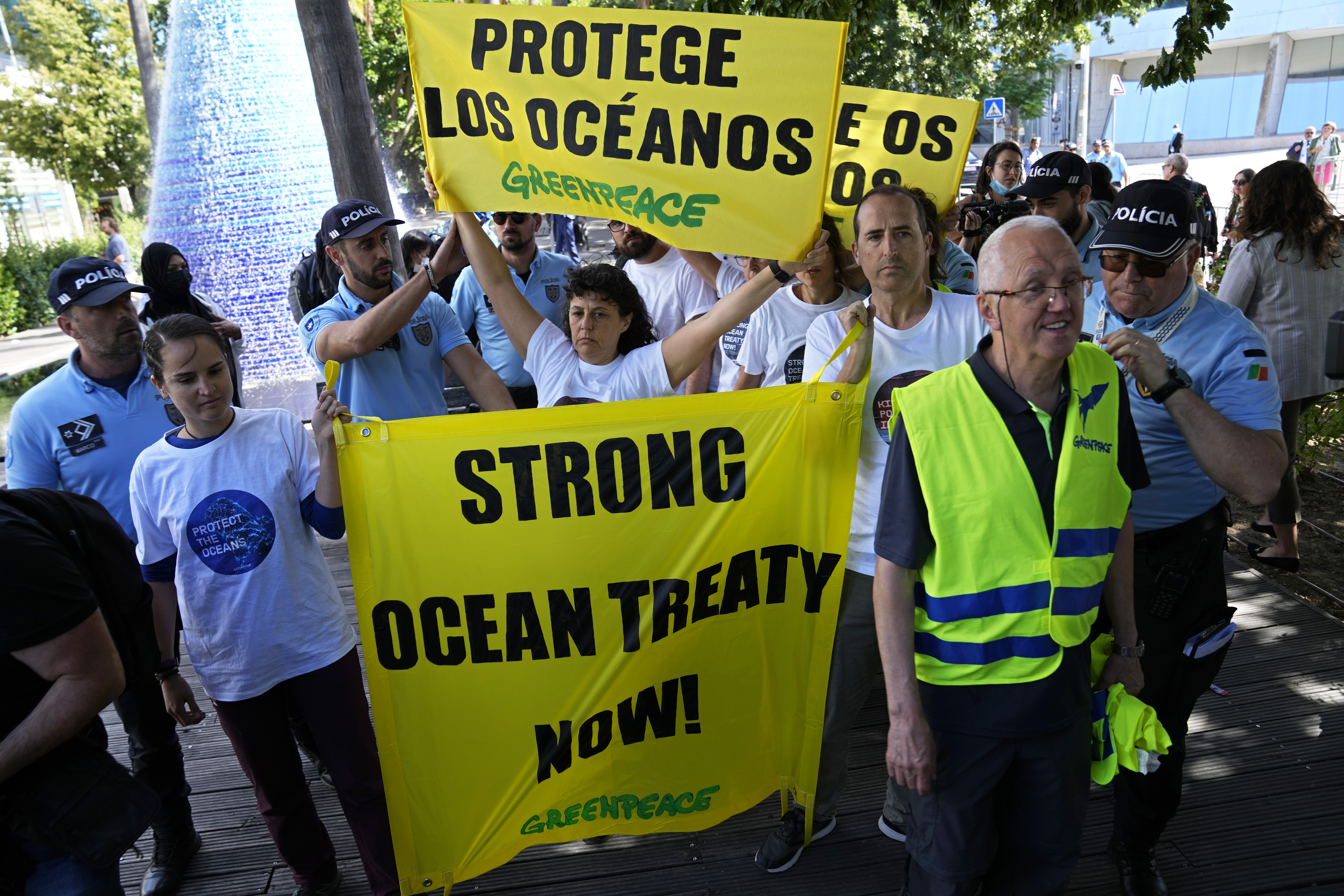
The peace of the fountain is in stark contrast to the previous day, when the 50-year-old marched with hundreds of others outside the UN Ocean Conference in Lisbon to protest government inaction.
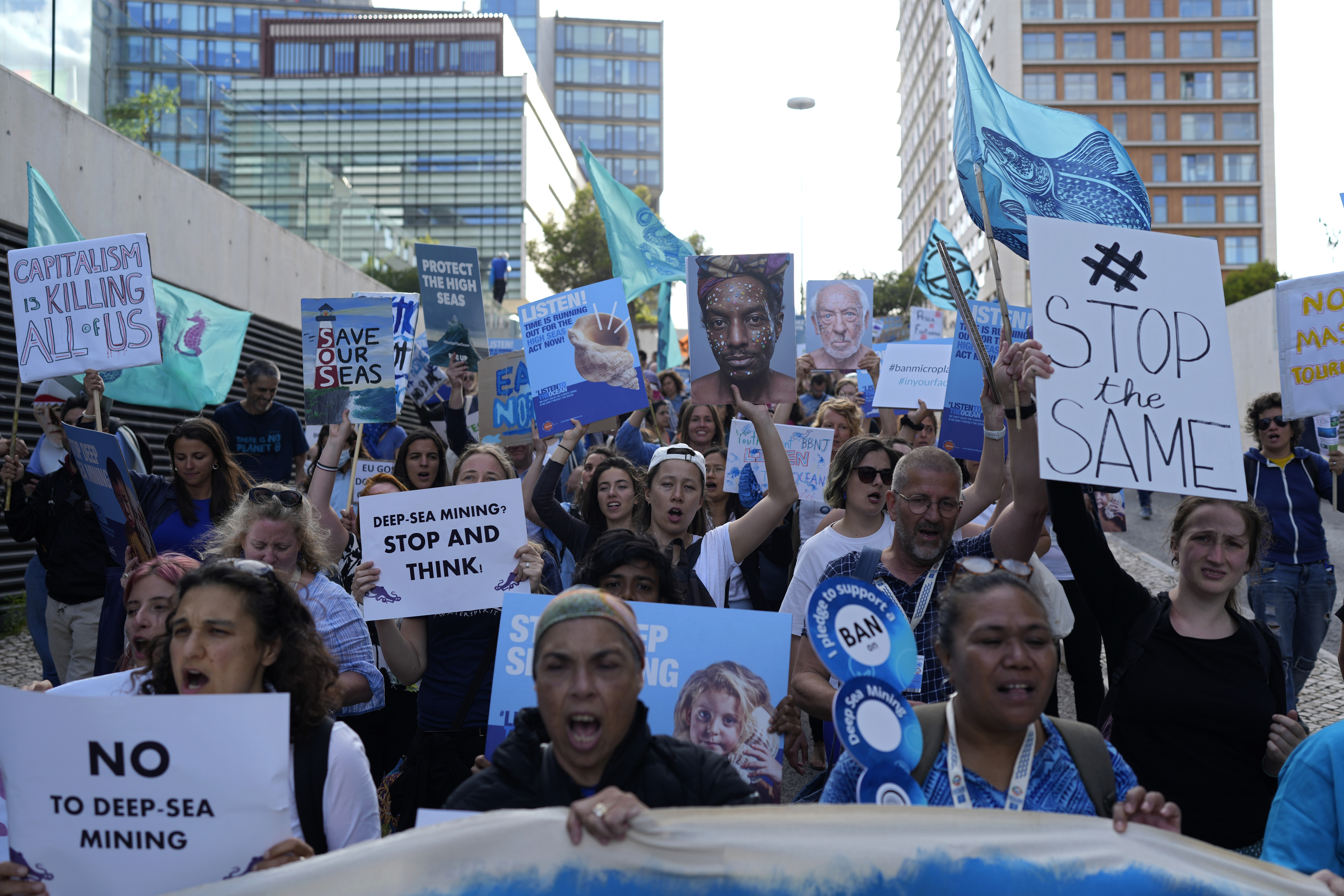
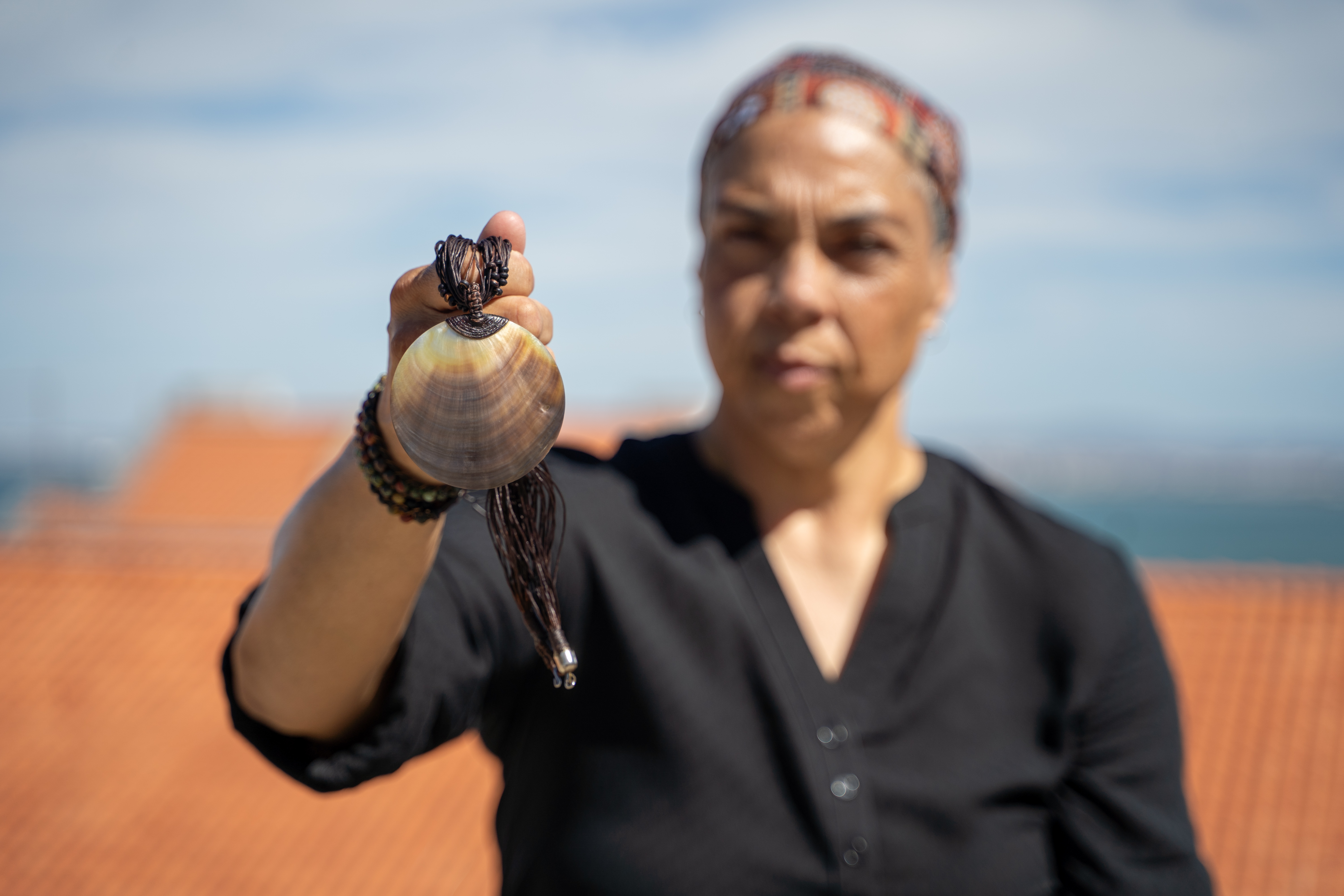
"What people, humans, are doing with the ocean at this time, they're killing the ocean slowly," she says, a clam-shell necklace from home fastened to her neck.
"And one day, the ocean is going to rise and take us all out. Because they will say 'think. It's enough. Stop hurting us'.
"Just like our land is our mother, so is our ocean."
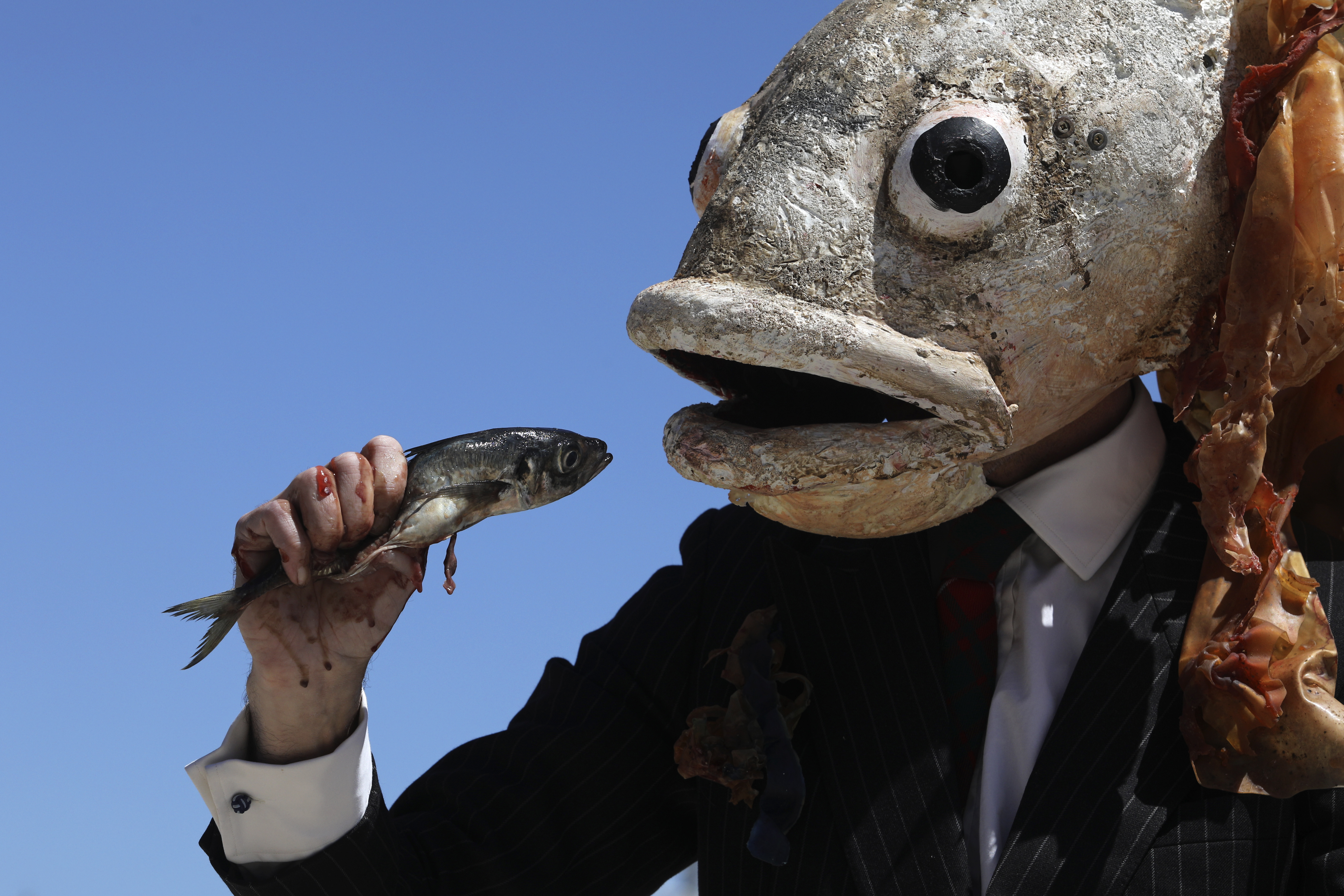
Ardler came to Lisbon as part of a faith-based group pushing back against large-scale overfishing, pollution and deep sea mining.
The anti-mining cause won support from French President Emmanuel Macron when he visited the Portuguese capital.

Macron acknowledged the failure of world leaders to update an international treaty, known as the Convention on the Law of the Sea, High Seas, to include a mechanism that addresses ocean conservation and the sustainability of marine life.
"We've been discussing that text for seven years," Macron said last week.
"It's now time to achieve it quickly."
A declaration published on the final day of the conference said delegates were "deeply alarmed by the global emergency facing the ocean", whose sustainability is "critical" for the planet.
But Ardler is disappointed by the lack of First Nations representation across the board at the major multi-day conference.
"I personally found that Indigenous people from all around the world did not have a say," the Gweagal Cultural Connections director says.
"And when you look at it, Indigenous people … have lived for generations, thousands of years of the ocean, you know. Our ancestors are buried in the sand dunes in different parts of my community."
'They're killing my people slowly'
While the locals still mostly fish in the old way with small nets and the ocean is still "their life", a lot has changed from the Wreck Bay Ardler knew as a child.
Beyond the existential threats faced by many communities as the world's oceans warm and fishing stocks shrink, Wreck Bay faces its own environmental disaster.
Ardler says toxic chemicals from firefighting foam have all but killed off the area's baby turtles and residents no longer drink the water or fish on Mary's Beach.
A class action filed by the Wreck Bay Aboriginal Community against the Department of Defence alleges the Commonwealth negligently allowed contaminants within the fire-fighting foam to escape from the HMAS Creswell and nearby Jervis Bay Range Facility bases.
"It's a absolute disgrace in what the Navy has done," Ardler says.
"And they're actually killing it, killing us off slowly with cancer, and especially with the high risk of breast cancer with our women and young girls as well."
Ardler's mum died of cancer and she says her aunty, "like my second mother", also recently succumbed to the disease. The 50-year-old took it as a sign to travel to the conference and be a voice for her community, despite having finished radiation on a cancerous pancreatic cyst herself just weeks ago.
There are concerns the toxic chemicals, known as PFAS, may be associated with several health issues including reproductive effects and some cancers but the science is still in its early days.
A Defence spokesperson said it was still safe to drink the water in Wreck Bay and Jervis Bay villages but admitted the ACT Chief Health Officer had issued "precautionary advice" closing Mary Creek to human use and urging people not to eat seafood caught in certain nearby areas.
"The December 2021 PFAS Health study conducted by the Australia National University found that 'for the majority of health outcomes studied, findings were consistent with previous studies that have not conclusively identified causative links between PFAS and health'," the spokesperson said, in a statement.
They declined to comment on the court case.
Songlines tying people to the ocean
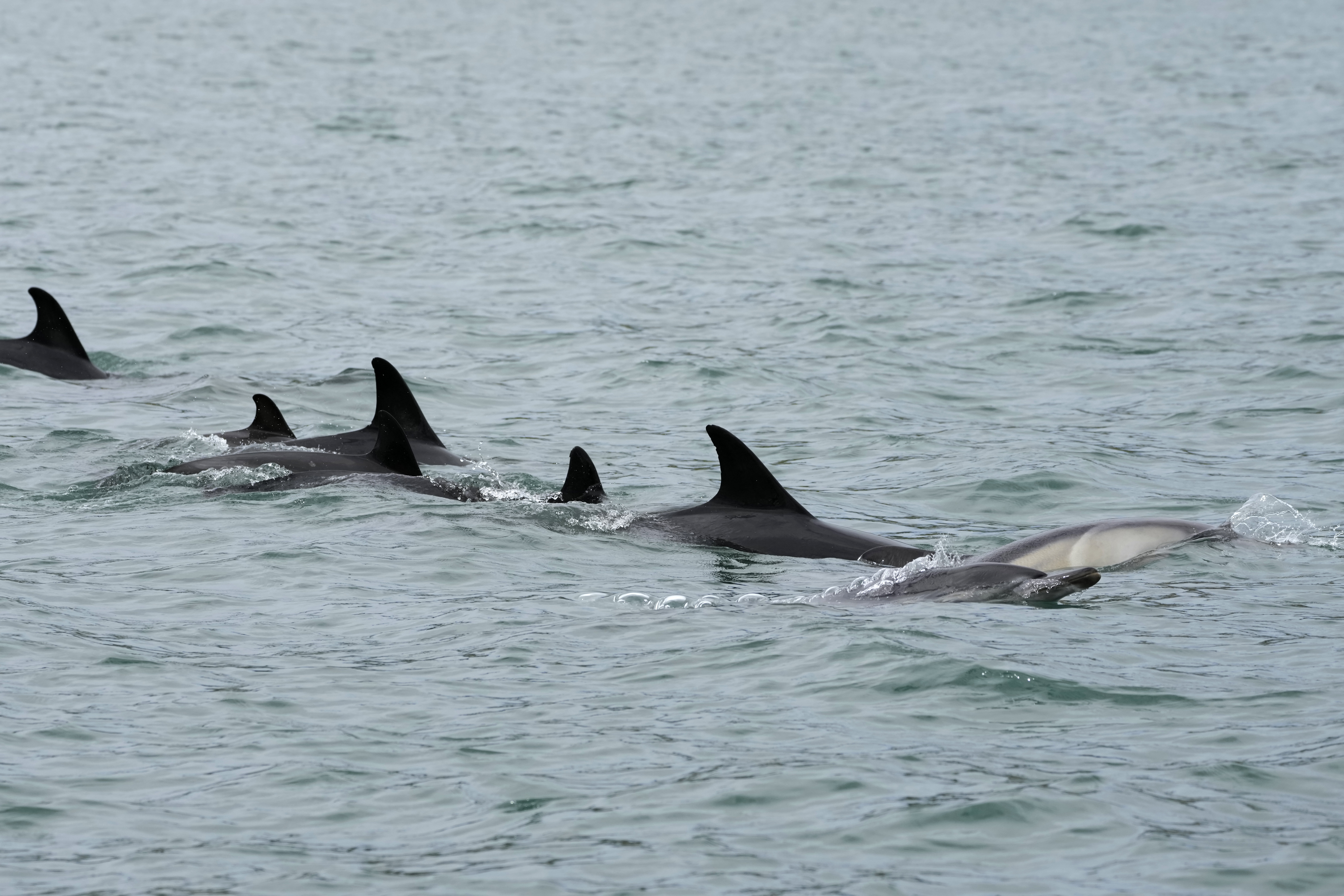
The humpback whale is the totem of Ardler's people, who she says used to "sing" the whales into the bay as the huge mammals brought fish in with them.
The language of the whale song has slowly diminished but the Gweagal people's connection to humpback, land and sea is as important as ever, as is protecting them.
"My nan, she was a great storyteller," Ardler says.
"She used to say, you know, when we came from the ocean, our songline, to the land, the only thing connecting us back to the ocean is our salty tears.
Australia praised for efforts carbon-fighting efforts
Australian Environment Minister Tanya Plibersek came to the Ocean Conference with a message closely echoing the one her colleagues have been touting on climate change since taking office in May.
"Australia is back," she told the conference last week.
"The Australian government understands the urgency of the challenges facing our planet.
"And we are committed to being a full partner in the global fight to solve these problems."
Plibersek repeatedly stressed the importance of listening to First Nations people.
She pledged to spend $9.5 million restoring five "blue carbon" ecosystems — such as mangroves and seagrasses — and double the number of Indigenous rangers to 3800 by the end of the decade.
"Indigenous Australians have managed land and sea country for more than 65,000 years," the minister told the Oceans Conference.
"There is much that Australia and the world can learn from their example."
Ardler said the acknowledgement was positive but much more needed to be said and done.
For its part, the Australian Marine Conservation Society praised Australia's commitments on the world stage, saying Australia's oceans were under more threat than ever before.
"Minister Plibersek's clear acknowledgement at the conference on the scale of the threats and the need for government leadership is warmly welcomed," CEO Darren Kindleysides said, in a statement.
"Marine heatwaves as a result of global warming are cooking our oceans around the country.
"The coral reef bleaching events that happened earlier this year in the Great Barrier Reef and on reefs off Western Australia, will be more frequent and more intense as a result of ocean heating."
If there's one thing Ardler wants people, particularly governments, to take away from the Ocean Conference it's this: "Sit down and listen to Indigenous people, of their countries, and really come to understand and have a grasp on on knowledge systems and ecosystems of what we know of the ocean and our land."