Tag Archives: oceania

Two women charged for allegedly leaving toddler on Queensland bus

Two women have been charged for allegedly leaving a toddler on a day care bus where the three-year-old suffered critical injuries caused by heat stress, in central Queensland in May.

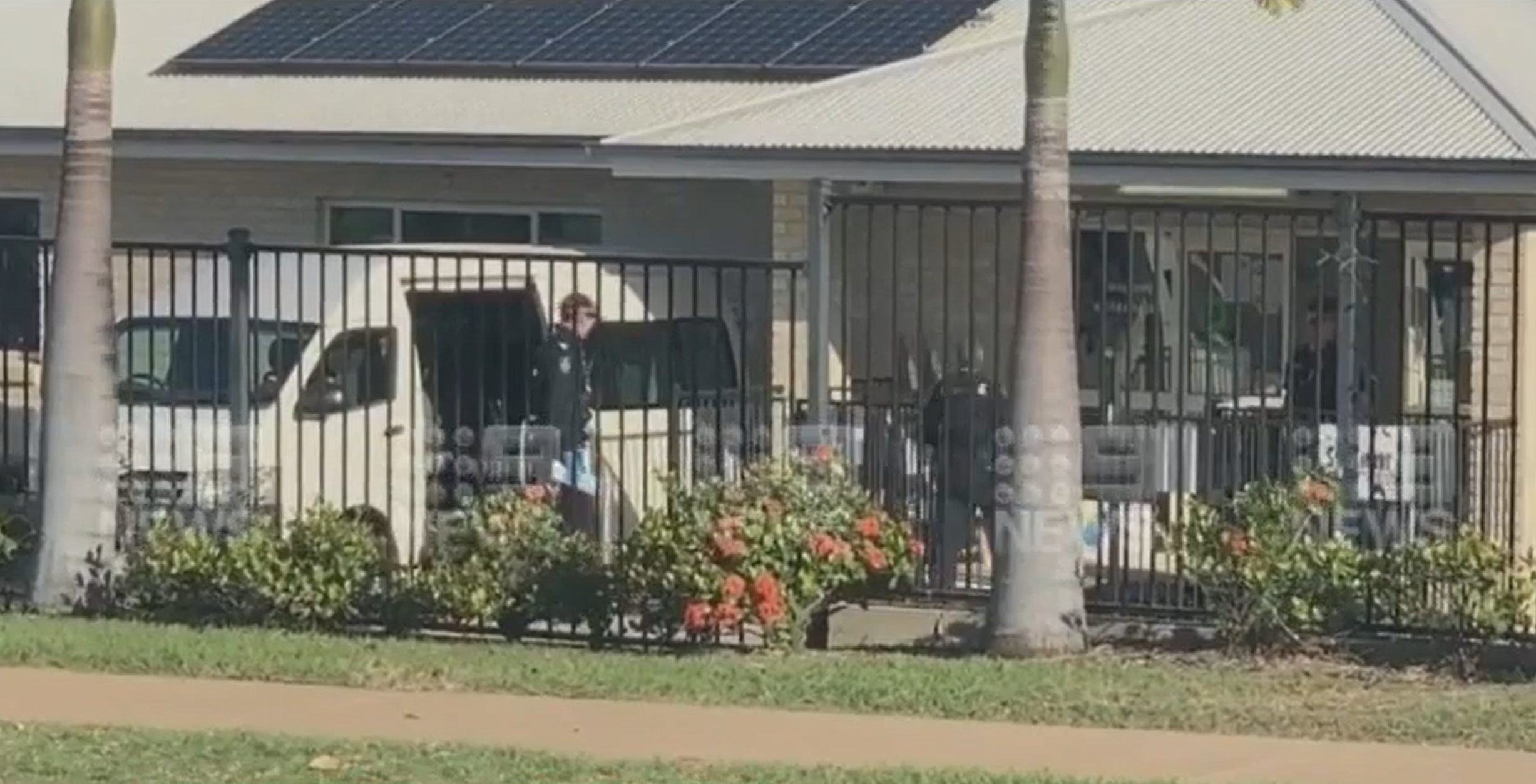
Three-year-old Nevaeh Austin was allegedly forgotten by staff at the Le Smileys Early Learning CCentre, in Gracemere, near Rockhampton, despite being the only passenger picked up on May 4.

READ MORE: Aussies smashed by three rate hikes in three months

Three-year-old Nevaeh Austin was found unconscious on the bus outside an early learning centre in Gracemere, near Rockhampton, in 28C degree heat yesterday.

The child was left for six hours on the 28C bus and was flown to Queensland Children's hospital in a critical condition, initially given a 5 per cent chance of survival.

She has now made a full recovery.

Police allege the two women picked Nevaeh up around 8.30am before leaving the child on the bus outside the child care centre, in the heat.

READ MORE: NSW top doctor 'very concerned' about new COVID-19 wave

"Around 2.45pm another staff member drove the bus to a school in Lucas Street and observed the child unconscious in the back of the bus," police said.

Both the 31-year-old and 30-year-old woman have been issued notices to appear for one count each of grievous bodily harm.

They are due to appear in Rockhampton Magistrates Court July 26.

READ MORE: How to get your flood recovery payments

READ MORE: Two men fighting for life following serious crash on Melbourne Freeway

RBA hikes interest rates for third time in three months

The Reserve Bank of Australia has lifted the nation's official cash rate target by another 50 basis points, taking the baseline interest rate to 1.35 per cent.

It is the third consecutive month in which the central bank has hiked rates, which are now at a level not seen since May 2019.

For the average owner-occupier with a $500,000 debt and 30 years remaining on their loan, monthly mortgage repayments rise by $144 as a result of today's decision.

LIVE UPDATES: Image reveals true tragedy of Sydney floods

When coupled with May's 50 basis point hike, that same borrower has weathered a $207 increase over the past two months.

Following the decision Treasurer Jim Chalmers said the rate rise was coming at a time when Australians were already dealing with "stretched budgets".

"While the trajectory of rising interest rates was set before the election, this rate rise is another blow to workers and families already under significant cost of living pressure," he said.

"Today's 50 basis point rate rise comes at a time when a significant number of Australians are confronted by yet another large-scale natural disaster, which will only add to these ongoing challenges.

"The government changed hands at a time of high and rising inflation, sky rocketing interest rates and falling real wages, and we have inherited a trillion dollars in debt which is now more expensive to service."

READ MORE: Rooftop gunman kills six people at US parade
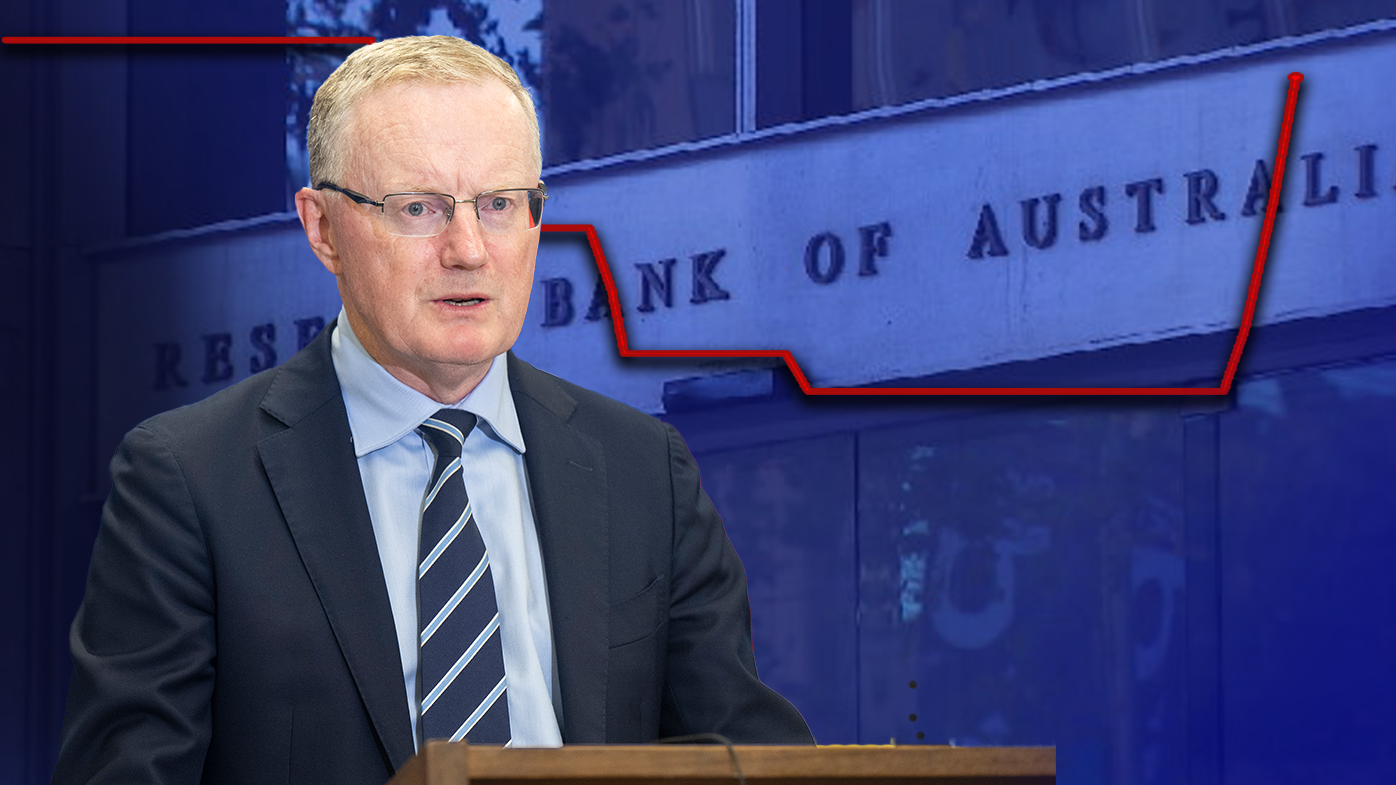
RBA Governor Philip Lowe said the bank was taking the hard but necessary steps to control soaring inflation in Australia.

"Today's increase in interest rates is a further step in the withdrawal of the extraordinary monetary support that was put in place to help insure the Australian economy against the worst possible effects of the pandemic," he said.

"The resilience of the economy and the higher inflation mean that this extraordinary support is no longer needed. The Board expects to take further steps in the process of normalising monetary conditions in Australia over the months ahead.

"The size and timing of future interest rate increases will be guided by the incoming data and the Board's assessment of the outlook for inflation and the labour market."

Chief economist at CreditorWatch Anneke Thompson said the RBA was no longer waiting to step in to the lending market.

"The Reserve Bank of Australia (RBA) has once again increased the cash rate in an effort to reign in inflation before a 'spiral' sets in," she said. 

"Today's announcement is unsurprising, given recent comments by both Governor Philip Lowe and Treasurer Jim Chalmers that inflation is likely to be around seven per cent year's end. 

"Under this scenario, it is highly likely that further increases in the cash rate will be announced as the RBA is probably beyond taking a 'wait and see' approach to the impact of their cash rate rises and will need to continue raising rates until they get comfortable that inflation is starting to move down."

READ MORE: Why a Melbourne cancer survivor became a doctor
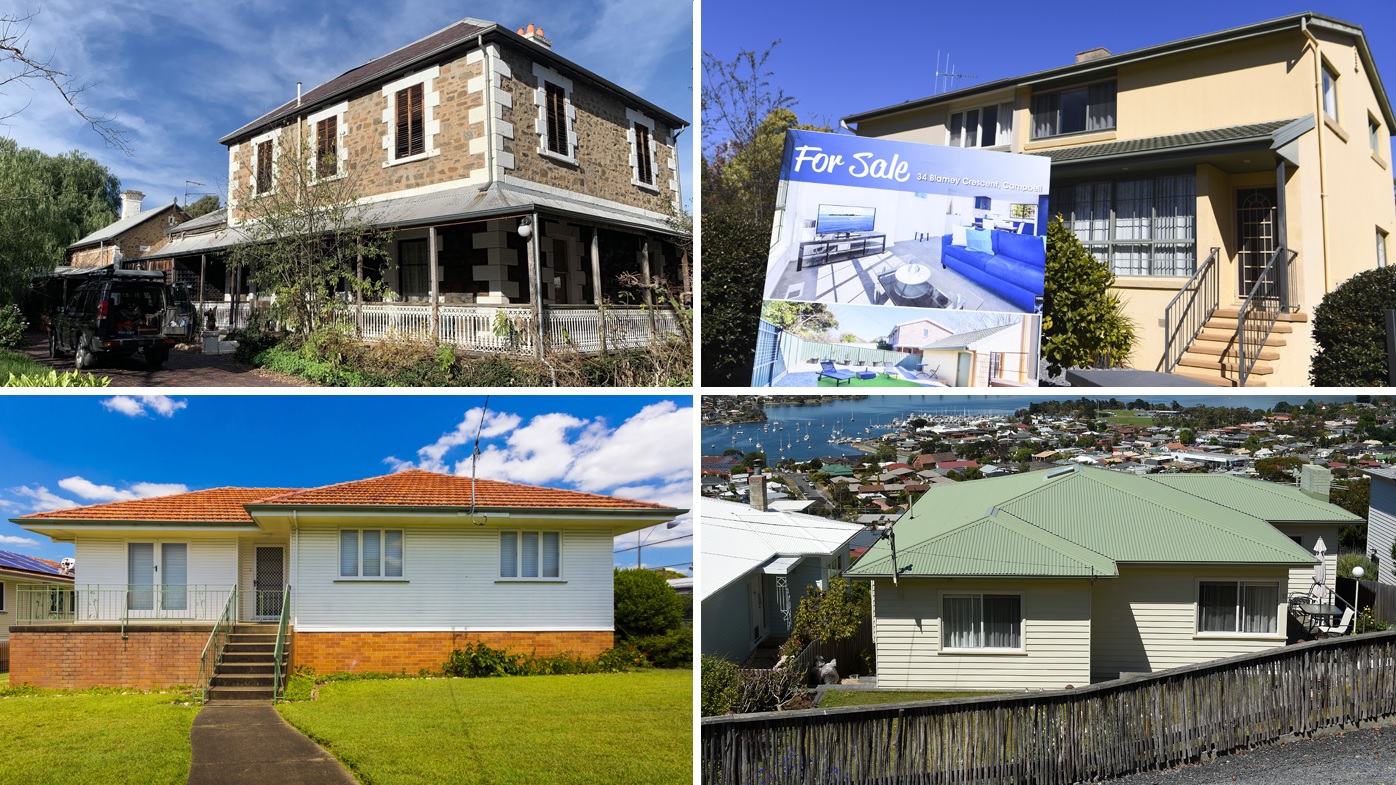
Thompson said the housing market has already been hit by interest rate hikes, with Sydney and Melbourne prices dropping by up to 2.8 per cent over the past three months.

"The RBA will monitor house price movements closely, as Australian homeowners are heavily impacted by the 'wealth effect'. Coupled with a falling share market, for those with investment portfolios, this has a surprisingly large negative impact on consumer sentiment," she said. 

"Nobody likes falling asset values, but, perversely, it presents an opportunity for the Australian economy. 

"The hope being that the combined impact of the wealth effect and reduced disposable income will bring inflation down faster than in countries where household debt isn't as high."

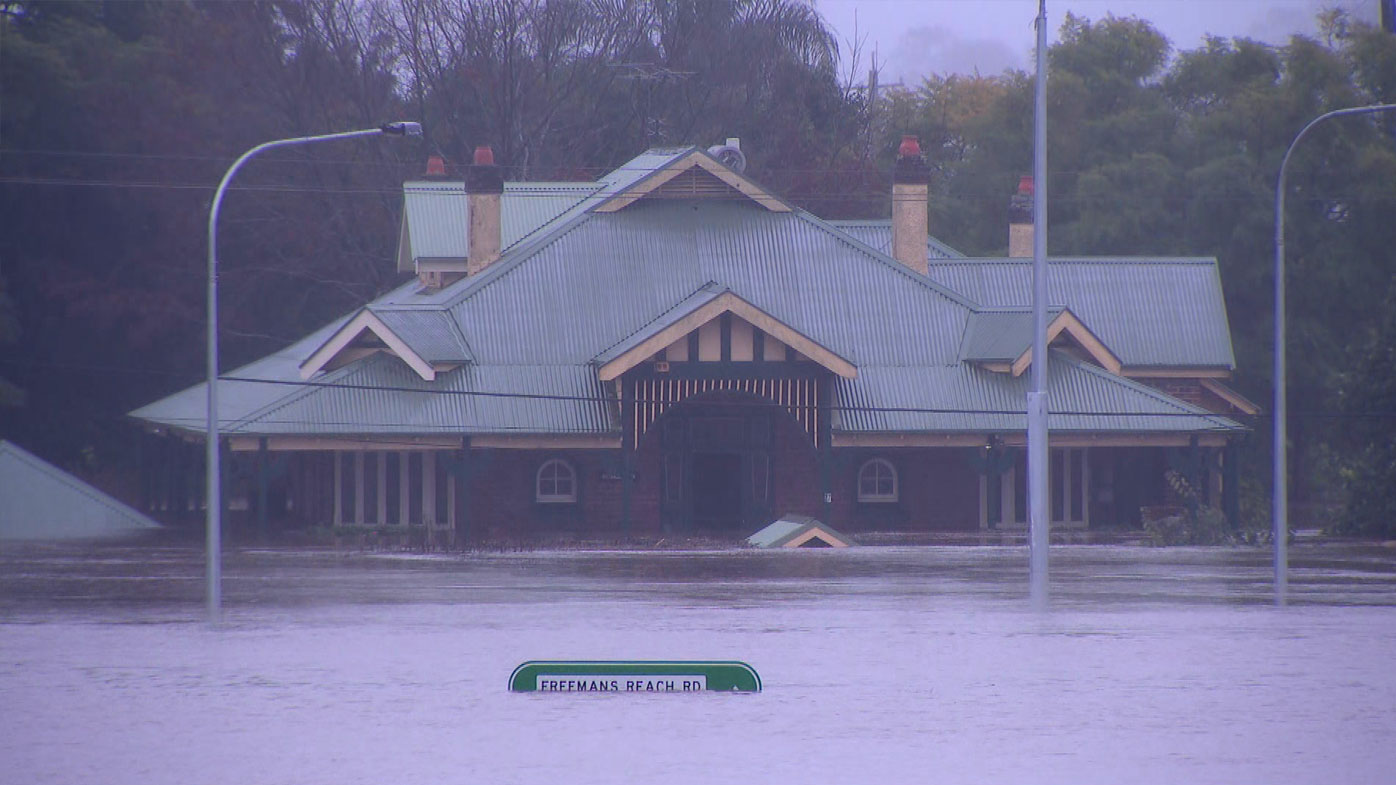
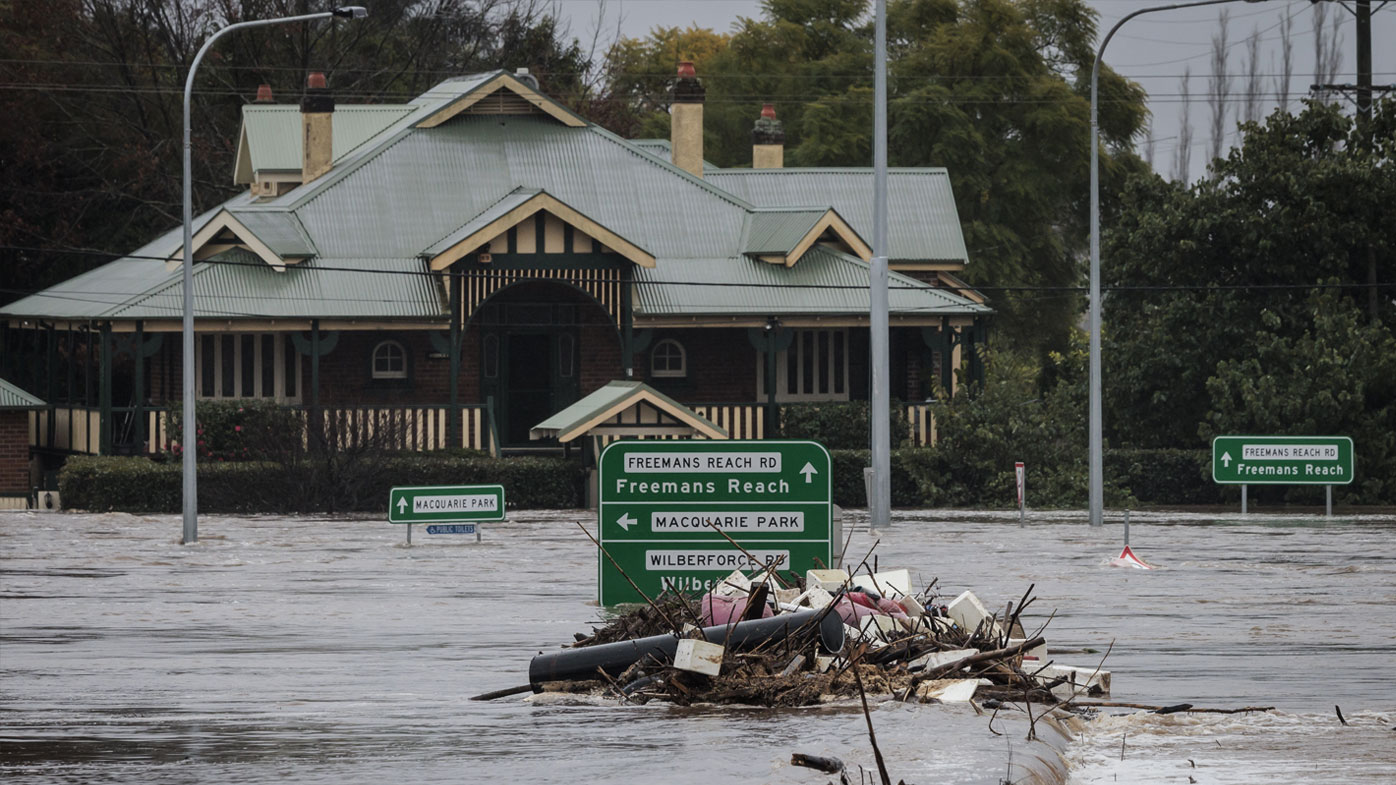
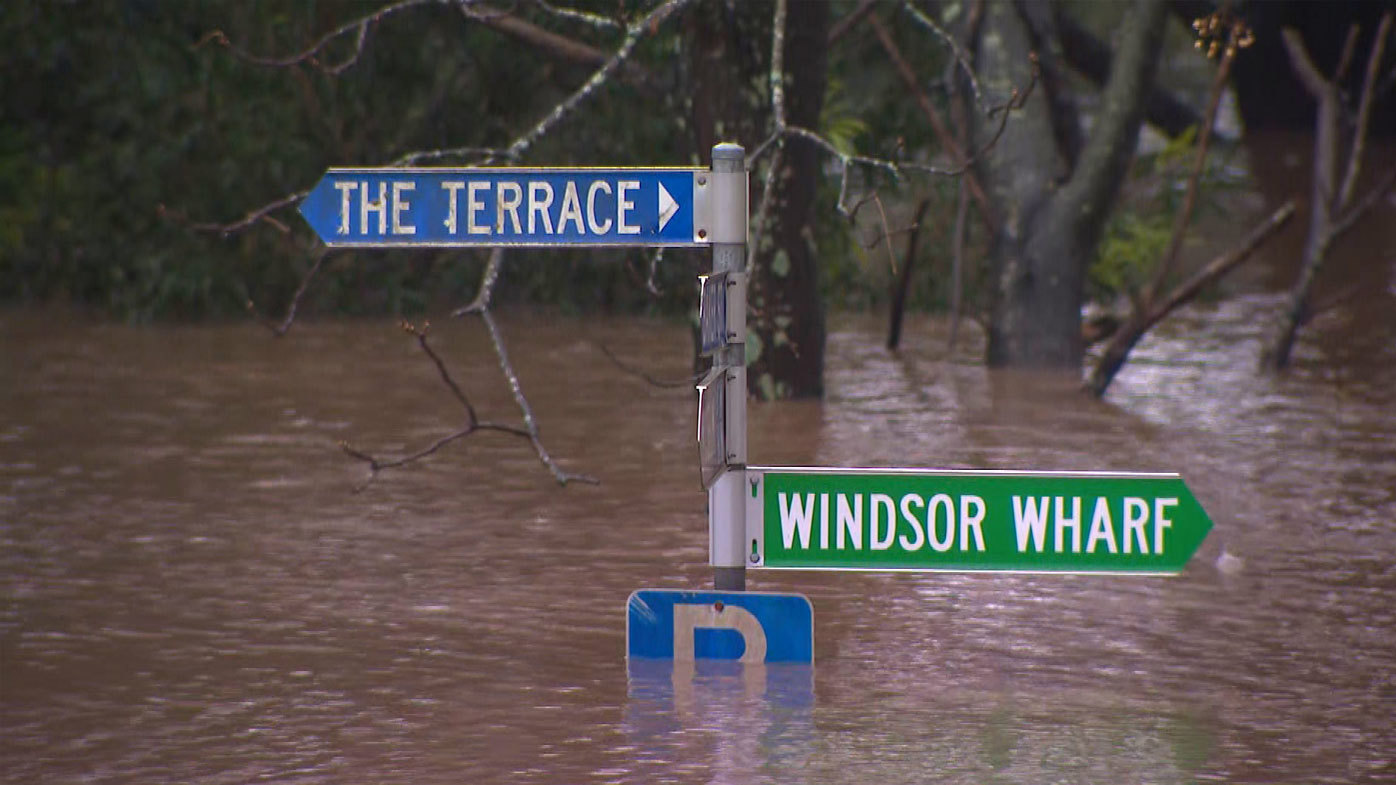
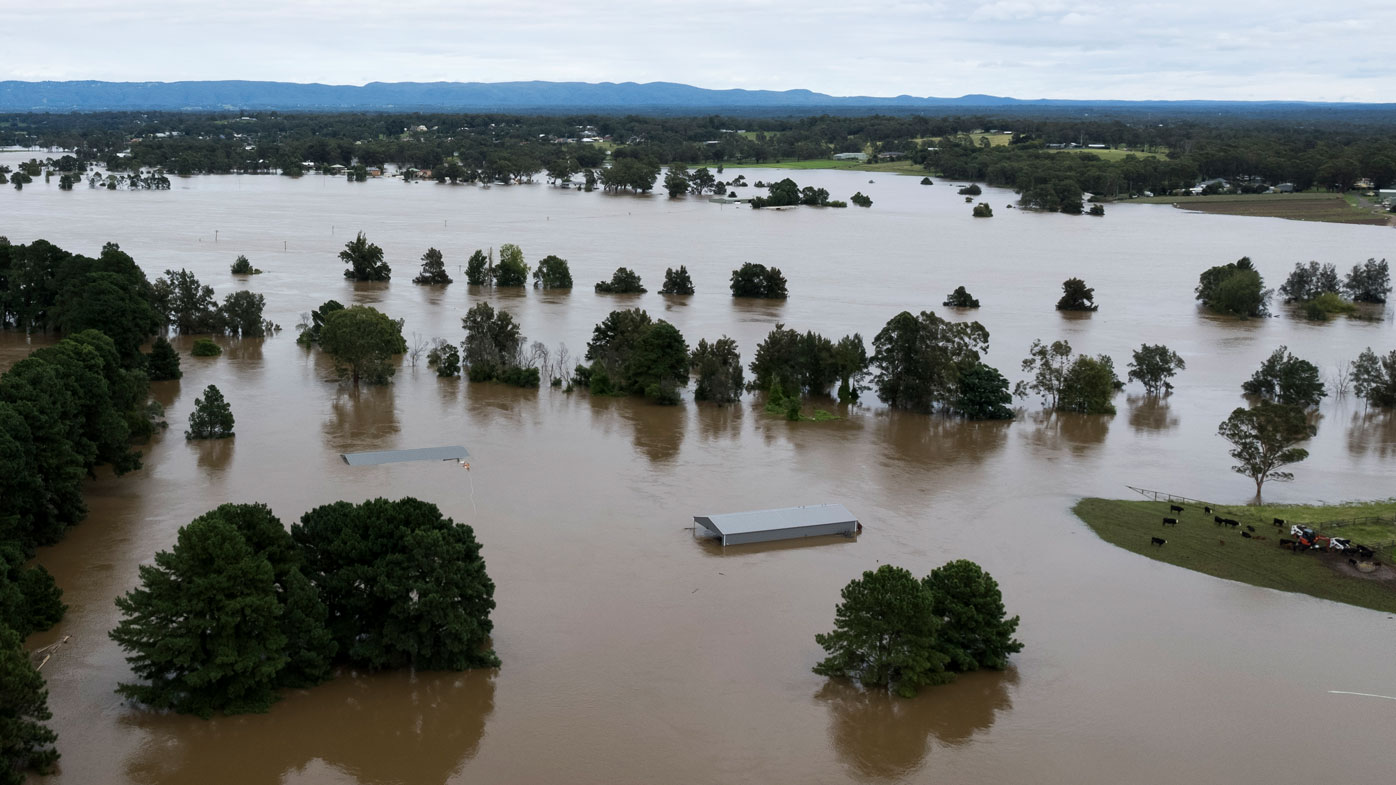
Floodwaters in Windsor, NSW reach highest point since 1978

Parts of Sydney are experiencing their worst flooding disasters in four decades as the wild weather continues to wreck havoc on much of New South Wales.

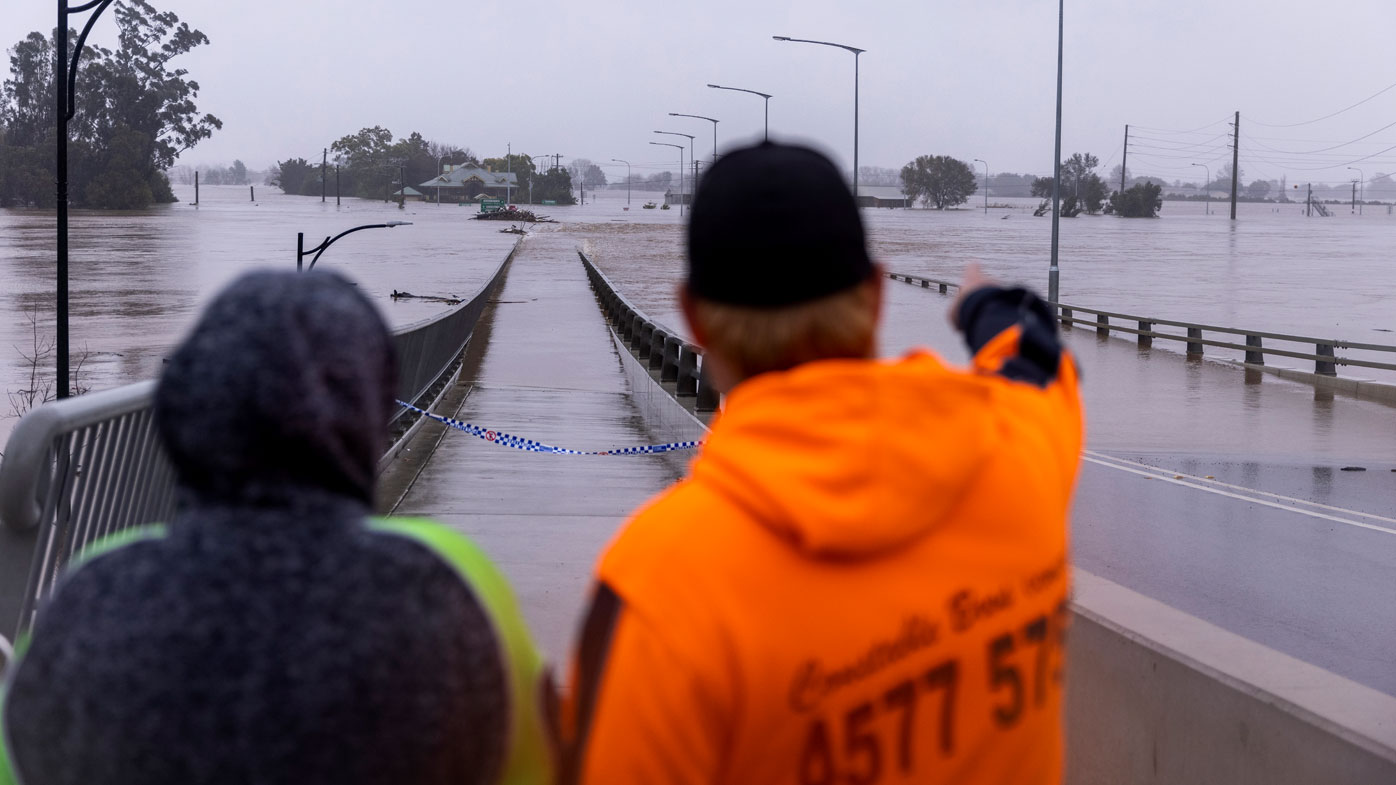
In Windsor, the Hawkesbury River has swelled to the highest point since 1978, exceeding the levels reached just a few months ago.

By 6am today it was sitting around 13.9 metres. In March 2022 the river peaked at 13.8, and in March 2021 it reached 12.93 metres.

LIVE UPDATES: Image reveals true tragedy of Sydney floods

Windsor flood flooding Hawkesbury River Windsor Bridge flood floodwaters July 4 2022

As the situation is constantly changing, visit the SES, Bureau of Meteorology and LiveTraffic websites for the latest orders and information.

Windsor Bridge, which was built to be flood proof, has been swallowed by the rising waters for the second time this year.

The Bureau of Meteorology has warned the floodwaters in Sydney's north west could rise even higher.

There is an evacuation order in place for much of Windsor and Endeavour Energy said earlier it had to cut power in the area.

Residents in the Hawkesbury area are also eligible for flood disaster relief payments with the funding come from the federal government.

READ MORE: How do I get flood recovery payments? Your questions answered

Windsor flood flooding Hawkesbury River

Endeavour Energy confirmed it cut power to 4000 houses and businesses in the Hawkesbury region between Wilberforce and Wisemans Ferry.

"With water levels at Windsor Bridge above previous flood levels and still rising, isolation of power to the transmission line which supplies the major substations at Cattai and Wisemans Ferry was required," the bureau said in a statement.

"These substations supply riverside communities as well as customers on higher ground not directly impacted by flooding.

"This is an important and necessary precautionary measure to keep everyone within our community safe."

Windsor Police Station was evacuated on Tuesday just before midday and relocated to Riverstone Police Station.

READ MORE: Hoax rescue call slammed as SES battle flood crisis

Vegetable prices to be hit by floods

The price of some common vegetables will spike in the coming weeks due to heavy flooding in north-west Sydney, the state's peak farming body has warned.

The rich horticultural basin of Richmond, which nestles up against the banks of the overflowing Hawkesbury River, has been swamped by wild weather, and the costs are expected to reverberate through food supply chains to supermarket shelves.

NSW Farmers President James Jackson told 9news.com.au farmers in the flood-stricken area produce around $1 billion of food annually, "so the impact is quite significant".

EXPLAINED: How do I get flood recovery payments?

Major flooding has inundated large parts of north-west Sydney.

READ MORE: Australians hit with third mortgage rate hike in three months

Shoppers will likely see fewer cabbages, cauliflowers and broccoli on supermarket shelves, he said, and any surviving produce will inevitably cost more.

"When supplies reduce, prices go up," Jackson said, predicting metropolitan Sydney residents would be the people mainly affected.

"It's hard to tell how long the impact from this flooding will last but certainly it will be significant for consumers.

"For farmers, it will take even longer to clean up, rebuild and recover."

Growers in Richmond have copped the worst of July's flooding, but farms and orchards in the state's central west have also been hammered by torrential rain.

READ MORE: New varroa mite kill zone set up close to NSW-Queensland border

Jackson said some farmers in the Hunter Valley have had their paddocks drowned for a third time this year.

Matt Dalgleish, an analyst with Thomas Elder Markets, agreed that looming supply line problems would likely be localised to Sydney.

"This kind of flooding is not usually something that causes widespread implications," he said.

READ MORE: Shortage of eggs confirmed in supermarkets

The Hawkesbury River suffered heavy flooding in March, causing widespread damage to properties and farms.

READ MORE: Berries the latest commodity to highlight soaring costs

"Some of these horticultural regions gravitate towards high rainfall areas and highest fertility soil, and so they are often in lowland areas that do get flooded."

Poor weather earlier this year in parts of northern New South Wales and Queensland triggered lettuce shortages in supermarkets throughout May and June.