A lockdown started last week after a teacher was allegedly stabbed by a student.
Tag Archives: oceania
Mecca hit with $600k fine for failing to lodge financial reports on time
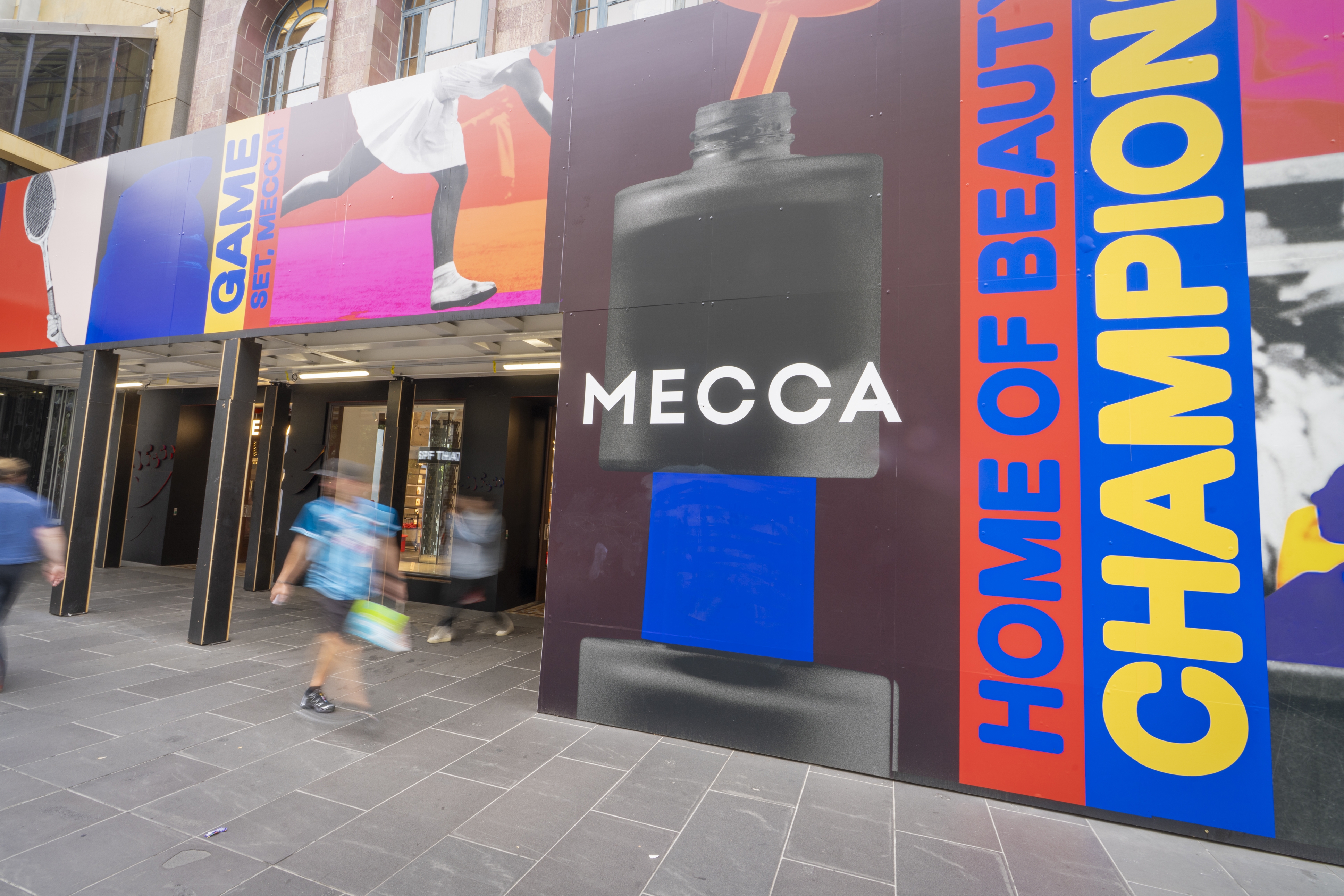
Australian cosmetics giant Mecca has been handed an almost $600,000 fine for failing to lodge audited financial reports on time.
Mecca's associated companies, Mecca Brands Pty Ltd, Mecca Brands NZ Pty Ltd, and parent company RTH Pty Ltd, have each paid $198,000 in infringement notices after being accused of late lodgements by the corporate watchdog.
The Australian Securities and Investments Commission (ASIC) said Mecca did not lodge audited financial reports for the year ended 28 December 2024, which were due on April 25, 2025.
LIVE UPDATES: Trump threatens to wipe out critical island, UN calls emergency meeting
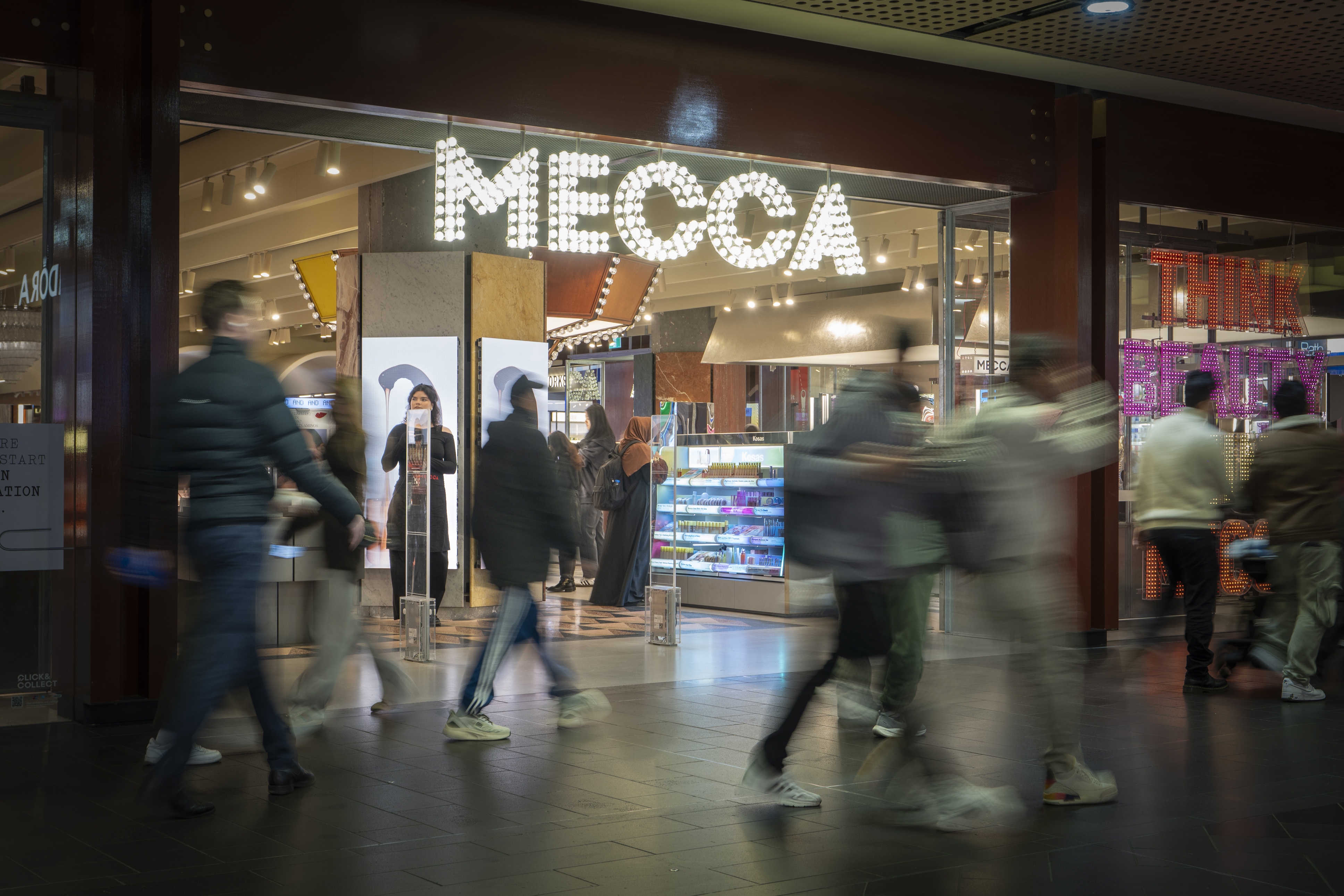
"Three large proprietary companies associated with the Mecca group have paid $594,000 in infringement notices after allegedly failing to lodge audited financial reports on time," the regulator said in a statement.
"ASIC began inquiries with Mecca in July 2025, and the companies lodged their financial statements shortly after being contacted by ASIC."
ASIC noted that payment of an infringement notice is "not an admission of guilt or liability, and the companies are not regarded as having been convicted of the alleged offence".
In a statement, a spokesperson for Mecca said it acknowledged the infringement notice handed down by ASIC.
"We have never disputed that some of our filings were submitted later than required and we take our reporting obligations seriously," the spokesperson said.
"We have worked constructively with ASIC and our auditors to address these delays and have strengthened our internal processes to ensure timely lodgement going forward.
"This matter is now resolved.
"As a private company, we remain committed to meeting our regulatory obligations with the same discipline we apply across all areas of our business."
READ MORE: Jackie 'O' files $82 million lawsuit after radio contract torn up
FUEL CRISIS: When will Australia's petrol prices go down after fuel excise halved?
Large proprietary companies like Mecca are legally obliged to lodge financial reports to ensure creditors and other stakeholders can remain informed about business operations.
A total of 12 large proprietary companies received fines for allegedly failing to lodge their FY24 audited financial reports on time, ASIC said.
"ASIC reminds the directors of large proprietary companies and other entities with financial reporting obligations that they need to proactively review their reporting obligations and ensure financial reports are lodged in a timely manner," ASIC Commissioner Kate O'Rourke said.
"We also remind auditors of these entities to notify ASIC if they are aware or suspect that a company is not complying with its lodgement obligations."
Mecca was founded in Melbourne in 1997 by Jo Horgan.
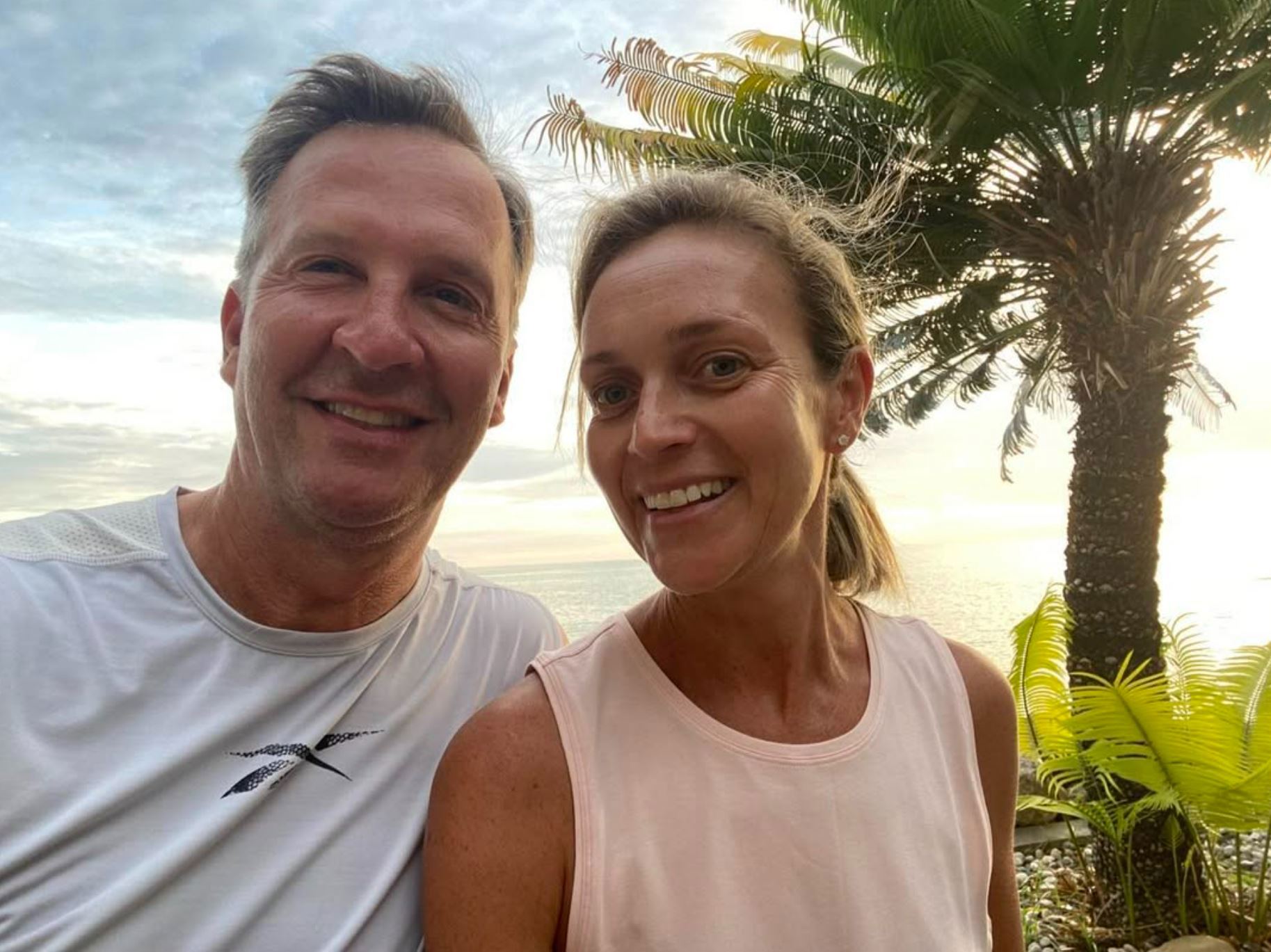
Its parent company, RTCH, is run by Horgan and her husband Peter Wetenhall.
Mecca has 110 locations around Australia and New Zealand and opened its flagship store on Melbourne's Bourke Street last year.
NEVER MISS A STORY: Get your breaking news and exclusive stories first by following us across all platforms.
- Download the 9NEWS App here via Apple and Google Play
- Make 9News your preferred source on Google by ticking this box here
- Sign up to our breaking newsletter here
Gisborne convicted double murderer Libya Tamihere sentenced to life in prison
Libya Tamihere was found guilty of murdering two men. Now he has been sentenced.
Delay for teen accused of Universal founder Greg Josephson’s fatal stabbing
A teenager accused of murdering the co-founder of a national clothing store chain at a house party is still waiting for a psychiatric report to be completed, a magistrate has heard.
The boy was aged 15 when he was accused of fatally stabbing Greg Josephson, who established Australian fashion retailer Universal Store, at the man's Clayfield home in Brisbane's south last year.
He is the first juvenile to be charged with murder after the passage of Queensland's controversial "adult crime, adult time" laws, mandating he will face a life sentence if found guilty.
LIVE UPDATES: Trump threatens to wipe out critical island, UN calls emergency meeting
Police were called to the house about 8.15pm on June 26, 2025 after Mr Josephson was found dead during a party involving about 30 young people.
The charge against the teen, now aged 16, was briefly mentioned in Brisbane Children's Court on Tuesday.
A psychiatrist had yet to complete his medical opinion on the teen, defence solicitor Kris Jahnke told magistrate Anne Thacker.
"I'm told that he should be in a position to provide an opinion by the end of April," Jahnke said.
The teen, who cannot be named for legal reasons, was not required to appear.
Thacker said she had been told the psychiatric report would be provided this month.
"This is a complex matter. (The psychiatrist) has been meeting with my client on numerous occasions but he has also experienced some delay in respect of being able to get into the youth detention centre," Jahnke said.
Records of the teen's current treatment while in custody on remand were also being sought, Thacker heard.
FUEL CRISIS: When will Australia's petrol prices go down after fuel excise halved?
Jahnke sought to adjourn the matter to May 26 and prosecutors did not object.
Thacker granted the adjournment and remanded the teen in custody.
Police said they were confronted with a "confusing" scene when they arrived at Josephson's home in the upmarket inner-city Brisbane suburb of Clayfield in June 2025.
A majority of the teenagers at the party were unaware of what had occurred before officers discovered Josephson's body inside the home, investigators said.
"It was a confusing situation because it was a party," acting Detective Superintendent Craig Williams told reporters in July 2025.
Josephson founded Universal Store with his brother Michael in 1999.
The national apparel retailer was acquired by a group of private equity investors in 2018 for a reported $100 million and two years later the business went public on the ASX.
NEVER MISS A STORY: Get your breaking news and exclusive stories first by following us across all platforms.
- Download the 9NEWS App here via Apple and Google Play
- Make 9News your preferred source on Google by ticking this box here
- Sign up to our breaking newsletter here
Dunedin woman who falsely accused midwife on TikTok put under supervision
Elana Jane Robins livestreamed the false claims to about 68,000 followers.
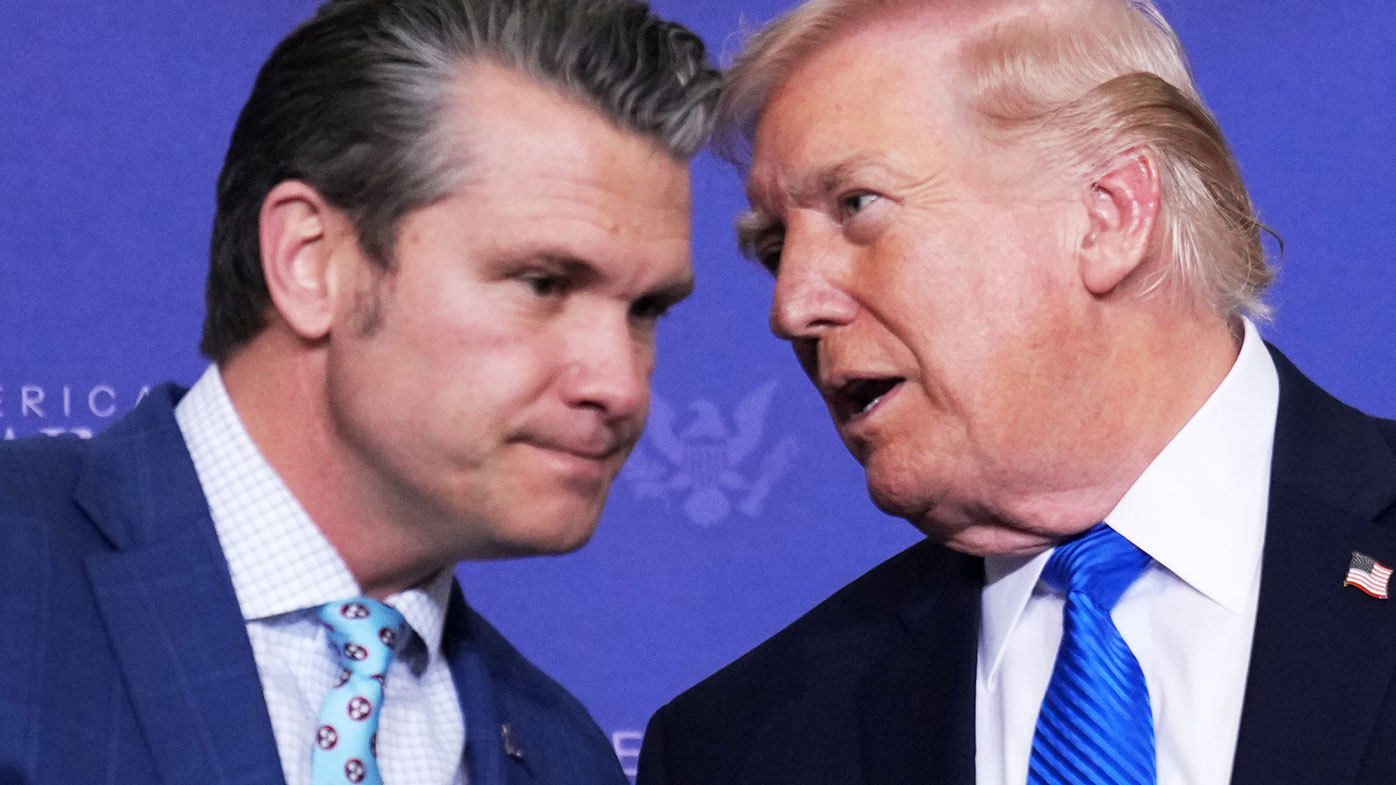
Hegseth sought to buy defence stocks before Iran war began: report
The Pentagon has vociferously denied reports that Secretary of War Pete Hegseth sought to make multi-million dollar investments in defence stocks in the weeks before the Iran war began.
The Financial Times reported Hegseth's broker contacted investment firm BlackRock about investing in their Defense Industrials Active ETF.
Because the fund was not yet ready to take on investors, the purchase did not take place, the newspaper reported.
READ MORE: Donald Trump to put his name on all US paper money
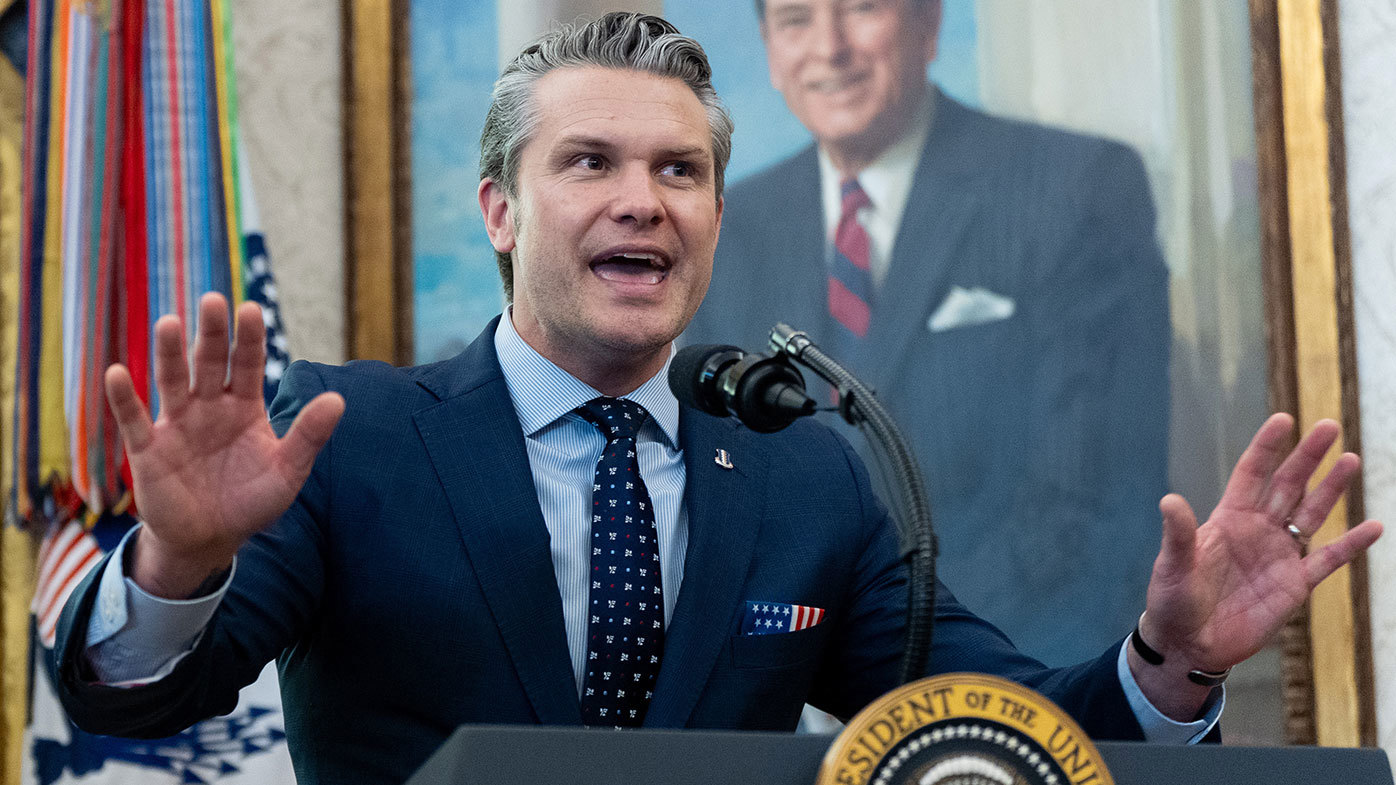
Pentagon spokesperson Sean Parnell has denied the reports.
"This allegation is entirely false and fabricated," Parnell said.
"Neither Secretary Hegseth nor any of his representatives approached BlackRock about any such investment.
"This is yet another baseless, dishonest smear designed to mislead the public."
READ MORE: $800m in trades before Trump announcement 'is treason'
Parnell demanded an immediate retraction.
"Secretary Hegseth and the Department of War remain unwavering in their commitment to the highest standards of ethics and strict adherence to all applicable laws and regulations," he said.
The Financial Times cited "three people familiar with the matter" in making their reporting, all anonymous.
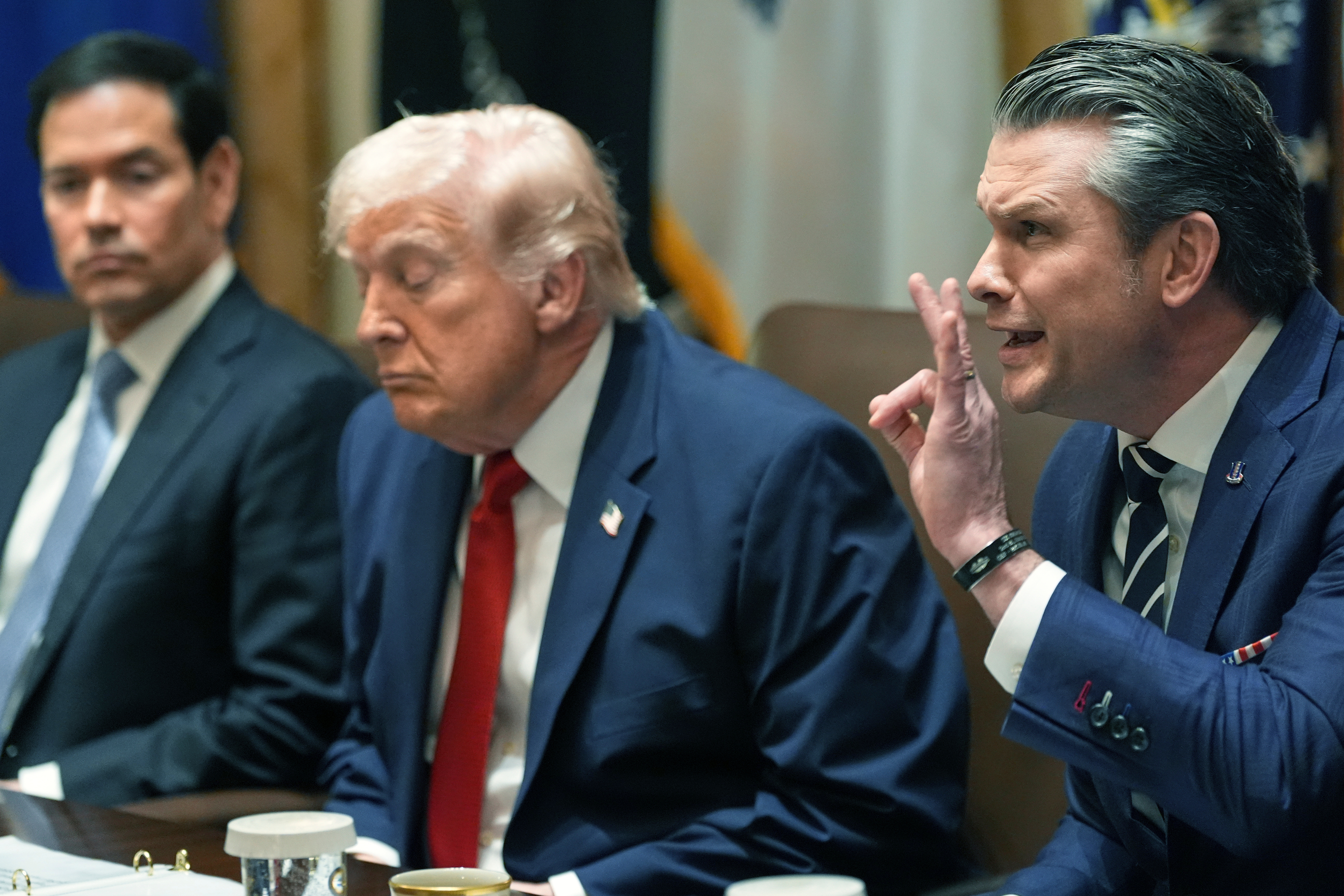
The Trump administration has been attracting scrutiny after a series of well-timed trades before major actions.
An entity or several entities traded heavily on S&P 500 and oil futures minutes before a Truth Social post from Donald Trump sent markets swinging earlier this month.
READ MORE: Trump on shaky ground after Democrats win Mar-a-Lago seat
In the space of a minute, more than $800 million in trades was made on oil futures.
And whoever made those trades made an incredible amount of money.
Betting app Kalshi has refused to pay out $77 million in winnings to punters who bet Ayatollah Ali Khamenei would be out of office by March 1.
Khamenei was killed by a US and Israeli bombing strike hours before the deadline was reached.
Meanwhile on Polymarket, 150 accounts bet more than a million dollars that the US would strike Iran the next day.
And in January, a Polymarket user made about $570,000 betting that Venezuelan President Nicolas Maduro would be out of office before the end of the month.
They had doubled down on their bet hours before the US seized the leader in a military strike.
READ MORE: It takes two to TACO: Why Trump can't end war with Iran by himself
NEVER MISS A STORY: Get your breaking news and exclusive stories first by following us across all platforms.
- Download the 9NEWS App here via Apple and Google Play
- Make 9News your preferred source on Google by ticking this box here
- Sign up to our breaking newsletter here
Not all Aussies get the same public holidays this Easter long weekend
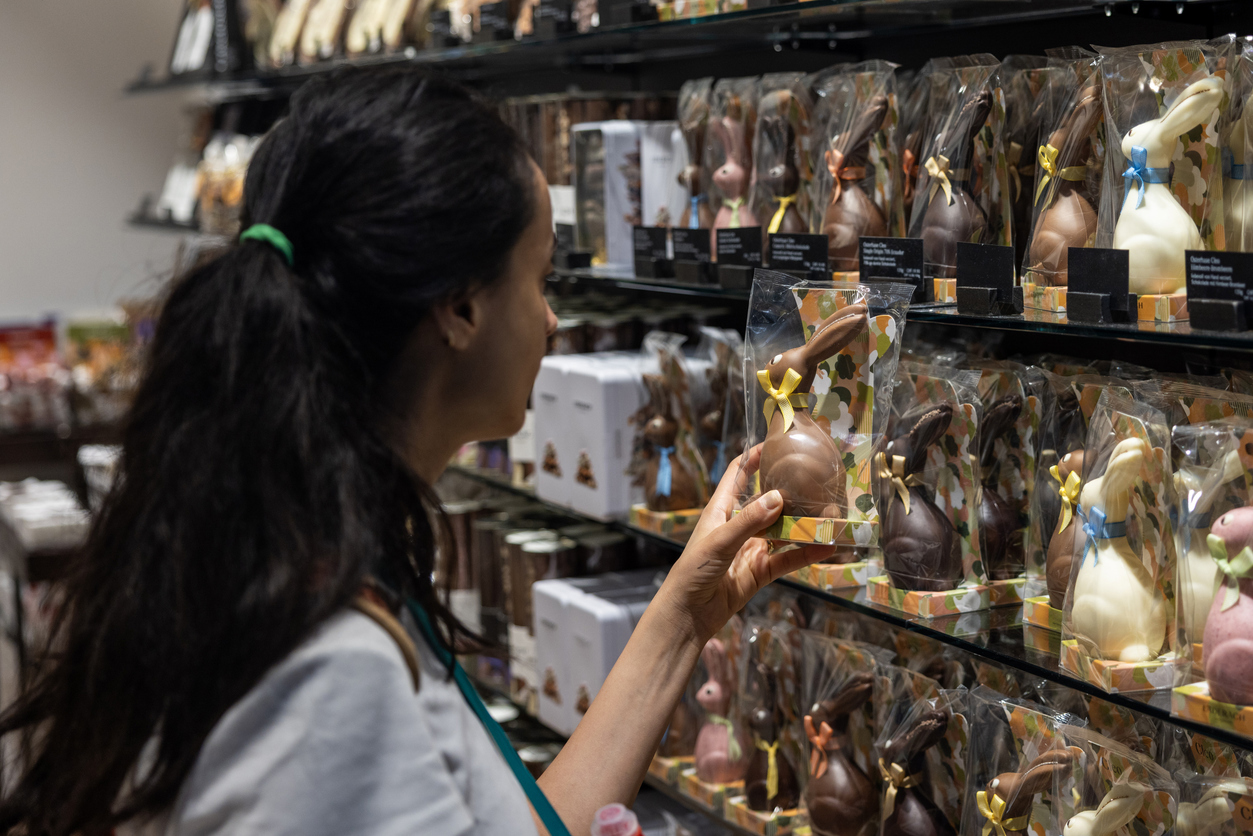
The Easter long weekend is almost here and millions of Australians are looking forward to some time off across the public holidays.
But not all states and territories observe the same Easter long weekend public holidays.
Here's how the long weekend will be observed in your part of the country.
LIVE UPDATES: Trump threatens to wipe out critical Iranian island if deal isn't reached 'shortly'
What days do I have off?
Every state and territory across Australia recognises Good Friday and Easter Monday as public holidays.
It means most Aussies get an extra-long four day weekend over the Easter period.
We say "most" because some jurisdictions have differing approaches when it comes to Easter Saturday and Sunday.
Is Easter Saturday a public holiday?
Not all states and territories observe the Easter Saturday public holiday, which is bad news for retail and hospitality staff who miss out on public holiday rates.
The jurisdictions that don't consider it a public holiday are Tasmania and Western Australia.
New South Wales, Victoria, Queensland, South Australia, the Australian Capital Territory, and the Northern Territory do honour the Saturday public holiday.
READ MORE: As fuel excise set to be halved, when will fuel prices in Australia go down?
What about Easter Sunday?
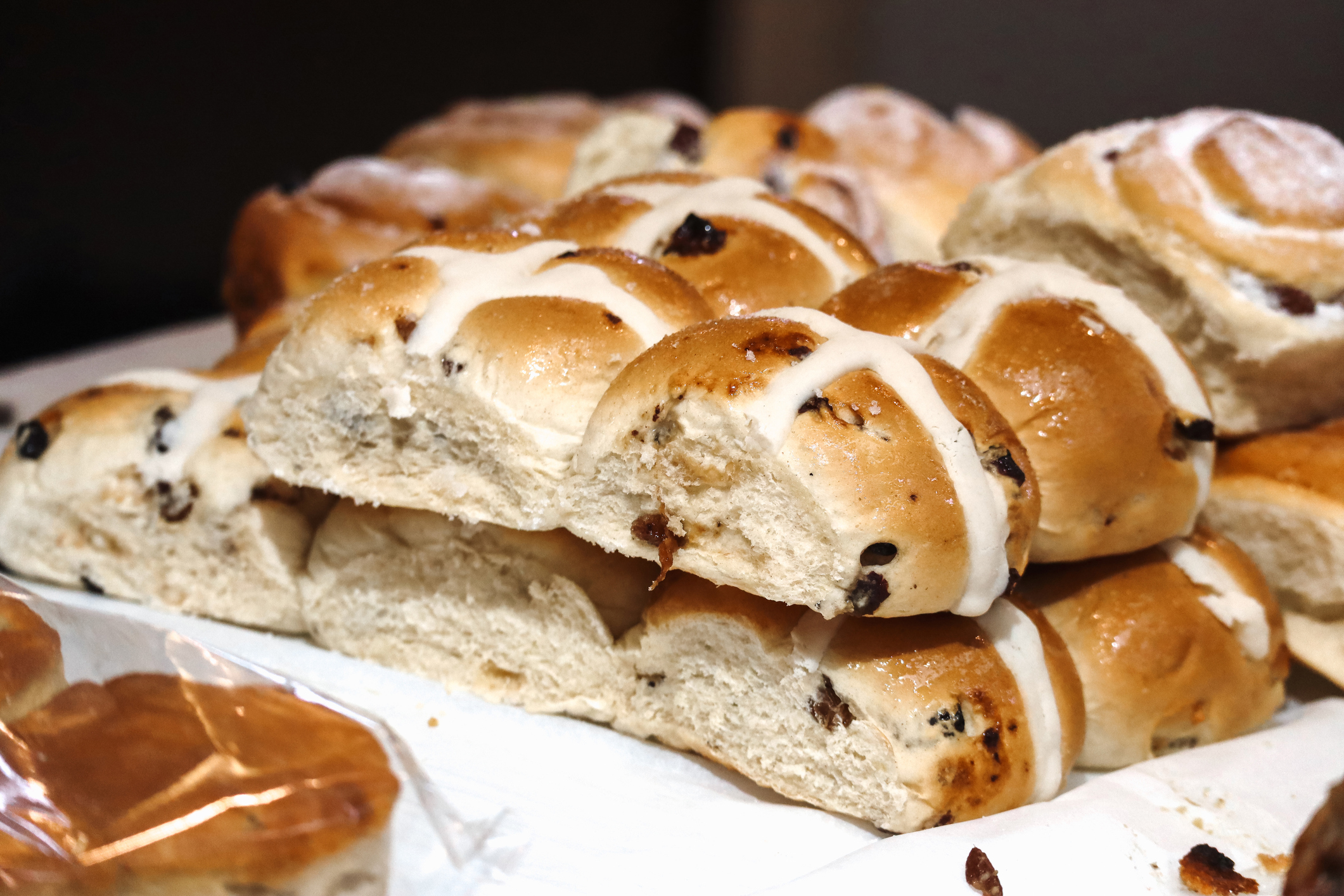
All but one Australian jurisdiction recognises the Easter Sunday public holiday.
Tasmania is the unlucky state that ignores the Sunday holiday and instead observes "Easter Tuesday" on the day after Easter Monday.
Unfortunately for Tassie locals, it pretty much exclusively applies to public servants.
READ MORE: Vaping likely causes cancer, landmark Australian study finds
Is there anything else different this year?
Yes! This year Easter Sunday falls on the the first Sunday in April, which is when daylight saving ends.
Clocks will go back by one hour from 3am to 2am this Sunday, April 5 at 3am Eastern Daylight Time (AEDT) in all but three states and territories.
NSW, Victoria, South Australia, Tasmania, and the ACT will get an extra hour of sleep on Sunday morning.
Queensland, Western Australia, and the Northern Territory don't observe daylight saving time, so there's no change in those areas.
NEVER MISS A STORY: Get your breaking news and exclusive stories first by following us across all platforms.
- Download the 9NEWS App here via Apple and Google Play
- Make 9News your preferred source on Google by ticking this box here
- Sign up to our breaking newsletter here
US Army investigating Kid Rock helicopter stunt
The US Army is investigating after a helicopter was filmed performing a low-altitude manoeuvre outside the home of musician Kid Rock while he saluted.
The singer posted a video of the Apache attack helicopter hovering above his Nashville home while he saluted.
"This is a level of respect that s— for brains Governor of California will never know," he captioned the video on Instagram.
READ MORE: Donald Trump to put his name on all US paper money
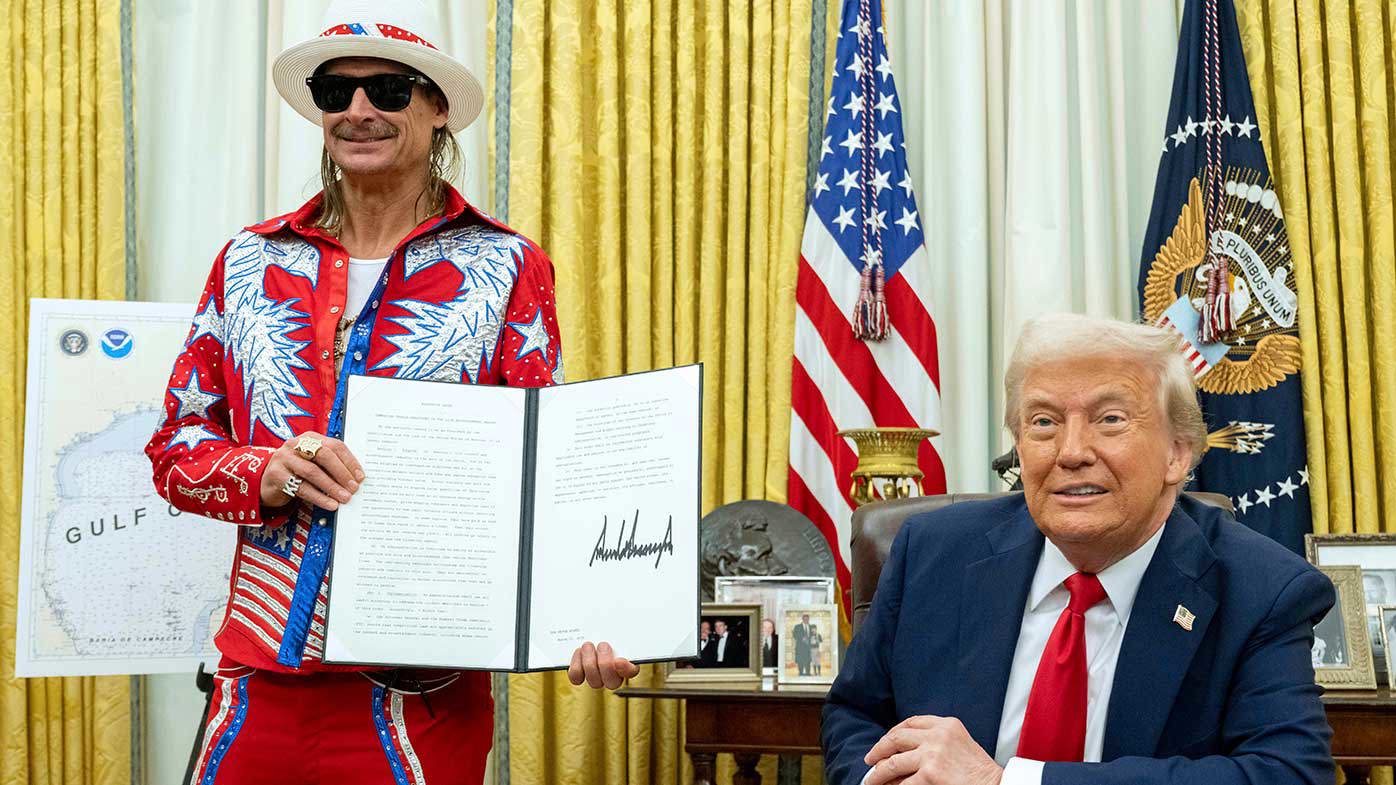
"God Bless America and all those who have made the ultimate sacrifice to defend her."
Now the US Army has ordered an investigation as to why the Apache was flying so close to the singer's house.
"Fort Campbell leadership is aware of a video circulating on social media depicting AH-64 Apache helicopters operating in the vicinity of a private residence associated with Mr. Robert Ritchie (also known as 'Kid Rock')," a statement read.
"The command has initiated an investigation to review the circumstances surrounding this activity."
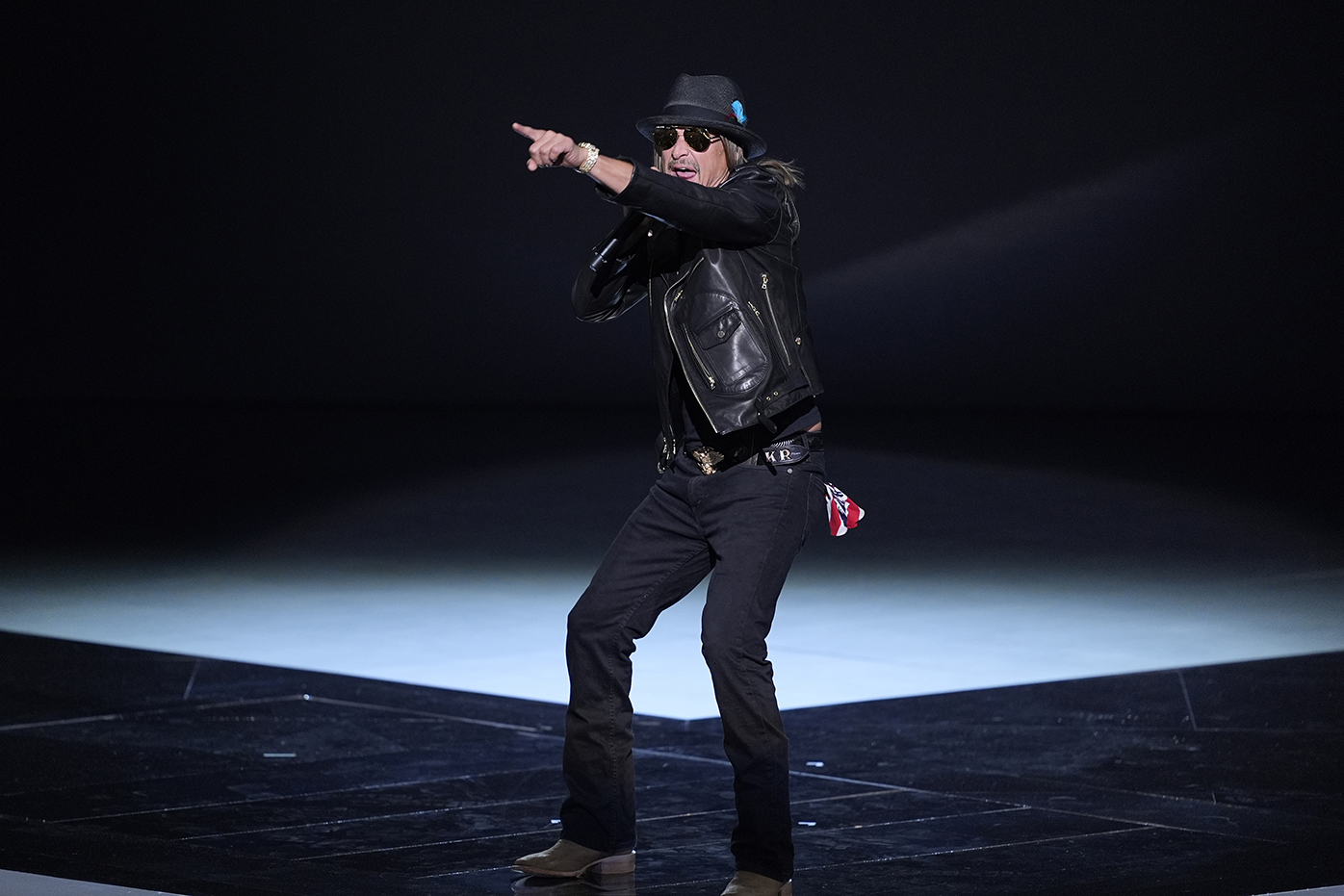
Kid Rock's Nashville home is styled after the White House.
The singer has become one of the few celebrities to still associate himself with Donald Trump.
An early progenitor of the country-rap genre, Kid Rock was particularly successful in the United States. Several of his albums also made the charts in Australia.
The Army is also being asked about why military helicopters flew low over a crowd of anti-Trump protesters that same day.
READ MORE: $800m in trades before Trump announcement 'is treason'
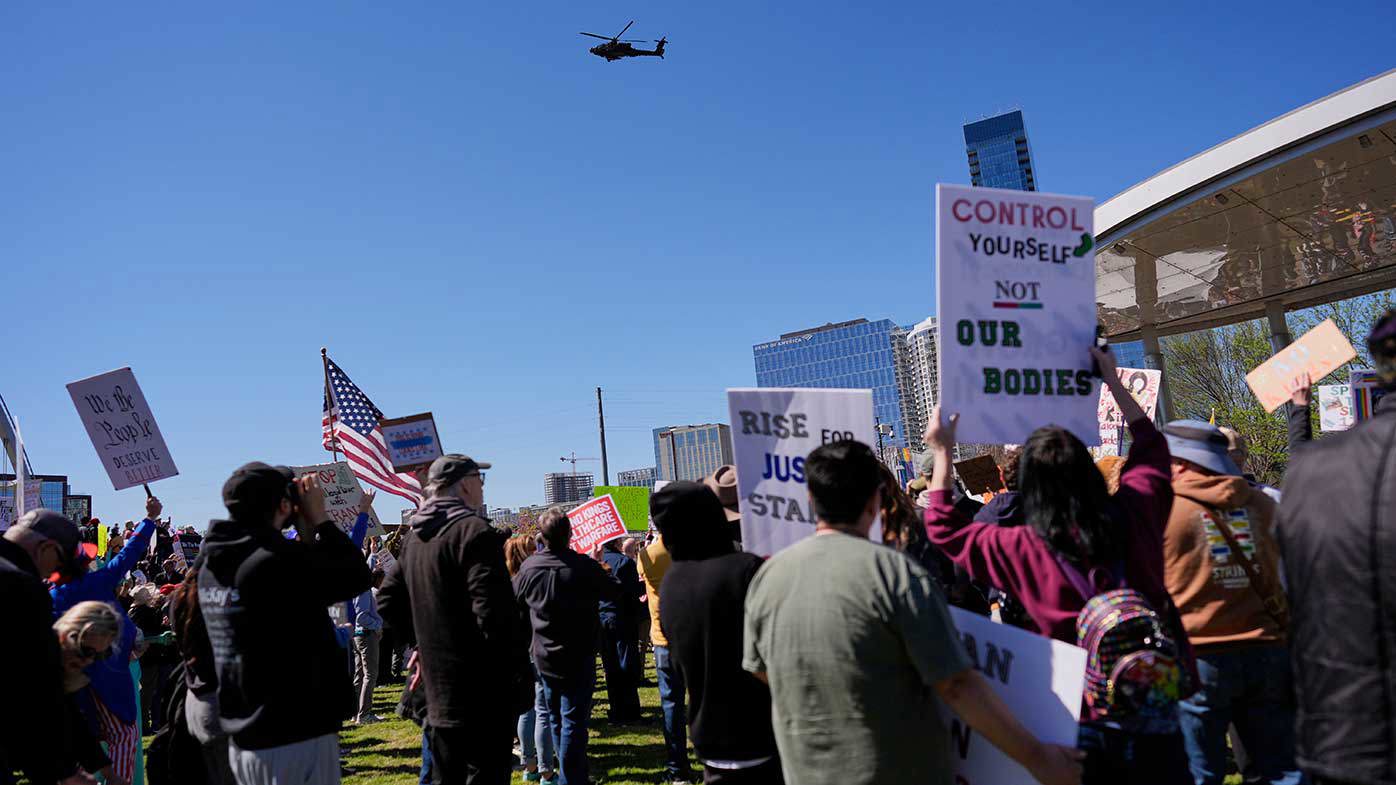
The No Kings crowd in Nashville was buzzed by two Apaches. It is not apparent if it is the same helicopter in Kid Rock's video.
"Our pilots do regularly fly routes outside the Fort Campbell area," the Army spokesperson said.
"We just don't know if it was incidental or if it was deliberate."
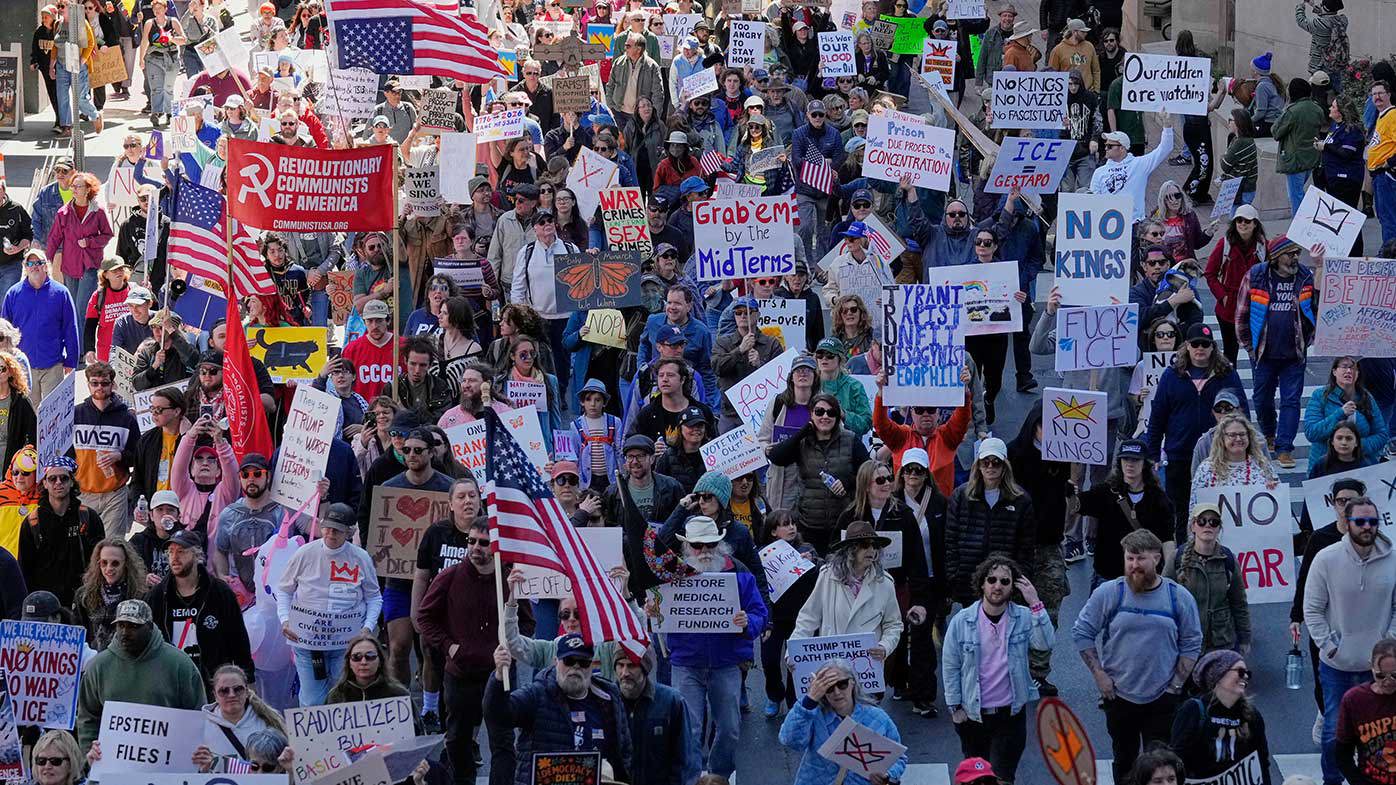
Thousands of people took to the streets for the protest in Nashville, one of countless rallies across the US.
Organisers said at least eight million people took place in the demonstrations, largely protesting the Trump presidency.
READ MORE: Trump on shaky ground after Democrats win Mar-a-Lago seat
NEVER MISS A STORY: Get your breaking news and exclusive stories first by following us across all platforms.
- Download the 9NEWS App here via Apple and Google Play
- Make 9News your preferred source on Google by ticking this box here
- Sign up to our breaking newsletter here
Dezi Freeman ‘clearly’ had help on the run, ex-detective says
A former detective says wanted fugitive Dezi Freeman "clearly" received help in his months on the run before he was killed by police gunfire at a remote Victorian property yesterday.
Freeman, 56, had not been seen in public since two police officers were killed in a shooting ambush on his property in Porepunkah, Victoria, on August 26 last year.
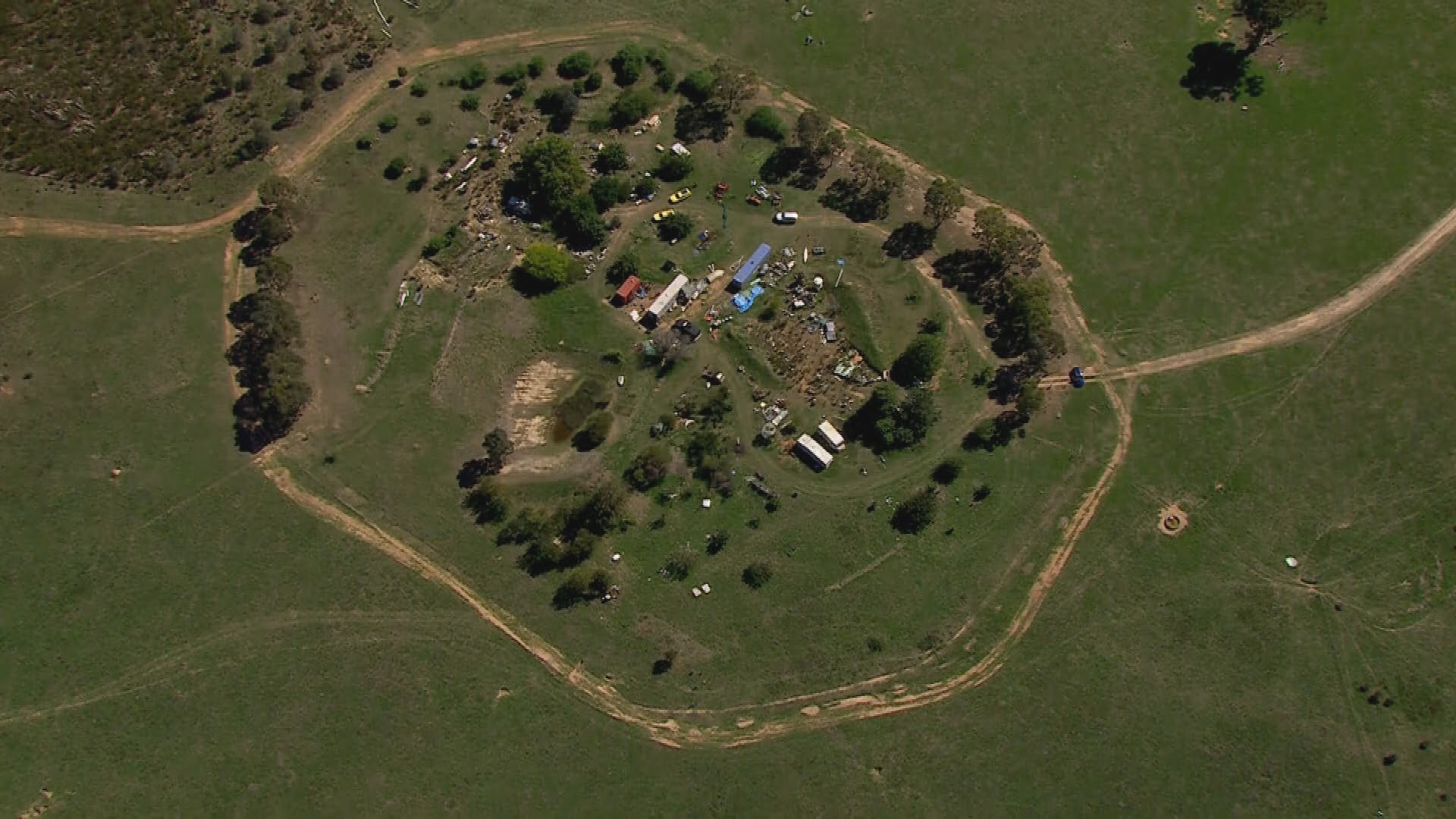
In the seven months since, police received thousands of pieces of information, before a final tip led them to a property at Thologolong, about 150km by road from Porepunkah.
READ MORE: Inside the police operation that killed Dezi Freeman
LIVE UPDATES: Trump threatens to wipe out critical Iranian island if deal isn't reached 'shortly'
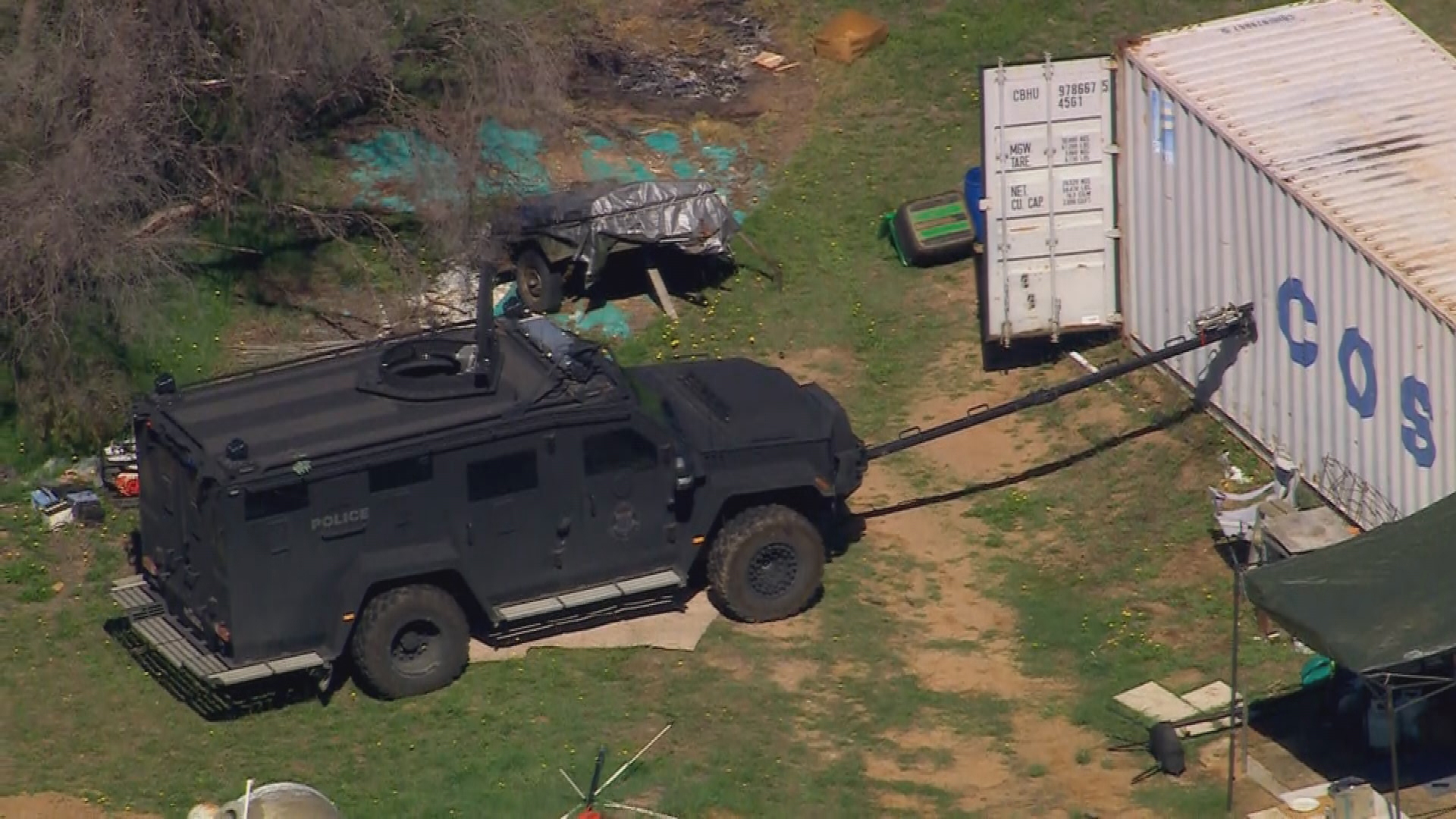
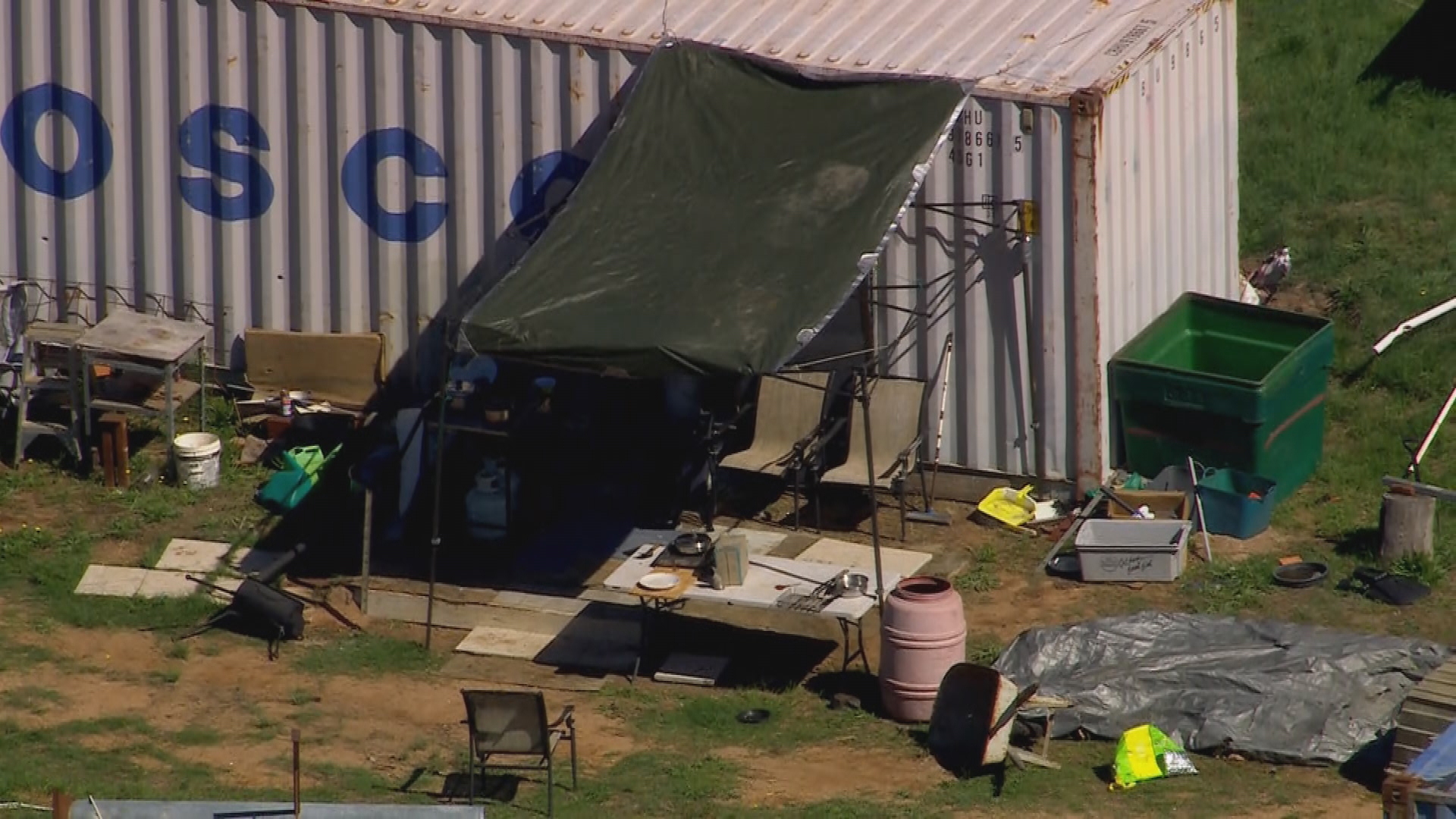
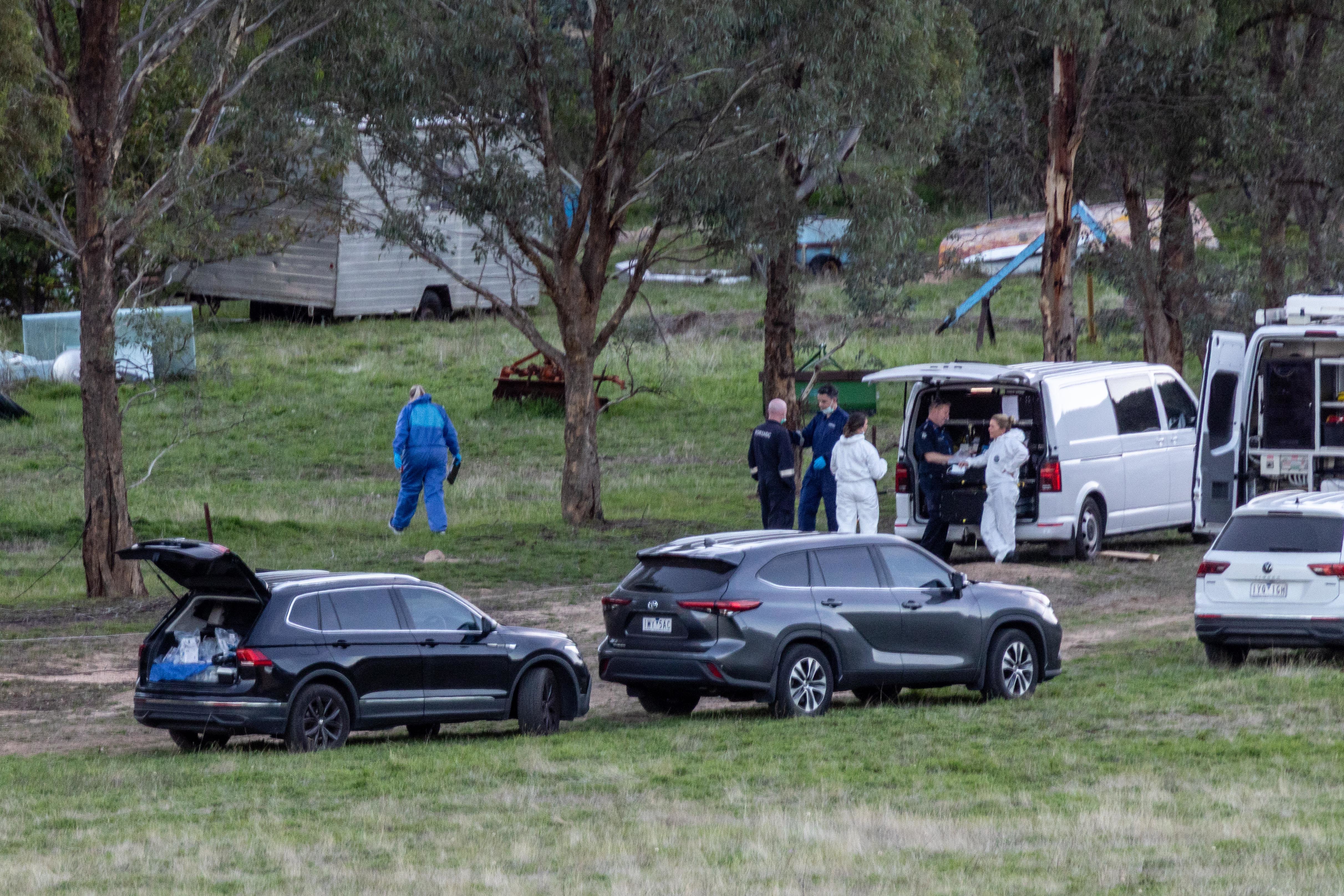
Freeman, who was living in a shipping container on the property, refused to surrender to officers and was killed after he emerged from the container while armed with a gun and wrapped in a blanket.
Police are working to determine whether he was in possession of the gun used to kill Detective Leading Senior Constable Neal Thompson, 59, and Senior Constable Vadim De Waart-Hottart, 35, at Porepunkah.
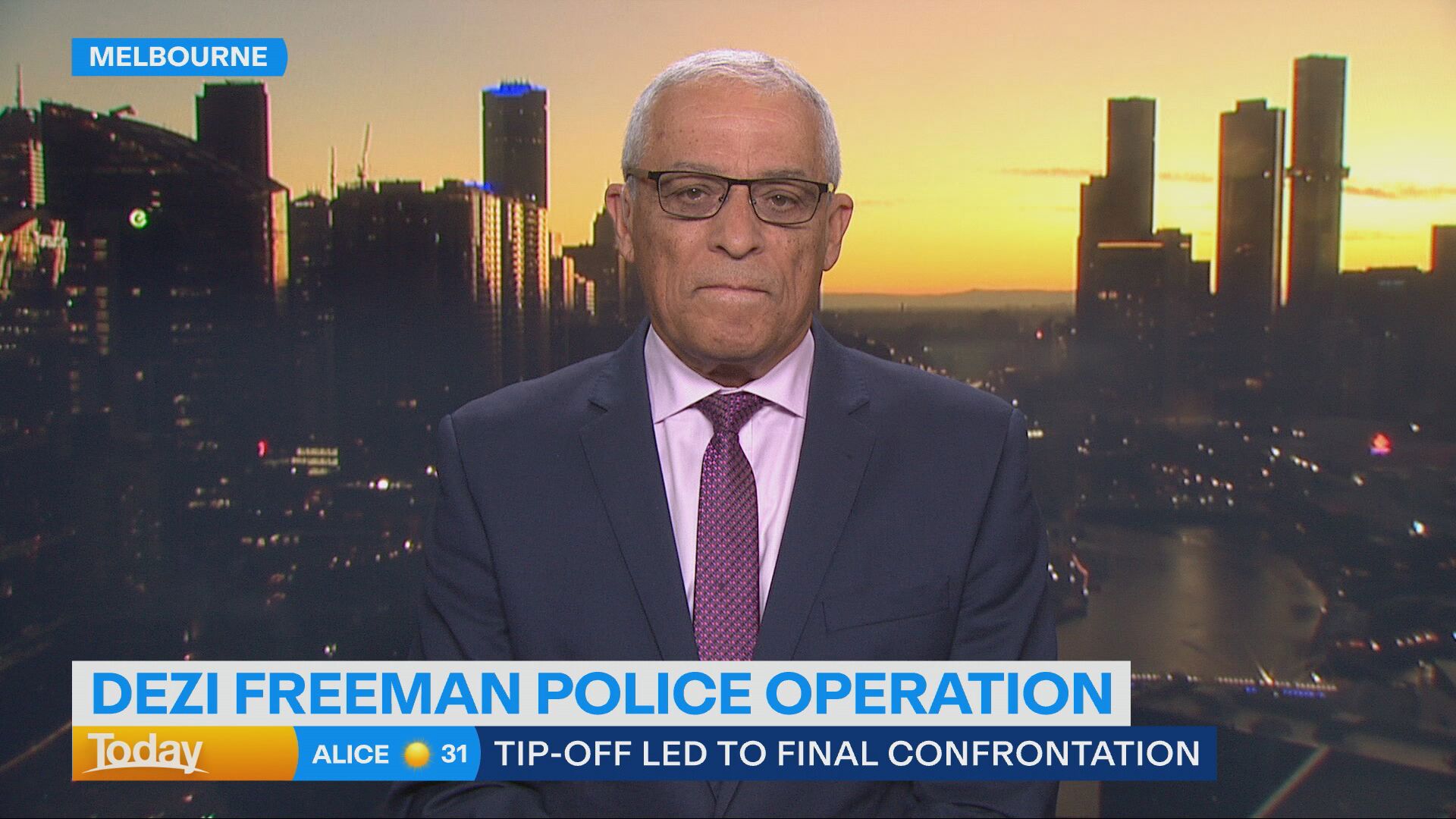
Former Victoria Police detective Charlie Bezzina said police would have acted cautiously on the information that led them to the property, including surveilling it for more than a day to confirm Freeman was there.
He said the operation would have been a difficult one, given the openness of the property in particular.
"The only advantage (police) had, there were no other people that could be put in danger," Bezzina told Today.
"Ultimately, he's got nothing to lose."
FUEL CRISIS: When will fuel prices in Australia go down?
Bezzina said while Freeman, a self-declared "sovereign citizen", may not have needed much help, it's likely he would have received some while on the run.
"He had a head start before the actual SOG (Special Operations Group) got there," he said.
"I've learned since then, there are other sovereign citizens actually in Porepunkah that would have been sympathetic to his cause."
Bezzina suggested Freeman could have approached somebody for assistance, particularly given the distance and terrain between Porepunkah and Thologolong.
"He'd have to be assisted because he's getting food and nourishment and water to that location," he said.
"He couldn't walk into town, because country people know you're a stranger, and ultimately, he couldn't afford it."
There is no suggestion any particular person, nor anybody linked to the property where Freeman was found, offered assistance to the fugitive.
Yesterday, Victoria Police Commissioner Mike Bush said he was "sure" Freeman had received help.
"It would be very difficult for him to get to where he was, if that is in fact him, without assistance," he said.
"We will be speaking to anybody who we suspect may have assisted him to avoid detection or arrest."
He pledged to bring charges against anybody complicit in Freeman's flight.
NEVER MISS A STORY: Get your breaking news and exclusive stories first by following us across all platforms.
- Download the 9NEWS App here via Apple and Google Play
- Make 9News your preferred source on Google by ticking this box here
- Sign up to our breaking newsletter here
When will fuel prices in Australia go down?
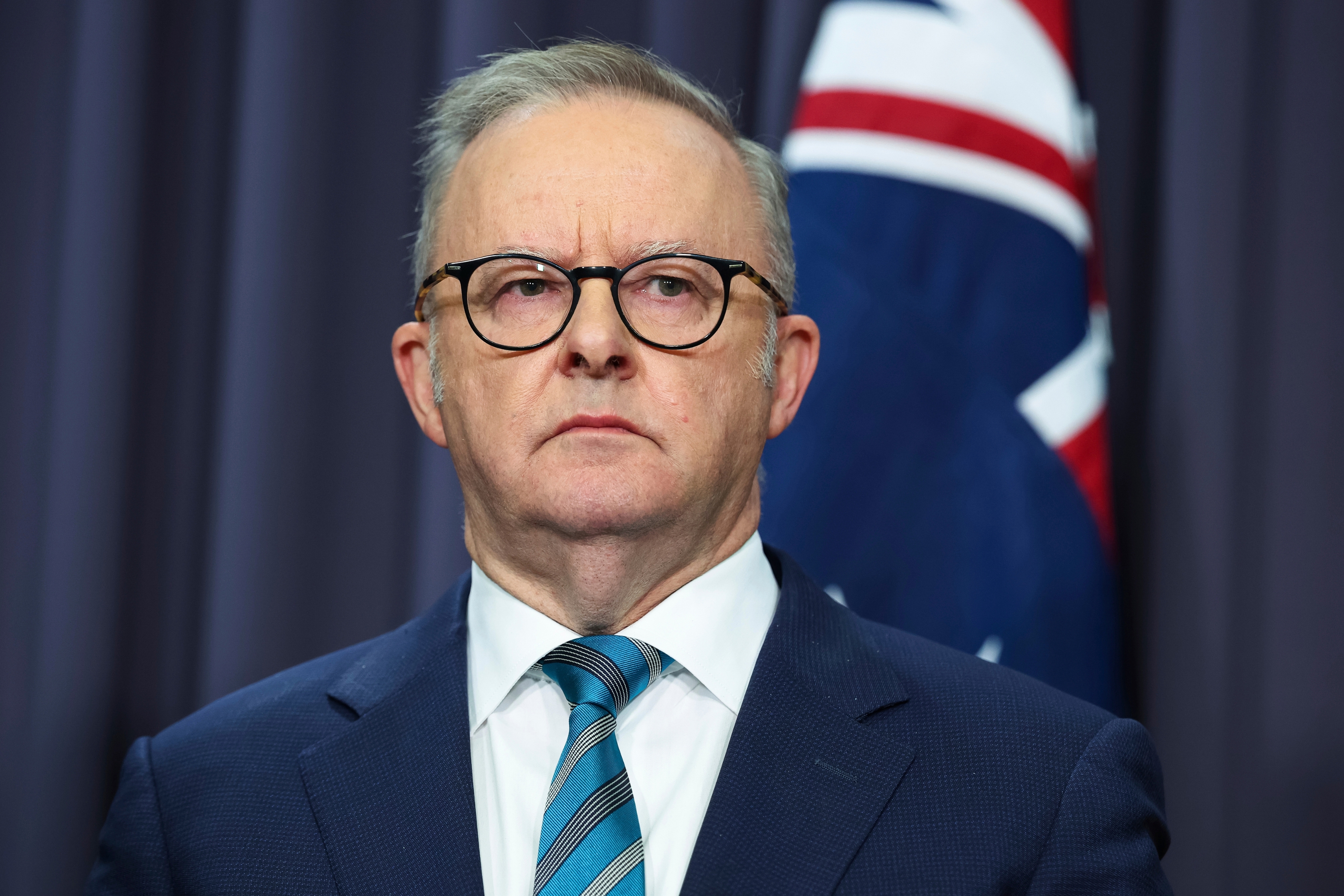
Australians are set to see some much-needed relief at the petrol pump after Anthony Albanese announced the reduction of a key fuel tax for three months.
The fuel excise, a tax on petrol, will be halved, seeing petrol prices finally go down after soaring for weeks due to the supply issues arising from the Middle East conflict.
These changes and others will take effect soon, with Australians now having more certainty as to when they will pay less at the bowser.
LIVE UPDATES: Trump threatens to wipe out critical Iranian island if deal isn't reached 'shortly'
When will petrol prices go down?
The fuel excise cut will go into effect tomorrow on April 1.
Given it will be signed into law, it means it will have an instant impact on the cost of fuel, with Albanese claiming it would reduce the cost of petrol by 26.3 cents per litre.
But – stations will have to first sell the batch of fuel they had paid for at the full rate of fuel excise.
So on April 1 the changes may not be immediate, unless you are filling up at a station that has a high turnover of fuel, and a new batch taxed at the half rate has already been bought and filled.
Treasurer Jim Chalmers elaborated and said filling up a 65l tank with petrol would be $19 cheaper once the changes happen.
According to the latest figures released by the Australian Institute of Petroleum, unleaded petrol costs around $2.53 a litre, with diesel well over $3 a litre, which is why farmers and heavy transport industries are being hit particularly hard.
A further measure of relief is the temporary halt of the heavy road vehicle user charge, which hits truckies with a 32.6 cents per litre charge on diesel.
This will also be in place for three months.
READ MORE: Why thousands of Aussies plan to cancel their health insurance tomorrow
Why is petrol so expensive right now?
Longer term, the price of oil will continue to keep petrol prices high, and that is something out of the governments control.
Crude oil currently costs around $115 a barrel; it was sitting in and around the $65 region before the Middle East conflict broke out and impacted the Strait of Hormuz, a vital shipping lane in the region for worldwide oil trade.
Not only is oil more expensive, the volatile situation in the Middle East means it is harder for oil to get to Australia, even though the government insists supply isn't a longer-term issue at the moment.
With increased demand, more people are rushing to fill up – some even hoarding petrol – which is leading to shortages and more pain at the pump for Australians in the cities and in the rural areas.
READ MORE: Why NSW government has decided not to offer free public transport for commuters amid fuel crisis
Are petrol stations running out of fuel?
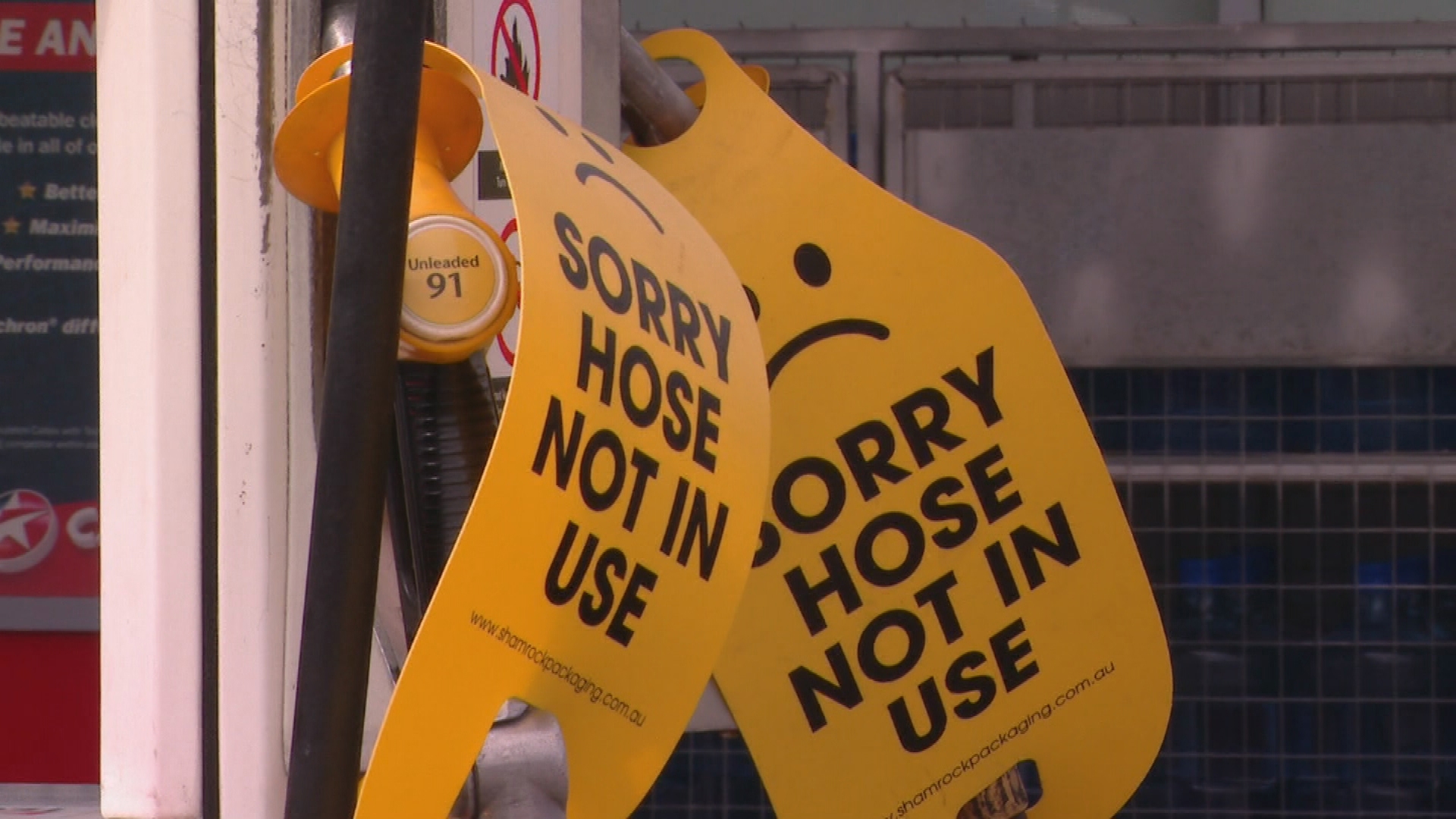
Hundreds of petrol stations across Australia have reported running out of petrol or diesel at different points in the last two weeks.
It is difficult to ascertain the true levels, though states and territories often release daily figures of how many petrol stations are out of fuel.
Some petrol stations run out of both petrol and diesel, though some only run out of one or the other.
For example in New South Wales last weekend, 66 petrol stations were out of fuel.
However, Transport Minister John Graham said some regional areas that were low on fuel previously had been resupplied.
READ MORE: The timeline of events from Porepunkah shooting to cop-killer's death
How long will these petrol prices last?
As mentioned before, the only way we will see prolonged relief at the pump will be when the price of oil drops.
That almost exclusively hinges on the fate of the Middle East conflict, which shows no signs of slowing anytime soon.
NSW Premier Chris Minns cautioned his state to prepare for long-term disruption as a result of the war.
"I am not seeing any indication that this will be resolved in 30 days," Minns said.
"I don't know whether it is going to be over in a week, or whether it's going to be a prolonged situation… but we have got to prepare for every eventuality."
How many days of petrol does Australia have left?
Energy Minister Chris Bowen insisted Australia still has a month of supply of petrol, and said shipments are still coming in despite some cancellations.
Briefing parliament yesterday, he said the country has nine days' worth of petrol, 30 days' worth of diesel; and 30 days' worth of jet fuel.
Bowen said any shipments that were cancelled have been more than properly replaced, as he looks to ease fears of a drop in supply.
NEVER MISS A STORY: Get your breaking news and exclusive stories first by following us across all platforms.
- Download the 9NEWS App here via Apple and Google Play
- Make 9News your preferred source on Google by ticking this box here
- Sign up to our breaking newsletter here