Police have released the names of two people that died following a fatal crash in Taupō on June 11.They were 20-year-old man Riley John Sutherland, and 21-year-old woman Ashlee Kathleen Ennis, both of Marotiri.Emergency services…
Tag Archives: oceania
Two Townsville prison escapees caught, one more on the run
Two of three men who escaped from a Townsville prison farm this week have been located by police, with one more still on the run.
Police confirmed it's likely the trio banded together and 'walked off' the property between 6.30pm and 8.30pm Monday night, launching a coordinated search by police and corrective services through the North Queensland city.
The three men were identified as Layne Rex Newman, Les Noel Noble, and Preston Donald Zane Quakawoot.
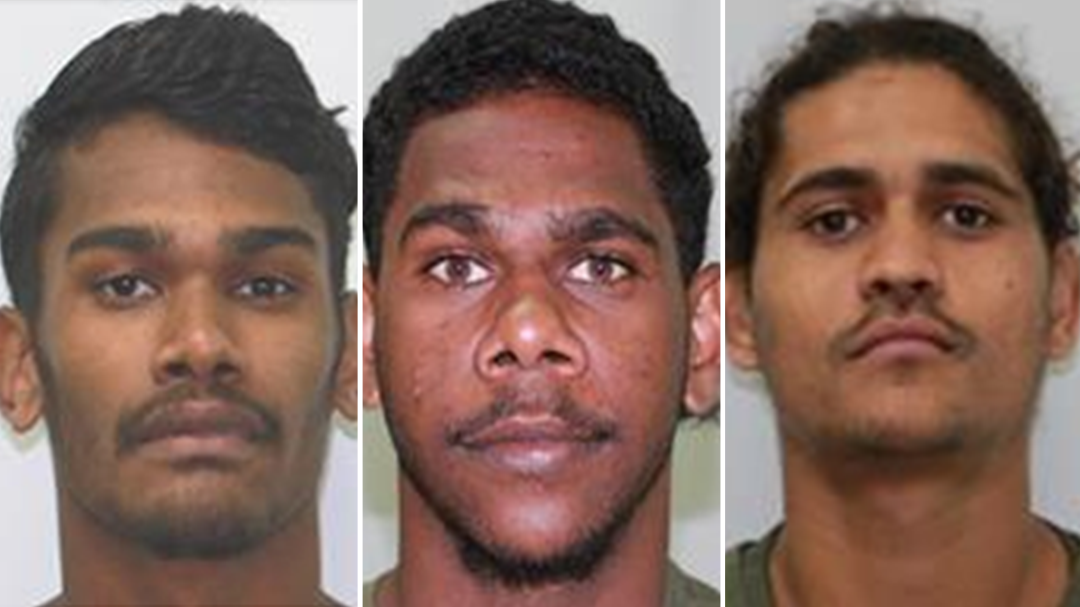
They were serving sentences for break and enter, armed robbery and assaulting police.
Quakawoot, 22, was located around 10.30am this morning and was arrested alongside a 22-year-old woman from a home in Stuart.
Police confirmed he is expected to be charged with escaping custody and possibly more charges.
The woman is assisting police with investigations.
READ MORE: QAnon's 'Q' returns after nearly two years of silence
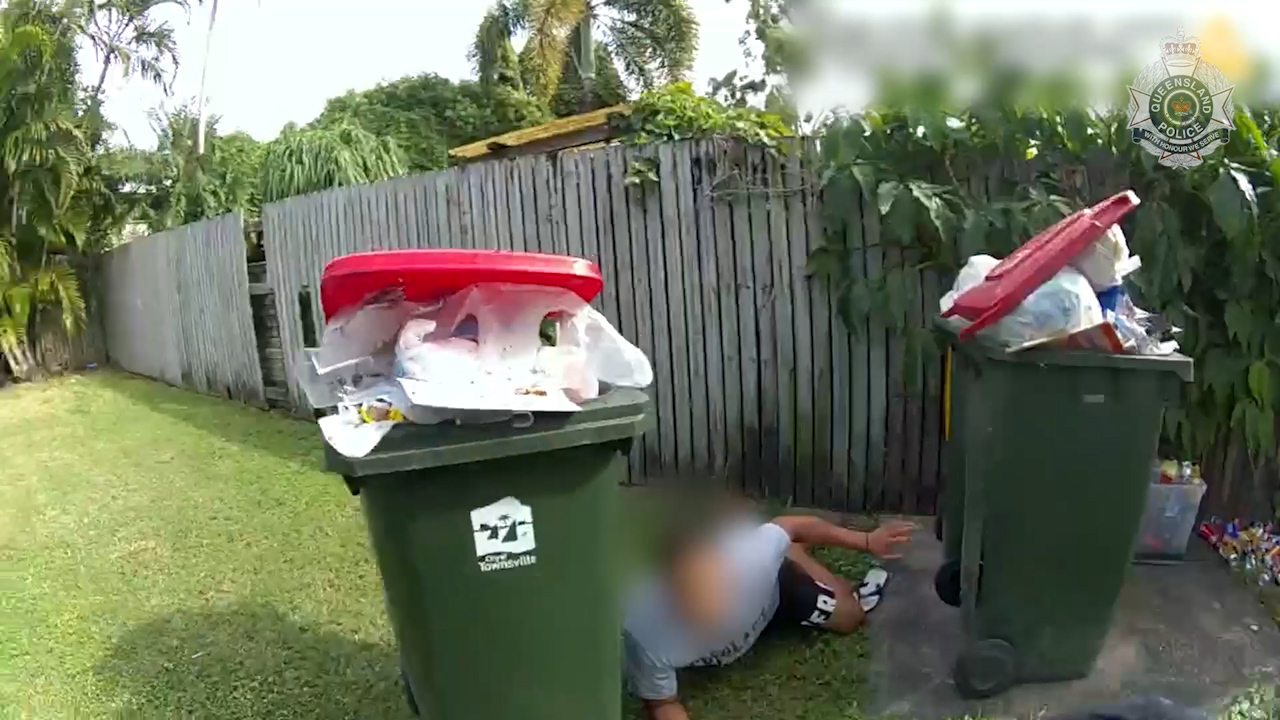
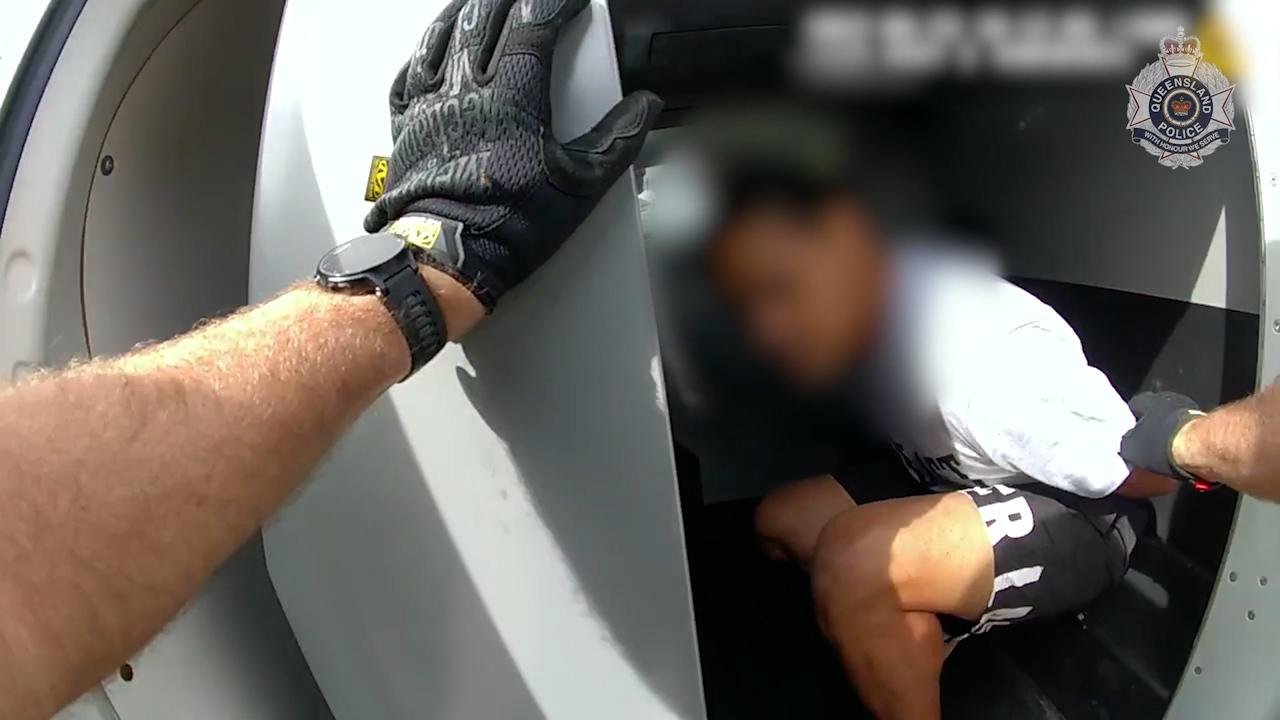
Newman, who is 19, was located around 8.45pm last night, June 28.
Police confirmed they located him after tactical crime squad officers found a stolen Mazda CX 5 on Gosper Street, in Heatley.
Newman, who had been in the vehicle, allegedly ran from police.
He was arrested a short time later and charged with unlawful use of a motor vehicle and escaping custody.
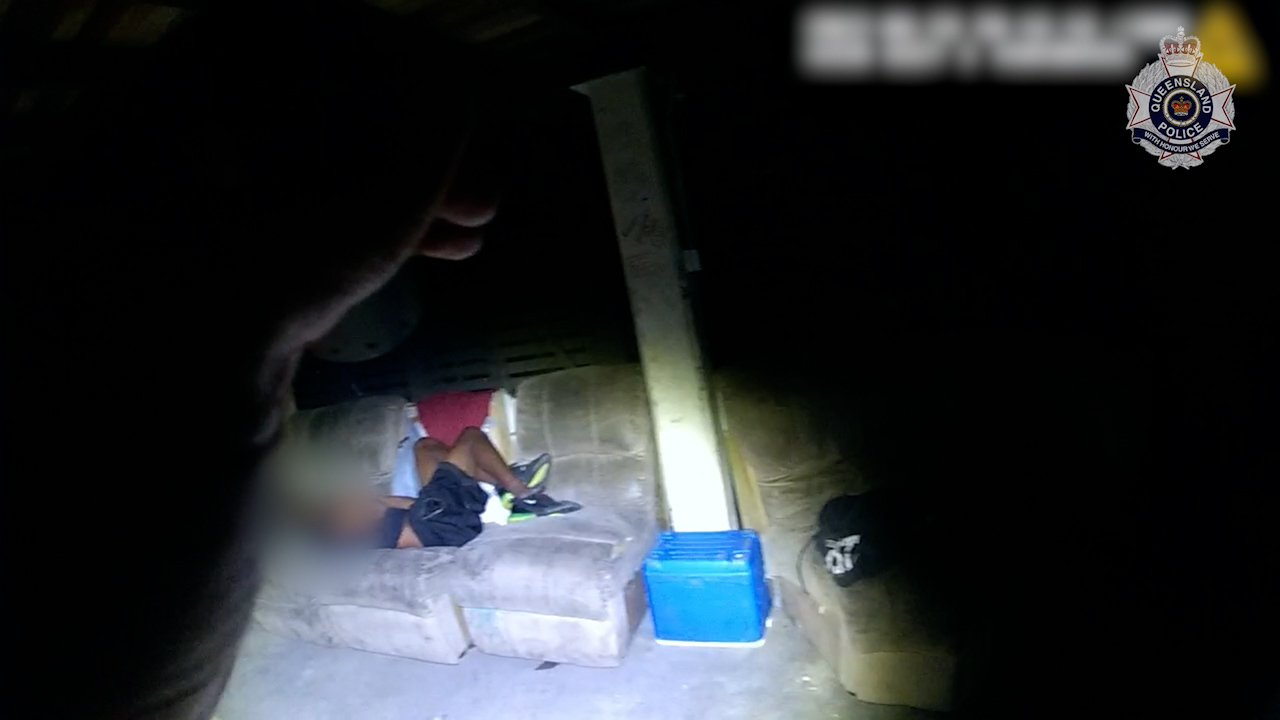
Police confirmed they also arrested a 20-year-old woman who was charged with unlawful driving and driving without a license.
Newman will appear in Townsville Magistrates Court today.
READ MORE: Train strike to ease today as climate protest called off
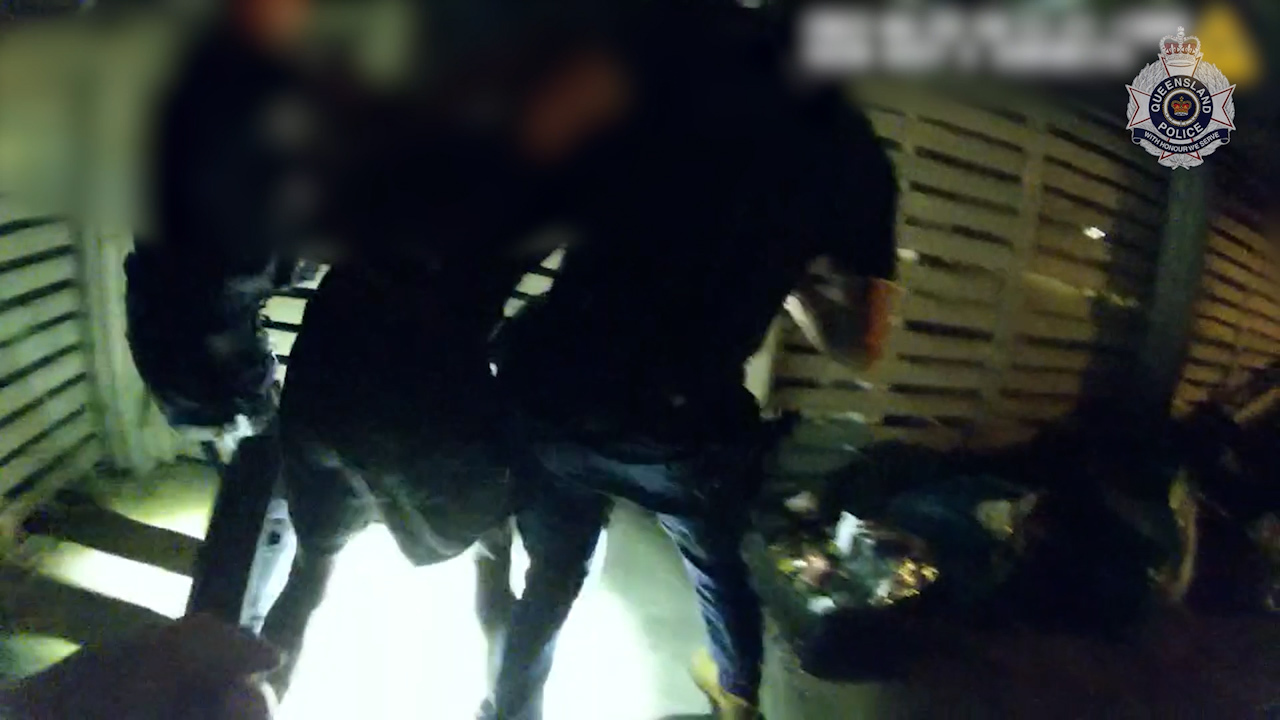
Noble, also 22, has not been located by police.
Police confirmed they left no trace when they escaped from the prison facility and it's unclear which direction they were initially headed.
"Any time someone escapes from a correctional centre their desire is not to go back," Detective Senior Sergeant Chris Hicks said.
"If they are approached by members of the public there could be some danger there."
READ MORE: Ghislaine Maxwell jailed for 20 years
'A preventable tragedy': 51 migrants dead in Texas truck 'horror'
Desperate families of migrants from Mexico and Central America frantically sought word of their loved ones as authorities began the grim task of identifying 51 people who died after being abandoned in a tractor-trailer without air conditioning in the sweltering Texas heat.
It was the deadliest tragedy to claim the lives of migrants smuggled across the border from Mexico.
The driver of the truck and two other people were arrested, US Rep. Henry Cuellar of Texas told The Associated Press.
LIVE UPDATES: Sydney train strike to ease
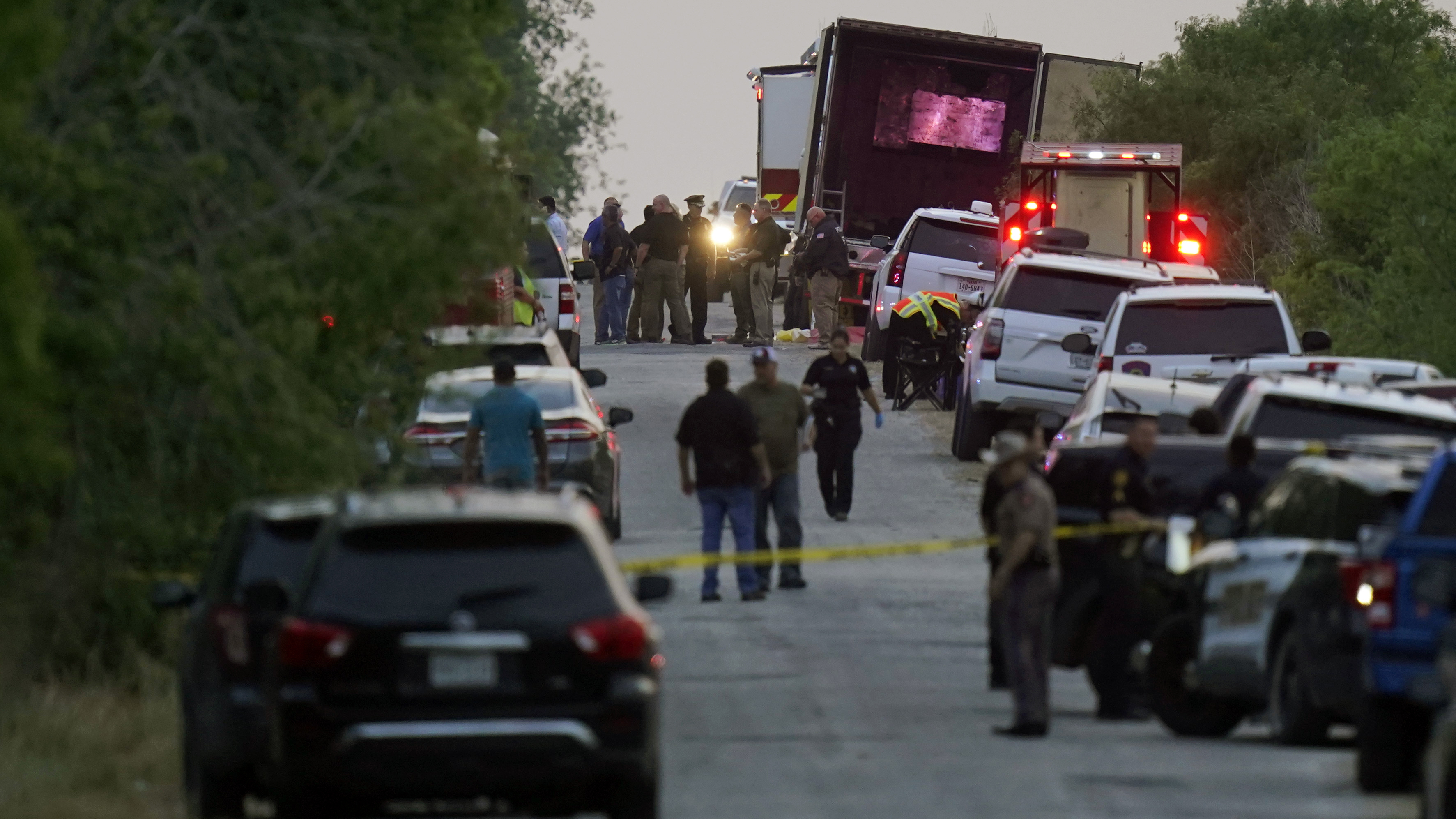
He said the truck had passed through a Border Patrol checkpoint northeast of Laredo, Texas, on Interstate 35.
He did not know if migrants were inside the truck when it cleared the checkpoint.
Investigators traced the truck's registration to a residence in San Antonio and detained two men from Mexico for possession of weapons, according to criminal complaints filed by the US attorney's office.
The complaints did not make any specific allegations related to the deaths.
Two Mexican nationals tied to the smuggling incident have now been charged in US federal court, according to Reuters.
They pair have been charged with possessing firearms while residing in the US illegally, according to court documents and US authorities, Reuters is reporting.
READ MORE: QAnon's 'Q' returns after nearly two years of silence
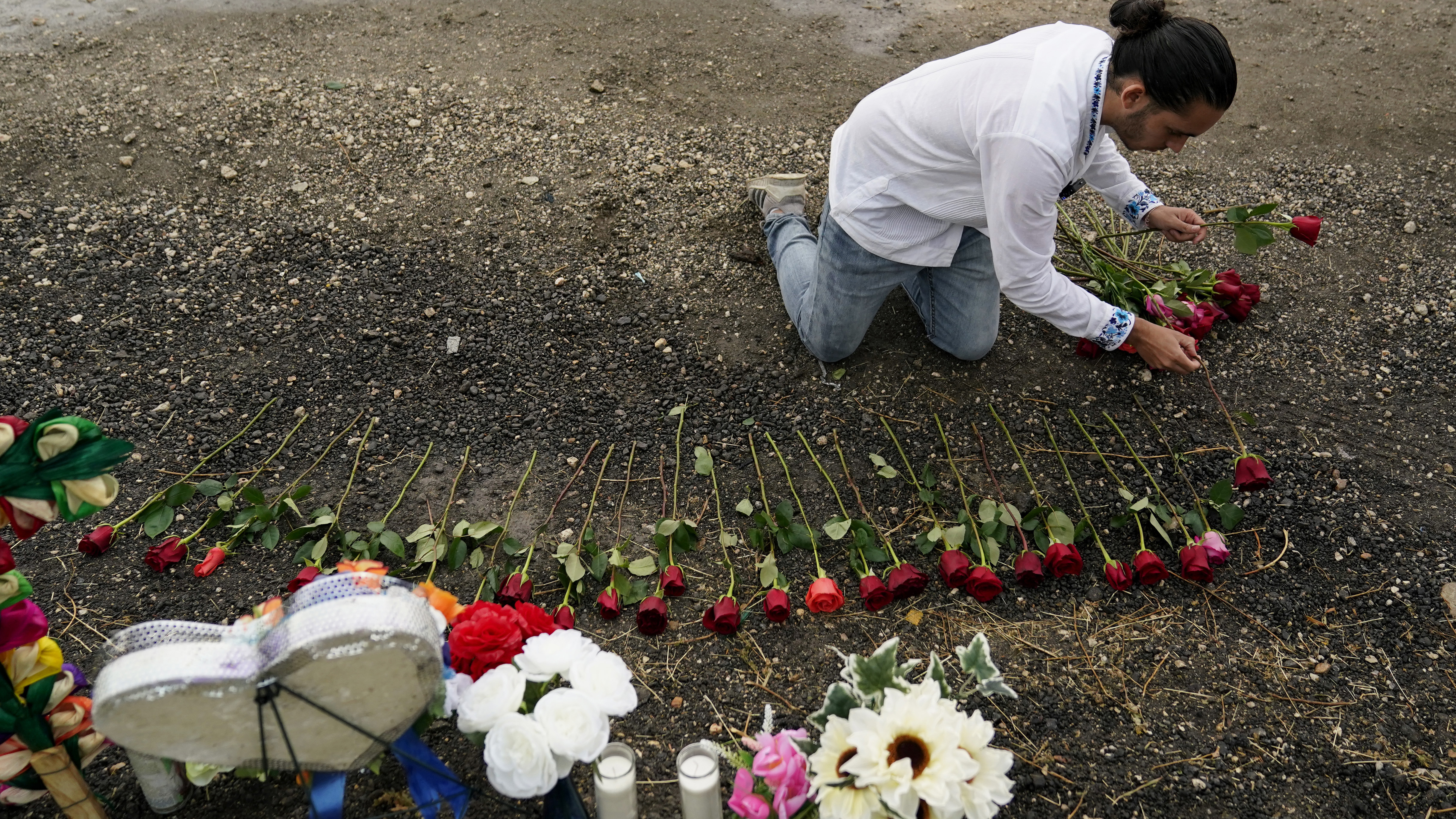
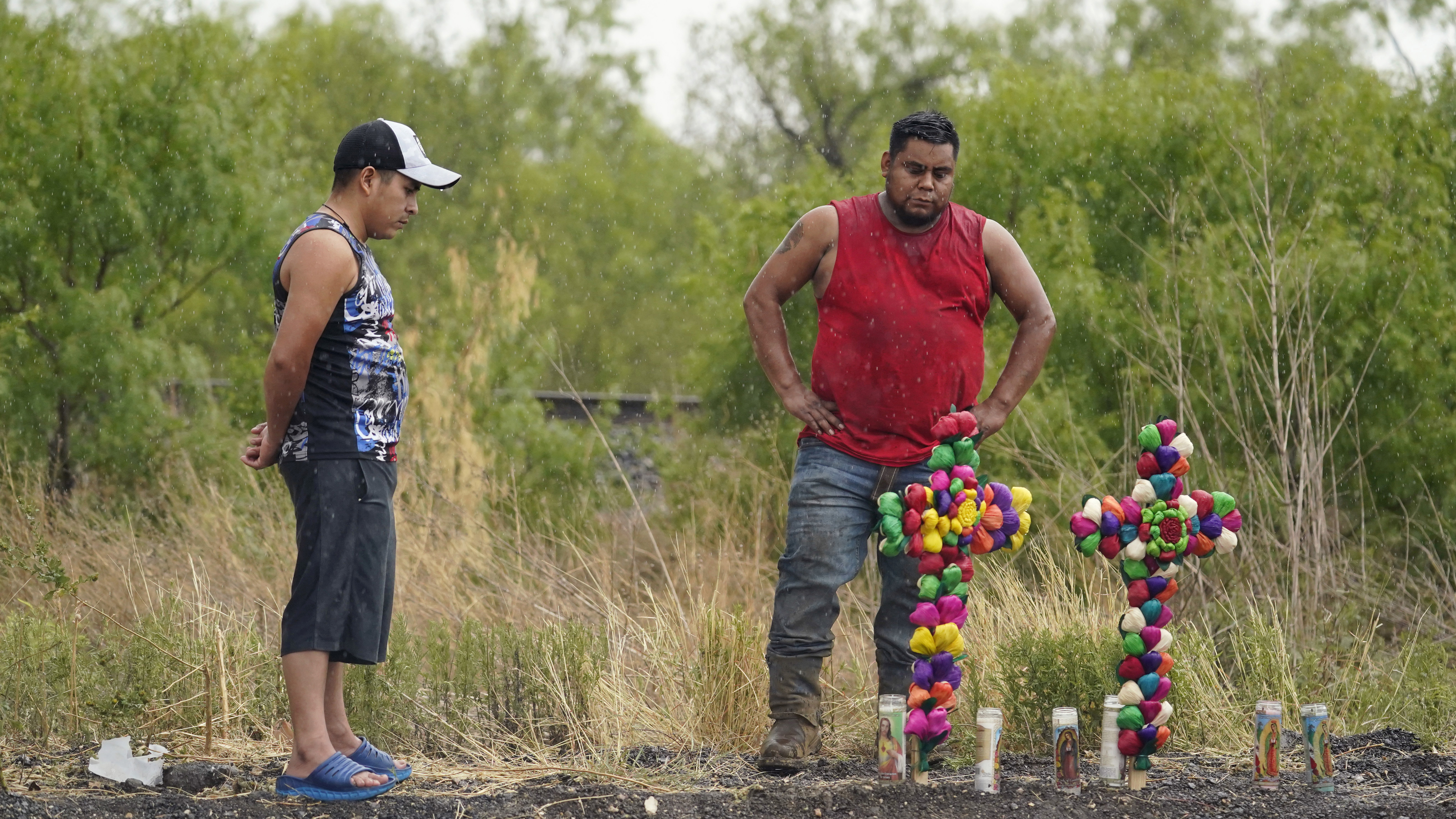
The bodies were discovered on Monday afternoon on the outskirts of San Antonio when a city worker heard a cry for help from the truck parked on a lonely back road and found the gruesome scene inside, Police Chief William McManus said.
Hours later, body bags lay spread on the ground.
More than a dozen people — their bodies hot to the touch — were taken to hospitals, including four children. Most of the dead were males, he said.
The death count was the highest ever from a smuggling attempt in the United States, according to Craig Larrabee, acting special agent in charge of Homeland Security Investigations in San Antonio.
READ MORE: Train strike to ease today as climate protest called off
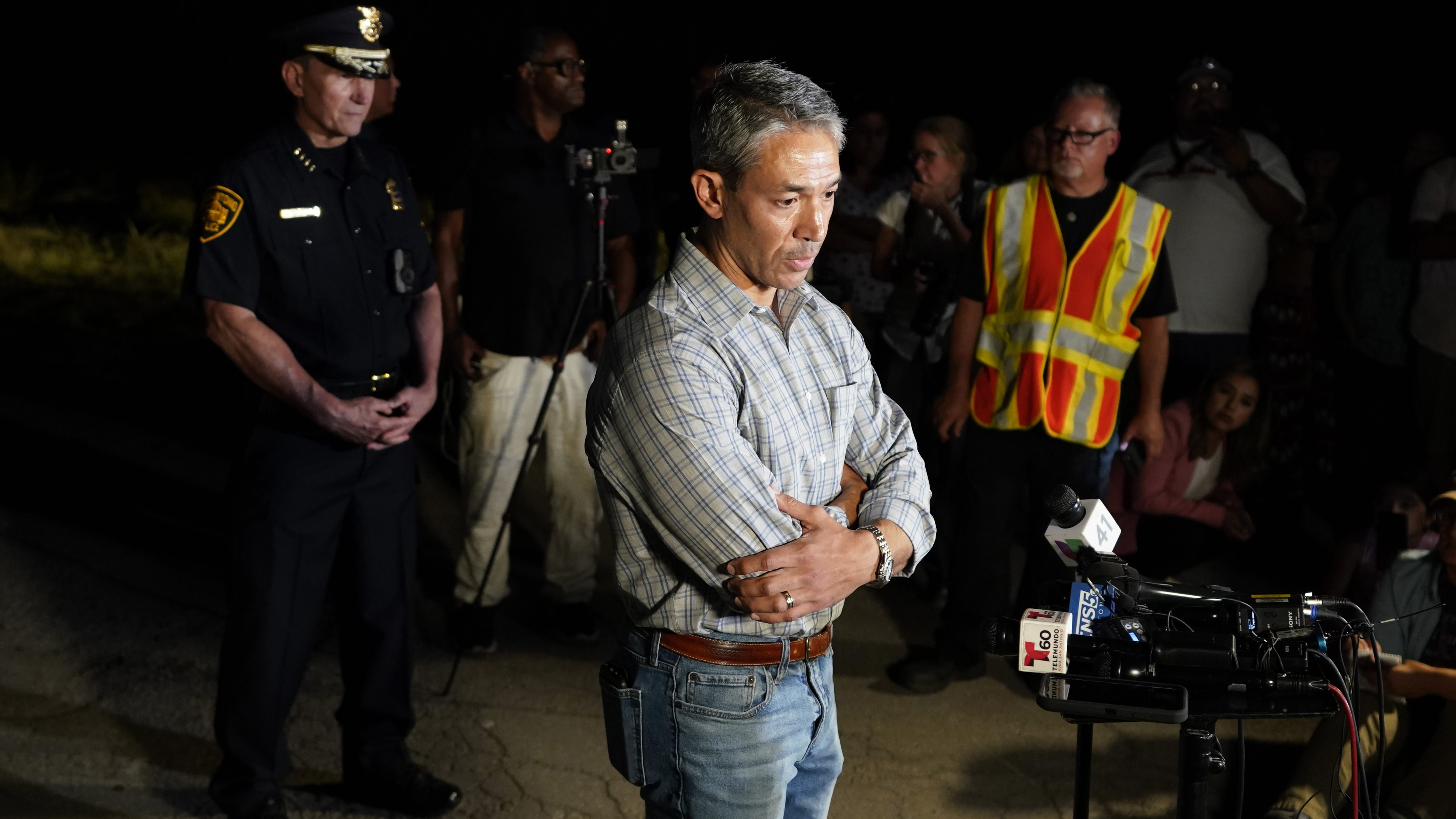
"This is a horror that surpasses anything we've experienced before," San Antonio Mayor Ron Nirenberg said.
"And it's sadly a preventable tragedy."
President Joe Biden called the deaths "horrifying and heartbreaking."
"Exploiting vulnerable individuals for profit is shameful, as is political grandstanding around tragedy, and my administration will continue to do everything possible to stop human smugglers and traffickers from taking advantage of people who are seeking to enter the United States between ports of entry," Biden said in a statement.
READ MORE: Ghislaine Maxwell jailed for 20 years
https://twitter.com/Ron_Nirenberg/status/1541604317030977536?ref_src=twsrc%5Etfw
Authorities did not know the home countries of all of the migrants, nor how long they were abandoned on the side of the road.
By Tuesday afternoon, medical examiners had potentially identified 34 of the victims, but they were taking additional steps, such as fingerprints, to confirm the identities, said Bexar County Commissioner Rebeca Clay-Flores.
Among the dead, 27 are believed to be of Mexican origin based on documents they were carrying, according to said Rubén Minutti, Mexico consul general in San Antonio.
Several survivors were in critical condition with injuries such as brain damage and internal bleeding, he said.
At least seven of the dead were from Guatemala and two from Honduras, Roberto Velasco Álvarez, head of the North America department in Mexico's Foreign Relations Department, said on Twitter.
https://twitter.com/POTUS/status/1541858758820864000?ref_src=twsrc%5Etfw
About 30 people had reached out to the Mexican Consulate looking for loved ones, the officials said.
READ MORE: Kyrgios fumes at 'snitch' in drama-filled Wimbledon match
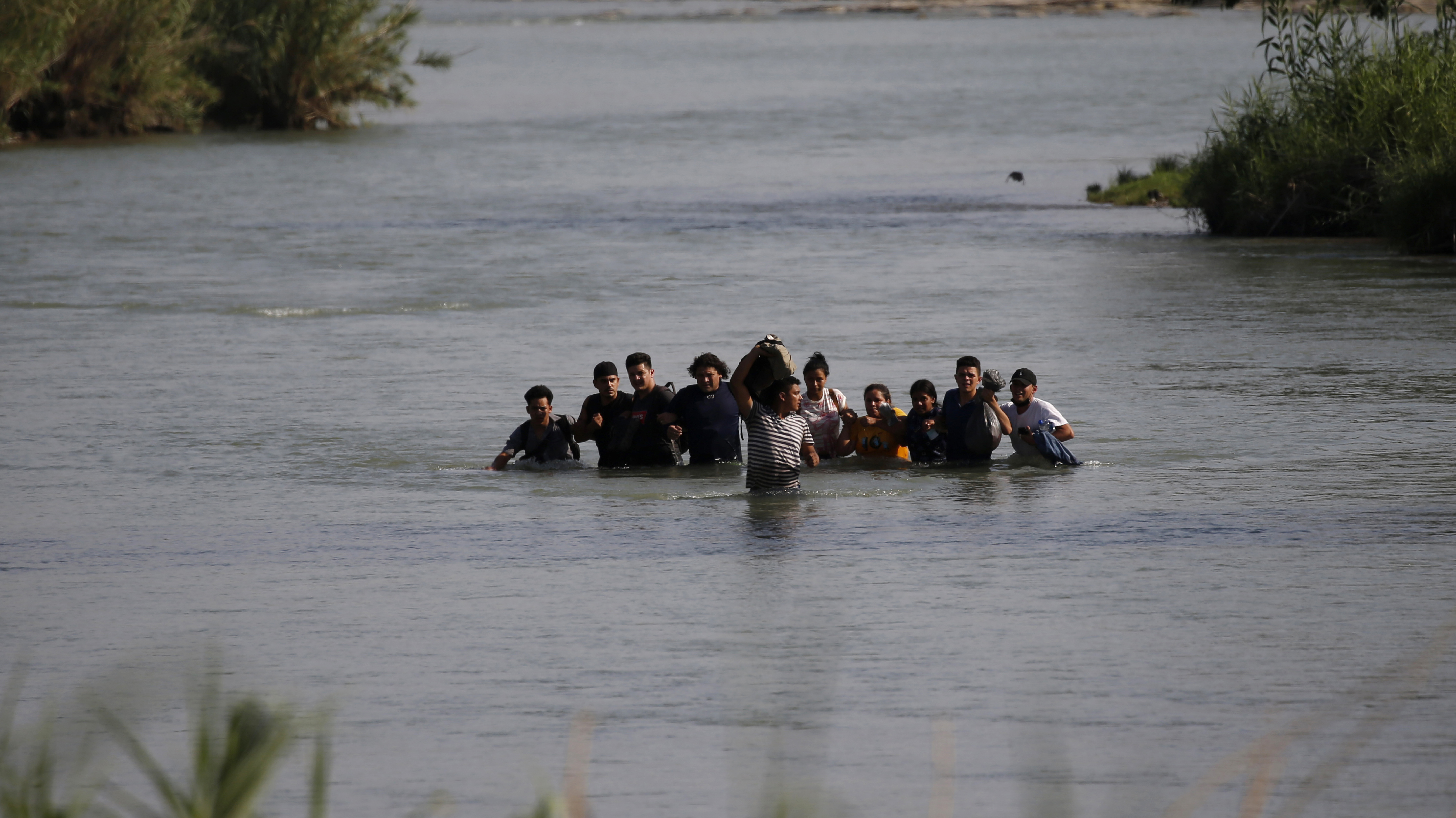
Attempts to cross the US border from Mexico have claimed thousands of lives in both countries in recent decades.
US border authorities are stopping migrants more often on the southern border than at any time in at least two decades.
Migrants were stopped nearly 240,000 times in May, up by one-third from a year ago.
Comparisons to pre-pandemic levels are complicated because migrants expelled under a public health authority known as Title 42 face no legal consequences, encouraging repeat attempts.
Authorities say 25 per cent of encounters in May were with people who had been stopped at least once in the previous year.
South Texas has long been the busiest area for illegal border crossings.
US authorities discover trucks with migrants inside "pretty close" to daily, Larrabee said.
Migrants typically pay $8,000 to $10,000 to be taken across the border and loaded into a tractor-trailer and driven to San Antonio, where they transfer to smaller vehicles for their final destinations across the United States, he said.
Conditions vary widely, including how much water passengers get and whether they are allowed to carry cellphones, Larrabee said.
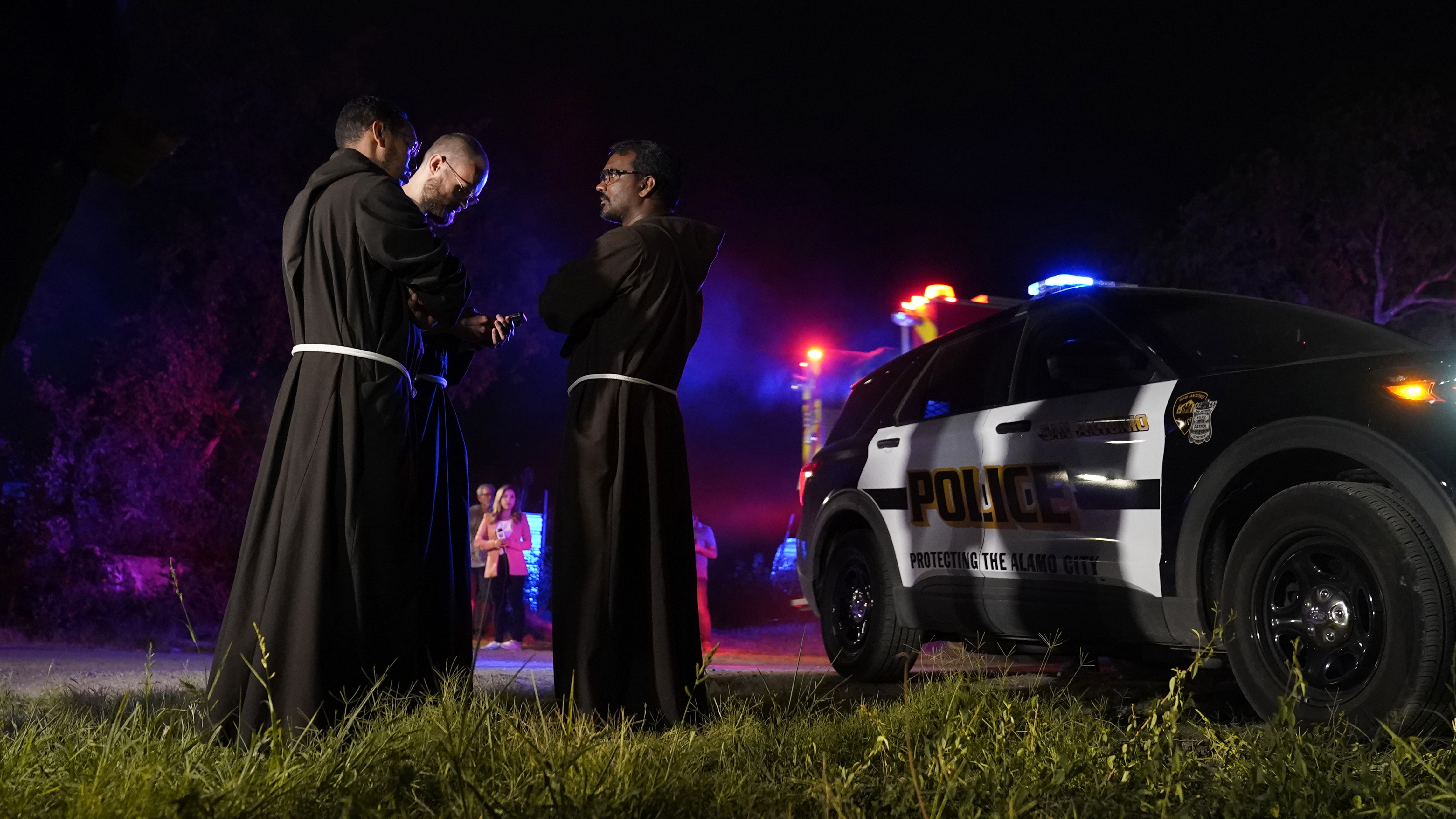
Authorities think the truck discovered on Monday had mechanical problems when it was left next to a railroad track in an area of San Antonio surrounded by auto scrapyards that brush up against a busy freeway, Wolff said.
San Antonio has been a recurring scene of tragedy and desperation in recent years involving migrants in semitrailers.
Ten migrants died in 2017 after being trapped inside a truck parked at a San Antonio Walmart.
In 2003, the bodies of 19 migrants were found in a sweltering truck southeast of the city.
More than 50 migrants were found alive in a trailer in 2018, driven by a man who said he was to be paid $3,000 and was sentenced to more than five years in prison.
Other tragedies have occurred long before migrants reached the US.
In December, more than 50 died when a semitrailer rolled over on a highway in southern Mexico.
In October, Mexican authorities reported finding 652 migrants packed into six trailers stopped at a military checkpoint near the border.
Some of the 16 people taken to hospitals with heat-related illnesses remained hospitalised on Tuesday in critical condition.
Those taken to the hospital were hot to the touch and dehydrated, and no water was found in the trailer, said Fire Chief Charles Hood.
"They were suffering from heat stroke and exhaustion," Hood said.
"It was a refrigerated tractor-trailer, but there was no visible working AC unit on that rig."
Temperatures in San Antonio on Monday approached 38C.
Big rigs emerged as a popular smuggling method in the early 1990s amid a surge in U.S. border enforcement in San Diego and El Paso, Texas.
Before that, people paid small fees to get across a largely unguarded border.
As crossing became much more difficult after the 2001 terror attacks in the US, migrants were led through more perilous terrain and had to pay thousands of dollars.
Some advocates drew a link to the Biden administration's border policies. Aaron Reichlin-Melnick, policy director at the American Immigration Council, wrote that he had been dreading such a tragedy for months.
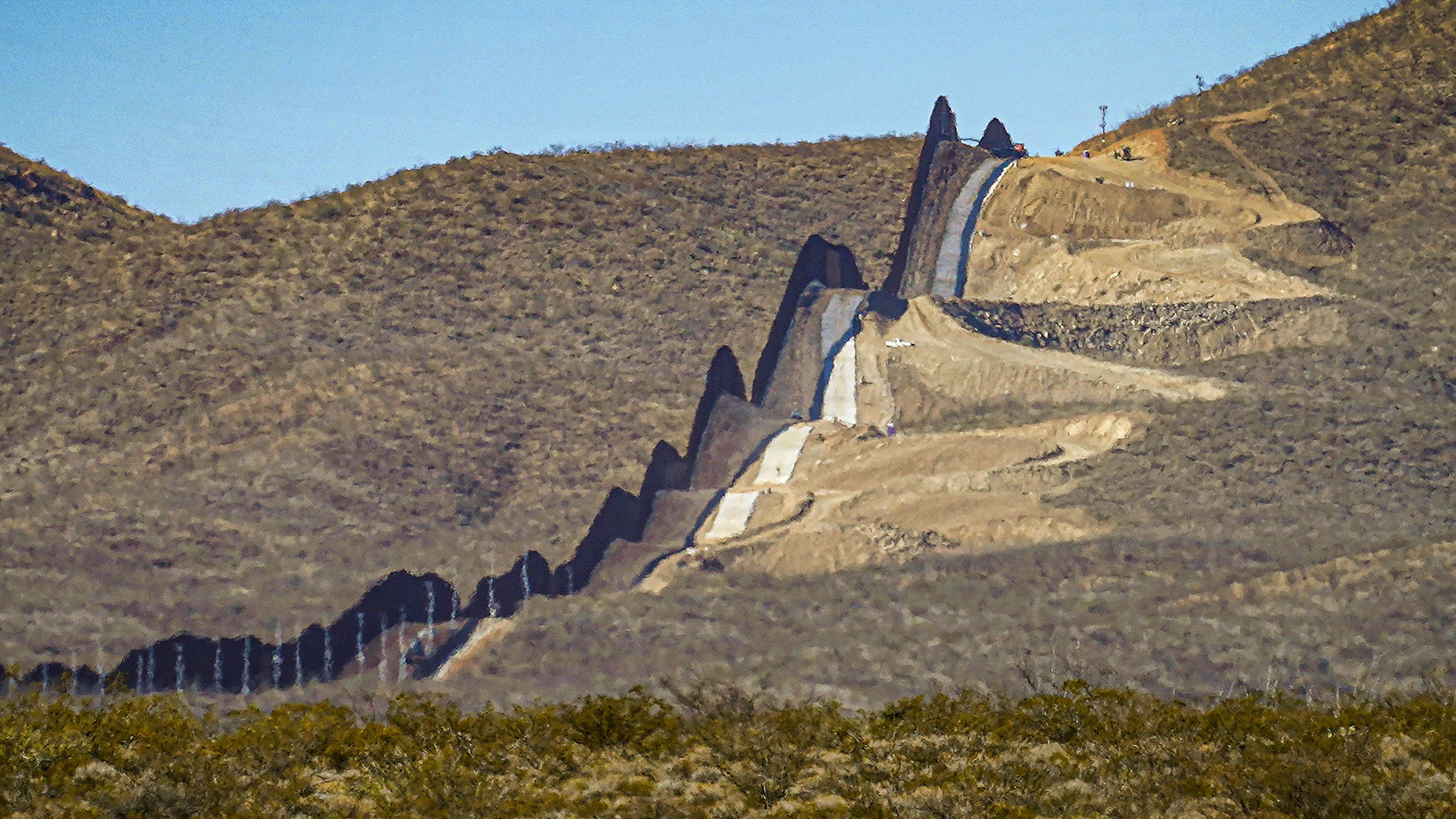
"With the border shut as tightly as it is today for migrants from Mexico, Guatemala, Honduras and El Salvador, people have been pushed into more and more dangerous routes," he wrote on Twitter.
Migrants — largely from Mexico, Guatemala, Honduras and El Salvador — have been expelled more than two million times under the pandemic-era rule in effect since March 2020 that denies a chance to seek asylum.
The Biden administration planned to end the policy, but a federal judge in Louisiana blocked the move in May.
US Customs and Border Protection reported 557 deaths on the Southwest border in the 12 months ending September 30, more than double the 247 deaths reported in the previous year and the highest since it began keeping track in 1998.
Most were related to heat exposure.
Government demolishes more houses than it builds – National
By Will Trafford of Whakaata Maori Kāinga Ora, the government’s housing arm has demolished more houses in 2022, than it built, according to data from the department.Information from the Government Housing Dashboard reveals…
How did four-year-old Malachi leave court with his killer?
An overhaul of the justice system to ensure the safety of children whose parents are sent to prison is needed in the wake of Malachi Subecz's murder, experts say.
The calls come as lawyers who acted for the boy's mother, say she is a dedicated mum who loved her son and thought he would be safe with her friend.
Malachi was four-years-old when his mum was imprisoned in June last year. He went to Tauranga District Court that day and left with Michaela Barriball, his carer and one of his mother's friends.
READ MORE: QAnon's 'Q' returns after nearly two years of silence

Less than four months later, he was airlifted to Starship Hospital with injuries inflicted by Barriball, where he died on November 12.
Barriball pleaded guilty to his murder and is being sentenced alongside her sister Sharron in Rotorua High Court on Thursday, for perverting the course of justice.
Subecz's Wellington-based family previously told Stuff they contacted Oranga Tamariki and the courts to register their fears for Malachi's safety in Barriball's care within a week of his mother being jailed.
READ MORE: Train strike to ease today as climate protest called off
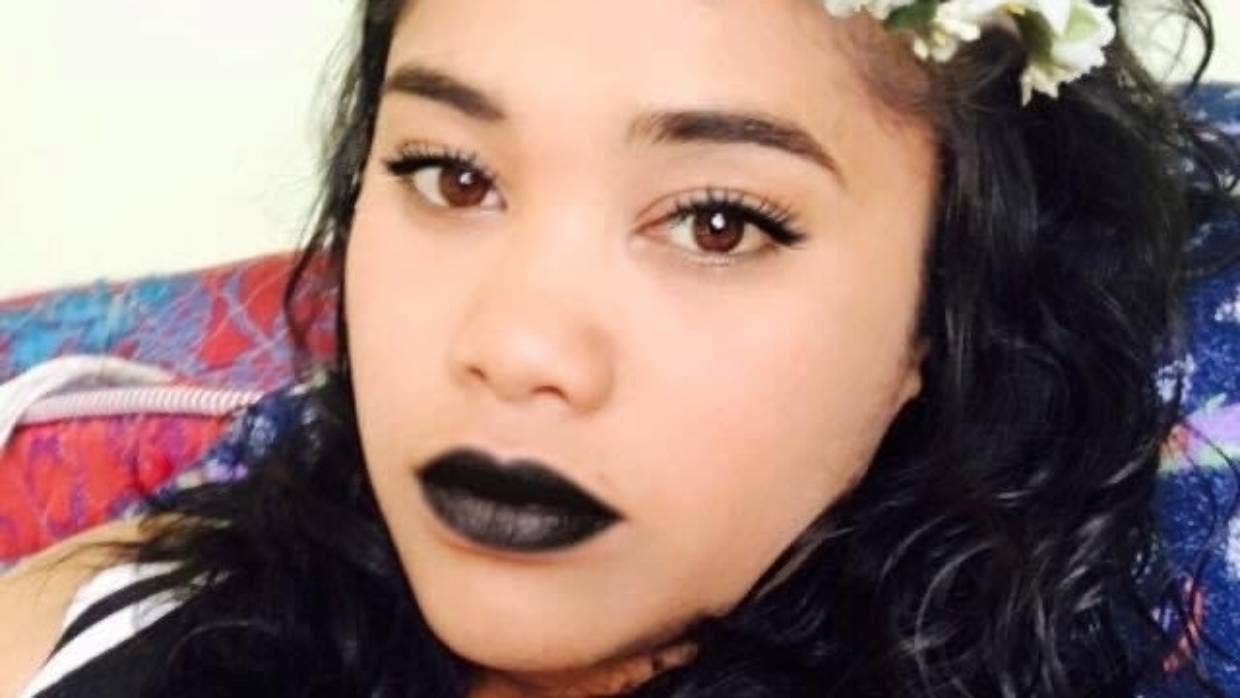
They say police, the courts and OT could have done more to prevent Malachi's death.
When contacted by Stuff on Tuesday, Malachi's mother's criminal lawyer, David Bates, said the first he heard of Malachi's death was when he called her in prison on an unrelated matter. He had last seen him when the mother was taken into custody, with "one or two women" he assumed were his caregivers.
"The last time I saw him was in the foyer of the district court in Tauranga. He was a lovely little boy, a happy, well-adjusted, cheerful little fellow, there to say goodbye to mum.
"I told him, 'Mummy is going away for a long holiday, but she'll come home again'."
Bates said the boy's mother had spoken to him about needing to make custody arrangements, and he had instructed her to enlist a family lawyer. He assumed this had happened, and says he had no reason to make enquiries with the women in the foyer.
"I was focused on (the mother) in terms of her prosecution."
READ MORE: Kyrgios fumes at 'snitch' in drama-filled Wimbledon match
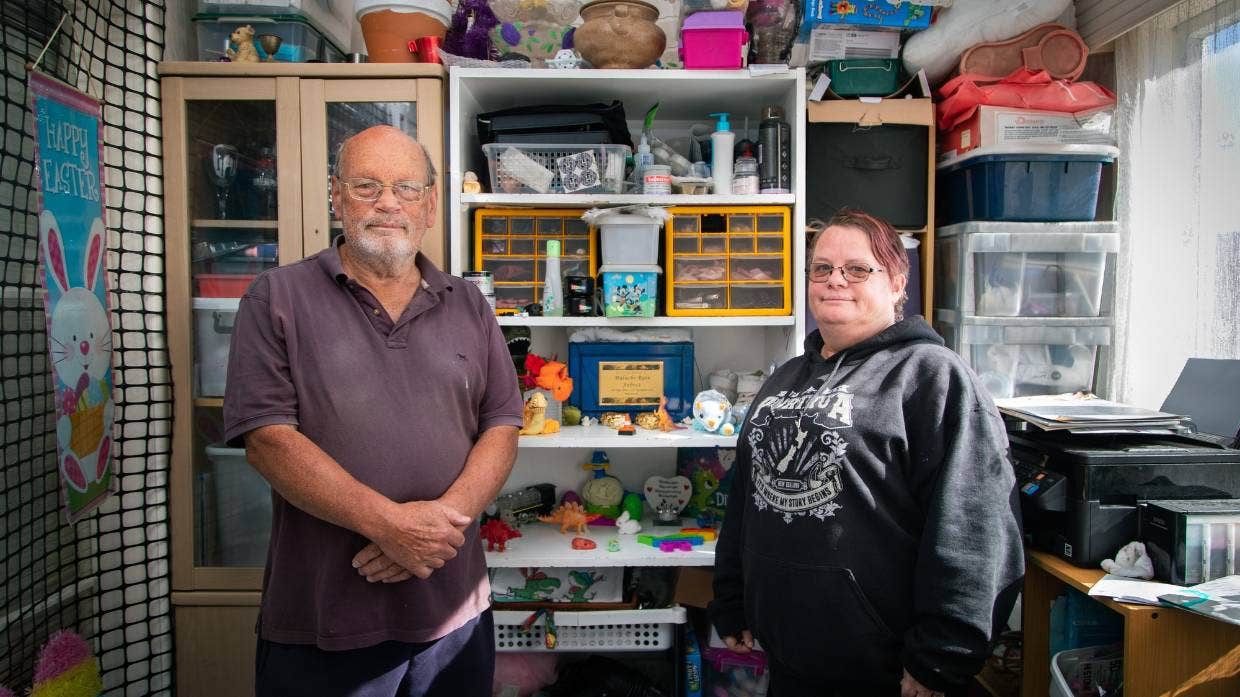
Another lawyer, working with Malachi's mother, said "no safety concerns were raised" during the process that lead to Malachi being placed in Barriball's care before his mother was jailed.
On September 13, Barriball was appointed as an additional guardian by the family court. The summary of facts in the murder case states Barriball was "resisting applications being made by the deceased's biological family for them to obtain custody of him".
The family say they held grave fears for his safety and expected Malachi to come to them up until the date of his mother's imprisonment.
A full hearing was to be held on November 1. Barriball cancelled the hearing on October 29. Two days later, on the day of the cancelled hearing, Barriball inflicted multiple blunt force trauma injuries on Malachi, and he was airlifted to Starship Hospital.
In a statement, Oranga Tamariki Transitional Deputy Chief Executive Services for Children and Families Dee McManus-Emery, said in general, a parent going to prison did not automatically give rise to any care or protection concern if they made care arrangements for any dependents.
If Police, Corrections or the criminal court had concerns about those arrangements, Oranga Tamariki would expect to be notified.
But AUT Dean of Law Associate Professor Khylee Quince said the state had an obligation to make sure the children of parents who were sentenced to jail would be safe.
READ MORE: Ghislaine Maxwell jailed for 20 years
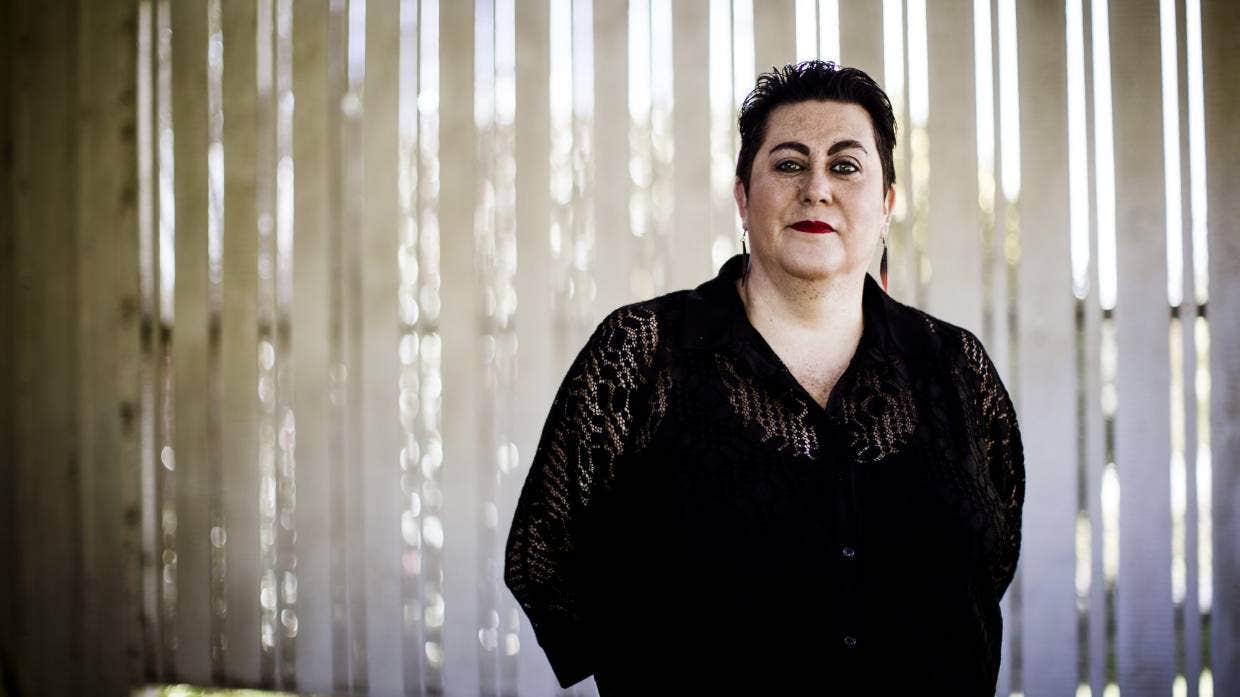
"There are so many holes here, you could drive a truck through."
This meant children's physical safety but also ongoing counselling, support to the primary caregiver, and ensuring family links were maintained if the carer was non-whānau.
"There's a complete lack of systemic oversight, sometimes you might see the judge ask if there are children involved, but it is haphazard."
The criminal and family courts were separate and kids could easily be overlooked – one of the issues raised by PhD student Venezia Kingi almost 20 years ago, Quince said.
"There needs to be a set of universal protocols around any parent who is likely to go to prison, screening around dependent children, and making sure there's an appropriate custody arrangement."
Family lawyer Jaime-Lee Tuuta said the current piecemeal approach was not working, and coordination would prevent future harm.
"How do we intervene early on and have a broad approach that integrates all parts of the justice system and benefits the children?"
Corrections Minister Kelvin Davis has announced a practice review into Oranga Tamariki's potential failings around the case, and a separate review which would look into other Government agencies' involvement. The terms of this have yet to be decided.
This article was reproduced from Stuff with permission.
Dog reunited with pups after viral social media plea for return
Lucy, a two-and-a-half-year-old Shih Tzu Chihuahua was returned to her owner yesterday, five hours after being taken from outside Animates in Paraparaumu.The beloved dog of Animates manager Jo Borra, and well known throughout the…
John MacDonald: Now is not the time for fixing a broken health system
OPINION: I want to know what brand of coffee Dr Shane Reti was drinking before he spoke to Mike Hosking on Newstalk ZB this morning. Because, whatever it was, the National Party’s health spokesperson came out firing like never before….
The secret tax 'wash' the ATO is cracking down on
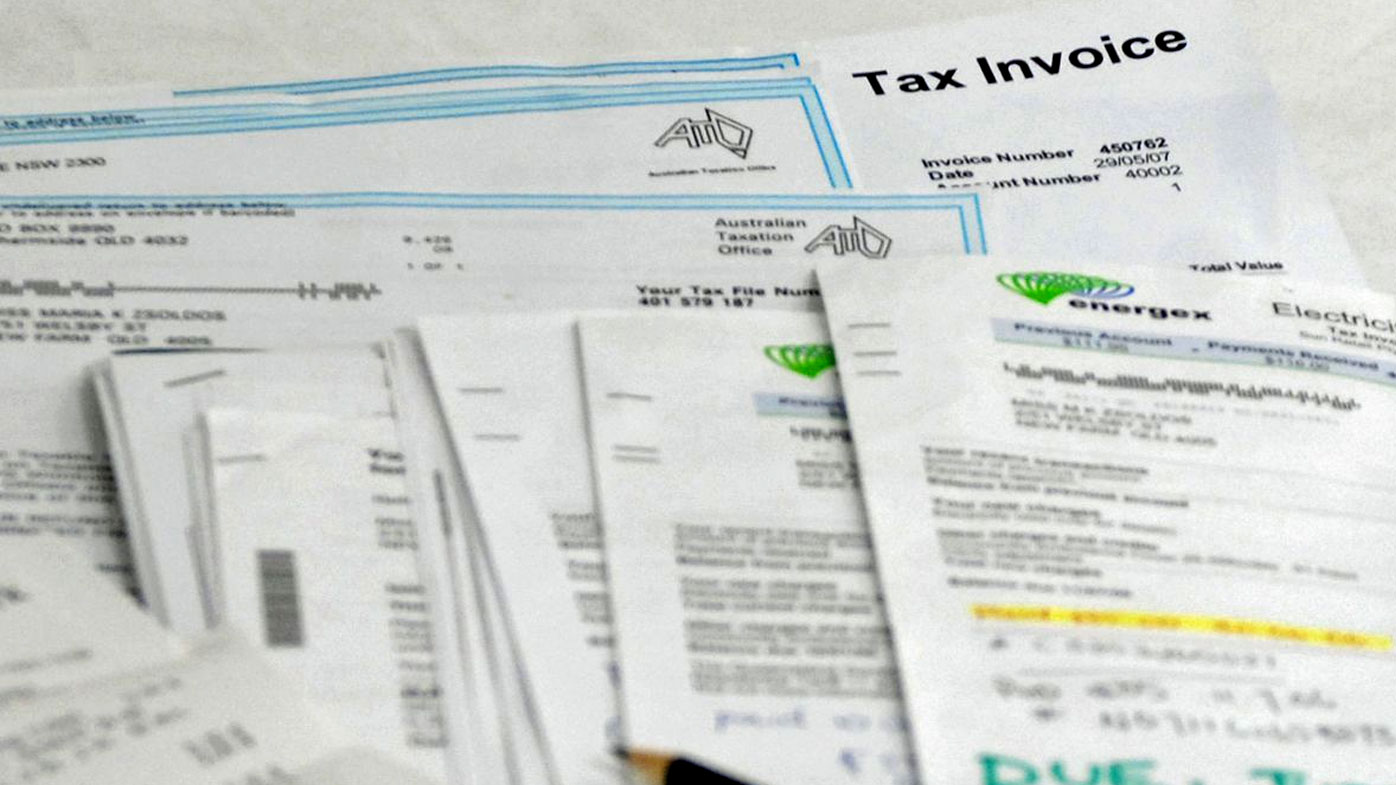
Aussies trying to secretly carry out "asset wash sales" to boost their tax returns will be slugged with a range of penalties, the Australian Taxation Office has warned.
Wash sales are a type of tax avoidance the ATO says it will use "sophisticated data analytics" to detect, as millions of Australians get set to lodge their tax claims.
The scheme typically involves selling assets such as crypto and shares just before the end of the financial year, and after a short period of time buying back the same or similar assets.
READ MORE: Crypto, property profits to be targeted by tax office in new crackdown
READ MORE: QAnon's 'Q' returns after nearly two years of silence
This method of tax avoidance creates a loss to offset against a gain.
Assistant Commissioner Tim Loh said some tax accountants are actively helping clients wash assets this way.
"Don't hang yourself out to dry by engaging in a wash sale," Loh said, while detailing various tax, interest and penalties that anyone caught may face.
"Most tax advisors do the right thing, but a small number encourage this behaviour," he said, warning of "serious consequences" for offenders.
READ MORE: Kyrgios fumes at 'snitch' in drama-filled Wimbledon match

READ MORE: Maxwell jailed for helping Epstein sexually abuse girls
A wash sale is different from normal buying and selling of assets because it is done for the artificial purpose of generating a tax benefit for the current financial year.
If carried out, the taxpayer can realise a capital gains loss and obtain an unfair tax benefit.
Using powerful analytics tools, the ATO said it can identify wash sales through access to data from share registries and crypto asset exchanges.
READ MORE: Millions of pandemic-related costs claimable this tax year
Moment shopping centre is reduced to 'hellish inferno'
WARNING: Video above may disturb some readers.
The mall was nothing extraordinary, but in the middle of a war it was an escape for those in this Ukrainian city who had decided not to flee.
Then it exploded in a Russian airstrike.
In moments on Monday afternoon, a summer hangout became a hellish inferno.
Life and death depended on a shopper's decision whether to heed yet another air raid siren and take shelter. Among those who stayed, at least 18 are dead, more than 20 are missing and scores are wounded.
READ MORE: 'Shall we play a game?': 'Q' returns after nearly two years of silence
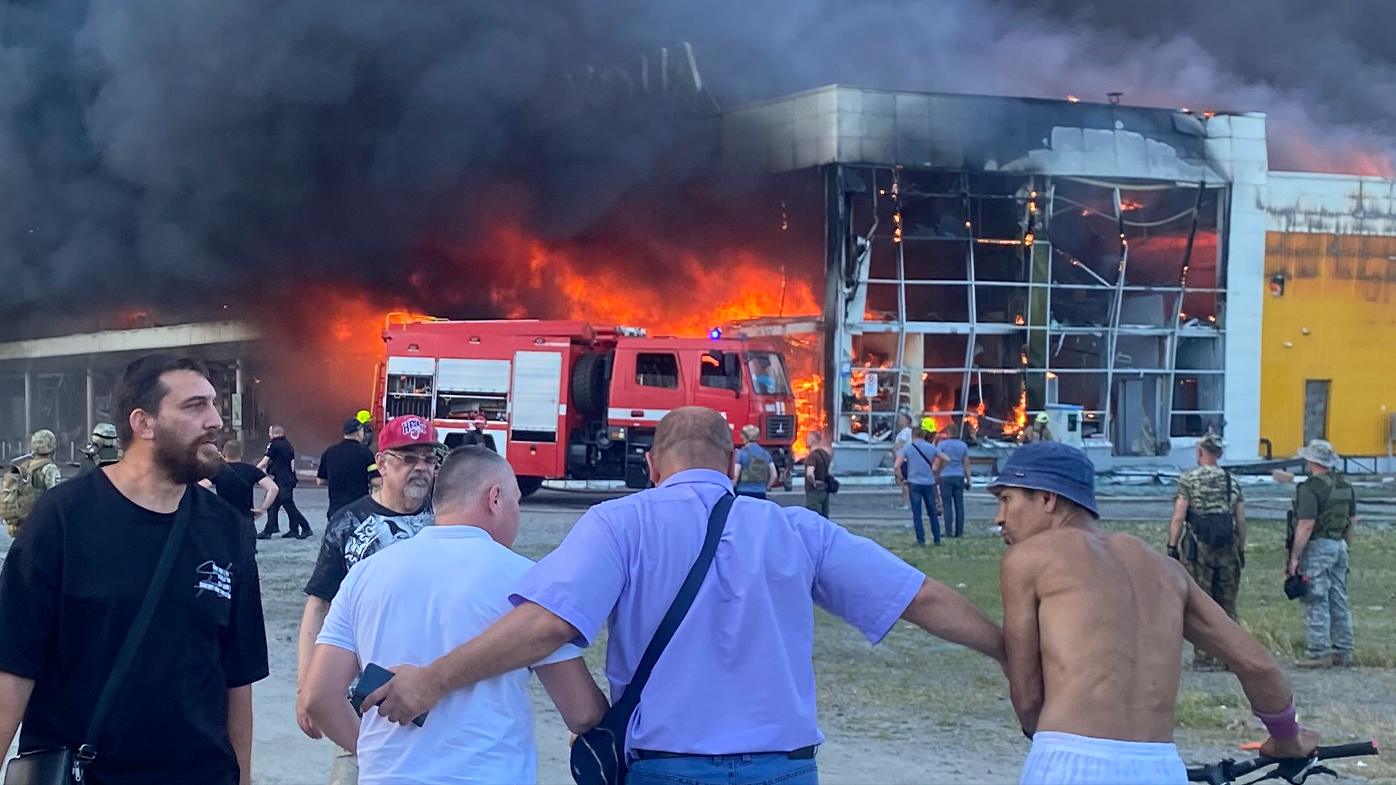
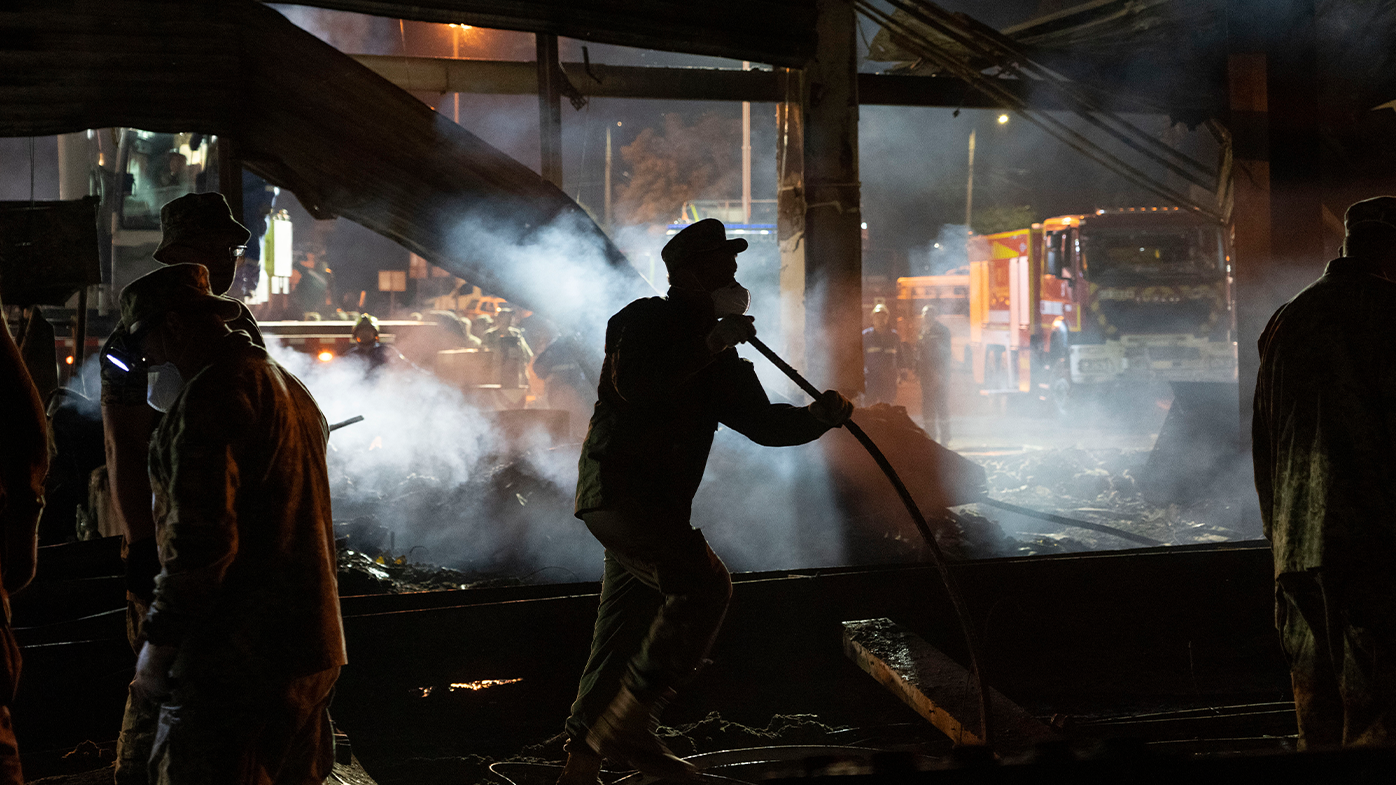
The crowded mall in Kremenchuk, which housed the largest toy store in town, is now the latest shorthand for allegations of war crimes against Russia.
As with earlier attacks on a theatre, a train station and a hospital elsewhere in Ukraine, authorities in Moscow said the mall was not the target.
READ MORE: Kyrgios fumes at 'snitch' in drama-filled Wimbledon match
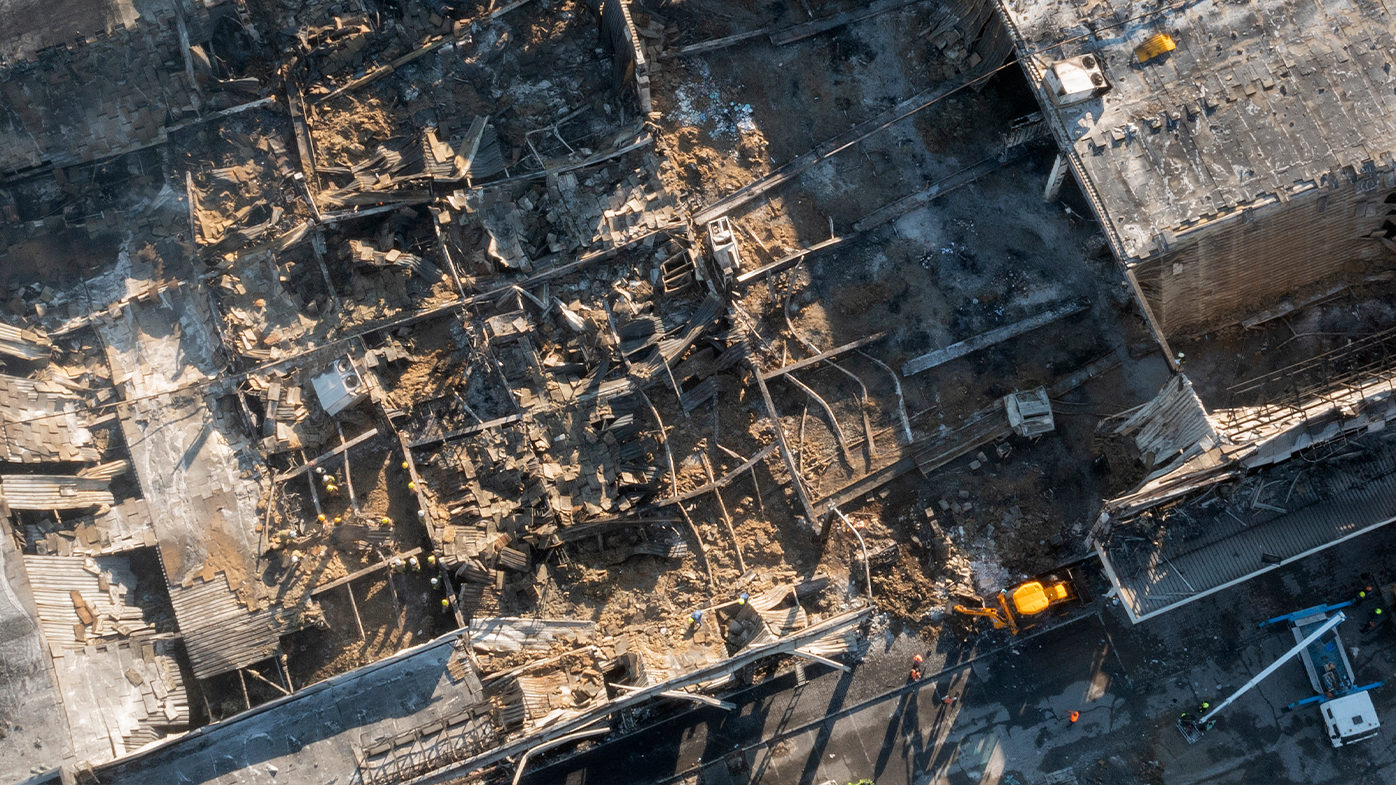
One day after the airstrike, the scene still smelled of charred debris.
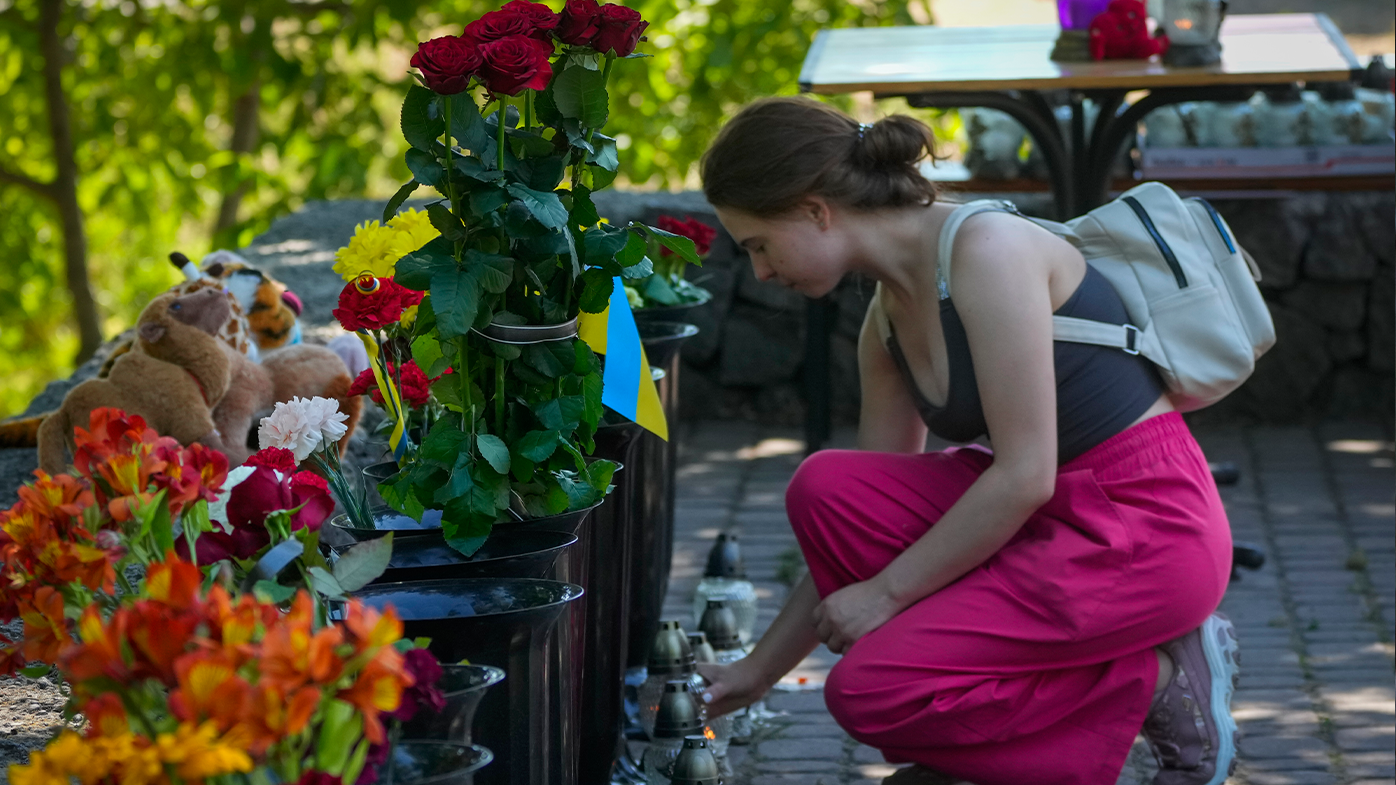
Grit hung in the air, irritating the skin and throats. Visitors laid red carnations, a spot of colour in the still-smoking ruins.
READ MORE: Maxwell jailed for helping Epstein sexually abuse girls
Images on social media showed the burned body of a woman, white sneakers still intact, who appeared to have been caught in the blast as she tried to run. In another video, around the time of impact, a man could be heard calling for his mother.
One mall employee, who gave only his first name, Oleksandr, said he had stepped outside with a colleague for a cigarette when the air raid siren went off. He described the moment of impact.
READ MORE: 'A bombshell': Trump aides left speechless by Hutchinson testimony
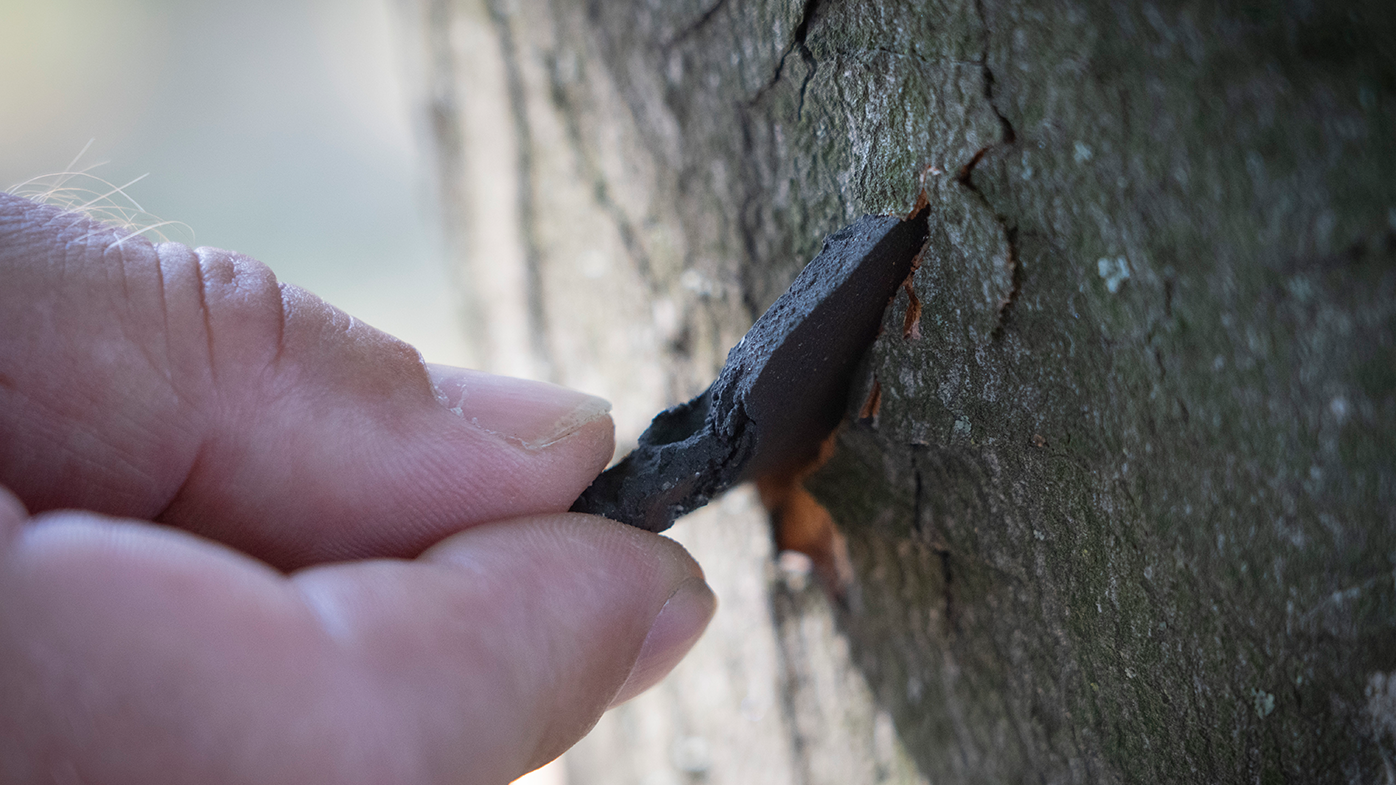
“There was darkness in my eyes for two minutes,” he said.
“There was a black tunnel, smoke, fire. I started to crawl. I saw the sun up there, and my brain was telling me I needed to save myself.”
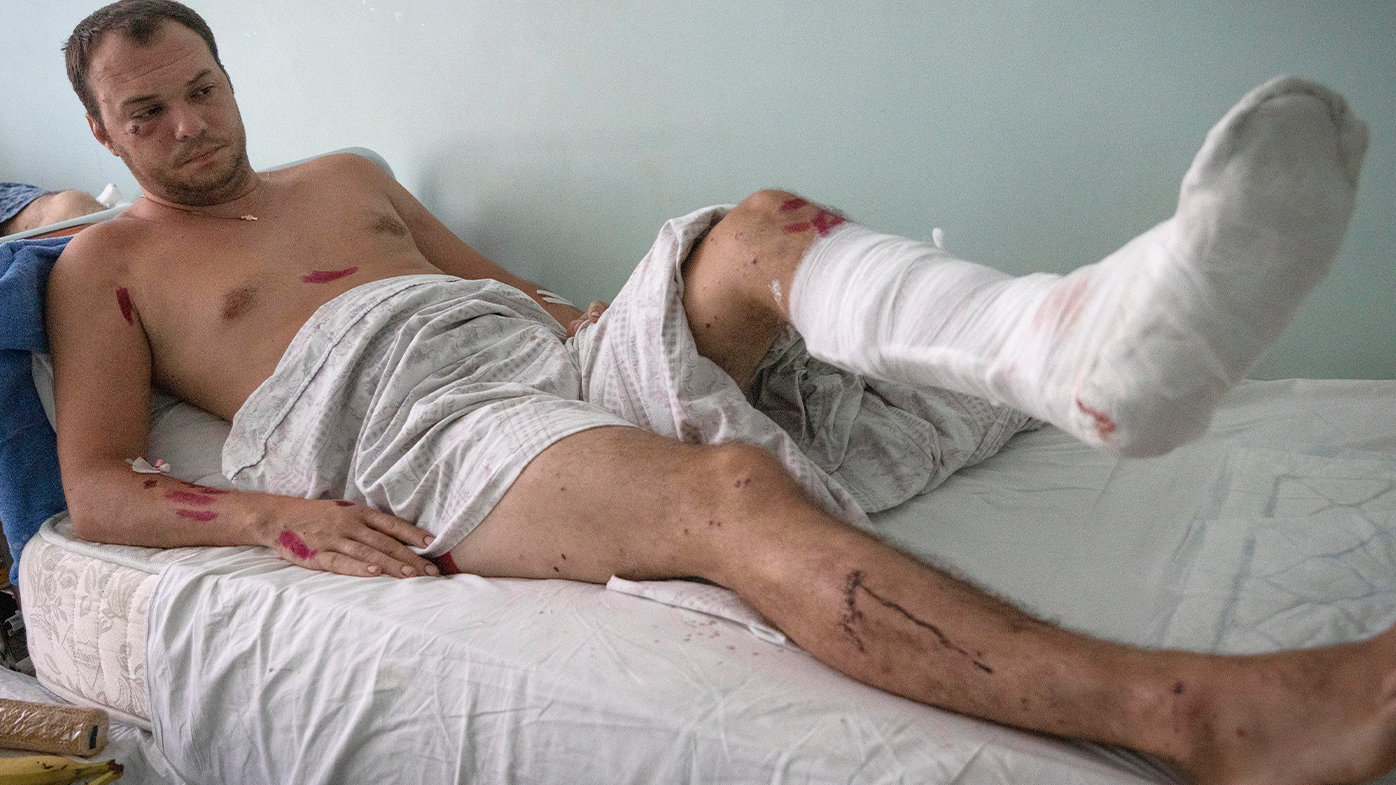
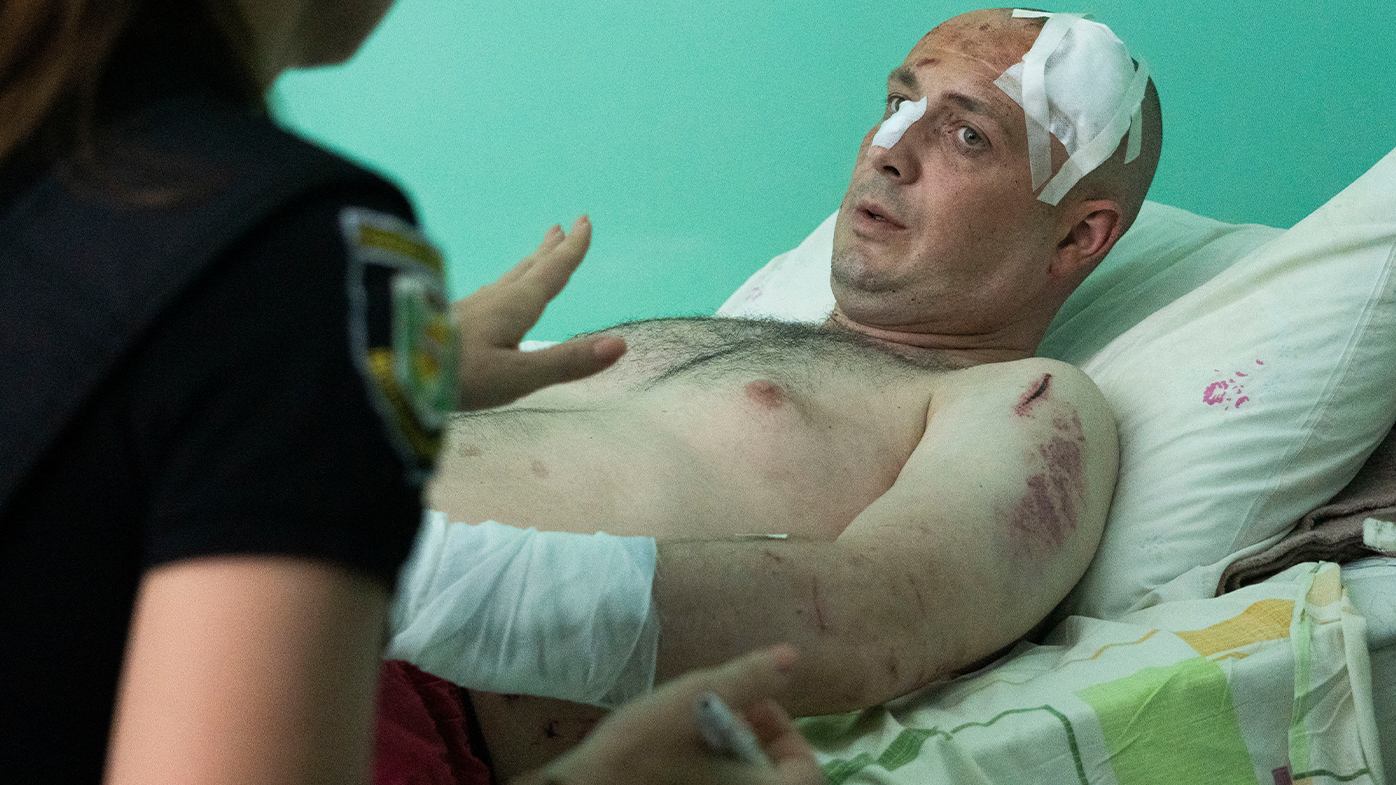
Everything was on fire, he said.
A blast wave threw him under a car. He couldn’t hear. Bits of shrapnel were embedded in his leg.
“Thank God that was it,” he said. “I was very lucky.”
He estimated 1000 shoppers and employees had been in the mall at the time, contradicting Russia's claim that it was empty.
Kateryna Romashnya had just reached the mall on her walk home from work when the explosion threw her to the ground and blew out nearby windows.
Stunned, she estimated that 10-15 minutes passed before another explosion occurred.
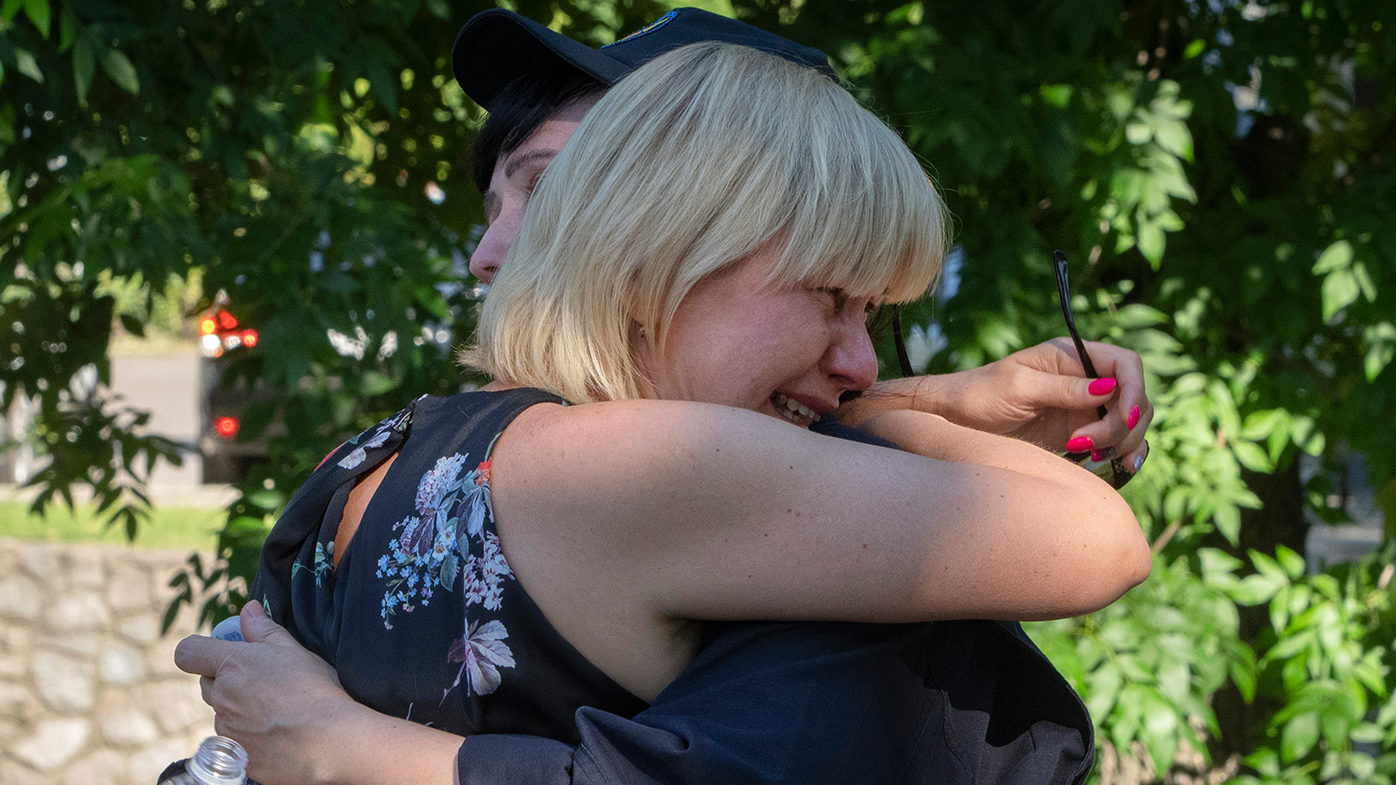
“I realised I needed to get away,” Romashnya said, and she ran with all her strength.
“It was terrifying,” she said, and began to cry.
“You have to be a real monster” to destroy a mall, she said.
“I don’t have words anymore.”
Ukrainian authorities said that in addition to the direct hit on the mall, a factory was struck, but denied it housed weapons, as Russian officials alleged.
Dr Kostyantyn Manayenkov, the chief surgeon at a Kremenchuk hospital treating the wounded, said nine people in intensive care were in “very bad condition”.
There had been skull injuries and some amputations, he said.
Some bodies were so badly burned that they were unrecognisable, said Denis Monastyrsky, Ukraine’s minister of internal affairs, who visited the scene.
Identifying them could take days, he added.
Those inside the mall had had seven to 10 minutes to leave and get to safety when the warning sounded, he said.
A shelter was just across the street.
Monastyrsky again pleaded with Ukrainians who have lived with such sirens for four months now to understand the danger and to act.
The country's prosecutor general, Iryna Venediktova, emphasised that all Ukrainians must remain alert and expect a similar strike “every minute.”
But near sunset on Tuesday, some residents could only stand and stare at the debris.
“Say something!” one man cried, trying to rouse them.
“Pray to God that he will help us!”
Trump painted in testimony as volatile, angry president
When President Donald Trump learned his attorney general had publicly rejected his election fraud claims, he heaved his lunch at the wall with such force the porcelain plate shattered and ketchup streamed down.
On the morning of January 6, 2021, consumed by crowd size concerns, he directed staff to remove metal detectors he feared would inconvenience supporters who had amassed in Washington. Never mind that some were armed — they weren't there to hurt him, he said.
And later that day, irate at being driven back to the White House instead of the Capitol, Trump tried to wrestle control of the steering wheel of the presidential vehicle and uttered words to the effect of, "I am the f'ing president. Take me up to the Capitol now."
LIVE UPDATES: Major chain drops plans for facial recognition system
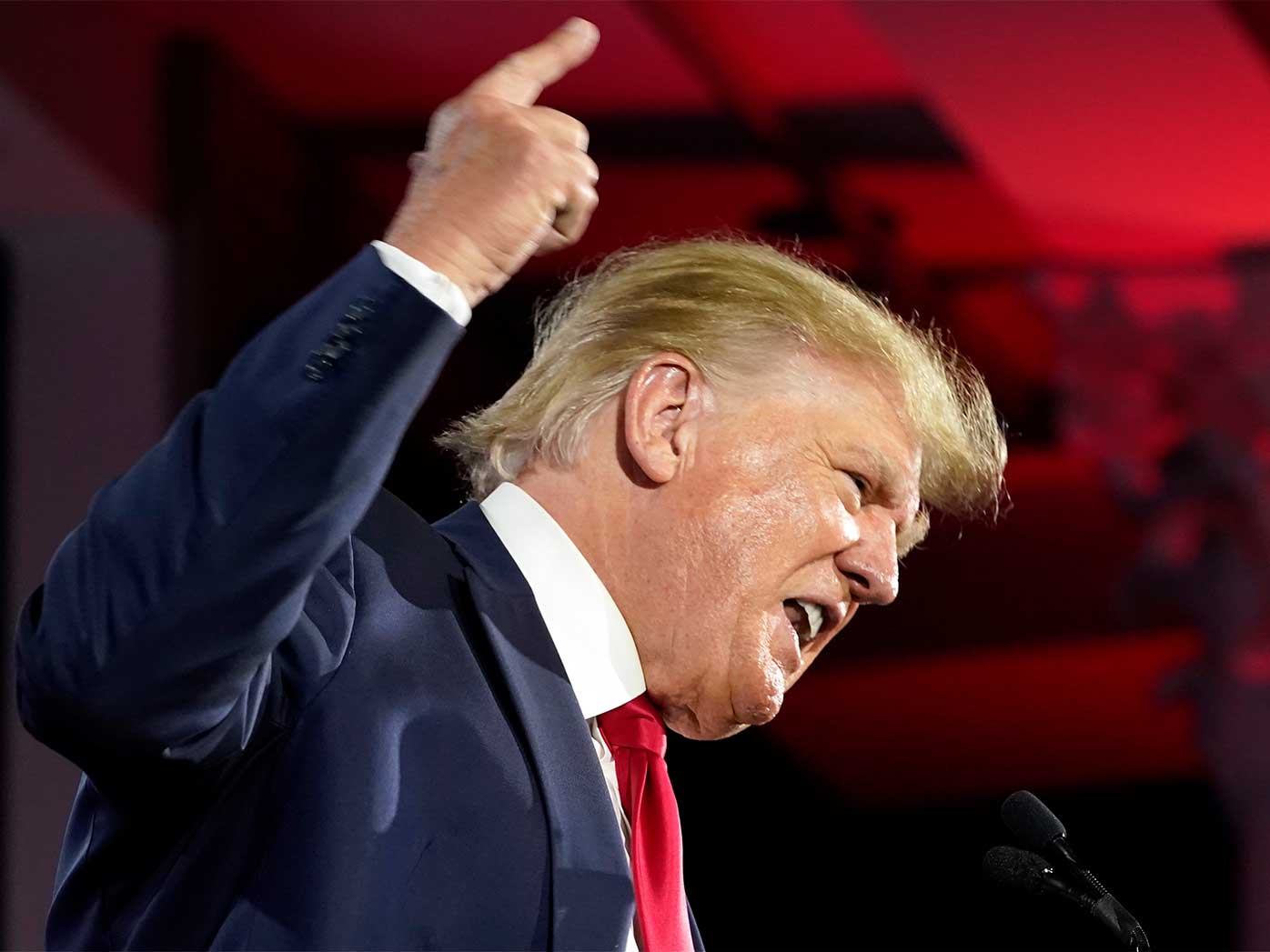
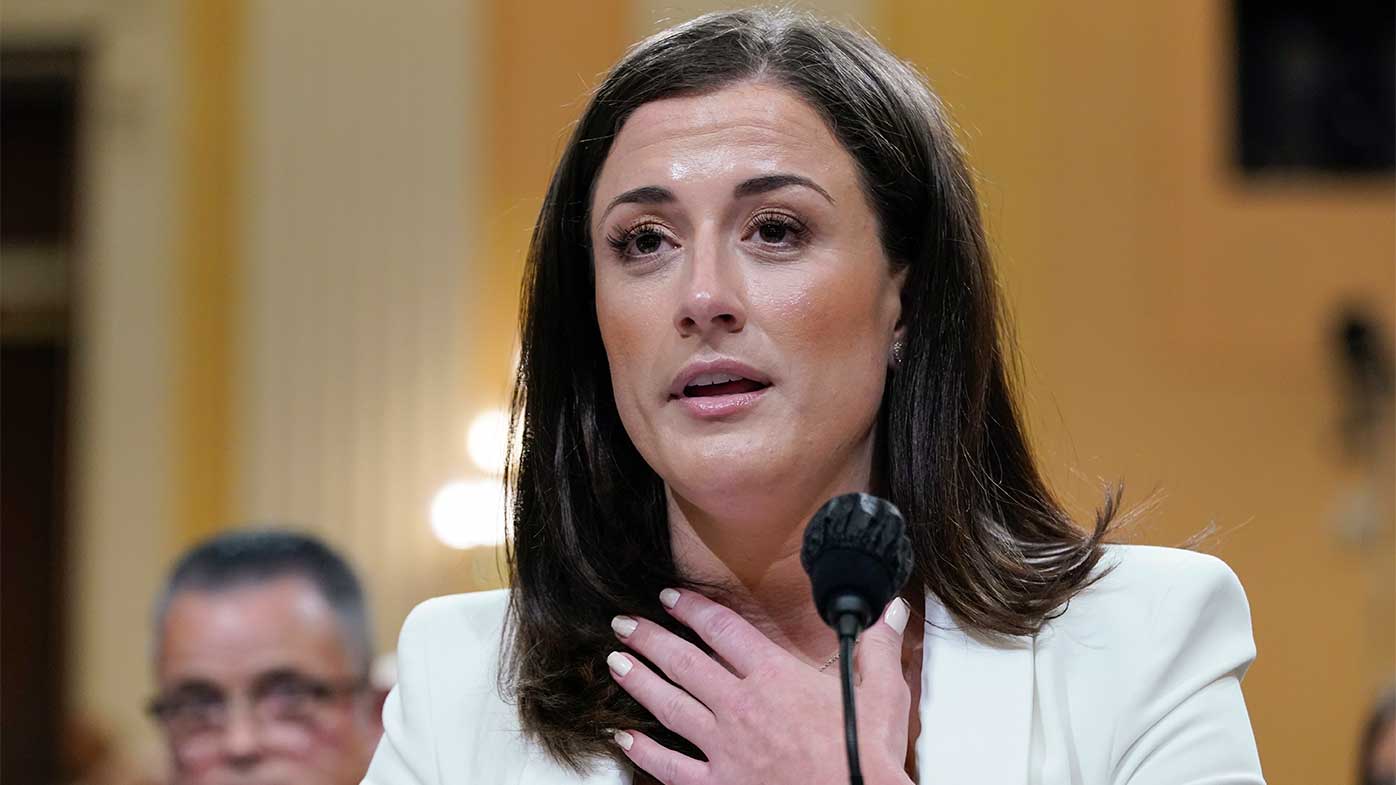
Trump's volcanic temper has been the stuff of lore throughout his career in business, but during his presidency it has never been described with such evocative detail as in the testimony of Cassidy Hutchinson, a junior White House staffer whose proximity to the then president and top aides that day gave her a remarkably close view.
Hutchinson offered previously unknown details about the extent of Trump's rage in his final weeks of office, his awareness that supporters had weapons with them and his ambivalence as rioters later laid siege to the Capitol.
The testimony came as the Justice Department expands its investigation into the insurrection and deepened, but did not resolve, questions about whether Trump himself could face criminal charges for his conduct. Though Attorney General Merrick Garland has given no hint about whether his department will bring a criminal case against Trump, some legal experts said Hutchinson's testimony could give prosecutors additional facts to pursue.
READ MORE: Ghislaine Maxwell sentenced to 20 years in prison
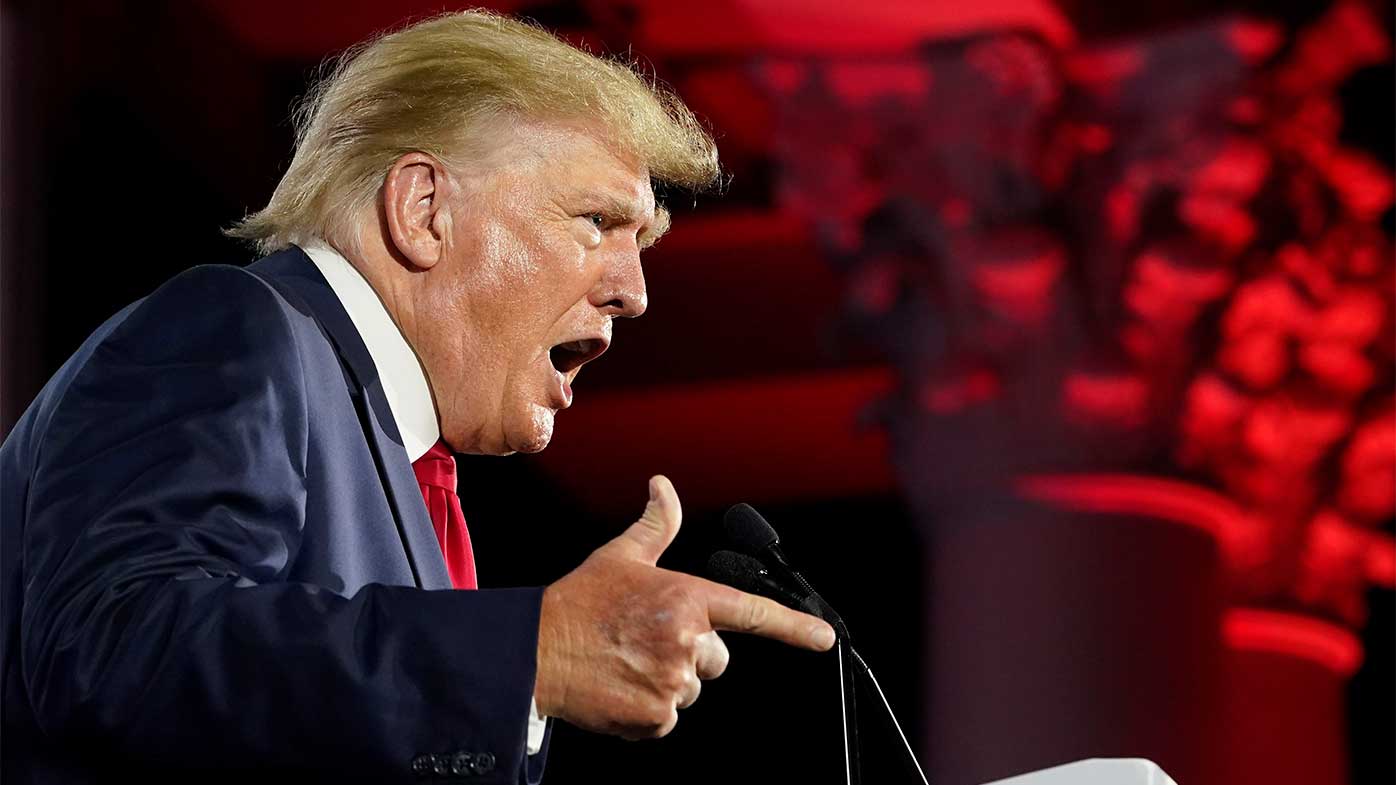
Potentially problematic for Trump could be his reaction on the morning of January 6 to news that guns, knives and other weapons were being confiscated from security screenings as crowds of supporters gathered for a rally in front of the White House. Angry that not everyone could get in to see him, Trump, according to Hutchinson, said words to the effect of, "I don't care that they have weapons. They are not here to hurt me. Take the f'ing mags away and they can march to the Capitol." "Mags" is a reference to magnetometers.
"A congressional hearing is not a court of law, but if this isn't powerful evidence that he wasn't just aware of the possibility of violence on the 6th but that he actively wanted to encourage it, I'm not sure what is," said Stephen Vladeck, a University of Texas law professor.
Whatever any outcome related to a criminal proceeding, the disclosures come as Trump is laying the groundwork for another presidential run in 2024.
READ MORE: Trump aides left speechless but Hutchinson testimony
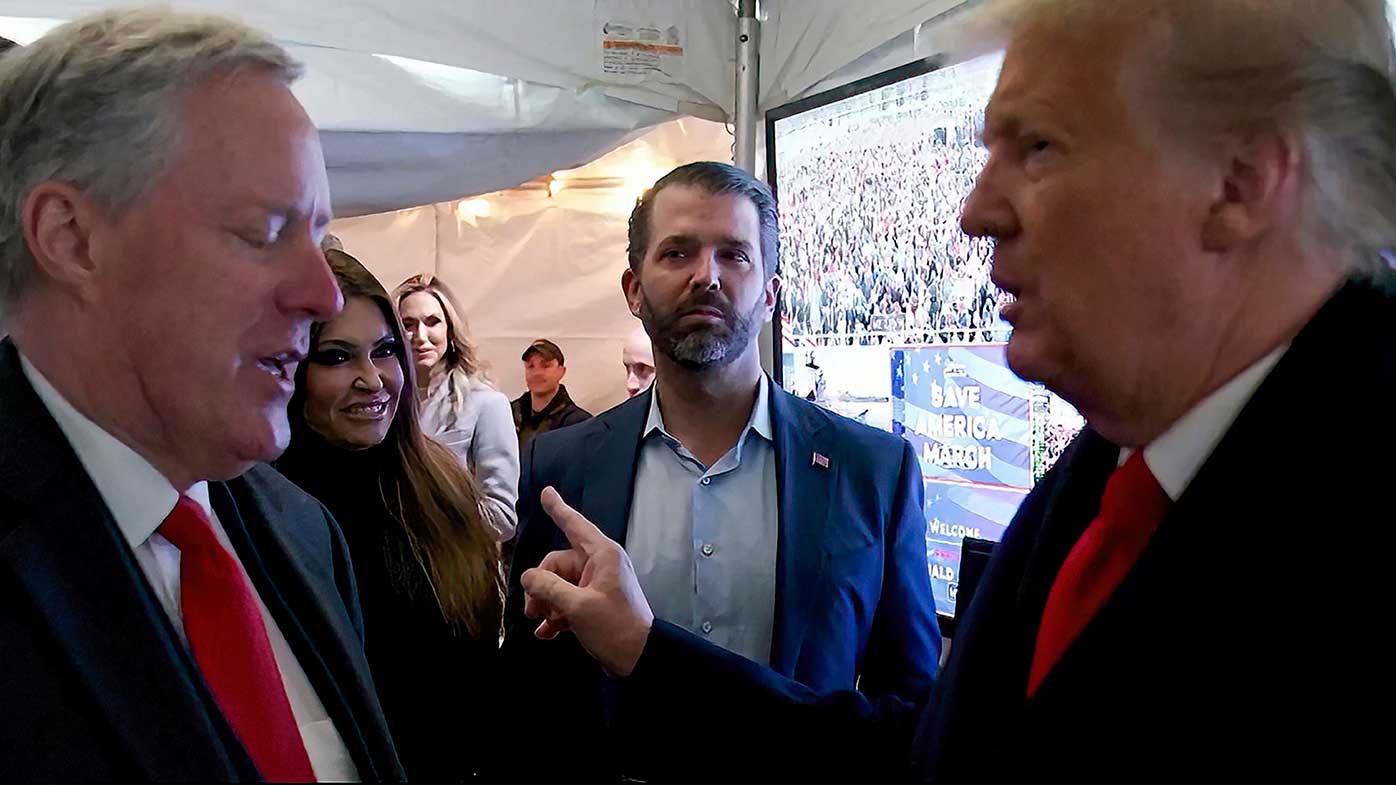
Aides have been debating the merits of when he should announce his intentions, with some arguing he should do so as soon as this summer to maximise leverage and stave off a crowd of likely challengers and others maintaining he should follow tradition and wait until after November's midterm elections.
Looking to blunt negative publicity surrounding her testimony, Trump issued a statement on his social media platform denying that he had ever complained about the crowd size or had sought to "make room for people with guns to watch my speech."
Trump is well-practiced at marginalising his critics and accusers, but Hutchinson's well-calibrated testimony will test that power anew.
Tuesday's hearing, the sixth by the House committee investigating the insurrection, was accompanied by suspense even before it began. It was hastily announced on Monday, but the committee did not reveal the identity of the witness until Hutchinson entered the room.
READ MORE: QAnon's 'Q' returns after nearly two years of silence
Where prior hearings have involved clusters of witnesses who have recounted pressure campaigns on the Justice Department, or on local election officials, to overturn the election results, Tuesday's hearing involved a singular narrator with an easy-to-follow tale sprinkled with had-to-be-there color. Some anecdotes she witnessed herself. Others she heard from fellow staffers.
She recalled, for instance, being in the White House on the afternoon of December 1, 2020 when she heard a sudden noise. Trump, it turned out, had just learned of an interview Attorney General William Barr had given to The Associated Press in which Barr said the Justice Department had not found widespread fraud that could alter the outcome of the election.
Inside the dining room was a shattered porcelain plate on the floor, apparently thrown in dismay by the president. Ketchup streamed down the wall. Hutchinson grabbed a towel to wipe it off.
She later heard about a separate episode on the afternoon of January 6 when Trump tried to grab control of the steering wheel of the presidential vehicle so that it would take him to the Capitol and not to the White House. He was, he said, "the f'ing president." Trump was directed to take his hand off the wheel.
In that instance and others, according to the testimony, the president's will did not always prevail and Hutchinson detailed aides' best efforts to rein in Trump's worst impulses. The morning of January 6, for instance, White House counsel Pat Cipollone cautioned Hutchinson that if Trump did go to the Capitol to intervene in the certification of the election, "We're going to get charged with every crime imaginable."
Whether the Justice Department thinks it has a case against the president, especially one that could further divide an already polarised nation, remains an open question. But there's also no doubt that the investigation is expanding far beyond the rioters themselves, with law enforcement officials last week serving a wave of subpoenas across the country to state elections officials.
READ MORE: COVID conspiracy theorists 'more selfish' than others: new study
"When you have witnesses who are in these conversations, who are in these rooms, who are actively participating in the high-level discussions of January 6, it seems to me that one of two things has to be true: either they're lying or President Trump and a lot of people close to him are in serious jeopardy," Vladeck said.