A man convicted of strangling his wife and threatening to kill her with a hammer claims a language barrier limited his understanding of the charges he faced and he was forced to plead guilty by the “illegitimate” actions of his lawyer….
Tag Archives: oceania
Study finds earthquake brain fades over time, cognitive ability restored
The fog of the Christchurch earthquakes is finally lifting for resilient Cantabrians.New research from the University of Otago, Christchurch has found the brain function of otherwise-healthy individuals living through a traumatic…
How personal data could be used to enforce anti-abortion laws
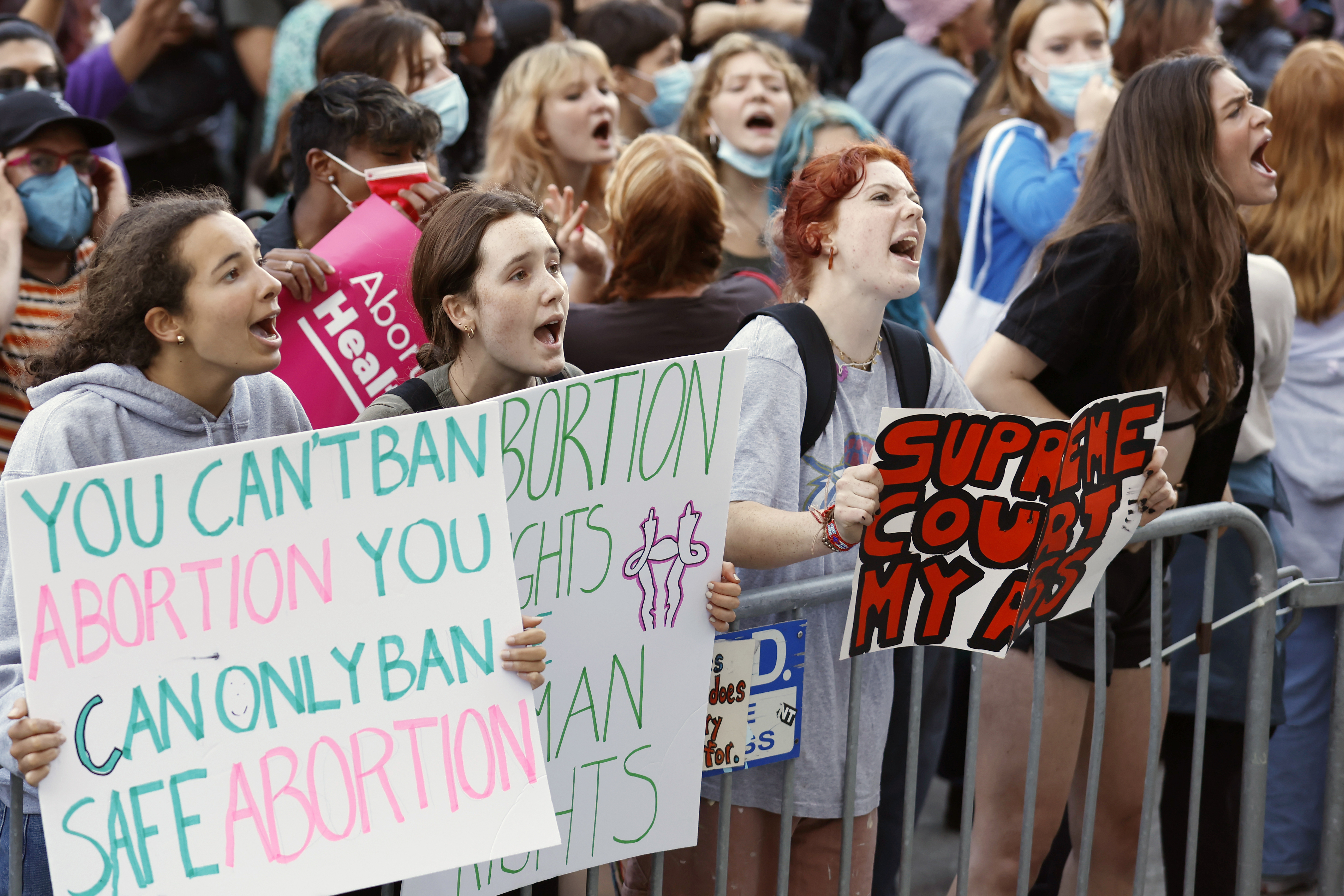
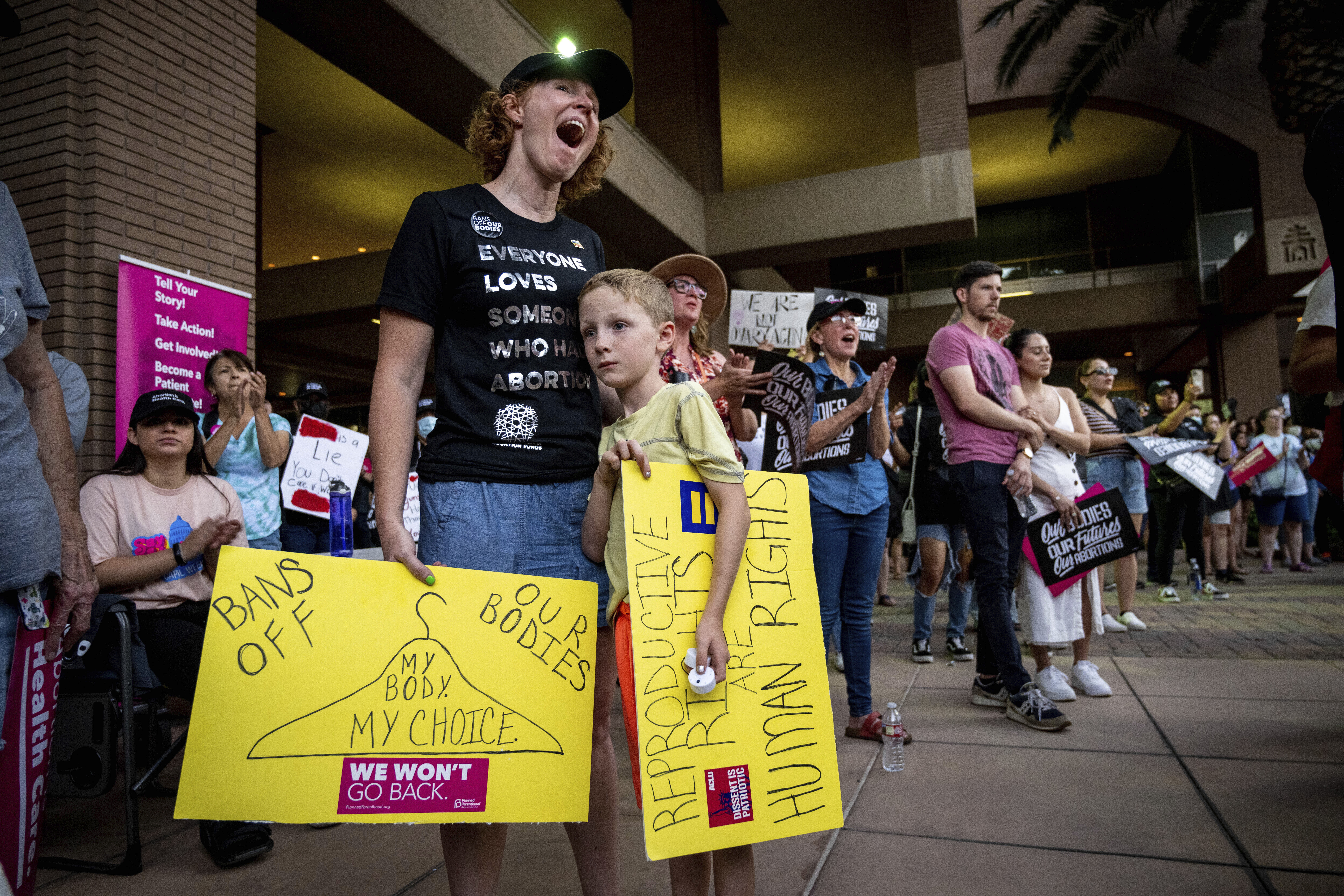
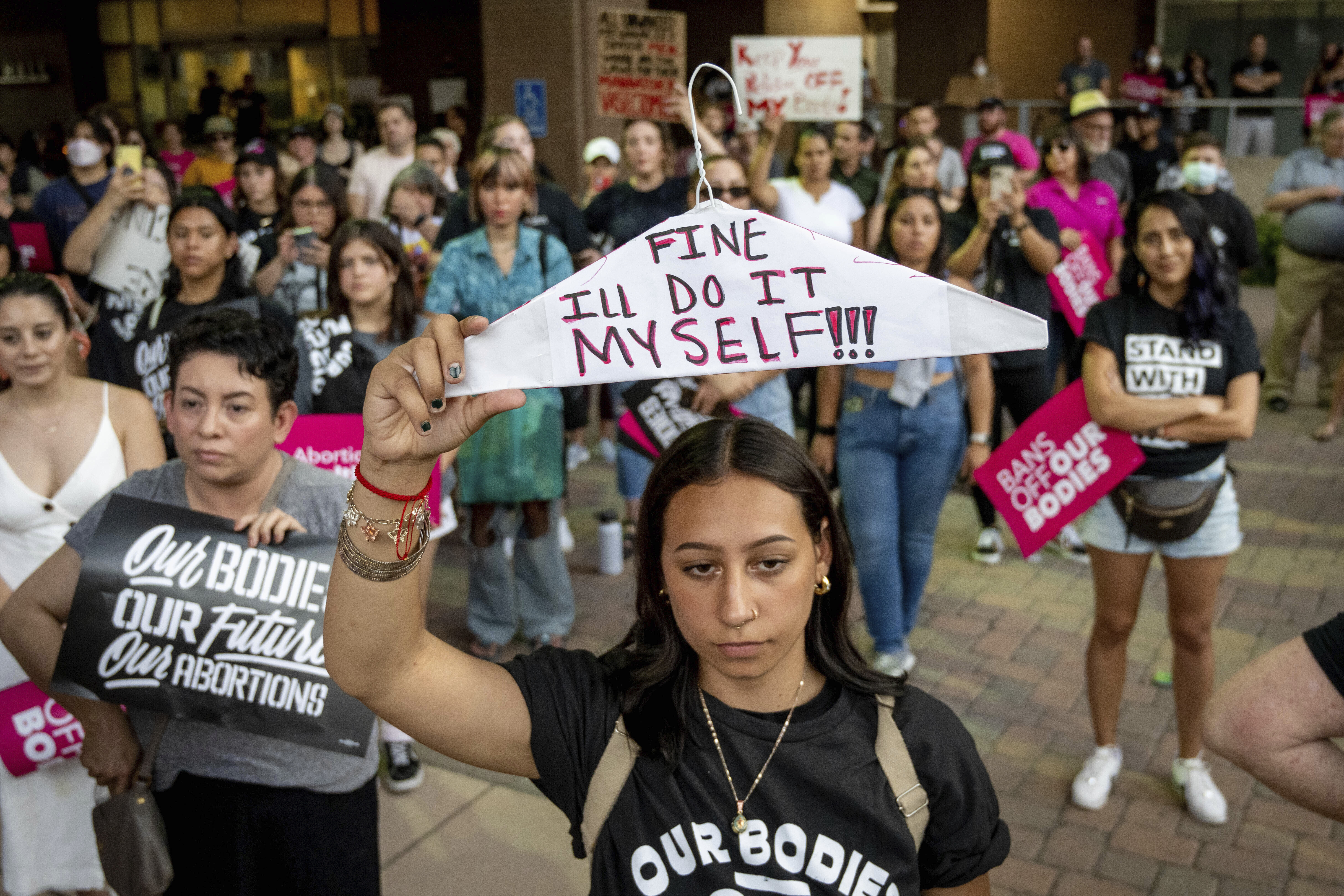
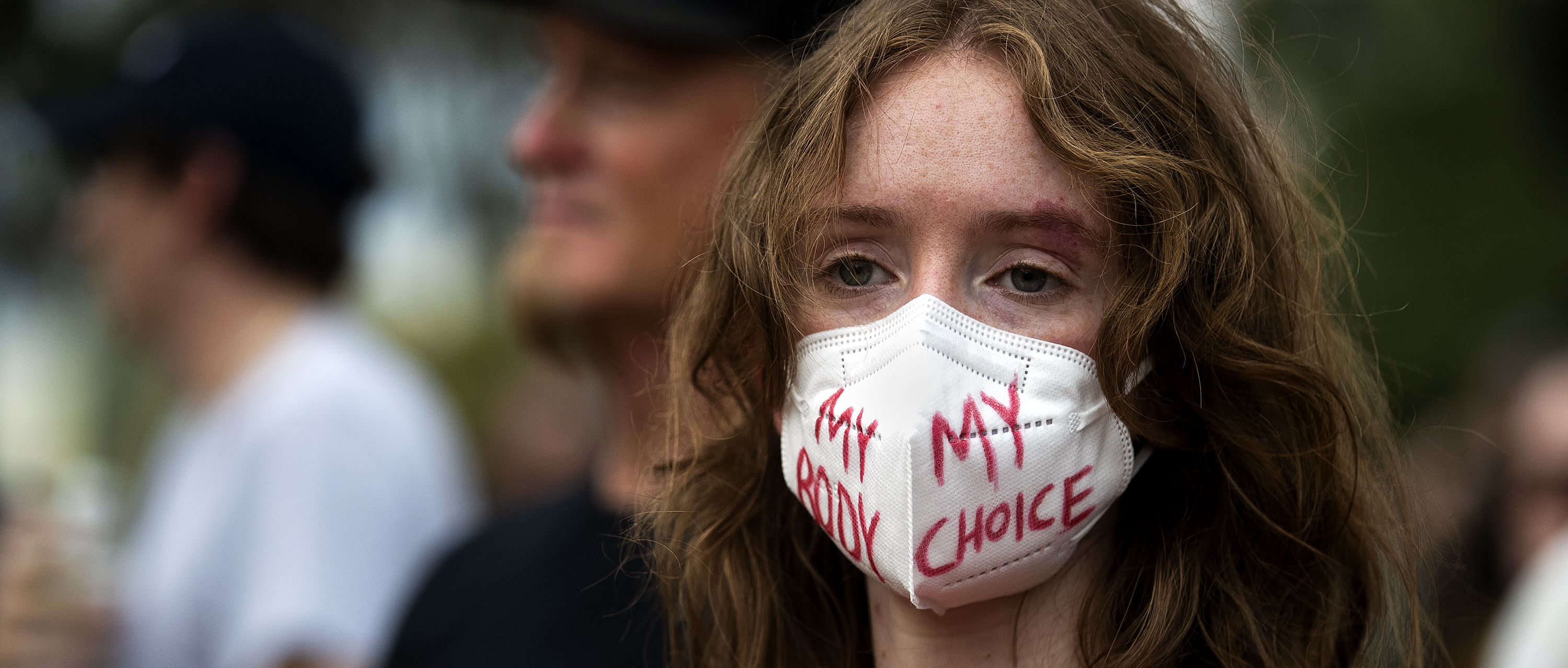
The US Supreme Court's Friday ruling to overturn Roe v. Wade is almost certain to spark a wave of new state legislation taking aim at abortion rights, and to reinforce existing laws that prohibit and, in some cases, criminalise the procedure.
Among the wide-ranging potential implications of the decision are concerns about the potential use of personal data to punish people who look for information about or access to abortion services online.
In some of the most restrictive states, digital rights experts warn that people's search histories, location data, messages and other digital information could be used by law enforcement agencies investigating or prosecuting abortion-related cases.
READ MORE: Poorest to be hardest hit by US abortion rights ruling

On Friday, the Supreme Court struck down Roe v. Wade, the 50-year-old ruling that guaranteed a person's Constitutional right to terminate a pregnancy before viability, usually around 24 weeks.
A draft of the opinion leaked in May.
Overturning the landmark 1973 court ruling is expected to transform the landscape of reproductive health in America, leaving abortion policy up to individual states and potentially paving the way for more than 20 states to pass new laws restricting abortions.
Even before the ruling, concerns about the digital privacy implications of abortion restrictions had started to arise amid a movement by Republican-controlled states, including Georgia, Texas, Mississippi and Oklahoma, in recent years to pass laws severely curtailing access to the service.
America is a much different place today than in the pre-Roe era: Because of the pervasiveness of the Internet and mobile technology, people today share vast troves of data about themselves — whether they realise it or not — opening the door to significant surveillance.
The possibility of a complex patchwork of state laws following the rolling back of Roe v. Wade raises a host of new questions about the everyday technology Americans use to make health decisions and how it might be used to enforce those laws, and could create confusion about what online behaviour is permitted or not.
For example, in states that make it a crime to help an abortion-seeker, data from women's period-tracking or pregnancy apps could end up being subpoenaed as evidence against the person who helped them, said Danielle Citron, a law professor at the University of Virginia and author of the forthcoming book "The Fight for Privacy."
"Let's say you got your period, stopped your period and then got your period again in a short time," Citron said.
"It's [potential] evidence of your own criminality, or your doctor's criminality."
Groups promoting digital rights and reproductive freedoms are now warning people in states that criminalise providing access to abortions to safeguard their digital footprints when seeking abortion information and resources online and sharing tips for how to do so.
"We are living in a much more surveilled culture than we were in 1972 and prior, so in a future where abortion rights are limited or there's not a federal right, people will be at risk for exercising their bodily autonomy," said Elisabeth Smith, director for State Policy and Advocacy at the Centre for Reproductive Rights.
"The consequences of those decisions are likely to fall hardest on Black, brown, Indigenous people of colour."
https://twitter.com/DrCatherineBall/status/1540454489995759616
A growing number of US lawmakers have expressed alarm about the potential misuse of advertising data to prosecute abortion-seekers.
In May, dozens of congressional Democrats wrote to Google saying that the company's practice of collecting and storing vast troves of geolocation data from mobile phones "will allow it to become a tool for far-right extremists looking to crack down on people seeking reproductive health care".
And on June 24, the same day the Supreme Court struck down Roe v. Wade, another group of US lawmakers wrote to the Federal Trade Commission saying Apple and Google should face an agency investigation over ad practices that they said could end up harming abortion-seekers.
"Data brokers are already selling, licensing, and sharing the location information of people that visit abortion providers to anyone with a credit card. Prosecutors in states where abortion becomes illegal will soon be able to obtain warrants for location information about anyone who has visited an abortion provider," wrote the group, which included Senators Ron Wyden, Elizabeth Warren, Cory Booker, and Rep. Sara Jacobs.
"The FTC should investigate Apple and Google's role in transforming online advertising into an intense system of surveillance that incentivises and facilitates the unrestrained collection and constant sale of Americans' personal data."
READ MORE: How is abortion handled in Australia?
Much has also changed in the reproductive health care landscape since Roe v. Wade was decided in 1973.
Self-managed abortions and online pharmacies that provide abortion medication are increasingly accessible options, especially for low-income people or those in rural areas or states that restrict access to in-person abortion services.
The US Food and Drug Administration in December lifted a requirement for patients seeking abortion medications to pick them up in-person, instead allowing the pills to be sent by mail.
Although a number of states, including Texas, prohibit receiving medication abortions through telehealth, that does not necessarily stop online pharmacies and services in other countries, such as the European-based Aid Access, from mailing the medications to people in those states.
Web traffic to online abortion resource site Plan C — which offers information on how to find abortion medications and how to use them — increased from 500 people per day to 25,000 per day immediately after Texas banned most abortions after six weeks in September, before levelling out to about 2500 a day, according to Elisa Wells, Plan C's co-founder and co-director.
"Most people go directly to our 'Find Abortion Pills' directory that we have," Wells told CNN Business.
"Disproportionately these people are from states that have laws on the books that restrict access."
Various online behaviours could become part of investigations and court proceedings in states where helping to provide access to abortions is criminalised, including internet searches, location history, call and text logs, emails and financial records, according to Cynthia Conti-Cook, a civil rights attorney and tech fellow at the Ford Foundation.
Any part of a person's digital footprint is fair game once a device is in law enforcement's possession, she said.
"As long as abortion and abortion-seeking related conduct is what is criminalised, all of that information can be totally fair game," Conti-Cook told CNN Business.
She added that law enforcement has the forensic tools at their disposal to view virtually everything a person does on their device — but only once the device is in their possession.
Unless voluntarily handed over, a phone and all its data typically cannot be accessed without a search warrant.
Various state-by-state laws governing abortion care raise novel questions about what role an abortion-seeker's internet usage might play.
"In a state like Texas, Oklahoma, Mississippi, if someone orders pills online, they are doing so outside of the laws of that state," Smith said.
"Because they have prohibited telemedicine and more states are passing laws prohibiting the possession of medication abortion, there is the risk of criminalisation when people do not follow the laws of their state."
Some lawmakers have even put forward proposals that would effectively ban citizens from getting out-of-state abortions.
Missouri state representative Elizabeth Coleman is pushing a provision that would allow citizens to sue anyone who "aids or abets" a Missouri resident in getting an abortion, including out of state doctors, friends who help arrange transportation or even hosting a website that "encourages or facilitates efforts" of Missouri residents to get elective abortions.
And other states could follow suit.
Law enforcement could also use so-called geofence warrants, which request from internet companies a list of devices within a certain boundary at a certain time.
Such warrants are gaining popularity as a law enforcement tool for various alleged crimes — the number of geofence warrants submitted to Google by US police departments rose from 982 in 2018 to 11,554 in 2020, according to the company's latest transparency report.
For its part, Google says that in some cases, it requests to provide less information or declines to provide such information at all.
In at least one case, search history data has already been used to prosecute people who seek information about abortion services.
In 2018, Latice Fisher was indicted by a Mississippi Grand Jury for second degree murder after an at-home pregnancy loss.
While the criminal charges against Fisher were ultimately dropped, law enforcement pointed to alleged internet search results such as "buy abortion pills, mifeprisone online, misoprostol online" to argue their case.
Mifepristone and misoprostol are the two pills frequently taken together by women performing self-managed abortions.
In anticipation of the passage of more restrictive laws, advocacy groups are promoting education on digital privacy and sharing information on how to seek reproductive health services safely online.
The Digital Defence Fund created a guide for women on how to keep digital footprints protected when seeking information on abortions.
It includes tips such as opting out of personalized ads on Google and social media sites to minimise tracking, turning off location sharing and using privacy-focused browsers like DuckDuckGo or Firefox Focus that do not save search data, collect personal information or allow third-party trackers.
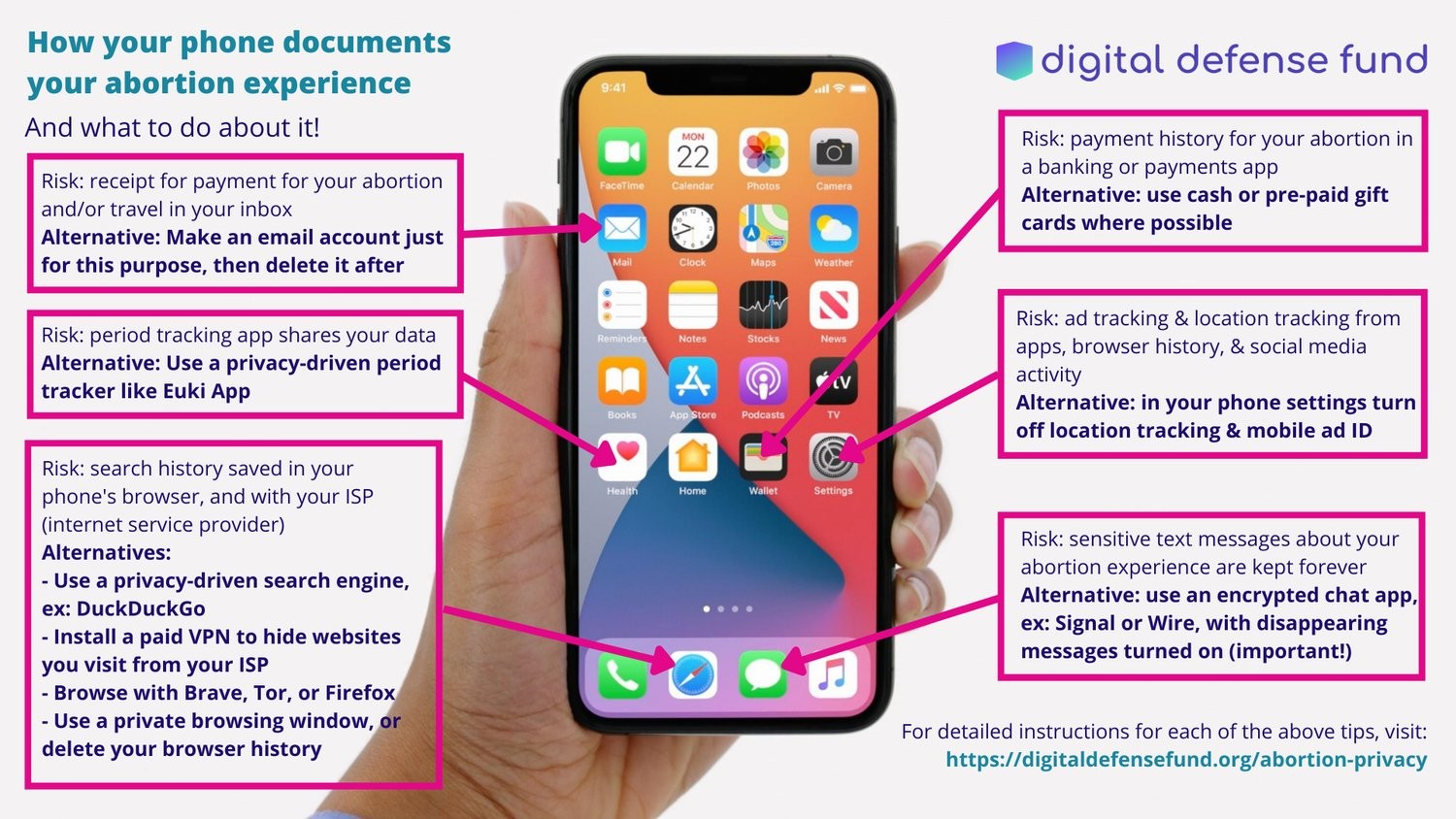
When seeking abortion information, the guide also recommends using end-to-end encrypted messaging apps like Signal or WhatsApp to keep calls and messages private – these apps also offer timed auto-delete features for messages.
Unlike a phone company with access to SMS text messages, the developers of such apps can't access the content of encrypted messages, and therefore could not be compelled by a court to share them.
Other privacy steps individuals seeking abortion information can take to protect their internet browsing include using anonymous browsing service Tor or Virtual Private Networks (VPNs) and using incognito search windows, according to the Digital Defence Fund.
While it is nearly impossible to completely hide digital history, experts say such methods can help to minimise risk and make it difficult for law enforcement to seize data.
Millennials overtaking Boomers as Australia's biggest generation
Australia's most generous and outward-looking generation, the Boomers, are about to be overtaken in number by Millennials, a group often unfairly derided as narcissistic and selfish.
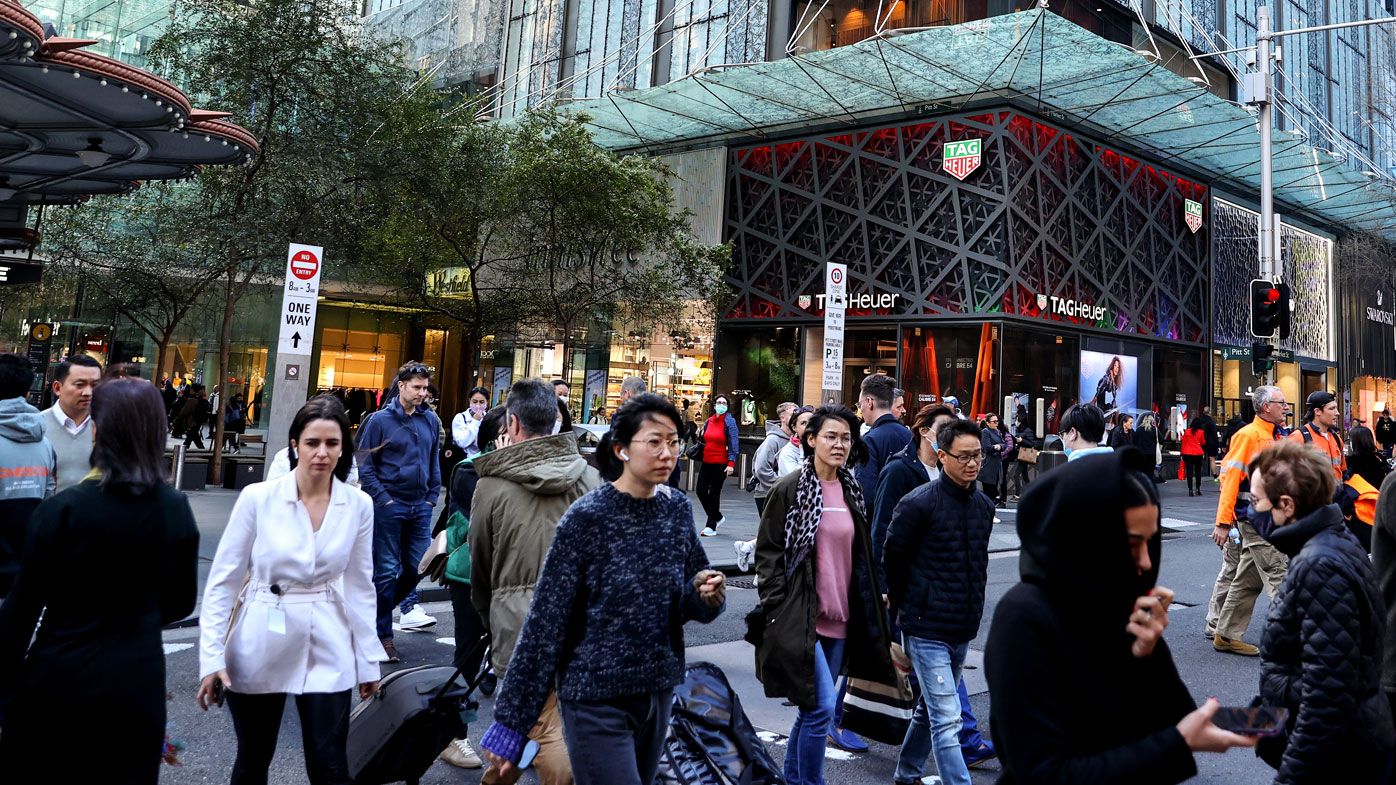
Just-released 2021 census data reveals that Millennials, people born between 1981 and 1996 and now aged 25-39 years old, have caught up to Baby Boomers, aged 55-74, as the largest generational cohort in Australia.
Boomers and Millennials each number over 5.4 million people, with just 5662 more Baby Boomers counted on census night last August.
READ MORE: Almost 40 per cent of Aussies say they have 'no religion'

Over the last ten years, Millennials, also known as Generation Y, have increased from 20.4 per cent of the population in 2011 to 21.5 per cent in 2021.
Baby Boomers dropped considerably from 25.4 per cent in 2011 to 21.5 per cent in 2021.
In the 1966 census, nearly two in every five people were Boomers.
Census data revealed the important role Baby Boomers provide in caring for other peoples' children, often their grandchildren.
Around one in eight Boomers reported caring for other peoples' children, and of those who looked after others, two thirds were women.
Boomers are also the generation most likely to volunteer and provide unpaid assistance to others, according to census data.
Generational wars and tropes have existed throughout human history.
Common clichés are that Millennials are snowflakes and Boomers have stolen and ruined the future for younger generations.
Bobby Duffy, a professor at King's College in London, argued in his book Generations that many "myths" about Boomers and Millennials need to be identified and discarded.
READ MORE: Paige waited so long for an Australian visa she grew up
Millennials are not lazy at work or disloyal to their employers, Duffy wrote, nor are they more materialistic than previous generations of young.
Equally, Duffy continued, old people are not uncaring or unwilling to act on climate change.
"In fact, they are more likely than young people to boycott products for social purpose reasons."
The latest Australian census data showed a chasm between the two generations when it came to religion.
Nearly 60 per cent of Baby Boomers reported a Christian religious affiliation compared to just 30 per cent of Millennials.
More than 45 per cent of Millennials reported that they had no religion, compared to 30 per cent of Boomers.
READ MORE: 'Unseasonable' rain closing in
Australia's aged-care sector losing 65,000 workers every year
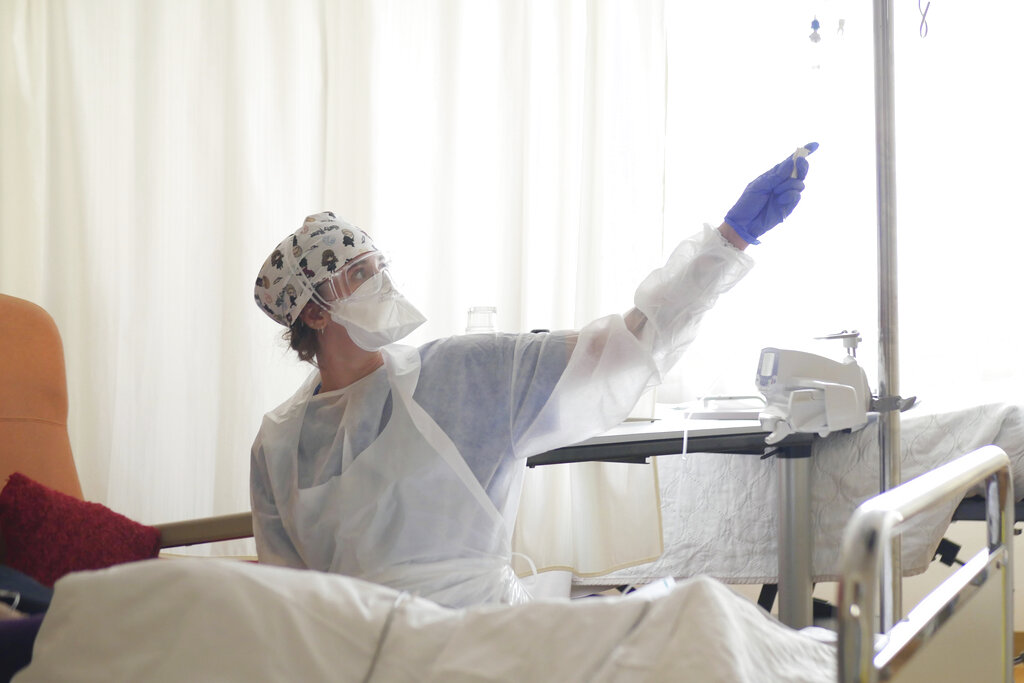
Australia's aged-care sector is short of 35,000 workers, with about 18,000 staff members having left the industry since August, a new report has revealed.
The report from the Committee for Economic Development of Australia highlights a staffing "crisis" in Australia's aged-care sector, which has been significantly impacted by the COVID-19 pandemic.
The report has found the sector is likely losing around 65,000 workers each year, with another 8000 workers are desperately needed to meet the international best practice standards of care for aged-care residents.
READ MORE: 'It's bananas': How to navigate buying and selling in a never-before-seen car market
However, Aged and Community Care Providers Association (ACCPA) interim CEO Paul Sadler has said his team believe much more than 800 workers are needed.
"We believe it could be closer to 20,000," he said.
"The CEDA report highlights the need for urgent action to ensure older Australians do not miss out on care and support."
The aged-care workforce was already under significant pressure with staff shortages, low pay and poor working conditions, before the COVID-19 pandemic exacerbated the issues, the report details.
"For a workforce that was already burnt out prior to COVID-19 this has been the breaking point for many," it reads.
"Many have chosen to leave the sector."
A survey by the Australian Nursing and Midwifery Federation earlier this year found one in five workers intended to leave their job in the next year.
READ MORE: Thousands of aged care workers walking off the job
Almost two in five planned to leave in the next one to five years.
Sadler said the federal government would have difficulty achieving its aged care policy priorities of Registered Nurses in aged care homes 24/7 and minimum care minutes without immediate action.
"Funding is a key issue. We welcome the government's commitment to fund a pay increase for aged care workers arising from the Fair Work Commission work value case due later this year or early next year.
The government is expected to announce the indexation figure for 2022-23 sometime this week, which will indicate how much subsidies paid to providers to provide aged care will increase in the coming year.
Sadler said ACCPA was working with the government to examine ways tp make working in aged care more attractive, including higher pay, improved training and better working conditions.
Last month, thousands of aged-care workers in Queensland and Western Australian walked off the job to express their anger over working conditions.
South Australian workers were meant to take part, but the workplace tribunal blocked strike action in that state over concern for the welfare of aged care residents.
Russian superyacht seized by US arrives at destination
A $325 million superyacht seized by the United States from a sanctioned Russian oligarch arrived in San Diego Bay on Monday.
The 106-metre-long Amadea flew an American flag as it sailed past the retired aircraft carrier USS Midway and under the Coronado Bridge.
The Department of Justice said the Amadea was safely docked after a transpacific journey of more than 8,047 kilometres “and will remain in the custody of the US government, pending its anticipated forfeiture and sale".
READ MORE: Ex-police officer who shot Australian woman walks free

The FBI linked the Amadea to the Russian oligarch Suleiman Kerimov, and the vessel became a target of Task Force KleptoCapture, launched in March to seize the assets of Russian oligarchs to put pressure on Russia to end the war in Ukraine.
The US said Kerimov secretly bought the vessel last year through various shell companies.
READ MORE: Paige waited so long for an Australian visa she grew up

The US won a legal battle in Fiji to take the Cayman Islands-flagged superyacht earlier this month.
The Amadea made a stop in Honolulu Harbor en route to the US mainland.
“The successful seizure and transport of Amadea would not have been possible without extraordinary cooperation from our foreign partners in the global effort to enforce US sanctions imposed in response to Russia’s unprovoked and unjustified war in Ukraine,” the Justice Department said.
READ MORE: The impact of Russia's $57 billion debt default explained
Paige waited so long for an Australian visa that she grew up
It took Australian immigration officials a decade to process Wendy Van Breda and her daughter Paige's visa applications.
Paige was 15 years old when the pair first came to Australia in 2011. She is now 26.
Last March, Wendy and Paige finally got an answer from the Department of Home Affairs, but it wasn't what they were expecting.
READ MORE: The 'forgotten people' waiting half a century to get their Australian visa
The pair were told that because Paige had now grown up, and was not considered to be her mother's dependent, both of their visa applications had been rejected.
"We were so shocked. It kind of felt like our whole world was coming down," Paige said of the decision.
Wendy and Paige were both born in Zimbabwe, but the political and economic unrest in the African nation meant most of their family moved overseas, first to the United Kingdom and then Australia.
Wendy's only surviving parent, her mother, and all of her siblings – three brothers – live in Queensland, having been granted permanent residency.
Hoping to be close to their family, Wendy, who is a single mother, and Paige moved from the UK to Brisbane in 2011.
The pair applied for a remaining relative visa, which is open to immigrants whose immediate family members all live in Australia.
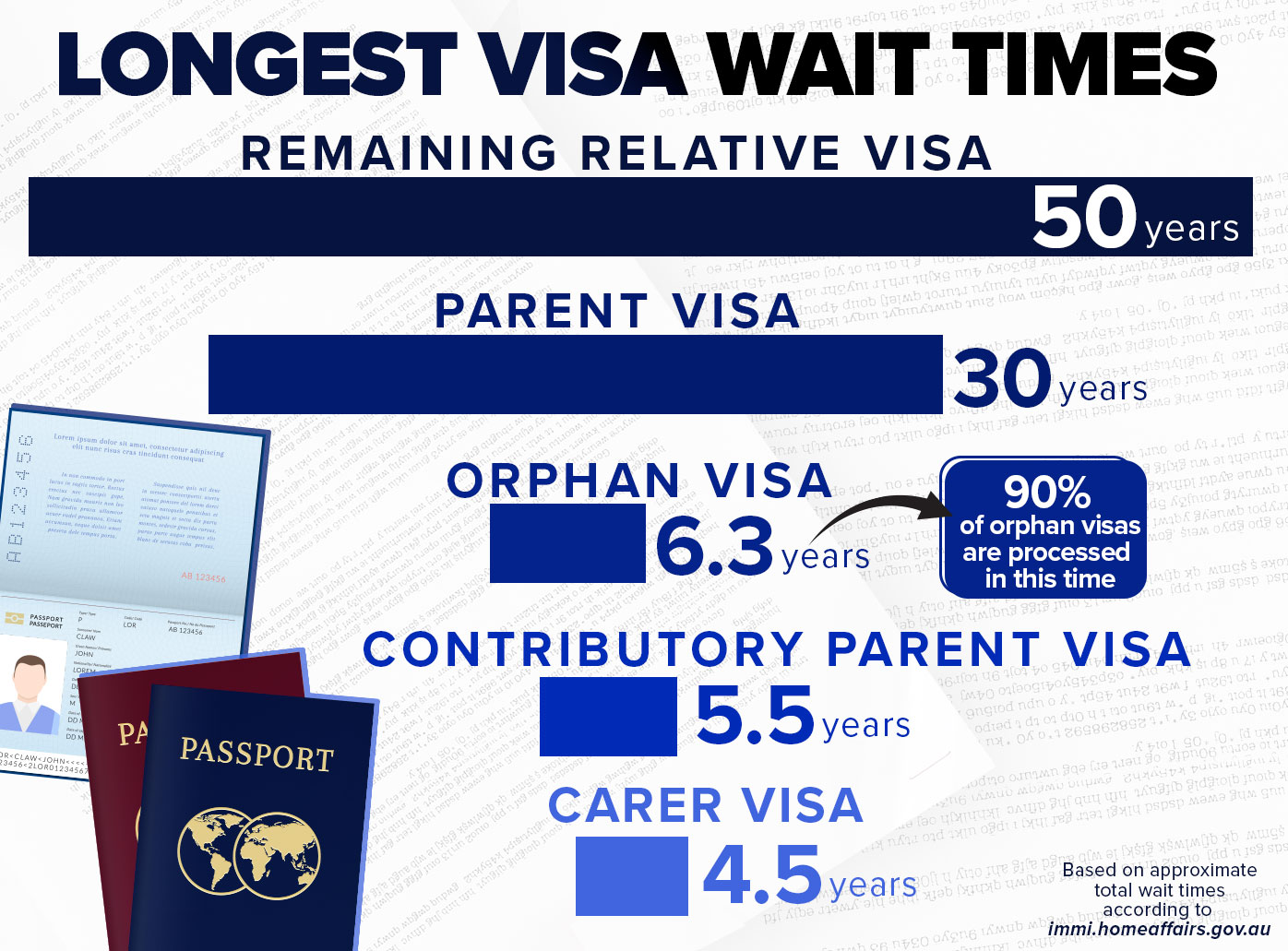
The remaining relative visa has the longest processing time of any Australian visa.
When Wendy and Paige applied for the visa in 2011, the wait time was 10 years.
It has since ballooned out to 50 years.
READ MORE: Retailers finding it impossible to hire new staff, survey reveals
Wendy and Paige have been living in Australia on temporary bridging visas for the past decade.
Having appealed the department's decision to reject their visas last year, they are still here on a bridging visa, but face the prospect of being sent back to the UK if their appeal is unsuccessful.
"We just want to be with our family, that's all we want. It will destroy us if we had to leave. I don't know what we will do," Wendy said.
Wendy said she and Paige had spent the past decade building their lives in Australia, and now considered it their home.
Both she and her daughter had willingly made sacrifices to stay in Australia with the hope of being granted permanent residency, Wendy said.
Their bridging visas have allowed them to work and study but still come with restrictions.
"It's been really hard because, with Paige, we had to pay international school fees – it was $13,000 a year for her to go to a public high school," Wendy said.
"Paige always had a dream of being a teacher, but she can't go to uni here because she would need to pay full fees and she can't get a student loan or anything like that."
After graduating from high school, Paige went to TAFE instead to get an early childhood diploma and now works in a childcare centre.
"It was the closest option I could get to being a teacher. It's been hard having some options being taken away but I'm grateful that I've been able to live here with my family," Paige said.
Wendy said she always expected their visas to be approved eventually and was stunned when they got their refusal notice in March last year.
"It's always been kind of at the back of our minds about waiting for the visa but we weren't so worried and we didn't ever think it would actually be denied," Wendy said.
"Our immigration agent was shocked too."
In its refusal notification to Wendy and Paige, seen by 9news.com.au, the Department of Home Affairs said that because Paige was no longer Wendy's dependent they both had a near relative who was not an Australian citizen or permanent resident – each other.
"It's just crazy, we need to be with our family," Wendy said.
"Also, if the department hadn't taken so long (to process our visa application) this never would have happened."
Visa wait times 'a matter of urgency'
Last week, 9news.com.au reported on the desperate plight of other remaining relative visa applicants who face a decades-long wait for an answer on whether they can stay in Australia permanently.
While the remaining relative visa has the longest wait time, at 50 years, the processing times for many other visas have also blown out over the last decade.
According to the Department of Home Affairs, parent visas now take about 30 years to process, orphan visas 6.3 years and carer visas 4.5 years.
The long wait times for family and partner visas were the subject of a Senate inquiry last year.
The inquiry's final report, released in April this year, recommended that the Department of Home Affairs develop a "long-term strategy to update its system for the processing of visas" as a "matter of urgency".
While Labor's Immigration Minister Andrew Giles declined to comment to 9news.com.au on the remaining relative visa wait times he said tackling the visa backlog left by the Coalition government was an urgent priority.
"In terms of the extraordinary delays we've seen in visa processing, this is a real priority for me and an Albanese Labor government," Giles said.
"Whether it relates to humanitarian, family reunion, or skilled visas, we need to do much better."
'I'll be dead by then'
Nicola Clements has been waiting eight years so far for her remaining relative visa to be processed, having applied in 2014 after coming out from the UK.
"This was the only visa I could apply for as I didn't qualify for the skilled visa," she said.
When Nicola first applied for the visa, she was told the wait would be 16 years. She said she was appalled when she was informed a few years ago the wait was now 50 years.
"I'm 53. If I need to wait 50 years for my visa to be processed, I'll be dead by then."
Nicola has since become the carer for her 84-year-old mother, who she lives with in Bunbury.
She said she had considered applying for a carer visa, but it would involve starting the visa process again and waiting the 4.5 years it takes, on average, to be granted a carer visa.
Nicola, who works in the healthcare sector, said living on a bridging visa meant she had been unable to buy her own home, despite having a deposit ready to do so.
"My immediate issue is housing, because I can't seem to get a rental that is long term," she said.
"Every year or every two my mum and I have to move. My mum is 84 and it's a lot for her to keep moving.
"She keeps asking me, 'When do you think we're going to have to move again?'"
Nicola said living on a temporary visa was stressful and weighed on her mind.
"If they cancel my visa, I would have to go back to the UK and leave mum, she would be stuffed," she said.
"I also wouldn't have a job, a house, any family. I've sort of lost contact with everybody there.
"I try not to push it away and not think about it because I get so depressed thinking about it."
Contract reporter Emily McPherson at em********@******om.au
Russian missile strike hits crowded shopping mall
Scores of civilians were feared killed or wounded in a Russian missile strike Monday on a crowded shopping mall in Ukraine's central city of Kremenchuk, Ukrainian officials said.
Ukrainian President Volodymyr Zelenskyy said in a Telegram post that the number of victims was “unimaginable,” citing reports that more than 1000 civilians were inside at the time of the attack.
Images from the scene showed giant plumes of black smoke from the shopping centre engulfed in flames, as emergency crews rushed in and onlookers watched in distress.
READ MORE: Former bikie fighting for life after Sydney gangland shooting
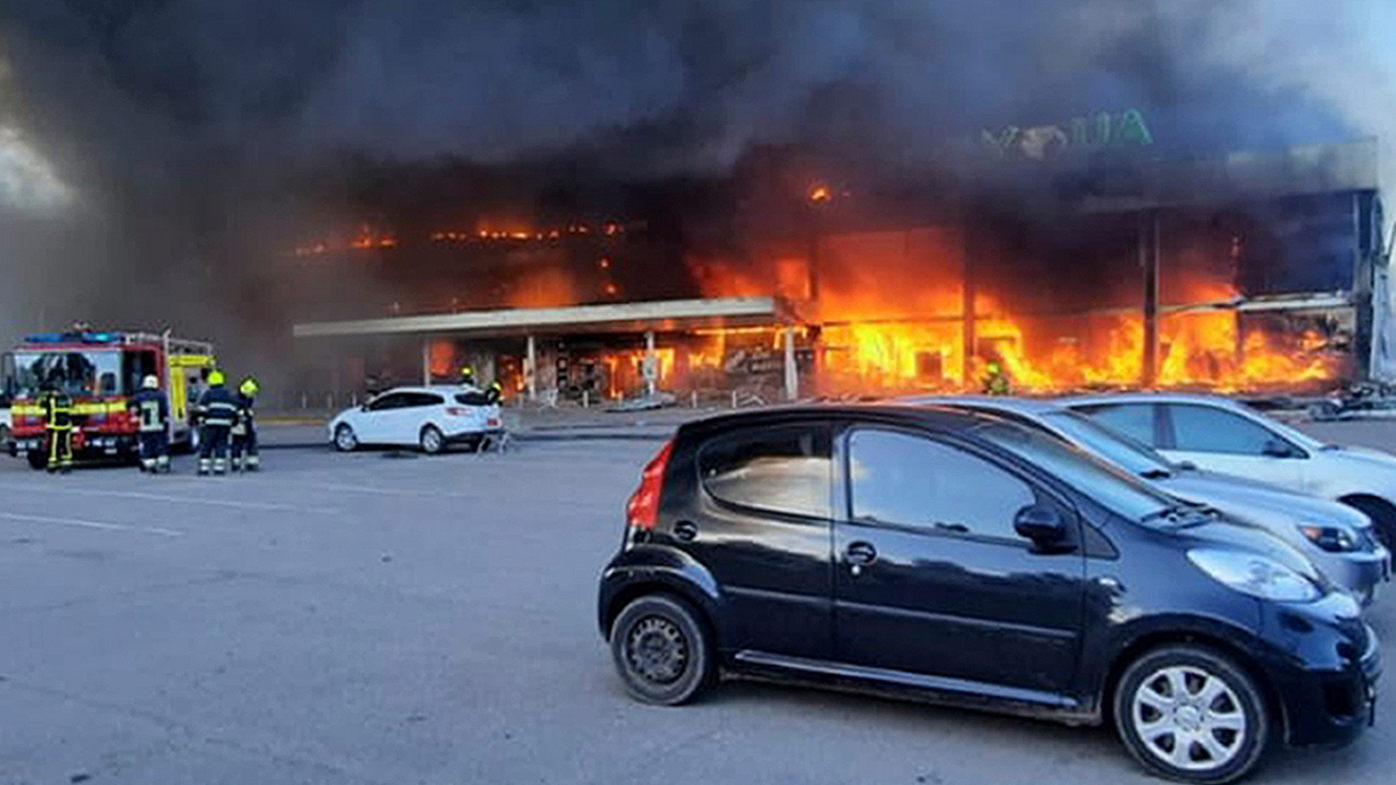
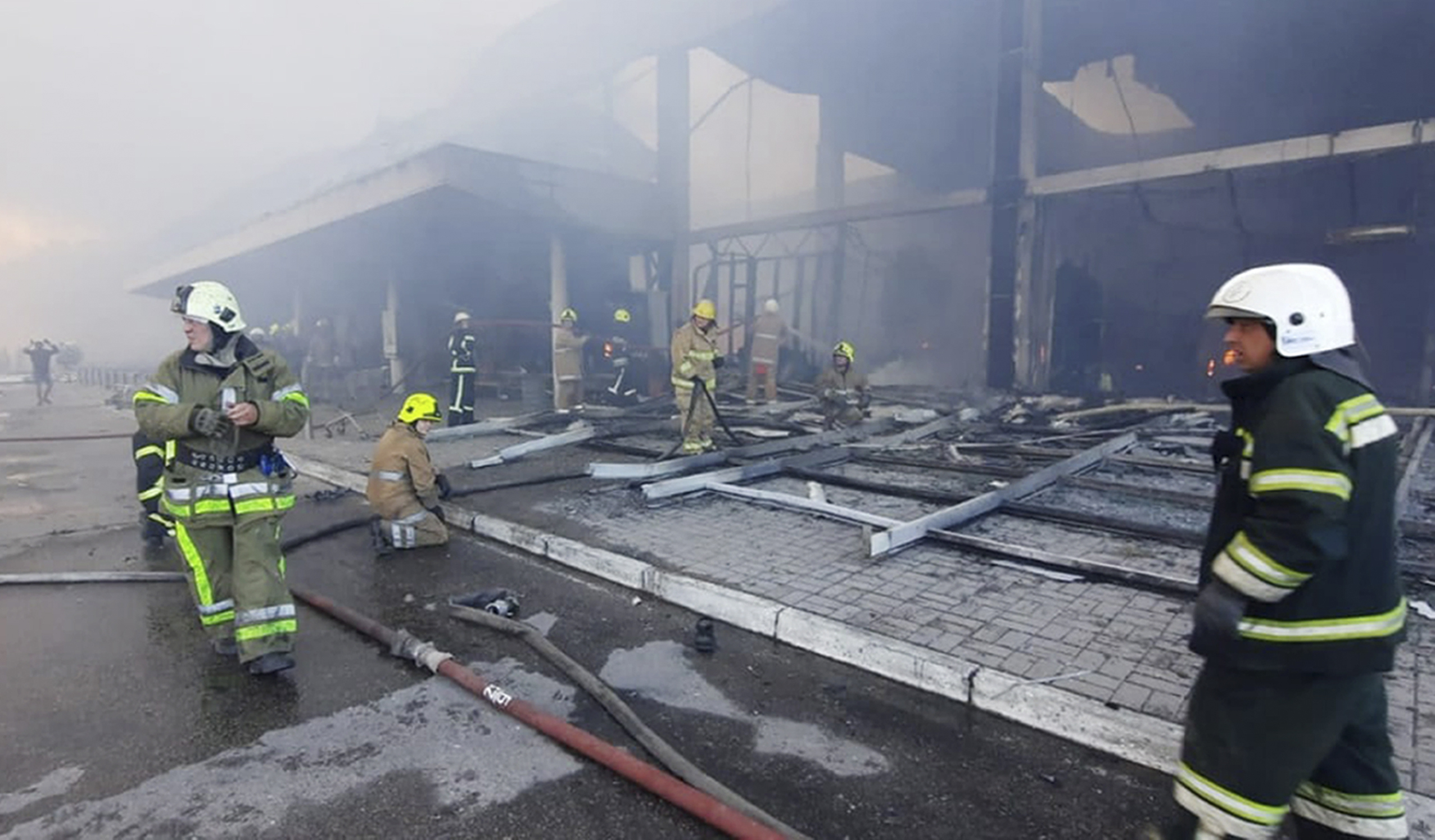
At least 11 people were dead and more than 40 wounded, according to the regional governor, Dmytro Lunin, who said that rescuers were continuing to comb the smoldering debris for more victims.
The strike unfolded as the leaders of the world's major economies get ready to pursue new sanctions on Russia, including a price cap on oil and higher tariffs on goods.
Meanwhile, the US prepared to announce the purchase of an advanced surface-to-air missile system for Kyiv, and NATO planned to increase the size of its rapid-reaction forces nearly eightfold to 300,000 troops.
Zelenskyy said the target presented “no threat to the Russian army” and had “no strategic value.” He accused Russia of sabotaging “people’s attempts to live a normal life, which make the occupiers so angry.”
The Ukrainian military said the shopping center was hit by missiles fired by Russian Tu-22M3 long-range bombers from the skies over Russia’s western Kursk region.
READ MORE: Impact of Russia's $57 billion debt default explained
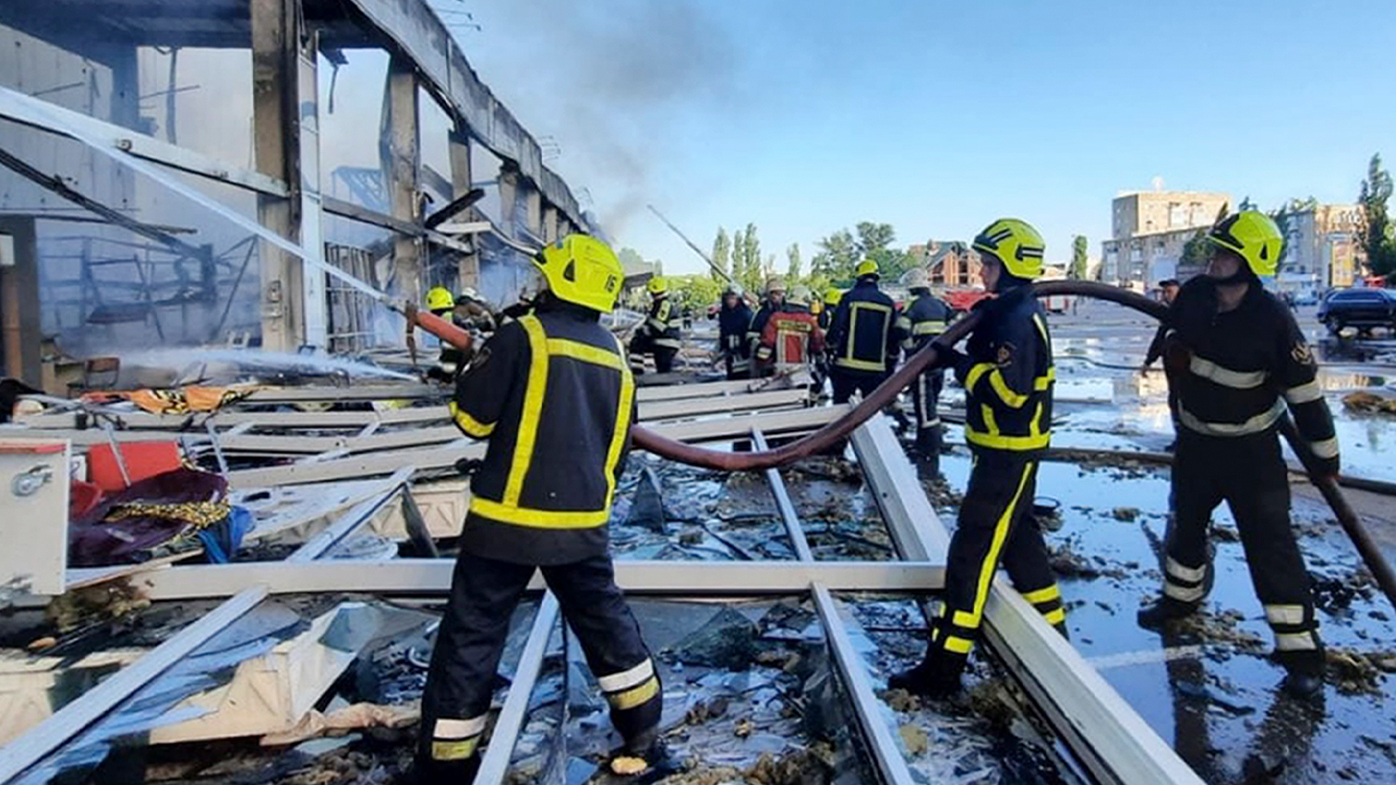
The secretary of Ukraine’s National Security and Defense Council, Oleksiy Danilov, said that one missile hit the shopping centre and another struck a sports arena in Kremenchuk.
The Russian strike carried echoes of attacks earlier in the war that caused large numbers of civilian casualties — such as one in March on a Mariupol theater where many civilians had holed up, killing an estimated 600, and another in April on a train station in eastern Kramatorsk that left at least 59 people dead.
“Russia continues to take out its impotence on ordinary civilians. It is useless to hope for decency and humanity on its part,” Zelenskyy said.
Mayor Vitaliy Maletskiy wrote on Facebook that the attack “hit a very crowded area, which is 100 per cent certain not to have any links to the armed forces.”
The attack happened as Russia was mounting an all-out assault on the last Ukrainian stronghold in eastern Ukraine's Luhansk province, “pouring fire” on the city of Lysychansk from the ground and air, according to the local governor.
READ MORE: Perth girl walking with dad when she's sent flying 10 metres
Russian forces appeared to step up an offensive centering on trying to wrest the eastern Donbas region from Ukraine after forcing government troops out of the neighboring city of Sievierodonetsk in recent days.
Western leaders, meanwhile, pledged steadfast and continued support for Kyiv. NATO will agree to deliver further military support to Ukraine — including secure communication and anti-drone systems — when its leaders convene in Spain for a summit, according to the military alliance's secretary-general, Jens Stoltenberg.
To the west of Lysychansk on Monday, the mayor of the city of Sloviansk — potentially the next major battleground — said Russian forces fired cluster munitions on the city after dawn, including one that hit a residential neighborhood.
Authorities said the number of dead and wounded had yet to be confirmed. The Associated Press saw one fatality: A man’s body lay hunched over a car door frame, his blood pooling onto the ground from chest and head wounds.
The blast blew out most windows in the surrounding apartment blocks and the cars parked below, littering the ground with broken glass.
“Everything is now destroyed. We are the only people left living in this part of the building. There is no power," said local resident Valentina Vitkovska, in tears as she spoke about the blast.
"I can’t even call to tell others what had happened to us.”
Overall, Zelenskyy's office said at least six civilians were killed and 31 others wounded as part of intense Russian shelling against various Ukrainian cities over the past 24 hours — including Kyiv and major cities in the country’s south and east, but not counting the attack in Kremenchuk and the shelling of the eastern city of Kharkiv where at least three people were killed and another 15 were wounded.
It said Russian forces fired rockets that killed two people and wounded five overnight in and near Kharkiv, Ukraine’s second-largest city, and continued to target the key southern port of Odesa. A missile attack destroyed residential buildings and wounded six people, including a child, it said.
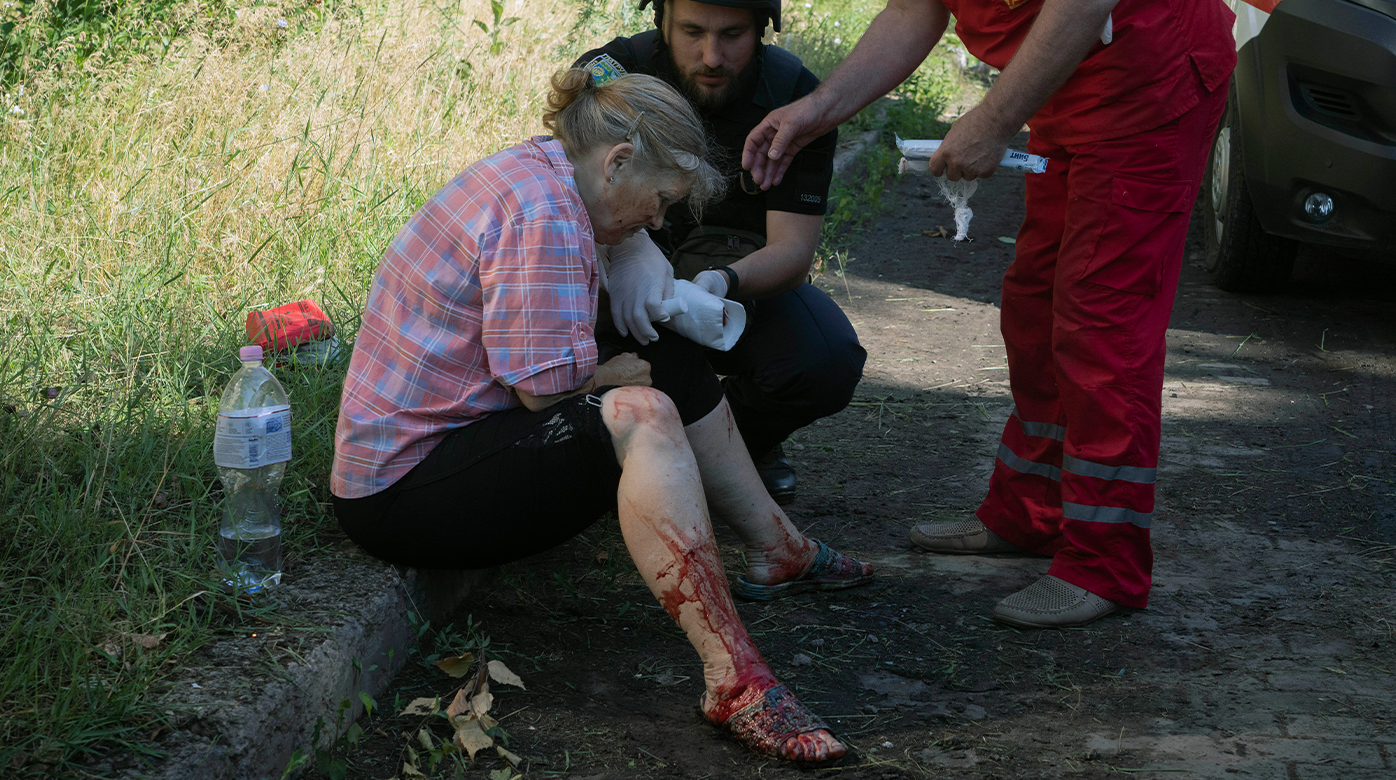
In Lysychansk, at least five high-rise buildings in the city and the last road bridge were damaged over the past day, the regional governor said. A crucial highway linking the city to government-held territory to the south was rendered impassable by shelling.
The city had a prewar population of around 100,000, approximately one-tenth of whom remain.
Analysts say that Lysychansk’s location high on the banks of the Siverskiy Donets River gives a major advantage to the city’s Ukrainian defenders.
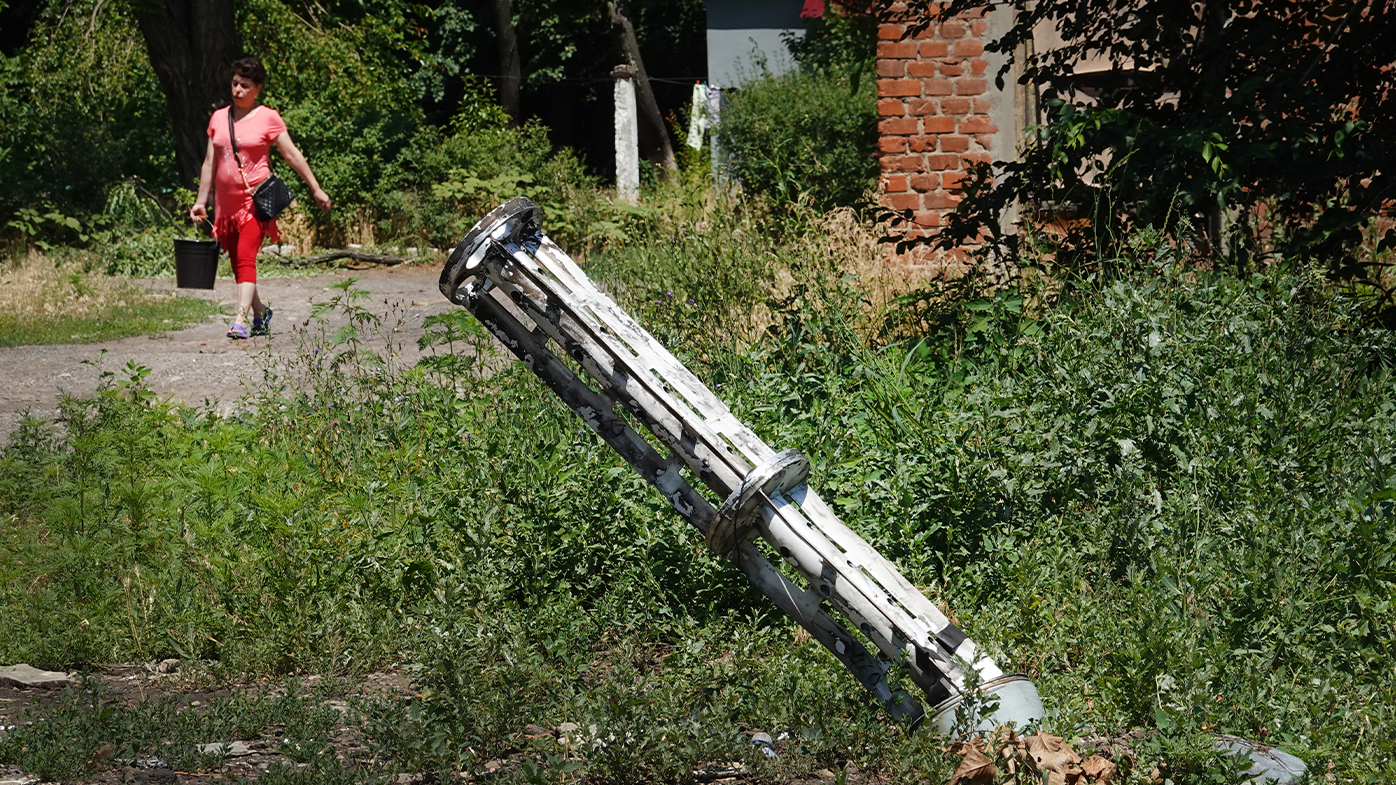
“It’s a very hard nut to crack. The Russians could spend many months and much effort storming Lysychansk,” said military analyst Oleh Zhdanov.
In other developments, in Germany’s Bavarian Alps, leaders of the Group of Seven countries unveiled plans to seek new sanctions and pledged to continue supporting Ukraine “for as long as it takes.”
In a joint statement on Monday after they held a session by video link with Zelenskyy, the leaders underlined their “unwavering commitment to support the government and people of Ukraine in their courageous defense of their country’s sovereignty and territorial integrity.”
The US appeared ready to respond to Zelenskyy’s call for more air defence systems after Russian troops hit Kyiv with long-range missiles on Sunday. Washington was expected to announce the purchase of an advanced surface-to-air missile system for Ukraine.
In Brussels, NATO Secretary-General Jens Stoltenberg announced the plans to greatly expand the alliance's rapid-reaction forces as part of its response to an “era of strategic competition.” The NATO response force currently has about 40,000 soldiers.
Britian's defence ministry said Russia is likely to rely increasingly on reserve forces in the coming weeks of the war.
Analysts have said a call-up of reservists by Russia could vastly alter the balance in the war but could also come with political consequences for President Vladimir Putin’s government.
Child in critical condition following collision in Victoria's west
A primary school aged child is in critical condition following a collision in Victoria's west this afternoon.
An Ambulance Victoria spokesperson said paramedics were called to the collision in Bunkers Hill, in Ballarat's west, just before 5pm.
An air ambulance has been dispatched.
The spokesperson said there were multiple patients who are in a stable condition.
More to come.
Everyday Aussies who saved three lives recall 'rescue of the year'
The everyday Aussies who played a crucial role in Life Saving Victoria's "rescue of the year" have described how the emergency played out.
On January 13, four women were swept off the rocks at Bushrangers Bay in Victoria's Mornington Peninsula.
Emergency services were alerted to the incident, but as police, paramedics and life savers raced to the remote coastline, the rescue was in the hands of two ordinary Victorians.
READ MORE: Australia's third wave of COVID-19 our biggest killer, study finds
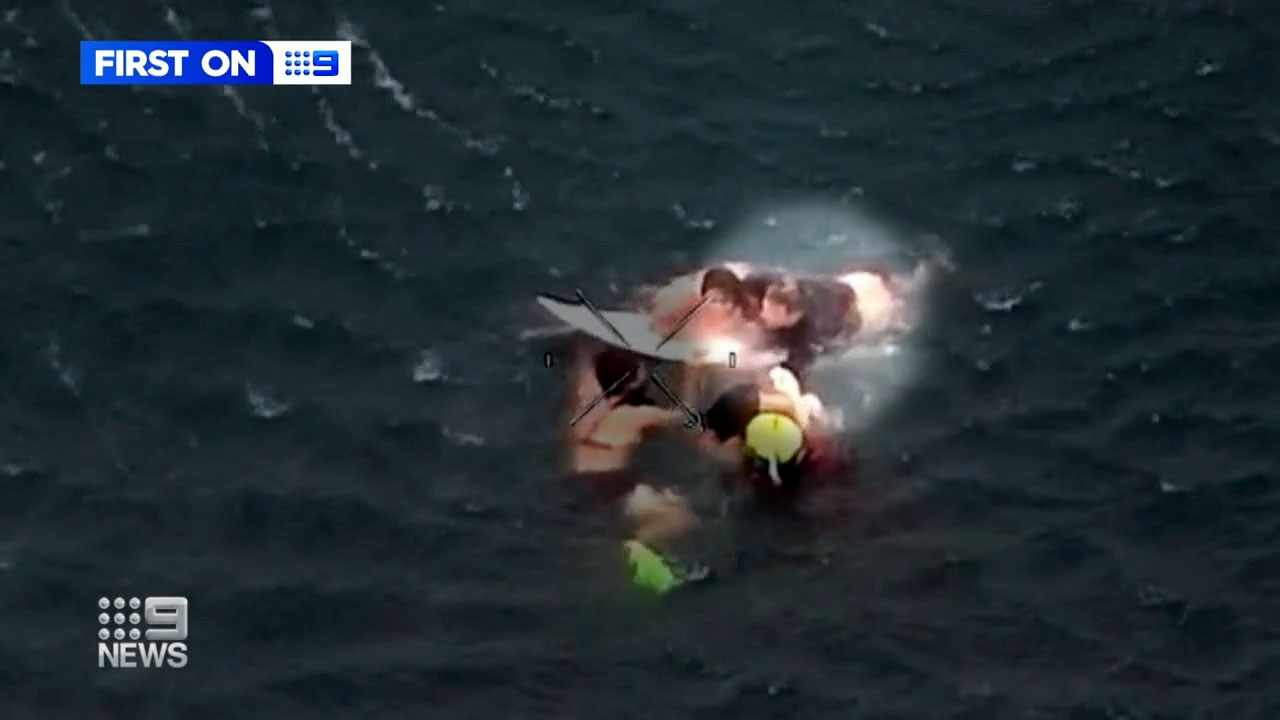
Off-duty lifesaver Chris Perrot grabbed anything he could before heading out to help.
"My surfboard, my flippers, and my radio as well. Just chucked under the arm and ran down there," he said.
Retired navy veteran Shane Hudson also leapt into the water when he heard the women's screams.
"I knew what I was doing, I was confident I'd be able to at least help and try make sure at least somebody else came out of the water with me," he said.
READ MORE: What is the impact of Russia's $57 billion debt default?
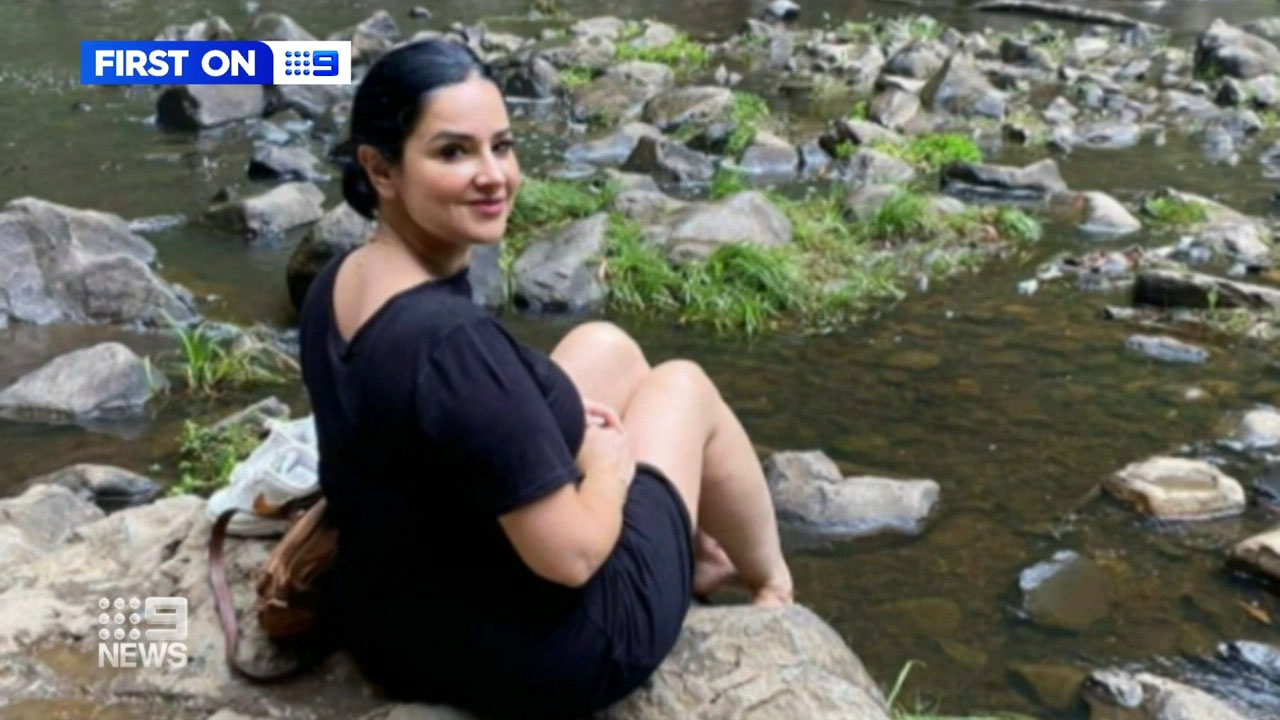
While 45-year-old Aida Hamed died before anyone could reach her, Hudson, Perrott and first responders saved the lives of the three others.
After around half an hour floundering in the water, clinging to a surfboard, the trio were either winched into an air ambulance or helped onto a police boat.
Life Saving Victoria has named the mass recovery its "rescue of the year", and all 24 first responders involved will be officially recognised on Wednesday for saving the lives they did.
READ MORE: In wake of Roe v Wade, how is abortion handled in Australia?
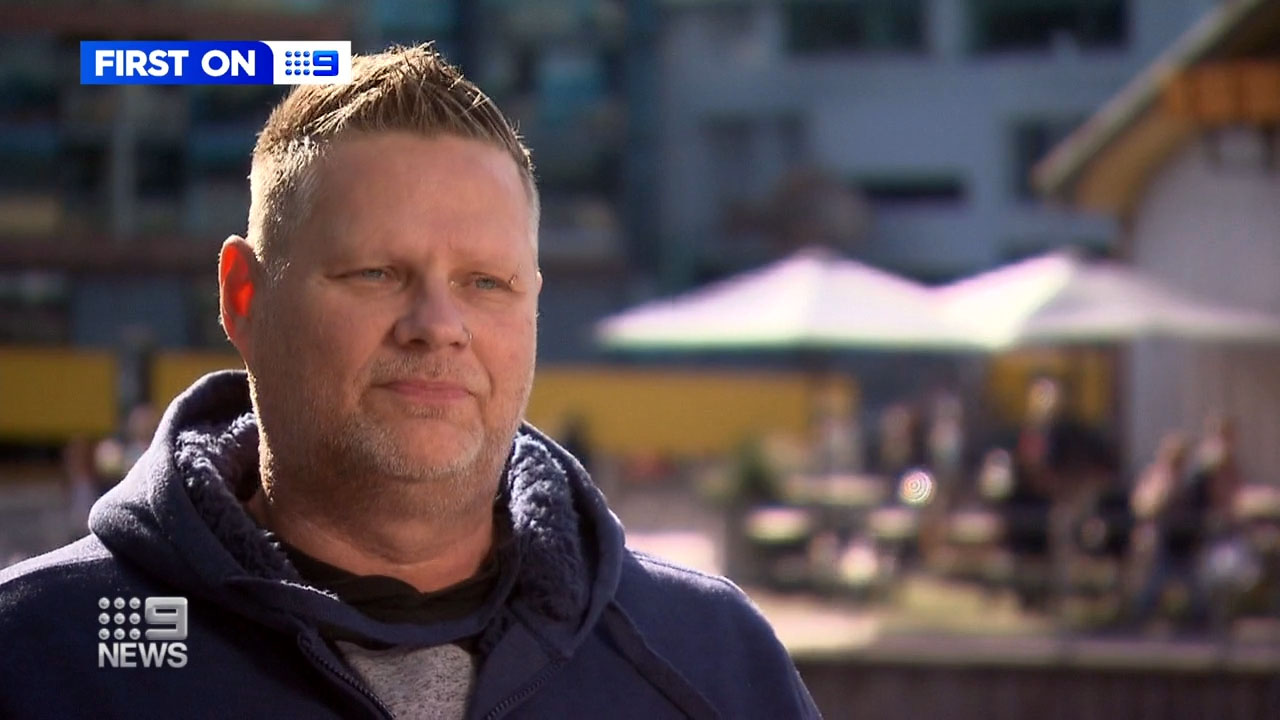
But all are adamant about one thing: they're not to be called heroes.
"We just tell them, 'look it's what we're here for, it's what we're trained to do'," said Victoria Police's Jeremy Winfield.
"I don't wanna be seen as that [a hero]," said Hudson.
"I was just doing my part… if I had to do it again I'd do it tomorrow."