Tag Archives: oceania

Five killed as packed stadium collapses in Colombia

At least five people are dead and dozens seriously injured after a stadium suddenly collapsed during a bullfight in Colombia.

Video shows the moment wooden stands crumbled at the improvised stadium in El Espinal in Tolima, where annual San Juan and San Pedro festivities were underway.

The incident occurred during a "corraleja", an event where members of the public jump into the ring to run alongside the bulls.

READ MORE: Russia strikes Kyiv as Western leaders meet in Europe

The improvised stadium collapsed during annual San Juan and San Pedro festivities.

At least one bull has fled the stadium into neighbouring streets, according to reports.

"At this moment, we have four (dead) victims confirmed – two women, an adult man and a minor – plus about 30 people seriously injured," Governor Ricardo Orozco said on BluRadio Colombia, a local radio outlet.

"Of course, we have activated all the hospitals and ambulances we can work with."

There are fears the true number of injured could be much higher.

As news of the incident broke Major Luis Fernando Vélez, director of the civil defence department, told a local radio station "there is talk of 500 wounded".

A statement from the Mayor's Office of Espinal said they "deeply regret what happened in the bullring".

READ MORE: Off-duty officer's shocking act at abortion protest

It's reported several people were in the ring with bulls when stadium stands gave way.

"We want to call for calm to the entire community," it continued.

"Once the emergency became known, the relief agencies acted immediately, achieving the evacuation of the injured for primary care at the San Rafael Hospital in the municipality."

But according to a local news report one local councillor said hospitals are not able to cope with the influx of patients.

"We need support from ambulances and neighbouring hospitals, many people are still unattended," Iván Ferney Rojas told El Tiempo newspaper.

Sunday's event has put bullfighting under the spotlight, with Columbia's president-elect Gustavo Petro calling for similar shows to be halted.

https://twitter.com/petrogustavo/status/1541138473532493826?ref_src=twsrc%5Etfw%7Ctwcamp%5Etweetembed%7Ctwterm%5E1541138473532493826%7Ctwgr%5E%7Ctwcon%5Es1_&ref_url=https%3A%2F%2Fd-1574428756915006848.ampproject.net%2F2206101637000%2Fframe.html

"This had already happened before in Sincelejo," he tweeted.

"I ask the mayors not to authorise more shows with the death of people or animals."

'Biblical' plague of insects descends on US state's farmland

Driving down a windy canyon road in northern Oregon rangeland, Jordan Maley and April Aamodt are on the look out for Mormon crickets, giant insects that can ravage crops.

“There’s one right there,” Aamodt says.

They’re not hard to spot. The insects, which can grow larger than 5 centimetres blot the asphalt.

READ MORE: 'They'll get their day': Shot ex-bikie tweets from hospital bed
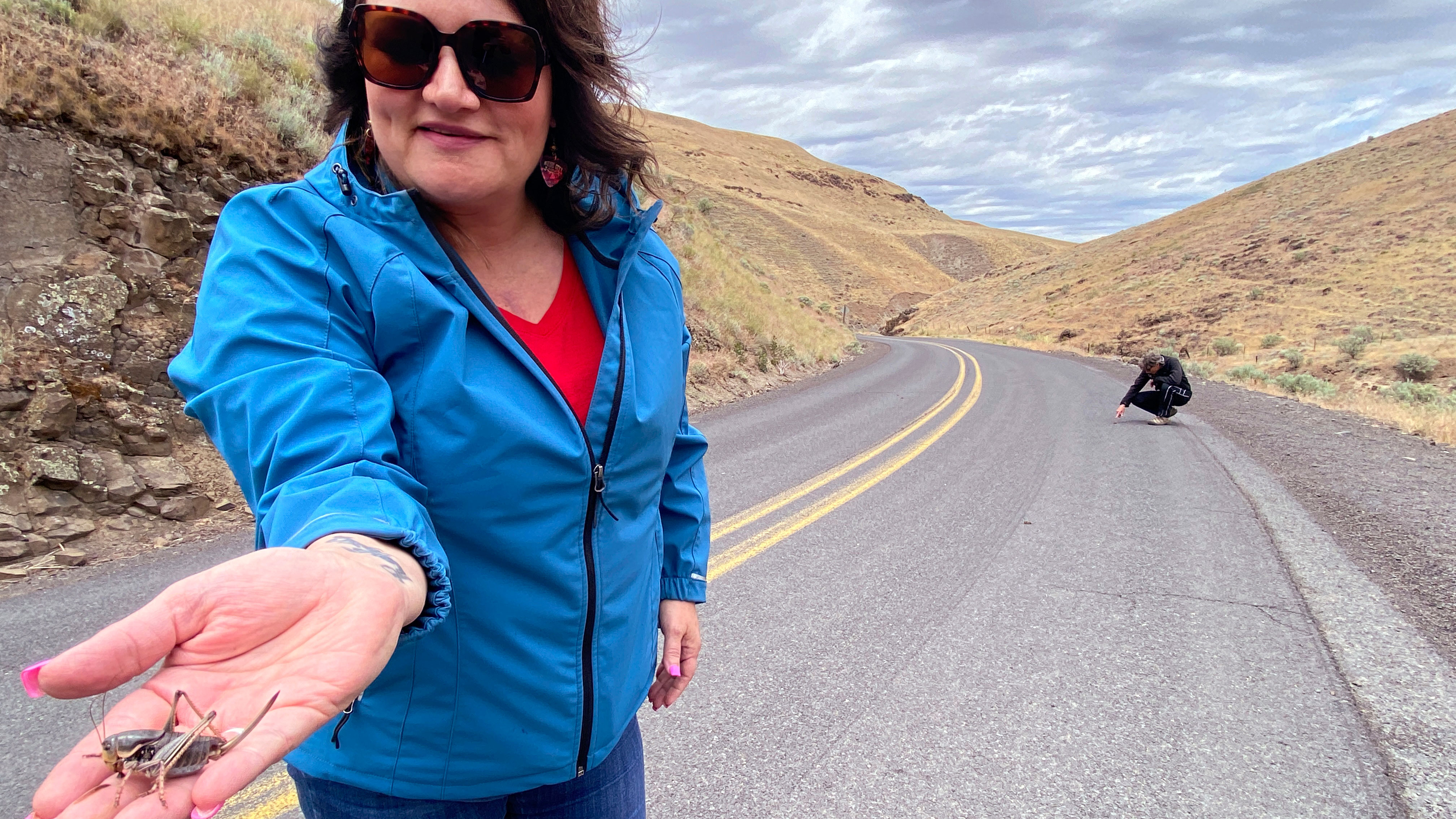
April Aamodt holds a Mormon cricket that she found in Blalock Canyon near Arlington, Oregon.

Mormon crickets are not new to Oregon.

Native to western North America, their name dates back to the 1800s, when they ruined the fields of Mormon settlers in Utah.

But amidst drought and warming temperatures — conditions favoured by the insects — outbreaks across the West have worsened.

The Oregon Legislature last year allocated $US5 million ($7.2 million) to assess the problem and set up a Mormon cricket and grasshopper “suppression” program.

An additional $US1.2 million ($1.73 million) for the program was approved earlier this month.

It’s part of a larger effort by state and federal authorities in the US West to deal with an explosion of grasshoppers and Mormon crickets that has hit from Montana to Nevada.

But some environmental groups oppose the programs, which rely on the aerial spraying of pesticides across large swaths of land.

Maley, an Oregon State University Extension Agent, and Aamodt, a resident of the small Columbia River town of Arlington, are both involved in Mormon cricket outreach and surveying efforts in the area.

In 2017, Arlington saw its largest Mormon cricket outbreak since the 1940s.

The roads were “greasy” with the squashed entrails of the huge insects, which damaged nearby wheat crops.

Rancher Skye Krebs said the outbreaks have been “truly biblical”.

“On the highways, once you get them killed, then the rest of them come,” he explained.

Mormon crickets are cannibalistic and will feast on each other, dead or alive, if not satiated with protein.

The insects, which are not true crickets but shield-backed katydids, are flightless.

But they can travel around half a kilometre in a day, according to Maley.

READ MORE: At least five killed after stadium collapses during bull fight

Mormon crickets seen on Blalock Canyon Road near Arlington, Oregon.

Aamodt fought the 2017 outbreak with what she had on hand.

“I got the lawnmower out and I started mowing them and killing them,” she said.

“I took a straight hoe and I’d stab them.”

Aamodt has organised volunteers to tackle the infestation and earned the nickname “cricket queen”.

Another infestation last year had local officials “scrambling,” Maley said.

“We had all those high-value crops and irrigation circles,” he explained.

“We just had to do what we could to keep them from getting into that.”

In 2021 alone, Oregon agricultural officials estimate 10 million acres of rangeland in 18 counties were damaged by grasshoppers and Mormon crickets.

Under the new Oregon initiative, private landowners like farmers and ranchers can request the Oregon Department of Agriculture (ODA) survey their land.

If ODA finds more than three Mormon crickets or eight grasshoppers per square yard it will recommend chemical treatment.

In some areas near Arlington surveyed in May soon after the hatch there were 201 Mormon crickets per square yard.

State officials recommend the aerial application of diflubenzuron.

The insecticide works by inhibiting development, preventing nymphs from growing into adults.

Landowners can be reimbursed for up to 75 per cent of the cost.

Diana Fillmore is a rancher participating in the new cost-sharing initiative.

She says “the ground is just crawling with grasshoppers” on her property.

ODA recommended she treat her 988-acre ranch in Arock in south-eastern Oregon.

As the program’s protocol calls for applying insecticide to only half the proposed area, alternately targeting swaths then skipping the next one, this means nearly 500 acres of her land will actually be sprayed.

Fillmore decided to act, remembering last year’s damage.

“It was horrible,” Fillmore said.

“Grasshoppers just totally wiped out some of our fields.”

She was forced to spend $US45,000 ($65,000) on hay she normally wouldn’t have to buy.
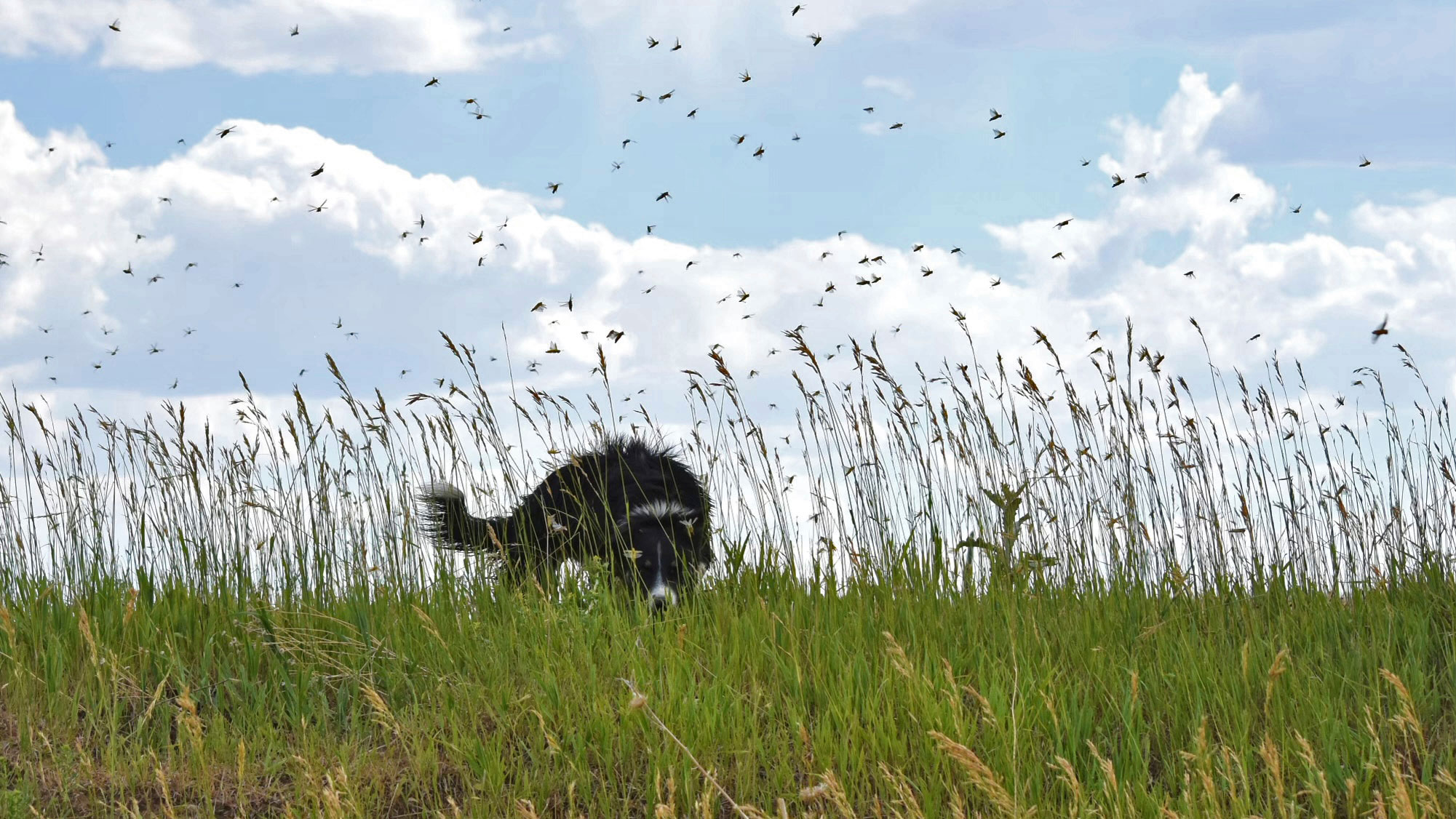
In this photo provided by rancher Diana Fillmore, grasshoppers swarm around the dog of rancher Diana Fillmore on her land in Arock, Oregon.

Todd Adams, an entomologist and ODA’s Eastern Oregon field office and grasshopper program coordinator, said as of mid-June ODA had received 122 survey requests and sent out 31 treatment recommendations for roughly 16,187 hectares.

Landowners must act quickly if they decide to spray diflubenzuron as it is only effective against nymphs.

“Once they become adults it’s too late,” Adams said.

Oregon’s new program is geared toward private landowners.

But the federal government owns more than half of Oregon’s total land, and the US Department of Agriculture has its own program for outbreaks on Western public land.

The US government’s grasshopper suppression program dates back to the 1930s, and USDA’s Animal and Plant Health Inspection Service (APHIS) has sprayed millions of acres with pesticides to control outbreaks since the 1980s.

APHIS National Policy Director William Wesela said the agency sprayed 326,581 hectares of rangeland across seven Western states in 2021.

So far this year, it has received requests for treatment in Oregon, Idaho, Montana, Utah, Nevada and Arizona, according to Jake Bodart, its State Plant Health Director for Oregon.

In a 2019 risk assessment APHIS recognised the main insecticide used, diflubenzuron, remains “a restricted use pesticide due to its toxicity to aquatic invertebrates,” but said risks are low.

APHIS says it follows methods to reduce concerns.

It instructs pesticide applicators to skip swaths and apply the insecticide at lower rates than listed on the label.

But environmental groups oppose the program.

Last month, the Xerces Society for Invertebrate Conservation and the Centre for Biological Diversity (CBD) sued APHIS in the US District Court in Portland.

In their filing, they accuse APHIS of harming rangeland ecosystems and not adequately informing the public about treatment areas.

They also allege the agency violated the National Environmental Policy Act by not assessing all the alternatives to pesticides or analysing the cumulative effects of the program.

Federal officials declined to comment on the suit because it is pending before courts.

Environmentalists say the reduction of grasshoppers diminishes the food source of other wildlife that prey on them.

“We’re very concerned about the impact of these broad, large sprays to our grassland and rangeland ecosystems,” said Sharon Selvaggio, the Xerces Society’s Pesticide Program Specialist.

Selvaggio added the sprays can be “toxic to a wide variety of insects” beyond grasshoppers and Mormon crickets, expressing particular concern for pollinators such as bees.

The two environmental groups want the agency to adopt a more holistic approach to pest management, by exploring methods such as rotational grazing.

“We’re not trying to stop APHIS from ever using pesticides again,” said Andrew Missel, staff attorney at Advocates for the West, the nonprofit law firm that filed the suit.

“The point is really to reform” the program, he added.

In Arlington, the “cricket queen” Aamodt said residents had experimented with pesticide alternatives.

During 2017, some covered trees in duct tape to trap the insects. The following year, local officials brought in goats to graze hillsides.

For now, those fighting against future infestations hope the new state program will bring much-needed support.

“Keep in mind that these are people that are taking time out from their own lives to do this,” said OSU Extension Agent Maley.

“The volunteers made a huge difference.”

Off-duty officer's shocking act at abortion protest

A Rhode Island police officer accused of punching a woman at an abortion protest while he was off-duty has now been charged in connection with Friday's demonstration at the State House.

In a Saturday evening news release, state police said Providence patrolman Jeann Lugo, 35, was charged with simple assault and disorderly conduct.

Jennifer Rourke, the chair of the progressive Rhode Island Political Cooperative seeking the Democratic nomination for a state Senate seat, said she had been punched in the face at least twice by Lugo, who – at the time – was running for the GOP nomination for the same seat.

READ MORE: Groups for and against abortion in USA map next moves after Roe reversal

Jennifer Rourke is running to represent Rhode Island's 29th district in the State SenateJennifer Rourke said she stepped in to protect someone when a group of agitators started attacking.

Providence police said earlier Saturday that Lugo had been suspended from his job with pay pending an investigation, and Lugo subsequently ended his campaign.

Friday's protest outside the Rhode Island State House in Providence was in response to the decision released the same day by the US Supreme Court overturning Roe v. Wade, the 1973 decision that had provided a constitutional right to abortion.

DEB KNIGHT OPINION: America is no longer the land of the free or of the brave

https://twitter.com/ProvidenceRIPD/status/1540774855661993984?ref_src=twsrc%5Etfw%7Ctwcamp%5Etweetembed%7Ctwterm%5E1540774855661993984%7Ctwgr%5E%7Ctwcon%5Es1_&ref_url=https%3A%2F%2Fwww.thedailybeast.com%2Fdemocrat-senate-candidate-jennifer-rourke-allegedly-punched-by-gop-opponent-jeann-lugo-at-abortion-rally

Video of the event posted online shows a physical altercation at the protest right before a woman appearing to be Rourke is seen being hit. The video does not show what happened between Lugo and Rourke beforehand.

In a call with The Associated Press on Saturday, Rourke said that as she was attempting to escort a counterprotester who had agreed to leave off the premises, another physical altercation broke out during which she was punched in the face multiple times. She confirmed she pressed charges against Lugo.

State police say Lugo turned himself in Saturday, was arraigned before a justice of the peace and then released.

 Demonstrators gather at the federal courthouse following the Supreme Court's decision to overturn Roe v. Wade, June 24, 2022, in Austin, Texas.

He’s due in court again on July 8. Lugo didn’t respond to requests for comment on Saturday and Sunday, but told the Boston Globe before charges were announced that he “stepped in to protect someone that a group of agitators was attacking.”

Lugo had also told the Providence Journal he was “not going to deny” the punching allegation, but added that “everything happened very fast.”

Rourke told the AP she had never interacted with Lugo before and did not know he would be at the protest.

“I’m disappointed he chose to use violence in this way. As a police officer, he’s trained to deescalate. He did not do what he was trained to do,” she said.

READ MORE: Supreme Court Justice flags ends to contraceptive, LGBTQ rights

A small group sits on the steps of the Georgia State Capitol protesting the overturning of Roe v. Wade on Sunday, June 26, 2022. (AP Photo/Ben Gray)

Rourke sought medical care and received a CT scan on Saturday afternoon. She said she was doing OK but was experiencing a lot of tenderness in her face and ringing in her ears.

Two other people were also charged following the Friday event that briefly turned violent.

One of the two people, Nicholas Morrell, of Warwick, said in a Sunday message that he is 30, not 31 as police said, and he had “video evidence of the entire thing (and) I was arrested for standing there.”

The other person who was arrested did not respond to a social media message Sunday seeking comment.

Russia strikes as Western leaders meet in Europe

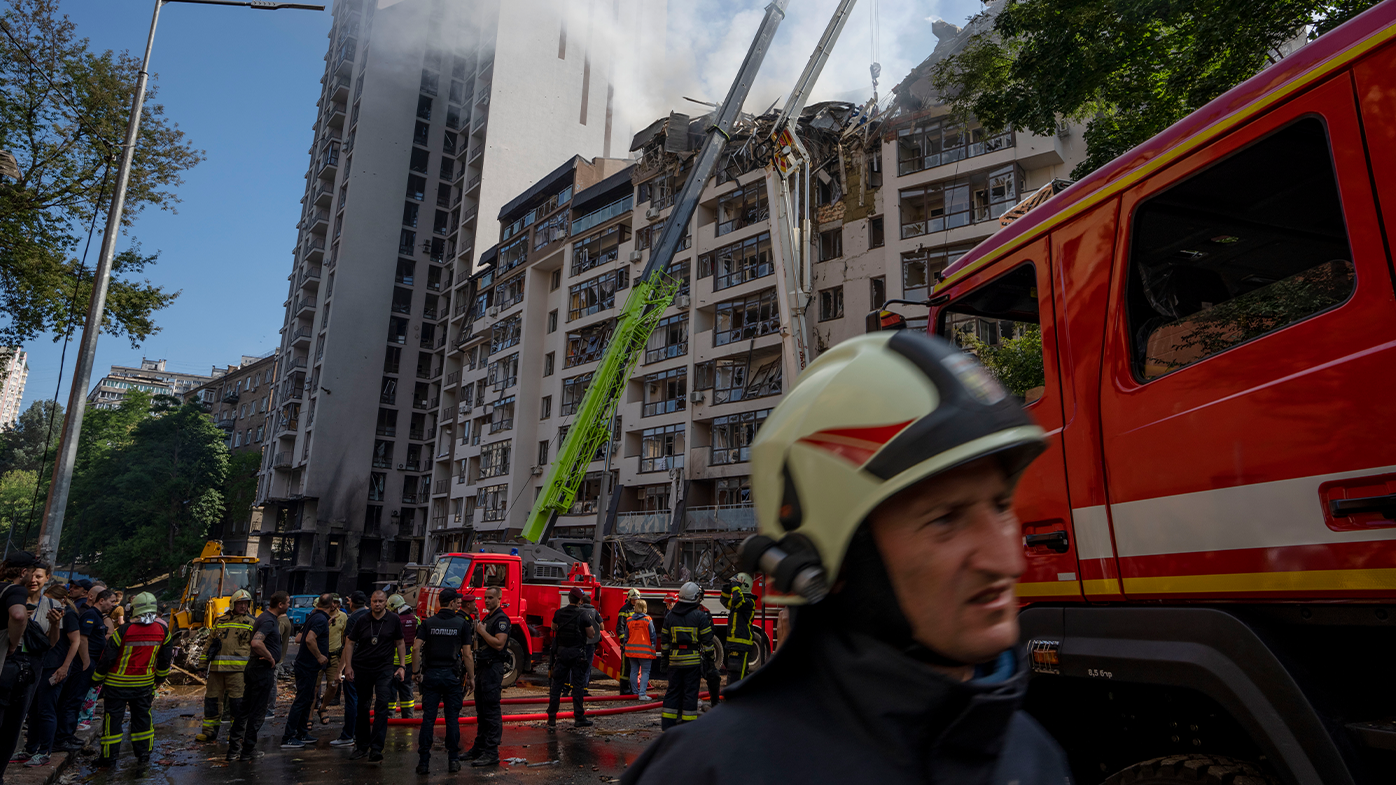
Russia shattered weeks of relative calm in the Ukrainian capital with long-range missiles fired toward Kyiv early Sunday, an apparent Kremlin show-of-force as Western leaders meet in Europe to strengthen their military and economic support of Ukraine.

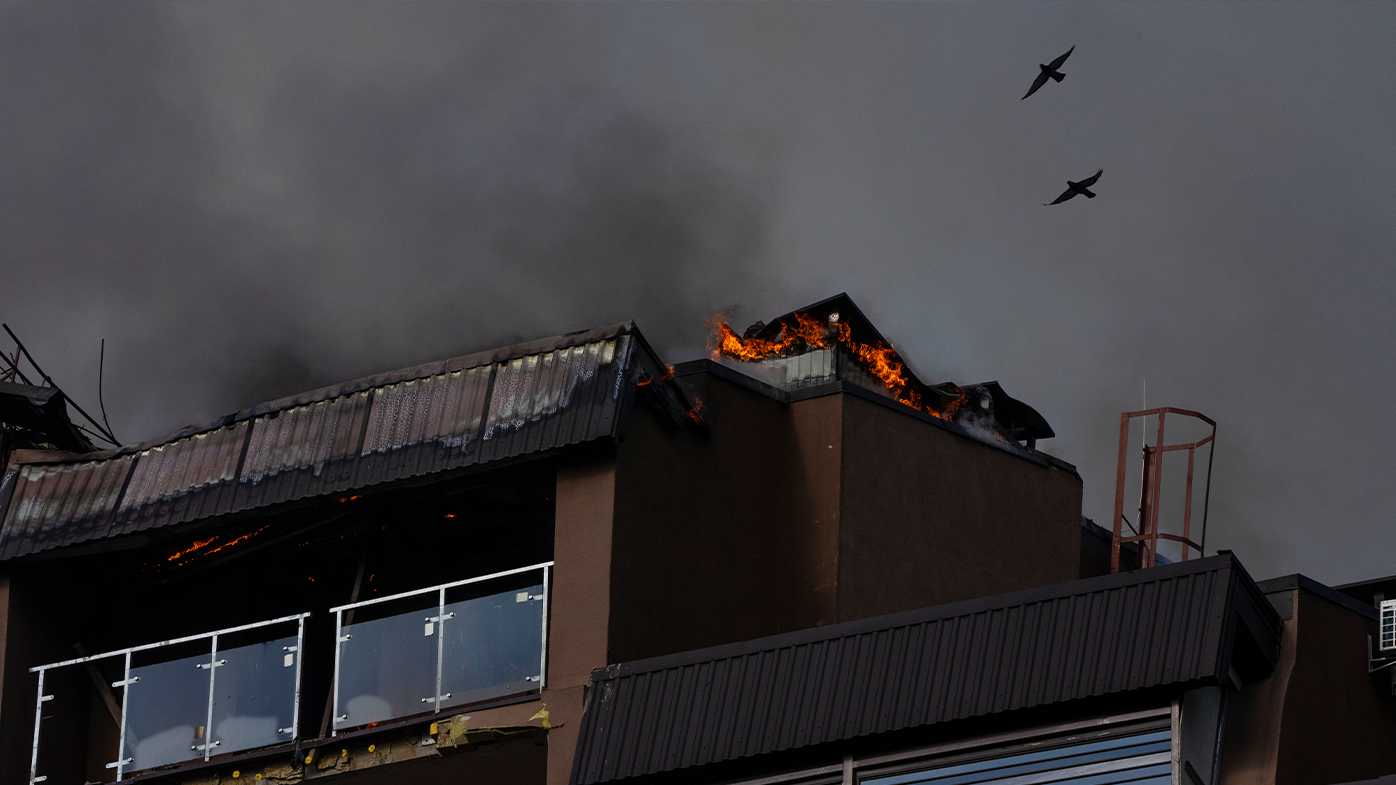
Kyiv Mayor Vitali Klitschko said the missiles hit at least two residential buildings, and killed one person and injured six others, including a 7-year-old girl and her mother. Associated Press journalists saw emergency workers battling flames and rescuing civilians from the buildings.

The strikes also damaged a nearby kindergarten, where a crater pocked the courtyard. US President Joe Biden called the attacks “barbarism” after he arrived in Germany for a Group of Seven summit.

READ MORE: Biden reveals new blow about to hit Putin

Firefighters work at the scene of a residential building following explosions, in Kyiv, Ukraine, Sunday, June 26, 2022. Several explosions rocked the west of the Ukrainian capital in the early hours of Sunday morning, with at least two residential buildings struck, according to Kyiv mayor Vitali Klitschko.

Ukrainian air force spokesman Yuriy Ignat said the first air-launched weapons to successfully target the capital since June 5 were Kh-101 cruise missiles fired from warplanes over the Caspian Sea, more than 1500 kilometres away.

Kyiv's mayor told journalists he thought the airstrikes were “maybe a symbolic attack” ahead of a NATO summit in Madrid that starts Tuesday. A former commander of US forces in Europe said the strikes also were a signal to the leaders of G7 nations meeting Sunday in Germany.

“Russia is saying, ‘We can do this all day long. You guys are powerless to stop us,’” retired Lieutenant General Ben Hodges, the former commanding general of US Army forces in Europe, said.

“The Russians are humiliating the leaders of the West.”

READ MORE: Maroons humiliated in Origin thrashing

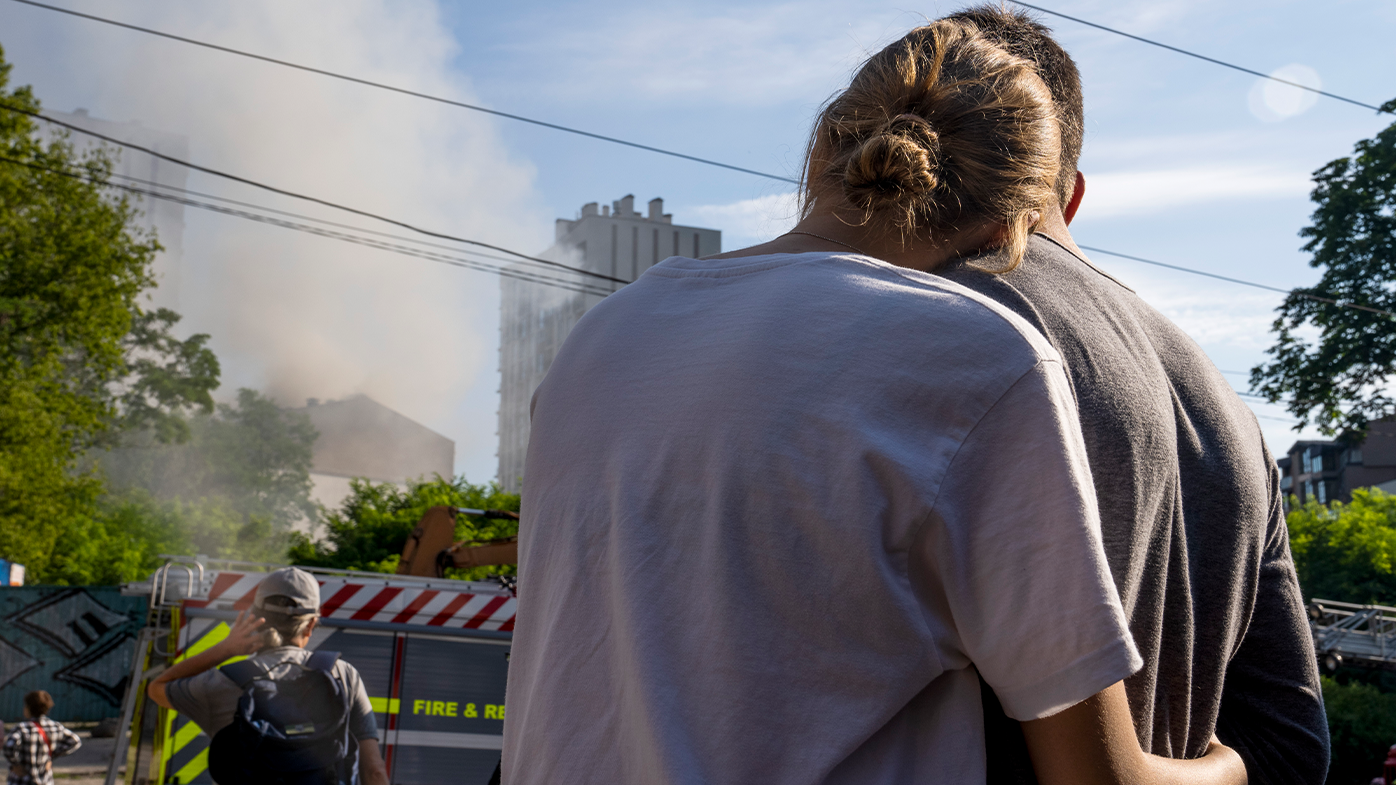
A couple embrace as they look at smoke billowing the air from residential buildings following explosions, in Kyiv, Ukraine, Sunday, June 26, 2022.

The G7 leaders were set to announce the latest in a long series of international economic steps to pressure and isolate Russia over its war in Ukraine: new bans on imports of Russian gold.

Standing with German Chancellor Olaf Scholz, the three-day meeting's host, Biden said of the missile strikes on Kyiv: “It’s more of their barbarism.”

READ MORE: Melbourne's top earning speed camera locations revealed

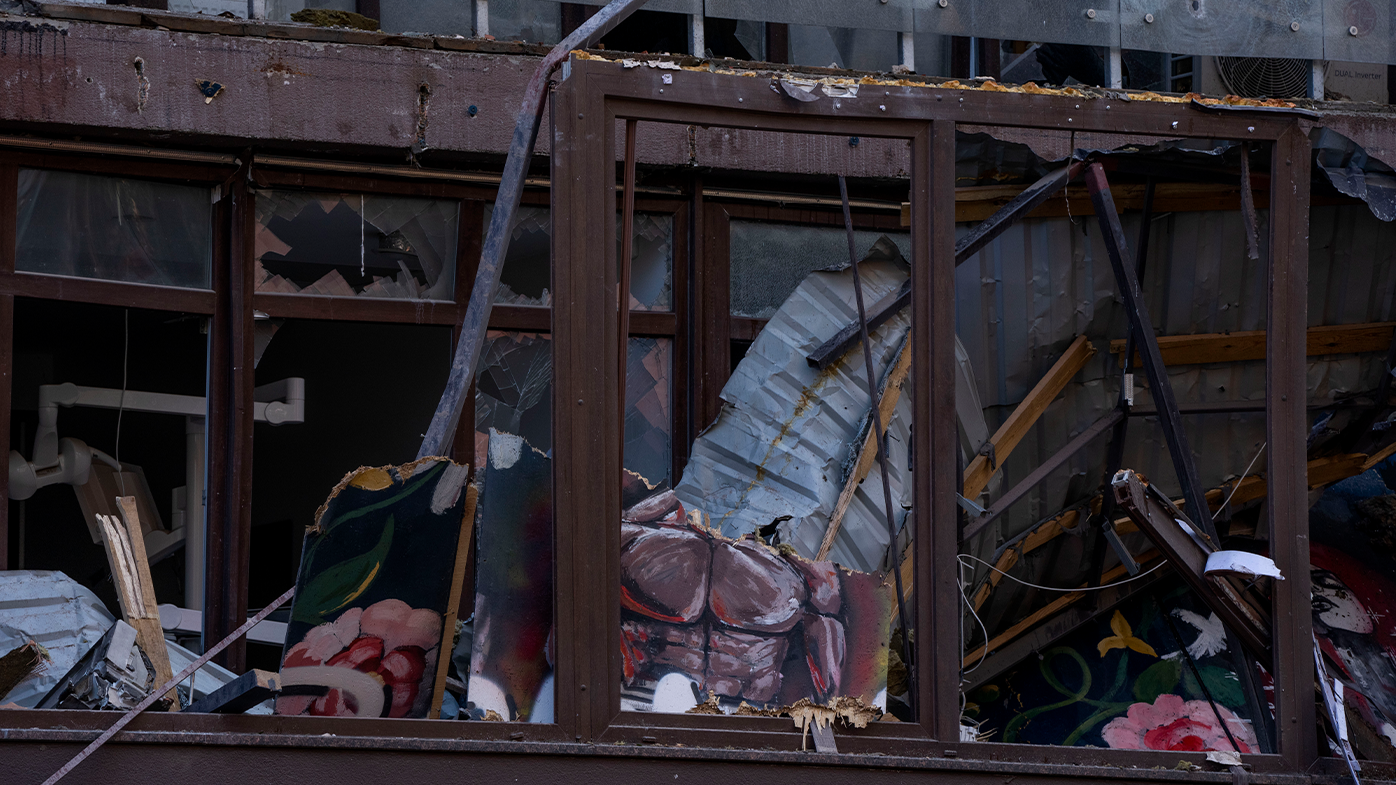
Damage of a residential building following explosions, in Kyiv, Ukraine.

A Ukrainian parliament member, Oleksiy Goncharenko, wrote on the Telegram messaging app that preliminary information indicated that Russia launched 14 missiles toward the capital region and Kyiv itself, suggesting that some were intercepted.

In a phone interview, retired US general Hodges told The Associated Press that Russia has a limited stock of precision missiles and “if they are using them, it’s going to be for a special purpose.”

Russia has denied targeting civilians during the four-month-old war, and Hodges said it was hard to know if the missiles launched Sunday were intended to strike the apartments buildings.

Russian forces tried to seize control of Kyiv early in the war. After Ukrainian troops repelled them, the Kremlin largely shifted its focus to southern and eastern Ukraine.

Russian rocket strikes in the city of Cherkasy, about 160 kilometres southeast of Kyiv, killed one person and injured five, regional governor Ihor Taburets said Sunday.

In the east, Russian troops fought to consolidate their gains by battling to swallow up the last remaining Ukrainian stronghold in Luhansk province.

Luhansk Governor Serhiy Haidai said Sunday that Russia was conducting intense airstrikes on the city of Lysychansk, destroying its television tower and seriously damaging a road bridge.

“There’s very much destruction. Lysychansk is almost unrecognisable,” he wrote on Facebook.

For weeks, Lysychansk and the nearby city of Sievierodonetsk have been subject to a bloody and destructive offensive by Russian forces and their separatist allies aimed at capturing all of Ukraine's eastern Donbas region.

They have made steady and slow progress, with Haidai confirming Saturday that Sievierodonetsk, including a chemical plant where hundreds of Ukrainian troops and civilians were holed up, had fallen.

Commenting on the battle for Sievierodonetsk, Russian Defence Ministry spokesman Igor Konashenkov said late Saturday that Russian and Moscow-backed separatist forces now control not only the city but the villages surrounding it. He said the Russian military had thwarted Ukrainian forces' attempt to turn the Azot chemical plant into a “stubborn centre of resistance.”

Capturing Lysychansk would give Russian and separatist forces control of every major settlement in Luhansk. At last report, they controlled about half of Donetsk, the second province in the Donbas.

On Saturday, Russia launched dozens of missiles on several areas across the country far from the heart of the eastern battles. Some of the missiles were fired from Russian long-range Tu-22 bombers deployed from Belarus for the first time, Ukraine’s air command said.

On the economic front, US Secretary of State Anthony Blinken said banning imports of Russian gold would represent a significant escalation of sanctions.

“That is the second-most lucrative export that Russia has after energy,” Blinken told American news channel CNN.

“It’s about US$19 billion ($27.4 billion) a year. And most of that is within the G7 countries. So cutting that off, denying access to about US$19 billion of revenues a year, that’s significant.”

Nine newsreader explains what happened to his eye

Peter Overton had a small message for viewers on Sunday night who might have noticed him looking a little differently on TV.

Towards the end of reading the Sydney bulletin, the Nine veteran shared that he had a burst blood vessel in his eye.

READ MORE: Peter Overton on reporting 'the biggest story of my life'

https://twitter.com/9NewsSyd/status/1540969336684298240

"Well you might have noticed my right eye isn't looking its best tonight. All is okay," he said.

"I have a burst blood vessel and it looks worse than it actually is.

"Indeed it's getting better by the day, so there you go."

He also shared the update on Twitter:

https://twitter.com/PeterOverton/status/1540966574978646016

Overton has been the chief newsreader for Sydney's 6pm bulletin since 2009.

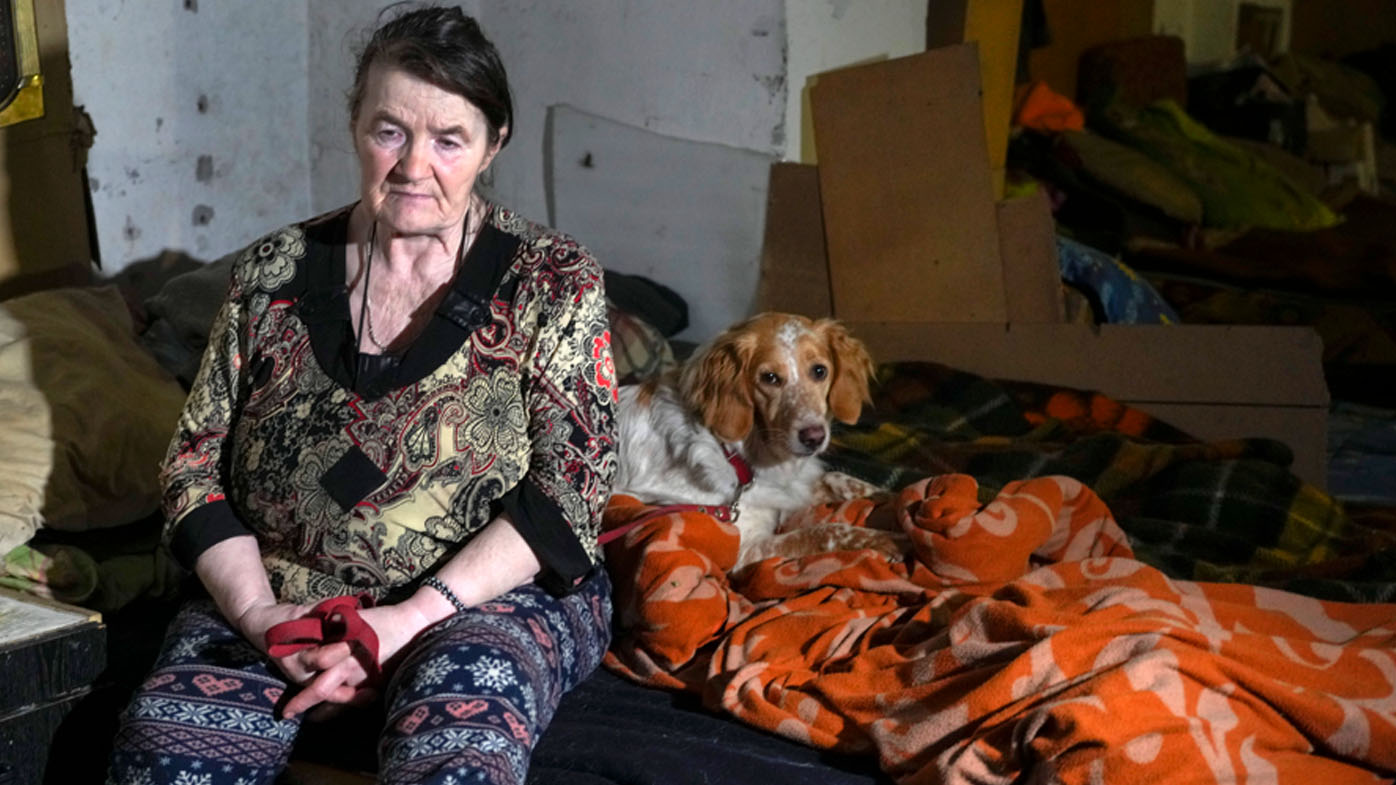
In Ukraine, war is turning love into marriages

When the couple awoke to the rumble of war on February 24, they'd been dating for just over a year.

Russia was invading and Ihor Zakvatskyi knew there was no more time to lose.

He fished out the engagement ring he'd bought but, until then, not yet been ready to give to Kateryna Lytvynenko and proposed.

If death do us part, he figured, then let it be as husband and wife.

READ MORE:The inside story of Ukraine's secret, deadly 'hellhole' rescue missions

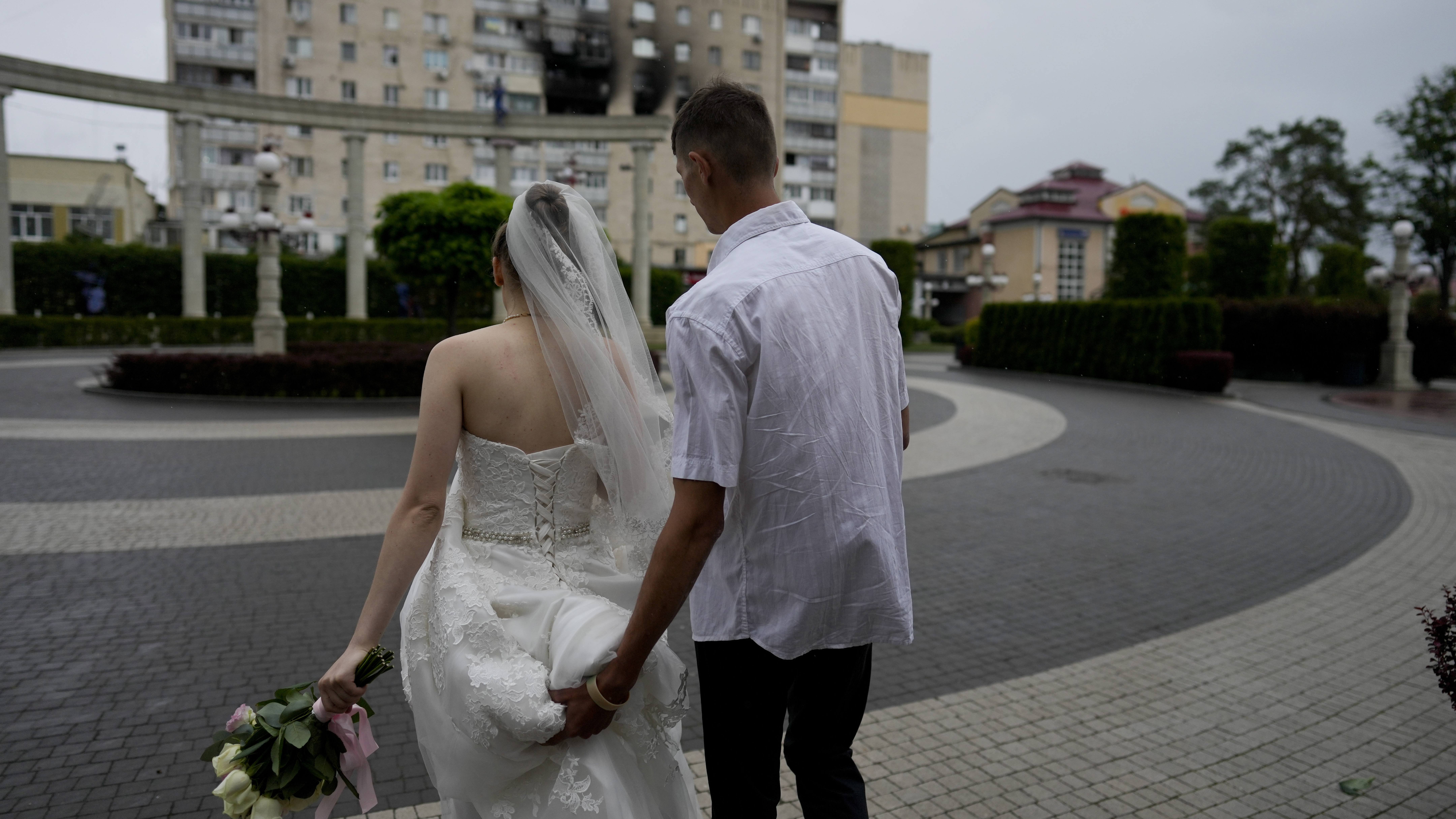
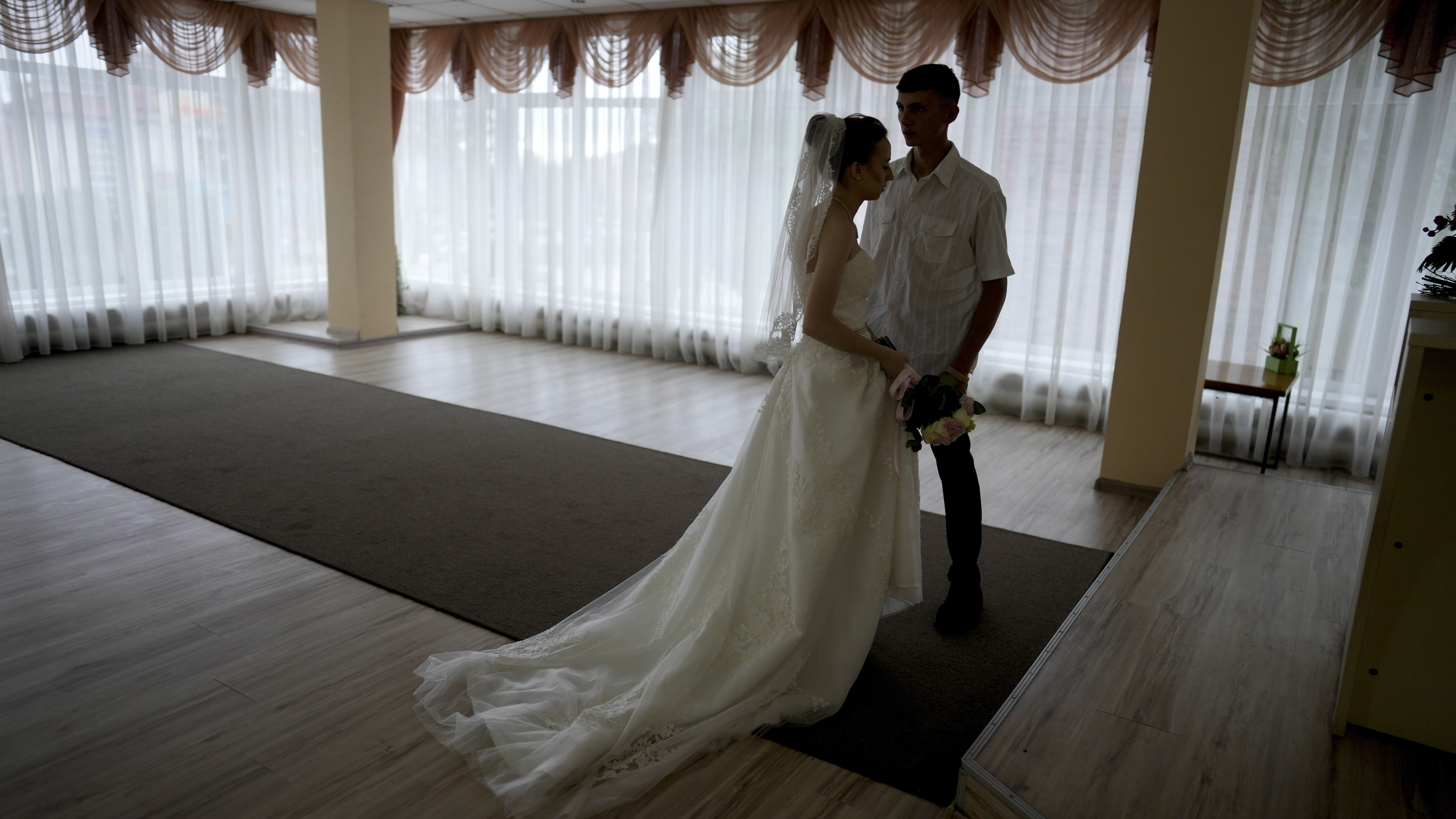
Yevhen Levchenko and Nadiia Prytula leave after getting married in Irpin, on the outskirts of Kyiv.

"I did not want to waste a single minute without Katya knowing that I wanted to spend my life with her," Zakvatskyi, 24, said as he and his 25-year-old bride exchanged vows and wedding rings this month in the capital, Kyiv.

The newlyweds joined a growing army of Ukrainian couples who are speedily turning love into matrimony because of the war.

Some are soldiers, marrying just before they head off to fight.

Others are simply united in determination that living and loving to the full are more important than ever in the face of so much death and destruction.

READ MORE: Groups for and against abortion in USA map next moves

Denys Voznyi and Anna Karpenko leave after getting married in Kyiv.

Ukraine's wartime martial laws include a provision allowing Ukrainians, both soldiers and civilians, to apply and marry on the same day.

In Kyiv alone, more than 4,000 couples have jumped at the expedited opportunity . Before the war, a one-month wait was the norm.

After a three-month interruption in normal service, Kyiv's Central Civil Registry Office is fully open again and working almost at a prewar pace.

Since Russia withdrew its badly bloodied invasion forces from around Kyiv in April, redirecting them to front lines east and south, many people who'd fled the fighting have returned.

Weddings have increased accordingly.

The returnees include Daria Ponomarenko, 22, who fled to Poland.

READ MORE: Teens rescued from fire started by charging electric bike

Yevhen Nalyvaiko holds Daria Ponomarenko minutes after getting married in Kyiv, Ukraine.

Her boyfriend, Yevhen Nalyvaiko, 23, had to stay, because of rules preventing men aged 18 to 60 from leaving the country.

READ MORE: Video captures moment before ex-bikie gunned down

Reunited, they quickly wed — because "we don't know what will happen tomorrow," she said.

Jealously guarding their intimacy after their painful months apart, it was just the two of them, without friends and family.

Rather than a puffy bridal gown, she wore a Ukrainian embroidered shirt, the traditional Vyshyvanka chosen now by many brides to stress their Ukrainian identity.

In peacetime, they would have opted for a traditional wedding with many guests. But that seemed frivolous in war.

"Everything is perceived more sharply, people become real during such events," he said.

Denys Voznyi and Anna Karpenko pose for a photo before getting married in Kyiv.

Anna Karpenko, 30, refused to let the invasion crimp her wedding — she arrived in a white limousine.

"Life must go on," she said.

She and her new husband dated for seven years, often talking about marriage, before the war turned the plan into action.

READ MORE: Cost of living crisis set to deepen, as Treasurer agrees inflation will rise

Pavlo and Oksana Savryha already had 18 years of civil marriage under their belts before the invasion prompted them to renew their vows — this time in a small 12th-century church in the war-damaged northern city of Chernihiv.

"Our souls told us to do so. Before the invasion, we were constantly running somewhere, in a hurry, and the war forced us to stop and not postpone the important decisions until tomorrow," Pavlo said.

Yevhen Levchenko and Nadiia Prytula get married in Irpin, on the outskirts of Kyiv.

With Oksana sheltering in the basement of their home, her husband took up arms, joining a territorial defence force, when Russian forces surrounded and bombarded Chernihiv in the initial failed stage of the invasion.

He subsequently joined the regular army. They celebrated their love in church this month.

The next day, he was sent to the front.

Riot at detention centre where man was stabbed to death

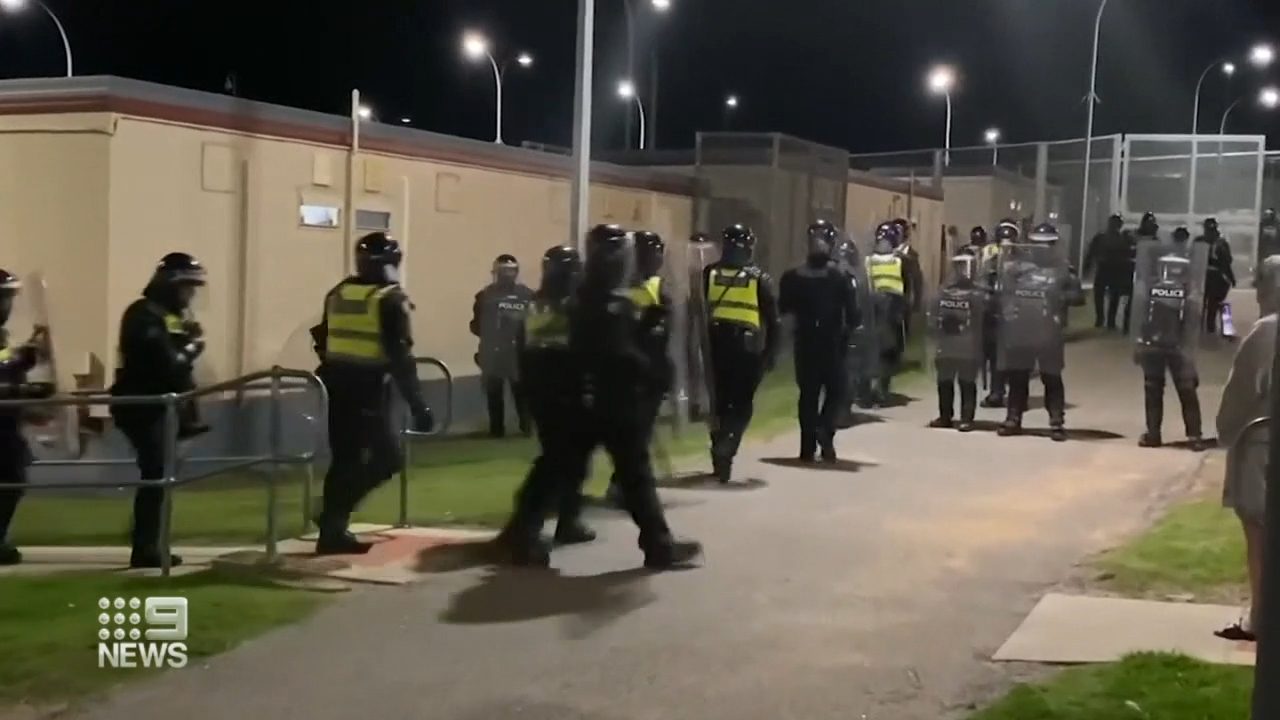
A detention centre in Western Australia has erupted into chaos 10 days after a man was stabbed to death.

Masked riot police stormed Yongah Hill Detention Centre as inmates turned violent and the entire compound sent into lockdown.

Footage shows one detainee swinging a weapon and another being whisked away by security, before the riot squad swoops in and takes two inmates into custody.

READ MORE: Groups for and against abortion in USA map next moves

Footage shows one detainee swings a weapon, as another is whisked away by security, before the riot squad, swoops in taking two inmates into custody. A Western Australia detention centre has erupted into chaos, 10 days after a man was stabbed to death.

Turkish national Gokhan Can was killed at the Northam facility earlier this month after allegedly being stabbed to death while sleeping in his cell by Iranian national Mohammad Al Lami.

Ian Rintoul from the Refugee Action Coalition criticised authorities.

"I think we've seen an unnecessary, very heavy-handed police response that's only aggravated the tensions and anxieties of people inside Yongah Hill," he said.

Turkish national Gokhan Can, 32, was found with serious injuries at Yongah Hill detention centre around 11.45pm yesterday.

This time no one is believed to have been hurt.

Australian Border Force is investigating.

Teens rescued from fire started by charging electric bike

Firefighters who heard screams had to force open the door of a locked room to rescue three teenagers from a burning apartment in Sydney.

Crews tackled a fire in the downstairs business on John Street, Lidcombe at 1am on Sunday, when they heard people shouting for help in the apartment above.

Wearing breathing apparatus, firefighters went room to room of the second-floor apartment, looking for people, shouting "where are you?"

After hearing a reply, firefighter Cem Dincer broke open the door and found two teenage girls and a boy huddled by a bed.

READ MORE: Dash cam captures moments before former bikie boss was gunned down in Melbourne

Dincer guided the teens to a rescue ladder placed against an open window.

"I was so happy when I saw those two girls in there," he said.

The teens were not seriously hurt, and the rescue was captured by the firefighter's helmet camera.

READ MORE: Teen arrested after 17-year-old stabbed to death in northern NSW

Investigators say the fire was started by an e-bike charging in a downstairs kitchen.

Fire and Rescue NSW said the last person inside the shop, a 31-year-old man, escaped before they arrived.

Incident controller Timothy Horder said the teens did the right thing by closing their door.

"By closing their bedroom door, that action is thought to have saved their lives," he said.

Pilot dies in plane crash west of Brisbane

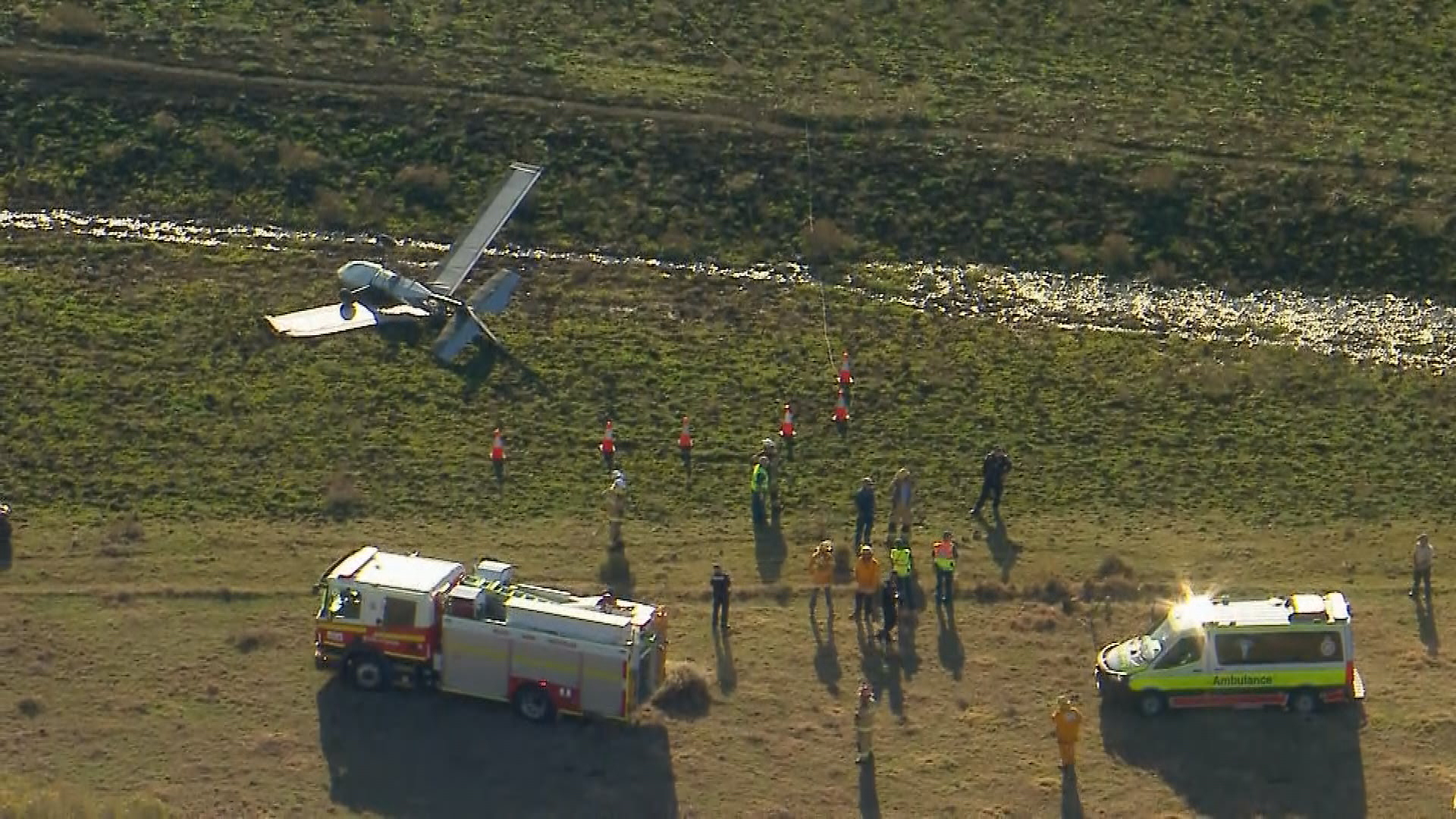
A man has died after a light aircraft crashed into a paddock west of Brisbane on Sunday afternoon.

Emergency services say paramedics were called to the scene, near Bowenville, north-west of Toowoomba just after 2.15pm.

Police say the pilot, a man aged in his 60s, was declared dead at the scene.

READ MORE: Teens rescued from fire started by charging electric bike

Initial investigations indicate the aircraft crashed onto powerlines on Malu Road.

Police are investigating.