Four members of the public have been stabbed in what police say was a “random” and “isolated” incident in Murrays Bay on Auckland’s North Shore.Waitematā district commander Superintendent Naila Hassan told media the offender,…
Tag Archives: oceania
Long weekend traffic: Congestion starting to build as people head away for Matariki
Traffic has started to build on key routes in and out of Auckland as people head away for the Matariki long weekend.Congestion is expected on key routes across the country as people make their way to their weekend getaway destinations…
Opinion: Christmas sales yes. Matariki sales no. Why?
OPINION: Memo to Elton John: Sorry is no longer the hardest word.Because it seems we have apologies coming out of our ears at the moment. The latest one is from retailer Babycity.It’s saying sorry for promoting a Matariki sale….
Another victim linked to 'prolific' serial killer
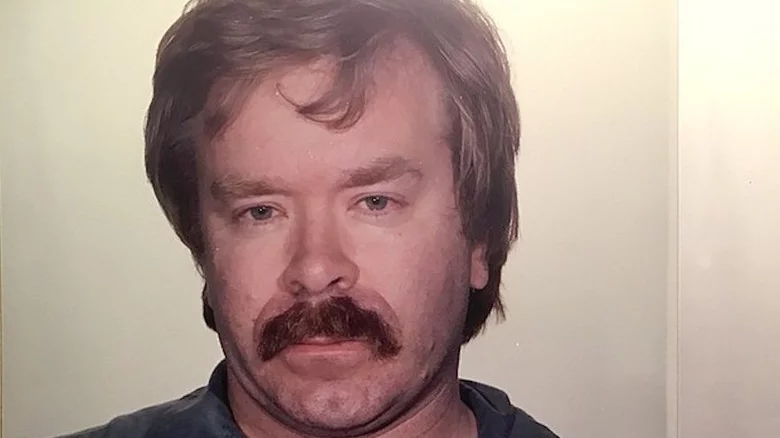
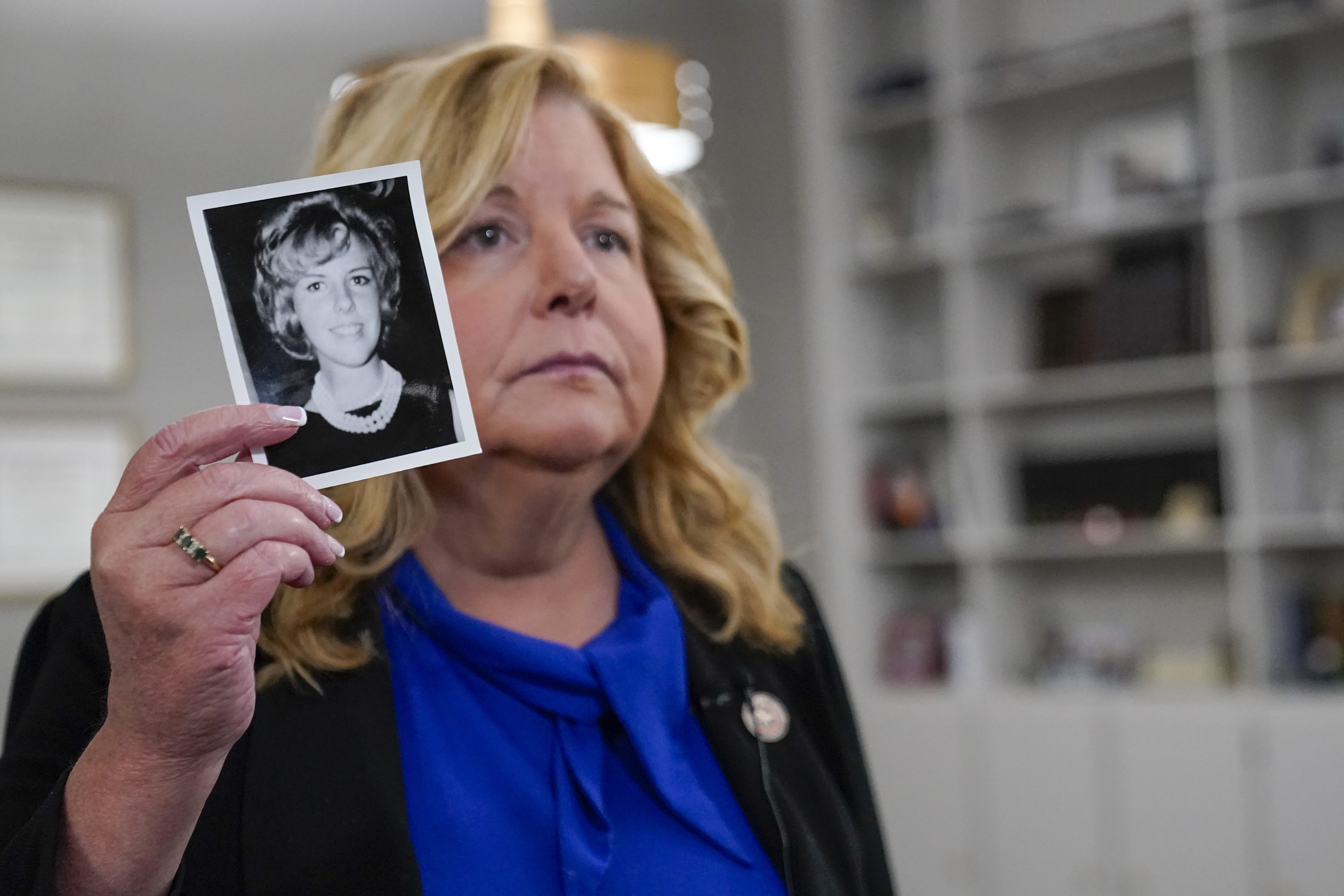
More than five decades after Diane Cusick’s lifeless body was discovered in the parking lot of a mall on New York’s Long Island, authorities have linked her death to the so-called “Torso Killer,” a serial killer already convicted in 11 other killings.
The suspect, Richard Cottingham – believed to be one of America’s most prolific serial killers – was arraigned Wednesday on a second-degree murder charge in connection with Cusick’s 1968 killing.
From a hospital bed in New Jersey, where he’s already serving a life sentence for other killings, Cottingham pleaded not guilty.
READ MORE: Grisly crimes of Times Square's 'Torso Killer' laid bare

While he has claimed he was responsible for up to 100 homicides, authorities in New York and New Jersey have officially linked him to only a dozen so far, including Cusick’s death.
He has been imprisoned since 1980, when he was arrested after a motel maid heard a woman screaming inside his room. Authorities found her alive but bound with handcuffs and suffering from bite marks and knife wounds.
Cottingham asked to be arraigned Wednesday by video feed from the New Jersey hospital because he was in poor health, bedridden and not ambulatory, Judge Caryn Fink said. He needed his lawyer, Jeff Groder, to repeat the judge’s questions several times because he has difficulty hearing, Groder said.
“He is a violent predator and no matter how he looks today in a hospital bed he was not always a feeble older man,” Nassau County District Attorney Anne Donnelly said in an interview with The Associated Press.
“He was a young 22-year-old when he committed the murder of Ms. Cusick. He was strong, stronger than these women were, and he was violent.”
READ MORE: Symptoms were 'flu-like' but what Katie had nearly killed her
Authorities believe Cusick, 23, left her job at a children’s dance school and then stopped at the Green Acres Mall in Nassau County to buy a pair of shoes when Cottingham followed her out.
Detectives believe he pretended to be a security guard or police officer, accused her of stealing and then overpowered the 44-kilogram Cusick, Nassau County Police Detective Capt. Stephen Fitzpatrick said.
She was “brutally beaten, murdered and raped in that car,” Fitzpatrick said. The medical examiner concluded that Cusick had been beaten in the face and head and was suffocated until she died.
She had defensive wounds on her hands and police were able to collect DNA evidence at the scene. But at the time, there was no DNA testing.
Police interviewed dozens of people, retraced her steps and never stopped hunting for her killer. But the trail went cold.
READ MORE: Why tensions are rising between Russia and Lithuania

“The police did a great job looking for any leads they could find.
“They spoke to hundreds of people at the Green Acres Mall to see if anyone had seen Diane,” Donnelly said.
“Unfortunately, the trail went cold and the case went cold.”
Cottingham was working as a computer programmer for a health insurance company in New York at the time of Cusick’s death. He was convicted of murder in both New York and New Jersey in the 1980s, though the law at the time didn’t require people convicted to submit DNA samples, as it does now. His DNA was taken and entered into a national database in 2016 when he pleaded guilty to another murder in New Jersey.
In 2021, police in Nassau County received a tip that a suspect who might be responsible for killings in the county, just east of New York City, was locked up in New Jersey. They began running DNA tests again on cold cases and came up with a match to Cottingham.
Cottingham also led police to believe he was responsible for the death by providing some information about the case, including telling detectives he was near a drive-in theater, which was next to the mall at the time. But he stopped short of confessing directly to Cusick’s death, Donnelly said.
READ MORE: Millions warned after rare virus detected in London

“He didn’t lay out a full admission. What he laid out was baby steps along the way that we were able to put together with the help of the police department to fill in that story,” she said.
Prosecutors are now reviewing all open cases around the same time and running DNA to see if Cottingham may have been responsible for other killings.
“Based on evidence that we have in this case, we are reviewing all murders of young females from 1967 to 1980 to see if we can put together any more cases against Mr. Cottingham,” Donnelly said.
Cusick’s daughter, Darlene Altman, said she was overwhelmed when she saw Cottingham on the video screen in the courtroom. Altman was aged four when her mother was killed.
“He just had this like dead stare. I felt like he was looking right at me,” Altman said. “It was creepy.”
Ingham twin Joanne's son learned of mum's Wellington motel death in the news
The son of Joanne Ingham, who along with her sister Sarah captivated the nation after jumping overboard from a Malaysian container ship, learned about his mother’s unexplained motel death on the news.Shayden Ingham, 21, has spoken…
New trial date for man accused of sexually assaulting Brittany Higgins
The trial of the man accused of raping Brittany Higgins will now begin in the first week of October, after journalist Lisa Wilkinson's Logies speech sparked a delay.
Bruce Lehrmann's trial was due to begin on Monday, but that date was thrown out, due to intense publicity around the case and concerns he wouldn't be given a fair hearing.
Lehrmann has pleaded not guilty to sexually assaulting Higgins inside Parliament House in 2019.
READ MORE: Symptoms were 'flu-like' but what Katie had nearly killed her

Wilkinson was awarded a Logie for her interview with the former Liberal staffer, and spoke about the case in her acceptance speech, despite being warned about the potential legal ramifications of doing so.
At a hearing in the ACT Supreme Court today, Lehrmann's lawyer Steve Whybrow asked for proceedings to start next year instead, arguing the "bushfire" of publicity would still be burning in October.
But Chief Justice Lucy McCallum said a three month delay would be enough to dampen attention on the case.
READ MORE: Why tensions are rising between Russia and Lithuania
https://twitter.com/ElizaEdNews/status/1539757027274108928
"Three months is a significant period during which attention on the prejudicial issues will fade in the minds of potential jurors," McCallum told the court.
The trial will now begin on October 4.
Wilkinson and others have also been given until close of business tomorrow to agree not to make further public comments about the case.
Australian cities fall in the ranking of the world's most liveable
Australian cities have plummeted in the Global Liveability Index's ranking of the most liveable cities. See which cities ranked better than ours.
Michael J. Fox, Aussie Peter Weir to get honorary Oscars
Michael J. Fox will be honoured by the Academy of Motion Pictures Arts and Sciences for his contributions to film and his efforts to help cure Parkinson's disease.
The actor is set to receive an honorary Oscar at this year's Governors Awards, along with songwriter Diane Warren, and directors Euzhan Palcy and Australian Peter Weir, the Academy announced on Wednesday.
The Academy's board of governors selected the honourees for their "indelible contributions to cinema and the world at large".
READ MORE: US politicians set to pass historic gun restrictions

Fox, who founded the Michael J. Fox Foundation for Parkinson's Research in 2000 and was diagnosed with the disease in 1991, will receive the Academy's Jean Hersholt Humanitarian Award.
"Fox's tireless advocacy of research on Parkinson's disease alongside his boundless optimism exemplifies the impact of one person in changing the future for millions," Academy President David Rubin said in a statement.
Fox, who rose to fame as Alex P. Keaton on Family Ties and numerous other TV series, is also known for his work as Marty McFly in the Back to the Future franchise.

He has won five Emmy Awards, four Golden Globes, a Grammy and two Screen Actors Guild Awards, but he has never been nominated for an Oscar.
The awards will be presented at the Academy's Governors Awards in Los Angeles on November 19.
Symptoms were 'flu-like' but what Katie had nearly killed her
It started with "flu-like" symptoms – but as Katie Simmonds' condition went downhill it was her own blood that was slowly poisoning her.
The Victorian woman nearly died battling sepsis, caused by a kidney abscess and urinary tract infection (UTI) in 2010.
The now 30-year-old is still haunted by the life-threatening ordeal, which saw her undergo "painful" procedures that did not involve the use of anaesthetic.
READ MORE: Why tensions are rising between Russia and Lithuania

Katie told 9news.com.au when she first started feeling unwell she brushed it off as being the flu.
She had never had a UTI and hers moved so quickly it went undiagnosed by her GP.
Then intense back pain started.
"I progressed to the stage where I was having rigors, I was very, very sick," Katie said, explaining that was the point she was rushed to Moorondah Hospital in Melbourne's east.
"I was vomiting, I had a fever, delirium I was confused, shaking, and had really severe back pain, which was kidney pain.
"I couldn't even tell emergency nurses my name.
"They were quite surprised at the hospital that it had happened so quickly.
"I had a UTI and then kidney infection."
READ MORE: Tourist 'lucky to be here' after sickening random attack in Perth
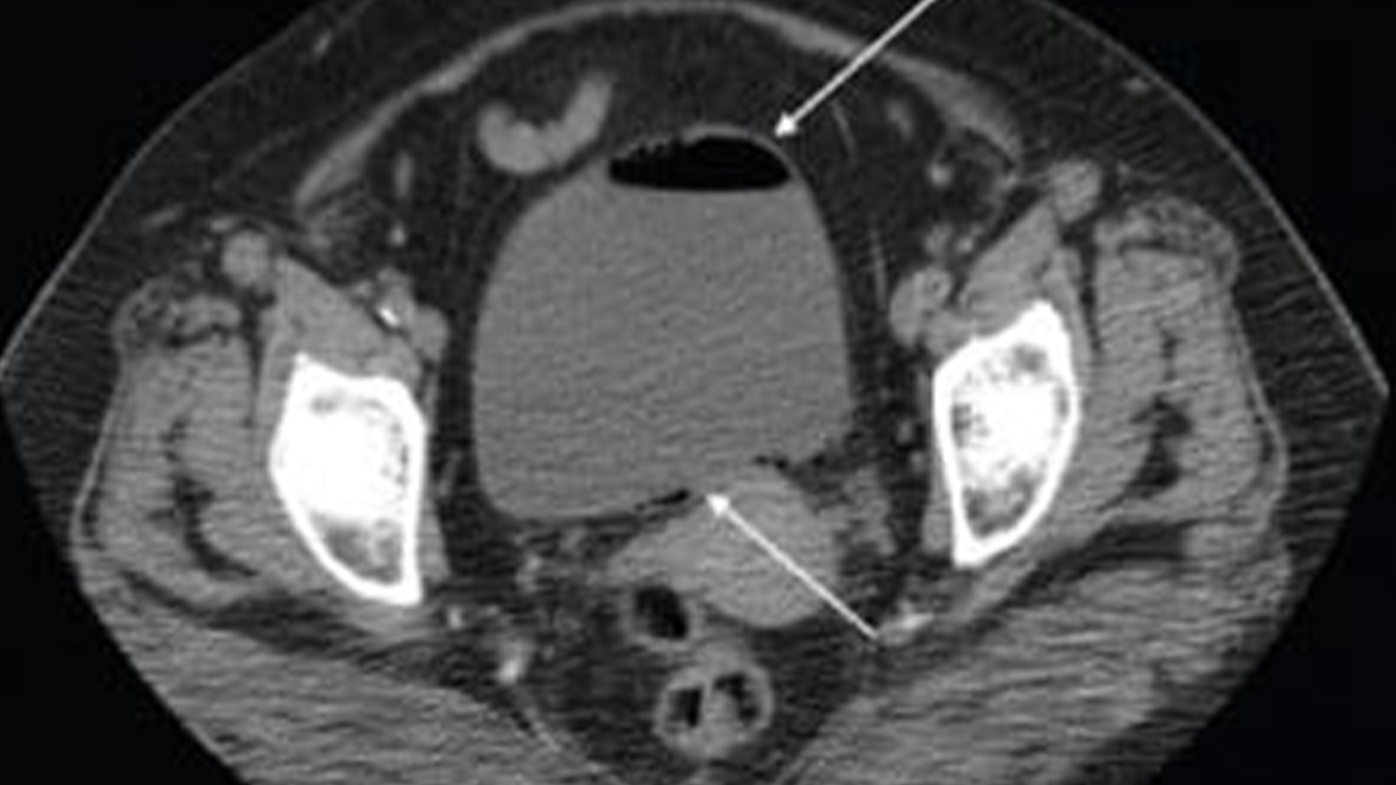

It was at Moorondah doctors started to suspect Katie had developed sepsis.
She was then transferred to Box Hill Hospital.
Doctors there were so concerned about Katie's deteriorating condition they transferred the then-18-year-old to Austin Hospital.
There a clearer picture emerged.
Katie was sent for ultrasounds which picked up a pus-filled abscess in her right kidney.
But complicating treatment was the fact Katie was somehow resistant to a number of antibiotics.
"The biggest problem was the antibiotic resistance," she said.
"The doctors kept trying different antibiotics but they couldn't find one that was the right one for the infection. They were quite perplexed with my case.
"I was in septic shock at that point, my organs were shutting down."
Facing the reality Katie would die, doctors resorted to a painful procedure.
While "traumatic" it ultimately saved her life.
READ MORE: CSIRO to combat rise of deadly superbugs

"They pretty much stabbed a drain through my back into my kidney," Katie said.
"Because I was so sick they had to do that without anaesthetic.
"It was traumatic, I don't remember much else at that point, but that stands out.
"But it fixed the problem."
Katie was in the ICU for five days, and by the time she made it to the general ward an antibiotic had been found.
'Silent pandemic': Common infections are becoming killers
Around one in two women and one in 20 men will get a UTI in their lifetime, according to Better Health Victoria.
In research published this year, principal research scientist at CSIRO Dr Teresa Wozniak found antimicrobial resistance is making common infections like UTIs more deadly.

"It's a silent pandemic," Wozniak told 9news.com.au.
"For some UTIs we found patients with drug resistant infections will have an increased risk of dying – as much as 2.5 per cent compared to patients who have the same infection but aren't resistant to antibiotics," adding that her research only looked at five key pathogens.
"We have a very limited understanding of what is happening outside the healthcare system in the community.
"We're trying to build that picture now".
Wozniak said part of the challenge of treating UTIs is identifying the condition early, but symptoms present differently in every patient.
"It can take so long for doctors to come back to you and the 'usual' antibiotics are thrown at people without knowing what the pathogen is," Wozniak said.
"It can take a while to find that out."

In Katie's case, her infection progressed so fast it bypassed "typical" symptoms like a frequent urge to urinate and a burning feeling when urinating.
The epidemiologist said antibiotic resistance is one of the biggest health threats facing Australians' and is compounded by the fact the rate of antibiotic development is slowing down.
"You get to a stage where you run out of antibiotics
"That pipeline of development has slowed down and hasn't kept up with antibiotic resistance.
"Eventually, parts of Australia – more than likely in regional communities – will end up with one bacteria that is resistant to everything you throw at it.
"When that happens you're looking at something like the pre-antibiotic era."
This sentiment is echoed by the World Health Organisation who branded antibiotic resistance "one of the biggest threats to global health, food security, and development".
They noted a growing number of infections, including pneumonia, tuberculosis, gonorrhoea, and salmonellosis, are becoming harder to treat.
Twelve years on, Katie is still battling health issues
In all, Katie was in hospital for more than a week and faced extensive rehabilitation.
"I basically had to learn how to walk again," she said.
"I kind of wasted away, I didn't have much muscle.
"To be honest, it probably took about two years to start to feel normal again."
Inspired by those who saved her life Katie decided to become a nurse, graduating in 2018.
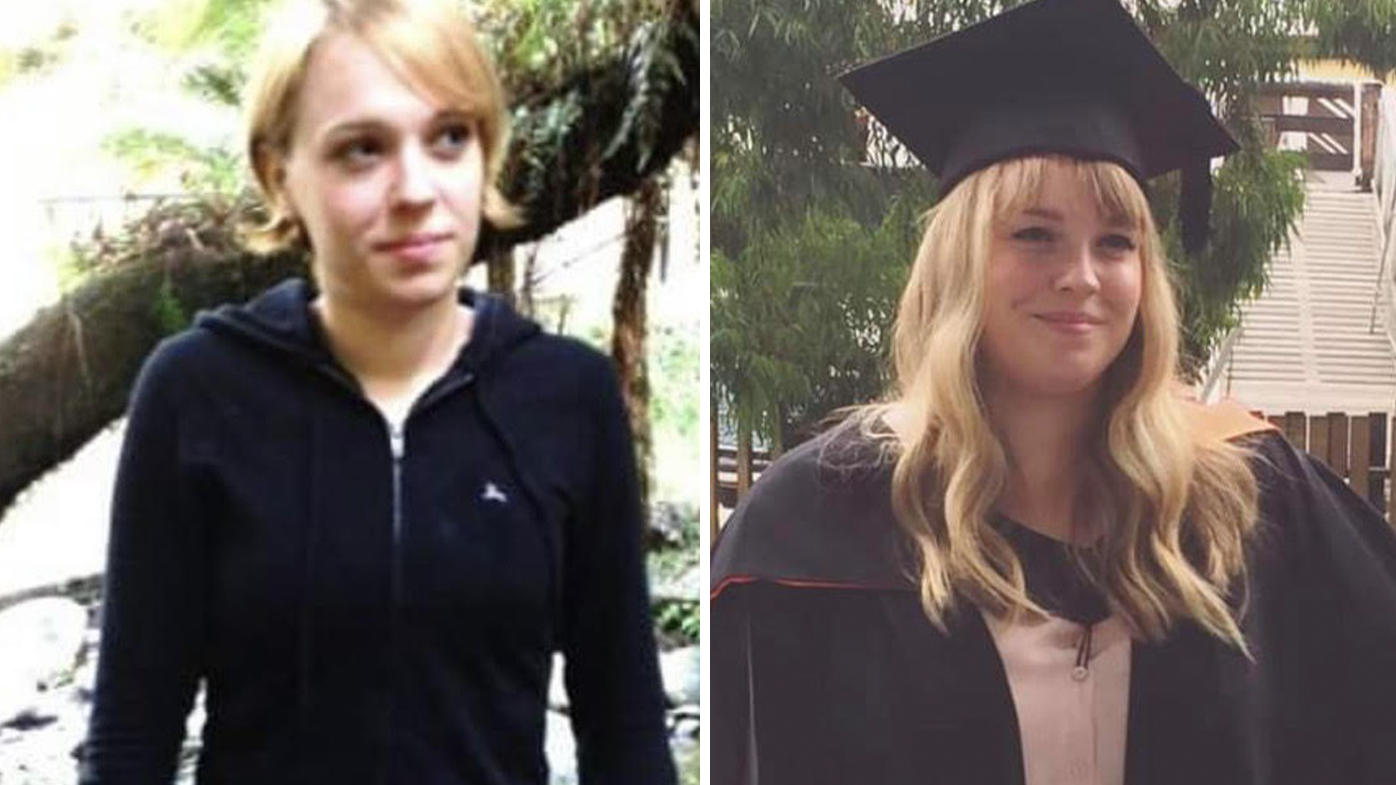
However, she was forced to quit the profession "about a year ago" as she's still fighting the impacts of sepsis – believed to have caused multiple chronic health conditions.
"I continue to have kidney pain on the one that had the drain and I've been diagnosed with post traumatic stress disorder.
"Sometimes I get pain in my back that's similar and I panic," she said, adding she takes sleep medications to help her rest.
"I also have chronic fatigue syndrome, and I have fibromyalgia, which could be related because my body has become sensitive to pain, and I have postural tachycardia syndrome, which is a heart condition.
"I feel like I've never really been the same since it happened, my body's always struggled since then."
Have you, or someone you know, struggled with UTIs or antibiotic resistance? Contact Raffaella on rc*********@******om.au.
Swimming coach granted bail after alleged sexual abuse charges
Renowned swimming coach Dick Caine has been granted bail after he was charged over the alleged sexual abuse of young teenage athletes he was training.
The 76-year-old was arrested at a home in Condell Park, in Sydney's south-west, about 7am today and taken to Bankstown Police Station, where he was charged with nine offences.
During today's bail application the court heard Caine is suffering from terminal lung and throat cancer and has only six months to live.
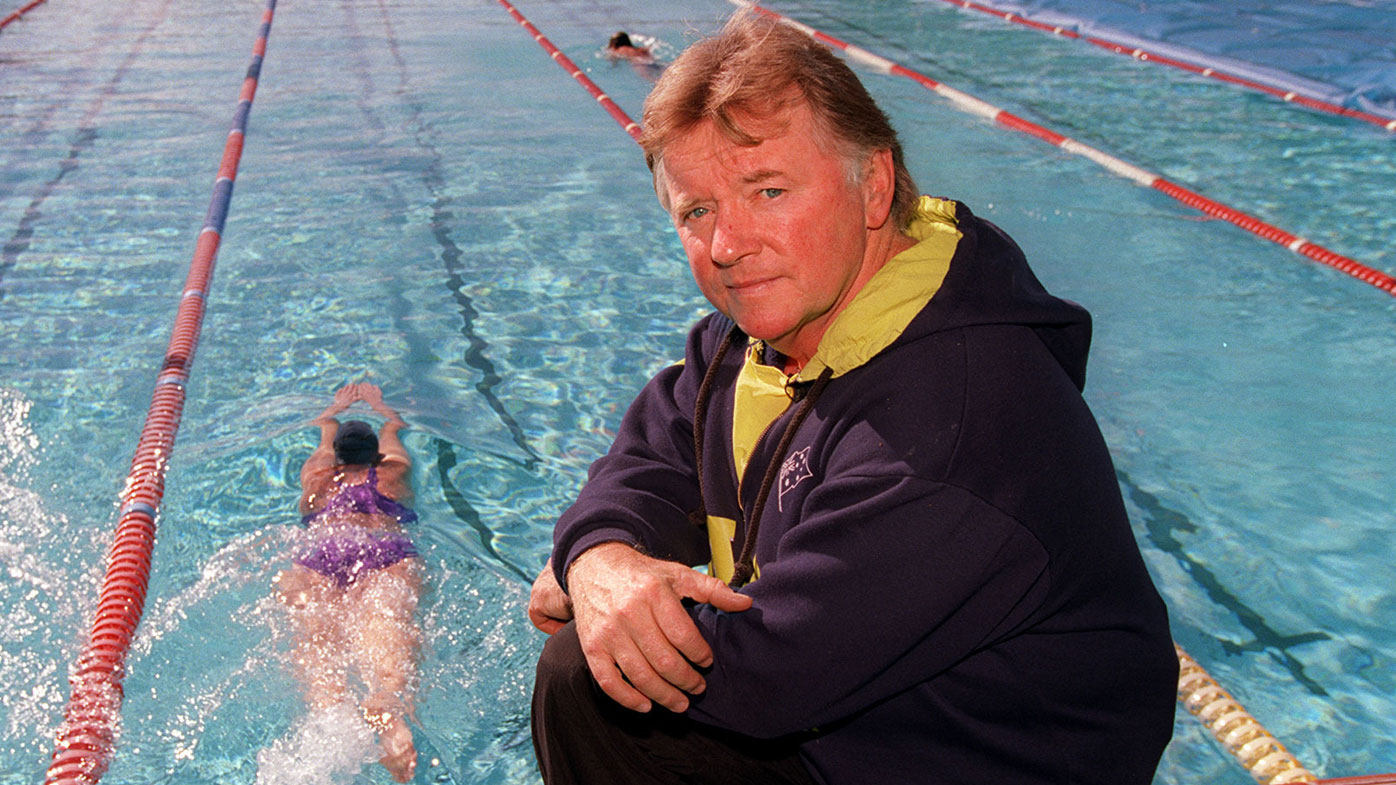
He was granted bail so he can continue receiving treatment.
Caine will face court again next month.
The charges laid against Caine relate to the alleged abuse of two teenage students at a swim school at Carss Park, in Sydney's south, in the 1970s.
The first report was made by a woman last January who said she was targeted while she was a student at a swim school in the mid-1970s.
Strike Force Coco was established by officers from Kings Cross and the investigation uncovered further allegations of another teenage girl being abused at the same swim school.
READ MORE: When travellers should arrive at airports amid July chaos warning
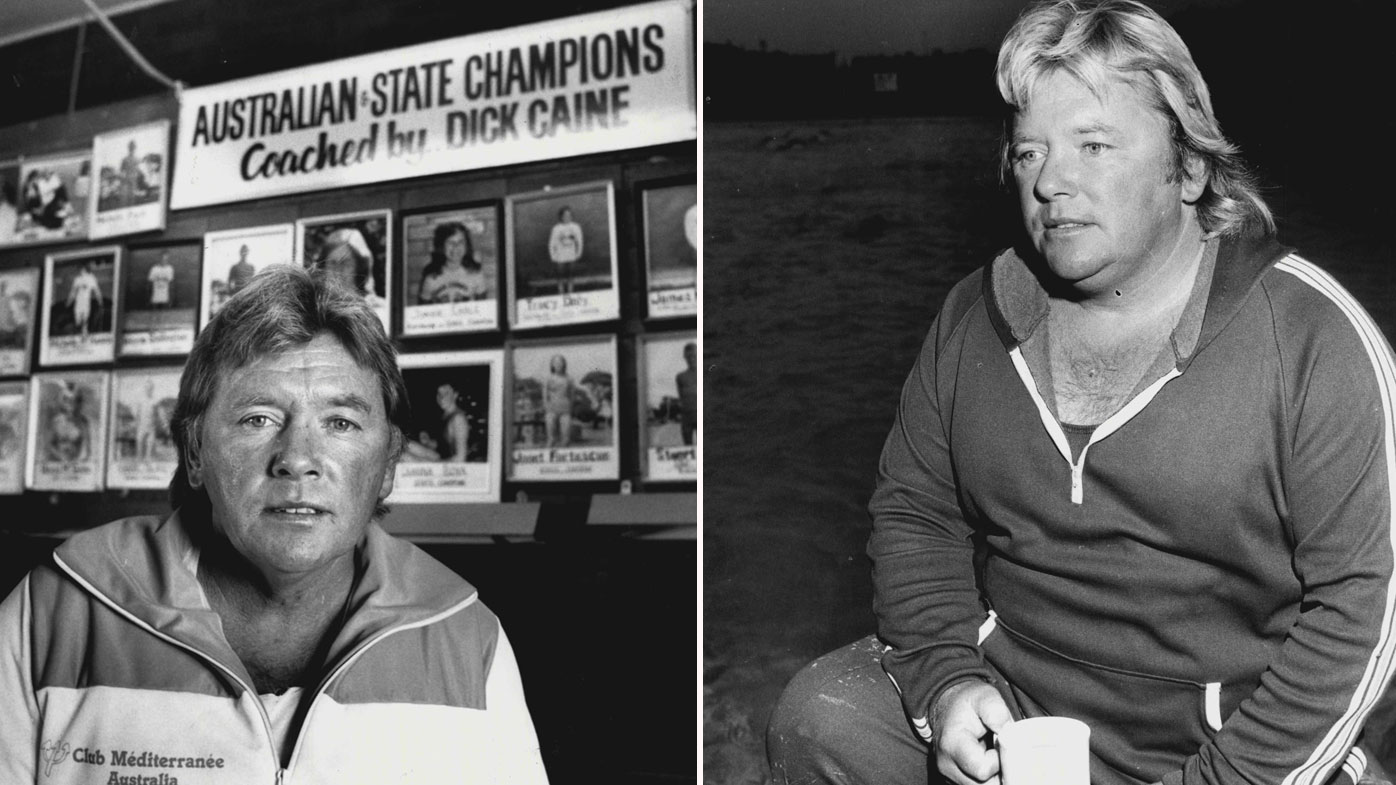
Acting Superintendent Chris Nicholson from NSW Police said police will allege the girls were aged 16 and 17 at the time of the alleged offences.
He said the alleged assaults took place "in a number of locations in and around the southern Sydney area".
"I want to stress that these allegations are very serious but the investigation is ongoing," Nicholson added.
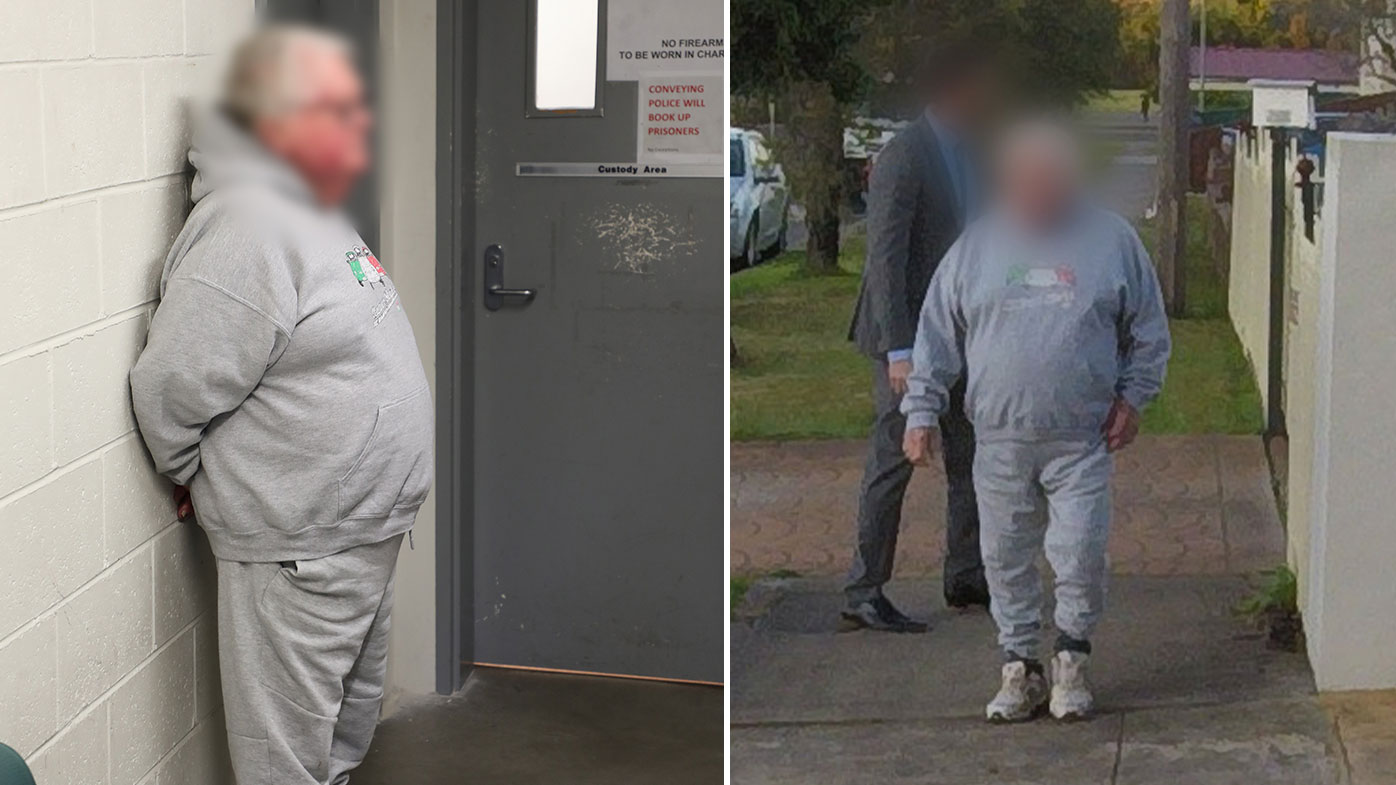
Caine has been charged with nine offences – six counts of carnal knowledge by a teacher of a girl aged 10-17, and three counts of indecent assault.
Nicholson also spoke about the "courage and bravery" of the alleged victims, and had a message for other survivors.
"I would like to say to all survivors of sexual abuse living in our community that the NSW Police Force wants to listen to your story," he said.
READ MORE: Australian couple loses $7k in text message scam
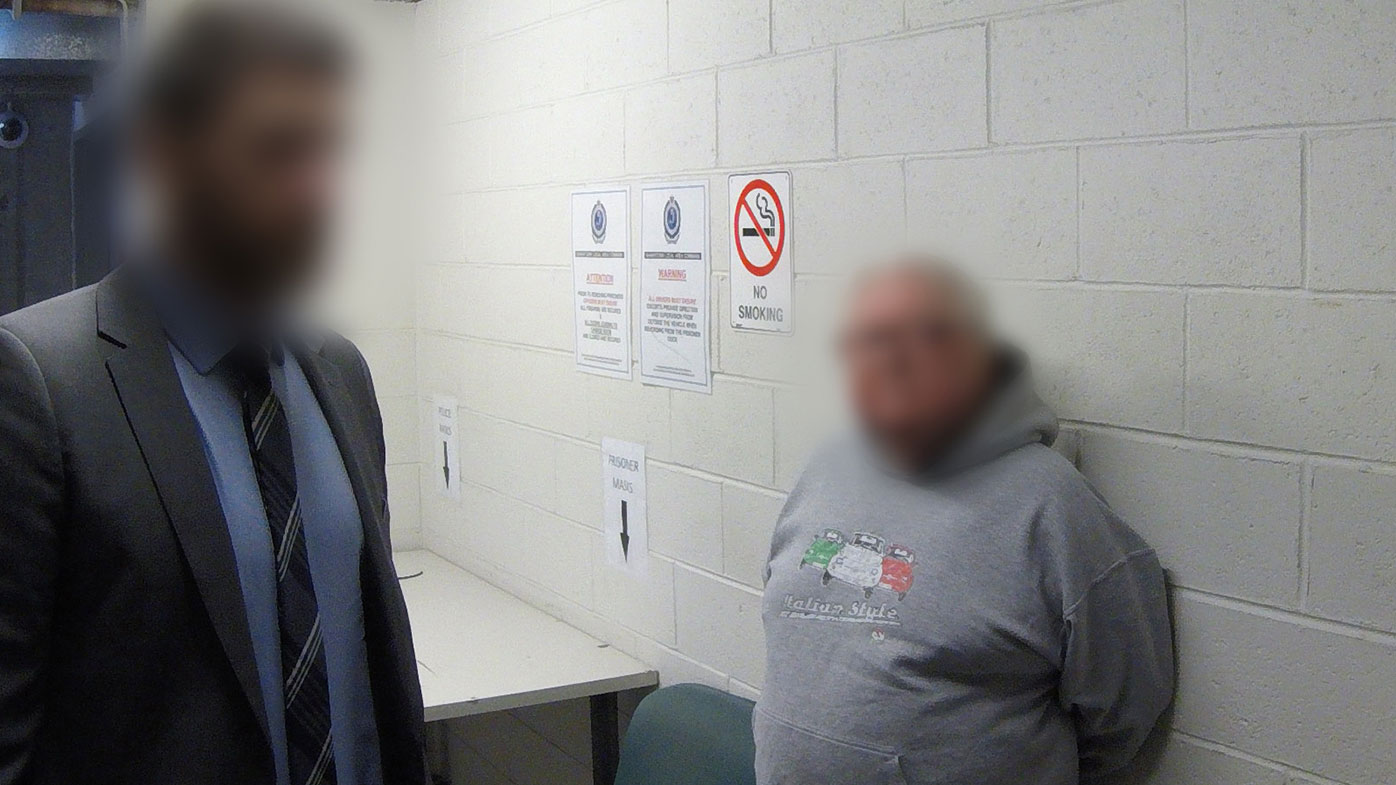
"What today should show is that whether the NSW Police Force receives an allegation of sexual violence that occurred yesterday, or last week, or last year or 50 years ago, that we will investigate all matters that come to our attention with our full potential and we will wrap our full support around victim-survivors as they tell their story."