By Jimmy Ellingham of RNZ The United Nations committee against torture has urged the Government to compensate a former patient of the Lake Alice psychiatric hospital.It found Hawke’s Bay man Malcolm Richards was tortured at…
Tag Archives: oceania
Transport, health authorities urge people to plan ahead for the long weekend
Plan ahead and play it safe. That’s the message from health and transport authorities as people prepare to head away to see whānau and friends in other parts of the country for the first Matariki long weekend. Read More…
Dunedin man targeted sex worker Lisa Lewis online
A Dunedin man subjected a porn actress to a slew of online abuse, including falsely claiming she had Aids, a court has heard.The 33-year-old wrote three fake stories about Lisa Lewis – a former sex worker and ex-Hamilton mayoral…
Mind Matters with Kyle MacDonald: Stopping drinking can cause problems in a relationship too
ADVICE Q: I recently stopped drinking, and my partner’s concerns were one of the reasons why I did. She didn’t like how I drank and had been at me for some time to get on top of it. But she’s still drinking, and at times talking…
One arrested after daylight robbery of Auckland jewellery that was store caught on camera
A man has been charged and stolen goods returned after a jewellery store on Auckland’s North Shore was robbed in broad daylight last week. The robbery at Michael Hill Jewellery on the corner of Hurstmere and Lake Rds in Takapuna…
All Blacks-Ireland rugby test series: TAB ad campaign seeks to stir pot by poking fun at Irish record
Ireland’s touring rugby side are set to be reminded at every turn they have never won in New Zealand as part of a controversial marketing campaign likely to rile a few feathers.The ads will focus on the All Blacks intimidating track…
Herald afternoon quiz: June 22
Test your brains with the Herald’s afternoon quiz. Be sure to check back on nzherald.co.nz for the morning quiz tomorrow. To challenge yourself with more quizzes, CLICK HERE.
Trawler skipper who got lost off Christchurch admits safety breaches
Shortly before a trawler skipper lost his bearings in gathering darkness off the Christchurch coast, one of his crew had rolled him a cannabis joint.Maritime New Zealand’s summary of facts does not say whether the skipper, 67-year-old…
Auckland: Delays after gravel spill blocked motorway lanes
Delays are expected on Auckland’s Southern Motorway following a gravel spill that left multiple lanes blocked near the Takanini off-ramp.The spill has now been cleared and all lanes are open, however Waka Kotahi NZ Transport Agency…
Can't stand on one leg? It could be a sign of an early death
A simple 10-second balance test for people older than 50 reveals if their chances of dying from any cause will double in the next decade, an Australian study has suggested.
The inability to stand on one leg for 10 seconds in mid-to-later life foreshadowed an earlier death than for those who could, the University of Sydney research showed, as the study authors called for the test to be part of a routine health check for older adults.
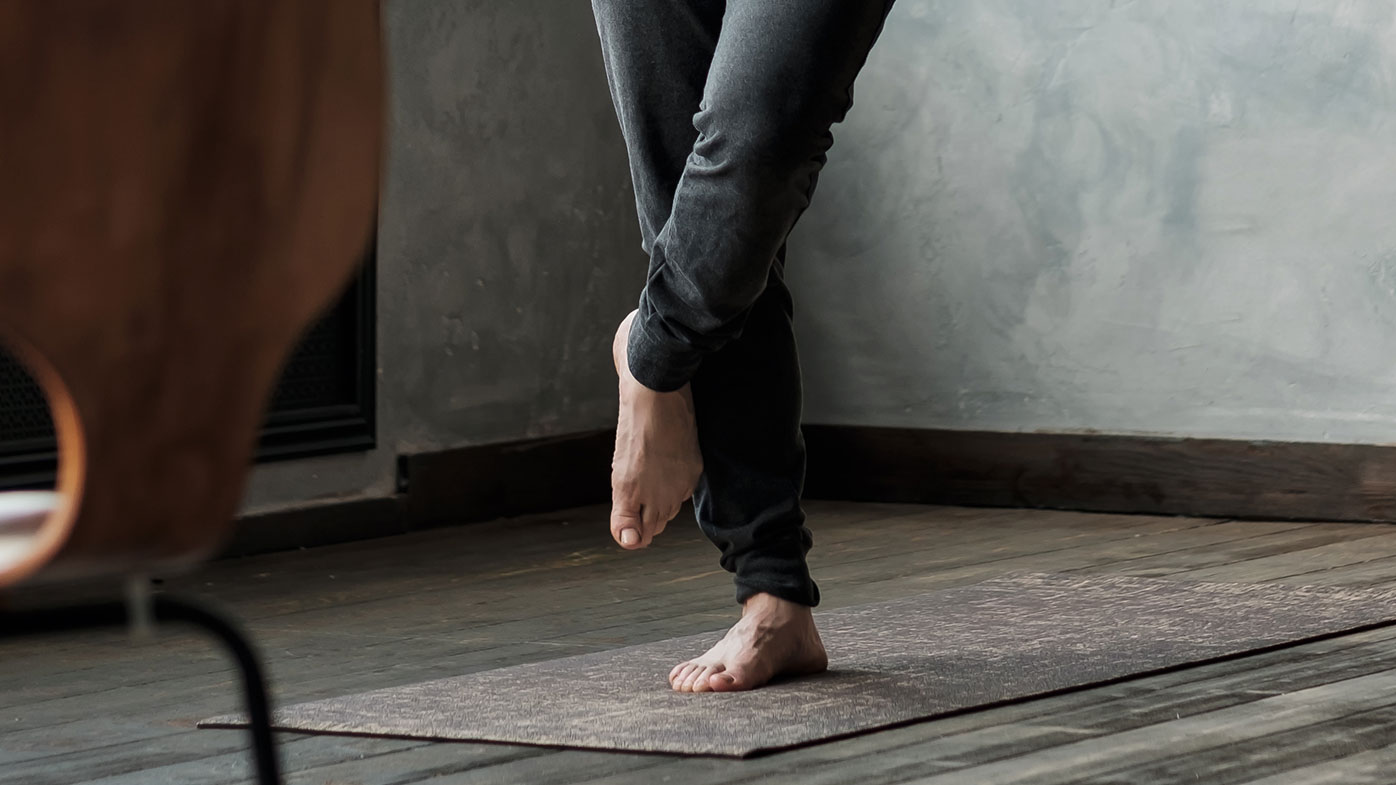
Participants were asked to place the front of their free foot on the back of the opposite lower leg, while keeping their arms by their sides and their gaze fixed straight ahead.
READ MORE: Melbourne produce companies struggle as food costs soar
Up to three attempts on either foot were permitted.
Researchers sampled 1702 participants, aged 51–75, of which two-thirds were men.
Around one in five people, or 348 of those in the group, failed the test.
Researchers said, in general, those who failed had poorer health, with a higher proportion deemed obese or categorised as having heart disease, high blood pressure and unhealthy blood fat profiles.
Type 2 diabetes was three times as common in people who failed, the peer-reviewed study which was published today in the British Journal of Sports Medicine said.
After accounting for age, sex, and underlying conditions, researchers found an inability to stand unsupported on one leg for 10 seconds was associated with an 84 per cent heightened risk of death from any cause within the next decade.
Researchers monitored participants for an average of seven years, and noted 123 people died from causes including cancer (32 per cent), cardiovascular disease (30 per cent), respiratory disease (9 per cent) and COVID-19 complications (7 per cent).
The proportion of deaths among those who failed the test was significantly higher, researchers said, at 17.5 per cent vs 4.5 per cent.
READ MORE: South Australian couple lose $7k in text message scam
READ MORE: When travellers should arrive at airports amid July chaos warning
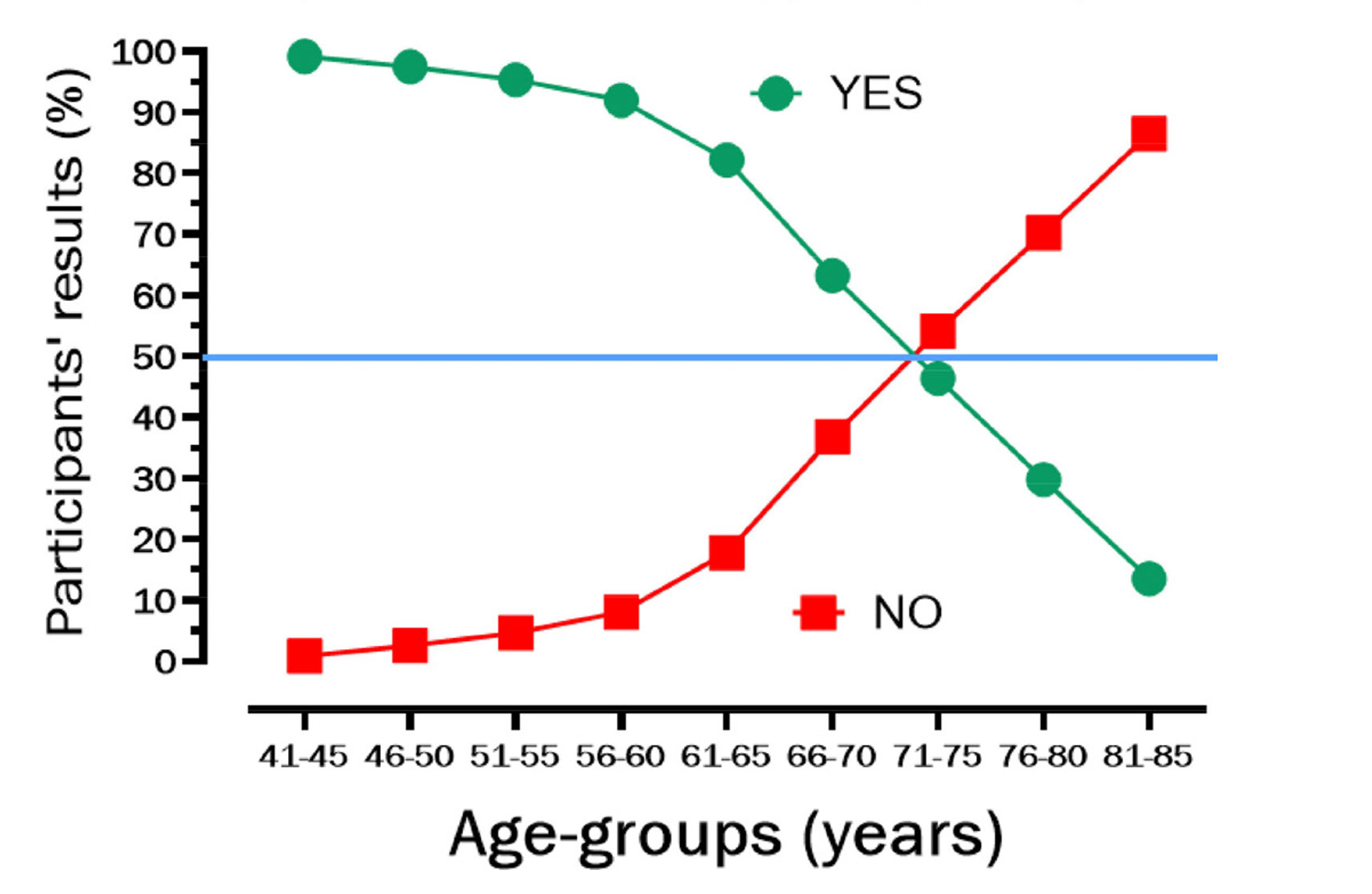
According to the study, which was jointly conducted with the Clinimex Medicina do Exercicio in Brazil, the proportion of people unable to stand on one leg for 10 seconds was nearly 5 per cent among those aged 51–55s; 8 per cent for 56–60, just under 18 per cent in the 61–65 range and almost 37 per cent for 66–70.
More than half aged 71–75 were unable to complete the test, meaning people in this age group were 11 times more likely to fail compared to those just 20 years younger.
Unlike aerobic fitness and muscle strength and flexibility, balance tends to be reasonably well-preserved until the sixth decade of life.
However, once people reach 50, their balance starts to wane relatively rapidly, researchers said.
Despite this deterioration, balance assessment is not routinely included in health checks of middle-aged and older men and women.
READ MORE: Major study finds link between eating fish and getting skin cancer
Researchers believed that was likely because there are no standardised tests for balance.
That was compounded by a lack of hard data linking balance to clinical outcomes other than falls, they said.
Researchers concluded the 10-second balance test "provides rapid and objective feedback for the patient and health professionals regarding static balance".
The test, they said, added "useful information regarding mortality risk" in middle-aged and older men and women.
Anyone who had pre-existing problems with their gait was not part of the sample, the study said.
READ MORE: Flu strain circulating now may have very sinister origins, study suggests