Lochlan Lineham A sea of blue has begun flooding Eden Park’s surrounding areas – including nearby bars, cafes and restaurants – as fans prepare for tonight’s sold-out Super Rugby Pacific final. More than 45,000 fans will be at…
Tag Archives: oceania
Jacinda Ardern visits Queenstown skifield to mark start of ski season
By RNZ The Prime Minister is visiting a Queenstown skifield to mark the beginning of the ski season.Jacinda Ardern has met with NZSki chief executive Paul Anderson and other skifield staff at The Remarkables this morning.The…
Howick stabbing: Person with critical injuries rushed to Middlemore Hospital – alleged offender arrested
A person with “serious stabbing injuries” has been rushed to Middlemore Hospital after an assault in Auckland’s Howick. Emergency services were called to Ormiston Hospital, on Ormiston Rd in Flat Bush, where the person with stab…
Herald afternoon quiz: June 18
Test your brains with the Herald’s afternoon quiz. Be sure to check back on nzherald.co.nz for the morning quiz tomorrow. To challenge yourself with more quizzes, CLICK HERE.
Victims of crime owed more than $35 million in unpaid reparations over three years
Each year more than 10,000 offenders are ordered to pay their victim reparation, with the highest single amount since 2019 being $900,000.But as one offender pays a paltry 65 cents per week and with reparations debt ballooning to…
$30m boost to make NSW outdoor public spaces safer for women
The New South Wales government has announced a $30 million project to make outdoor city spaces safer for women at night.
The Perrottet government has announced in the upcoming budget a major funding boost to safety measures for women and support services for survivors of sexual and domestic violence.
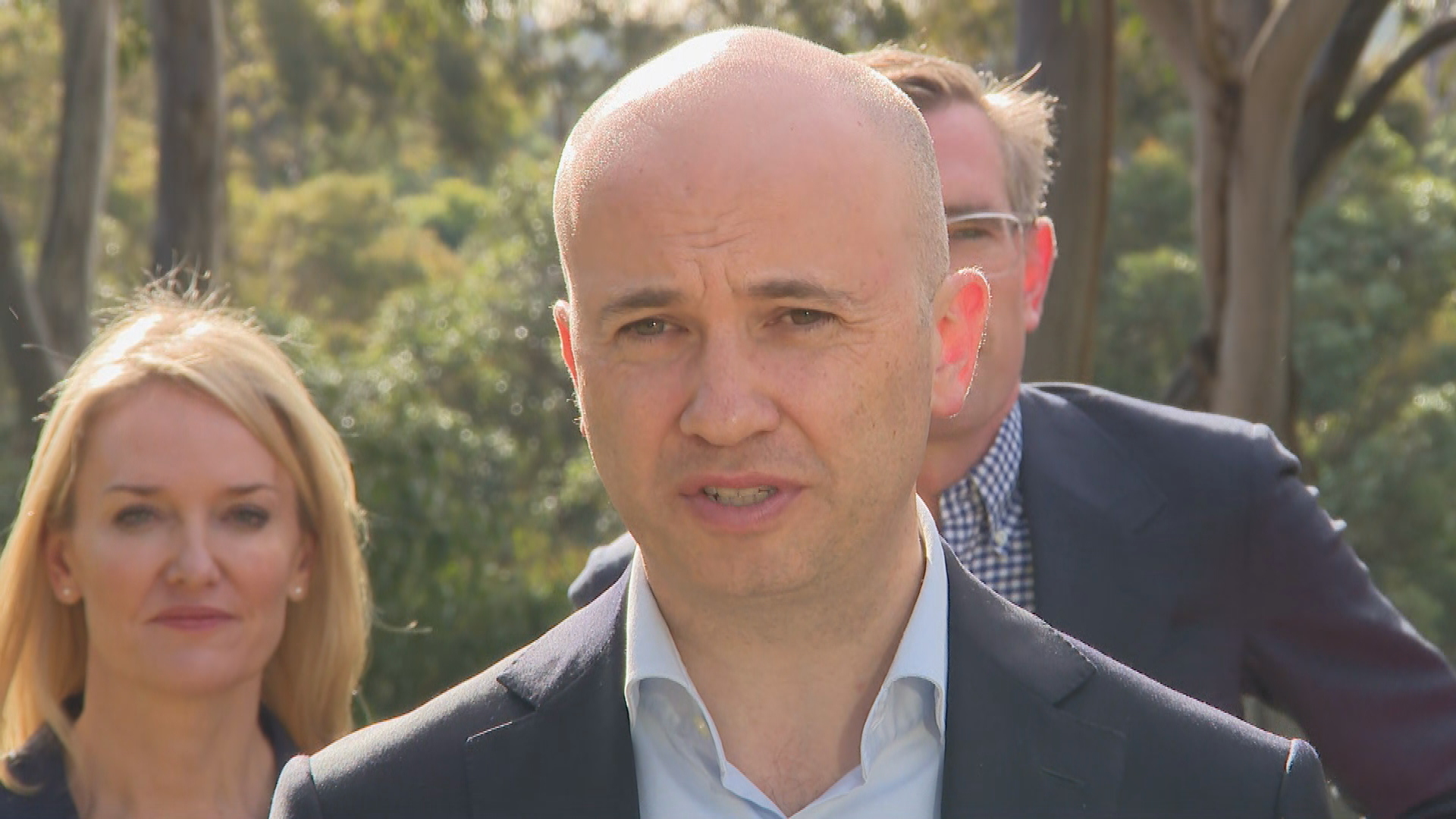
Minister for Women's Safety Natalie Ward said the $30 million will be distributed over two years to improve lighting and CCTV in parks and outdoor spaces across NSW, starting with Parramatta and the Rocks.
READ MORE: Can restaurants legally charge more on weekends and public holidays?

"It is an absolute travesty that one in six people across our country suffer from sexual harassment or sexual violence," NSW Premier Dominic Perrottet said.
"While we have made significant inroads over time is a blight on our state and nation.
"We need to do better."
Treasurer Matt Kean said the funding will include a taskforce of women and girls to consult about which parks and bushland need better lighting and CCTV to protect women.
"Safety is a basic human right and even in our beautiful city far too many women don't feel safe when walking around at night," he said.
"When women are walking home from work they shouldn't have to fear what is lurking in the shadows."
Data from the Bureau of Crime Statistics and Research shows in the past year more than 220 women have reported being victims of sexual offences in parks, bushland and gardens across the state.
READ MORE: Trump belittled Pence with vulgar taunts in bid to overturn election results

The government has also announced a greater $100 million package, in which the $30 million for upgrading outdoor spaces is included in.
This package includes $69 million to improve the wraparound services for victims of sexual and domestic violence.
Survivor Amanda Morgan said this funding injection is fundamental in growing services for domestic and sexual violence victims in regional parts of the state.
However, she added it is just one step toward change.
"An extremely exciting investment," Morgan said.
READ MORE: Thousands of cattle dead in US feedlots after heat spikes
A further $4.8 million will also be invested in the Respect at Work Taskforce which aims to educate workplaces and "stamp out" sexual harassment in the workplace.
This comes after the landmark Kate Jenkins parliamentary inquiry into sexual harassment in workplace.
"We need to stamp out sexual harassment at work," Perrottet said.
The full details of the funding announcement will be revealed in the state budget next week.
Support is available from the National Sexual Assault, Domestic Family Violence Counselling Service at 1800RESPECT (1800 737 732).
Auckland shooting: Bullet through house window, police at scene
Police remain at the scene where a bullet shot through a house in Māngere, South Auckland overnight. Emergency services were called to Pito Place at about 12.25am this morning after the occupant reported a single bullet had…
Missing bones of Waterloo: Grim fate that met fallen soldiers
It's known as one of the bloodiest battles in history, but surprisingly very few human remains have been unearthed from the Battle of Waterloo.
An estimated 48,000 men lost their lives as Napoleon's French army was defeated by a force of British, Dutch and German troops in the United Kingdom of the Netherlands, on Sunday, June 18, 1815.
The decisive battle marked the end of the decades-long Napoleonic Wars and crushed French attempts to dominate Europe.
A new study released today, on the 207th anniversary of the battle, says it's probable the bones of fallen Waterloo militaries were sold as fertiliser.
READ MORE: Russia confirms capture of two US vets in Ukraine
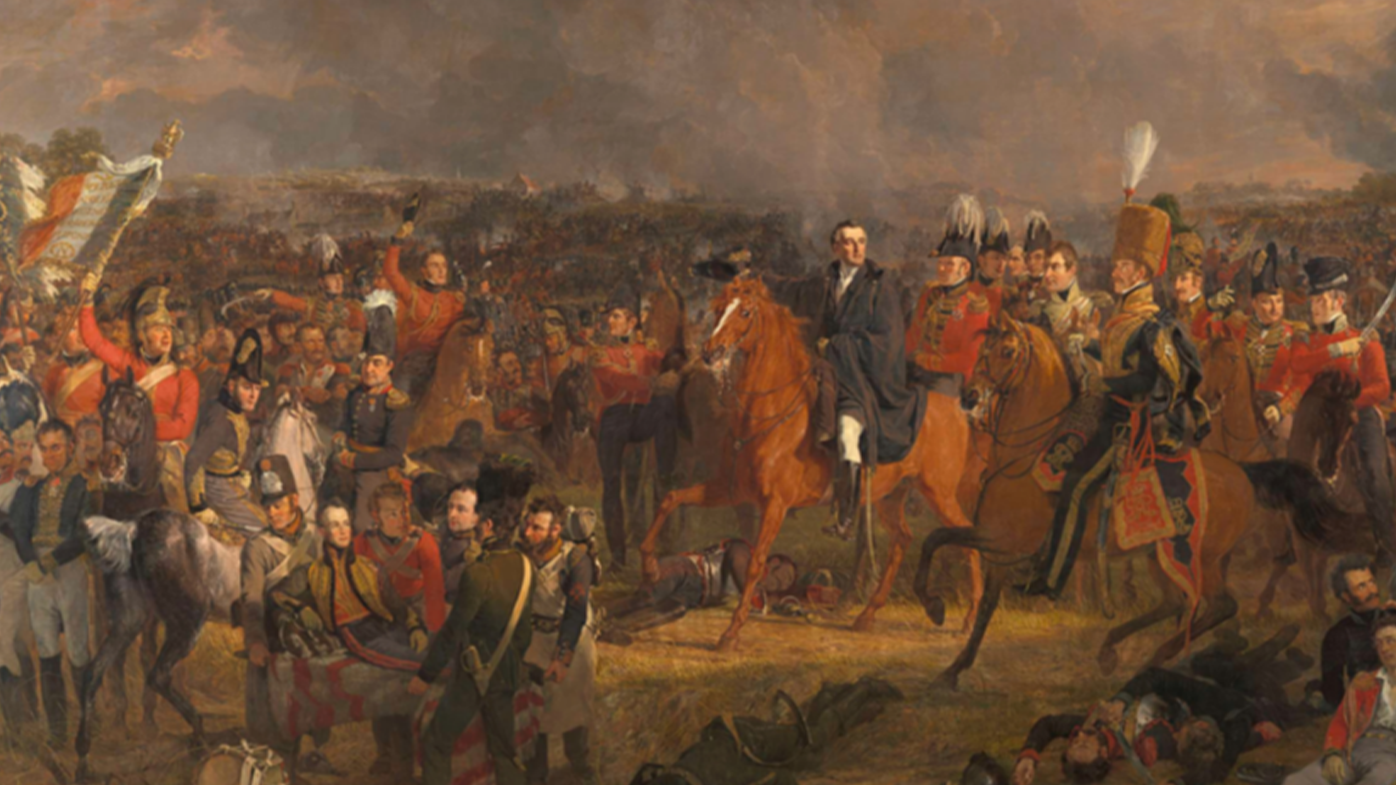
Lead expert Professor Tony Pollard says as the gunfire drew to a close and smoke cleared, Waterloo became a grim attraction.
And some would have profited from this – grinding down fallen soldiers' bones into bone-meal, an effective fertiliser, and selling it to the British Isles.
READ MORE: Human rubbish found on Mars by NASA rover

"Many came to steal the belongings of the dead, some even stole teeth to make into dentures, while others came to simply observe what had happened," Pollard, from the University of Glasgow Centre for War Studies and Conflict Archaeology, explained.
"At least three newspaper articles from the 1820s onwards reference the importing of human bones from European battlefields for the purpose of producing fertiliser.
"It's likely that an agent of a purveyor of bones would arrive at the battlefield with high expectations of securing their prize.
"Primary targets would be mass graves, as they would have enough bodies in them to merit the effort of digging".

As part of the study, researchers poured over data, newly-found battlefield descriptions and drawings from people who visited the site in the days following Napoleon's defeat.
Together the visitor accounts describe the exact locations of three mass graves containing up to 13,000 bodies.
One such account included memoirs and letters from a Scottish merchant living in Brussels called James Ker. He wrote that men died in his arms.
READ MORE: Ukraine one step closer to joining EU
Pollard will help lead an "ambitious", several years-long geophysical survey of the battleground, to solve the mystery of what happened to fallen soldiers.
"The next stage is to head back out to Waterloo, to attempt to plot grave sites resulting from the analysis of early visitor accounts reported here," he said.
"If human remains have been removed on the scale proposed then there should be, at least in some cases, archaeological evidence of the pits from which they were taken".
Eden Park school ball nights are a 'complete nightmare', neighbour says
An irate Eden Park neighbour wants school balls banned from the stadium, deeming them a “complete nightmare” for residents. The resident, who requested to remain anonymous, says loud music, congested traffic and anti-social behaviour…
How air purifiers work to fight against the flu
When used correctly, air purifiers can help reduce airborne bacteria and viruses, like COVID-19 and influenza – but they aren't guaranteed protection.
Viruses spread when an infected person exhales small aerosol particles, coughs or sneezes into the air.
A good air purifier can assist by filtering most of the bacteria left behind in a room.
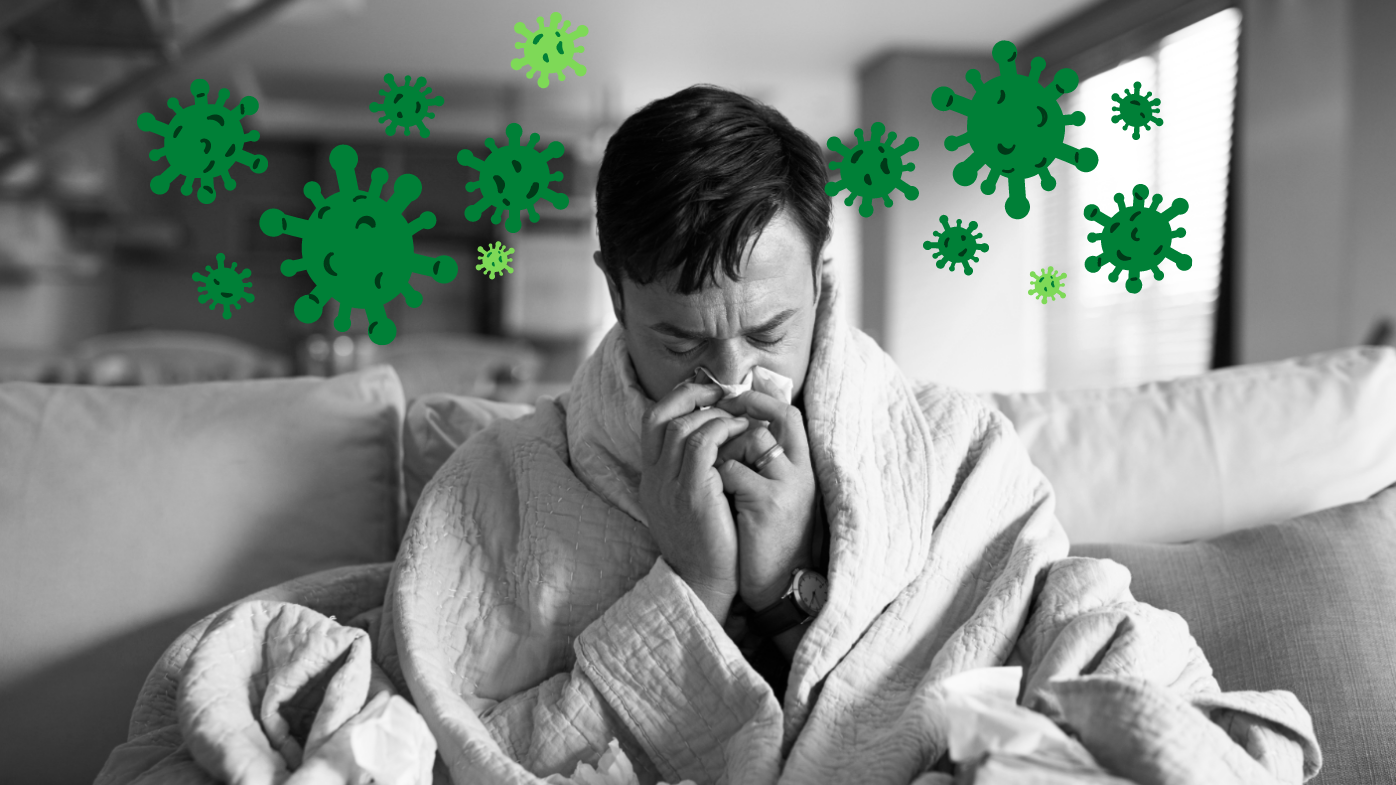
But it's worth noting that air purifiers aren't going to clean the entire home's air, they'll only filter the air in the room they're operating – all dependent on size.
Standards hygiene practice is still the best preventative measure against influenza and COVID-19.
Air purifiers for your home – how do they work and how much are they?
There's a variety of air purifiers designed specifically for homes, but they can also be quite pricey – some of the bigger brands start from around $1000 for a standard air purifier.
So how does $1000 of technology crammed into a plastic box keep your home's air fresh and "pure"?
In simple terms, air purifiers suck air into the machine's filters to remove particles, such as dust, pet hair, smoke, bad odours, bacteria, viruses and more, before releasing clean air back into the room.
READ MORE: Google engineer claims AI chatbot is 'sentient'
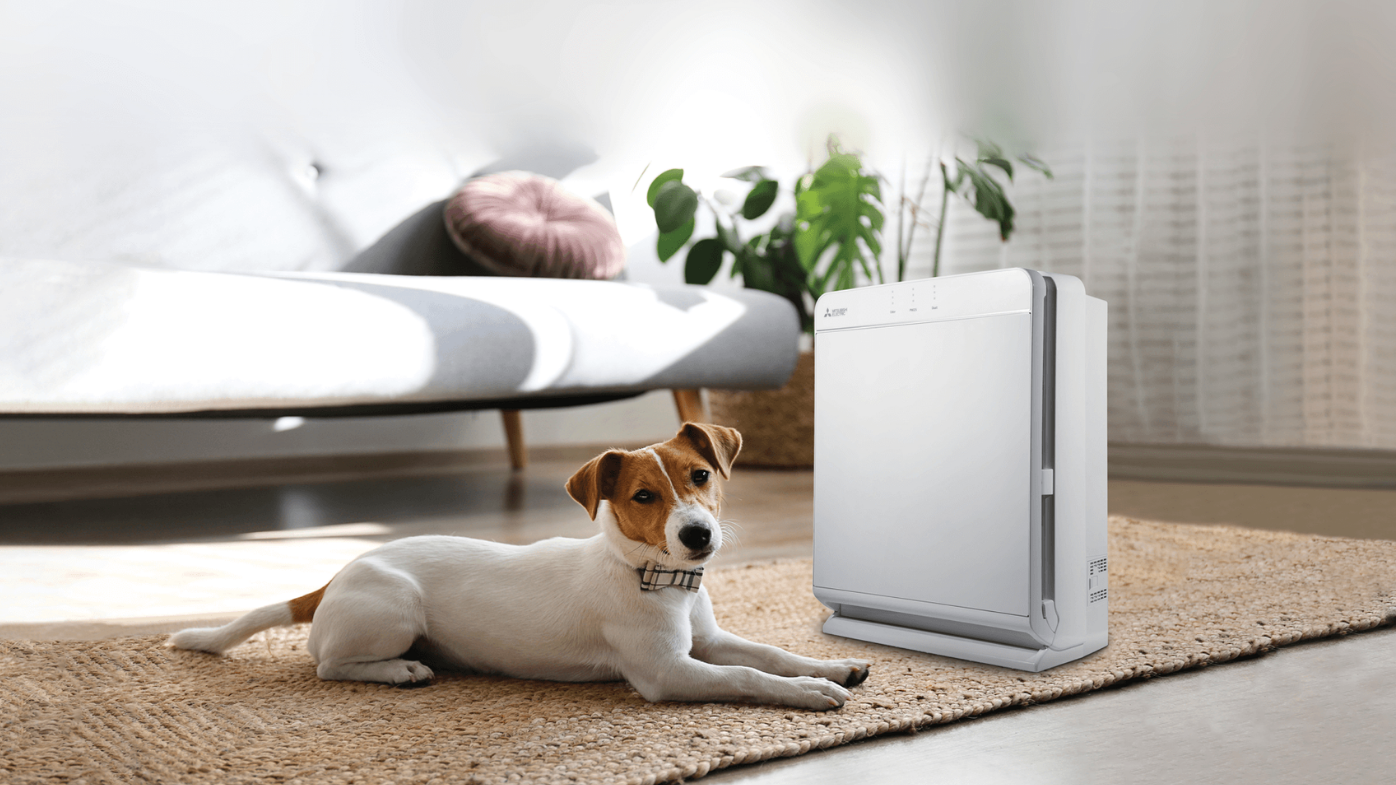
These air purifiers suck in hundreds of cubic metres (m3/h) of air each hour, filtering it through the machine and blowing "purified air" it back out into the room.
Most air filters work in the same way, but what you're really paying for is filtration quality.
There are multiple filters inside the unit to make sure nothing is getting past, most of these filters can be replaced or cleaned.
The main filtering component used to fight bacteria and viruses is known as the HEPA filter, or "high-efficiency particulate air" filter.
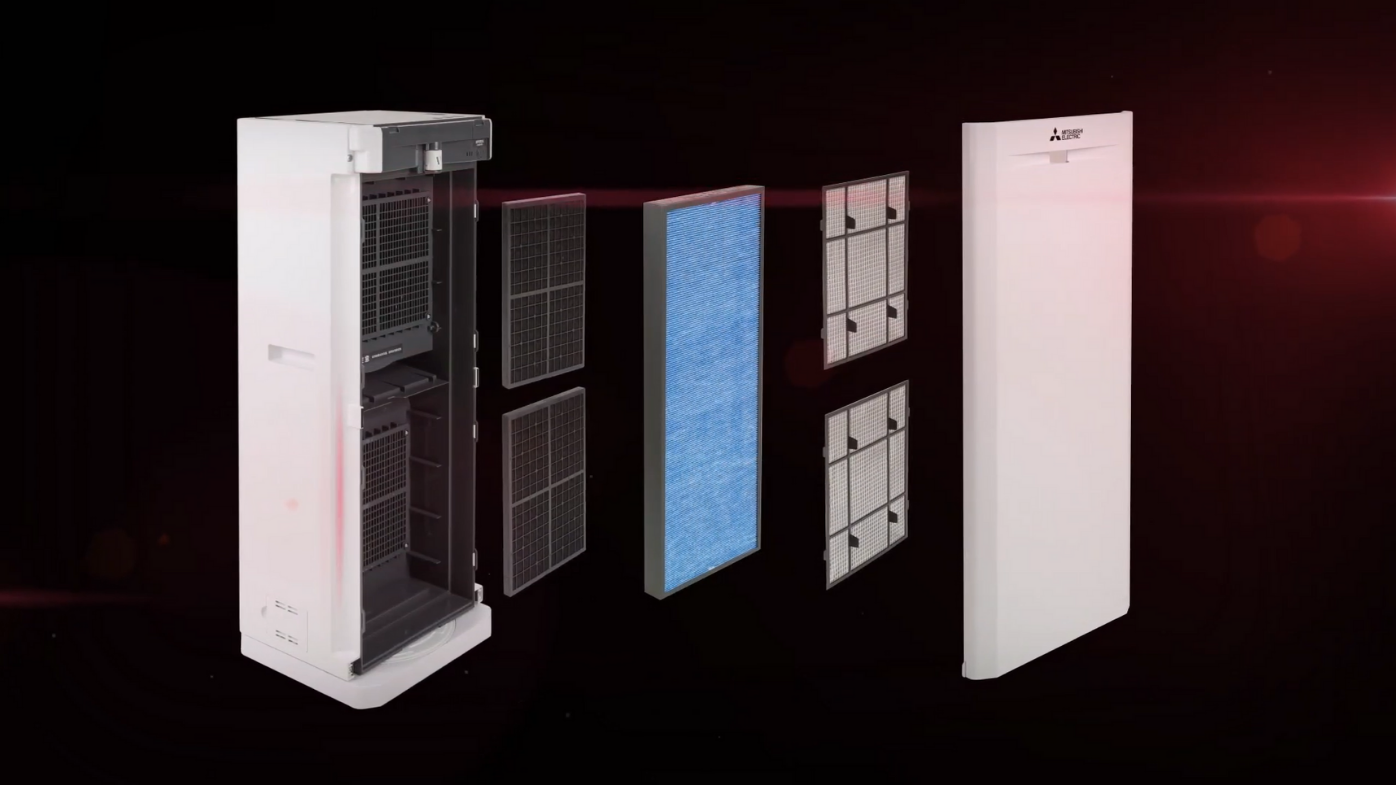
No home air purifiers with HEPA filters claim to be 100 per cent effective, the majority of HEPA filters are able to stop particles no smaller than 0.3μm, which equates to 300 nanometres.
For some added perspective, a nanometre is about one billionth of a metre, and your standard coronavirus particle is about 100 nanometres.
Particles can remain airborne for hours at a time, so utilising an air purifier with a HEPA filter can greatly help to capture any lingering sneezes or coughs.
Wearable air purifiers – what are they?
Wearable air purifiers are an entirely new concept, recently introduced by vacuuming leaders Dyson.
It's certainly an interesting piece of technology, and not something you'd expect from a company like Dyson, but they did it anyway.
Dyson says six years and 500 prototypes later, they're finally ready to show the world their latest technological advancement.
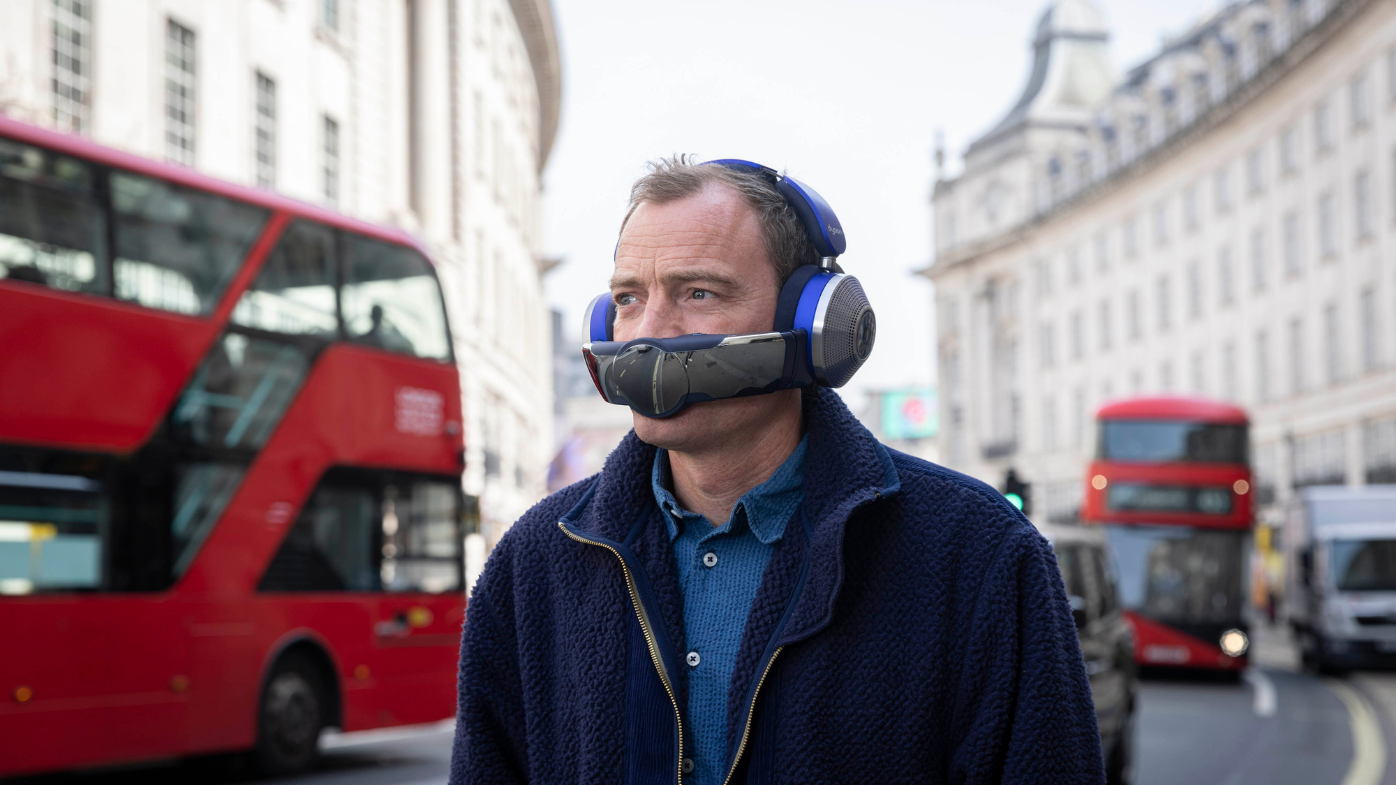
READ MORE: Dyson unveils 'air-purifying headphones' after six-year development
As for the design, Dyson says they've taken inspiration from a horse's saddle.
Despite the air-purifying attachment being a major part of the design, it is detachable and Dyson says you can just use the Dyson Zone as normal headphones.
How does the wearable air purifier work?
Compressors in the earcups draw air through layered filters and project two streams of purified air to the wearer's nose and mouth, all of this is channelled through the non-contact visor.
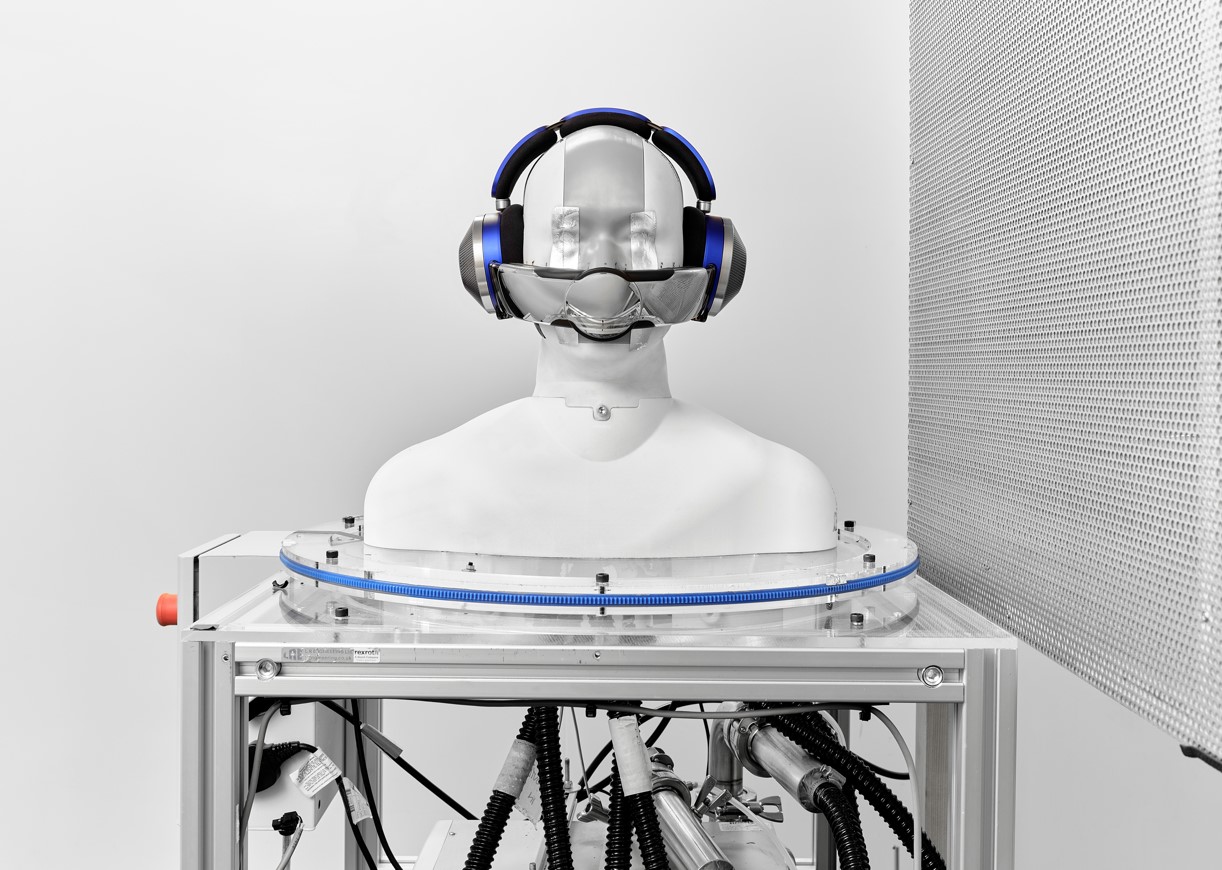
The visor ensures purified airflow is kept near to the nose and mouth and Dyson says this makes sure the air is diluted as little as possible by the wind.
The device has four air purification modes: low, medium, high, and auto, which is able to sync with the user's breathing.
Dyson hasn't confirmed how much something like this costs just yet, but we can imagine it'll be considered a premium product.