Tag Archives: oceania

Push for native wildlife to be allowed as pets

When people think of pets, animals like dogs, cats, fish and even birds would spring to mind.

But most would probably never have thought about keeping a swamp wallaby or a western quoll as a companion inside the home.

Even fewer would have pondered over adopting a grey-headed flying fox, a rufous bettong or a yellow-bellied glider.

One New South Wales paleontologist is desperately trying to change that.

READ MORE: How Tasmanian tiger's closest relative could help resurrect species

Mike Archer, professor of Biological Science at the University of New South Wales, is leading the push within the state to allow residents to keep native Aussie fauna as pets, in a bid to conserve endangered populations and ensure that non-endangered species do not follow the same trajectory.

The concept has already been adopted in Victoria and South Australia and is steadily gaining momentum in the science world and among conservationists.

Some think native wildlife should remain, as the name suggests, in the wild.

But Archer said the concept is far from provocative, having shared his home with over 25 native Australian species in his lifetime.

He acknowledged not all species would make ideal companions, however a certain number of marsupials in particular are "entirely suitable" and make "absolutely exquisite" pets.
"The big problem we all have to face is that wildlife is increasingly no longer safe in the wild," Archer told 9News.com.au.

"The alien animals that we've introduced into the wild areas of Australia is just slowly obliterating the wildlife. And we have to accept that fact.

"I feel we've got responsibilities to be smart and find strategies that are going to bring back the future for many of these animals that are otherwise going to go extinct."

He claimed arguments against keeping wildlife as pets don't stand up.

Some insist it would take decades to properly domesticate native animals and that they could bring diseases into the home.

Others argue the animals simply would not want to be human pets, and instead should run free in the wild.

However, after further analysis, many of these points don't match the evidence, according to Archer.

"All of the objections I've ever heard are usually based on ignorance, or lack of experience or having actually understood how the animals will react with us," Archer said.

"As soon as we put our arm around animals, and bring them close, their future is secure.

"No animal that we've ever done that to has gone extinct.

"The ones that do go extinct are the ones that we assumed, somehow foolishly, should be just left on the other side of the fence to they'll look after themselves when demonstrably, that's not what's happening. They're declining."

READ MORE: 'Lost' species rediscovered after more than 100 years
RSPCA Australia is one organisation who are firmly opposed the idea, stating that it would be "very challenging" concept to achieve.

"RSPCA Australia is opposed to the taking of animals from the wild to be kept as pets," Dr Di Evans, Senior Scientific Officer, RSPCA Australia told 9News.com.au.

"In many cases they require specialised husbandry and facilities to mimic their natural environment and meet their behavioural and physiological needs, and ecological requirements, which is very challenging to achieve in most domestic environments.

"Domestic animals have been selectively bred for hundreds or even thousands of years to ensure they have behavioural and physiological qualities that make them appropriate companions.

"In contrast, wild animals are adapted to the wild, rarely enjoy human company or handling and are predominantly nocturnal in their habits."

In places like Russia, within 50 years of selective breeding Siberian foxes, the animals became domesticated to a point where they now are now remarkably similar to our beloved dogs.

Initially "ferocious" wild animals, they are now completely tame.

Their ears became sloppy, their tails bagged, and many Russians now keep them as "wonderful pets", Archer said.

"But in my experience with Australian marsupials it doesn't take anything like that amount of time," he said.

"Almost all the animals I had were one generation animals.

"I'm not arguing that all are appropriate to be kept as pets, but I certainly know that there are many that are entirely suitable as human companions.

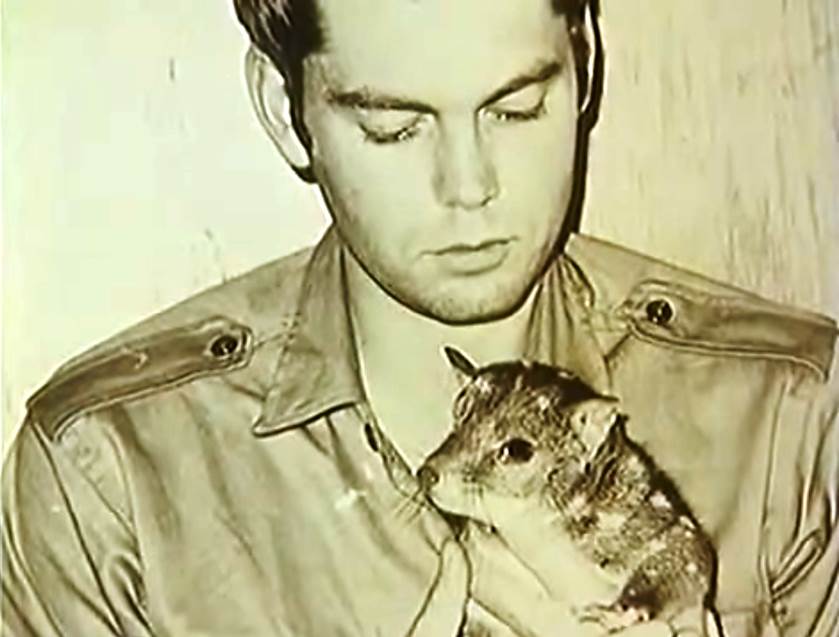
"One that gave me the greatest pleasure was a western quoll – which should be called a central quoll because they were once in all the mainland states of Australia, until our cats drove them out – which I had for about five years.

"The other was my swamp wallaby, but I'd have to say, most of the possums that I've had made wonderful companions as well. Things like yellow belly gliders, sugar gliders, squirrel gliders."

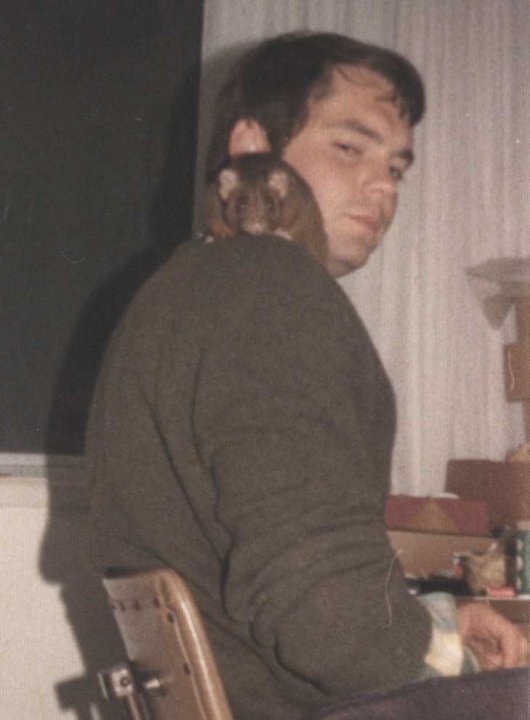
Some of the critters were so affectionate in the home, Archer said, that they would even follow him around the house, the possums would sit on his shoulder and the swamp wallaby on his lap while watching TV.
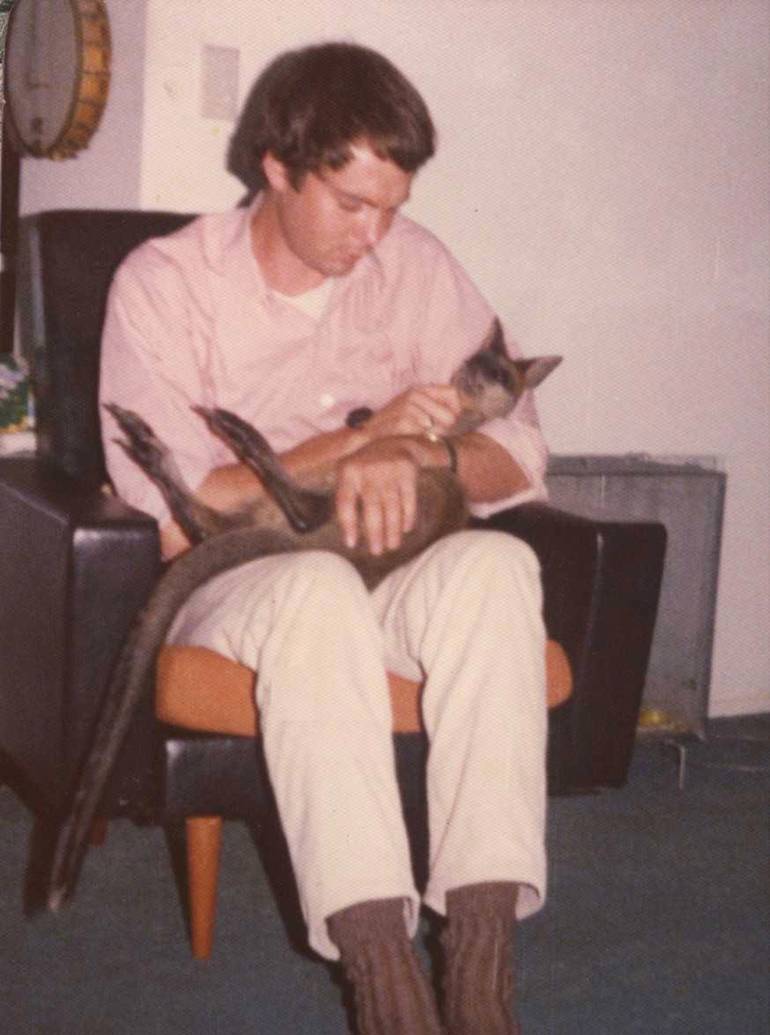
"My quoll was an obsessive user of kitty litter box, there's no way that he would have done his business other than in the kitty litter box," he said.

"My experience is, once they bond to you – and that happens very quickly within one generation – they want to be with you."

Archer argued against letting species go extinct because humans don't consider it "proper" to have a relationship with them.

"Are we just so happy to let them go extinct? Because we don't think it's proper for us to have a relationship with these animals?" he asked.

"Do we think that our dogs actually need vast amounts of living space because they're actually wolves. It's just not true. They can live in homes. Animals get used to and are comfortable with the situations they're raised in."

Archer noted that to be suitable as pets, animals would have to have been raised from young and would therefore require specific breeding facilities, permits and a regulated industry.

"The money people would pay to buy a special companion of that kind, would be able to be committed to conservation of the species in the wild," he said.

Pointing toward the thylacine (Tasmanian tiger), Archer said that the loss is a stark reminder of the impacts of human's interference in wildlife and serves as a warning for what may happen to hundreds of species in the very near future.

"While it was being persecuted in Tasmania, there were many people who were keeping thylacines as pets, quietly, because it was frowned upon," he said.

"Governments at the time, ultimately and unfortunately, required people to turn in their animals – many any of which ended up in zoos.

"My question is, if it had not been frowned upon, if it were a supported initiative and if those people who discovered that they did make very fine companions were embraced, would the thylacine be extinct today?

"The answer is no."
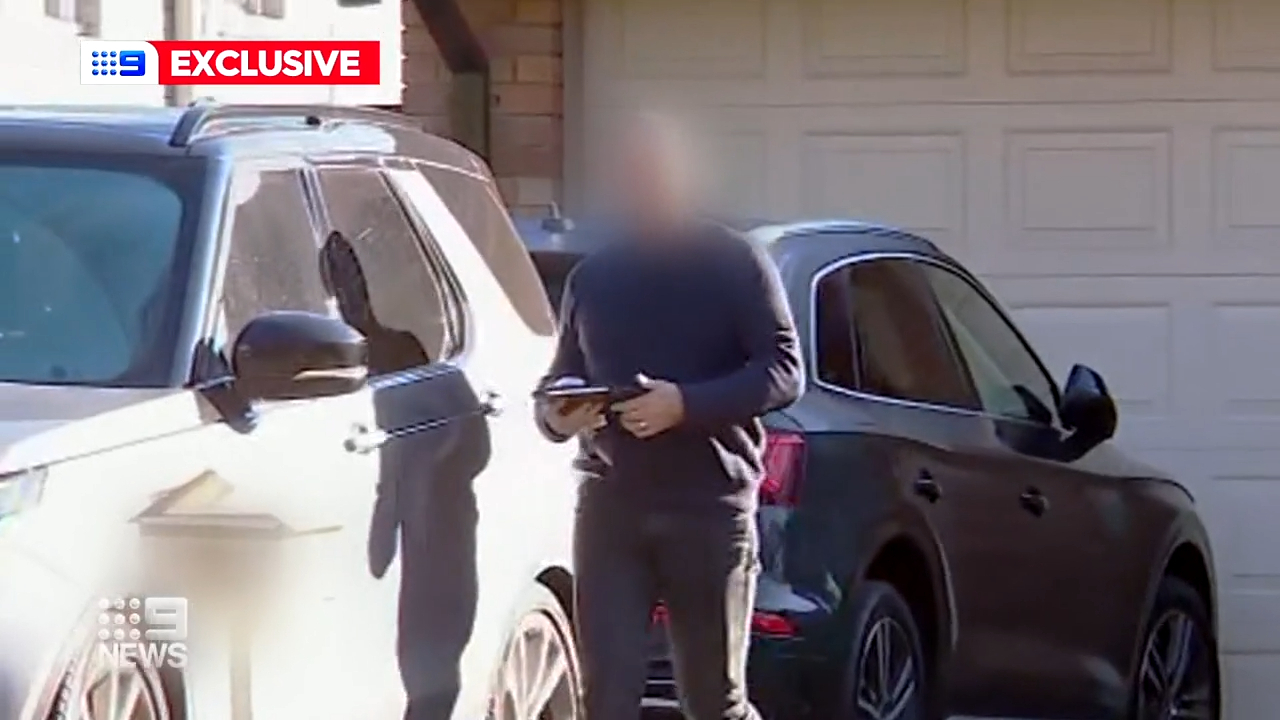
Assault allegations against William Tyrrell's foster parents revealed

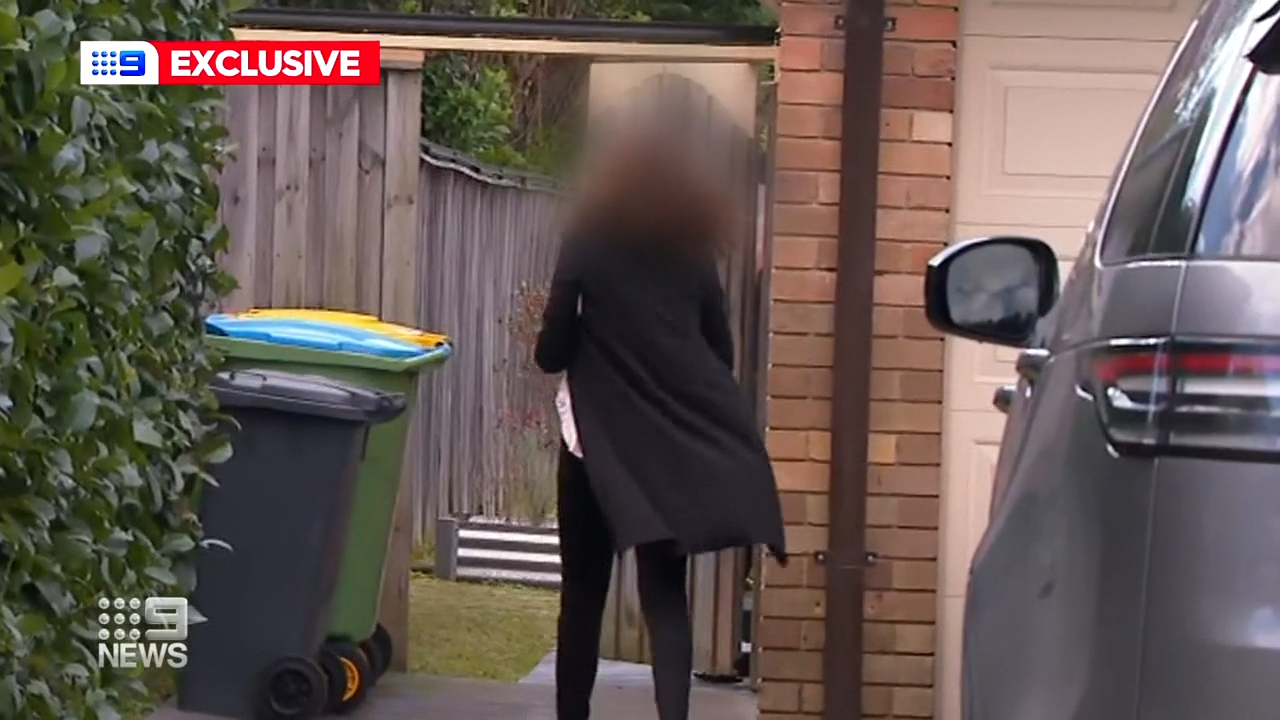
Police will allege William Tyrrell's foster parents assaulted a girl by grabbing her around the neck, kicking her and hitting her with a wooden spoon.

The allegations have emerged after a court lifted a suppression order in connection with the criminal case.

In November 2021, a police task force charged the foster parents of William, who vanished from Kendall on the NSW Mid North Coast in 2014, with assault and stalking in relation to an alleged attack on a girl.

New details can be revealed about the case after a suppression order was lifted.New details can be revealed about the case after a suppression order was lifted.

Police claim the couple was attempting to intervene in the child's "problematic behaviour".

The allegations include that she was placed in a time-out period for 44 minutes, that the girl was grabbed about the neck, kicked and hit with a wooden spoon, causing her pain.

It is also alleged William's foster mother suggested if the girl defecated on the floor, she would rub the child's face in it.

New details can be revealed about the case after a suppression order was lifted.

Details of the police allegations were revealed after several media organisations successfully mounted a challenge in the Supreme Court to lift the suppression order.

The couple has denied all the charges.

William's foster mother is due to face Parramatta Court at the end of the month.

NSW energy minister says state's energy supply is now steady

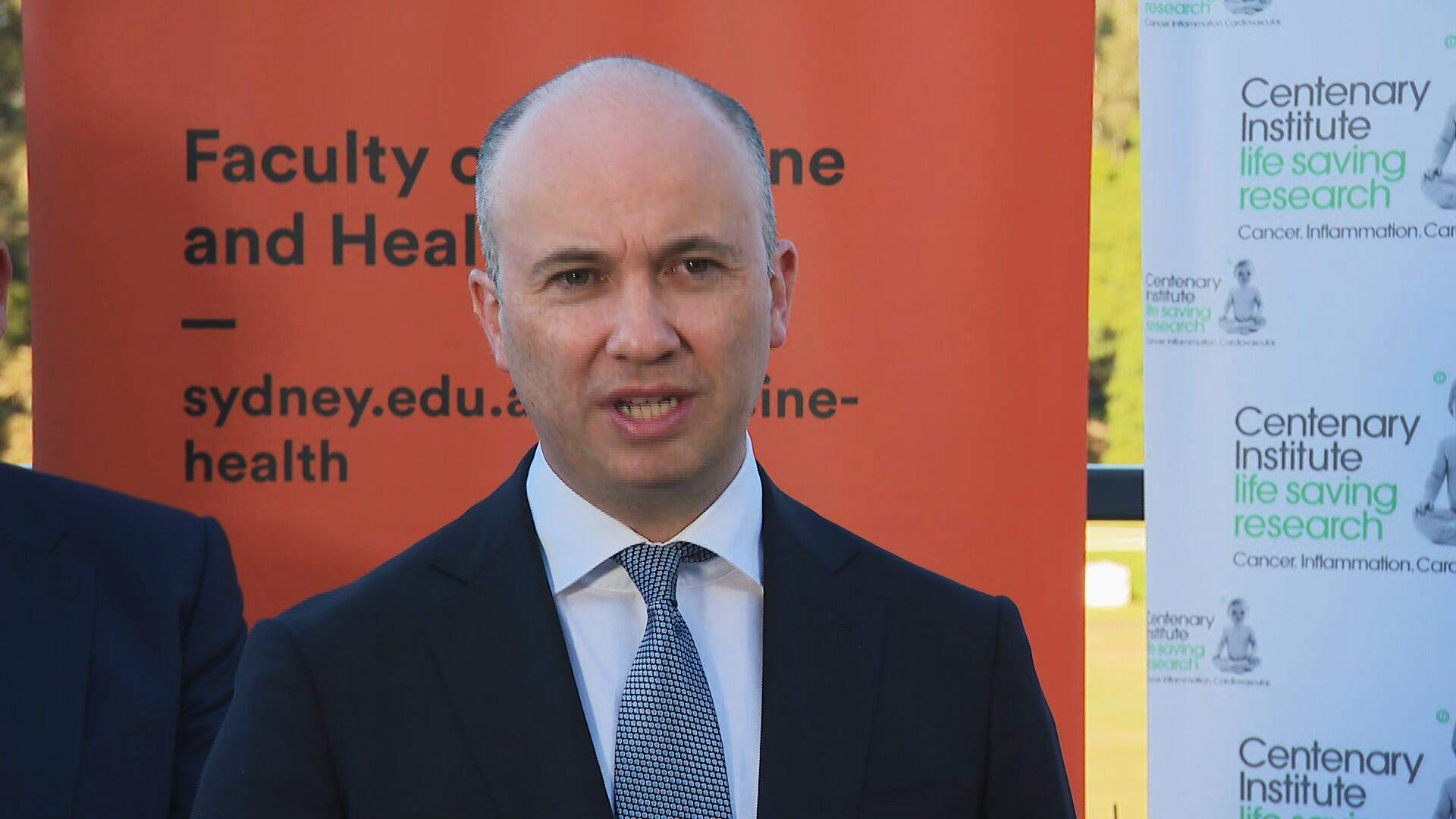
New South Wales Treasurer and Energy Minister Matt Kean has confirmed the state's energy supply is now steady after a meeting with the market operator.

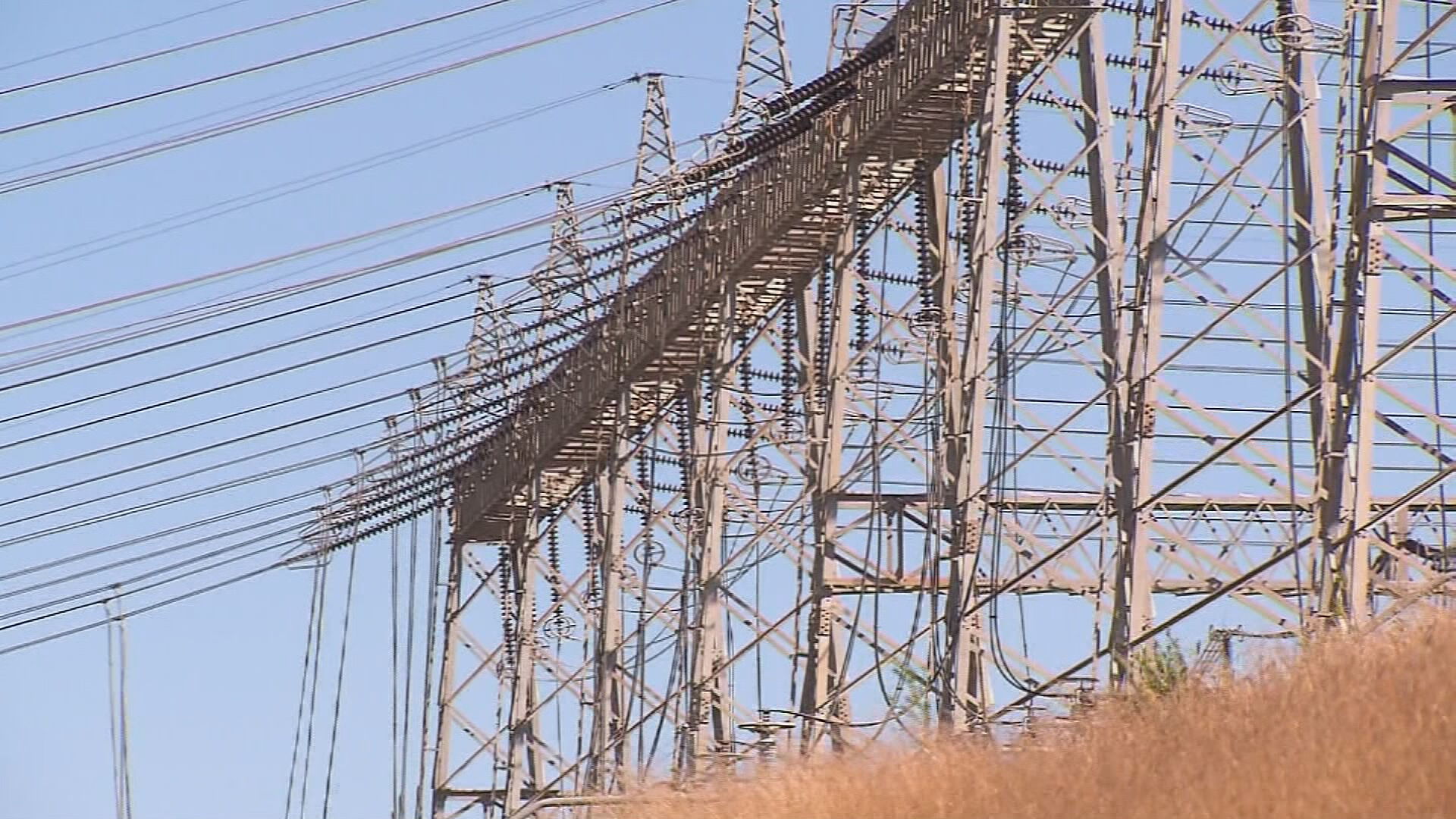
A generator came online today adding 689 megawatts to the system, while another one is expected to turn on tomorrow.

"This morning's update from the Australian Energy Market Operator gives me and should give everyone great confidence that we're out of those difficult conditions that we saw earlier in the weekend," Kean said.

READ MORE: New COVID-19 subvariant a 'wake-up' call

The New South Wales treasurer Matt Kean has confirmed the state's energy supply is now steady after a meeting with the market operator.

It comes after he was granted special powers to force coal companies to give fuel to electricity generators.

Kean said these powers will be used "if the need arises".

Residents no longer need to limit their energy usage.

READ MORE: The 'forgotten people' waiting half a century to get their Australian visa

A generator came online today adding 689 megawatts to the system, while another one is expected to turn on tomorrow.

The energy regulator issued a brief statement this afternoon to reassure Australians there should be no blackouts this weekend.

"AEMO can confirm sufficient electricity supply can be made available to meet forecast demand over the weekend across all regions in the National Electricity Market," the regulator said.

"Since announcing the suspension of the electricity spot market, we have seen improvements in generation availability, as reflected in our forecasts.

"Challenges remain in the energy sector and AEMO will continue to monitor supply levels and risks across all regions."

Pauline Hanson retains Senate seat after election results finalised

One Nation leader Pauline Hanson has kept her place in federal parliament after winning one of the Queensland Senate seats up for grabs in this year's election.

Hanson claimed the fifth of six available seats in the state, while Amanda Stoker, the Liberal Party's hardline conservative senator, missed out on re-election.

Liberal National Party candidates James McGrath and Matt Canavan were both re-elected, as were Labor's Murray Watt and Anthony Chisholm, while Penny Allman-Payne gained a seat for the Greens.

READ MORE: Can restaurants legally charge more on weekends and public holidays?

Hanson's place in the Senate had earlier looked in trouble after unexpectedly strong showings for the Greens and – in a major surprise – Legalise Cannabis Australia.

At one point in the count, the little-known party seemed a chance of ousting Hanson from parliament, with Bernie Bradley neck-and-neck with the One Nation leader in the week following election day.

However, preferences heavily favoured Hanson and saw her retain the seat she has held since 2016.

READ MORE: Trump belittled Pence with vulgar taunts in bid to overturn election results

Assistant Minister for Women Amanda Stoker.

Instead it was Stoker who lost out in yet another election blow for the Coalition.

The controversial Assistant Minister for Women, who made headlines for attending an anti-abortion rally in the lead-up to the election, had been in the Senate since 2018, when she took George Brandis's spot following his resignation.

Stoker follows in the footsteps of fellow conservative Eric Abetz, who the Australian Electoral Commission confirmed lost his Tasmanian Senate seat yesterday.

Victoria records first case of measles in more than two years

The first case of measles in more than two years has been recorded in Victoria.

A woman in her 30s has been diagnosed with the highly infectious viral disease after returning from an overseas trip.

She developed symptoms on Sunday, June 12 while she was in New South Wales, according to the Victorian Department of Health.

READ MORE: Man goes to police after young woman seriously injured in hit-and-run

As a precaution, four locations the woman visited in Victoria and New South Wales have been deemed as public exposure sites.

Anyone who visited the Culcairn Ampol Station on the Olympic Highway in NSW between 12-12.35pm on Sunday or the Astor Hotel in Albury between 12.30-3pm on Sunday should monitor for symptoms.

People who were at Geelong's Justin Lane restaurant between 12.30-3pm on Monday or in the food court at DFO Southwharf in Melbourne between 12.20-1.05pm on Tuesday are also advised to be vigilant for measles symptoms.

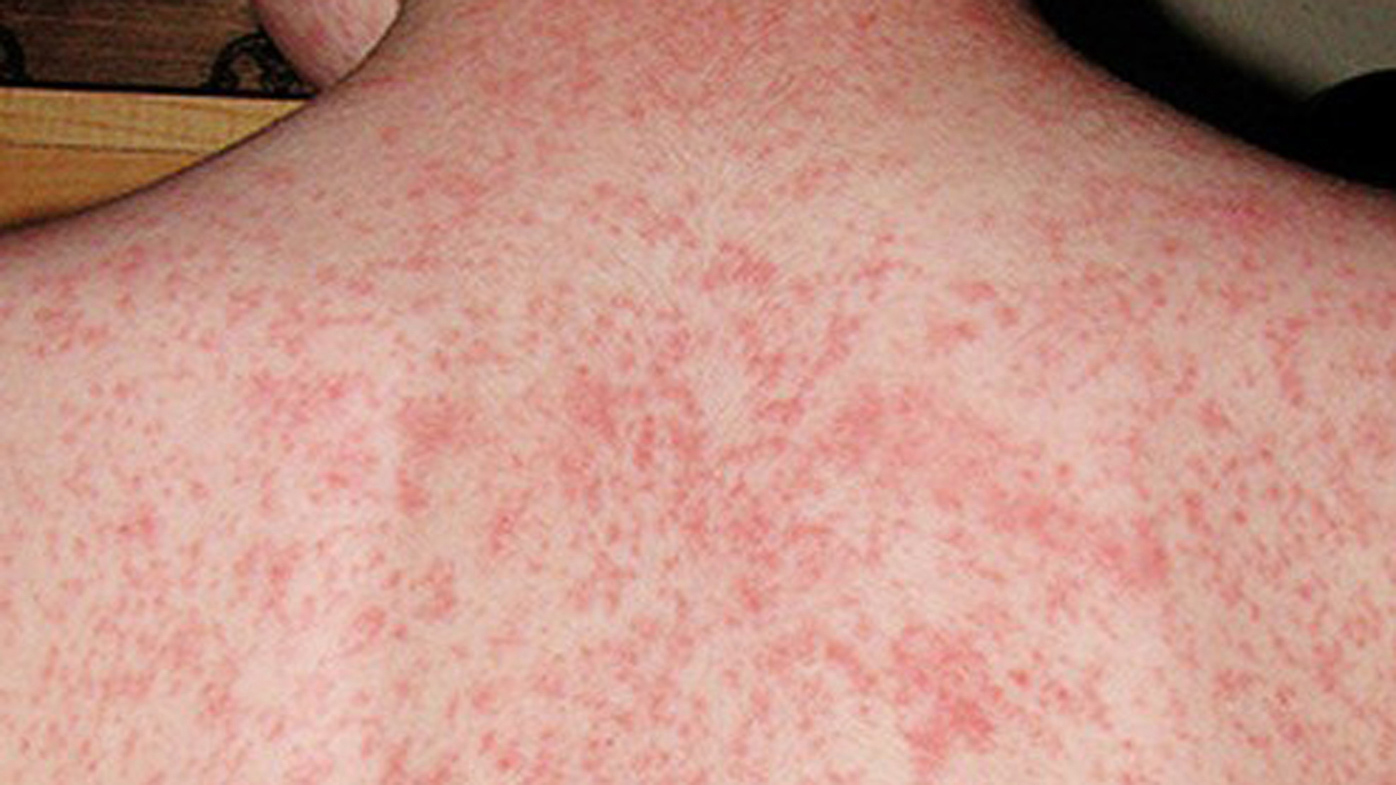
The illness usually begins with common cold symptoms such as runny nose, red eyes and a cough, followed by fever and a rash.

The characteristic measles rash usually begins 3-7 days after the first symptoms, generally starting on the face and then spreading to the rest of the body.

People with measles can develop pneumonia and other serious complications from the disease, and often need to be hospitalised.

This is the first case of measles in Victoria since March 2020, with previous cases of the disease in the state seen in people who are not fully immunised and who have travelled overseas or been in contact with returned international travellers.

Lynette Dawson detective did not take statements from key witnesses

The former lead detective on Lynette Dawson's disappearance has admitted he failed to take statements from critical witnesses, including people who claimed to have seen the missing mother alive.

Giving evidence in the NSW Supreme Court, Damian Loone denied ignoring the evidence because he believed Chris Dawson had murdered his wife.

Loone handled the investigation for almost two decades.

READ MORE: Dawson 'asked teammate' if he knew anyone who could 'get rid of' wife

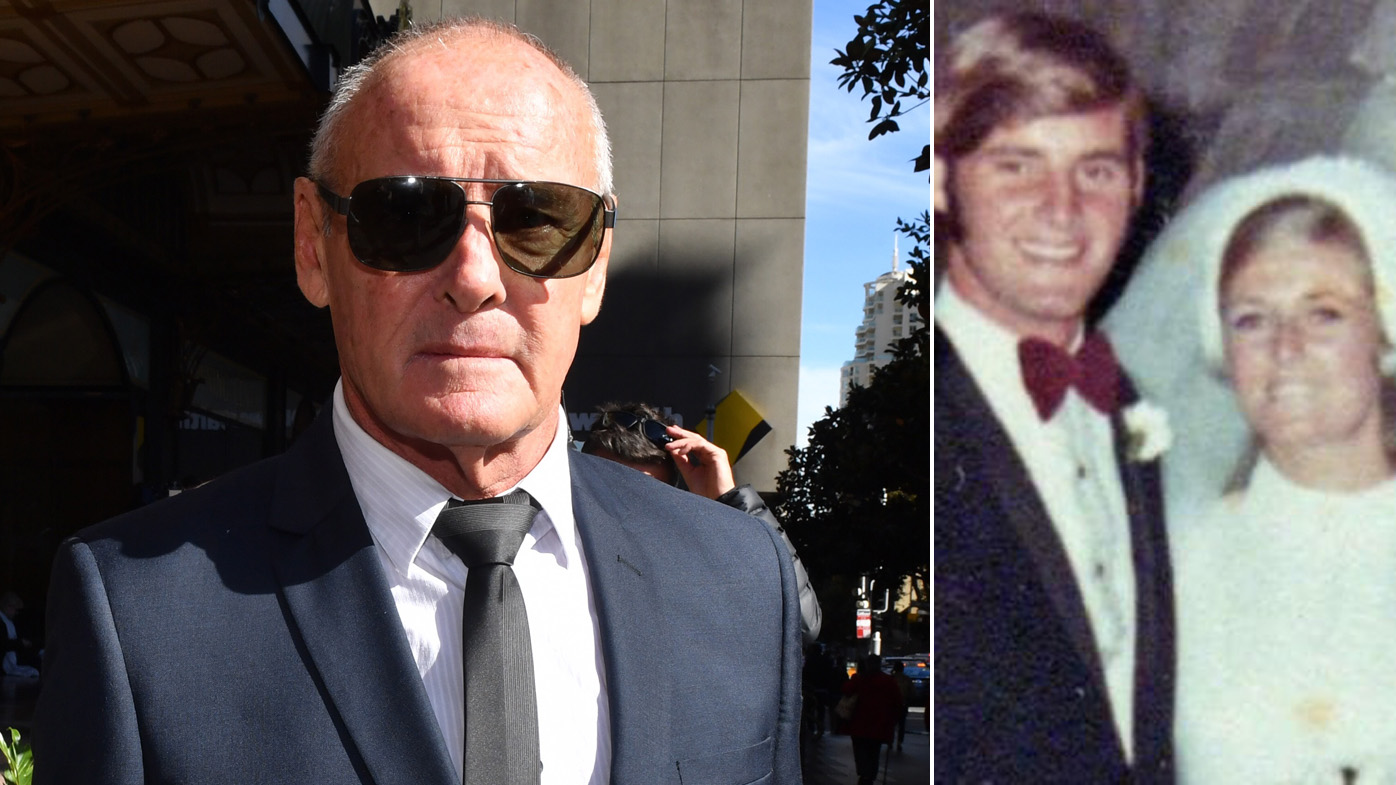
Chris and Lynette Dawson.

After taking over the case in 1998, he read transcripts of an old police interview with Chris Dawson and immediately suspected something grave had happened to Lynette, who had vanished 16 years earlier.

Loone today admitted he approached the case as a homicide from the beginning.

He conceded he failed to take statements from Lynette's mother Helena Simms and others from the Northbridge Baths who remembered Dawson receiving a phone call, which he claimed was his wife saying she needed a few days away.

Loone also acknowledged nothing was formalised after talking to Bayview residents Peter and Jillian Breeze, who reported seeing the missing nurse at Rock Castle Hospital in 1984, two years after she had disappeared.

With the benefit of hindsight, the retired policeman said he should have followed those leads but denied it was deliberate because it didn't support his theory that the mother-of-two had been killed.

Dawson's legal team again pointed the finger at his schoolgirl lover as having a motive, which the seasoned detective disagreed with.

Dawson has pleaded not guilty to murder, maintaining his wife left of her own free will and never returned.

https://twitter.com/tiffgenders/status/1537674434567254016

The trial continues.