Tag Archives: oceania

Sydney barista left shaken after customer throws hot coffee at him

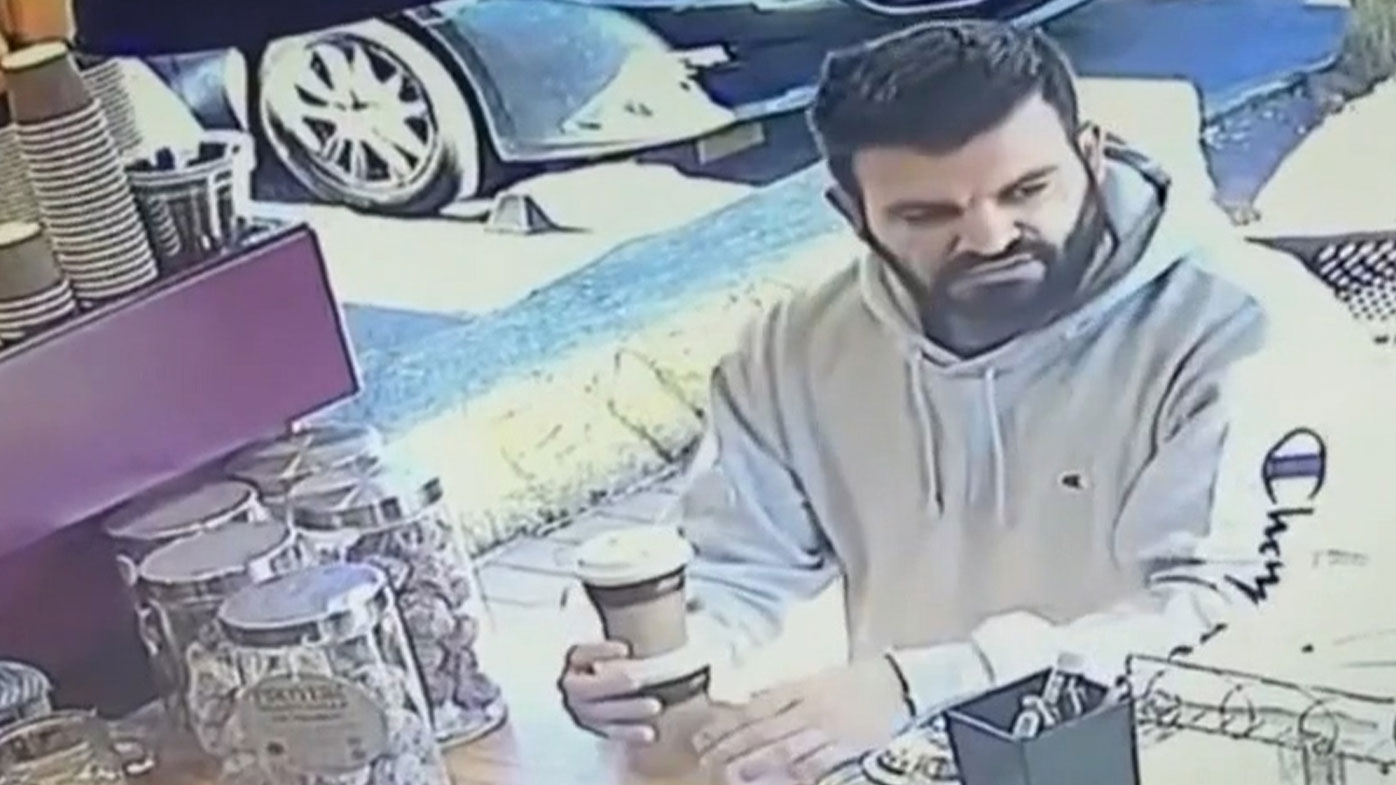
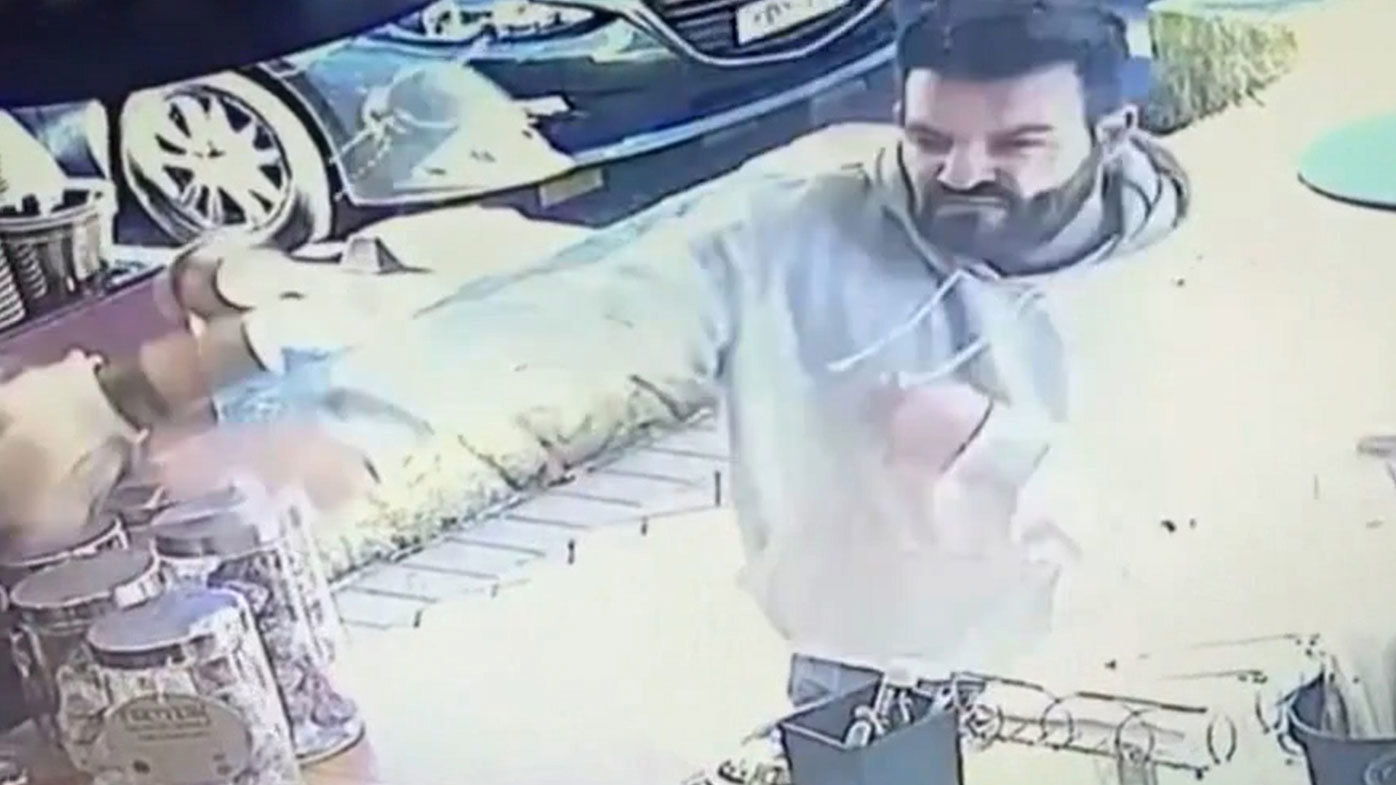
A barista has been left shaken after a man threw two hot coffees at him over a disagreement in Sydney's west.

The incident occurred at Soul Bowl in Rosehill just after 11 am yesterday.

Lily Semaan, the owner of the cafe, said the man had insisted to pay for a young woman's coffee and she refused.

READ MORE: Petrol prices through the roof and unlikely to come down soon

Barista left shaken after man throws hot coffee at him in Rosehill

"Our staff member was respecting the young lady's wishes because of that he was harassed, sworn at and abused," she said.

"He grabbed the two coffees and aggressively threw them at him."

Semaan posted CCTV of the incident to social media so the community could help identify the offender.

READ MORE: Missing daughter of murdered couple found alive after decades

Barista left shaken after man throws hot coffee at him in Rosehill

Suman Dhital told 9News he has never experienced this kind of behaviour at the cafe before.

"I was trying to make a good day with a coffee, but he was abusing me and swearing at me," Dhital said.

Dhital was left with burns to his face and hands.

READ MORE: Bizarre message left by Russian soldiers after smashing up school

Barista left shaken after man throws hot coffee at him in Rosehill

Police are now investigating the assault and are looking to speak with the customer.

"Inquiries continue to identify and locate the man depicted who is described as being of Mediterranean/Middle Eastern Appearance, aged in his 30s, with short black hair and a beard," police said in a statement.

"He is shown wearing a white and grey 'Champion' hooded jumper at the time."

Gold Coast man charged after allegedly trying to lure teen to motel for sex

A 42-year-old Gold Coast man has been arrested and charged with child sex offences after allegedly organising a meeting with detectives who had been posing as a 13-year-old girl.

Task Force Argos detectives became aware of the man after he reached out to undercover detectives via a social media account he believed belonged to the teen.

"He attended a Brisbane fast food business to meet what he believed to be a 13-year-old girl," police said.

"He was instead met with detectives from Argos."

READ MORE: Petrol prices through the roof and unlikely to come down soon

Police allege the man had sent explicit photos and videos of himself and had attempted to groom the child through social media.

"Police will allege his behaviour escalated to making arrangements for the 'child' to skip school and meet him to engage in sexual activity at a local motel," police said.

The Upper Coomera man was charged with four counts of grooming a child under 16 online and attempting to organise a meeting with a minor.

READ MORE: Bizarre message left by Russian soldiers after smashing up school

Detective Inspector Glen Donaldson said the case showed the dangers posed by online predators, urging parents to consider the online activity of their children and take active safety measures.

Research by the Commonwealth eSafety Commissioner shows one in four children have been approached by strangers online.

"This is extremely concerning and highlights the need for parents to be aware of their child's online footprint and to speak with their child about online safety," Donaldson said.

"Supervision is the key to prevention, as is ongoing communication with children about how to stay safe online and the dangers of having online 'friends' they have never met face-to-face."

Donaldson said Argos detectives have several covert operations targeting online sex offenders.

"Every day Argos has undercover officers working in a range of online platforms to detect and apprehend people who seek to exploit children in our community," Donaldson said.

"To those that seek to engage in this predatory behaviour, just remember that the next 'child' that you engage may be a member of Argos."

The 42-year-old man will appear in court today.

READ MORE: Missing daughter of murdered couple found alive after decades

The big problem with card payment surcharges

Every week we will break down, debunk and demystify your rights as a shopper in Australia. This week we are looking at businesses that enforce additional surcharges for card payments, and whether that's legal.

We all know life is getting more expensive than ever before, and how important it is to stretch every dollar you make.

That's why each week we'll answer a question surrounding what shoppers are – and aren't – entitled to when dealing with retailers and manufacturers.

MONEY MATTERS: Is it legal for a shop to refuse cash as payment?

Punished for using a card?

Hi there,

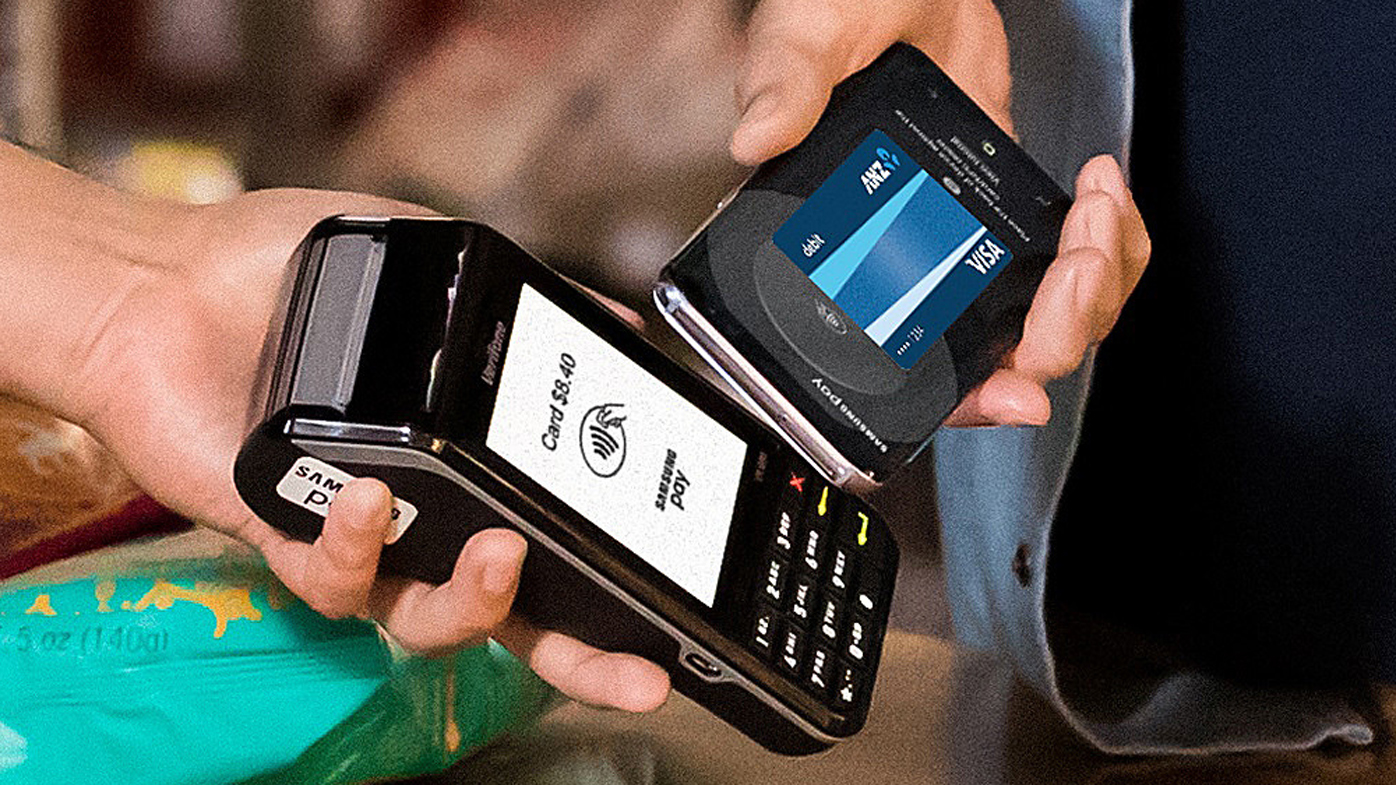
I was just buying a coffee and a sandwich from my local cafe when I saw a sign on the register that said all purchases made with EFTPOS would incur a 5 per cent surcharge.

It didn't worry me because I wasn't spending much money, but it got me thinking – is that illegal?

It may be, as 5 per cent sounds excessive.

According to the Competition and Consumer Amendment (Payment Surcharges) Act 2016, a business cannot charge a payment surcharge that is deemed to be "excessive".

So what is excessive?

According to consumer watchdog the ACCC, the amount of the surcharge must not exceed the costs incurred by the business to accept that payment type.

MONEY MATTERS: Is it legal for a shop to only accept cash as payment?

Some shoppers might not realise that it actually costs businesses money to accept some payment forms, such as credit cards.

The business is allowed to recoup this cost as a surcharge on the transaction, but it can only be to cover costs – they can't profit from it.

Payment types covered under the law include Eftpos, Mastercard, Visa and American Express companion cards.

According to the ACCC, it's unlikely for surcharges to exceed any more than 2 or 3 per cent.

"The RBA has said that as a guide, payments through the domestic Eftpos system (used to process payments from debit cards) are usually quite low, mostly below 0.5 per cent. Accepting a Visa or MasterCard debit transaction may cost a business around 0.5 to 1 per cent of the transaction value," the watchdog notes on its website.

"Credit cards usually have a higher cost for businesses, and may cost the business up to 1-1.5 per cent for Visa and MasterCard, and between 1.5-2 per cent for an American Express card payment.

"It is important to note that different businesses have different costs of acceptance. In general, smaller merchants' costs may be higher than these indicative figures."

MONEY MATTERS: How to get a refund if you've lost the box

So what should you do?

The best thing to do is to discuss the surcharge politely with the business who is charging it – it may be necessary.

If you're still thinking you're being overcharged on some payment types, you can contact the ACCC here.

The information provided on this website is general in nature only and should not be taken as legal advice. People who need clarification on these matters should obtain appropriate legal advice.

Scientists develop 'living' robotic skin that can self-heal

In what might be considered a mixed blessing at best, scientists are one step closer to making a Terminator.

Researchers in Japan have developed living skin that can be used to cover a robotic structure – in the case of this project, a finger.

The skin not only has a similar texture to human skin, but can self-heal and repels water.

READ MORE: Petrol prices through the roof and unlikely to come down soon
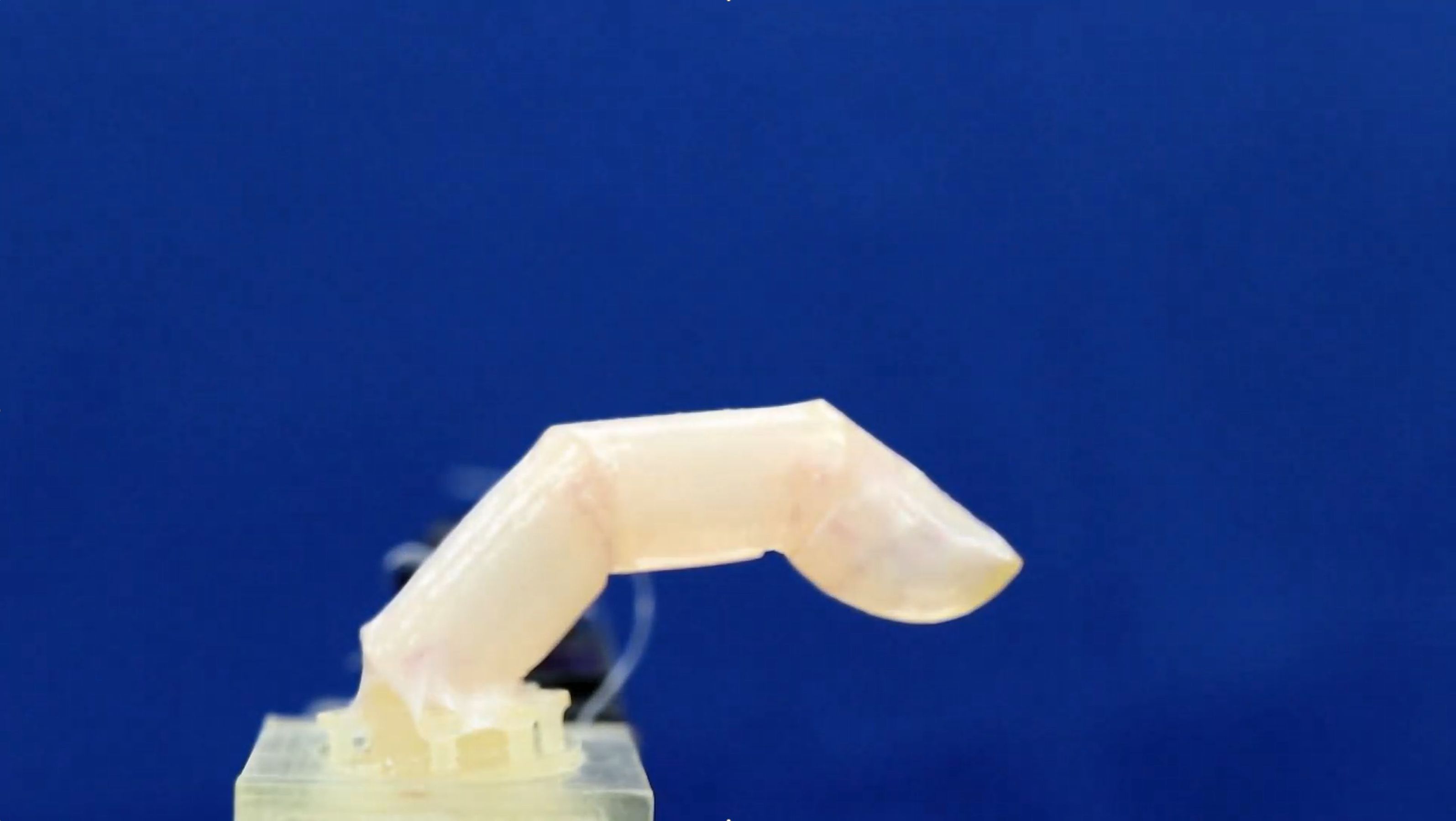
"The finger looks slightly 'sweaty' straight out of the culture medium," said the study's lead author Shoji Takeuchi, a professor at the University of Tokyo, Japan.

"Since the finger is driven by an electric motor, it is also interesting to hear the clicking sounds of the motor in harmony with a finger that looks just like a real one."

Looking "real" like a human is one of the top priorities for humanoid robots that are often tasked to interact with humans in healthcare and service industries – a far cry from the killer cyborgs of the big screen.

A human-like appearance can improve communication efficiency and evoke likability, researchers say.

READ MORE: Bizarre message left by Russian soldiers after smashing up school
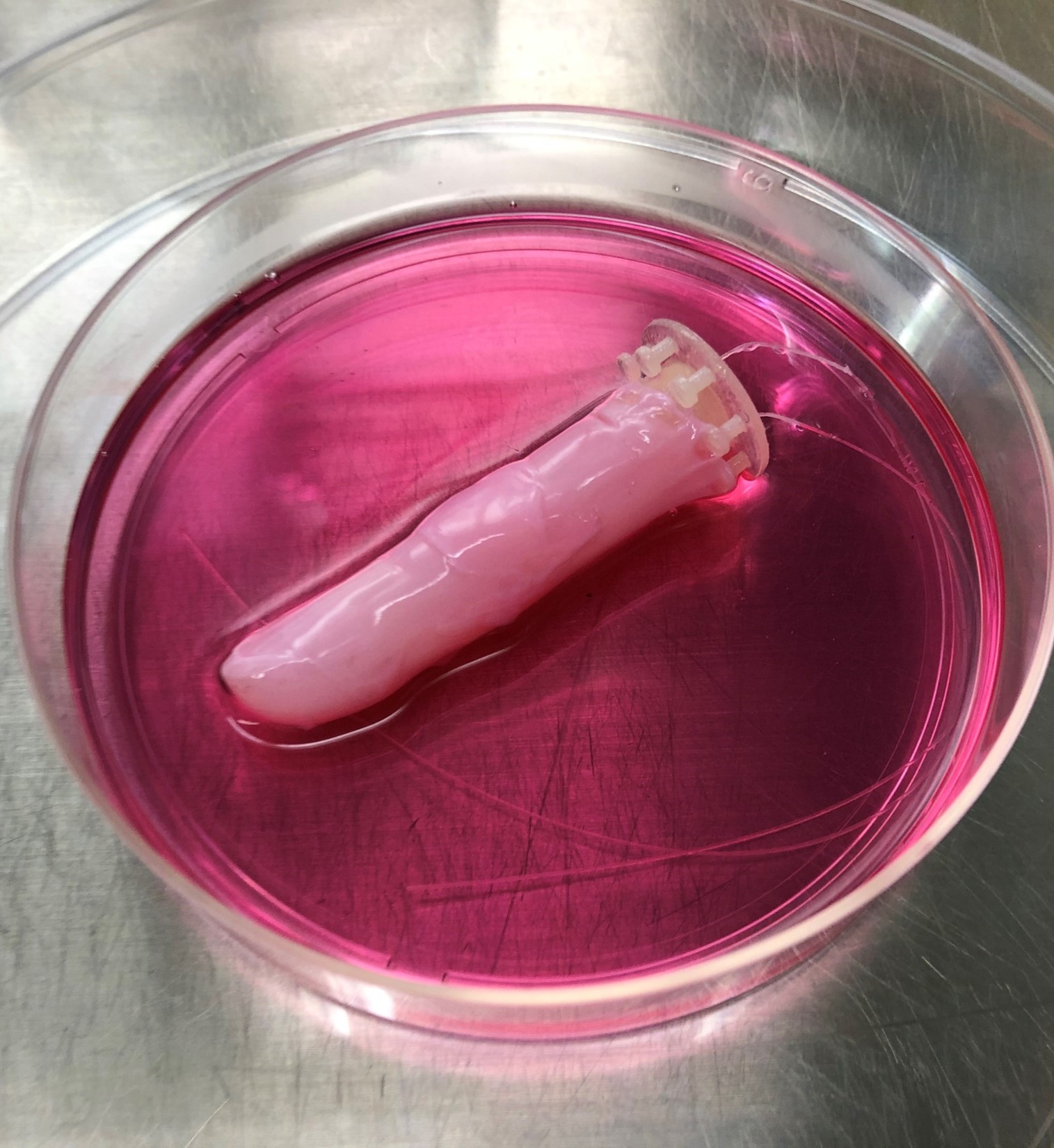
While current silicone skin made for robots can mimic human appearance, it falls short when it comes to delicate textures like wrinkles and lacks skin-specific functions.

Attempts at fabricating living skin sheets to cover robots have also had limited success, since it's challenging to conform them to dynamic objects with uneven surfaces.

"With that method, you have to have the hands of a skilled artisan who can cut and tailor the skin sheets," Takeuchi said.

"To efficiently cover surfaces with skin cells, we established a tissue molding method to directly mold skin tissue around the robot, which resulted in a seamless skin coverage on a robotic finger."

READ MORE: Missing daughter of murdered couple found alive after decades

Arnold Schwarzenegger in The Terminator (Orion)

To craft the skin, the team first submerged the robotic finger in a cylinder filled with a solution of collagen and human dermal fibroblasts, the two main components that make up the skin's connective tissues.

Takeuchi said the study's success lies within the natural shrinking tendency of this collagen and fibroblast mixture, which shrank and tightly conformed to the finger.

Like paint primers, this layer provided a uniform foundation for the next coat of cells—human epidermal keratinocytes—to stick to. These cells make up 90 per cent of the outermost layer of skin, giving the robot a skin-like texture and moisture-retaining barrier properties.

The crafted skin had enough strength and elasticity to bear the dynamic movements as the robotic finger curled and stretched.

READ MORE: How 'superworms' could solve Australia's plastic crisis

The outermost layer was thick enough to be lifted with tweezers and repelled water, which provides various advantages in performing specific tasks like handling electrostatically charged tiny polystyrene foam, a material often used in packaging.

When wounded, the crafted skin could even self-heal like humans' with the help of a collagen bandage, which gradually morphed into the skin and withstood repeated joint movements.

The developed skin is much weaker than natural skin and can't survive long without constant nutrient supply and waste removal.

Next, Takeuchi and his team plan to address those issues and incorporate more sophisticated functional structures within the skin, such as sensory neurons, hair follicles, nails, and sweat glands.

"This work is just the first step toward creating robots covered with living skin," Takeuchi said.

Nothing ominous about that.

READ MORE: Girl spent 11 days in ICU after NT Police 'ignored' 'very high levels of mould' in cop's house for two years
NASA launches study of UFOs despite 'reputational risk'

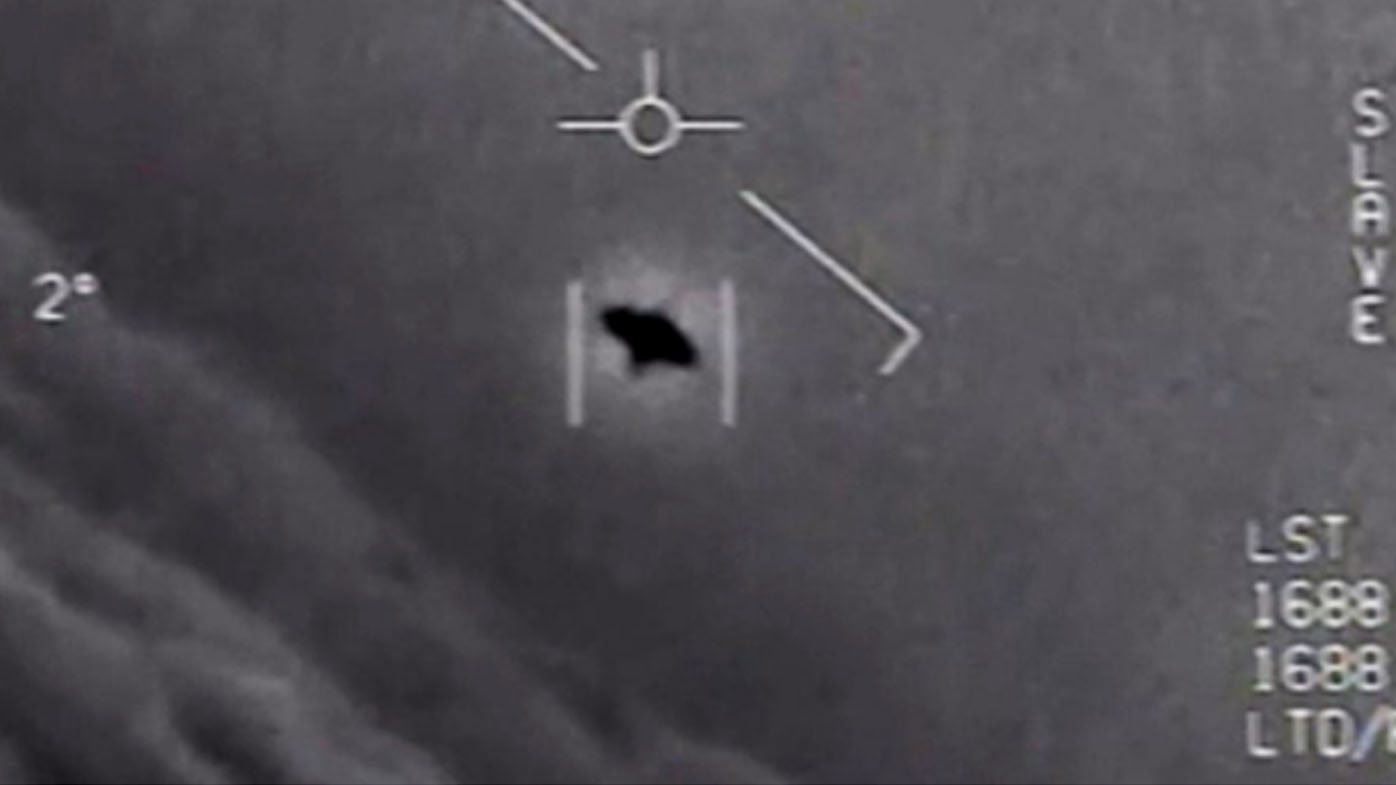
NASA is launching a study of UFOs as part of a new push toward high-risk, high-impact science.

The space agency announced on Thursday that it’s setting up an independent team to see how much information is publicly available on the matter and how much more is needed to understand the unexplained sightings.

The experts will also consider how best to use all this information in the future.

READ MORE: Petrol prices through the roof and unlikely to come down soon

NASA’s science mission chief, Thomas Zurbuchen acknowledged the traditional scientific community may see NASA as “kind of selling out” by venturing into the controversial topic, but he strongly disagrees.

“We are not shying away from reputational risk,” Zurbuchen said during a National Academy of Sciences webcast.

“Our strong belief is that the biggest challenge of these phenomena is that it's a data-poor field.”

NASA considers this a first step in trying to explain mysterious sightings in the sky known as UAPs, or unidentified aerial phenomena.

READ MORE: Bizarre message left by Russian soldiers after smashing up school

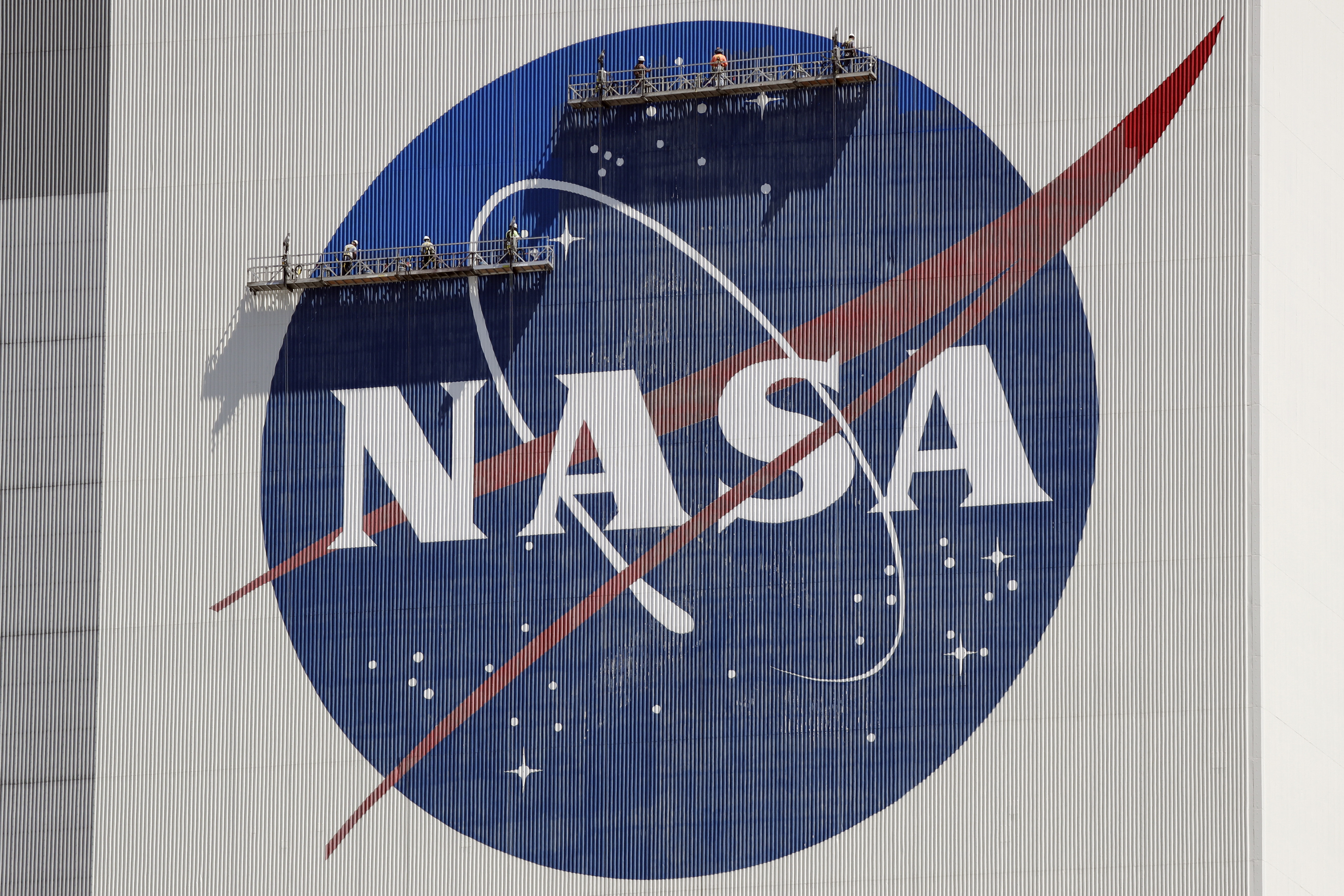
Workers on scaffolding repaint the NASA logo near the top of the Vehicle Assembly Building at the Kennedy Space Center in Cape Canaveral, Fla., Wednesday, May 20, 2020. On Thursday, June 9, 2022, NASA announced it is launching a study of UFOs as part of a new push toward high-risk, high-impact science, setting up an independent team to see how much information is publicly available on the matter and how much more is needed. (AP Photo/John Raoux, File)

The study will begin this year and last nine months, costing no more than $US100,000.

It will be entirely open, with no classified military data used.

NASA said the team will be led by astrophysicist David Spergel, president of the Simons Foundation for advancing scientific research.

In a news conference, Spergel said the only preconceived notion going into the study is that the UAPs will likely have multiple explanations.

READ MORE: Missing daughter of murdered couple found alive after decades

“We have to approach all these questions with a sense of humility," Spergel said.

“I spent most of my career as a cosmologist. I can tell you we don't know what makes up 95 per cent of the universe. So there are things we don't understand."