Tag Archives: oceania

Man who sent offensive election emails to politicians sentenced after landmark case

A Sydney man has been convicted and sentenced after sending offensive emails to federal politicians and candidates during the 2019 federal election and 2020 by-election.

The 34-year-old from Blacktown was sentenced to an aggregate of 21 months at Penrith District Court yesterday.

He was released with conditions including to be of good behaviour for three years.

It came after he pleaded guilty to 12 charges some of which included, using a carriage service to menace, harass or cause offence, dealing in identification information, possession of identification information and misleading or deceptive publications.

READ MORE: Zelenskyy says one-fifth of Ukraine under Russian control
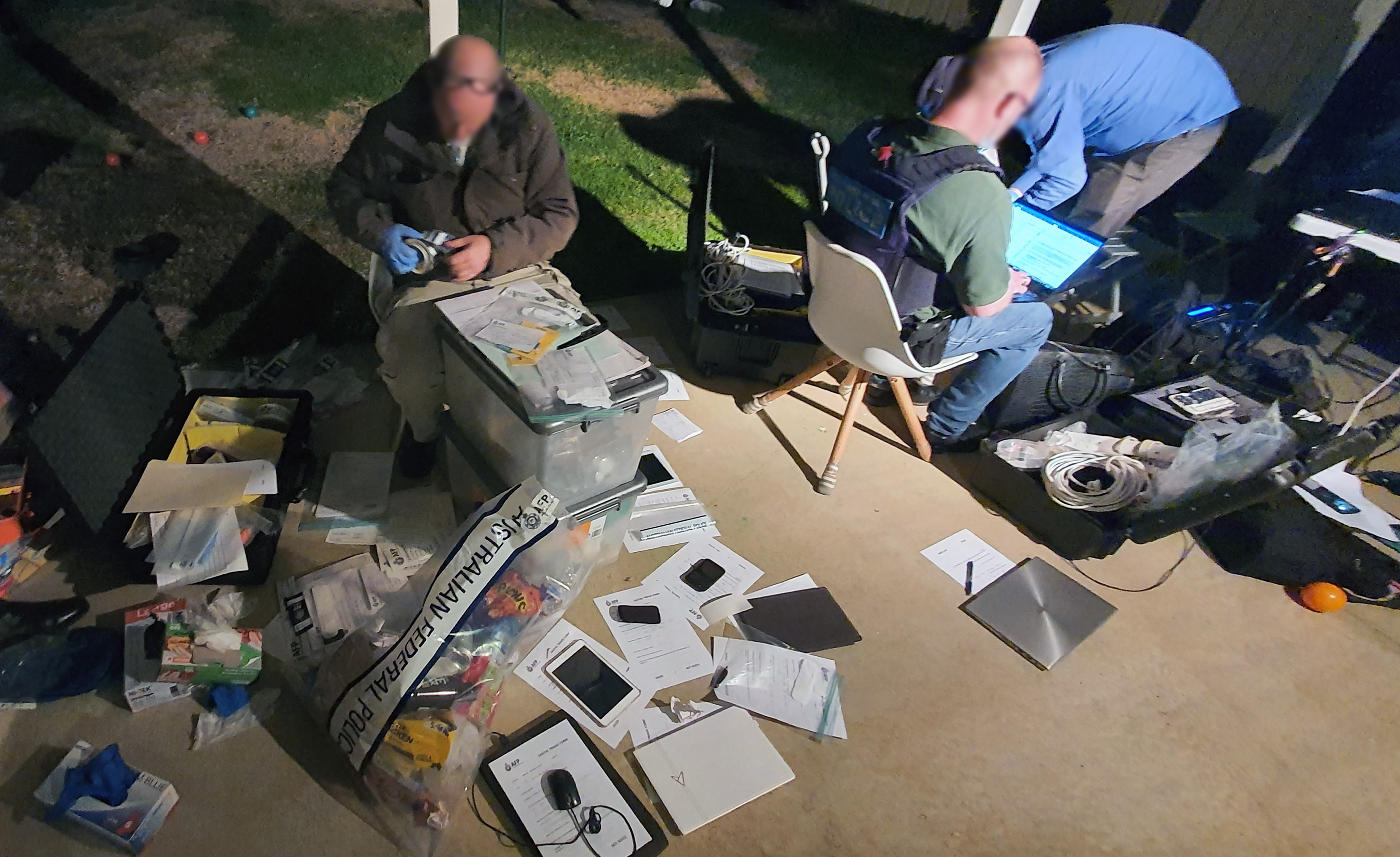
Using world-leading capability, AFP technical analysis identified the offender at a Blacktown address.

Some of the high-profile targets of the email campaign included, Dr Fiona Kotvojs, Kristy McBain MP, Dave Sharma former MP of Wentworth and Dr Kerryn Phelps.

'A line in the sand'

Australian Electoral Commissioner Tom Rogers said the case marks Australia's first successful prosecution of a person for breaching electoral laws that prohibit misleading or deceiving Australians about the act of casting a vote

"Yesterday's sentencing demonstrates that those who seek to undermine the integrity of Australia's electoral system will be brought to account," Rogers said.

"A result like this draws a line in the sand as it provides precedent for any similar misbehaviour in the future."

The conviction comes after an extensive and "complex" investigation from the Australian Federal Police (AFP).

READ MORE: Queen pulls out of event after 'discomfort' during Trooping the Colour
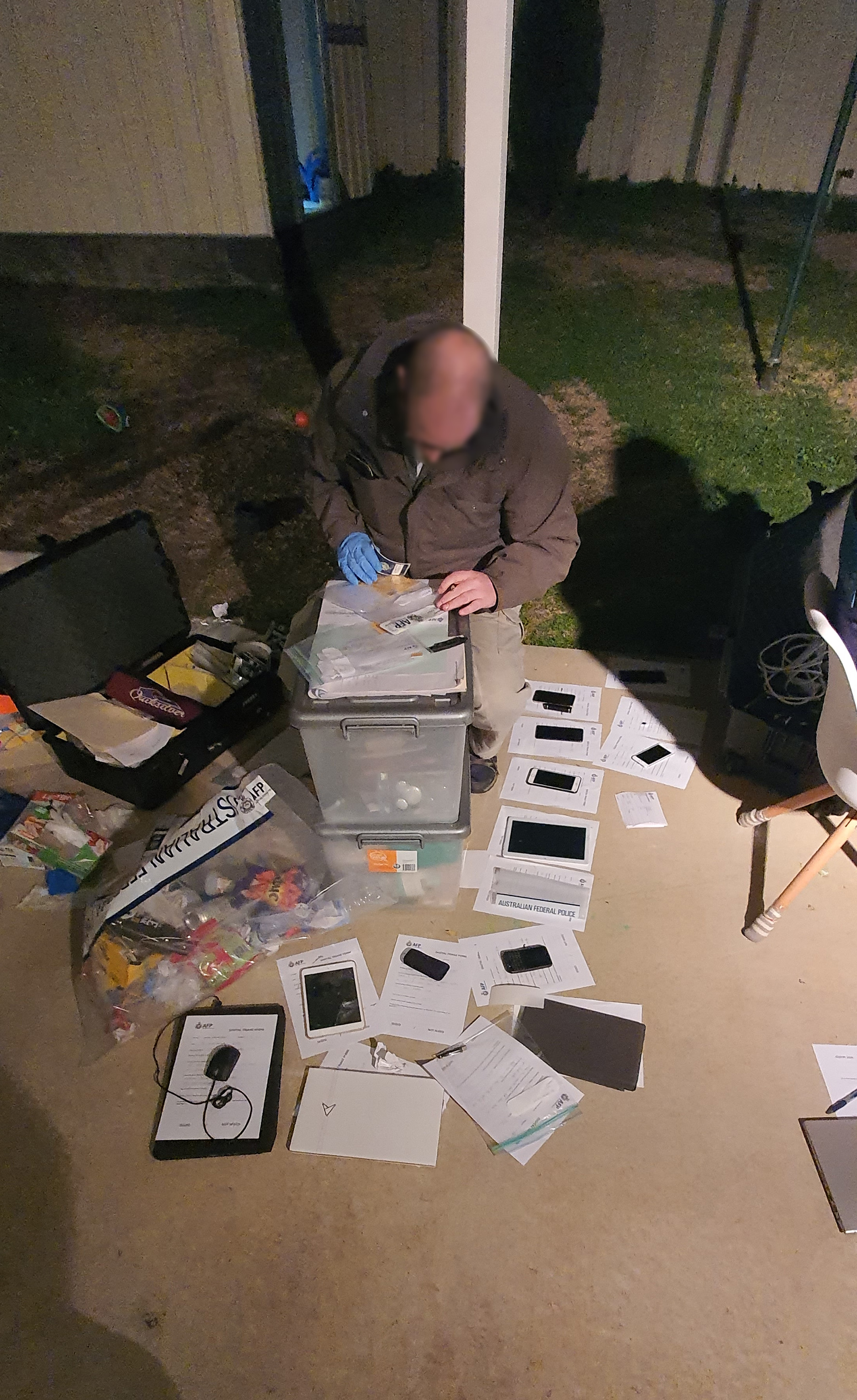
In July 2020, AFP conducted a search warrant at that address. There they found 'the offender's computer actively sending offensive emails'.

AFP launched Operation BALAH in June 2020 after receiving a report from the Electoral Integrity Assurance Taskforce (EIAT) and the Australian Electoral Commission (AEC) about a mass disinformation campaign leading up the Eden-Monaro by-election.

"The report related to offensive and harassing emails, from apparent legitimate sources, being sent from an unidentified user to members of the public and various organisations," police said in a statement.

After conducting a technical analysis of the emails, police found an address.

In July 2020 they searched that property.

READ MORE: Aspiring homeowners facing $120k price hike after builder pulls out

"At the time of the warrant, the offender's computer was actively sending offensive emails," police said.

"Items located during the warrant, including SIM cards, were examined and found to be subscribed under different names. Subsequent investigations revealed those individuals had their identification fraudulently obtained by the offender.

"During the Eden-Monaro by-election, the offender sent more than 23 million emails to members of the public and organisations and he is believed to have sent a similar number related to the Wentworth electorate during the federal election."
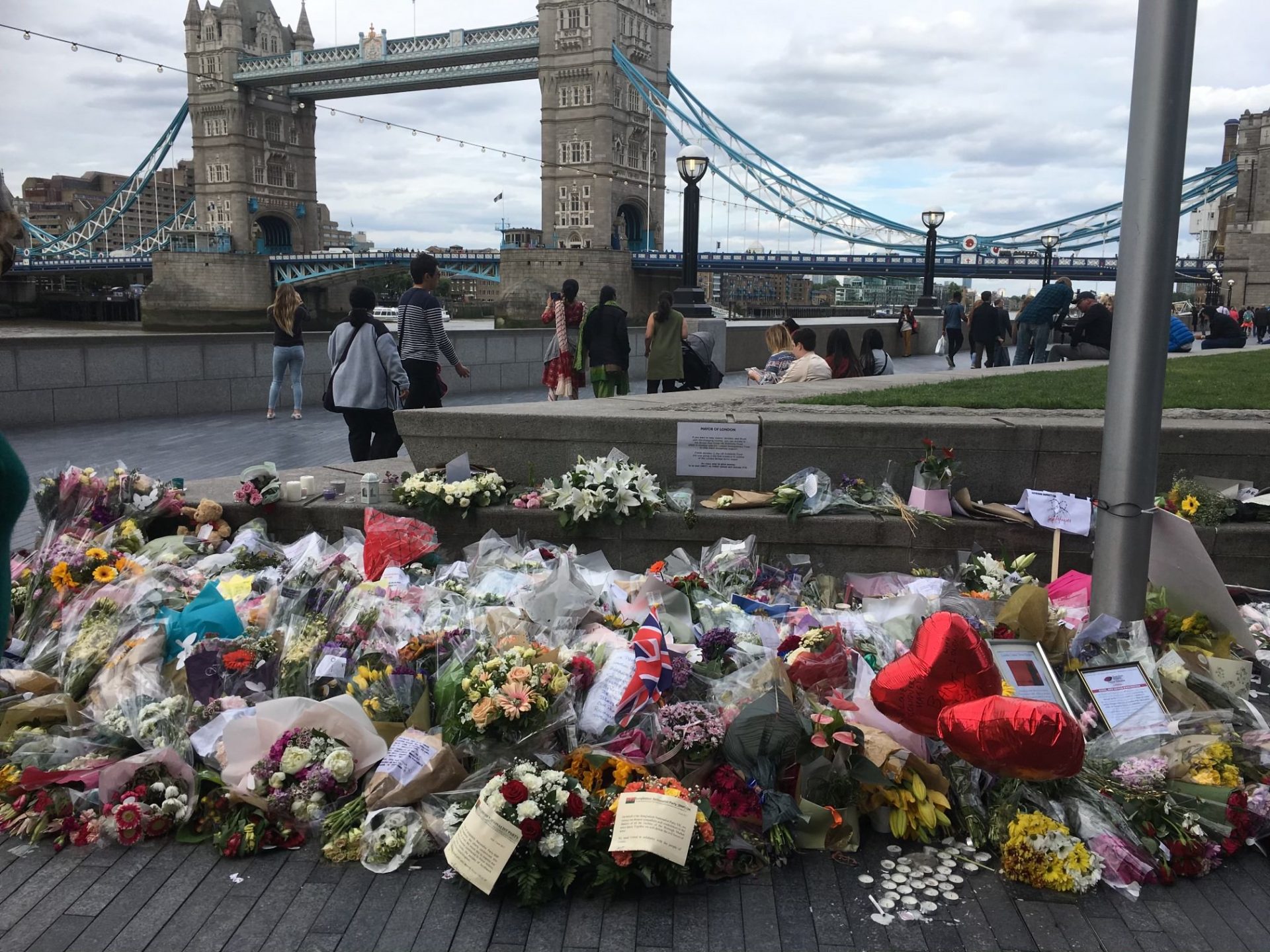
Family of London Bridge terror attack victim launch new platform for people dealing with grief

Five years after the London Bridge terror attack claimed the lives of eight people, the family of one Australian victim have launched a new platform to help others experiencing trauma and grief.

Queenslander, 21-year-old, Sara Zelenak was the youngest of the victims killed on June 3, 2017, when three terrorists deliberately drove their van into pedestrians on the London Bridge.

The three men then exited the vehicle and went on a stabbing rampage through nearby Borough Market.

Zelenak, who had been travelling and working in London as a nanny at the time, was the youngest person killed in the attack.

READ MORE: Zelenskyy says one-fifth of Ukraine under Russian control

Fellow Australian Kirsty Boden, a 28-year-old nurse, was also killed while rushing to the aid of another victim.

Zelenak's mother, Julie Wallace, described hearing the news that changed their family's life forever and the overwhelming shock of losing their daughter.

"I honestly thought I was having a heart attack, it could not be real," Wallace said.

"I thought I was dying and I could not accept that was actually the truth."

Wallace says the anniversary of the tragic event is the most dreaded day of the year.

"The build up to an anniversary for me is a lot of anxiety, there's a lot of waves," she said.

"I don't know another family in Brisbane who have suffered the loss of a child in a terror attack.

"It's a horrible feeling, it's unfathomable for others to understand unless they've been through it themselves."

READ MORE: Queen pulls out of event after 'some discomfort' during Trooping the Colour

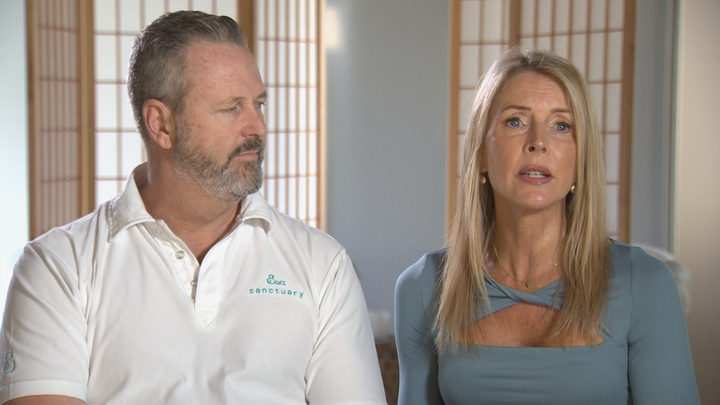
Julie and Mark Wallace have dedicated the last five years to helping others going through traumatic grief.

Their organisation, Sarz Sanctuary, named for their daughter helps people around the world access support through qualified practitioners.

Today, they've launched an online healing platform which connects trauma victims around the world.

"It's helping people who suffer traumatic grief, loss, PTSD and secondary trauma," Mark Wallace said.

"When you're feeling down, deep, traumatic, prolonged grief, PTSD, you need resources straight away," Julie Wallace said.

The organisation has recently begun facilitating equine therapy with horses in Queensland.

In the aftermath of the February floods, Mark and Julie Wallace used their platform to offer support for others dealing with emotional trauma.

Julie Wallace said while nothing will bring her daughter back, the organisation has helped relieve some of the weight from her loss.

"I remember her beautiful smile it light up the room, she had so much light and reached so many hearts," Wallace said.

"She was kind she was sensitive.

"Life's changed forever and I will always be broken but it's how you heal around that hole in your heart."

READ MORE: Aspiring homeowners facing $120k price hike after builder pulls out

Humpback whale rescued from fishing gear off the Gold Coast

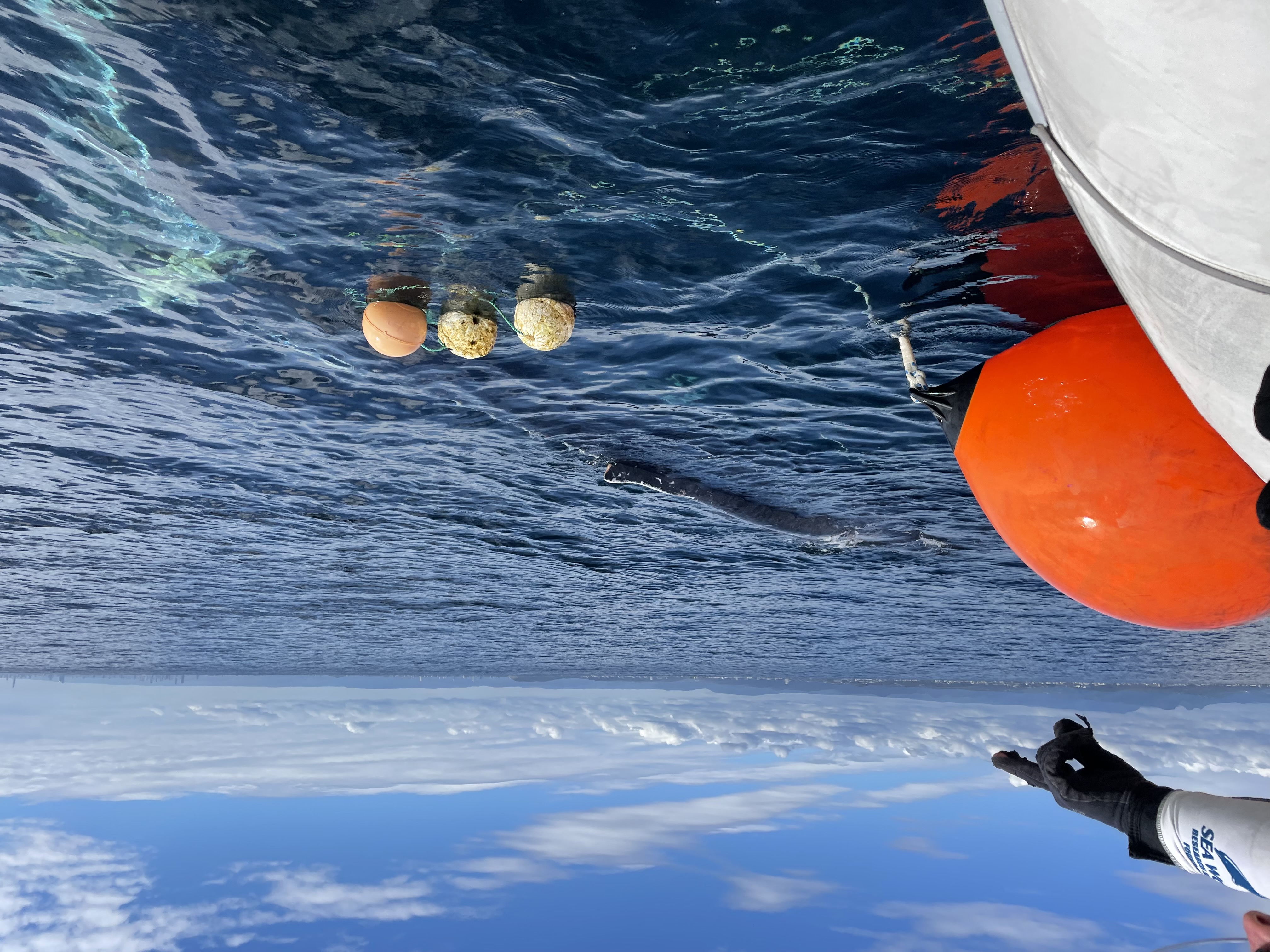
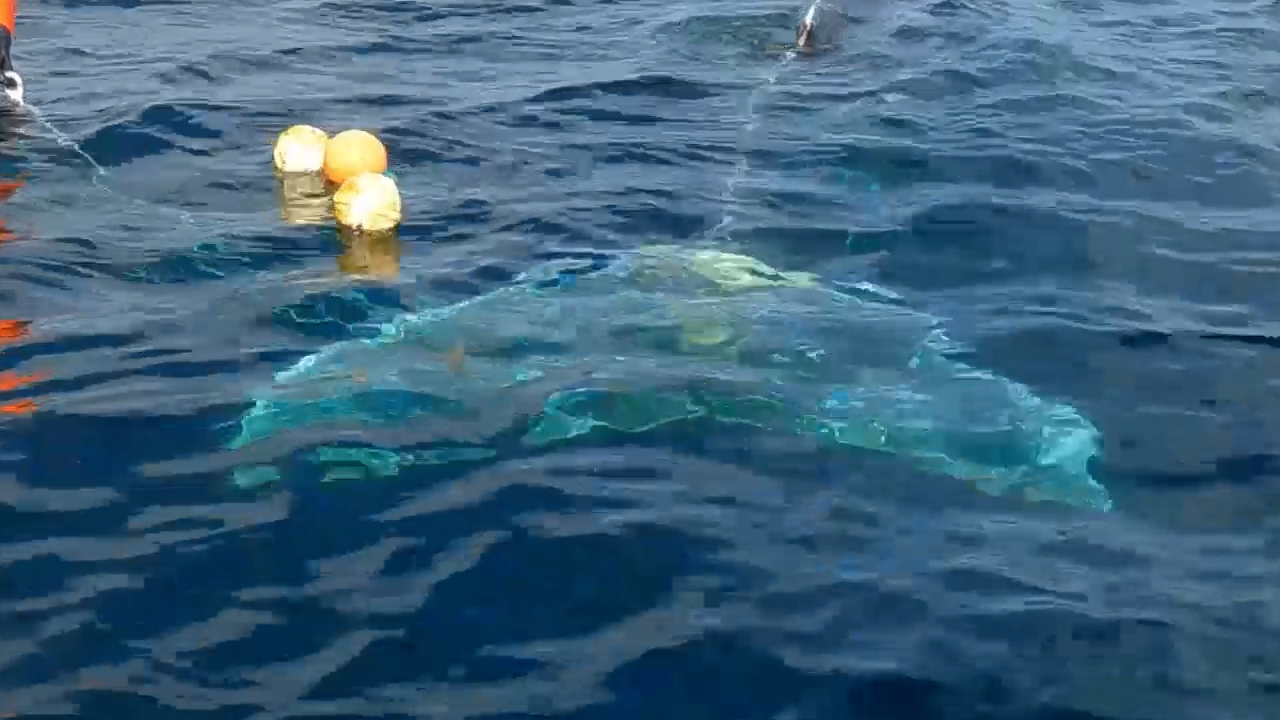
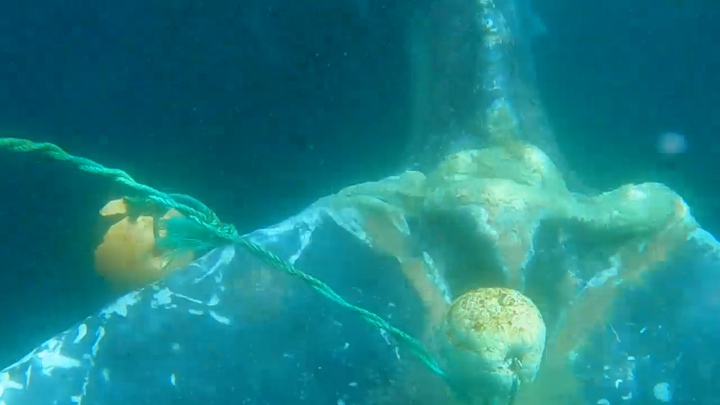
A humpback whale has been rescued off the Gold Coast after it was entangled in rope and marine buoys.

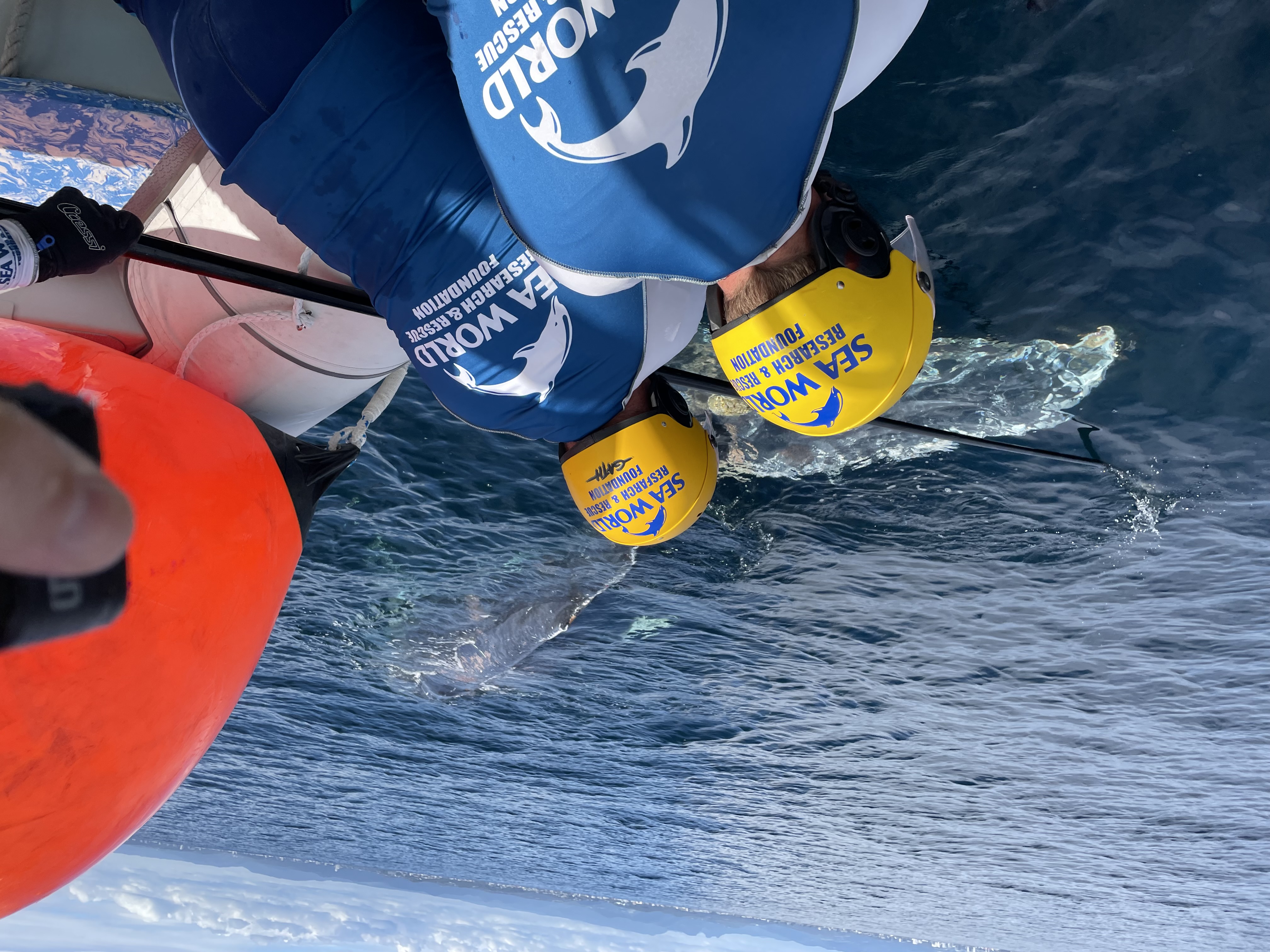
The Sea World foundation's rescue teams were called to rescue the juvenile whale, which was spotted towing the entangled fishing gear off Coolangatta.

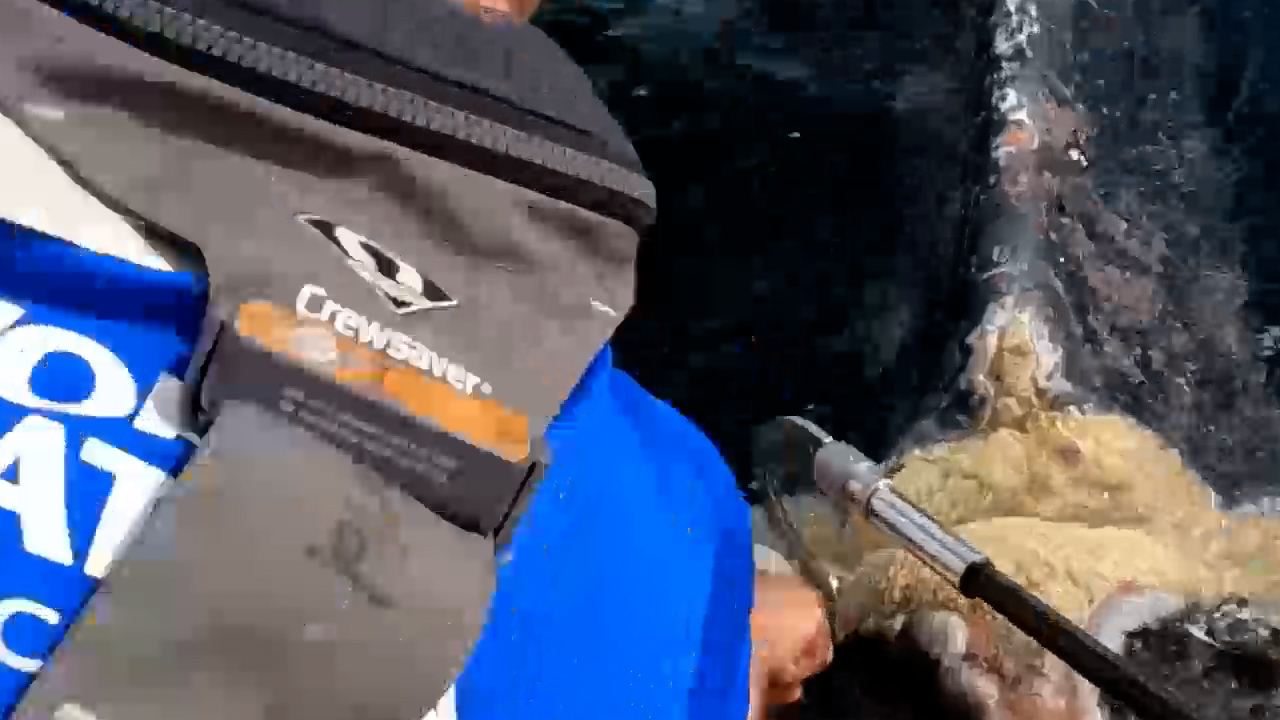
Rescue teams worked carefully to remove the rope and buoys using specialized cutting knifes.

READ MORE: Is it legal for a shop to refuse cash as payment?

Head of Marine Sciences at Sea World, Wayne Phillips said the whale was exhausted when the boat reached it, with four buoys digging into its tail.

"It had been towing for a considerable amount of time," he said.

"We were able to put some buoys on to the gear it was towing to clear the ropes and so forth and then it was quite a simple disentanglement which was nice but unfortunately it's because our patient was quite debilitated."

READ MORE: Turkey rebrands, changing name at the United Nations

Crews stayed nearby to watch the 8-10 metre whale as it recovered from the ordeal, before slowly making its way back to sea.

Phillips said the young humpback could have picked the fishing gear up anywhere from Tasmania up the east coast of New South Wales.

"It's quite difficult for them as you can imagine having that resistance for such a long period of time," he said.

"The animal was compromised, very emaciated, quite lethargic.

"We stayed with it for a while after the disentanglement and he did swim off quite strong so we hope it does well and wish him all the best."

READ MORE: How the Mabo decision changed Australia 30 years on

Phillips said the organisation are often called to whale rescues this time of year, marking the start of the annual migration period.

He said last year there were 18 whales reportedly trapped in fishing gear, nation wide.

"As a country we were only able to assist two of these whales," Phillips said.

"Unfortunately we don't do a great job as a country removing some of this stuff from these whales."

Commercial fishers are recommended to take care of their ropes and nets and to notify authorities when fishing gear is lost overboard, as it can quickly become entangled in marine life.

"It's just unfortunate that we need to do this every year, these animals are coming into contact with this commercial fishing gear right throughout the whale migration and they can take it with them for the remainder of the year down to the Antarctic as well," Phillips said.

How the Mabo decision changed Australia 30 years on

Thirty years ago today, the High Court handed down the Mabo decision, overturning a 200-year-old legal fiction that had been used to deprive Indigenous Australians of their land.

The ramifications of the court's ruling remain with Australia today – as seen by the recent announcement of the return of Me-Mel Island in Sydney Harbour to traditional owners.

But despite its status as one of the most seismic legal decisions in Australian history, from the outset it has sparked misinformation and confusion.

READ MORE: Zelenskyy says one-fifth of Ukraine under Russian control

Here's what you need to know.

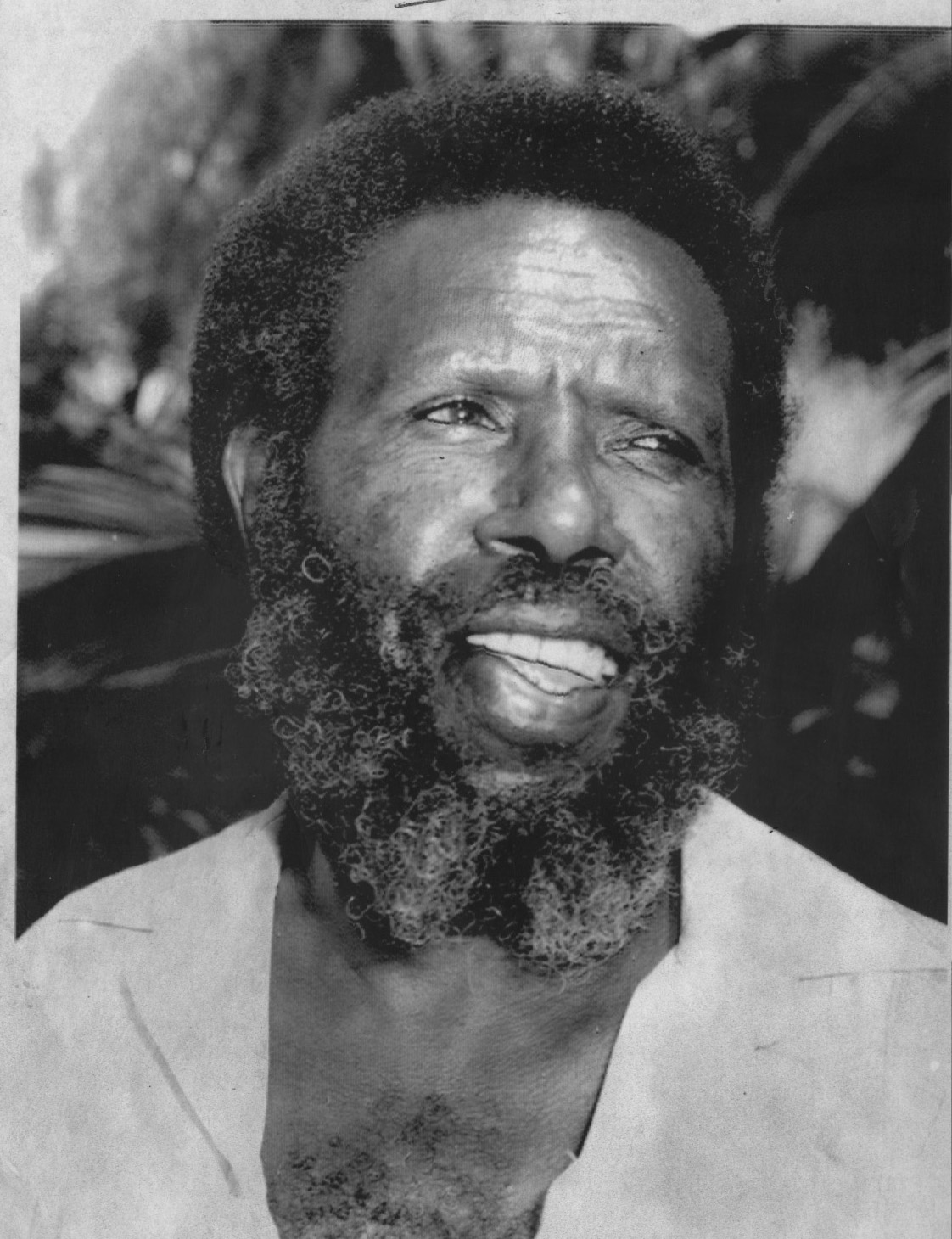
Who was Eddie Mabo?

Eddie Kokoi Sambo was born in 1936 on the island of Mer in the Torres Strait.

He was raised by his maternal uncle, Benny Mabo, after his mother died in childbirth, and adopted his name.

He became an Indigenous activist and education advocate, even founding some of Australia's first schools based in Indigenous communities.

In 1982, Mabo and four other Meriam people – James Rice, Celuia Mapo Salee, Sam Passi and David Passi – launched a legal challenge over the ownership of Mer Island, which was then considered Crown land.

READ MORE: Queen pulls out of event after 'discomfort' during Trooping the Colour

What is the Mabo decision?

On June 3, 1992, after years of legal struggle, the High Court of Australia handed down its decision, overturning the centuries-old legal fiction of "terra nullius".

Australia had been declared "terra nullius" by British authorities in order to provide a pretext for colonisation – in effect, the designation held that Australia was then an uninhabited, unsettled land.

This meant that Indigenous Australians – who had lived on the continent for up to 60,000 years and of whom the British were well aware – could not be considered, under British law, to have any claim of ownership to the land they had lived on for millennia.

The court's ruling meant that Indigenous Australians could now make legal claims to lands in Australia.

While the state still had the power to extinguish native title – as in the case of private property – until that happens, the right to native title is acknowledged.

Mabo himself died less than a year before the decision was handed down, but as the lead plaintiff, his name continues to be associated with the case.

What was the ruling's legacy?

The federal government, under Prime Minister Paul Keating, passed the Native Title Act in 1993, which provided a framework under which native title claims could be contested.

It's been argued that both the Mabo decision and the Act – especially after the latter was modified by Keating's successor John Howard in 1998 – have not gone far enough in establishing Indigenous sovereignty.

READ MORE: Aspiring homeowners facing $120k price hike after builder pulls out

There are numerous obstacles to claiming native title, including onerous burdens of proof, and loopholes that keep Crown land on pastoral leases or other uses deemed important by the government, from being superseded by such claims.

And private property cannot be the subject of native title claims.

On the flip side, the decision provoked a wave of fearmongering and outlandish claims from opponents.

Former Victorian Premier Jeff Kennett claimed Indigenous Australians would be able to lay claim to peoples' backyards – comments he has since acknowledged were wrong.

Nonetheless, the court's decision is widely hailed as a landmark victory for Indigenous rights.

The judge who wrote the decision, Gerard Brennan, died yesterday aged 94, and was lionised as a giant of his profession – particularly in the Mabo case.

Governor General David Hurley said Brennan's legacy had "helped shape contemporary Australia".

And June 3 continues to be known as Mabo Day.

For some Australians, though, the Mabo decision may be most familiar from the iconic movie The Castle, where the working-class Kerrigan family battle an eminent domain seizure bid for their home.

Hapless lawyer Dennis Denuto (Tiriel Mora) compares the family's plight to the Mabo case with the immortal phrase, "It's the vibe, Your Honour".