Tag Archives: oceania

Polar blast to deliver coldest day of the year

A freezing cold front is set to mark the start of winter as a polar blast sweeps through the countries south-east.

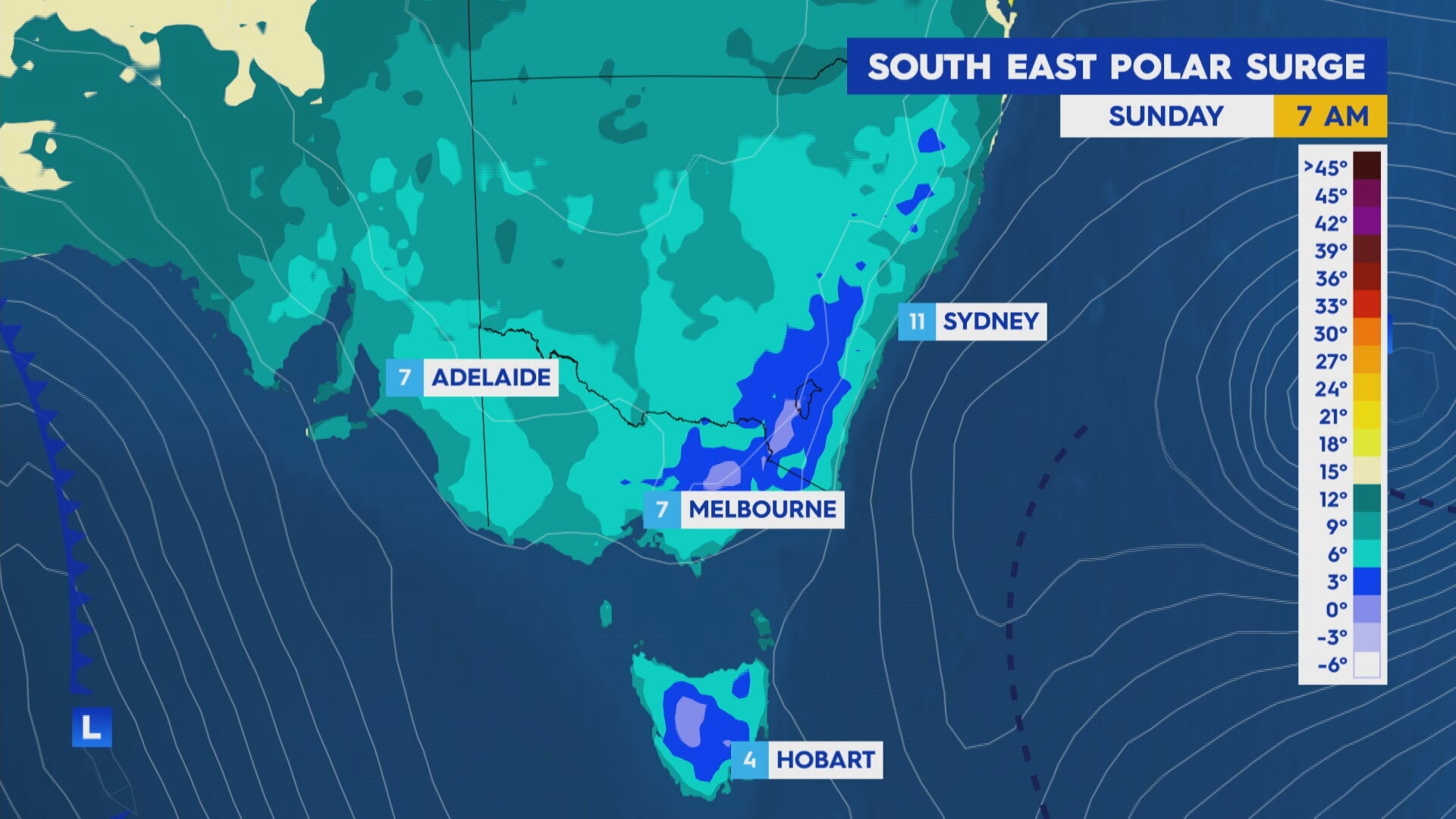
From today, a powerful cold front will bring showers, snow and wind to communities across Western Australia, south-east South Australia, Victoria, Tasmania and eastern New South Wales.

The Bureau of Meteorology is predicting the wintry weather pattern to deliver the coldest day of the year so far and break most winter temperature records.

READ MORE: Company behind WA boating incident says vessel didn't capsize

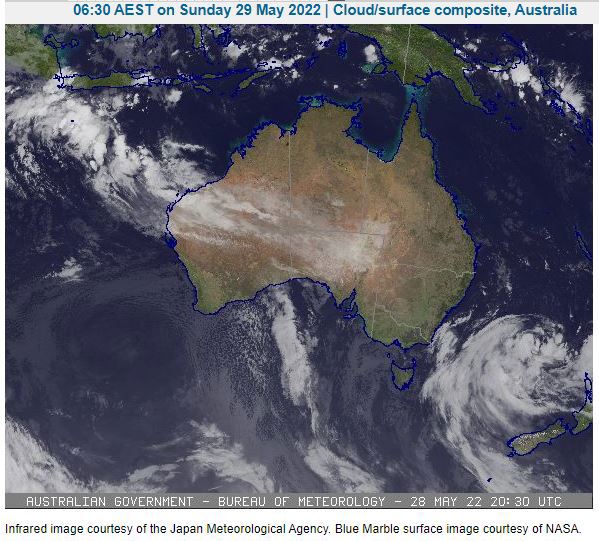
A cloud band extends across the Pilbara towards the interior of the continent.This is associated with a surface trough that emanates from a low near Christmas
Island.

Parts of WA can expect storms with strong winds and rainfall totals of up to 90mm, with a Floodwatch warning in place for the Pilbara Coast.

Moving across to SA, the intense cold temperatures will accompany gusty thunderstorms over areas to the Northeast Pastoral district on Monday.

The seas are expected to be wild with large waves to hammer parts of SA's central coastline.

As the system continues to move east, blizzards are likely to freeze parts of Victoria on Tuesday.

Melbourne's temperature on Monday could drop as low as 7 degrees.

READ MORE: Australian aid worker killed during Russian invasion of Ukraine

freezing cold blastfreezing cold blast

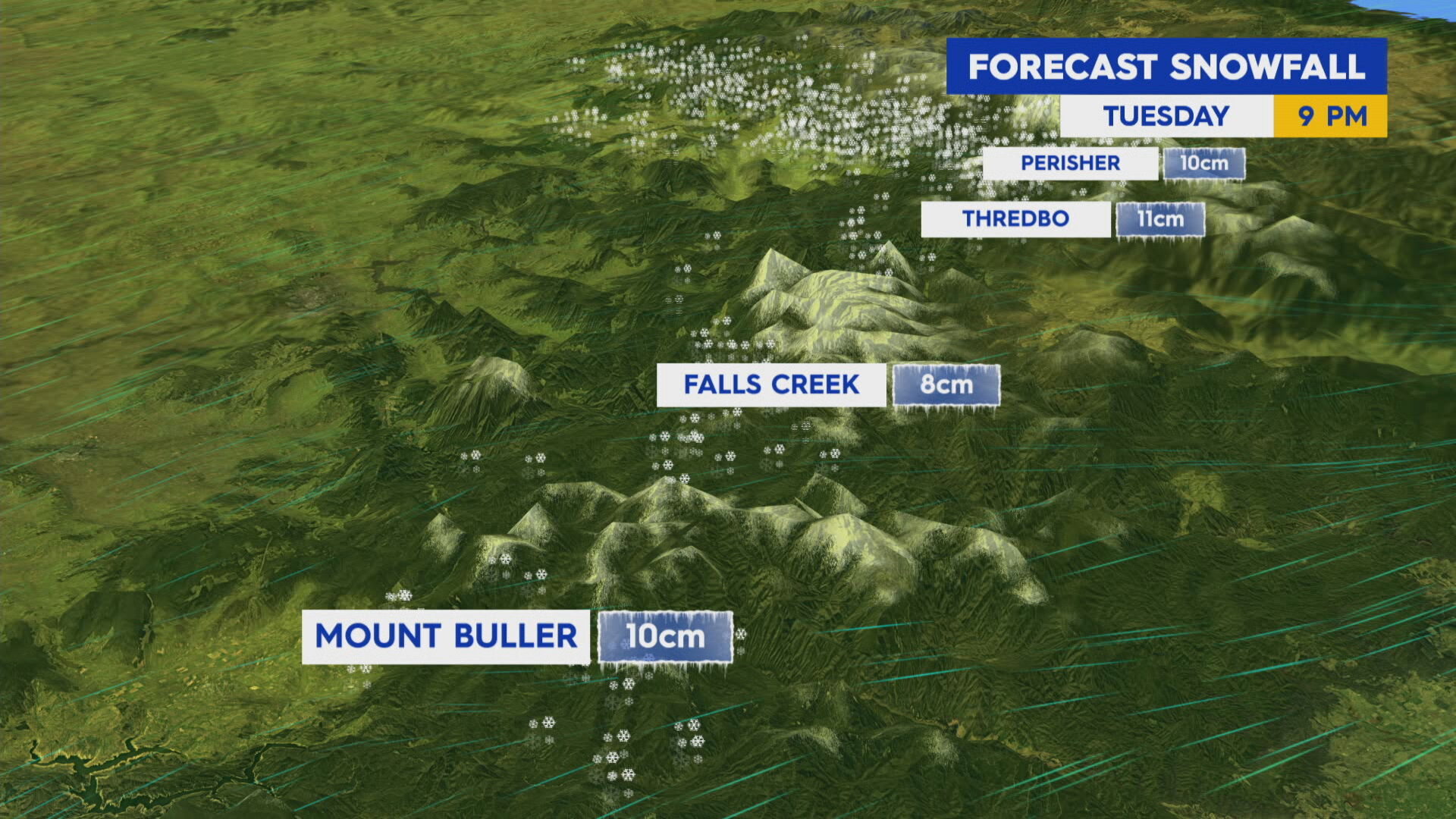
Snow levels are expected to lower to 1200 metres on Monday, then to near 700 metres on Tuesday in areas of alpine peaks.

Severe thunderstorm and weather warnings for damaging winds may be issued from tomorrow with sheep graziers across country Victoria warned of risks to livestock.

The burst of polar weather will hit NSW on Monday bringing freezing strong winds.

Temperatures in Sydney could drop to as low as 7 degrees later on in the week, with colder temperatures expected in the city's west.

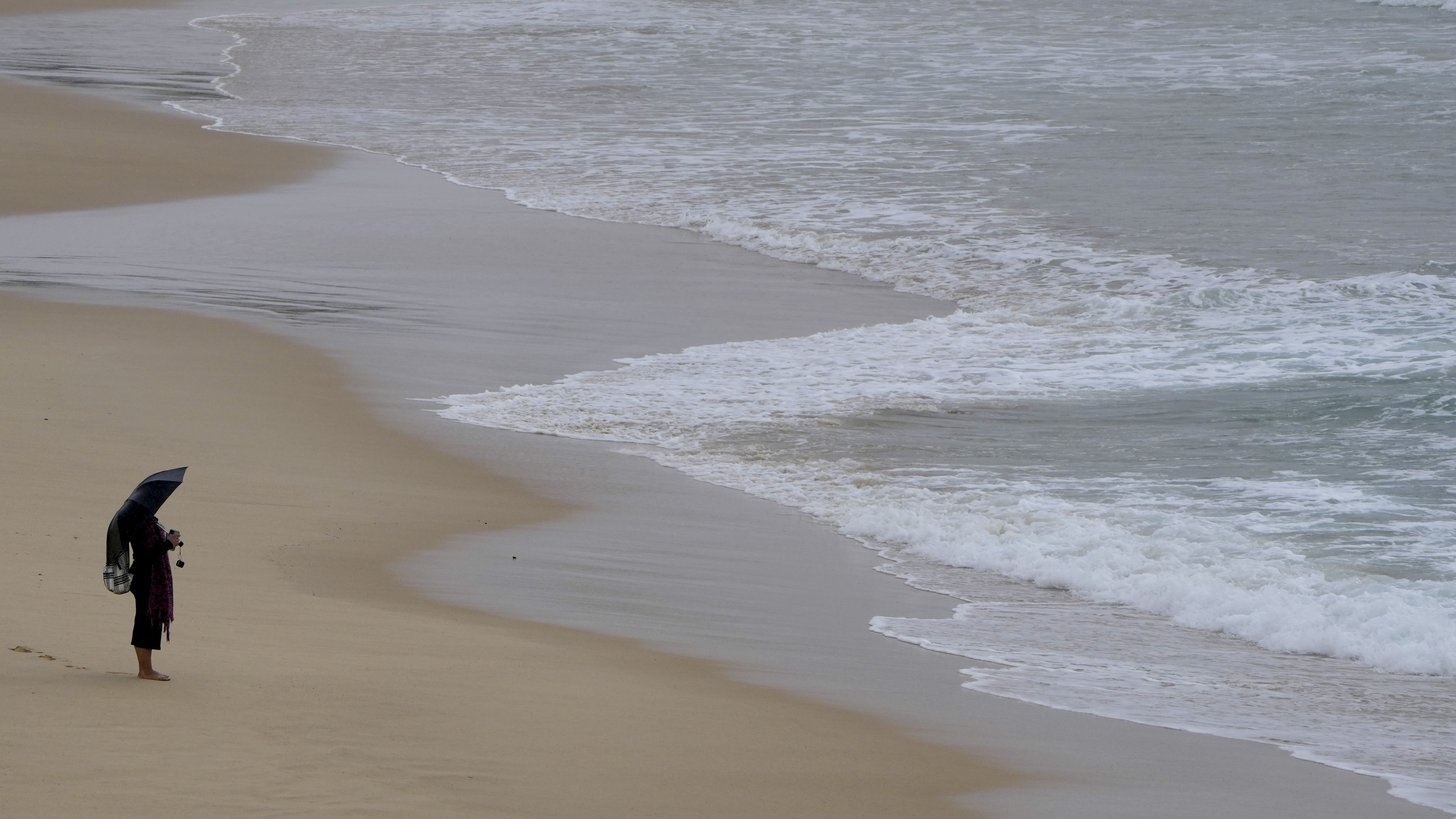
A woman stands under her umbrella as she watches large swells at Bondi Beach in Sydney.

The state's regions will feel the cold most, as Dubbo and Mudgee shiver through -1 degree temperatures.

The NSW Northern Tablelands is expected to be the coldest part of NSW with early morning temperatures to drop three degrees below zero.

On top of the world: What happened after Briggite set Everest record

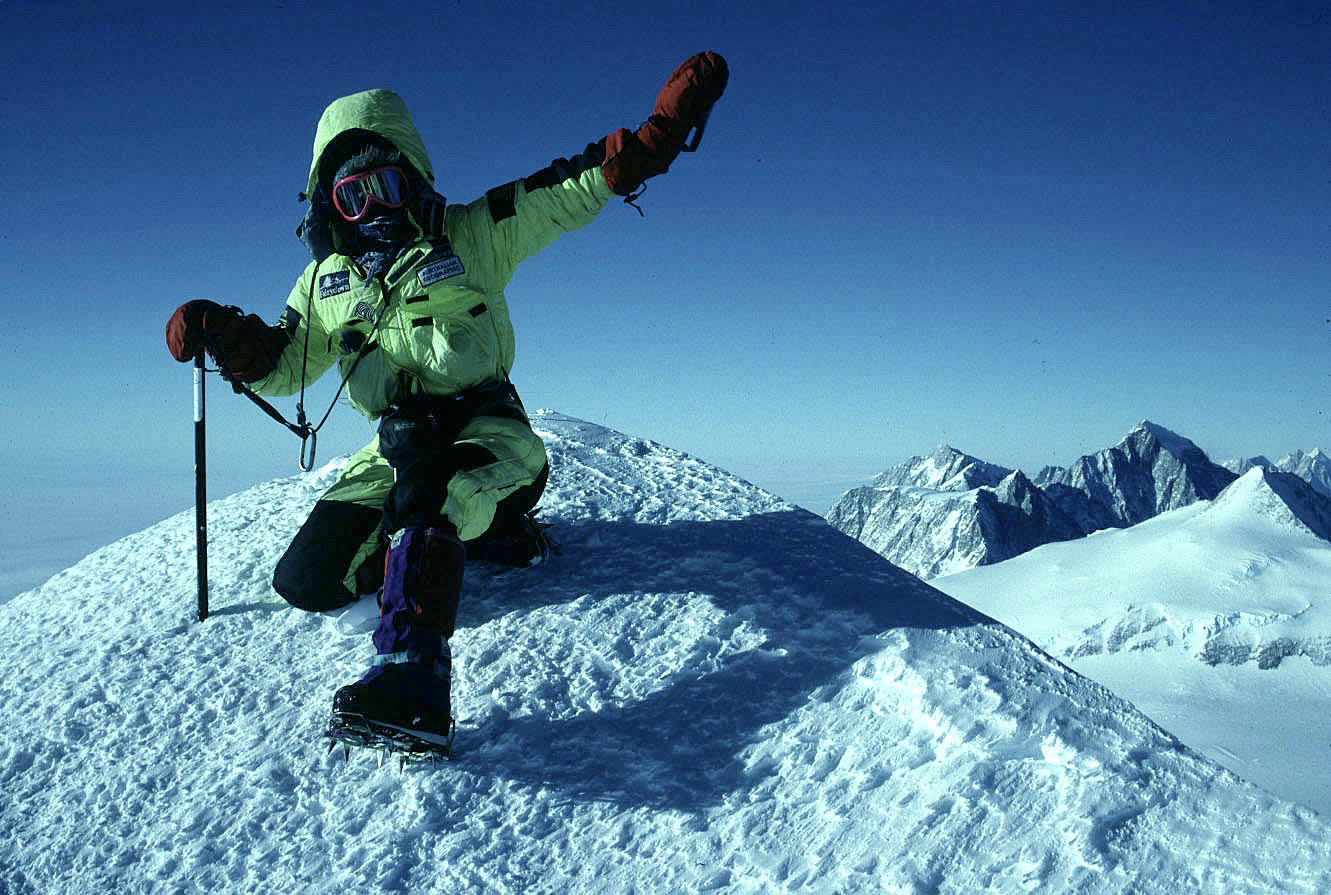
Australian mountaineer Brigitte Muir remembers reaching the summit of the world's highest mountain, sitting atop the peak of Mount Everest laughing and thinking: "I'm never coming back here again."

It was a goal nine years in the making.

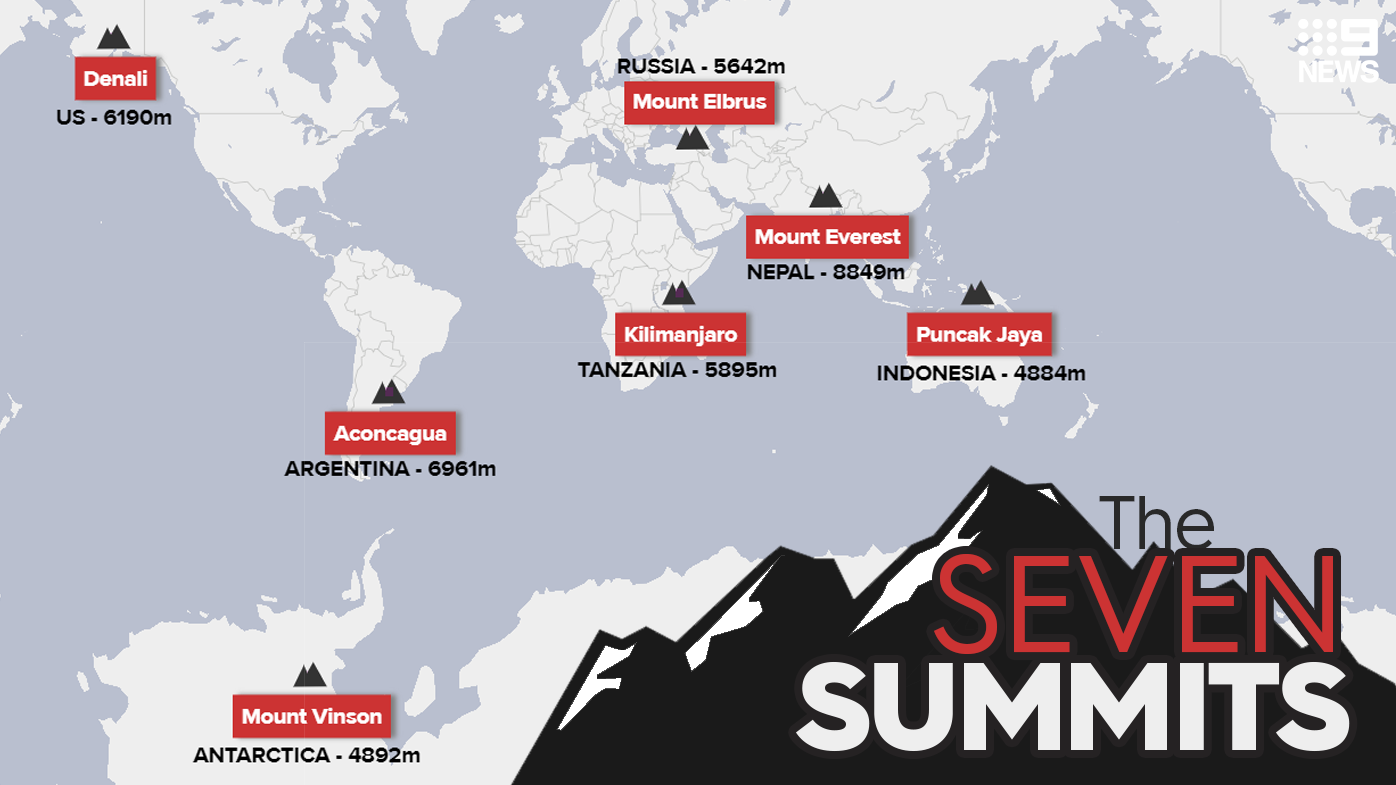
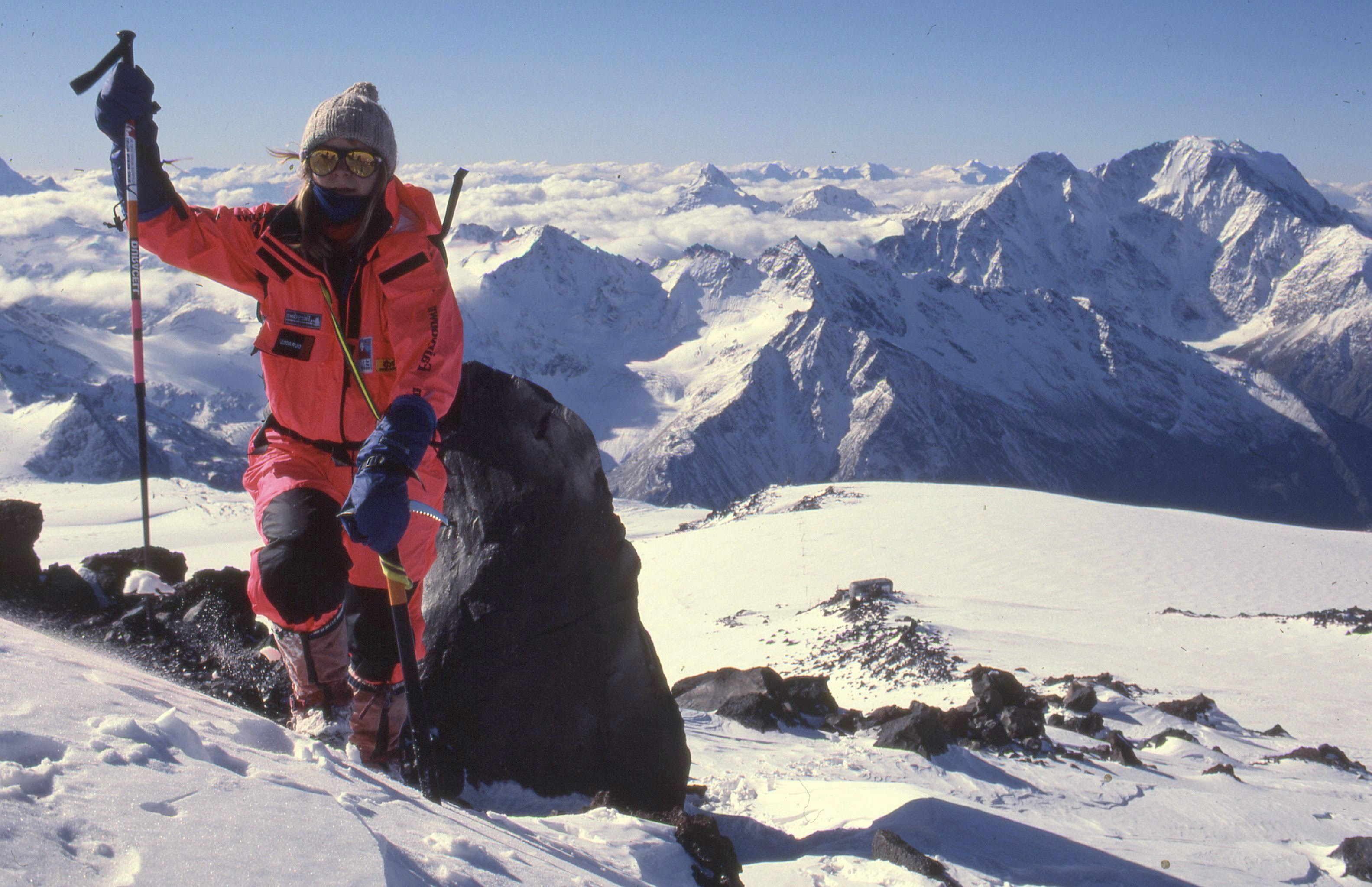
Muir is the first Australian woman to summit Everest and the first Australian to climb the Seven Summits, the highest mountain on each continent,

It is an achievement that took years to sink in, the 63-year-old said.

READ MORE: Icy polar blast to sweep Australia as winter looms
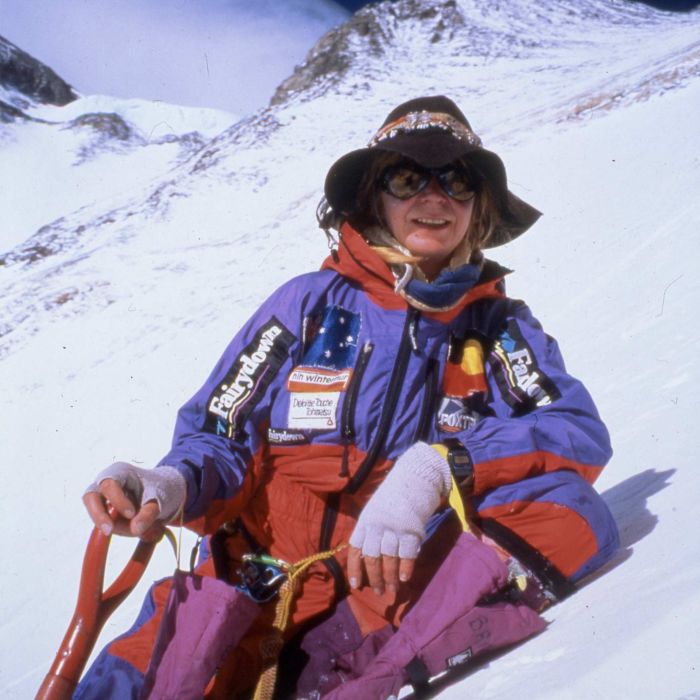
"It wasn't easy but I was so motivated to climb that mountain because it also happened to be the last one on my list of climbing the highest peak on each continent," she said.

"I really, really wanted to finish what I started."

The climb was a culmination of a decades-long mountaineering and guiding career, and four attempts over four years to reach Everest's summit.

READ MORE: Police reveal two key theories behind Aussie mum's shock disappearance in Mexico
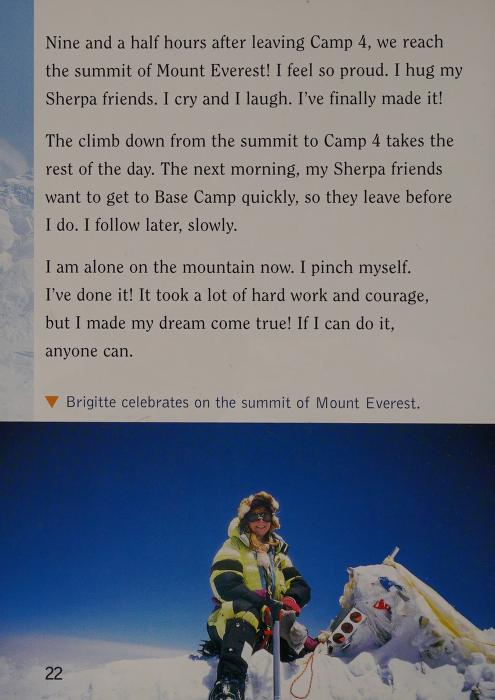
Muir described the feeling of finally reaching the top of Everest, towering 8849 metres above sea level from a restaurant in Salleri, Nepal, ahead of the May 28, 25-year- anniversary of her record-breaking, 1997 climb.

"There were just three of us on the mountain and it was just amazing, no one else was on the mountain," Muir said.

"You can see the north side of the mountain, I could see where I had attempted the climb from Tibet and you could see all the way to the plains of India, it was a perfect day.

"It was extraordinary. Persistence paid off."

READ MORE: Football fans filmed brawling following AFL game in Melbourne
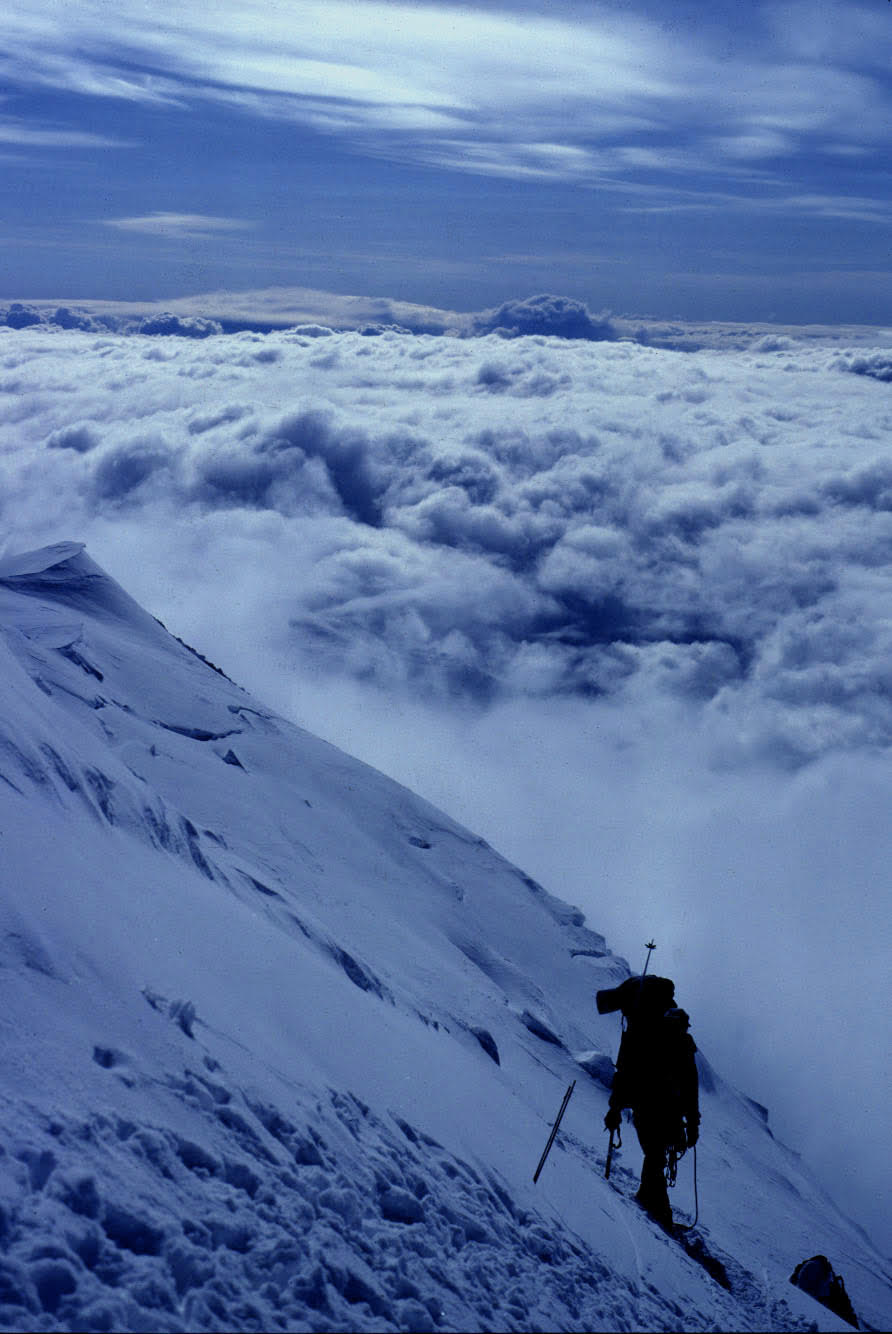
But, upon descent, Muir realised she was struggling for oxygen in the high altitudes.

"I made the mistake of taking my oxygen mask off at the top," she said.

"We were on the summit for about an hour without oxygen and we were so happy to be there, we filmed and we talked on radio, those kinds of things.
"The body is really not made to function at very high altitudes.

"I realised when I was going down with my mask back on that I couldn't breathe at all."

Muir was experiencing pulmonary edema, a build-up of liquid in the lungs.

Tied with rope as a safety precaution on the steep, icy slopes, Muir and her fellow climbers made their descent back to Base Camp.

"High altitude is definitely a dangerous environment and it really helps to know your body and not be a slave to your ego," Muir said.

"It takes a lot for your body to get used to the thin air and there are some physiological changes that happen, your blood thickens, you get more red blood cells."

Muir relayed her previous attempts to tackle Everest, adding that had her group not turned back on her first try, they would have died in a vicious storm.
On her second attempt at the climb, the experienced mountaineer's head torch blew out just hundreds of metres from the summit, causing her companions to mistakenly leave her behind.

"I was devastated," Muir said.

"I spent the rest of the night waiting for the light on the side of the mountain basically at 8500 metres, and my oxygen ran out.

"By the time the light came, I was too cold and had to go down."
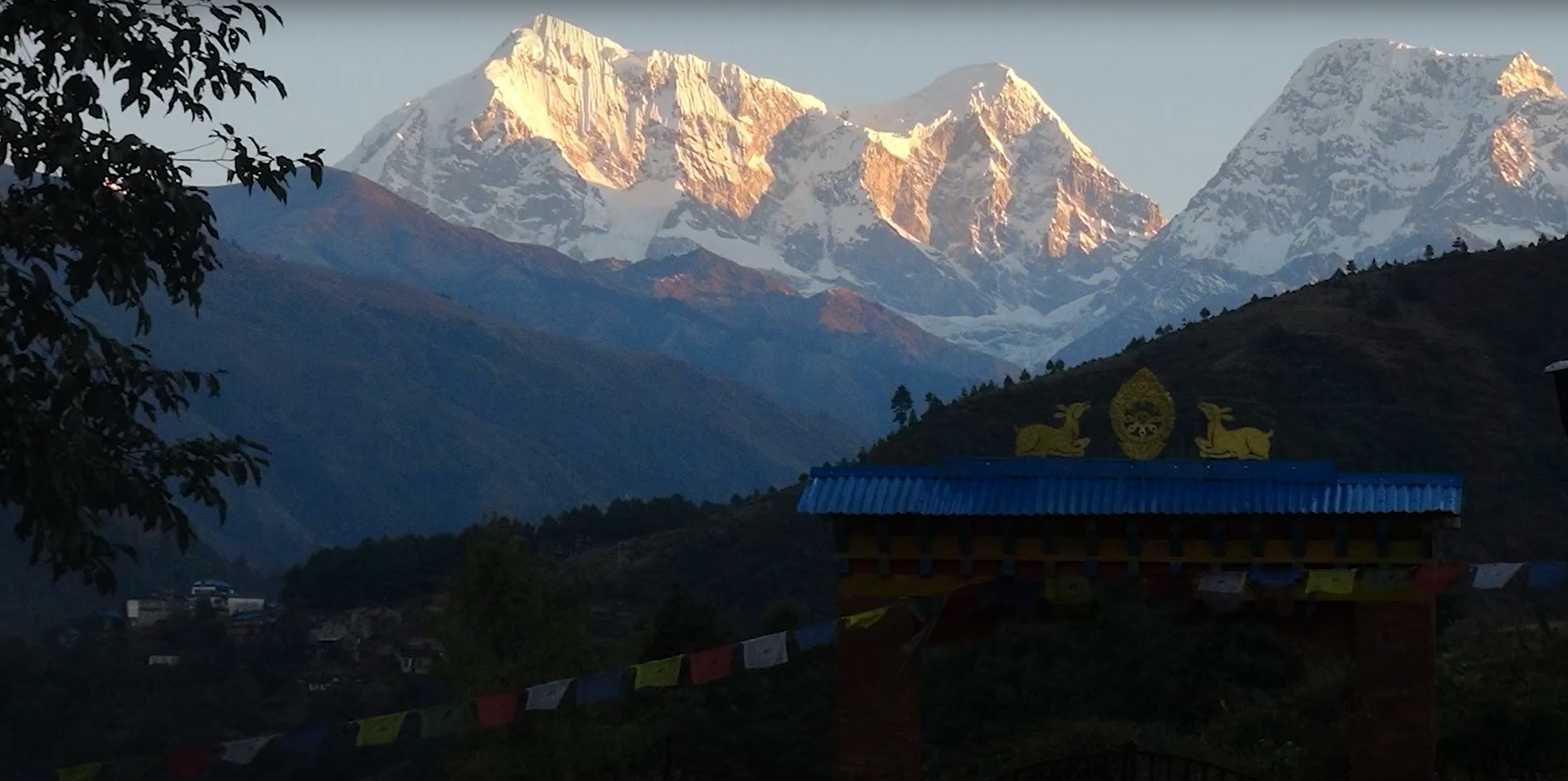
The next year, Muir found herself in the middle of the deadliest climbing disaster in Everest's history at the time, with eight climbers killed on the mountain's southside in a single day.

While making the 1996 climb, Muir came across a man nearing death by frostbite and exposure on the Mountain, helping him reach the nearest camp.

"Commercial interests were taken before people's lives," she said.

"I helped in the rescue of one of the people in the storm and then obviously we didn't go for the summit."
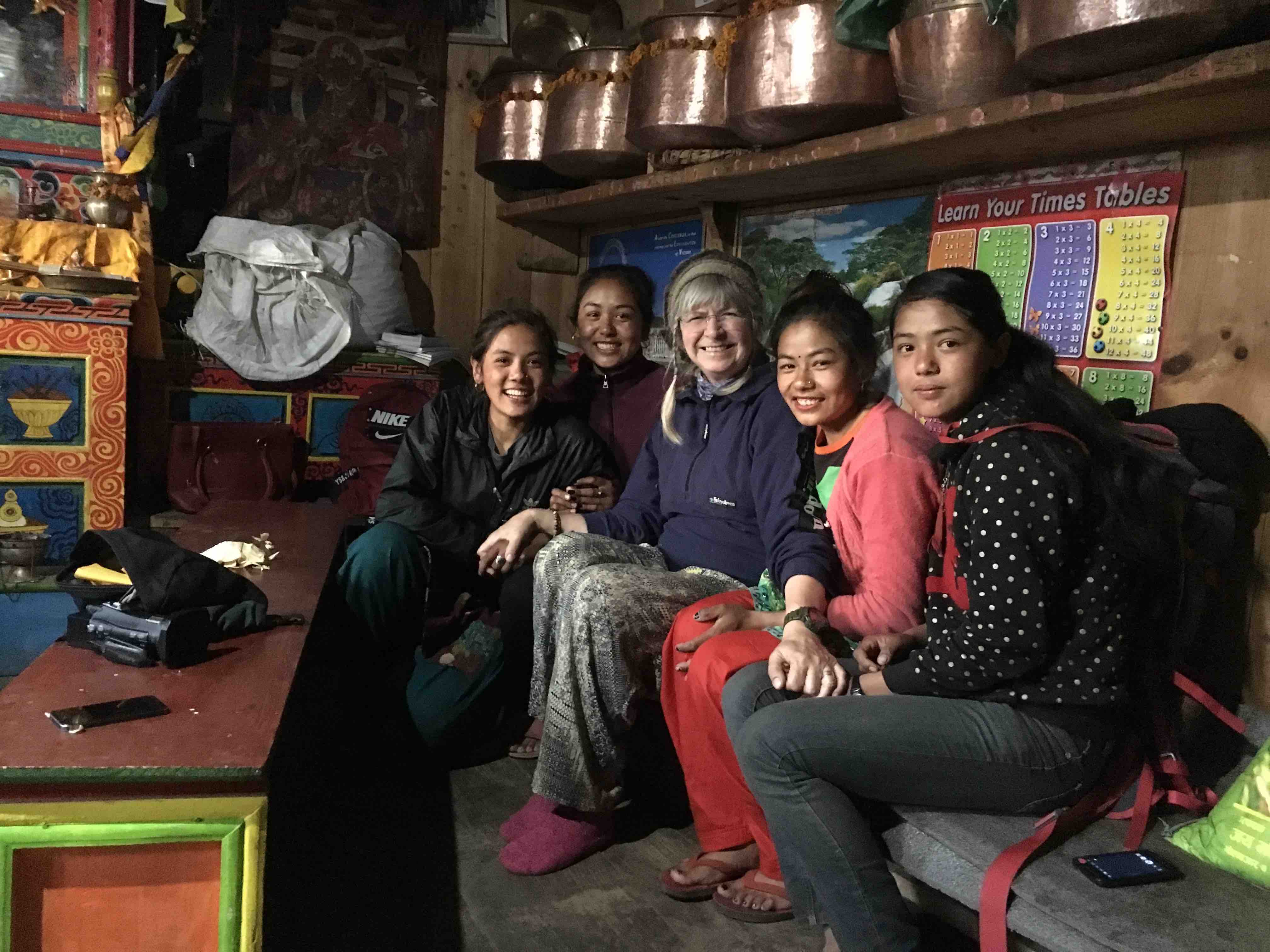
Muir now spends her time at home in Natimuk, at the foot of Mount Arapiles in Victoria, podcasting, writing, key-note speaking or shooting documentaries back in the Himalayas.

But her second home is the farming village of Lura, Nepal where she supports local women's literacy programs, running fundraising treks through the region.

Muir said the idea for the Beyond the Smile project came when visiting a friend in the village, where she learned many women were unable to read or write.
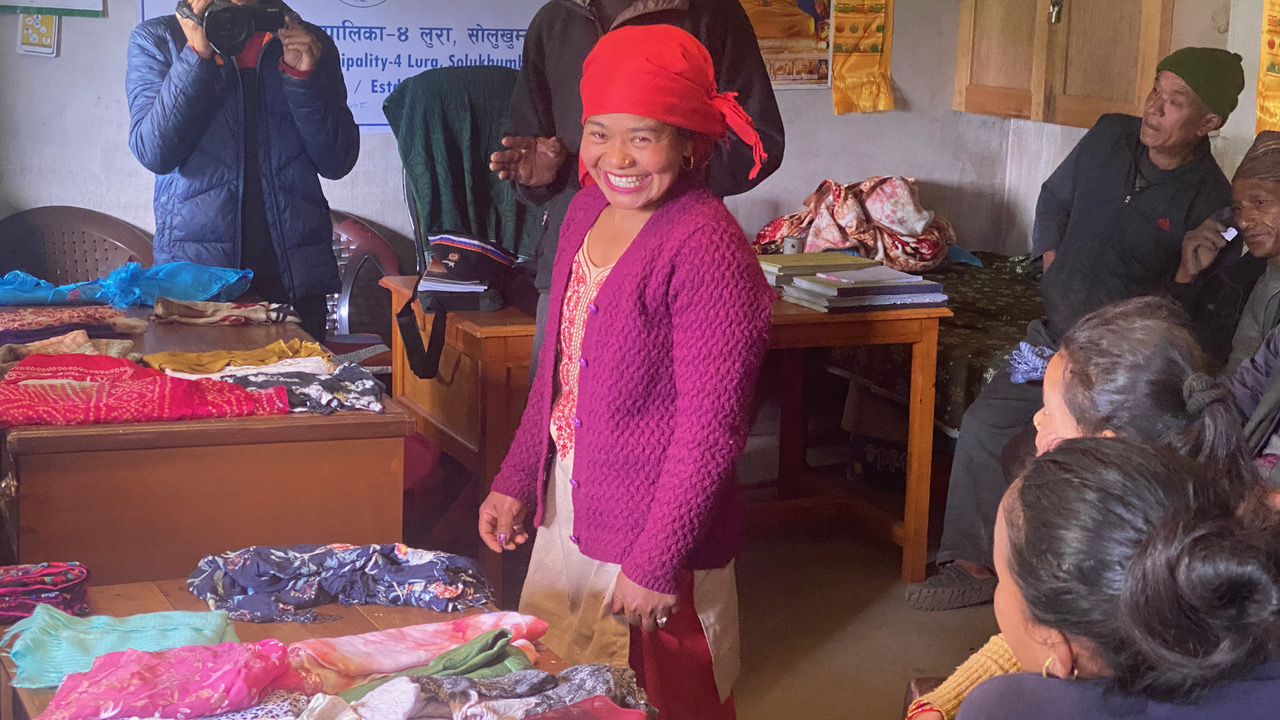
"We asked them what they want basically and then tried to find the money for doing what they want to do- there's a lot of work that comes from the villages," Muir said.

When asked which moments from her globe-spanning career stand out the most she answers "there's too many times to just pick one."

"It's always the people- You don't remember being at the top of the mountain, you remember the people you are climbing with.

"Climbing mountains was a lifestyle."
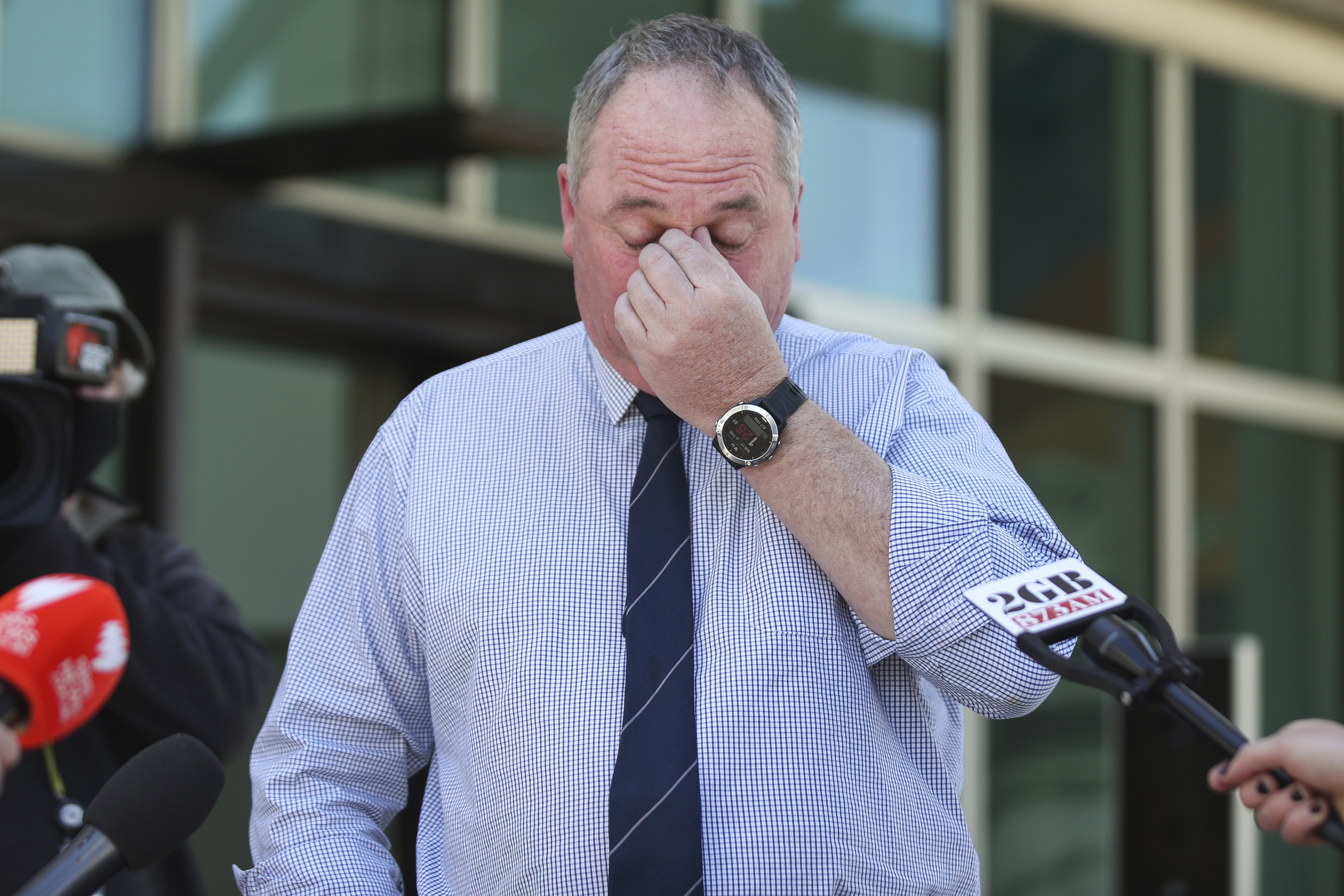
Another MP challenges Barnaby Joyce as Nationals leader

Another challenger has thrown his hat in the ring to usurp Barnaby Joyce as leader of the Nationals.

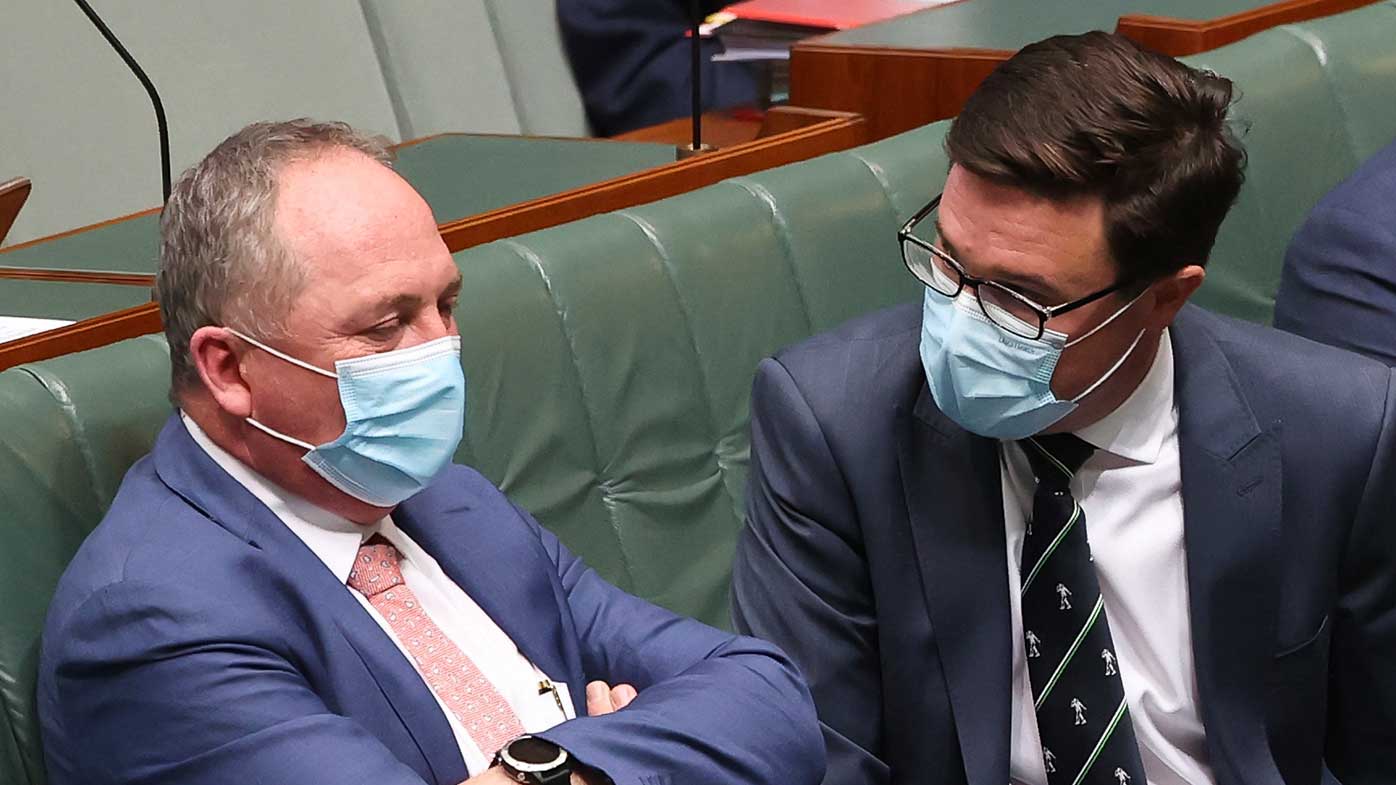
David Littleproud, the party's current deputy leader and the recently deposed agriculture minister, announced on Saturday evening he will challenge Joyce on Monday.

"This afternoon I advised Barnaby Joyce of my intention to nominate for the position of Leader of the Nationals," Littleproud said in a statement.

READ MORE: Greens claim election victory in Brisbane, Labor candidate concedes

David Littleproud has not said whether he will challenge Barnaby Joyce for the Nationals leadership.

"I also took the opportunity to thank him for all his service to our party.

"I feel this is the appropriate time to put myself forward for my party room's consideration as their leader.

"Ultimately, this is a decision on who will lead The Nationals to the 2025 election."

Littleproud is the second Nationals MP to announce a challenge against Joyce since last week's federal election.

READ MORE: Australian aid worker killed during Russian invasion of Ukraine

Victorian Darren Chester, the former veterans affairs minister who was sacked from that position by Joyce last year, said yesterday he will nominate for the leadership, arguing the Nationals should "take some responsibility for the Liberal losses in the city" during the election.

While the Nationals retained all 16 lower house seats in Saturday's federal election, the Liberal Party lost many once-safe electorates in Sydney, Melbourne and Brisbane, with many falling to "teal" independents.

Some Liberals have blamed Joyce's criticism of the Coalition's net-zero carbon emissions target as damaging their chances in inner-city and suburban seats.

Former party leader Michael McCormack is also believed to be considering running for Joyce's position, while Anne Webster has confirmed she will be in the running as deputy.

All Nationals leadership positions are automatically spilled following an election. The party room will vote on who takes the positions at a meeting on Monday.

FEDERAL ELECTION 2022: Full results, seats won, party votes total and swings by electorate

Australian aid worker killed during Russian invasion of Ukraine

An Australian humanitarian worker has been killed in Russia's invasion of Ukraine.

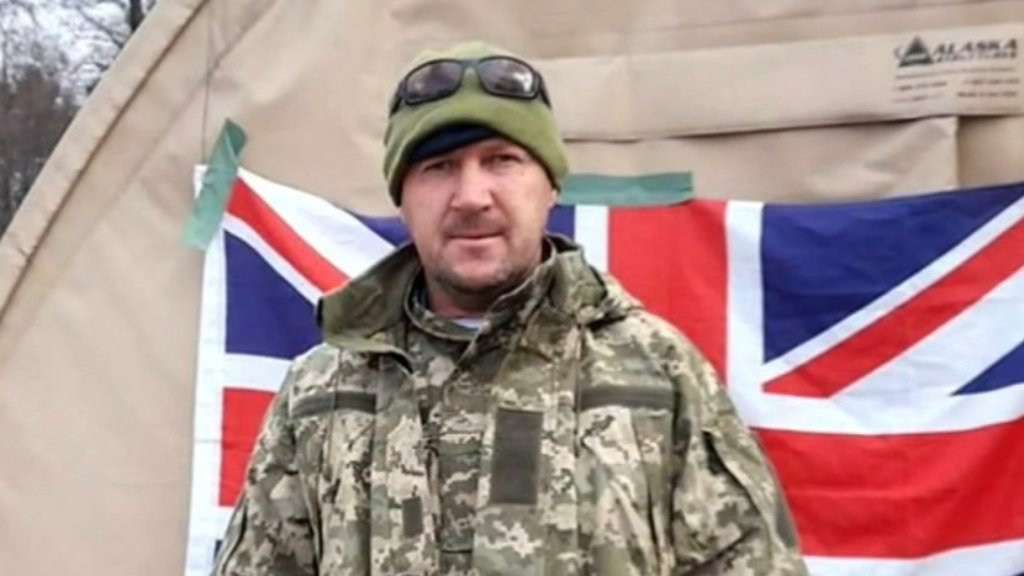
Michael O'Neill, a Tasmanian father working as a truck driver helping wounded and injured Ukrainians on the front lines, died on Wednesday.

O'Neill, who was aged in his 40s, leaves behind children in Melbourne and the Philippines.

READ MORE: Man dies in police custody after being arrested for fighting with teenager in Adelaide

Michael O'Neill, a Tasmanian father working as a truck driver helping wounded and injured Ukrainians on the front lines, died on Wednesday.

Both Prime Minister Anthony Albanese and the Department of Foreign Affairs and Trade (DFAT) confirmed they are providing consular assistance to O'Neill's family.

"We send our deepest condolences to the family," a DFAT spokesperson said.

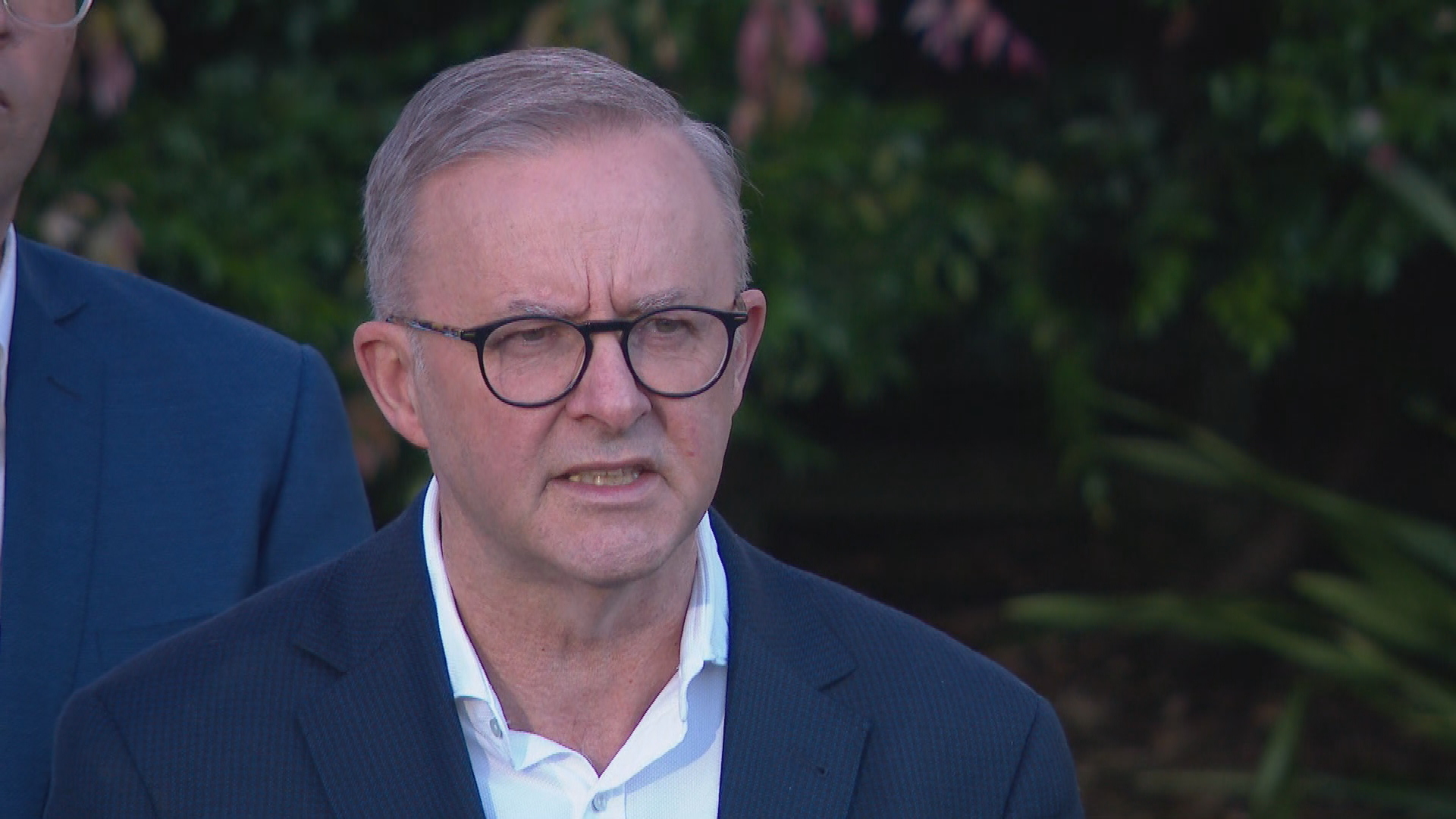
Albanese responded to the news at a press conference on Saturday.

"This is a tragedy and I want to give my condolences to the family of the person involved," Albanese said.

READ MORE: Police made 'wrong decision' during school shooting

An Australian has died in Russia's invasion of Ukraine, the Department of Foreign Affairs and Trade has confirmed.

"The Australian authorities through the Department of Foreign Affairs and Trade are providing consular support to the family."

DFAT said consular assistance included support and guidance to families as well as liaison with local and Australian authorities to assist with the repatriation of remains.

The department's travel advice for Ukraine remains at "do not travel", as its ability to provide consular assistance in the country is "extremely limited due to the ongoing Russian invasion of Ukraine".