Tag Archives: oceania

Queensland to criminalise display of swastikas and hate symbols

Queensland has joined Victoria in becoming the second state to criminalise public displays of hate symbols like swastikas.

New laws, stemming from a parliamentary inquiry into hate crimes in Queensland, seek to combat the targeting of diverse groups and better protect victims by banning references to Nazism in public.

The change was announced by the Palaszczuk government this morning, with new laws and recommendations to take effect later this year.

READ MORE: Texas gunman sent Facebook messages announcing shooting
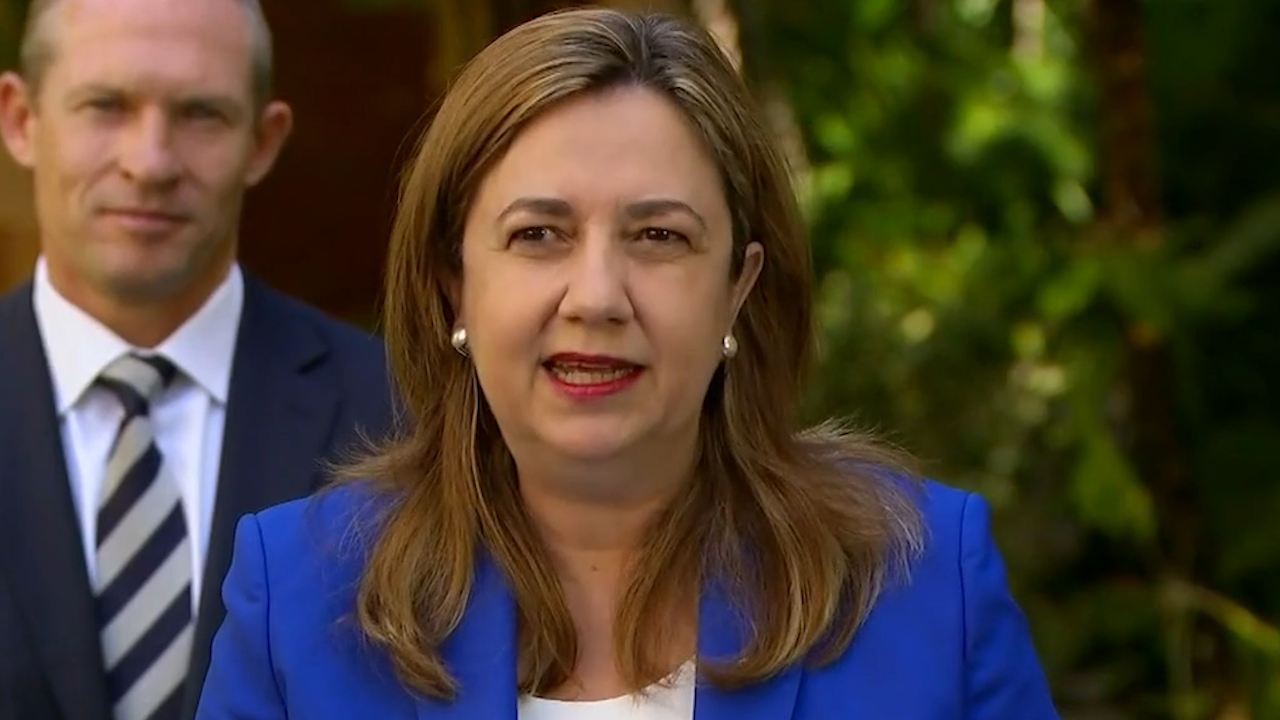
The premier said any reference to Nazi symbols would not be tolerated, with serious consequences for perpetrators.

"These crimes are not harmless and nor is the ideology behind it," Palaszcuk said.

Attorney-General and Minister for Justice Shannon Fentiman said the Parliament Legal Affairs and Safety Committee had made 17 new recommendations to crack down on hate crimes, including the new ban on hate symbols.

All 17 of the recommendations will be implemented.

"Depictions of hate symbols have no place in Queensland," Fentiman said.

"As a community, we cannot tolerate the deliberate use of these symbols to promote hatred towards communities that have been persecuted and cause those people fear.

READ MORE: What we know about the victims of the Uvalde, Texas school massacre

https://twitter.com/JoshFrydenberg/status/1510834518369787906?ref_src=twsrc%5Etfw%7Ctwcamp%5Etweetembed%7Ctwterm%5E1510834518369787906%7Ctwgr%5E%7Ctwcon%5Es1_&ref_url=https%3A%2F%2Fwww.smh.com.au%2Fpolitics%2Ffederal%2Fobscene-josh-frydenberg-election-signs-defaced-with-nazi-symbols-20220404-p5aarz.html

"Our existing laws respond to some of the issues examined by the Committee, however, we are committed to strengthening our laws to ensure our diverse communities are better protected."

During the federal election campaign, campaign posters became the target of anti-Semitic vandalism, including those of former Treasurer Josh Frydenberg, who is Jewish.

Earlier this month, Victoria became the first state in Australia to criminalise all public displays of the swastika.

Queensland's Multicultural Affairs Minister Leanne Linard said the new laws would not apply to those practising Hinduism, Buddhism or Jainism, for whom the swastika is used as a religious symbol – where its use predates its adoption by the Nazis by centuries.

READ MORE: Australia's 'intentions clear' as China pushes sweeping Pacific deal

https://twitter.com/YvetteDAth/status/1529609003587686400

"We know that swastika symbols have a profound meaning in some religions," Linard said.

"The new laws will allow these symbols to be used in these respectful circumstances but prevent them from being used as a symbol of hate."

She added she wholeheartedly supported the legislative changes, adding the impact of hate crimes cannot be understated.

"I meet and work with people from across our ethnically diverse state every day and have heard first-hand of the devastating effects of vilification and hate crimes", Linard said.

"This new legislation will protect against this form of discrimination and hold Queenslanders who commit these crimes to account."
Aussie power bills to soar from July 1

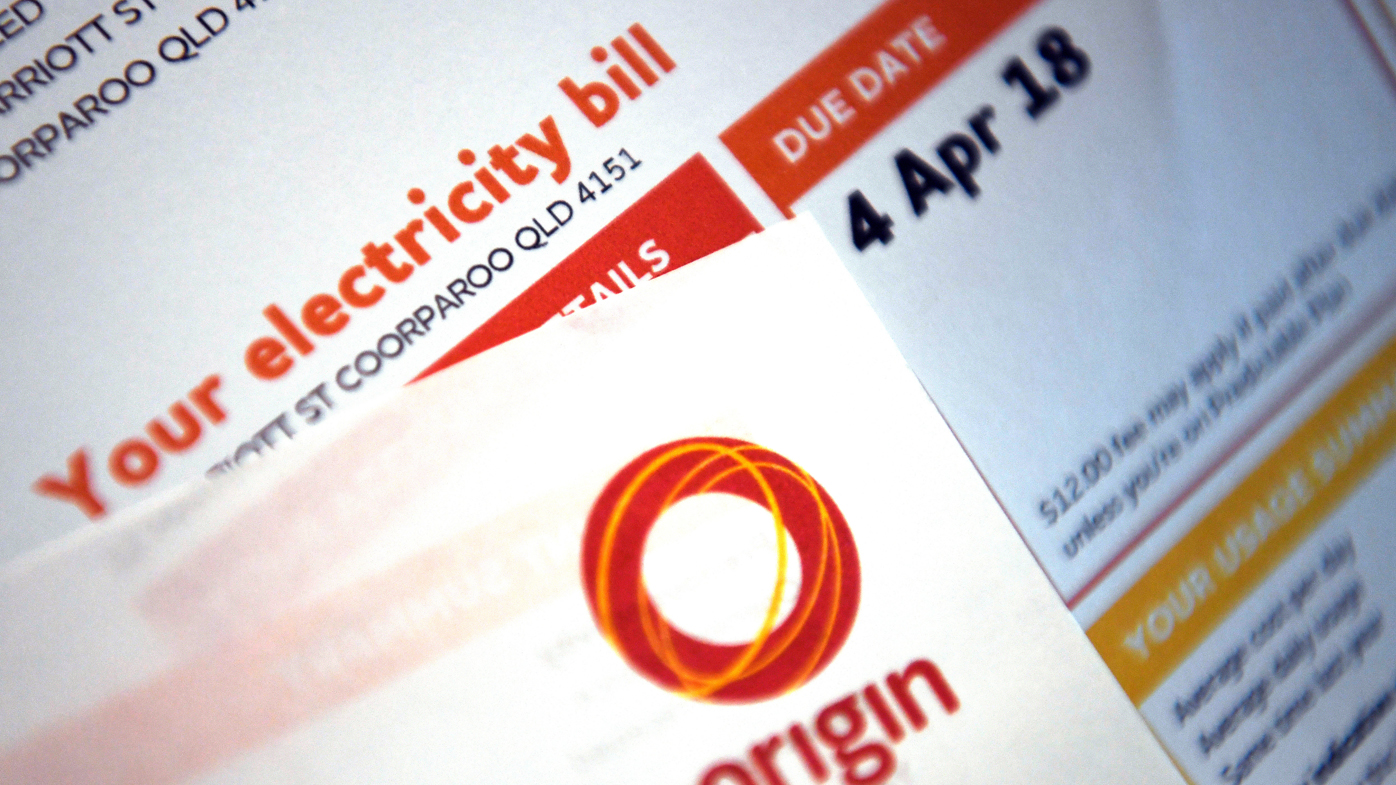
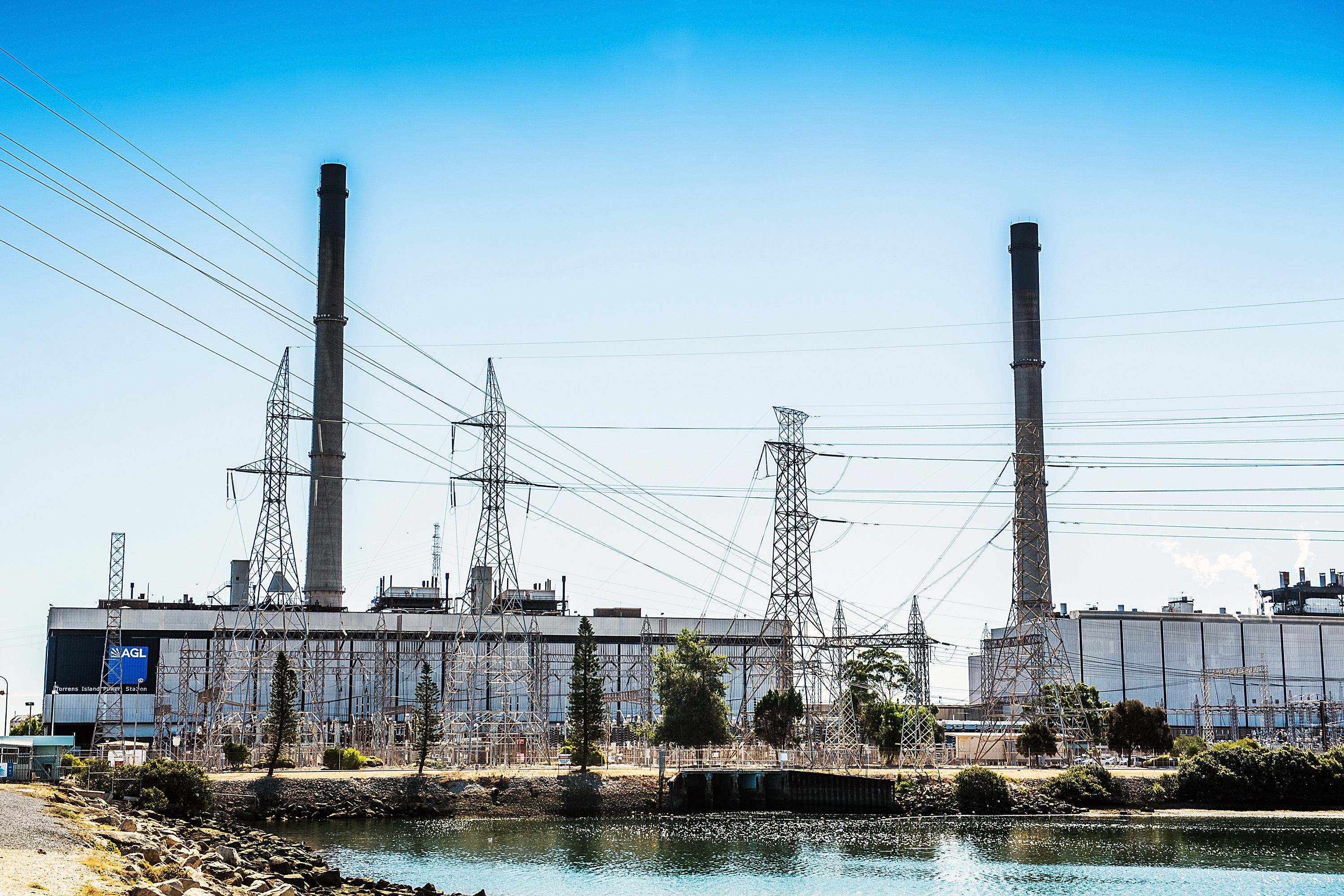
Aussie households are set to be hit by a surge in the cost of their power bills from July after the nation's energy regulator raised benchmark prices for retailers.

The Australian Energy Regulator (AER) today said it was raising default market offer (DMO) price caps, which is essentially the maximum retailers can charge households and businesses on default offers.

As a result, default offers will increase by more than $220 per year in New South Wales, more than $160 in Queensland and more than $120 in South Australia.

READ MORE: Texas gunman sent Facebook messages announcing shooting

The AER said the rise in the DMO was necessary given that wholesale costs for retailers have risen substantially as a result of unplanned outages, fuel costs and "peaky demand".

AER Chair Clare Savage said the decision to raise prices was "difficult" considering millions of Australians were already struggling with a soaring cost of living.

"In setting these new DMO prices, we understand the significant impact they will have on some consumers who may already be struggling with cost of living pressures," Savage said.

"We have given scrutiny to all factors affecting the DMO calculation and have set safety-net prices that reflect the current conditions and underlying costs to retailers."

READ MORE: What we know about the victims of the Uvalde, Texas school massacre

The regulator said the DMO was equally about protecting the consumer as it was about ensuring that energy retailers could stay in business.

"Setting the DMO is not about setting the lowest price. We are required to set a price that will allow retailers to recover their costs, earn a reasonable margin and support retailers to compete and offer better deals and products in a competitive retail environment," Savage said. 

"If a large number of retailers are unable to recover their costs and are forced to exit the market – as we have seen recently in the United Kingdom – that will add more cost to consumers.

"Our safety net DMO price will continue to protect consumers from unjustifiably high prices and will continue to provide the reference point from which consumers can shop around for a better deal."

READ MORE: Australia's 'intentions clear' as China pushes sweeping Pacific deal

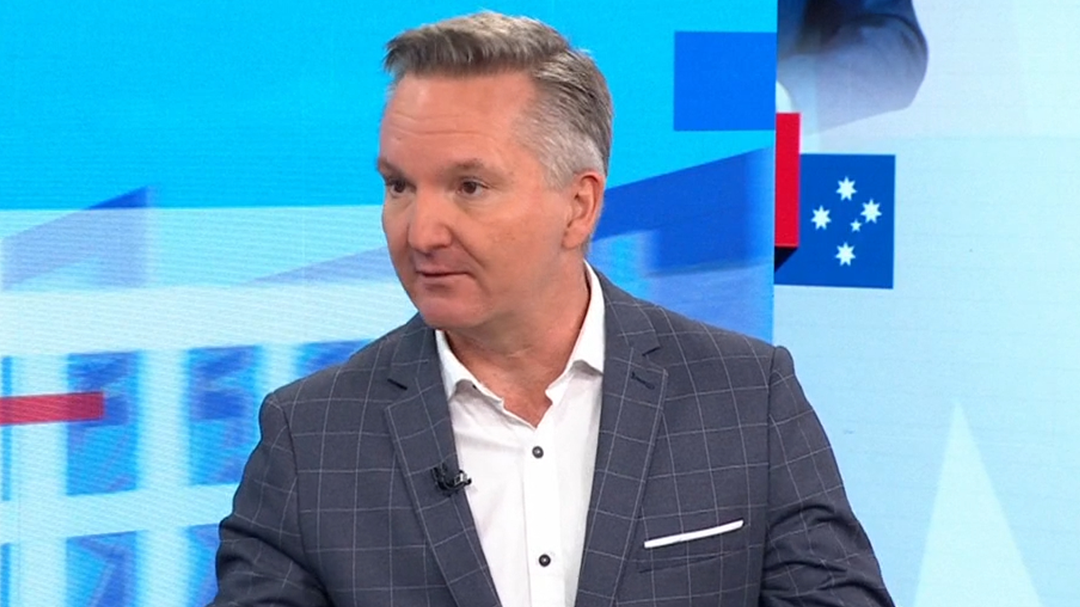
Shadow Minister for Climate Change and Energy Chris Bowen.

Labor Minister Chris Bowen said the rise in prices was the result of "bad policy" by former governments.

"This is bad news for Australians who buy electricity in the markets impacted by today's decision. Higher prices are a result of nine years of policy failure," he said. 

"Now, of course, there are international factors at play here and, of course, geopolitical circumstances are impacting on Australian markets in many ways. 

"But the fact of the matter is the lack of energy policy, the lack of investment in new energy, the lack of investment in renewable energy, and the lack of transmission over the last nine years means that Australians are paying more for electricity than they should be."

Households on the DMO only comprise about 10 per cent of the total market (around 550,000 customers), but today's rise is anticipated to be passed on by retailers in time.

The information provided on this website is general in nature only and does not constitute personal financial advice. The information has been prepared without taking into account your personal objectives, financial situation or needs. Before acting on any information on this website you should consider the appropriateness of the information having regard to your objectives, financial situation and needs.

'How to Murder Your Husband' writer guilty of murdering husband

A US jury has convicted a self-published romance novelist – who once wrote an essay titled How to Murder Your Husband – of fatally shooting her husband four years ago.

The jury in Portland of seven women and five men found Nancy Crampton Brophy, 71, guilty of second-degree murder after deliberating over two days in chef Daniel Brophy's death, KOIN-TV reported.

Brophy, 63, was killed on June 2, 2018, as he prepped for work at the Oregon Culinary Institute in Southwest Portland.

READ MORE: Texas gunman sent Facebook messages announcing shooting

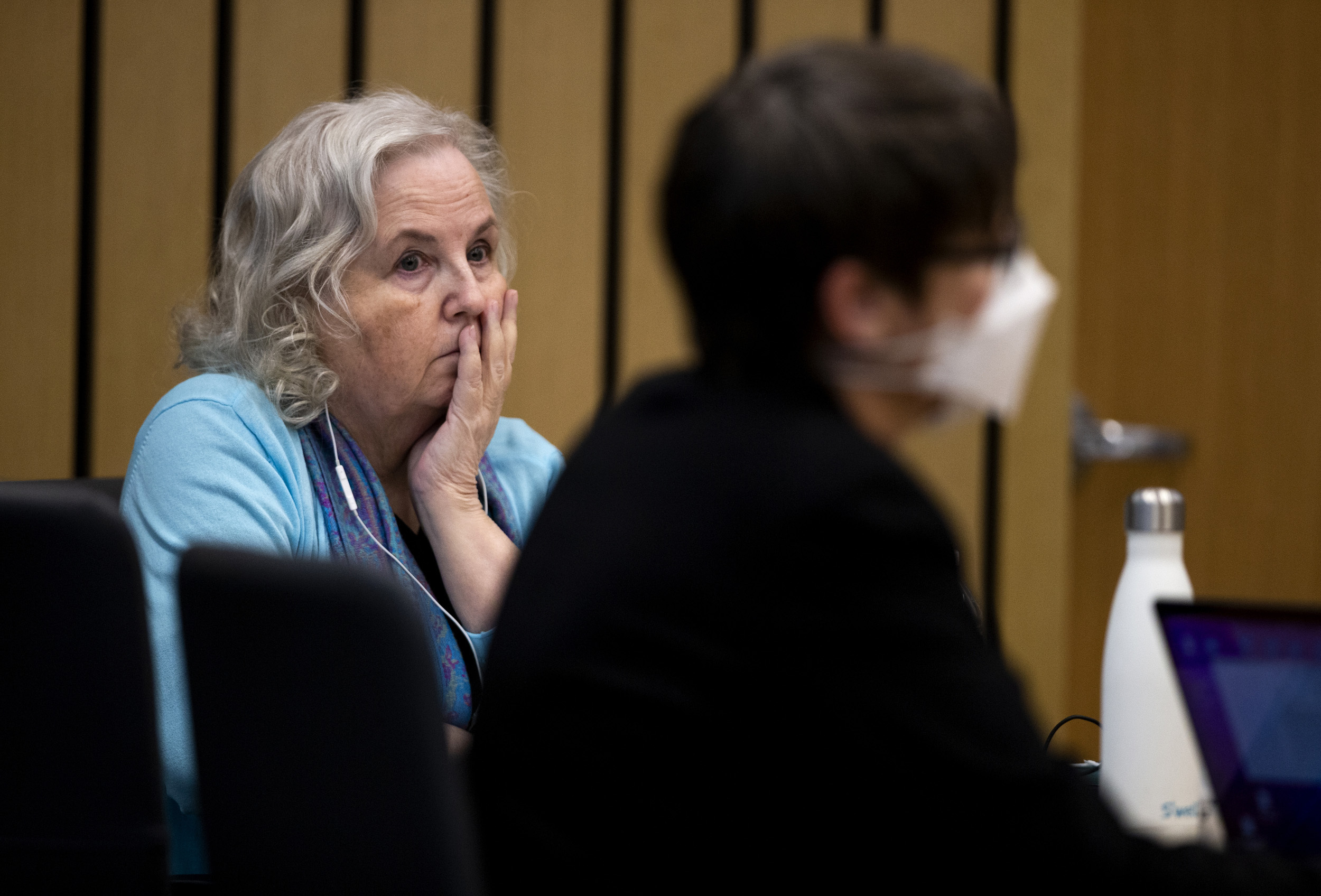
Romance writer Nancy Crampton Brophy, left, accused of killing her husband, Dan Brophy, in June 2018,.

Crampton Brophy displayed no visible reaction when the verdict was handed down inside the crowded Multnomah County courtroom.

Lisa Maxfield, one of Crampton Brophy's attorneys, said the defence team plans to appeal.

Prosecutors told jurors that Crampton Brophy was motivated by money problems and a life insurance policy.

READ MORE: What we know about the victims of the Uvalde, Texas school massacre

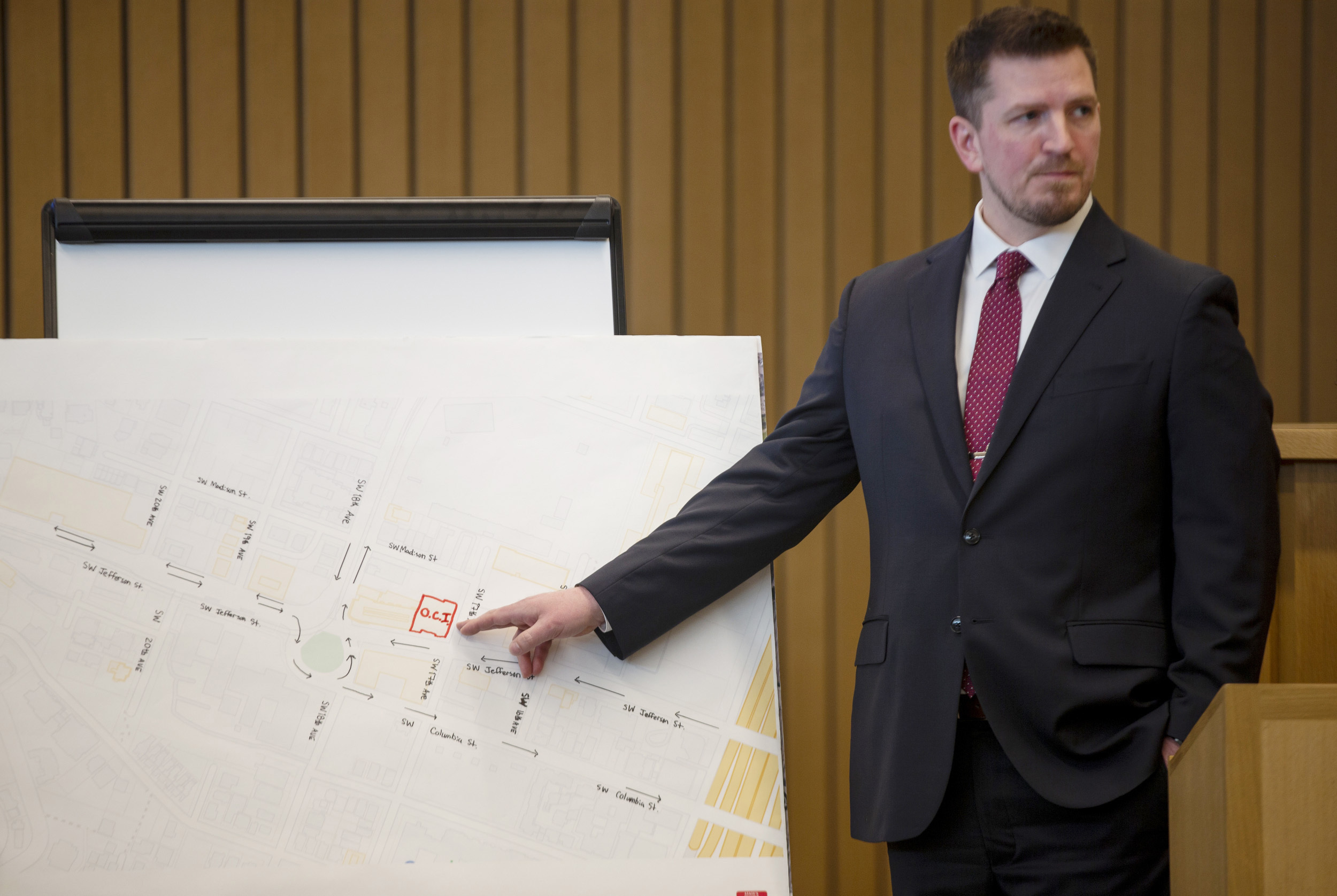
Prosecutor Shawn Overstreet presents his opening statement at the murder trial of romance writer Nancy Crampton Brophy in Portland.

Crampton Brophy said during the trial, however, that she had no reason to kill her husband and that their financial problems had largely been solved by cashing in a chunk of Brophy's retirement savings plan.

She owned the same make and model of gun used to kill her husband and was seen on surveillance camera footage driving to and from the culinary institute, court exhibits and court testimony showed.

Police never found the gun that killed Brophy. Prosecutors alleged Crampton Brophy swapped out the barrel of the gun used in the shooting and then discarded the barrel.

READ MORE: Australia's 'intentions clear' as China pushes sweeping Pacific deal

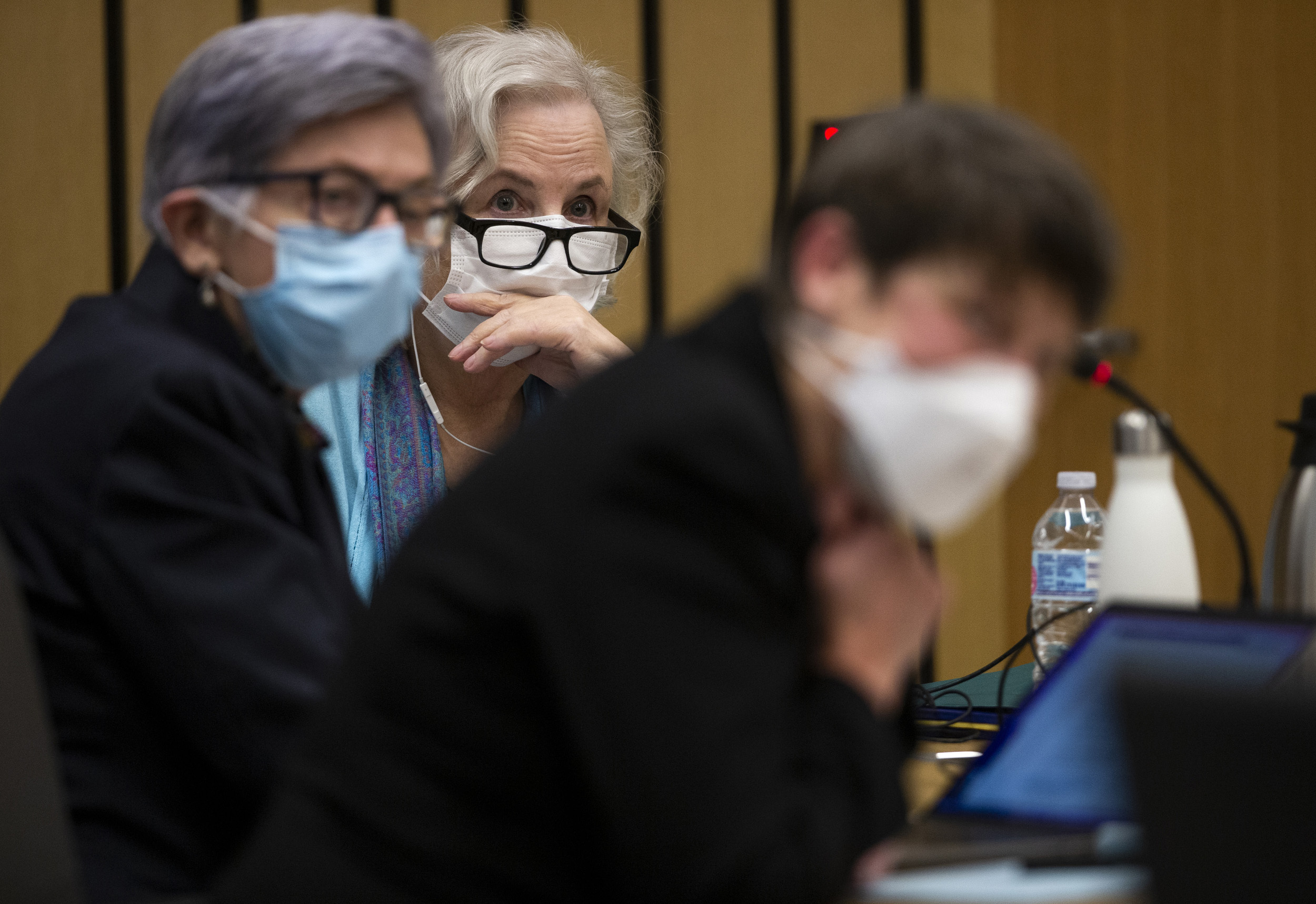
Romance writer Nancy Crampton Brophy, background, accused of killing her husband, Dan Brophy, in June 2018, is surrounded by her defense attorneys in court in Portland.

Defence attorneys said the gun parts were inspiration for Crampton Brophy's writing and suggested someone else might have killed Brophy during a robbery gone wrong. Crampton Brophy testified during the trial that her presence near the culinary school on the day of her husband's death was mere coincidence and that she had parked in the area to work on her writing.

Crampton Brophy's how-two treatise detailed various options for committing an untraceable killing and professed a desire to avoid getting caught. Circuit Judge Christopher Ramras ultimately excluded the essay from the trial, noting it was published in 2011. A prosecutor, however, alluded to the essay's themes without naming it after Crampton Brophy took the stand.

Crampton Brophy has remained in custody since her arrest in September 2018, several months after her husband was shot. Her sentencing has been scheduled for June 13.

How the Texas massacre unfolded

Investigators are still trying to establish a motive behind the massacre of 19 children and two teachers at a Texas primary school this week.

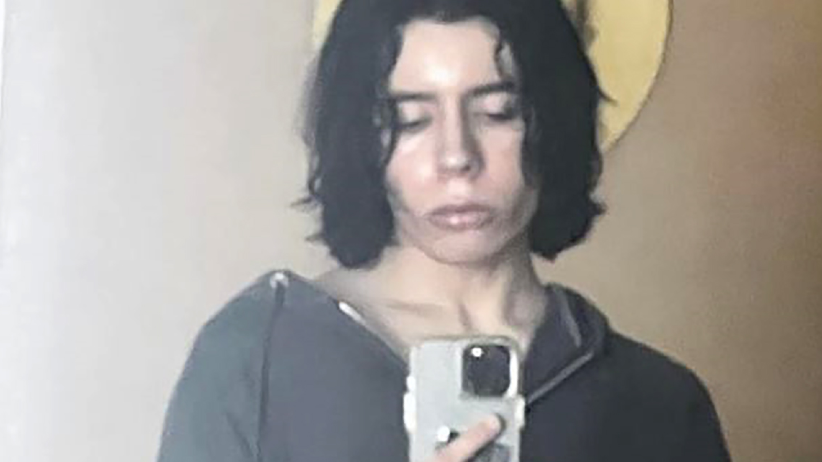
Salvador Ramos, 18, carried out the mass shooting at Robb Elementary School, Uvalde, on Tuesday local time.

Ramos was killed by responding law enforcement, leaving a community reeling and renewed calls for gun control ringing out through the US.

Here's what we know about how the latest US mass shooting played out.

READ MORE: What we know about the victims of the Uvalde school massacre

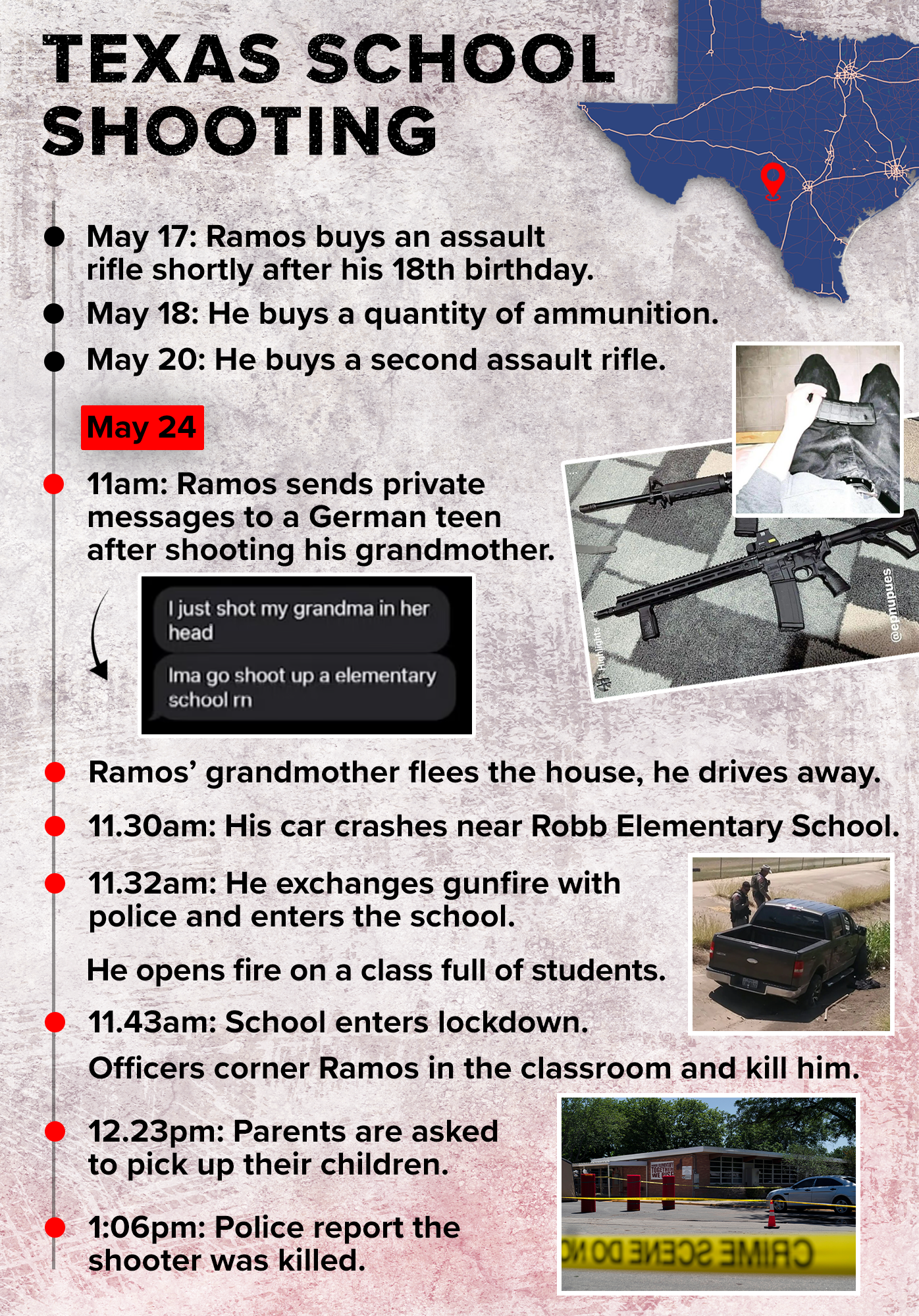
May 17: Ramos buys an assault rifle shortly after his 18th birthday.

May 18: Ramos buys a quantity of ammunition.

May 20: Ramos buys a second assault rifle. The bullets and the guns were all purchased legally.

May 24, 11am: Ramos messaged a 15-year-old girl in Frankfurt, Germany, with whom he'd been speaking online since May 9.

He was upset because his grandmother was talking to AT&T about his phone.

Minutes later, he messaged the girl to say, "I just shot my grandmother in her head."

"Ima go shoot up a elementary school right now."

His grandmother fled the house and remains in hospital.

Ramos got into the car and drove away.

11.30am: Ramos' car crashes near Robb Elementary School. He gets out, wearing a bulletproof vest and carrying a rifle.

A school resources officer approaches him, but is unable to halt the 18-year-old.

11.32am: Ramos exchanges gunfire with police and enters Robb Elementary School, where hundreds of primary-aged students are enrolled.

He moves through the school until he finds a class full of students, and opens fire on them.

READ MORE: Both sides of US politics point to Australia on gun reform

11.43am: A lockdown for the school is announced. Law enforcement officers corner Ramos in the classroom and kill him.

12.17pm: The shooting is announced by the school district on social media.

12.23pm: Parents are asked to come and pick up their children.

1.06pm: Police report the shooter was killed by responding officers.

READ MORE: Beto O'Rourke disrupts governor's news conference on shooting

Record number of women elected to Australian parliament

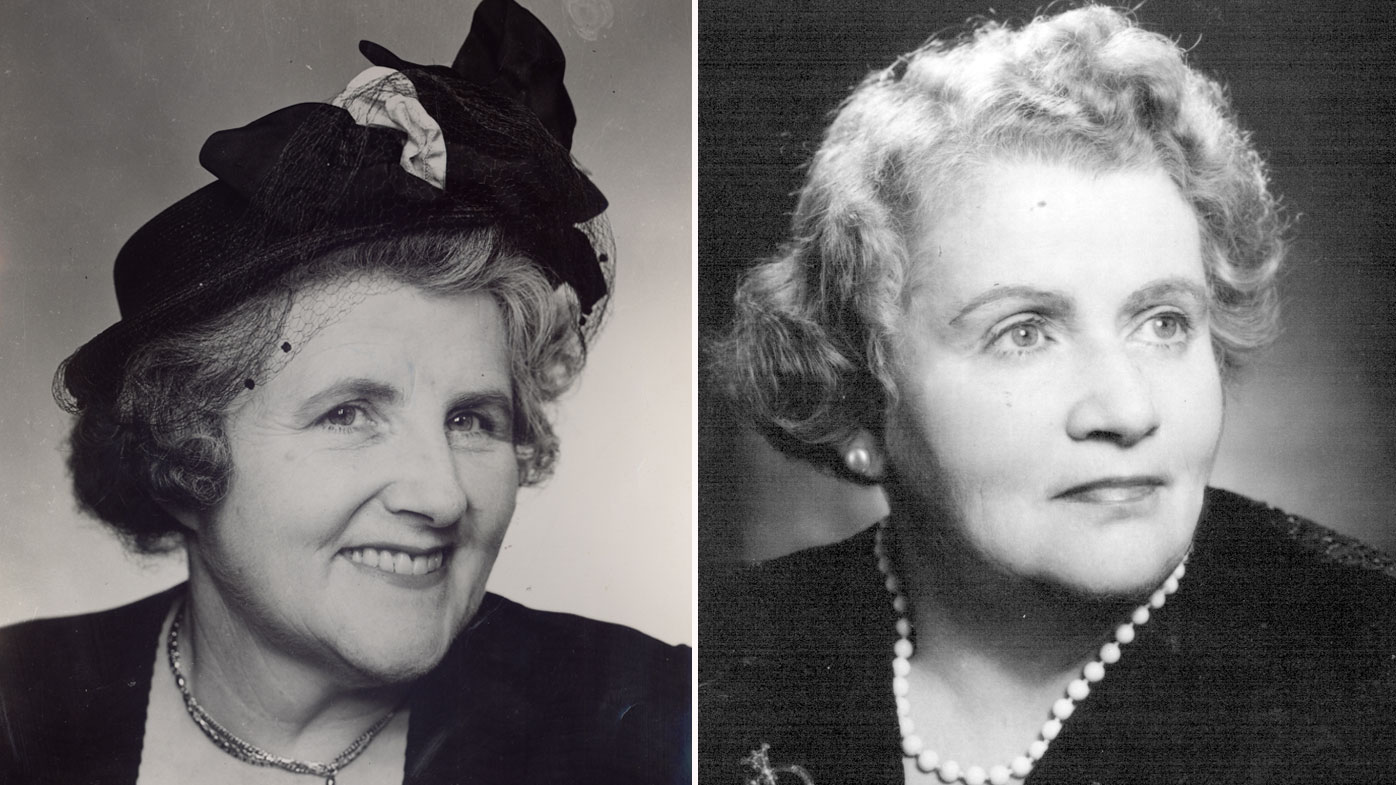
In 1943 two women became the first to win seats in Australian parliament, with Enid Lyons joining the House of Representatives and Dorothy Tangney elected to the Senate.

Now, in 2022, more women than ever have been chosen to represent their electorates with a large number of seats previously held by conservative men being taken over by more progressive female candidates.

The votes are still being counted, but at least 14 women have been elected to the lower house – three have lost their seats – while the Senate is set to have a majority of women.

FEDERAL ELECTION 2022: Full results, seats won, party votes total and swings by electorate

In 1943 Enid Lyons (left) became the Member for Darwin (in Tasmania) in the House of Representatives and Dorothy Tangney (right) was elected to represent Western Australia in the Senate.

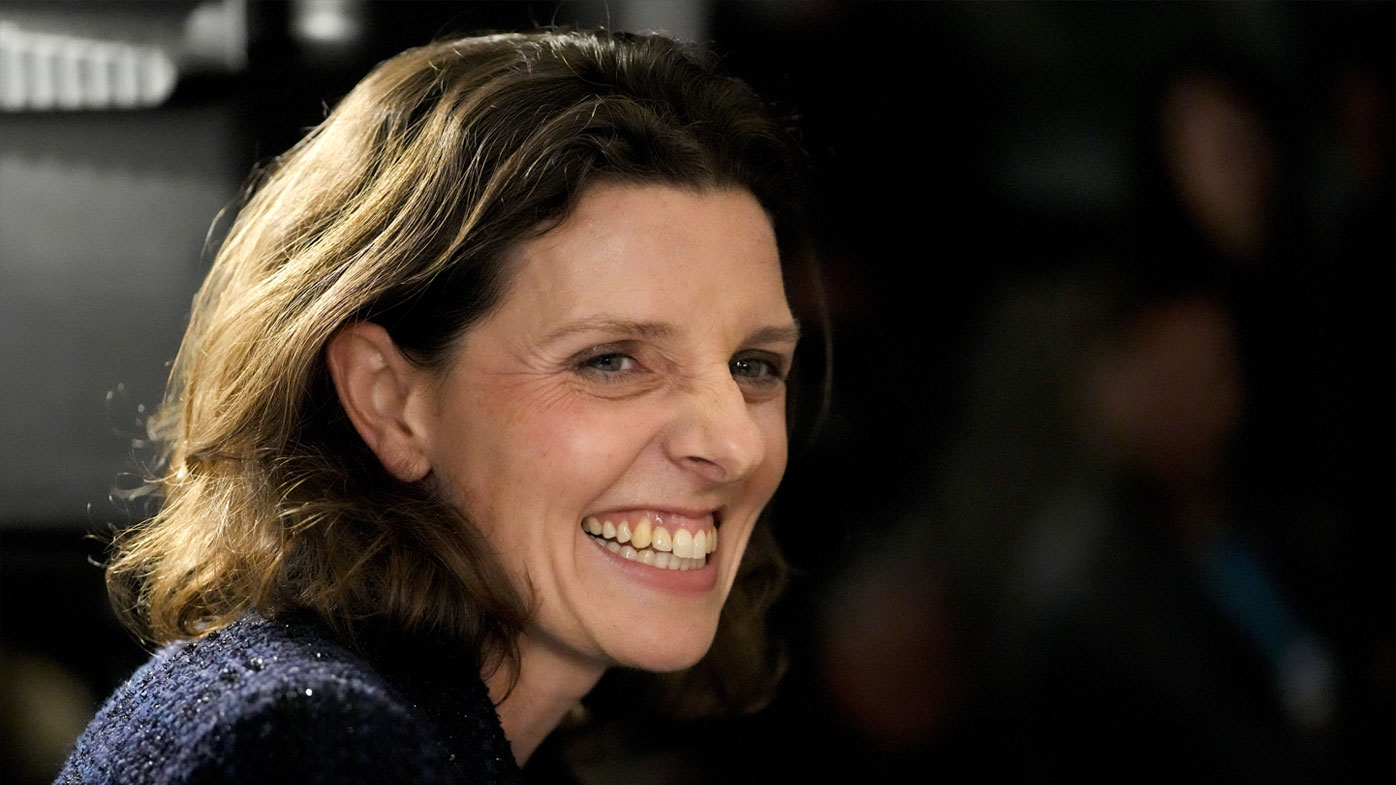
Allegra Spender won the previously Liberal-held seat of Wentworth in Sydney's inner-city, and fellow independent Monique Ryan unseated Josh Frydenberg in the Melbourne seat of Kooyong.

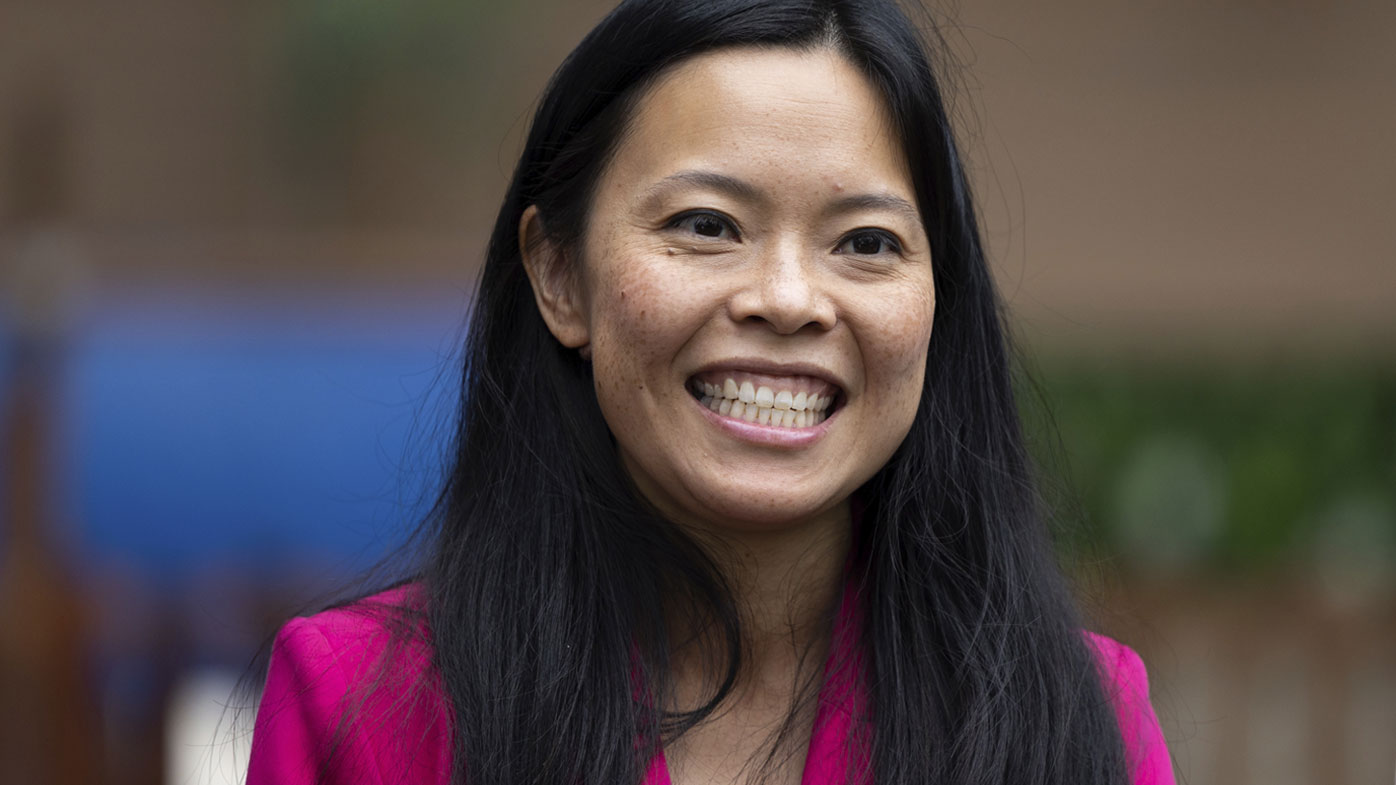
In the western Sydney seat of Reid Sally Sitou claimed victory returning it to Labor, while Zoe Daniel, another independent, has claimed victory in Goldstein over Liberal MP Tim Wilson.

Independent Zali Steggall held onto her seat in Warringah on Sydney's Northern Beaches after beating former prime minister Tony Abbott at the last election.

READ MORE: Albanese doubles down on China

Also on the Northern Beaches Sophie Scamps has beaten Liberal Jason Falinski in the seat of Mackellar.

In the senate, Penny Wong was reelected and appointed as the new foreign minister in Anthony Albanese's government.

Former Liberal frontbencher Julie Bishop, whose old seat of Curtin in Western Australia went to independent Kate Chaney, said this huge shift means the party needs to do some soul searching.

"When the Liberal Party carries out the post-election analysis, they must address the issue of women in the party," she said on Nine's election night coverage.

READ MORE: Scott Morrison 'not dwelling' on election loss

In the western Sydney seat of Reid Sally Sitou claimed victory returning it to Labor.

"So many Liberal women told me they did not see their concerns, their interests reflected in the party that was led by Scott Morrison and in Coalition with Barnaby Joyce.

"They just didn't see them as having any empathy for the concerns of women."

She also invoked the impact of Grace Tame and Brittany Higgins.

"They exposed an ugly side to the workplace in Canberra," Bishop said.

"We make the laws for every other workplace in Australia yet women were saying it was not a safe place to work."

READ MORE: Peter Dutton brushes off 'Voldemort' jab ahead of taking Liberal reins

NOTE: Senate votes are still being counted but these figures are accurate up to the 2019 election.

In a recent global ranking of women's representation in parliament, Australia was going backwards and was sitting in the 50th position worldwide.

Former Labor politician Kate Ellis also weighed in from Nine's election night panel.

"I absolutely agree about the change that has occurred when it comes to women and women's issues in the last couple of years and we do need to see more women in parliament. 

"But it's not just that. We need to see more of a focus on the issues which affect women's lives each and every day.

Allegra Spender won the previously Liberal-held seat of Wentworth in Sydney's inner-city.

"I would send a message to all the men in the parliament as well: It is your job to advocate for the women out there who are struggling," Ellis said.

"It is your job to make sure that we see a decrease in the levels of violence women are experiencing. It's your job to fight for secure housing. 

"We've seen a massive increase in the number of women in the House of Representatives. That is a good thing.

"But it is my tip Australian women are angry and we don't just want to change the government, change the prime minister, we want to change the agenda and the outcomes and that work will be ongoing no matter who's in government," she added.