Tag Archives: oceania

Giant asteroid almost two kilometres in diameter to fly past earth

A giant asteroid almost two kilometres in diameter will make a (relatively) close approach later this week.

According to NASA, the enormous space rock – roughly 1.8 kilometres in diameter or four times the size of the Empire State Building – is on course to fly past this Friday (May 27).

The asteroid, known as 7335 (1989 JA), will miss our planet by some four million kilometres, but due to its monster size and "relatively close proximity" it has been deemed "potentially hazardous" by NASA.

READ MORE: Albanese's 'must-do or we are stuffed' list

Scientists say 7335 (1989 JA) is one of more than 29,000 near-Earth objects (NEOs) which NASA track each year.

To become a NEO, an astronomical object must pass within roughly 48 kilometres of Earth's orbit, however the majority of which are very small.

READ MORE: Russian officer reveals why he risked it all to quit Putin's war

NASA says that 7335 (1989 JA) is the largest asteroid that will make a close approach to Earth this year and is larger than 99 per cent of NEOs that are tracked.

Estimates reveal that the object is traveling at roughly 76,000 km/h – more than 20 times faster than a bullet shot from a gun.

READ MORE: Albanese to be sworn in as Prime Minister ahead of first overseas trip

Back in January, NASA tracked a similarly sized asteroid, which also became in relative proximity to earth.

The asteroid, known as (7482) 1994 PC1, had an estimated diameter of about one kilometre.

The celestial body was also classed as a potentially hazardous, but passed by Earth on January 18.

Albanese says Quad meeting will 'send message to the world'

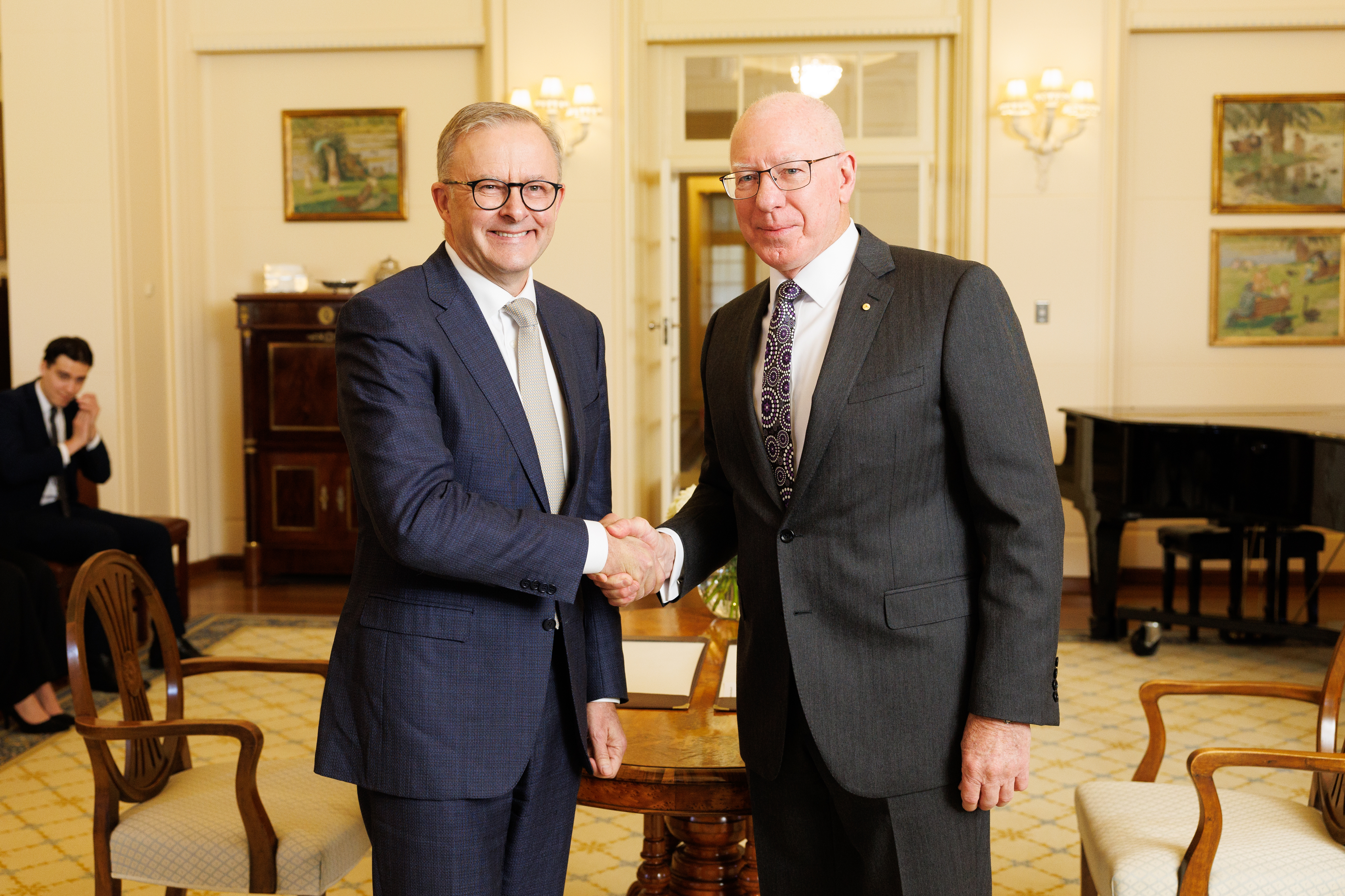
Anthony Albanese has been sworn in as the 31st prime minister of Australia alongside several new senior ministers as Labor officially takes government.

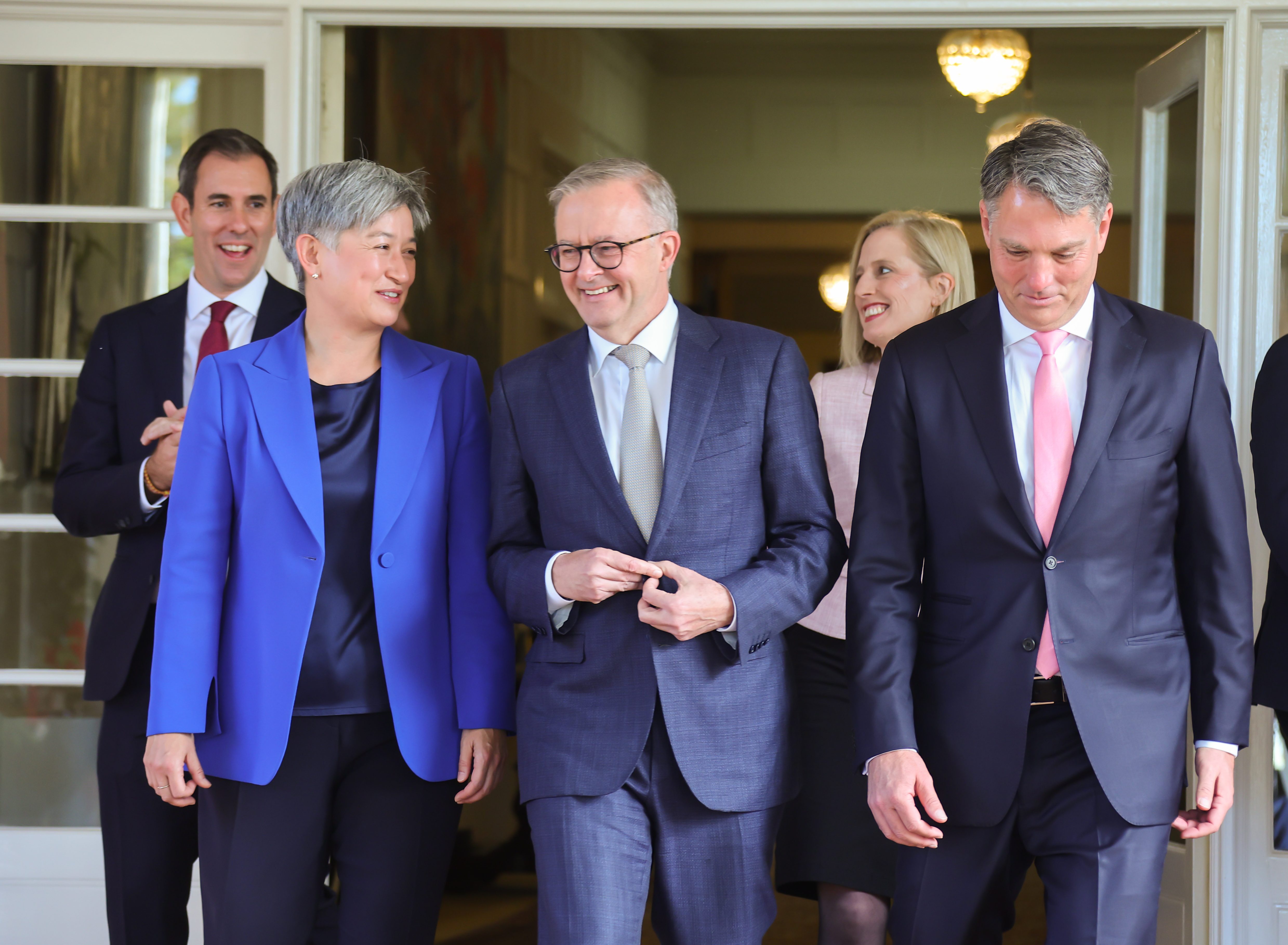
Labor Senator Penny Wong was sworn in as foreign minister, Richard Marles as deputy prime minister, Jim Chalmers as treasurer, and Katy Gallagher as finance minister.

They will divide the ministerial portfolios between them before the incoming Labor government's full ministry is sworn in later this month.

FEDERAL ELECTION 2022: Full results, seats won, party votes total and swings

Albanese and Wong are then set to travel to a meeting of the Quad security organisation on Tuesday, where they will meet with US President Joe Biden, India Prime Minister Narendra Modi, and Japan Prime Minister Fumio Kishida, in Tokyo.

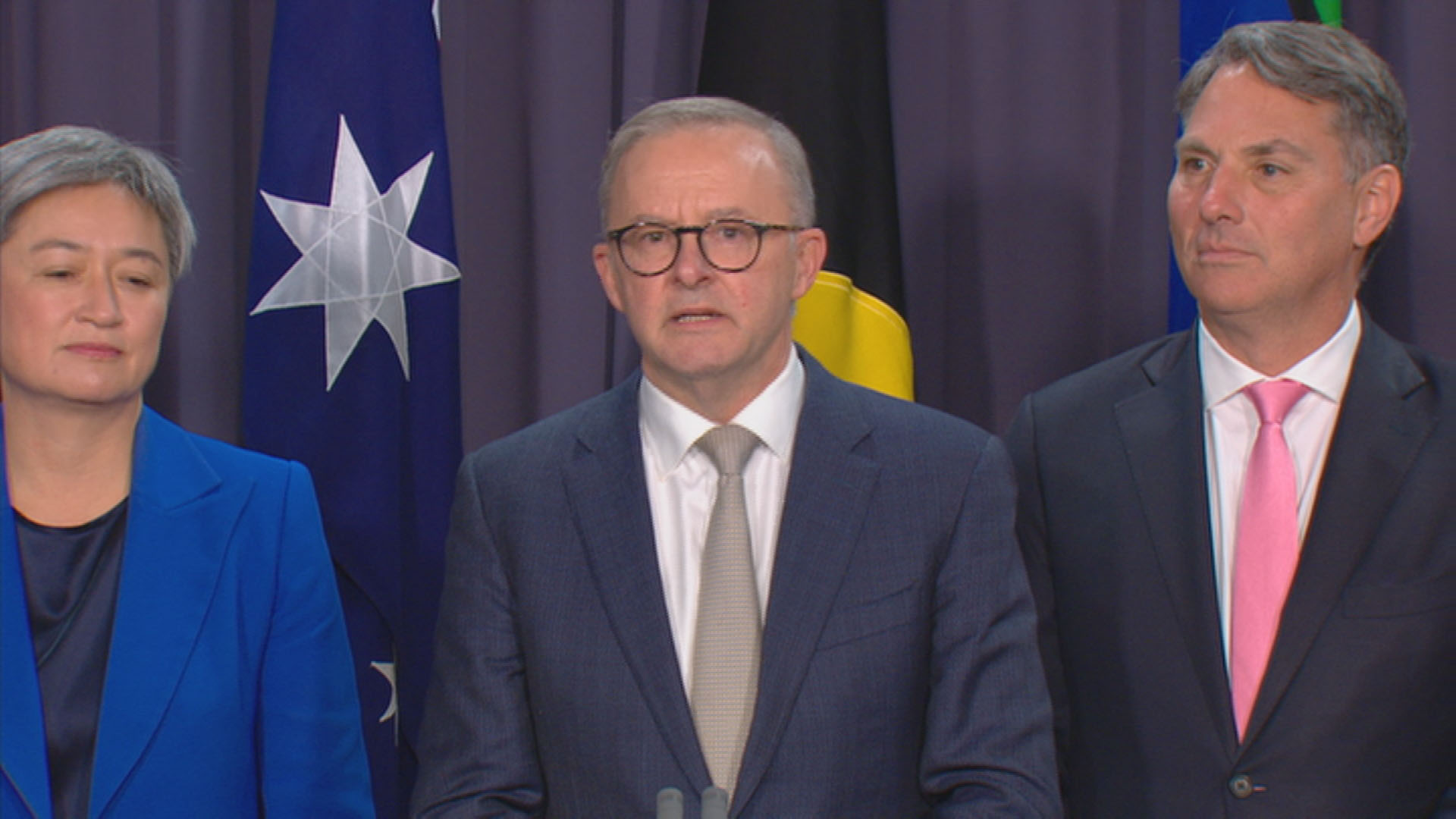
"The (Quad security) meetings that we will have, not just with the United States, but importantly with our hosts in Japan and India are going to be very important, in a good way, to send a message to the world that there's a new government in Australia and it's a government that represents a change, in terms of the way that we deal with the world on issues like climate change but also a continuity in the way that we have respect for democracy and the way that we value our friendships and long time alliances," Albanese said in his first press conference as prime minister before the flight.

The timing of the meeting is behind the rapid swearing-in, which will constitute one of the swiftest changes of government in Australia's history.

Albanese also outlined his policy priorities, including a national reconstruction fund, climate action, full implementation of the respect at work report recommendations, affordable child care, aged care, and strengthening Medicare.

"I look forward to leading a government that makes Australians proud, a government that doesn't seek to divide, that doesn't seek to have wedges but seeks to bring people together for our common interest and our common purpose," he said.

"I think that is one of the messages that came through on Saturday, people have conflict fatigue."

In that vein, he signalled that he was ready to work with crossbenchers – but that he anticipated leading a majority government.

Prime Minister Anthony Albanese, Senator Penny Wong and Deputy Prime Minister Richard Marles.

"I am hopeful that we will receive a majority of members of the House of Representatives," Albanese said.

"At this stage that looks most likely, but counting continues, but my expectation is that we have a majority in the Labor Caucus."

He said he had spoken with at least five independents who told him "that they would not support any no confidence motions against the Government and that they would also secure supply."

US President Joe Biden has congratulated Mr Albanese on his win and expressed his appreciation for the Australian government's decision to attend the meeting so soon after the election.

READ MORE: Why this Russian officer risked it all to quit Putin's war

Albanese said he and Biden had shared a "fruitful and positive conversation".

The Quad leaders will discuss how to counter China's influence in the region.

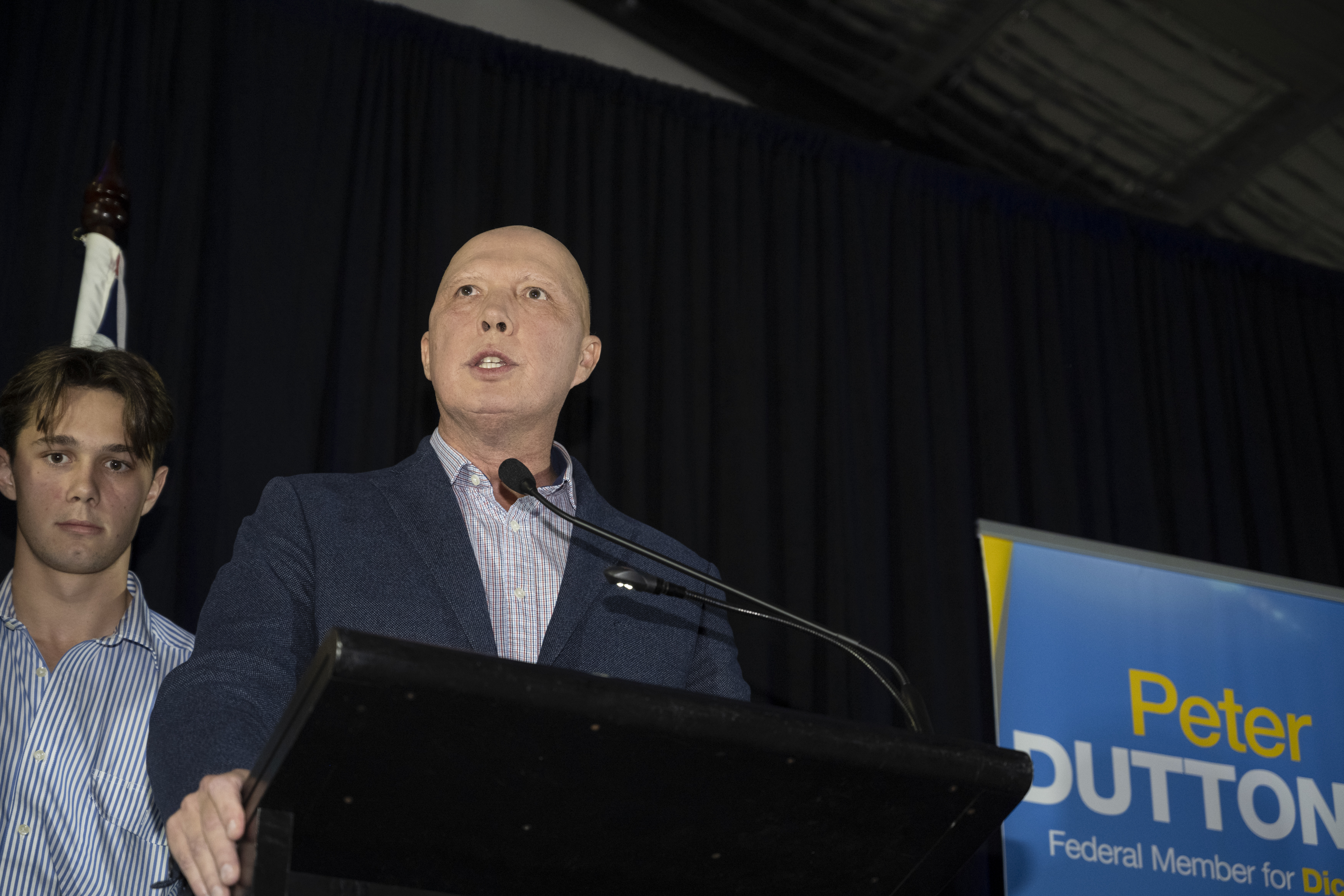
Meanwhile, the reeling Liberal party will attempt to reset for its time in opposition, with Peter Dutton in the hot seat to be elected party leader.

However, the other presumed leader-in-waiting, outgoing Treasurer Josh Frydenberg, has not yet conceded defeat in the Melbourne seat of Kooyong.

READ MORE: 'Bulldozed' Liberal party likely heading further right after defeat

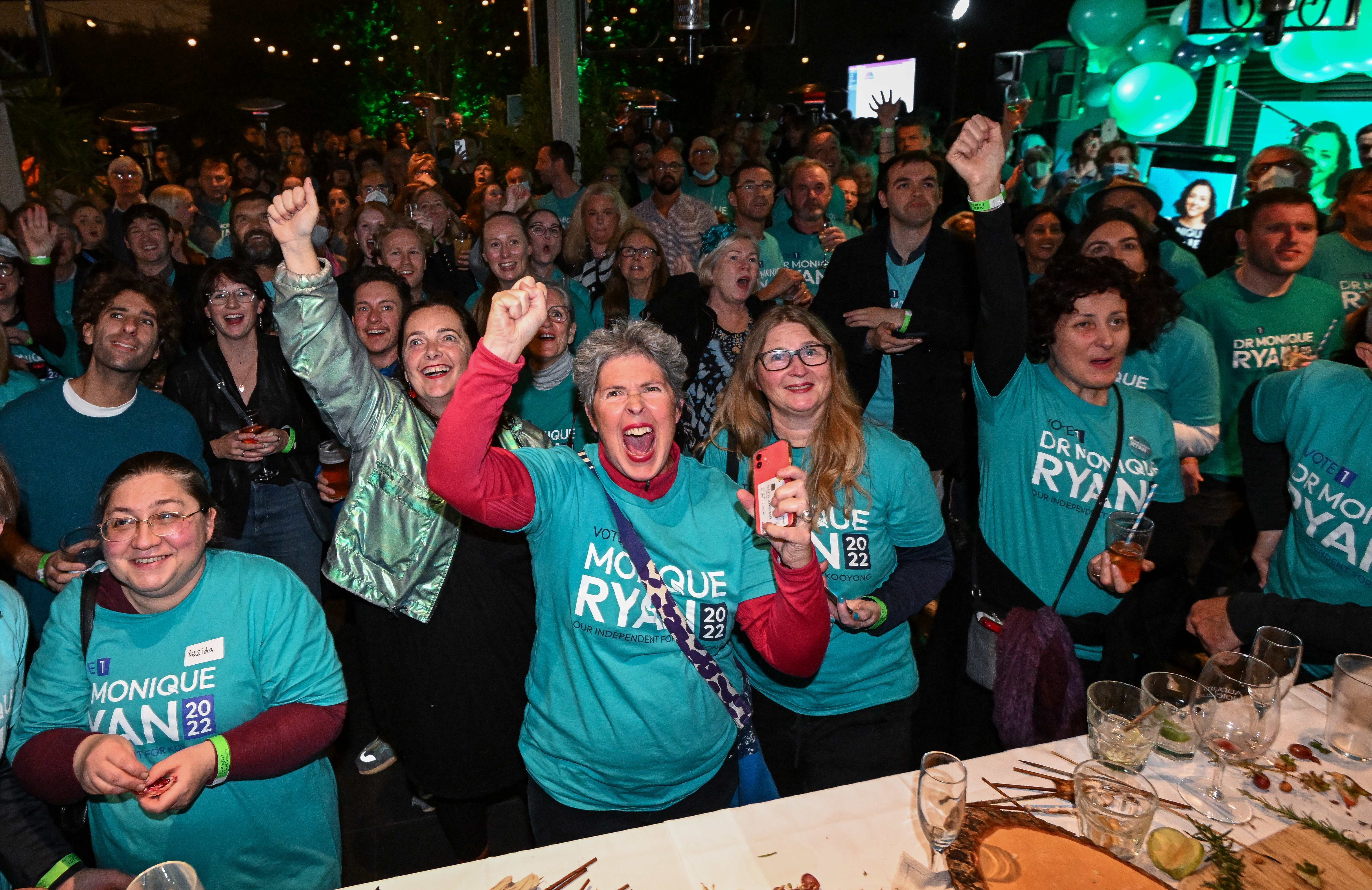
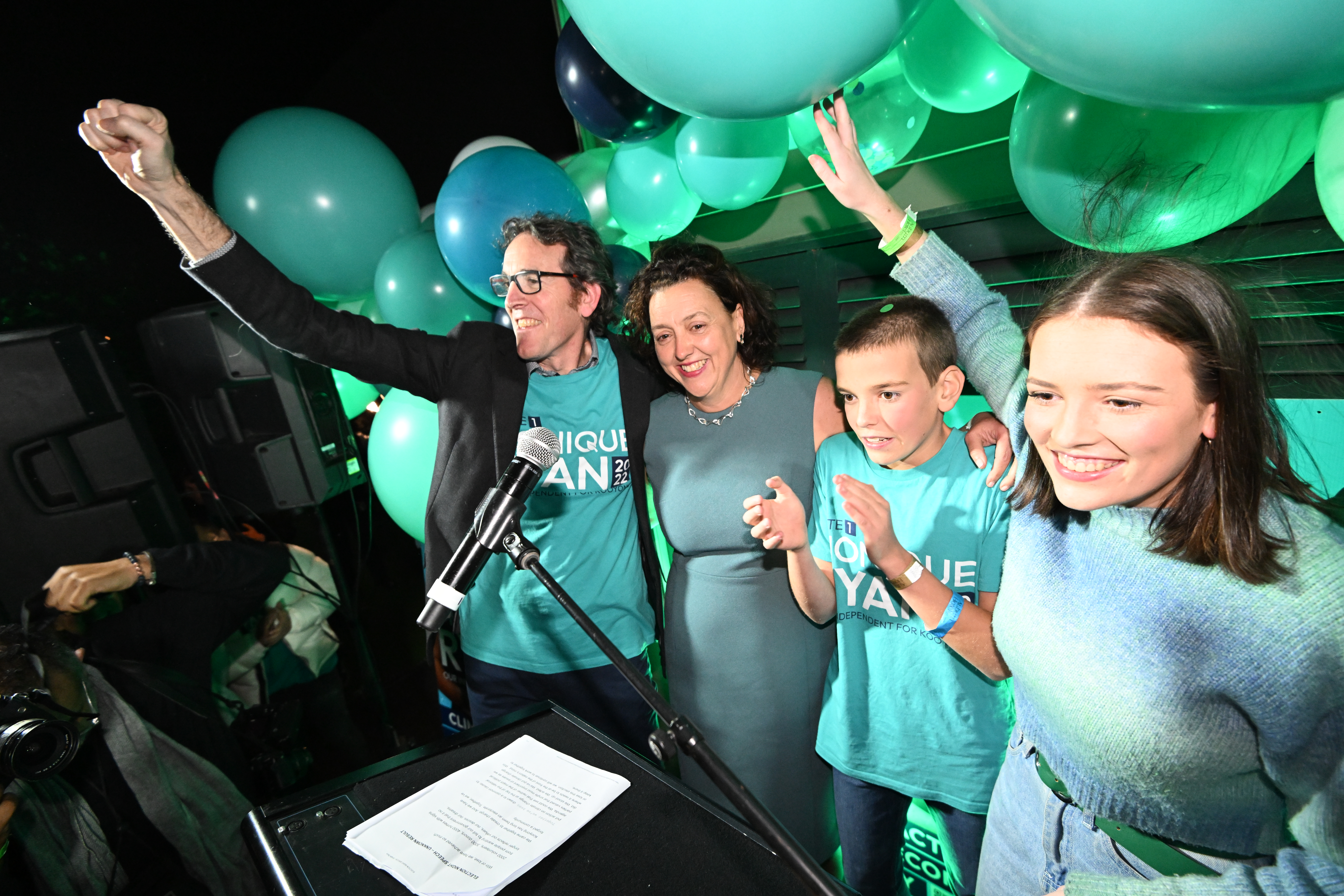
Frydenberg appears set to lose the seat to Independent Dr Monique Ryan, and he admitted it would be "difficult" to claim victory from this position.

However, he has said it was "mathematically possible" he could still win the contest, and both candidates are waiting for the postal vote count to finish.

About 12 per cent of the overall votes – 16,000 postal ballots – are yet to be counted in the seat.

READ MORE: Climate change and international relationships high priorities for Albanese

Who are the 'teal candidates' in this federal election?

Australian politics have largely always been dominated by two major forces: the Labor Party and the Coalition, which is an alliance of the Liberal Party and the National Party of Australia.

But a huge new shift is coming. On Saturday night, a group of so-called "teal independents" snatched as many as seven seats in huge swings.

But what – and who – are the teal independents?

Here's everything we know:

LIVE RESULTS: How your electorate is voting this election

What are the 'teal independents'?

The teal independents are a loosely-tied group of independent candidates who share the roughly the same backers and roughly the same policy platform.

A political action group Climate 200, set up by clean energy investor and son of Australia's first billionaire Simon Holmes à Court, funds the campaigns of candidates who align with the organisation's values.

They are not a political party, but seem to converge on two specific policies: the call for a federal integrity commission and a greater emphasis on tackling climate change.

They are called the "teal" independents because many campaigned with materials that use the greenish-blue colour of teal.

READ MORE: Albanese's 'must-do or we are stuffed' list

Who are the teal candidates?

There's no hard and fast rule that decides who is "teal" and who is an independent running with some other colour.

Climate 200 lists a number of independents on its website that it is backing to help win the 2022 Federal election.

The following seven candidates – all considered under the "teal umbrella" managed to gain seats on Saturday night:

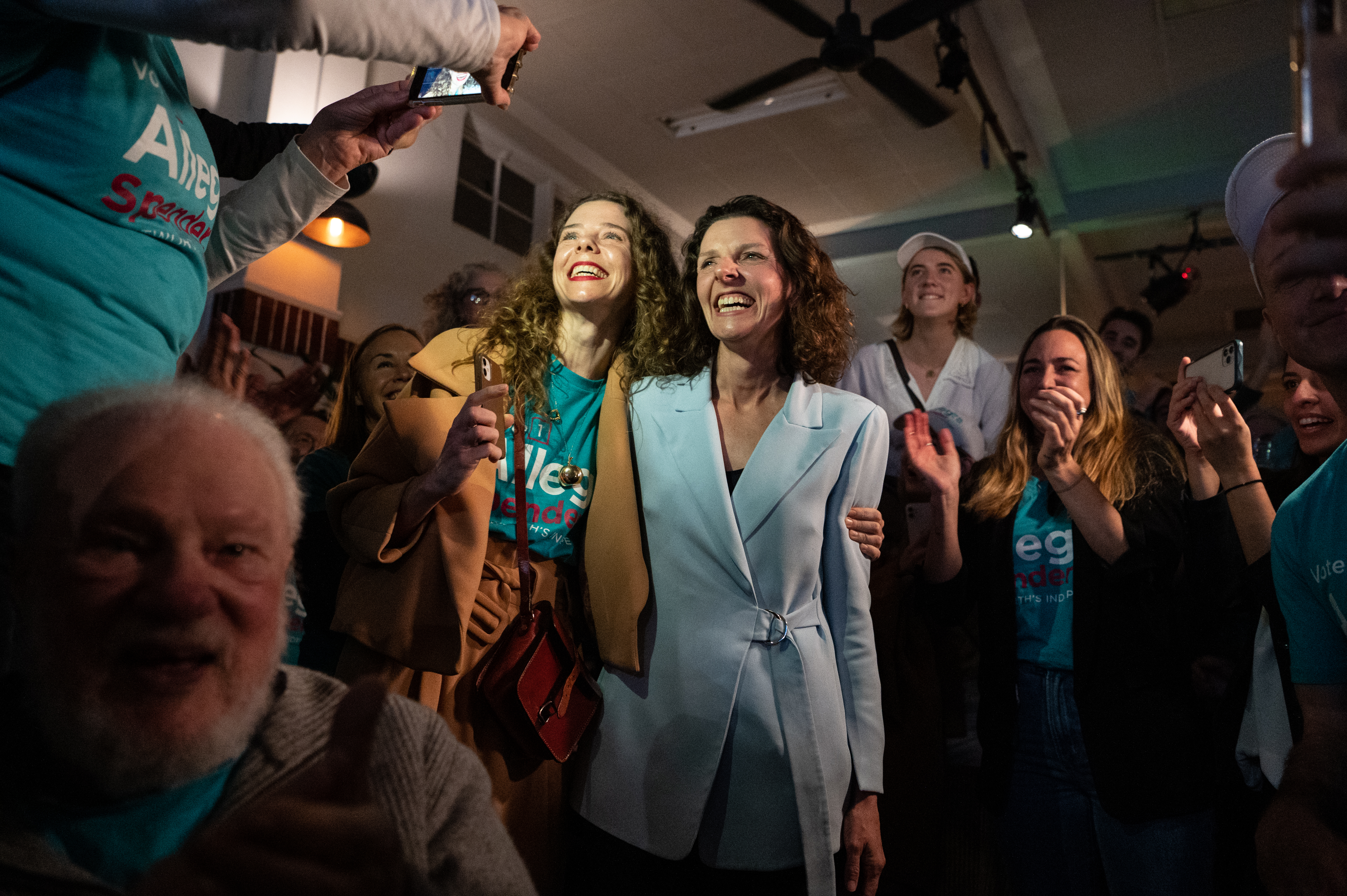
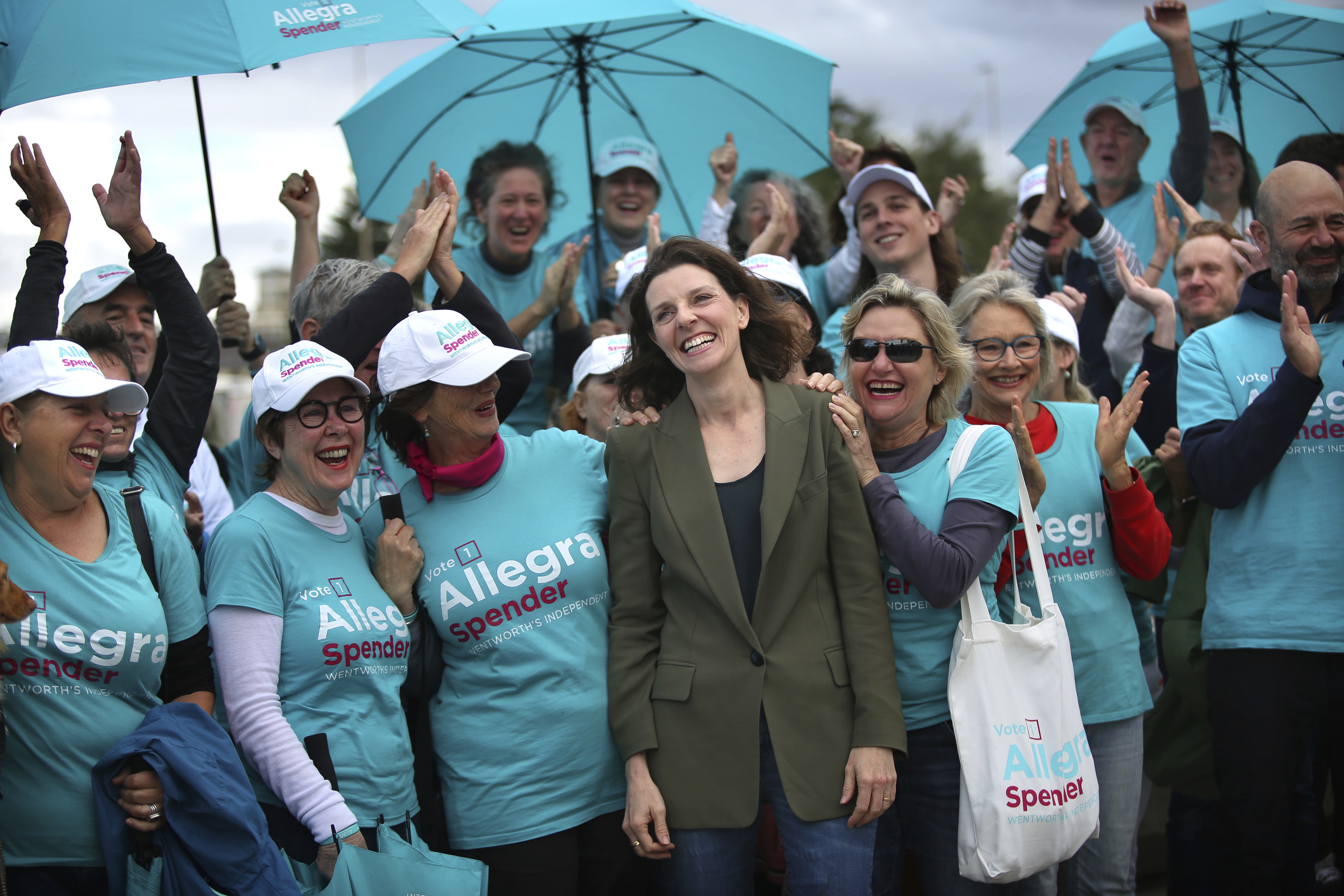
Allegra Spender (Wentworth) WON

Dr Monique Ryan (Kooyong) WON

Kate Chaney (Curtin) WON

Dai Le (Fowler) WON

Zoe Daniel (Goldstein) WON

Kylea Jane Tink (North Sydney) WON

Sophie Scamps (Mackellar) WON

There were also some incumbent independents who managed to retain their seats:

Andrew Wilkie (Clark) RETAINED

Helen Haines (Indi) RETAINED

Zali Steggall (Warringah) RETAINED

You can see the full list of 22 candidates Climate 200 is bankrolling here.

Many independents ran on different colours such as orange, purple and dark green.

(To avoid confusion, the actual colours candidates use don't mean anything other than a point of difference against the well known blue of the Liberal Party and red of the Australian Labor Party.)

Labelling the group as "teal independents" is a colloquial way of referring to the group as a whole without drilling into idiosyncratic differences.

EXPLAINED: What is a hung parliament?

So why are people talking about these independents?

People are talking about the teal independents because they more or less sunk the Coalition off their own bat.

Almost all of the seats they won were taken off incumbent Liberal candidates, almost all of whom were male.

In comparison, the teal candidates largely consisted of women successful in their own right who grew up in the electorates in which they ran in.

The success of the teal independents could mean the Labor Party is likely to prioritise policy that addresses climate change in a meaningful manner and fast-tracks the legislating of a federal integrity commission.

EXPLAINED: What are 'preference deals' and how do they influence my vote?

It sounds like they are operating like a political party?

Perhaps culturally, but technically (and legally) they're not.

Each independent ran on their own name, and a vote for them was not a vote for any particular overriding party ethos or platform.

The independents were backed by donors such as Climate 200 to help them run campaigns with advertising and marketing materials equal to that of their major party competitors – because that takes a lot of cash.

Climate 200 says it was "leveling the playing field" by endorsing "underdog candidates" who agree with legislating a federal ICAC and doing more on climate change.

FULL COVERAGE: Federal Election 2022

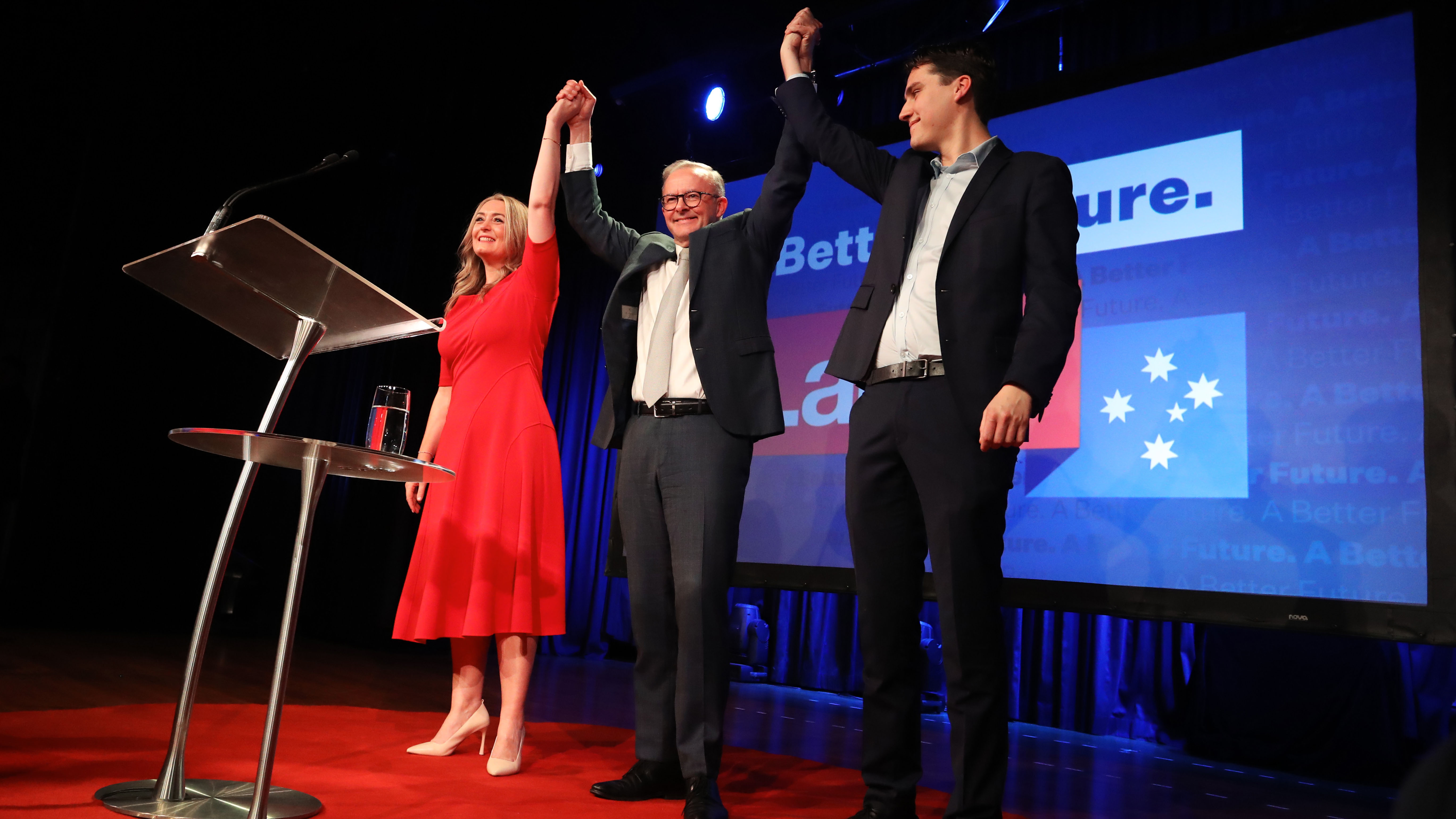
Labor Leader Anthony Albanese  his partner Jodie Haydon and his son Nathan Albanese celebrate victory during the Labor Party election night event at Canterbury-Hurlstone Park RSL Club.

So a bunch of teal independents have won seats, what happens now?

Well, the ALP is still projected to win a majority government (that's where they hold over 50 per cent of seats in the lower house).

The teal independents are unlikely to hold the balance of power (that's where the major powers have to negotiate with independents to form government).

Even with that in mind, the rise of the "teal wave" has far-reaching consequences.

Not only have the teals displaced a number of senior Liberal members – including Treasurer Josh Frydenberg – they will have far more influence on Labor policy now that they have won.

READ MORE: Anthony Albanese is now Australia's Prime Minister, here what it means for your hip pocket

So the teals are for climate change and a federal ICAC. How will they vote on other issues?

Truly, we don't know. 

The independents have (true to their name) largely said that they will vote on other issues depending on their own personal opinions and the opinions of their electorates.

All teal independents have said while they appreciate the backing of donors such as Climate200, they will govern as "true" independents open to the evidence and arguments presented to parliament.

Some have described the teal independents as "Liberal lite" (meaning they have conservative views outside of climate change) but how they vote on social issues remains to be seen.

Rare deep-sea whale washes up on beach

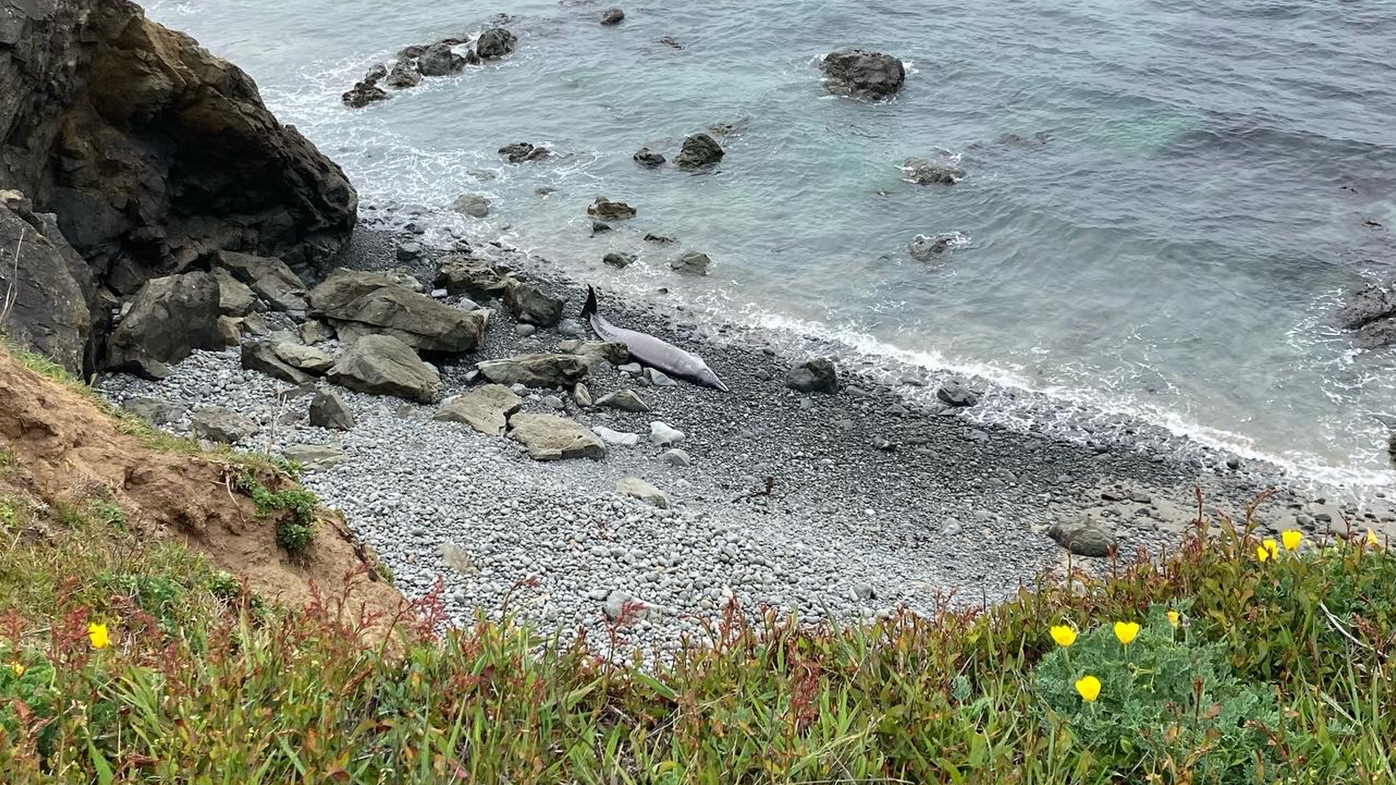
It has tusk-like teeth, and is rarely seen by humans, but last week a rare beaked whale washed ashore California's north coast.

The animal was photographed on the Mendocino Coast last Sunday.

Sadly, the whale was deceased but it's hoped samples collected from it will help humans better understand the "elusive" animal.

WARNING: Images below may disturb some readers

READ MORE: Albanese sworn in as Prime Minister ahead of first overseas trip

Beaked whales are a cetacean. This infraorder of aquatic mammals includes whales, dolphins, and porpoises.

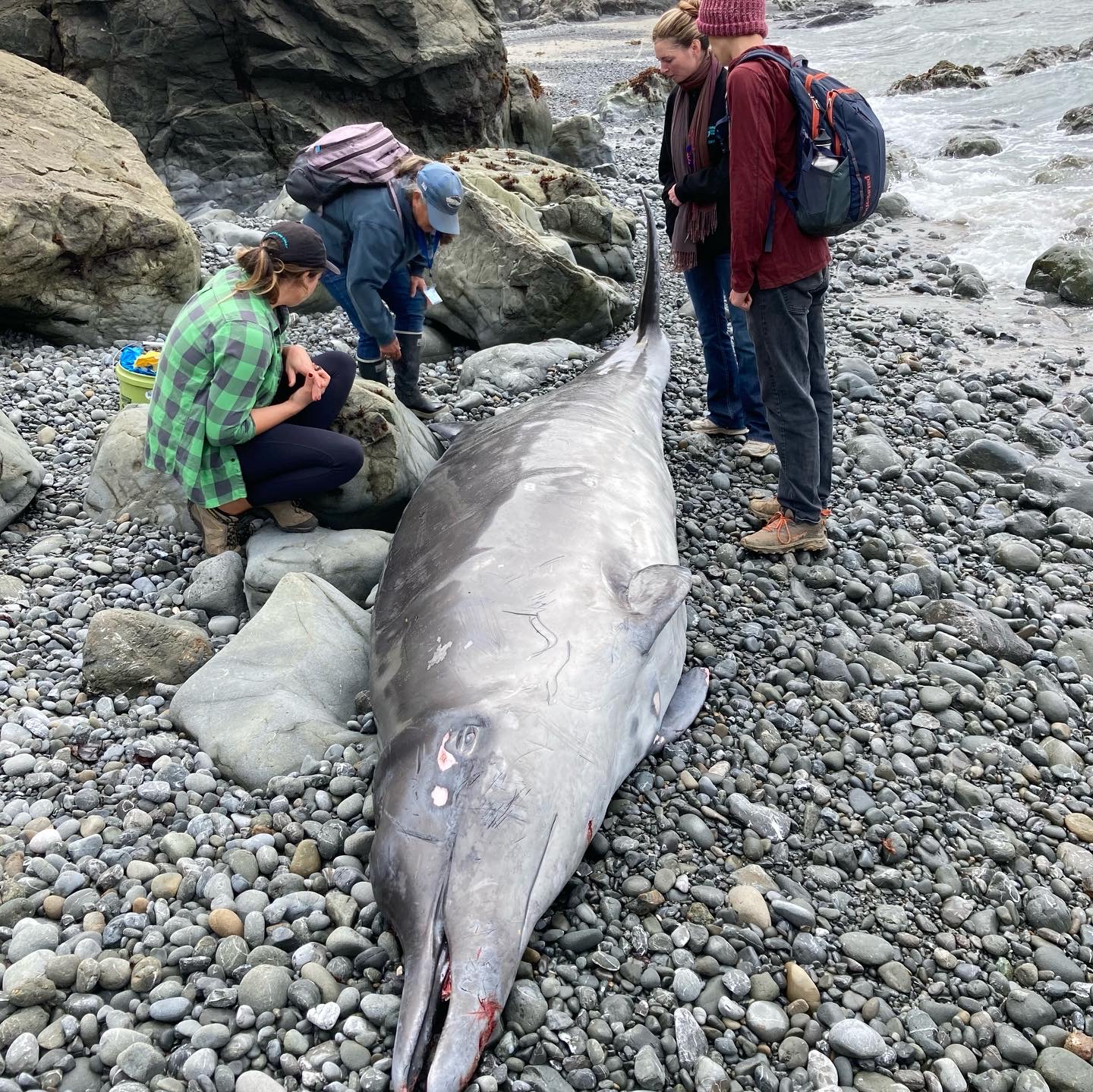
Noyo Center's Stranding Coordinator, along with a team of volunteers, collected tissue samples from the beaked whale.

It explained the "fascinating" creature can dive deeper than any other marine mammal, which makes them hard to find and study.

There a many species in the Northern Pacific and they can dive to depths of 2000 metres.

They also sport an impressive set of teeth.

READ MORE: Albanese's 'must-do or we are stuffed' list

Beaked whales can dive to depths of 2000 metres. There are several species, most are found in the North Pacific.

"Beaked whales are unique among toothed whales in that most species only have one pair of teeth," Noyo Center for Marine Science wrote.

"The teeth are tusk-like, but are only visible in males, which are presumed to use these teeth in combat for females for reproductive rights.

"In females, the teeth do not develop and remain hidden in the gum tissues."

READ MORE: Underwater volcano with sharks living in it starts erupting

The find comes less than a month after a group of Perth marine scientists reeled in the deepest fish caught off Australian waters; two unnamed species of Snailfish.

The fish was caught more than 3000 kilometres off the coast of Western Australia and 6500 metres below the Indian Ocean's surface.

It may be an entirely new species.

Satellite image of Mariupol leads to chilling conclusion

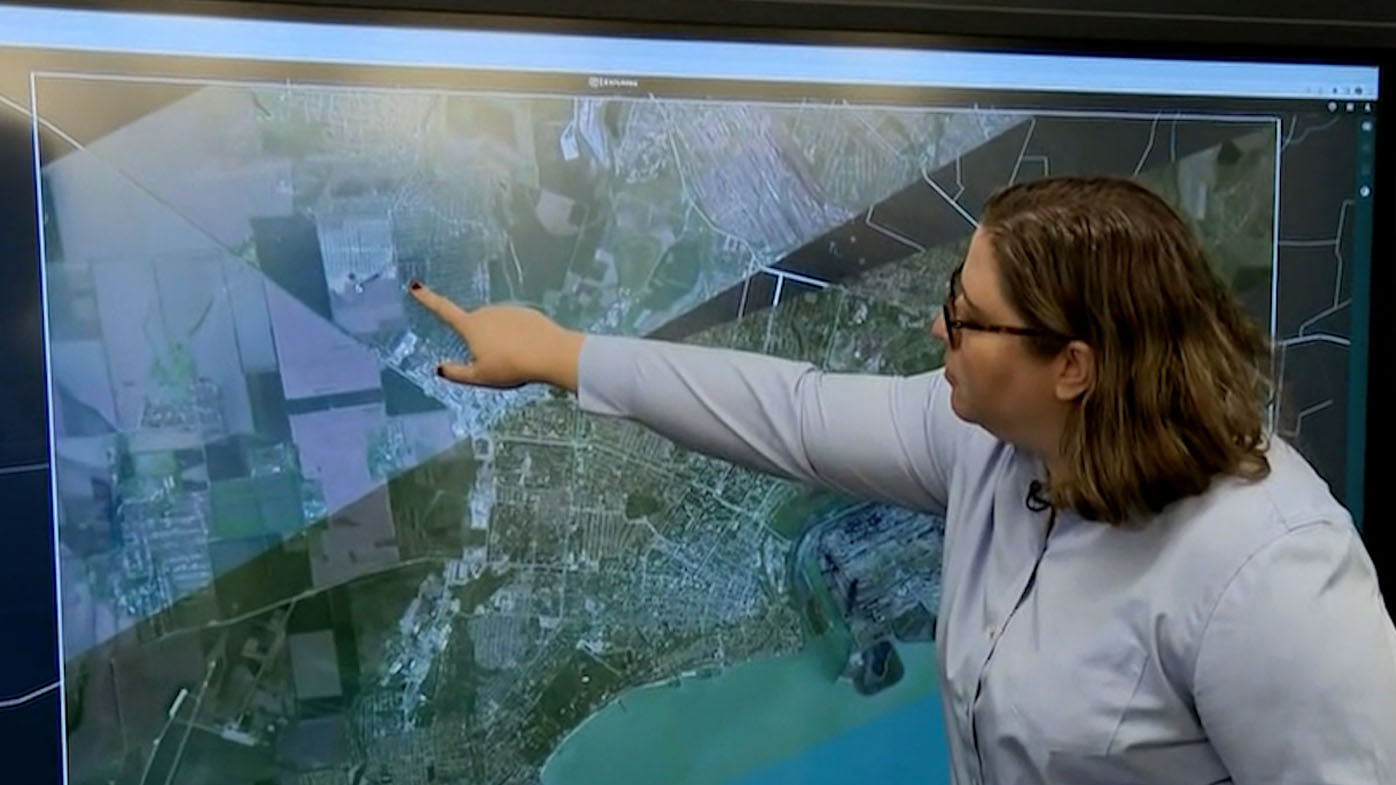
New satellite imagery taken over the Ukrainian city of Mariupol has shown Russian forces digging mass graves, an expert said.

Russia has claimed full control of the strategic port city after Ukrainian defenders at the Azovstal steel plant surrendered after weeks of siege.

US satellite company Planet Labs said its latest imagery has revealed three mass graves on the outskirts of Mariupol.

FULL COVERAGE: Federal Election 2022

Russian troops have been accused of committing atrocities in Ukraine including the mass killing of civilians.

US military expert Melissa Hanham, of Stanford University, said the apparent graves shown in imagery were capable of holding thousands of bodies.

"This is fresh brown dirt … they've been using bulldozers we're seeing in earlier imagery to slowly dig those trenches.

"Around just the town of Mariupol there are three mass graves … I would say they are ready for 5000 bodies or more."

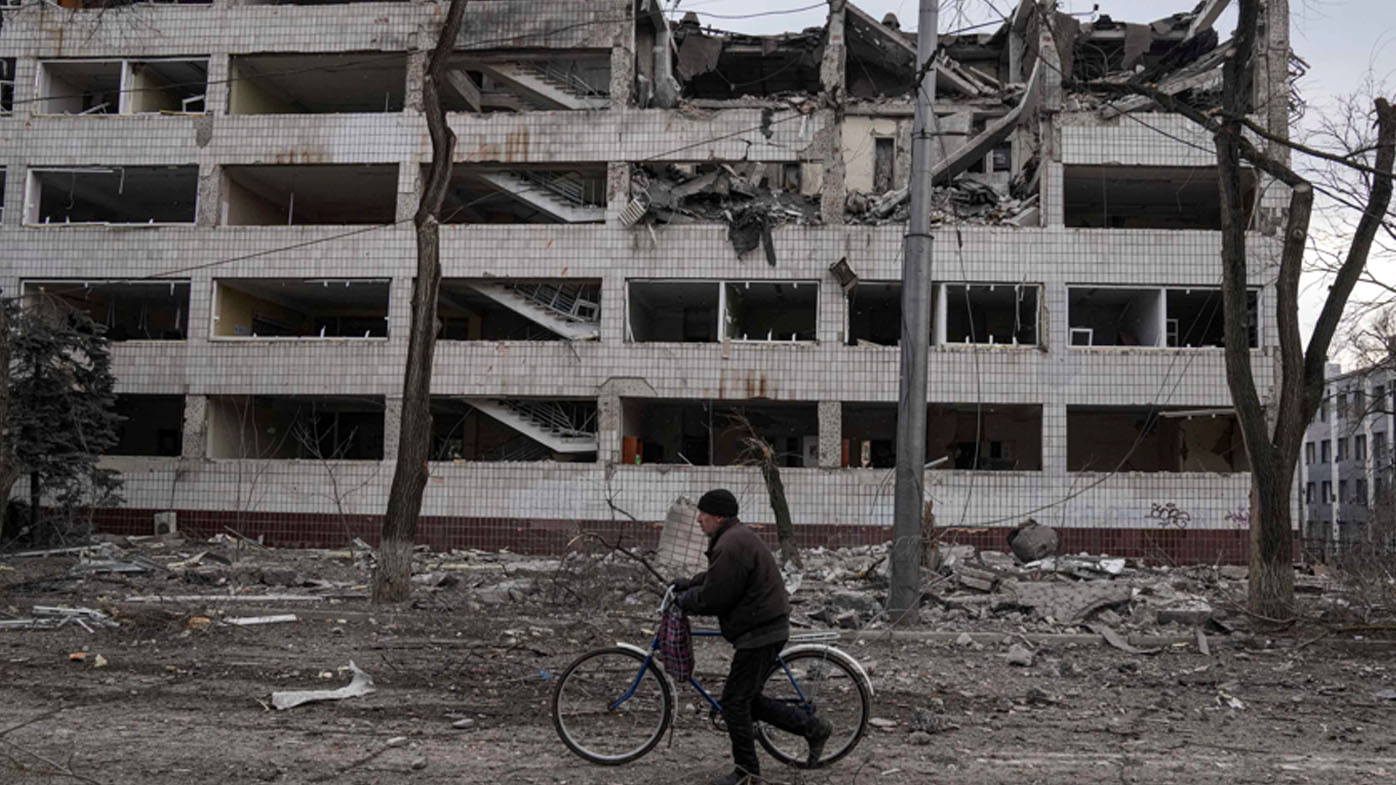
With Russia controlling the city, Ukrainian authorities are likely to face delays in documenting evidence of alleged Russian atrocities in Mariupol, including the bombings of a maternity hospital and a theatre where hundreds of civilians had taken cover.

READ MORE: Russian officer reveals why he risked it all to quit Putin's war

Satellite images in April showed what appeared to be mass graves just outside Mariupol, where local officials accused Russia of concealing the slaughter by burying up to 9,000 civilians.

An estimated 100,000 of the 450,000 people who resided in Mariupol before the war remain. Many, trapped by Russia's siege, were left without food, water and electricity.

The Ukrainian mayor of Mariupol warned Saturday the city is facing a health and sanitation "catastrophe" from mass burials in shallow pits across the ruined city as well as the breakdown of sewage systems.

Vadim Boychenko said rains threaten to contaminate water sources as he pressed Russian forces to allow residents to safely leave the city.

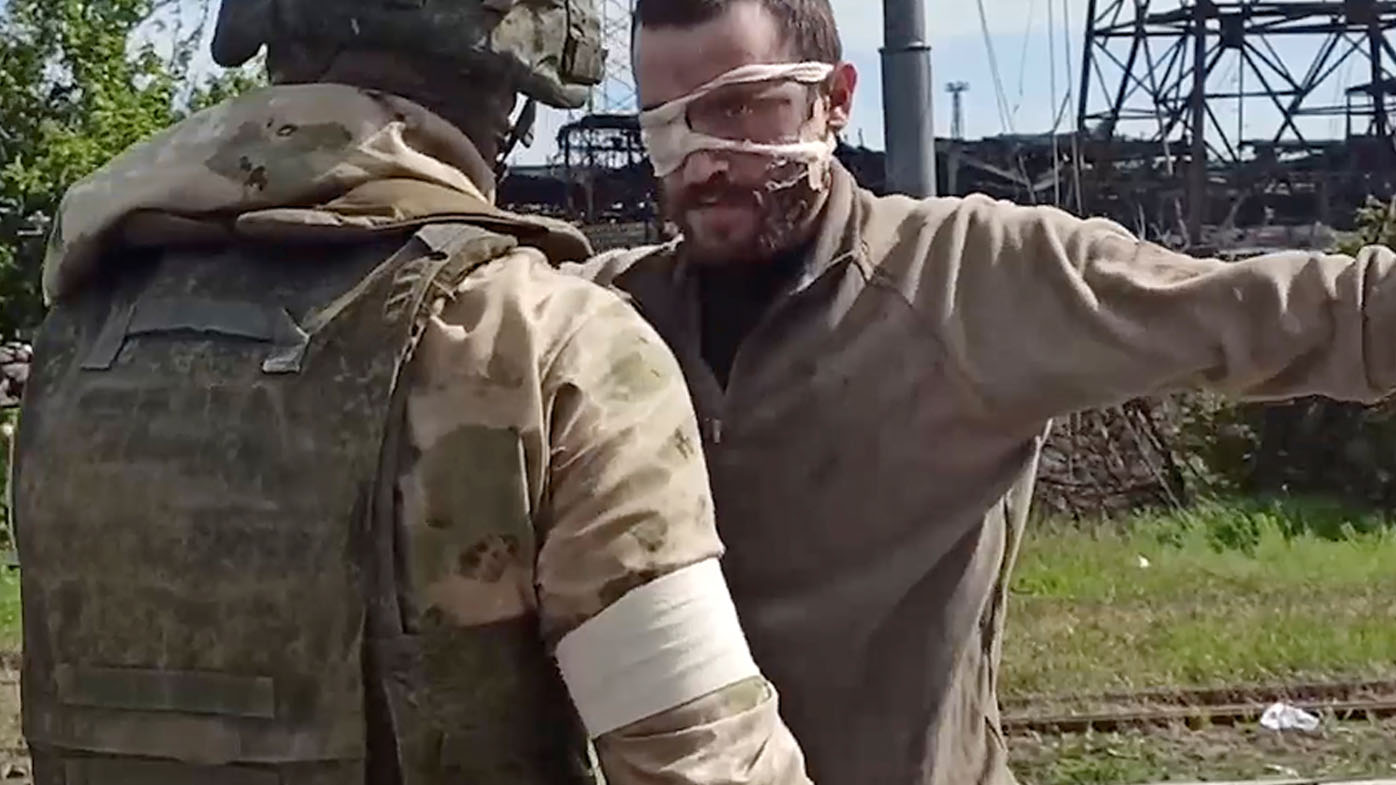
There is also mounting concern about Ukrainian soldiers captured after the fall of the Azovstal steel plant.

READ MORE: Albanese's 'must-do or we are stuffed' list

The Russian Defence Ministry released video of Ukrainian soldiers being detained after announcing that its forces had removed the last holdouts from the Mariupol plant's extensive underground tunnels.

Denis Pushilin, the pro-Kremlin head of an area of eastern Ukraine controlled by Moscow-backed separatists, claimed that 2,439 people were in custody. He said on Russian state TV that the figure includes some foreign nationals, though he did not provide details.

– Reported with CNN, Associated Press

Rivers rising in flood-ravaged northern NSW

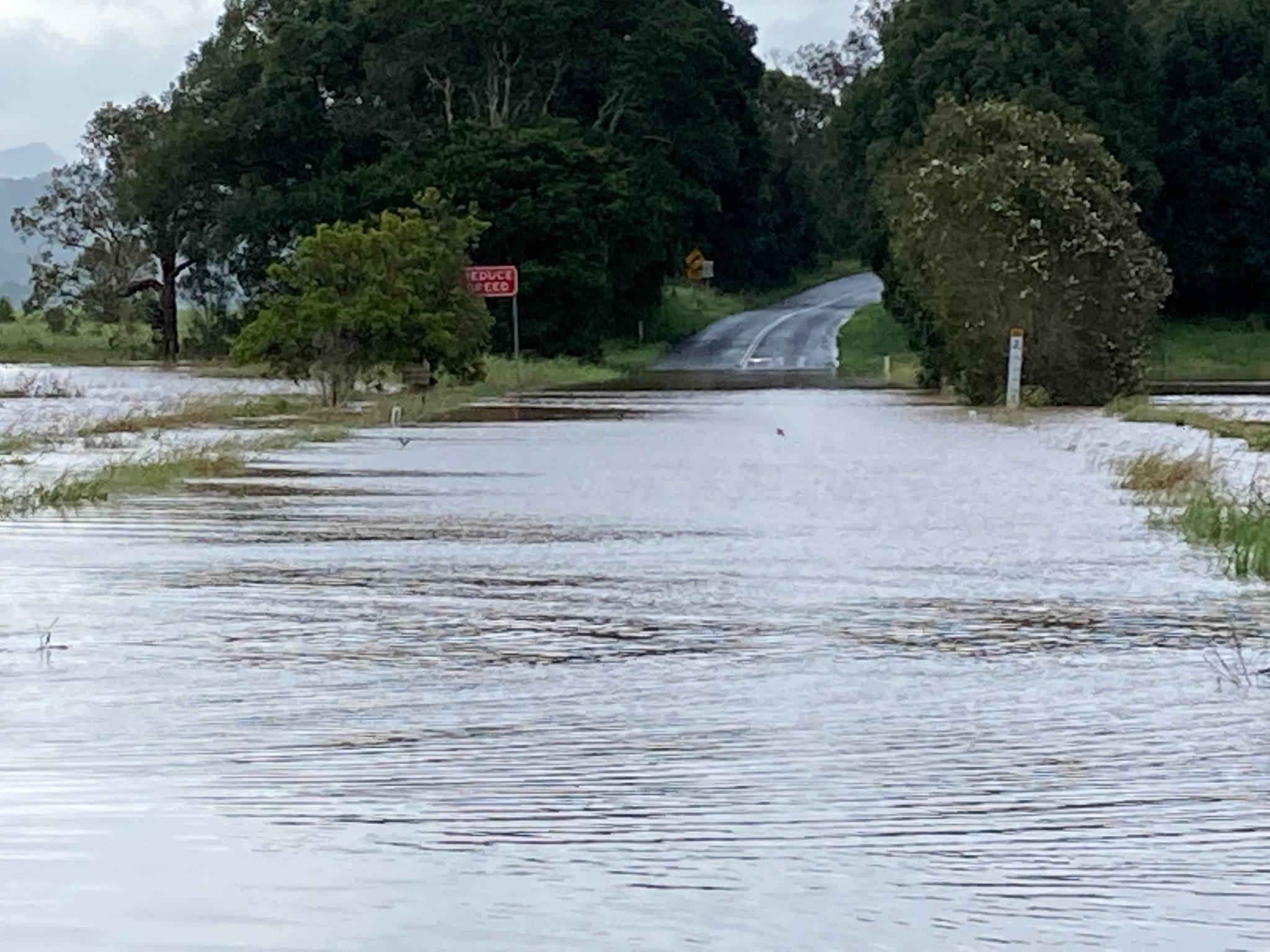
Roads are closing and farmers are starting to move livestock to safer ground as rain continues to lash New South Wales, causing rivers to rise.

The threat of renewed flooding is being felt particularly hard in northern NSW, which has flooded twice since the start of this year.

Minor flooding is currently occurring along the Wilsons River, which could affect Lismore later this afternoon.

Minor flooding is also occurring along the Richmond River, which will affect Coraki and Bungawalbin tonight.

READ MORE: 'La Niña has a 62 percent chance of persisting through winter'

https://twitter.com/BOM_NSW/status/1528575633311383552

The Bureau of Meteorology said the Wilsons River may reach the minor flood level of 4.20 metres today, but warned further rises could occur.

Recent rainfall along the Lachlan River catchment, combined with earlier flood peaks, have the potential to cause minor flooding at Booligal.

LIVE COVERAGE: 'Can we just, on day one, get that clear?: Albanese fires up
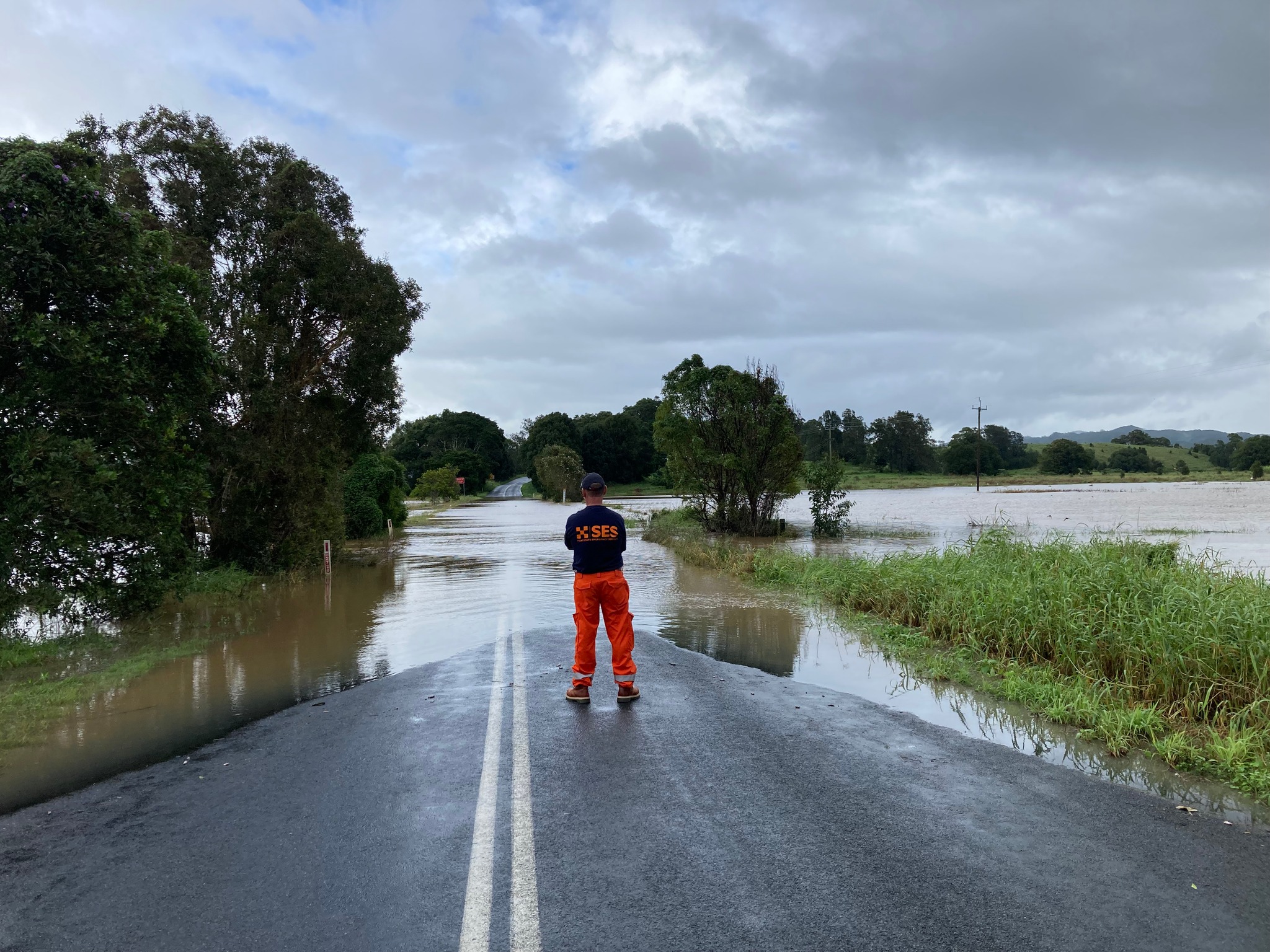
Tweed Coast Road has been closed due to flooding. Several flood warnings are in effect for NSW.

And minor flooding is also possible along the Richmond River at Coraki and Bungawalbin from today.

Tweed Coast Road at Wooyung on the Tweed Coast has also been closed due to flooding.

Residents can stay across all flood warnings here.

Separate wet weather systems lashing opposite sides of country

Two wet weather systems are currently moving across opposite sides of Australia, with multiple states set for an absolute soaking – and chilly temperatures.

Western Australia and NSW will be lashed with more heavy rainfall over the next 24 hours as two separate cold fronts cause temperatures to plummet.

And residents across Sydney are being warned not to pack away the umbrellas just yet; The Bureau of Meteorology (BoM) said the city could be hit with 20-40mm of rain today.

The warnings come after 15mm of rain felt overnight.

The Harbour City has had more wet days than dry this year BoM said, with 94 of 142 recording rain.

READ MORE: Albanese's 'must-do or we are stuffed' list
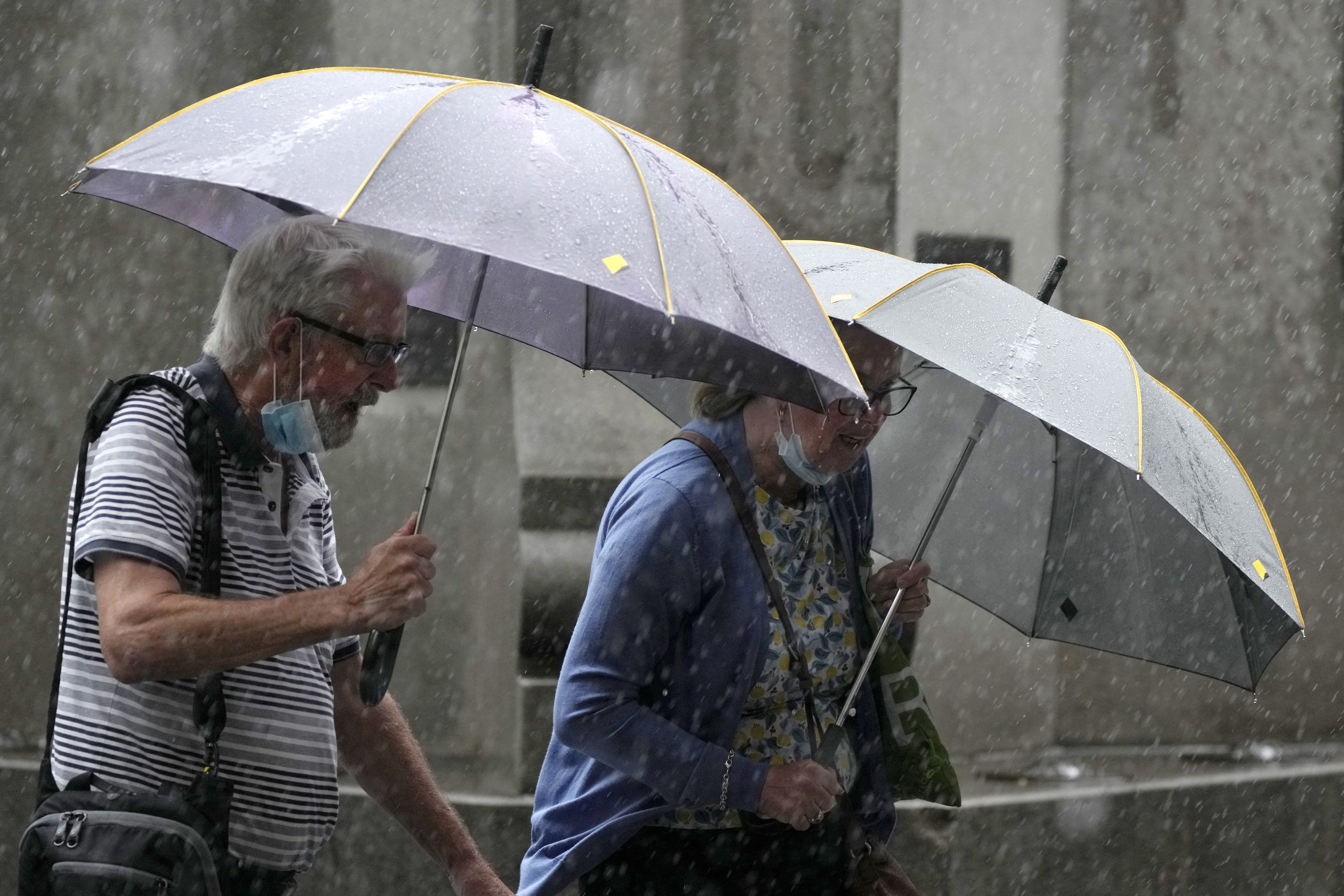
Pedestrians use umbrellas to shield the rain in Sydney, Wednesday, March 2, 2022, as parts of Australia's southeast coast were inundated by the worst flooding in more than a decade. Floodwaters are moving south into New

Senior Meteorologist Jonathan How said wet weather will persist until Thursday.

"(We've seen) heavy showers and storms overnight," How said.

"These are likely to continue today.

"We will see those showers get 10 to 20mm each day until at least Thursday; that's the next dry break for Sydney and the Central Coast."

READ MORE: Why this Russian officer risked it all to quit Putin's war
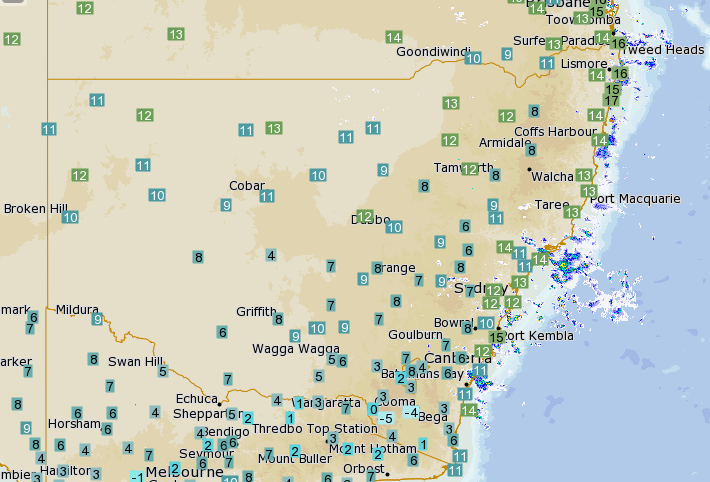
The cold front will also cause temperatures to plummet. These are the current temperatures across NSW.

A hazardous surf warning is also in place for Byron Coast, Coffs Coast, Macquarie Coast, Hunter Coast, Sydney Coast, Illawarra Coast and Batemans Coast, until Tuesday at least.

The Sunshine Coast in Queensland also received a drenching, recording 51mm of rain at the airport.

Showers are also expected to fall across Queensland today as well, Brisbane has 4 to 10 mm of rain forecast.

The cold front is lowering mercury levels across the east-coast, with frost warnings in place for Victoria's Northern Country, central, west and south east Gippsland.

Metropolitan Victoria is set to hit 17C on Monday and 18C on Tuesday.

The Bureau is predicting Queenslanders to experience mild mornings with temperatures dropping to 15C.

'Vigorous cold front' hits WA

A severe weather warning is in place for southern WA with damaging winds and pounding rain to wreak havoc this afternoon and well into Tuesday evening.

This is due to a "vigorous cold front" sweeping across the state. Morning lows of 13C and 11C will be felt on Tuesday and Wednesday respectively.

READ MORE: Taliban orders women TV anchors to wear face masks on air

https://twitter.com/BOM_au/status/1528158701223305216

In addition to the chill, the next several days will be "wet and windy", the weather bureau has warned.

Destructive wind gusts in excess of 125 km/h are predicted for the state.

The heaviest of the rain is predicted today; Perth could cop between 30 – 60 mm of rain.

Read on to find out what the weather is doing across the nation's capitals today.

Brisbane

There's a high chance of showers forecast for Brisbane today, with temperatures set to hit a maximum of 22C.

Rain is most likely to hit the city from late morning, persisting into the afternoon.

Sydney

The Harbour City is instore for showers and a maximum of 19C.

The BoM said there's even a chance of a thunderstorm neaar the coast.

Melbourne

Meanwhile in Melbourne, cloud is clearing. This will give way to a sunny, 17C day.

Canberra

It will be a partly cloudy, 16C day in Canberra; perfect conditions for Prime Minister-elect Anthony Albanese's swearing in.

Hobart

It will be mostly sunny but chilly in Hobart. Temperatures will reach 15C.

Adelaide

It will also be sunny in Adelaide. It will reach a maximum of 22C.

Darwin

The mercury will soar to 34C in Darwin. It will be a mostly sunny day.

Perth

Storms and possible heavy falls are are possible in Perth. The temperature will reach a maximum of 17.