Tag Archives: oceania

Queensland health minister responds to increased pressure on health system

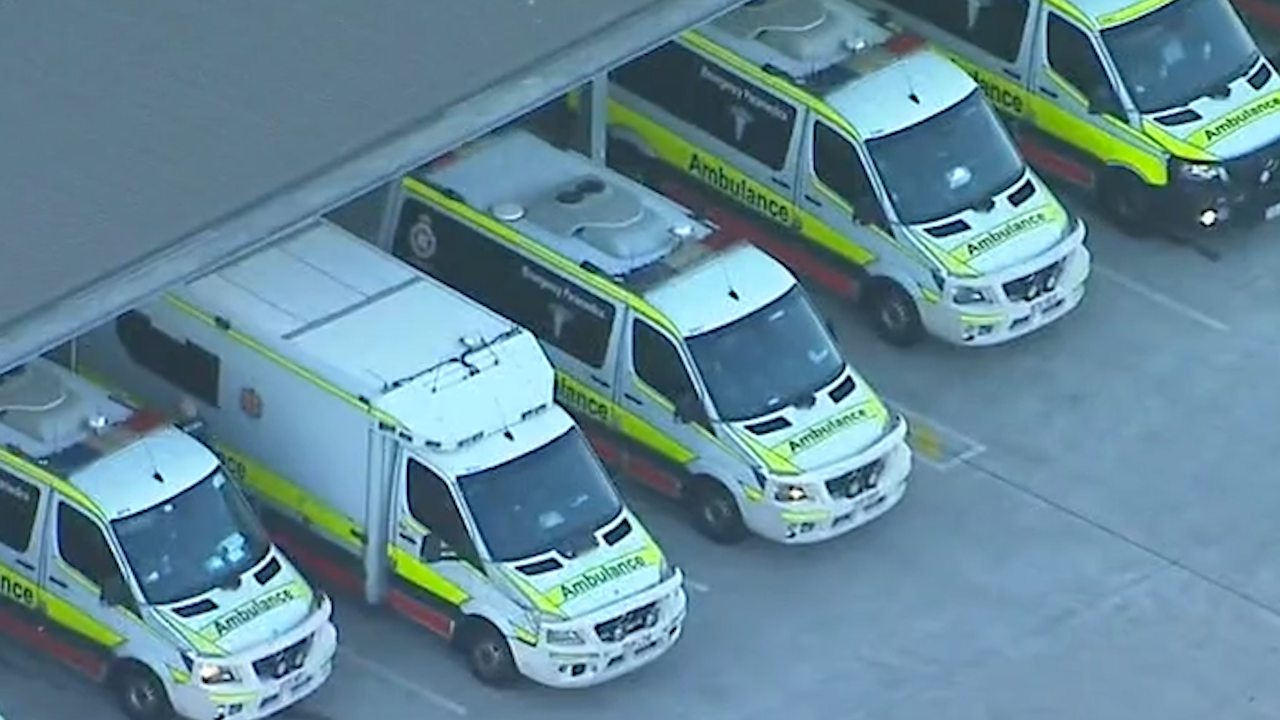
Queensland health minister Yvette D'Ath has addressed mounting pressure on the state's health system as some claim ambulances are forced to bypass at-capacity hospitals, leaving patients waiting up to hours for care.

Some Queenslanders have told 9News their loved ones were left waiting up to seven hours for an ambulance.

Paramedics have also spoken of their frustrations with the overloaded system, saying more needs to be done to get patients out of ambulance ramping queues and into hospital beds.

READ MORE: Drones capture incredible shark feeding frenzy in Western Australia
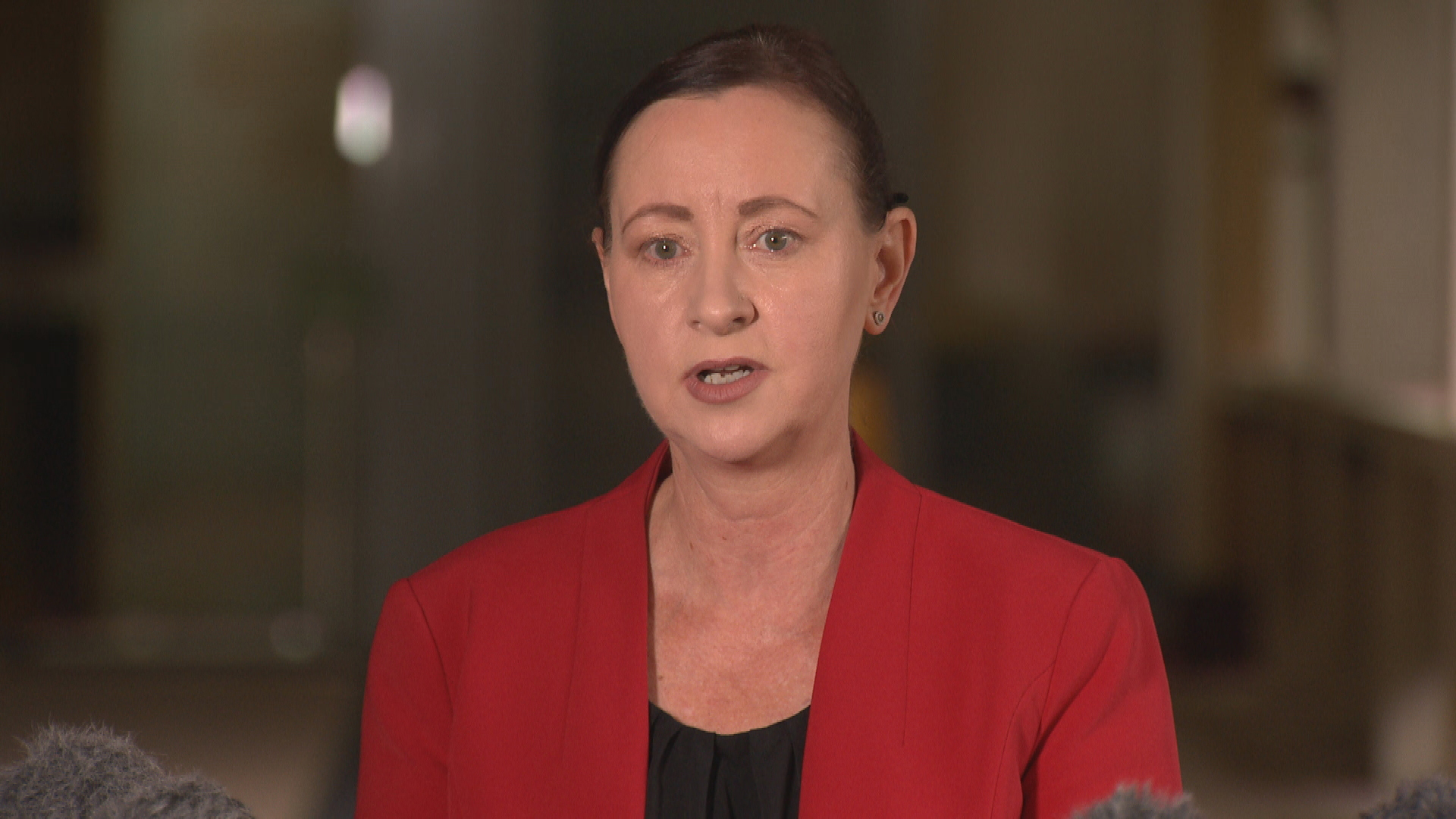
Queensland health minister Yvette D'Ath

READ MORE: 'A scene I will never ever forget': More Queenslanders call for fix to ramping crisis

"They're fed up (paramedics)," United Workers Union national ambulance coordinator Fiona Scanlon said.

"It's actually quite distressing for them as well.

"The health system has had significant issues since before COVID.

"Right now they need to find better ways to move patients through their hospital system."

Opposition leader David Crisafulli said Queensland had "reached a grave new chapter" claiming ambulances have been forced to by-pass the closest hospital due to overloaded emergency departments.
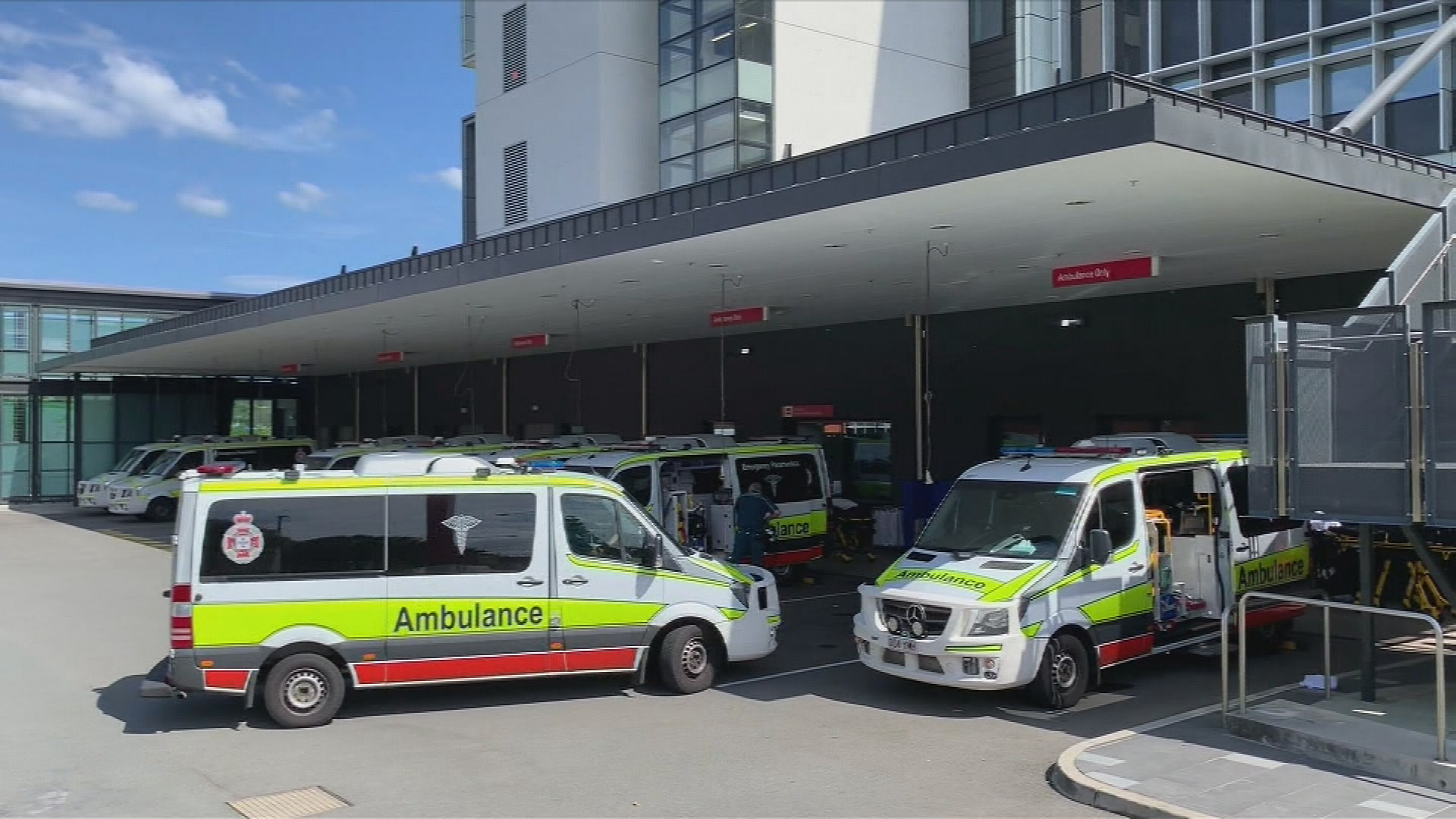
Ramping issues in hospitals are due to a lack of hospital beds to meet demand.

"Ambulance bypass is back in Queensland," he said.

"A process that we thought was behind us in Queensland is happening again."

Shadow minister for health Ros Bates said ambulance bypass had a "snowball effect" for other hospitals and health departments.

"Patients are going to die waiting for an ambulance to turn up, patients could well die while they're being redirected from hospital to hospital and patients will die on the ramp," she said.

READ MORE: Rain to make weekend return as cold front slams into south-east
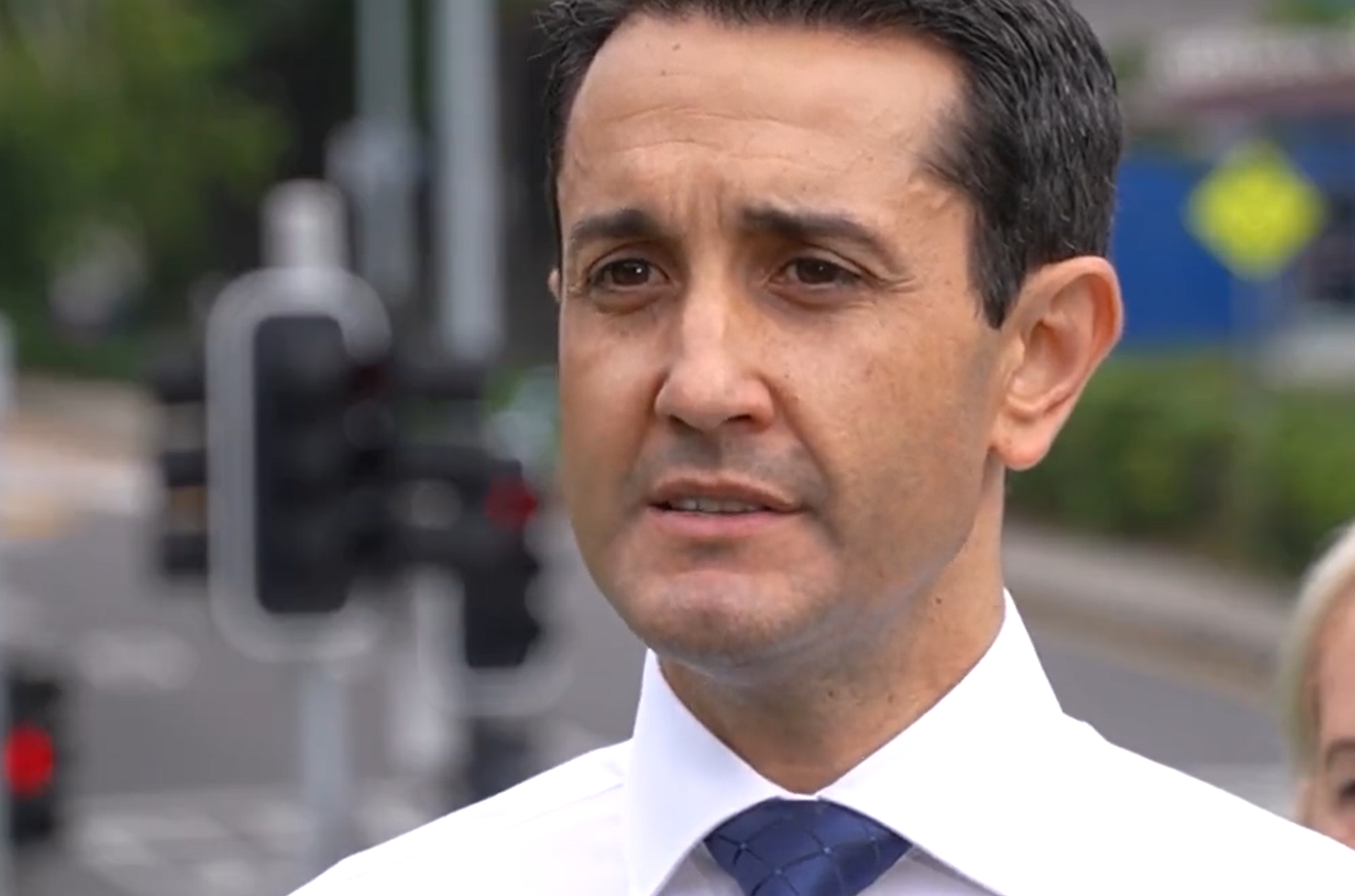
D'Ath said while the pressures and issues facing the health system are not new, they are exacerbated by the rise in COVID-19 patients, isolating health professionals and now, the threat of an influenza wave.

She said health care demand was rising year by year and an overhaul of the public health system would not happen "overnight," calling on the federal government to match state health funding to increase hospital capacity.

"Our hospitals are full," she said. 

"We cannot do this alone. The fact is that we need investment in Commonwealth health funding, funding in aged care NDIS, private health insurance, and we need more support for GPs.

"This is not about shifting responsibility its about sharing responsibility."

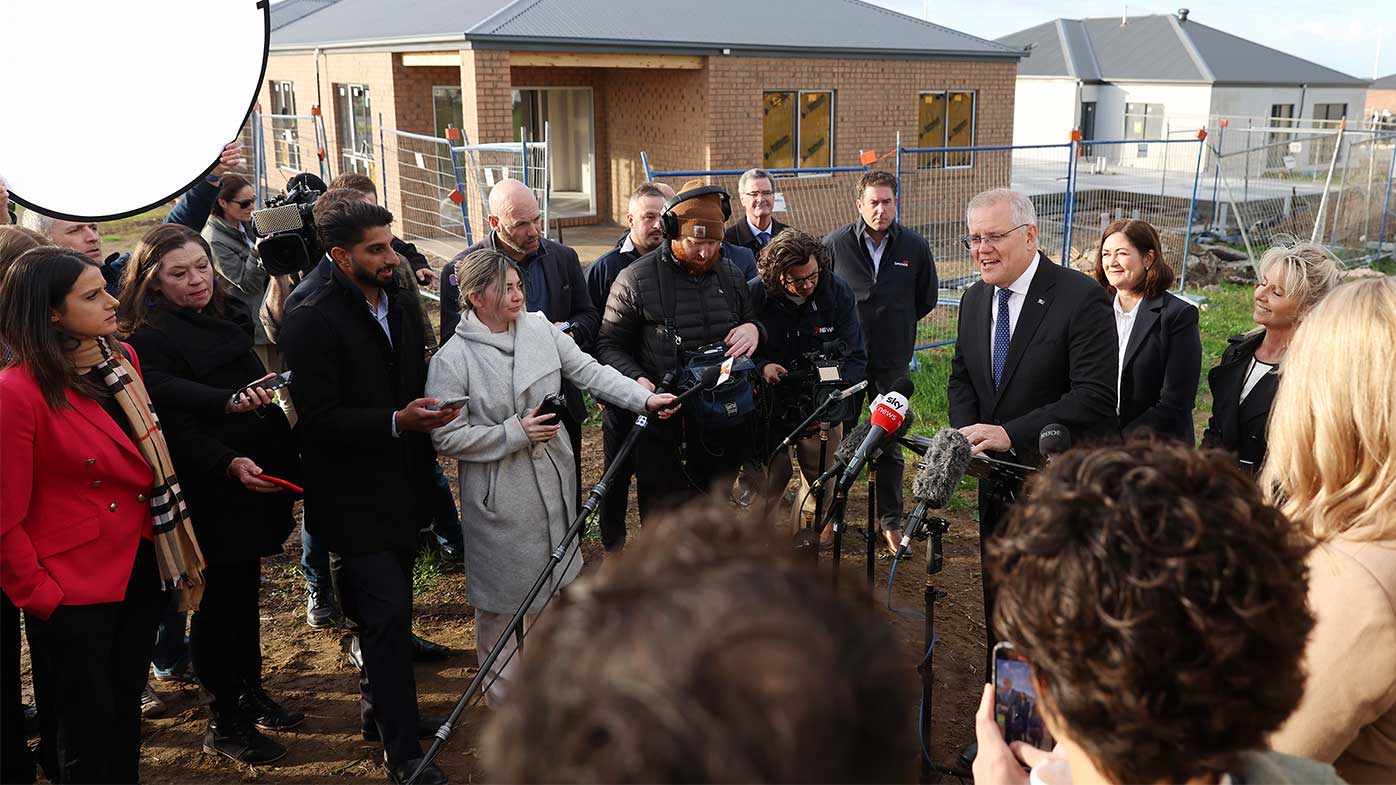
READ MORE: The list Scott Morrison would rather wasn't read on TV
She said there were currently 520 "long stay" patients in Queensland Hospitals who should be receiving care from an aged care package or the NDIS.

There are an additional 462 people being treated for COVID-19 in hospitals across the state.

The incoming flu season is also set to increase pressure on hospitals over the Winter period, with several already hospitalised with the dominant flu strain, influenza A.

D'Ath said a lack of GP's was also contributing to demand on the hospital system, with patients turning to hospitals when doctors appointments aren't available.

She added Medicare rebates had been frozen for medical professionals for over a decade, with less people choosing to pursue careers in general practice.

"The pressures on our public system are just as much from the primary and allied health care failings," D'Ath said.

"These demand pressures have caused the public health system in Queensland to become the provider of last resort."

D'Ath said the state had poured a record amount of funding into health care last year but real change was dependent on the Commonwealth.

She said despite the addition of 351 new hospital beds and $63 million in funding, demand for hospitals was increasing.
Where to vote and your other election questions answered

By 6pm Saturday, Australians need to have voted in the federal election, or else face a fine.

More than 17 million people are registered to vote in Australia, close to 97 per cent of eligible Australians.

So the question is, where do you vote?

READ MORE: How to vote in this year's election

Where do I vote on election day?

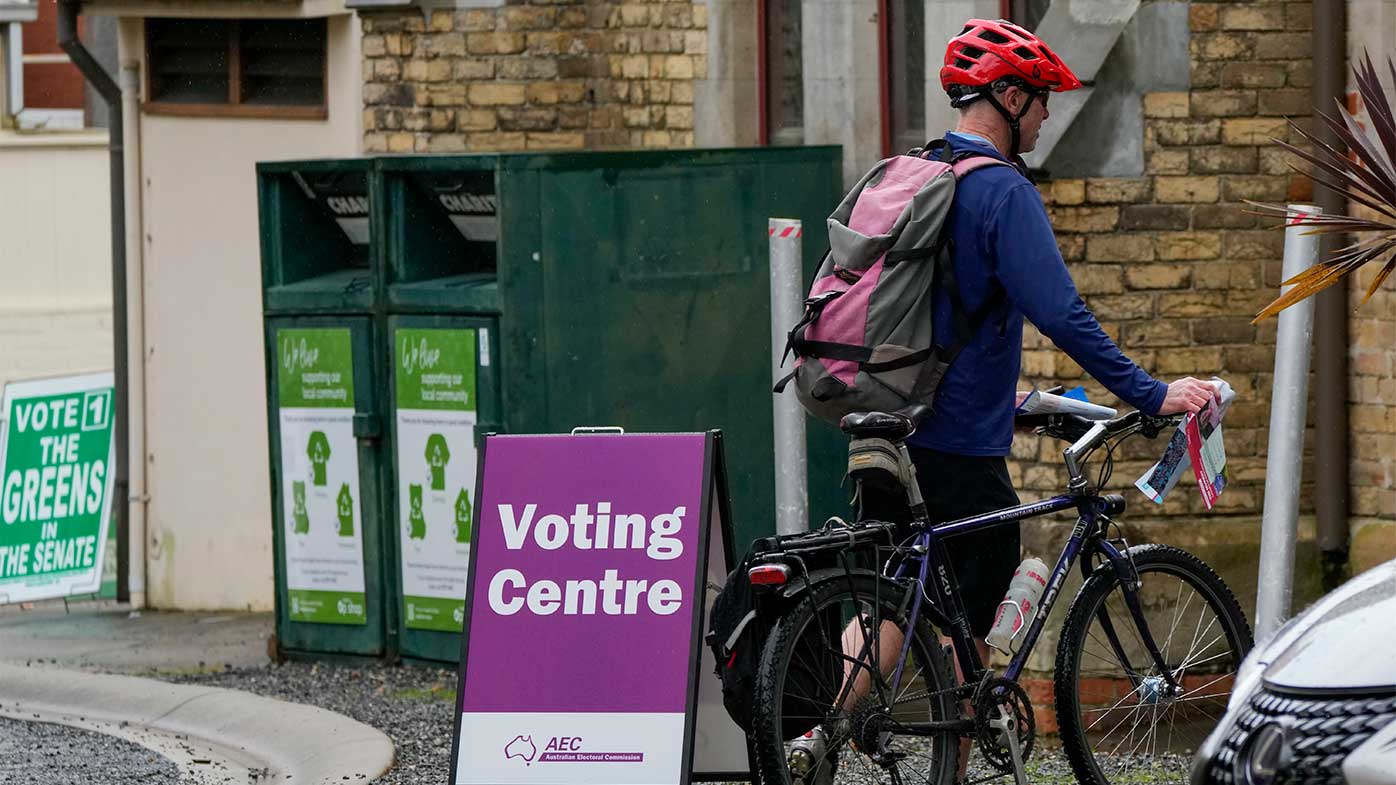
The Australian Electoral Commission has a handy website advising you on where and when you can vote.

You can access it by clicking here.

If you type in your suburb name or postcode, it will provide a list of polling stations in your electorate.

The list is alphabetical, which means you will probably need to scroll down to find the polling station closest to you.

READ MORE: How COVID-19 could impact the election

Scott Morrison said many people who officially died of COVID-19 probably died of something else - something doctors dispute.

There are usually a few polling stations in every suburb, which means going to vote on election day is unlikely to be much of a hike.

If you want to just wing it, you can walk over to the nearest school, town hall or church.

There's a pretty good chance you'll be able to vote there and grab a democracy sausage too.

How do I know which electorate I'm in?

Just because a polling station is close to you doesn't mean it is in your electorate.

Electorates have to have borders somewhere, which means your neighbour across the street may not have the same ballot as you.

But if you rock up to your nearest polling place, they'll likely have a box for your electorate.

If you type in your suburb or postcode at this link, it will tell you what electorate you are in.

READ MORE: Your guide to the key seats that could decide the election

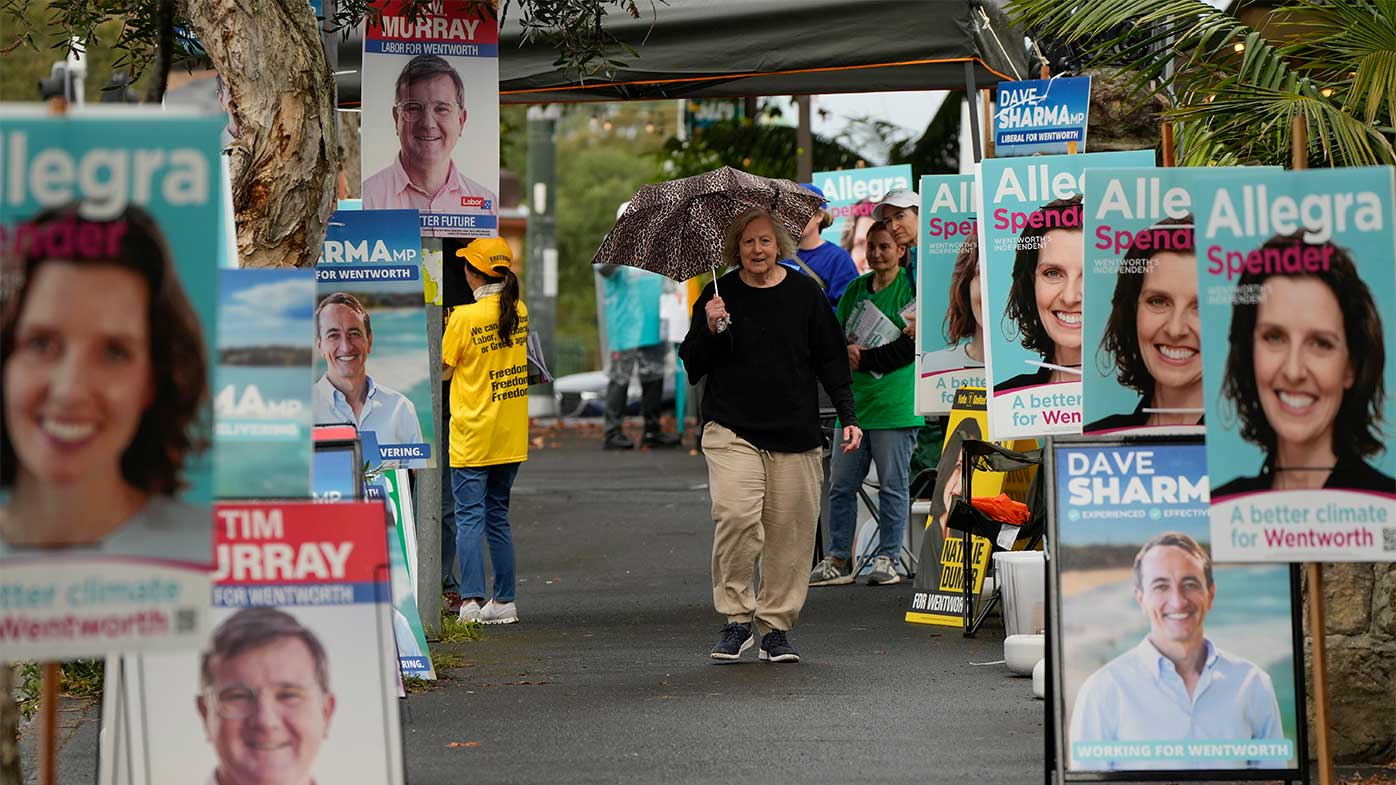
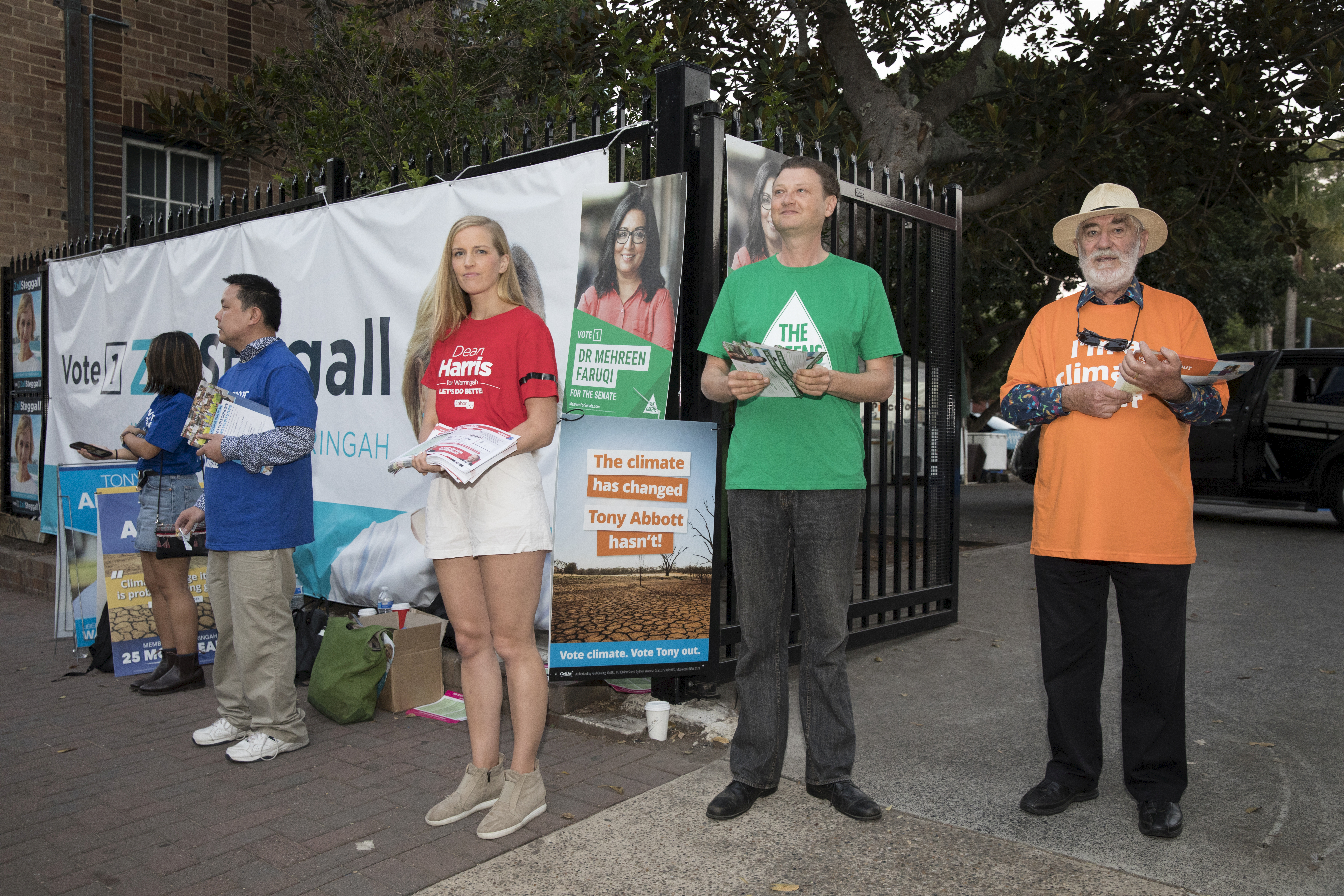
Locals run the gauntlet of election posters in the Sydney seat of Wentworth.

Where can I vote early?

Most election day voting stations are not open for early voting this week.

Fewer locations are available for early voting, which means you should check rather than rock up to your local primary school and accidentally wander into the hall in the middle of assembly.

But the same link to the AEC will advise you where to go. You simply click the "Before Election Day" button.

READ MORE: How do I vote if I have COVID-19?

Early voting has begun in Australia's federal election.

When can I vote on election day?

Polling places open on Saturday at 8am and close at 6pm sharp.

If you are already in the queue to vote, you will be able to cast a ballot.

But if you arrive at 6.01pm, you will likely be turned away.

READ MORE: How is the Australian government elected?

How do I vote?

When you go to vote, you will be handed two ballots – a little green one and a ginormous white one.

The green ballot is for the House of Representatives.

This ballot determines which party will form government and choose the Prime Minister.

You need to number every box, with a one by your favourite candidate, a two by your second favourite, and so on. The person you least want to win should have the highest number of the ballot.

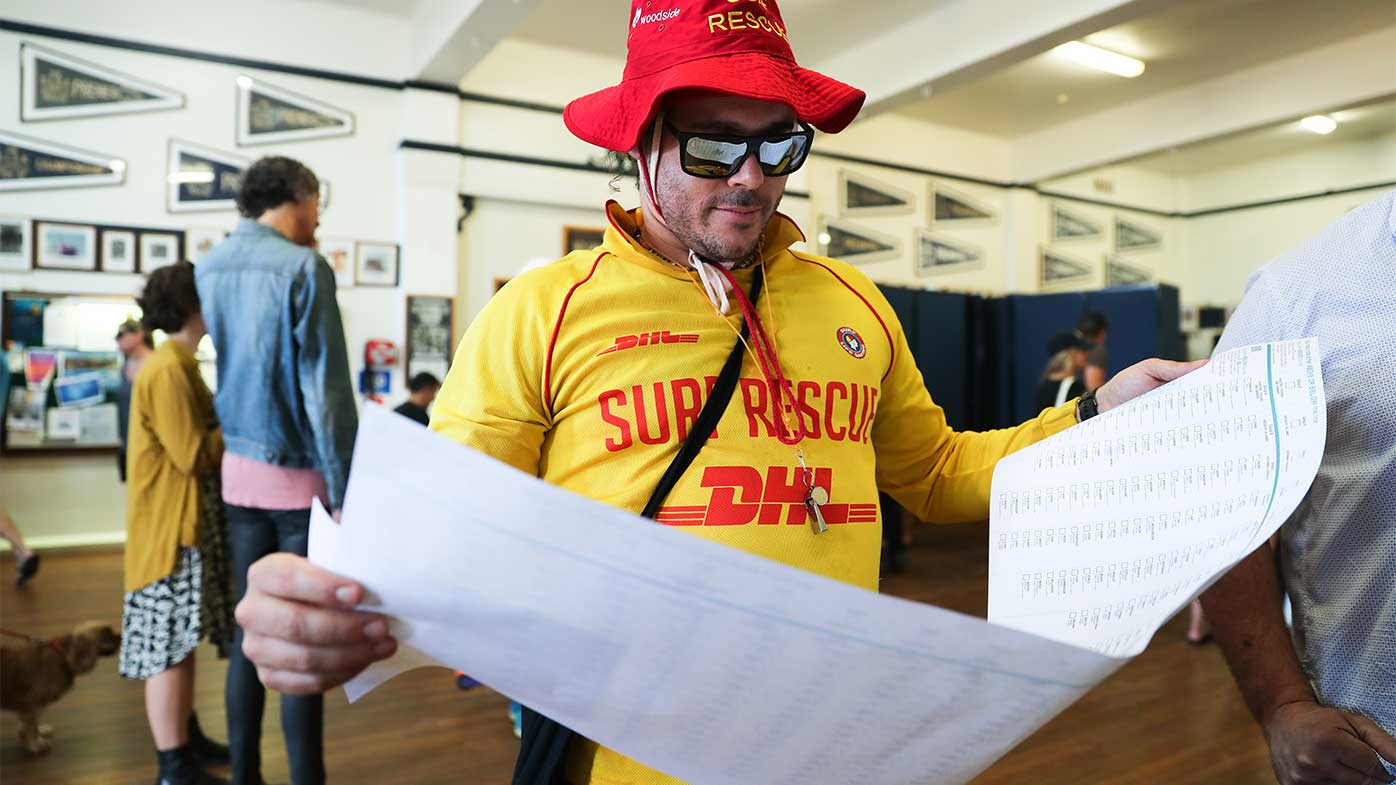
A Bondi lifesaver considers the many options on the Senate ballot last federal election.

If you don't number every box, your ballot is invalid and won't be counted.

The big white ballot is for the Senate. 

You need to make six choices above the line or 12 choices below the line.

EXPLAINED: What is a hung parliament?

Do I have to vote?

Australia has a compulsory voting system, which means if you are registered to vote, you need to show up and have your name crossed off.

If you don't, you will get a $20 fine.

It is also your right to file an invalid ballot.

EXPLAINED: What are 'preference deals' and how do they influence my vote?

Who should I vote for?

That's not for us to say. But as an Australian voter, you can vote for whoever you like.

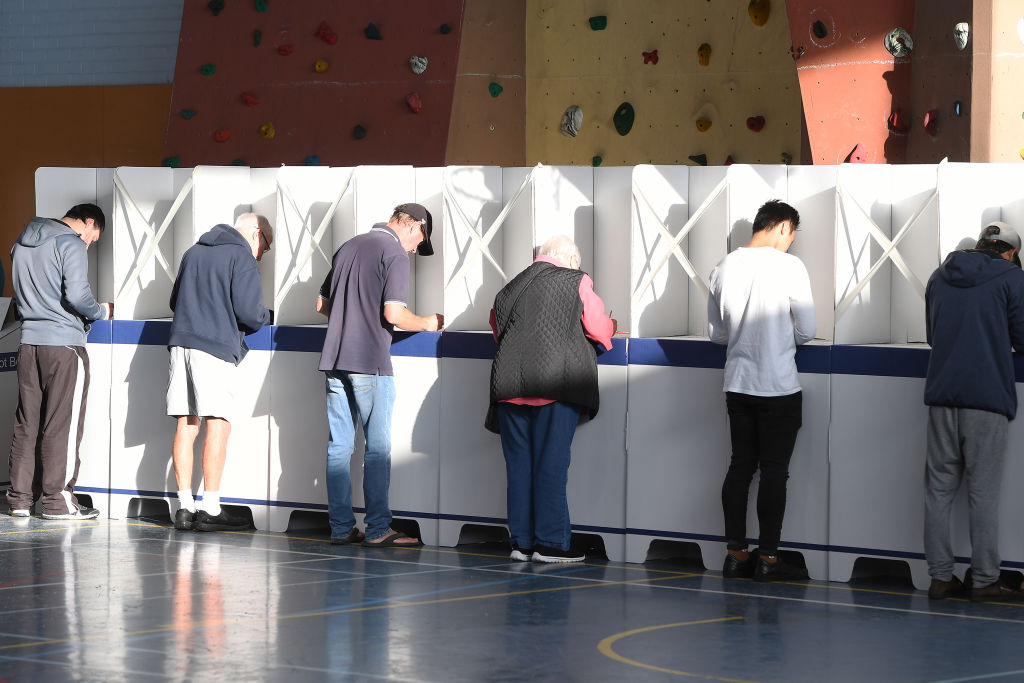
Nobody has the right to know who you vote for. Under our democratic rules, known internationally as the Australian ballot, you fill in your ballot in a private booth, and put it in a box without anyone seeing.

If anyone pressures you to reveal who you voted for, or tries to intimidate you into voting one way or another, you are entitled to report them to police.

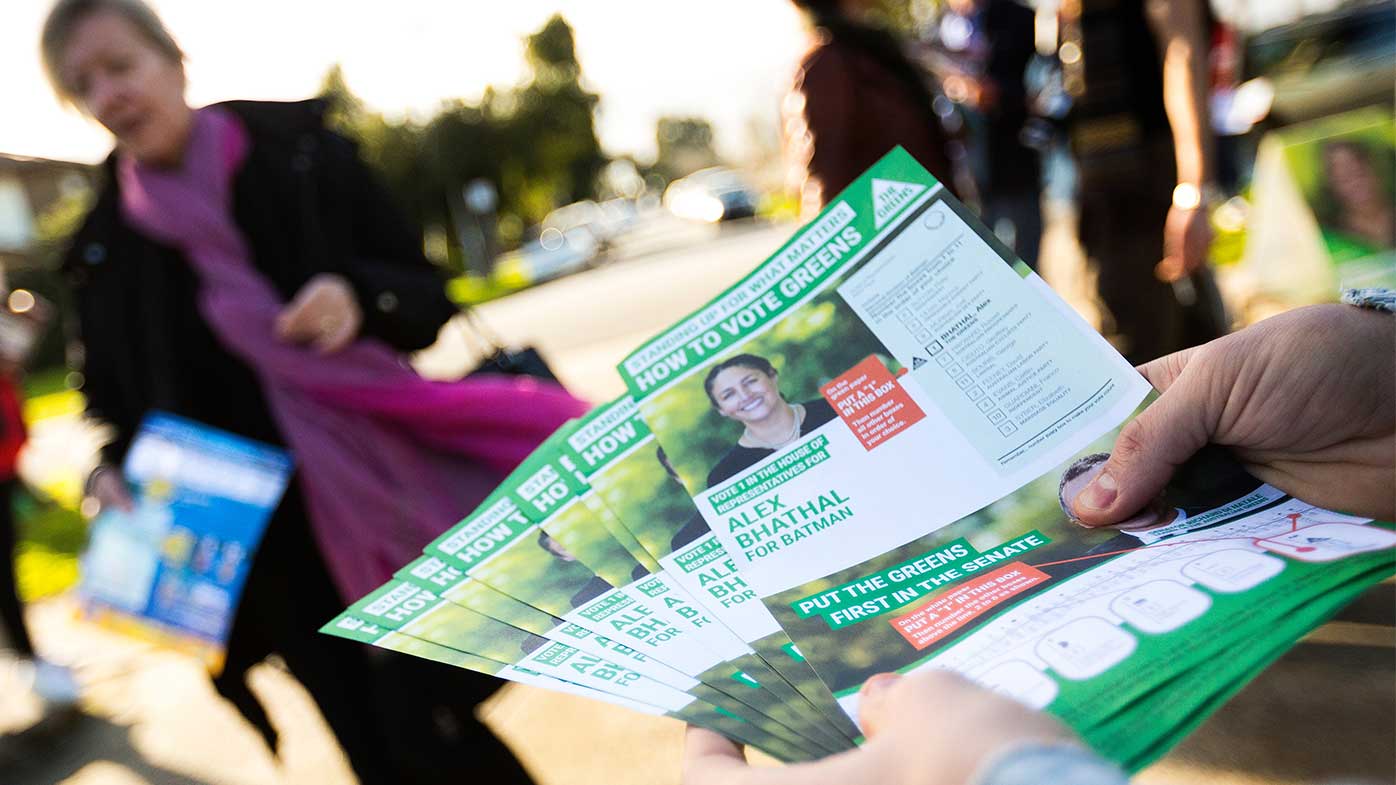
Outside the polling station, volunteers will try and hand you "how-to-vote" cards.

You don't have to take them, and if you do, you don't have to take their advice.

How-to-vote cards are handed out outside a polling station.

What are the major parties?

Australia is mistakenly thought of as a two-party democracy, but that is incorrect. There are dozens of registered parties across the country, all with their own policy platforms.

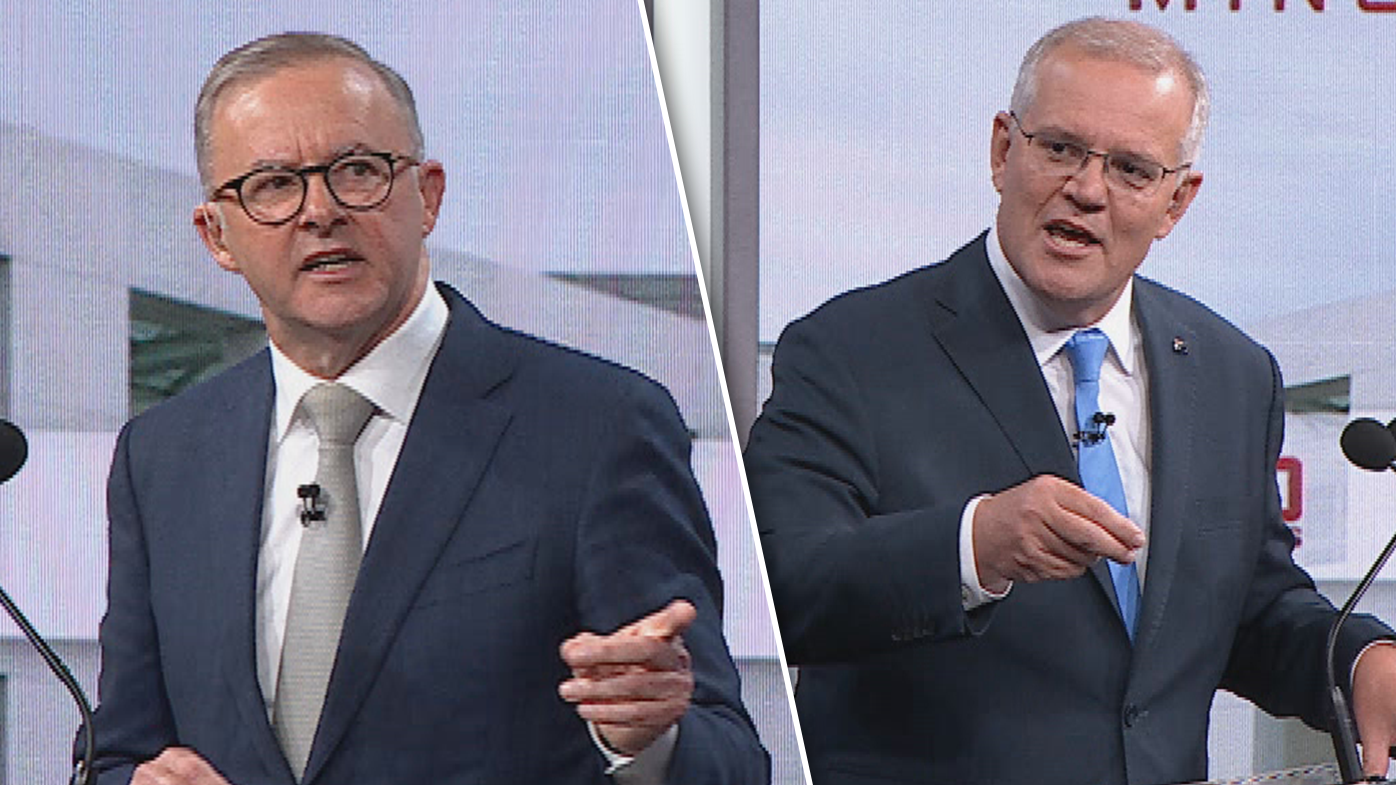
Scott Morrison is the leader of the Liberal Party, who form government at present in coalition with the National Party.

The Liberal Party is a centre-right party, as is the National Party. The Nationals tend to represent rural and regional electorates.

Anthony Albanese is the leader of the Labor Party, which is the main opposition party. They are a centre-left party.

But there are other parties on most ballots. The Greens are further left than Labor. One Nation is further right than the Liberals.

There are also parties with similar names to the major parties. The Liberal Democrats are a libertarian-leaning party but are unaffiliated with the Liberals.

The Democratic Labour Party split from Labor in 1955, and now has a very different policy platform.

The order the parties appear on the ballot is randomised. Just because a particular party is in the top spot doesn't mean anything.