Tag Archives: oceania

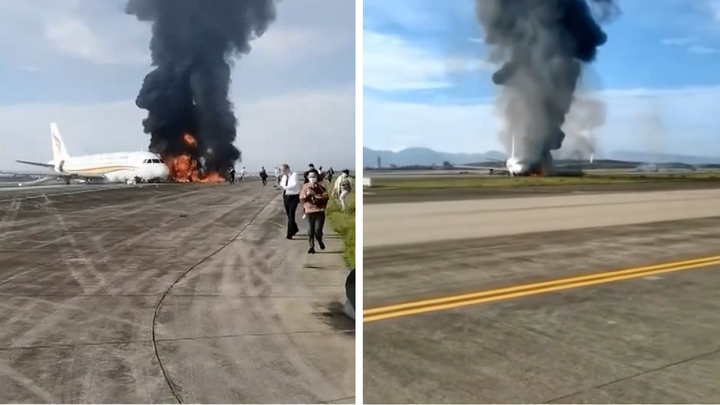
Passenger plane catches fire in southwestern China

A Tibet Airlines plane caught fire after skidding off the runway in the southwestern Chinese city of Chongqing on Thursday morning.

All 113 passengers and nine crew members were "evacuated safely," the airline said in a statement. More than 40 passengers with minor injuries were taken to hospital, according to a statement from the Chongqing Jiangbei International Airport.

The Civil Aviation Administration of China (CAAC) said 36 people suffered bruises and sprains during the evacuation.

READ MORE: Illegal, addictive opioid being sold in Aussie grocery stores

Flames and thick black smoke poured from the Tibet Airlines plane on the tarmac.

"According to the flight crew, the plane experienced an anomaly during takeoff. They stopped the takeoff following the procedures," the CAAC said.

"After the plane skidded off the runway, the engine scraped the ground and caught fire. (The fire) has been extinguished."

The flight was bound for Nyingchi in Tibet. Footage posted on Chinese social media shows flames engulfing the front of the aircraft and a plume of black smoke billowing in the sky. Another video shows passengers running from the airplane.

READ MORE: 'Urged to self-evacuate': Queensland's deluge continues

Residents were seen fleeing from the plane as flames roared behind them.

The cause of the accident is under investigation and flight operations at the airport have returned to normal, the airport said.

The flight schedule shows the aircraft is an Airbus A319 that had been in service with the airline for nine and a half years.

The incident came less than two months after a China Eastern Airlines jetliner carrying 132 people crashed in the mountains of southern China's Guangxi region, killing everyone on board.

Authorities are still investigating the cause of the crash.

The illegal, addictive opioid being sold in Aussie grocery stores

"Kamini balls", the street name for an illegal herbal drug which contains highly addictive opioids, often come packed inside small, harmless-looking glass bottles.

And if you know where to go, according to a team of Queensland researchers, there are grocery shops scattered throughout Australia's biggest cities selling Kamini from under the counter to people who are addicted to the drug and those who have no idea they're consuming opiates.

"The balls are kind of brownish, they're not formal-looking tablets we might expect to see from a reputable pharmaceutical source," Dr Jeremy Hayllar, from Alcohol and Drug Service, Metro North Health in Brisbane told 9news.com.au.

"They are literally round, grey-brown balls."
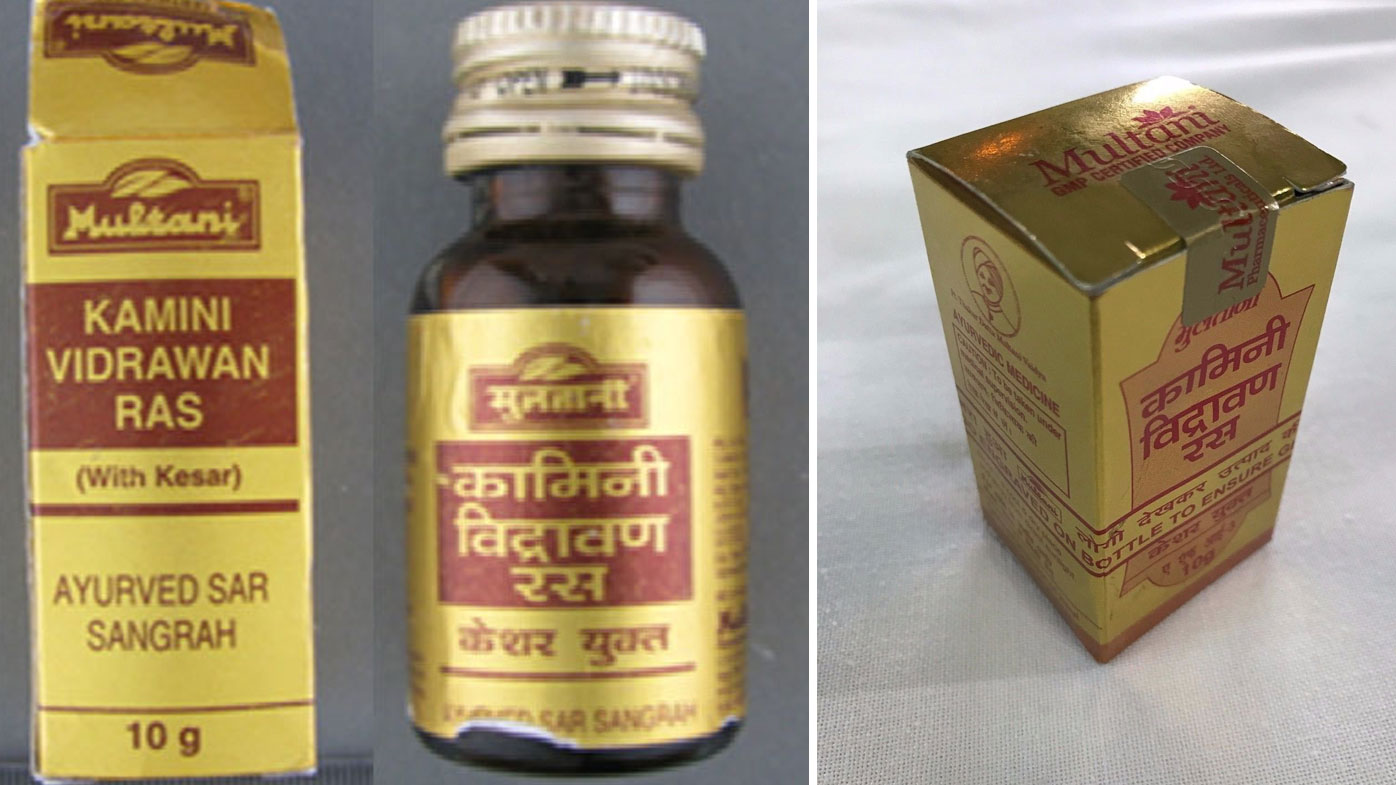
Researchers said many patients in the rehab centres had no idea Kamini was an addictive opioid, which is banned in Australia by the TGA.

Hayllar is co-author of a just-released study, which investigated the problem in south-east Queensland.

Produced in India, and with a major active ingredient derived from the opium poppy, Kamini is covertly shipped across Australia's borders and distributed into Asian grocery stores across the country, the study claimed.

The Therapeutic Goods Administration (TGA) has prohibited Kamini, with a stark warning "these tablets pose a serious risk to your health and should not be taken".

Hayllar said grocery stores are illegally selling Kamini, and addiction to the illicit drug is a kind of invisible but "fairly widespread" problem in Australia.

A bottle of Kamini usually contains 40 balls, and some Queenslanders Hayllar encountered were swallowing 30 each day.

Hayllar said a 30-ball daily habit was the equivalent of taking a strong 60mg tablet of OxyContin, the notorious drug at the centre of America's pharmaceutical opioid crisis.

"It doesn't really matter which opioid is doing it, they all act on the same brain receptor," he explained.

"Once that brain receptor is getting its daily feed, if you like, if you try and take that away, the brain really does protest loudly."

It was the COVID-19 pandemic, which seriously throttled supply of Kamini into various stores across Queensland and drove prices up from $110 to $180 per bottle, that led to illegal product pinging the research team's radar.

During the pandemic, two Queenslanders in addiction who had been cut off from their Kamini sources sought help in opioid treatment centres.

They presented with typical opioid withdrawal signs which had been "difficult to explain", the study said, until the content of Kamini balls was determined.

READ MORE: Flu strain circulating now may have 'very sinister origins'
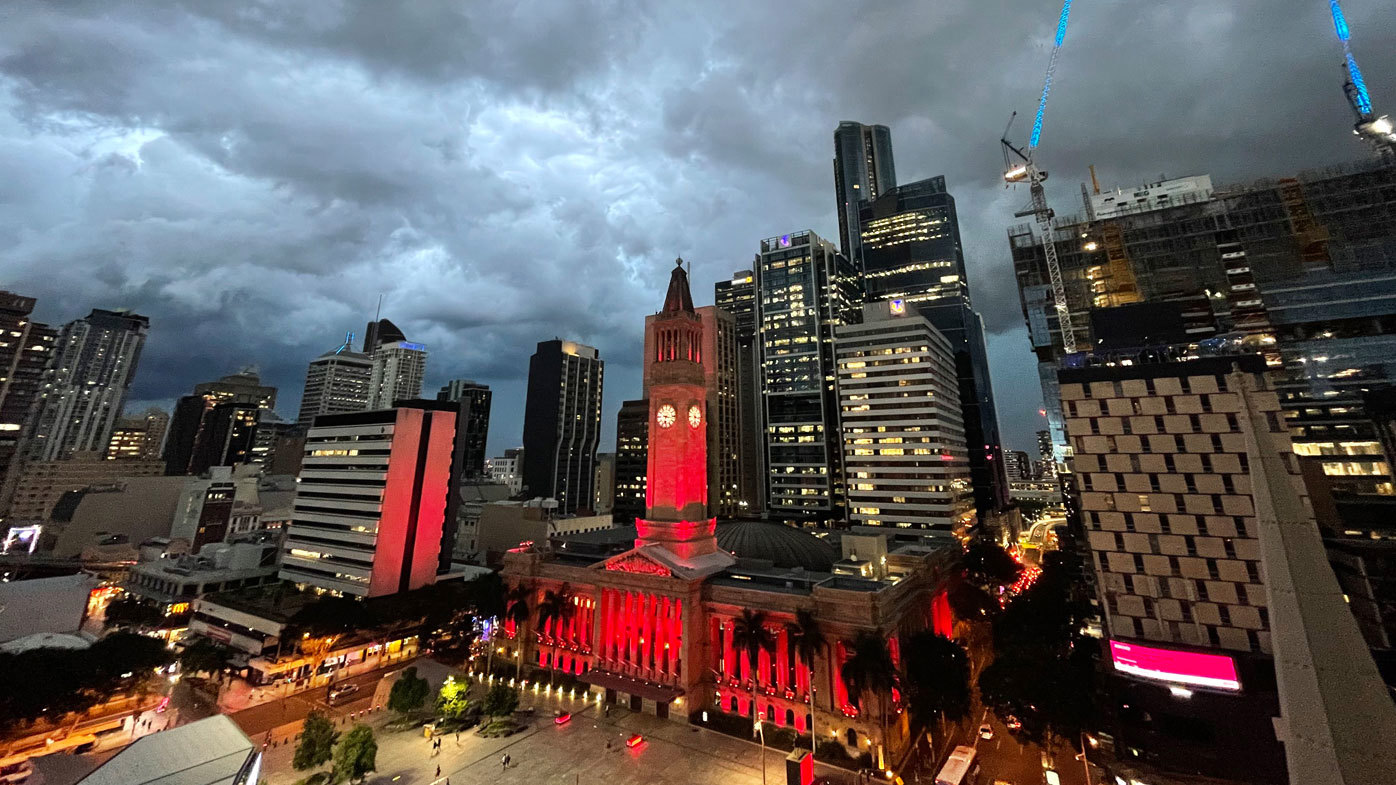
Addicts said Kamini was 'readily available' in grocery stores across Brisbane.

READ MORE: Aussie researchers trial magic mushroom ingredient as antidepressant

Hayllar said the team decided to check the records of 1500 patients at four public opioid treatment centres in south-east Queensland.

Cross-referenced, they found 10 more Kamini addicts.

The 12 patients were then interviewed, building a picture of Kamini use, addiction and distribution in south-east Queensland, and the peer-reviewed researched was published today in Drug & Alcohol Review.

Among other things, Kamini is pitched as a kind of sexual virility drug, curing erectile dysfunction, impotence and premature ejaculation.

Are you affected, or do you know more? Contact: ms**********@******om.au

But Hayllar said most Kamini addicts he came into contact with had no idea Kamini contained opioids, only that it might help them work longer, and relieve stress or pain.

There were common factors in the group of 12 people using the substance, Hayllar said.

Eleven were Indian men, with a median age of 32.

The only non-Indian was a woman, who was a spouse of one of the men.

Some of the group worked in the rideshare industry, a sector notorious for toiling long hours and synonymous with migrant workers.

On average, those in the group were using 15 balls a day, with each Kamini dose delivering roughly 3mg of morphine.

The heaviest users were swallowing dozens of balls daily, Hayllar said, with three men having 30-a-day habits.

"It's something people get stuck in and find very hard to escape from," he said.

READ MORE: OxyContin maker files for bankruptcy as part of $17.4b settlement

The prescription medicine OxyContin is still taking lives.

Despite Hayllar's suggestion illegal selling of Kamini is "fairly widespread" in Australian cities, especially among the Indian migrant community, a Queensland Police Service spokesperson told 9news.com.au they "have not identified this substance as a trend or issue".

The spokesperson said Queensland Police "encourage anyone with information on the supply of dangerous drugs" to contact law enforcement agencies.

Australian Federal Police declined to comment on Kamini or claims in the study.

But Hayllar told 9news.com.au he was aware of Kamini being sold in North Queensland, Perth, Sydney and New Zealand, reflecting a hidden illicit drug scene.

The study reported people taking Kamini saying the opioid is "readily available" in Brisbane and that Kamini balls are "widely used amongst their peers".

"We know there's lots of clandestine stuff that goes on," Hayllar said.

"Because it's an under the counter activity … it's hard to determine how common it is."

The quantity of Kamini being sold in Australia is unknown, the study reported, as is the number of Australians who have developed untreated opioid addictions.

Readers seeking support and information about drug and alcohol can contact Lifeline on 13 11 14 or Beyond Blue on 1300 224 636 or the National Alcohol and Other Drugs Hotline on 1800 250 015.
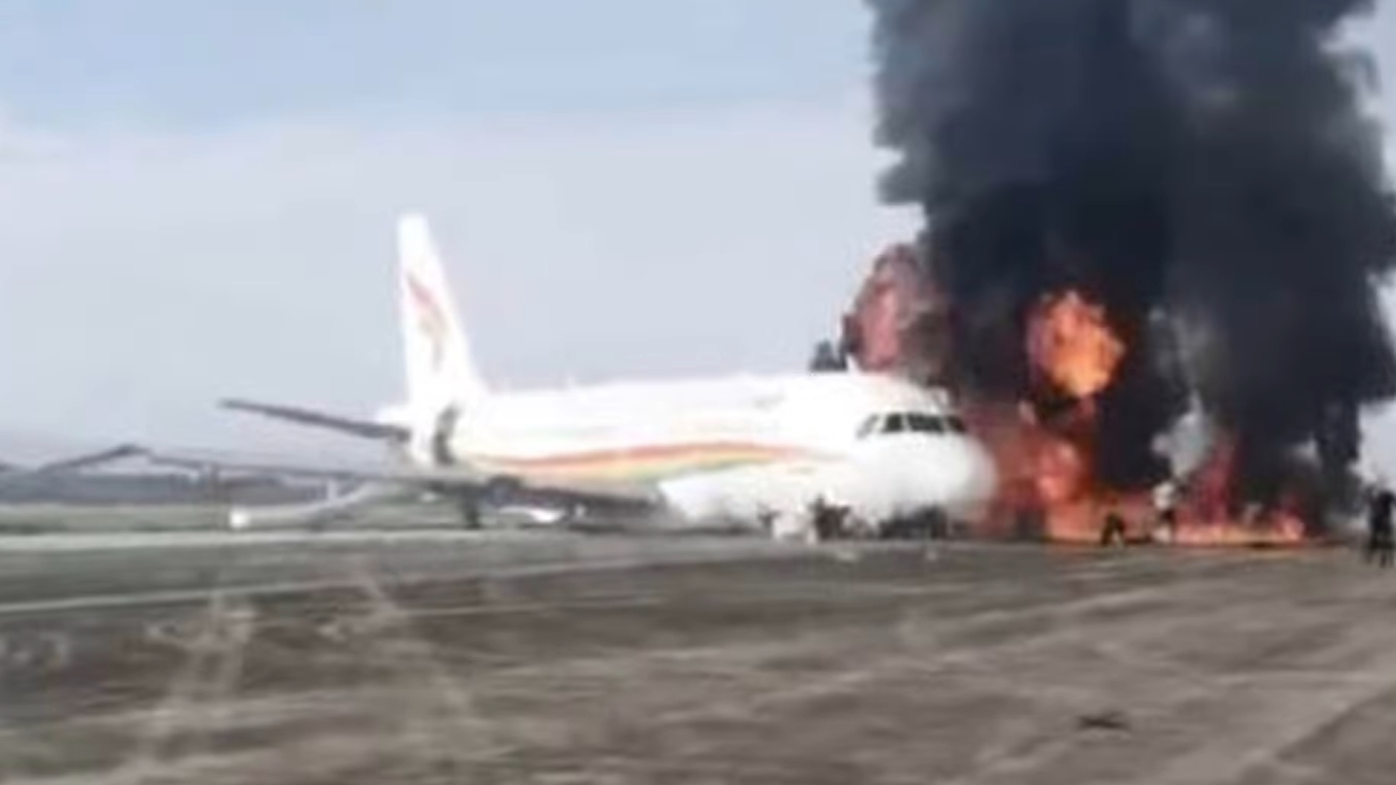
Victorian premier refuses to answer key triple zero review question

A senior Melbourne doctor at The Alfred hospital has resigned over what he says are "deteriorating conditions" in Victoria's healthcare system.

Professor John Wilson warned lives were at risk if healthcare workers were continually pushed beyond their limits.

The call came after a busy two years for the state's healthcare system, including a code brown being declared earlier this year, which prohibited staff from taking leave.

READ MORE: Melbourne kindergarten destroyed, church severely damaged by 'really intense fire'

WIlson is the outgoing president of the Royal Australasian College of Physicians and worked at The Alfred for 30 years.

"I am making the stand very clearly that the system must change now," he told The Age.

"We have to protect all our trainees in the system."

A study by the Royal Australasian College of Physicians released in November last year found 87 per cent of its members were concerned about staff burn out.

This week, Melbourne hospitals hit breaking point in a ramping crisis, leaving up to 70 patients waiting for help.

A code orange was declared across metropolitan Melbourne on Wednesday, with 39 ambulances reportedly ramped at one point as overwhelmed emergency departments were unable to admit patients.

Premier Daniel Andrews and Health Minister Martin Foley today refused to answer whether it was appropriate they hadn't properly read over the review into triple zero call-taker ESTA.

"I'll let the attorney-general report on the normal administrative processes," Foley said.

The report, handled by former chief police commissioner Graham Ashton, investigated the call centre following reports of lengthy delays.

It's expected to be released to the public before the end of June.

If you or anyone you know needs immediate support, contact Lifeline on 13 11 14 or via lifeline.org.au.

In an emergency, call 000.

Melbourne kindergarten destroyed, church severely damaged by fire

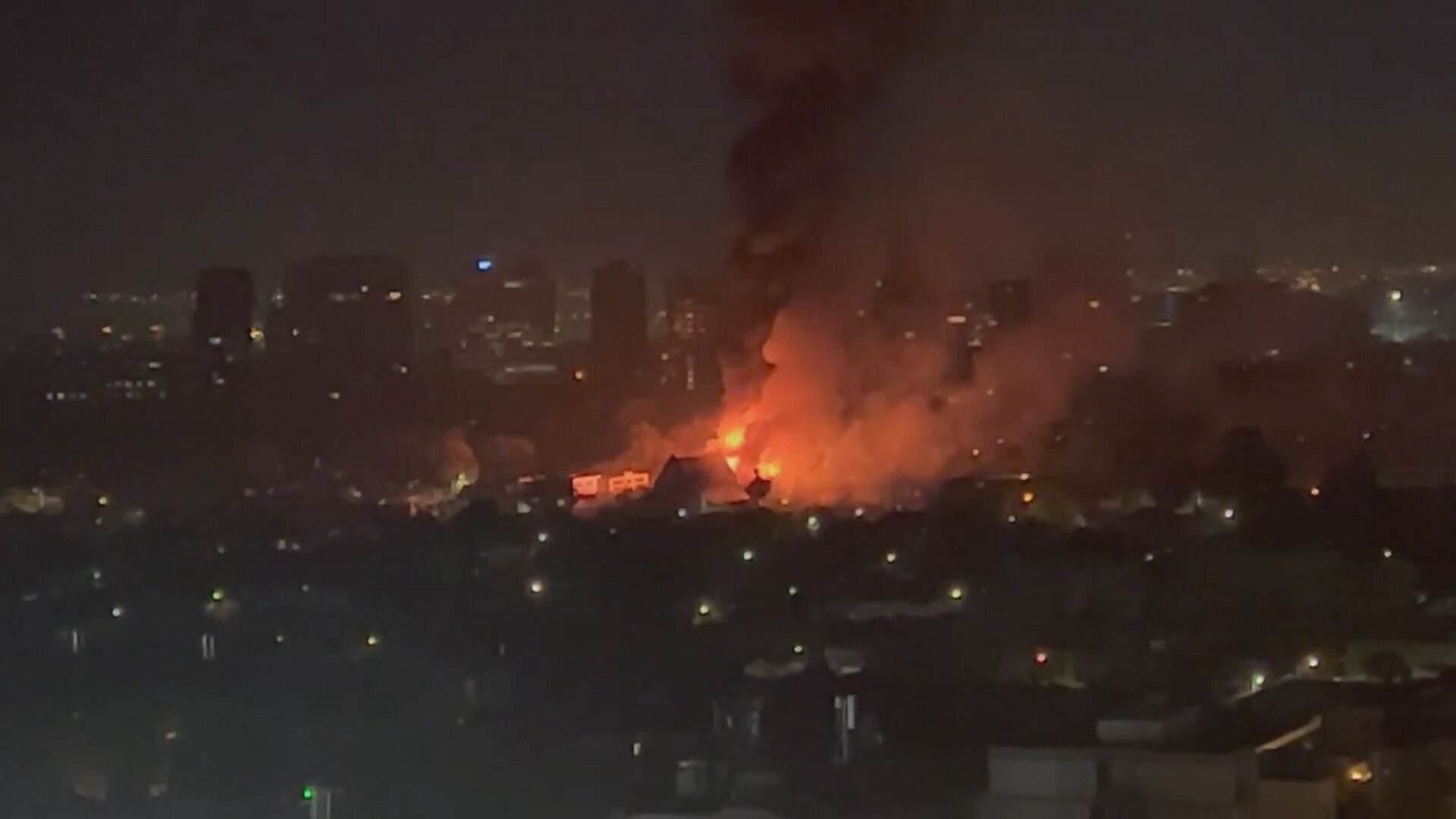
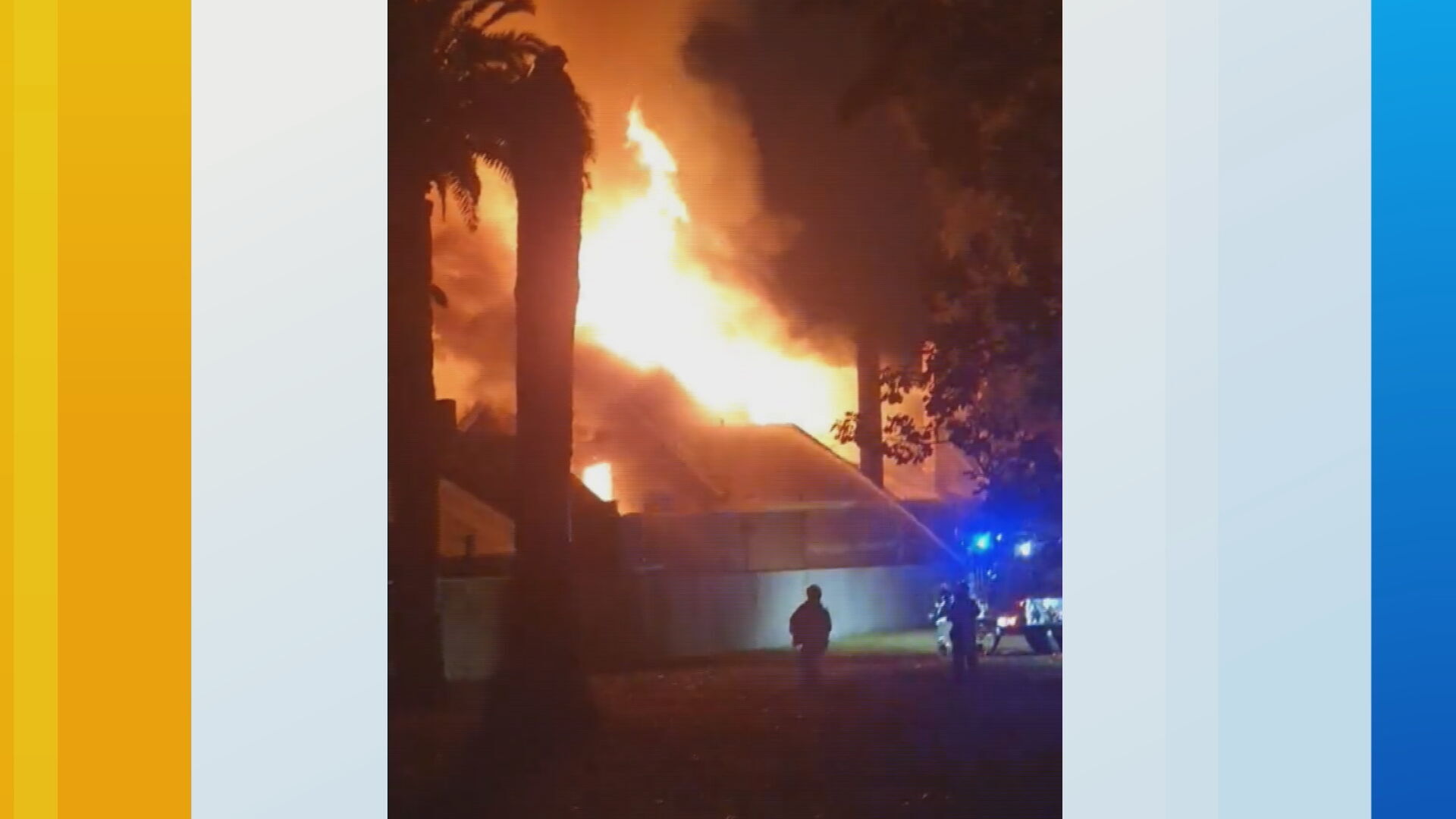
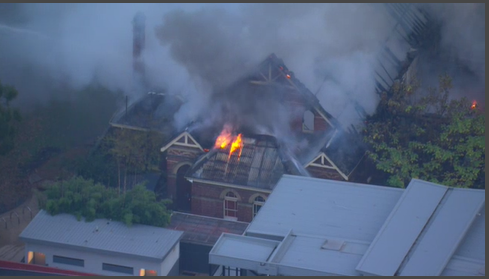
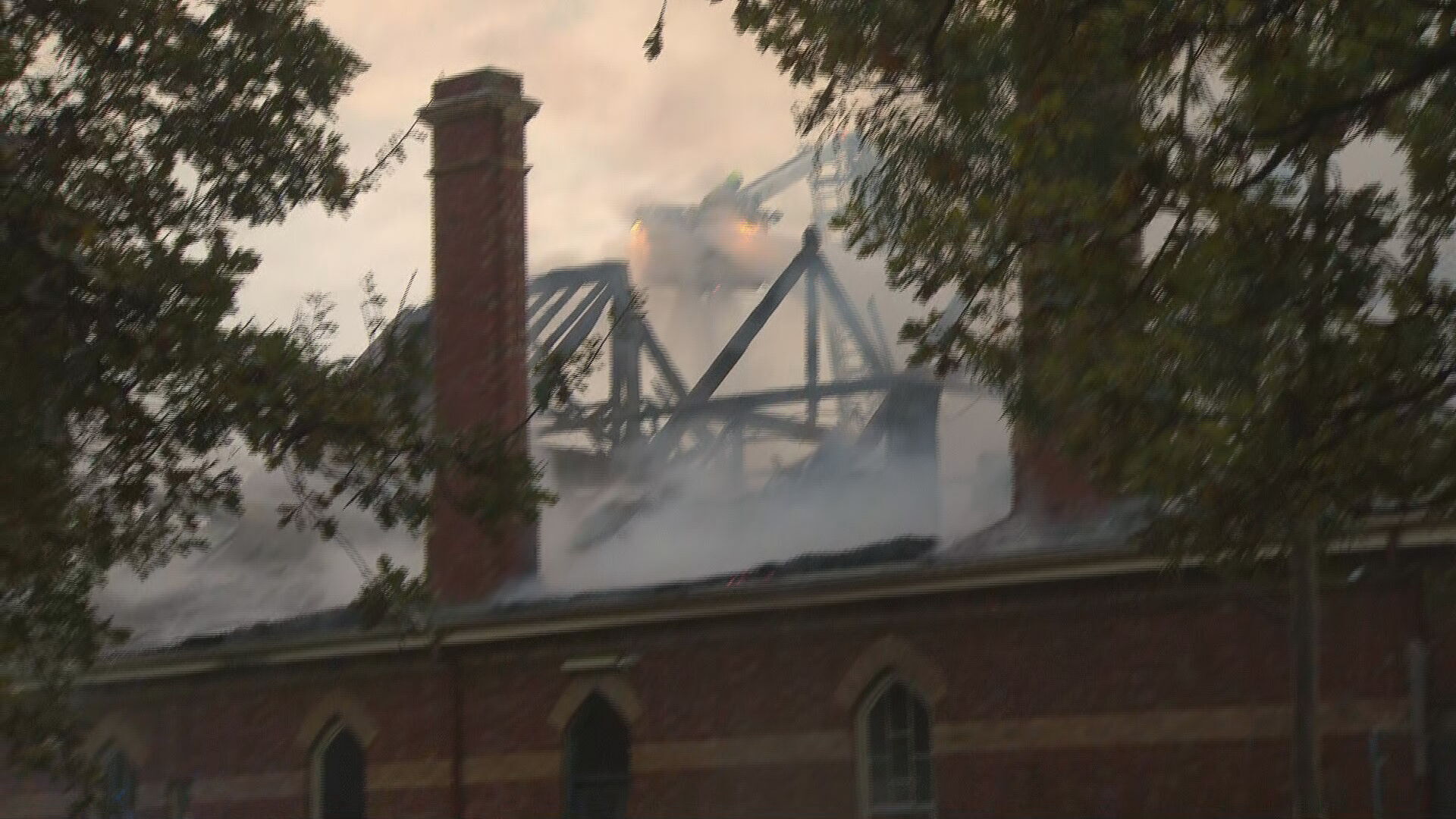
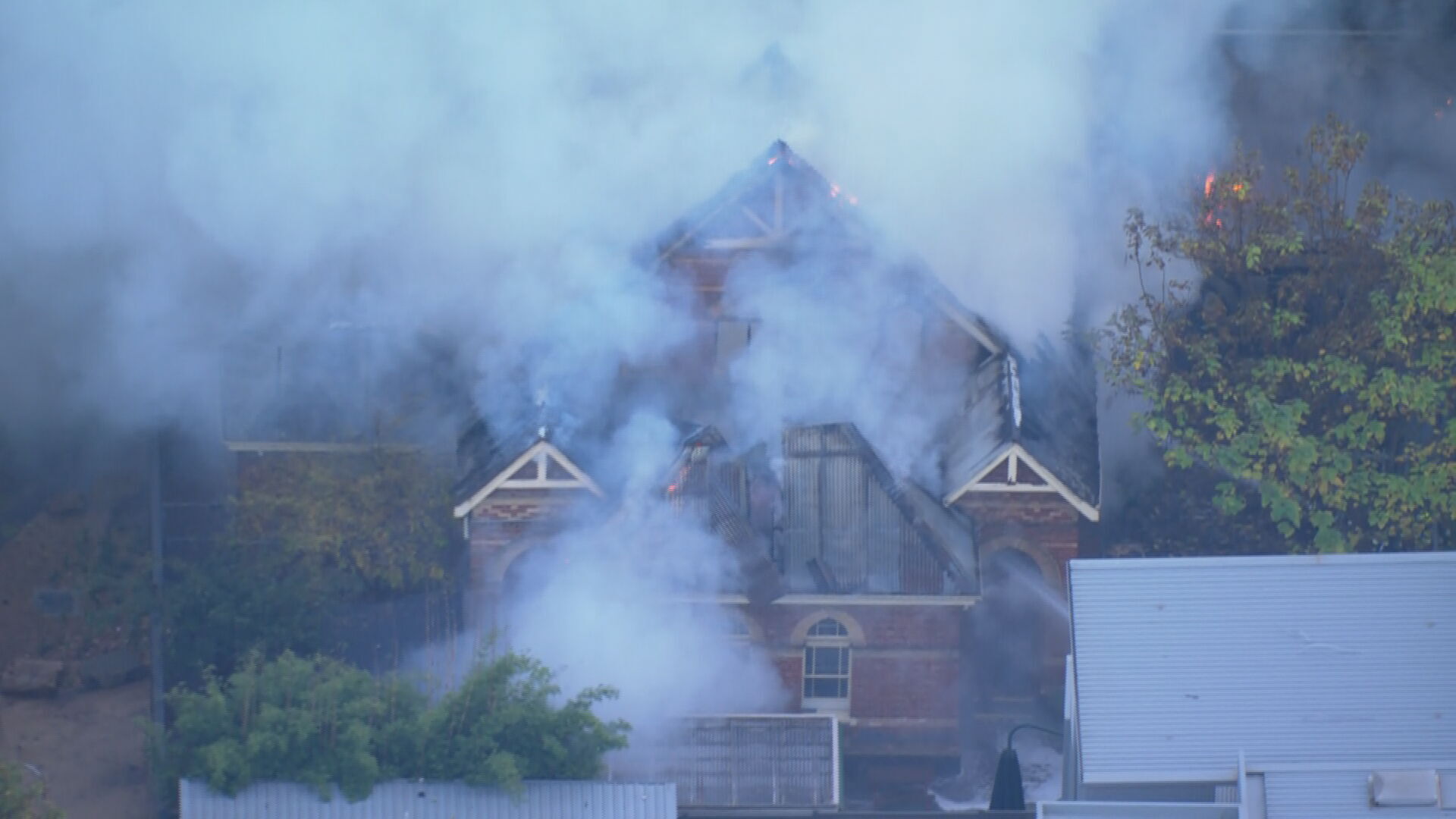
A 102-year-old church which was being used as a kindergarten has been decimated after a fire ripped through the heritage building early this morning.

Fire investigators say the cause of the fire was an electrical fault.

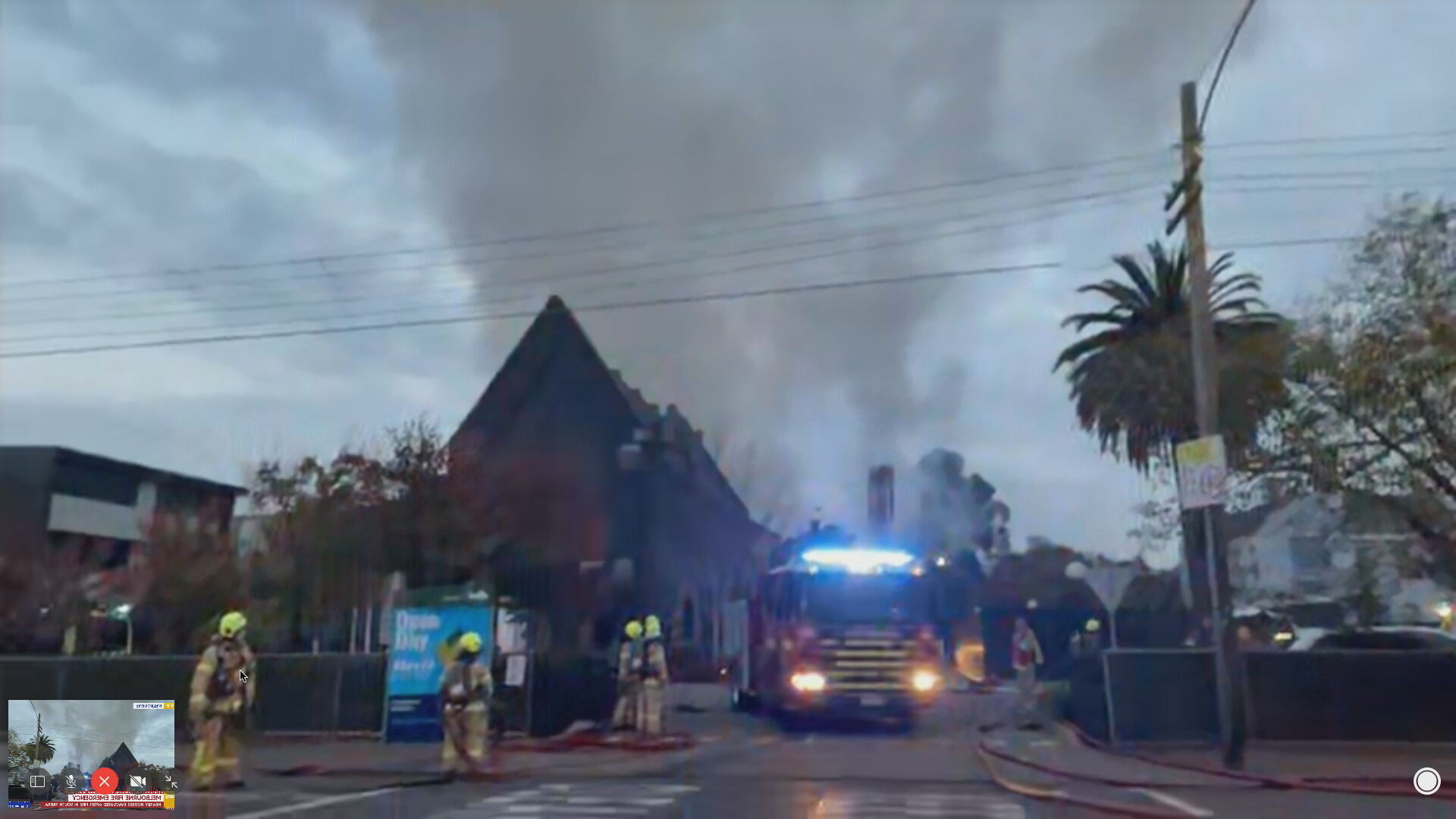
The fire began on Punt Road in South Yarra just before 6.25am and led to homes being evacuated and hundreds of residents being warned to stay inside before it was brought under control about 8am.

READ MORE: Ramping crisis in Melbourne's hospital system 'not unusual'

About 60 firefighters were on scene, while a Watch and Act message was issued for people living in the nearby areas of Albert Park, Cremorne, Melbourne, Prahran, Richmond, South Melbourne, South Yarra, Windsor.

Firefighters were confronted with "a really big fire" when they arrived on scene, with the back of the church completely alight, according to Fire Rescue Victoria commander Mitch Simons.

"It was a really intense fire," he said.

"Flames were leaping up into the air quite high."

He said the rear end of the church had been extensively damaged, while the front section had mostly been saved.

It is believed the fire began in the church and spread to Christ Church Grammar School early learning centre, which has been destroyed by the blaze.

School principal Neil Andary said the building had only recently been renovated.

Andary said it was a terrible outcome for the whole community.

"Situations like this are always sad for any community," he said.

"There is a grieving process now."

The nearby South Yarra Primary School is believed to have been protected from the fire.

Simons said two minor injuries were sustained as the fire was contained, with a firefighter suffering a hand injury from a burst hose and another facing heat stress.

Anyone within a one-kilometre radius of the fire, which involves a very built-up residential and commercial area, was warned that embers were being emitted from the fire.

The cause of the fire is not yet known.

Punt Road, South Yarra is closed in both directions between Toorak Road and Commercial Road due to a nearby building fire.

Motorists are being advised to use St Kilda Road or Chapel Street instead.

Eye disease from parasite in a third of people more common than thought

An eye disease caused by the most common parasite in the world is under the microscope as researchers warn cases could be on the rise.

New research from Flinders University has revealed one in 149 Australians are impacted by the illness caused by the Toxoplasma gondii parasite, which was discovered more than 100 years ago.

Part of the reason for this increase could be attributed to people eating raw or undercooked meat from infected livestock. The parasite is also commonly associated with cats.

READ MORE: Dead diver found near $20 million of cocaine in Newcastle identified

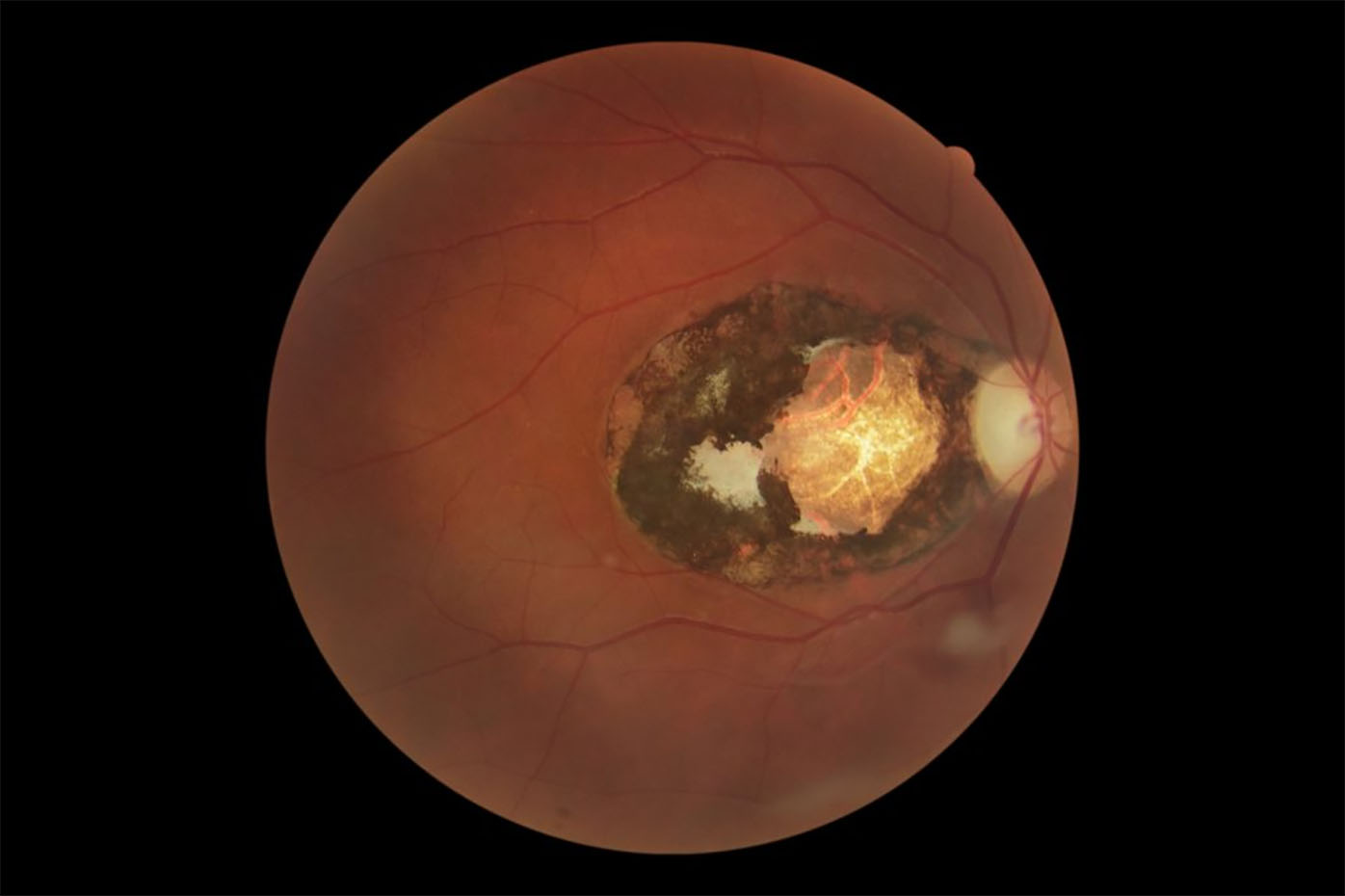
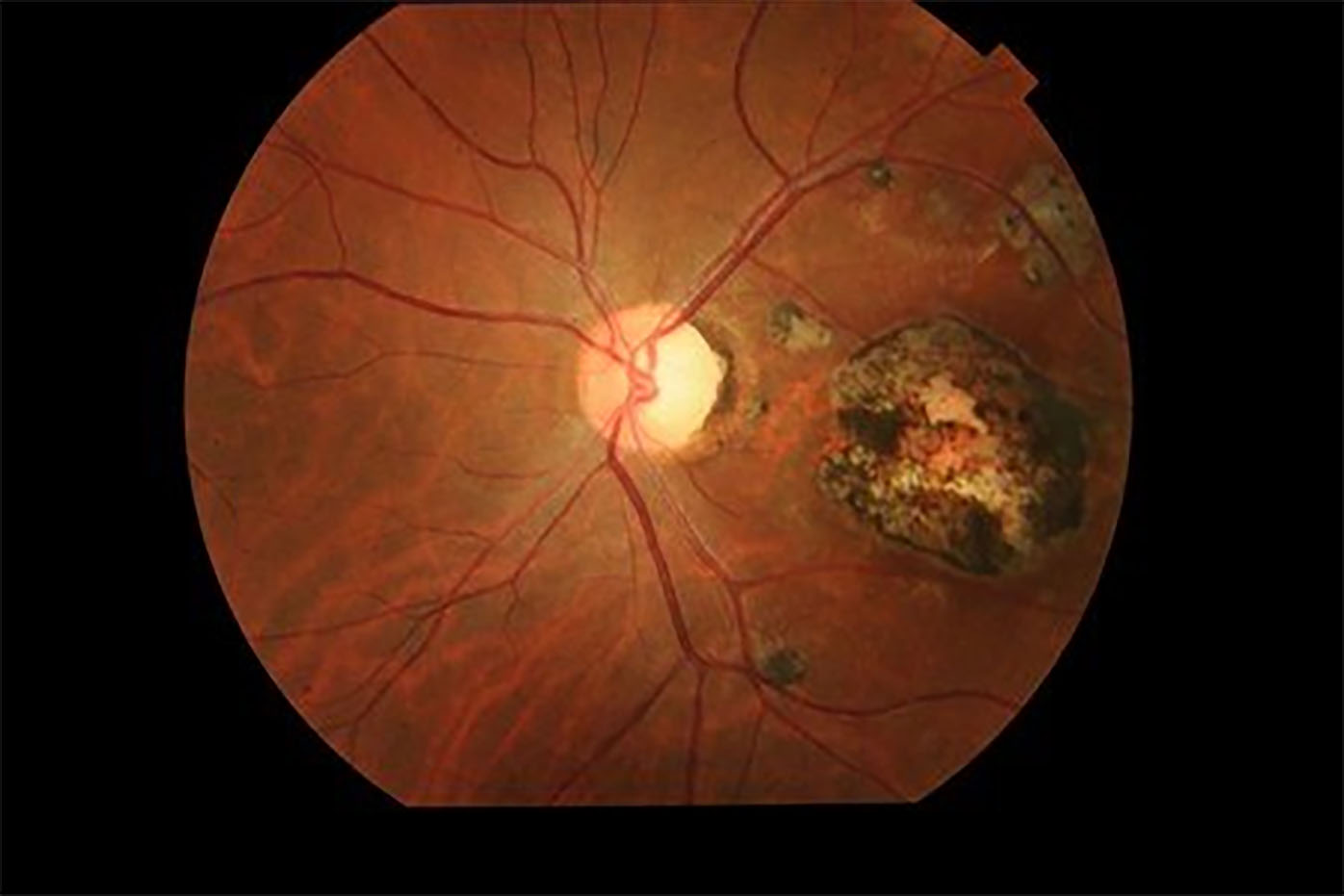
One in 150 Australians have retinal scars caused by the Toxoplasma parasite.

"Studies around the world show that 30 per cent to 50 per cent of the global population is infected with toxoplasma but despite knowing that, what we didn't know was how common the related eye disease was," said Flinders University study author Professor Justine Smith.

The eye's retina — the part of the eye which generates vision — is most vulnerable to the disease, according to Smith.

"While there is no cure or vaccine, the symptoms of toxoplasmosis vary depending on the age, health and genetics of the infected individual," she said.

"Many people are asymptomatic, but the most common disease that we see in the clinic is retinal inflammation and scarring known as ocular toxoplasmosis."

READ MORE: Police on high alert for revenge attacks after deadly gangland shooting

Flinders researchers DNA tested lamb mince from supermarkets to pick up Toxoplasma in more than one-third of purchases.

The study conducted in WA was the first effort to uncover the rate of ocular toxoplasmosis in Australia, by assessing the retinas of more than 5000 people.

The parasite is most commonly associated with cats but many other animals are infected via soiled environments, including areas where Australian cows are.

READ MORE: Melbourne kindergarten destroyed, church severely damaged by 'really intense fire'

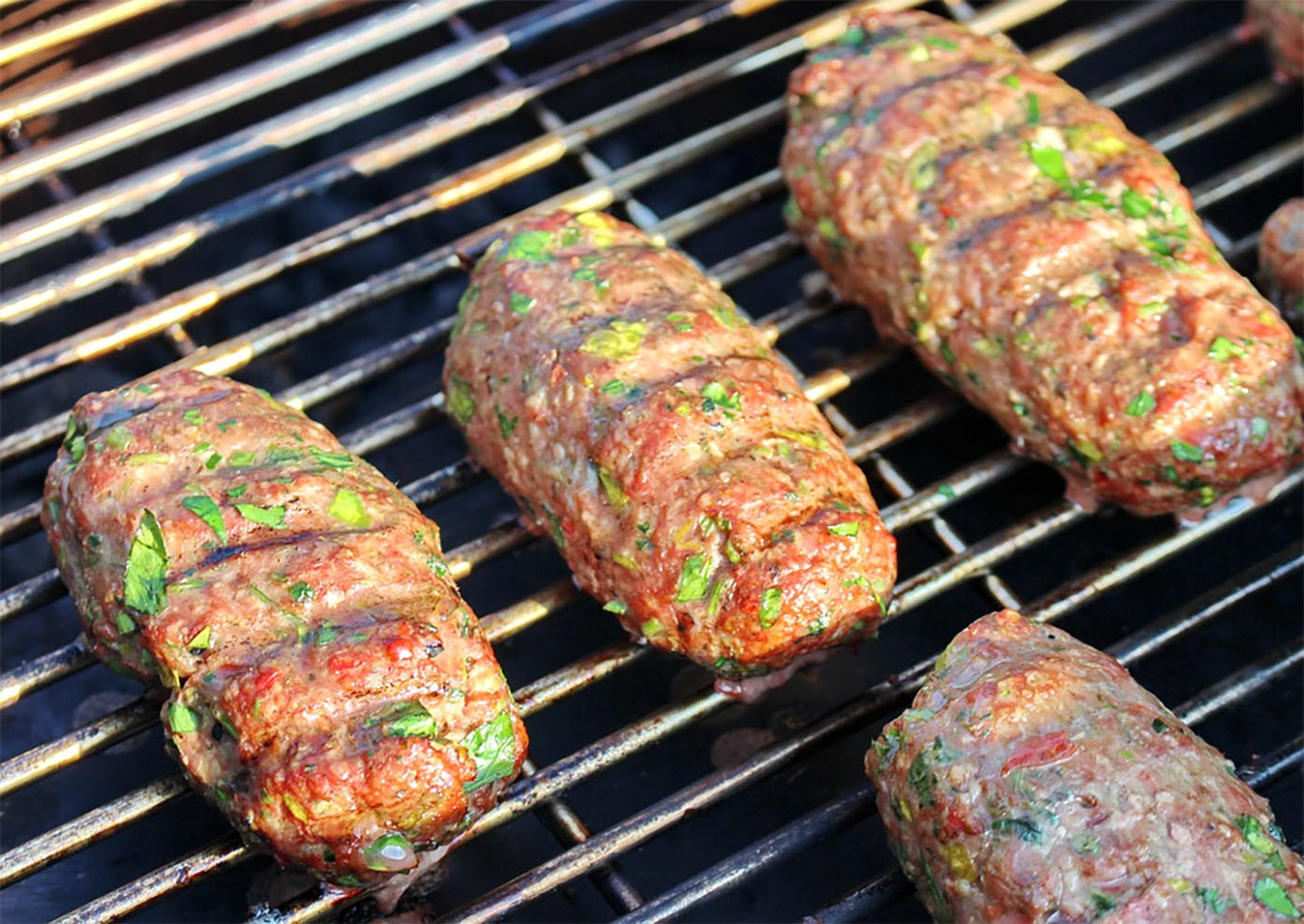
The most common route of Toxoplasma infection is by eating undercooked or raw meat.

"Considering Australia's substantial population of feral cats that are known to be infected, alongside high levels of farming and diets rich in meat, it's imperative we understand the prevalence of the disease across the country," said Smith.

Finders University researchers have raised the alarm and are urging people to understand the risks of consuming raw meat.

"We need people to be aware this disease exists, so they can make informed decisions about how they prepare and eat their meet," Smith said.

"The parasite can be killed easily by cooking the meat to an internal temperature of 66 degrees celsius or by freezing it prior to cooking."