The global pandemic might have revealed the importance of robust public health infrastructure, but we still have trouble grasping the vital need to invest in it.An analogy might help. Wellington’s recently opened Transmission Gully…
Tag Archives: oceania
Multiple emergency flood warnings issued in south-east Queensland
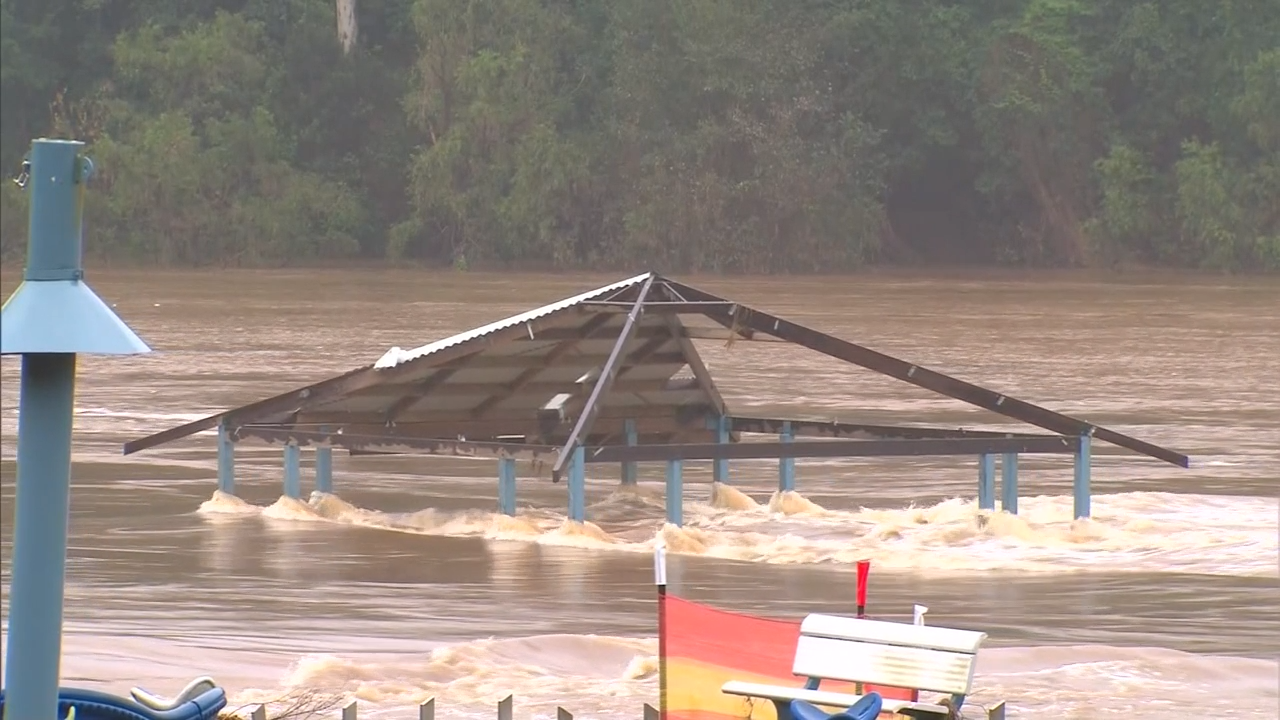
Several emergency warnings have been issued throughout south-east Queensland as the region faces another flooding disaster, which set to continue over the coming days.
The wet weather system that caused carnage in the state's north has moved to the south-east, inundating creeks, blocking roads and triggering dangerous flash flooding.
READ MORE: Bikie boss shot, brother killed in shooting attack at Sydney gym
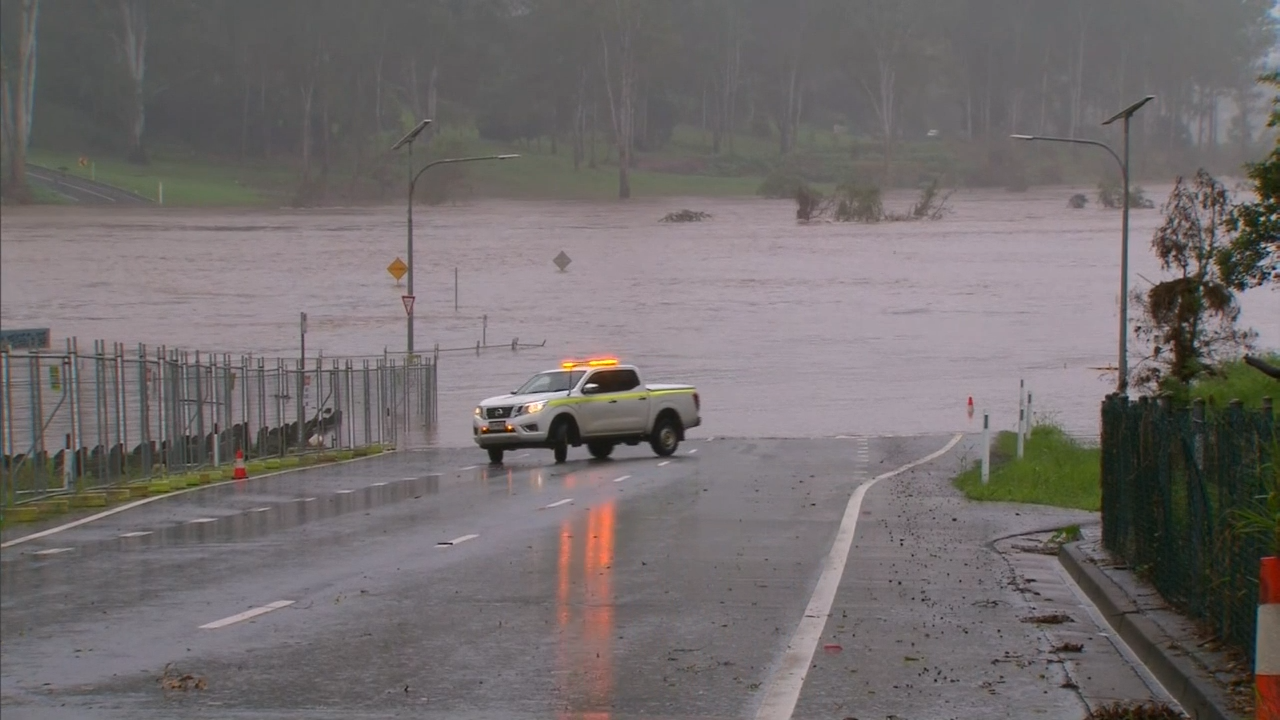
Emergency alerts have been issued for North Burnett Regional Council, Gympie Regional Council, Killarney in the Southern Downs Region and in Mount Tarampa and Prenzlau by the Somerset Regional Council.
Residents are urged to avoid driving at this time and to stay up to date with local warnings and alerts.
https://twitter.com/BOM_Qld/status/1524623699000840193
The Bureau of Meteorology (BoM) has also warned of moderate flooding along Lockyer Creek, which may impact low-lying areas in Mount Tarampa and Prenzlau.
"A place of refuge has been set up at Lowood State High School hall (Prospect Street, Lowood) for concerned residents from 5pm today," a QFES warning read.
Somerset Regional Council confirmed Cressbrook Dam is currently 1.2 metres above the spillway, with Cressbrook Creek residents also on high alert.
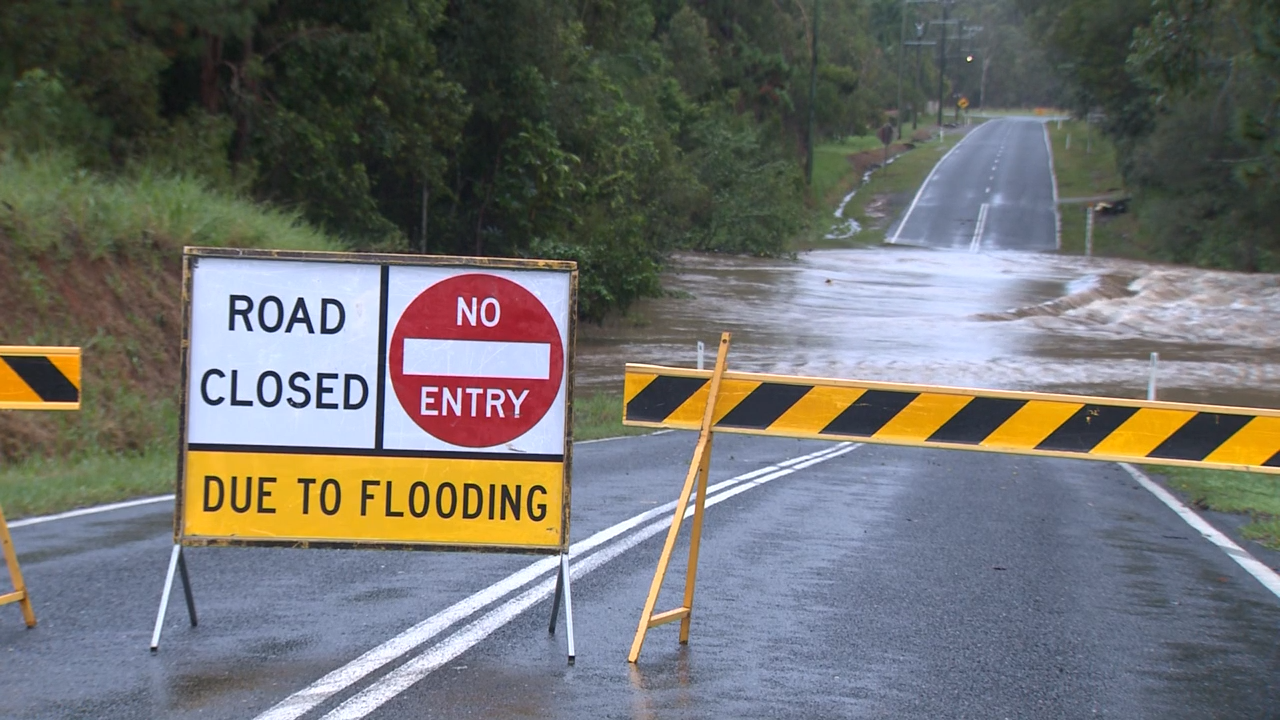
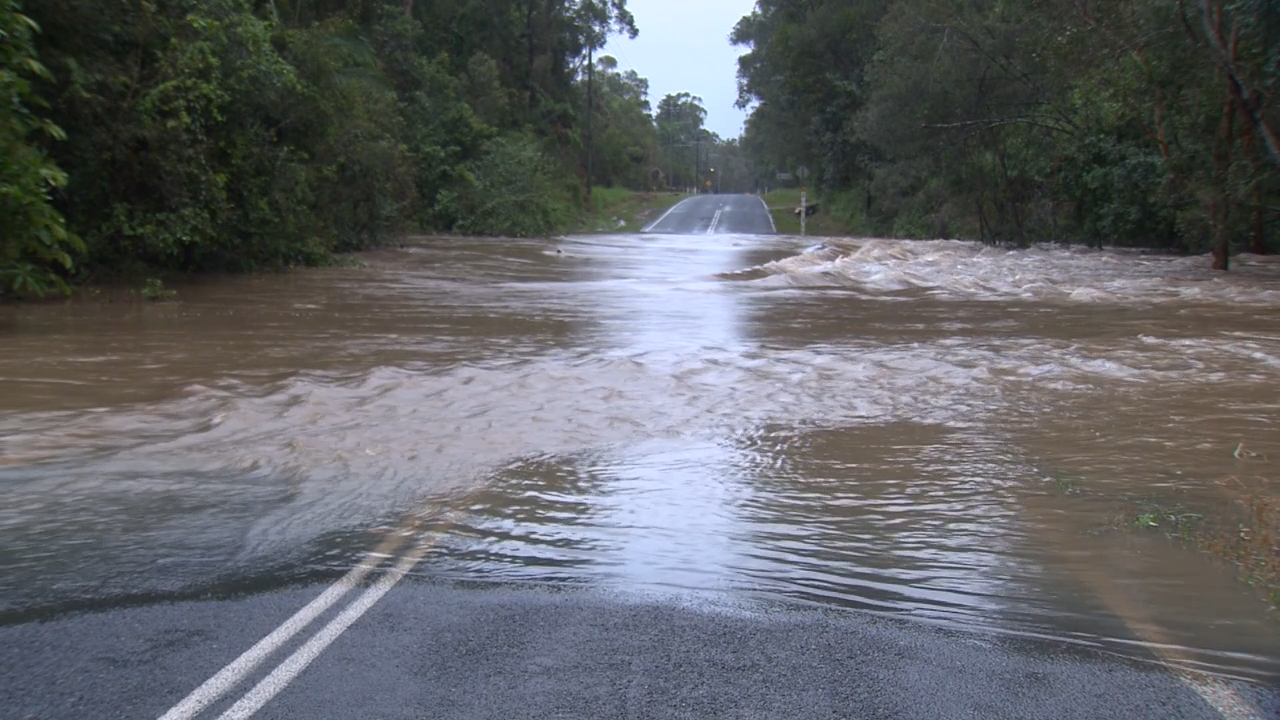
Cooby Creek in Toowoomba has been put on alert with police warning the dam is spilling.
"Residents are asked to warn neighbours, secure property and prepare to move," police said.
Residents in all affected areas are urged to have emergency plans in place and to follow the advice of local councils and emergency crews.
They have been reminded never to drive through floodwaters.
More torrential rain is threatening to exacerbate existing flooding over the coming days.
READ MORE: Why today's flu strain may have very sinister origins
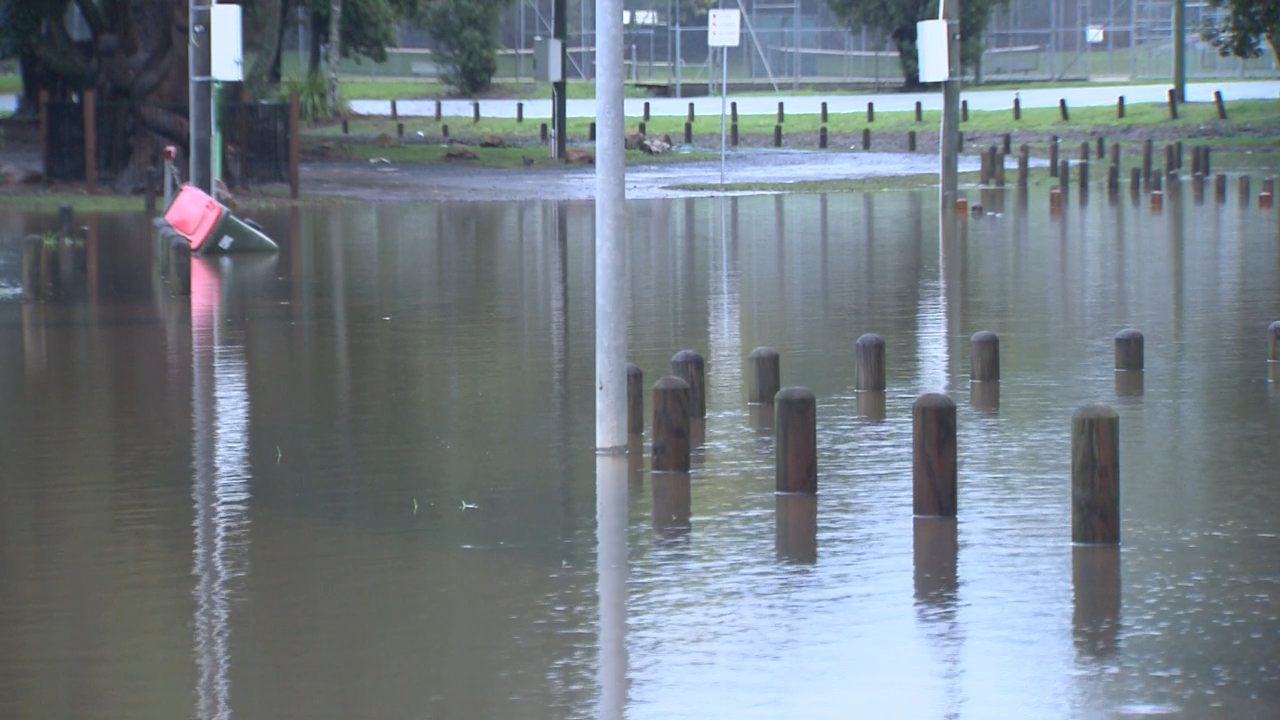
"For Queenslanders, this is an evolving situation," BoM meteorologist Laura Boekel said.
"We still have a couple of days of rainfall in very saturated catchments so especially that south-east corner is very much a watch point.
"Within that rain band, we could also see thunderstorms which can produce damaging winds or even more intense rainfall."
QFES State Operations Centre Coordinator James Haig said flooding risk is not "just about the millimetres, it is about how wet the ground already was and where the water has to go".
"As soon as we get rain, rivers are rising quickly," Haig said.
"This is not over yet."
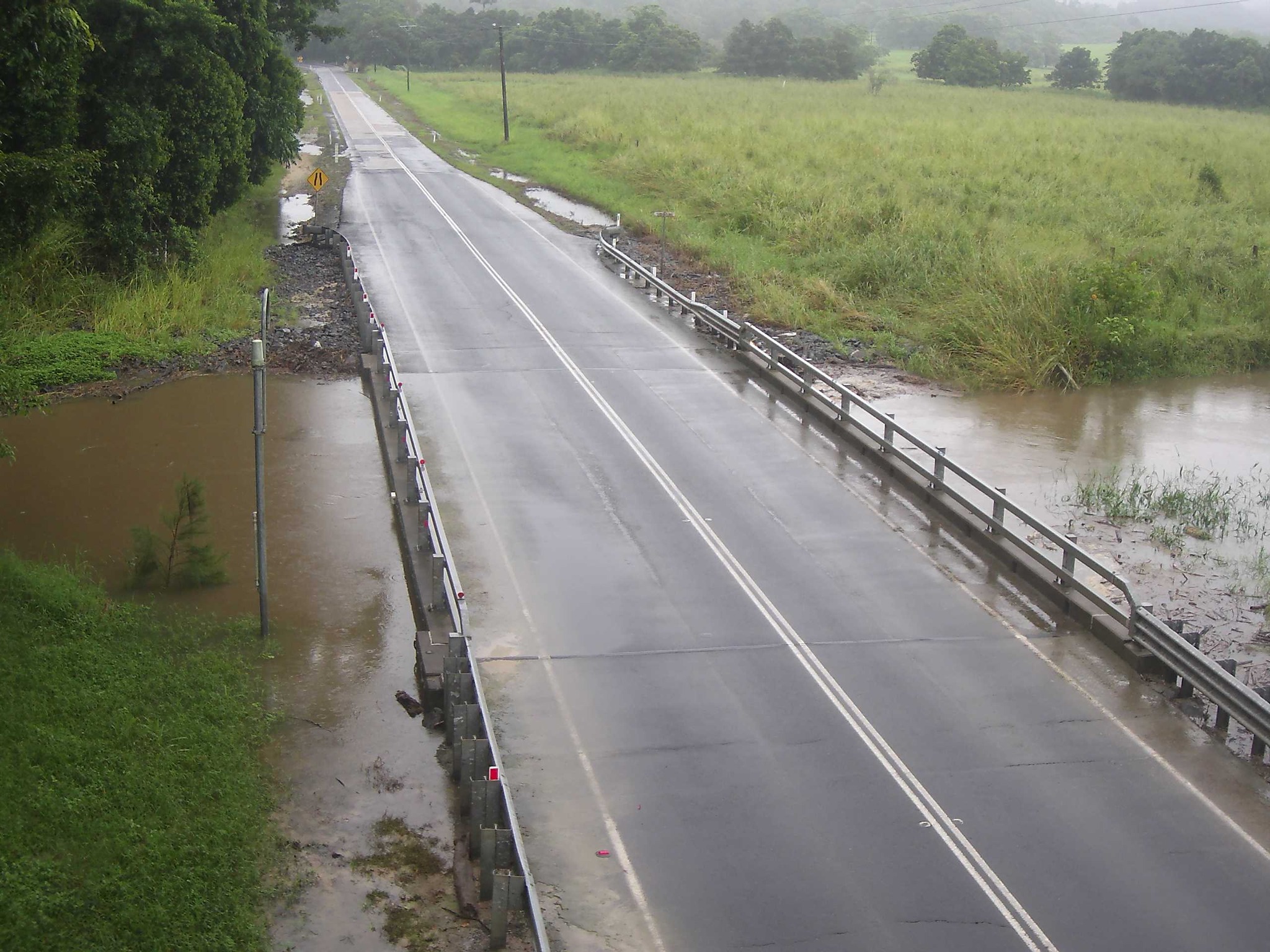
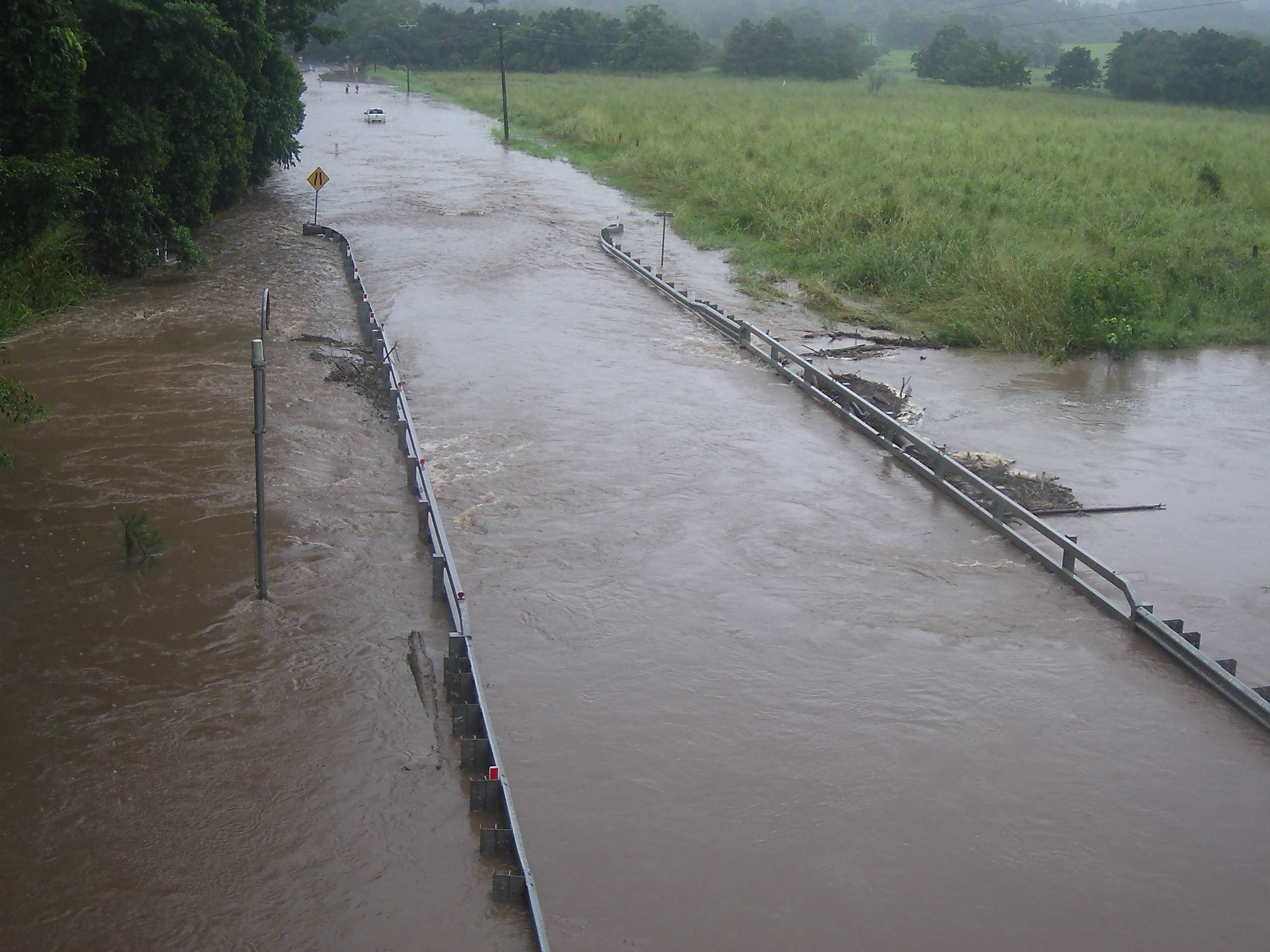
He said residents need to "pay attention to conditions" and "plan their routes carefully".
The Queensland SES has responded to 114 calls for assistance, the majority from the state's south-east.
Several schools were closed across the region as flooding remains a major threat to safety.
All ferry services have been cancelled in Brisbane.
More than 7000 megalitres of water has been released from Wivenhoe dam so far, the equivalent of 3000 Olympic swimming pools.
Queensland man missing in flood zone found
A man reported missing in Gympie this morning has been found.
Police coordinated a search and rescue mission after the 36-year-old went missing at an Imbil campsite, south of Gympie last night.
He was last seen chasing his dog around 11.30pm.
"He was reported missing at approximately 10am this morning after he failed to return or make contact with anyone," police said.
"The campsite is currently isolated from foot and road access due to several flooded river crossings."
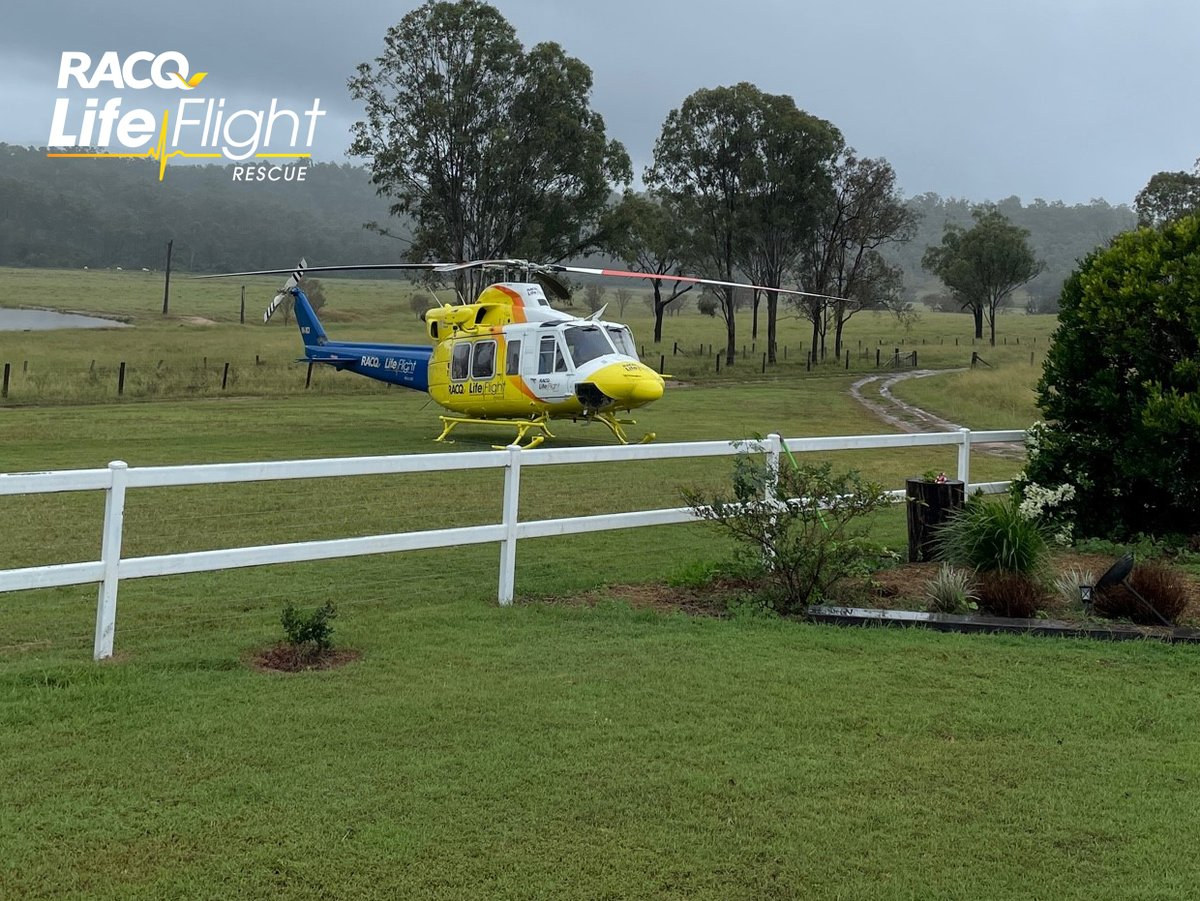
An RACQ Lifeflight helicopter and swift water rescue crew searched for the man near the campsite, which was isolated from the floods.
He has since been located safe and well.
The Mary River in Gympie has swelled to 10 metres, with predictions the river will rise to 12 to 13 metres over the next 24 hours.
Gympie mayor Glen Hartwig said residents, now facing another flood disaster are still weary from February's flood event.
"I suppose a little bit of edginess, the last event was significant, the highest flood in living memory," he said.
READ MORE: Review into Queensland flood crisis reveals emergency warnings were too slow
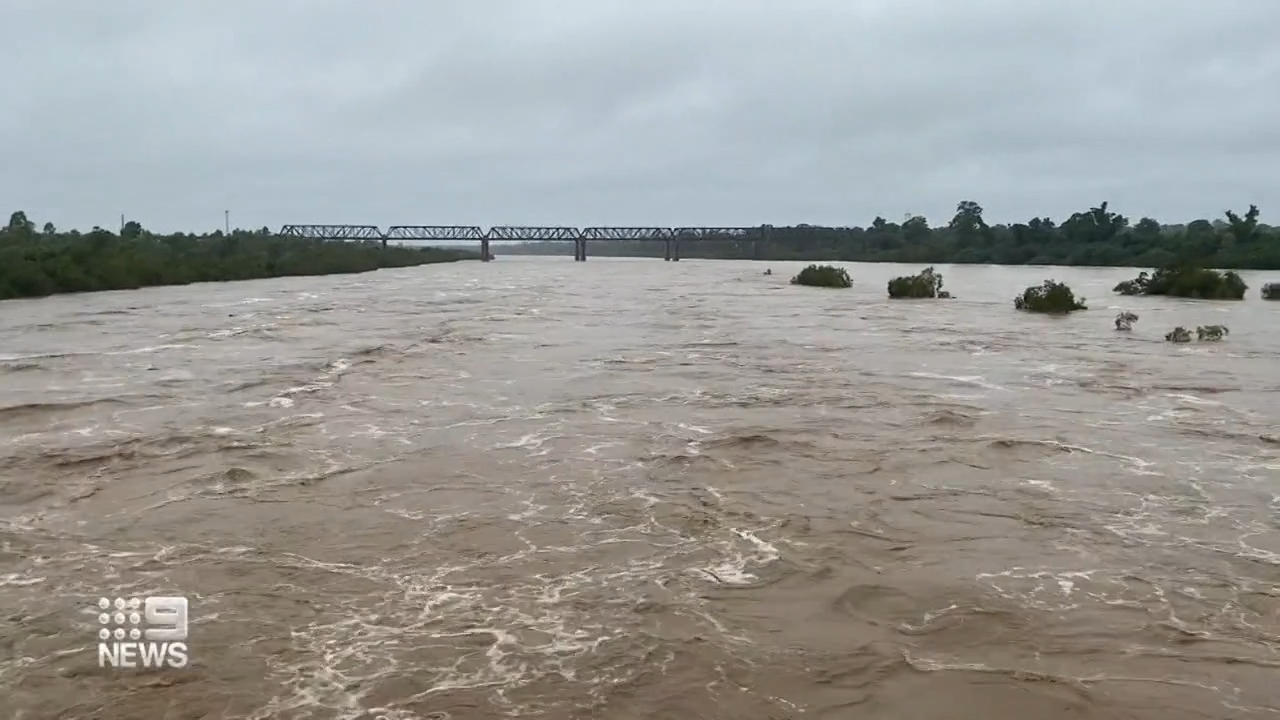
This morning, another man was rescued from floodwaters in Bundaberg, after his car was swept into floodwaters.
The man, in his 50s, had been driving around 11.30pm when he was forced to escape his vehicle.
The man managed to cling to a tree in the current and was stranded in flood waters all night.
This morning, the man was discovered by a group of farmers conducting morning checks on their land and was brought to safety.
An RACQ Lifeflight rescue helicopter was called around 7.30 am this morning as there was no access to the property due to heavy flooding.
"The QAS Flight paramedic treated the patient for hypothermia and other existing medical conditions, before he was flown to Bundaberg Hospital in a stable condition, for further treatment," a Lifeflight spokesperson said.
READ MORE: Russia bombs crucial port as Ukraine ponders further 'liberation'
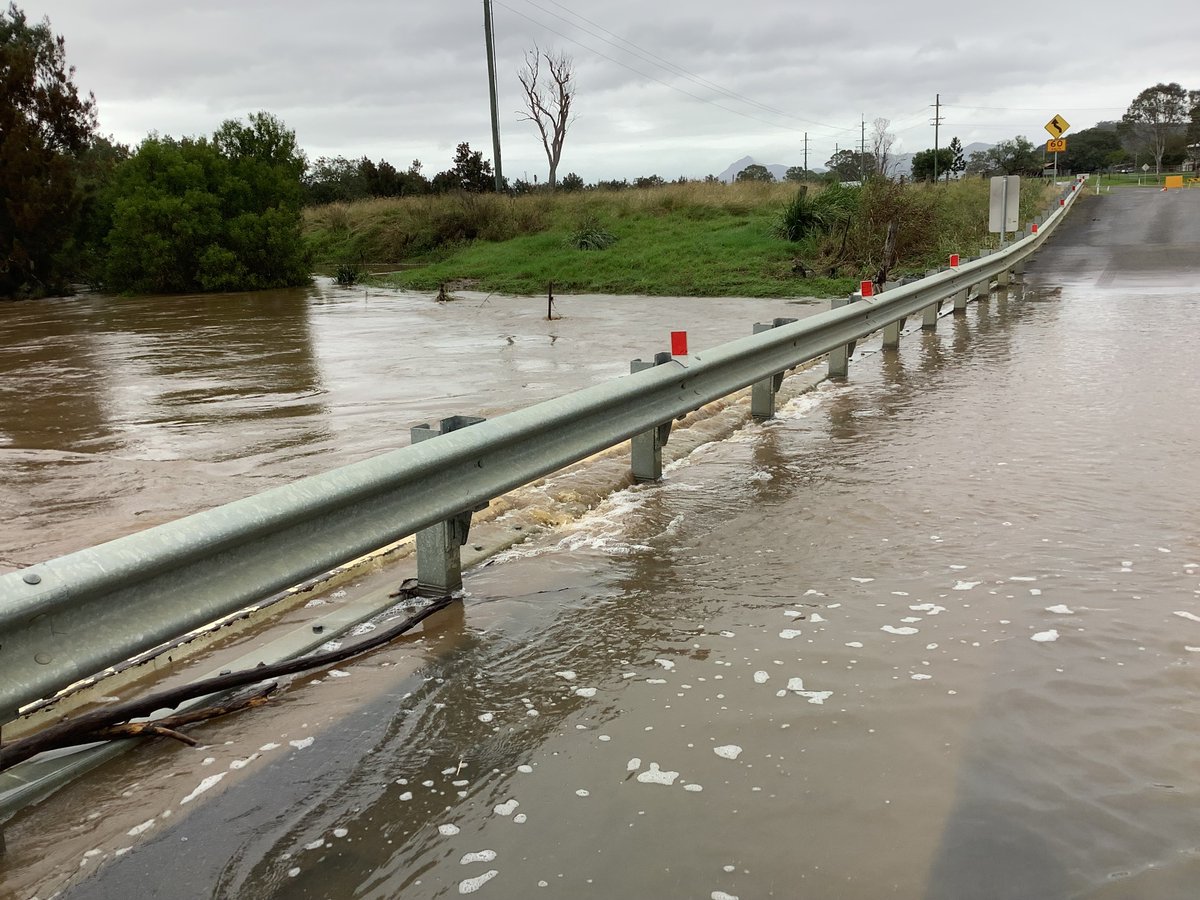
Yesterday, a 31-year-old woman was found dead in her vehicle, after becoming swept into floodwaters north of Mackay.
Two of her passengers managed to escape, however the woman was found in the submerged vehicle still wearing her seatbelt.
More flooding in North Queensland
While the worst of the wet weather has now hit the south-east, North Queensland is still battling the aftermath of the rain event.
The deluge has closed roads and flattened crops, but communities further west have rejoiced at the downpour.
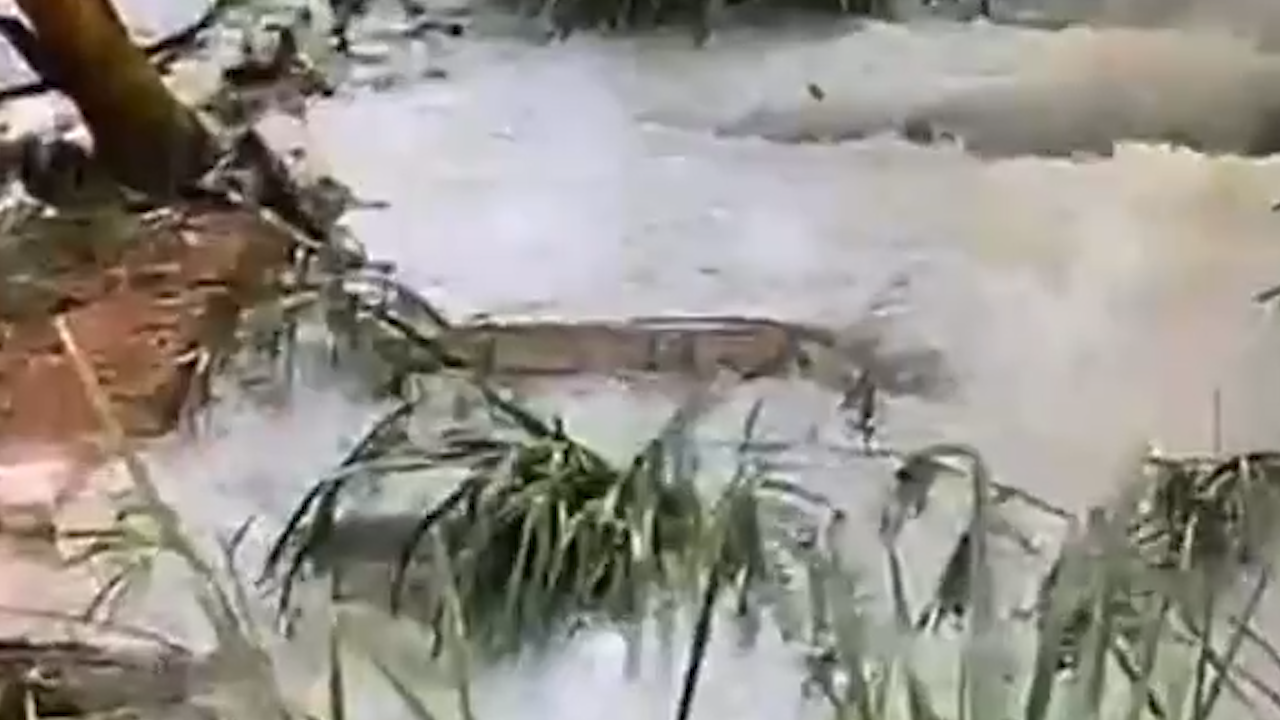
Around Townsville, residents are still seeing extremely wet conditions.
An hour south in the Burdekin, sugarcane farmers are anticipating a wet harvesting period.
"It's obviously going to delay the crushing probably two to three weeks, and when we do get going it'll be wet, and difficult, but we will get going," farmer Phil Marano said.
"Everyone's predicting it's going to be a wetter than average year, there's not much you can do about it but hope it doesn't turn out that way."
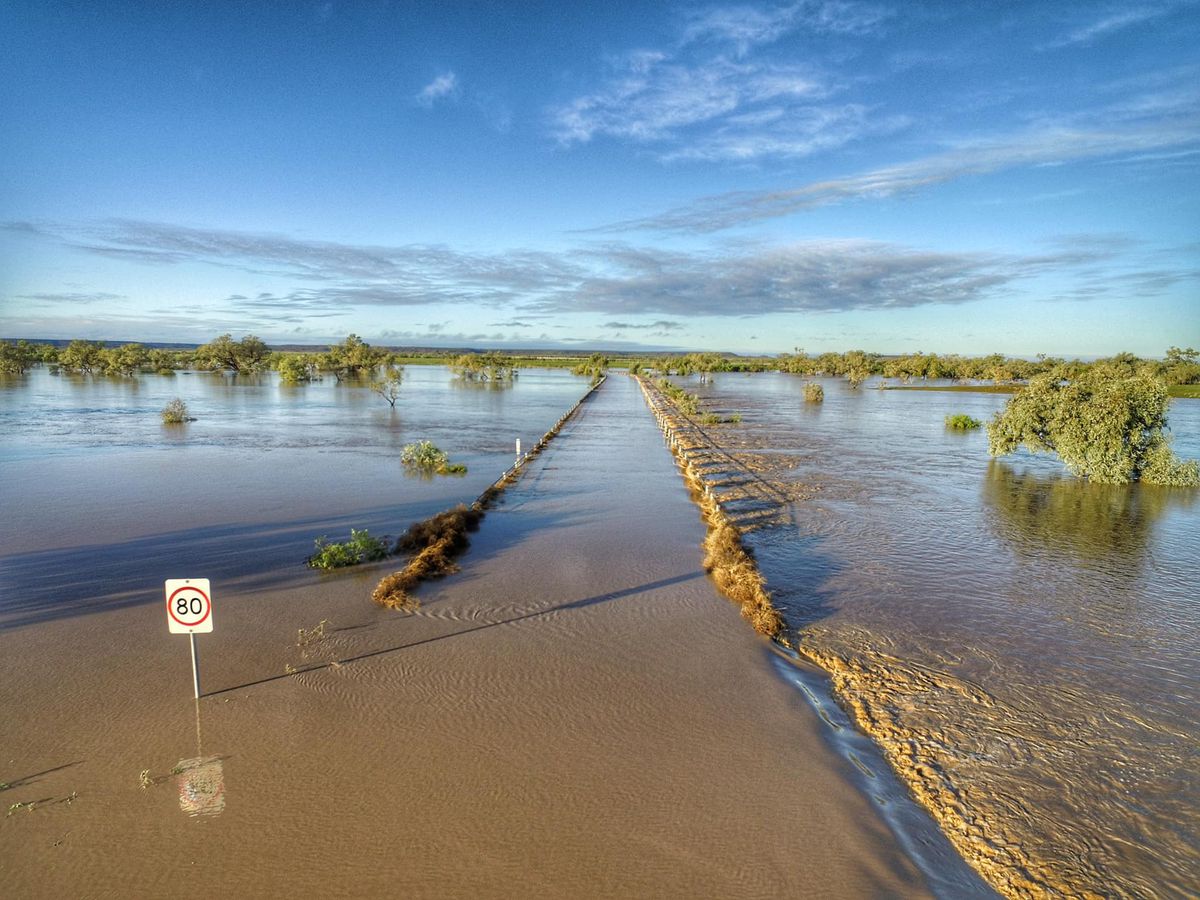
In outback regions like Winton, the rain has been welcomed.
The outback region makes up two-thirds of the Sunshine State, with parts of the central interior region seeing above-average rainfall for May.
"After many years of heart-breaking drought, it is great to see all our waterways and surrounding areas come to life," St George Tourism Manager Kim Wildman said.
"With each of our seven towns – Bollon, Dirranbandi, Hebel, Mungindi, Nindigully, Thallon and St George – located on a river or creek, water is our region's life-blood.
"Rivers have come to life with activity, the bird life is flourishing, wildflowers blooming, crops are being harvested and there's an extra spring in everyone's step."
South Johnstone, Hughenden in the outback, and Townsville in the far north were among the hardest hit towns yesterday.
South Johnstone, in the Cassowary Coast Region, received 313.2 mm in 72 hours.
"This includes 191.4 mm in 24 hours, which is the highest daily total for May since 1964," Weatherzone said.
"(There was) 102 mm in 24 hours at Townsville Airport, three times the May monthly average and the 2nd wettest May day on record."
Gold Coast beaches closed
All beaches have been closed on the Gold Coast for a second day as large swell batters the coast.
Powerful surf is expected from Friday, Saturday and Sunday, raising the possibility beaches may be closed until Monday.
Beaches on the Gold Coast were closed yesterday as the coast was battered by rough swell.
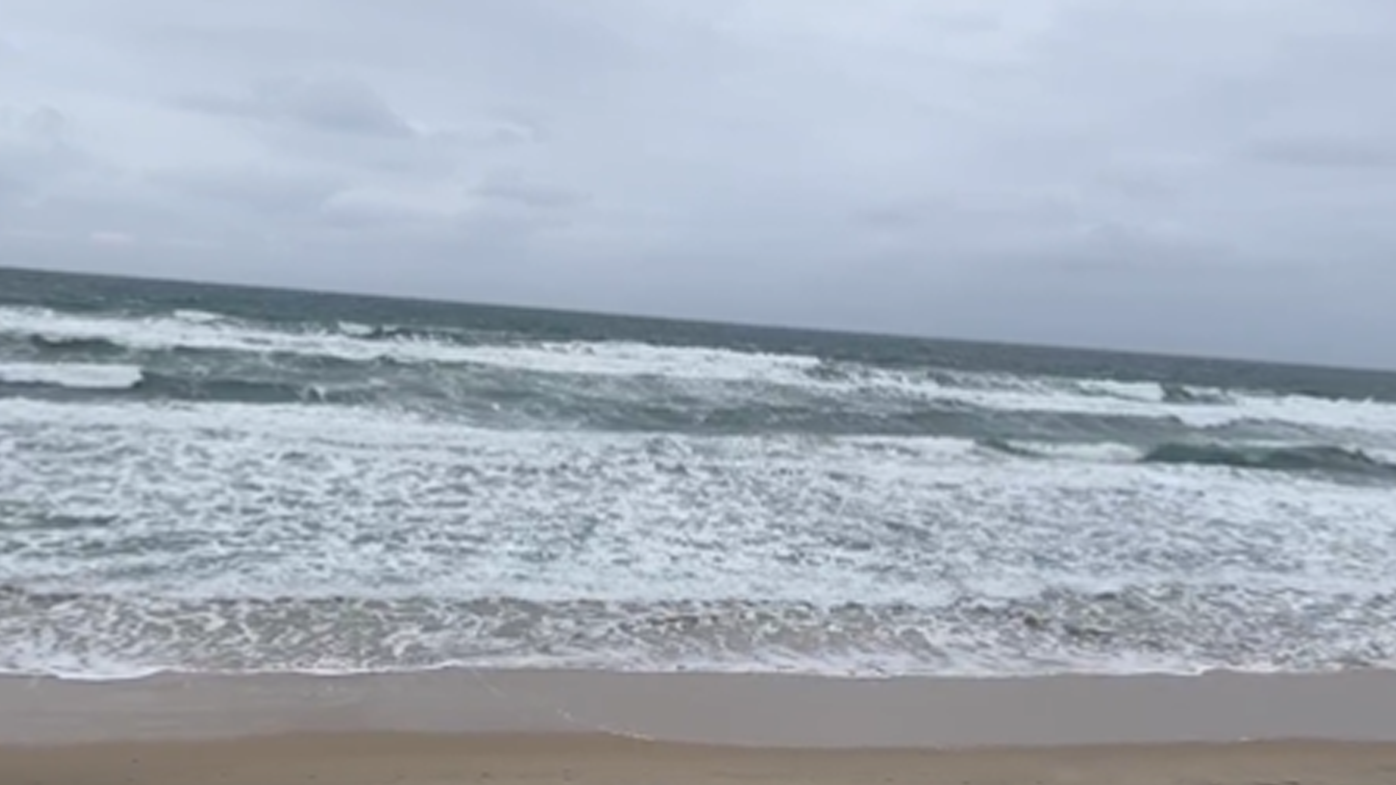
"Around six metre wave heights have been recorded off Stradbroke Island and here off the Gold Coast beaches," 9News journalist Mia Glover said.
Wind gusts of 60 to 70km/h are tearing through the Gold Coast adding to the dangerous surf conditions.
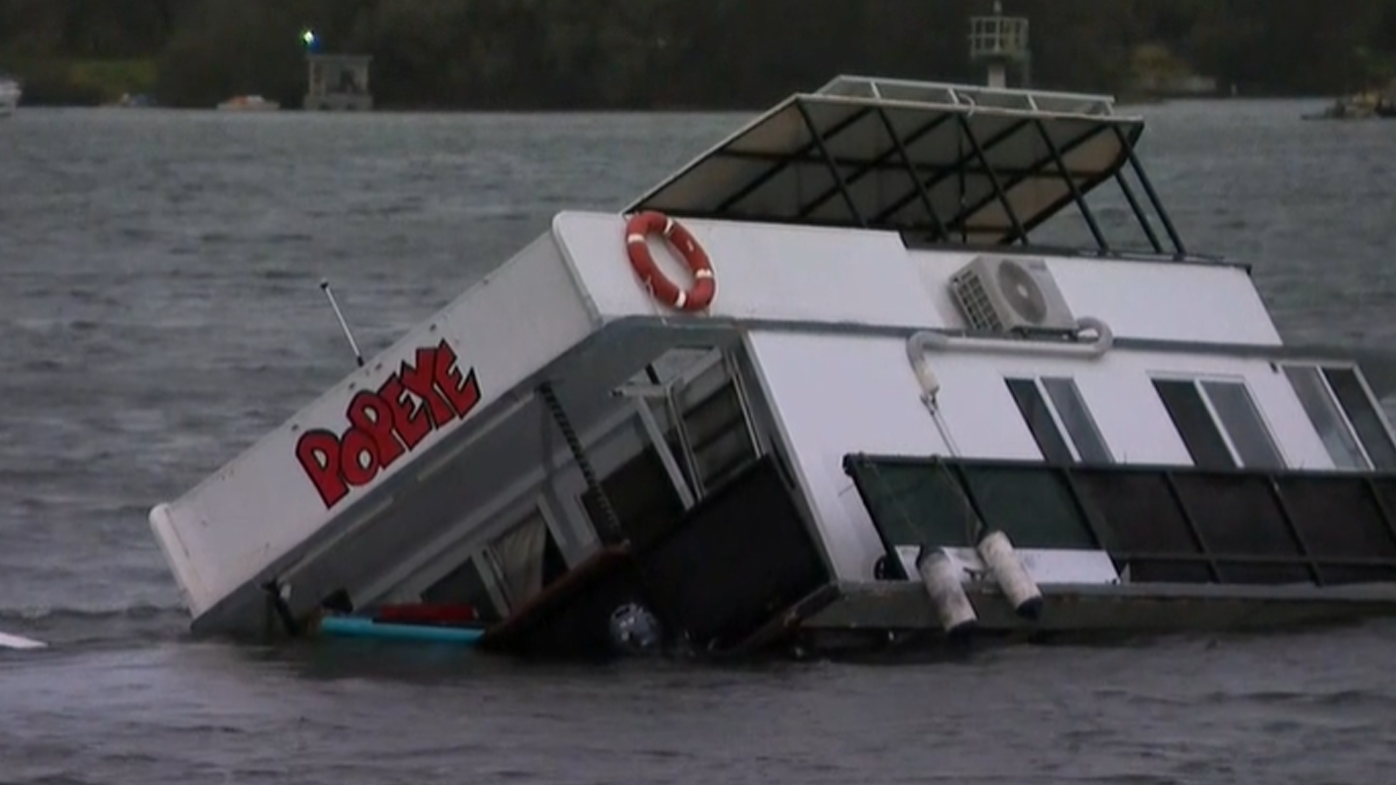
New South Wales is also copping a deluge as the system makes its way down the coast.
The Bureau has warned there's a threat of significant rain for the Northern Rivers.
Sydney recorded the biggest rainfall totals in five weeks and another soggy weekend on the way.
It comes as the Insurance Council of Australia revealed this year's deadly flood crisis in NSW and Queensland is set to become Australia's costliest flood ever; the damage bill is estimated at almost $3.35 billion.
The 2011 floods cost $2.4 billion.
Rotorua man Adrian Roger Humphreys named as dead person at centre of homicide inquiry
Police have released the name of a man found dead in Tāngarākau on May 7.He was Adrian Roger Humphreys, 57, of Rotorua.A homicide investigation was launched after his body was discovered at a Tāngarākau campground…
Google reveals new phones, watch and iPad challenger
After years plagued by leaks, Google has moved early, lifting the lid on its new Pixel phones, headphones, a Pixel Watch and a rival to the iPad.
Here's all the big announcements from I/O 2022 which returned in person at the Shoreline Amphitheatre in California.
Pixel 6a

No points for guessing this one.
A cheaper Pixel 6 redesign was always coming and it follows the Google playbook to a tee.
It's got a smaller 6.1" screen which refreshes at 60Hz (rather than 90Hz) and a 12MP main camera (rather than 50MP), but it's all powered by Google's same great Tensor chip.
At $749, the Pixel 6a is $250 cheaper than the original Pixel 6.
Google is promising five years of security updates and a battery that can last up to 72 hours with Pixel 6a's "extreme battery saver" mode turned on.
Pixel 7 and 7 Pro
Almost everything we know about the Pixel 7 is in this one photo.

Google is promising a next-generation Tensor chip and an environmentally friendly handset, made with recycled aluminium.
It has a fresh camera system and what looks to be the rumoured return of Pixel's 'soft-touch' glass backing.
Expect details on how much it will cost and the new smart features of Android 13 closer to launch sometime in Spring.
Pixel Watch
A Google smart-watch has been on the cards since the company bought FitBit back in 2019.
That acquisition was completed in January last year and despite objections from Australia's Consumer and Competitiveness Commission, we are finally getting a Pixel Watch.
READ MORE: Running Twitter may be much harder than Elon Musk thinks

It'll arrive alongside Pixel 7 and Pixel 7 Pro later this year with a round face, a "tactile" crown and interchangeable bands.
The Pixel Watch appears to have pretty chunky bezels compared to Apple's top-of-the-line Watch 7 and we're keen to see how this looks on our wrists when they're finally shown off.
We don't have a price just yet but it'll run Wear OS 3 and leave all of the fitness tracking to an integrated FitBit app.

Pixel Buds Pro
Google is taking on Apple's AirPods Pro with a 'Pro' of its own.
The $299 Pixel Buds Pro will dabble in noise cancellation with a new 'Silent Seal'.

How well that works in practice remains to be seen (some noise cancelling buds definitely work better than others) and we're curious to listen and compare them to Apple's solution.
Google really impressed with smart features like Live Translate on its budget, $159 Pixel Buds A-Series headphones.
According to Google, the Pixel Buds Pro will add spatial audio when paired with a compatible Pixel phone when they arrive on July 28, 2022.
They're sweat and rain resistant and Google says they'll be able to be connected to multiple devices and switch between them on the fly – without juggling BlueTooth menus – based on what they think you want to be listening to.
An iPad rival
A Pixel Tablet is coming… in 2023.
Google confirmed the hardware when talking about the impending arrival of Android 13, which will include tablet-specific updates.
New multitasking options like split-view and an updated taskbar will feature on the Pixel Tablet which, like newer Pixel phones, will run on a Google designed Tensor chip.
AR Glasses
Those who thought Google Glass would change the world may be a little sceptical.
We got a glimpse of Google's latest go at augmented reality glasses designed to "break down communication barriers" and add subtitles to real life.
A demo showed the glasses listening to, translating and transcribing a conversation – then displaying those words on the lenses.
We didn't get a name, price or release date.
John MacDonald: Time to kick consultation on Christchurch stadium into touch
OPINION: My heart sank last night.It sank when I saw a headline saying the Christchurch City Council is going to consult residents before it puts any extra money into the new stadium – Te Kaha.As we heard earlier this week,…
Plea change: Fatal crash motorcyclist admits causing death, injury
A motorcyclist who caused the death of a fellow rider during a charity rally has been reminded in court that he received first aid from the dying woman’s sister. John Nelson Berridge, of Auckland, changed his pleas on Thursday,…
Mum-to-be told she'd developed asthma. She had lung cancer
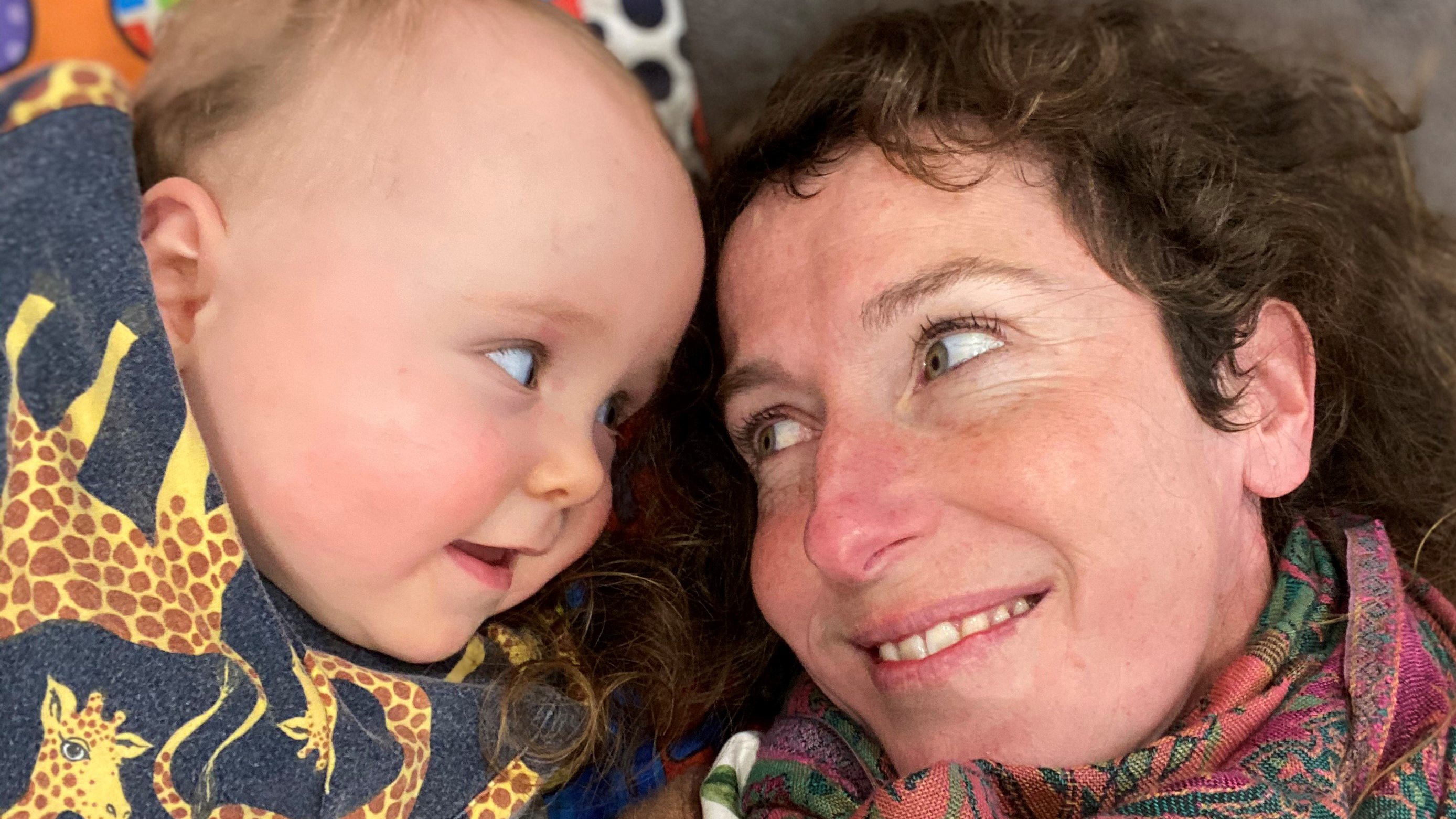
Jodee Mundy might have been a first time mum-to be, but soon after becoming pregnant, the award-winning Melbourne artist knew something was wrong.
"During my whole pregnancy I had quite severe pain in my rib cage, and I was breathless," the 44-year-old told 9News.com.au.
"People said, 'oh it's the babies' feet, or 'pregnancy makes you so breathless'.
READ MORE: Woolworths makes major new change in every single store
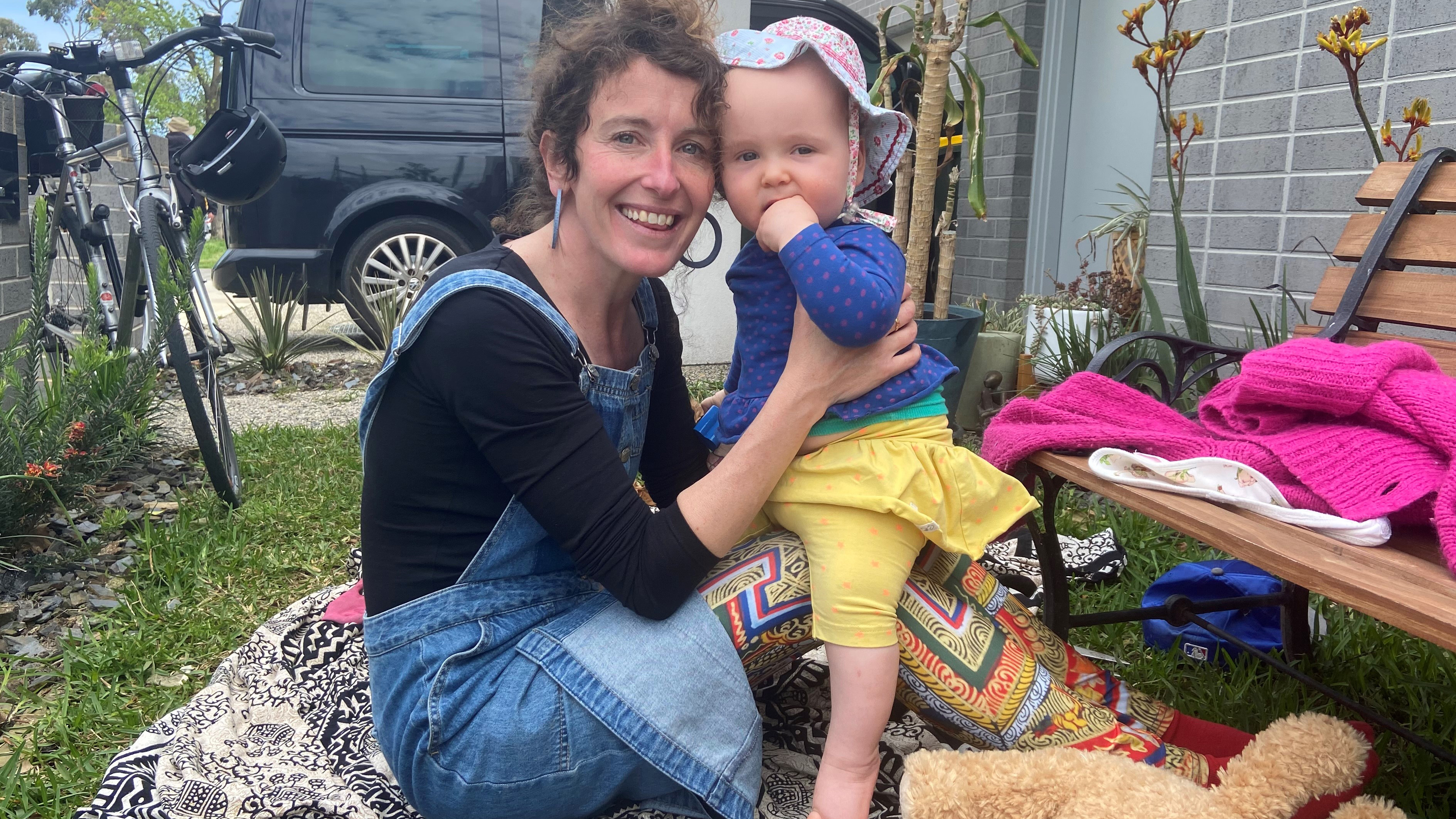
"I felt, if it's this bad, why am I the only one being such a wuss?"
Her doctors told her she'd probably just developed asthma.
But at 35 weeks, she was so out of breath, her GP sent her to the emergency department.
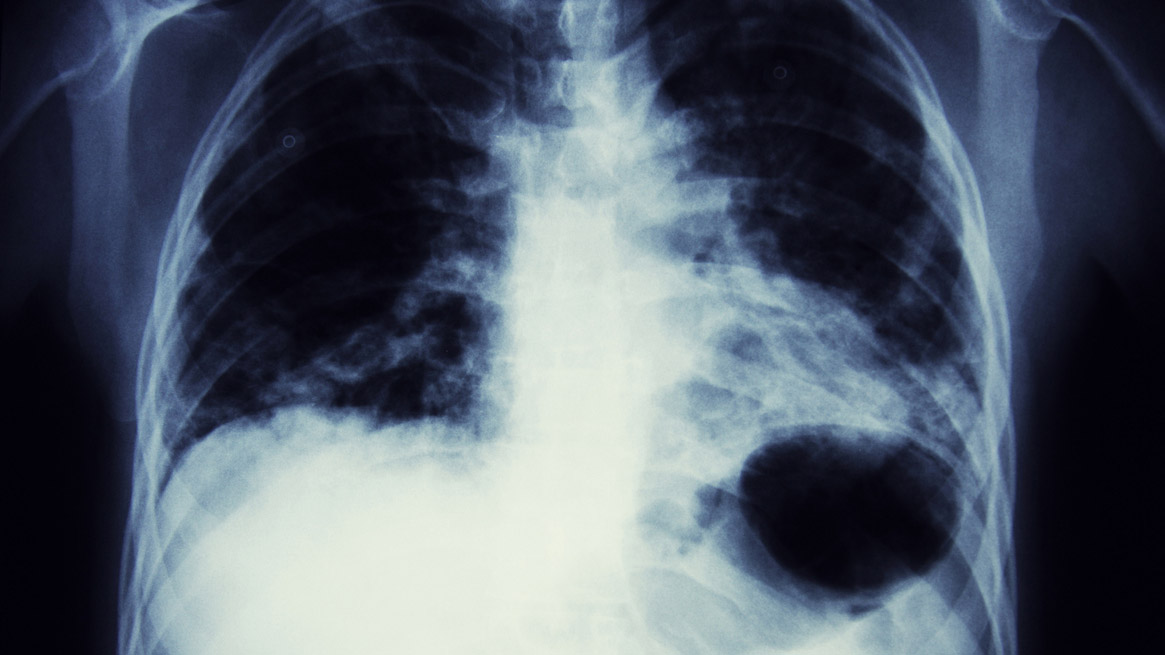
There, a simple X-ray discovered she had four litres of fluid in one of her lungs.
The next day, more tests finally gave her a diagnosis.
She had lung cancer – the cancer that kills the most Australians a year.
The moment she found out was "like a bad dream".
"I didn't feel real," Mundy said.
"It was like, I'm having a baby – how bad is it? Am I going to live?"
Mundy had to spend the next week in hospital waiting for a C-section before more tests could be done.
READ MORE: Brothers warned before bikie boss shot, brother killed
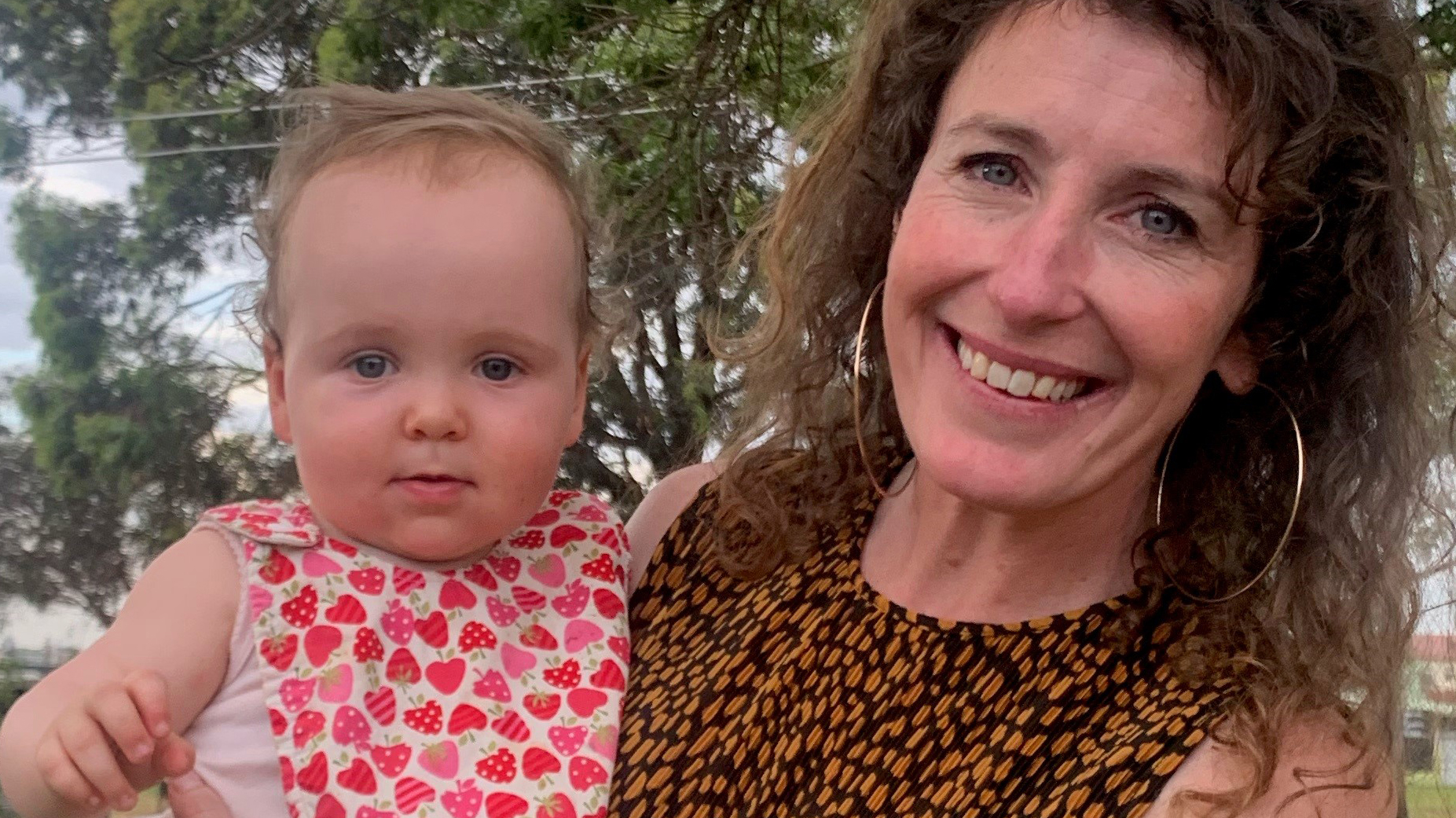
She it was the worst week of her life.
Luckily, baby Evie, now two and a half, was born healthy.
READ MORE: 'Thousands of lives will be lost': Disappointment at budget cancer snub
But Mundy's happiness was soon shattered.
She was told the cancer was classed as Stage 4 and had spread around her body. It had invaded her brain, spine and liver.
It was a type of lung cancer called non-small cell so she she was given a bit of hope.
"They said if you have this type there is really good treatment," she said.
The Melbourne mum started started on pioneering targeted therapy, which comes in the form of just one tablet a day.
READ MORE: Russia bombs crucial port as Ukraine ponders further 'liberation'
And she has been clear of cancer for the past two years.
She was even awarded a Medal of the Order of Australia (OAM) in 2020 for her services to the performing arts.
But the impact of the cancer remains. She has only 75 per cent breathing capacity, which she has described as "like wearing a corset".
The acclaimed artist also knows it is very likely the cancer will come back. She has been told the treatment could stop working at anytime.
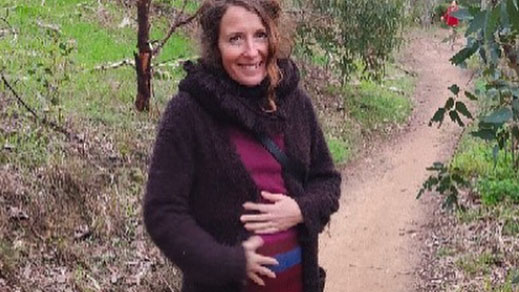
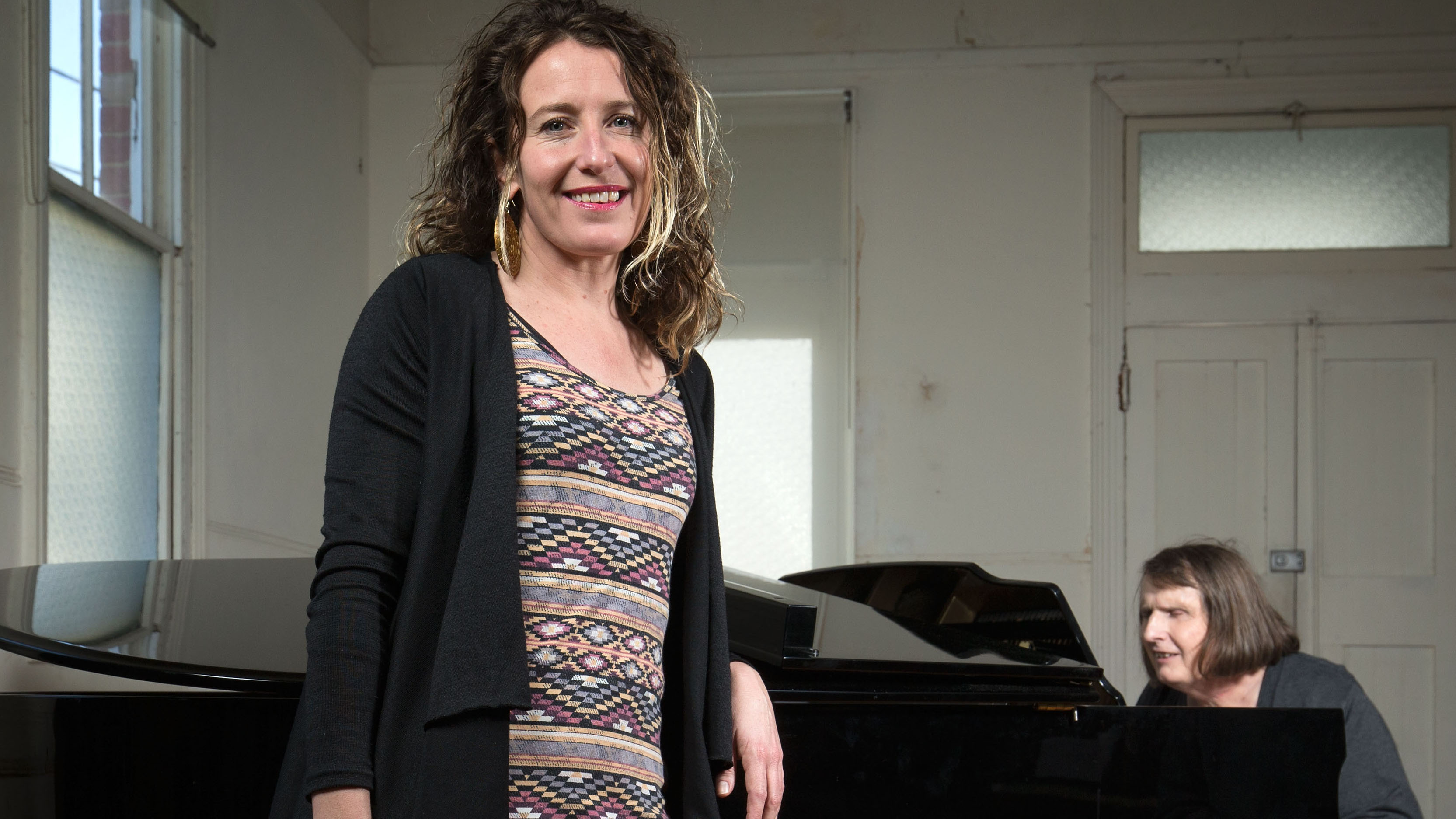
But for now, she has been able to return to work as a festival director, and enjoy life with Evie, and her partner.
"She's amazing. She's a really beautiful bubbly little girl and I hope to see her live until she's 50," she said.
"I don't know how long I'll be here.
READ MORE: Woman's mission to help cancer carers inspired by late friend
"It's a very real reality I live with everyday."
Like all lung cancer patients, she also faces the stigma of the disease, which can affect non-smokers as well as smokers.
She has urged anyone with unusual symptoms to see a doctor as soon as possible.
Mundy recalled a bad cough and coughing up blood on one occasion that could have been an early sign of her cancer.
"If you have these symptoms and it feels strange and you think to yourself, 'it can't just be asthma, or a cough, you can go to emergency and ask for an X-ray, or go to your GP and ask. Don't ignore it."
READ MORE: Sydney researchers make 'world-first breakthrough' in preventing SIDS
See a GP if you have symptoms, charity says
May is Lung Health Awareness month.
Lung Foundation Australia Chair Professor Lucy Morgan says knowing the early warning signs can mean earlier diagnosis and a higher chance of successful treatment.
"Lung disease and lung cancer are often diagnosed at a late stage when there are fewer treatment options available, and survival rates are significantly reduced," Morgan said.
"A persistent cough or breathlessness should never be ignored. Don't put a visit to your GP on the backburner."
READ MORE: Flight attendant's 'jet lag' turned out to be deadly disease
Lung cancer statistics
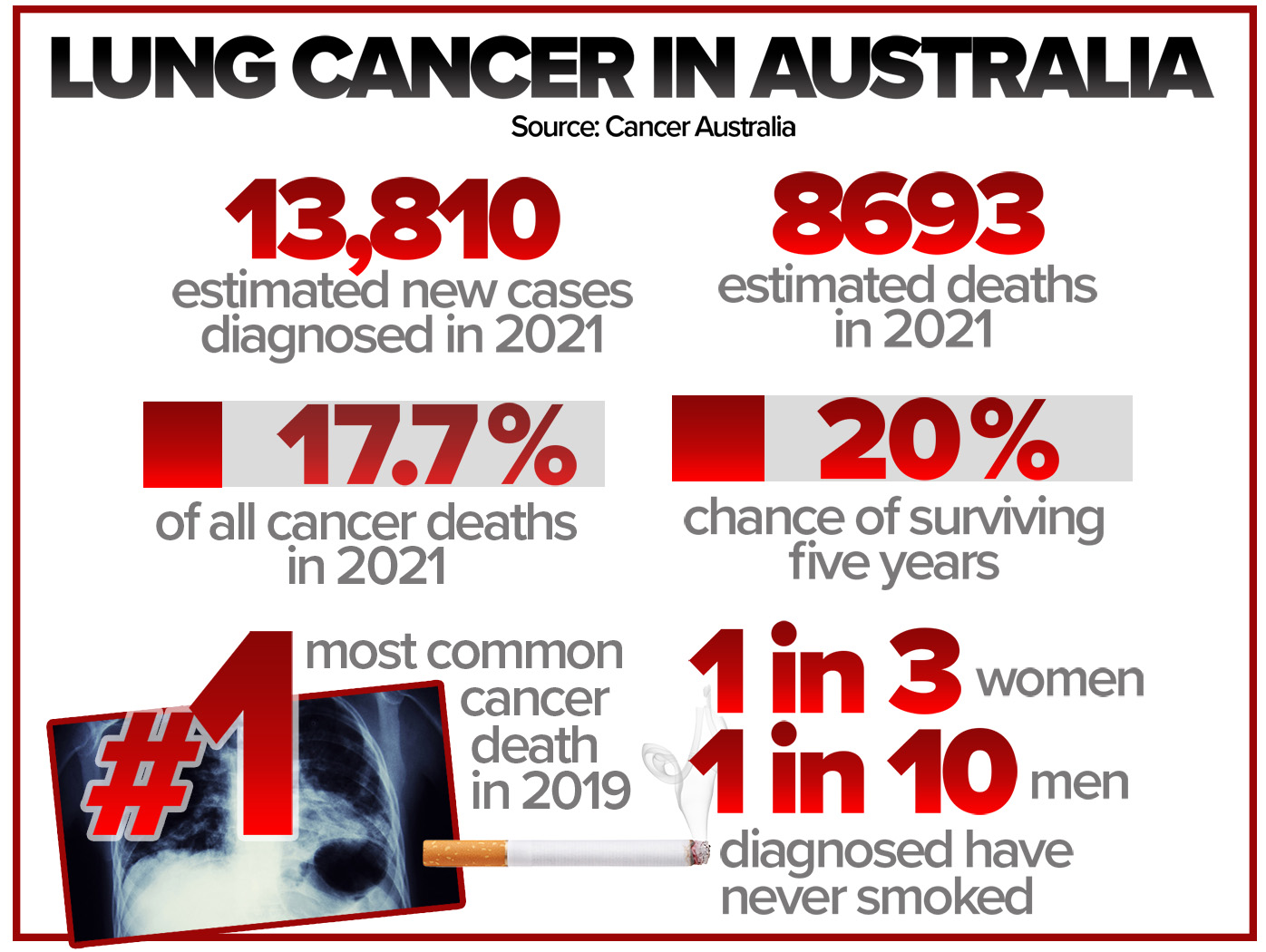
Lung cancer kills more Australians than any other cancer – almost 9000 people a year- which is more than breast, prostate and ovarian cancers combined.
But it gets a relatively small amount of funding.
As a result, while breast cancer survival rates have soared to 90 per cent, just 20 per cent of lung cancer patients survive more than five years.
In 2019, lung cancer was the most common cause of cancer death in Australia, and it's expected to remain the biggest cancer killer, Cancer Australia says.
Last year, 13,810 people were diagnosed in Australia.
And 83 per cent of those patients were diagnosed at a late stage, the Lung Foundation says.
One in three women, and one in 10 men, diagnosed have never smoked, according to the Foundation.
Plans are underway for a new screening programme to try and detect the disease earlier, but campaigners say more funding is needed.
FULL COVERAGE: Federal Election 2022
What are the symptoms of lung cancer or disease?
There are a number of symptoms attributed to lung cancer or disease.
They can include:
- A persistent or unexplained cough which lasts more than three weeks
- Changes to an existing cough
- Breathlessness
- Coughing up blood
- Fatigue
- Weight loss
- Chest pain
- Voice hoarseness.
For more information visit the Lung Foundation website.
Contact journalist Sarah Swain: Ss****@******om.au
More housing market shockwaves predicted
More pain is coming to the Australian housing market, a construction insolvency expert has warned, as the country's biggest developers face broken sales deals, cooling demand and some of the toughest conditions to hit the sector in years.
"It's been in the tea leaves," Andrew Spring, partner at Jirsch Sutherland, said of the stern headwinds, which he predicted will only intensify over the next two years now interest rates are tracking up.
He said it is "inevitable" more large developers will collapse in the coming months, following a host of other marquee Aussie construction companies who have been unable to survive in the current market.
READ MORE: Ian Thorpe's former partner Ryan Channing dead at 32
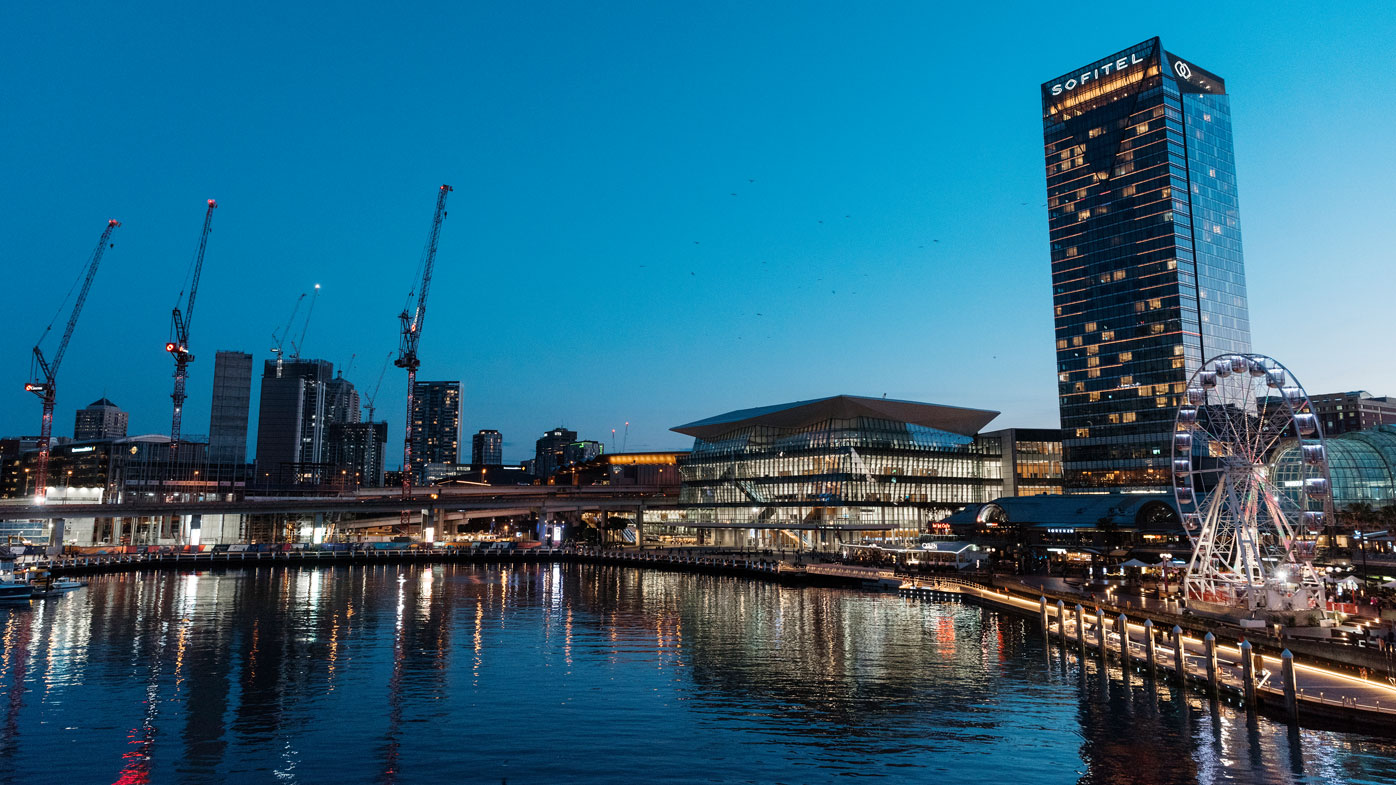
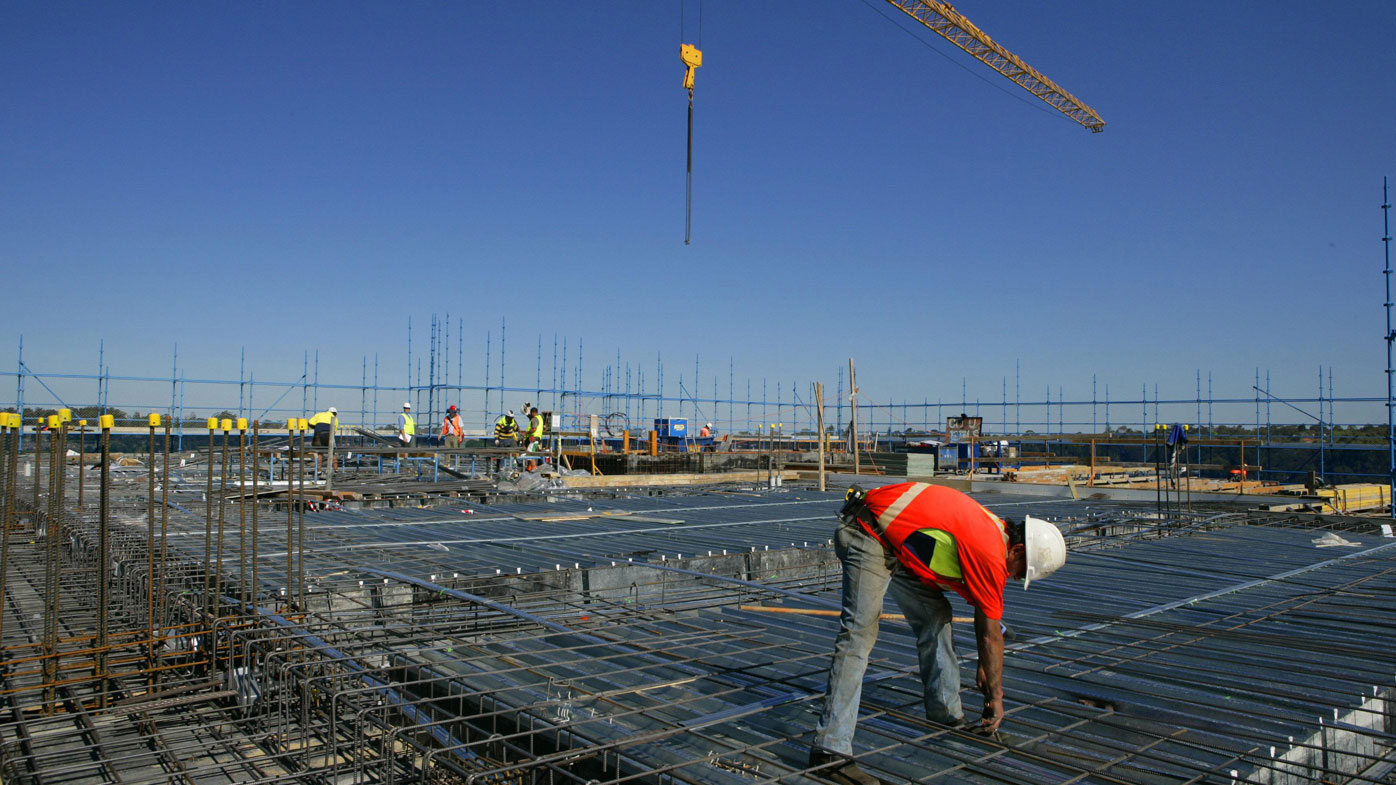
Developers are already facing a nightmarish stacked deck of rising material costs, COVID-19 shutdowns, supply problems and labour shortages.
"The concern that interest rate rises bring is that it softens the property boom, or eradicates it to a point where the purchaser is worried that the value of their property is not continuing to rise, and in fact may well decline," Spring said.
That fear, he said, could see end users pulling out of property deals, banks approving fewer mortgages and investors retreating in caution.
"Prices may start to falter even more quickly," he said.
"For developments in the process of construction at the moment, if they've got pre-sales in place, what's the risk now of those pre-sales actually completing?"
Spring said he'd heard an increasing number of stories of developers approaching buyers to ask for more cash so homes or apartments could be completed.
"At what point is there a tipping point where you say, 'Well, in actual fact, I can't make money anymore and I'm not going to complete on these projects'.
READ MORE: Albanese crowned debate winner as voters given choice between 'risk' and 'better future'
READ MORE: Aussie households facing 'debt bomb' as interest rate hikes loom
"And then if the sale falls through, what's the developer doing with that property?
"They have to take it back to the market, that puts excess supply in, and does that drive prices down as well?"
Spring said last week's rate rise, from 0.10 per cent to 0.35 per cent, is not in itself a huge problem, it's the looming RBA interest bumps towards 2 per cent that will really start to bite.
AMP Capital, which described the hike to 0.35 per cent as "above market expectations", forecast the RBA cash rate to hit 1.5 per cent this year, and 2 per cent by the middle of 2023.
"That is obviously going to dent consumer confidence, and therefore (we) may well see the rush towards buying a property subside, which will at least hold any increase in property prices and potentially put downward pressure on prices," Spring said.
He said the issues of material costs and labour shortages "are only really worsening" in 2022, in large part because of massive demand caused by catastrophic flooding in New South Wales and Queensland, and ongoing heavy rain events.
The cost of building materials rose between 15 to 20 per cent throughout 2021.
"When there's super demand, obviously prices are going to increase," Spring said.
"That's another explanation as to why this is something that has been on the cards, we've created an inflationary environment, interest rates have to follow to deal with that, and it's all putting pressure on this one industry."
Thanks to blowing out costs, pre-negotiated contracts were unviable and pushing developers to the brink, with some already toppling over.
READ MORE: Soaring cost of meat and vegies predicted to continue
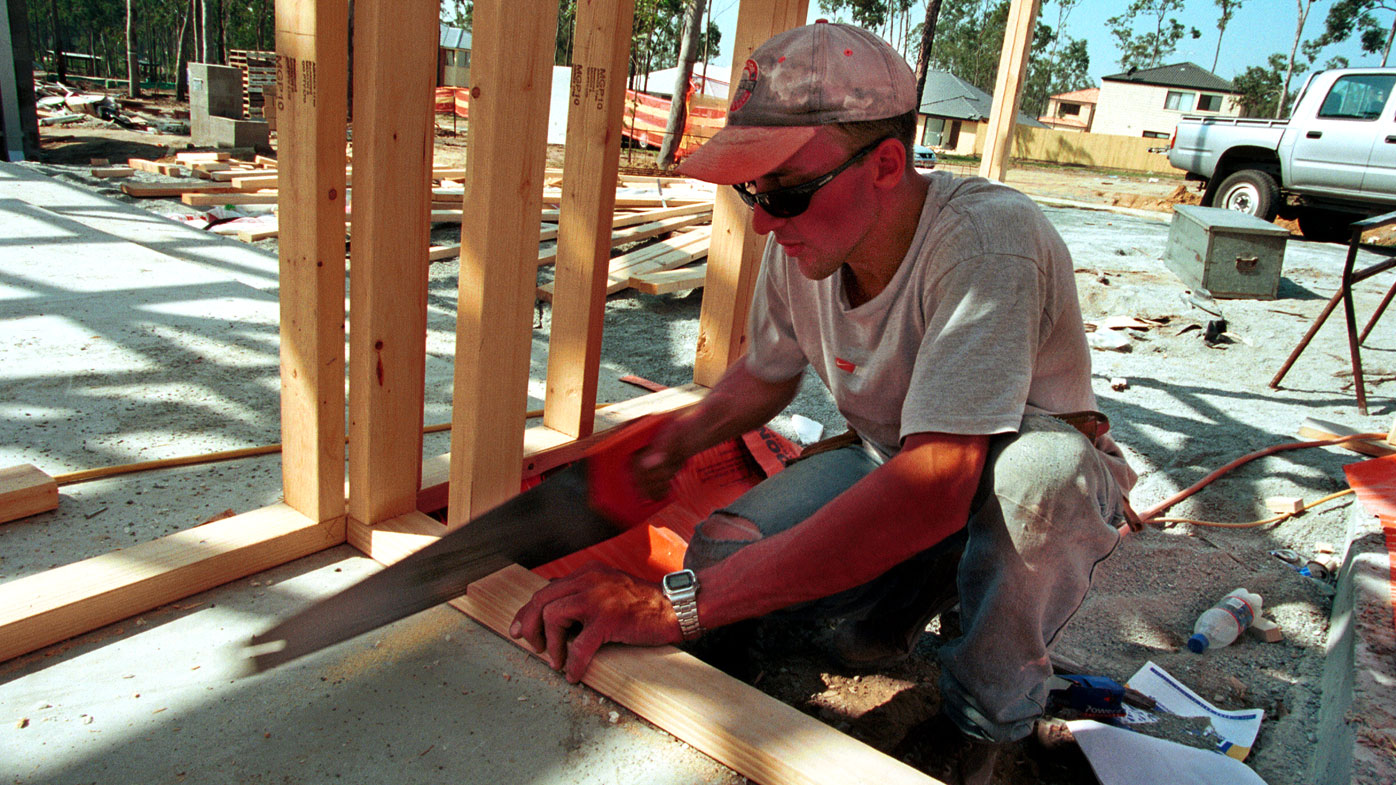
EXPLAINED: Exactly how much a hike in interest rates will cost you
Giants like Probuild and Condev have already folded, while Privium Group, Dyldam Developments, Hotondo Homes franchise Tasmanian Constructions, ABD Group, BA Murphy, Pindan and Inside Out Construction have gone bust in recent months.
"It's inevitable there's going to be a lot more insolvency in the construction industry," Spring said, which will inflict a "domino effect" on builders, subcontractors and trades.
AMP's chief economist Dr Shane Oliver predicted rising interest rates would cause home prices across Australia to fall 10–15 per cent by early 2024.
The RBA would only raise rates "as far as necessary" to cool inflation, Oliver wrote in a market note, following last week's RBA decision.
"It won't be on autopilot mindlessly hiking and crashing house prices and the economy in the process," he continued.
"Rather, after a few initial hikes, it will likely pause to see what happens before doing more, but rates will not rise to nosebleed levels."
Former Gloriavale dairy farmer believes he 'possibly' beat schoolboy workers
A former Gloriavale dairy farmer believes he “possibly” beat schoolboys who worked for him following the Employment Court landmark decision. Yesterday, the court ruled that a group of ex-Gloriavale members were employees at the…
Vigilance is key in avoiding another mice plague, experts warn
Australian farmers are being urged to remain vigilant as mice numbers are reportedly growing in "patches" across the country.
CSIRO mice expert Steve Henry said that last year's plague raised awareness but that vigilance is key.
"The outbreak had such an impact on people that they really don't want them to come back, so they're being really vigilant about them," he said.
READ MORE: Woolworths makes major new change in every single store
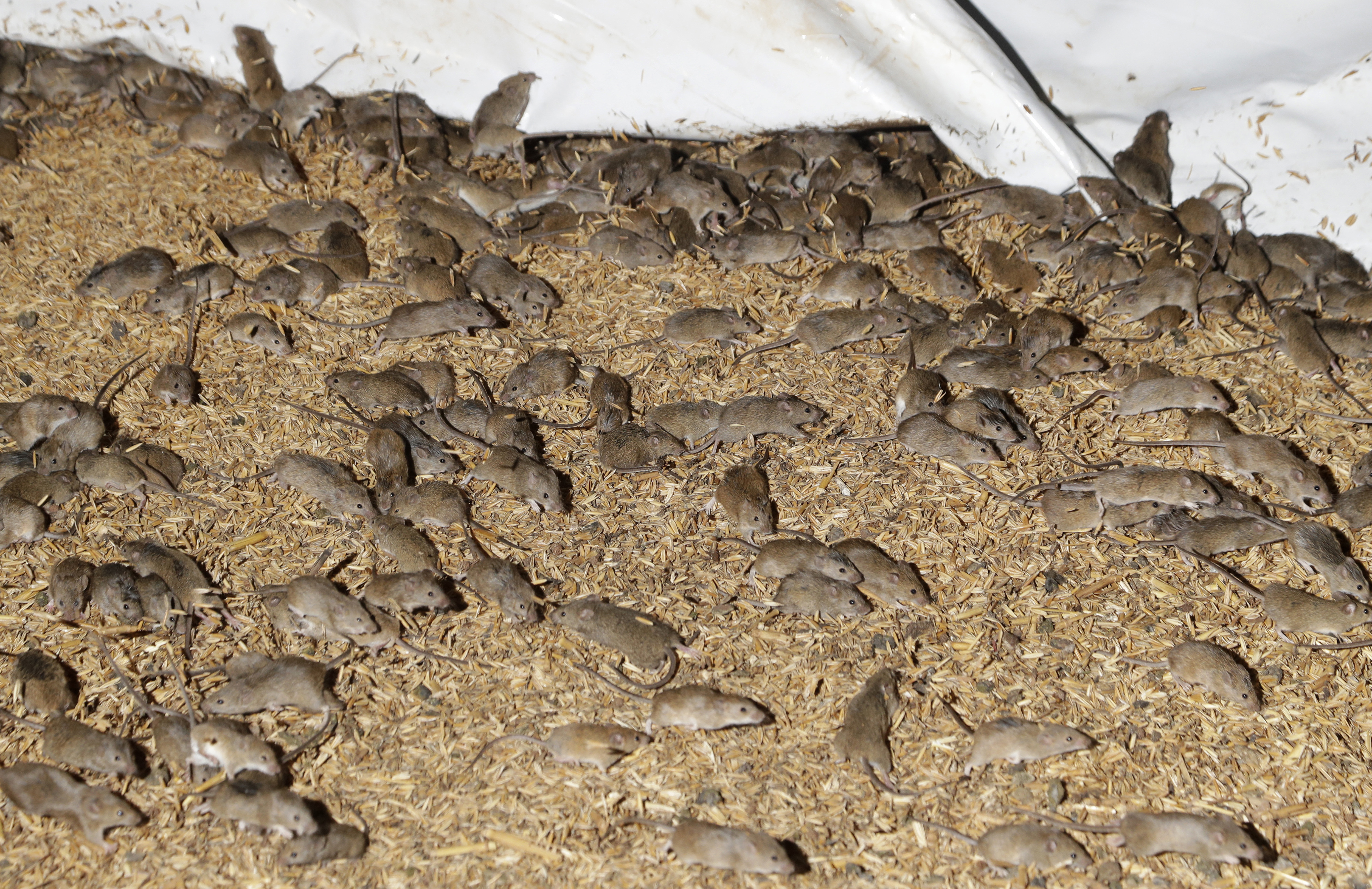
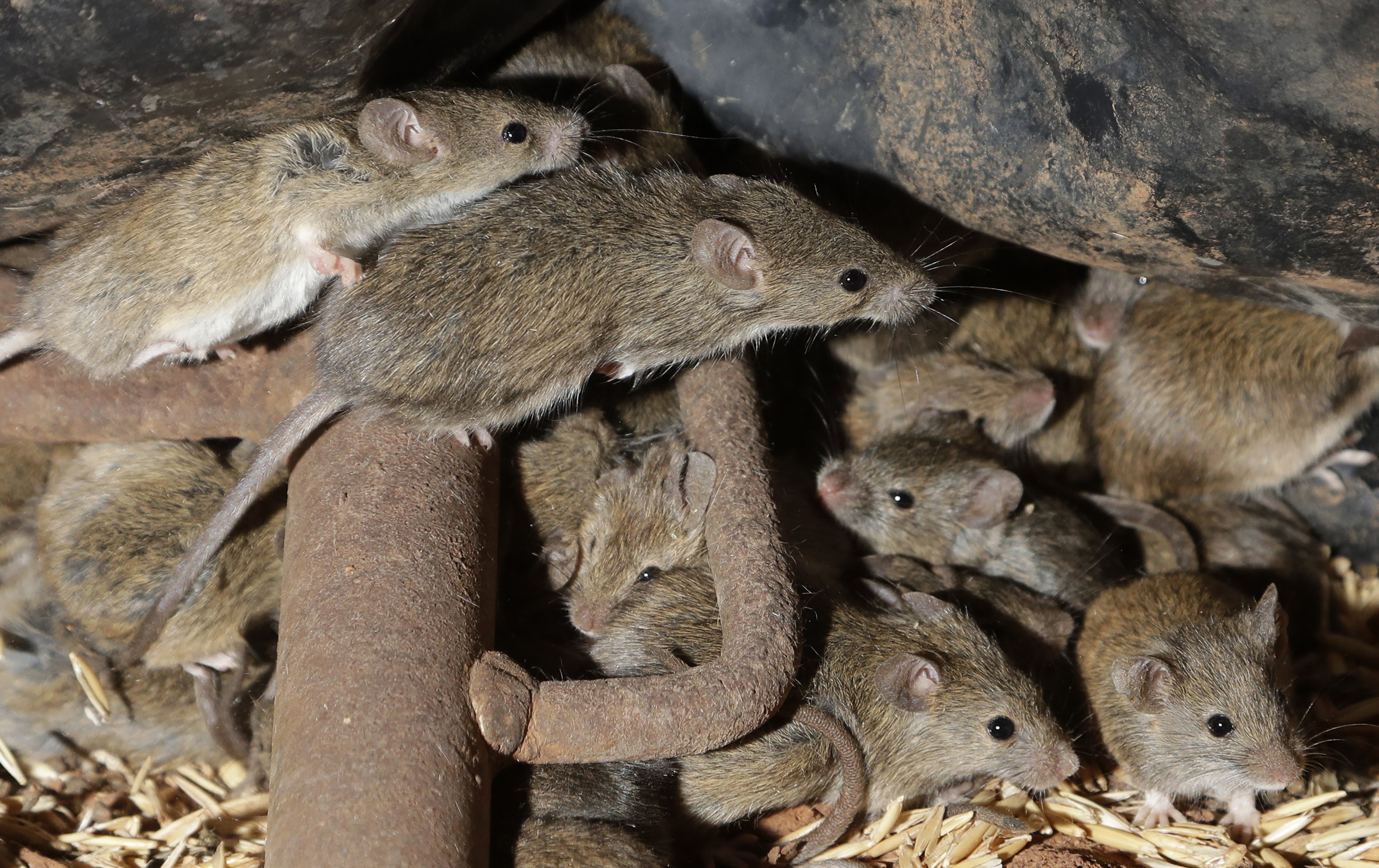
Regional and rural communities across NSW were swarmed last year as mice chewed their way through millions of dollars' worth of crops, machinery and vehicles.
Estimated financial impacts from the plague were between $50,000 and $150,000 according to a NSW Farmers survey.
While numbers are expected to plateau heading into winter, Henry said a lack of surveillance and baiting could lead to an outbreak next spring.
"Mice are incredibly successful breeders," he said
"They start breeding when they're six weeks old, and they can have six to ten babies every 19 to 21 days after they start breeding."
"But if you get a low level of winter survival, then when they start breeding next spring they start from a much lower population base and the rate of increase is slower."
Researchers believe an increase in rodent sightings could be due to a number of late summer harvests brought on by wet weather conditions.
"They've continued to breed through the autumn where there has been food available for them. So we're seeing them in high numbers in those late harvest summer crops," said Henry.
READ MORE: Brothers warned they were marked before bikie boss shot, brother killed
https://twitter.com/MouseAlert/status/1521998201171365888?ref_src=twsrc%5Etfw
Henry said a recent tweet on his MouseAlert Twitter account helped to identify areas of concern.
"I got responses from Central Queensland, to the west of Murra Murra. There's a lot of mice out there," he said.
"I got responses from the Southern Riverina in NSW, and then from the Wimmera in Victoria in the Northern Valley.
"York peninsula in South Australia and of course at the moment there is a lot of mice over in Western Australia for the second year in a row."
NSW Farmers is joining the push for landowners to remain cautious.
"What we don't want to see is a repeat of last year's mouse plague, so please if you see something, say something," said NSW Farmers Vice president Xavier Martin.
"We need everyone to use their chew cards but also to keep an eye out for mice, and report any rise in numbers."
READ MORE: Victoria to ban public display of the Nazi swastika
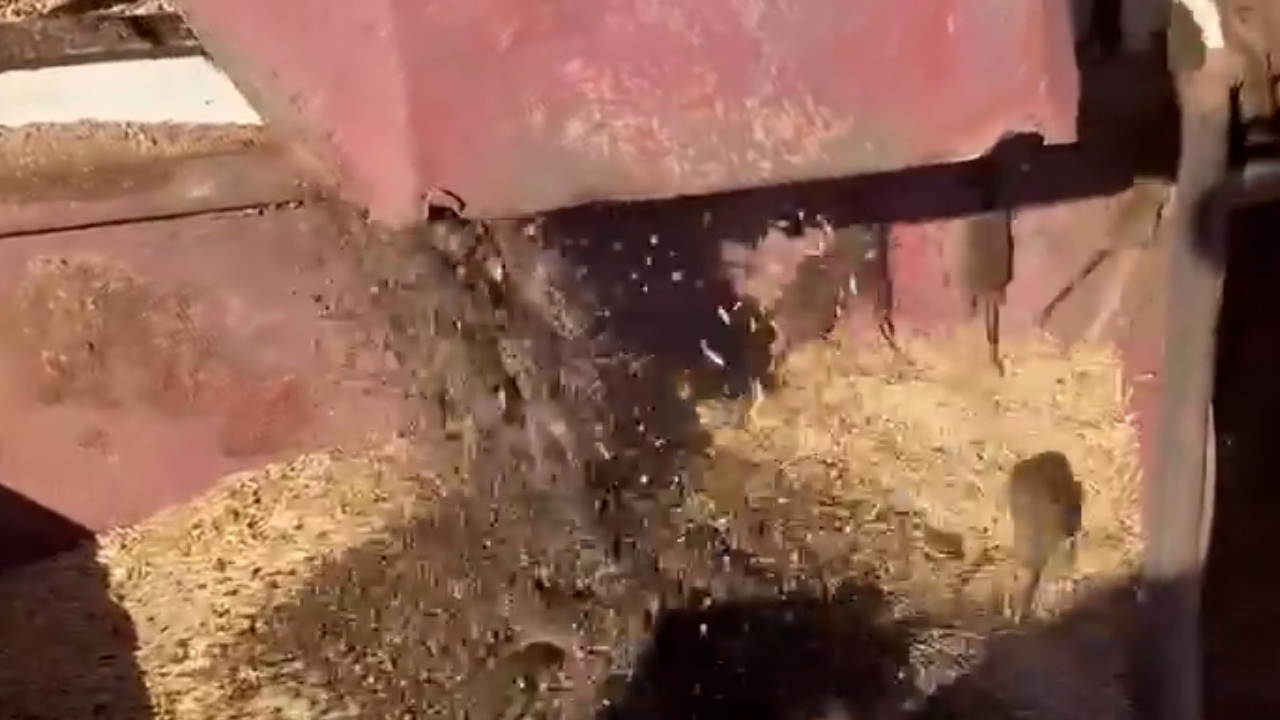
Chew cards to monitor rodent activity are available from the Grains Research & Development Corporation website.
CSIRO researchers alongside the Grains Research and Development Corporation (GRDC) conducted a study in 2021 which found that the baiting measures in place were inadequate to control a plague.
During laboratory research, Henry said mice "had eaten what we thought should have been easily a lethal dose and it wasn't".
"They were living to tell the story and we thought well what's going on?"
"All of the mice were half as sensitive as we thought they should have been and what was reported in the literature.
"We were just falling on the results of this work as that mouse outbreak started."
The Australian Pesticides and Veterinary Medicine Authority then moved to approve an emergency use permit for double strength Zinc Phosphide bait at 50 grams per kilogram, which remains the preferred mice baiting option for farmers across the country.
NSW government rebates providing financial support to those impacted by the plague closed in February this year.