By Kelvin McDonald of Maori Television NZ’s largest Māori-owned fishing company Moana New Zealand is claiming the government has “seriously neglected” Māori interests in plans to install cameras on up to 300 inshore…
Tag Archives: oceania
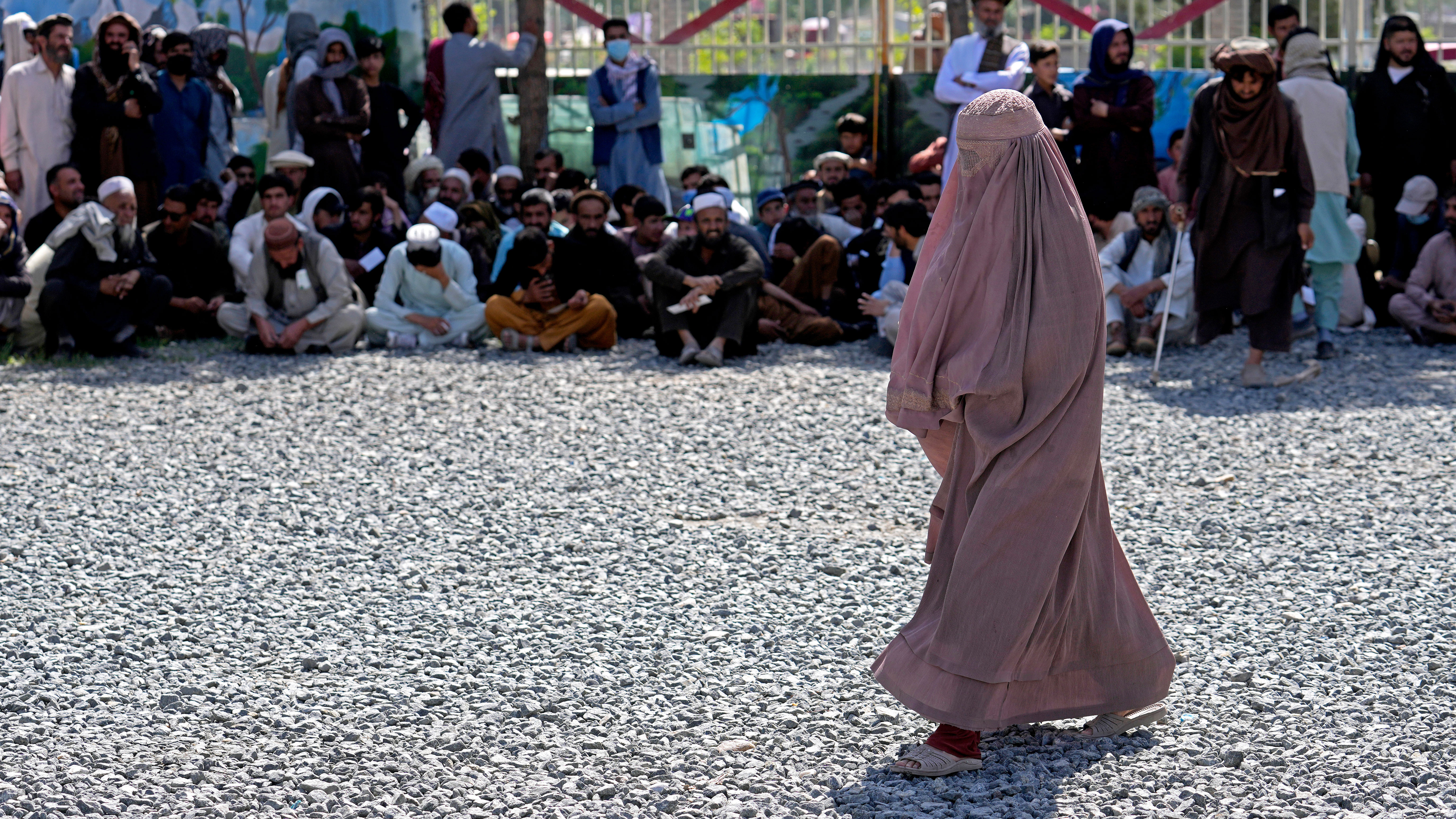
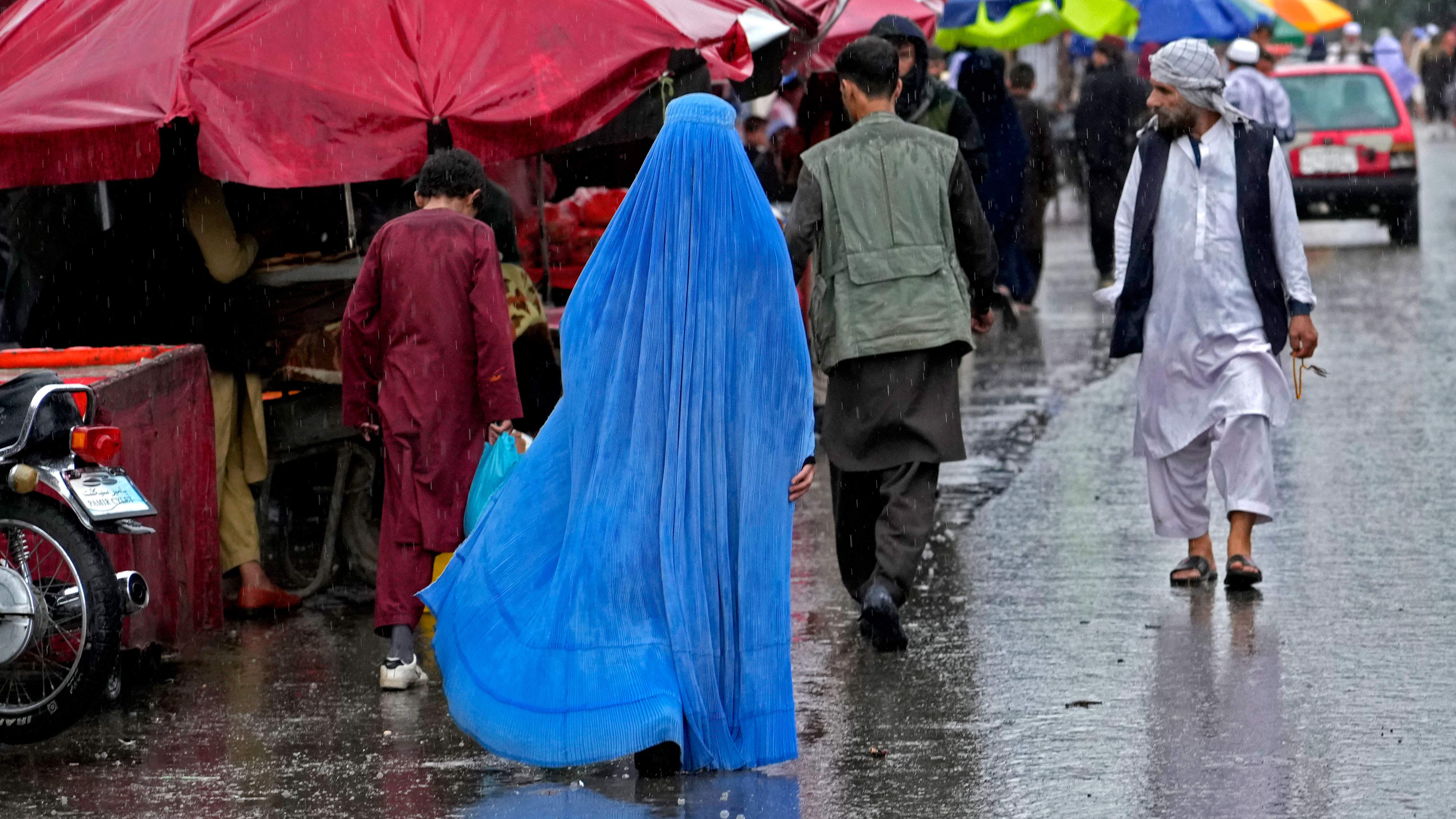
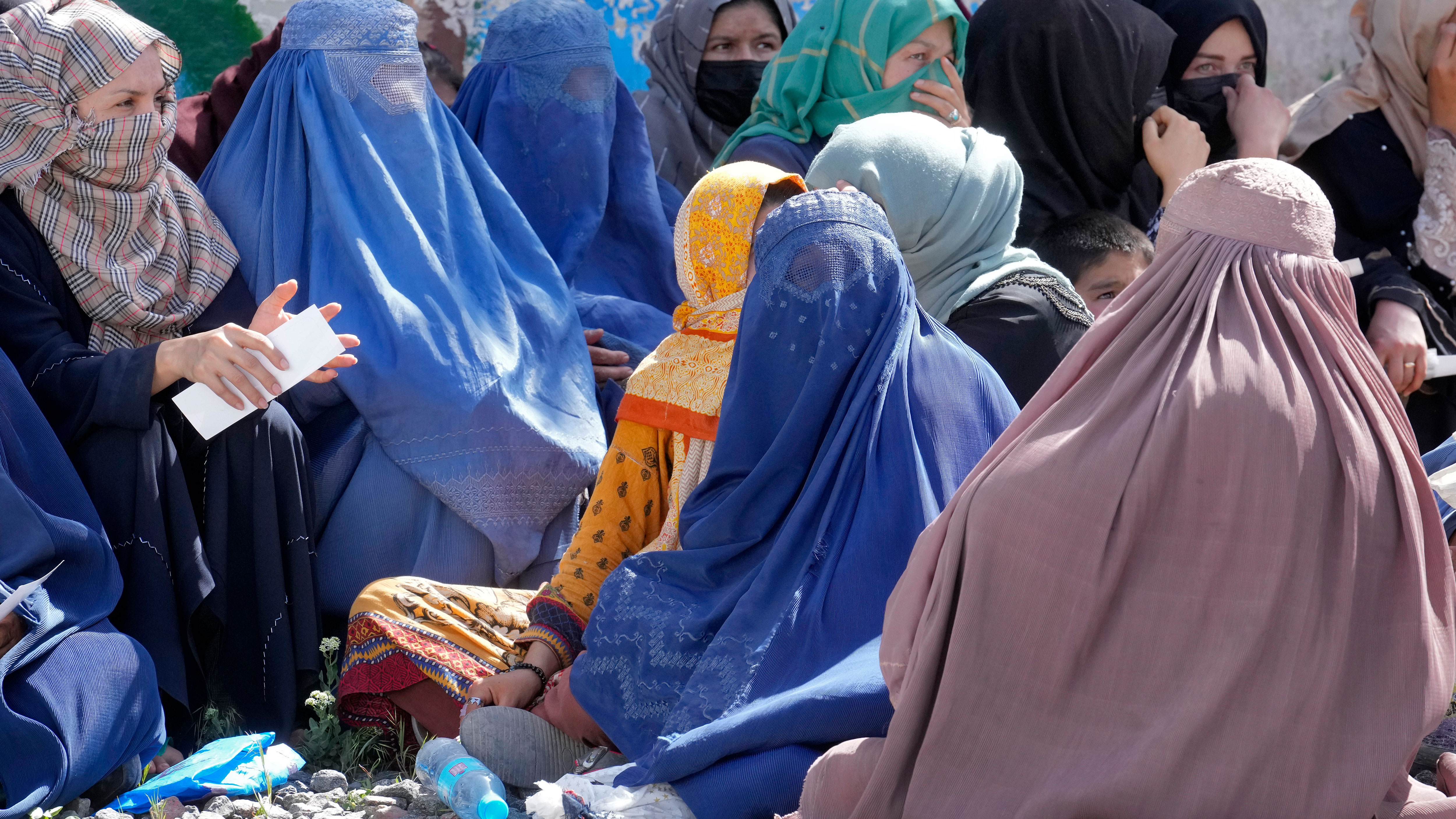
Taliban orders women to cover up head-to-toe
Afghanistan’s Taliban rulers have ordered all Afghan women to wear head-to-toe clothing in public — a sharp, hard-line pivot that confirmed the worst fears of rights activists and was bound to further complicate Taliban dealings with an already distrustful international community.
The decree says that women should leave the home only when necessary, and that male relatives would face punishment — starting with a summons and escalating up to court hearings and jail time — for women's dress code violations.
It was the latest in a series of repressive edicts issued by the Taliban leadership, not all of which have been implemented.
READ MORE: The Taliban used to blow up Buddha statues – now they guard them for China
Last month, for example, the Taliban forbade women to travel alone, but after a day of opposition, that has since been silently ignored.
The United Nations Assistance Mission in Afghanistan said it was deeply concerned with what appeared to be a formal directive that would be implemented and enforced, adding that it would seek clarifications from the Taliban about the decision.
“This decision contradicts numerous assurances regarding respect for and protection of all Afghans’ human rights, including those of women and girls, that had been provided to the international community by Taliban representatives during discussions and negotiations over the past decade,” it said in a statement.
The decree, which calls for women to only show their eyes and recommends they wear the head-to-toe burqa, evoked similar restrictions on women during the Taliban's previous rule between 1996 and 2001.
READ MORE: Taliban break promise on higher education for Afghan girls
“We want our sisters to live with dignity and safety,” said Khalid Hanafi, acting minister for the Taliban’s vice and virtue ministry.
The Taliban previously decided against reopening schools to girls above grade 6, reneging on an earlier promise and opting to appease their hard-line base at the expense of further alienating the international community. But this decree does not have widespread support among a leadership that's divided between pragmatists and the hardliners.
That decision disrupted efforts by the Taliban to win recognition from potential international donors at a time when the country is mired in a worsening humanitarian crisis.
“For all dignified Afghan women wearing Hijab is necessary and the best Hijab is chadori (the head-to-toe burqa) which is part of our tradition and is respectful,” said Shir Mohammad, an official from the vice and virtue ministry in a statement.
“Those women who are not too old or young must cover their face, except the eyes,” he said. “Islamic principles and Islamic ideology are more important to us than anything else,” Hanafi said.
Senior Afghanistan researcher Heather Barr of Human Rights Watch urged the international community to put coordinated pressure on the Taliban.
“(It is) far past time for a serious and strategic response to the Taliban’s escalating assault on women’s rights," she wrote on Twitter.
The Taliban were ousted in 2001 by a US-led coalition for harbouring al-Qaida leader Osama bin Laden and returned to power after America’s chaotic departure last year.
The White House National Security Council condemned the Taliban's Saturday decree and urged them to immediately reverse it.
"We are discussing this with other countries and partners. The legitimacy and support that the Taliban seeks from the international community depend entirely on their conduct, specifically their ability to back stated commitments with actions,” it said in a statement.
Since taking power last August, the Taliban leadership has been squabbling among themselves as they struggle to transition from war to governing. It has pit hard-liners against the more pragmatic among them.
A spokeswoman from Pangea, an Italian non-governmental organisation that has assisted women for years in Afghanistan, said the new decree would be particularly difficult for them to swallow since they had lived in relative freedom until the Taliban takeover.
“In the last 20 years, they have had the awareness of human rights, and in the span of a few months have lost them," Silvia Redigolo said by telephone. "It’s dramatic to (now) have a life that doesn’t exist,’’ she said.
Infuriating many Afghans is the knowledge that many of the Taliban of the younger generation, like Sirajuddin Haqqani, are educating their girls in Pakistan, while in Afghanistan women and girls have been targeted by their repressive edicts since taking power.
Girls have been banned from school beyond grade 6 in most of the country since the Taliban’s return. Universities opened earlier this year in much of the country, but since taking power the Taliban edicts have been erratic. While a handful of provinces continued to provide education to all, most provinces closed educational institutions for girls and women.
The religiously driven Taliban administration fears that going forward with enrolling girls beyond the the sixth grade could alienate their rural base, Hashmi said.
In the capital, Kabul, private schools and universities have operated uninterrupted.
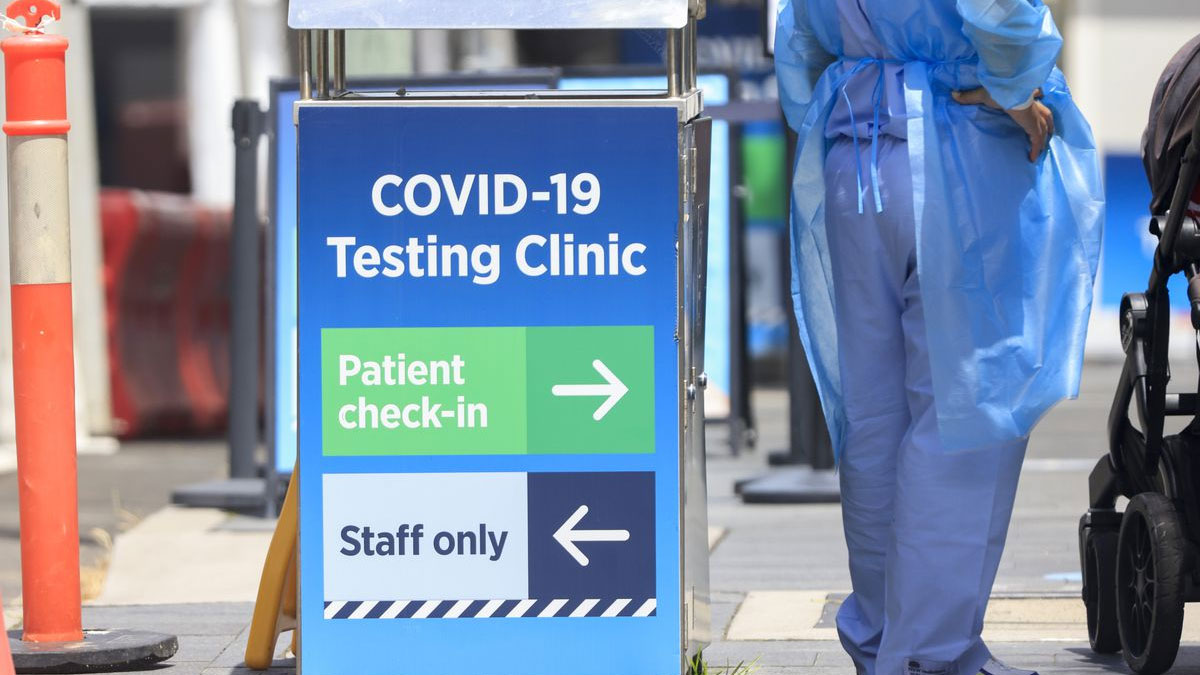
Thirteen more lives lost to COVID-19 across four states
Case numbers of COVID-19 have dropped over the last 24 hours in the eastern states of New South Wales, Victoria and Queensland as well as in Western Australia.
Thirteen more people have died from the virus across the four states, which is a large reduction in the more than 30 recorded nationally yesterday.
New South Wales
In NSW, there were 8,891 new cases reported and six new deaths.
There are now 1504 people being treated in hospital for COVID-19, 57 of whom are in intensive care.
The number of new cases is down from the 11,671 cases reported yesterday.
FEDERAL ELECTION: Can the polls be trusted?
Victoria
In Victoria, there were 8,744 new COVID-19 cases.
Currently, 491 patients are in Victorian hospitals being treated for the virus, with 38 in ICU and 8 ventilated.
Yesterday, Victoria recorded 9,365 new cases.
https://twitter.com/VicGovDH/status/1523075668107427840?ref_src=twsrc%5Etfw
Queensland
The sunshine state reported 4,673 new cases and the new deaths today.
There are now 426 people in hospital with the virus and 12 in ICU.
https://twitter.com/qldhealth/status/1523112477781000192
Western Australia
Over in Western Australia, there were 8,747 cases of COVID-19 reported today and one death.
There are 281 people in hospital with COVID-19 and 8 in ICU.
One arrested, seven bikes seized and 130 infringements issued as Head Hunters celebrate 20th anniversary of East chapter
Police have arrested one person, seized and impounded seven bikes and issued 130 infringements following a road policing operation to monitor a gang convoy taking place in Auckland over the weekend.Revving engines filled the air…
These dog collars are about to be banned in Queensland
Pronged dog collars are set to be banned in Queensland as part of legislation being proposed by the State Government to crack down on animal cruelty.
Queensland Premier Annastacia Palaszczuk made the announcement in a Facebook post on Sunday, saying the animal welfare laws would be debated in parliament this week.
"We're passing legislation to crack down on the inhumane treatment of animals in Queensland," the premier said in her post.
READ MORE: Two dead in horror Mother's Day crash near Brisbane
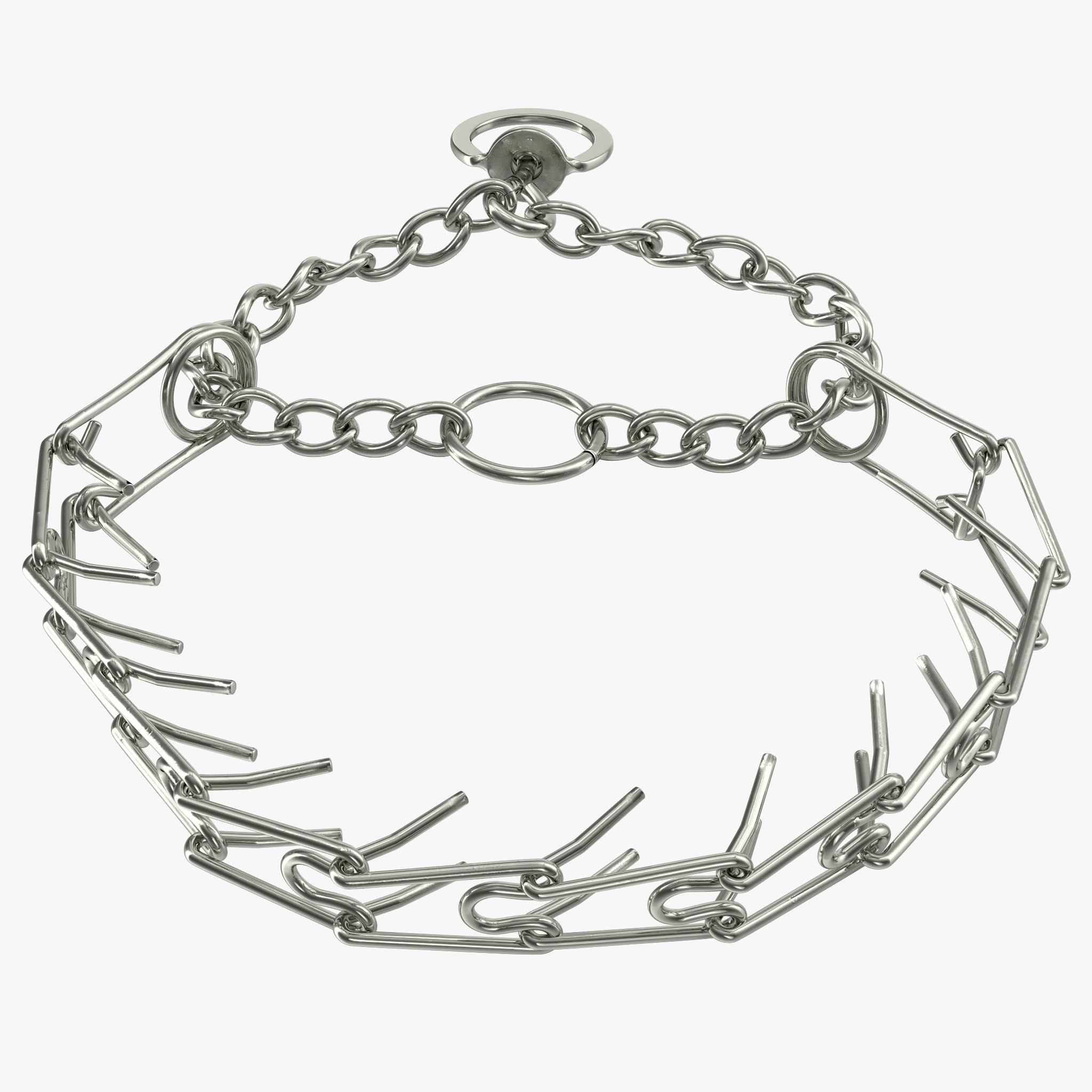
"That includes banning the use and possession of pronged dog collars like this one, she said, referring to a photo of one of the collars.
"We know the majority of Queenslanders support tougher penalties and regulations against cruelty to animals."
Pronged collars are illegal to import into Australia but are so far only banned for use in Victoria.
The RSPCA says on its website the collars are used to "correct" dogs by "inflicting pain as punishment".
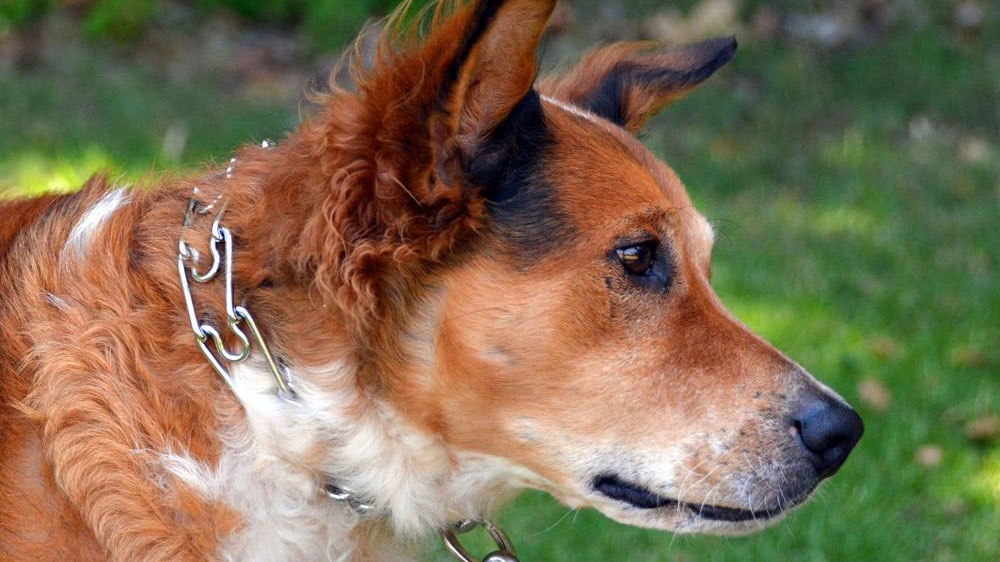
"RSPCA Australia is opposed to the use of dog pronged collars due to the potential risk of injury, pain and suffering they cause and because other more humane training methods are available," the organisation said on its website.
The proposed legislation comes after the Palaszczuk Government conducted a review of animal review laws beginning in 2020, which attracted thousands of submissions from the public.
LNP candidate referred to AFP over electoral forms
The Australian Electoral Commission (AEC) has referred LNP Federal election candidate Vivian Lobo to the Australian Federal Police for investigation over allegations he provided a false address on electoral forms.
The AEC said Lobo was declared as a candidate on Friday April 22 for the Liberal National Party of Queensland in the Division of Lilley.
Following media reports about Lobo's enrolled address, the AEC conducted a review into the declarations made on his enrolment and nomination forms.
READ MORE: On the trail: Can the polls be trusted?
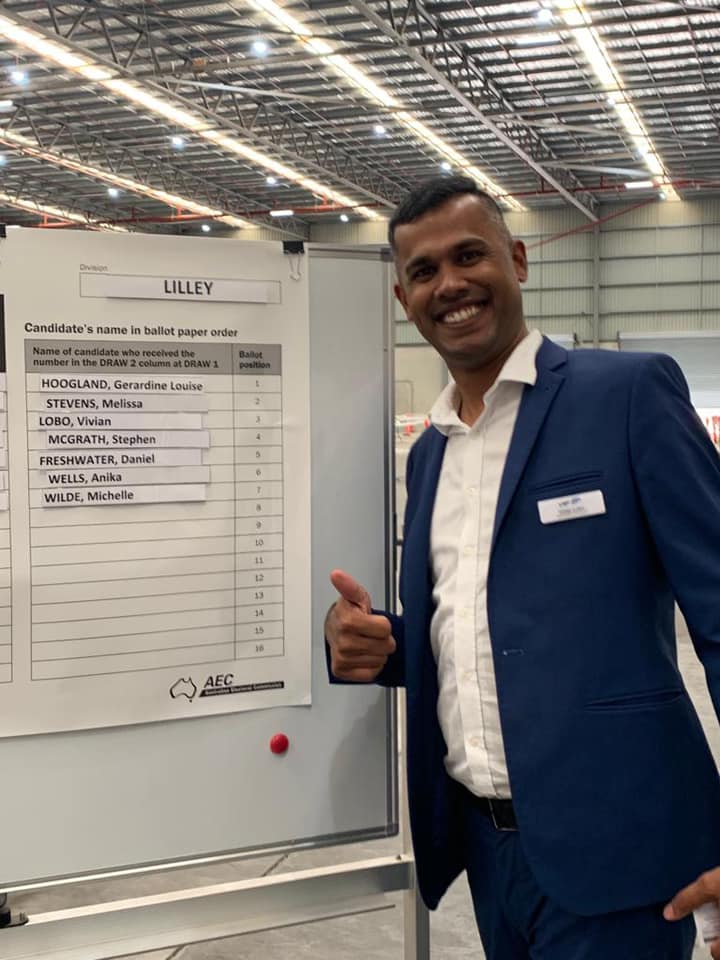
"There is concern as to whether the information provided by him regarding his residential address on these forms is false," the AEC said in a statement.
"The AEC has referred this matter to the AFP for investigation."
In a short statement provided to 9News.com.au, Lobo said the delay in him moving in to the property was due to the timing of his lease.
"I enrolled in the electorate as I had signed a lease in Everton Park with the intention to move in straight away," he wrote.
"However due to my campaign commitments and difficulty with getting tradespeople to the home, I was delayed moving in."

Under electoral law ballot papers for the Division of Lilley must remain as they were formally declared on April 22 and have already been printed and distributed.
Lilley is a marginal Labor seat currently held by Annika Wells since 2019.
It is a key battleground for the Coalition as it is the most marginally-held Labor seat in Queensland.
New Covid-19 variant lands in New Zealand: What to expect
Health officials today announced the first known case of the Omicron sub-variant BA.5 arriving in New Zealand. In South Africa, where the infected traveller came from, BA.5 and sub-variant BA.4 have been blamed for a new surge in…
Covid-19 Omicron outbreak: More than 400 school staff quit over government's vaccine mandate
By John Gerritsen of RNZ Education Payroll records show more than 400 school staff resigned over the government’s vaccine mandate.The Education Ministry said the mandate was included as a reason for resignation in the payroll…
Covid-19 Omicron outbreak: 5647 community Covid cases, 350 hospitalisations, 17 in ICU, three deaths today
There are 5647 new community cases of Covid-19 in New Zealand today.The Ministry of Health also reported a further three Covid-related deaths.There are 350 people in hospital with the virus, including 17 in intensive care.A…
US provided intelligence to target Russian warship
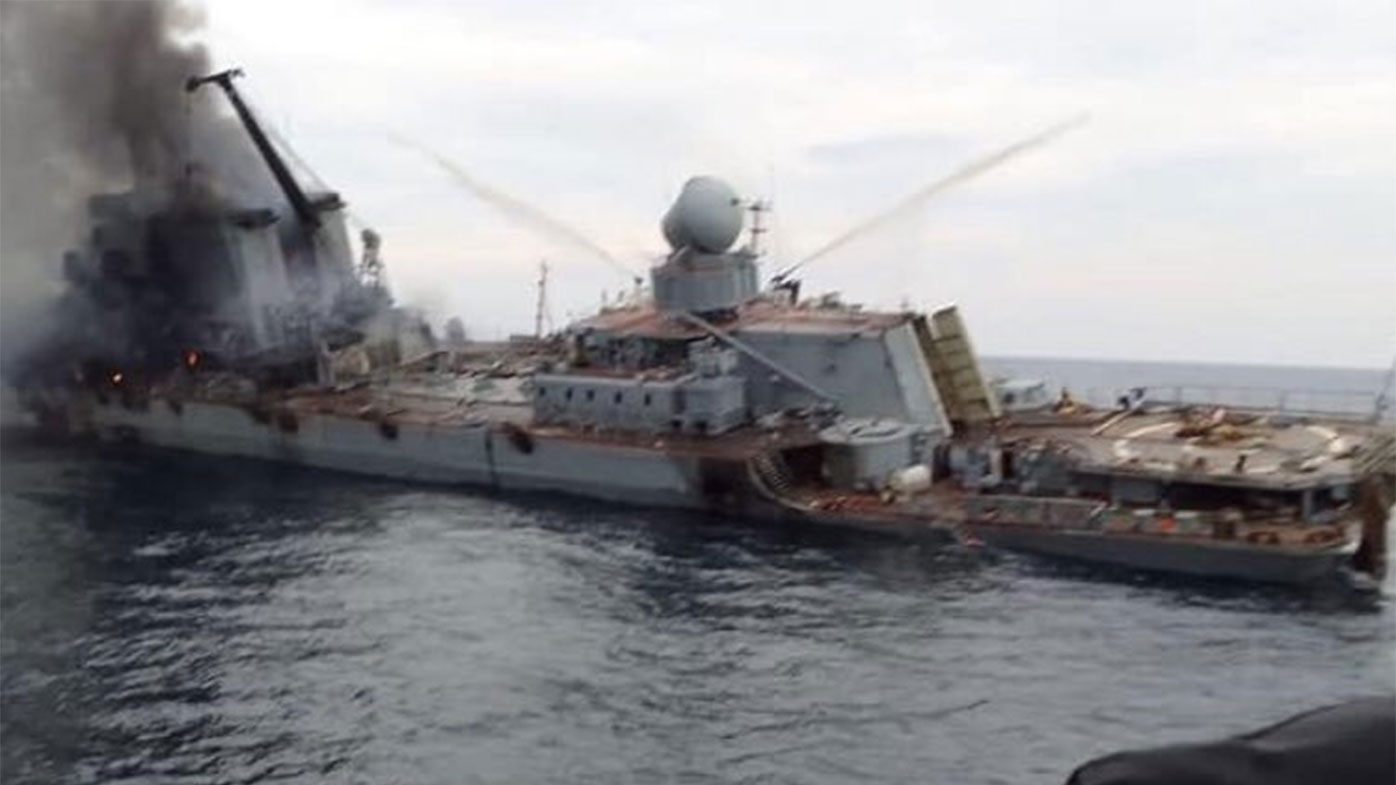
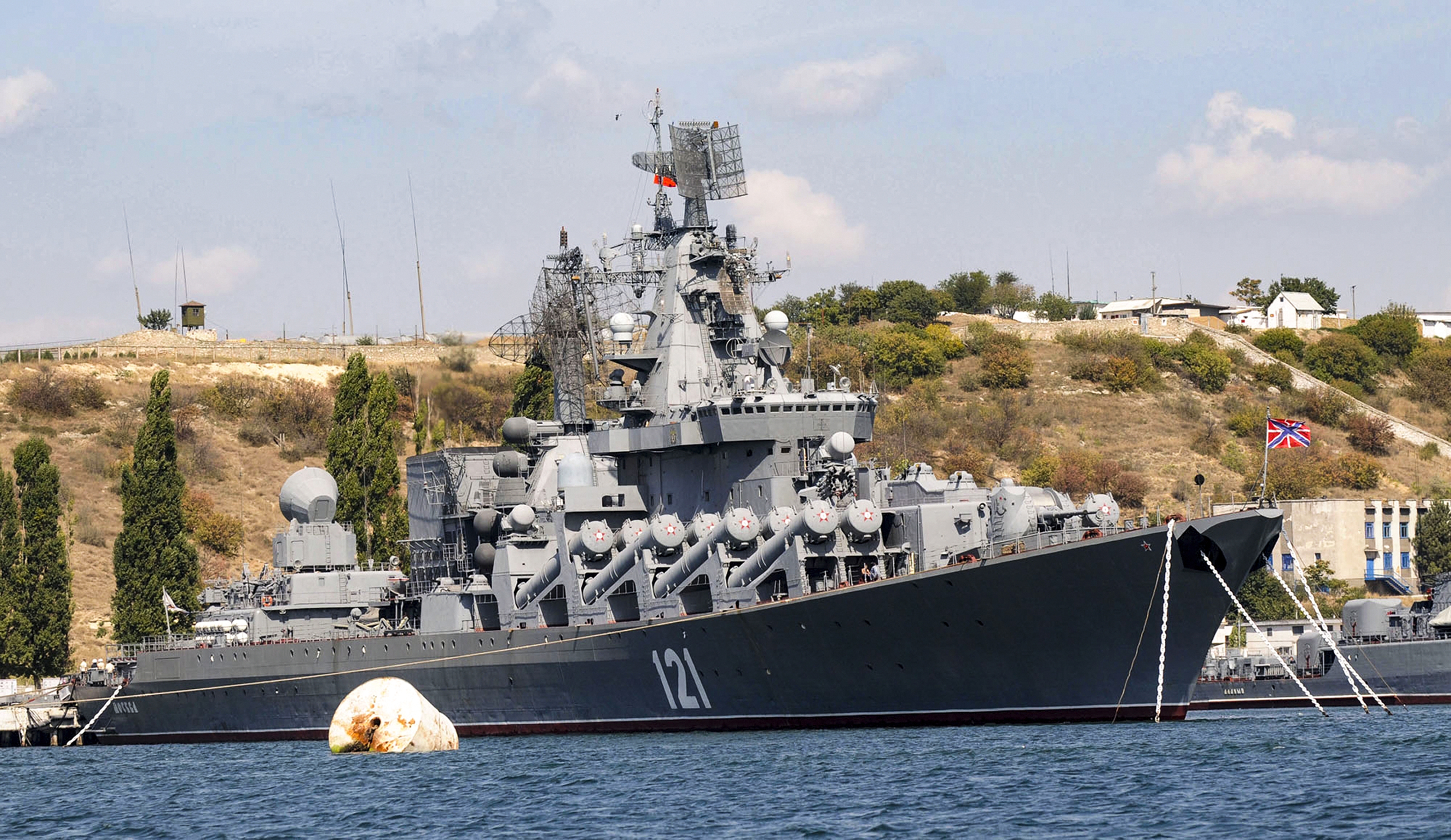
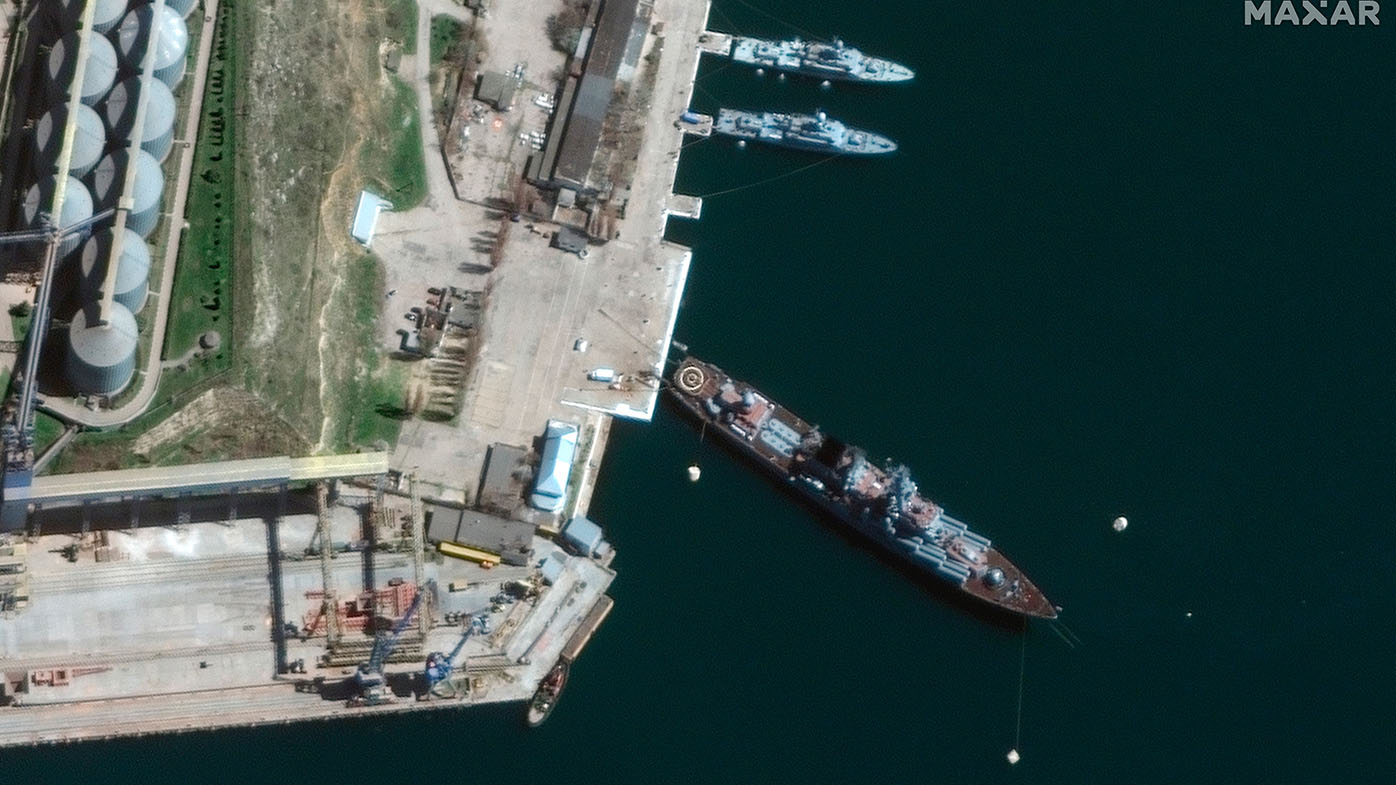
When Ukraine successfully targeted Russia's prized warship last month with anti-ship cruise missiles, it had some help from the United States.
Ukrainian forces, having spotted the Russian warship in the Black Sea, called their American contacts for confirmation that it was in fact the Moskva, sources familiar with the events told CNN.
The US responded that it was, and provided intelligence about its location.
READ MORE: PM uses Mother Day's to make IVF promise
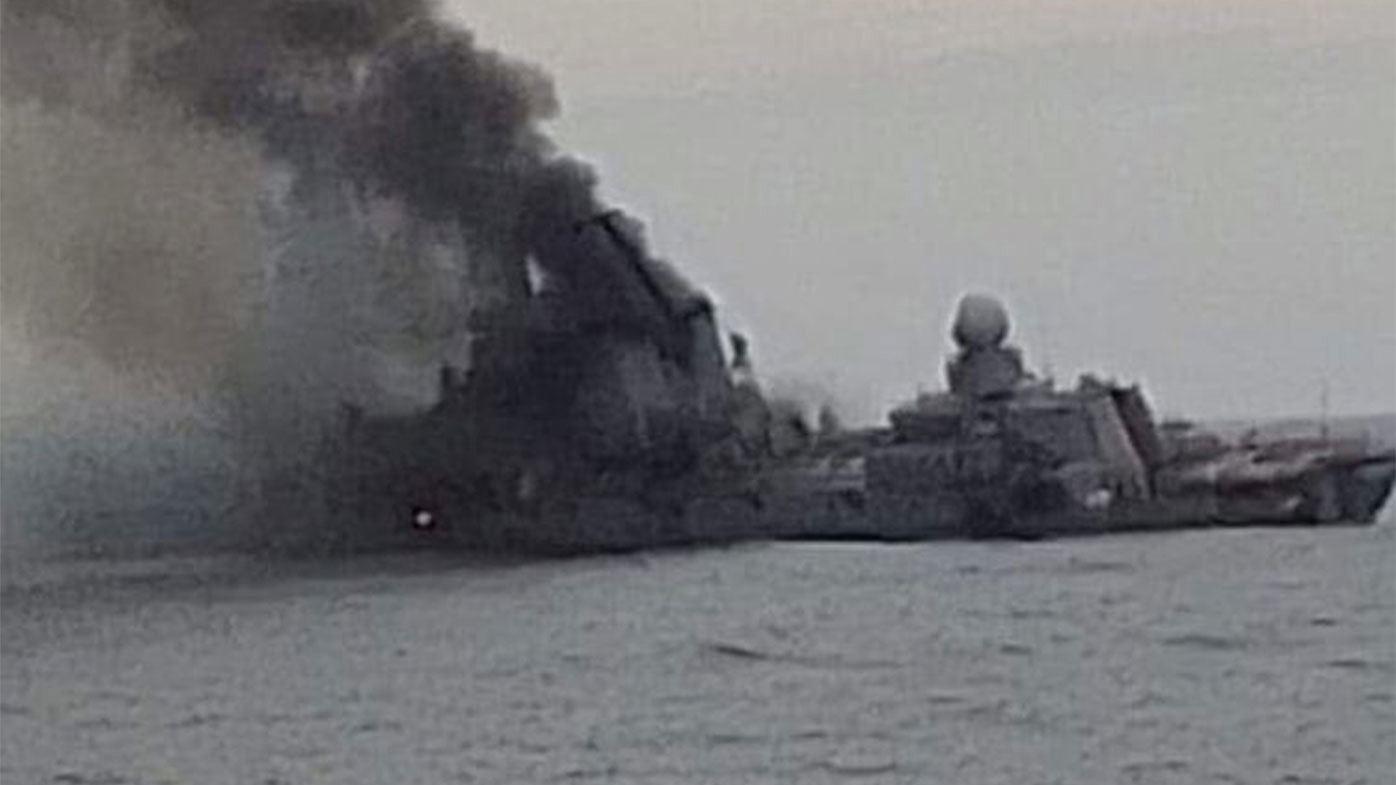
It is not clear whether the US knew Ukraine would move to strike the ship, however, and the US was not involved in that decision, the sources said.
"We routinely and have now for weeks been sharing information and intelligence about Russian units, both at sea and ashore, to help the Ukrainians defend themselves against this invasion. And we're going to continue to do that," Pentagon press secretary John Kirby told CNN's Brianna Keilar on "New Day" Friday and reiterated his earlier statement.
Kirby had previously told CNN: "We did not provide Ukraine with specific targeting information for the Moskva. We were not involved in the Ukrainians' decision to strike the ship or in the operation they carried out. We had no prior knowledge of Ukraine's intent to target the ship. The Ukrainians have their own intelligence capabilities to track and target Russian naval vessels, as they did in this case."
Asked Friday if US intelligence has resulted in Russian deaths, Kirby said, "I am not going to get into the specifics about the intelligence that we provide."
READ MORE: Ten more lives lost to COVID-19 in NSW and Victoria
He added: "The intelligence that we provide to Ukraine is legal, it's lawful, it is legitimate, and it is limited. And we're very careful about what we share and when we share it."
The ship sank after it was struck by two Ukrainian cruise missiles on April 14, dealing a huge blow to the Russian military.
The episode, first reported by NBC News, reflects the Biden administration's increasingly forward-leaning posture when it comes to sharing intelligence with Ukraine, part of a broader policy shift toward helping Ukraine defeat Russia decisively on the battlefield and significantly weaken its military.
But it also raises questions about what the red lines are for the US and Russia when it comes to US military support to Ukraine.
The US has for months provided Ukrainian forces with intelligence about Russian troop movements inside Ukraine, including intercepted communications about Russian military planning.
READ MORE: Renewed flood warning as Queenslanders brace for rain deluge
It also provides Ukraine with maritime awareness information to allow the country to better understand the threat posed by Russian ships in the Black Sea, many of which are firing missiles onto Ukrainian territory.
There are also clear limits, however, to what the US will share, multiple sources told CNN.
For example, the US has so far declined to provide information to Ukraine about potential targets inside Russia itself.
And while the intelligence the US shares about Russian troop movements inside Ukraine can include details like vehicles and types of personnel at a particular location, the US has not provided Ukraine with intelligence about specific Russian military leaders' whereabouts, officials have said.
"We do not provide intelligence on the location of senior military leaders on the battlefield or participate in the targeting decisions of the Ukrainian military," Pentagon press secretary John Kirby told reporters on Thursday.
Kirby added that "Ukraine combines information that we and other partners provide with the intelligence that they themselves are gathering on the battlefield, and then they make their own decisions, and they take their own actions."
READ MORE: Crew injured after car fire at Sydney drag racing event
Following a series of military and logistical setbacks, Moscow has most recently concentrated efforts on the Donbas region of eastern Ukraine, which has been on the front line of the Russia-Ukraine conflict since 2014.
Heavy fighting continued on Thursday inside the Azovstal steel complex, according to Lt. Col. Denys Prokopenko, a Ukrainian commander at the plant.
He claimed the Russians had broken their pledge to allow civilians to leave through evacuation corridors Thursday.
There are thought to be between 200 and 300 civilians still inside the plant, including 30 children.
Since Sunday, it has been bombarded from land, sea and air.
"For two days now, the enemy has broken into the territory of the plant. There are heavy, bloody battles," Prokopenko said.