Emergency services are currently fighting a “well involved” house fire in Paremata, Porirua.The fire is at a second alarm level, with crews from Plimmerton, Porirua, Johnsonville, Titahi Bay and Wellington City brigades in attendance,…
Tag Archives: oceania
Budget 2022: Millions for RMA overhaul, biodiversity plan
The Government might have already unveiled its biggest green spend this week, with its sprawling new Emissions Reduction Plan (ERP) to tackle climate change – but today’s Budget still carried some extra bonuses in the environment…
Budget 2022: $200m mental health boost is 'small bikkies' for a system in crisis
Mental health initiatives have been allocated just over $200 million in Budget 2022, but it will not be enough to relieve pressure on a system facing rising numbers of people in psychological distress, says the head of the Mental…
The Warehouse apologises for misspelling Māori words: 'Absolutely terrible'
Public Interest Journalism funded through NZ On Air The Warehouse Group has apologised for releasing a poster of a map of Aotearoa with many misspelled Māori names including Rotorua (spelled Roturua), Wairoa, (spelled Weiroa)…
Opinion: Is Kiwisaver the remedy for health waiting lists?
As with every Budget Day, everyone hopes the Finance Minister is going to throw something their way.And every Budget Day there are the so-called winners and the so-called losers. But the one constant – every Budget Day – is the…
Unvaccinated Pauline Hanson catches COVID-19
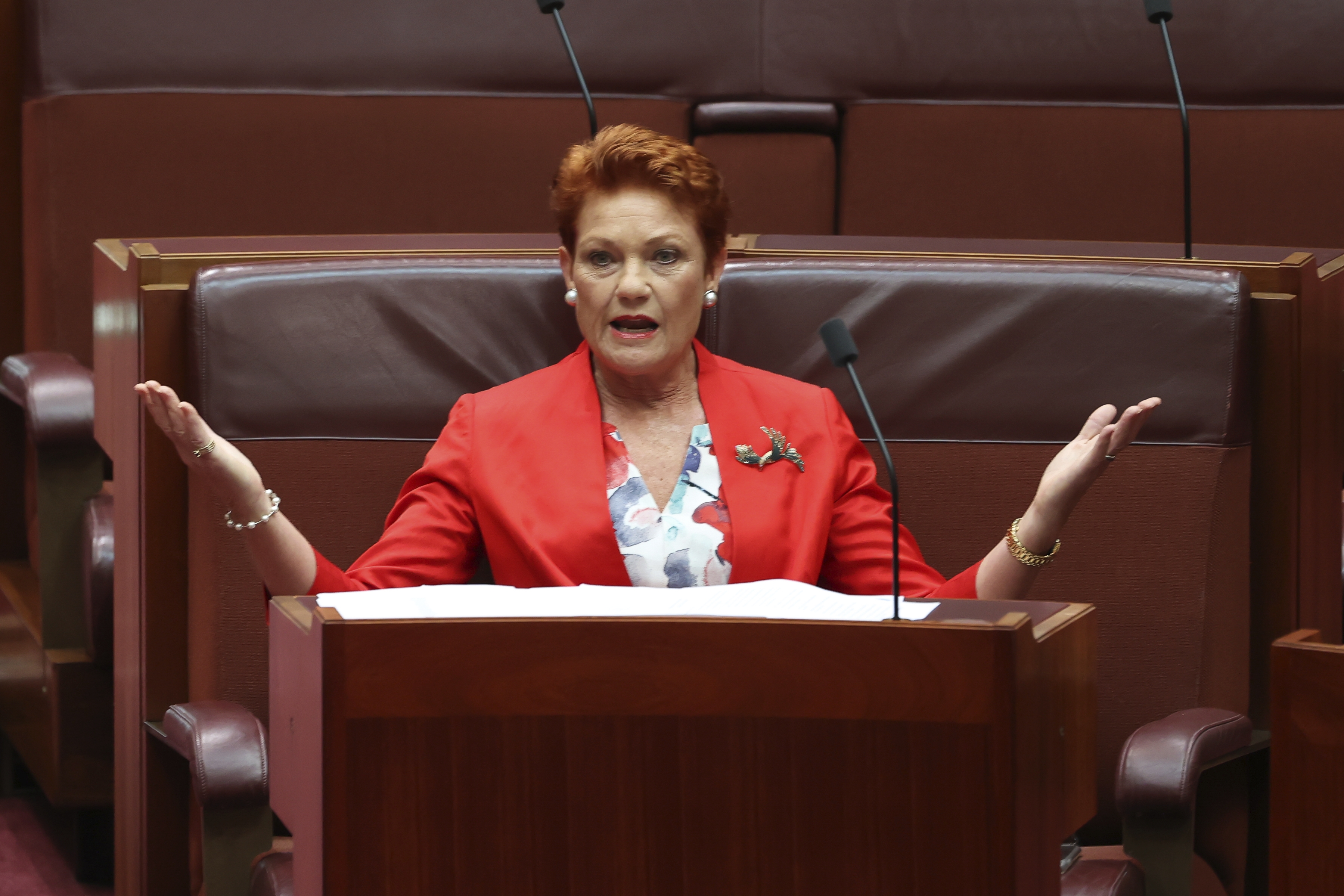
One Nation leader Pauline Hanson has confirmed she has caught COVID-19 just days before the federal election.
The outspoken senator, who has been vocal on her stance against vaccination and is herself unvaccinated, confirmed she is self-isolating after testing positive for the virus.
"I thank all of those people who have sent their well wishes, and I look forward to disappointing all of those who hope that I drop dead," she said.
READ MORE: How a vandal's bizarre reaction to climate banner could be a sign of voter anger
The 67-year-old believes she contracted COVID-19 while campaigning in Perth.
Hanson said she began to show symptoms on Friday last week before testing positive on Saturday.
"I will self-isolate in accordance with the current rules, and do my best to drive One Nation policies from home ahead of this weekend."
READ MORE: Plane dive that killed 132 people in China 'possibly deliberate'
Hanson is hoping to be reelected to the Senate on Saturday.
One Nation members have regularly attended so-called "freedom rallies" to protest against vaccine mandates and other public health measures.
Last year, Hanson declared "I haven't had the jab, I don't intend to have the jab, I'm not putting that shit in my body."
Happy is an Asian elephant. But is she also a person?
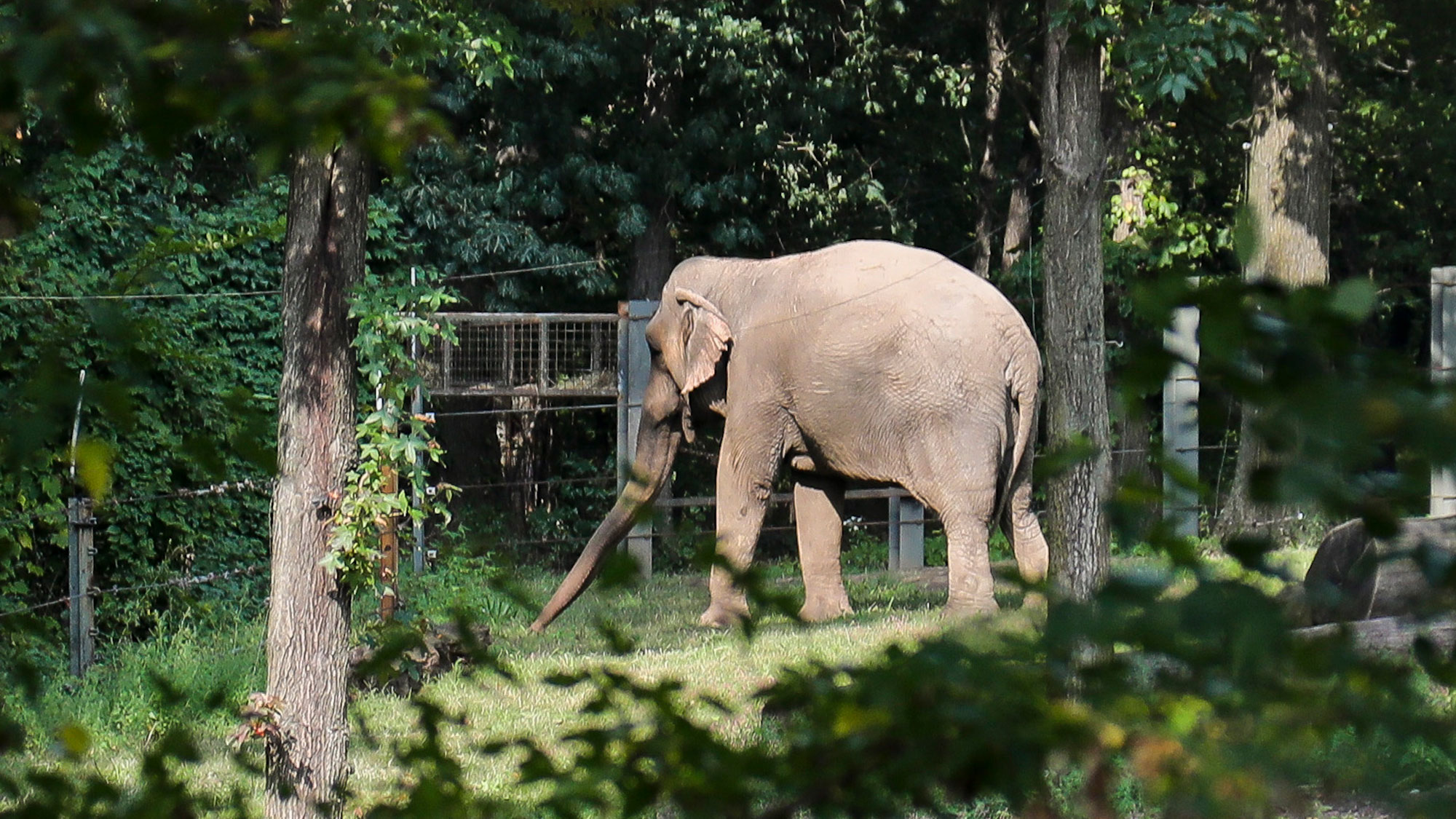
She has four limbs, expressive eyes and likes to stroll through greenery in New York City. Happy, by species, is an Asian elephant. But can she also be considered a person?
That question was before New York's highest court Wednesday in a closely watched case over whether a basic human right can be extended to an animal.
The advocates at the Nonhuman Rights Project say yes: Happy is an autonomous, cognitively complex elephant worthy of the right reserved in law for “a person”.
READ MORE: 'Godsends': How leeches are saving fingers – and lives
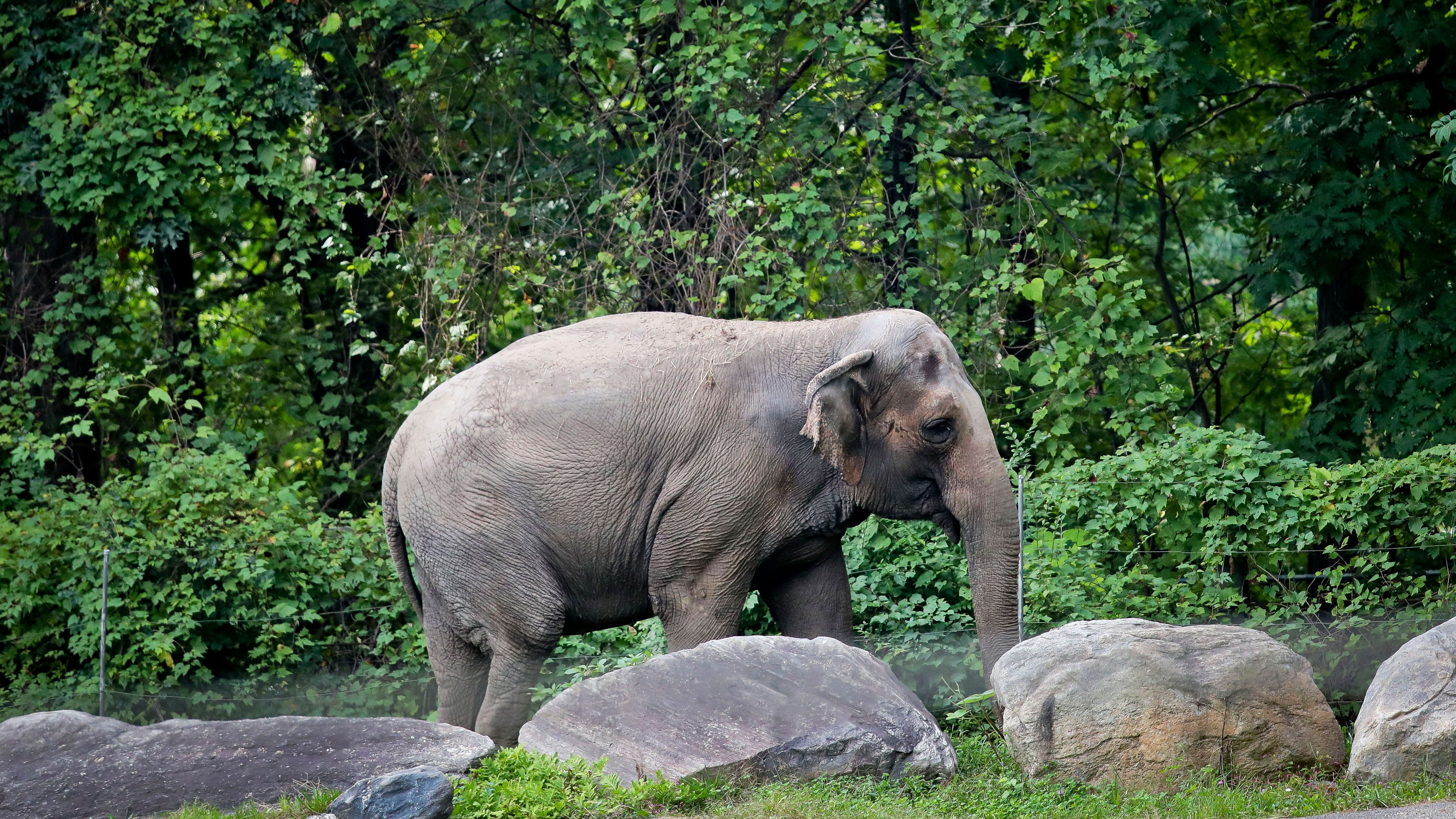
The Bronx Zoo, where Happy resides, says no: through an attorney, the zoo argues Happy is neither illegally imprisoned nor a person, but a well-cared-for elephant “respected as the magnificent creature she is”.
Happy has lived at the Bronx Zoo for 45 years.
The state Court of Appeals heard arguments over whether she should be released through a habeas corpus proceeding, which is a way for people to challenge illegal confinement.
The Nonhuman Rights Project wants her moved from a “one-acre prison” at the zoo to a more spacious sanctuary.
“She has an interest in exercising her choices and deciding who she wants to be with, and where to go, and what to do, and what to eat,” project attorney Monica Miller told The Associated Press ahead of the oral arguments.
“And the zoo is prohibiting her from making any of those choices herself.”
The group said that in 2005, Happy became the first elephant to pass a self-awareness indicator test, repeatedly touching a white “X” on her forehead as she looked into a large mirror.
The zoo and its supporters warn that a win for advocates at the Nonhuman Rights Project could open the door to more legal actions on behalf of animals, including pets and other species in zoos.
READ MORE: Australian rainforests are dying at their fastest rate in decades
"If there's going to entire be a rewrite and a granting to animals of rights that they never had before, shouldn't that be done by the Legislature?” Kenneth Manning, an attorney for zoo operator Wildlife Conservation Society, asked the judges.
Happy was born in the wild in Asia in the early 1970s, captured and brought as a one-year-old to the United States, where she was eventually named for one of the characters from Snow White and the Seven Dwarfs.
Happy arrived at the Bronx Zoo in 1977 with fellow elephant Grumpy, who was fatally injured in a 2002 confrontation with two other elephants.
Happy now lives in an enclosure adjacent to the zoo's other elephant, Patty.
The zoo's attorney argued in court filings that Happy can swim, forage and engage in other behaviour natural for elephants.
“The blatant exploitation of Happy the elephant by NRP to advance their coordinated agenda shows no concern for the individual animal and reveals the fact they are willing to sacrifice Happy’s health and psychological well-being to set precedent,” the zoo said in a prepared statement.
NRP's attorneys say no matter how Happy is being treated at the zoo, her right to "bodily liberty" is being violated.
They argue that if the court recognises Happy’s right to that liberty under habeas corpus, she will be a “person” for that purpose.
And then she must be released.
Judges peppered attorneys for both side with pointed questions during oral arguments.
Judge Jenny Rivera asked Miller about the implications of NRP's position on human-animal relationships.
“So does that mean that I couldn’t keep a dog?” Rivera asked.
“I mean, dogs can memorise words.”
Miller said right now there's more evidence showing elephants are extraordinarily cognitively complex with advanced analytical abilities.
Lower courts have ruled against the NRP.
And the group has failed to prevail in similar cases, including those involving a chimpanzee in upstate New York named Tommy.
But last October, at the urging of a different animal rights group, a federal judge ruled that Colombian drug kingpin Pablo Escobar’s infamous “cocaine hippos” could be recognised as people or “interested persons” with legal rights in the US.
The decision had no real ramifications for the hippos themselves, given that they reside in Colombia.
Opponents hope the NRP's string of court losses continues with the high-profile New York court.
In a friend-of-the-court brief, the New York Farm Bureau and other agriculture groups said the NRP's “new-fangled theory of personhood" would sweep up pigs, cows and chickens.
The National Association for Biomedical Research said authorising such petitions on behalf of animals could drive up the costs of conducting critical research.
State and national associations representing veterinarians filed a brief saying NRP's lawsuit promotes animals’ personhood rights above animals’ welfare.
Supporters of NRP's action include public figures such as Harvard Law School professor Laurence Tribe.
Many of them see this case as a chance for society to take a step forward in the ethical treatment of animals.
“We believe this legal moment for Happy represents a key cultural crossroads for thinking more openly and honestly—and less selfishly—about what it would mean to treat the particularity of non-human animals with the moral seriousness it deserves,” a brief submitted by Catholic academic theologians read.
The court's decision is expected in the coming months.
At least one animal rights advocate suggests a lone court decision won't change society's view of animal use.
Rutgers Law School professor Gary Francione, who is not involved in the case, said that would require a broader cultural shift.
“I’ve been a vegan for 40 years. Don’t get me wrong, I disagree with animal use altogether,” Francione said.
“Just to have the court start saying that non-human animals are persons under the law is going to raise all sorts of questions, the answers to which are not going to be amenable to many people.”
'Just leave me alone': Frydenberg films polling booth stoush
Treasurer Josh Frydenberg has filmed an "ugly" confrontation at a pre-polling booth in his marginal Melbourne seat of Kooyong involving the businessman behind the Climate 200 independent push.
The under-pressure Liberal MP watched on as millionaire investor and founder of Climate 200, Simon Holmes a Court, approached Liberal Victorian Senator Jane Hume – who the businessman is suing for defamation.
In the video, which was posted on social media by the Liberal Party, Hume can repeatedly be heard telling Holmes a Court to leave her alone, which he ignored.
EXPLAINED: Who are the 'teal candidates' in the 2022 federal election?

"Just leave me alone, Simon, please leave me alone," Hume can be heard saying.
"You are suing me for defamation Simon, I don't want to talk to you."
Representatives for independent candidate Monique Ryan, whom polls show has a real chance of ousting Frydenberg in Kooyong on Saturday, declined to comment on the exchange.
"We have no comment to make," a Ryan campaign member told 9News today.
"You're harassing us, annoying us. Please stop doing it."
READ MORE: How a vandal's bizarre reaction to climate banner could be a sign of voter anger
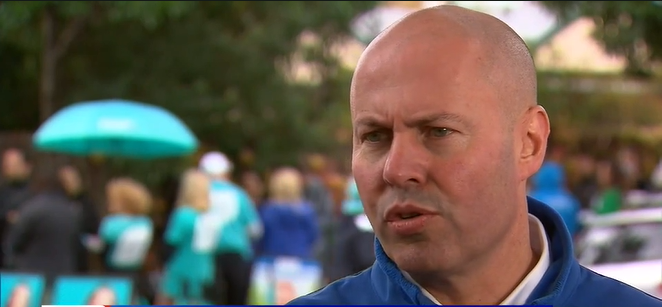
Frydenberg, meanwhile, this morning slammed the incident as "ugly".
"It was a despicable behaviour from someone who should know better," he said.
"Is this really what integrity looks like by the teals?"
9News has been unable to reach Holmes a Court for comment.
FULL COVERAGE: Federal Election 2022
Assisted dying bill passed into law in NSW
Legislation allowing eligible New South Wales residents to choose to end their own life is now law after a marathon debate.
NSW is the last state in Australia to pass voluntary assisted dying laws after the bill was ratified in the Lower House today – though both the Northern Territory and the Australian Capital Territory are forbidden from legislating on it.
The NSW Upper House held a marathon debate overnight with nearly 100 amendments put forward.
READ MORE: Plane dive that killed 132 people in China 'possibly deliberate'
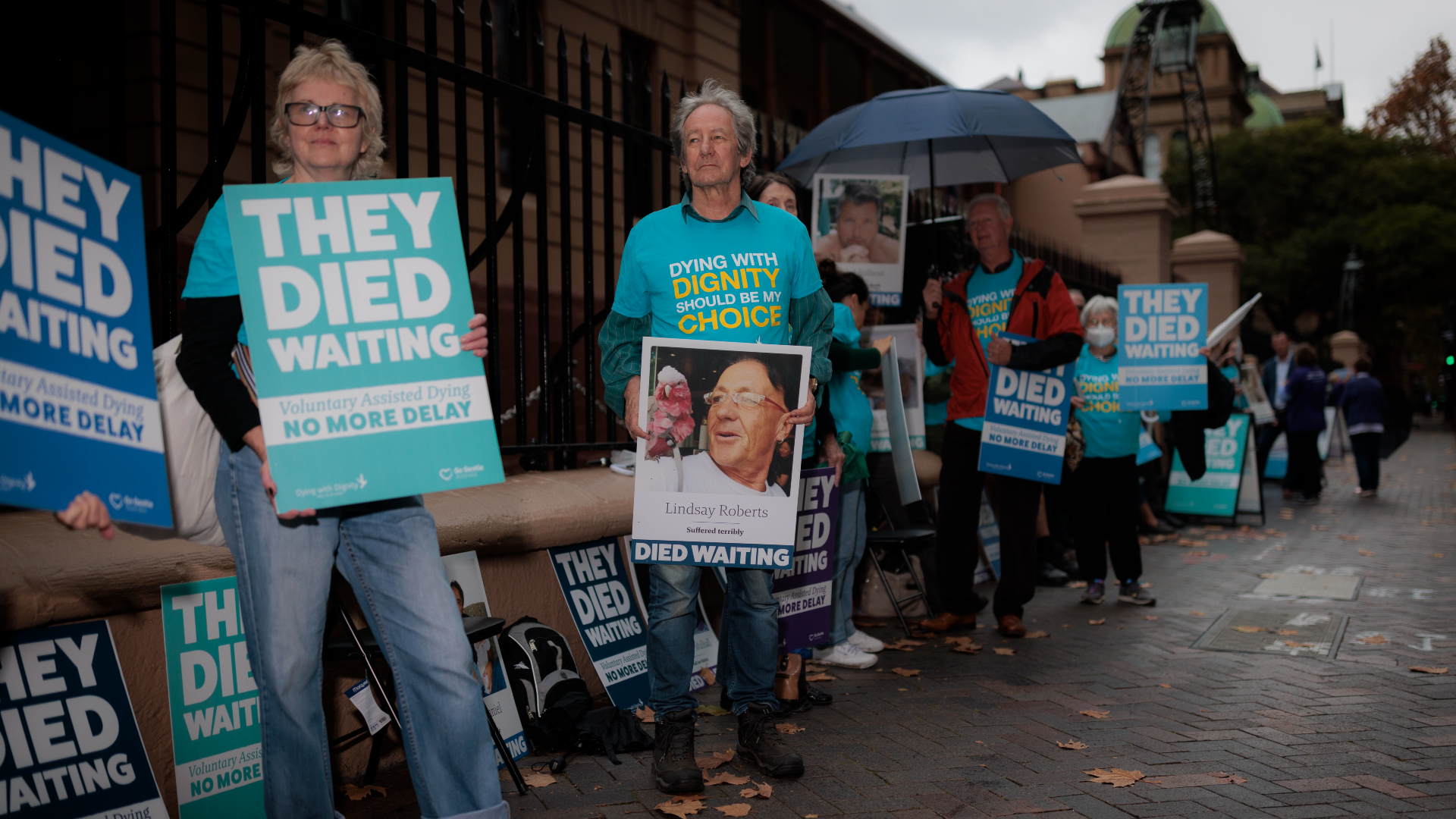
One further amendment was debated today, followed by a final vote, which saw the bill pass 23 votes to 15.
It then returned to the Lower House, where it was ratified.
Dying with Dignity NSW President Penny Hackett called it a "historic moment".
The bill allows people to end their own life only if they are aged 18 or over, have the mental capacity to make the decision and have a terminal illness with death expected within six months or 12 months for neurological conditions.
It was introduced by Sydney independent MP Alex Greenwich.
Queensland was the most recent state in Australia to have passed assisted dying laws, with the bill passing parliament last year.
READ MORE: How bloodsucking leeches are saving fingers – and lives
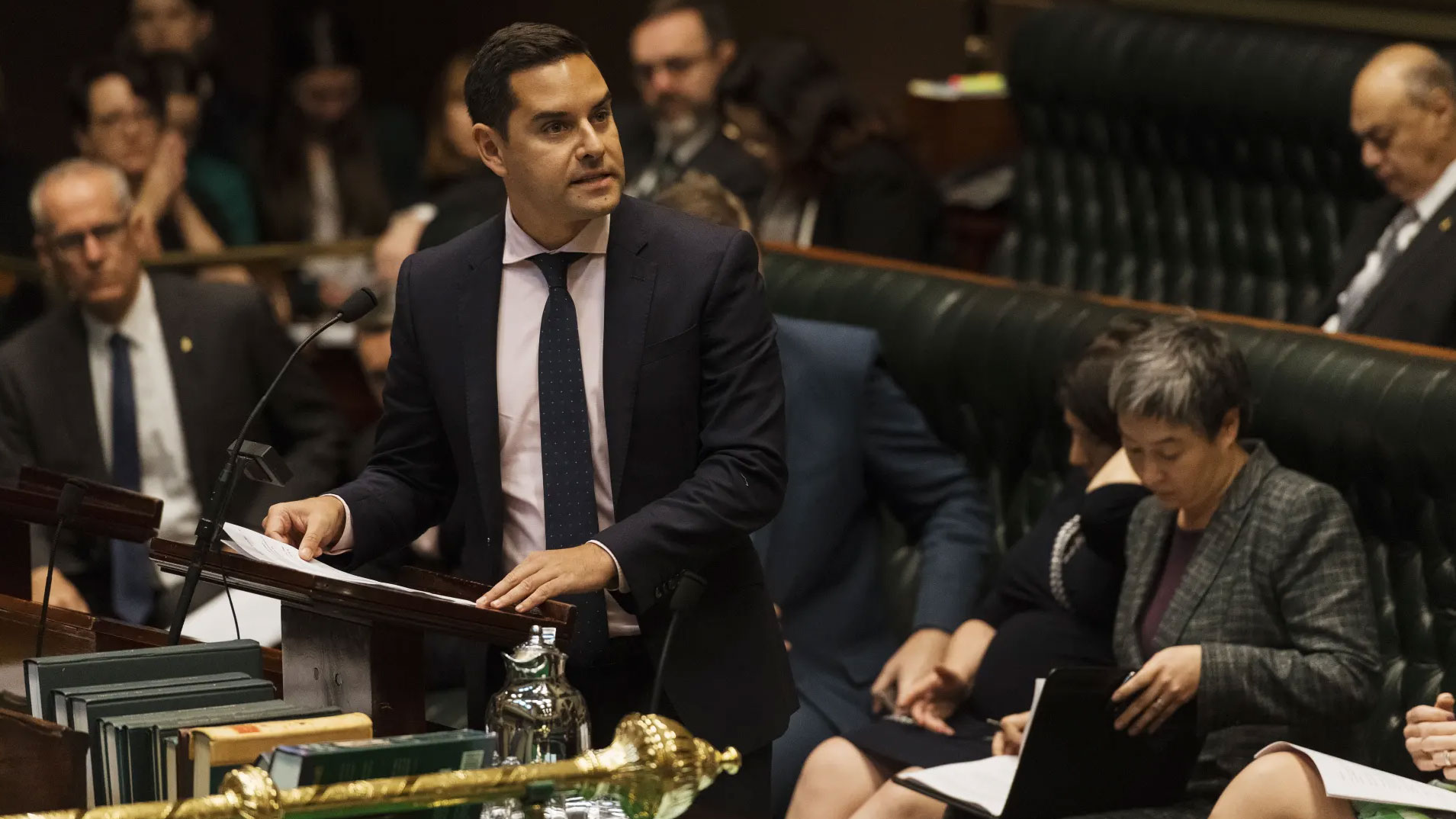
However, the legislation will not take effect until 2023.
Last July, Western Australia Premier Mark McGowan announced the death of the state's first person under its assisted dying laws, which had only come into effect that month after being passed in 2019.
Tasmania, Victoria and South Australia have passed similar legislation.
However, Tasmania's and South Australia's laws are not yet in effect after getting through parliament last year.
READ MORE: Russian soldier pleads guilty at war crimes trial
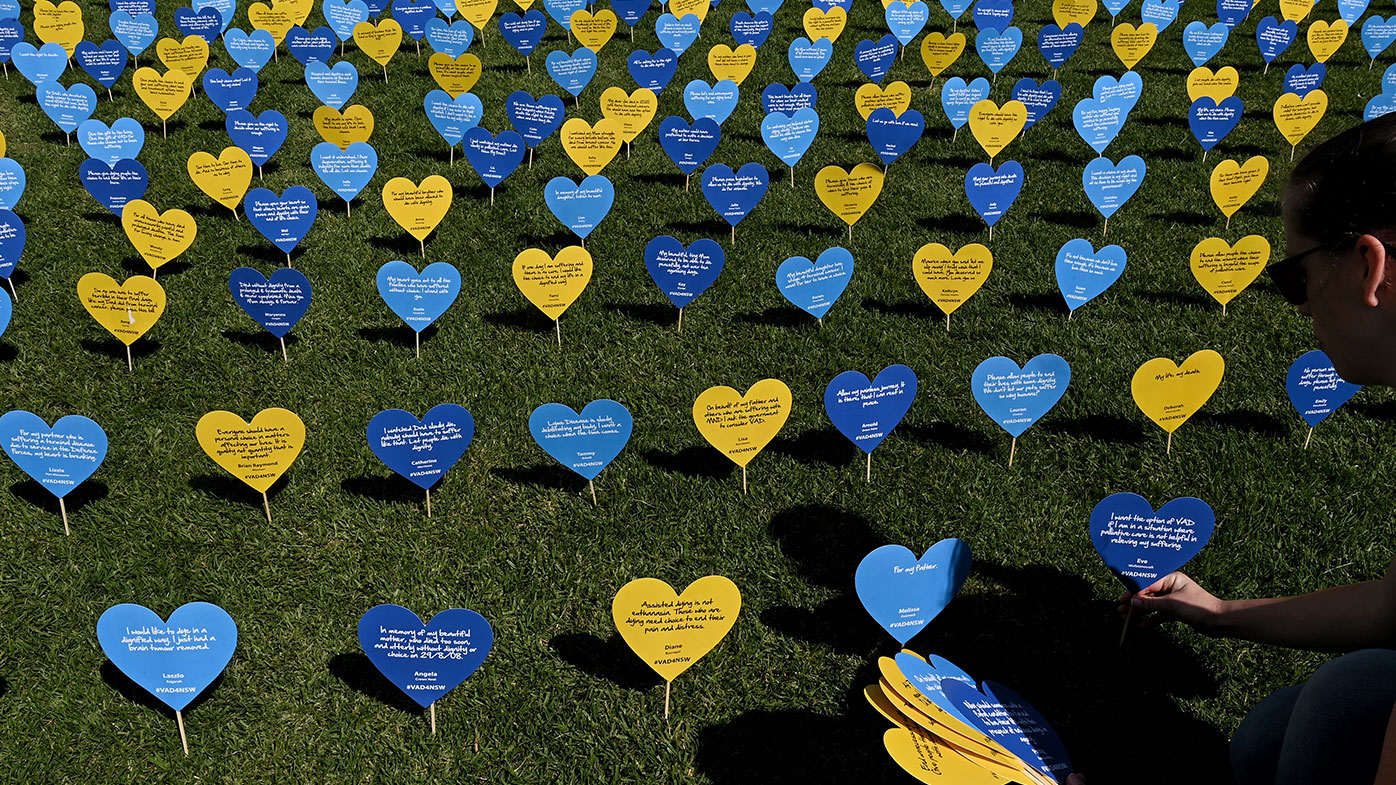
It's expected Tasmania's legislation will come into force in October this year, while South Australia committed to an 18-24 month period before implementing the new laws.
The Northern Territory was the first jurisdiction to pass voluntary assisted dying legislation, with the process being legal for some months in 1996 and 1997 before being overturned by the federal government.
Today, Prime Minister Scott Morrison confirmed there were no plans for overturning the ban on the NT or ACT being allowed to make voluntary assisted dying laws.
"There are differences between territories and states," he said.
"I'm not proposing any changes."
When sport and politics collide it can be a make-or-break moment
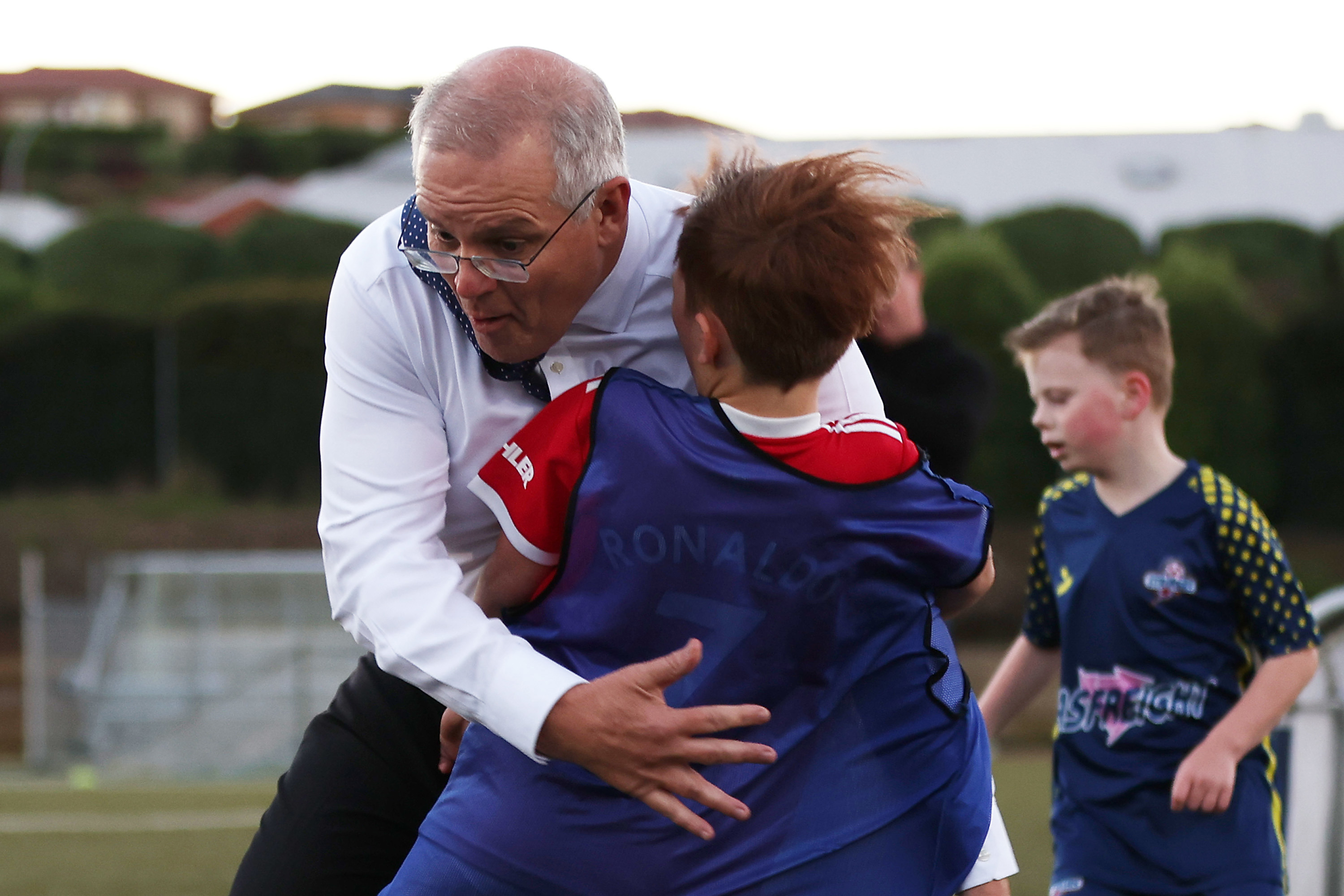
Prime Minister Scott Morrison's accidental steamrolling of a young schoolboy in Tasmania has underscored one fundamental truth of politics – mix it with sport at your peril.
Morrison joined in a practice football match with the junior Devonport Strikers team yesterday, but stumbled into a full-body tackle of young player Luka.
The club made a joke of it on Facebook, hailing Luka's courage and determination in stopping the PM from scoring, while Morrison himself thanked the boy for being a "good sport".
READ MORE: Bizarre reaction to climate banner could be a sign of voter anger
But it's not the first time an attempt at a folksy photo op ended in calamity.
It isn't even the first time to involve a child being flattened by a grown man.
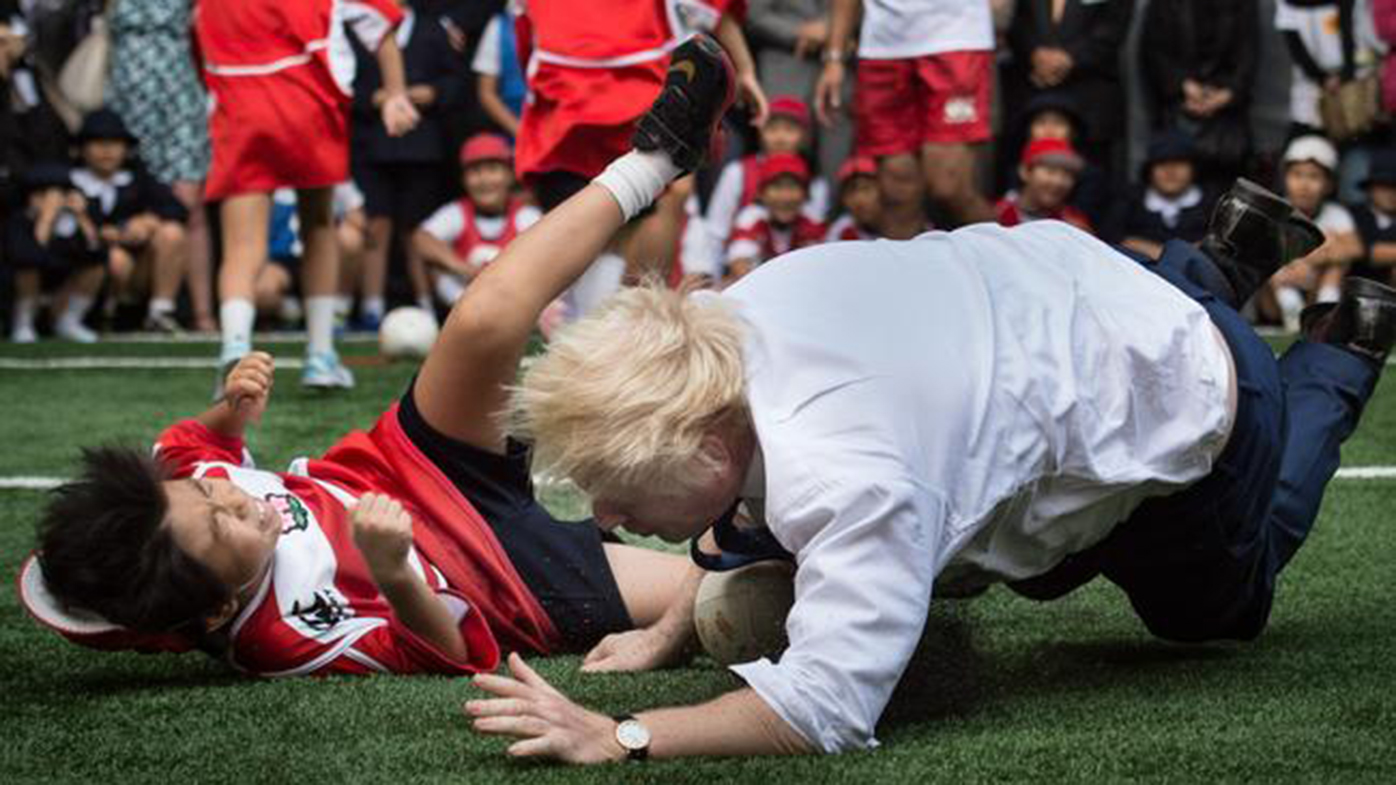
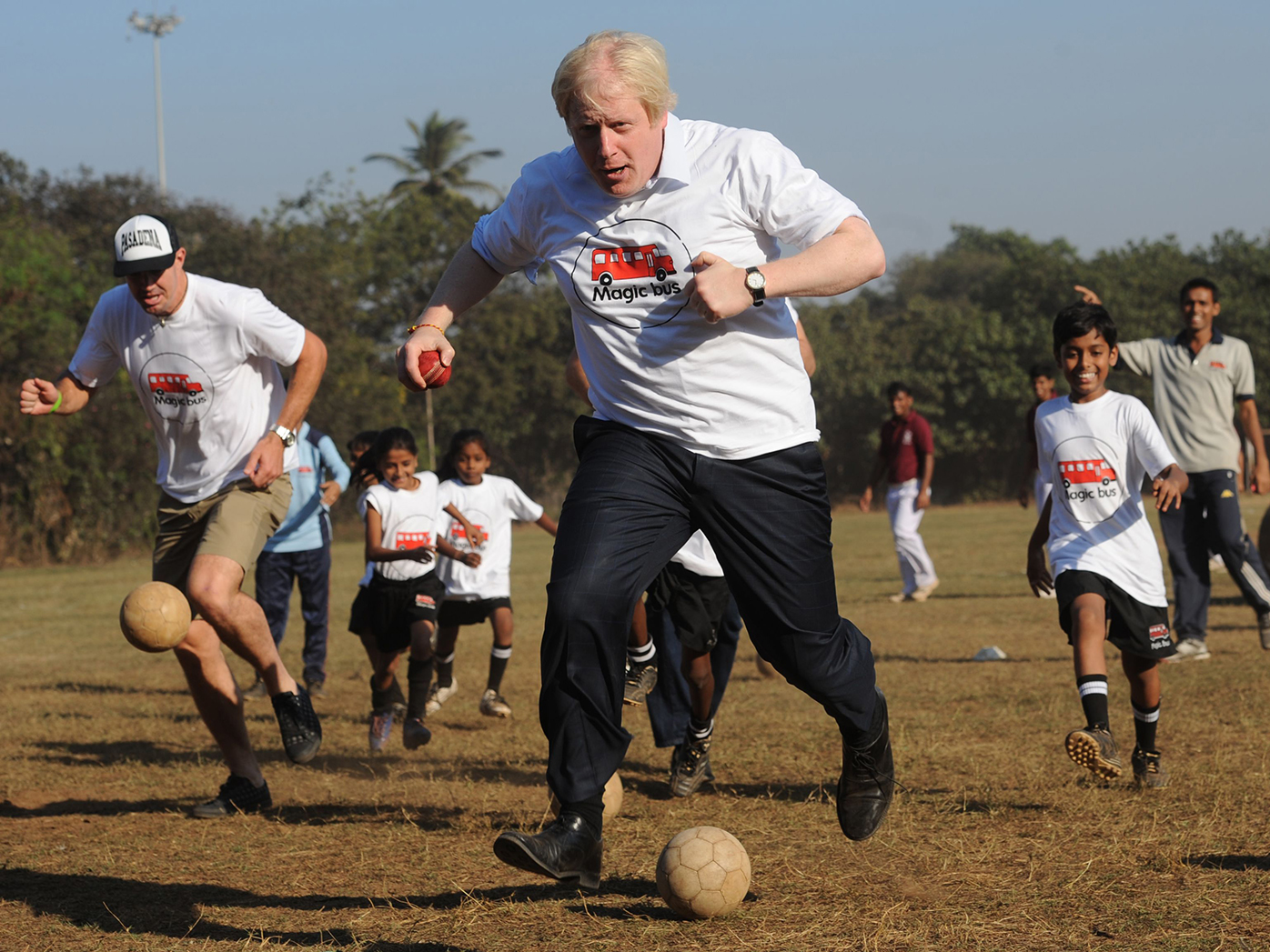
In 2015, when UK Prime Minister Boris Johnson was Mayor of London, he took part in a game of what was meant to be touch rugby during a trip to Japan.
Ball in hand, Johnson appeared to lower the shoulder and charge, losing his footing and crashing into a young player, bowling him over.
READ MORE: Plane dive that killed 132 people in China 'possibly deliberate'
Former Australian prime minister John Howard, who has been a prominent face on the campaign trail in 2022, is a renowned cricket tragic.
But all the enthusiasm in the world didn't help during a trip to Pakistan in 2005, when the Australian Defence Force – there providing earthquake relief – invited Howard to join in a game with some local kids.
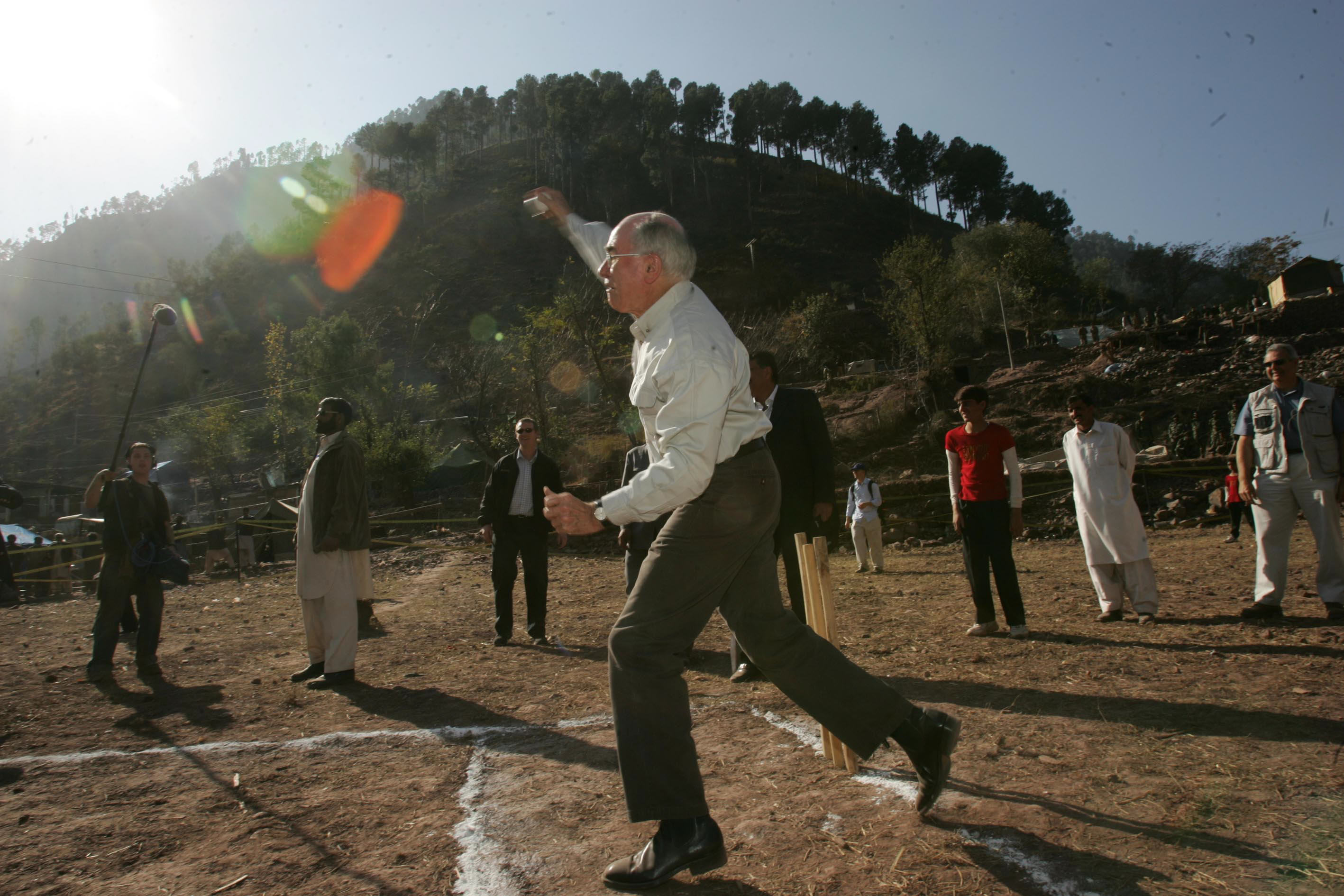
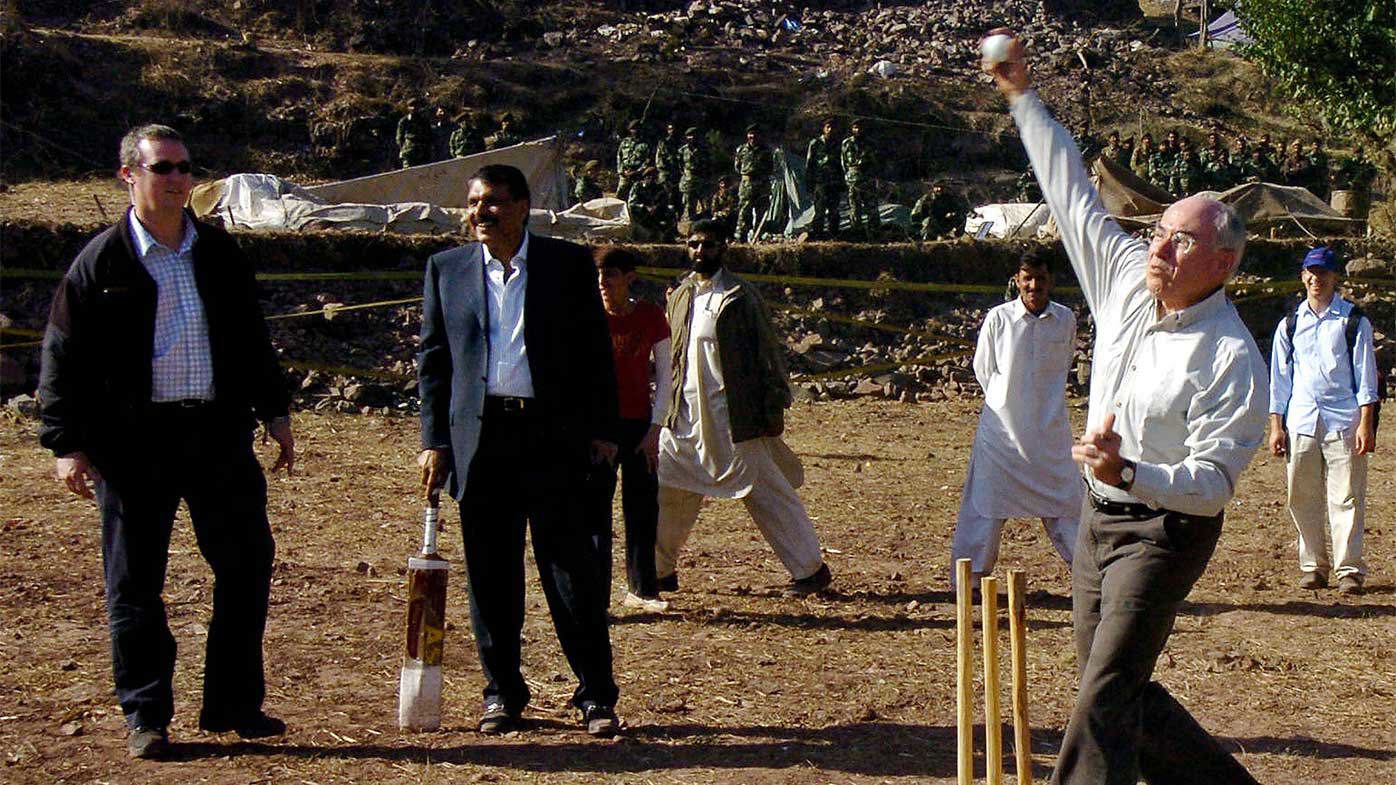
The footage of Howard's efforts – none of which reached the young batsmen – went viral.
But Howard was able to set the record straight later, revealing it hadn't been a cricket ball at all, but rather a taped-up tennis ball.
READ MORE: How bloodsucking leeches are saving fingers – and lives
https://twitter.com/BradmanBowral/status/1194830379636658179?ref_src=twsrc%5Etfw
In 2019, speaking at a Bradman Foundation Gala Dinner, Howard joked it was the biggest regret of his political career.
In response, RAAF Sergeant Michael Gunn admitted it was he who had taped the ball – which he then presented to the former PM.
One of the most prominent intersections of politics and sport, of course, is the tradition of US presidents throwing out the first pitch of the baseball season.
William Howard Taft, in 1910, was the first sitting US president to do so in grand occasion, and since then the only commanders-in-chief to skip it have been Jimmy Carter, Donald Trump and Joe Biden.
READ MORE: Russian soldier pleads guilty at war crimes trial
Perhaps one of the most significant in recent memory was George W. Bush's opening pitch of game three of the World Series on October 30, 2001 – less than two months after the 9/11 terrorist attacks.
Fears of follow-up attacks were still high in the US, and security was high on the day, with Bush wearing a bulletproof vest as he took to the mound.
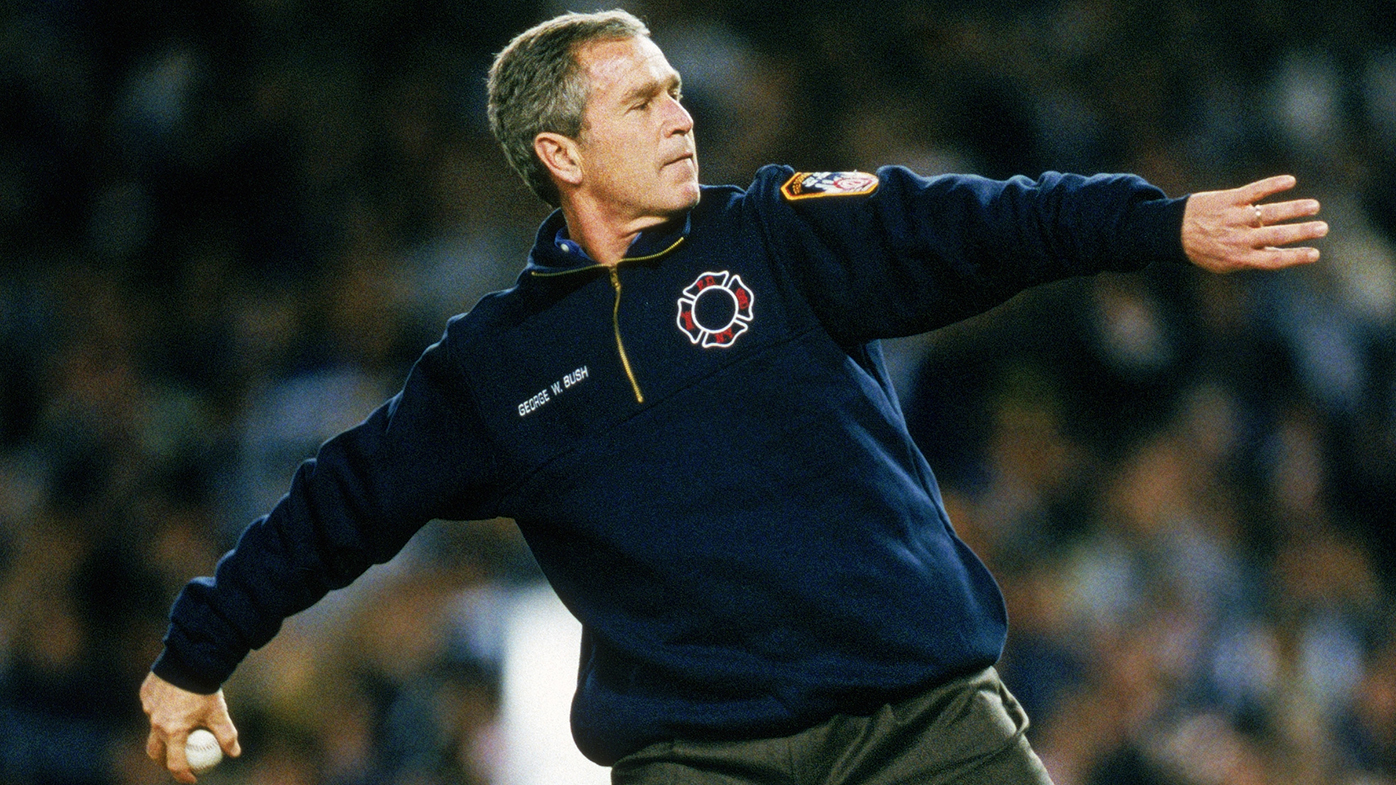
The president wound up and delivered the first pitch – a clean strike.
Receiver Todd Greene later called it a "perfect throw" that served as a "healing moment" for the country.
Bush's presidential successor, Barack Obama, didn't dodge the baseball field but was more widely noted for changing the sport of choice for would-be White House insiders from golf to basketball.
FULL COVERAGE: Federal Election 2022
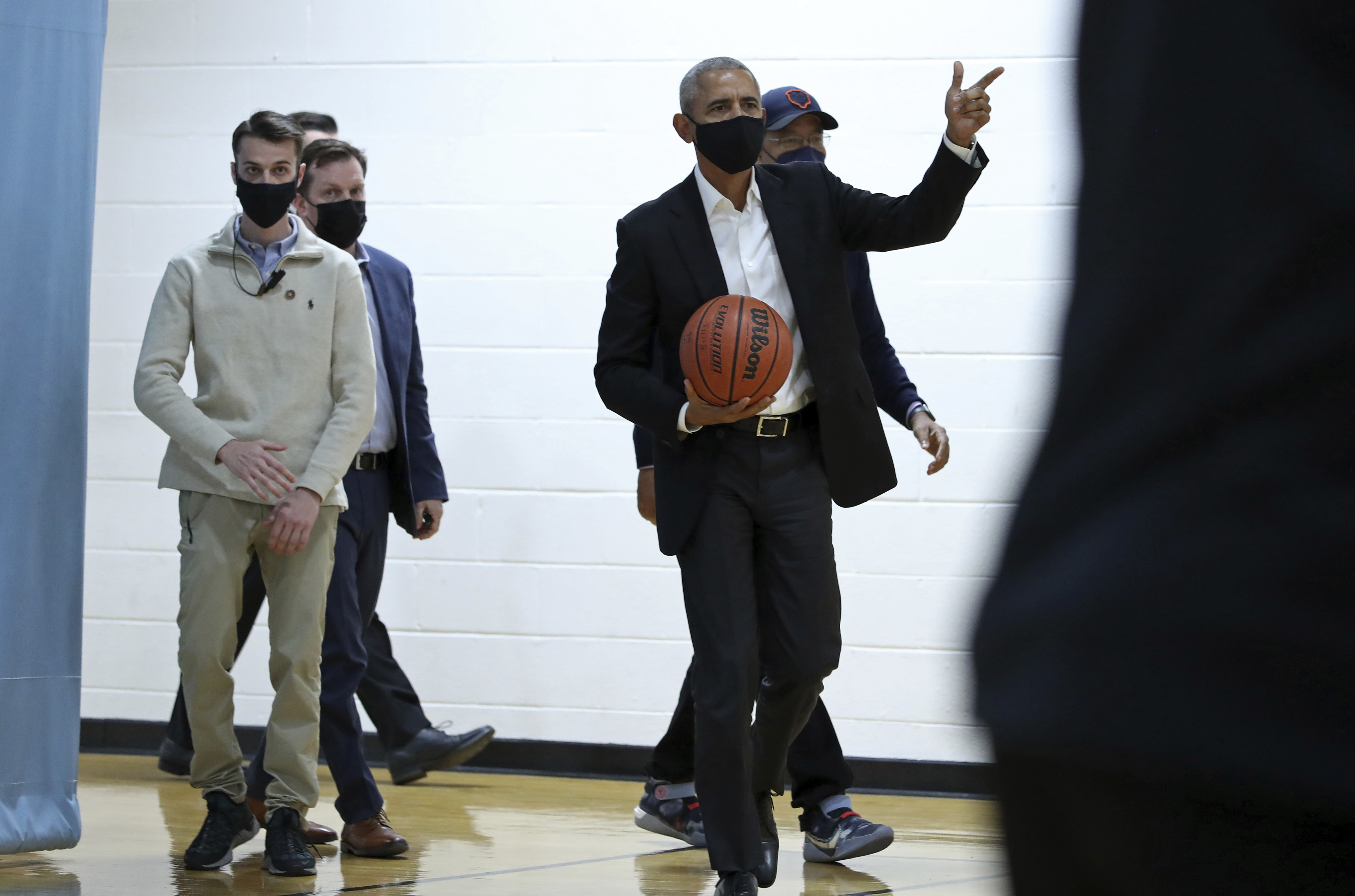
Obama even called upon his skills during the 2020 presidential campaign alongside Joe Biden when he visited a high school in Michigan.
The then-59-year-old was filmed sinking a casual three-pointer as he walked past the net.
"That's what I do," he grinned to the crowd.
Probably the greatest exponent of mixing sport and politics on the world stage today is Russian President Vladimir Putin.

Putin is not only a keen judoka, but regularly appears in ice hockey games alongside national players, where he routinely scores multiple goals despite being in his 60s.
It's left up to the observer to decide how sincere any of the ferociously image-conscious Russian leader's opponents are about getting in his way.
And earlier this year, Putin saw his martial arts credibility hammered as the International Judo Federation and World Taekwondo stripped him of honourary titles and belts, in response to Russia's invasion of Ukraine.