Tag Archives: oceania

Minister accuses China of 'political interference' over Solomons deal

A senior federal government minister has suggested China deliberately timed its controversial security agreement with the Solomon Islands to coincide with Australia's federal election.

The deal, which was signed last week, could see China establish a military presence in the South Pacific island nation.

Speaking on Brisbane radio station 4BC this morning, Home Affairs Minister Karen Andrews implied the timing of the pact amounted to "political interference" from Beijing.

READ MORE: Maximum security prisoner and his girlfriend charged with drug importation offences
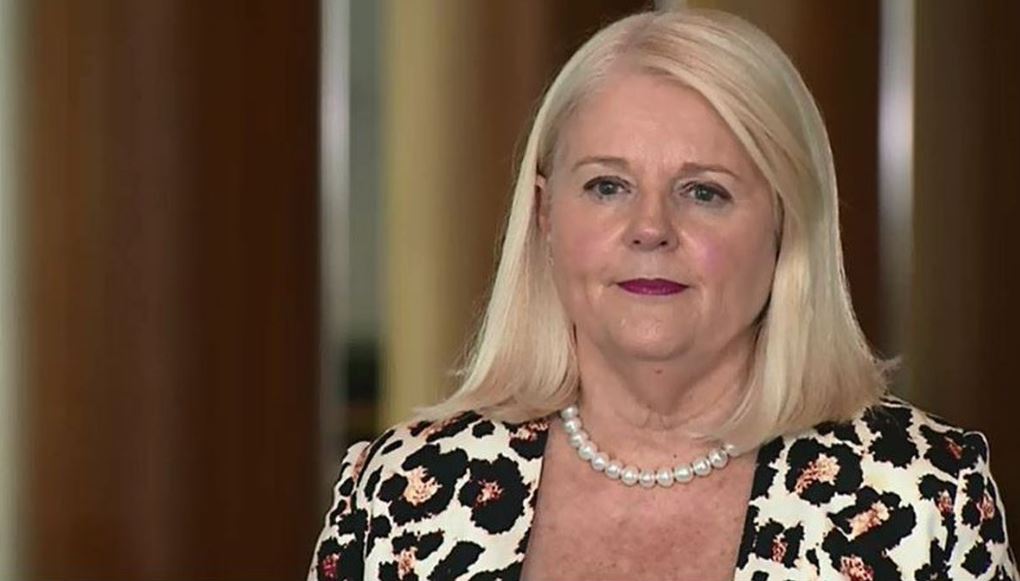
"I think the one thing we should be at least taking notice of and paying attention to is the timing of the announcement from deals in relation to Solomon Islands," she said.

"(Beijing) is clearly very aware we are in a federal election campaign at the moment.

"Why now? Why right in the middle of a federal government election campaign is all this coming to light?

"We talk about political interference and that can take many forms."

READ MORE: Man wrongly named in William Tyrrell disappearance begins fight for justice against NSW Police

The comments were quickly criticised by Labor. Shadow Defence Minister Brendan O'Connor said the statement showed Ms Andrews is out of her depth, saying her claims were "conspiratorial fantasy".

"Home Affairs Minister Karen Andrews is so out of depth in her security portfolio she's embarking on flights of conspiratorial fantasy," he wrote on Twitter.

"The Government won't accept they have presided over one of the worst policy failures in the Pacific since World War II."

https://omny.fm/shows/4bc-breakfast-with-neil-breen/warnings-china-is-very-likely-to-deploy-troops-to/embed

A draft of the Solomons and China pact, which was leaked online last week and is believed to be very close to the final, signed version of the agreement, said Chinese warships could stop in the Solomons and China could send police and armed forces there "to assist in maintaining social order".

Ms Andrews claimed it was "likely" that China would deploy troops to the Solomon Islands in the next year.

"I think it's very likely that they will proceed down that path," Ms Andrews said.

"It's likely that will be the path China will be taking in the Pacific region."
Scientists discover how life may have arrived on Earth

One of the many mysteries of the universe surrounds the existence of the first forms of life on Earth.

A clue has come from a group of scientists in Japan, whose new findings indicate the elementary components of life on Earth came from meteorites.

Researchers led by Astrochemist Professor Yasuhiro Oba from Japan's Hokkaido University began analysing carbon-rich meteorites and uncovered evidence of various compounds needed for DNA or RNA.

READ MORE: Australia records largest jump in inflation since introduction of GST

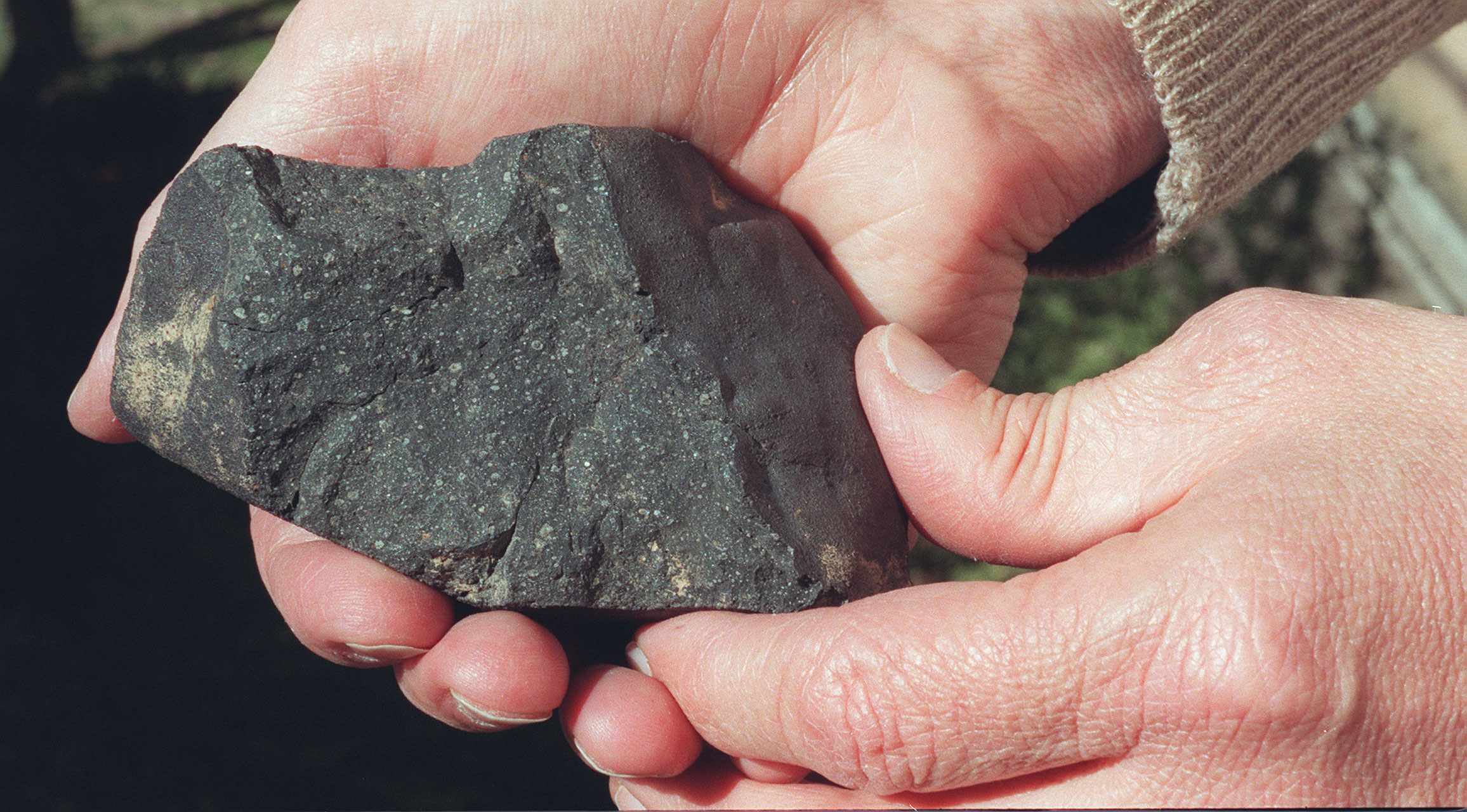
After analysing carbon-rich meteorites a group of researchers uncovered evidence of various compounds needed for DNA or RNA, providing clues about the origins of life on Earth.

Professor Oba and his team analysed extracts from three different meteorites.

The first was the Murchison meteorite, which fell in Australia in 1969 near the Victorian riverside town of Murchison, 167km north of Melbourne.

The second was the Lake Murray meteorite, which fell in 1933 and was found on a farm in Carter County in Oklahoma. It's ranked as the fifth largest meteorite in the world.

The last meteorite used was the Tagish Lake meteor, which fell on a frozen lake in the middle of winter in north-western British Columbia in Canada on January 18, 2000.

In the journal paper released about the study titled 'Identifying the wide diversity of extraterrestrial purine and pyrimidine nucleobases in carbonaceous meteorites', Prof Oba and his fellow scientists said, "a diverse suite of exogenous meteoritic organics, including nucleobases, may have been delivered to the early Earth during the late heavy bombardment period (~4.0–3.8 billion years ago)".

"The influx of such organics is considered to have played an important role in the chemical evolution of the Earth's primordial stage."

READ MORE: Tiny spider catapults to safety after mating to avoid sexual cannibalism

The Murchison meteorite was used in the study by scientists who found DNA molecules on meteors that landed on Earth.

The four main nucleobases, or building blocks of DNA, are adenine, thymine, cytosine and guanine – all of which were found on the meteorites.

A nucleobase of RNA, considered to be the sister molecule of DNA, uracil was also discovered by scientists on the space debris.

Researchers said advances in technology have allowed them to be able to extract the evidence from the meteorites.

"Recent advances in analytical techniques and instruments have enabled the detection and quantification of nucleobases in mixtures of complex organic molecules such as meteorite extracts and organic residues in interstellar ice analogs," they said.

The scientists said there are still several molecules that remain unidentified in the meteorite extracts.

But they said in the future, model simulation studies and laboratory-based analysis will help detect more molecules in meteorites and connect them to the origin of life on Earth.

"We are now approaching a more complete understanding of the molecular distributions of meteoritic organics, including nucleobases and their formation pathways."

What is the 'sneaky carbon tax' the PM claims Labor will introduce?

This week on the election campaign trail the phrases "carbon tax" and "net zero" have been flung back and forth between the major parties.

There is a split within the Coalition on climate policy, with Queensland Nationals senator Matt Canavan declaring net zero by 2050 "dead" before the prime minister was forced to hose this down.

Scott Morrison has also accused Labor of planning to sting voters with a "sneaky carbon tax" – despite no evidence of a new tax.

READ MORE: Australia records largest inflation jump since GST

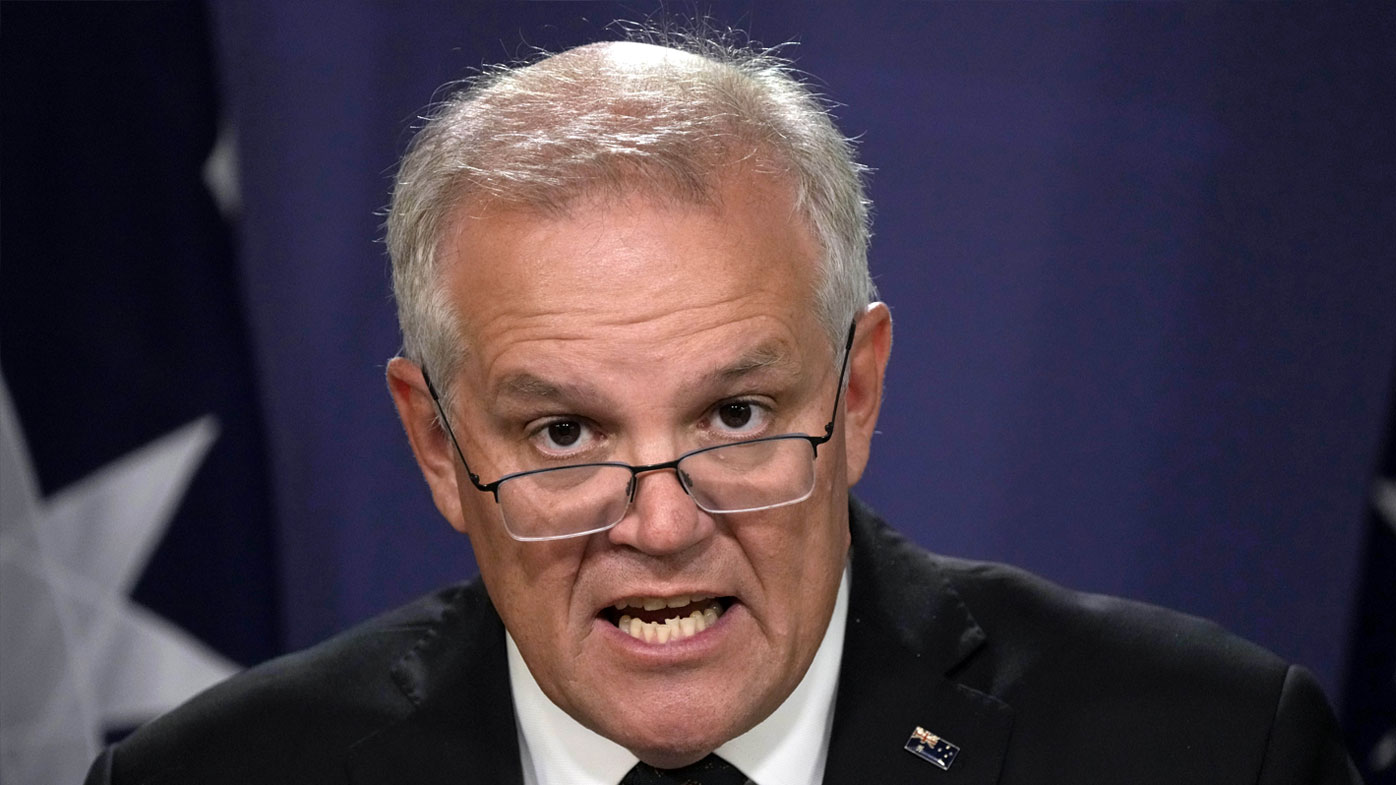
Scott Morrison has accused Labor of planning a "sneaky carbon tax" - but there isn't one.

So, is there a carbon tax? Is it new?

No. The "sneaky carbon tax" Mr Morrison appears to be referring to is a safeguards mechanism introduced by former Coalition prime minister Tony Abbott years ago.

The measure was legislated by Mr Abbott's government after the then-prime minister repealed a "carbon tax" that wasn't actually a tax.

Mr Morrison today insisted the Coalition use of the mechanism and Labor's was different, with one a tax and the other not.

"No, the difference is, as would you know, how the thresholds work and the fact we put incentives in place," he said.

"What Labor is doing is binding them on this and issuing penalties on those companies, so they couldn't be more different.

"What Labor has is a tax, a sneaky carbon tax and that's not good for regional Australia. It is not good at all."

READ MORE: Melbourne man thought he'd won $1 million on Lotto until revelation

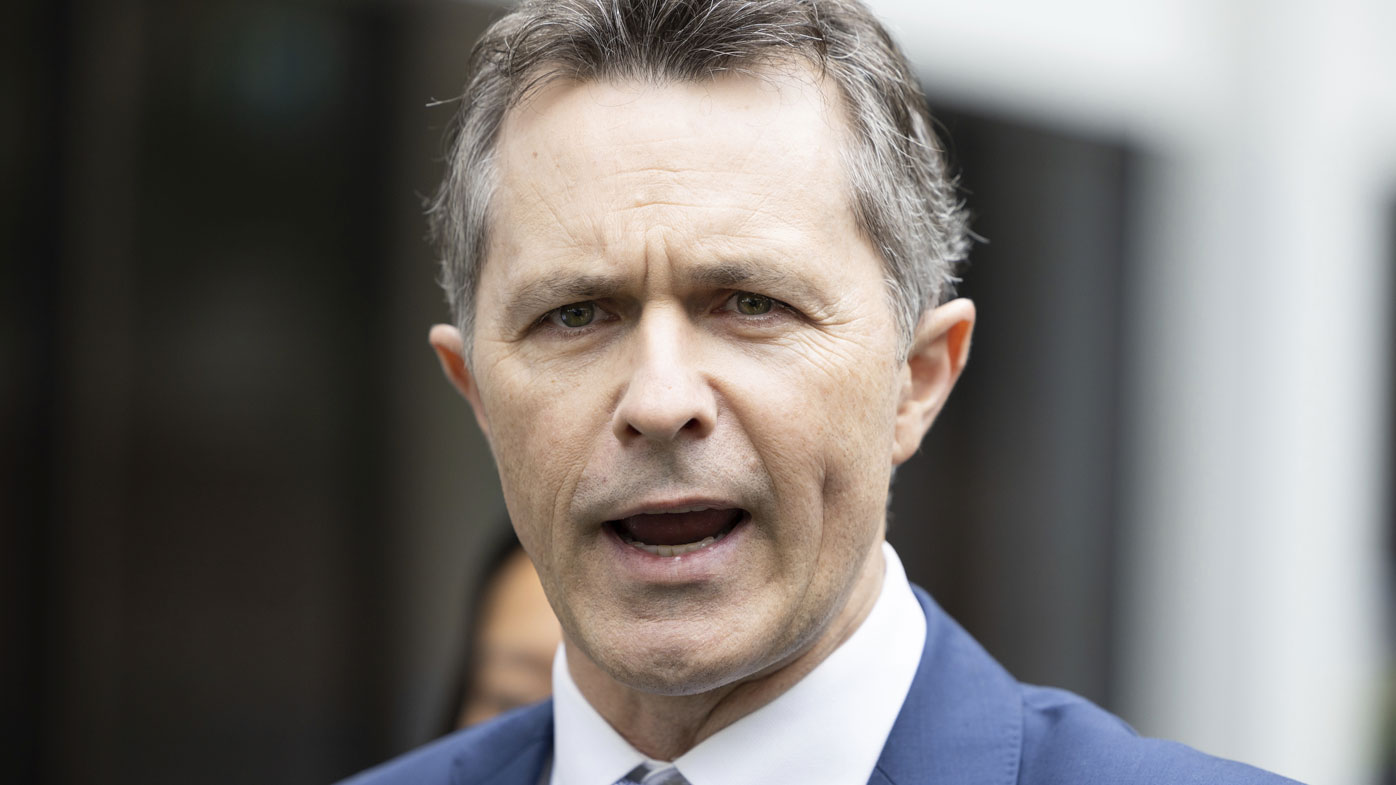
Labor spokesperson Jason Clare

Labor spokesperson Jason Clare today described Mr Morrison's claim as a "great conspiracy".

"This goes to show just how desperate the Liberal Party have got now that they're now saying that something that Tony Abbott created is a carbon tax," he said.

"Apparently now Tony Abbott created the carbon tax and not only that, he had the vision to do it almost a decade ago and plant it just now in the teeth of an election campaign. 

"It is absolute rubbish."

The safeguard mechanism requires 215 large polluters in Australia to keep their emissions below a certain level or face a penalty.

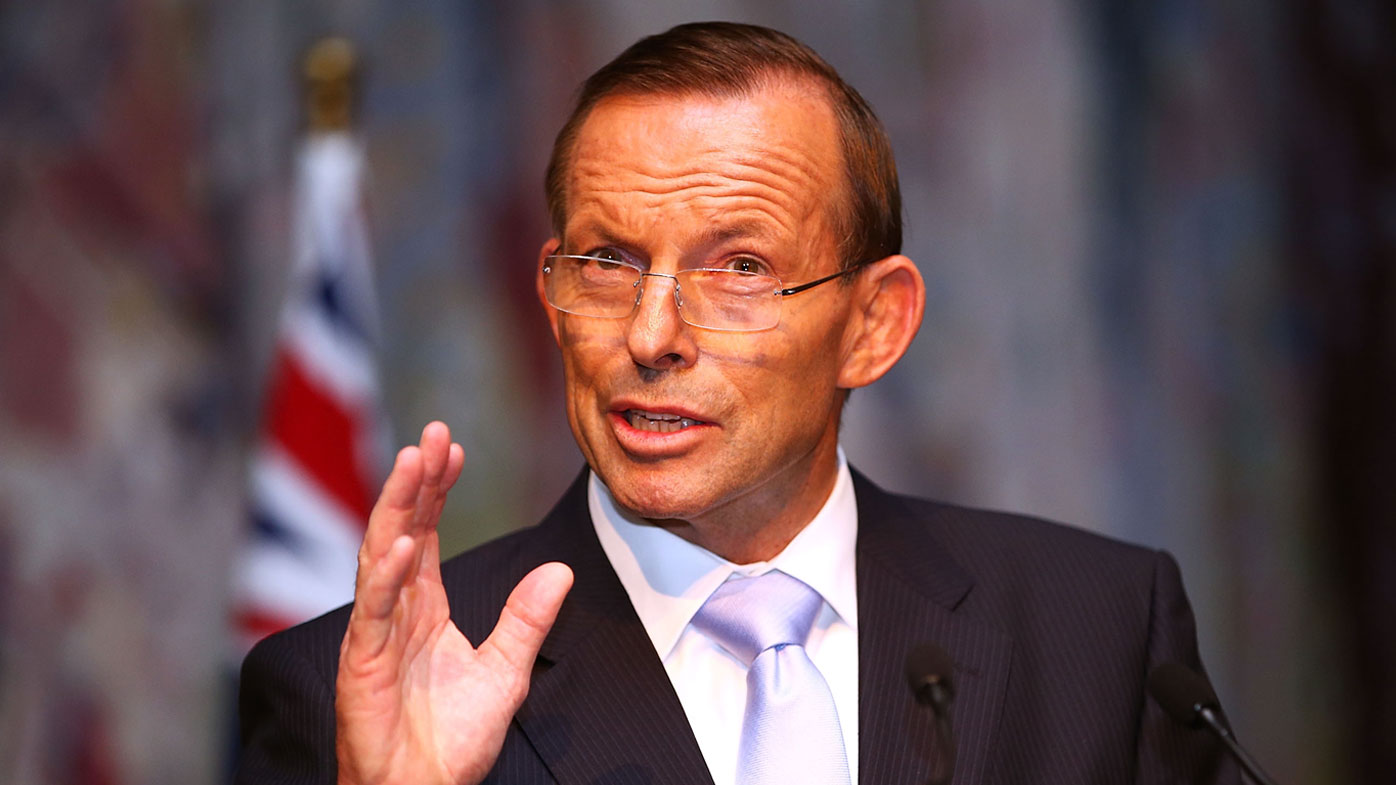
Tony Abbott

Labor says it has the mechanism has the support of those 215 large polluters.

"Most of them are represented by the Business Council of Australia and the Business Council of Australia… have given us recommendations on how to make it work better and we're going to do just that," Mr Clare said.

The Business Council reiterated its support of the safeguard measures in a statement posted online today.

"The safeguard mechanism is already in place alongside a suite of other measures to reduce emissions, with careful consultation with industry we believe it is the right incentive to drive investment, deliver more jobs and meet our net-zero commitments.

"The concrete, bipartisan commitment to net-zero emissions was a critical step towards giving businesses the certainty they need to make investments, create new jobs, keep Australia an energy superpower and deliver affordable, reliable and secure energy."

It comes after days of infighting in the Coalition over climate change policies.

READ MORE: Millions of Australians to receive $250 financial boost from today

What about net zero by 2050?

Both parties have committed to net zero emissions by 2050, with Labor setting a more ambitious target of a 43 per cent reduction by 2030 based on 2005 levels versus the Coalition's 26 to 28 per cent mark.

This week's climate wars began with the LNP candidate for Flynn, Colin Boyce, suggesting there was "wiggle room" on net zero before Senator Canavan said the entire target was being scrapped.

The prime minister has needed to put out fires and is insisting the Coalition – except for a few dissenters – are on the same page.

Mr Morrison this morning said Senator Canavan's position is "not the Coalition's position and it's not the government's position".

"That's his view. It's no surprise," he said.

"He's held it for a long time, that debate has been done in the Coalition and is resolved.

"Our policy was set out very clearly."

Nationals MP Michelle Landry, speaking alongside the prime minister today, was more blunt: "Pull your head in, Matt."