A family’s beloved miniature poodle has been missing for 15 days after she was plucked from the front garden of their Auckland home by a stranger.Twelve-year-old Cookie was taken from the front yard of David Xu’s grandmother’s Onehunga…
Tag Archives: oceania
Earth Day: Protesters target Civic House in Nelson
A series of posters calling for climate action from Nelson City Council, coinciding with Earth Day 2022, have been removed from Nelson’s Civic House this morning.Extinction Rebellion Whakatū representative Te Wehi Ratana confirmed…
Super fans descend on NSW town as Parkes Elvis Festival returns
Thousands of hardcore Elvis Presley fans are descending upon the central-west New South Wales town of Parkes to attend the annual Parkes Elvis Festival, which was cancelled in 2021 due to the coronavirus pandemic
Paekākāriki highway: Transmission Gully transforms busy coastal towns into quiet settlements
By Rosie Gordon, RNZ Towns north of Wellington that were once thoroughfares for State Highway 1 are now quiet seaside settlements after the $1.25 billion highway, Transmission Gully, opened three weeks ago.The highway that runs…
Parliament occupation: Sentenced protester says no time to think, 'I just had to go in'
An anti-mandate protester said he had no choice but to get involved when rising tensions erupted on the third day of the occupation at Parliament grounds. Whangārei man Gary Metcalfe said he was arrested by police when he…
Covid 19 Omicron outbreak: 9390 new community Covid cases, 13 deaths
A person aged between 10 and 19 is one of 13 people reported to have died with Covid-19 today.Of the other deaths, five people were in their 70s, six in their 80s, and one person was over 90, according to the Ministry of Health.One…
German rapist declared official suspect in Maddie McCann case
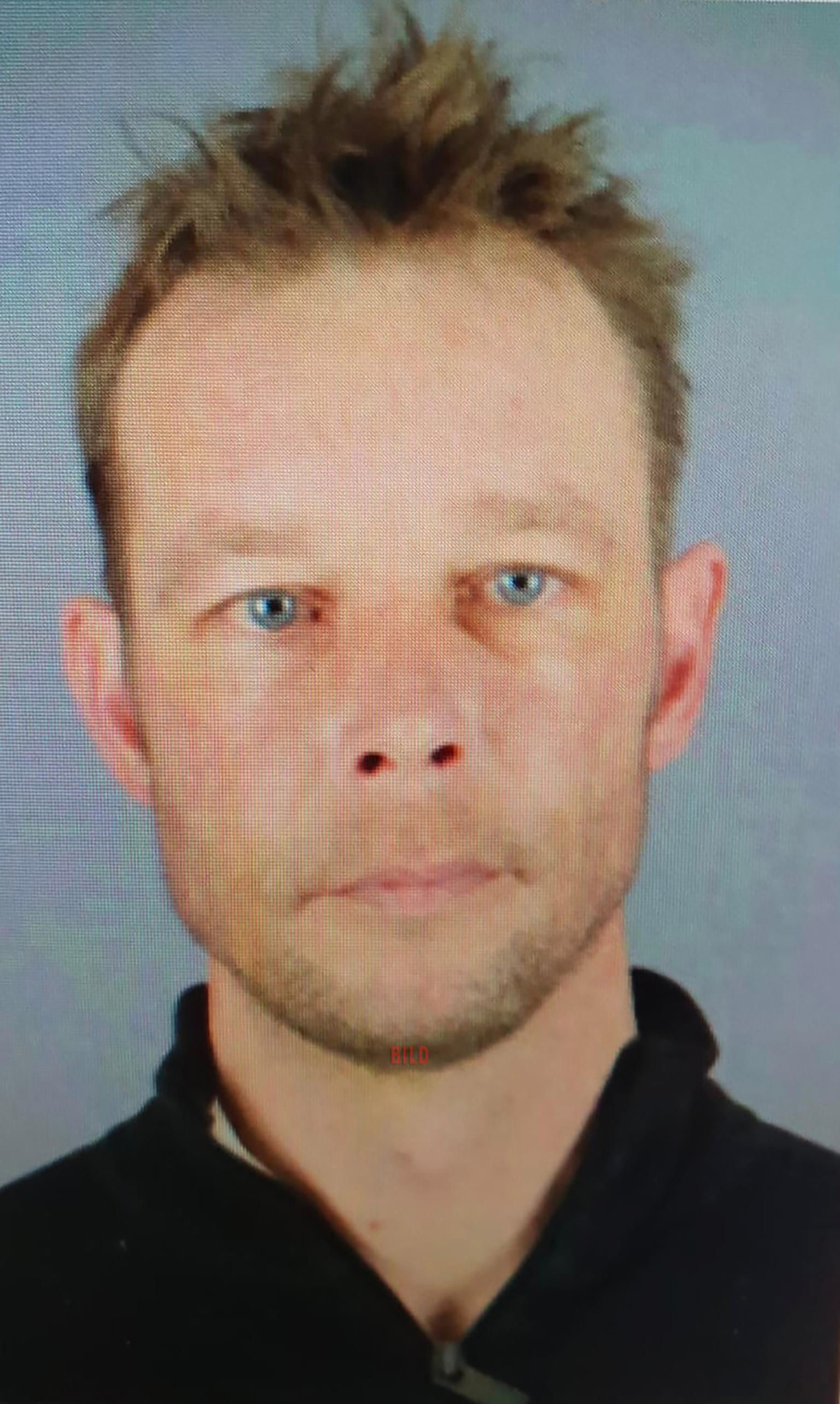
German convicted rapist Christian Brueckner has been declared a formal suspect in connection with the disappearance of Madeleine McCann.
A Portuguese prosecutor's office today said it had declared an unnamed German man as a formal suspect, also known as an arguido.
9News understand the push to declare Brueckner an arguido was made at Portugal's request as a 15-year limit on prosecutions was due to expire.
READ MORE: Three questions could help answer what happened to Maddie

In its announcement, the Faro public prosecutor's office said the investigation is being run with the help of police and with the cooperation of English and German authorities.
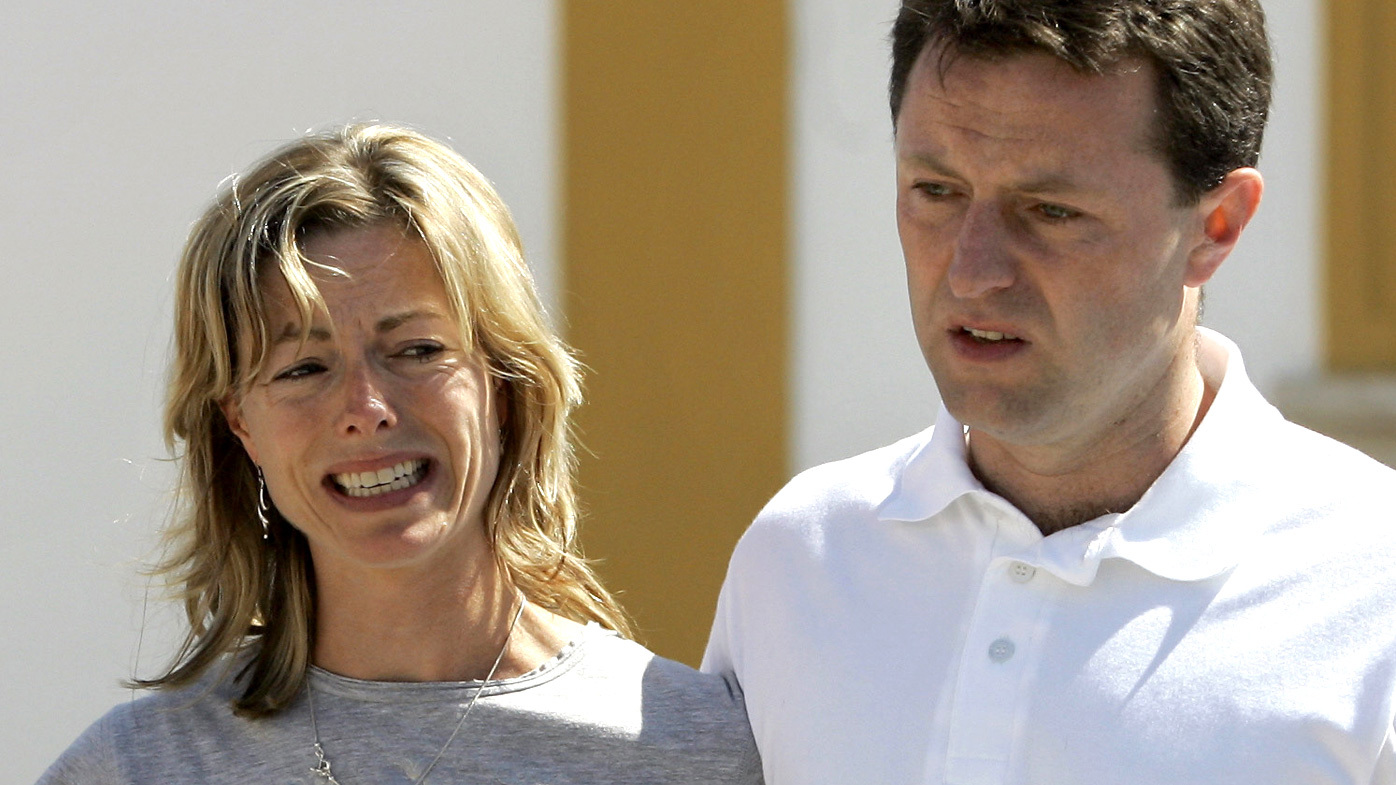
It's the first time Portuguese prosecutors have named a formal suspect since Madeleine's parents, Gerry and Kate McCann, were named and investigated in 2007.
They were later cleared.

READ MORE: Chinese president delivers cryptic messages in rare speech
In 2020, German police revealed they were investigating Brueckner, who was already in prison on an unrelated rape charge, as an official suspect.
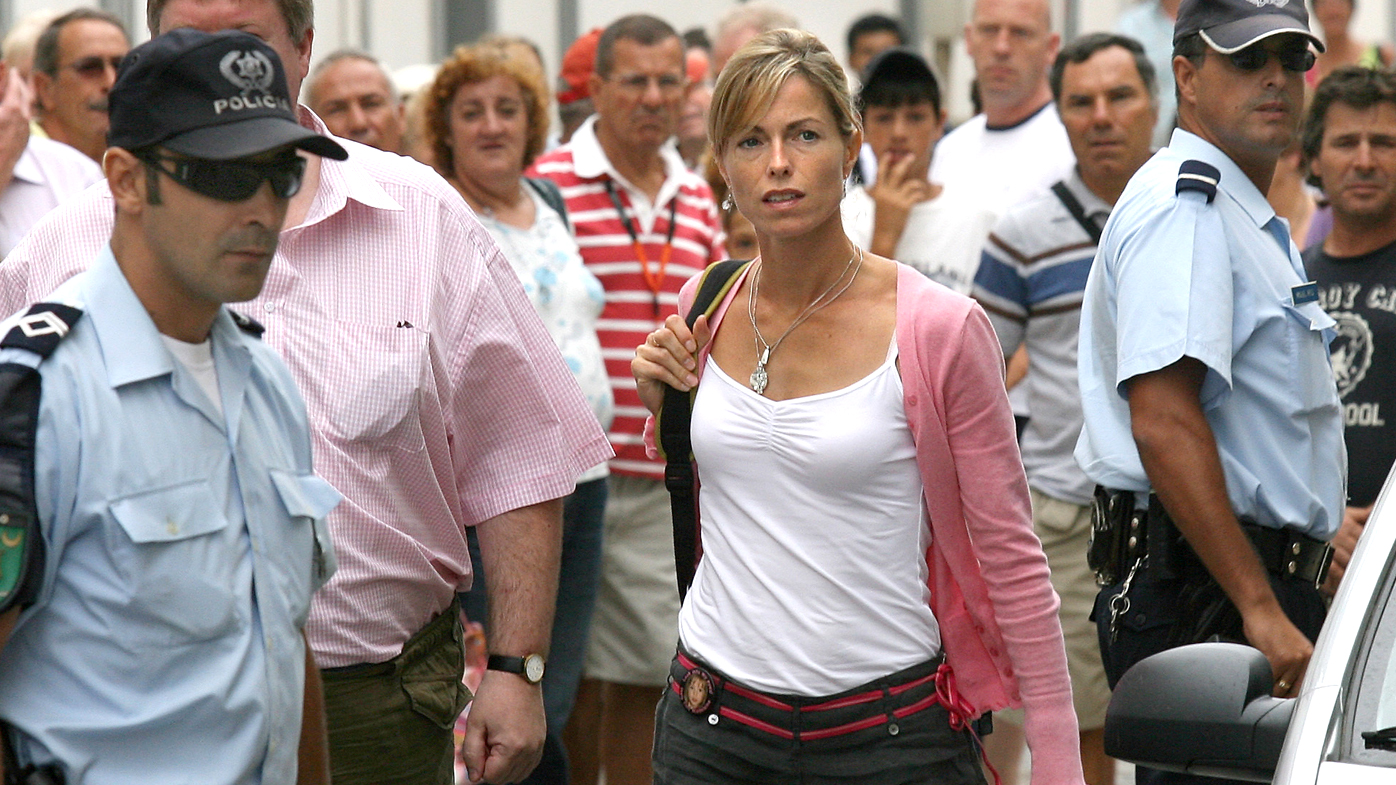
Madeleine disappeared from her family's holiday apartment in Praia da Luz, a resort in Portugal, on May 3 in 2007, days before her fourth birthday.
Despite an investigation spanning nearly 15 years, no charges against a suspect have ever been laid.
It comes after reports the long-running, multi-million-dollar British police operation to find out what happened to the girl was on the brink of shutting down.
READ MORE: McCanns deny receiving letter about proof of Maddie's death

"It's huge. This is probably the biggest missing persons case ever worldwide," forensic criminologist Xanthe Mallet told Today this morning.
"Everybody knows the name Madeleine McCann.
"But even a couple of weeks ago when police in Britain said they were scaling back the investigation, I wasn't convinced that meant they didn't have any new leads given what the German police had told us a couple of years ago.
"I was still hopeful. This is a massive, massive day."
'Absolute' and 'existential' threat to Australia flagged
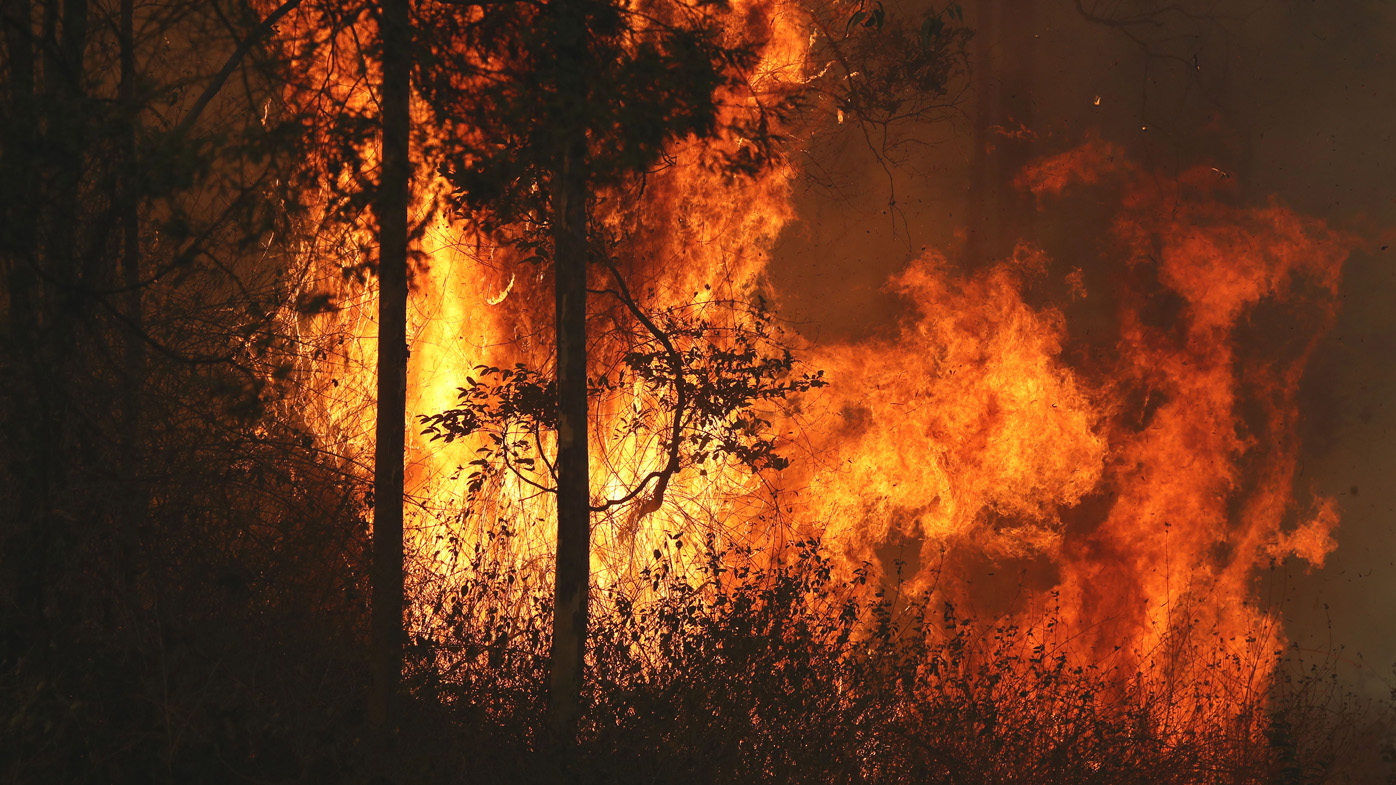
As the world's climate warms 1C to 2C, some of the changes Australians can expect are an increase in food prices, competition for water amid shortages, and more prevalent floods, fires and deadly heatwaves.
That's the warning from two leading climate scientists, who spoke to 9news.com.au ahead of Earth Day 2022.
Mark Howden, Director of the Institute for Climate, Energy & Disaster Solutions at the Australian National University, said at this point a temperature increase of 1.5C is "very likely" by the 2030s.
This is backed up by the most recent Intergovernmental Panel on Climate Change (IPCC) report, which found climate change is widespread, rapid, and intensifying globally.
READ MORE: What countries produce the most greenhouse gas emissions?
"There'd be systemic effects right across Australia, in almost every aspect of Australian life," Professor Howden said, explaining water and food shortages are just two impacts that will be felt.
"Whether that's agriculture and food, which is already being impacted negatively, that will become much more problematic and much more variable.
"We've already seen, on average, a reduction of profitability of 20 per cent when it comes to agriculture due to climate change. That's likely to continue.
"Similarly with water, we've already seen very substantial reduction in river flows in the south-east and the south-west of the country and those are likely to continue, increasing the competition for water."
READ MORE: Major development in Maddie McCann case

Ecosystems most at risk
Climate scientist and distinguished Professor of Biology at Macquarie University, Lesley Hughes, supports Professor Howden's stance and said at this point there is no eco-system in Australia unaffected by climate change.
Of 19 Australian ecosystems analysed in a 2021 study, all were collapsing "at some part of their range".
Professor Hughes said the ecosystems most at risk are:
- Gondwana Rainforests, found in south-east Queensland and northeast NSW
- The Great Barrier Reef in Queensland
- Alpine regions across Victoria, NSW and Tasmania
READ MORE: NSW ocean temperatures soaring to levels not seen in decades
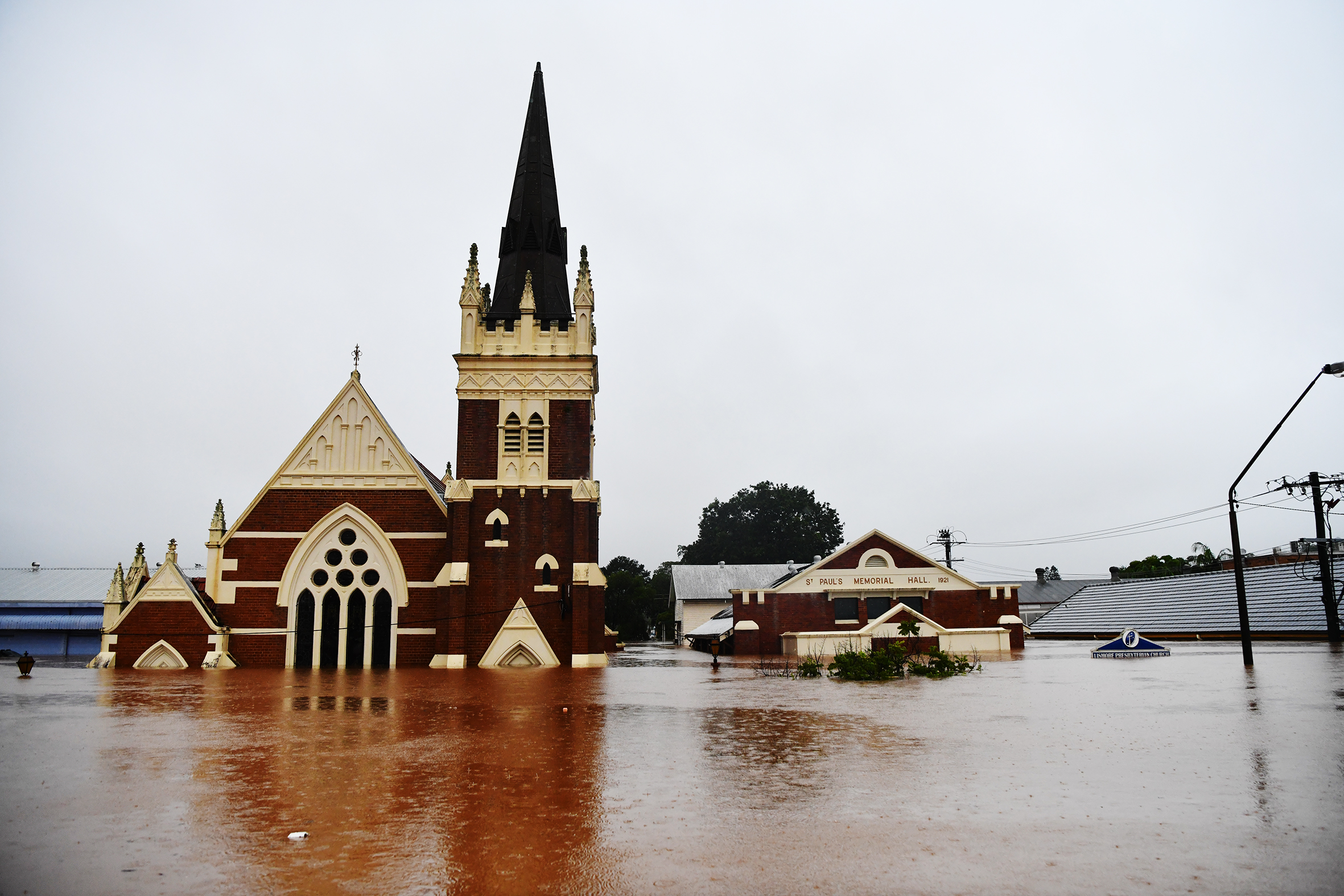
A new report into rising sea levels found many Queensland's coastal cities could be partially under water in 80 years.
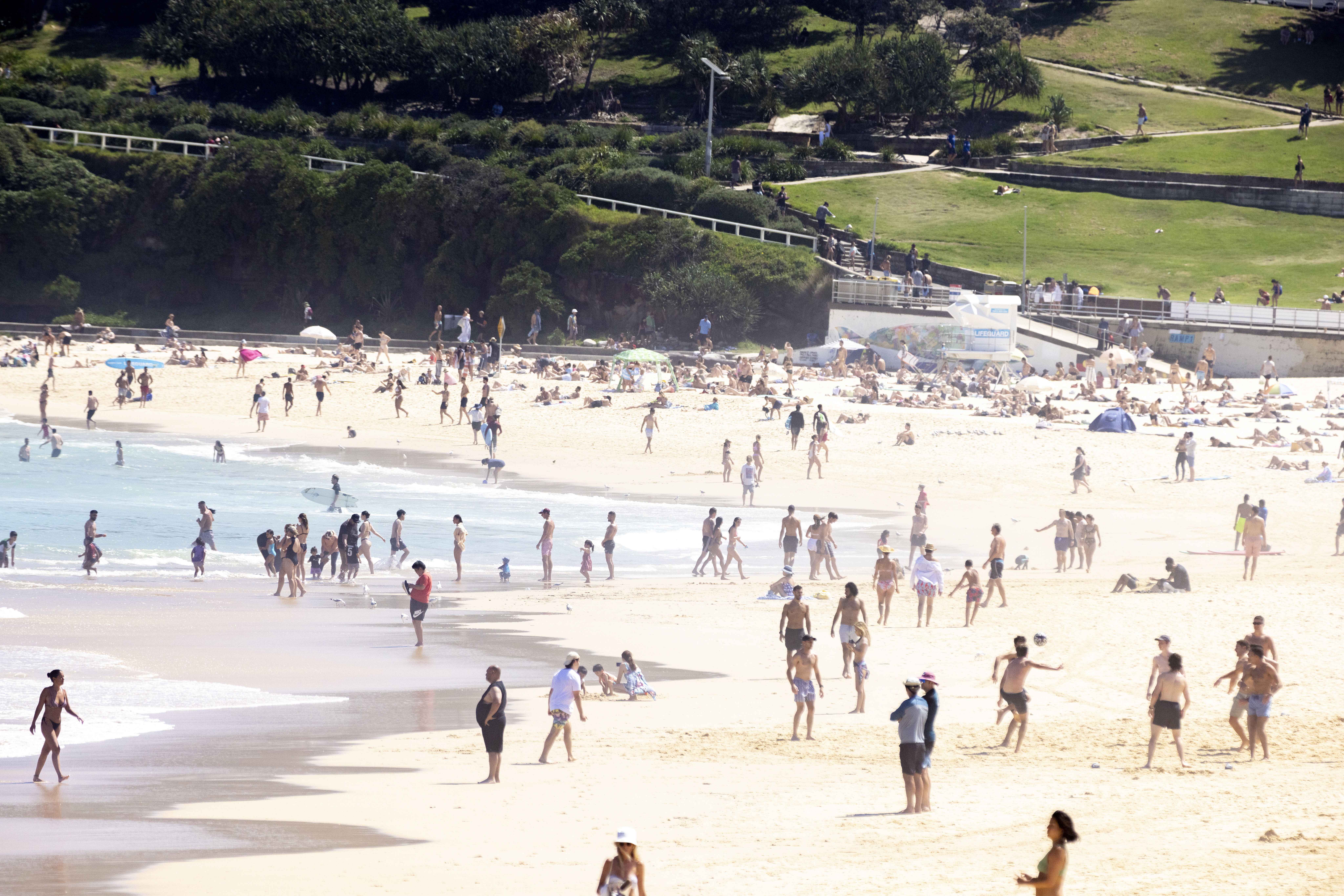
This prediction came after a UN climate report published in 2019 predicted the end of Australia's beach culture.
READ MORE: Chinese president delivers cryptic messages in rare speech
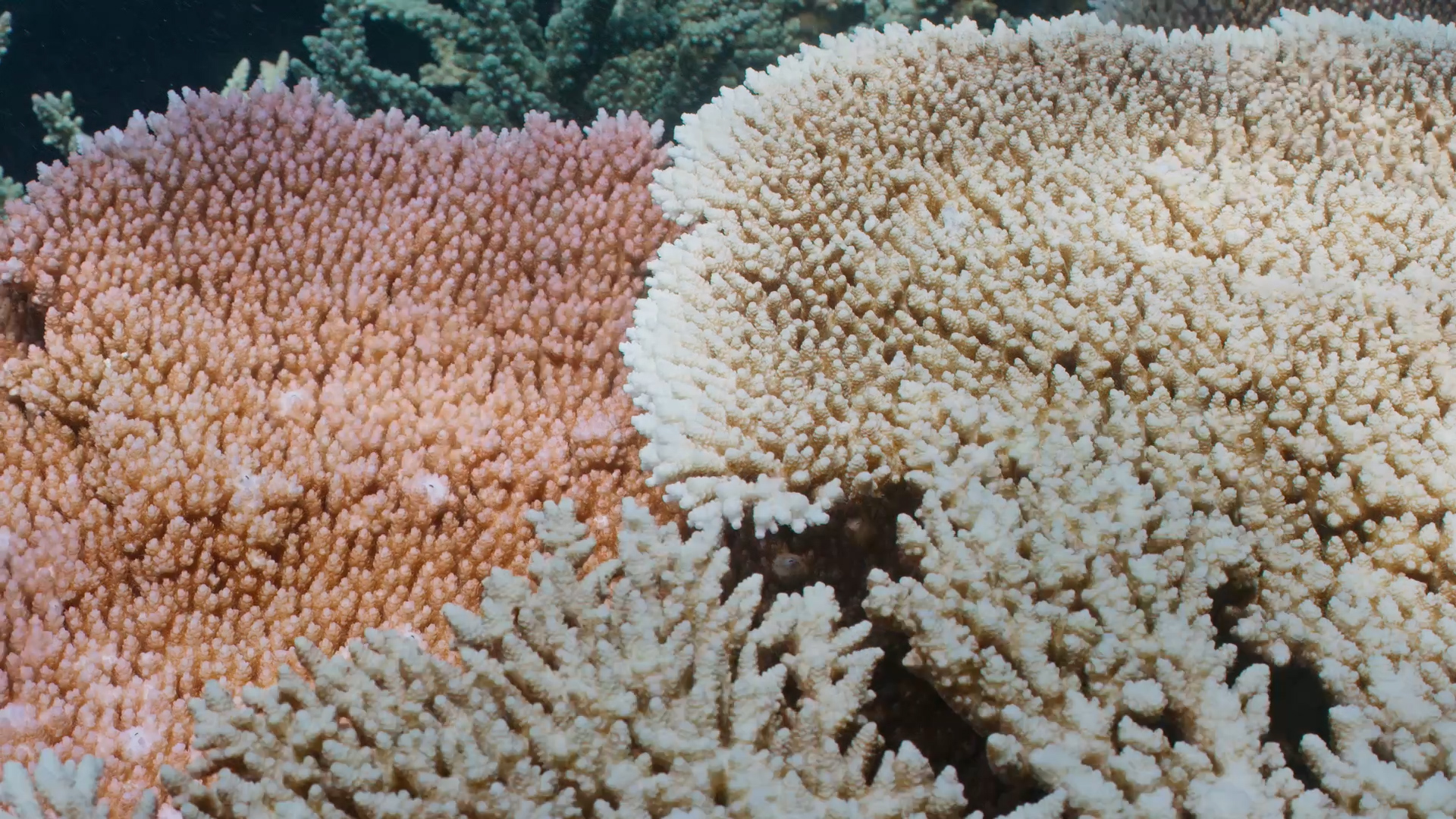
Experts said Australians may have to adapt their living conditions by building walls to keep the sea from damaging their homes or by moving away from the coastline entirely.
In terms of wildlife, one often overlooked species serves as a "canary in the coal mine", Professor Hughes said.
This is the critically endangered mountain pygmy possum.
"The need to hibernate in winter. And snow, ironically, keeps them warm. It also protects them from predation.
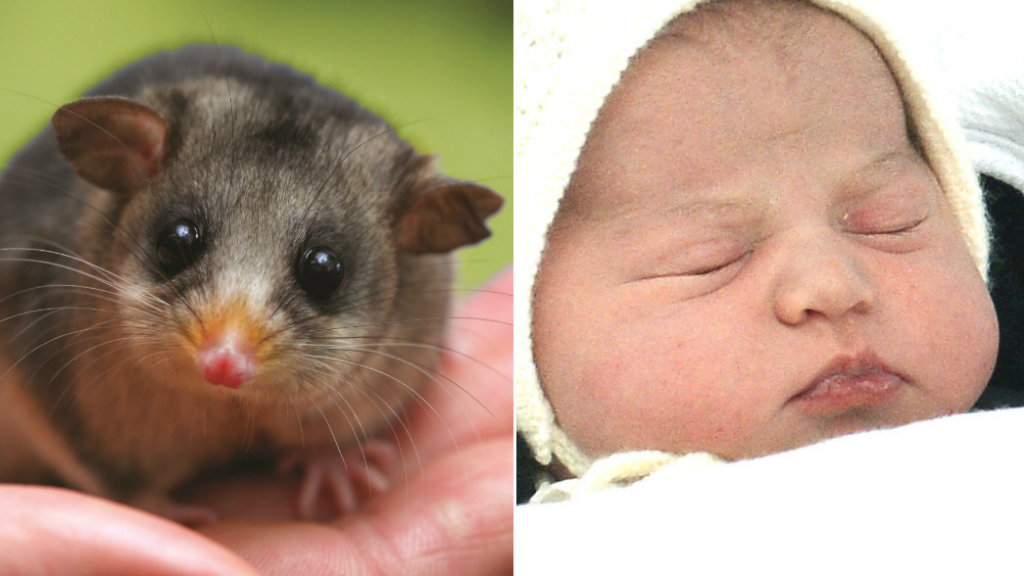
"As the snow has been declining, they've been suffering."
Professor Hughes said the native marsupials have also lost one of their main food sources: the bogong moth, a migratory species also impacted by a changing climate.
"There was a real crash in the population due to drought in Queensland," she said.
That's where caterpillars turn into moths before migrating to the snowy mountains.
"When the species didn't arrive, one of the species that really suffered was the mountain pygmy possum," Professor Hughes said.
"That's just one example how the impact of climate change on one species, even a long way away — a drought in Queensland — then impacted enough species a state away.
"There are species in virtually every ecosystem that you can think of that are being affected in one way or another."
Health risks associated with a warming climate
At the start of the year, Australia matched its hottest ever recorded temperature when the mercury in parts of Western Australia soared past 50C on January 13.
As the temperatures increases heatwaves will become more common, the IPCC warns.
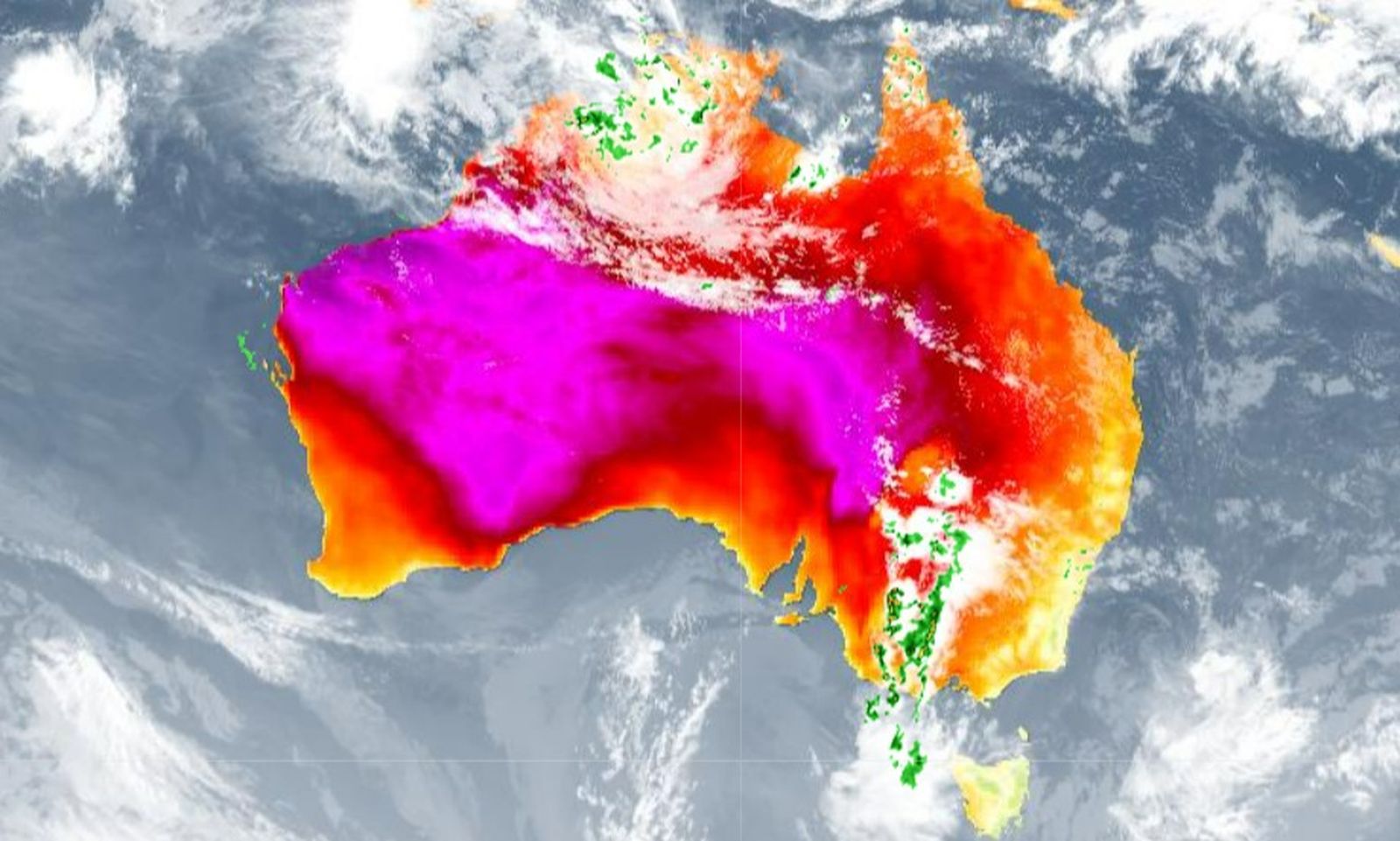
"Heatwaves kill more people than any other climate-related disaster in Australia," Professor Hughes said.
"And there is good modelling to suggest that by the middle of this century, if we keep going the way we are going, we will get hundreds of people dying from effects of extreme heat."
Between 2000 and 2018 there were 473 heatwave-related deaths reported, a 2022 analysis of Australian coronial records found.
This study was published in January in the International Journal of Disaster Risk Reduction and found January 27 — the day after Australia Day — was the deadliest for heatwave deaths.
Professor Howden said heatwaves also pose a risk to the Australian economy and supply chain.
"We're likely to see a really significant increase in heat stress events," he said.
"This can cause reduction in labour productivity as well as health impacts."
What needs to be done to prevent warming?
While Australia has committed to net zero emissions by 2050, many have criticised the nation's plan to get there, with some claiming it's all "spin" and no action.
The plan, revealed in October last year, was described by Prime Minister Scott Morrison as a "middle course" between climate debate extremes.
READ MORE: What does net zero by 2050 actually mean?
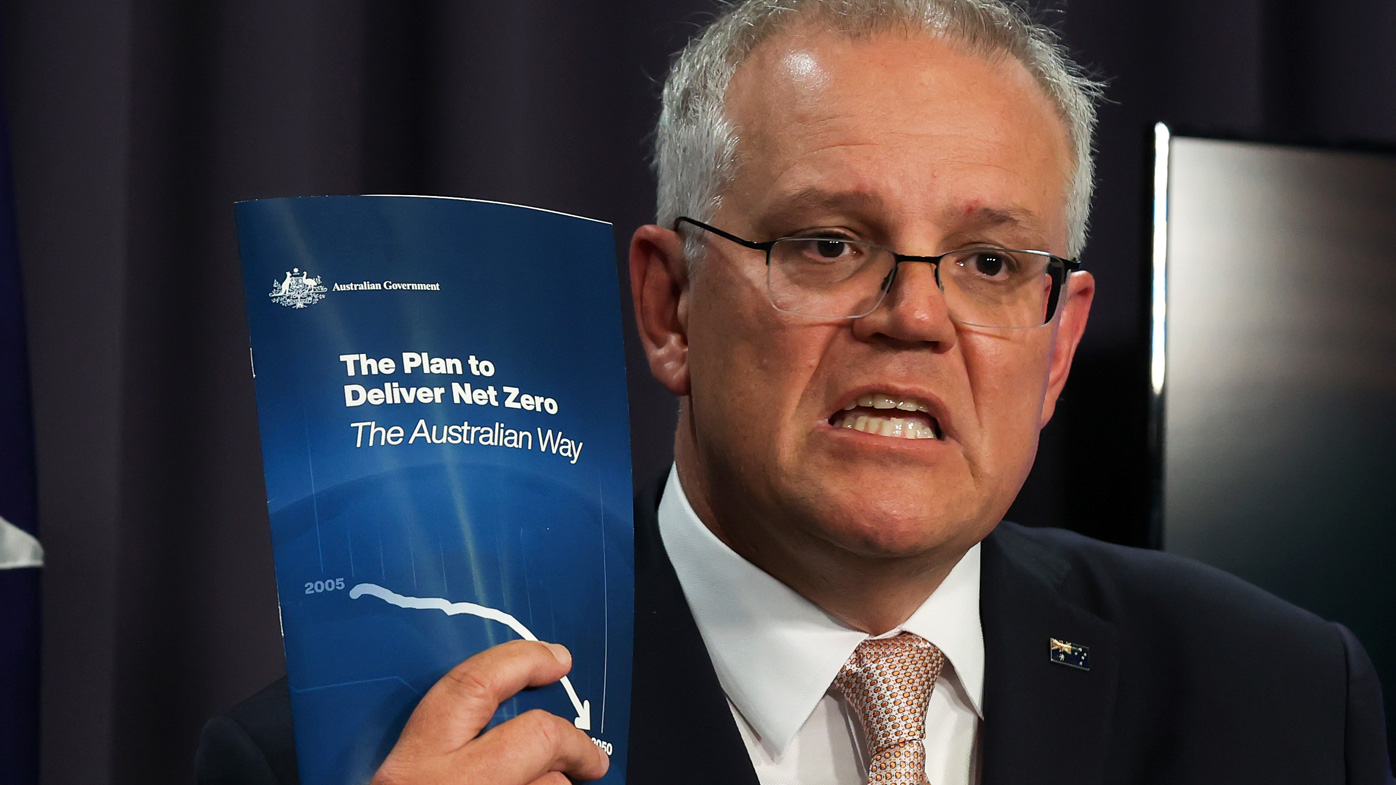
The five principles guiding the plan include:
- Technology not taxes
- Expand choices not mandates
- Drive down the cost of a range of new technologies
- Keep energy prices down with affordable and reliable power
- And, be accountable for progress
Professor Hughes said this does not go far enough.
"We need a government that takes climate change seriously," she said.
"We've got to stop treating climate change as a political issue that can be managed with political spin and minimalist action.
"It is absolutely an existential threat to Australians.
"And we need to re-badge natural disasters as 'unnatural disasters'.
"These disasters are highly unnatural."
Professor Howden said Australia needs to start reducing emissions now and work to a 2030 target, which he claims is "more important" than a 2050 one given how fast the planet is warming.
"Climate change is here and now, it's impacting on Australia badly and it's only going to get worse," he said.
"Most Australians realise that, but there's a big gap between what Australians want and what they're getting from political systems."
The comments come ahead of the upcoming federal election on May 21.
Car holds clue after man snatched off street, stripped and assaulted
Police have released new CCTV in an appeal to help find a man following the alleged kidnapping and assault of another man on the NSW Central Coast in February.
A 23-year-old was walking near an intersection in Terrigal around midnight on February 12 when a black sedan stopped beside him and four men got out.
The man was allegedly assaulted, dragged into the vehicle and threatened with a knife and baton.
READ MORE: Vladimir Putin claims victory in Mariupol

Police allege he was driven to a car park at Crackneck Point lookout, more than 10km away, where his clothing and some jewellery was removed.
He was allegedly left on the side of the road before the men returned a short time later and further assaulted him.
He was later dropped back off in Terrigal.
READ MORE: China defends Solomon Islands deal secrecy

The 23-year-old sustained cuts to his hand and ear as well as fractures to his face.
About 3.20am, family members drove him to Gosford Hospital where his injuries were treated.
Police this morning released CCTV from a licensed premises on Terrigal Drive.
They would like to speak to a man in the vision described as being of Caucasian appearance, with short hair and a solid build.
It's hoped he may be able to assist with the investigation.
Anyone with information about the man or vehicle, or who have CCTV or dash cam footage from the area, should contact police.
'Global security initiative': Cryptic messages in rare Xi speech
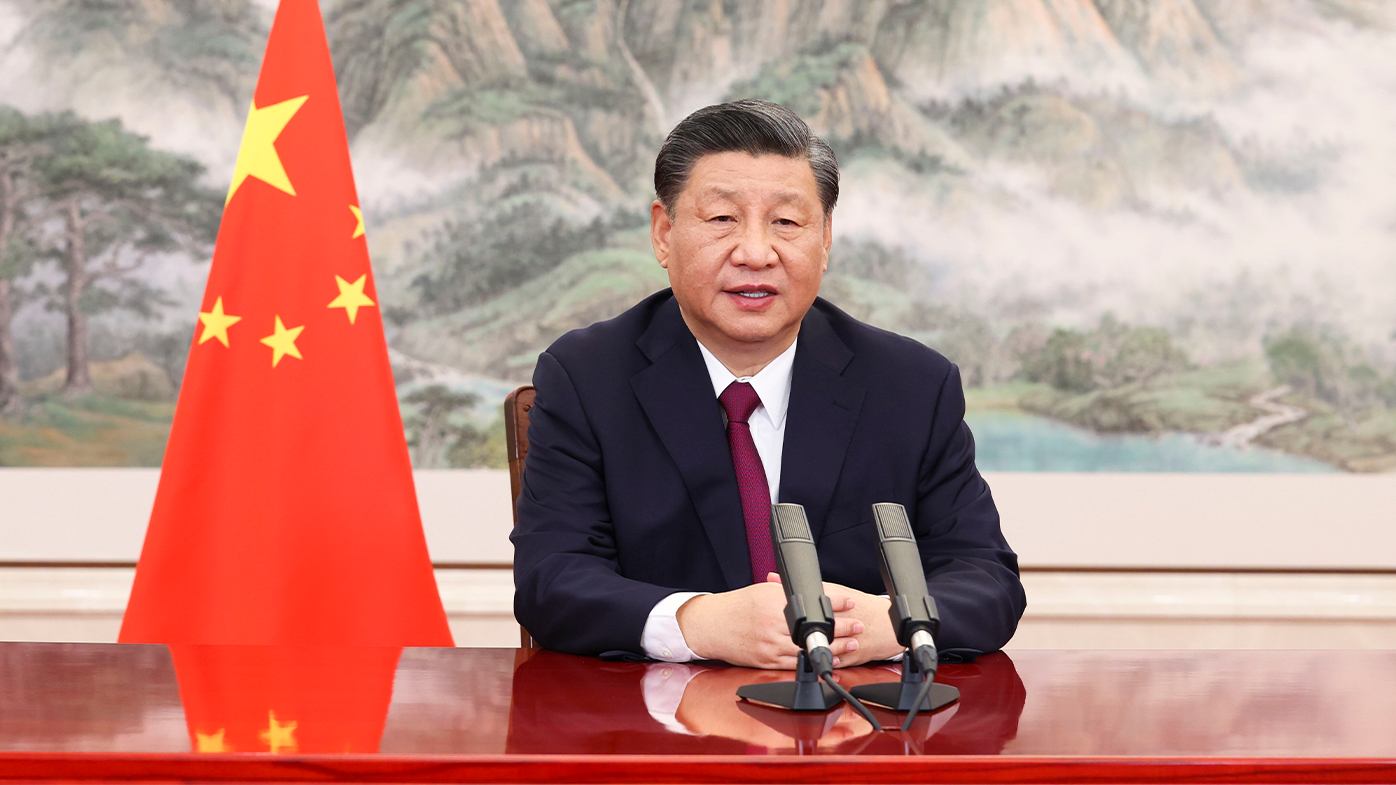
The president of China has delivered cryptic messages and referenced a new "global security initiative" in a rare televised speech.
Xi Jinping overnight said his government supports talks to resolve international disputes and opposes "wanton use" of sanctions.
The leaders remarks confirm that China is sticking to its stance of refusing to criticise Russia's invasion of Ukraine despite the conflict's toll on the Ukrainian population and global security.
READ MORE: Vladimir Putin claims victory in Mariupol
Beijing has refused to call the conflict an invasion and said Russia was provoked by NATO's expansion.
Despite that, Mr Xi said China remains "committed to respecting the sovereignty and territorial integrity of all countries" and non-interference in their internal affairs.
READ MORE: Stark China warning for Australia
"We stay committed to peacefully resolving differences and disputes between countries through dialogue and consultation, support all efforts conducive to the peaceful settlement of crises, reject double standards, and oppose the wanton use of unilateral sanctions and long-arm jurisdiction," Mr Xi said in in a televised address to an international forum in the southern island province of Hainan.
He outlined a six-point initiative for global security which included a call for "sustainable security".
China has abstained or voted with Russia on recent proposals brought before the United Nations, and China's state-controlled media have amplified Russian disinformation about Ukraine staging attacks and producing biological weapons with US cooperation.
READ MORE: China defends Solomon Islands deal secrecy

Mr Xi met with Mr Putin in Beijing less than a month before Russia launched its February 24 invasion, with the two sides issuing a joint statement affirming their "no limits" relationship.
China has maintained its support for Moscow despite possible war crimes committed by Russian troops and says it maintains normal economic ties between the countries despite the imposition of economic sanctions by other nations.
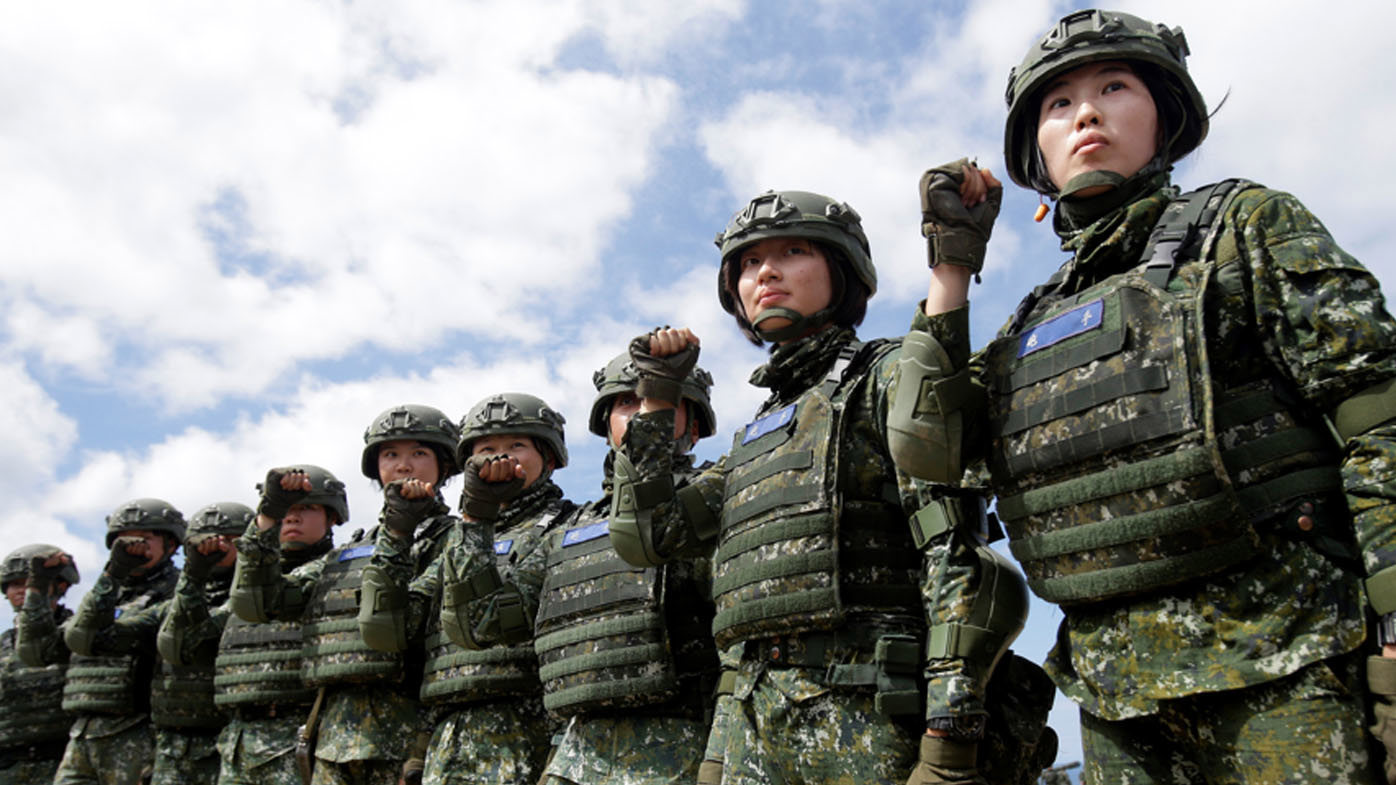
China is also believed to be studying the Ukraine crisis for how it might later affect its policy toward Taiwan, the self-governing island democracy it threatens to invade to bring it under its own control.
Taiwan and China split during a civil war in 1949, but China claims the island as its own territory.
US Defence Secretary Lloyd Austin on Wednesday spoke with his Chinese counterpart for the first time since becoming Pentagon chief more than a year ago, breaking a communications impasse that American officials saw as increasingly dangerous.
READ MORE: PM 'deeply sorry' for comment to mum during debate
Mr Austin, who calls China the US military's leading long-term challenge but has been forced to focus heavily on Russia this year, requested the telephone conversation with General Wei Fenghe after months of failed efforts to speak with General Xu Qiliang, the highest ranking uniformed officer in the Communist Party military structure.
At a daily briefing overnight, Foreign Ministry spokesperson Wang Wenbin said China has "always opposed unilateral sanctions and long-arm jurisdiction that lack a basis in international law and are not authorized by the (United Nations) Security Council."
"Sanctions are not the right way to de-escalate tensions, end wars or avoid casualties, but will only exacerbate conflicts, increase spillover and make the world pay more," Mr Wang said.
It comes days after China and Solomon Islands signed-off on a controversial security pact that has rocked the Indo-Pacific and put Australia, the US and New Zealand on edge.
China has denied the security deal with the Solomon Islands lacks transparency, as an MP confirmed the still-secret final agreement is "very close" to the leaked version that alarmed Australia and other Western allies.
Despite assurances from Solomon Islands Prime Minister Manasseh Sogavare the deal won't undermine peace in the region, there are concerns it could allow China to establish a military presence in the Pacific nation, which is less than 1700km from the Queensland coast.