Police have found themselves in trouble again on Transmission Gully – this time it appears a patrol car has reversed into one of the barrier poles. The new $1.25 billion motorway out of Wellington has been open for two weeks.On…
Tag Archives: oceania
Remuera assault: Teen house party in affluent Auckland suburb turns vicious when 'rival' school students turn up
A high school party in Remuera turned to chaos on Thursday night when a teenager allegedly attacked others on one of Auckland’s most affluent streets. Only a trail of blood still leaves a clue to the dramatic night that left two young…
Sloppy builders, rise in building consents contributing to inspection delays
By Niva Chittock for RNZ Sloppy builders and an increase in building consents are contributing to the lengthy delays some are facing when booking a building inspection .Inspection wait times have shot up for many councils, some…
Jack Tame: Removing Auckland street parking benefits car lovers as well as cyclists, bus passengers
OPINION: For the past five years, I’ve lived in a 16th-floor apartment on the Karangahape Ridge, with an amazing view down the guts of K Rd. There’s always something happening on Karangahape Rd. I can see the beautiful people…
Police 'monitoring' Comancheros gang bike run between Auckland and Waikato
Police are monitoring a motorcycle run from one of the country’s most notorious gangs between Auckland to Waikato today. Members of the Comancheros gang are travelling south from Auckland.They were in the Bombay Hills area around…
What mandatory consent education will look like in Australian schools
Consent education is set to be mandated in all Australian schools next year after years of public pressure.
The new curriculum will reportedly focus on age-appropriate consent and respectful relationship education and cover information around gendered stereotypes, coercion and power imbalances.
But what does this actually look like in practice?
READ MORE: Consent education to be mandated in all Australian schools
Here's what we know about the new curriculum and what has changed over the years in Australian sex education.
What has consent education looked like in Australian schools?
The exact date consent education began in Australia is hard to pinpoint however Honorary Professor Deborah Ollis at Deakin University said it varied across states and territories but the beginnings of sex education arrived in the 1980s.
"In the 1980s they developed the National Statements and Profiles with eight learning areas and one of those areas was health and physical education and into that curriculum back then sexuality education was an area of focus," Professor Ollis said.
In the early 1990s the curriculum focused on gender-based violence after the rollout of the "no fear" resource, she said.

This is when a mandate was given to Australian schools to teach sex education, and this new national curriculum included consent.
"That was given to all Australian schools from prep to year 12," she said.
"In that there was a huge component on consent and it was much of the backbone on the relationship education."
Professor Ollis said in the early 2000s the language in the curriculum changed to talk about respectful relationships "out of a concern of violence against women".
"It's not new, something like consent has been covered in the curriculum for decades," she said.
Why is it now mandatory?
So what is the new curriculum all about if consent education has been taught for decades?
Well, it has never been mandatory for all schools to teach and the curriculum was open to "interpretation".
"Schools have had enormous flexibility about how they interpret the curriculum," Professor Ollis said.
This is a key reason for the change and why student activist Chanel Contos began petitioning for reform a year ago.
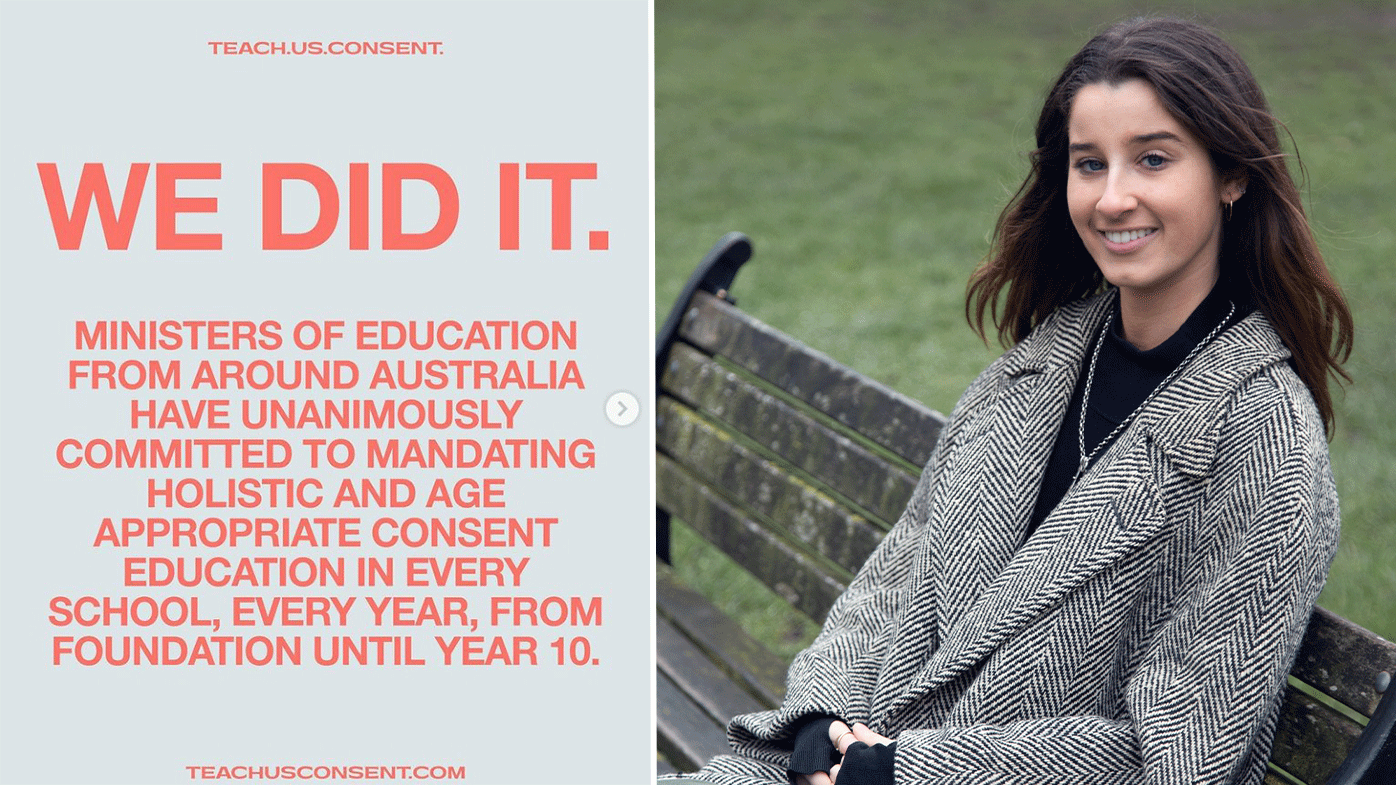
Another problem is consent has been included in the public school curriculum but may not always be taught in non-government schools due to the flexibility around teaching.
"It is very different when government jurisdictions have curriculum guidelines but I guess in other sectors, religious and non-government schools that may not be the case," Professor Ollis said.
Now that is mandatory, both public and independent schools will be able to have specific guidelines about it.
"Having consent embedded in the national curriculum should make it easier for all schools to teach consent and enable them to access curriculum materials that are consistent across the nation," an Independent Schools Australia spokesperson said.
FULL COVERAGE: Federal Election 2022
What should the curriculum include?
One of the key things about teaching consent is starting at an early age.
"Age-appropriate" education is a term that is thrown around a lot in this conversation, and that means starting with students in early primary.
It can be taught through a friendship lens from kindergarten and build up to talk about intimate and romantic relationships as students grow up.
Professor Ollis said this means students will have a background understanding of consent when they reach the conversations about sexual consent, so it doesn't come as a complete surprise.
"Students in Year 1 need to understand issues around their body and that people don't have the right to touch it without consent," Professor Ollis said.
Dr Jacqueline Hendriks from Curtain University added that modelling consent in an age-appropriate way could involve discussions about whether or not students feel comfortable "giving someone a hug or you prefer to give a high five".
With access to the internet, more children are gaining access to pornography at an early age, Professor Ollis added, so teaching media literacy and sexualisation online needs to start early.
Other considerations Professor Ollis outlined include the correct language around sexual organs, gender and power relationships, and sex positivity.
"Consent is much more complex than just 'say no'," Professor Ollis said.
What will the new curriculum look like?
The Australian Curriculum Assessment and Reporting Authority which is responsible for delivering the national curriculum said it will strengthen "the explicit teaching of consent and respectful relationships" in age-appropriate ways.
Dr Hendriks said "strengthening" means using the word consent in the classroom.
"The language isn't explicit enough then a school can just talk about healthy and unhealthy relationships and skirt around that without going into great detail," she said.
The national curriculum has been endorsed by education ministers and will be available to view next term, so we can't be sure of the ins and outs of the curriculum just yet.
But Dr Hendriks who has seen the draft of the new curriculum said it "heavily mentions" consent and respectful relationships.
She also said the new curriculum will begin "age-appropriate" consent education at an early age, basically from kindergarten.
But Dr Hendriks said the national curriculum is not always adopted completely by state and territory schools.
"NSW and Victoria have both said they will adapt and create their own curriculum and similarly in Western Australia," she said.
So there will still be some flexibility to the curriculum but Dr Hendriks said the mandate is a "starting point" and she hopes having a national standard will improve the depth of consent education embedded in schools.
READ MORE: Activist crashes private Scott Morrison election campaign event
What is missing?
Both Dr Hendriks and Professor Ollis emphasised the importance of professional development for teachers when teaching consent, something that has not been addressed in the new mandate.
"You wouldn't expect a maths teacher to teach maths without an adequate background," Professor Ollis said.
"Unless we provide in-service professional development for teachers in schools we can't expect them to be addressing these sensitive issues."
Professional development can look like funding and time for teacher relief to attend external workshops.
Connecting the school and community is also important in consent education, Dr Hendriks said.
"It is a societal thing and we all need to work together collectively," she said.
More than 900 civilian bodies found in Kyiv region
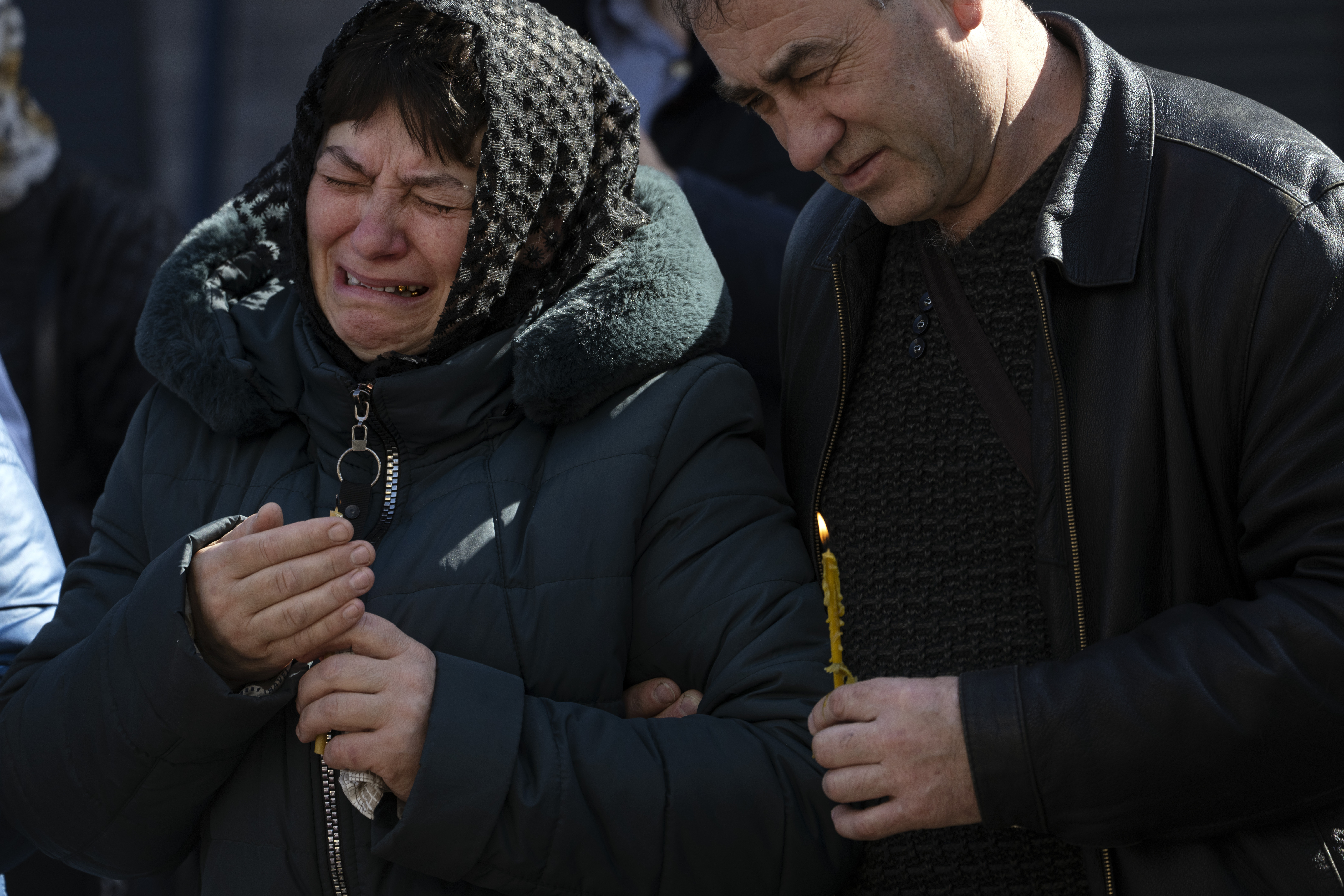
The bodies of more than 900 civilians have been discovered in the region surrounding the Ukrainian capital following Russia's withdrawal, most of them fatally shot, police said Friday, an indication that many people were "simply executed.”
The jarring number emerged shortly after Russia’s Defence Ministry promised to step up missile attacks on Kyiv in response to Ukraine’s alleged assaults on Russian territory.
That ominous warning followed the stunning loss of Moscow's flagship in the Black Sea, which a senior US defence official said Friday was indeed hit by at least one Ukrainian missile.
READ MORE: Zelenskyy says Putin could use nuclear weapons
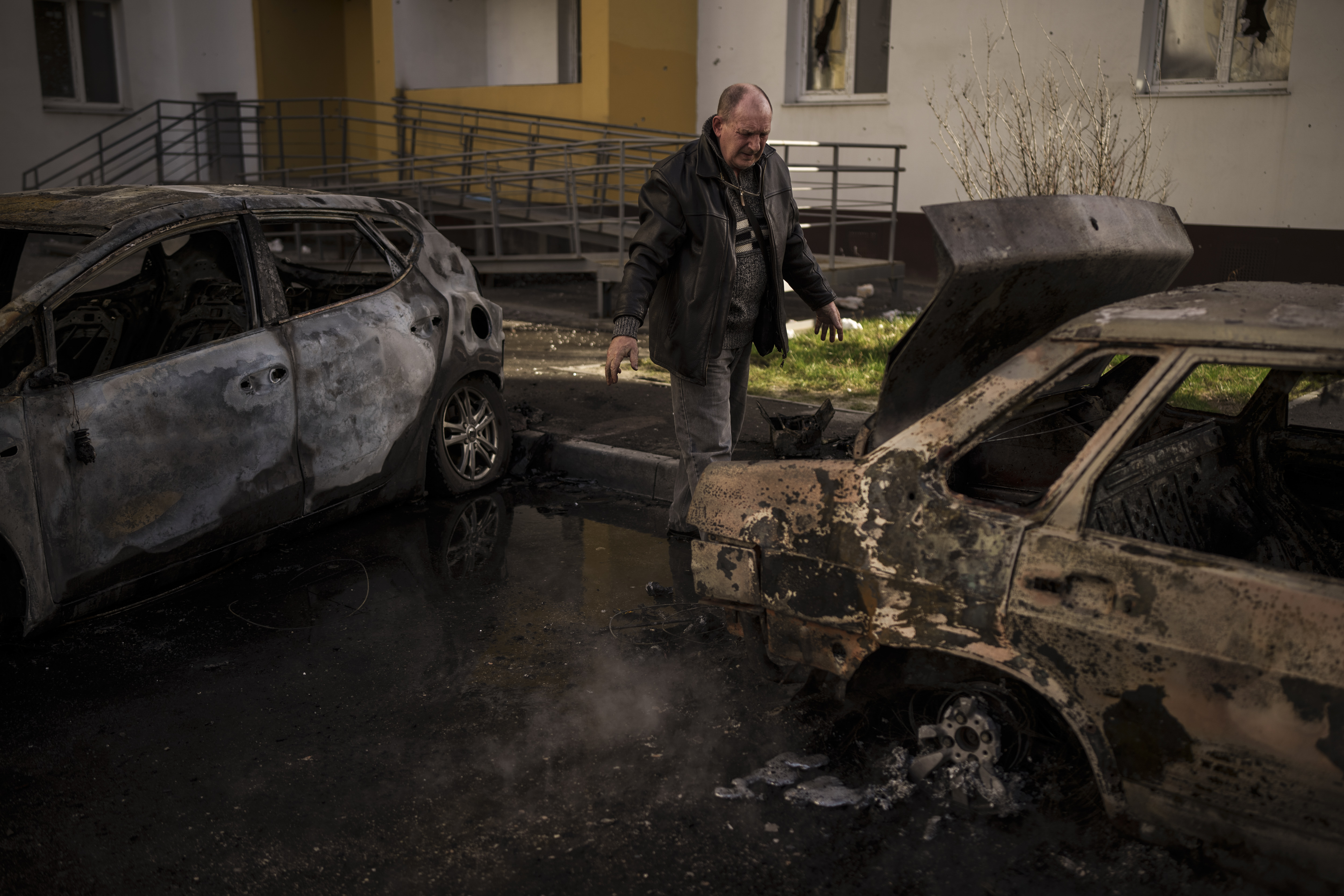
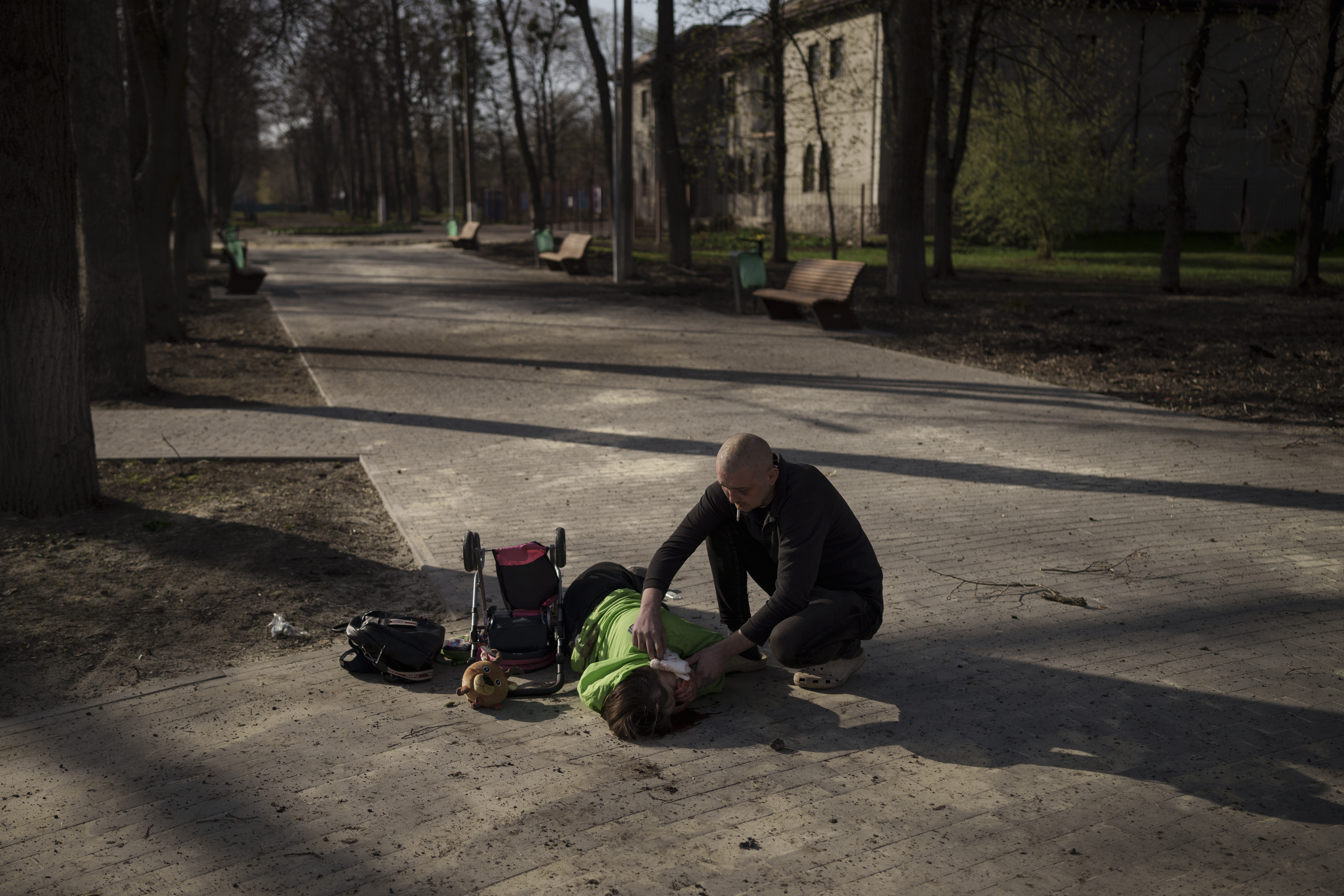
Amid its threats, Moscow continues preparations for a renewed offensive in eastern Ukraine.
Fighting also continues in the pummeled southern port city of Mariupol, where locals reported seeing Russian troops digging up bodies.
In the northeastern city of Kharkiv, shelling of a residential area killed seven people, including a 7-month-old child, and wounded 34, according to regional governor Oleh Sinehubov.
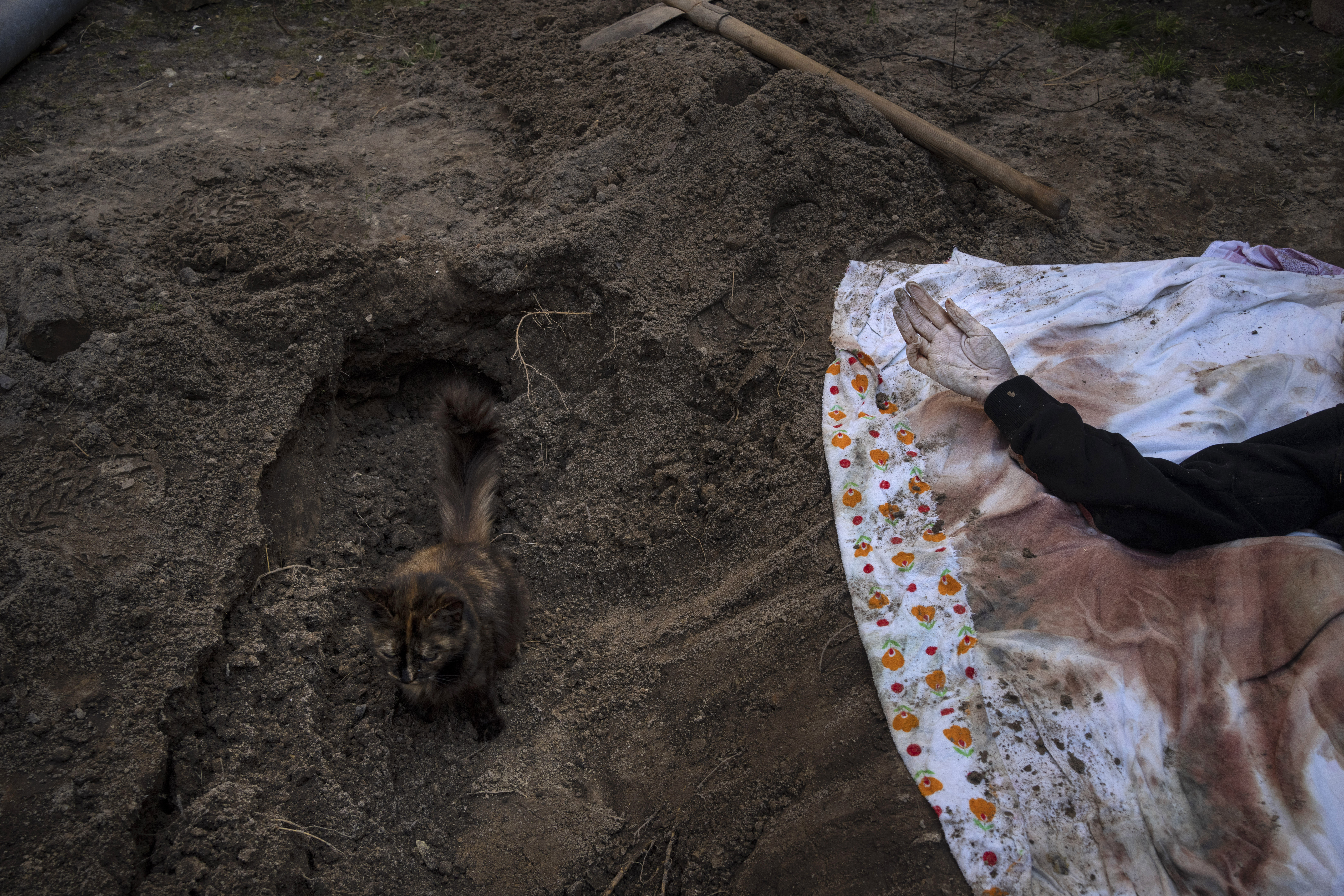
Around Kyiv, Andriy Nebytov, the head of the capital's regional police force, said bodies were abandoned in the streets or given temporary burials. He cited police data indicating 95 per cent died from gunshot wounds.
“Consequently, we understand that under the (Russian) occupation, people were simply executed in the streets,” Nebytov said.
More bodies are being found every day, under rubble and in mass graves, he added. The largest number of victims were found in Bucha, where there were more than 350, he said.
According to Nebytov, utilities workers in Bucha gathered and buried bodies in the Kyiv suburb while it remained under Russian control.
Russian troops, he added, were “tracking down” people who expressed strong pro-Ukrainian views.
More violence could be in store for Kyiv after Russian authorities accused Ukraine of wounding seven people and damaging about 100 residential buildings with airstrikes in Bryansk, a region bordering Ukraine. Authorities in another border region of Russia also reported Ukrainian shelling Thursday.
“The number and the scale of missile attacks on objects in Kyiv will be ramped up in response to the Kyiv nationalist regime committing any terrorist attacks or diversions on the Russian territory,” Russian Defence Ministry spokesman Igor Konashenkov said.
Russia used missiles to destroy a facility for the repair and production of missile systems in Kyiv, Konashenkov said.
Ukrainian officials have not confirmed striking targets in Russia, and the reports could not be independently verified.
However, Ukrainian officials said their forces did strike a key Russian warship with missiles. A senior US defence official backed up the claim, saying the US now believes the Moskva was hit by at least one, and probably two, Neptune missiles.
Earlier, the Pentagon said it could not confirm the cause of the large fire aboard the guided-missile cruiser. The official spoke on condition of anonymity to discuss an intelligence assessment.
The Neptune is an anti-ship missile recently developed by Ukraine based on an earlier Soviet design.
The Moskva, named for the Russian capital, then sank while being towed to port Thursday after suffering heavy damage.
Though Moscow did not acknowledge any attack, saying only that a fire had caused ammunition on board to detonate, the loss of the ship represents an important victory for Ukraine and a symbolic defeat for Russia.
The Moskva had the capacity to carry 16 long-range cruise missiles. The last time such a large warship sank in combat was 1982, when a British submarine torpedoed an Argentine navy cruiser called the ARA General Belgrano during the Falklands War, killing over 300 sailors.
The sinking reduces Russia’s firepower in the Black Sea, although military analysts disagreed on the event's significance to the course of the war.
Either way, the loss was viewed as emblematic of Moscow's fortunes in a seven-week invasion widely seen as a historic blunder following the retreat from the Kyiv region and much of northern Ukraine.
READ MORE: Everything we know about the Moskva, Russia's sunken flagship of the Black Sea
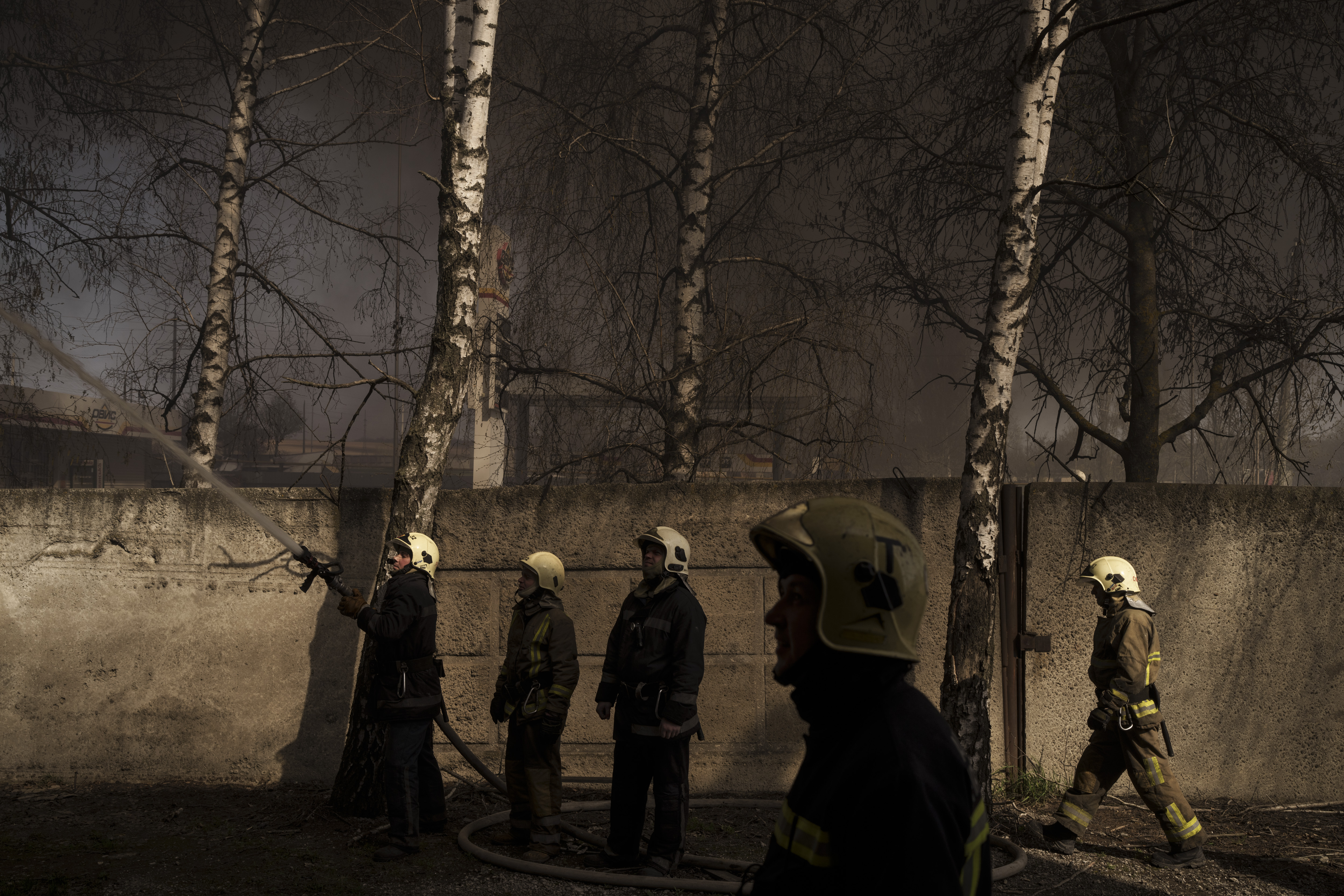
“A ‘flagship’ russian warship is a worthy diving site. We have one more diving spot in the Black Sea now. Will definitely visit the wreck after our victory in the war,” Ukrainian Defense Minister Oleksiy Reznikov tweeted Friday in a boast.
In his nightly address Thursday, Ukrainian President Volodymyr Zelenskyy told Ukrainians they should be proud of having survived 50 days under Russian attack when the invaders “gave us a maximum of five.”
Russia's warning of renewed airstrikes did not stop Kyiv residents from taking advantage of a sunny and slightly warmer spring Friday as the weekend approached.
More people than usual were out on the streets, walking dogs, riding electric scooters and strolling hand in hand.
In one central park, a small group of people including a woman draped in a Ukrainian flag danced to the music of a portable speaker.
A renewed bombardment could mean a return to the steady wail of air raid sirens heard during the early days of the invasion and to fearful nights sheltering in subway stations.
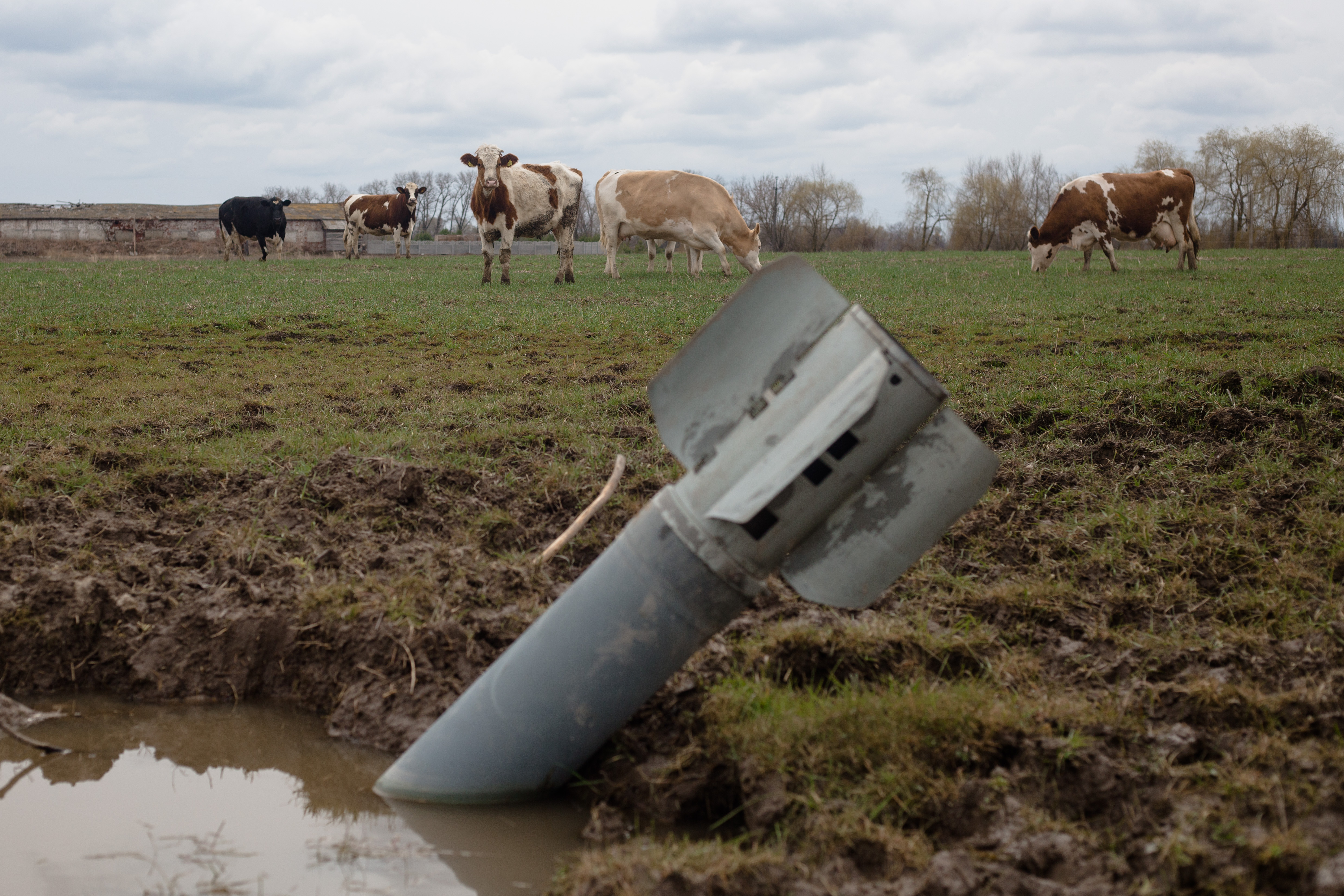
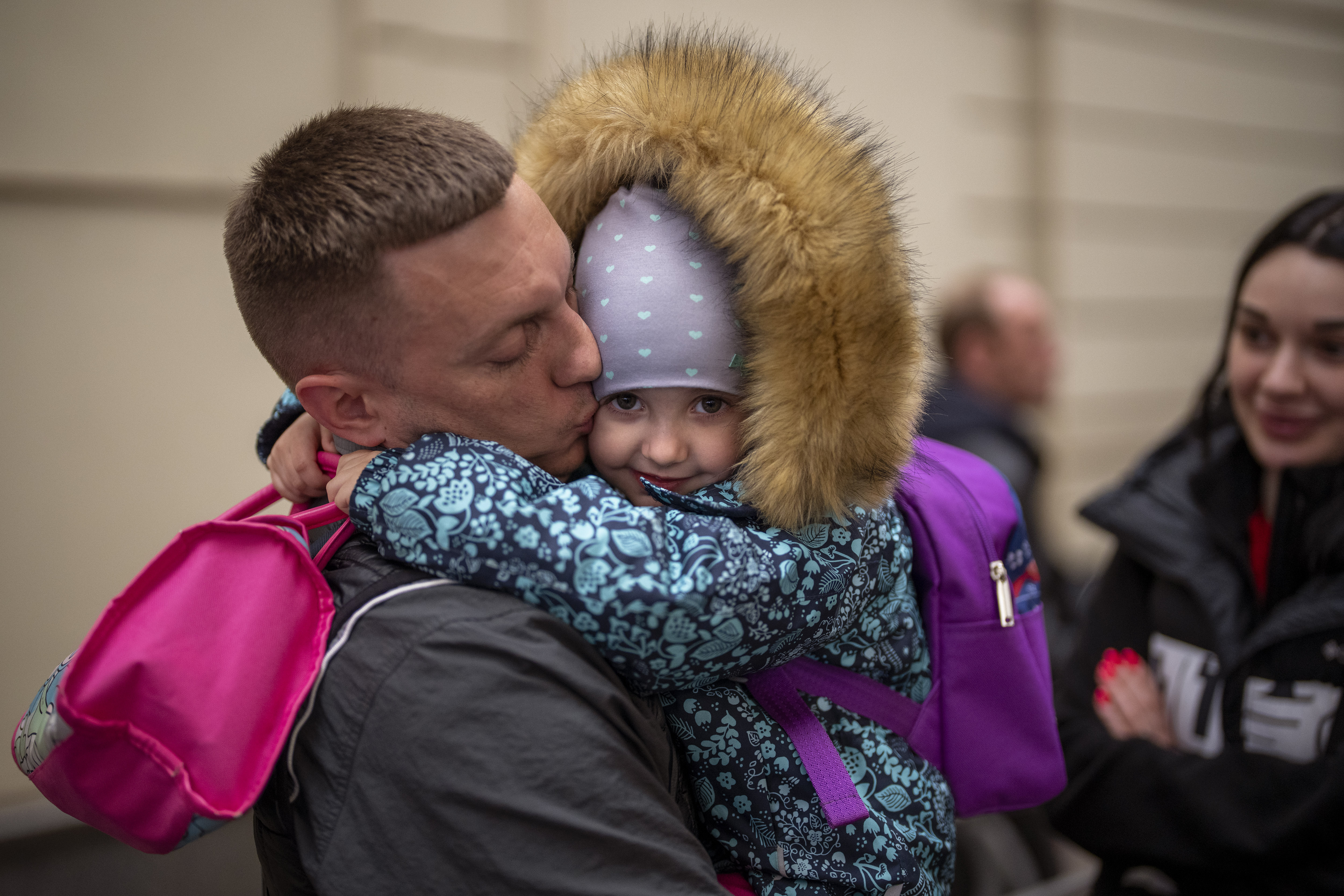
Tentative signs of pre-war life have resurfaced in the capital after Russian troops failed to capture the city and retreated to concentrate on eastern Ukraine, leaving behind evidence of possible war crimes.
News about the Moskva overshadowed Russian claims of advances in the southern port city of Mariupol, which Moscow's forces have blockaded since the early days of the invasion.
Dwindling numbers of Ukrainian defenders have held out against a siege that has come at a horrific cost to trapped and starving civilians.
Mariupol’s mayor said this week that more than 10,000 civilians had died and the death toll could surpass 20,000.
Other Ukrainian officials have said they expect to find evidence in Mariupol of atrocities against civilians like the ones discovered in Bucha and other towns outside Kyiv.
READ MORE: Badly damaged Russian warship sinks after Ukraine claims strike
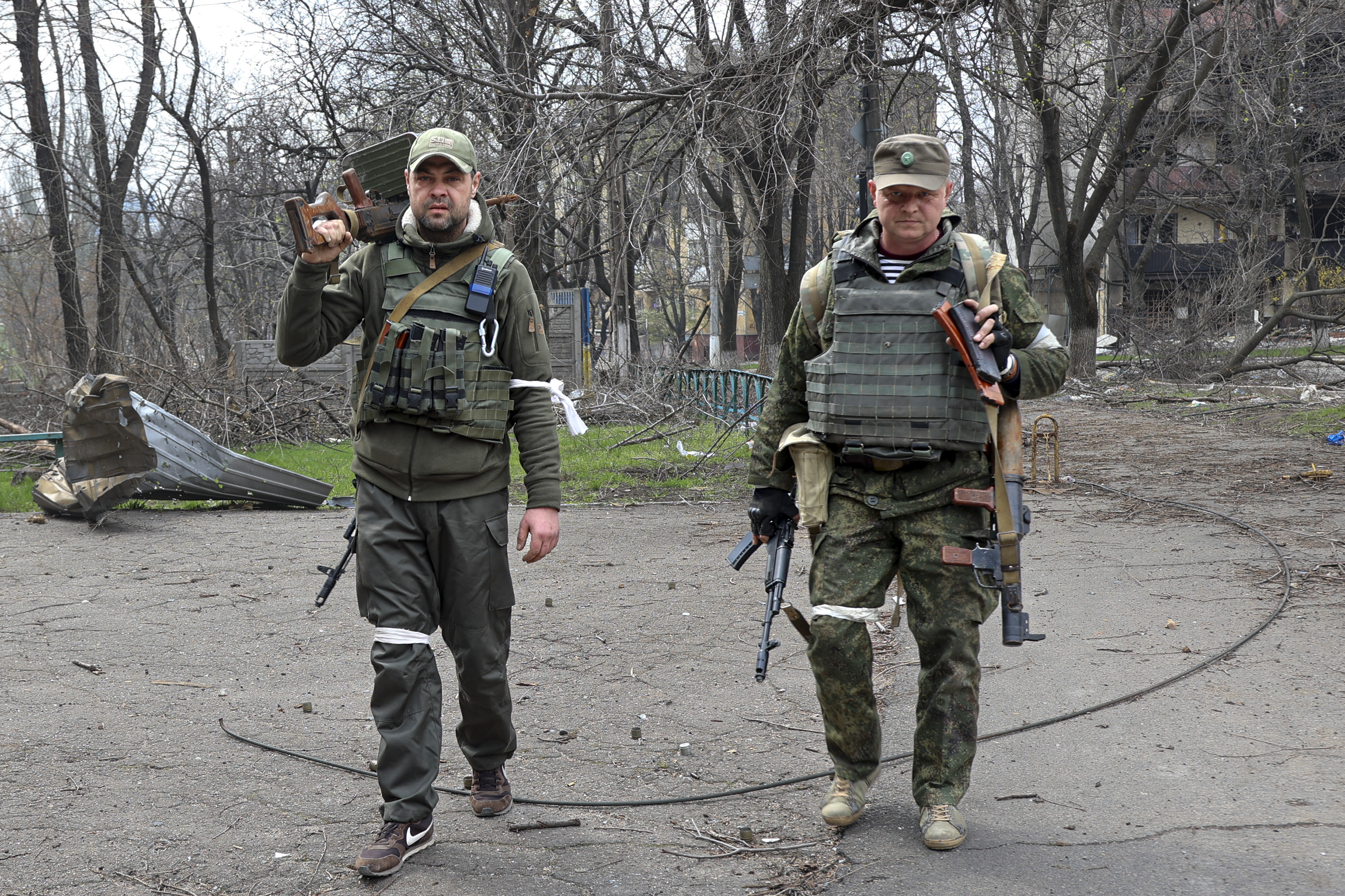
The Mariupol City Council said Friday that locals reported seeing Russian troops digging up bodies that were buried in residential courtyards and not allowing new burials “of people killed by them.”
"Why the exhumation is being carried out and where the bodies will be taken is unknown,” the council said on the Telegram messaging app.
Fighting continues in industrial areas and the port, and Russia has for the first time used the Tu-22М3 long-range bomber to attack the city, said Oleksandr Motuzyanyk, a spokesman for the Ukrainian Ministry of Defence.
Mariupol’s capture would allow Russian forces in the south, which came up through the annexed Crimean Peninsula, to fully link up with troops in the Donbas region, Ukraine’s eastern industrial heartland and the target of the looming offensive.
Moscow-backed separatists have fought Ukrainian forces in the Donbas since 2014, the same year Russia seized Crimea from Ukraine. Russia has recognised the independence of two rebel-held areas of the region.
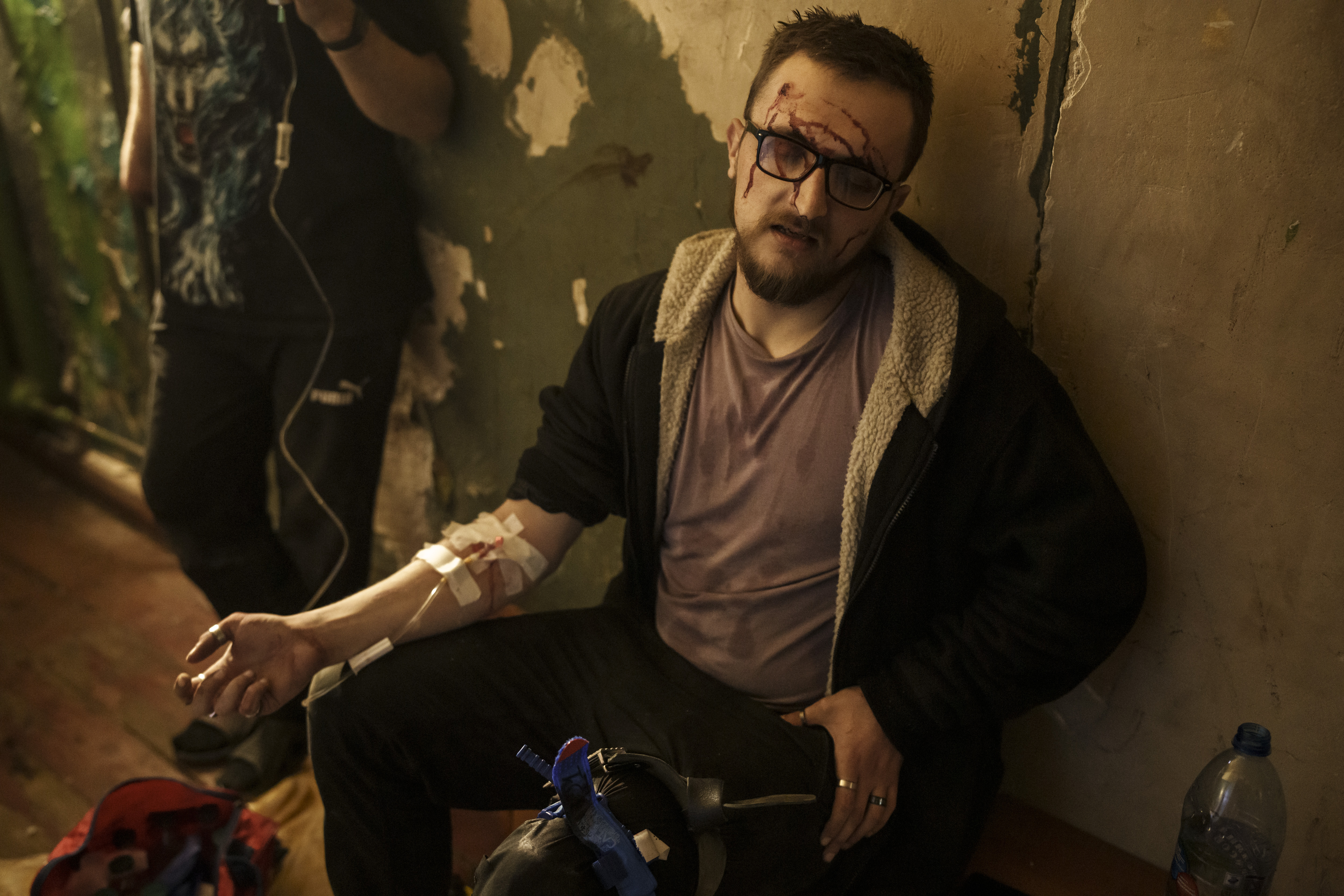
Although it's not certain when Russia will launch the full-scale campaign, a regional Ukrainian official said Friday that seven people died and 27 were wounded after Russian forces opened fire on buses carrying civilians in the village of Borovaya, near the northeastern city of Kharkiv.
The claim could not be independently verified.
READ MORE: How the youth vote could shape this election
Dmytro Chubenko, a spokesman for the regional prosecutor’s office, told Ukraine’s Suspilne news website that Ukrainian authorities had opened criminal proceedings in connection with a suspected “violation of the laws and customs of war, combined with premeditated murder.”
A large explosion also rocked the eastern city of Kramatorsk, where a missile strike on a train station a week earlier killed more than 50 people as thousands heeding warnings to evacuate the Donbas area waited to leave.
Journalists in Kramatorsk heard the sound of a rocket or missile and then the blast, followed by sirens wailing Friday.

It was not immediately clear what was hit or whether there were casualties. A day earlier, a factory in the same city was hit by an airstrike.
The Russian Defence Ministry said Russian strikes in the Kharkiv region “liquidated a squad of mercenaries from a Polish private military company” of up to 30 people and “liberated” an iron and steel factory in Mariupol. The claims could not be independently verified.
Covid 19 Omicron: Ashley Bloomfield's resignation shows work burnout risk
In Japan, it’s known as karōshi. In China, guolaosi. The South Koreans call it gwarosa. The literal English translation is “death from overwork”.While we might hope this term wouldn’t resonate in New Zealand, the recent resignation…
South Aucklanders celebrate life of Ōtara youth worker Allan Va'a
South Auckland is coming together this weekend to celebrate the life of one of its proudest sons, Allan Va’a.The local community is rallying to support each other and the Va’a family after news of his death was announced earlier…
Person dies in house fire in Dunedin overnight, investigation underway
A person has died in a suspicious house fire in South Dunedin last night.The blaze happened at a property on Phillips St in Kensington and was first reported at 10.11pm. DO YOU KNOW MORE? EMAIL US Five fire appliances attended…