Tag Archives: oceania

US Space Command confirms an interstellar meteor hit Earth

One meteor travelled quite a long way from home to visit Earth.

Researchers discovered the first known interstellar meteor to ever hit Earth, according to a recently released United States Space Command document.

An interstellar meteor is a space rock that originates from outside our solar system, a rare occurrence.

READ MORE: Massive queues already at airports ahead of Easter long weekend
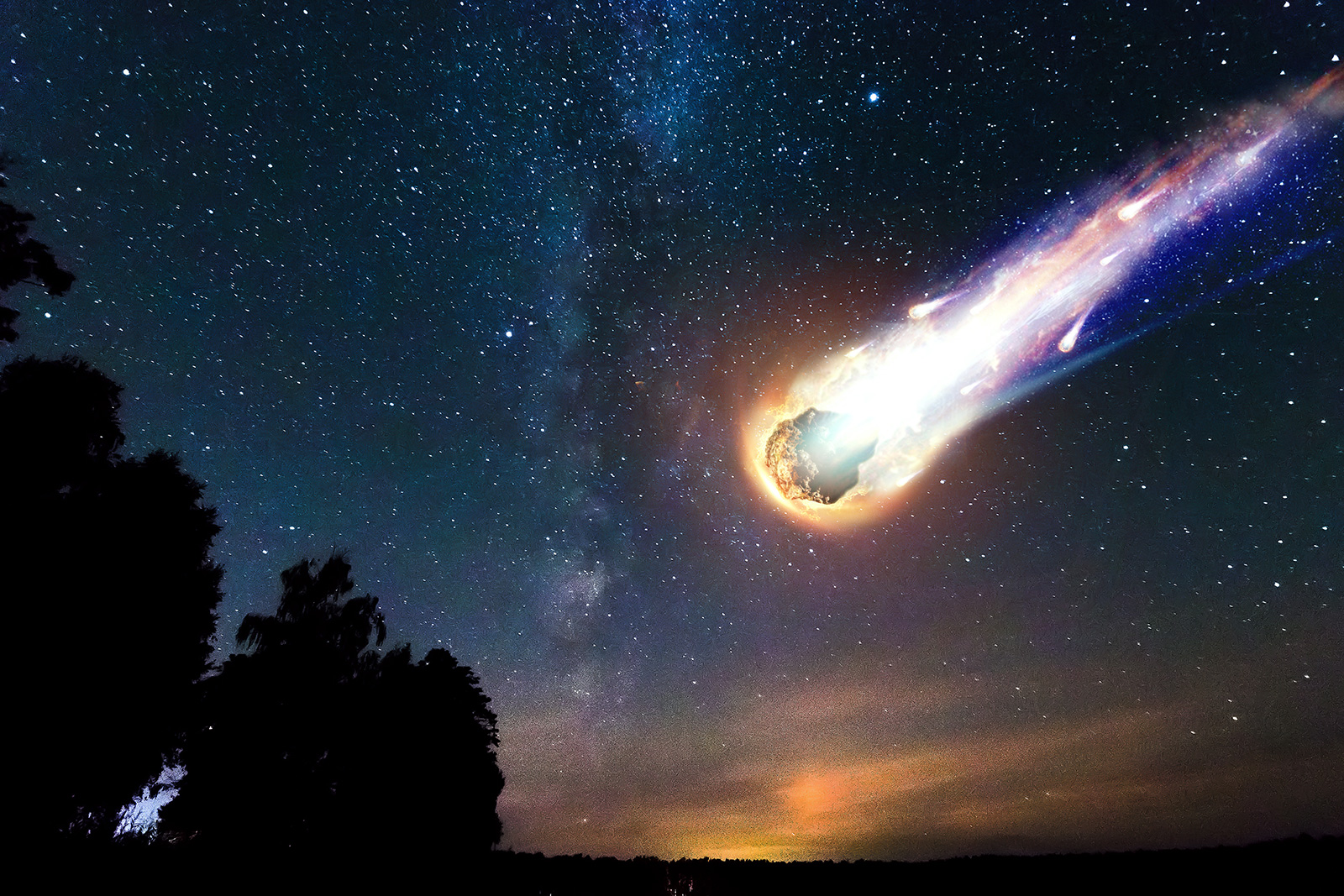
A comet, an asteroid, a meteorite falls to the ground against a starry sky, as researchers discovered the first known interstellar meteor to ever hit Earth.

This one is known as CNEOS 2014-01-08, and it crash-landed along the north-east coast of Papua New Guinea on January 8, 2014.

The finding came as a surprise to Amir Siraj, who identified the object as an interstellar meteor in a 2019 study he co-authored while an undergraduate at Harvard University.

Mr Siraj was investigating 'Oumuamua, the first known interstellar object in our solar system that was found in 2017, with Abraham Loeb, professor of science at Harvard University.

Mr Siraj decided to go through NASA's Centre for Near Earth Object Studies database to find other interstellar objects and found what he believed to be an interstellar meteor within days.

A need for speed

The meteor's high velocity is what initially caught Mr Siraj's eye.

The meteor was moving at a high speed of about 45km per second relative to Earth, which is moving at around 30km per second around the sun.

Because researchers measured how fast the meteor was moving while on a moving planet, the 45km per second was not actually how fast it was going.

READ MORE: Ukraine's detention of oligarch close to Putin angers Moscow
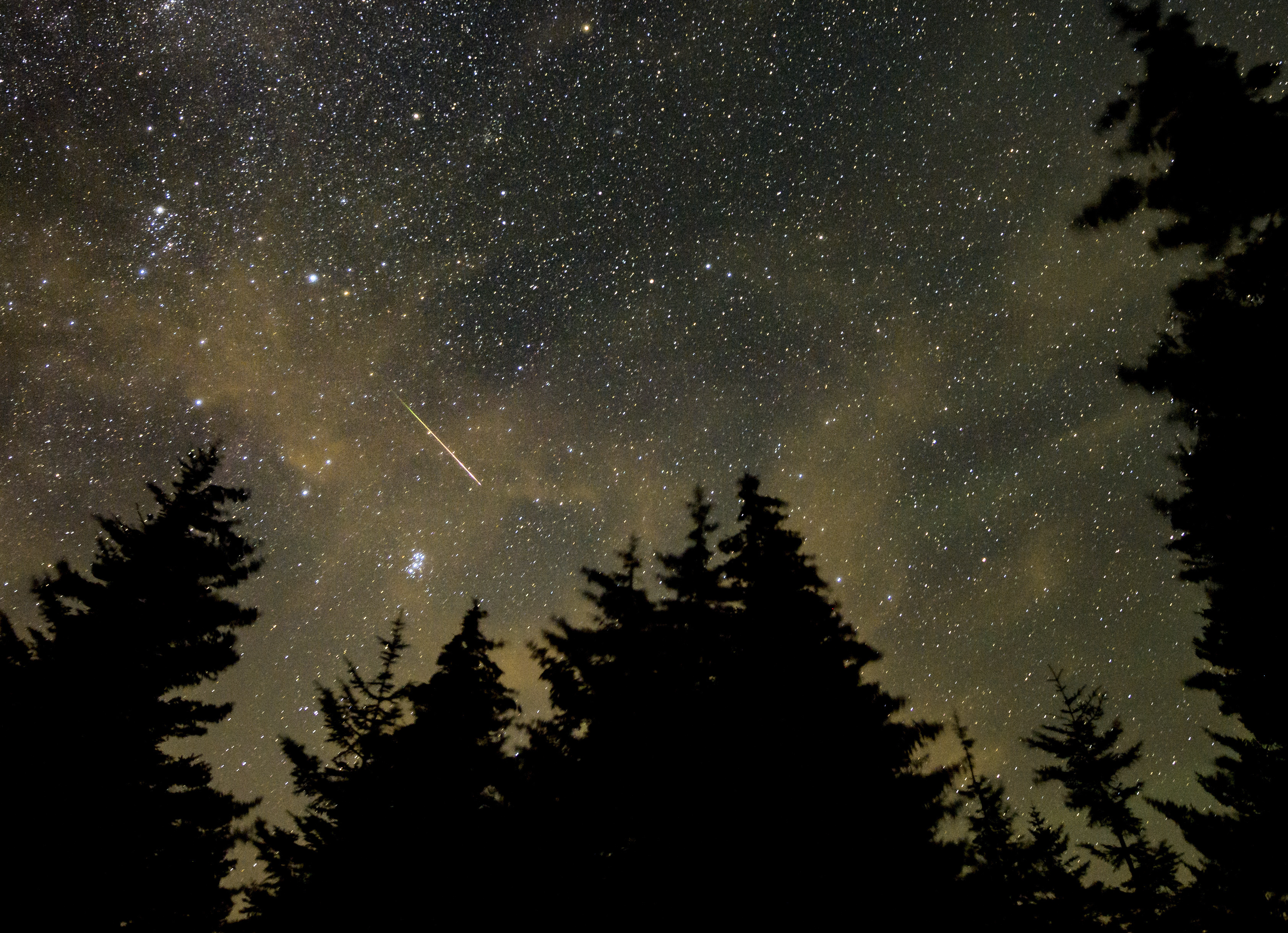
In this 30 second exposure, a meteor streaks across the sky during the annual Perseid meteor shower in Spruce Knob, West Virginia.

The heliocentric speed is defined as the meteor's speed relative to the sun, which is a more accurate way to determine an object's orbit.

It's calculated based on the angle at which a meteor hits the Earth.

The planet moves in one direction around the sun, so the meteor could have hit Earth head-on, meaning opposite the direction the planet is moving, or from behind, in the same direction the Earth is moving.

Since the meteor hit the Earth from behind, Mr Siraj's calculations said the meteor was actually travelling at about 60km per second relative to the sun.

He then mapped out the trajectory of the meteor and found it was in an unbound orbit, unlike the closed orbit of other meteors.

This means that rather than circling around the sun like other meteors, it came from outside the solar system.

"Presumably, it was produced by another star, got kicked out of that star's planetary system and just so happened to make its way to our solar system and collide with Earth," Mr Siraj said.

Difficulty getting published

Mr Loeb and Mr Siraj have been unable to get their findings published in a journal because their data came from NASA's CNEOS database, which doesn't divulge information such as how accurate the readings are.

After years of trying to obtain the additional information needed, they received official confirmation that it was, in fact, an interstellar meteor, from John Shaw, deputy commander of the US Space Command.

The command is a part of the US Department of Defence and is responsible for military operations in outer space.

"Dr Joel Mozer, the Chief Scientist of Space Operations Command, the United States Space Force service component of US Space Command, reviewed analysis of additional data available to the Department of Defence related to this finding," Mr Shaw wrote in the letter.

"Dr Mozer confirmed that the velocity estimate reported to NASA is sufficiently accurate to indicate an interstellar trajectory."

Mr Siraj had moved onto other research and almost forgotten about his discovery, so the document came as a shock.

"I thought that we would never learn the true nature of this meteor, that it was just blocked somewhere in the government after our many tries, and so actually seeing that letter from the Department of Defence with my eyes was a really incredible moment," Mr Siraj said.

READ MORE: NSW records spike in COVID-19 deaths
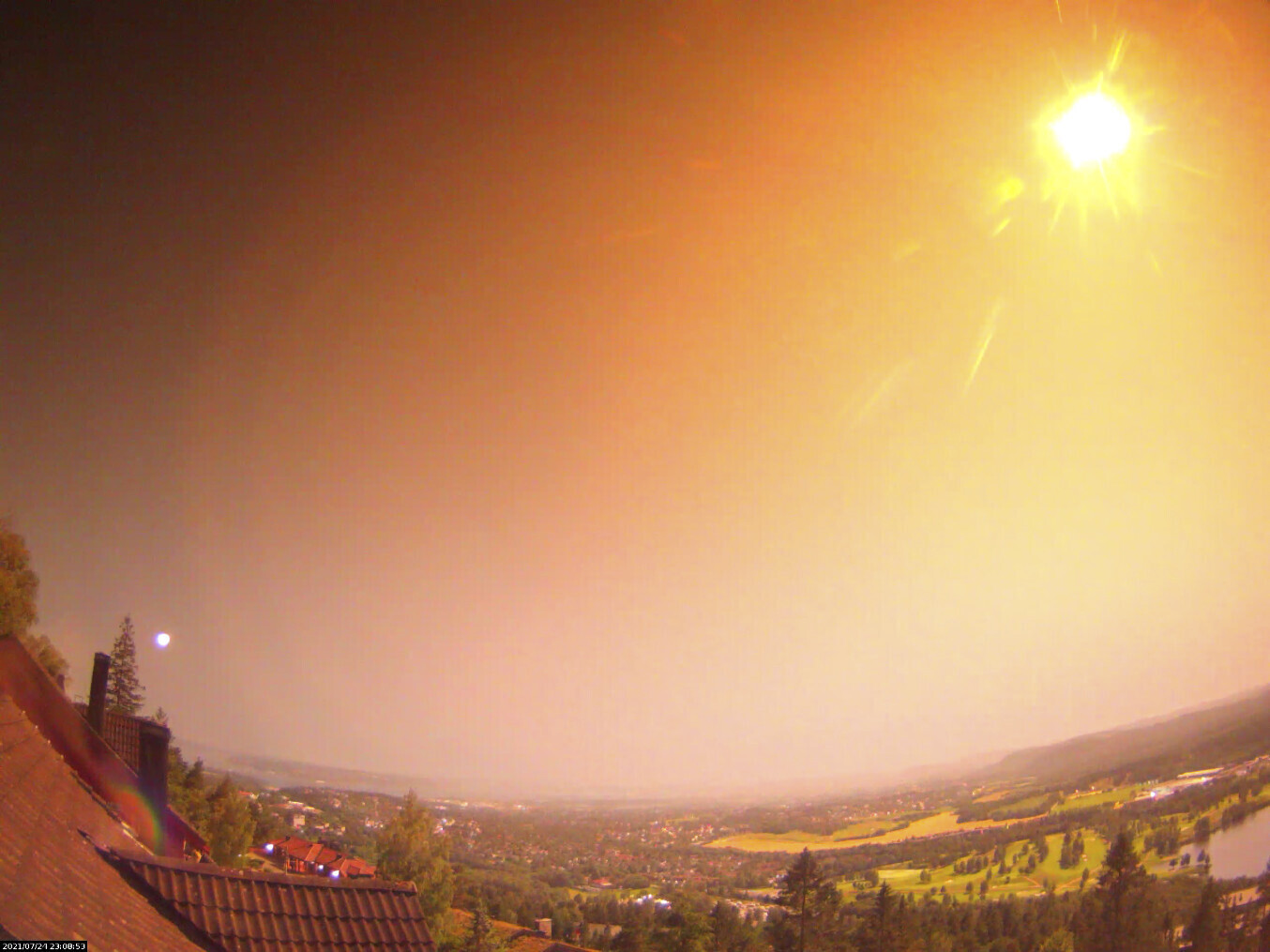
An unusually large meteor was visible over large parts of southern Scandinavia and gave a powerful flash of light over Eastern Norway.

A second chance

Since receiving the confirmation, Mr Siraj said his team is working to resubmit their findings for publication in a scientific journal.

Mr Siraj would also like to put a team together to try and retrieve part of the meteor that landed in the Pacific Ocean but admitted it would be an unlikely possibility due to the sheer size of the project.

If researchers were able to get their hands on the "holy grail of interstellar objects," Mr Siraj said it would be scientifically groundbreaking in helping scientists discover more about the world beyond our solar system.

NASA and US Space Command did not initially respond for comment.
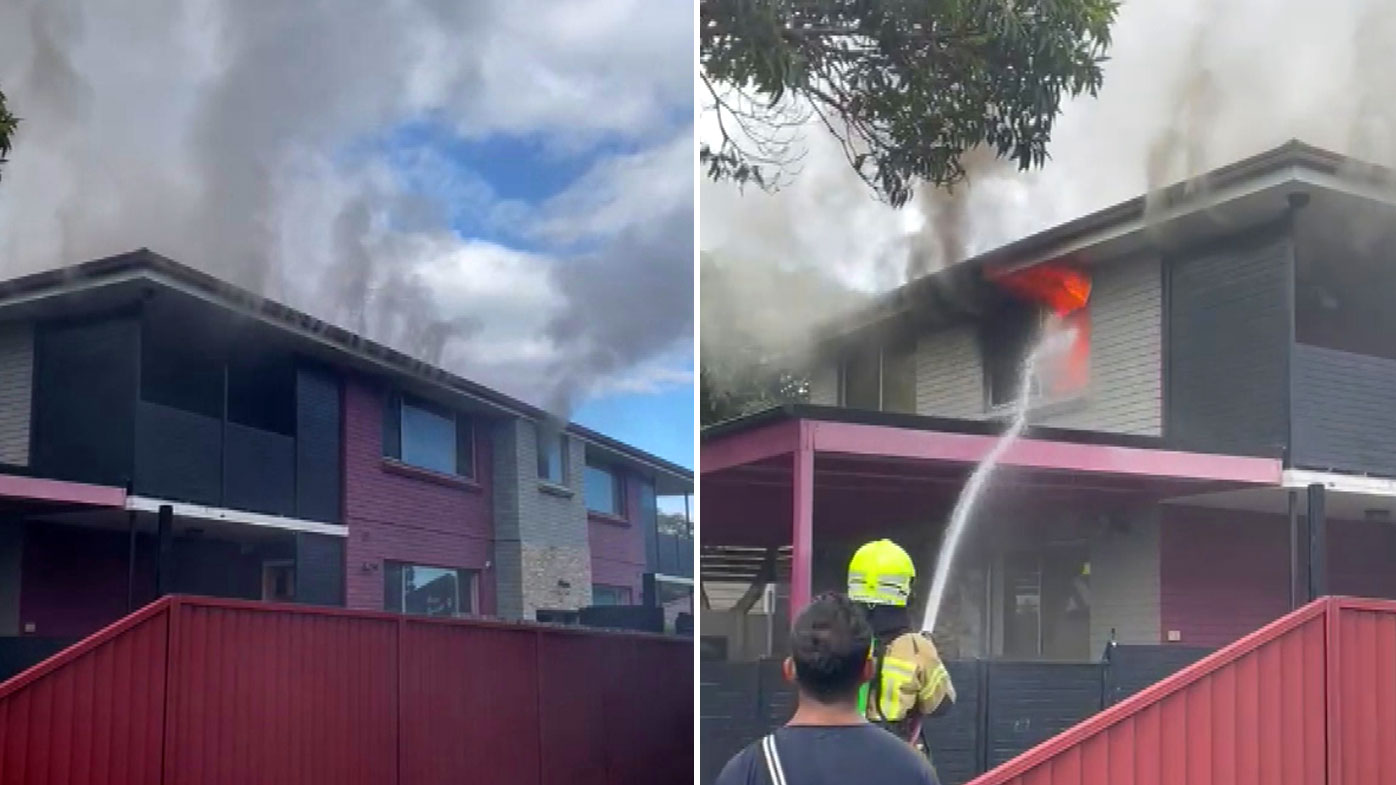
Firefighters save pet bunny from fire, just in time for Easter

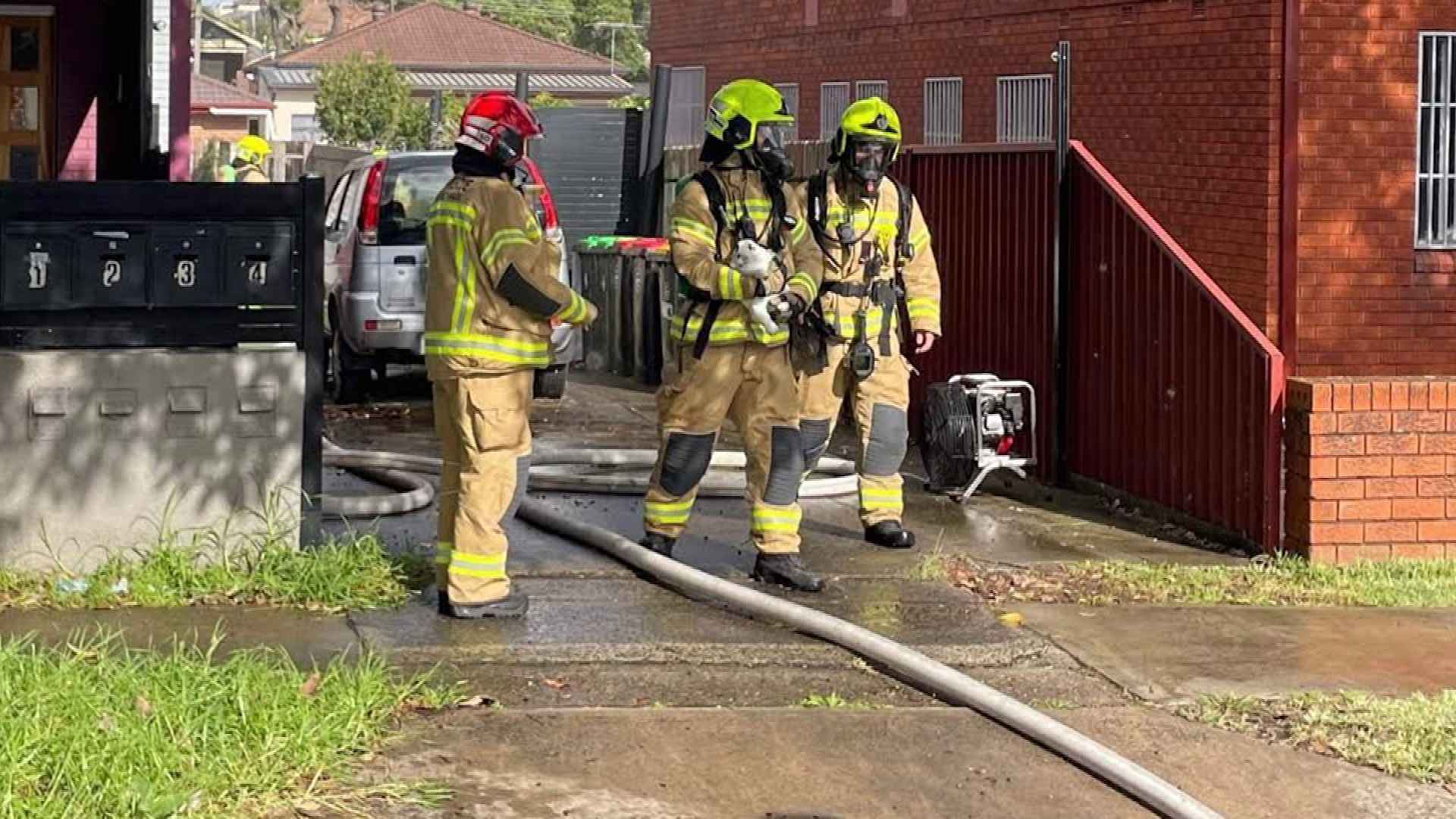
Firefighters have pulled off a fitting Easter rescue by saving a bunny from an apartment blaze in Sydney's south-west.

Fire and Rescue NSW crews attended a fire at a two-level apartment block in Tudor Street in Belmore just before 9am today.

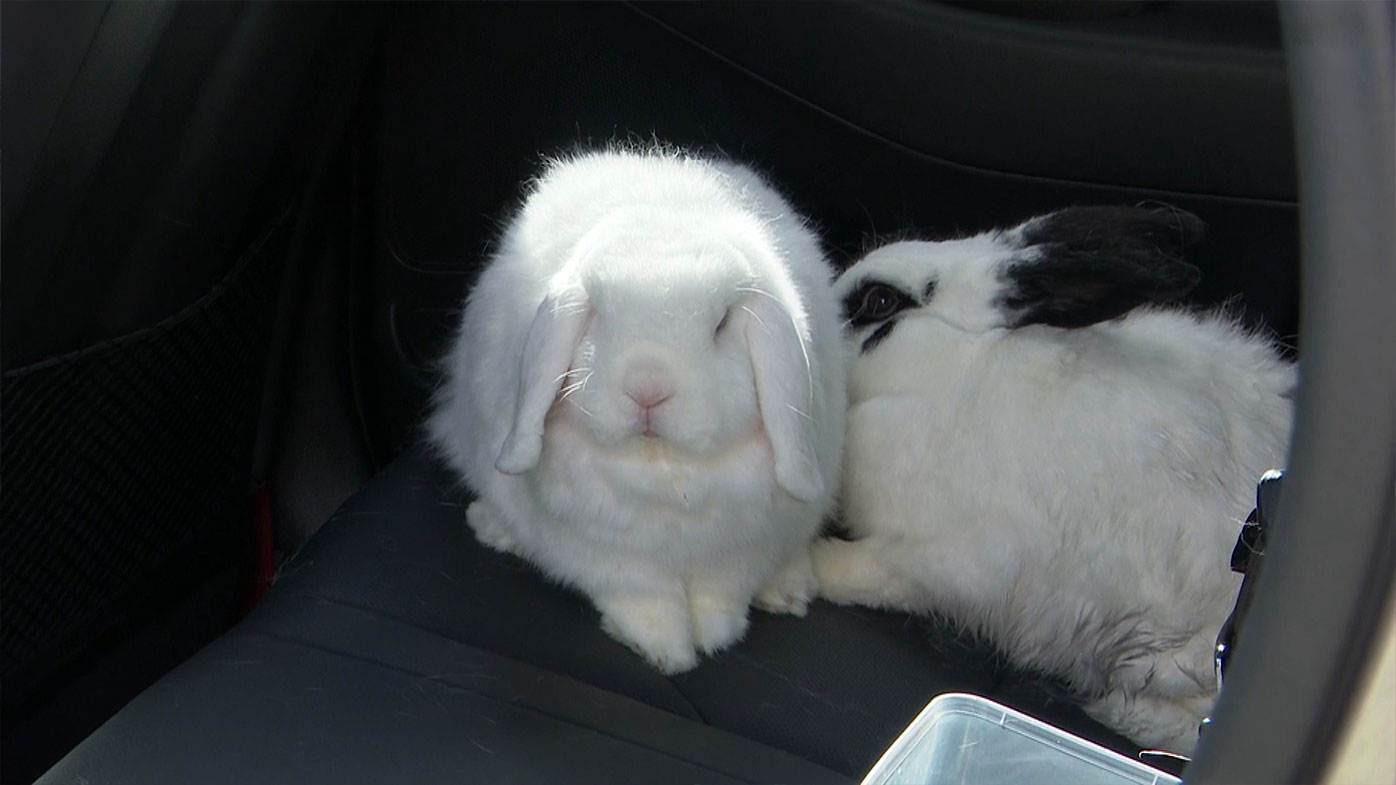
A man in his 50s managed to escape the blaze with one rabbit, which belongs to his children.

READ MORE: Here's your Easter weekend weather forecast

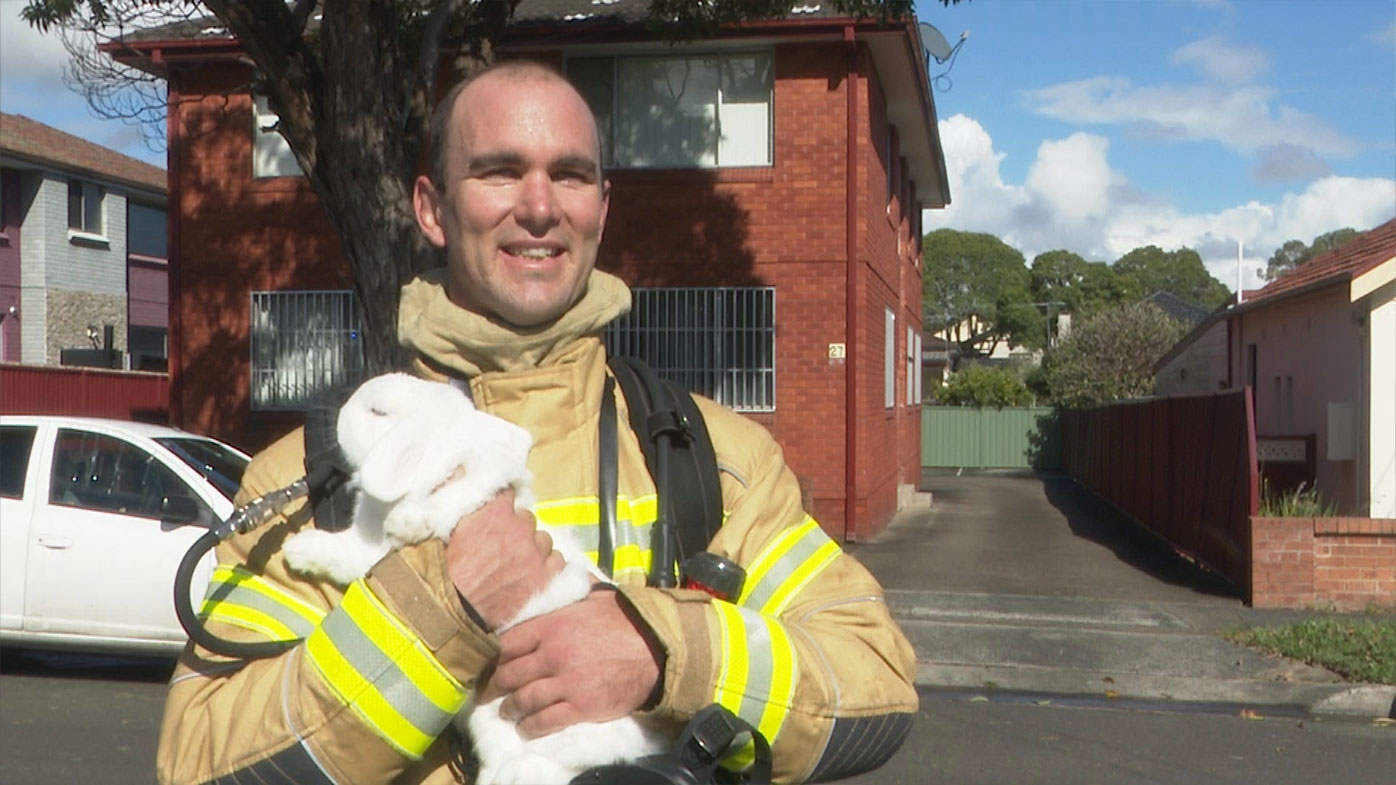
The apartment caught alight in Belmore.Firefighter carry Brian the rabbit out of the burning apartment.

The man tried to go back into the unit to rescue the second rabbit but was overcome by smoke and had to retreat.

He was treated for smoke inhalation at the scene.

"We received information that there was a rabbit inside that was a much-loved pet of the resident," firefighter Garry Warburton told 9News.

Firefighters entered the second-storey apartment and found the bunny, named Brian.

"We stumbled across the rabbit hiding under the TV cabinet," Mr Warburton said.

READ MORE: Russian soldiers forced 300 villagers into a basement

Firefighter Barry Warburton rescued the bunny from the apartment fire.Two rabbits escaped the fire in Belmore.

Brian the bunny was carried to safety and handed back to its grateful owner.

The cause of the fire is still being determined.

'Abusive call after abusive call': Qantas insider reveals call centre crisis

Exclusive: Every day the phone calls flood in like a tsunami, angry passenger after angry passenger.

"It's just relentless, it's unforgiving," said Tom*, a worker inside a Qantas call centre, who spoke with 9news.com.au on condition of anonymity because he is not authorised to talk with media.

"There's no break from it," he said.

"It's just abusive call after abusive call after abusive call." 

Wait times to reach Qantas call centres have blown out massively in 2022.

READ MORE: Qantas seeks to terminate flight attendant pay agreement

Tom described a fraught atmosphere inside the Qantas call centre, where workers find it increasingly hard to front up, and difficult to unwind when they clock off.

Call centre staff, Tom said, face rage and complaints from frustrated and agitated Qantas customers for the entirety of their eight-hour shift.

By the time Tom and his co-workers pick up, those Qantas customers have been stuck on hold for several hours, some longer.

Their reaction?

Many are apoplectic, Tom said, describing people "barely able to speak" because they're so angry.

The stream of abuse, day after day, has taken a mental toll, Tom said.

He described call centre staff as being in "crisis mode" since the start of the pandemic, way back in March 2019.

"You're exhausted before you even start a shift," he said.

"You have to physically push yourself to go in there."

Some co-workers walk around "hunched" over, Tom said, leaving him worried about the mental health of his browbeaten colleagues.

"I can see people starting to fall over very, very soon," he said.

"I'm surprised, to be honest, that we haven't had people go out with PTSD."

Morale appeared "exceedingly low", with everyone "under stress and overworked."

When asked how they cope, Tom laughs but he's also serious: "We drink."

"For me, when I come home, my family has learned to just give me a half an hour, you know, 'just don't even talk to me.' Because I've just had everything in my ear and now I just need a little bit of space … and then I can be human," he said.

"The biggest problem is that there's no end in sight."

READ MORE: Qantas and other airlines slash payments to Aussie travel agents

A Qantas call centre worker told 9news.com.au morale inside the Hobart call centre was 'exceedingly low'.

READ MORE: Qantas to return Airbus A380 to skies after two years

With international travel once again lifting off, and frustration rising, exasperated passengers have unloaded on Qantas' social media pages.

The Qantas Twitter and Facebook pages have become a lightning rod for anger.

There are screen grabs of passengers who have literally been holding the 3.5 hours it takes a Qantas 737 to fly from Sydney to Auckland.

Some complain about getting cut off when they finally get through, an occurrence Tom blamed on "crap call centre technology" or offshore call centre workers who simply don't know how to properly resolve the problems a passenger is calling about.

"If it's too tough for them, and they can't do it, they just hang up," he said.

"And then you're back in the queue for another four hours."

On average, Tom claimed, most people are forced to hold for "at least" two hours, with a mind-numbing seven hours the worst case he's heard of.

"It ranges," Tom explained.

Calls to the four Qantas call centres – Hobart, Auckland, Cape Town and Suva – are prioritised based on someone's frequent flyer status.

"The higher tier member you are, the quicker you will get through."

Do you know more? Email ms**********@******om.au

In normal times, staff aim to pick up calls from "top echelon" frequent flyers in less than 90 seconds.

But those premium Qantas customers are now waiting at least 30 minutes, Tom said.

Last week, Qantas apologised and acknowledged that the situation was "not acceptable".

In a statement, Qantas said call volumes had increased from an average of 7500 calls a day to 14,000.

"No airline's contact centres were designed to be able to manage the record number of calls and complexity of queries for COVID-era travel, particularly when international travel is involved," the statement said.

READ MORE: Qantas loses $1.3b in 'frustrating' six months

At the peak of the pandemic Qantas stood down 20,000 of its 30,000 staff.

READ MORE: Qantas first class service resumes with special upgrade

Given the volume and the complexity of calls, Qantas said "it will take some time" for wait times to normalise.

Addressing media last week, Qantas boss Alan Joyce also said sorry to customers for the arduous wait times, which he blamed on "teething problems" arising from the airline coming "back out of hibernation".

"Some things won't be quite what you expect from Qantas," Mr Joyce said.

"But we are working on it and trying to fix it as fast as we can."

At the start of the COVID-19 pandemic Qantas stood down 20,000 of its 30,000 employees and last year Qantas projected $20 billion in lost revenues in 2021.

As the spotlight turned on call wait times, Qantas said in a statement that its call centres were the only part of its business which grew during the pandemic, a claim disputed by the Australian Services Union (ASU).

ASU Assistant National Secretary Emeline Gaske has disputed that Qantas claim.

9news.com.au understands around 250 to 300 call centre staff are rostered on daily, across the four call centres.

READ MORE: Union dossier accuses Qantas of 'shocking disregard' for COVID-19

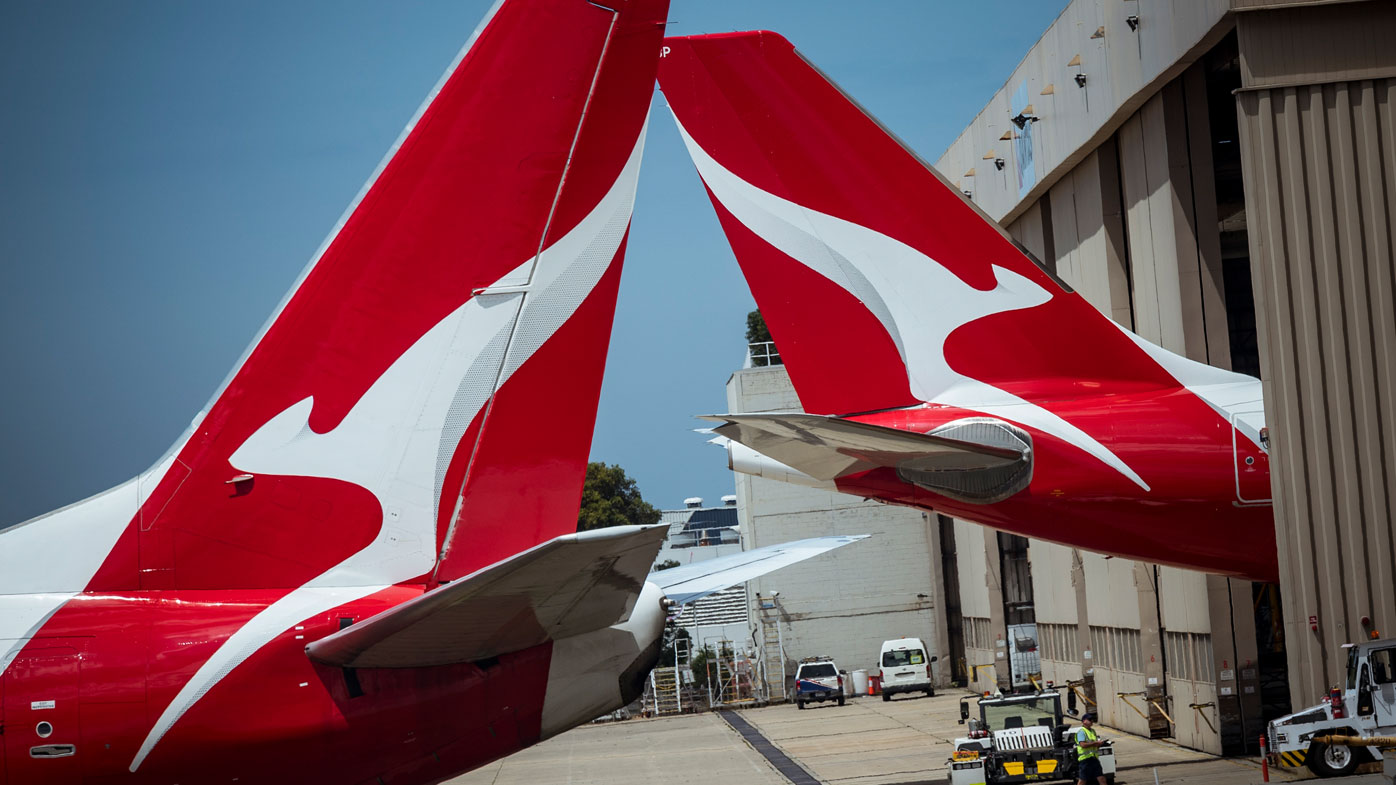
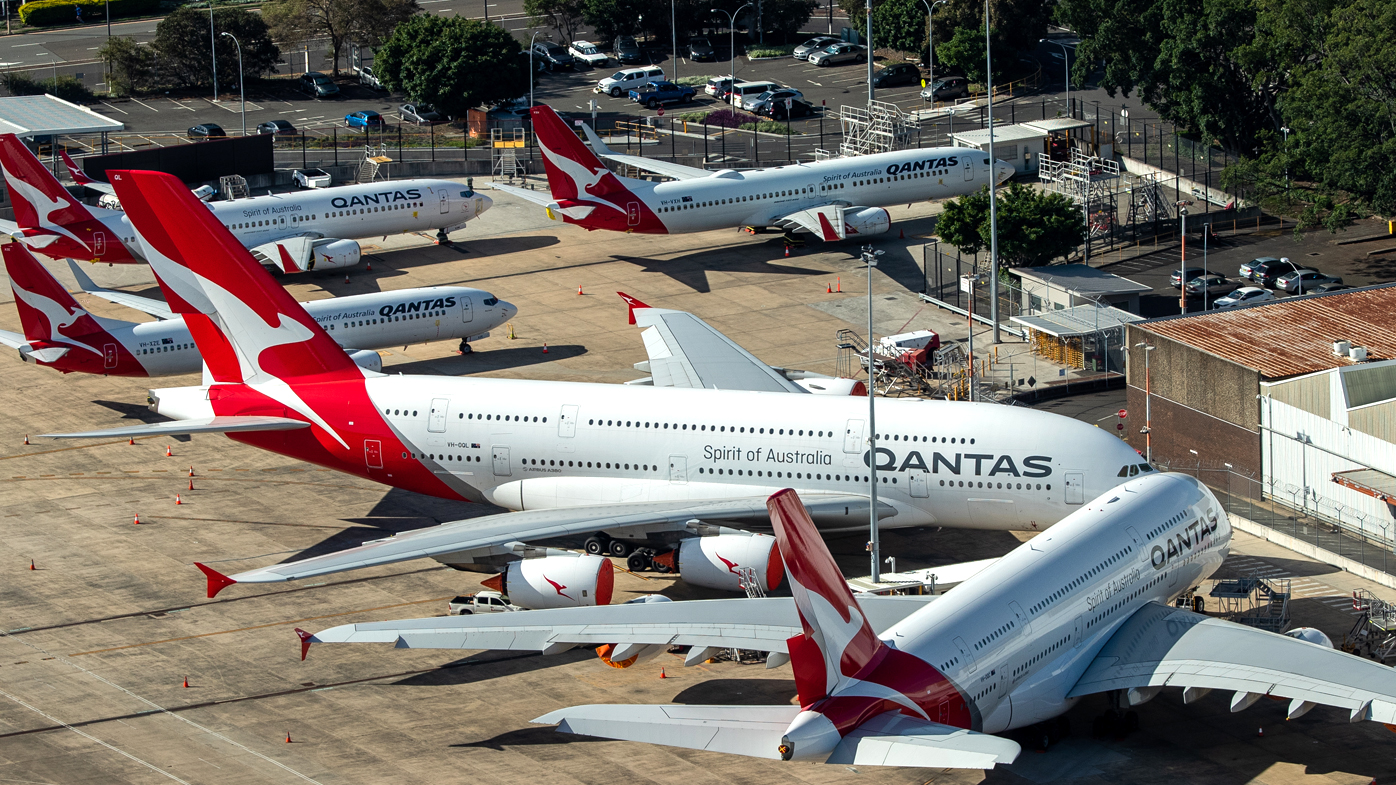
Qantas planes parked on the tarmac at Sydney Airport

READ MORE: Qantas charged for standing down cleaner over COVID-19 concerns

Although vast swathes of the Qantas fleet had been grounded for many, many months, the call centres had in fact been tremendously busy, Tom said.

The first 12 months of the pandemic had swamped call centres with calls about flight cancellations and flight credits given to customers instead of full cash refunds.

Then, as travel recommenced, that phase transitioned into rebooking flights, often a complicated process of using flight credits and card payments in tandem.

Tom said calls to centres had also spiked because Qantas had stood down in-airport reservation teams, who usually manage many rebookings and enquiries.

*Tom's name has been changed to protect his identity.

Australia's unemployment rate remains flat at 4 per cent

Australia's unemployment rate has remained flat at its current level of 4 per cent.

New data from the Australian Bureau of Statistics (ABS) showed in March unemployment fell by around 12,000 people but in "rounded terms" remained flat at 4 per cent.

Market expectations largely expected the unemployment rate to dip below 4 per cent to around 3.9 per cent.

READ MORE: NYC subway shooting suspect charged with terror offence

The last time the unemployment rate was lower was 48 years ago in November 1974 when it was 3.7 per cent.

A full breakdown of what the unemployment rate actually is – and why it matters – can be read here.

Bjorn Jarvis, head of labour statistics at the ABS, said despite remaining flat this month's figures were the lowest seen since the agency started surveying the Australian public on a monthly basis.

"With employment increasing by 18,000 people and unemployment falling by 12,000, the unemployment rate decreased slightly in March, though remained at 4.0 per cent in rounded terms," Mr Jarvis said.

"4.0 per cent is the lowest the unemployment rate has been in the monthly survey.

"Lower rates were seen in the series before November 1974, when the survey was quarterly."

READ MORE: Russian soldiers forced 300 villagers into a basement

Mr Jarvis said in some aspects of the economy – such as female employment – fell to new record lows.

"The unemployment rate for women fell from 3.8 per cent to 3.7 per cent, the lowest it has been since May 1974," Mr Jarvis said.

"It remained at 4.2 per cent for men, its second lowest level since November 2008 and just above the rate from December 2021 of 4.1 per cent."

Today's figures are the most highly anticipated in recent history, given the context they play in the federal election campaign.

READ MORE: Here's your Easter weekend weather forecast

The incumbent Morrison Government has long maintained – and now campaigned on – the premise their policies would deliver an unemployment rate "with a three in front of it".

On day one of his campaign, despite campaigning on the premise the ALP were good economic managers, Opposition Leader Anthony Albanese was unable to name the current unemployment rate.

Even former Prime Minister John Howard weighed in on the gaffe, saying Mr Albanese "should have known that figure".

"Let's not muck about. Anyone who wants to be Prime Minister should be on top of those figures," Mr Howard said.