Originally published by The Spinoff It’s more important than ever to get vaccinated against the flu this year and, as always, over-65s are particularly at risk. But a vaccine developed specifically for them, which was free in 2021,…
Tag Archives: oceania
Wellington City councillor Sean Rush admits he's behind anonymous Twitter account used to praise himself
Wellington City councillor Sean Rush has admitted he was behind an anonymous social media account he used to praise himself. The Twitter account @localbod1 was deleted last month after Rush’s councillor colleagues publicly speculated…
Woman from Bolivia in Auckland stunned to receive anonymous letter about Russian invasion of Ukraine
An Auckland woman has been left upset after a neighbour left an anonymous message in her letterbox referring to her as their “Russian neighbour” and telling her to “hang her head in shame” over the Russian invasion of Ukraine. Margo…
Departing Labour MP Louisa Wall gives valedictory speech after claims she was 'unwanted'
Outgoing Labour MP Louisa Wall has fired another broadside at the Labour Party in her valedictory speech to Parliament this afternoon, ending a 14-year parliamentary career.While paying tribute to her family, and some of her colleagues,…
Political Roundup: New Zealand's remarkable rush to war
OPINION: New Zealand is now part of the war with Russia. And our independent foreign policy is virtually dead.That’s the upshot of the Government’s definitive fall into line with Five Eyes and Nato, in supporting the war against…
'Spectacularly busy': 125,000 Air New Zealand passengers take to skies this Easter as Covid restrictions ease
Around 125,000 people are set to take off for holiday destinations by plane this Easter, with Queenstown set to be the busiest spot in New Zealand. Air New Zealand says travellers are taking to the air early, with many hitting the…
US Space Command confirms an interstellar meteor hit Earth
One meteor travelled quite a long way from home to visit Earth.
Researchers discovered the first known interstellar meteor to ever hit Earth, according to a recently released United States Space Command document.
An interstellar meteor is a space rock that originates from outside our solar system, a rare occurrence.
READ MORE: Massive queues already at airports ahead of Easter long weekend
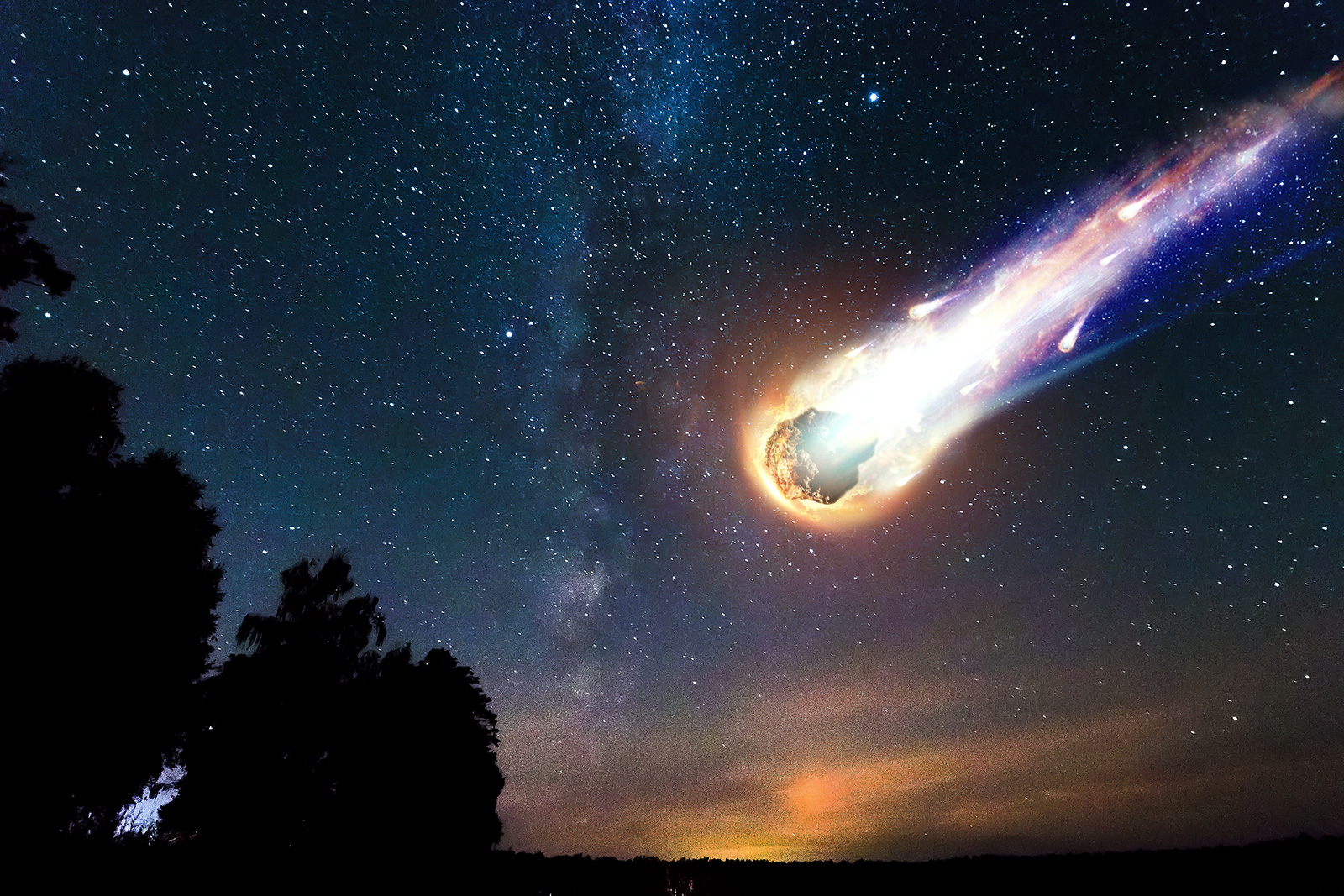
This one is known as CNEOS 2014-01-08, and it crash-landed along the north-east coast of Papua New Guinea on January 8, 2014.
The finding came as a surprise to Amir Siraj, who identified the object as an interstellar meteor in a 2019 study he co-authored while an undergraduate at Harvard University.
Mr Siraj was investigating 'Oumuamua, the first known interstellar object in our solar system that was found in 2017, with Abraham Loeb, professor of science at Harvard University.
Mr Siraj decided to go through NASA's Centre for Near Earth Object Studies database to find other interstellar objects and found what he believed to be an interstellar meteor within days.
A need for speed
The meteor's high velocity is what initially caught Mr Siraj's eye.
The meteor was moving at a high speed of about 45km per second relative to Earth, which is moving at around 30km per second around the sun.
Because researchers measured how fast the meteor was moving while on a moving planet, the 45km per second was not actually how fast it was going.
READ MORE: Ukraine's detention of oligarch close to Putin angers Moscow
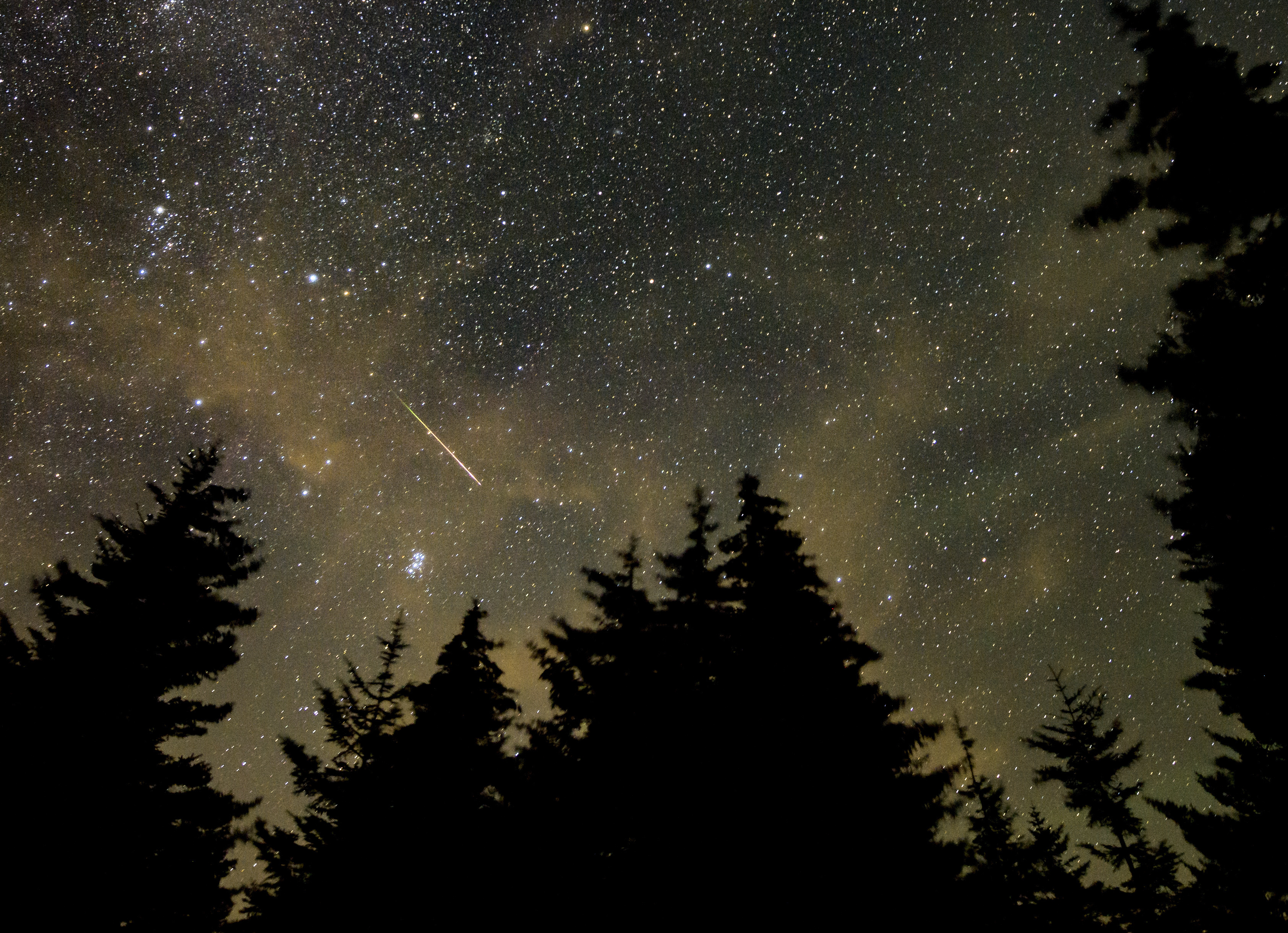
The heliocentric speed is defined as the meteor's speed relative to the sun, which is a more accurate way to determine an object's orbit.
It's calculated based on the angle at which a meteor hits the Earth.
The planet moves in one direction around the sun, so the meteor could have hit Earth head-on, meaning opposite the direction the planet is moving, or from behind, in the same direction the Earth is moving.
Since the meteor hit the Earth from behind, Mr Siraj's calculations said the meteor was actually travelling at about 60km per second relative to the sun.
He then mapped out the trajectory of the meteor and found it was in an unbound orbit, unlike the closed orbit of other meteors.
This means that rather than circling around the sun like other meteors, it came from outside the solar system.
"Presumably, it was produced by another star, got kicked out of that star's planetary system and just so happened to make its way to our solar system and collide with Earth," Mr Siraj said.
Difficulty getting published
Mr Loeb and Mr Siraj have been unable to get their findings published in a journal because their data came from NASA's CNEOS database, which doesn't divulge information such as how accurate the readings are.
After years of trying to obtain the additional information needed, they received official confirmation that it was, in fact, an interstellar meteor, from John Shaw, deputy commander of the US Space Command.
The command is a part of the US Department of Defence and is responsible for military operations in outer space.
"Dr Joel Mozer, the Chief Scientist of Space Operations Command, the United States Space Force service component of US Space Command, reviewed analysis of additional data available to the Department of Defence related to this finding," Mr Shaw wrote in the letter.
"Dr Mozer confirmed that the velocity estimate reported to NASA is sufficiently accurate to indicate an interstellar trajectory."
Mr Siraj had moved onto other research and almost forgotten about his discovery, so the document came as a shock.
"I thought that we would never learn the true nature of this meteor, that it was just blocked somewhere in the government after our many tries, and so actually seeing that letter from the Department of Defence with my eyes was a really incredible moment," Mr Siraj said.
READ MORE: NSW records spike in COVID-19 deaths
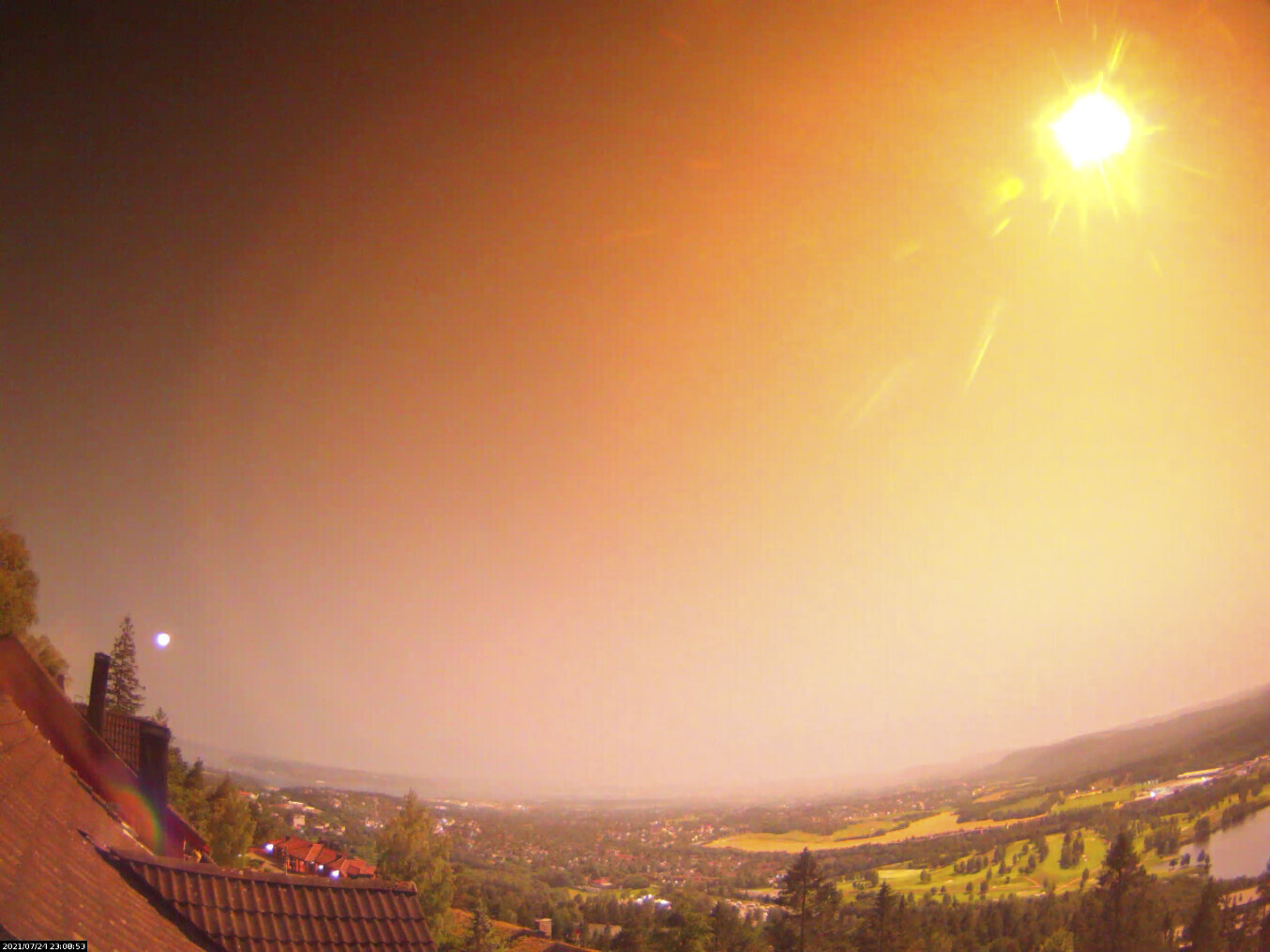
A second chance
Since receiving the confirmation, Mr Siraj said his team is working to resubmit their findings for publication in a scientific journal.
Mr Siraj would also like to put a team together to try and retrieve part of the meteor that landed in the Pacific Ocean but admitted it would be an unlikely possibility due to the sheer size of the project.
If researchers were able to get their hands on the "holy grail of interstellar objects," Mr Siraj said it would be scientifically groundbreaking in helping scientists discover more about the world beyond our solar system.
NASA and US Space Command did not initially respond for comment.
Firefighters save pet bunny from fire, just in time for Easter
Firefighters have pulled off a fitting Easter rescue by saving a bunny from an apartment blaze in Sydney's south-west.
Fire and Rescue NSW crews attended a fire at a two-level apartment block in Tudor Street in Belmore just before 9am today.
A man in his 50s managed to escape the blaze with one rabbit, which belongs to his children.
READ MORE: Here's your Easter weekend weather forecast


The man tried to go back into the unit to rescue the second rabbit but was overcome by smoke and had to retreat.
He was treated for smoke inhalation at the scene.
"We received information that there was a rabbit inside that was a much-loved pet of the resident," firefighter Garry Warburton told 9News.
Firefighters entered the second-storey apartment and found the bunny, named Brian.
"We stumbled across the rabbit hiding under the TV cabinet," Mr Warburton said.
READ MORE: Russian soldiers forced 300 villagers into a basement


Brian the bunny was carried to safety and handed back to its grateful owner.
The cause of the fire is still being determined.
Herald afternoon quiz: April 14
Test your brains with the Herald’s afternoon quiz. Be sure to check back on nzherald.co.nz for the morning quiz tomorrow. To challenge yourself with more quizzes, CLICK HERE.
Hawke's Bay prison officer tried to distract drug dogs with Marmite and curry powder
A Hawke’s Bay corrections officer found in a prison carpark with drugs in his car and tobacco in his sock has been sentenced to community detention and will be sacked, a court has heard. “Your fall from grace is a sad, sad case,”…