Tokomaru Bay has been hit hard by heavy rainfall overnight, which has cut off the main bridge in the township and flooded schools, homes and a marae. Locals at the East Coast town of 450 people, an hour’s drive north of Gisborne,…
Tag Archives: oceania
Man dies in Napier's Clive Square, police launch inquiry
A police inquiry is under way after the death of a man on the fringes of Napier’s Clive Square.Police said a report of disorder had been received at 11.40am on Wednesday. Police attended and provided assistance to a 32-year-old…
Armidale ranked worst air in Australia, while Tasmanians breathe easy
Armidale has the worst air pollution in Australia, with a new report revealing the New South Wales town exceeds the air safety guidelines of the World Health Organisation by more than double.
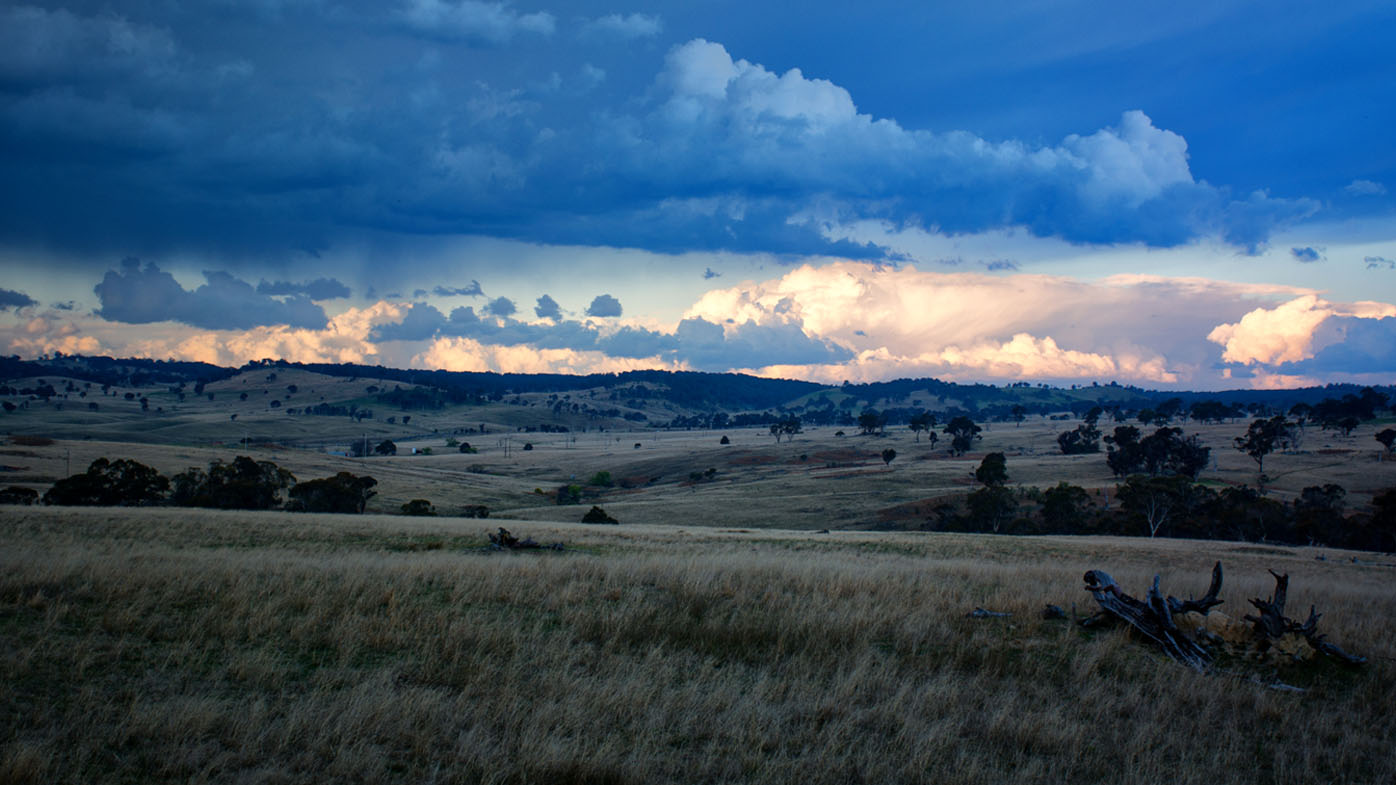
Located midway between Sydney and Brisbane, Armidale is known for its proliferation of wood burning heaters to ward off cold temperatures during winter.
Bathurst, also in NSW, is ranked second-worst, with the suburb of Ludmilla in Darwin rounding out Australia's top-three.
READ MORE: The rise and fall of Sydney's most expensive suburbs over last 30 years
Cockburn near Freemantle in Western Australia sits fourth, with Bungendore, east of Canberra, fifth.
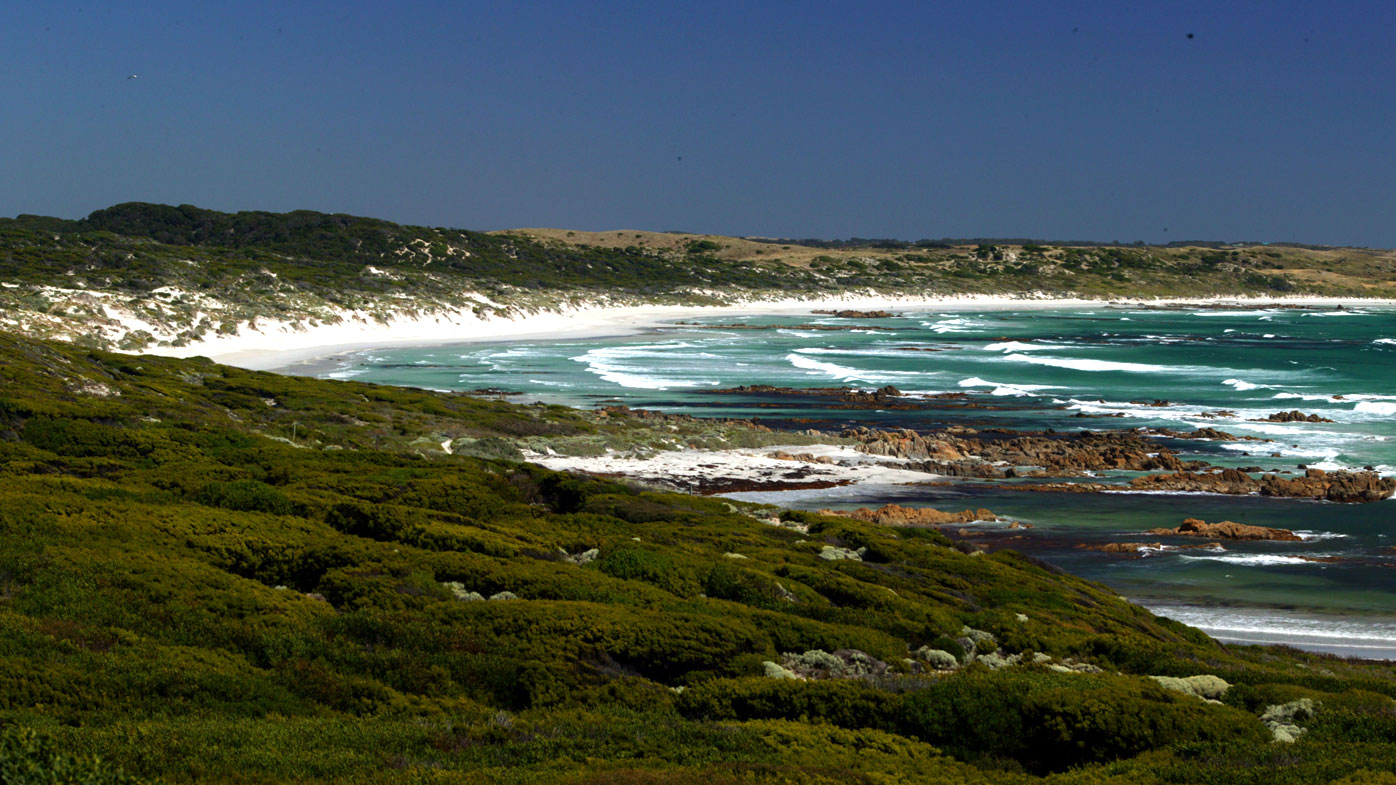
At the other end of spectrum, the small Tasmanian fishing town of St Helens had the cleanest air in Australia, according to the report, with Judbury, Emu River, Mornington and Gretna ensuring Tasmania clean-swept the top five.
The rankings, from IQAir, a company that tracks global air quality, certainly more than justify Tasmania's official tourism slogan, "Come down for air."
Rocky Carosi, who has lived in St Helens in north-eastern Tasmania for 31 years, said few locals would be surprised by the news.
"We are in the path of the Roaring Forties so we bit a get of wind (and) I guess that keeps things fairly clean and pure here," he told 9News.com.au.
Mr Carosi, a retired big game fishing charter boat operator, described St Helens as a "beautiful" little pocket on the island.
"It has fantastic beaches, lovely waterways and good access to the mountains," he said.
"When Tasmanians travel to the mainland cities I think they realise the qualities of what we have got here."
READ MORE: Where in the world are Roman Abramovich's private jets?
The IQAir report found that average annual air pollution in every country around the world — and 97 per cent of global cities — exceeded WHO's air quality guidelines, which were designed to help governments craft regulations to protect public health.
Oceania has the cleanest overall air quality in the world, the report found.
Forty-six cities in Australia, one in New Zealand, and one in New Caledonia all met the WHO PM2.5 air quality guideline of 5 µg/m3.
However, a further 63 cities in Australia and 20 in New Zealand failed to meet this standard, impacting the health of over 21 million people.
Of the 117 countries analysed, Australia was ranked ninth best country for air quality in the world, four places ahead of New Zealand.
Canberra was judged fourth cleanest air of the 107 worldwide capital cities monitored.
Although Armidale had the worst air quality in Australia, its air is roughly eight times cleaner than subcontinent megacities New Delhi in India and Dhaka in Bangladesh.
India, Pakistan and Bangladesh were among the countries with the worst air pollution, exceeding WHO guidelines by at least 10 times.
The research is the first major global air quality report based on WHO's new annual air pollution guidelines, which were updated in September 2021.
READ MORE: Jenni's dog was dying and she had no idea why. She went online looking for answers
The new guidelines halved the acceptable concentration of fine particulate matter — or PM 2.5 — from 10 down to 5 micrograms per cubic metre.
PM 2.5 is the tiniest pollutant yet also among the most dangerous. When inhaled, it travels deep into lung tissue where it can enter the bloodstream.
It comes from sources like the burning of fossil fuels, dust storms and wildfires, and has been linked to a number of health threats including asthma, heart disease and other respiratory illnesses.
Millions of people die each year from air quality issues.
In 2016, around 4.2 million premature deaths were associated with fine particulate matter, according to WHO.
If the 2021 guidelines had been applied that year, WHO found there could have been nearly 3.3 million fewer pollution-related deaths.
With agencies
Covid-19: Blanket vax pass mandates now 'much less effective' – modeller
A top Covid-19 modeller has backed the Government’s reasoning for ending the need for vaccine passes in venues like restaurants and bars – but says keeping mask rules in place will be “crucial” for curbing Covid-19 spread. Prime…
What to know about hypersonic missiles fired by Russia in Ukraine
Russia has used hypersonic missiles in its invasion of Ukraine, US President Joe Biden has confirmed.
"And if you'll notice, (Russia has) just launched the hypersonic missile, because it's the only thing that they can get through with absolute certainty," Mr Biden said.
"It's a consequential weapon … it's almost impossible to stop it. There's a reason they're using it."
LIVE UPDATES: Albanese refuses inquiry over Kitching bullying claims
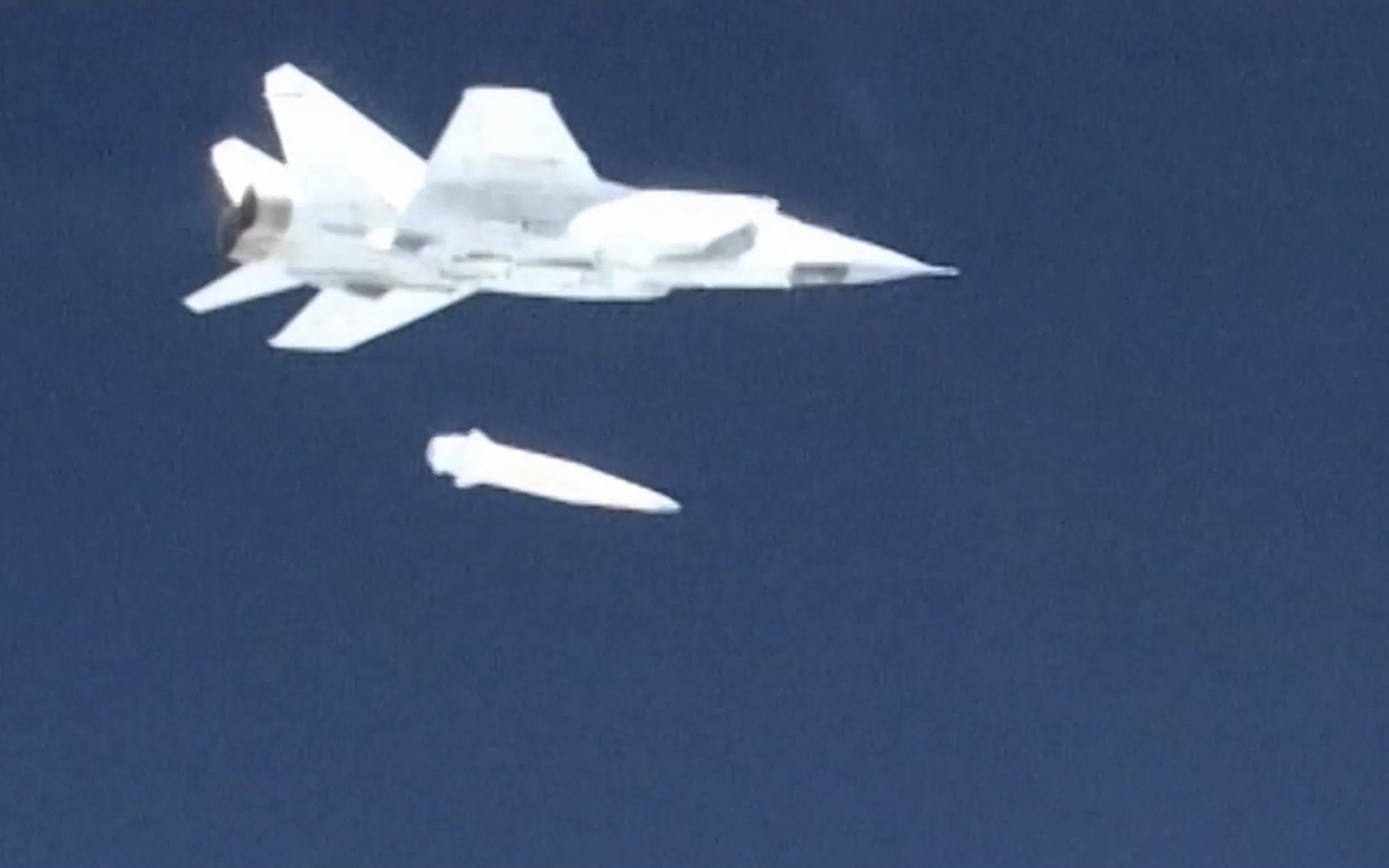
But British intelligence and even Mr Biden's own defence secretary have downplayed Russia's use of its air-launched Kinzhal missiles.
"I would not see it as a game-changer," Pentagon chief Lloyd Austin told CBS on Face the Nation.
And the UK Defence Ministry said the Kinzhal missile is really just an air-launched version of the Iskander short-range ballistic missile (SRBM), which Russia has used repeatedly in its invasion of Ukraine.
READ MORE: The weapons of the Russia-Ukraine conflict
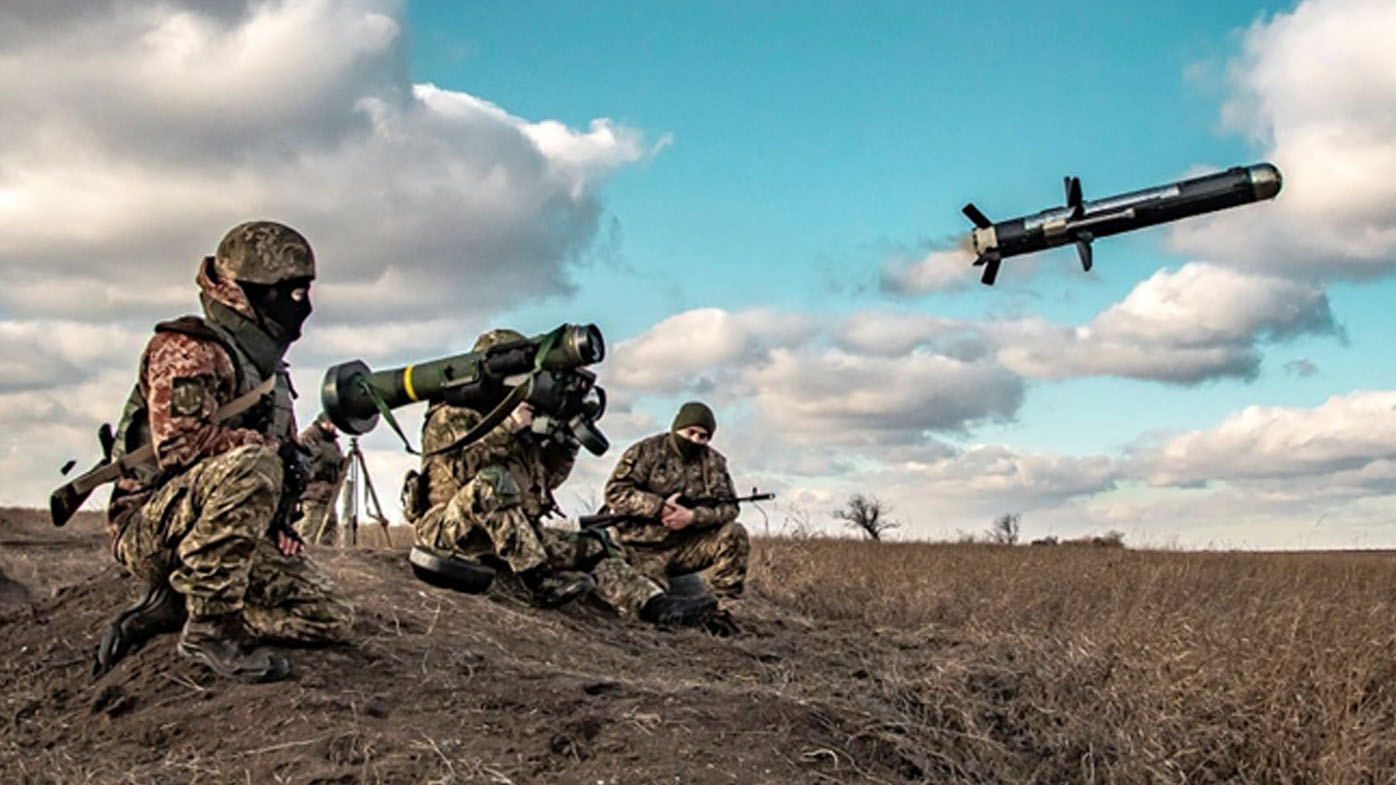
Why the hype about hypersonic missiles?
First, it's important to understand the term.
Essentially, all missiles are hypersonic – which means they travel at least five times the speed of sound.
Almost any warhead released from a rocket kilometres in the atmosphere will reach this speed heading to its target.
It is not a new technology.
What military powers – including Russia, China, the US and North Korea – are working on now is a hypersonic glide vehicle (HGV).
An HGV is a highly manoeuvrable payload that can theoretically fly at hypersonic speed while adjusting course and altitude to fly under radar detection and around missile defences.
READ MORE: Putin ally could soon join Ukraine war, US fears
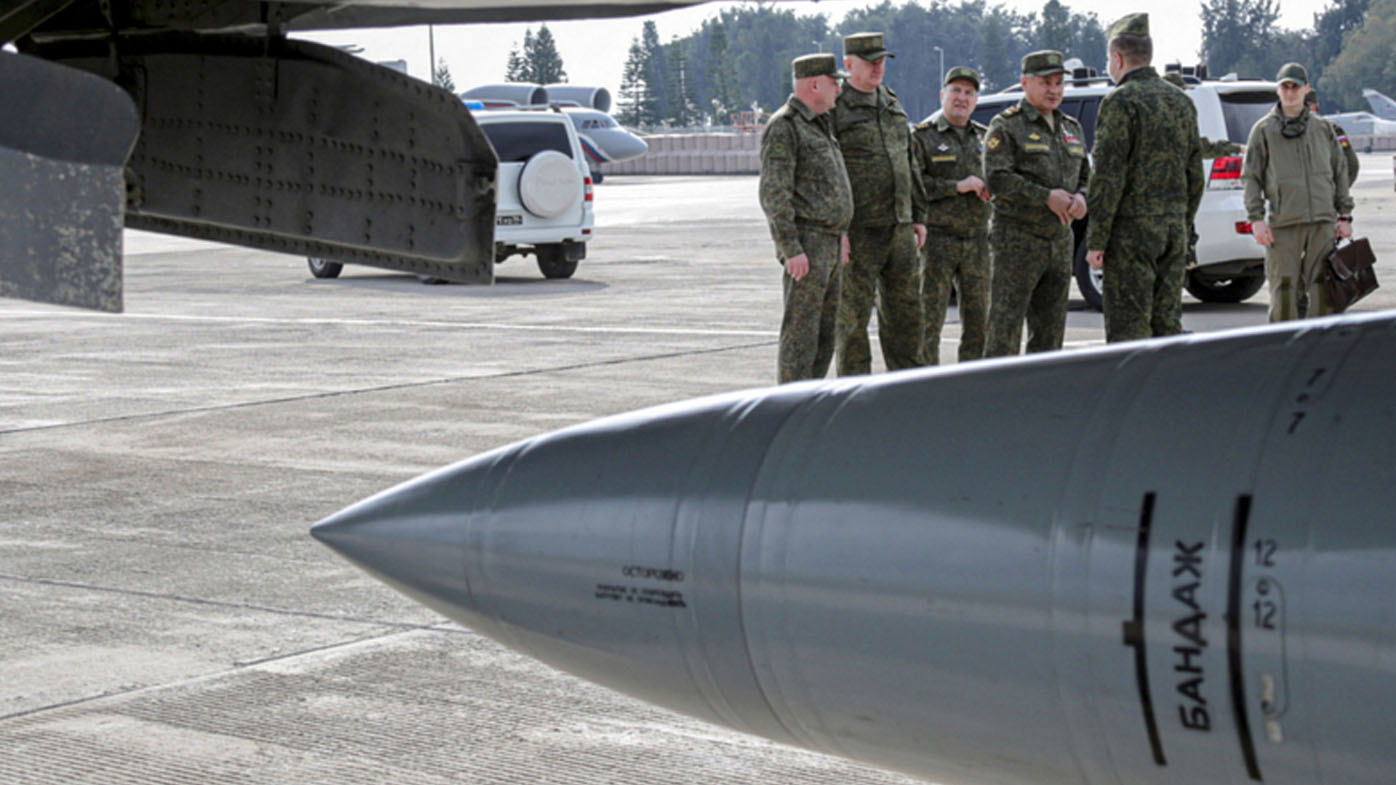
An HGV is the weapon that's almost impossible to stop.
And Russia is thought to have an HGV in its arsenal, the Avangard system, which Russian President Vladimir Putin in 2018 called "practically invulnerable" to Western air defences.
But the Kinzhal, as a variant of the Iskander SRBM, is not an HGV.
While it does have limited manoeuvrability like the Iskander, its main advantage is that it can be launched from MiG-31 fighter jets, giving it a longer range and the ability to attack from multiple directions, according to a report last year from the Centre for Strategic and International Studies.
"The MiG-31K can strike from unpredictable directions and could avoid interception attempts altogether. The flying carrier vehicle might also be more survivable than the road-mobile Iskander system," the report said.
The same report also noted that the ground-launched Iskander proved vulnerable to missile defence systems during the 2020 Nagorno-Karabakh war, during which Azeri forces intercepted an Armenian Iskander.
"This suggests that claims of the Kinzhal's invulnerability to missile defence systems may also be somewhat exaggerated," the report said.
READ MORE: Top doctors to meet as COVID-19 cases surge across country
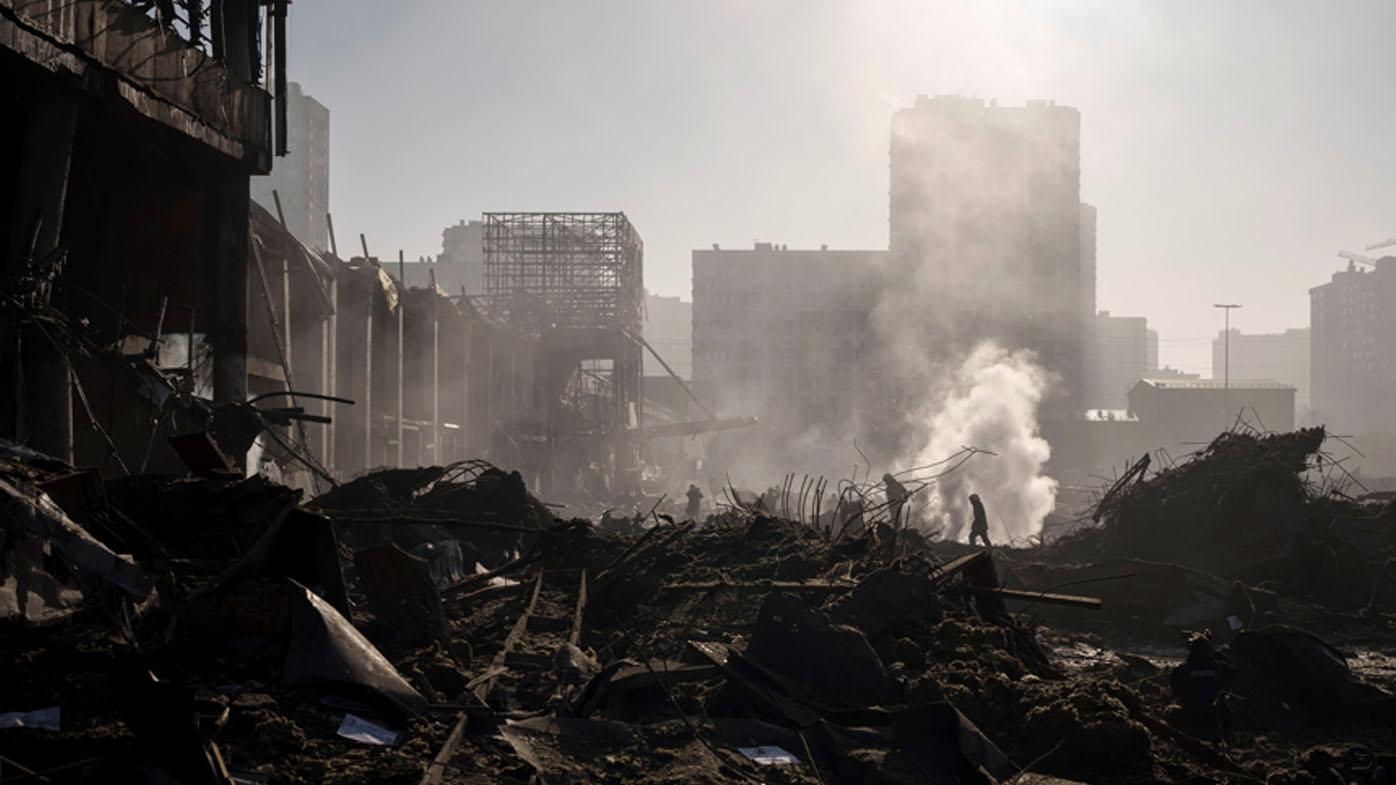
Does Ukraine have missile defences?
The US and its NATO allies are already sending several surface-to-air missiles systems to Ukraine to aid in its defence.
According to a senior US official, these additional systems include the Soviet-era SA-8, SA-10, SA-12 and SA-14 mobile air defence systems.
And NATO member Slovakia has agreed to send even better S-300 missile defence batteries to Ukraine once it gets suitable replacements from NATO partners, sources have told CNN.
Why did Putin use the Kinzhal missile?
The launches were likely intended to test the weapons and send a message to the West about Russian capabilities, multiple sources told CNN.
And with the war on the ground in Ukraine becoming a stalemate, Russia may be looking for victories it can tout.
The UK Defence Ministry said Moscow probably deployed the Kinzhal to "detract from a lack of progress in Russia's ground campaign".
Jenni's dog was dying. The reason why left her 'gobsmacked'
When Tasmanian woman Jenni McCabe's pet dog Scooby fell ill last month, his decline was sudden and devastating.
"Scooby was 11, so he was getting older, but he was still full of beans and very fit and healthy," Ms McCabe said.
Weeks after Scooby's death, Ms McCabe is just one of many pet owners calling for better standards and regulations in the Australian pet food industry.

Ms McCabe first noticed something was wrong with Scooby when she was watching the Labrador cross Mastiff in her garden through the kitchen window one afternoon. He seemed to be struggling to urinate.
Ms McCabe took Scooby to a veterinarian, who ran blood tests and xrays.
Scooby appeared to have an enlarged bladder, the veterinarian said.
Medication was prescribed but Scooby's condition continued to go downhill.
"He just stopped eating," she said.
"We tried everything to get him to eat, from roast chickens to pizzas and he just put his nose up to everything," Ms McCabe said.
After a week, Ms McCabe took Scooby back to the veterinarian again, who inserted a catheter to drain litres of urine from his bladder.
Ms McCabe was told Scooby would need to have a catheter inserted twice a day.
But Scooby's condition worsened and a couple of days later, on February 20, he died at home.
Scooby's veterinary report, seen by 9news.com.au, shows his veterinarian was puzzled by what could be behind his sudden illness.
But Ms McCabe believes an adverse reaction caused his death.
It was during Scooby's last days that Ms McCabe went online and noticed an alarming number of one star reviews about a pet food she had started feeding her dog two days before he got sick.
Scooby's usual brand of dog food was out of stock, so Ms McCabe purchased another brand of dog food.
"When I saw the reviews, I was gobsmacked and horrified," Ms McCabe said.
"How could I have been so stupid to not to have checked out the product on the reviews before purchasing?"

Published on the website 'Pet Food Reviews' were "200 reports of sickness and death" it claimed to have received from pet owners related to this brand.
Then there were the posts on Facebook's Australian Pet Owners' Group.
Tasmanian Cush Allison started the 8000-member group after his pet dog, Tank, died in 2017, less than 24 hours after eating the food.
Mr Allison told 9news.com.au his five-year-old Bull Arab had been otherwise healthy but, he claimed within hours he was having convulsions and was crashing into furniture.
Tank was blind by the time he passed away, Mr Allison said.
In a post Ms McCabe put up on a local Facebook group, several other owners commented claiming that their dogs had also had an adverse reaction.
"It was mind-blowing. I loved Scooby to bits. He was our world, he was everything to us," Ms McCabe said.
"In a way, I feel like I have murdered him."
The company that stocks the pet food told 9news.com.au it was "incredibly popular with customers looking for a quality product at an affordable price".
"Testing has been conducted on the range to ensure it complies with voluntary Australian standards and our manufacturers hold independent quality certification for the safe production of pet food.
"We take the safety of our customers and their pets seriously. We haven't seen any veterinary reports or evidence attributing an illness or adverse reaction to the product, but if someone has this we would encourage them to bring it to us so we can look into it."
Social media storm
There are other brands that have attracted a host of reviews highlighting adverse reactions online.
Craig Buttigieg, from Melbourne, told 9news.com.au his Kelpie puppy fell ill a few days after she was fed another brand for the first time in December last year.

Bailey suddenly developed diarrhoea and began vomiting. She spent days in a veterinary hospital.
"The vets said it was not looking good, they were not expecting her to survive," Mr Buttigieg said.
But, to the family's relief, Bailey did recover after being fed a strict diet of chicken and rice.
Rebecca Vella, also from Melbourne, said her dog Lola, a seven-year-old Labrador cross Staffie fell seriously ill in August 2020.
"My dog got really sick and had to go to the vet several times. She lost giant patches of fur and there was vomiting and gastro," she said.
At first, Ms Vella said she did not associate Lola's illness with the brand, as she had eaten the product for years.
However, Ms Vella said she became suspicious when Lola recovered while on a different diet, only to fall ill again when that brand was re-introduced. Her mother's dog had also been sick on the same pet food, she added.

The company behind that brand is a member of the Pet Food Industry Association of Australia. The association says it uses a "third party" to verify its members are complying with Australia's voluntary pet food standards.
"All pet food brands are developed by pet nutritionists and a qualified research and development team who formulate recipes specific to the needs of pets," a company spokesperson said.
"Throughout every stage of the manufacturing process quality teams check and inspect batches to ensure they meet the quality and food safety parameters found in the Australian Standard. Only once it has passed these assessments, is the batch released for sale."
While all of the pet owner's 9news.com.au spoke to acknowledge they have no direct evidence to suggest the pet foods were to blame for their dogs falling ill, they say they are convinced the pet food played a part.
The owners are calling for better standards for manufactured pet food in Australia.
'Nothing has changed'
The pet food industry in Australia is unregulated, with only voluntary standards in place that rely on the goodwill of manufacturers to test food after complaints, and order recalls if necessary.
In 2018, a Senate inquiry investigated the need for regulation to ensure pet food is safe in Australia.

It followed reports of more than 70 dogs in 2017 contracting an incurable condition, megaesophagus, where the suspected link was the popular dry dog food Advance Dermocare.
Pet food scandals in Australia have not only involved manufactured products.
In July last year, 24 dogs in Victoria died and 44 became ill with indospicine poisoning linked to contaminated horse meat sold through a knackery in Gippsland.
Pet owners, as well as industry groups and experts, say mandatory pet food standards are needed urgently.
The Australian Veterinary Association (AVA), RSPCA Australia and the Pet Food Industry Association of Australia have all recently called for industry regulations.
It's a situation veterinarian Dr Sue Foster likens to "the mining industry being in agreement with the environmental lobby".
"It's unlikely to happen, but we have the industry wanting it, we have welfare workers wanting it and we have the Australia's peak veterinary association all wanting the same thing.
"We have absolute consensus about the need for mandatory enforced standards with regulations.
"The chain is being dragged by government, they are the block here," Dr Foster said, adding that nothing had changed since the 2018 Senate inquiry.
Agriculture Minister David Littleproud said the regulation of pet food in Australia was solely a state and territory responsibility.
"The Federal Government has assisted the States and Territories assess options on the issue of pet food regulation in Australia and is continuing to do so," the minister said.
"It is now up to the state and territories to make decisions."
'It's purely goodwill'
Australia has a voluntary reporting system for veterinarians to record possible or suspected cases of adverse reactions in pets to food – called PetFAST.
Dr Foster is one of the AVA's PetFAST representatives.
Underreporting continued to be a major issue for PetFAST, Dr Foster said, with many busy vets not having time to make reports.
Some vets were also not aware that PetFAST existed or were reluctant to make reports, falsely believing they needed strong evidence a particular food was to blame for a dog's illness, she said.
All PetFAST reports were followed up with the manufacturer involved, however PetFAST had no capacity for independent testing, Dr Foster said.
"There is no independent testing because there is no funding," she said.
"My position is entirely voluntary, everyone's position on PetFast is voluntary. There's no government funding.
"It's purely goodwill. Because there is no regulation there is no requirement for industries to do any checking or testing."
Dr Foster said the lack of independent testing was a "major problem".
"Good players will do the right thing, but the majority of reports we see relate to manufacturers who aren't even members of the Pet Food Industry Association of Australia so we have no way of sometimes even engaging with them."
Dr Foster urged owners to ask their veterinarians to make a report if they suspected an adverse reaction to a particular product.
Social media had been helpful in the past in detecting possible issues with pet food, however it could also lead pet owners astray, Dr Foster said.
"There is huge power in social media. The problem with social media is every animal eats, so every single problem can be attributed to pet food, whether it is related to pet food or not."
However, Dr Foster said she could understand the lack of confidence pet owners had in the pet food they were buying.
"It's a very big problem for conscientious Australian pet owners to work out what's safe and what's not and whether there are checks and balances.
"I think it's a very real concern."
Contact reporter Emily McPherson at em********@******om.au
Local Focus: Reporting amid the Covid 19 'new normal'
I am the Local Focus video reporter for the Wairarapa.My job is to go out into the community every day and immerse myself around people, recording their stories and publishing them to weekly deadlines. Working from home makes…
Iconic Aussie V8 supercar chasing down records
A genuine track-ready V8 supercar is set to smash records when it goes under the gavel this Sunday.
The rise and fall of Sydney's most expensive suburbs over last 30 years
Location might be everything in the property game, but timing must run a close second.
Just-released data tracking property prices in Australia over the past 30 years reveals how some homebuyers hit multi-million-dollar jackpots by virtue of when they bought.
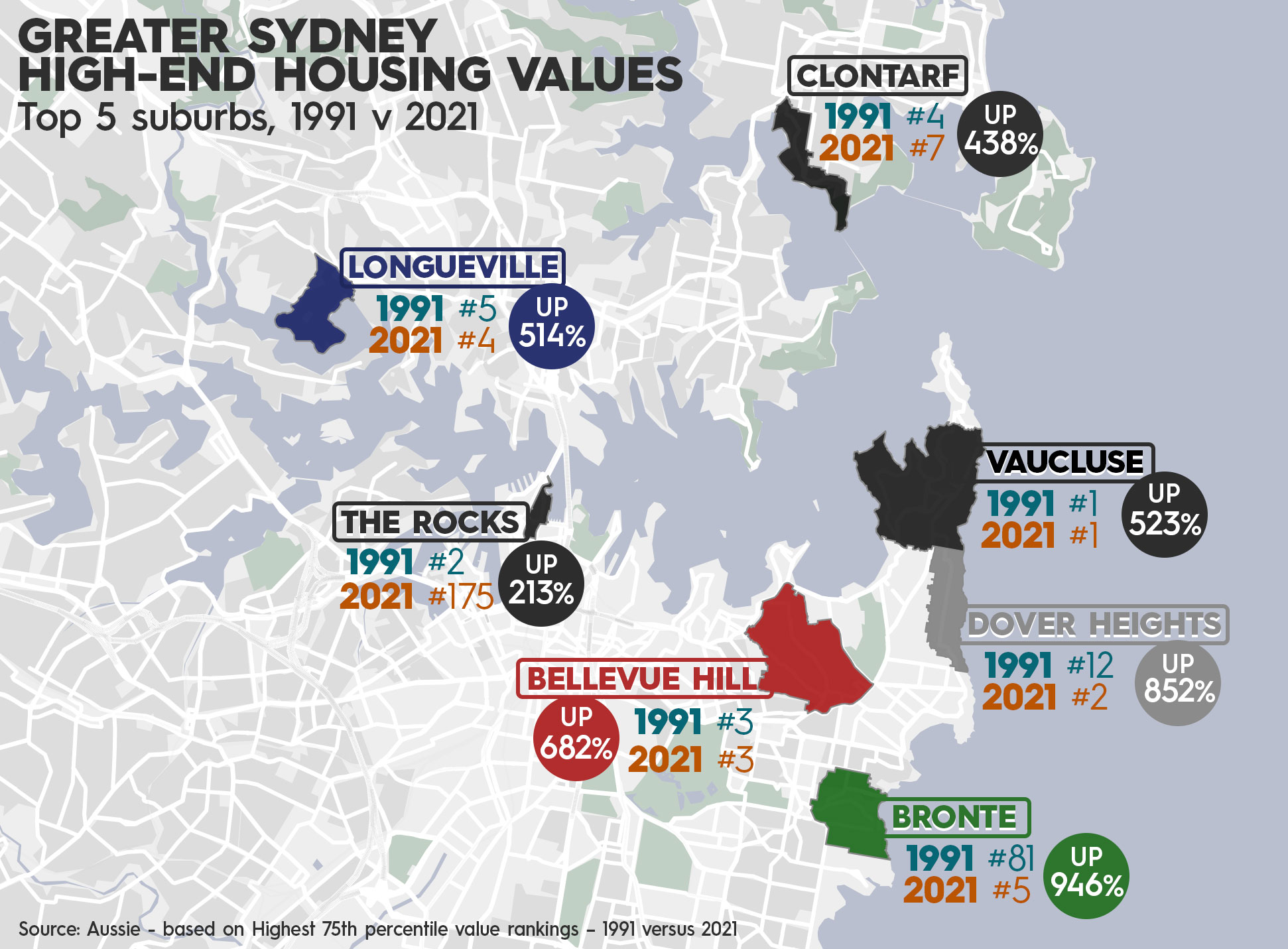
Only three of Sydney's five most expensive real estate suburbs in 1991 held their place, 30 years later, in 2021.
READ MORE: Aussie property prices record biggest 12-month price jump in history
READ MORE: Three-bedroom unit in Sydney sells for $11.4 million
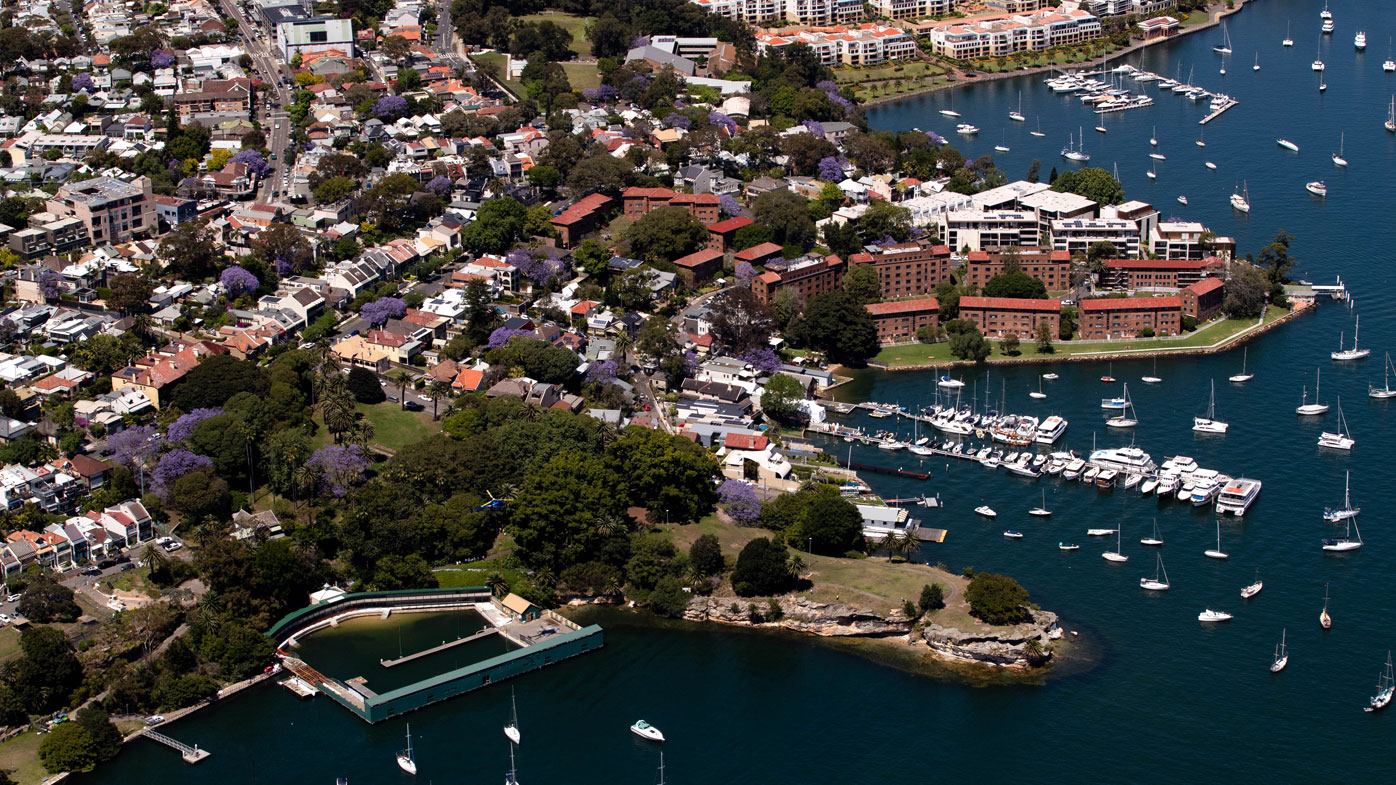
The Rocks, an historic neighbourhood in the shadow of Sydney Harbour Bridge, spiralled 173 places from second in 1991 to 175th, three decades later.
Although median values in The Rocks trebled in that time, other Sydney neighbourhoods – such as Bronte – increased nine-fold, the report found.
Clontarf, a well-heeled, harbourside suburb which looks south towards Sydney's CBD, was also nudged from the top-five, dropping from fourth in 1991 to 7th in 2021.
The biggest climbers in Sydney over that 30-year period, according to The Aussie Progress Report, were Bronte and Dover Heights, both in Sydney's eastern suburbs.
Bronte shot up from 81st to 5th, while Dover Heights rose into second from 12th.
The affluent harbour suburb of Vaucluse, where large family homes command prized views towards the city, stayed number one across the three decades.
Property in Vaucluse on average rose by more than 500 per cent between 1991 and 2021, with the median price of a dwelling today costing an eye-watering $8.6 million.
Across Australia, house values have increased by 414.6 per cent in the past 30 years, according to the report from mortgage company Aussie and data firm CoreLogic.
READ MORE: Sydney property prices drop for first time in 17 months
READ MORE: Top 10 NSW suburbs where owners have won 'property lottery'
The report found nationally, between 1991 and 2021, there were seven periods of sustained value increases and seven periods of decline, but the good times have far outweighed the bad.
Growth cycles typically lasted 41 months, with properties values rising on average 34 per cent when the going was good.
The report found one of the longest periods of sustained value increases in the housing market was between September 1995 and January 2004.
Homebuyers who purchased early in that lucrative nine-year window saw the value of their property increase dramatically.
Conversely, downturns in the Aussie property market ran on average 12 months, with falls of 4.3 per cent.
"What is clear from the analysis is that property is a long game," Brad Cramb, chief executive of distribution at property company Lendi Group, said.
"Trying to pick what the market will do in the short-term can be distracting for homebuyers."

READ MORE: Top 10 regional towns set to boom in 2022
Homebuyers should not get caught up in short-term thinking, he said.
Data released last week by the Australian Bureau of Statistics confirmed Australia's property market had recorded the biggest 12-month jump in its history, lifting the average price of residential dwellings to just shy of $1 million.
In the 12 months to December, residential property prices rose 23.7 per cent – the strongest annual growth ever recorded.
The mean price of residential dwellings in Australia is now $920,100, up from $876,100 in the September quarter.
There are more than 5000 worlds beyond our solar system, NASA says
There are now more than 5000 confirmed planets beyond our solar system, according to NASA.
The latest addition of 65 exoplanets to the NASA Exoplanet Archive contributed to the scientific milestone marked on Monday.
This archive is the home to exoplanet discoveries from peer-reviewed scientific papers that have been confirmed using multiple methods of detecting the planets.
READ MORE: Ancient pool may have been way to navigate the stars
"It's not just a number," said Jessie Christiansen, science lead for the archive and a research scientist with the NASA Exoplanet Science Institute at the California Institute of Technology in Pasadena, in a statement.
"Each one of them is a new world, a brand-new planet. I get excited about every one because we don't know anything about them."
We're currently living in a golden age of exoplanet discovery.
Although the existence of planets outside of our solar system had been previously proposed and certainly depicted in science fiction, these worlds were only first discovered in the 1990s.
Exoplanets have varied features
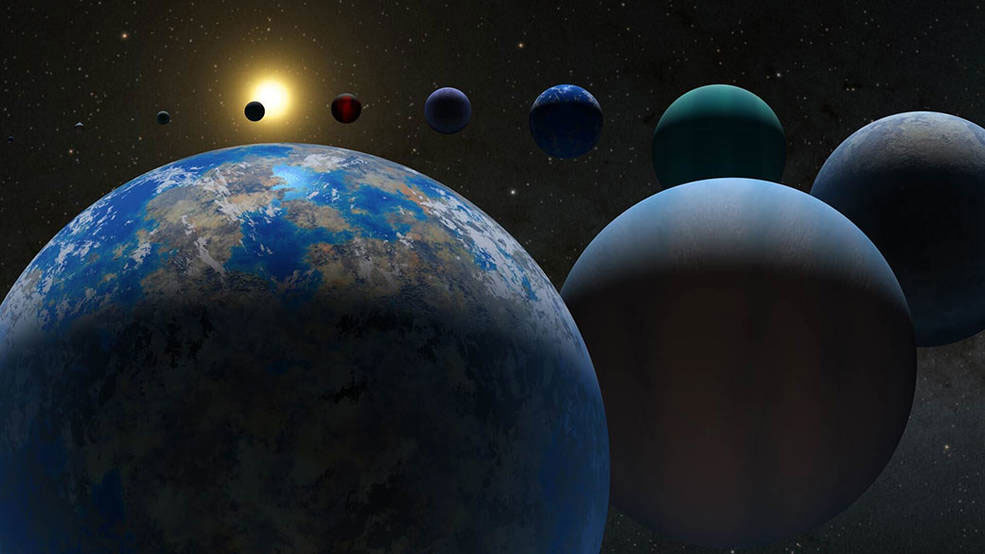
The diversity of exoplanets represent populations of planets unlike anything found in our solar system.
They include rocky worlds larger than Earth called super-Earths, mini-Neptunes bigger than Earth but smaller than Neptune, and scorching hot Jupiters that dwarf our solar system's largest planet and closely orbit their host stars.
Scientists have also found planets that orbit more than one star and even some around the remnants of dead stars called white dwarfs.
READ MORE: Image of star 'photobombed' by ancient galaxies
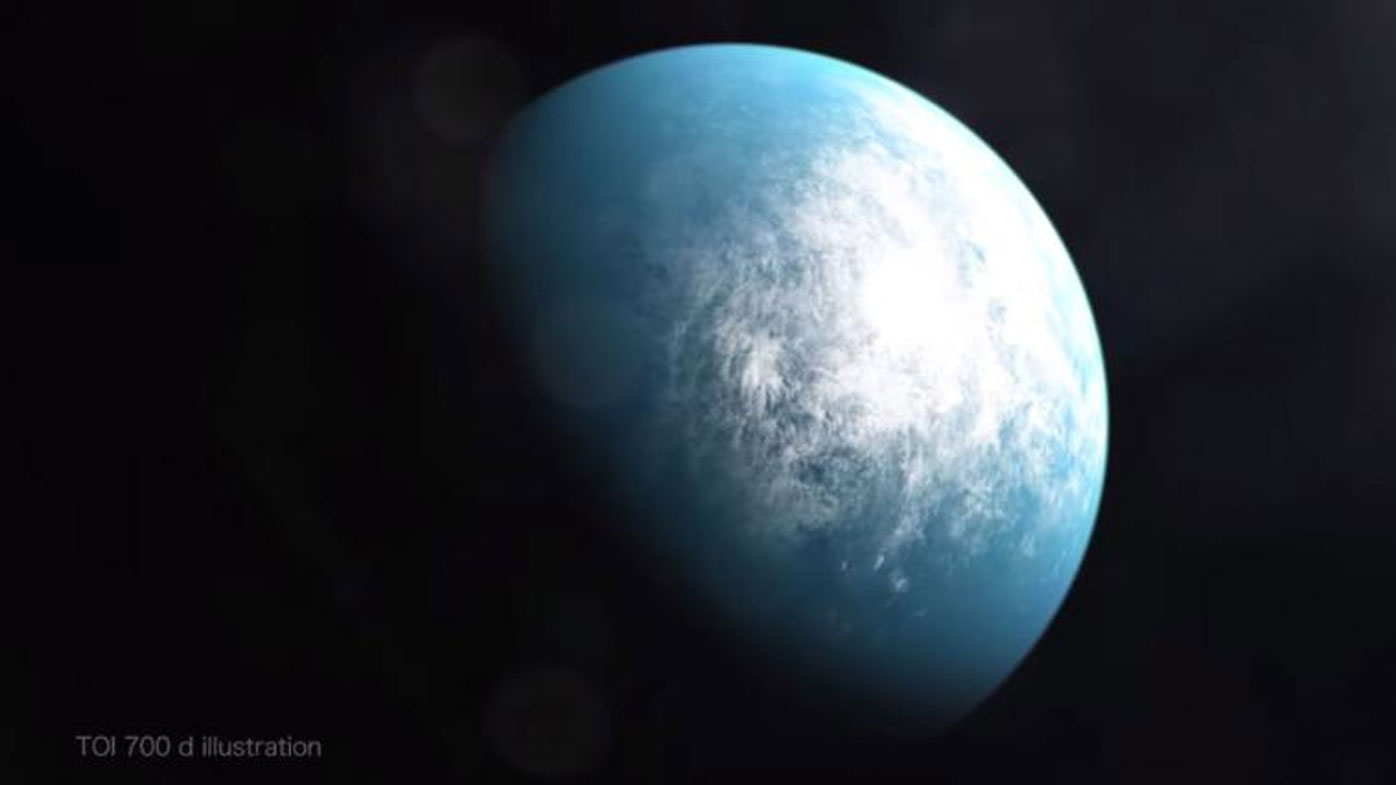
So far, of the confirmed exoplanets, 30 percent are gas giants, 31 percent are super-Earths, and 35 percent are Neptune-like. Just 4 percent are terrestrial, or rocky planets like Earth or Mars.
Previous exoplanet discoveries have been made thanks to planet-hunting telescopes and satellites like the Spitzer Space Telescope, the Kepler Space Telescope and the Transiting Exoplanet Survey Satellite.
When Christiansen was a graduate student in the early 2000s, there were only about 100 known exoplanets.
"That's partly why I wanted to go into the field — because it was brand new and so exciting that people were finding planets around other stars," Christiansen said in a question and answer session shared by Caltech.
"Now, exoplanets are almost ordinary. My colleague David Ciardi (chief scientist for the NASA Exoplanet Archive) pointed out the other day that half of the people alive have never lived in a world where we didn't know about exoplanets."
Kepler helped scientists discover about two-thirds of the 5,000 confirmed planets, Christiansen said.

In the new batch of 65 planets, many are super-Earth and sub-Neptune planets, along with some hot Jupiter-size planets.
There are also two Earth-size planets, but they're about 327 degrees Celsius, so more like "hot rocks" than habitable planets, Christiansen said.
She also noted that one is a system with five planets orbiting a small, cool red dwarf star – not unlike the TRAPPIST-1 system, where a similar star hosts seven rocky planets.
Space observatories joining the hunt
New telescopes will only increase the potential for exoplanet discovery. The James Webb Space Telescope, launched in December, will be able to peer through the atmospheres of exoplanets.
The Webb telescope is poised to study the TRAPPIST system in detail.
The Nancy Grace Roman Space Telescope will launch in 2027 and aid in the search for exoplanets with a variety of techniques.
The European Space Agency's ARIEL mission, launching in 2029, will study exoplanet atmospheres.
Although scientists have confirmed more than 5000 exoplanets, there are likely hundreds of billions of them across the Milky Way galaxy.
"Of the 5,000 exoplanets known, 4,900 are located within a few thousand light-years of us," Christiansen said.
"And think about the fact that we're 30,000 light-years from the centre of the galaxy; if you extrapolate from the little bubble around us, that means there are many more planets in our galaxy we haven't found yet, as many as 100 to 200 billion. It's mind-blowing."