The Australian Parliament is made up of two houses – the House of Representatives and the Senate.
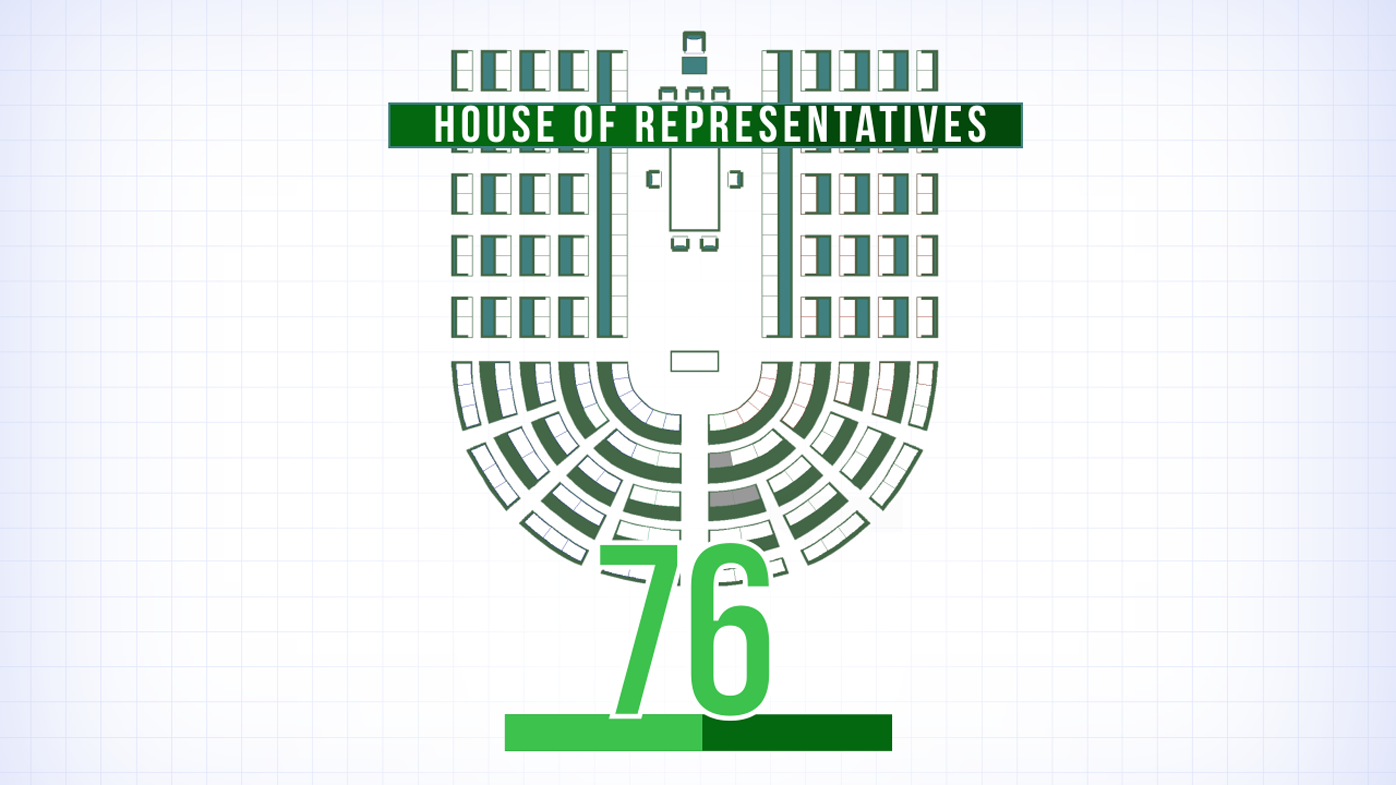
In order to win government in its own right, a party needs to hold the majority of seats in the House of Reps, which is the lower house.
There are 151 elected members, one representing each of Australia's electorates. So the magic number is 76.
READ MORE: How to vote in this year's election
READ MORE: How COVID-19 could impact the election
How is the Australian Prime Minister elected?
The leader of the party with the most seats in the House of Reps becomes the PM.
The Australian Federal Election process
A federal election is held about every three years.
It's compulsory for Australians aged 18 and over to vote and you need to be enrolled to do so.
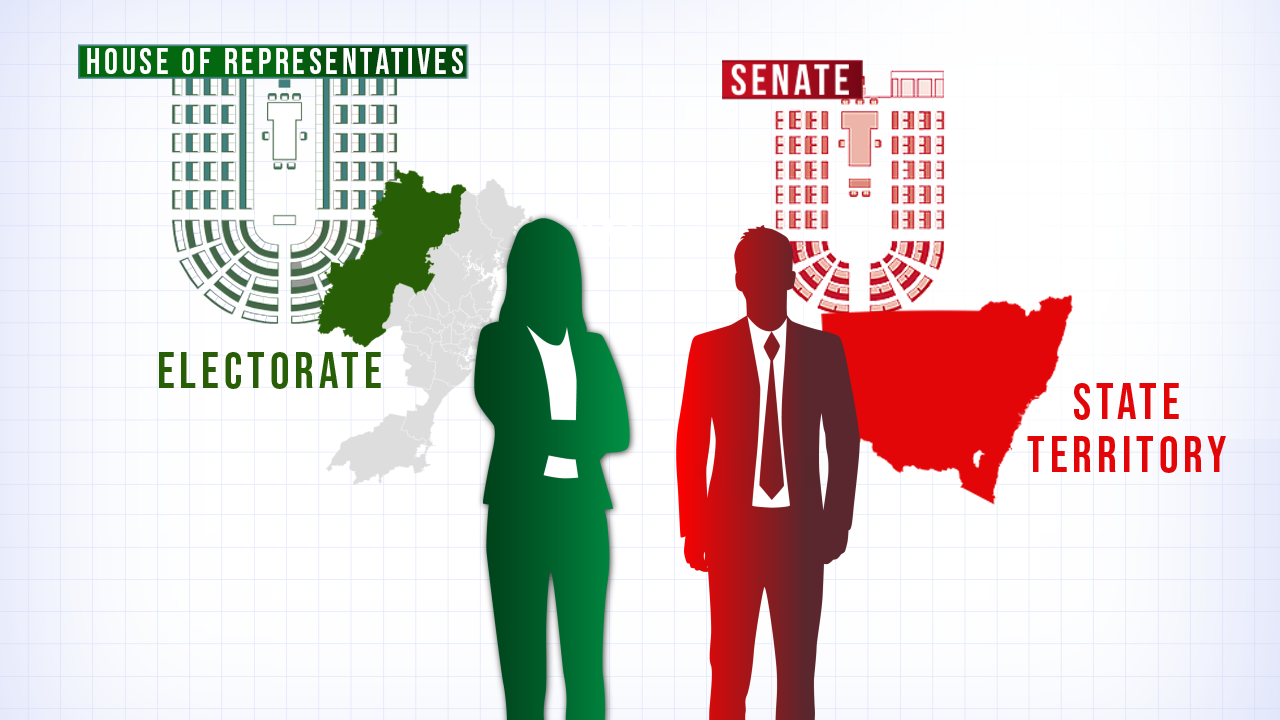
You will be voting on who you want to represent your local electorate in the House of Reps.
You'll also vote for who you want to represent your state or territory in the Senate.
This is a key difference between the House of Reps and the Senate.
MPs in the House of Reps represent their local electorates, while senators represent their state or territory.
READ MORE: Your guide to the key seats that could decide the Election
What are the other key differences between the House of Representatives and the Senate?
In the House of Representatives, MPs speak about issues important to people in their electorate.
Most bills that are turned into laws are introduced in the lower house.
In the upper house, senators usually debate and make amendments or bills that originated in the lower house.
The upper house is also smaller – there are only 76 senators and they have six-year terms.
How does our voting system work in Australia?
Australia has a preferential voting system.
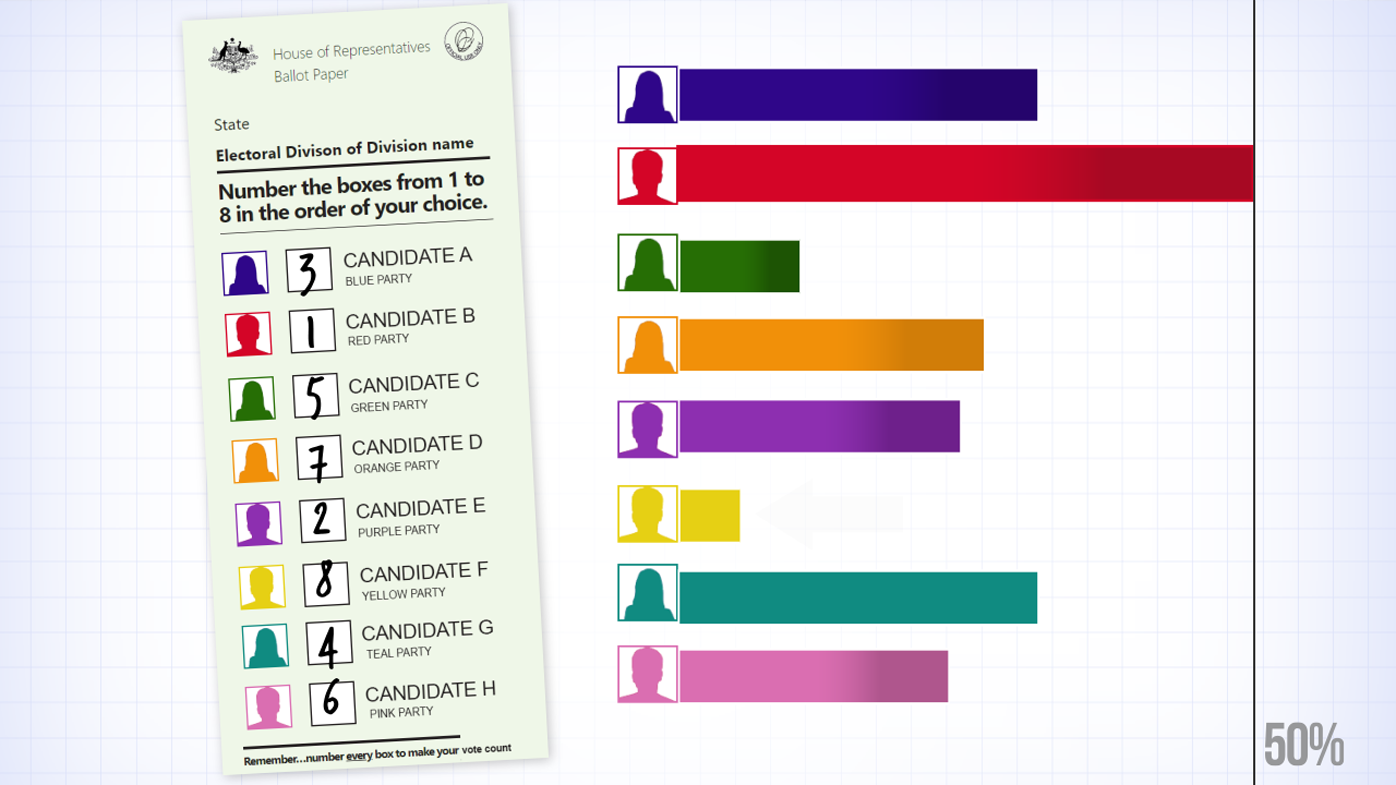
For the House of Reps, you'll be asked to rank candidates in order of preference until all the boxes are numbered.
If a candidate gains an absolute majority of first preference votes they win the seat.
If no candidate receives an absolute majority, the candidate with the least number of votes is knocked out of the race and their votes are redistributed according to second preferences until one candidate receives more than 50 percent of the vote.
What about the Senate?
The Senate is a bit different.
You can either vote above the line on the ballot paper, numbering your preferred parties or groups from at least 1 to 6.
If you vote below the line, voters are required to number at least 12 boxes for individual candidates.
There's a much more complicated system for counting Senate votes – it usually takes a number of weeks.
But because the government is formed in the lower house, you don't need to know the senate results in order to declare an overall winner.