The South Island does not appear to have passed its Omicron peak yet with case numbers continuing to rise.The Canterbury District Health Board reported 2494 new cases in the region on Thursday.That was up from 2403 on Wednesday…
Tag Archives: oceania
Oligarch's yacht stranded because Norwegians refuse to refuel it
A 68-metre megayacht purportedly owned by a Russian oligarch is stranded in a Norwegian harbour because locals refuse to allow it to be refuelled.
The MY Ragnar is reportedly owned by former KGB agent Vladimir Strzhalkovsky, who is close with Vladimir Putin.
Although Mr Strzhalkovsky is not on any sanctions list, Norwegian fuel suppliers are refusing to refuel it.
LIVE UPDATES: Major earthquake strikes Japan
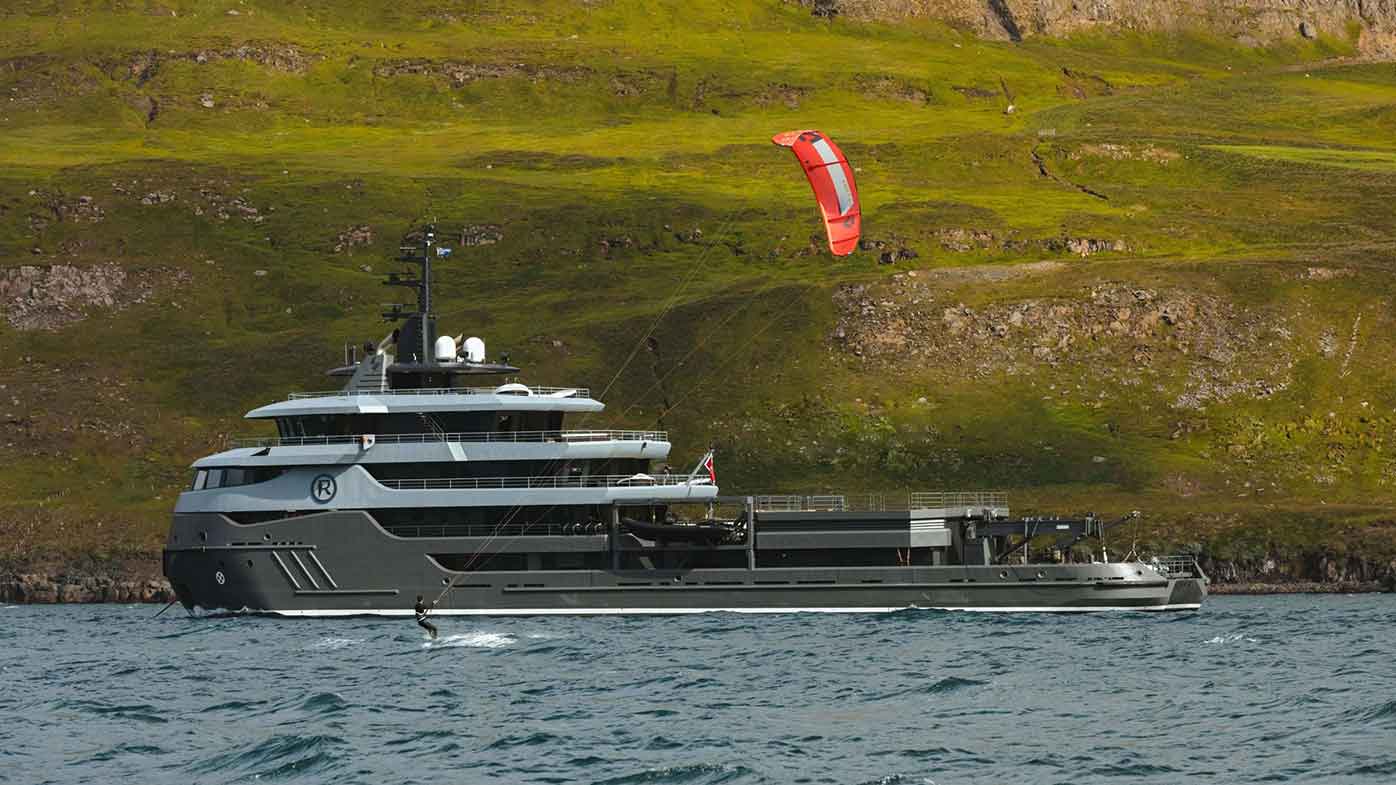
As a result, the Ragnar remains docked in Narvik, a fishing port in the north of Norway.
The yacht's captain Rob Lancaster, a Briton, has vented at the crew's treatment in a message stuck on a post in Narvik harbour.
"It is OK to fuel the Russian fishing fleet and allow them to operate in Norwegian waters and ports unhindered as this makes up 20 per cent of Northern Norway's economy," he wrote.
"However, they are happy to discriminate against this yacht for publicity in the current climate."
READ MORE: Russia replaces McDonald's with local rip-off
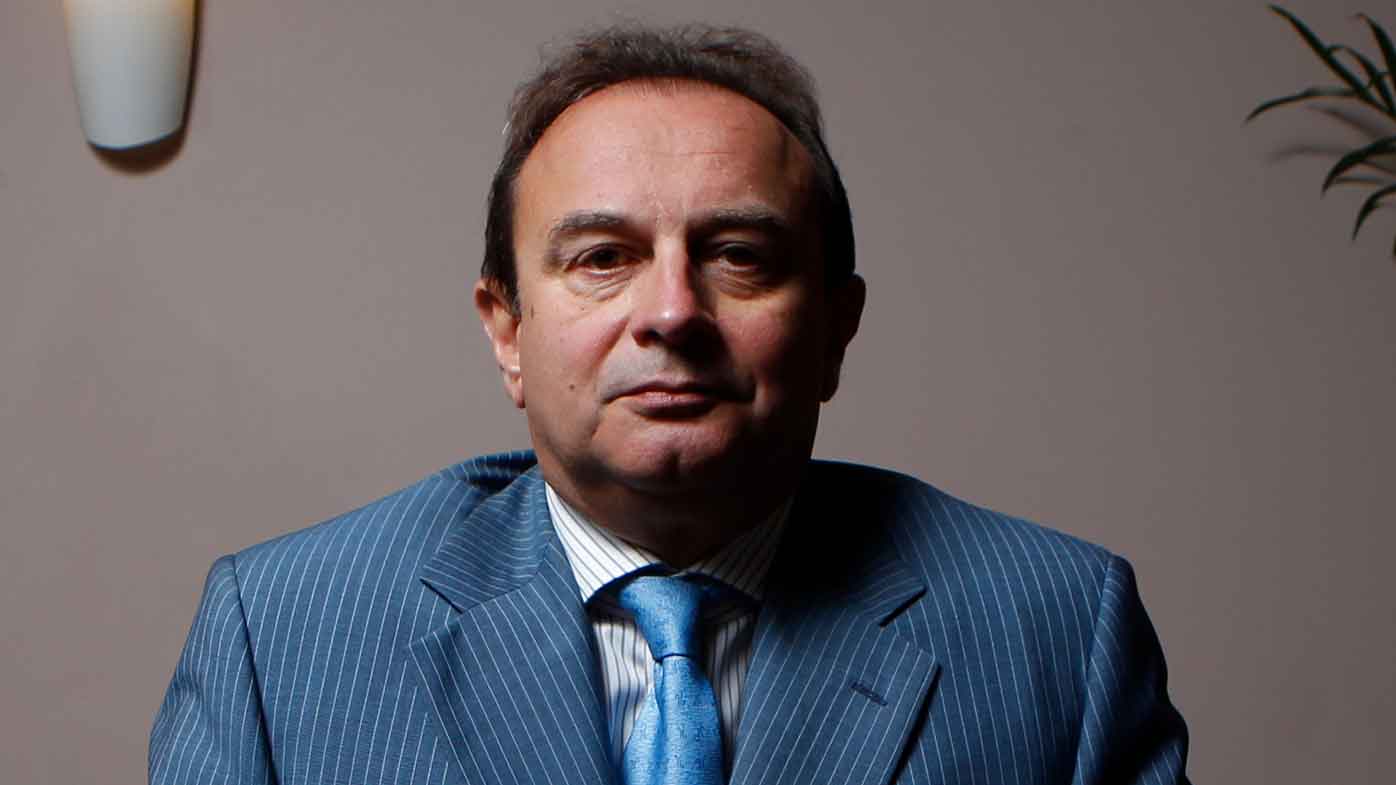
He wrote the discrimination towards the crew was "extremely unjust".
Mr Strzhalkovsky made his fortune in the nickel mining industry.
The yacht was put on the market last year for around $116 million, but has not yet sold.
READ MORE: Russian bomb destroys Ukraine theatre housing 'hundreds'

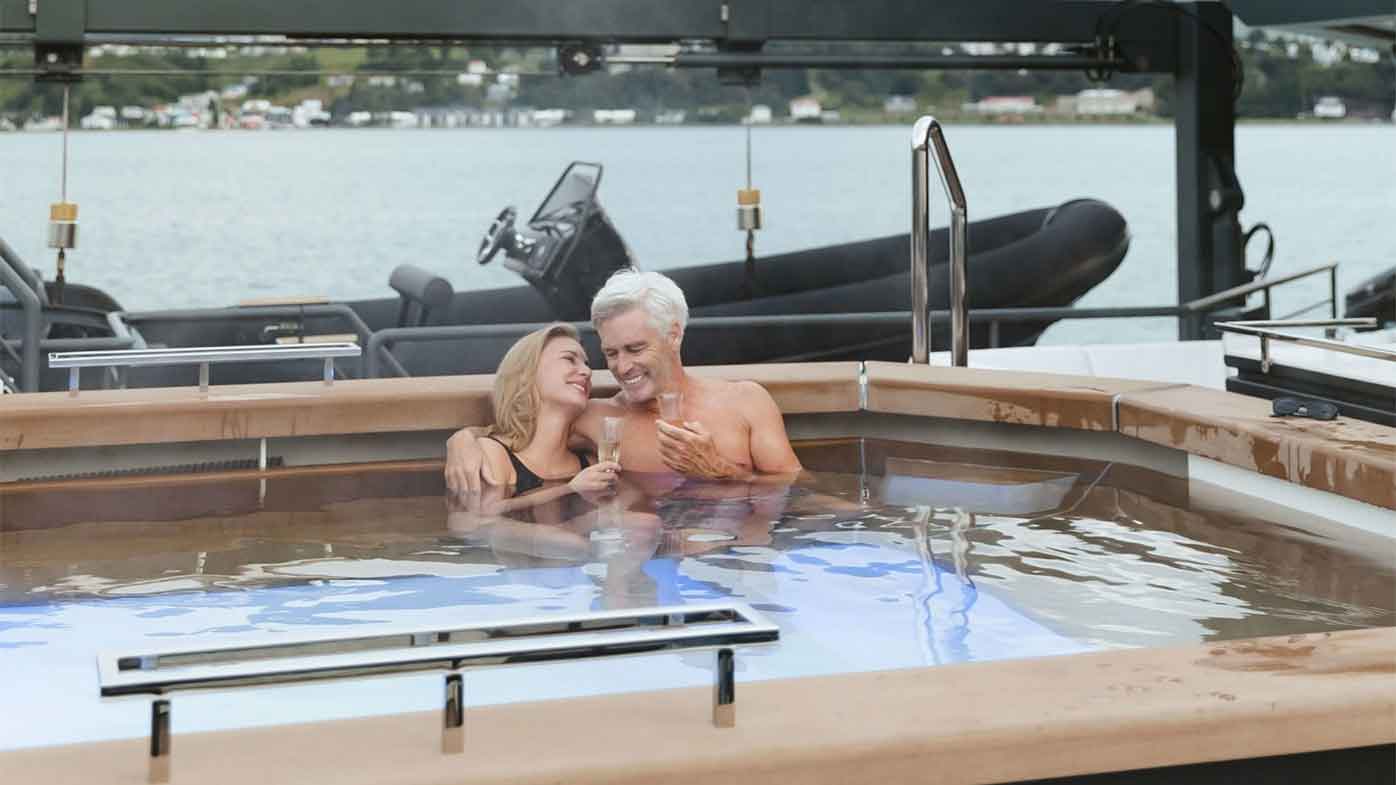
The superyacht is a custom-built luxury vessel adapted from an ice-breaking service ship.
The five-storey vessel is available for charter voyages.
Its website touts its well-equipped gym, glass-bottom pool, top-deck jacuzzi and spa.
Its home base is in Malta in the Mediterranean.
Covid 19 coronavirus Omicron outbreak: Wellington, Hutt among highest active cases per 100,000
One Wellington Hospital has more than 20 per cent of staff absent due to Covid-19, as the wider region becomes one of the main epicentres for Omicron in the country. Today there are nearly 25,000 active cases in the wider region…
Covid-19 outbreak: Immunity level tests to go on sale at pharmacies
By RNZ New Zealanders wanting to know how protected they are against Covid-19 infection could soon be able to have their immunity levels measured at their local pharmacy.Biotech company Orbis Diagnostics this morning announced…
Second arrest after two women in their 80s attacked in Havelock North
A second person has been arrested after two elderly women were robbed after their car was forced to stop.A police spokesperson said a 45-year-old Napier woman has been charged with aggravated robbery and is due to appear in Hastings…
Prime Minister Jacinda Ardern says compulsory history lessons will be one of her proudest achievements
Getting New Zealand history taught in schools will be one of Prime Minister Jacinda Ardern’s proudest accomplishments, she told school children today.From 2023 it will be compulsory to teach Aotearoa New Zealand’s histories in the…
Logo of Russian fast-food chain to replace McDonald's looks familiar
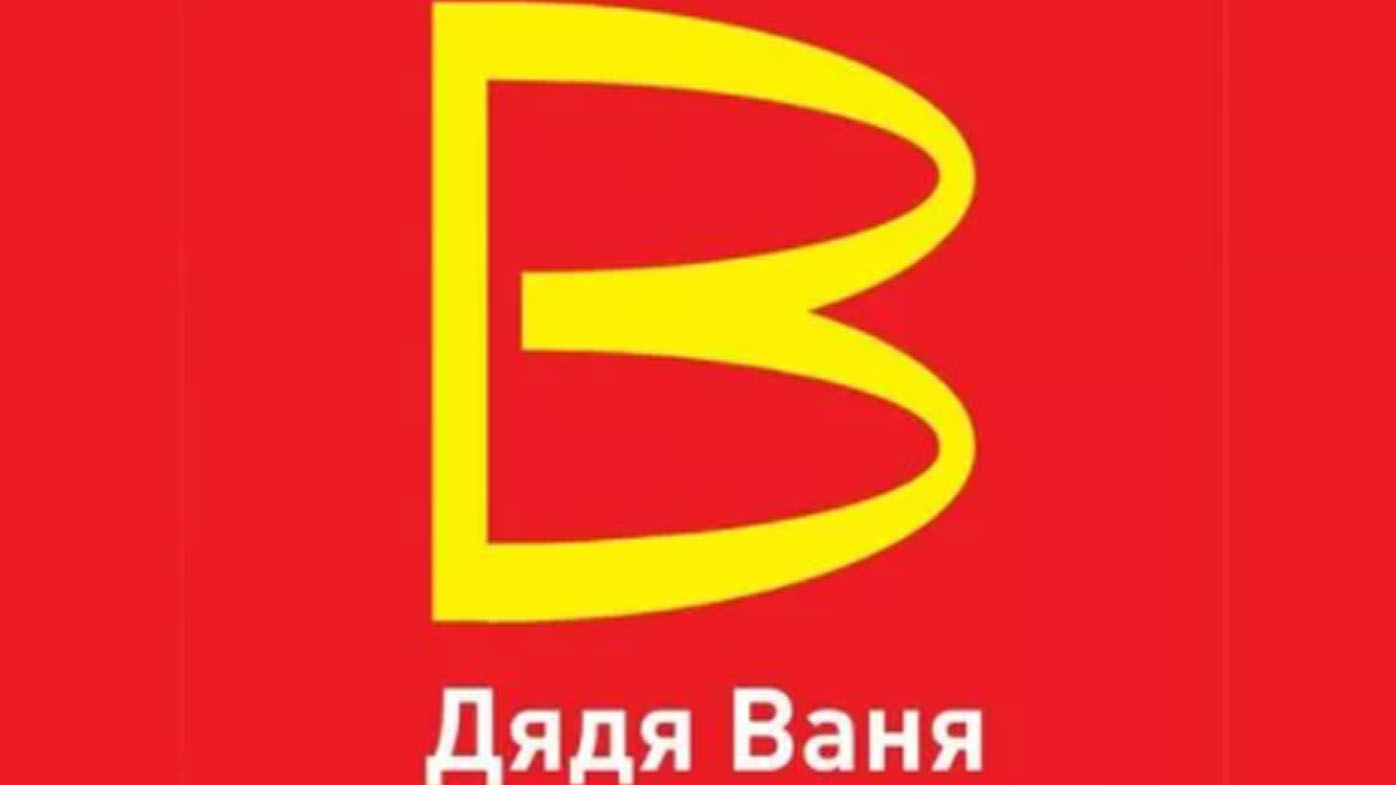
Russian authorities could replace hundreds of McDonald's stores with a domestic brand, whose logo is very similar to the American fast-food giant, according to reports.
Last week a trademark registration for the 'Uncle Vanya' brand was filed with Russian authorities, the Ukrainian news agency Nexta reported.
A group of Russian businessmen are reported to be behind the fast food company, which is set to replace the McDonald's outlets that were closed when Russia invaded Ukraine.
LIVE UPDATES: Major earthquake strikes Japan
They say products will be "100 per cent Russian" and the aim is to preserve jobs and reduce prices.
Last week McDonald's announced it was temporarily closing all of its 850 restaurants in Russia in response to the country's invasion of Ukraine.
The burger giant said it would continue paying its 62,000 employees in Russia "who have poured their heart and soul into our McDonald's brand."
READ MORE: Russian bomb destroys Ukraine theatre housing 'hundreds' of civilians
When the fast food giant opened its first Russian store in 1990, it signalled the end of Russia's relatively isolationalist Communist economic structure.
'Beautiful' rainbow-coloured fish discovered in 'twilight reefs'
A mesmerising new fish species has been identified in the waters off the coast of the Maldives.
The rose-veiled fairy wrasse, Cirrhilabrus finifenmaa, has been described in a paper published in the journal ZooKeys last week.
For two decades the animal had been misidentified as a closely related species; the red velvet fairy wrasse, Cirrhilabrus rubrisquamis.
READ MORE: Russian bomb destroys Ukraine theatre housing 'hundreds' of civilians
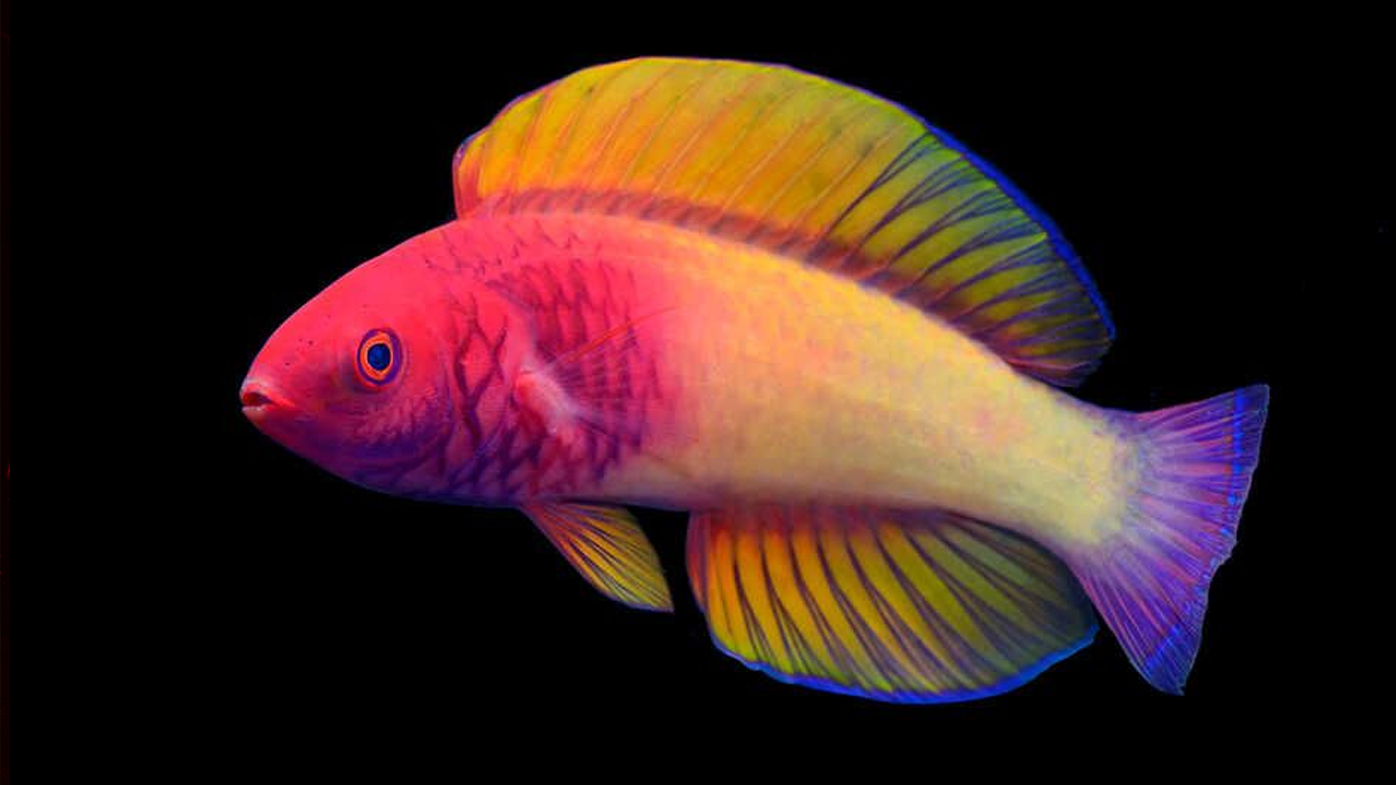
The vibrant, rainbow-coloured fish was first collected in 1990 but it wasn't identified as a distinct species until now.
Both species are found in mesophotic coral reefs, which grow deeper than tropical reefs at depths between 30-149 metres.
The reefs are sometimes called "twilight reefs" as they're in the "twilight zone" of the ocean.
Wrasse can reach lengths of up to seven centimetres.
DNA analysis were conducted on the two wrasse species and determined they are genetically distinct animals.
EXPLAINER: What would a Russian bond default mean?
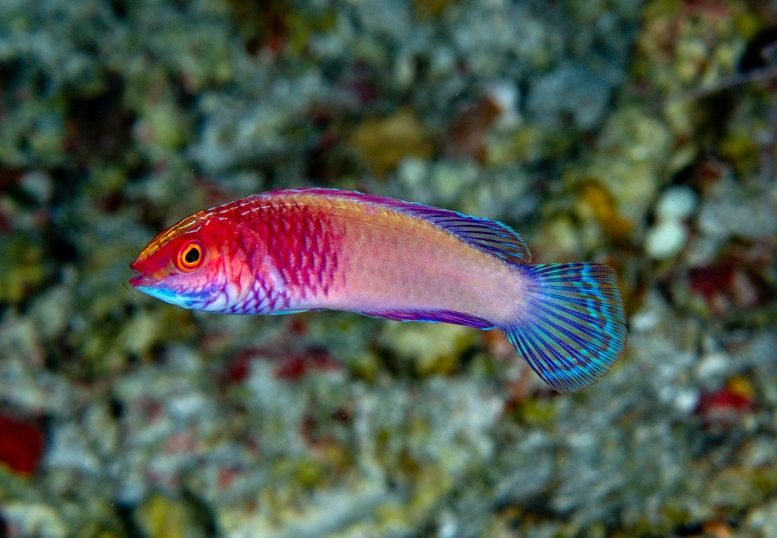
"What we previously thought was one widespread species of fish is actually two different species, each with a potentially much more restricted distribution," lead author Yi-Kai Tea, a doctoral student at the University of Sydney, said in a statement.
"This exemplifies why describing new species, and taxonomy in general, is important for conservation and biodiversity management."
READ MORE: 'Shocking' discovery in baby turtle caught in NSW floods disaster
The study found rose-veiled fairy wrasse have a smaller range than the red-velvet fairy wrasse, which is found throughout the Indian Ocean.
While females of the species look alike, the scales of male rose-veiled fairy wrasse feature more orange and yellow.
Guinness record contender not actually a potato, farmers told
When is a potato not a potato?
When it's a tuber of a gourd, according to Guinness World Records.
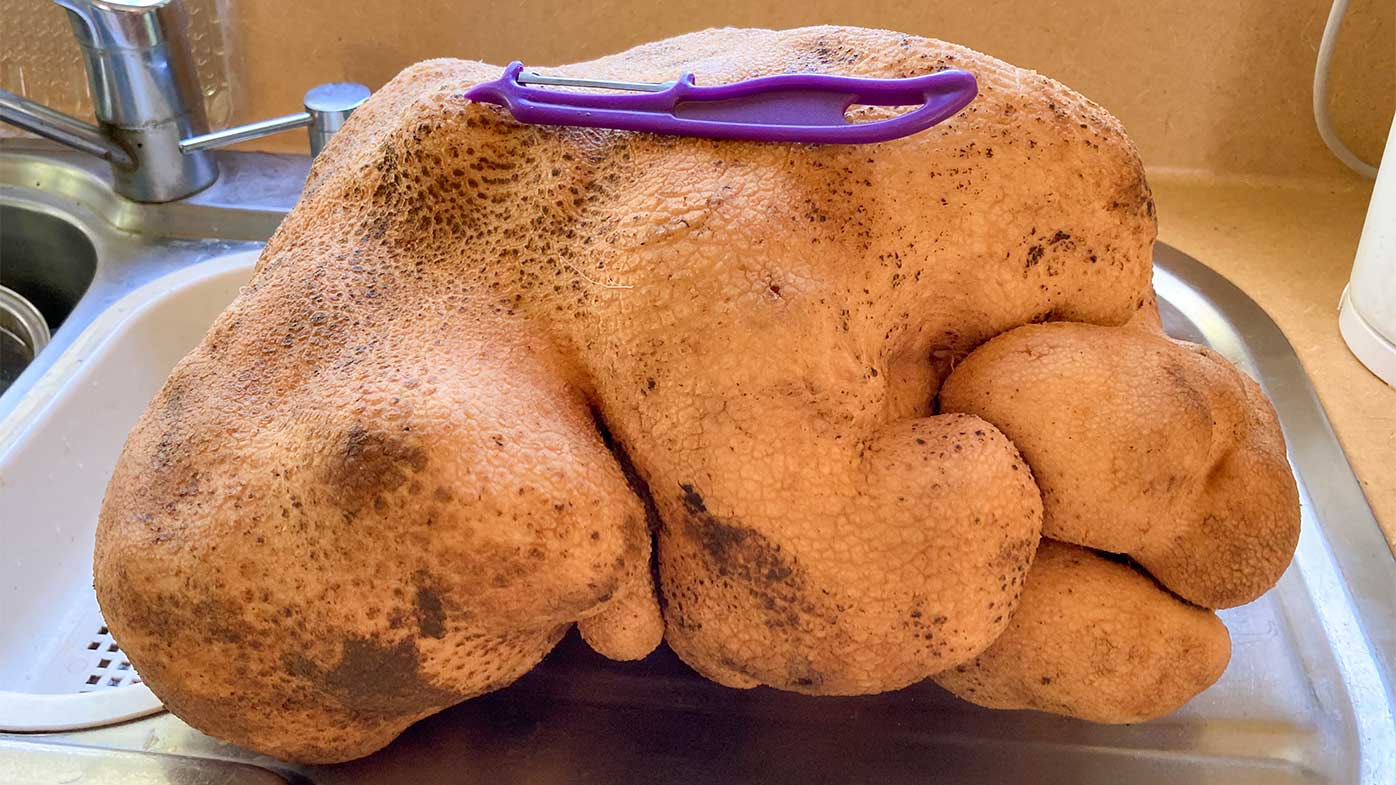
A New Zealand couple who believed they had dug up the world's largest potato in the garden of their small farm near Hamilton have had their dreams turned to mash after Guinness wrote to say that scientific testing had found it wasn't, in fact, a potato after all.
LIVE UPDATES: Lockdown unnecessary as COVID-19 on the rise
READ MORE: Melbourne man adopts 'potato only' diet in bid to transform health
Colin Craig-Brown, who first hit the tuber with a hoe last August when gardening with his wife Donna, said it sure looked and tasted like a potato. Mind you, he added, he's never tasted a gourd tuber.
“What can you say?” said Craig-Brown. “We can’t say we don’t believe you, because we gave them the DNA stuff.”
After months of submitting photos and paperwork, the couple got the bad news from Guinness in an email last week.
“Dear Colin,” the email begins, going on to say “sadly the specimen is not a potato and is in fact the tuber of a type of gourd. For this reason we do unfortunately have to disqualify the application.”
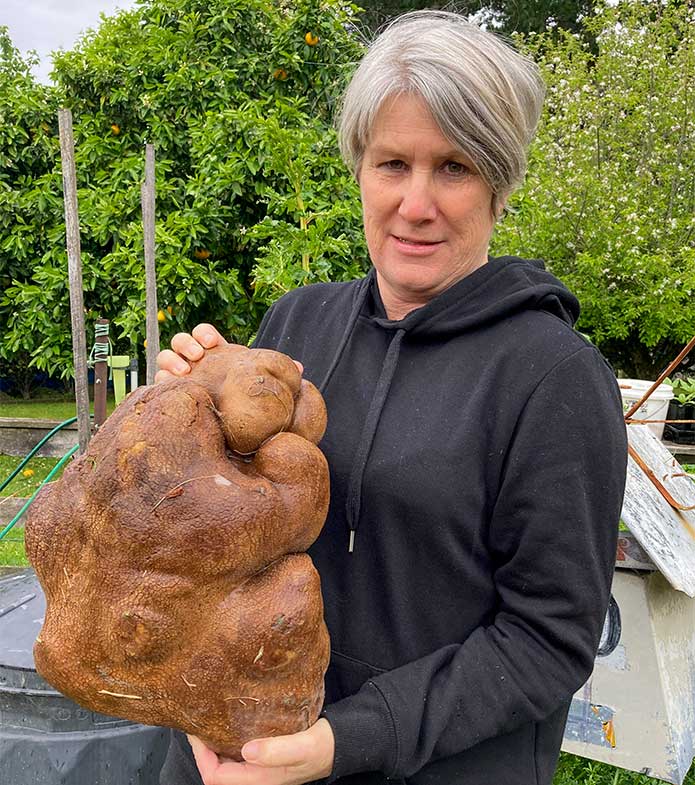
The couple had named their find Doug, which they took to spelling Dug, after the way it was unearthed. The tuber became something of a local celebrity, after the couple began posting photos of it on Facebook with a hat on and even built a cart to tow it around.
An official weigh-in at a local farming store put Dug at 7.8 kilograms, equal to a couple of sacks of regular potatoes, or one small dog. The existing Guinness record will stand, a 2011 monster from Britain that weighed in at just under 5 kg.
Craig-Brown remains a big believer in Dug, who still sits in their freezer.
“I say ‘gidday’ to him every time I pull out some sausages. He's a cool character,” Craig-Brown said. “Whenever the grandchildren come round, they say, ‘Can we see Dug?'"
“Dug is the destroyer from Down Under,” Craig-Brown added. “He is the world’s biggest not-a-potato.”
READ MORE: Woman finds live snake in Woolworths bag of potatoes

Craig-Brown said he's not done yet with chasing the potato record. Dug was self-sown but Craig-Brown said that with all his subsequent research into giant potatoes, he's ready to try and deliberately grow a record-breaking monster next season.
And this time, it will definitely be a potato.
READ MORE: Whole fried potato found in packet of Kettle Chips
Biden calls Putin 'war criminal' as attacks on Ukraine intensify
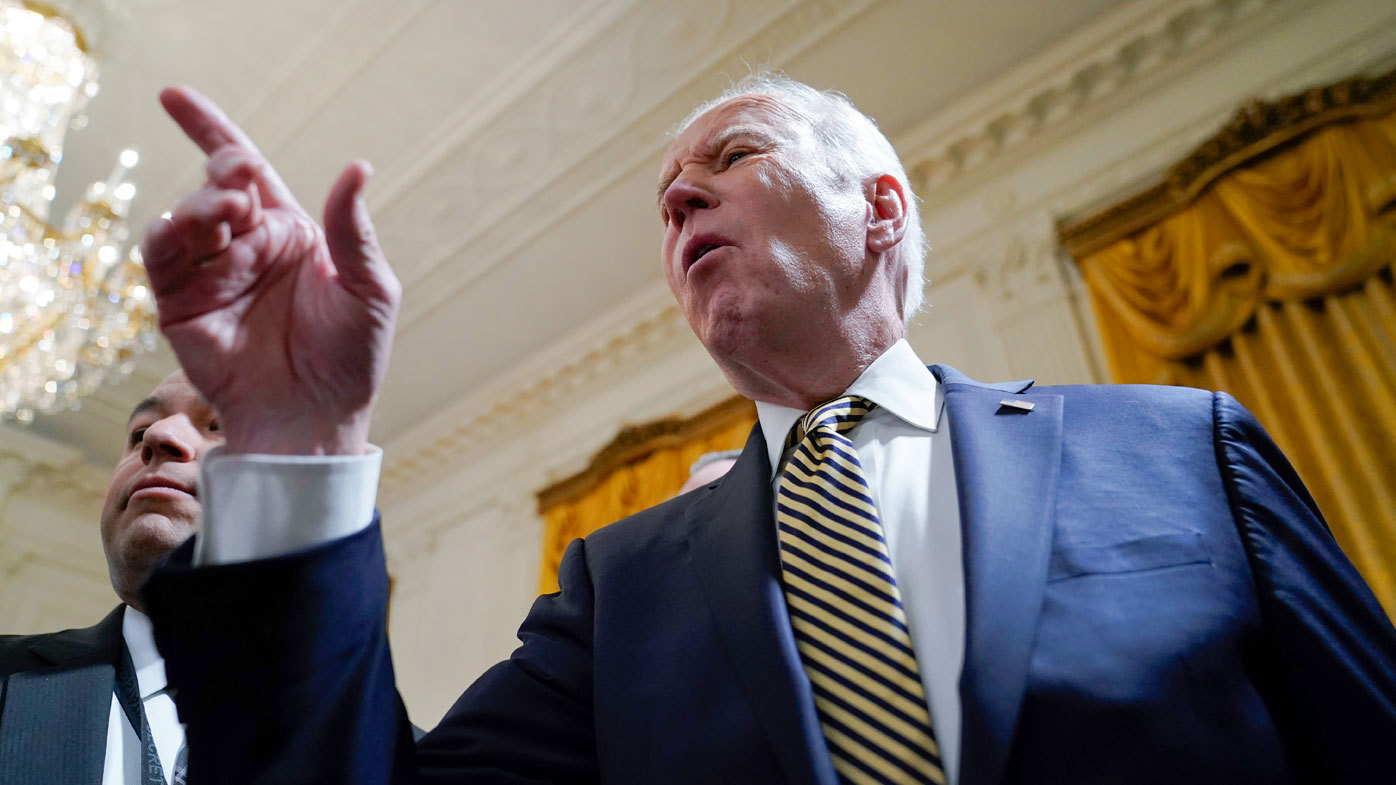
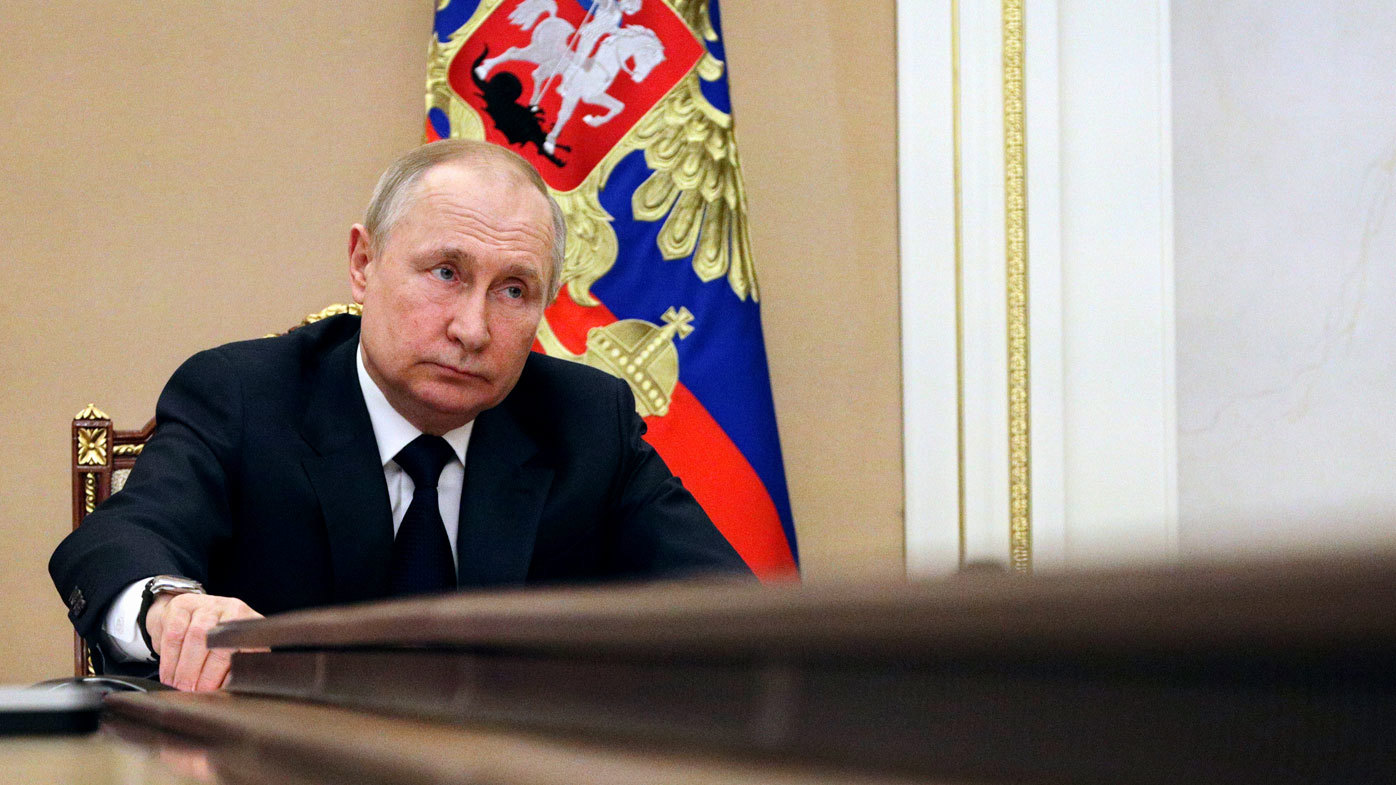
President Joe Biden today called Russian President Vladimir Putin a war criminal as the atrocities in Ukraine mount.
"He's a war criminal," Mr Biden said of Mr Putin as he left an event. Footage of his exchange with journalists showed the US President clarifying a question he at first seemed to misunderstand.
Initially Mr Biden told a reporter "no," when he was asked if it was time to label Mr Putin a war criminal because of evidence coming out of Ukraine.
READ MORE: Russian bomb destroys Ukraine theatre housing 'hundreds' of civilians
READ MORE: Where in the world are Roman Abramovich's private jets?
But then Mr Biden clarified the question and changed tack, saying: "Oh, I think he is a war criminal."
The Kremlin responded quickly to the shift in rhetoric, saying that Mr Biden's comments were "unacceptable and unforgivable".
Mr Biden's declaration is the sharpest condemnation yet of Mr Putin and Russian actions by a US official since the invasion of Ukraine.
While other world leaders have used the words, the White House had been hesitant to declare Mr Putin's actions those of a war criminal, saying it was a legal term that required research.
Other world leaders have not been as circumspect, including British Prime Minister Boris Johnson, who said last week war crimes were being committed.
After Mr Biden delivered his assessment, the White House said the administration's investigation into war crimes would continue.
"The President's remarks speak for themselves," press secretary Jen Psaki said.
READ MORE: Strong magnitude 7.3 earthquake hits north-east Japan
READ MORE: The graphs that show how Russia's invasion has rocked world markets
She said Mr Biden was "speaking from the heart."
While the term "war crimes" is often used colloquially, as Mr Biden appeared to be doing today, they do have a legal definition that could be used in potential prosecution.
That includes in the Geneva Convention, which specifies intentional targeting of civilians as a war crime.
Yet in order to prosecute a war crime, solid evidence is required.
And for Russian officials to be held accountable, they would need to travel outside of the country.
Still, an official designation of war crimes – backed up with evidence – would still present the West with a symbolic tool in framing Putin's actions in Ukraine.
READ MORE: The Stinger missile worked against the Russians in Afghanistan in the 1980s, but will it in Ukraine?
With agencies