A terminally ill man was given unnecessary liver surgery after an X-ray showing his cancer had spread was not read properly. Instead of having liver surgery, a new report out today has found he should have been sent straight to…
Tag Archives: oceania
Herald afternoon quiz: March 14
Test your brains with the Herald’s afternoon quiz. Be sure to check back on nzherald.co.nz for the morning quiz tomorrow.
Brothers say stepmother often hit them with metal spatula until they bled
A teenage boy claims his stepmother often spanked him and his brother with a metal spatula until their buttocks bled.But the woman’s lawyer says the alleged years of beatings never happened.The allegations are at the centre of…
Hate speech laws: Race Relations Commissioner Meng Foon calls out Government over delays three years after March 15 attacks
On the eve of the three-year anniversary of the mosque terror attacks the Race Relations Commissioner has accused the Government of “dragging its heels” over proposed hate speech laws. Strengthening the legislation against incitement…
The graphs that show how Russian invasion has rocked world markets
Russian tanks and missiles hitting Ukraine are also rocking key global commodity markets around the world.
Hefty price surges in oil quickly rippled through to petrol pumps across Australia with the kind of prices motorists hadn't seen for 15 years.
The cost of wheat has also jumped, meaning Australians will likely pay more for a loaf of bread with potentially far more dire consequences in poorer regions of the world.
LIVE UPDATES: Russian invasion in Ukraine draws close to NATO borders
READ MORE: Australia's cruise ban on brink of finally lifting
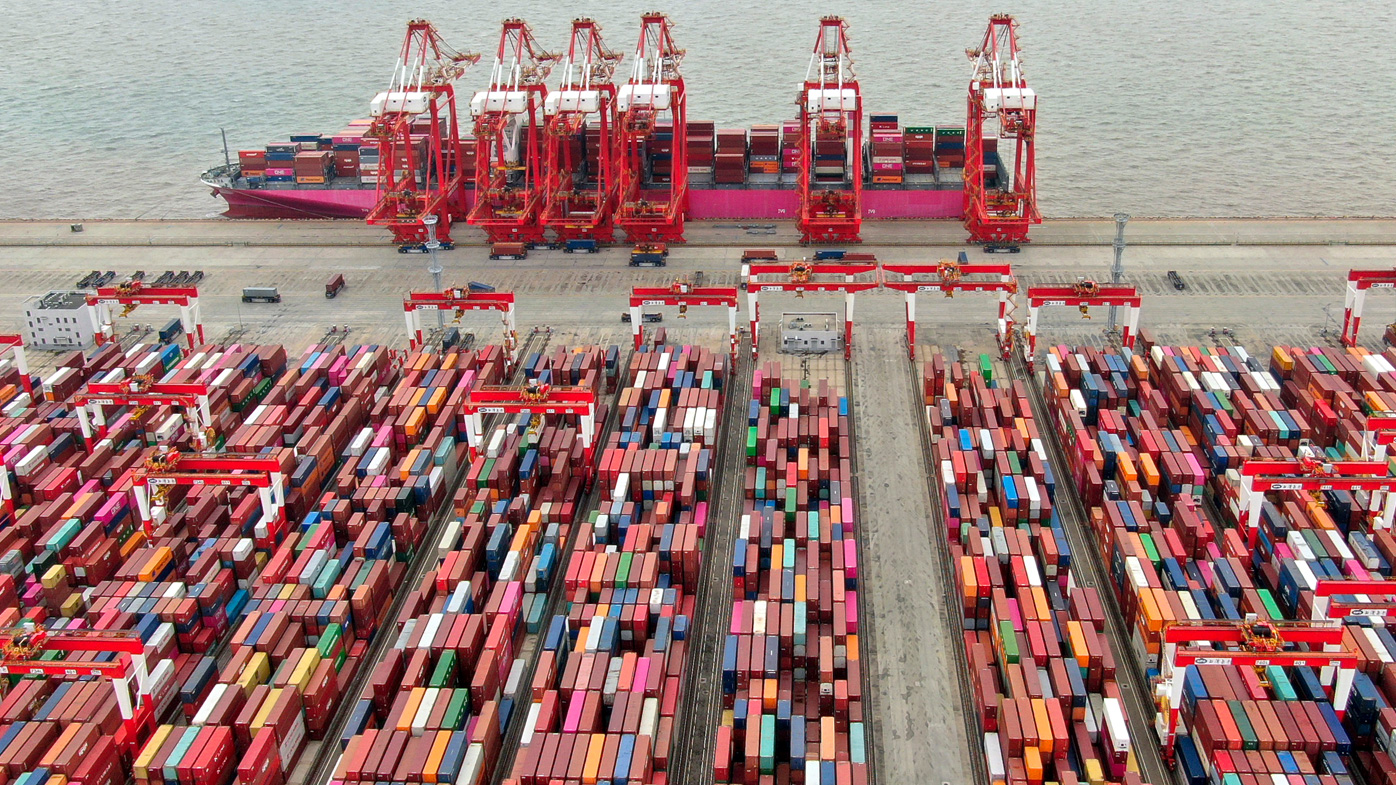
Since the invasion began on February 24, transporting many core goods around the world has become far more costly and complex because of the multi-faceted sanctions imposed on Russia.
Backlogs in global supply chains, already stretched because of the COVID-19 pandemic, have only lengthened.
Commonwealth Bank's commodities analyst Vivek Dhar said no companies even want to insure container ships on the Black Sea right now, because of the fighting in nearby Ukraine.
"These factors are all causing price spikes and massive issues in blocking supply chains," he said.
And unfortunately, Mr Dhar said, these price shocks will be around for some time, especially as no-one knows how the Russia-Ukraine conflict will end, or when.
Oil
The rising price of oil has widespread implications.
As transport costs go up, those hikes bleed into all goods being carried around the world, stretching some business models to breaking point and leaving consumers facing higher prices.
"The more that sanctions get ratcheted up, the more oil and petrol prices will lift," Mr Dhar said.
Even before the conflict, global oil stockpiles were sitting at seven-year lows.
READ MORE: The Stinger missile worked against the Russians in Afghanistan in the 1980s, but will it in Ukraine?
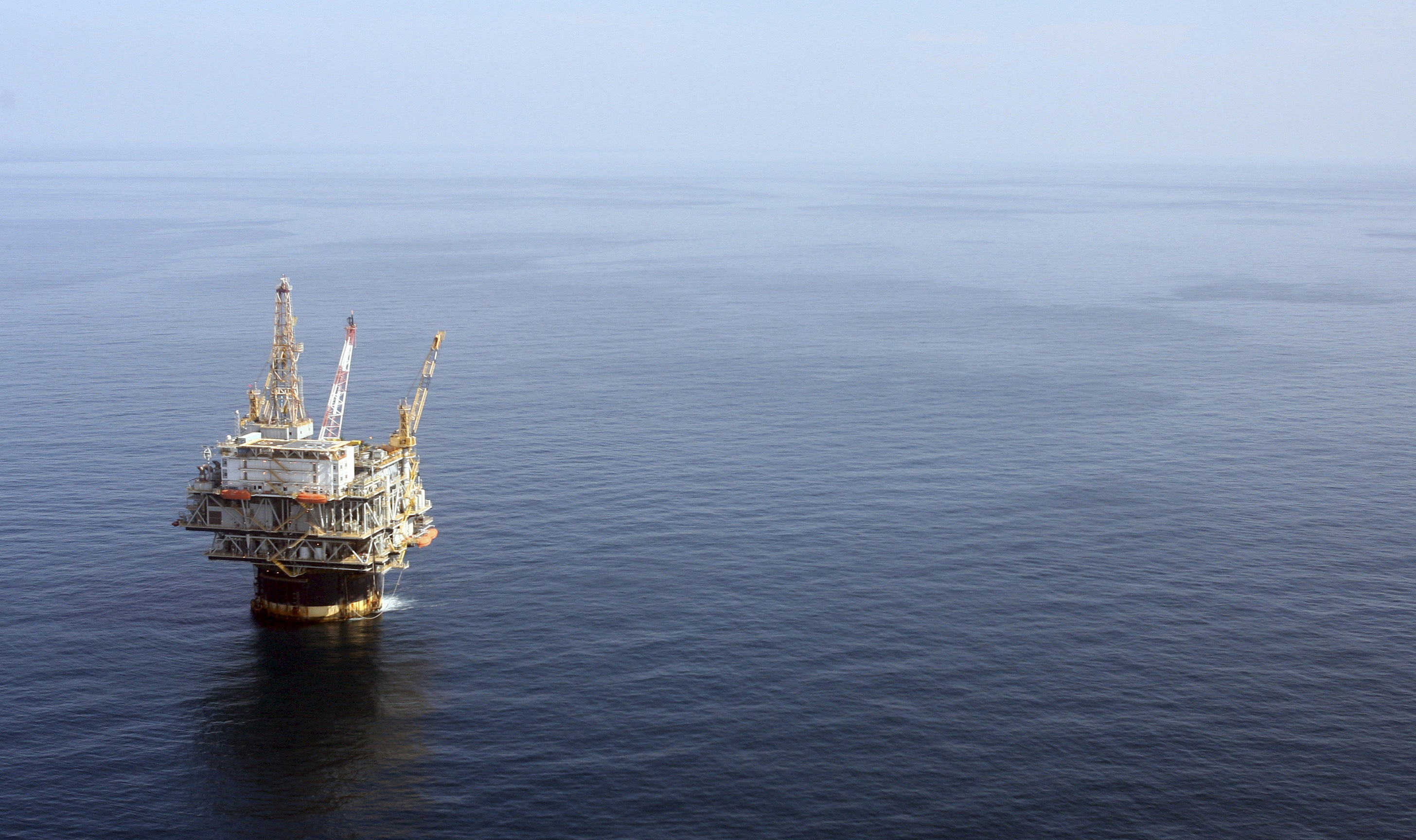
"The market was already very much not ready for a supply shock," Mr Dhar said, while explaining that "how this conflict ends matters greatly" to where the price of oil eventually begin to settle.
"There is a real argument that we could be in a period where there's a steep shift higher in energy prices because (the West) don't let Russia participate in global markets for commodities for some time.
"And that's something that markets really have to get their head around right now."
Wheat
With Russia and Ukraine accounting for nearly one-third of all global wheat exports, any conflict was always going to pinch.
There are fears of a wider food crisis, especially with China recently signalling it could now hold back some of its rice exports.
"It means prices are going to be higher," Mr Dhar said.
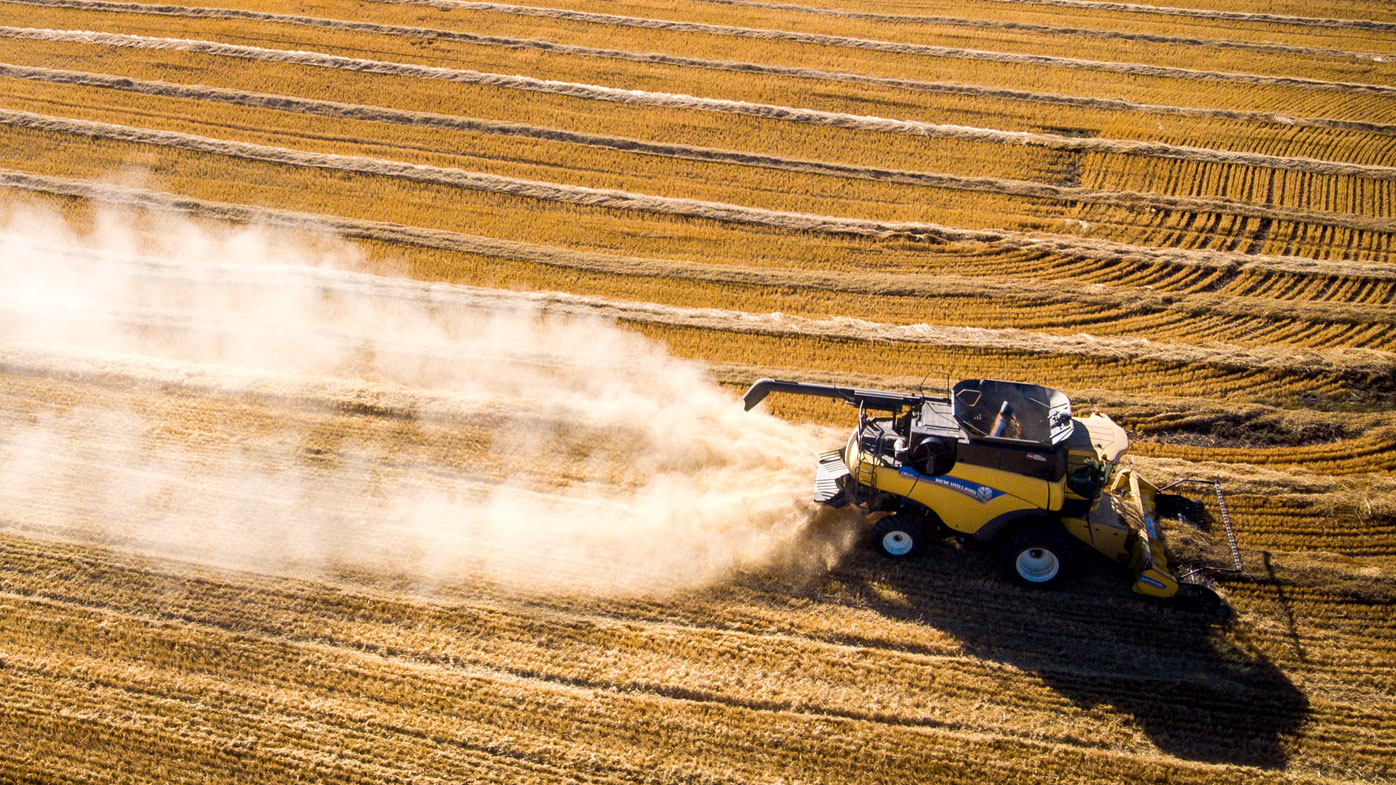
"And, as with the other commodities, it's very difficult to see that recovering quickly."
Supply line bottle necks will complicate attempts from the world's other big wheat producers who plan to try and fill that void, he said, but that's assuming other nations even want to send vast consignments of wheat offshore during an uncertain global squeeze.
"This premium is likely to last for a while," Mr Dhar said.
Coal
Russia is a major player in the coal export market and prices have more than doubled since the invasion.
The country exports about 10 per cent of the global coking coal trade and around 15 to 20 per cent of global thermal coal exports.
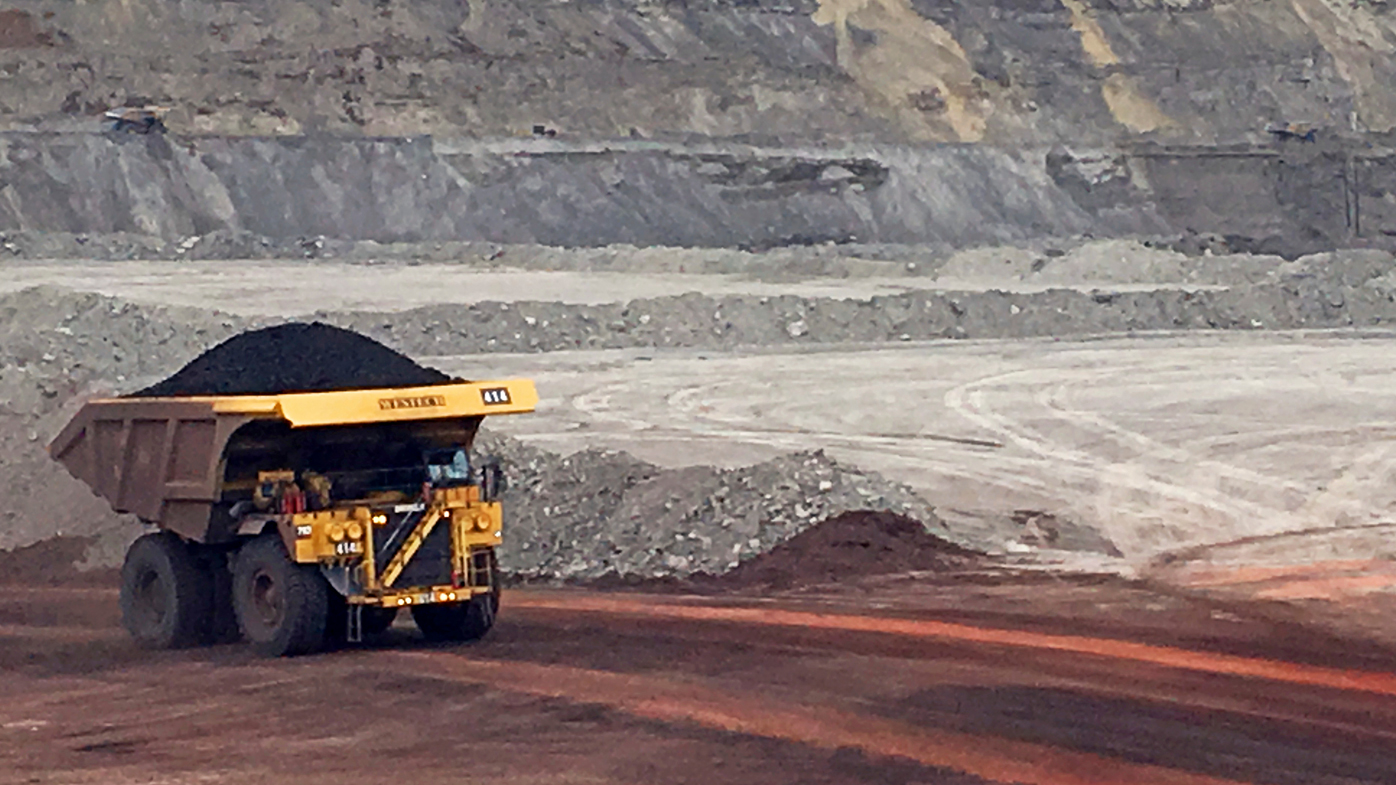
Mr Dhar said Russia are "very big players" and replacing their tonnage has been "very challenging".
Both coal markets were already struggling for supply at the start of the year, he said.
Gold
A favourite for investors during times of war and uncertainty, gold prices have steadily risen since Russian boots hit Ukrainian soil.
Briefly bursting through the US $2000 mark, gold is currently trading at prices not seen since the start of the COVID-19 pandemic and in the aftermath of the Global Financial Crisis.
"It is certainly riding the wave of a safe haven demand," Mr Dhar said.
A diplomatic solution will see the price of gold cool, Mr Dhar said, but that could be complicated by wider US inflation expectations.
If energy prices and inflation stay higher for longer, gold will continue to trade at higher prices.
"And that is something that may be the case in coming months."
Bitcoin and cryptos
After initially reacting with a jump, Bitcoin has tracked down and settled back between US $35,000 – $45,000, trading at almost half of the record highs it reached last November.
Ethereum, the second most popular cryptocurrency, was largely unaffected by the invasion of Ukraine, and is trading at just over $2500. It, too, has shed value since the end of last year.
Nickel
Last week the London Metal Exchange suspended trading of nickel after prices doubled in a matter of hours, with Mr Dhar describing the market movement as an "explosion".
The suspension remained in place on Friday, and it remains unclear if the temporary ban will be lifted this week.
Russia is the world's third biggest supplier of nickel, and the ramifications will be felt off-market in the real world.
Nickel is a key component in lithium-ion batteries used in electric vehicles and also stainless steel.
Words: Mark Saunokonoko
Interactive graphics: Tara Blancato
Hutt Valley DHB failed to flag man's allergy before fatal anaphylactic shock, HDC finds
A man’s death from anaphylactic shock could have been prevented by better communication processes around allergies, and health authorities have been asked to apologise to his family. The man was treated for an injury while on holiday…
Colin Craig says ex-Conservative Party board member John Stringer defamed him as trial begins
In the months after his unsuccessful bid for Parliament in 2014, then-Conservative Party leader Colin Craig’s political career was on the verge of imploding due to allegations of sexual harassment by his former press secretary. It…
The tax claiming 20 per cent of every litre of petrol
Australian household budgets are groaning under the weight of record-high petrol prices, prompting many to seek answers from the Federal Government.
As the price of regular unleaded fuel exceeds $2 a litre, some have called for the government to slash its fuel excise, the primary tax placed on the sale of every drop of petrol.
But will this really bring down petrol prices? And how does the fuel excise actually work?
LIVE UPDATES: Russian invasion in Ukraine draws close to NATO borders
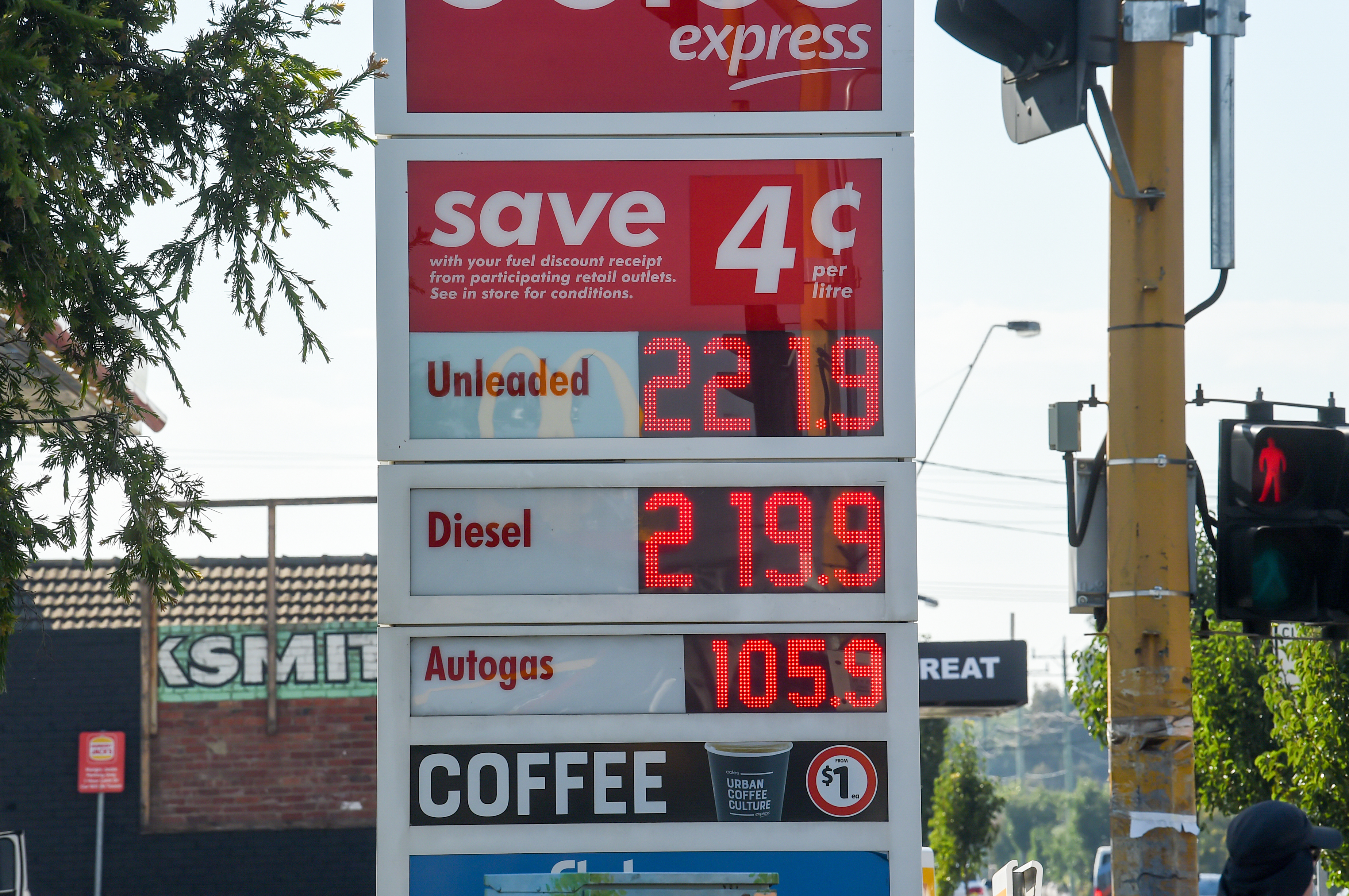
Let's start from the beginning. What is the fuel excise?
Put simply, the fuel excise is a tax placed on every litre of petrol sold in Australia.
It doesn't matter where you buy your petrol – or even if you're buying unleaded 91 or unleaded 98 premium – the fuel excise is the same.
As of February 2022, the fuel excise is set at 44.2 cents per litre.
READ MORE: Albanese opens up in revealing 60 Minutes interview
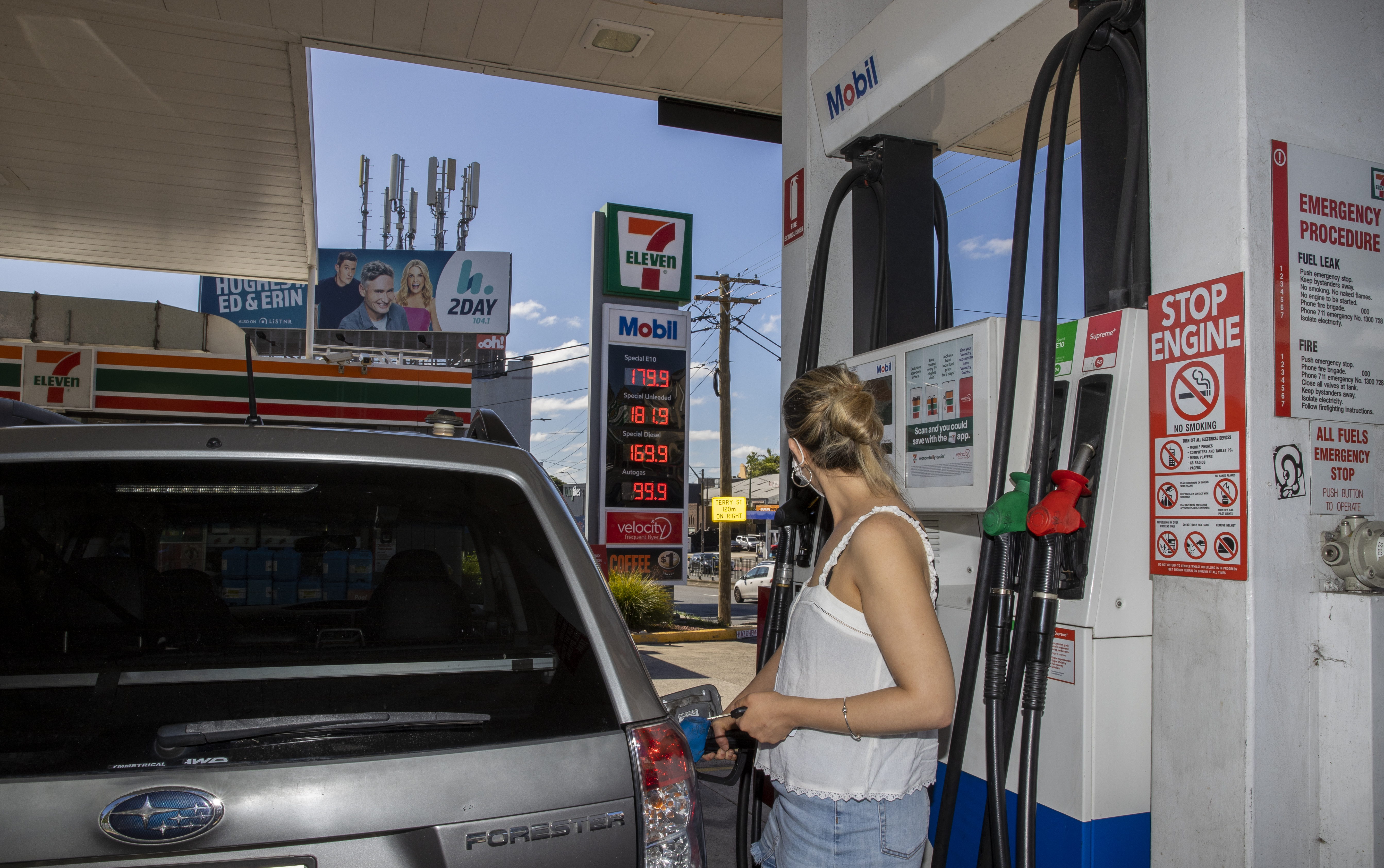
Wow that sounds like a lot. So how much fuel excise am I paying on a tank of petrol?
Let's use whole numbers to make things easier – obviously the amount of petrol a car can carry depends on a number of variables.
If petrol is selling for $2 a litre, 44.2 cents of that is the tax of the fuel excise.
If you were to fill up a 100-litre tank – costing you $200 – you'd be paying $44.20 in fuel excise.
With petrol sitting at $2 a litre, it's a little over 20 per cent of your fill up price that you're paying in fuel excise.
Just a side note: while fewer cars are running on liquefied petroleum gas (LPG) these days, LPG's fuel excise is taxed at just 14.5 cents per litre.
READ MORE: War has brought the world to the brink of a food crisis
Is that the only tax we pay on a litre of fuel?
No.
GST – or the Goods and Services Tax – is also applied to fuel at the standard rate of 10 per cent no matter what the per-litre price is.
When you combine the fuel excise and GST, 30 to 40 per cent of every litre of fuel is spent on taxes.
If taxes make up left of half of the price of petrol, then where does the rest of the price come from?
Business costs and profit margins.
Petrol retailers are not government-funded organisations – they too need to be a profit-making exercise.
Retailers need to factor in the wholesale price of fuel, which they buy as well as business costs such as (but not limited to) storing fuel, transporting it around the country, running stations, paying wages and paying rent at stations.
EXPLAINED: Why is the price of petrol so high?
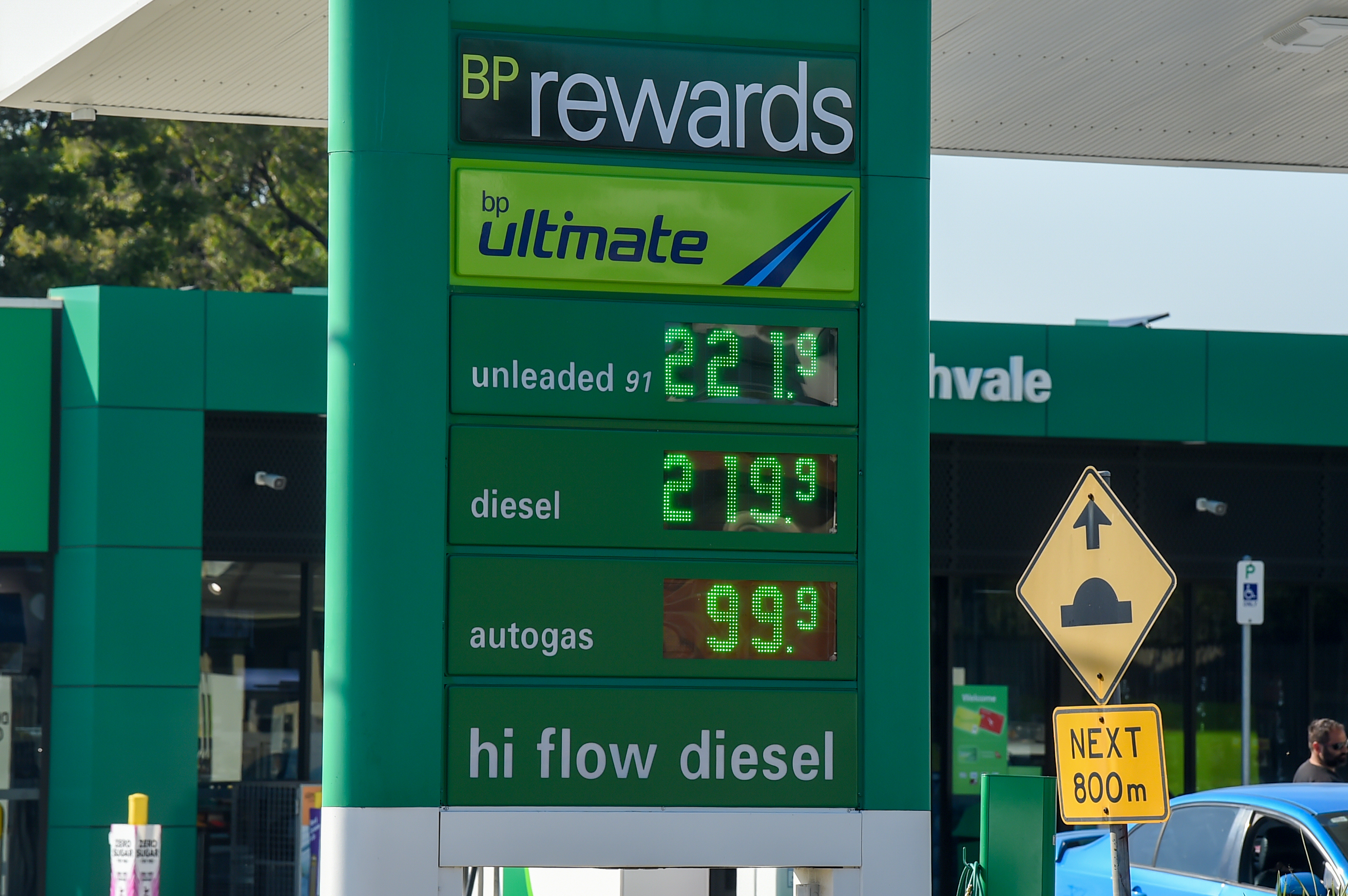
What does the government spend the fuel excise on?
The fuel excise is collected by the Federal Government. It is spent on constructing and maintaining roads in Australia.
By buying fuel, Australian motorists are essentially topping up the Federal budget used to build and maintain roads infrastructure.
Vehicle registration fees and driver's licence fees are collected by state and territory governments.
Should the Federal government scrap the fuel excise altogether to make petrol cheaper?
The NRMA doesn't think so.
"The excise is there to raise money to pay for roads, to provide the financial support to state governments and councils so that they can maintain a safe and world-class road network," said NRMA spokesperson Peter Khoury.
"We can either have funding for roads – or we can cut the excise. We can't have both."
Mr Khoury said while motorists desperately needed sustained relief from high petrol prices, it was the price of oil that needed to fall to bring meaningful change to household budgets.
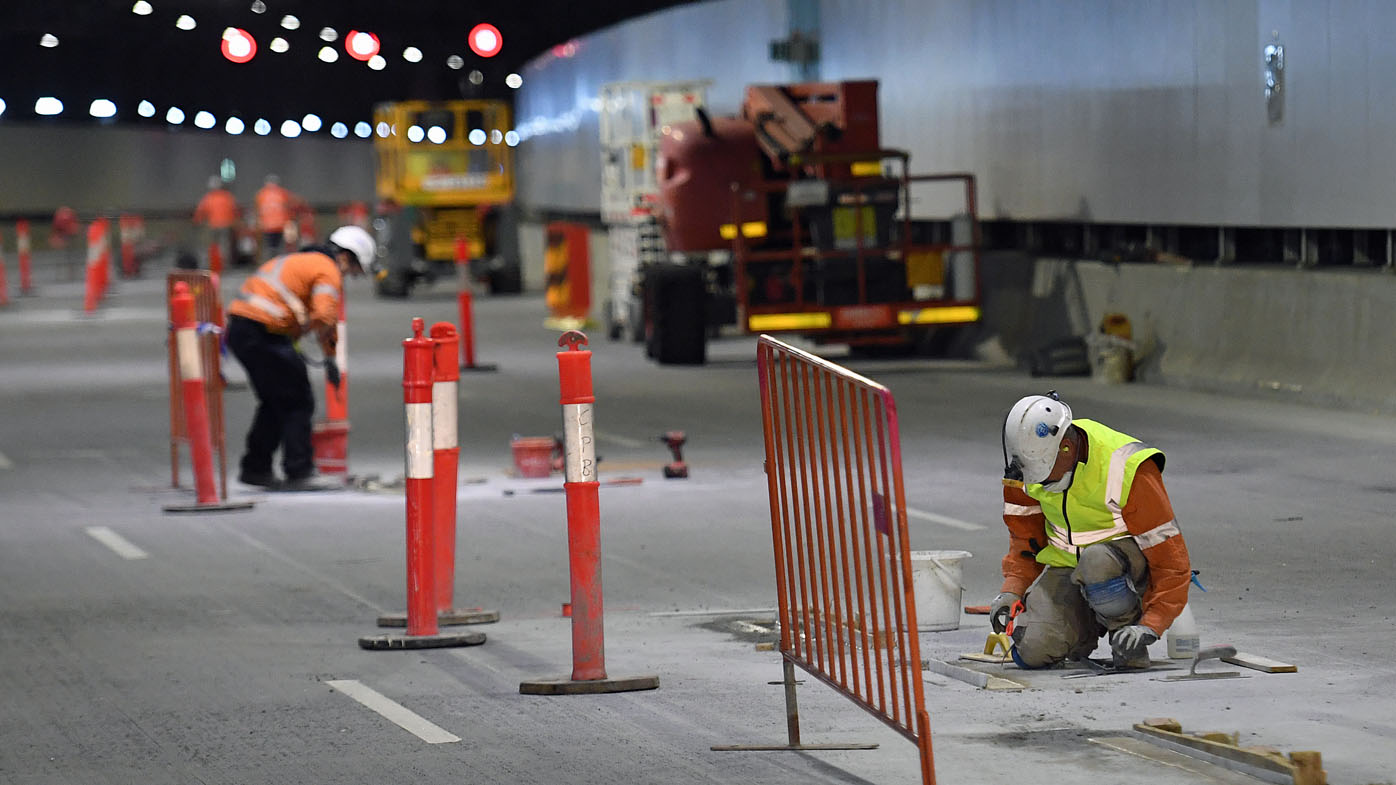
If the tax isn't to blame, then what's causing these high petrol prices?
Fundamentally, the price of a barrel of oil is causing fuel prices to rise.
What's causing oil prices to rise?
Well, that's a barrel of very different coloured fish. The price of oil is all about supply and demand – the more people want it, the more expensive it becomes.
If there's not enough oil to go around, well that will make it more expensive too.
Russia has invaded Ukraine and major oil companies such as BP and Shell have pulled out of the country. This is reducing the supply.
But the oil market was already tight. As the CEO of Australian energy advisor firm EnergyQuest Graeme Bethune explains, the world's COVID rebound was already placing extraordinary demand on oil producers.
"The oil market was very tight even before the invasion. COVID smashed oil consumption, oil prices and investment in supply in 2020. There is also a growing global consensus about the need to reach net zero by 2050 and therefore that peak oil demand is imminent and there is no need for further exploration," Mr Bethune said.
"That has all discouraged investment in supply. Since 2020 oil demand has roared back with the post-COVID recovery but even OPEC is unable to achieve its production targets. That has all put pressure on prices.
"Then, on top of that there is all the uncertainty created from the Ukraine situation and the Russian invasion."
The information provided on this website is general in nature only and does not constitute personal financial advice. The information has been prepared without taking into account your personal objectives, financial situation or needs. Before acting on any information on this website you should consider the appropriateness of the information having regard to your objectives, financial situation and needs.
Political Roundup: Time for a 'save public broadcasting' campaign
There was a fair amount of enthusiasm and optimism several years ago when the Government announced a restructure designed to boost public broadcasting. Many hoped it might result in a BBC-like, non-commercial public media organisation…
Teens partied in Mt Roskill community centre car park before gunshots heard, neighbours say
Neighbours of a Mt Roskill community centre said they cowered in their homes as the sound of gunshots rang out in darkness after a large teenage gathering in the car park.Police are investigating after six people were injured on…