A motorcyclist has died after a crash in Southland last night.Emergency services were called to the crash in Castle Downs on Avondale Rd around 9.40pm, where a man had come off a motorbike.Police said his injuries were not survivable.The…
Tag Archives: oceania
Transmission Gully: Trials, tribulations and tears – the people who helped get the road open
After years of delays and budget blowouts, Transmission Gully will finally open to the public this week – a milestone decades in the making. Waka Kotahi has directed the contractors of the $1.25 billion motorway north of Wellington…
Man concussed, four-year-old boy bloodied in Otago Harbour boat crash
Four people, one a four-year-old boy, were taken to hospital after a boat crash on Otago Harbour yesterday.Senior Sergeant Anthony Bond said a small boat crashed into a sandbar near Quarantine Island about 7.10pm on Sunday.The…
Employment Court grants another group of ex-Gloriavale members urgent hearing
A second group of former Gloriavale residents have won a bid to have their employment status heard in the Employment Court.A three week hearing is now being organised to determine whether Serenity Pilgrim, Anna Courage, Rose Standtrue,…
Unusual way mysterious Australian jumping spider makes itself invisible
Across eastern Australia and backyards in Sydney a small, mysterious jumping spider is making itself invisible from prospective predators.
And for the first time scientists have observed a strange camouflaging behaviour by the spider, Arasia mullion.
Scientists monitored and measured over 115 spiders and 554 silk retreats and published their findings in PeerJ.
READ MORE: States warned ahead of 'dangerous and life-threatening flash flooding'
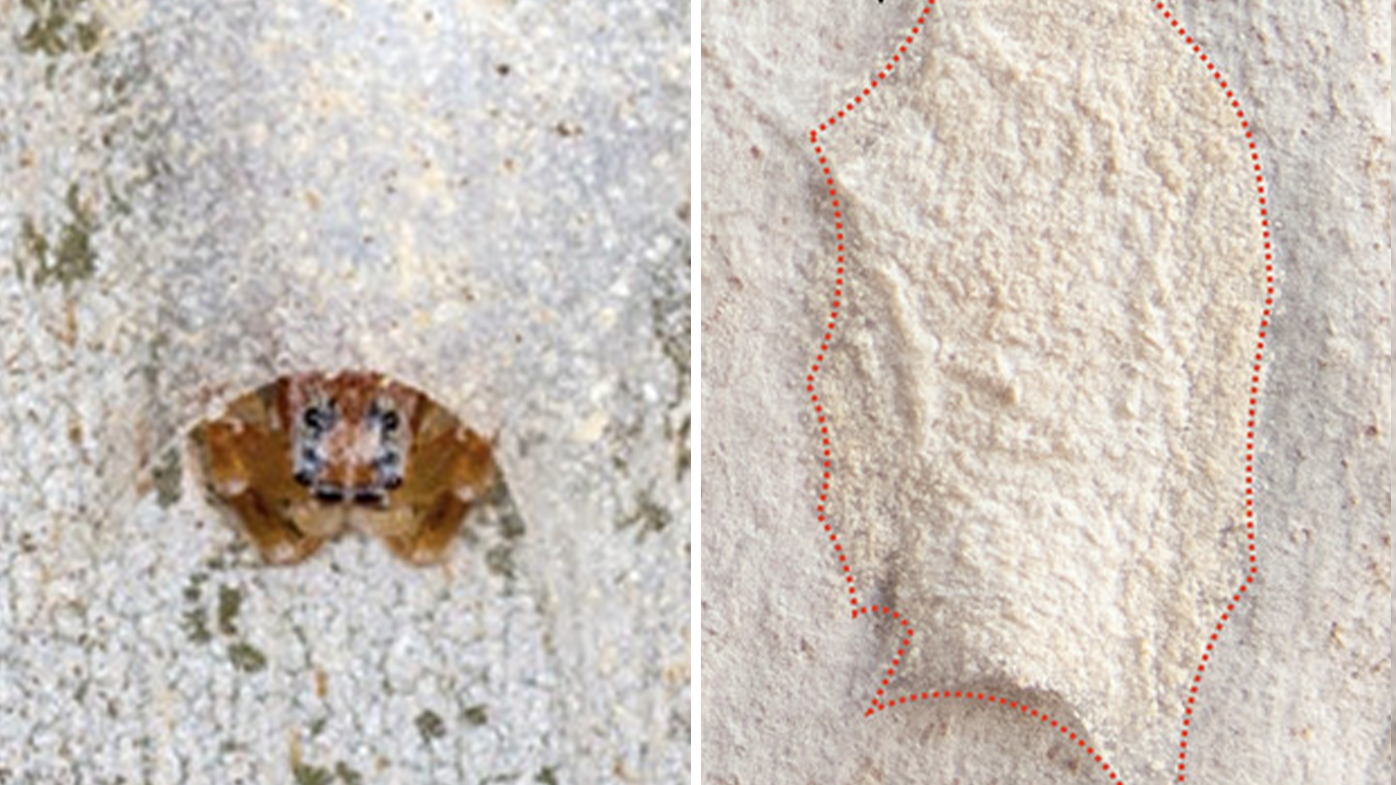
They found Arasia mullion "decorate the silk retreats with bark debris that they collect from the immediate surrounding".
The insects carve a piece of bark from the tree they are nesting in and repurpose it for their nests.
On Youtube, study author Alfonso Aceves said the insects effectively make an "invisibility blankie".
READ MORE: Meet Scot, the 720kg great white shark swimming off Florida's coast
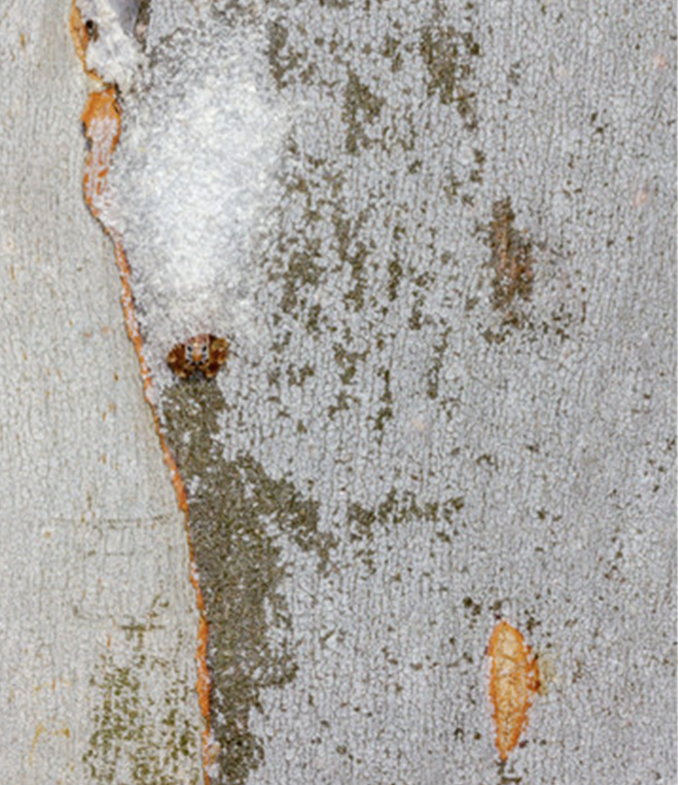
"We found that Arasia mullion led a sedentary life on the surface of tree trunks, where they build, decorate, and occupy their silk retreats," study authors wrote.
"The retreats were exclusively built over a dimple on the exposed surface of tree trunks."
Arasia mullion were only discovered in 2002 and it's thought they are be endemic to New South Wales.
Very little is known about their behaviour.
Crown says video shows car being used as 'lethal weapon'
Video footage of the moment the Crown alleges Garath Richard Collings used his car as a lethal weapon has been shown to a High Court jury.The jury in the High Court at Christchurch was warned beforehand about the graphic nature…
Napier court: Mongrel Mob's Terrance Berryman loses appeal after Waimarama attack
Mongrel Mob captain Terrance Jordan Berryman must stay in jail after losing an appeal against his sentence for leading a “cowardly” attack by 18 mobsters on a man in his own home. Berryman was sentenced to 23 months in prison …
Christ Church Cathedral's roof removed as part of deconstruction
The roof of the Christ Church Cathedral has been removed as part of the deconstruction phase of the rebuild.Project director Keith Paterson says It’s a pivotal milestone in the rebuild project that will decouple the cathedral into…
Minister expects 'full review' after prison escapee charged with raping a woman while on run
The Corrections Minister wants the agency to undertake a “full review” after a prison escapee was charged with raping a woman while on the run. The prisoner, who currently can’t be identified, appeared in a North Island court via…
The number that puts Vladimir Putin at risk
OPINION: The Russians are not winning the war in Ukraine and they may even be losing.
Neither option is good for Russian leader Vladimir Putin, which he surely knows well, both as a veteran of the Cold War and as a student of Russian history.
The last time the Russians lost a war was in Afghanistan during the 1980s.
READ MORE: Biden regime change gaffe a 'boost for Putin'
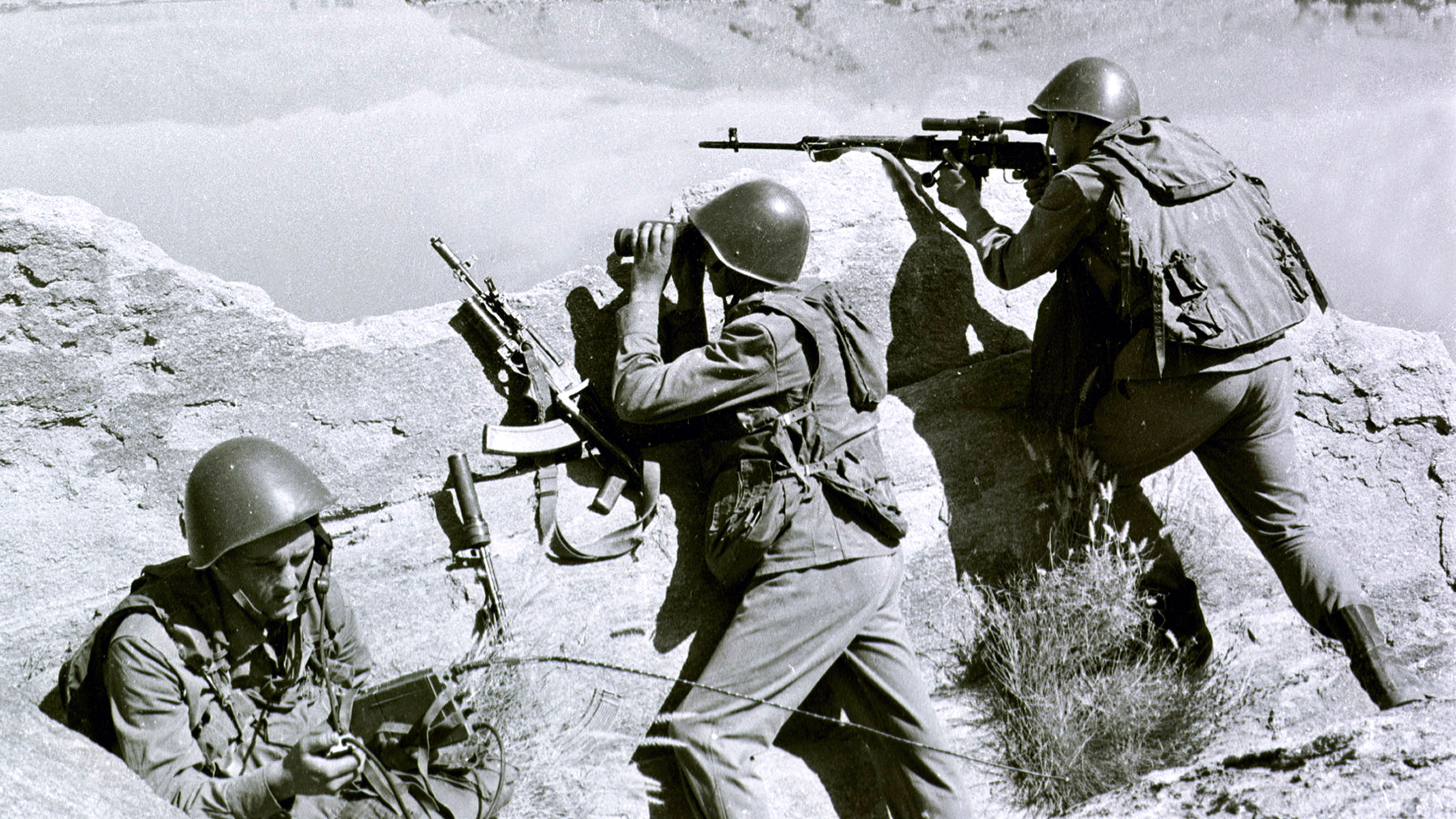
After a quick victory when they invaded the nation in 1979, the Soviets faced a countrywide insurgency that wasn't particularly effective at first because the Russians completely controlled the airspace.
In an echo of some of the dilemmas that President Joe Biden faces today, the Reagan administration feared a possible nuclear confrontation with the Soviets and was initially reluctant to arm the Afghan rebels with anti-aircraft weapons.
By 1986, reluctance among Mr Reagan's officials to arm the Afghan resistance with weapons that might actually help them to win the war had evaporated.
The CIA armed the Afghans with Stinger anti-aircraft missiles that ended the Soviets' air superiority and greatly increased the Afghans' capacity to inflict significant losses on Soviet forces on the battlefield.
Realising they were losing the war, the Soviets withdrew from Afghanistan in February 1989 and installed a puppet Afghan communist government that collapsed three years later, after the Soviet Union had itself expired.
The official Soviet death toll during the Afghan War, which lasted more than nine years, was around 15,000 soldiers.
It is therefore quite telling that the Russians may have already lost as many 15,000 soldiers in just one month in Ukraine, according to estimates given to CNN by senior NATO officials.
When the Soviet military departed Afghanistan in 1989, the countries and populations of Eastern Europe – then under varying degrees of the Soviet yoke – took note.
If the feared Soviet army couldn't win a war on its own borders against Afghan guerrilla forces, what did it say about its ability to control the fates of East Germany, Hungary and Poland?
The failure of the Soviet war in Afghanistan hammered a giant nail into the coffin of the Soviet empire.
It's not an accident the Berlin Wall fell just months later, opening up East Germany to the West.
This was arguably the hinge event in Mr Putin's adult life.
He was then a KGB officer stationed in East Germany.
When Mr Putin sought instructions about what he should do from a Soviet military unit, he was told, "Moscow is silent."
Since then, Mr Putin has been trying to reverse Moscow's silence with the goal of restoring as many elements of Russia's former glory as he can.
Just as the Soviets were undone by their loss of the Afghan War, so too was the Romanov monarchy undone by its military defeats in the early 20th century, which ended the Romanovs three-century reign over Russia.
Under the feckless leadership of Tsar Nicholas II, Russia's disastrous performance in the Russo-Japanese War of 1905 was the first time in the modern era that an Asian power had defeated a European one.
The loss of the Russo-Japanese war was soon compounded by Russia's defeats during World War I.
Those losses, along with other factors, led to the overthrow of Nicholas II in 1917 and the subsequent rise of the Soviets.
By contrast, Joseph Stalin emerged victorious from World War II – albeit at a tremendous cost of an estimated more than 25 million Russian dead.
Known in Russia as "the Great Patriotic War," this victory helped allow Stalin to continue being, well, Stalin – a murderous dictator.
An edition of The Economist earlier this month declared "The Stalinisation of Russia," which is surely Mr Putin's goal.
But it's hard to be neo-Stalinist if you are a loser – and losing Ukraine isn't out of the question for Mr Putin.
Peter Bergen is CNN's national security analyst, a vice president at New America and a professor of practice at Arizona State University. His forthcoming paperback is The Cost of Chaos: The Trump Administration and the World. The views expressed in this commentary are his own.