Tag Archives: oceania

Putin orders forces to 'maintain peace' in eastern Ukraine

Russian President Vladimir Putin has ordered forces to "maintain peace" in separatist regions of eastern Ukraine in a further escalation of tensions that followed the Kremlin's recognition of the areas' independence despite warnings of sanctions and international condemnation.

The Kremlin decree, spelled out in an order signed by Mr Putin, left unclear when, or even whether, troops would enter Ukraine.

But it further fuelled fears of an imminent invasion and underscored the steep challenges the US and Western nations face in staving off a military conflict they have portrayed as near-inevitable.

READ MORE: Why Russia-backed rebels are a thorn in Ukraine's side
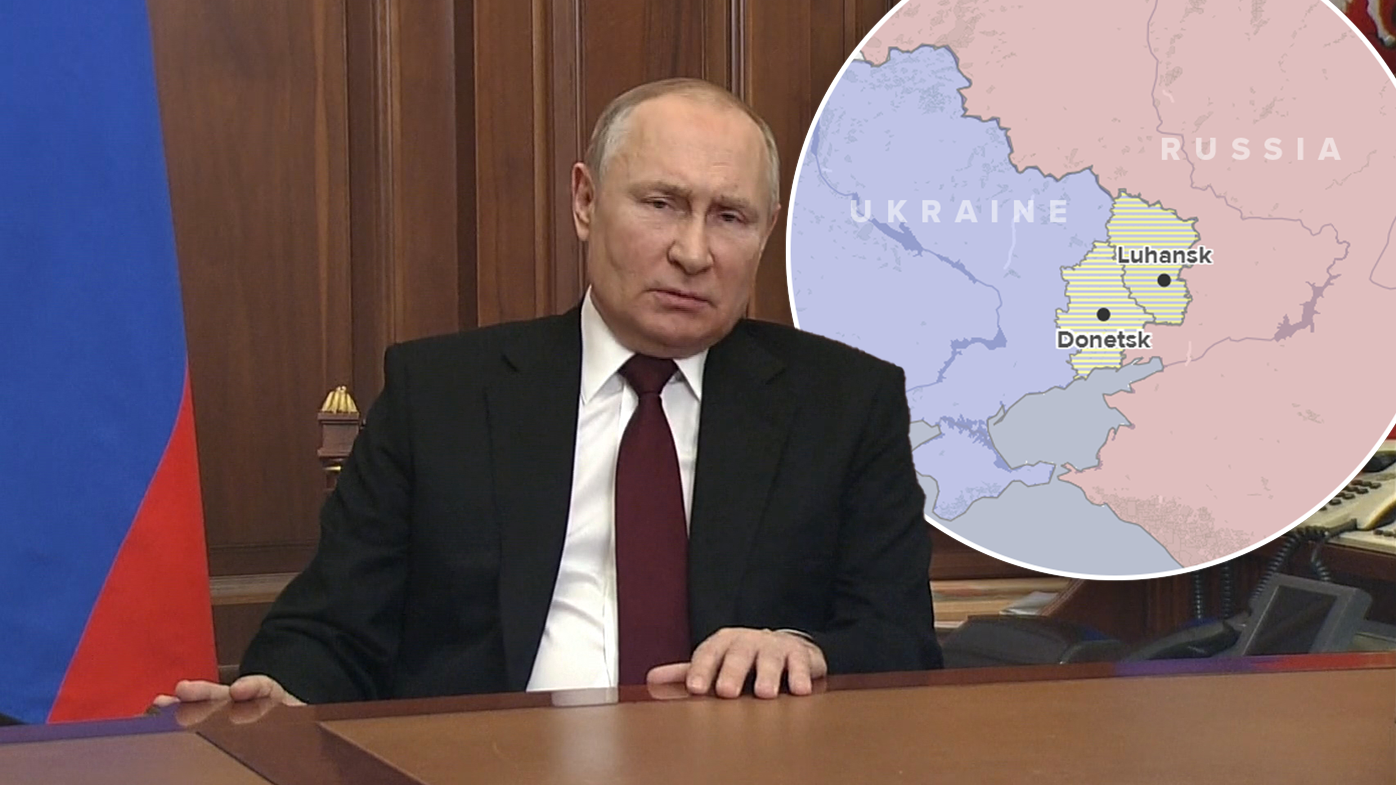
The Kremlin's announcement came just hours after Mr Putin, in a rambling, fact-bending discourse on European history, recognised the independence of the eastern separatist regions, paving the way to provide them military support and antagonising Western leaders who regard such a move as an unjust breach of world order.

US and allies respond with sanctions

The US expects Russian troops could move within hours into Donbas for their so-called "peacekeeping" mission, according to a senior US official familiar with latest intelligence.

The US is still seeing preparations for a potential broadening operation including loading amphibious ships and loading equipment for airborne units.

US President Biden plans to impose new restrictions on trade and financing in the two pro-Moscow territories that Mr Putin decided to recognise as independent.

READ MORE: Australia's remaining diplomatic staff to leave Ukraine
PM scathing as Russian troops advance

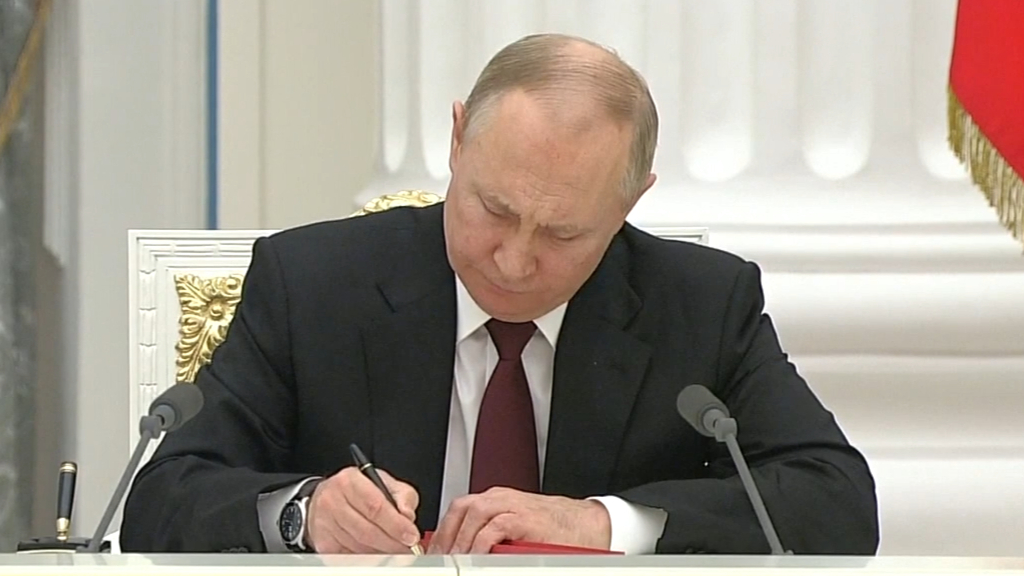
In a statement, the White House said Mr Biden would sign an executive order that would "prohibit new investment, trade, and financing by US persons to, from, or in the so-called DNR and LNR regions of Ukraine."

The order would also allow the US to impose sanctions on anyone operating in those areas. And the White House said it would "soon announce additional measures related to today's blatant violation of Russia's international commitments."

https://twitter.com/SecBlinken/status/1495876888148992003?ref_src=twsrc%5Etfw

"To be clear: these measures are separate from and would be in addition to the swift and severe economic measures we have been preparing in coordination with Allies and partners should Russia further invade Ukraine," White House press secretary Jen Psaki wrote in a statement.

In a joint statement, European Union Commission President Ursula von der Leyen and Council President Charles Michel called it "a blatant violation of international law" and said, without elaborating, that the bloc "will react with sanctions." Leaders of France and other nations condemned the move as well.

The developments came amid a spike in skirmishes in the eastern regions that Western powers believe Russia could use as a pretext for an attack on the western-looking democracy that has defied Moscow's attempts to pull it back into its orbit.

READ MORE: AFL star saves young girl from dangerous surf

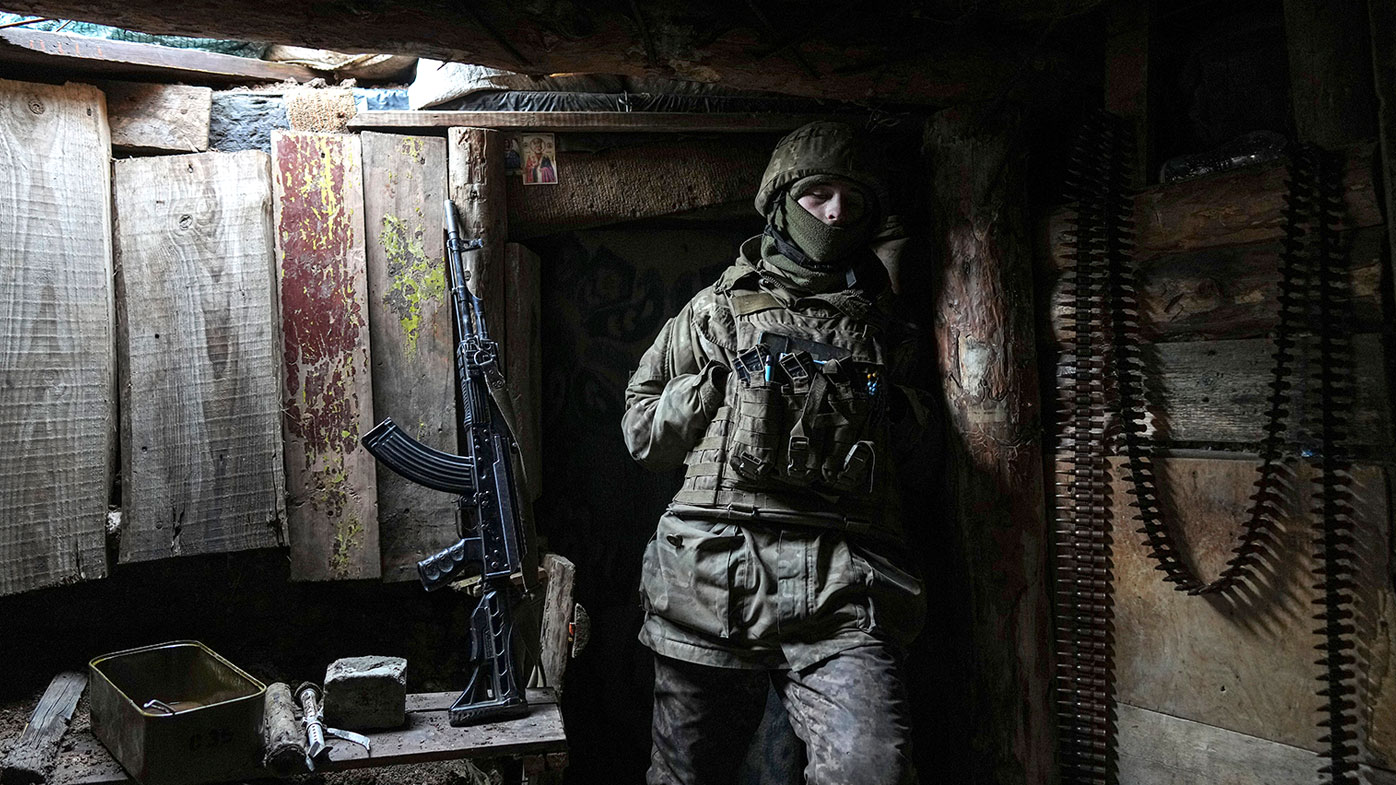
A pro-Russian serviceman sits in the advanced trenches of the people's militia of the Donetsk People's Republic in the Yasne village area, Donbas

Ukraine surrounded on three sides

With an estimated 150,000 Russian troops massed on three sides of Ukraine, the US has warned that Moscow has already decided to invade.

Still, Mr Biden and Mr Putin tentatively agreed to a meeting brokered by French President Emmanuel Macron in a last-ditch effort to avoid war.

If Russia moves in, the meeting will be off, but the prospect of a face-to-face summit resuscitated hopes in diplomacy to prevent a conflict that could cause massive casualties and huge economic damage across Europe, which is heavily dependent on Russian energy.

Russia said it wants Western guarantees that NATO won't allow Ukraine and other former Soviet countries to join as members — and Mr Putin said Monday that a simple moratorium on Ukraine's accession wouldn't be enough.

Moscow has also demanded the alliance halt weapons deployments to Ukraine and roll back its forces from Eastern Europe — demands flatly rejected by the West.

READ MORE: Italy's ambassador to Australia dead after fall from balcony

Putin blames NATO

Mr Putin justified his decision in a far-reaching, pre-recorded speech blaming NATO for the current crisis and calling the US-led alliance an existential threat to Russia.

Sweeping through more than a century of history, he painted today's Ukraine as a modern construct that is inextricably linked to Russia. He charged that Ukraine had inherited Russia's historic lands and after the Soviet collapse was used by the West to contain Russia.

"I consider it necessary to take a long-overdue decision: To immediately recognise the independence and sovereignty of Donetsk People's Republic and Luhansk People's Republic," Mr Putin said.

Afterward he signed decrees recognising the Donetsk and Luhansk regions' independence, eight years after fighting erupted between Russia-backed separatists and Ukrainian forces, and called on legislators to approve measures paving the way for military support.

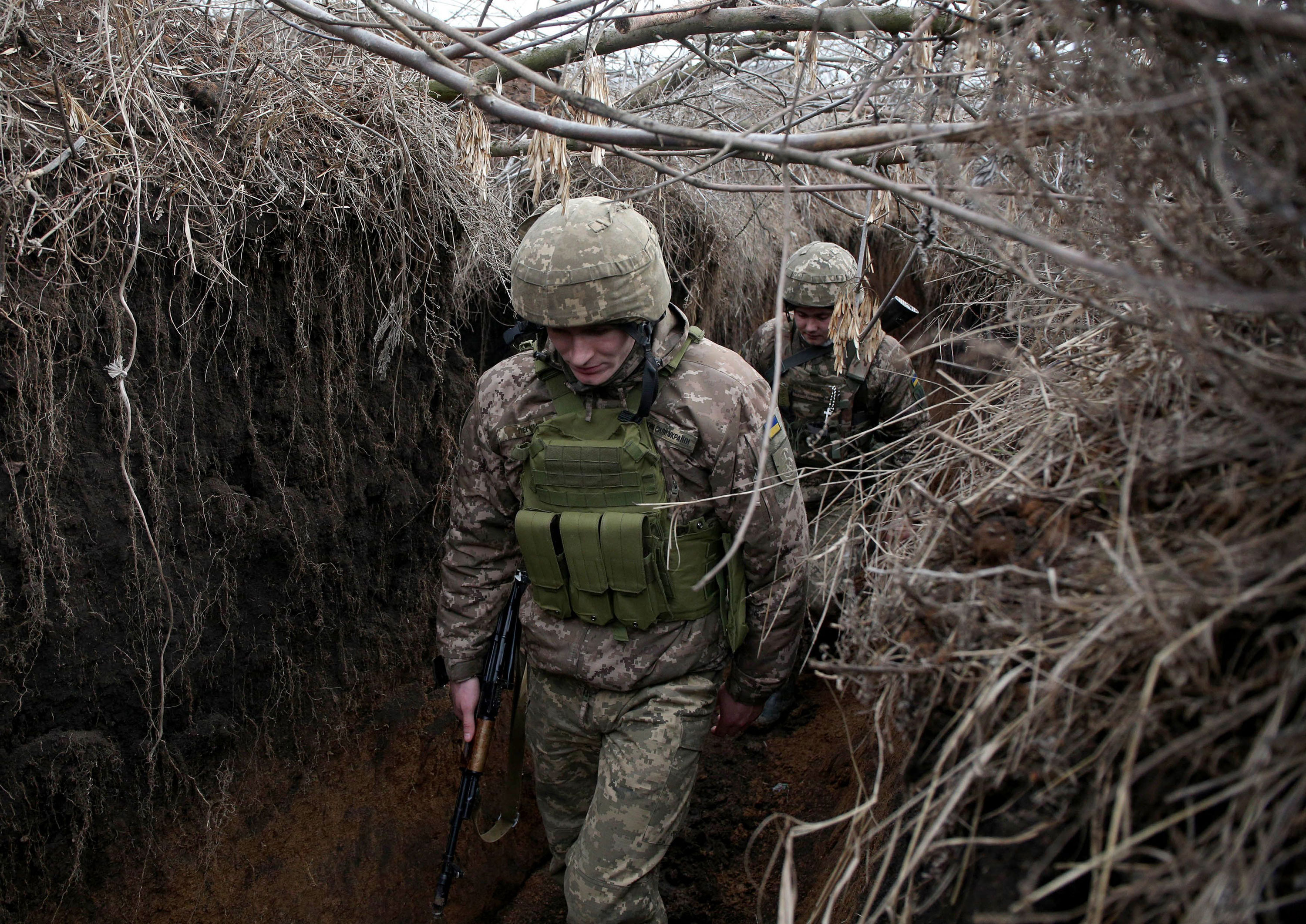
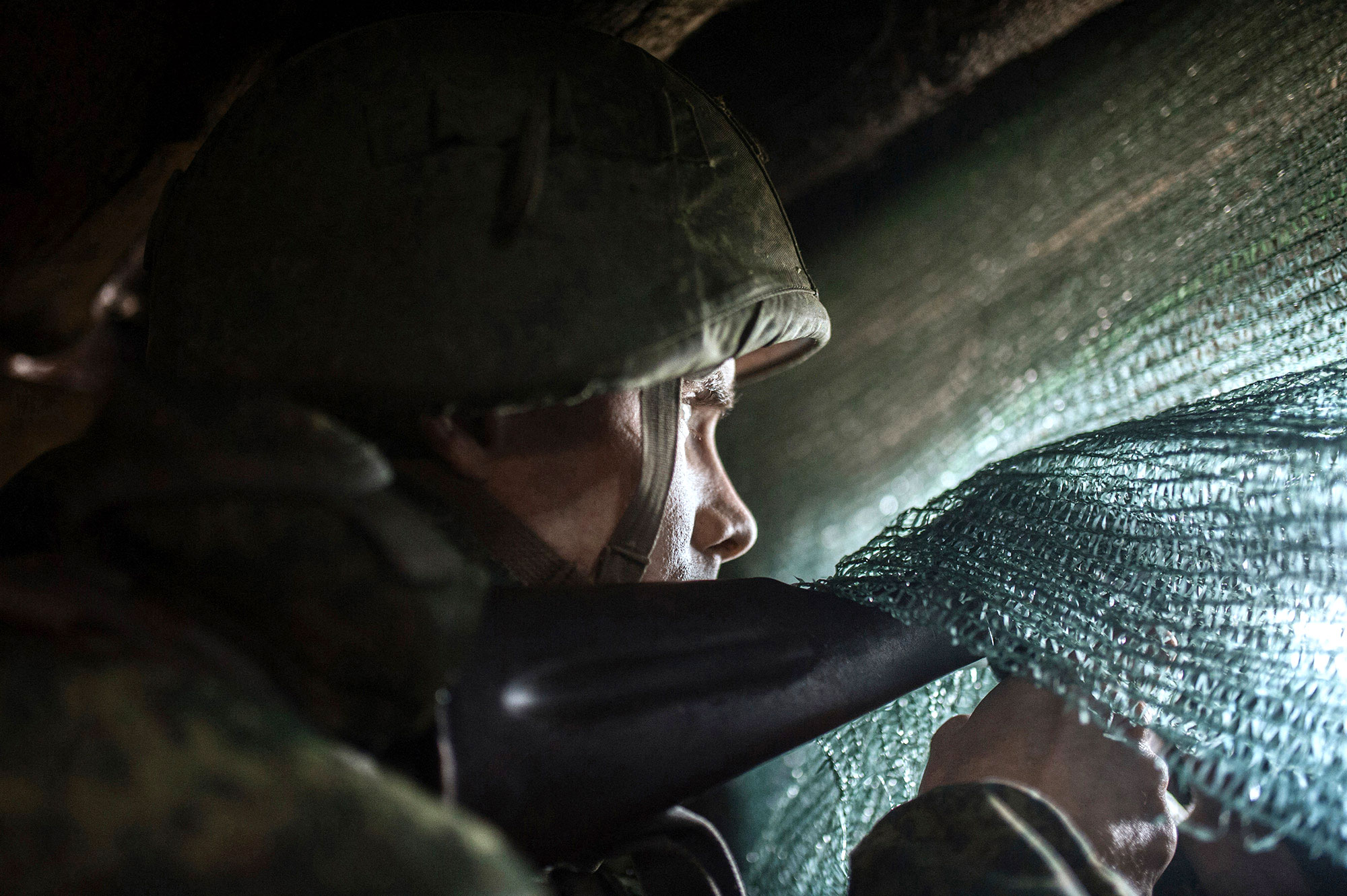
A Ukrainian serviceman stands in a shelter near Zolote

Until now, Ukraine and the West have accused Russia of supporting the separatists, but Moscow has denied that, saying that Russians who fought there were volunteers.

Earlier, Mr Putin signed decrees recognising the independence of Moscow-backed breakaway regions in eastern Ukraine on Monday, in a brazen repudiation of international diplomatic efforts to find a peaceful solution to the crisis.

In a fiery speech on Monday night, Putin blasted Kyiv's growing security ties with the West, and in lengthy remarks about the history of the USSR and the formation of the Ukrainian Socialist Soviet Republic, appeared to cast doubt on Ukraine's right to self-determination.

The remarks further stoked fears of a Russian invasion of Ukraine, which US National Security Adviser Jake Sullivan said on Monday could begin within "hours or days".

READ MORE: Boris Johnson scraps remaining COVID restrictions in England

The broadcast aired just hours after the White House announced that US President Joe Biden agreed "in principle" to French-brokered talks with Putin as long as Russia does not further invade Ukraine.

The Kremlin said earlier on Monday that there were "no concrete plans" for a meeting.

Speaking about the possibility of talks with Biden, Putin – who held two lengthy phone calls with the French President Emmanuel Macron on Sunday – hinted he was sceptical.

"Yesterday I spoke with the French President on two occasions, with the second call lasting until 2am or so," Putin said.

"He assured me that the American position has changed somewhat. But when I asked what these changes are, he, unfortunately, could not say."

He then referred to remarks made on Sunday by Blinken, who stressed once again that the issue of Ukraine's membership in NATO is "an issue for Ukraine and for NATO".

Assurances that Ukraine would not be admitted to NATO in the future are one of the central demands made by the Kremlin.

With his top officials assembled in front of him at the extraordinary meeting of the security council, Putin appeared following claims made by the Russian military earlier on Monday that troops and border guards engaged in a clash with a "sabotage and reconnaissance group from the territory of Ukraine" inside Russian territory.

"Russia has always tried to resolve all conflicts by peaceful means. Nevertheless, the Kyiv authorities conducted two punitive operations in these territories [Donetsk and Luhansk], and it seems that we are now witnessing an escalation for the third time," Putin said, without further elaborating or providing specifics.

CNN has not independently verified reports of a clash inside Russia's territory.

Ukrainian Foreign Minister Dmytro Kuleba denied a clash occurred, saying on Twitter: "I categorically refute the disinformation of the Russian Federation."

Kuleba said Ukraine "did not attack Donetsk, Luhansk, did not send saboteurs or armoured personnel carriers across the border, did not fire on the territory of the Russian Federation or the checkpoint at the border, did not commit sabotage, does not plan such actions."

The increase in combative language from Putin came as tensions grew once again in eastern Ukraine.

Ukraine's Joint Forces Operation said it recorded 32 ceasefire violations as of 4pm local time, a number that was roughly in line with those over the weekend.

New satellite images showed intensified activity among Russian units close to Ukraine's north-eastern border and the Ukrainian Defence Ministry said it recorded dozens of ceasefire violations on Sunday.

Defence minister Oleksii Reznikov said on Monday that Ukraine was not seeing any withdrawal of Russian forces from positions close to the border.

And in a further escalation, Belarusian officials announced on Sunday that joint Russian military exercises in Belarus that were slated to end over the weekend would continue, implying that Russian forces may extend their stay.

Why Russia-backed rebels are a thorn in Ukraine's side

Amid fears of a Russian invasion of Ukraine, tensions have also soared in the country's east, where Ukrainian forces are locked in a long conflict with Russia-backed separatists.

More than 14,000 people have been killed in nearly eight years of fighting, and a sharp increase in skirmishes last week raised concern that Moscow could use the situation as a pretext for an incursion.

Here is a look at the state of affairs in the rebel-controlled territories in eastern Ukraine:

A pro-Russian serviceman sits in the advanced trenches of the people's militia of the Donetsk People's Republic in the Yasne village area, Donbas

SEPARATIST REBELLION

When Ukraine's Moscow-friendly president was driven from office by mass protests in February 2014, Russia responded by annexing Ukraine's Crimean Peninsula.

It then threw its weight behind an insurgency in the mostly Russian-speaking east, known as Donbas.

READ MORE: Putin orders forces to 'maintain peace' in eastern Ukraine

ADVERTISEMENT

In April 2014, Russia-backed rebels seized government buildings in the Donetsk and Luhansk regions, proclaimed the creation of "people's republics" and battled Ukrainian troops and volunteer battalions.

The following month, the separatist regions held a popular vote to declare independence and make a bid to become part of Russia.

Moscow hasn't accepted the motion, in the hope of using the regions as a tool to keep Ukraine in its orbit and prevent it from joining NATO.

Ukraine and the West accused Russia of backing the rebels with troops and weapons.

Moscow denied that, saying any Russians who fought in the east were volunteers.

Amid ferocious battles involving tanks, heavy artillery and warplanes, Malaysia Airlines Flight 17 was shot down over eastern Ukraine on July 17, 2014, killing all 298 people aboard.

An international probe concluded that the passenger jet was downed by a Russia-supplied missile from the rebel-controlled territory, but Moscow denied any involvement.

READ MORE: China disputes laser attack, accuses Australia of 'disinformation'

PM scathing as Russian troops advanceA Ukrainian serviceman stands in a shelter near Zolote

PEACE AGREEMENTS

After a massive defeat of Ukrainian troops in the battle of Ilovaisk in August 2014, envoys from Kyiv, the rebels and the Organisation for Security and Cooperation in Europe signed a truce in the Belarusian capital of Minsk in September 2014.

The document envisaged an OSCE-observed cease-fire, a pullback of all foreign fighters, an exchange of prisoners and hostages, an amnesty for the rebels and a promise that separatist regions could have a degree of self-rule.

The deal quickly collapsed and large-scale fighting resumed, leading to another major defeat for Ukrainian forces at Debaltseve in January-February of 2015.

France and Germany brokered another peace agreement, which was signed in Minsk in February 2015 by representatives of Ukraine, Russia and the rebels.

It envisaged a new cease-fire, a pullback of heavy weapons and a series of moves toward a political settlement.

A declaration in support of the deal was signed by the leaders of Russia, Ukraine, France and Germany.

FROZEN CONFLICT

The 2015 peace deal was a major diplomatic coup for the Kremlin, obliging Ukraine to grant special status to the separatist regions, allowing them to create their own police force and have a say in appointing local prosecutors and judges.

It also envisaged that Ukraine could only regain control over the roughly 200-kilometre border with Russia in rebel regions after they get self-rule and hold OSCE-monitored local elections — balloting that would almost certainly keep pro-Moscow rebels in power there.

Many Ukrainians see it as a betrayal of national interests and its implementation has stalled.

The Minsk document helped end full-scale fighting, but the situation has remained tense and regular skirmishes have continued along the tense line of contact.

READ MORE: Australia's remaining diplomatic staff to leave Ukraine
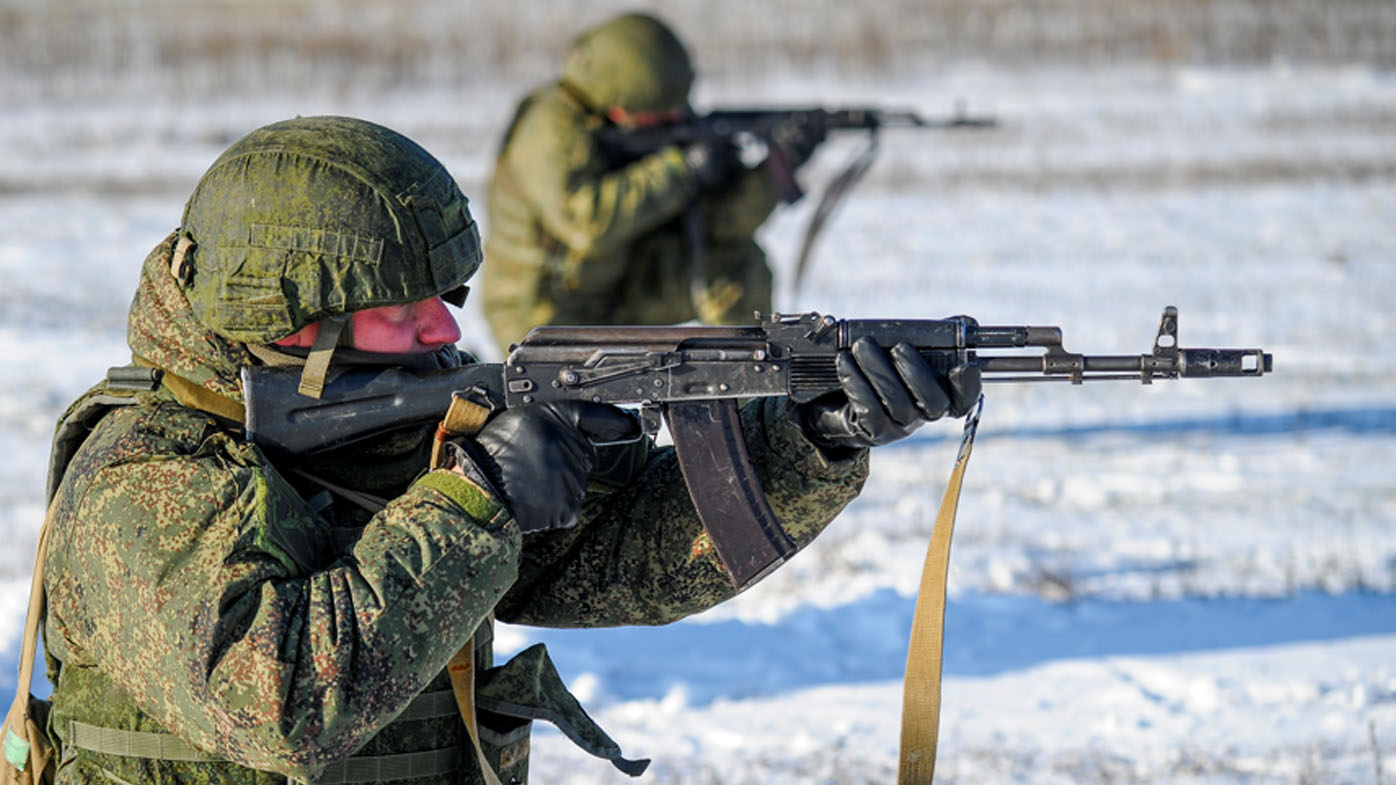
With the Minsk deal effectively stalled, Moscow's hope to use rebel regions to directly influence Ukraine's politics has failed, but the frozen conflict has drained Kyiv's resources and effectively stymied its goal of joining NATO — which is enshrined in the Ukrainian constitution.

Moscow also has worked to secure its hold on the rebel regions by handing out more than 720,000 Russian passports to roughly one-fifth of their population of about 3.6 million.

It has provided economic and financial assistance to the separatist territories, but the aid has been insufficient to alleviate the massive damage from fighting and shore up the economy.

The Donbas region accounted for about 16 per cent of Ukraine's Gross Domestic Product before the conflict.

READ MORE: US claims to have credible information on Russian 'kill list' for Ukraine

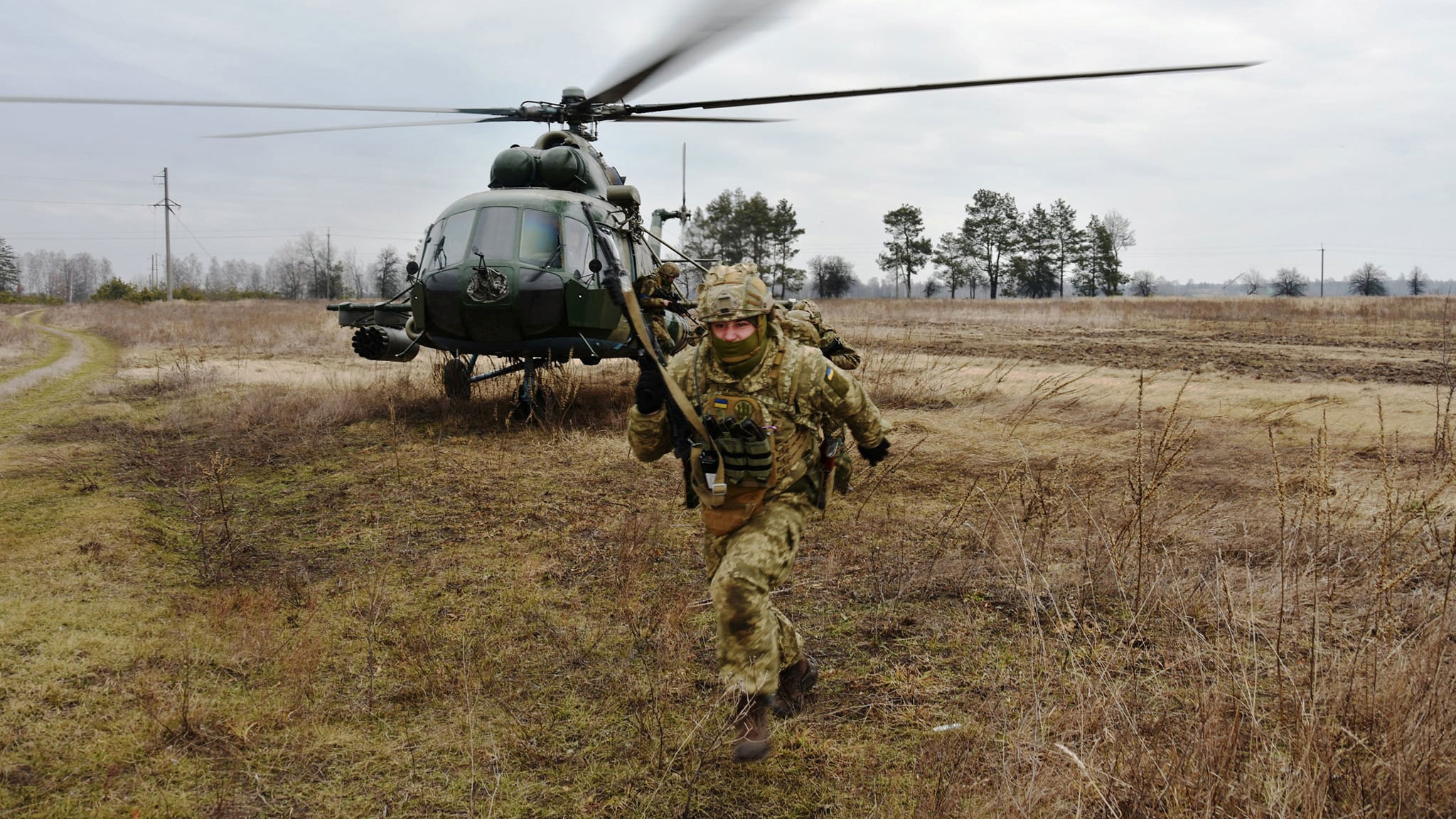
The Ukrainian Air Assault Forces perform tactical drills in an unknown location in Ukraine

EFFORTS TO REVIVE PEACE DEAL

Amid soaring tensions over the Russian troop concentration near Ukraine, France and Germany have undertaken renewed efforts to encourage compliance with the 2015 deal, in the hope that it could help defuse the standoff.

Facing calls from Berlin and Paris for its implementation, Ukrainian officials have strengthened criticism of the Minsk deal and warned that it could lead to the country's demise.

Two rounds of talks in Paris and Berlin between presidential envoys from Russia, Ukraine, France and Germany have yielded no progress.

Amid the deadlock in talks, the lower house of Russian parliament this week urged Russian President Vladimir Putin to recognise the independence of Donetsk and Luhansk.

Putin signalled, however, that he wasn't inclined to make the move that would effectively shatter the Minsk deal.

ESCALATION OF HOSTILITIES

Ukraine and the rebels accused each other last Thursday of intensive shelling along the line of contact in Donetsk and Luhansk.

Separatist authorities claimed that Ukraine mounted a "large-scale provocation" and said they returned fire.

Ukraine denied opening fire and said the separatists were shelling government-controlled areas with heavy artillery and mortars.

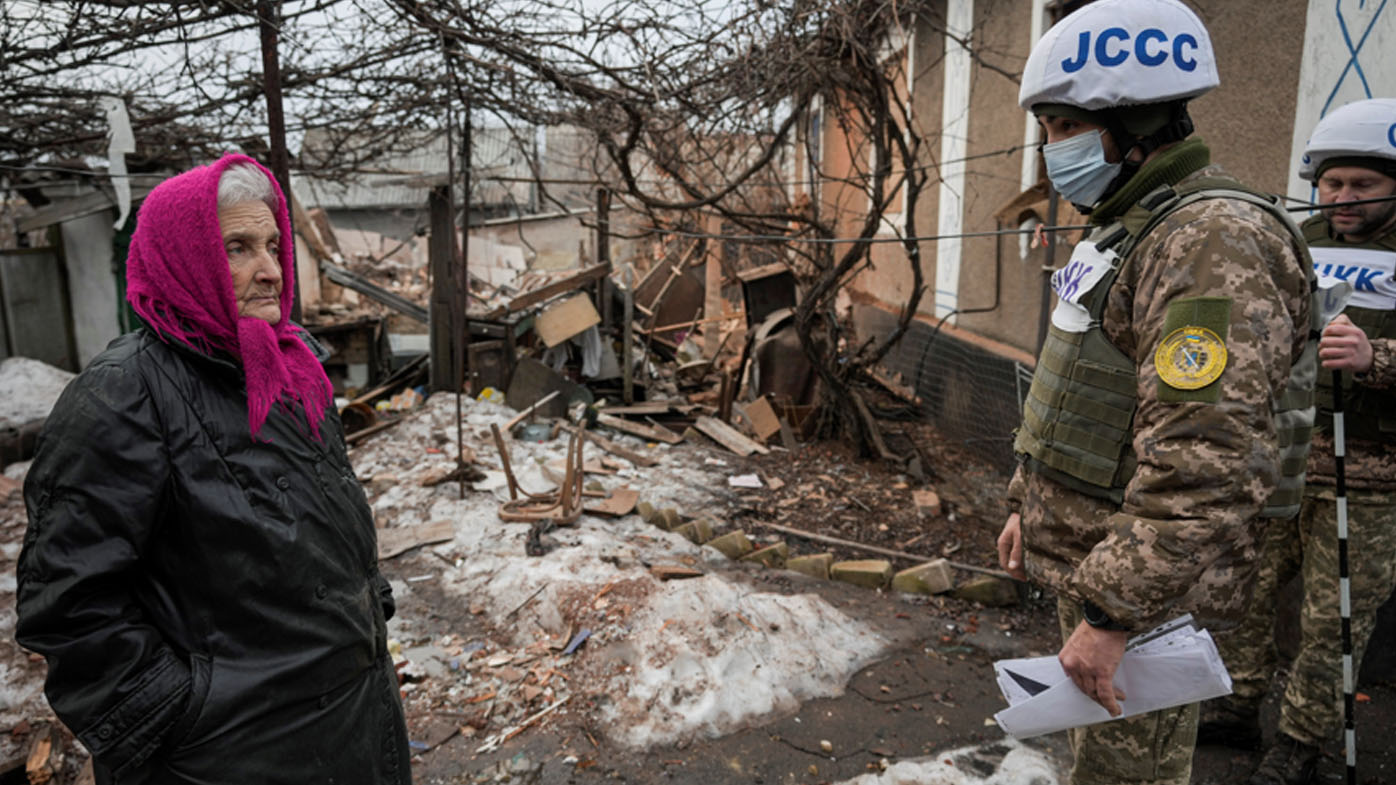
The Ukrainian military command charged that some shells hit a kindergarten in Stanytsia Luhanska, wounding two civilians, and cut power supply to half of the town.

Yasar Halit Cevik, head of the OSCE monitoring mission, said it reported 500 explosions along the contact line between Wednesday evening and 11:20 am Thursday.

Cevik told the United Nations Security Council that the tension appeared to be easing after that with about 30 explosions reported, adding "it is critically important to de-escalate immediately."

With Associated Press

Solar eruption captured in an unprecedented image

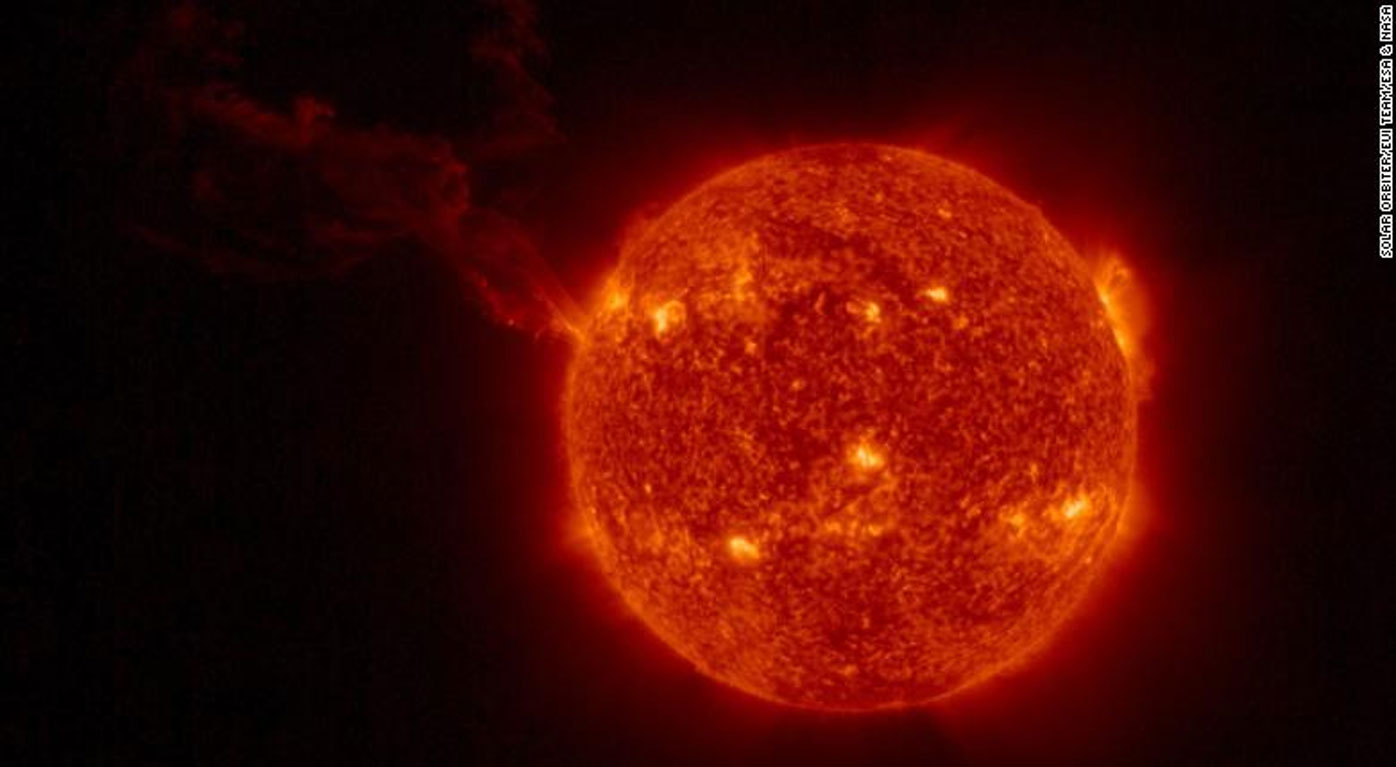
A striking and unprecedented image of a solar eruption has been captured by NASA and the European Space Agency's Solar Orbiter spacecraft.

It's the largest solar prominence ever observed in a single image together with the full disc of the sun, ESA said in a statement released Friday.

The solar eruption took place on February 15 and extended millions of miles into space. The image was taken by the Full Sun Imager of the Extreme Ultraviolet Imager onboard the Solar Orbiter.

READ MORE: Putin orders troops to enter Ukraine territories

he Solar Orbiter spacecraft, operated by NASA and the European Space Agency, captured a giant solar eruption on February 15. This is the largest solar prominence eruption ever observed in a single image together with the full solar disc.

The Full Sun Imager is designed to capture the full solar disc even during close passages of the sun.

"Right now, there is still a lot of 'viewing margin' around the disc, enabling stunning detail to be captured by FSI out to about 3.5 million kilometres, equivalent to five times the radius of the Sun," ESA said.

"At closest approach on 26 March, which will see the spacecraft pass within about 0.3 times the Sun-Earth distance, the Sun will fill a much larger portion of the telescope's field of view."

READ MORE: China disputes laser attack, accuses Australia of 'disinformation'

ESA described solar prominences as "large structures of tangled magnetic field lines that keep dense concentrations of solar plasma suspended above the Sun's surface, sometimes taking the form of arching loops."

Solar prominences are often associated with coronal mass ejections, a hugely energetic explosion of light, solar material and energy from the Sun. If these ejections are directed toward Earth, they can disrupt technology reliant on satellites. The ejections also cause the northern lights.

However, in this instance, the coronal mass ejection was traveling away from us.

The ESA said the imagery would allow space experts to understand for the first time how events like these connect to the solar disc.

READ MORE: Fugitive captured after 12 years on the run

https://twitter.com/ESASolarOrbiter/status/1494592228571951125?ref_src=twsrc%5Etfw

The sun is getting more active. It started a new 11-year cycle in 2019, and that period's solar maximum – when activity peaks – is predicted to happen about halfway through 2025.

It's important to understand the solar cycle because space weather caused by the sun – eruptions like solar flares and coronal mass ejection events – can impact the power grid, satellites, GPS, airlines, rockets and astronauts in space.

Other space telescopes, such as the ESA/NASA SOHO satellite, frequently capture solar activity but are unable to produce detailed images of the sun's corona or outer most layer, which is regarded as very difficult to study.

Next week, the Solar Orbiter and NASA's Parker Solar Probe will conduct joint observations as Parker makes its next close pass by the sun.

Last year, the Parker spacecraft became the first to "touch the sun."

It successfully flew through the sun's corona, or upper atmosphere, to sample particles and our star's magnetic fields.

Exoplanet has metal clouds and rain made of precious gems

The weather on this piping hot exoplanet is truly out of this world.

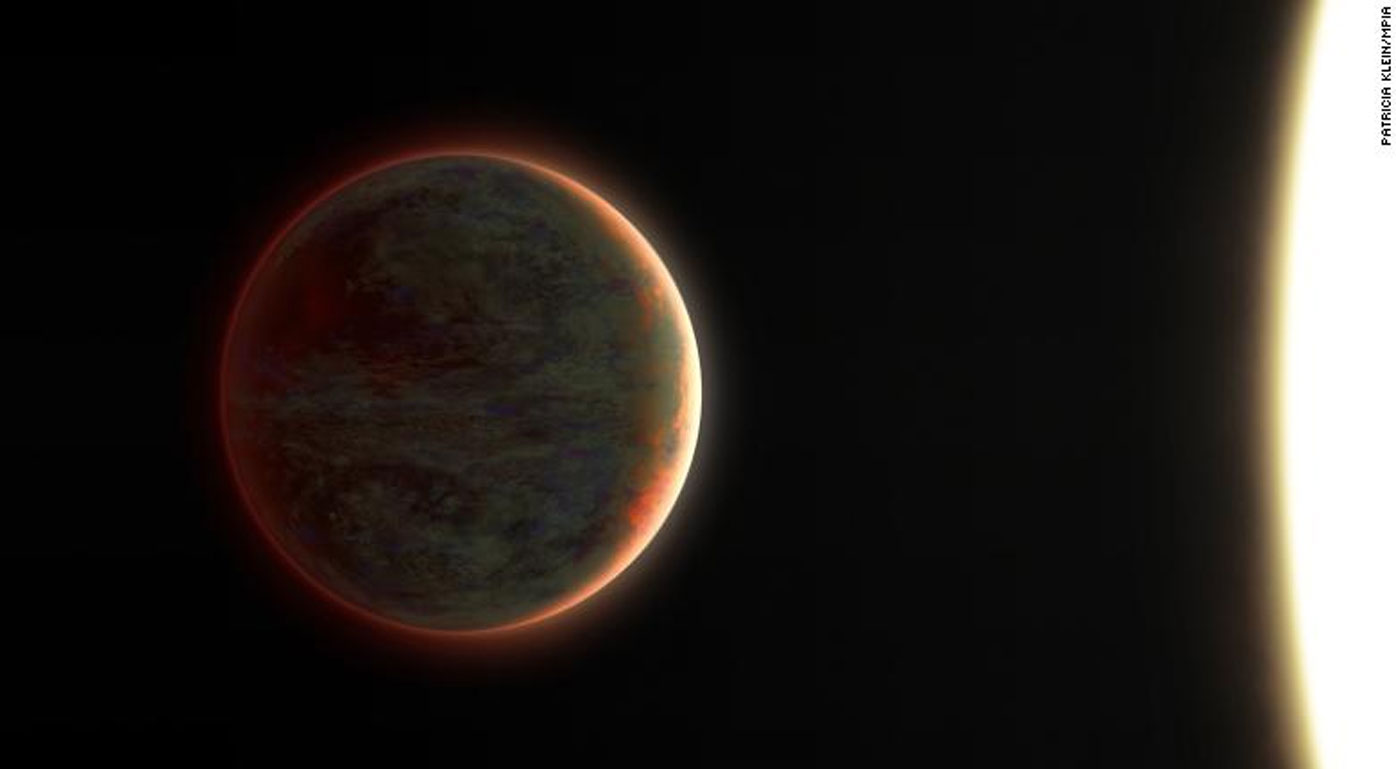
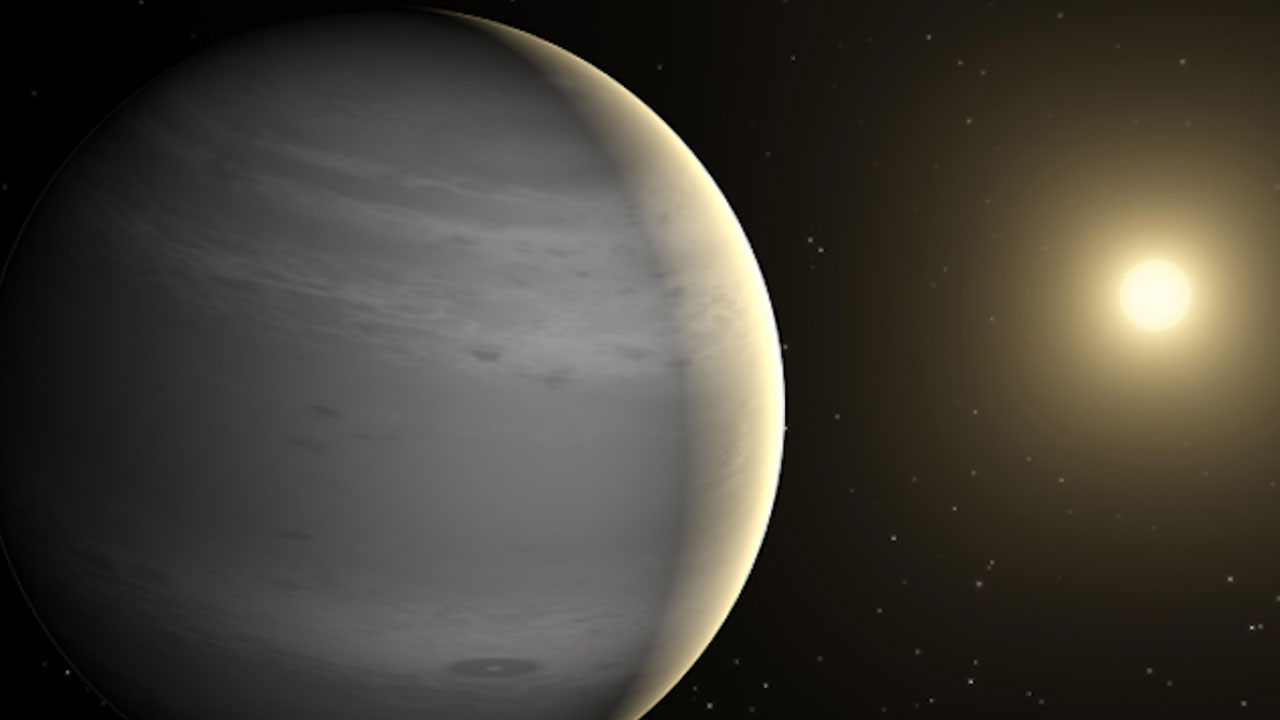
A massive gas giant orbiting a star about 855 light-years from Earth, WASP-121b may have metal clouds and rain made of liquid gems, according to new research.

A study showing how water atmospherically cycles between the planet's two sides was published Monday in the journal Nature Astronomy.

READ MORE: What Chinese laser attack means for Australia's security

This is an artist's impression of the exoplanet WASP-121b. The world experiences extreme heating because it's so close to its star.

The planet, first discovered in 2015, is considered to be an ultrahot Jupiter-like planet because it's hotter and has a greater mass and diameter than the largest planet in our solar system.

Since then, researchers have made discoveries that show WASP-121b only gets stranger the more they learn.

The exoplanet has a glowing water vapour atmosphere and is being deformed into the shape of a football due to the intense gravitational pull of the star it orbits.

Every 30 hours, WASP-121b completes one orbit and is tidally locked, much like the moon is to Earth. That means one side of the planet, the day side, always faces the star. The other side experiences a permanent night that faces space.

"Hot Jupiters are famous for having very bright day sides, but the night side is a different beast. WASP-121b's night side is about 10 times fainter than its day side," said study co-author Dr Tansu Daylan, postdoctoral research fellow in astrophysics at the Massachusetts Institute of Technology, in a statement.

Now, astronomers have studied both sides of the planet to better understand its atmosphere and alien weather using the Hubble Space Telescope.

Extreme water cycle

On Earth, water evaporates and its vapour condenses into clouds, which then release rain. On WASP-121b, water goes through a more vicious cycle.

The water atoms are ripped apart by the blazing hot temperatures experienced by the planet on the day side. These atoms are carried over to the nightside by winds that reach more than 17,703 kilometres per hour). There, the molecules come together once more to form water before being shoved over to the day side again.

"These winds are much faster than our jet stream, and can probably move clouds across the entire planet in about 20 hours," Dr Daylan said. He previously studied the planet using data from NASA's Transiting Exoplanet Survey Satellite mission.

READ MORE: AFL star saves young girl from dangerous surf
The planet, first discovered in 2015, is considered to be an ultrahot Jupiter-like planet because it's hotter and has a greater mass and diameter than the largest planet in our solar system.

The temperature differences between the two sides of the planet also mean the night side is cool enough for metal clouds made of iron and corundum to form. Corundum is a mineral found in rubies and sapphires.

Much like water vapour that gets cycled around on WASP-121b, these metal clouds may get shoved over to the day side where the metals vaporise into gases. But before the clouds leave the nightside, they could release rain made of liquid gems.

"With this observation, we're really getting a global view of an exoplanet's meteorology," said lead study author Thomas Mikal-Evans, research group leader at the Max Planck Institute for Astronomy in Germany.

"Despite the discovery of thousands of exoplanets, we've only been able to study the atmospheres of a small fraction due to the challenging nature of the observations," he said.

"We're now moving beyond taking isolated snapshots of specific regions of exoplanet atmospheres, to study them as the 3D systems they truly are."

Dr Mikal-Evans led the study while he was a postdoctoral student at the Massachusetts Institute of Technology's Kavli Institute for Astrophysics and Space Research.

Extraterrestrial weather

The findings also reveal the dramatic differences in temperature between day and night on the planet, which the team determined by tracking the water cycle on WASP-121b.

On the day side, temperatures begin at 2227 degrees Celsius at the deepest layer of the atmosphere and reach 3,227 degrees Celsius at the top layer.

On the night side, things are cooler and reversed, with the warmest temperature being 1527 degrees Celsius and dropping to 1,227 degrees Celsius in the upper atmosphere.

The astronomers will observe WASP-121b later this year using the James Webb Space Telescope.

"It's exciting to study planets like WASP-121 b that are very different to those in our solar system, because they allow us to see how atmospheres behave under extreme conditions," said study co-author Joanna Barstow, research fellow at The Open University in the United Kingdom, in a statement.

Man accused of assaulting five women and girls at Adelaide Westfield

A 29-year-old man will remain behind bars in Adelaide, accused of indecently assaulting a number of women and girls at the city's biggest shopping centre.

Shortly after 11am yesterday police were called to Westfield Marion Shopping Centre at Oaklands Park following reports a man had assaulted a number of females.

Police were told the man had followed one of the girls off a public bus and into the shopping centre.

READ MORE: Russian commanders 'given go-ahead for Ukraine invasion'

Police say none of the alleged victims – who range in age from 12 to 27 – were physically injured but all were distressed.

The 29-year-old man was arrested at the scene and was charged with two counts of aggravated indecent assault, one count of indecent assault and assault.

He appeared in Christies Beach Magistrates Court today, where he did not apply for bail and a suppression order was placed on his identity.

READ MORE: AFL star saves young girl from dangerous surf

After reviewing CCTV footage, police believe there may be more victims and are urging anyone who may have been assaulted and has not already spoken to police, or anyone that witnessed these alleged offences, to contact Crime Stoppers on 1800 333 000.

Police chopper spots Maserati riding on rims

A man who has never held a driver's licence has been charged after a high-speed chase through Sydney's west in an allegedly stolen Maserati.

Police allege Marley Dargin was behind the wheel of someone else's $100,000 luxury car while driving twice the speed limit through the streets of St Marys.

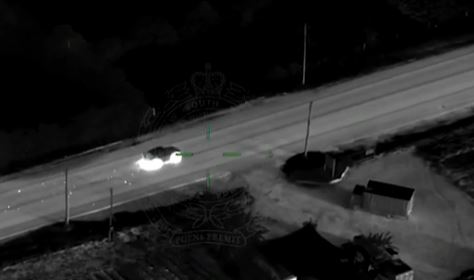
The 2019-model SUV, which was reported missing from Lalor Park at 3am yesterday, was seen running red lights and even driving on the wrong side of the road.

READ MORE: AFL star saves young girl from dangerous surf

By 6.40pm the car was spotted by Highway Patrol allegedly speeding off from St Marys.

Police gave chase while the helicopter monitored from above, tracking the joyride for 22 kilometres across Abbotsbury.

The 22-year-old driver allegedly tried to jump into a passing car while leaving the Maserati to roll, then took off down the street.

READ MORE: Italy's ambassador to Australia dead after fall from balcony
The Dog Squad chased Mr Dargin down and he had to be treated for dog bites sustained in his arrest.

The young father-to-be from Blackett applied for bail today, arguing he needed to be home to help his pregnant girlfriend.

The magistrate denied that request, noting what appeared to be a "complete disregard for the law and public safety".

Fugitive Graham Potter arrested in Queensland after 12 years on the run

A notorious fugitive on the run from police for 12 years over an alleged conspiracy to commit murder has been arrested in Far North Queensland.

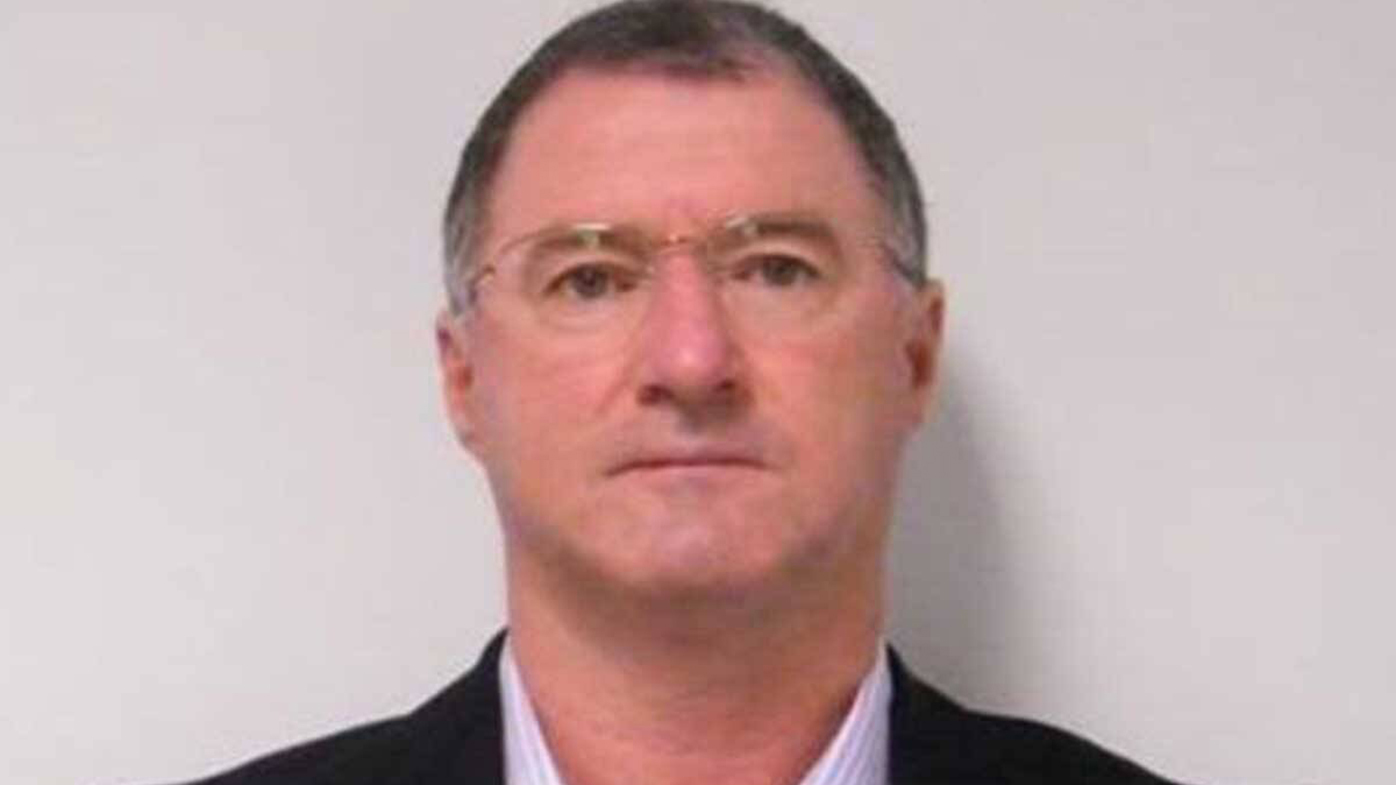
Graham Potter, 64, was found around 8.45am today at a Ravenshoe residence, approximately two hours drive south-west of Cairns.

Potter failed to appear in a Melbourne court in February 2010, where he was due to face two counts of conspiracy to commit murder and serious drug distribution charges.

"He was bailed on those offences but absconded prior to being presented in court," Acting Assistant Commissioner Mick Frewen from Victoria Police's Crime Command said.

Potter had previously been described as Australia's most wanted man.

Mr Frewen described Potter as a "drug trafficker of significance" and a "violent person", previously convicted of homicide charges in NSW.

"The resolve to find Graham has not wavered," he said.

In 2011, Potter narrowly evaded arrest after fleeing from police during a random vehicle intercept in Tully.

"We'd had a number of false starts," Mr Frewen said.

"The hunt has continued right across Australia with multiple agencies, particularly Queensland Police and the AFP."

He added Potter's arrest today was owing to a tip-off from a member of the public, who spotted the 64-year-old at the Ravenshoe home.

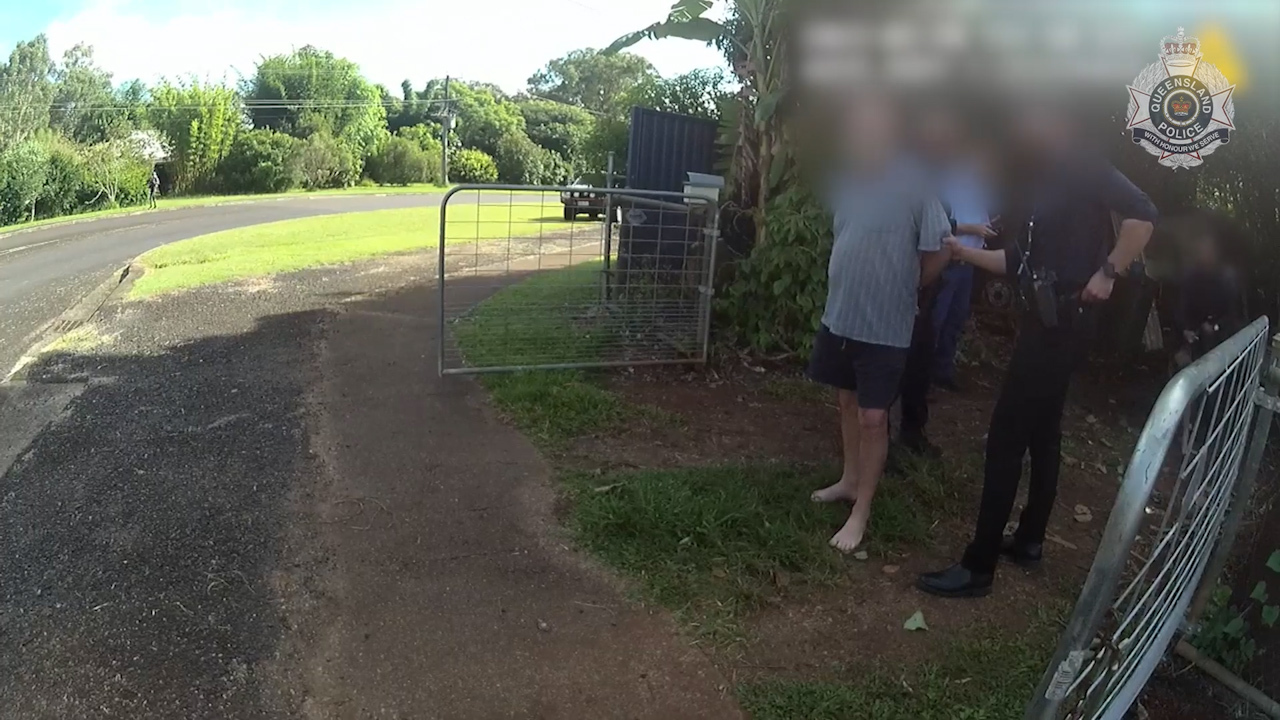
Detectives, uniformed police and the Dog Squad swooped on the Ascham Street property this morning to take Potter into custody.

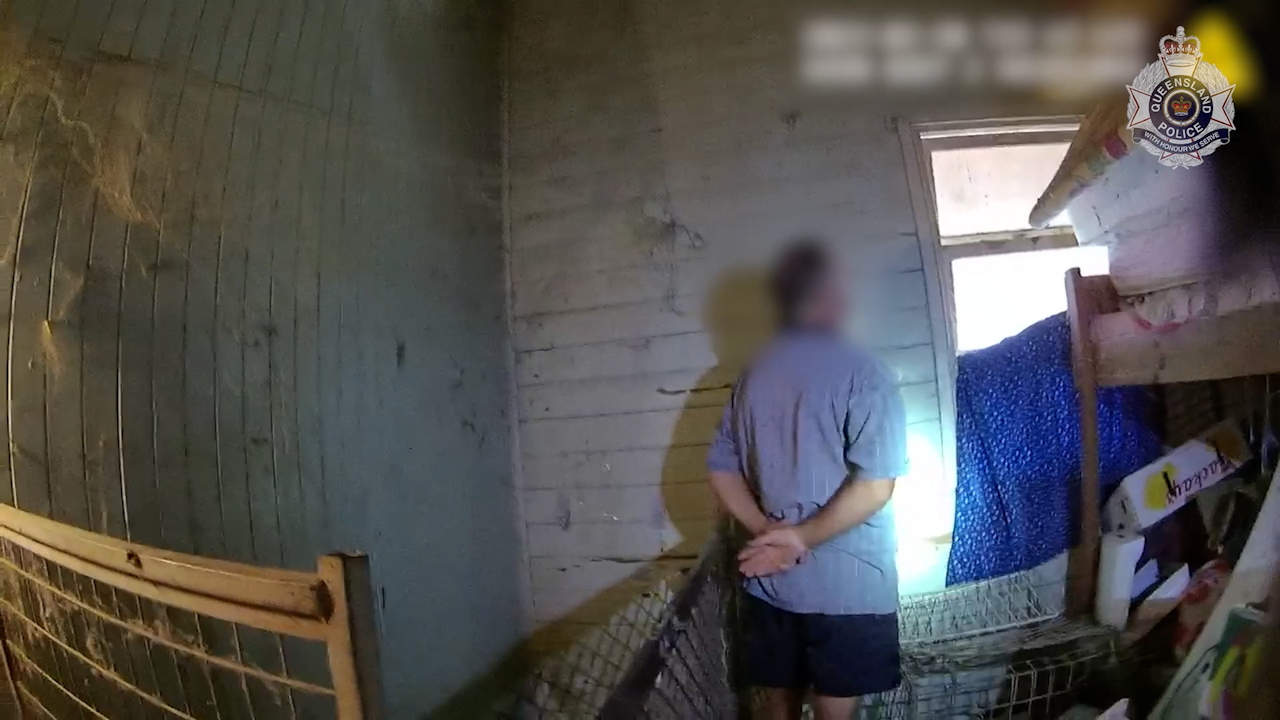
"Police found him hiding inside the home address," Mr Frewen said.

"We've confirmed it is Graham.

"There is no doubt about his identity and it puts an end to a decades-long hunt for a known fugitive charged with very serious crimes."

Detectives from Victoria will travel to Far North Queensland, from where Potter will be extradited.

He is due to appear in Mareeba Magistrates Court tomorrow.

The list of NSW vouchers to boost your budget this year

The NSW Government is providing a boost to budgets through a number of voucher initiatives.

The vouchers, contributing towards dining experiences, holidays, sport and entertainment, are set to benefit millions of residents across the state, while giving hard-hit industries a chance to get back on their feet.

Here are some of the incentives you should know about in 2022.

READ MORE: First flights arrive after international borders reopen

Customer Service Minister Victor Dominello says people should take advantage of all the vouchers on offer.

Dine & Discover

In October, an additional two $25 Dine & Discover vouchers were announced, on top of the previous four provided back in March last year.

The additional vouchers – one Dine and one Discover – are live and all six are valid until June 30, 2022.

If you've already applied for Dine & Discover, the two extra vouchers will automatically appear in the Service NSW mobile app.

If you haven't already applied for the free $150, fear not, for it is not too late.

Apply today for all six vouchers by applying online.

Stay NSW

Every person over the age of 18 living in NSW is eligible for one $50 voucher to use with a registered accommodation provider anywhere in the state.

The vouchers will be rolled out at different times in different Local Government Areas, with each eligible person in NSW set to have access to the $50 credit by March 3.

Accommodation businesses can still register to apply through Service NSW.

Parents NSW

A whopping $250 is up for grabs for parents in the form of five $50 vouchers.

One person from each eligible NSW household can apply for the vouchers, which can be used seven days a week:

  • at Discover NSW businesses for entertainment and recreation activities
  • at Stay NSW businesses for accommodation bookings
  • until 9 October 2022.

To apply for the Parents NSW vouchers, you must be:

  • a NSW resident
  • the parent, guardian or carer of a child who was aged 4.5 to 18 in 2021 and enrolled in school, which includes students from kindergarten to year 12 or secondary school education students at TAFE NSW.

Other conditions apply:

  • If a school-enrolled child has two parents, guardians or carers at separate addresses, and the child lives at both addresses, each household can apply for a set of vouchers provided they meet the eligibility criteria
  • NSW residents whose school-enrolled child attended an interstate boarding school in 2021 may be eligible if in 2021 the child shared a NSW home address with the parent, guardian or carer who is applying for the Parents NSW Vouchers

  • Overnight stays with family or friends, or addresses of holiday homes, are not considered households for the purpose of this program

READ MORE: Victoria announces $100m voucher scheme

First Lap swimming lessons

Like many important activities, learning to swim was out of the picture for many months during the peak of the pandemic.

The NSW Government responded with a $100 voucher for parents, guardians and carers of children aged three to six to get kids back in the pool learning critical life-saving skills.

The program has also been made available for children who were in kindergarten in 2021 or who are starting kindergarten in 2022.

The voucher can be used for a program of at least five structured and supervised swimming lessons, which are either intensive (daily) or regular weekly lessons, with a First Lap provider.

First Lap vouchers are valid until June 30, 2022.

Active Kids

The Active Kids scheme allows two $100 vouchers for parents, guardians and carers of school-enrolled children to use towards sport and active recreation costs each year.

The vouchers may be used to cover membership/participation costs for sport, fitness and active recreation activities.

To use a voucher, find a registered activity provider and present your voucher when you sign up.

Apply for Active Kids voucher here.

Creative Kids

School-aged kids (4.5 to 18 years old) are being encouraged to get creative and involved in cultural activities under the creative kids program.

Parents, guardians and carers can claim a $100 voucher per year to put towards the cost of lessons and fees.

Vouchers can be used to contribute to registration, participation and tuition costs for performing arts, visual arts, coding, languages, literature, music and other creative and cultural activities.

Parents can find a full list of providers who accept the voucher here.

Before and After School Care (BASC)

Set to come into action February 28, parents and carers of children enrolled in all primary schools in NSW will benefit from a new $155 million program for Before and After School Care.

The $500 voucher will assist families who use BASC services by covering the parent gap fee component of their session fees.

Every family is eligible for one voucher per child, which will provide each child with approximately 60 sessions of free BASC.

Providers and customers can register and apply online via a MyService NSW account, in the app, or by visiting their nearest Service Centre.

Sydney CBD Fridays

A new voucher program aiming to encourage the community back into the Sydney CBD and support businesses impacted by COVID-19.

The program will offer 500,000 NSW residents four $25 vouchers to spend at dining and entertainment venues in the Sydney CBD on Fridays.

More information on this program will be out soon.