Tag Archives: oceania

Expat's warning after travel website's 'mistake' leaves her stranded

Caroline McKenna was in the final hour of a "wonderful" trip home to Ireland when her travel plans unravelled.

The 30-year-old teacher was ready to check-in for her flight back to Sydney when the Emirates staff member gave her a confused look and asked to see her ticket.

To Ms McKenna's disbelief, the attendant told her the third-party website she bought her ticket from had not paid the airline.

READ MORE: Meet the billionaire CEO buying space tickets
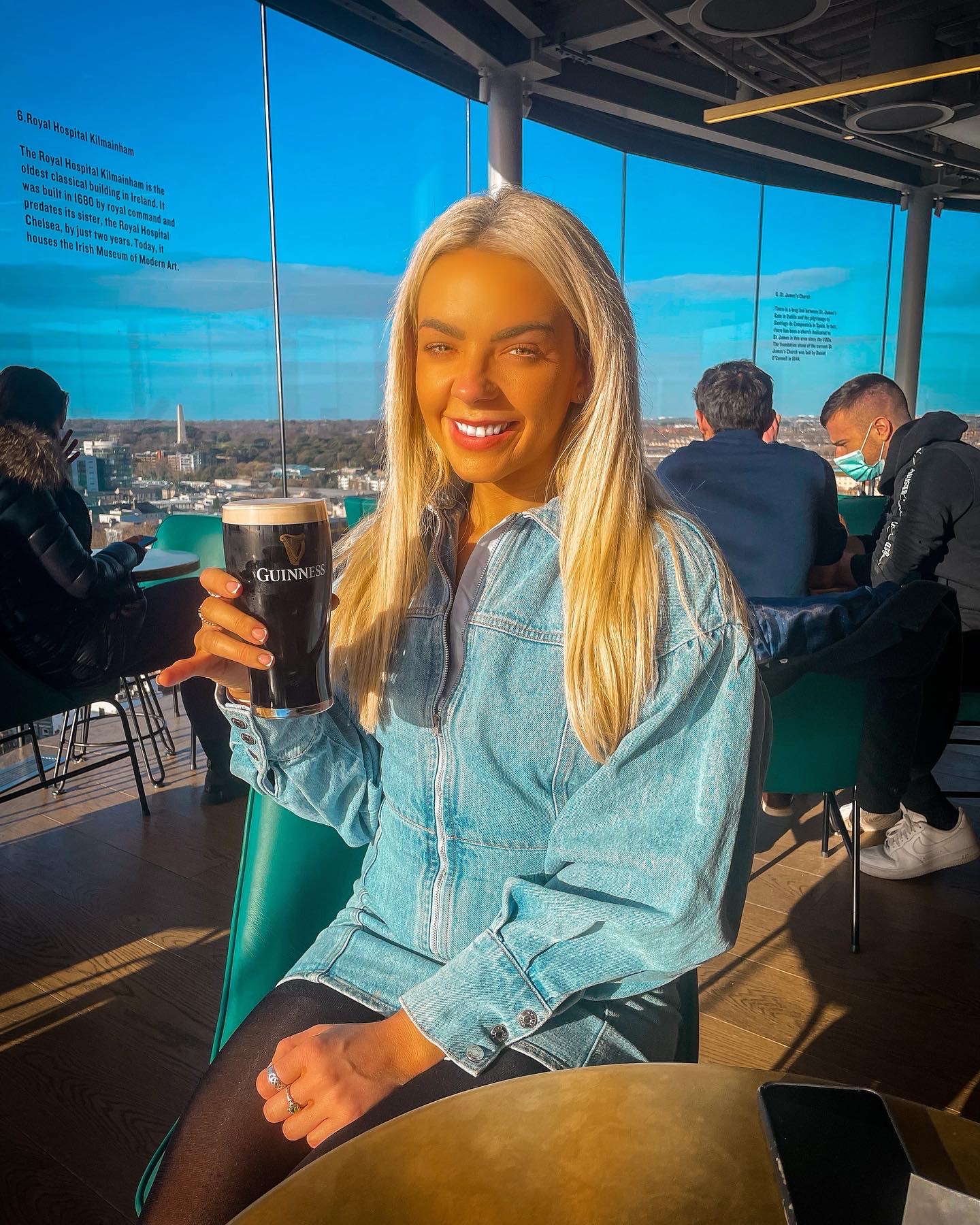
Expat Caroline Mc Kenna was in the final hour of a "wonderful" trip home to Ireland when her travel plans unravelled.

The expat found the flexible return airfare on the Flight Network, which offered a cheaper alternative as ticket prices soared in the lead-up to Australia's December border reopening.

A fortnight before her flight back to Sydney, Ms McKenna decided to upgrade her ticket to business class, after she saved some money from not being able to travel.

She was initially suspicious when there was no change to her itinerary for days but the ticket was updated the day before her flight.

READ MORE: Bonza airlines announces Australian routes

With an hour until take-off, Ms McKenna and the Emirates staff member called the Flight Network to ask them to release the money to the airline but the customer service team couldn't help them in time.

Ms McKenna needed to be back in Australia for the first day of school but instead she was left "crying" after her gate closed.

Ms Mc Kenna at Sydney Airport.

"Flight Network left me stranded in Dublin with no alternative flight," she said.

Ms McKenna said she was left with no alternative but to book a flight the next day, which had one seat remaining and left her thousands of dollars out of pocket.

READ MORE: 'Don't go small': Australia's multimillion-dollar pitch to travellers

"I'm a teacher who needs to get back for the start of the school year," she said.

Ms McKenna made it back to Sydney on this flight and has since shared her experience on her Instagram page, A County Down Under.

Her post attracted "hundreds of messages from people all over the world" with similar travel stories.

Company apologises for 'manual mistake'

A spokesperson for Flight Network parent company, the Etraveli Group, said a member of the customer relations team "contacted (Ms McKenna), apologised, compensated the customer and refunded the cost for the rebooking and the cost for the flexible ticket".

"We also asked the customer to send us the receipt for the new ticket so we can go through that cost as well," the spokesperson said.

"Unfortunately, we made a manual mistake which led to the customer ending up in the wrong queue and not getting a call from us.

"We apologise for this and will do our best to ensure it doesn't happen again."

READ MORE: Qantas keeps 'Kangaroo route' out of Darwin as WA's hard border remains shut

As of February, Ms McKenna said she was still working on getting a refund for the whole amount, including the return flight.

The expat initially booked with the Flight Network through travel search engine Skyscanner.

As a result, Ms McKenna said Skyscanner has assisted her with the process and has been "really helpful".

"We were sorry to hear that Caroline experienced a problem with her flight and can completely understand how stressful that must have been," a Skyscanner spokesperson said.

"Skyscanner is a travel search engine, so we don't have control of a traveller's booking.

"However, in the rare instances something does go wrong, we work quickly on behalf of travellers to ensure partners (in this case Flight Network) resolve the issue as soon as possible."

Advice for travellers

Ms McKenna's message for travellers is to "be careful" when booking airfares through third-party websites.

"The airport staff in Dublin told me they see this happening constantly," she said.

"(They say) it is always better to pay that little bit extra to go through the official airlines."

READ MORE: Federal officials spent more than $500k on Airbnb for staff quarantine

An Australian Competition and Consumer Commission (ACCC) spokesperson said while the agency is unable to comment on individual cases, it is recommended travellers "do their due diligence prior to purchasing flights".

"Where consumers are unsure of an agent's or platform's reputation, they may wish to consider purchasing an airfare directly from the relevant airline," the spokesperson said.

The ACCC spokesperson also recommended travellers check their booking confirmation with both the agent or platform and the specific airline in advance of departure.
Colombia to declare Pablo Escobar's hippos invasive species

Álvaro Molina has had his run-ins with the burly bunch of neighbours with disreputable contacts who showed up about a decade ago along the river in front of his house in Colombia's Antioquia province. But he's learned to live with them and says he is worried about a government plan he fears could harm them.

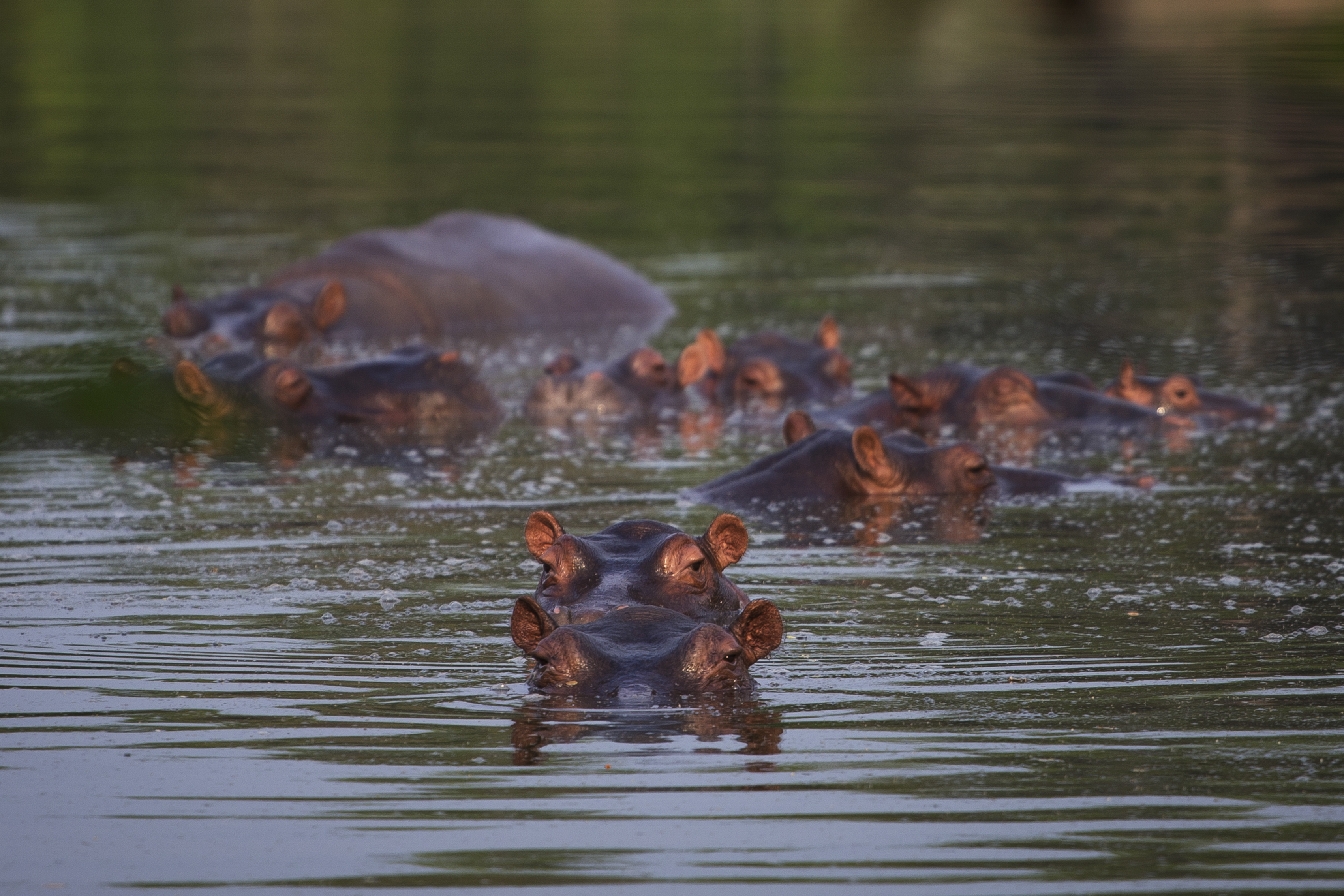
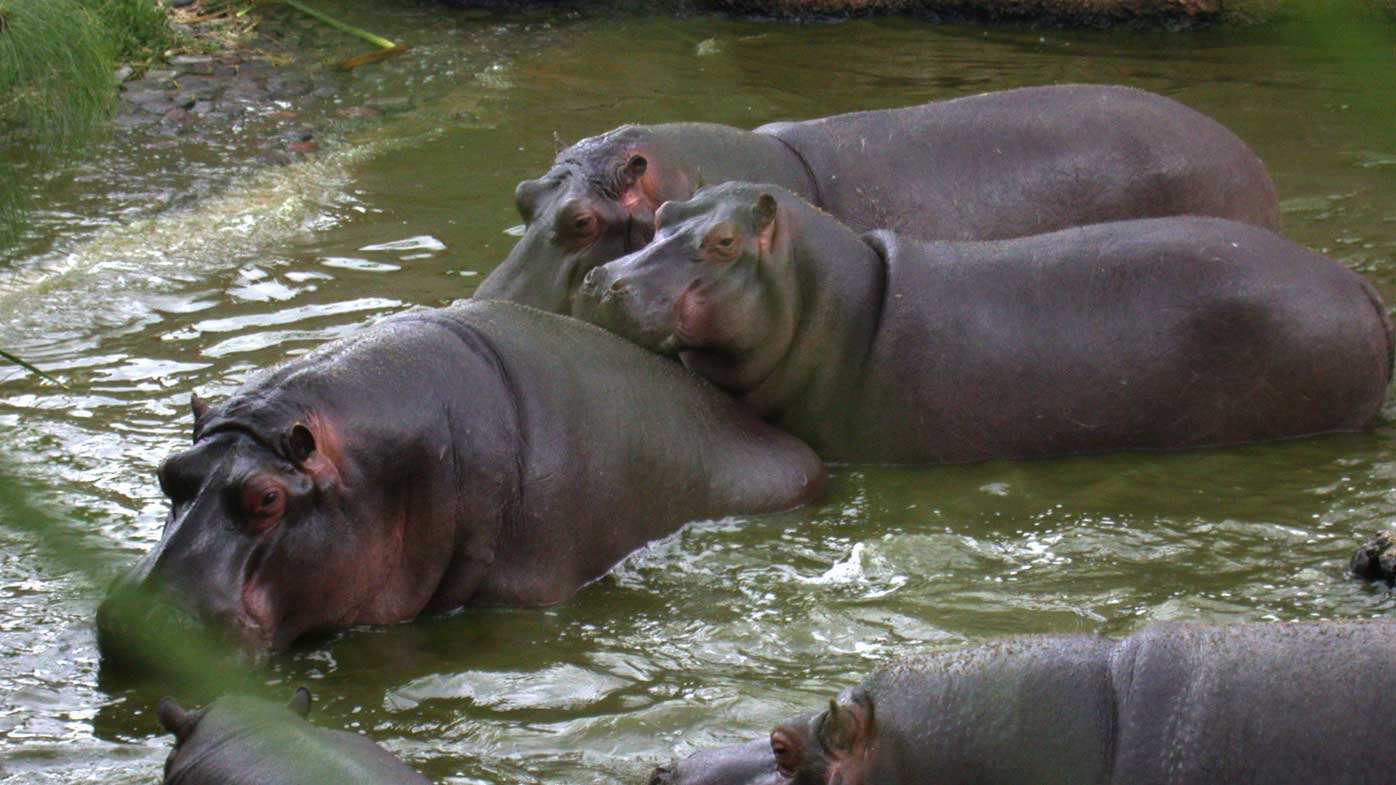
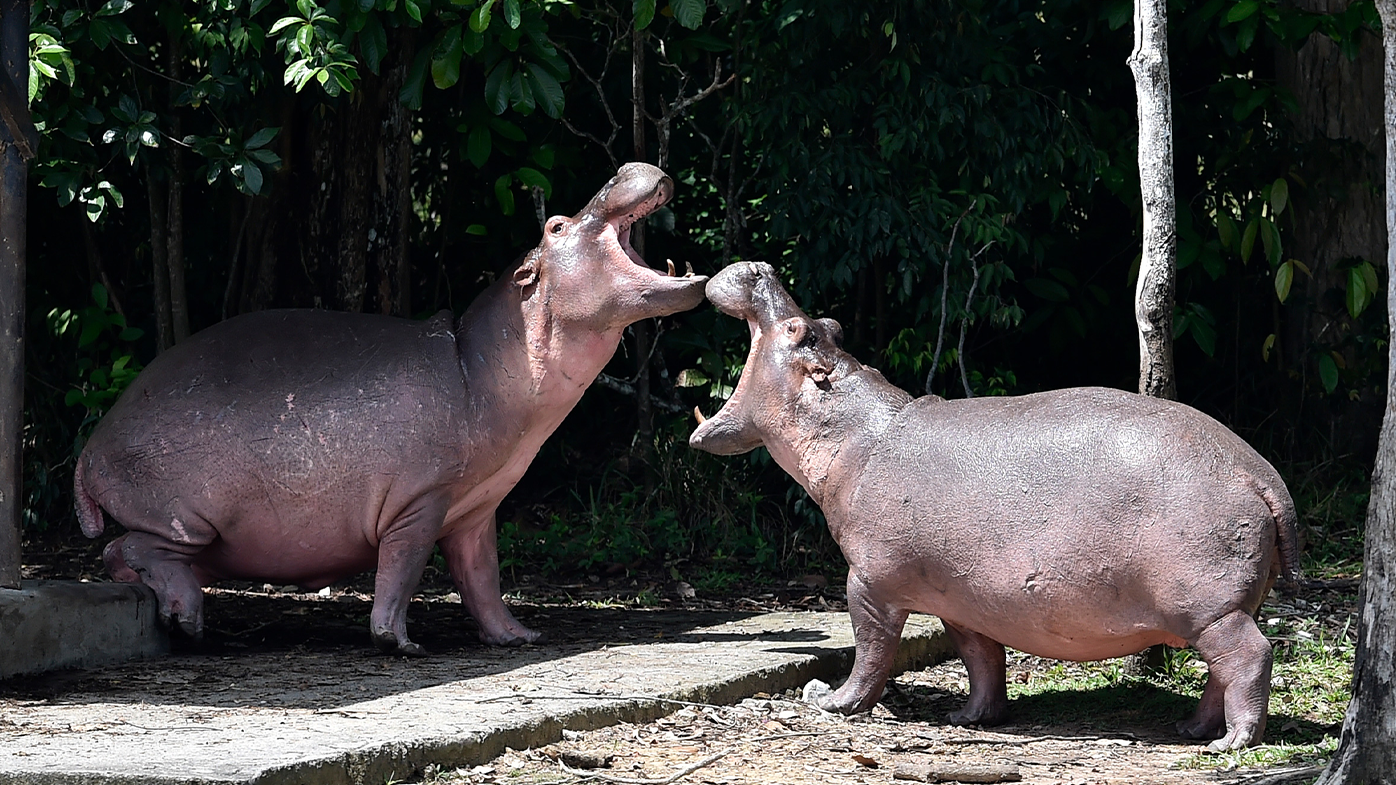
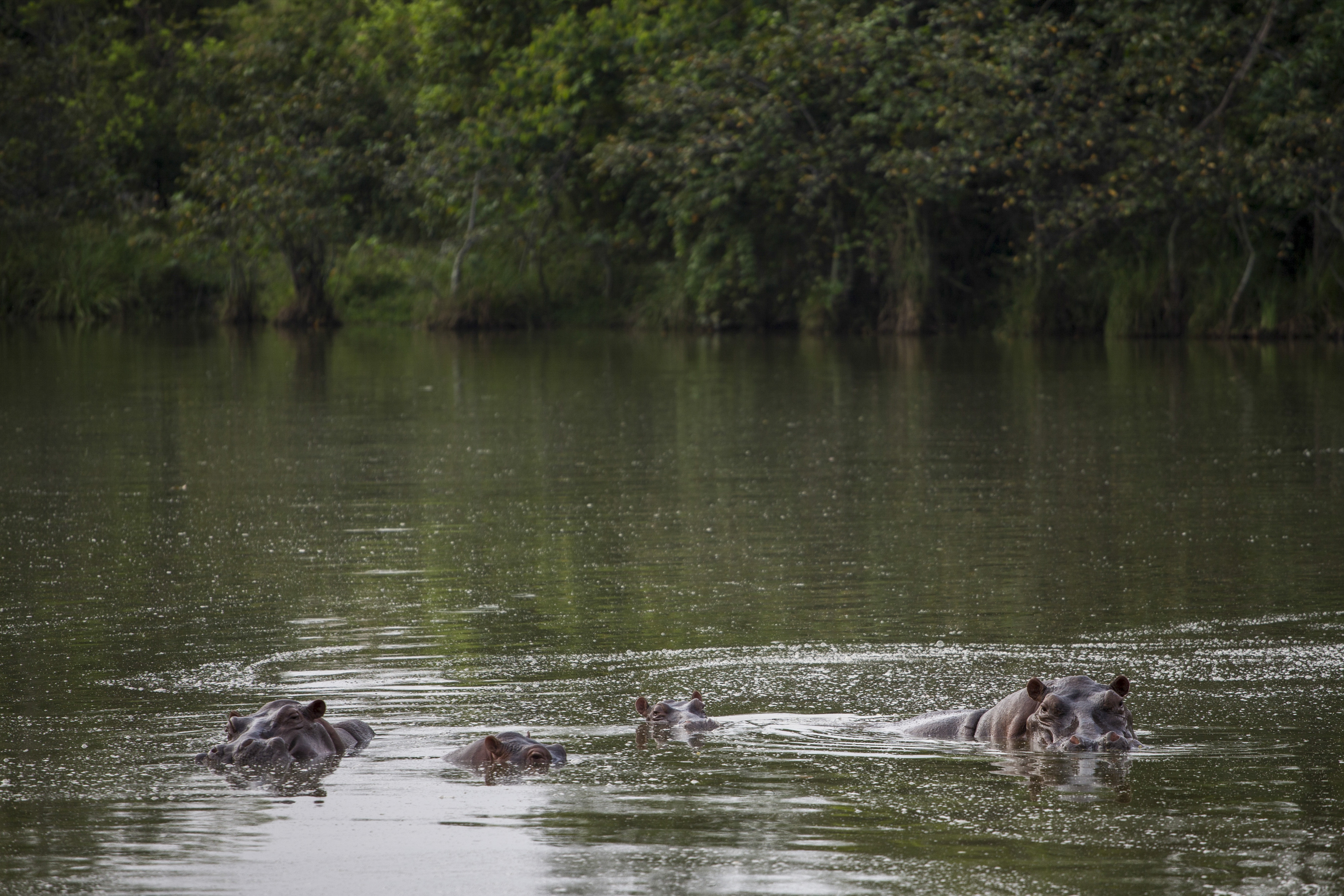
People around Puerto Triunfo have grown accustomed to the herd of hippopotamuses descended from a few that were imported illegally from Africa in the 1980s by flamboyant drug lord Pablo Escobar, whose former ranch is nearby.

Mr Molina, 57, says he supports the hippos even though he is one of the few Colombians to have been attacked by one. He was out fishing one day when he felt a movement beneath his canoe that spilled him into the water.

READ MORE: Fisherman attacked by one of Pablo Escobar's cocaine hippos

Escobar brought the hippos to his ranch in the early 1980s.

"The female attacked me once — the first pair that arrived — because she had recently given birth," he said.

Within weeks, Colombia's government plans to sign a document declaring the hippos an exotic invasive species, according to Environment Minister Carlos Eduardo Correa. This means coming up with a plan for how to control their population, which has reached 130 and is projected hit 400 in eight years if nothing is done as they flourish in Colombia's rivers.

Correa said many strategies are being discussed but no decisions have been made. Local communities will be consulted about any plan to control the hippos' population, he added.

"They talk of castration, sterilisation, taking the life of some hippopotamuses," he said. "What is important is the scientific and technical rigour with which the decisions are made."

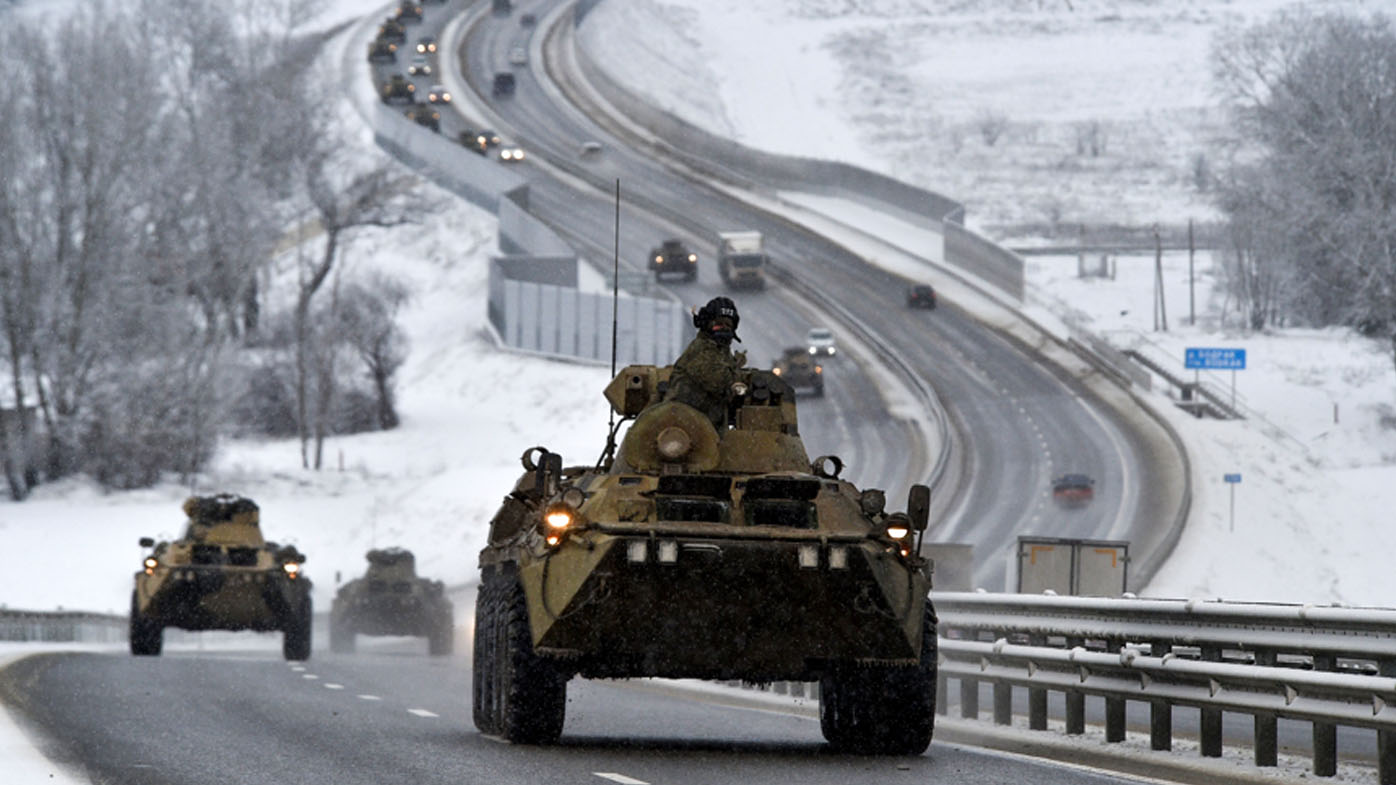
READ MORE: Russia 'uncoiling and poised to strike' as Ukraine rebels mobilise troops

Hippos stay submerged in the lake at the Napoles Park in Puerto Triunfo, Colombia.

Most people interviewed in Puerto Triunfo, some 200 kilometres of the capital, Bogota, say they can get along with the hippos and many oppose even sterilisation — let alone killing some.

"They make laws from a distance. We live with the hippopotamuses here and we have never thought of killing them," said Isabel Romero Jerez, a local conservationist. "The hippopotamuses aren't African now; they are Colombians."

Escobar's Hacienda Nápoles — and the hippos — have become a sort of local tourist attraction in the years since the kingpin was killed by police in 1993. When his ranch was abandoned the hippos survived and reproduced in local rivers and favorable climatic conditions. They began showing up around Puerto Triunfo a decade ago.

The hippos were originally brought to Colombia by the late drug baron Pablo Escobar as part of his personal zoo.

Scientists warn the hippos do not have a natural predator in Colombia and are a potential problem for biodiversity since their faeces change the composition of the rivers and could impact the habitat of manatees and capybaras.

An analysis by the Alexander Von Humboldt Biological Resources Research Institute said that climate change and "an increase in equatorial conditions, the ideal climate for the species" could increase the hippopotamus' dispersion across Colombia, potentially "overlapping with the geographic and ecological niches of native species, increasing the risk of possible competition for resources."

READ MORE: A week of legal setbacks for Donald Trump in Washington and New York

Hippos are notoriously territorial, especially when defending their young.

Hippopotamuses can also cause damage to crops because they are mainly herbivores and seek food in large quantities at night.

While hippos are considered one of the most dangerous animals for humans in Africa, there have been only a few injuries recorded so far in these parts.

"I don't consider them a threat, but there are difficulties with them. In the municipality, we have had reports of three attacks on the civilian population," said Carmen Montaño, an official with Puerto Triunfo's Municipal Agricultural Technical Assistance Unit.

Locals say the hippos sometimes come out of the water and walk through the streets of the town. When that happens, traffic stops and people keep out of their way.

"The human animal is the one that invades their territory, that is why they feel threatened and attack," said Romero Jerez. "Human beings should be prudent, respectful and keep their distance."

READ MORE: Two people killed after road trains crash and catch fire

Scientists warn that hippos are territorial and weigh up to three tons.

Daniel Cadena, a biologist and dean of sciences at the Universidad de Los Andes, said they are aggressive animals and not as gentle as people imagine.

"There are estimates in Africa that hippos kill more people each year than lions, hyenas and crocodiles combined," he said.

When the document declaring them an invasive species in Colombia is signed, hippopotamuses will join species such as the giant African snail, coqui frog, black tilapia and lionfish. The declaration will allow the government to allocate resources to control the hippo population, one of the main obstacles.

There is currently an experimental program of immuno-castration with a drug donated by the United States. Surgically sterilising them requires sedating them, transporting them to a safe place and cutting through their thick skin.

"Hippopotamuses do not have what is called obvious sexual dimorphism, it is difficult to know if an animal is male … the genitals are internal," Mr Cadena said.

Any population control process promises to be costly and complex because it requires finding the hippos scattered along the mighty Magdalena River.

How big data has changed espionage today

Modern-day espionage has evolved into a "cat-and-mouse" game between intelligence services and hostile agents fought against the backdrop of big data.

Agents continue to gather intelligence from three age-old sources: human interactions, signals and imagery surveillance. Or in layman's terms, conversations between people, sounds, and pictures.

But big data – extremely large information sets that are analysed by computer -has proven a game changer, one security expert told nine.com.au.

READ MORE: Foreign government 'puppeteer' tried to interfere in Australian election

John Blaxland, a professor of international security and intelligence studies at the Australian National University in Canberra, says the digital revolution is transforming spying.

"Big data and the digital footprint has made it harder for spies today," he said.

Today's well-resourced security and intelligence services across the globe can pinpoint an operative's online presence by using algorithms and other technological tools.

It's now easier for them to track a person's face, movement, watch, phone and devices.

"It's become a game of cat and mouse. Now the trick for spies is to hide their digital footprint," Dr Blaxland said.

READ MORE: China spy threat 'puts Aussie Olympians at risk of phone surveillance'

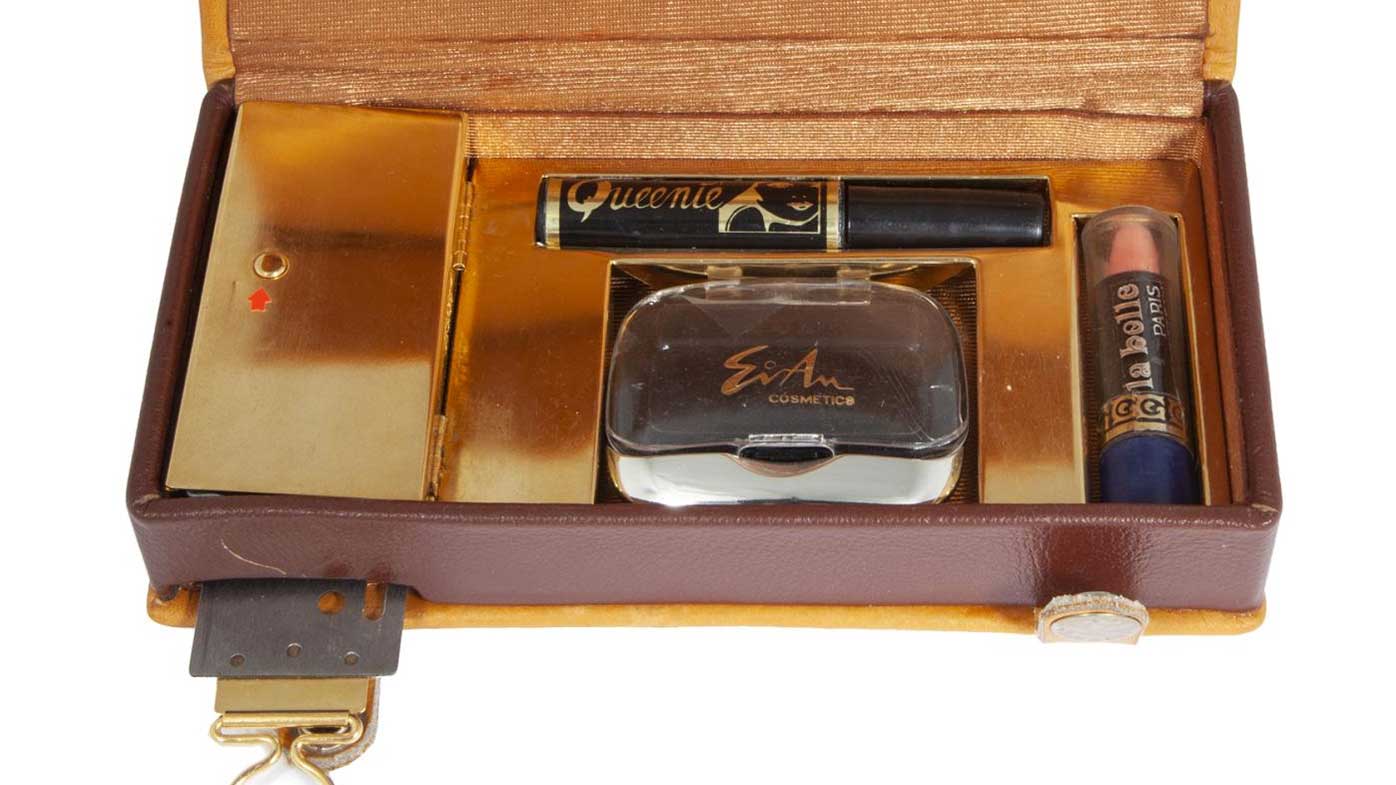
Cosmetics case camera

And the internet is proving to be the new espionage battleground for hostile actors and foreign operatives to target information and individuals.

For an example of this, Dr Blaxland pointed to the revelation by the Australian Security Intelligence Organisation (ASIO) this month about spies harnessing social media including some dating sites.

ASIO boss Mike Burgess in his annual threat assessment speech said the spy agency was also tracking suspicious approaches on dating platforms such as Tinder, Bumble and Hinge.

Dr Blaxland said the development was based on the espionage tactic of the 'honeypot' , or attractive individuals, to hook unwitting targets.

"It's an age-old human impulse … and can be a source of entrapment."

READ MORE: What is the metaverse, and what are the key issues around it?

But as governments rapidly improve their counter-espionage measures, spies are turning back to tradecraft last seen in the days of the Cold War.

"Now the trick is to hide your digital footprint," Dr Blaxland said.

So agents and their contacts are relearning old-school tricks.

One of them is the 'dead drop' -a secret location where materials can be left for another party to retrieve.

Another is the 'brush' past' involving a brief encounter between two people -often in a public place where something is passed between.

Once regarded as quaint Cold War hangovers, these and other non-digital tactics are finding new life, Dr Blaxland said.

"Agents are looking to skirt around big data … they want to circumvent the advanced algorithms."

Explosions heard on Ukrainian front line

British Foreign Secretary Liz Truss accused Russia on Saturday of not being "serious about diplomacy" while warning that the "worst-case scenario could happen as early as next week."

Ms Truss also said Ukrainian President Volodymyr Zelensky's speech at the conference was "extremely sobering."

"This is one of the most dangerous moments for European security that we've experienced since early in the 20th century. And we need to show unprecedented unity," Truss said. "There were many people who would want to think hopefully about the situation, but I think we need to prepare for the worst-case scenario, and that worst-case scenario could happen as early as next week."

READ MORE: Two people killed after road trains crash and catch fire

Ms Truss said the United Kingdom would stand in unity with its partners to support Ukraine.

"We need to be strong because that is the only thing that Russia understands. And I think we need to be strong in supporting Ukraine and not selling Ukraine out with concessions on sovereignty," Ms Truss said.

"Ukraine needs our support at the United Nations and at the OSCE and they also need our economic support because there is a real threat of economic destabilisation. They need our defence support, and the UK is committed to continuing to supply that support, standing shoulder to shoulder with Ukraine," she added.

READ MORE: Russia 'uncoiling and poised to strike' as Ukraine rebels mobilise troops

The foreign secretary stressed that the UK is "resolute in imposing severe costs on Russia in the event of an invasion, including tough sanctions."

"We will stop oligarchs being able to move their money internationally. We will stop them traveling, and we will make it tougher for Russian companies to tap into our capital markets. And we're also going to make it harder for Russia to access sovereign debt markets," she said.

Truss said the UK stands with Europe and the United States in being "completely united in support of Ukrainian sovereignty and self-determination."

"This is not just an issue for Europe. This is an issue for the world, because if a sovereign nation is able to be invaded with no consequences, that sends a signal to other aggressors around the world," she added.

"What this crisis has demonstrated is we are united. We are prepared to put tough sanctions in place in the event of an incursion. We are prepared to supply that defensive support to Ukraine," Truss said.

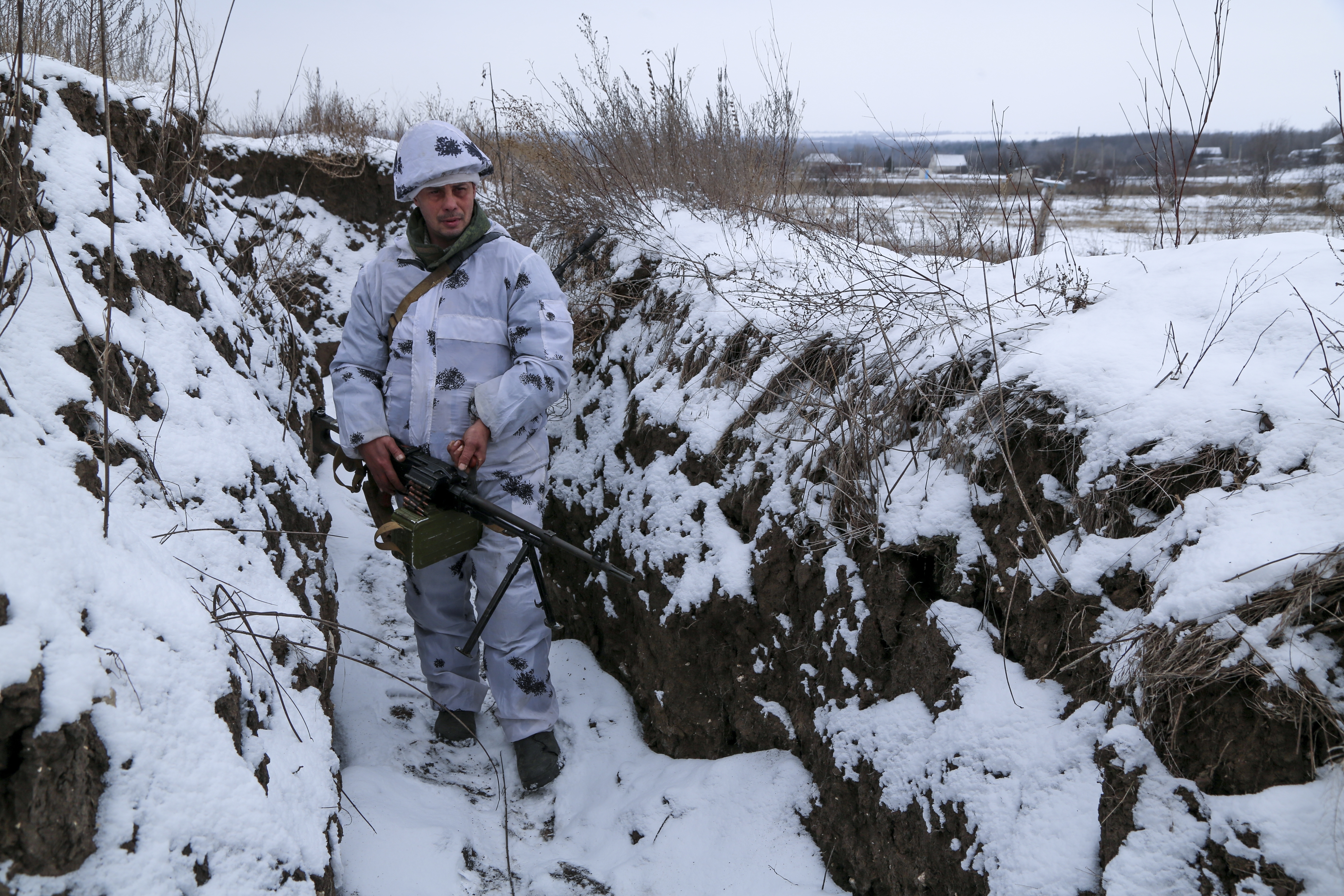
Ukrainian soldiers 'ready for any scenario' as mortar shells explode near front line, interior minister says

A CNN team and other journalists accompanying Ukraine's interior minister on a tour of the front lines in eastern Ukraine came under mortar fire on Saturday.

No one was injured.

Interior Minister Denys Monastyrskiy sought cover as several mortar rounds landed nearby. Shortly after the shelling, he gave interviews to international media in Novoluhanske.

About a dozen mortar rounds landed within a few hundred meters of the group.

READ MORE: A week of legal setbacks for Donald Trump in Washington and New York

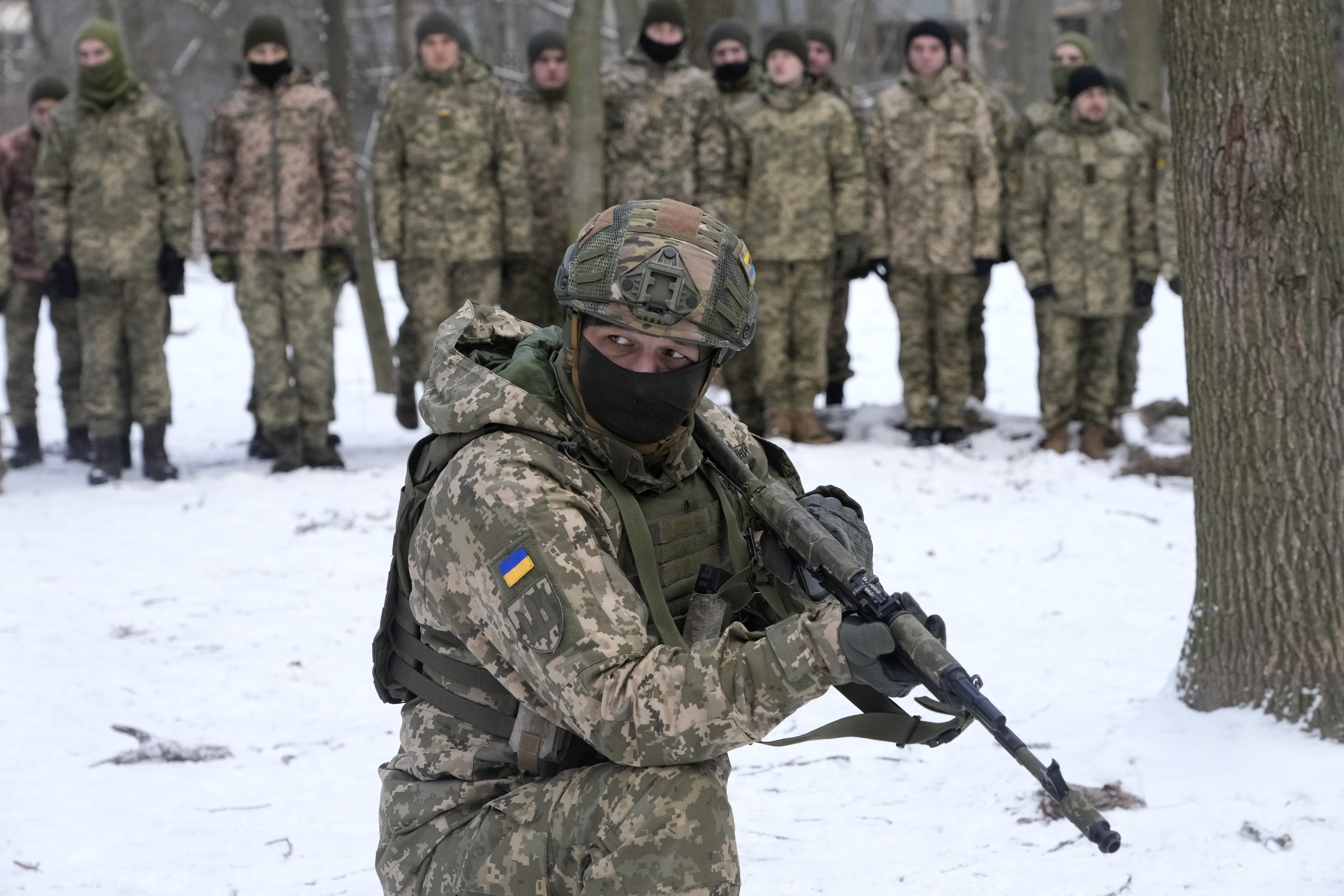
Speaking to CNN prior to leaving the area, Mr Monastyrskiy said, "We spoke with soldiers on the ground. The spirit is incredibly brave and all guys are ready for any scenario."

He said that it had been his first time under fire. He told reporters that he was in the car en route and they had to stop every time they heard shelling and lay on the ground.

At a news conference later in Kramatorsk, Mr Monastyrskiy was asked by CNN what role Ukraine believed that Russian military advisers were playing in the fighting in the eastern part of the country.

"We have information about the advance of the Russian army along our territory," he said. "There is also information that certain units of the Wagner PMC have entered our territory. The purpose of the stay is to organise sabotage in our territory."

Victorian woman's tearful plea after family heirloom stolen

A woman from Victoria has put out a plea for the people that stole her precious family ring to return it.

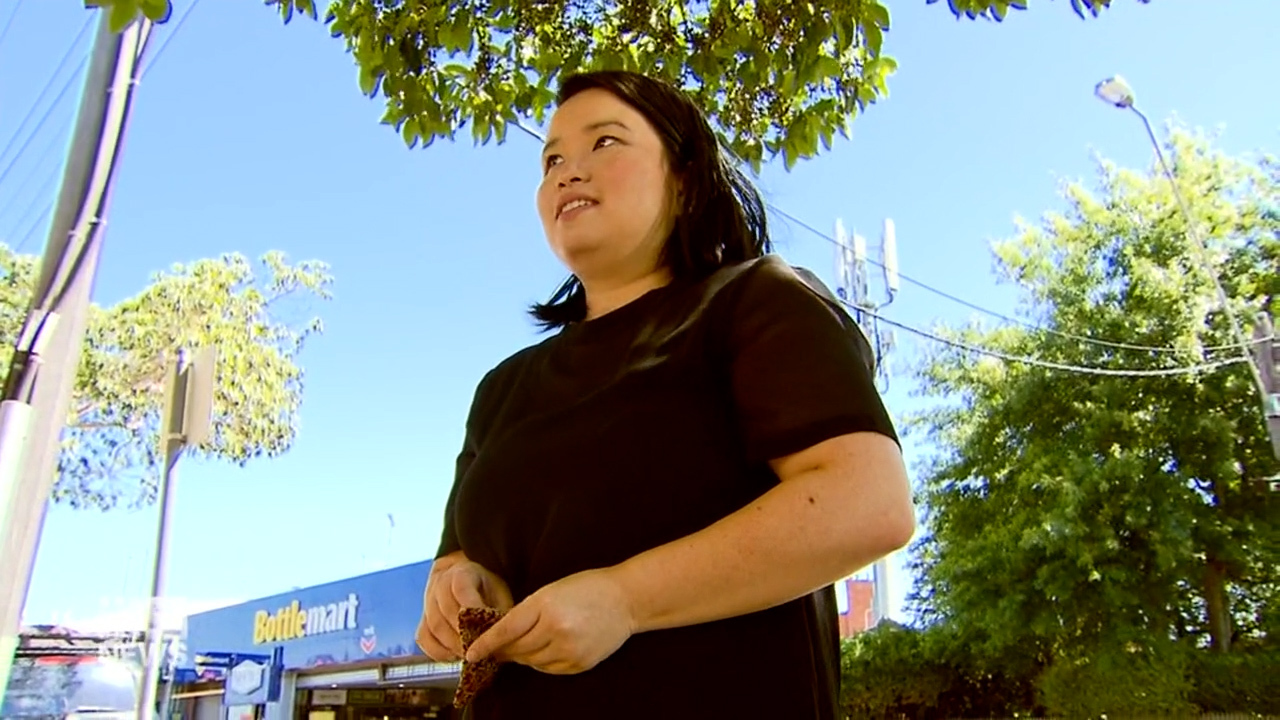
While fighting back tears, Jing told 9News that she was targeted by the thieves while she was 39 weeks pregnant.

"It's really upsetting, you feel sort of violated and your trust is sort of gone and I am a pretty trusting person generally," Jing said.

READ MORE: Grace Tame shares powerful open letter

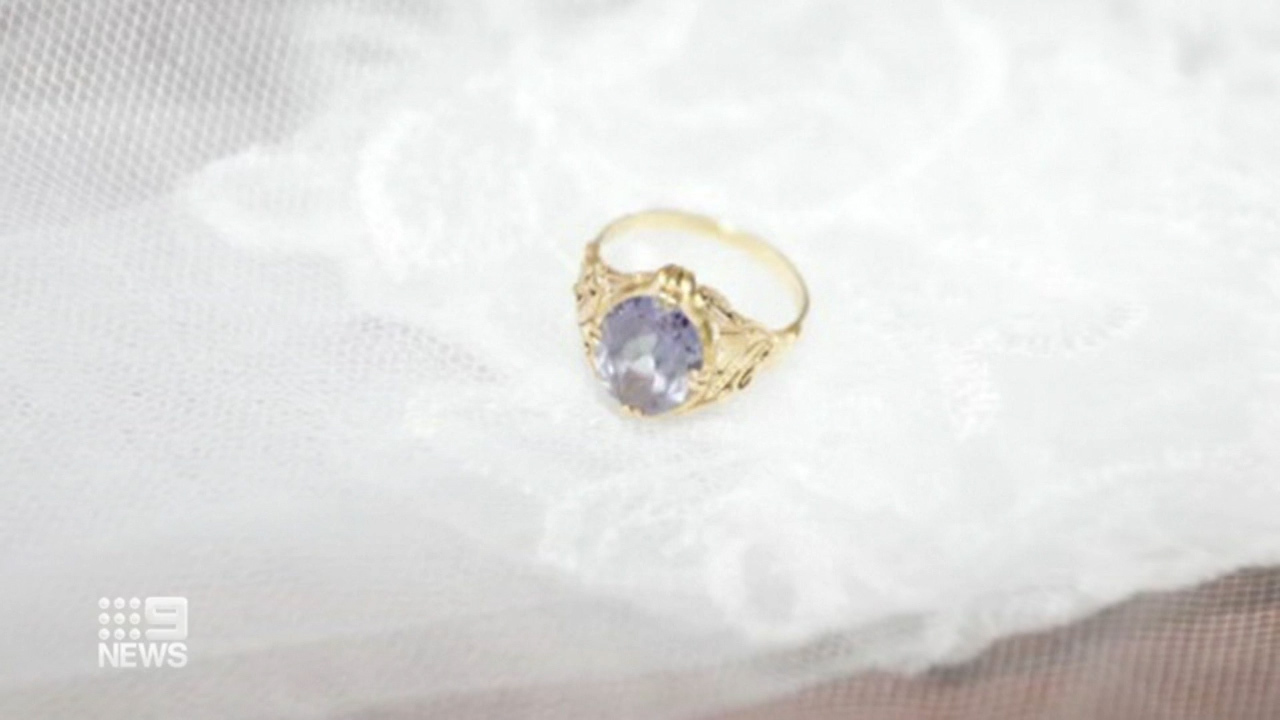
The ring has an intricate gold band, with a pink diamond, and was worn by Jing on her wedding day.

Jing said that on November 11 she had parked her car on Nicholas Street in Ashburton, south-east of Melbourne, for just five minutes.

"When I came back to my car, I noticed my handbag had been taken," Jing said.

Her wallet and iPad were stolen from her handbag, and so was the family heirloom – her grandmother's diamond ring.

The ring has an intricate gold band, with a pink diamond, and was worn by Jing on her wedding day, who had always planned for her daughters to do the same.

READ MORE: Body of 35-year-old doctor found after Gold Coast drowning

Jing told 9News that she was targeted by the thieves while she was 39 weeks pregnant.

"I don't have much family in Australia so to have that ring taken is really upsetting," Jing said.

Police are searching for the people who stole the ring, and have also warned people not to leave valuable items in their cars.

"Unfortunately opportunistic offenders will target those kind of people," police officer Katie Shanahan said.

Australia commemorates 80th anniversary of Darwin Bombing

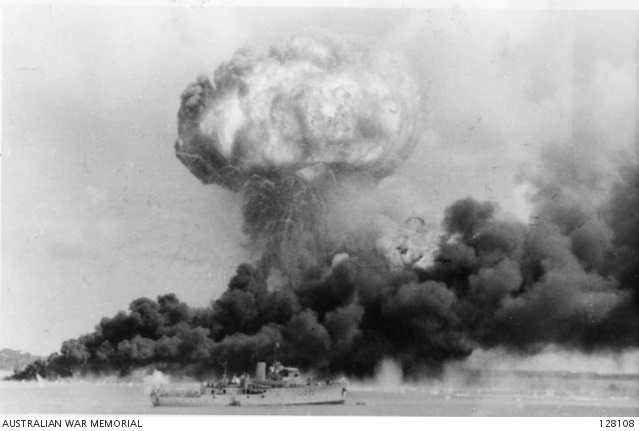
On this day in 1942, the sky above Darwin roared as a battery of Japanese bombs rained down onto the city.

Now on the 80th anniversary of the Darwin Bombings, Australians have commemorated what is the largest single attack ever launched by a foreign power on the country.

During World War II, Darwin was a crucial part of Australia's defence amid the outbreak of war in the Pacific.

READ MORE: Joe Biden says he's now convinced Putin has decided to invade Ukraine

On February 19, 1942 Darwin was bombed by Japanese forces.

Coastal defence batteries were established, and garrisons expanded in Darwin, which was frequently used as a base from which forces were deployed to aid in the defence of the Dutch East Indies, now Indonesia, against Japan.

Japan had become increasingly aggressive since the 1930s as it sought to conquer more territories and defeat China.

And in an effort to protect its military actions on Timor and invasion of Java, Japan executed the large-scale air raid on Darwin on February 19.

READ MORE: What could have sent hundreds of blackbirds crashing to their death in Mexico

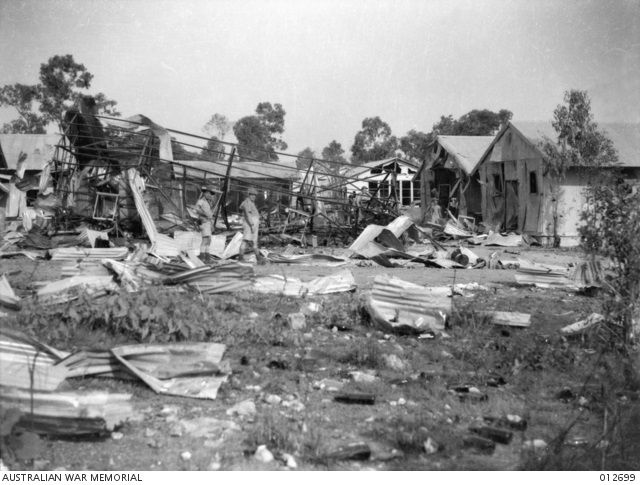
At least 252 service personnel and civilians were killed after more than 260 Japanese fighters and bombers hit Darwin.

At least 252 service personnel and civilians were killed after more than 260 Japanese fighters and bombers hit Darwin's port and shipping harbour twice during the day.

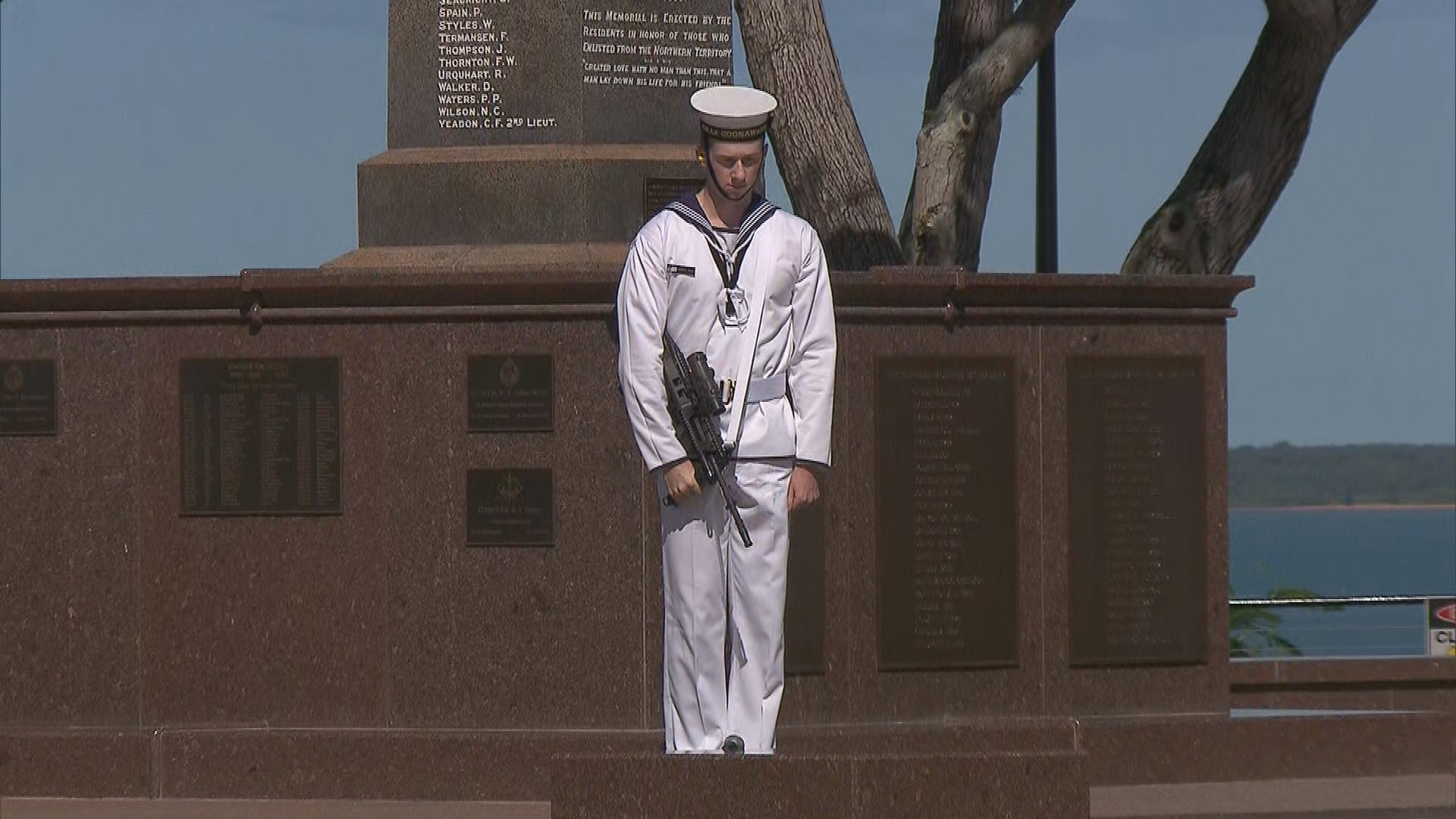
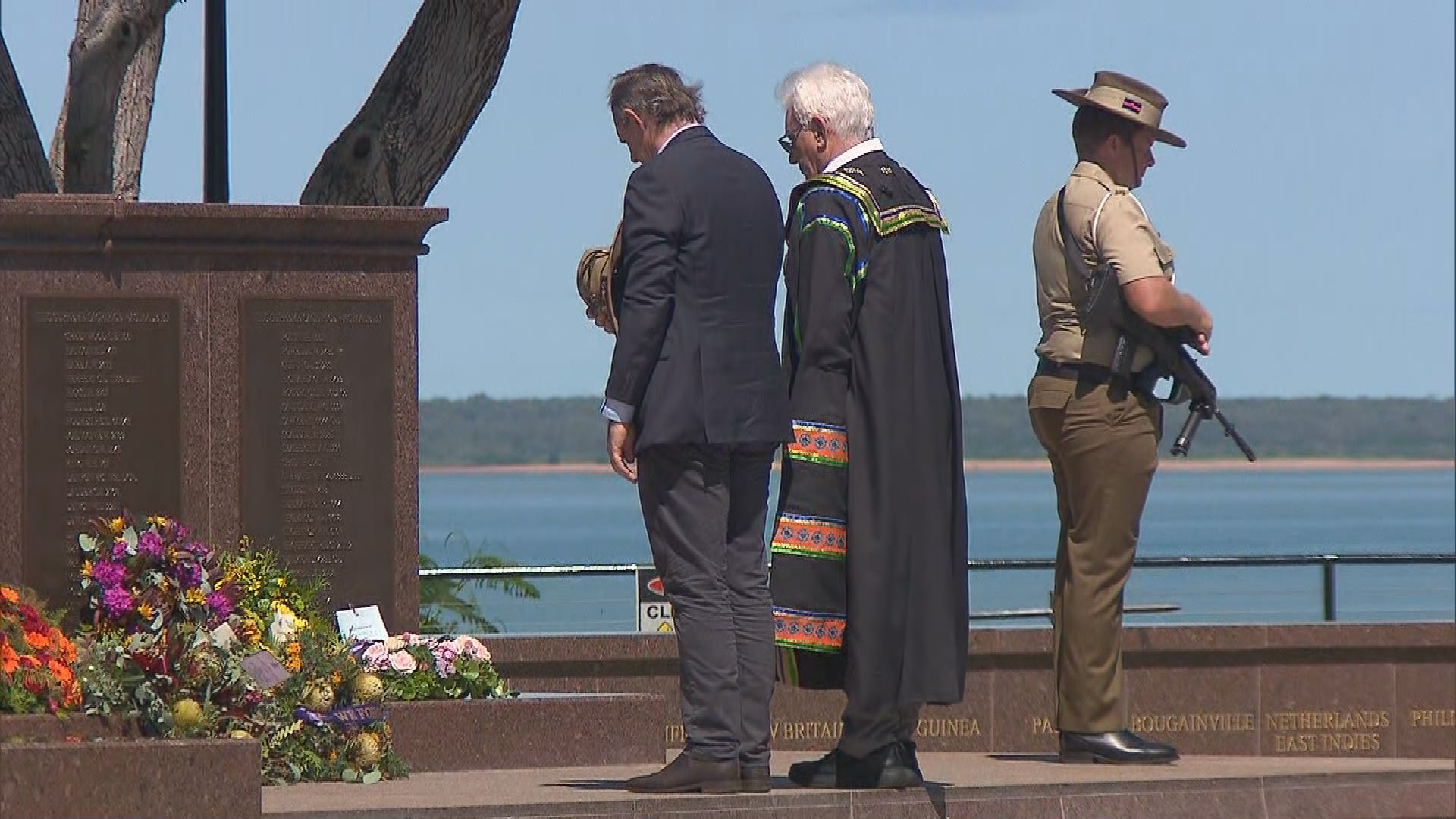
A ceremony was held today in Darwin's Bicentennial Park to mark 80 years since the bombing.

Thousands of people were in attendance, including descendants of survivors and war veterans.

READ MORE: Antarctica will likely set an alarming new record this year, new data shows

A ceremony was held today in Darwin's Bicentennial Park to mark the 80 years since the bombings.

Prime Minister Scott Morrison was also present and paid respects to the memory of those who had lost their lives in the attack as well as those who lived through it.

"19 February 1942 marked an awakening. As the author Peter Grose argues, if the birth of Australia as a nation took place on the shores of Gallipoli, then it was on this day, at this place, that an independent Australia took charge of its destiny," Mr Morrison said.

The Prime Minister also acknowledged the strong relationship Australia and Japan share today.

READ MORE: Two Australian states on alert for possible 'severe storms' as wet weather continues

Wreaths were laid as members of parliaments and the public paid their respects to those who lost their lives during the 1942 Darwin Bombings.

"That enemy that inflicted such violence on this city and this that nation, on this day, has now become one of our most trusted and loyal friends," Mr Morrison said.

Opposition Leader Anthony Albanese was also in Darwin and said today was a day to remember the strength of Australians.

"Darwin showed the resilience, courage and strength of Australian culture," Mr Albanese said.

Grace Tame shares powerful open letter after publication of viral photo

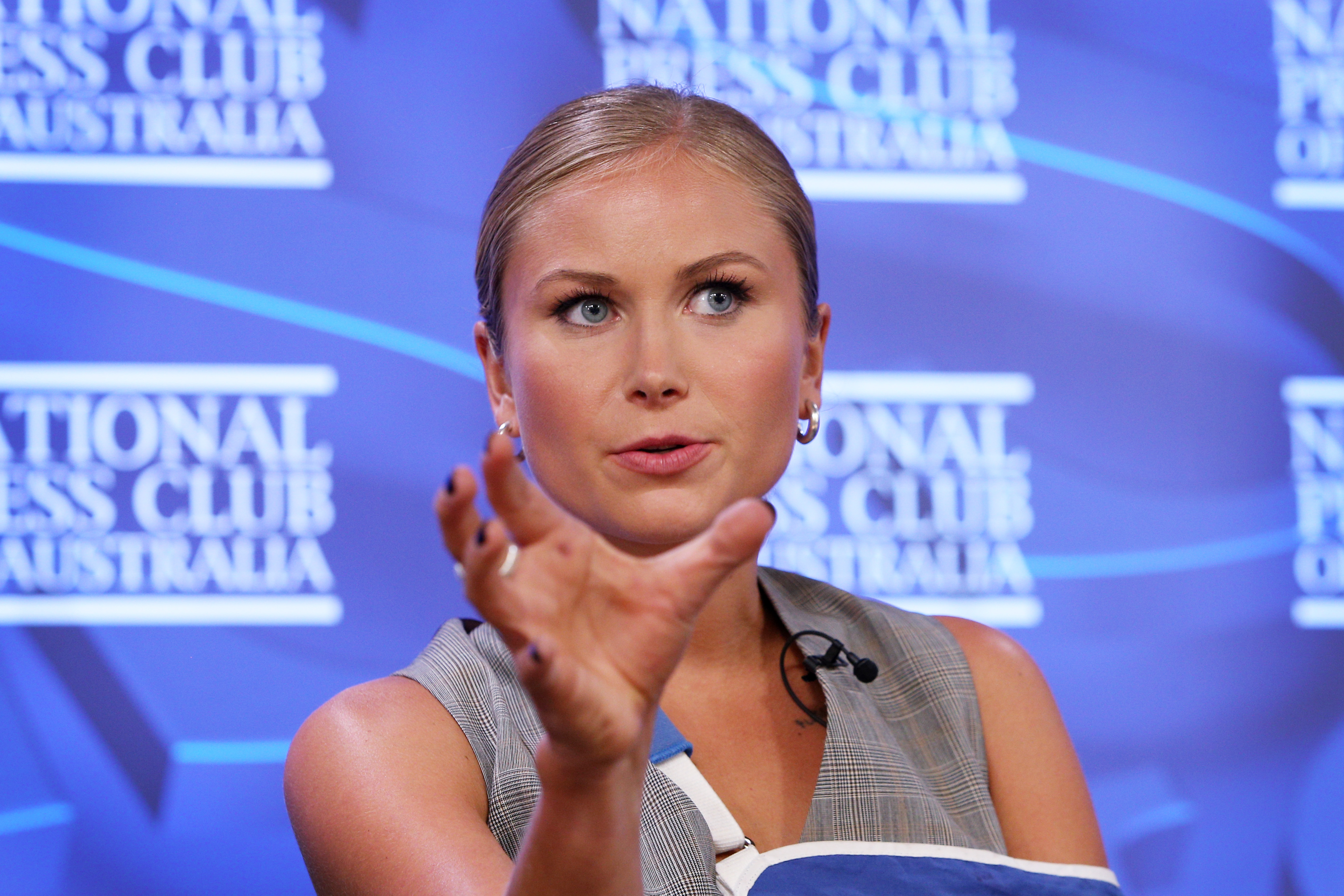
Former Australian of the Year Grace Tame has shared a powerful open letter following the recent publication of a photo from 2014 showing her with a bong.

The image was published on Monday in what Ms Tame today labelled an attempt to "discredit her".

In an open letter to media outlets which published the picture — in which she was aged 19 — Ms Tame today said it "reinforced the imbalance of an already skewed evil", and that it had let her down as an individual and as an advocate of the survivor community.

READ MORE: Joe Biden says he's now convinced Putin has decided to invade Ukraine

"Drugs feature in the broader story of abuse, during and after," she wrote.

"They feed into and compound the many layers of guilt and confusion. Later they become a familiar, go-to means of escape.

"By point-mocking a symptom of a bigger picture, you've reinforced the imbalance of an already skewed culture. You've chosen to punish the product of an evil, not the evil itself.

"This is precisely why survivors don't report. Congratulations."

READ MORE: Body of 35-year-old doctor found after Gold Coast drowning

https://twitter.com/TamePunk/status/1494877152491487239

The 27-year-old said such public shaming of a sexual assault survivor would deter others from coming forward and reporting crimes.

"There are survivors out there who are terrified of seeking help because they're afraid they'll be blamed for what has happened to them. They are afraid they'll be chastised for their coping strategies instead of being offered support and treated for the cause of their suffering," she said.

"And what do you think happens when they see the mainstream media deliberately brutalise survivor-advocates like me for actions I took when I was 19 and still trying to process something I didn't understand?

"I'll tell you. Their fear is magnified.

"Publicly shaming survivors for their past is as low as you can possibly go."

Much of the reaction to the publication of the photo was in favour of Ms Tame, who thanked everyone who offered her support.

READ MORE: Two Australian states on alert for possible 'severe storms'

"I wish to thank the legions of strangers and friends alike from all over Australia who showed up and showed out for survivors by calling out the unnecessary shaming stunt on Monday," she wrote.

"I have never seen anything quite like it. It means a lot to me, and I know it means a lot to many other survivors as well."

After her time as Australian of the Year ended, Ms Tame is now raising funds and awareness for a new campaign to remove the word "relationship" from crimes relating to child sex abuse.

Her full open letter can be read on Twitter.

Body of 35-year-old doctor found after Gold Coast drowning

The body of a 35-year-old doctor has been recovered after he drowned attempting to rescue a struggling swimmer on the Gold Coast earlier this week.

Police confirmed early this morning a body had been found by members of the public in the water off Mermaid Beach overnight.

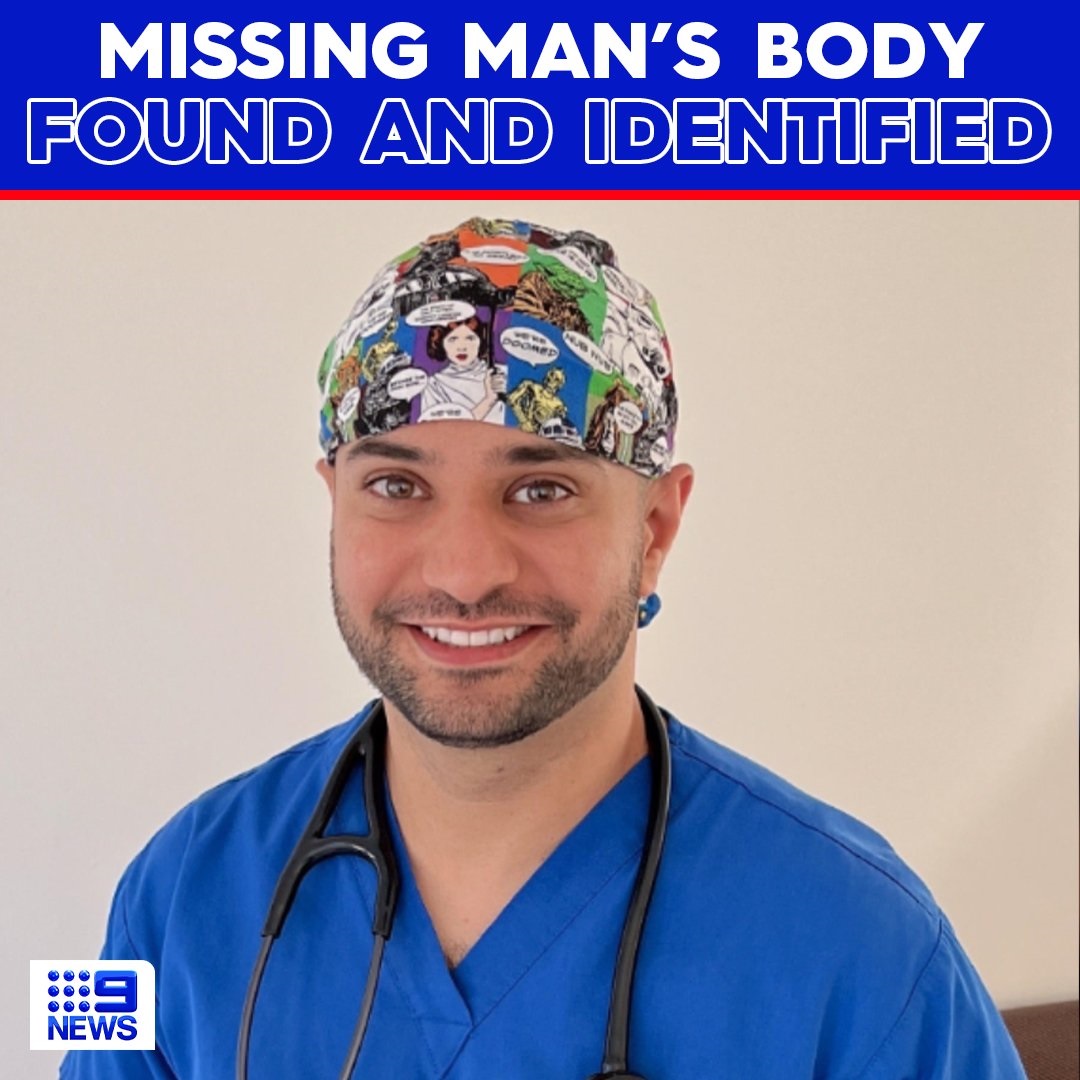
The man was later identified as Dr Luqman Jubair, a doctor who had been involved in a Griffith University research team which made an important cervical cancer treatment breakthrough in 2019.

READ MORE: Two states told to brace for severe storms

The body found by members of the public in the water off Mermaid Beach has been identified as Dr Luqman Jubair.

Dr Jubair had gone into the water on Thursday evening after a fisherman noticed a struggling swimmer and called for assistance.

The swimmer, fisherman and two other people who came to help were able to return to the shore, however Dr Jubair was swept out to sea during the rescue.

READ MORE: Cases drop in NSW, Victoria and Queensland, rise in WA

Despite a search and rescue mission beginning almost immediately, he was unable to be rescued.

"It is a tragic tale where a member of the public has attempted to do the right thing and stepped in to save the life of another person and has run into difficulty," Acting Chief Superintendent Rhys Wildman said earlier this week.