Tag Archives: oceania

Premier's backflip after National Cabinet rules out third jab for tourists

Victorian Premier Daniel Andrews has said there could be different vaccination rules for visitors to the state and those that are there long-term, after National Cabinet agreed to not impose a booster mandate on international arrivals.

Mr Andrews had earlier this week flagged that Victoria might impose additional restrictions on tourists who had not received a third jab, putting him at odds with the Federal Government.

But after National Cabinet agreed that would be hard to police, Mr Andrews changed his position, saying that there could be different rules for tourists.

READ MORE: Booster required to be fully vaccinated

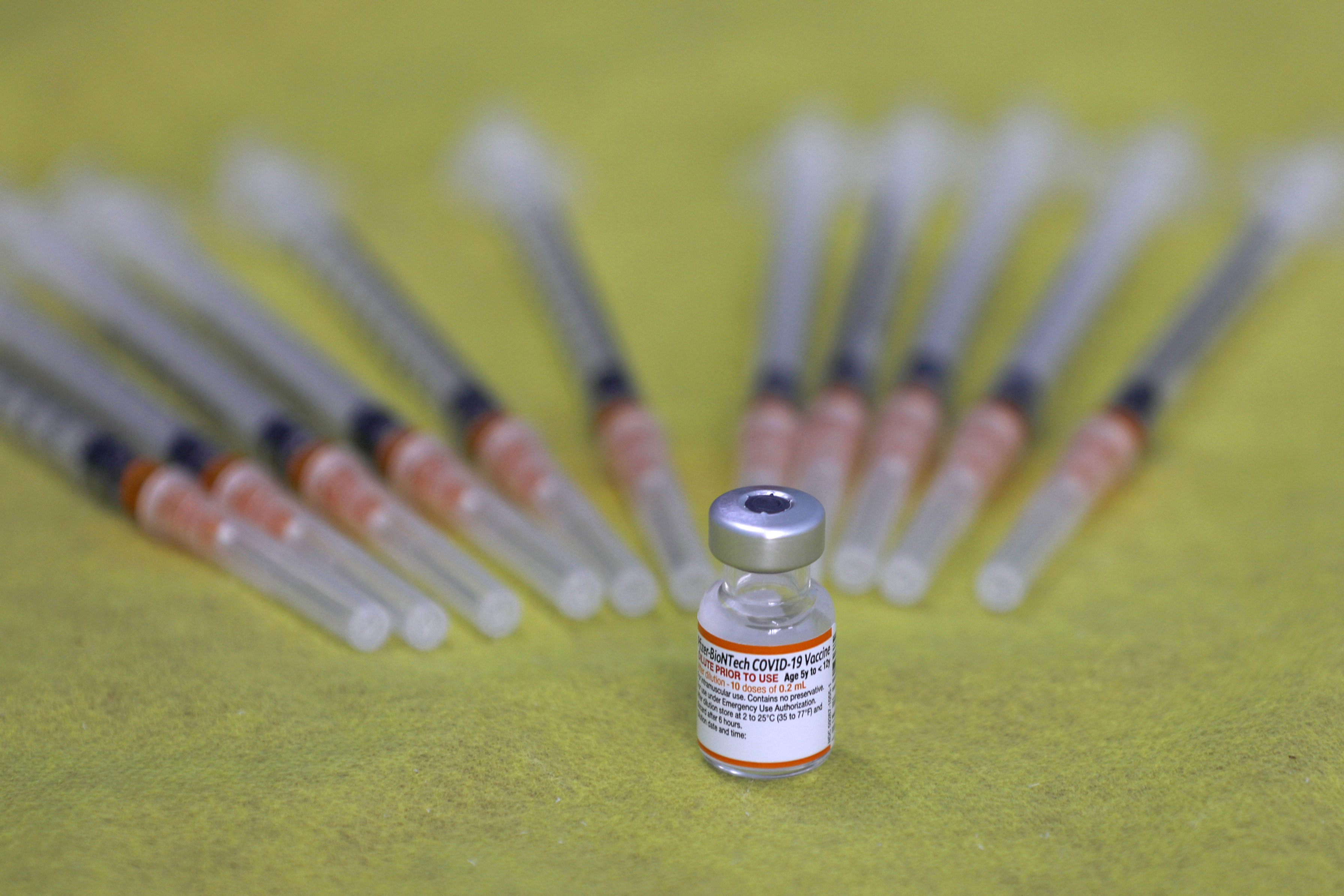
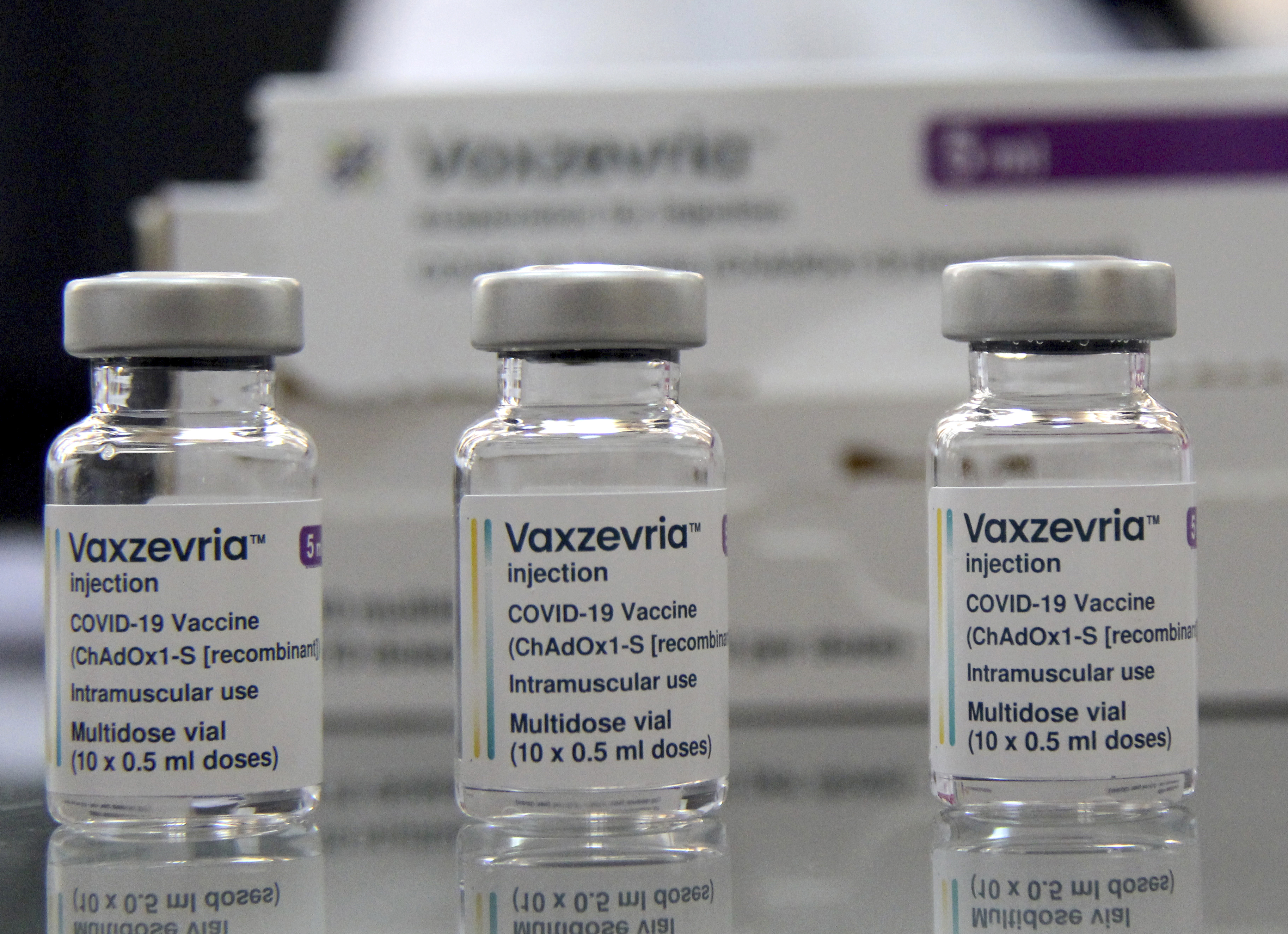
FILE - Vaxzevria COVID-19 vaccine, previously COVID-19 Vaccine AstraZeneca, are pictured at the Assad Iben El Fourat school in Oued Ellil, outside Tunis, on Aug.8, 2021.

Mr Andrews had also pushed for changing the definition of "fully vaccinated" in Australia to include a third dose.

But National Cabinet instead decided to move away from the term "fully vaccinated" overall.

Instead, people will need a booster shot within six months of their second dose to be considered "up to date".

READ MORE: National Cabinet agrees to transition to Phase D of COVID-19 roadmap

This will not apply to international arrivals

Federally, the only third jab mandate will remain for aged care, though states and territories can impose their own.

Aged care will see further changes, with leaders endorsing advice from the AHPPC to expand visitor access to loved ones.

https://omny.fm/shows/the-9news-lunch-podcast/feb-11-a-new-job-for-gladys-berejiklian-and-the-rb/embed?style=cover

Next steps

New South Wales is set to lead the way into "Phase D" of the COVID-19 pandemic roadmap, which will entail the removal of remaining restrictions.

The timeline of this phase will differ between states and territories, but NSW is already preparing to remove its mask rules and density limits at the end of February.

Business leaders are also meeting for a summit in Sydney today to discuss revitalising the city centres of the CBD and Parramatta.

READ MORE: Man who fled China as a child caught in identification debacle

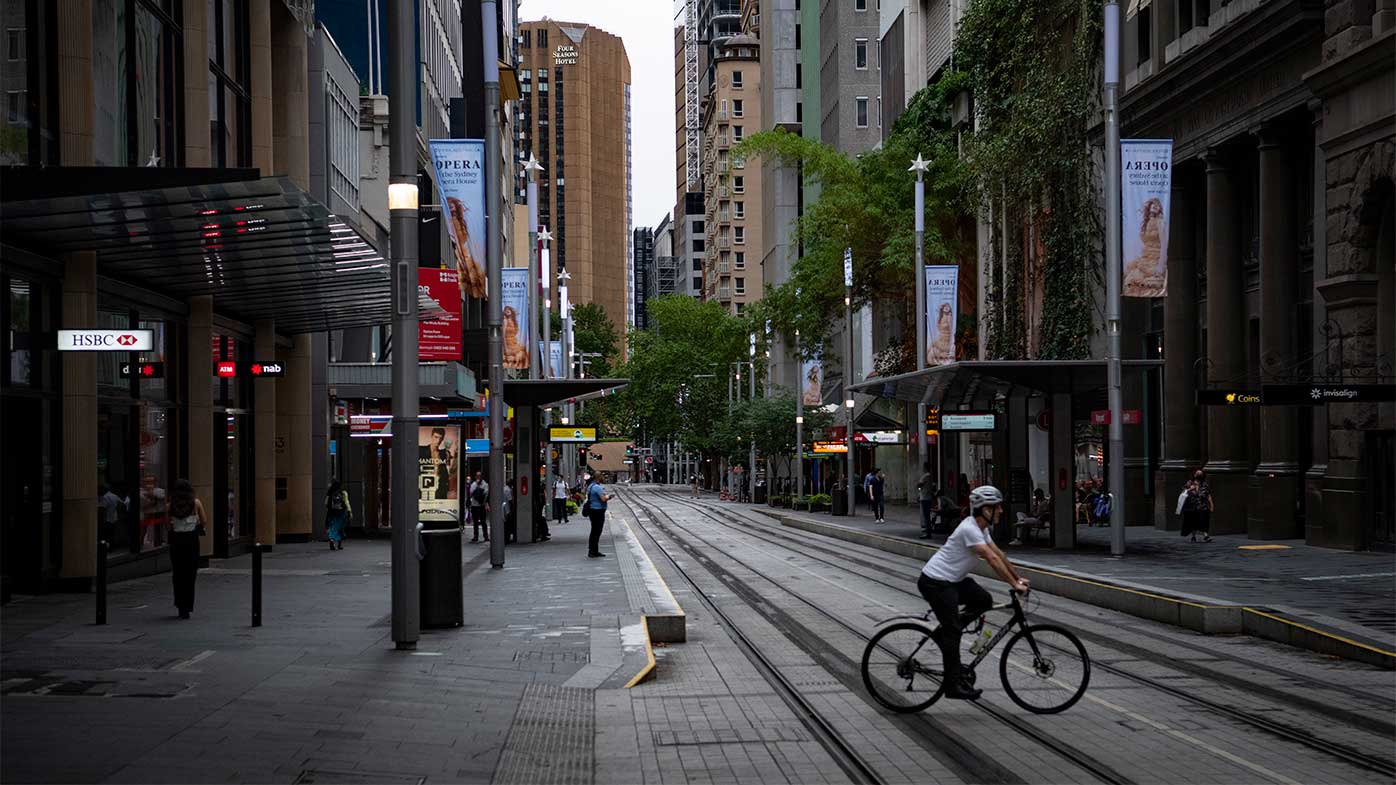
Quiet streets around the Sydney CBD

Two options being floated to boost foot traffic are more al fresco dining, and free public transport.

Meanwhile, NSW, Queensland and Victoria will work with the Federal Government to establish a plan for restarting the cruise industry.

The multi-billion-dollar sector has been effectively shut down during the entire pandemic, with cruise ships having played a key role in transporting COVID-19 around the world.

Cruise Lines International Association managing director Joel Katz said it was "positive news".

"There are long lead times to get the ships back up and running so we need to see some genuine and concrete actions coming out of the government, so we can move forward and get the ships back by the middle of the year," he said.

"We've got the advantage of best practice from around the world.

"Cruising has been operating in many countries for a long time, so we have developed really robust plans informed by that practice and we need to get the ships back up and running."

Disappearance of WA man 'out of character', police say

The disappearance of a Western Australian man is "out of character" police said, revealing they have serious concern for his welfare.

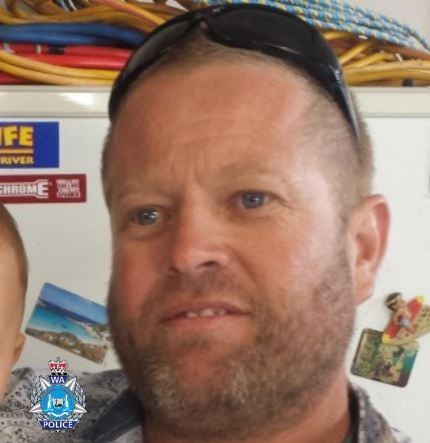
Matthew Eves was last seen travelling through the Burringurrah Community in the state's Gascoyne region on January 2 after leaving Perth.

He was intending to return to Kununurra where he usually lives and works.

Matthew Eves was last seen on January 2, 2022. He was believed to be travelling to Kununurra from Perth.

However the 44-year-old failed to arrive at his destination, which sparked a widespread land and air search around Burringurrah.

Inquiries with service stations and roadhouses along the most likely routes Mr Eves took have not yielded information into his whereabouts.

Police have conducted inquires with roadhouses and service stations along the likely routes Matthew Eves took.

Police said the have spoken to Mr Eves friends and family and all are concerned as they have not heard from him since his disappearance.

This is "out of character", they said.

Anyone with information about Mr Eves is being urged to come forward.

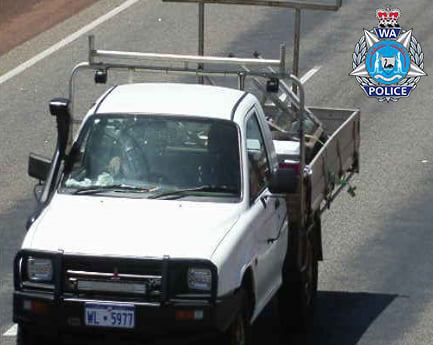
Matthew Eves is driving a white Mitsubishi Triton with registration 'WL 5977'.

He is described as having a "solid build" is 171 cm in height and was last seen wearing a blue t-shirt and black shorts.

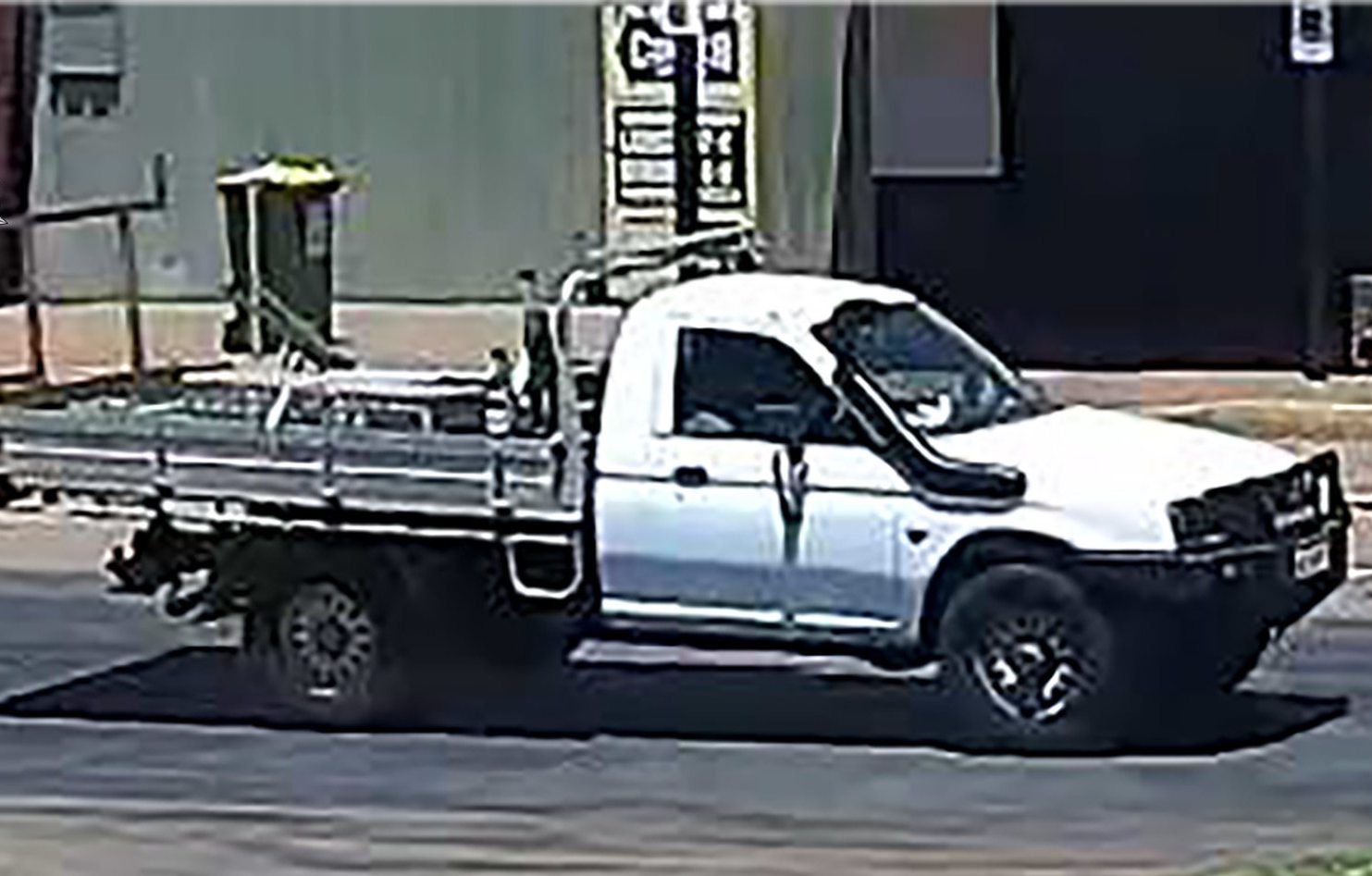
He is driving a white Mitsubishi utility registration WL5977.

The vehicle has "plumber" style racks, a light bar spotlight on the grill and two smaller rear facing spotlights on the back of the cab.

Ukrainians prepare for war in ruins of Chernobyl

It's a frigid Friday in Ukraine's Chernobyl Exclusion Zone, and dozens of journalists in fluorescent yellow vests are frantically elbowing each other as they vie for camera position in a town where no one has lived since 1986.

Chernobyl has been abandoned since the world's worst nuclear disaster here three decades ago. But with tens of thousands of Russian troops amassing on Ukraine's border with Belarus just a few miles away, the ghost town is now playing host to security forces training for war.

Ukraine is using Chernobyl to prepare for another potential cataclysm.

READ MORE: This is Europe's 'most dangerous moment' in decades, UK PM says
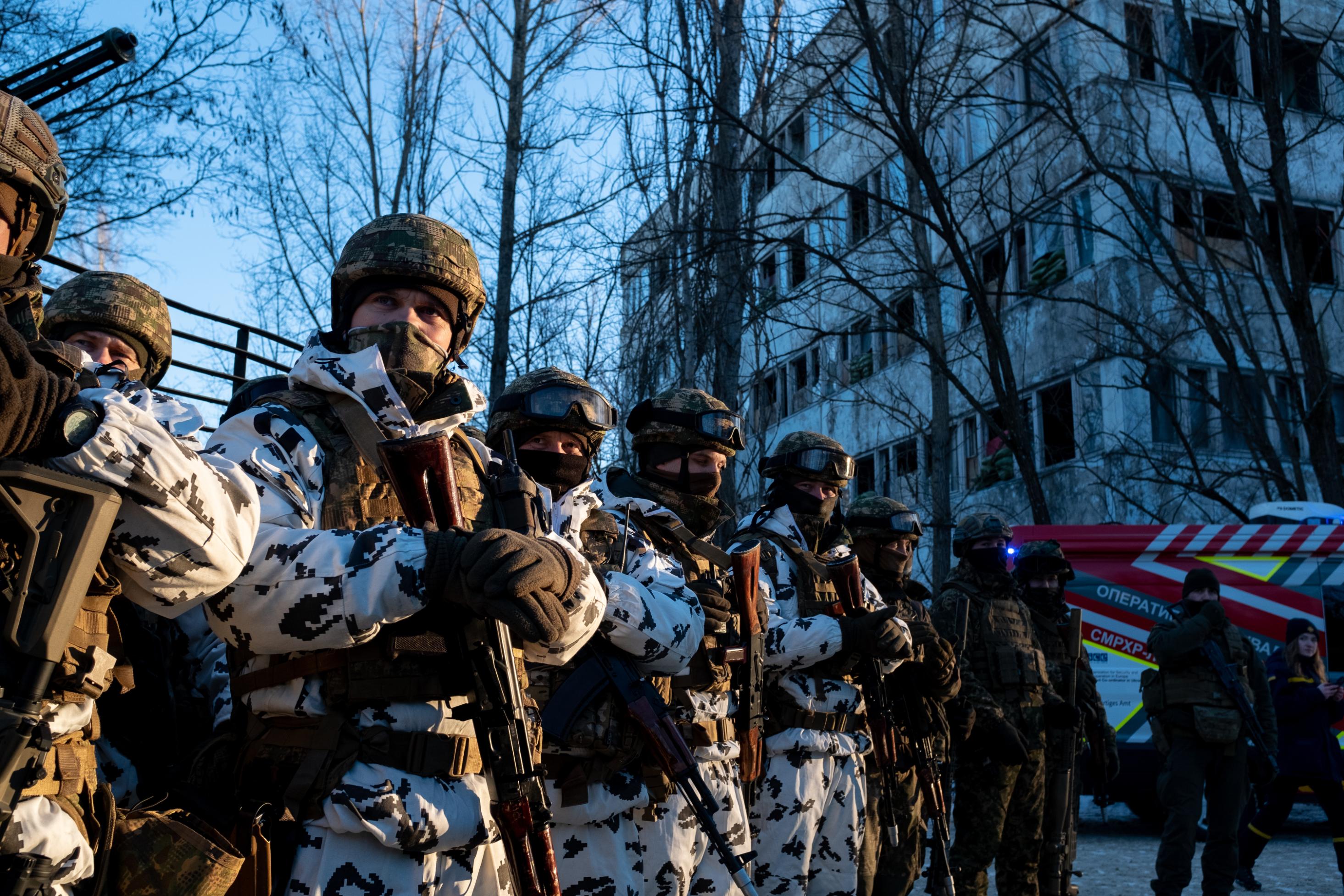
Ukrainian national guard in the abandoned town of Pripyat, in the Chernobyl Exclusion Zone, on February 4.

Russian President Vladimir Putin has consistently denied that the Kremlin is planning an incursion into Ukraine. Russia's deployments in Belarus are ostensibly linked to joint exercises due to begin on Thursday. However, satellite photographs show Russian camps being established close to the border with Ukraine, hundreds of miles from where the exercises are taking place.

If Russia were to invade Ukraine, the Chernobyl Exclusion Zone is a possible conduit to Kyiv. American and NATO officials say President Putin is steadily increasing his military presence in Belarus from 5000 troops in January to an estimated 30,000 sometime this month.

NATO Secretary General Jens Stoltenberg said Thursday that the deployment into Belarus is Russia's biggest since the Cold War, and many of those forces are just a two-hour drive from Kyiv.

Propaganda battle

The air is thick with sulfur as national guard troops clear the town of imagined enemy soldiers, firing hundreds of rounds of live ammunition into plywood cutouts in the windows of surrounding buildings.

A sniper fires into an orange target high in an apartment block. A mortar is launched into a snowy clearing. An armoured vehicle trundles past roadblocks to confront assailants held up in the second story of a building.
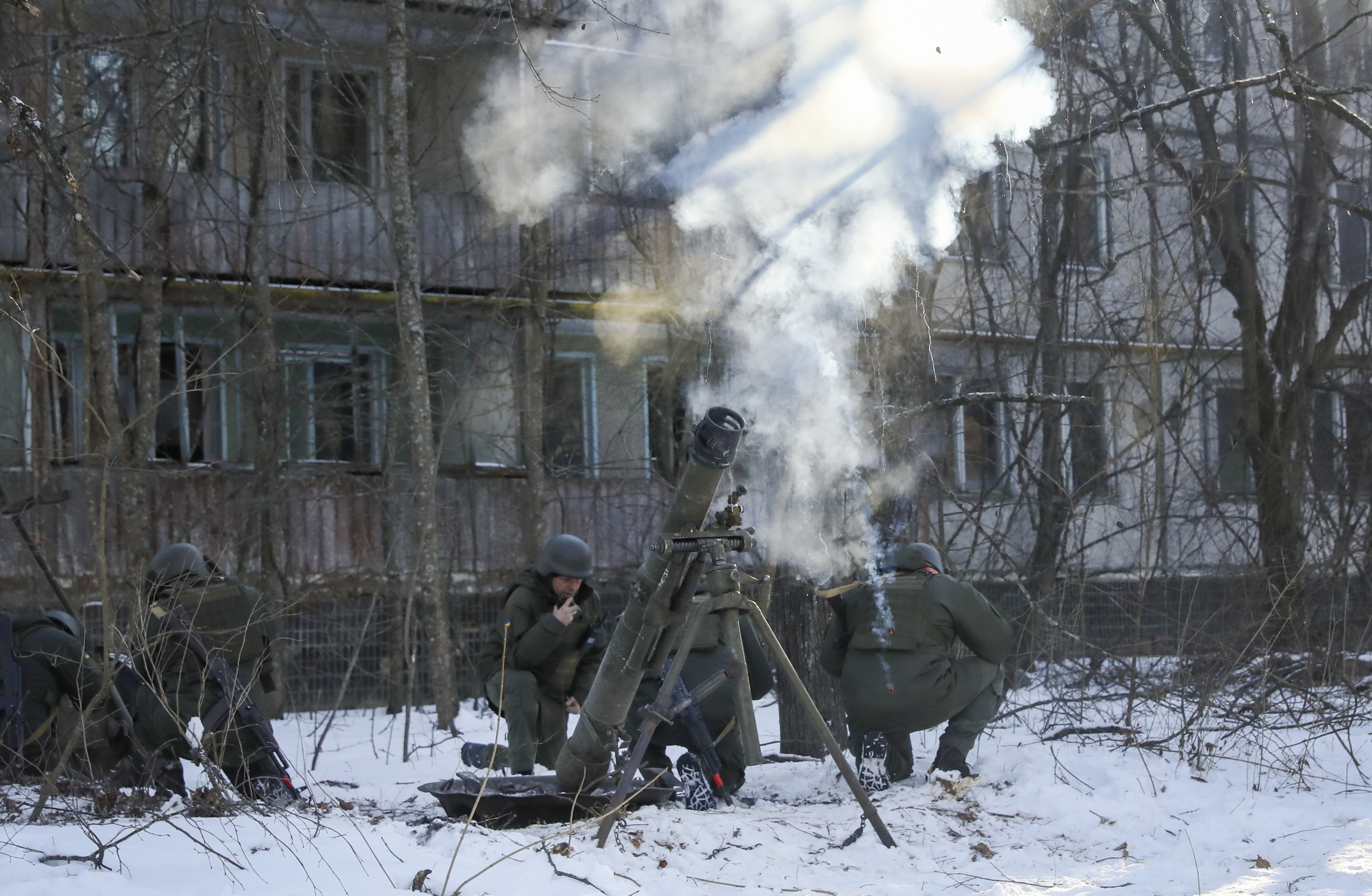
The National Guard soldiers take part in tactical exercises, which are conducted by the Ukrainian National Guard, Armed Forces, special operations units and simulate a crisis situation in an urban settlement, in the abandoned city of Pripyat near the Chernobyl Nuclear Power Plant, Ukraine, Friday, Feb. 4, 2022. (AP Photo/Mykola Tymchenko)

More than 35 years ago, an explosion at the Vladimir Lenin Nuclear Power Plant forced a region-wide evacuation, sending radioactive fallout billowing across Europe. Thirty-one people died in the blast, while millions were exposed to dangerous radiation levels. Estimates of the final death toll from long-term health problems are as high as 200,000.

Now, in training for war, Ukraine has brought the world's media along to see.

Denys Monastyrsky, Ukraine's internal affairs minister, told journalists that security forces were using the Chernobyl exercises to demonstrate how far they have come in urban combat tactics since Russia annexed Crimea and pro-Russian separatists seized a swathe of eastern Ukraine nearly eight years ago.

"All these scenarios are taken and summarised from the cases that have occurred since 2014," Mr Monastyrsky said.

The spectacle, however, is also an attempt by Kyiv to match the glitzy propaganda effort coming out of Moscow.
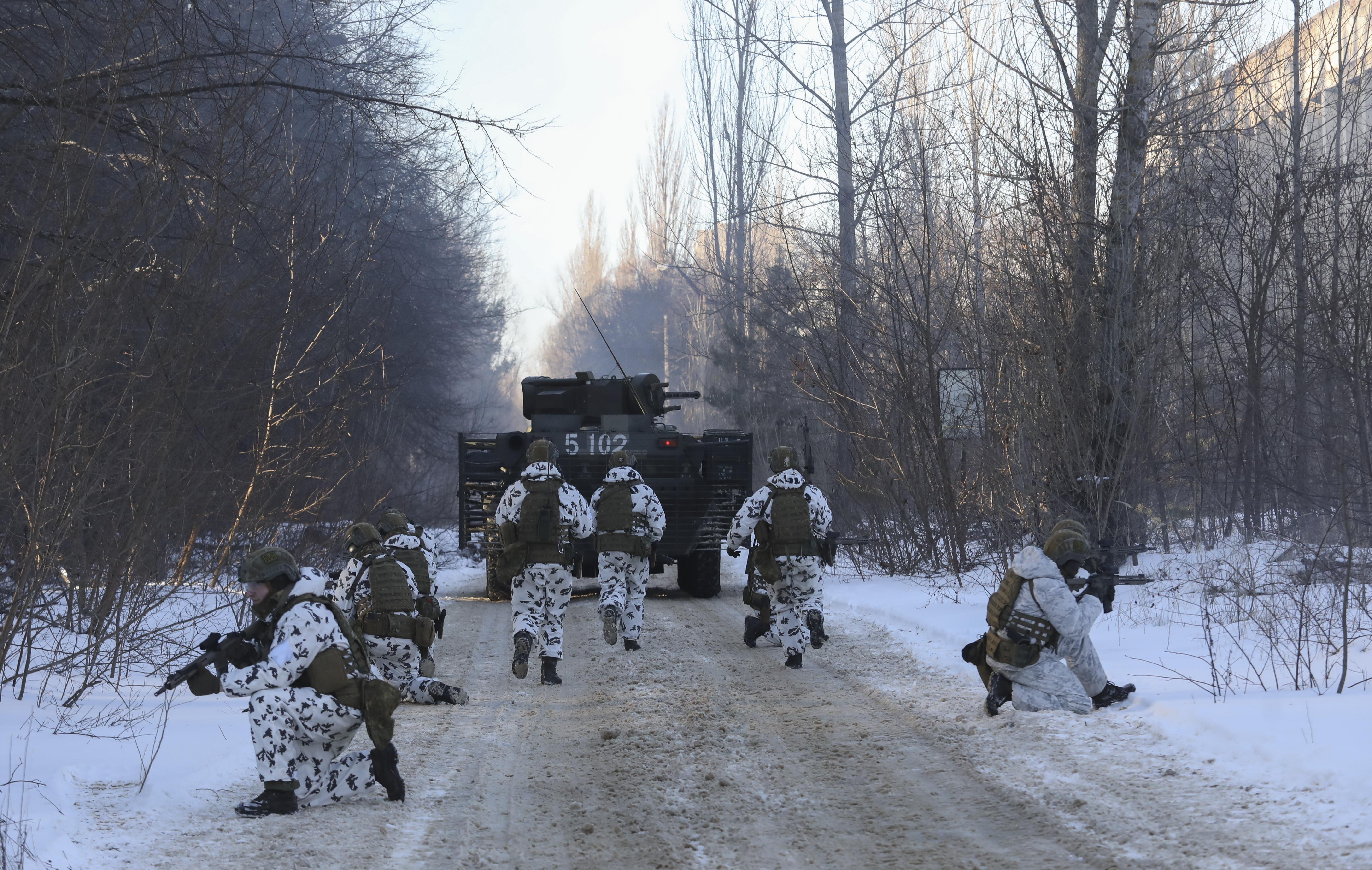
Ukrainian National Guard, Armed Forces, special operations units exercise as they simulate a crisis situation in an urban settlement, in the abandoned city of Pripyat near the Chernobyl Nuclear Power Plant. (AP Photo/Mykola Tymchenko)

On the diplomatic front, Russia has repeatedly accused NATO of being the party responsible for the crisis, arguing the alliance's eastward expansion poses an existential threat. Russia's Defense Ministry, meanwhile, is pumping out propaganda videos worthy of a Hollywood production, with tank columns driving at maximum speed across the frozen steppe and ground-attack fighters swooping into bases in southern Belarus.

The exact nature of Russia's threat to Ukraine remains unclear and a point of contention.

Ukrainian officials have spent much of the past few weeks playing down the US estimation that a Russian invasion could be "imminent," concerned that the dire language was causing panic and destabilising the economy.

"We have the same facts, but the different perception, or a different estimation," Defence Minister Oleksiy Reznikov told CNN after watching the exercises in Chernobyl.

The White House is no longer calling a potential invasion "imminent" due to concerns, they say, that the term suggests Putin has already made a decision to invade Ukraine.

Nonetheless, Ukraine admits that Russia's military buildup in Belarus is worrying.

Alexandra Stupak, an officer with the Ukrainian Border Guard. "We are ready to protect our Ukraine," she says. "But we dont want [a] conflict situation."

'Only a fool would start a war'

War is far from the minds of many Ukrainians who live near the border where Ukraine, Belarus, and Russia meet.

"They've been saying 'a war is coming' for five years now," said one man who asked not to be named.

"Only a fool would start a war," he said. "There won't be any winners."

At the Three Sisters Cafe, named for the three former Soviet republics, 64-year-old Masha pours espresso in paper cups for the weary drivers who wander in.
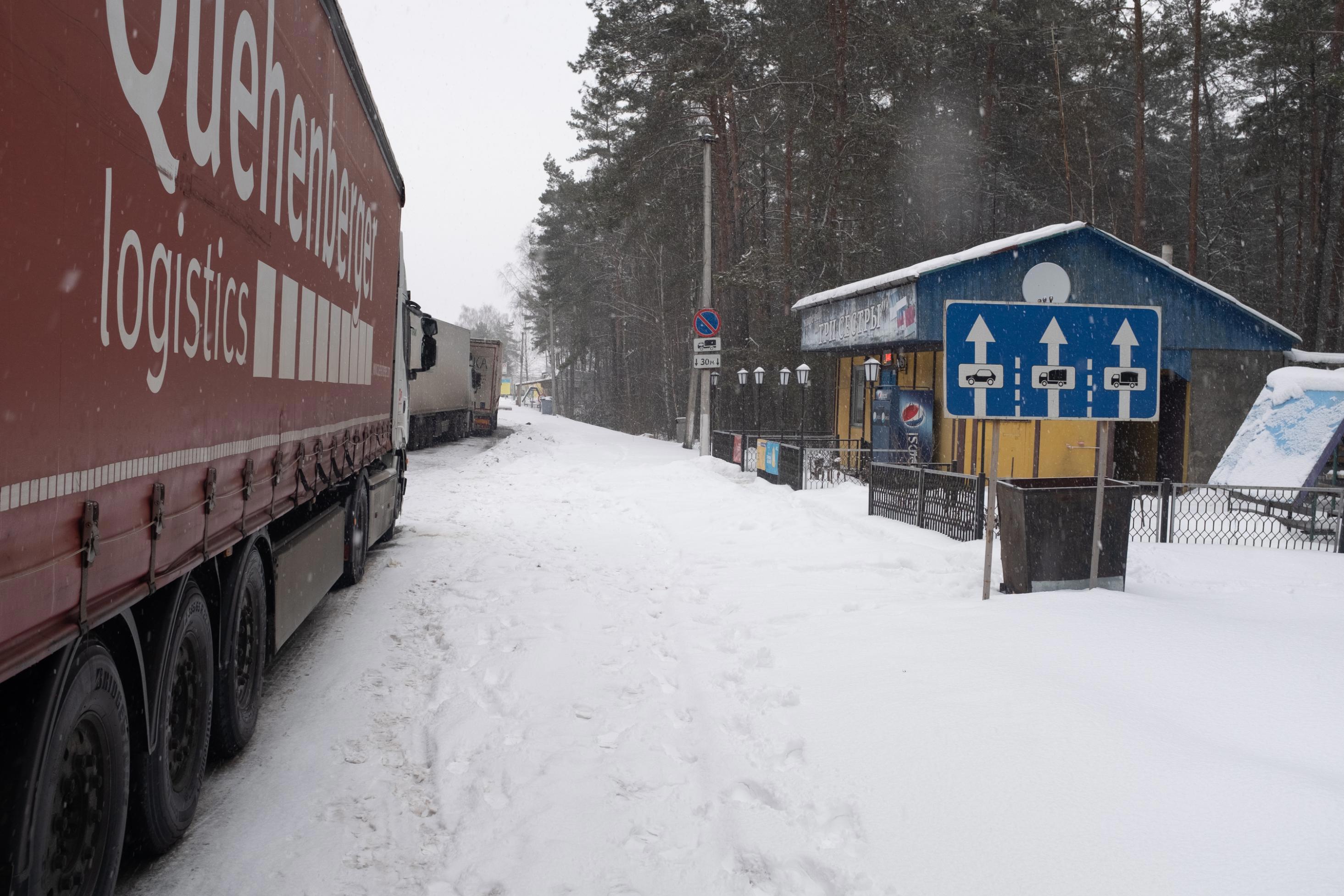
The Three Sisters Cafe is seen near the Ukrainian border with Russia and Belarus.

Truck after truck is waiting to cross into Russia. Some are stuck for days, slowed by COVID-19 restrictions. They have few options but to wait and sip a hot drink from the cafe.

Masha is convinced: No war is coming here.

"It ain't gonna happen," she yells, waving her hand in the air. "Will Putin go to war with civilians? He won't do that. Never in his life. It's all lies, politics. We don't even think about it."

She works in the cafe, she says, to supplement her pension, which is the equivalent of about $106 a month. She is less concerned with the geopolitical games being played by world leaders than the hardships of everyday life.

"If I could, I would have the Parliament dissolved," she said. "They should have given the people proper pensions. So that people won't be beggars, paupers."

Peter Vujcic, a Serb truck driver old enough to remember war in his own country, is also unconcerned.

Mr Vujcic spoke to CNN while on his way to the Serbian capital, Belgrade, shortly after crossing Belarus' border with Russia. He said he's seen military hardware coming back and forth in the Belarus, but he's not worried about it.

"Everything will be fine," he said with a smile, leaning out of his cab window.
Australians need COVID-19 booster after six months or considered 'overdue'

Australians aged 16 and over will be considered "overdue" for a booster shot six months after receiving their second vaccine dose, under new recommendations from the nation's vaccine experts.

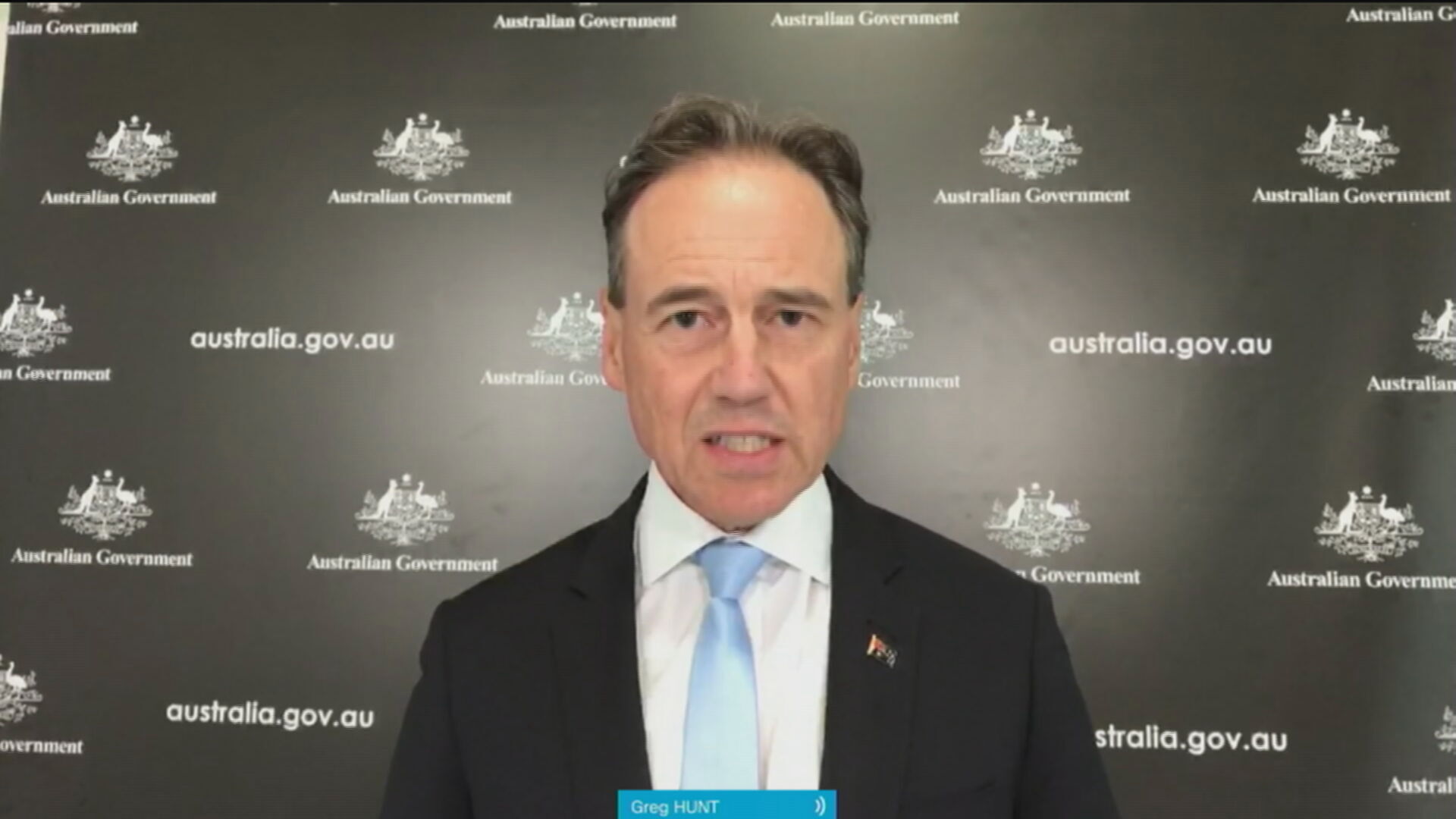
The major change, which has been accepted by the Federal Government and referred to National Cabinet for state-by-state implementation, will not apply to international arrivals, according to Federal Health Minister Greg Hunt.

He said under the new advice from the Australian Technical Advisory Group on Immunisation (ATAGI), Australians would be considered "up to date" after receiving all the recommended vaccine doses for their age group.

READ MORE: PM's department says 'no record' staff saw car parks marginals list

Under ATAGI's recommendations, everyone aged 16 or over should get boosted three months after their primary course of shots.

The new advice goes a step further, stripping people of their "up to date" vaccination status and classifying them as "overdue" six months after their second shot.

It's unclear whether the "up to date" classification is set to replace "fully vaccinated" when referring to Australians' vaccine status.

Premiers and the Federal Government had been at odds over whether any changes to booster requirements would also apply to international arrivals.

Mr Hunt said ATAGI had noted its advice "does not cover the vaccination requirements relating to international border settings."

"Booster doses are readily available for everyone over 16 years of age three months after they have received their last primary dose," he said.

"The Government places safety above all else, as it has done throughout the pandemic, and will continue to follow the medical advice in protecting Australians.

"People under 16 years of age will continue to be considered 'up to date' after completing their primary course of vaccination, while severely immunocompromised people aged five years and older require a third primary dose to remain up to date."

The announcement follows days of disagreement among state and federal leaders, and the Therapeutic Goods Administration's approval of the Astrazeneca jab for use as a booster.

Disputes over international arrivals

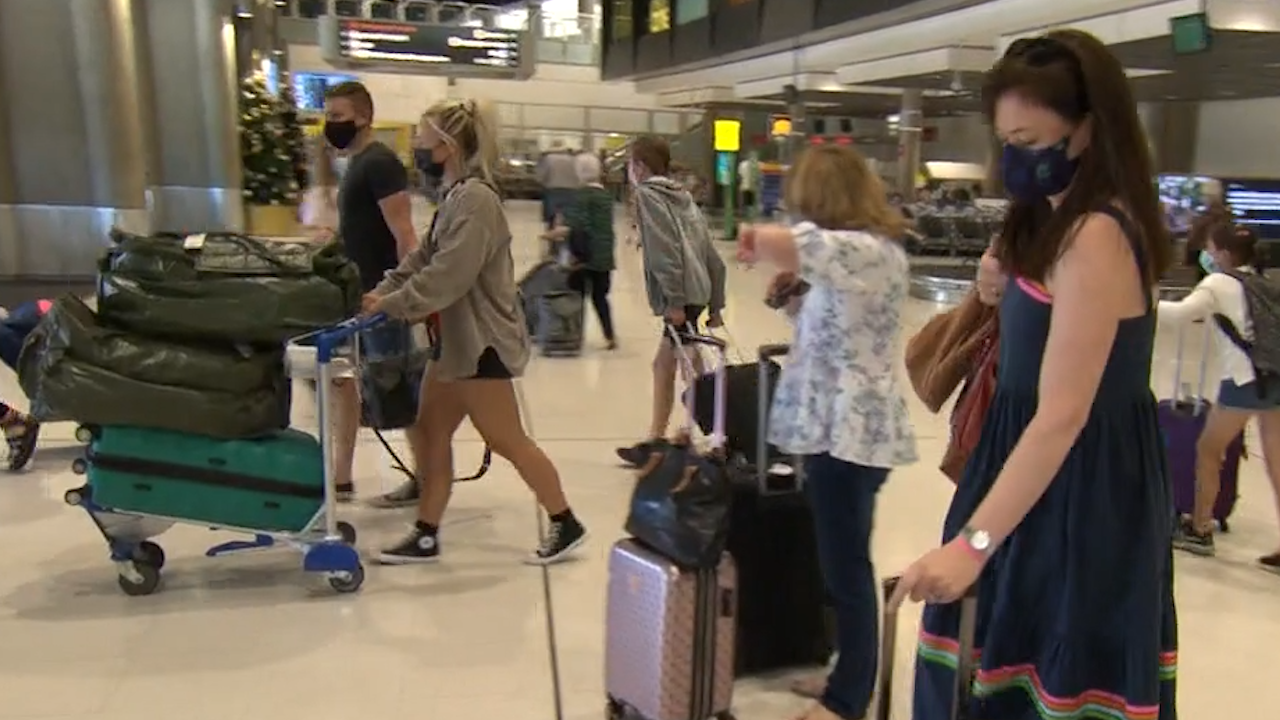
With the international border set to re-open from February 21, the Federal Government had said fully vaccinated travellers – those who had received two doses of an Australia-approved vaccine – would be allowed in.

But Victoria Premier Daniel Andrews indicated he might seek to impose restrictions on visitors who had not had a booster shot – currently available only in a minority of countries.

AS IT HAPPENED: 'Not much sympathy for the unvaxxed', top doc says

It has also been reported that Queensland Premier Annastacia Palaszczuk could join him, despite having previously called for more support for the state's struggling tourism industry.

Cairns boat trip operator Perry Jones said the reports had left him "nearly in tears".

He told Today he supported booster shots but that making them mandatory would mean "death" for tourism.

"We've got to start living with it. Let's be adults now, understand that we've got to live with this like we live in the flu and live with the cold and stuff like," he said.

READ MORE: Religious discrimination bill passes Lower House after all-night debate

But the head of the Queensland AMA has issued a cautious backing to the idea of only letting in triple-vaccinated tourists. 

Dr Chris Perry said while such a move seemed "unnecessary" at this point, it could be "a smart move into the future". 

"We are probably going to see other variants come," he said. 

"And if we have bad ones coming in the future, we will need the vaccines to be updated." 

READ MORE: Nasal spray COVID-19 vaccine a 'game-changer'

Meanwhile, New South Wales Premier Dominic Perrottet was tight-lipped on whether he would join his Victorian counterpart in demanding a three-dose vaccine mandate for tourists.

Mr Perrottet told Today he would await advice from ATAGI and would advocate for "national consistency".

"There's been a lot of discussion around it and, if that is the advice from ATAGI, then obviously from a NSW perspective, we'll be applying that here in our state," Mr Perrottet said.

"My understanding is from what the Prime Minister said yesterday is that the requirements in relation to overseas travellers coming into Australia, that it would be the two-dose vaccination that would be required."

READ MORE: Daring mission to rescue climber from 'The Candlestick'

Mr Perrottet also pointed out the advice National Cabinet was anticipating from ATAGI would relate to the definition of "fully vaccinated" in Australia – not to visitors.

"That is a different situation for those people coming from overseas in circumstances where they have different procedures and rules in place for their country," he said.

At a later press conference this morning, he gave a stronger indication that NSW might still allow double-vaccinated travellers in regardless of the ATAGI advice for Australians.

He said Australia had to rejoin the world "in a sensible, measured way".

"We cannot live here in a hermit kingdom on the other side of the world," he said.

National Cabinet agrees to transition to Phase D of COVID-19 roadmap

The next phase of looser COVID-19 restrictions are set to come into effect, after National Cabinet agreed to transition to Phase D of the national plan.

The premiers and Prime Minister concluded today that states could now transition to Phase D as they see fit.

While no timeline has been announced, the expectation is that some states will begin the process this month.

READ MORE: Redbacks found in grapes bought at two different Coles stores

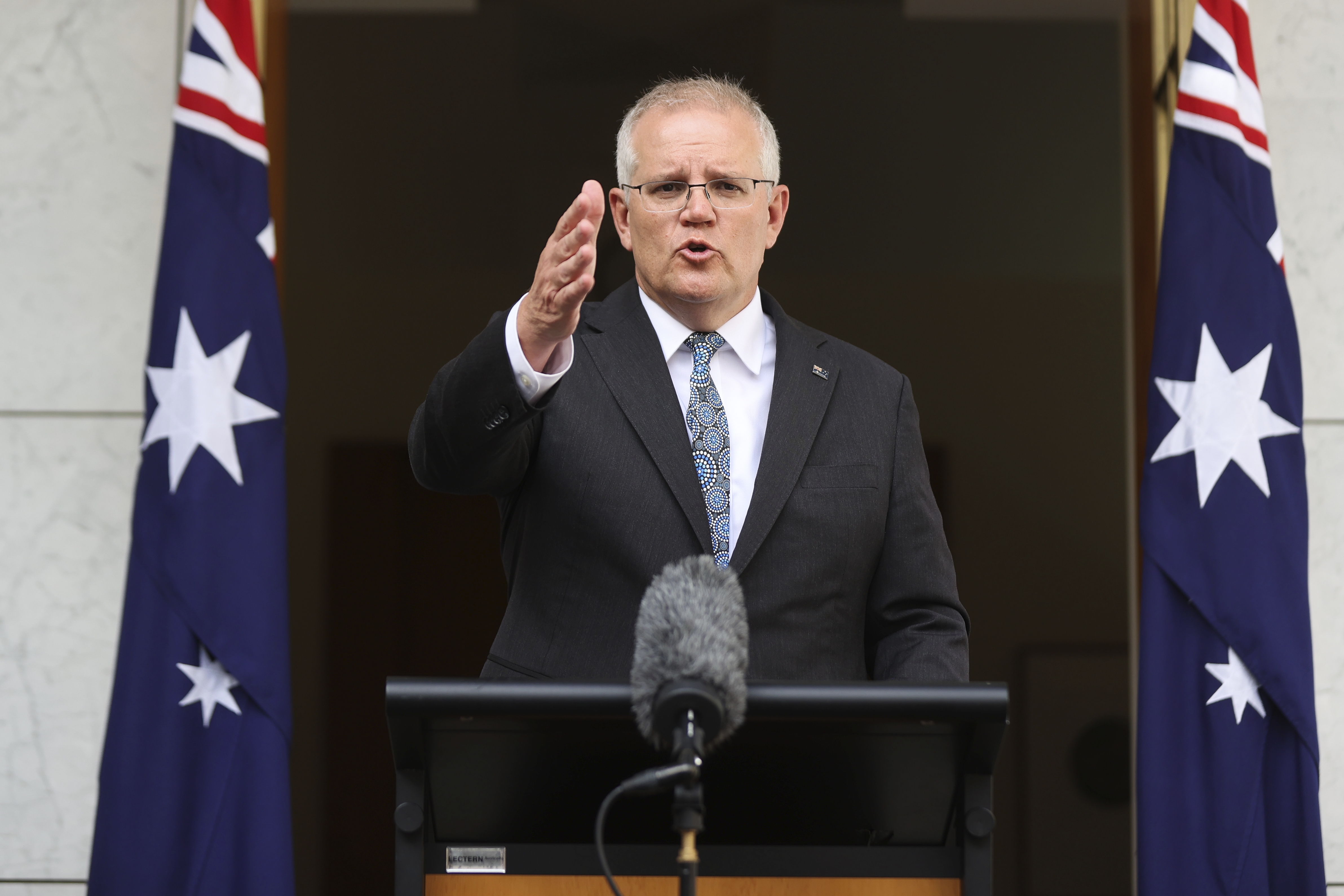
Prime Minister Scott Morrison during a press conference after National Cabinet.

Phase D will include the opening of international borders to vaccinated tourists without quarantine.

The national plan also allowed for uncapped arrivals of unvaccinated visitors subject to pre-flight and arrival testing.

COVID-19 will be managed in Phase D "consistent with influenza or other infectious diseases".

The federal government as well as NSW, Queensland and Victoria are going to begin a plan to restart cruises.

READ MORE: How the 'four-phase' road back to normal will work

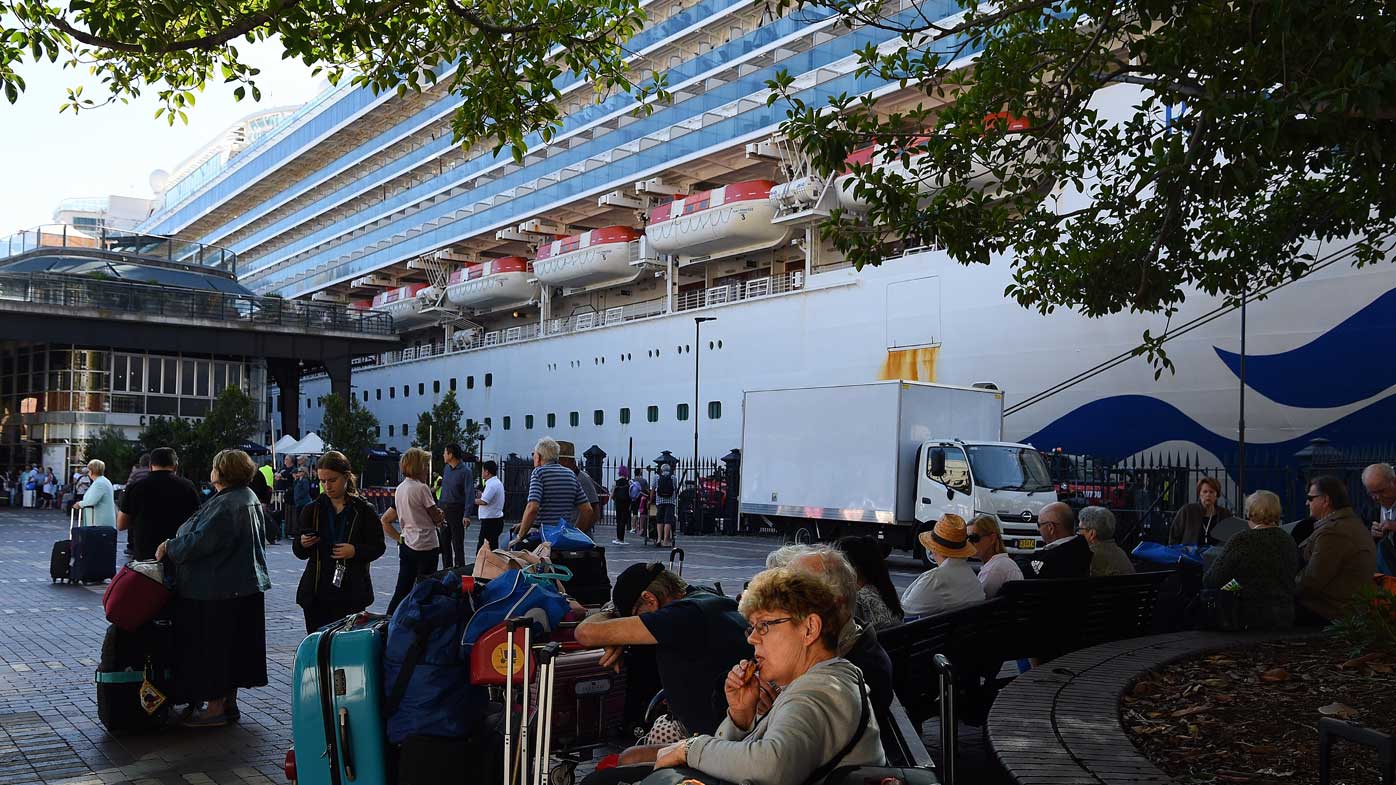
Passengers sit with their luggage after disembarking from the Ruby Princess cruise ship at the Overseas Passenger Terminal in Circular Quay, Sydney.

It comes after two years without cruises in Australia.

Third dose mandates won't be set nationally except for aged care workers, National Cabinet has agreed.

States would decide other local mandates when it came to boosters.

The Prime Minister has also called for a winter preparedness audit to ensure systems are prepared for an expected COVID-19 winter wave.

That audit is expected by the second week of March, led by the federal Department of Health.

The next National Cabinet meeting will be held in mid-March.

Average truck speed cameras to be rolled out in new Sydney locations

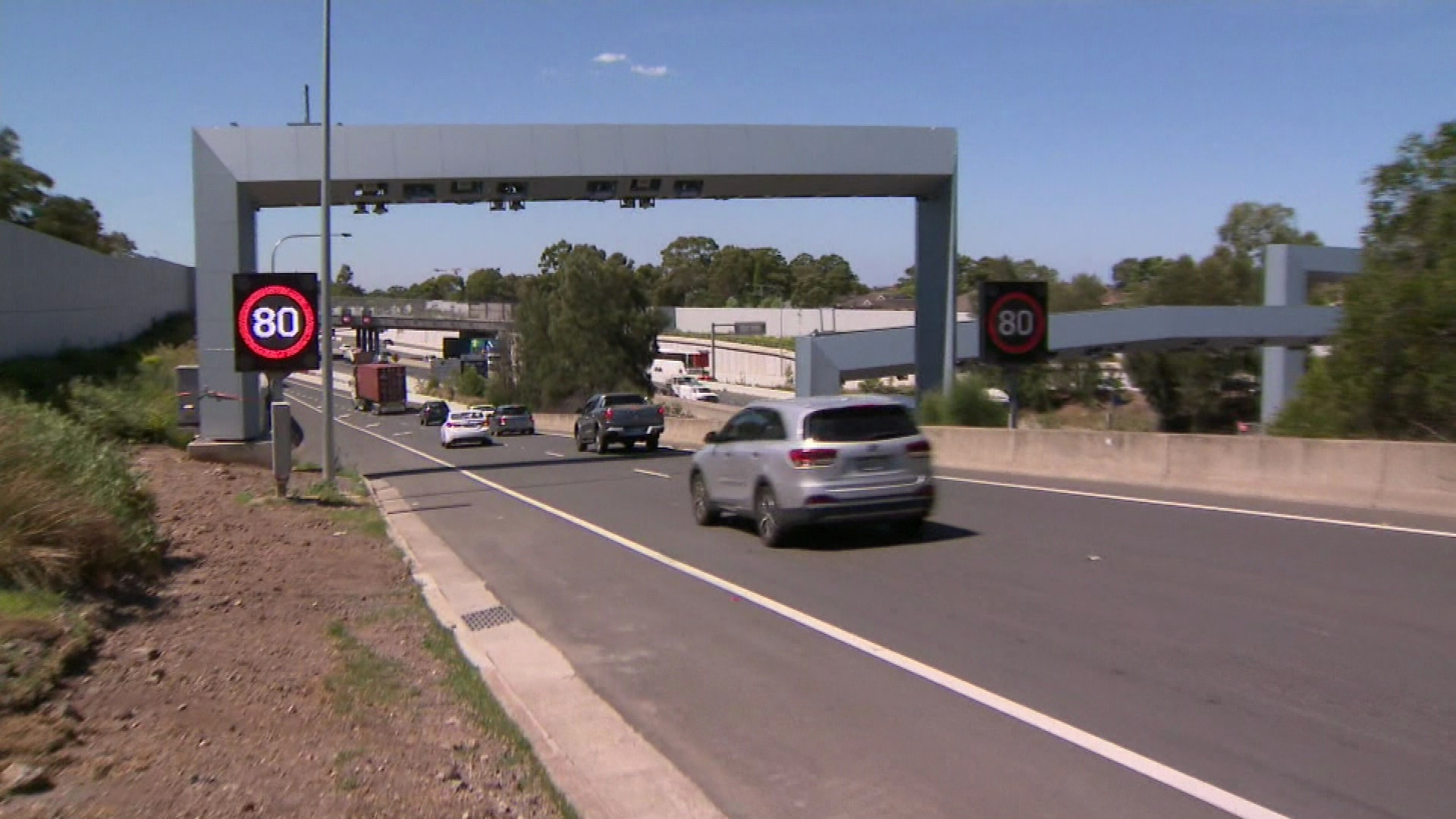
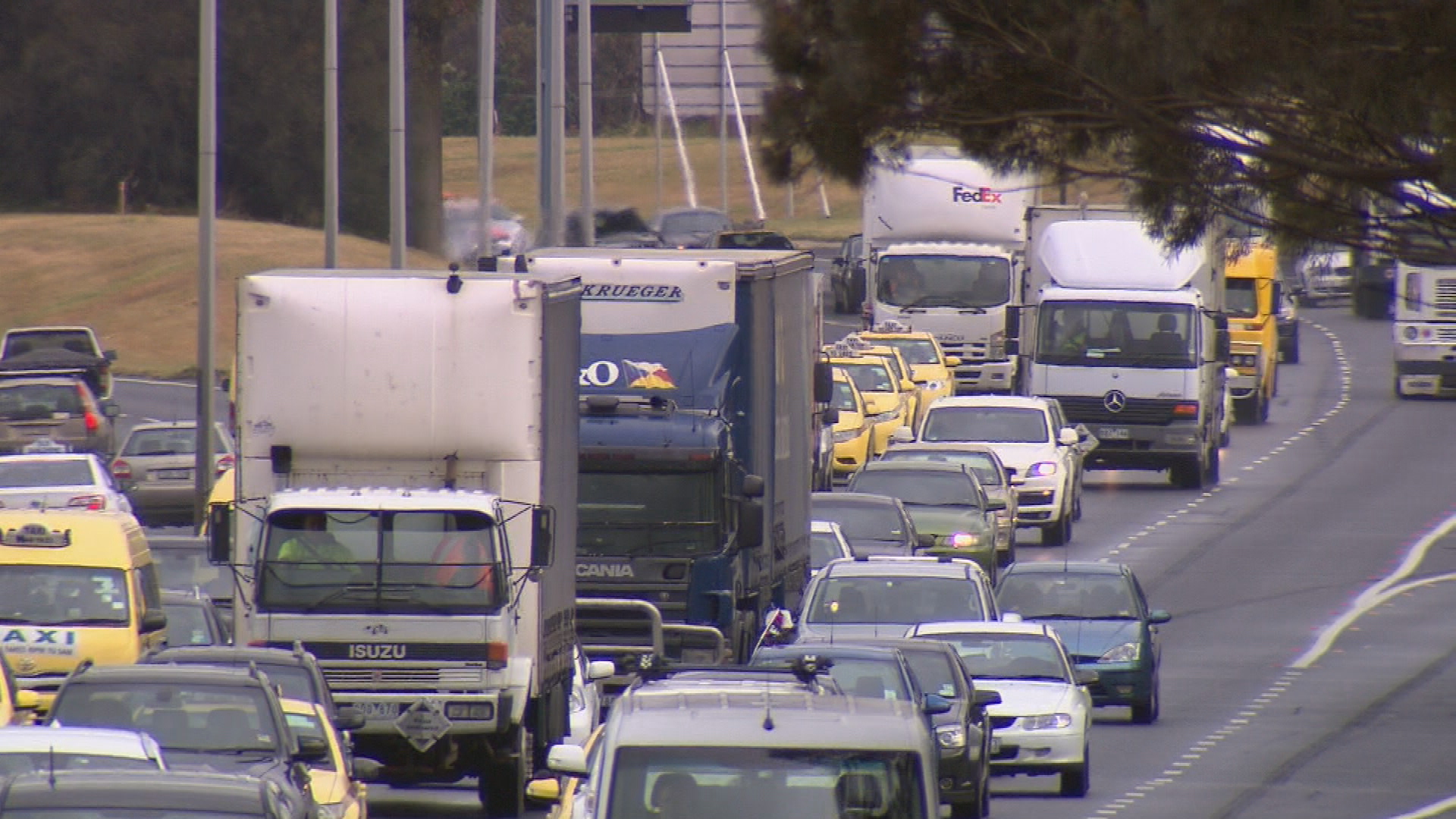
New speed cameras for trucks are being rolled out on every major motorway and tunnel across Sydney.

Average speed cameras, known as point-to-point cameras, are being installed across Sydney and the state's regional areas.

The cameras are designed to detect speeding trucks by averaging their pace over an extended period.

READ MORE: Tesla on auto pilot crashes into police patrol car

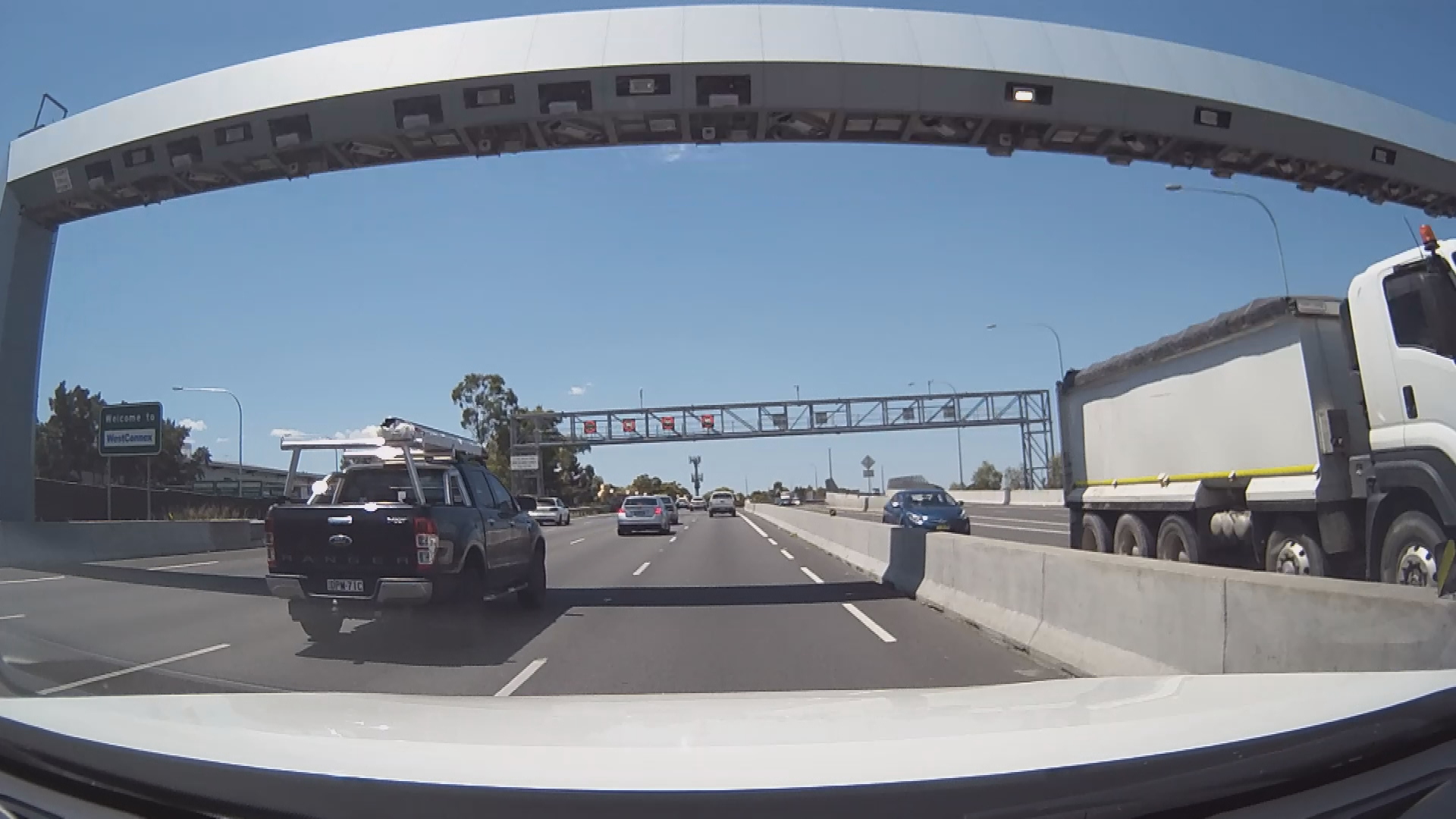
New speed cameras are being rolled out on every major motorway and tunnel across Sydney.

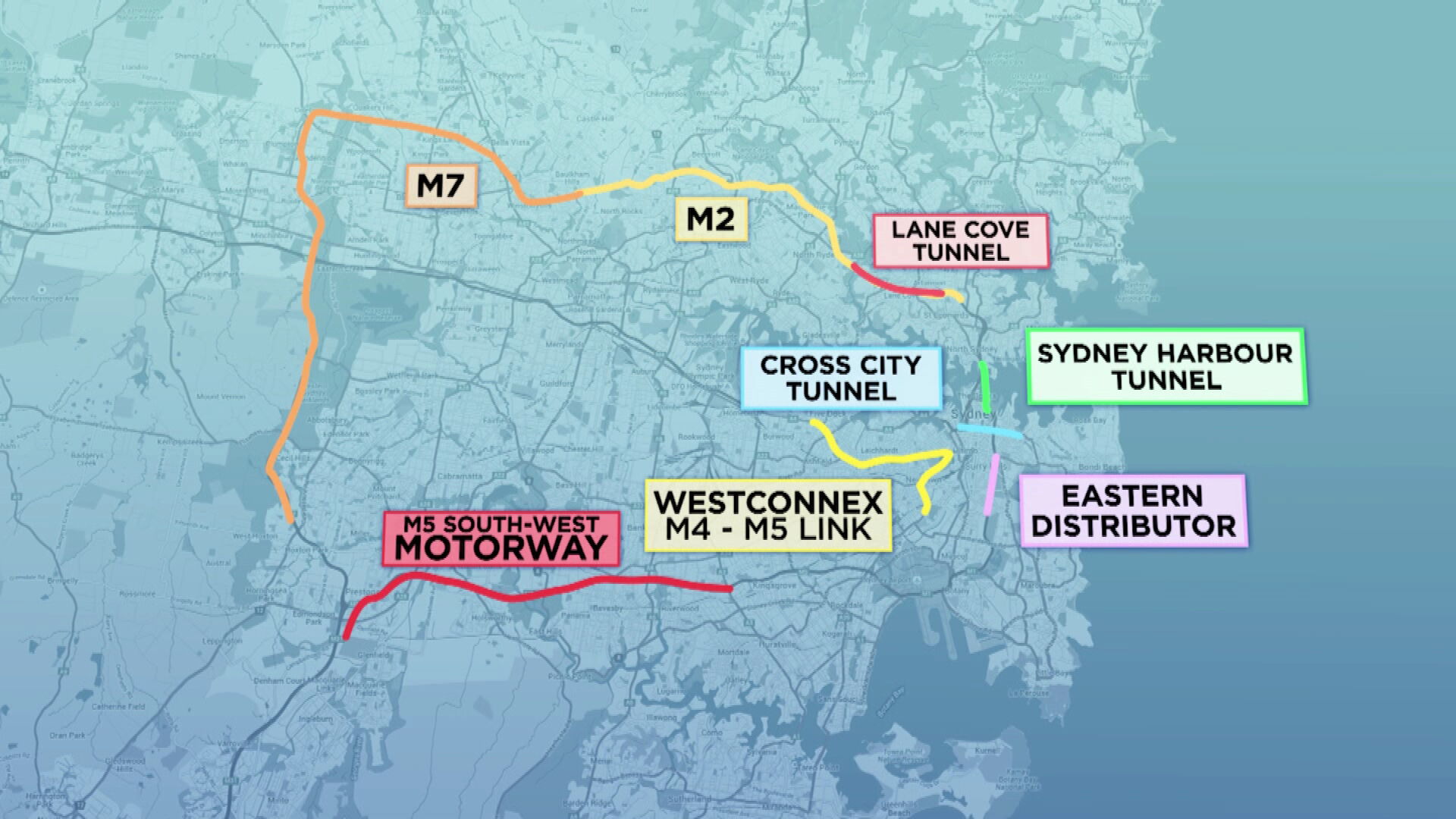
9News can reveal preparatory works have begun on the M2, Lane Cove Tunnel between Artarmon and Baulkham Hills, and on the M7 between Baulkham Hills and Prestons to install the new speed cameras.

The installation is expected to be completed within months.

In the past 18 months, average speed cameras have been installed in the Westconnex M8 between St Peters and Kingsgrove, the M5 East tunnel between Arncliffe and Kingsgrove, Westconnex M4 between Ashfield and Lidcombe and Northconnex between West Pennant Hills and Wahroonga.

Another seven sets of cameras will be installed by July next year, including the M2 and M7.

Other locations include the Cross City Tunnel Between Sydney and Darlinghurst, Eastern Distributor Between Zetland and Sydney, M5 Motorway Between Kingsgrove and Casula, Sydney Harbour Tunnel Between Sydney and North Sydney, and the WestConnex M4 – M5 Link Between Ashfield and St Peters.

New average speed cameras to be installed across Sydney

Minister for Metropolitan Roads Natalie Ward said "the statistics speak for themselves".

A Transport for NSW speed camera review found there had been a 51 per cent fall in fatalities involving heavy vehicles in locations where average speed cameras were in place.

There was also a 29 per cent reduction in casualty crashes involving a heavy vehicle and an 18 per cent reduction in serious injuries from crashes involving heavy vehicles.

Once the cameras are installed, there will be a two-month grace period during which drivers will receive a warning.

After that, they'll be fined.

READ MORE: Sticking point as states get ready for International borders to open

New average speed cameras to be installed across Sydney

Transport for NSW said the cameras would have signage attached.

"On metropolitan motorways, signage stating 'Average Speed Safety Camera' along with an image of a camera will be used along the motorway, to indicate the presence of average speed camera enforcement," the spokesperson said.

"For tunnels, the current speed camera signage will not change due to limited space for signage in these locations.

"There is already advanced warning that speed cameras are used in tunnels."

Safety experts are now calling for average speed cameras to be expanded to target all cars.

"Every other state and territory in Australia has turned on point-to-point cameras for all vehicles, why is NSW waiting to flick a switch," Harold Scruby, from the Pedestrian Council of Australia, said.

Ms Ward has denied that average speed cameras will be rolled out more widely.

"At this stage, we're not proposing to roll that our more widely," she said.

READ MORE: Giant donut-shaped machine could make near-limitless clean power

New average speed cameras to be installed across Sydney

Data from Revenue NSW also showed the revenue from average speed cameras isn't huge.

The data revealed in the six months from July 2021 to December 2021, 1630 truck drivers were fined by average speed cameras to the value of $1,158,722.

In 2020 to 21, 2930 truck drivers were caught and collectively fined $1,514,692.