Tag Archives: oceania

Thousands of fish died at once of natural causes in Sydney, authorities believe

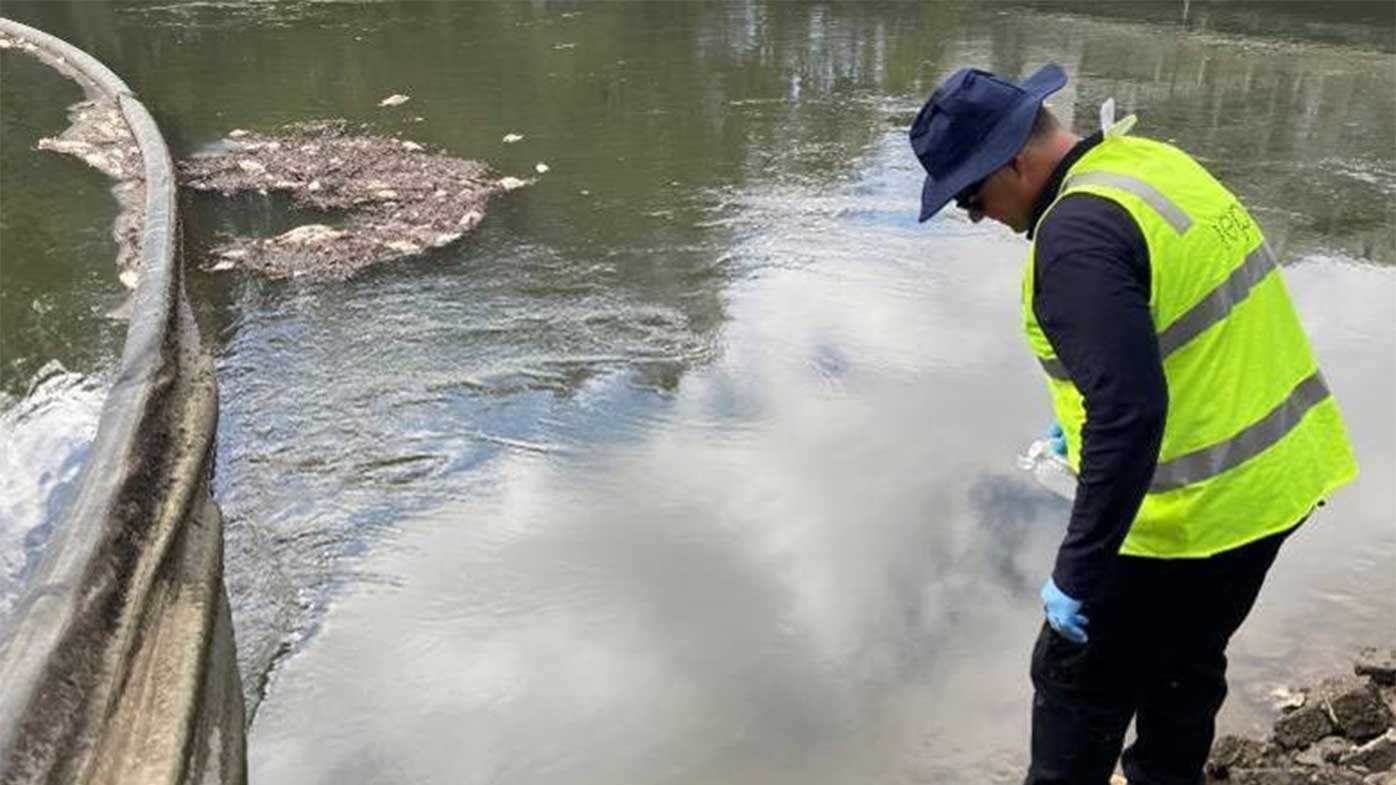
The NSW Environment Protection Authority believes natural causes are most likely to blame for the deaths of thousands of fish in Sydney last week.

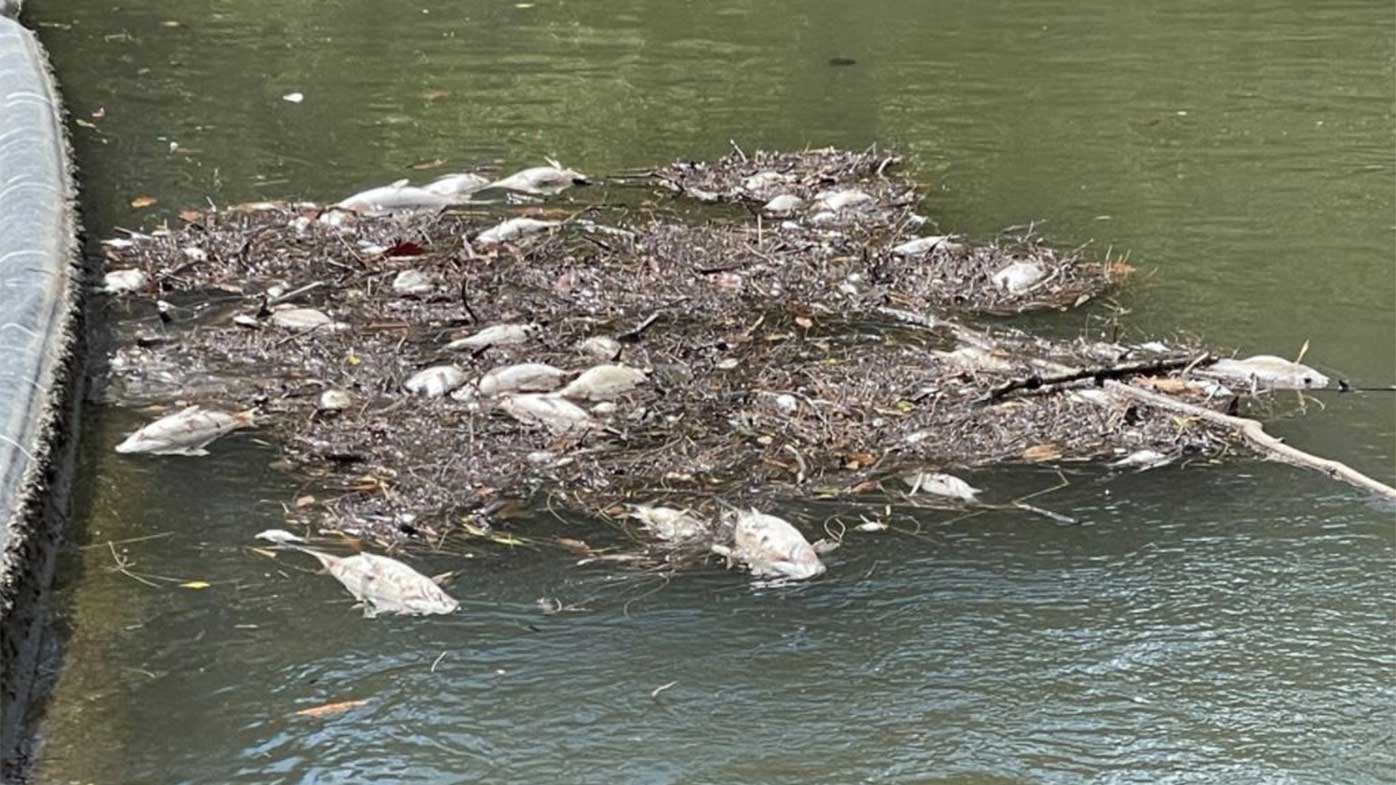
Thousands and fish and prawns were found floating in Haslams Creek flowing into Homebush Bay last Thursday.

On Sunday, thousands more were found dead on the Parramatta River in Rydalmere.

READ MORE: Grace Tame recounts threatening phone call

The Sydney Olympic Park Authority is cleaning up fish who died in Haslams Creek in Sydney.

In both cases, low dissolved oxygen levels were detected in the water by the EPA.

"Preliminary investigations indicate low oxygen levels were not caused by chemical pollution and were more likely due to natural causes," the EPA said in a statement about the Haslams Creek fish kill.

"Observations by EPA Officers indicate low oxygen causing fish to die."

The fish kill at Haslams Creek was cleaned up by the Sydney Olympic Park Authority.

Preliminary investigations at Rydalmere have indicated the low oxygen levels were also due to natural causes.

READ MORE: Warnings over Premier's call for 'stringent' third jab mandate

Low oxygen levels are to blame for the deaths of thousands of fish in Sydney.

"Observations by EPA Officers indicate low oxygen levels were caused by high intensity storms that washed organic matter into the waterway, which combined with elevated water temperatures, has caused the fish deaths," the EPA statement said.

"It is difficult to provide exact numbers but EPA officers estimate a few thousand fish have died, potentially up to 4000, in the Parramatta River at Rydalmere."

The clean-up has been hindered by the need to collect the fish without trampling the mangroves.

New York couple arrested, $5 billion worth of crypto seized

A New York couple has been arrested and charged with conspiring to launder US$4.5 billion ($6.29 billion) in stolen cryptocurrency funds.

Law enforcement officials have seized US$3.6 billion ($5 billion) of those funds in what US Deputy Attorney General Lisa Monaco called "the department's largest financial seizure ever".

Ilya Lichtenstein, 34, and his wife, Heather Morgan, 31, are accused of trying to launder money taken in a huge hack of cryptocurrency exchange Bitfinex in 2016.

READ MORE: Sydney plumbers find $44m drug stash while fixing toilet

Hype around bitcoin is building again, with a financial tool that could boost public exposure to the digital currency poised to make its debut this week.

The arrests and money seizure mark a win for US law enforcement amid a slew of heists from cryptocurrency platforms.

Hackers have in recent years made off with hundreds of millions of dollars at a time in attacks on virtual currency exchanges.

Lichtenstein and Morgan are charged with conspiracy to commit money laundering, which carries up to 20 years in prison, and conspiracy to defraud the US, which carries up to five years in prison, according to Justice officials.

An attorney for the couple could not be immediately reached for comment.

READ MORE: Cold front to slam into south-eastern Australia

NYC USA

The department did not announce charges for the actual hack of Bitfinex, and Justice Department officials declined to comment further, citing an ongoing investigation.

As the toll of ransomware and other hacks have grown on the economy, law enforcement agencies have looked to more aggressively track and seize the cryptocurrency often used by criminal hackers.

US officials last year recovered US$2.3 million ($3.21 million) of the US$4.4 million ($6.15 million) in ransom that Colonial Pipeline paid to a Russian-speaking gang.

"This shows that even when sophisticated money laundering techniques are used, the indelible blockchain records usually allow law enforcement to link criminal activity to individuals," Tom Robinson, co-founder of cryptocurrency analysis firm Elliptic, told CNN.

Broken toilet leads to mega Sydney ice haul

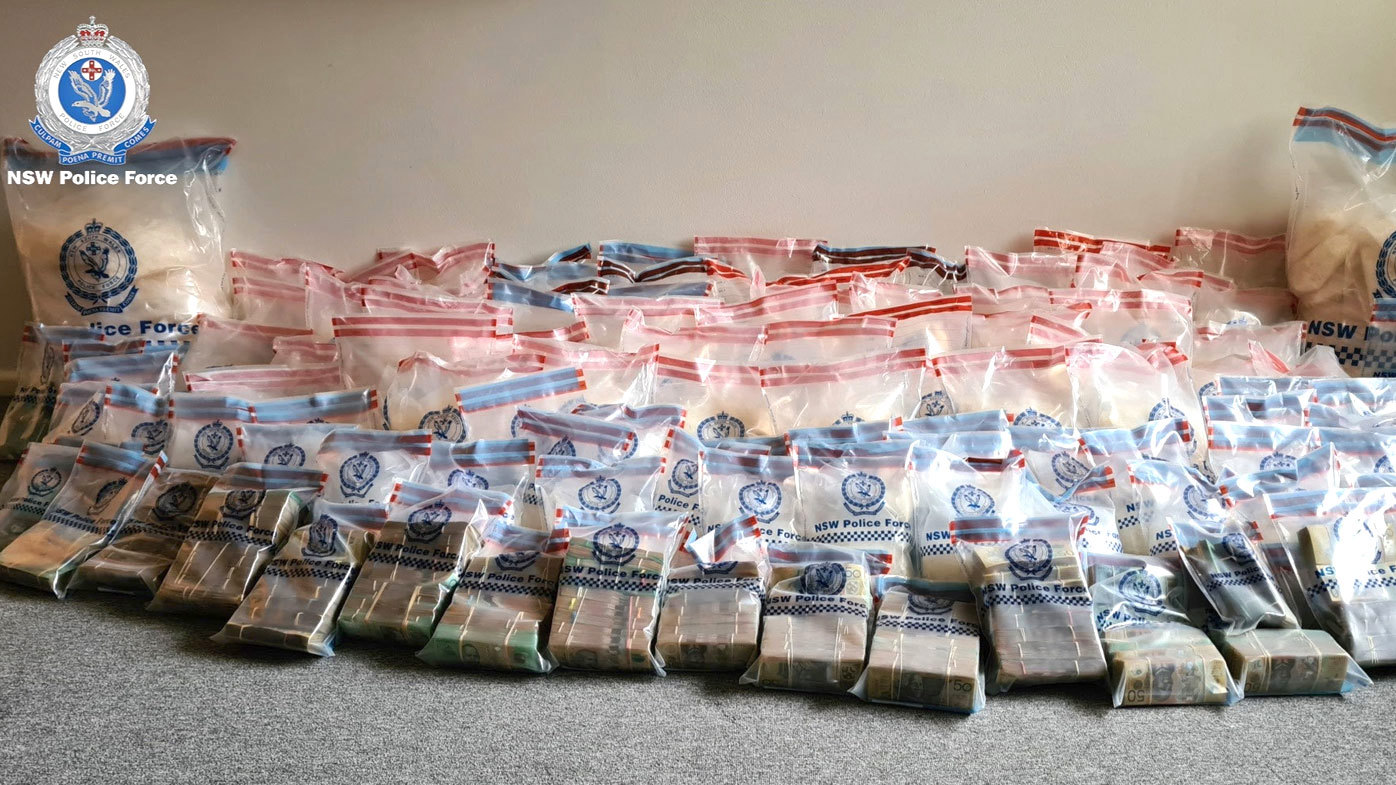
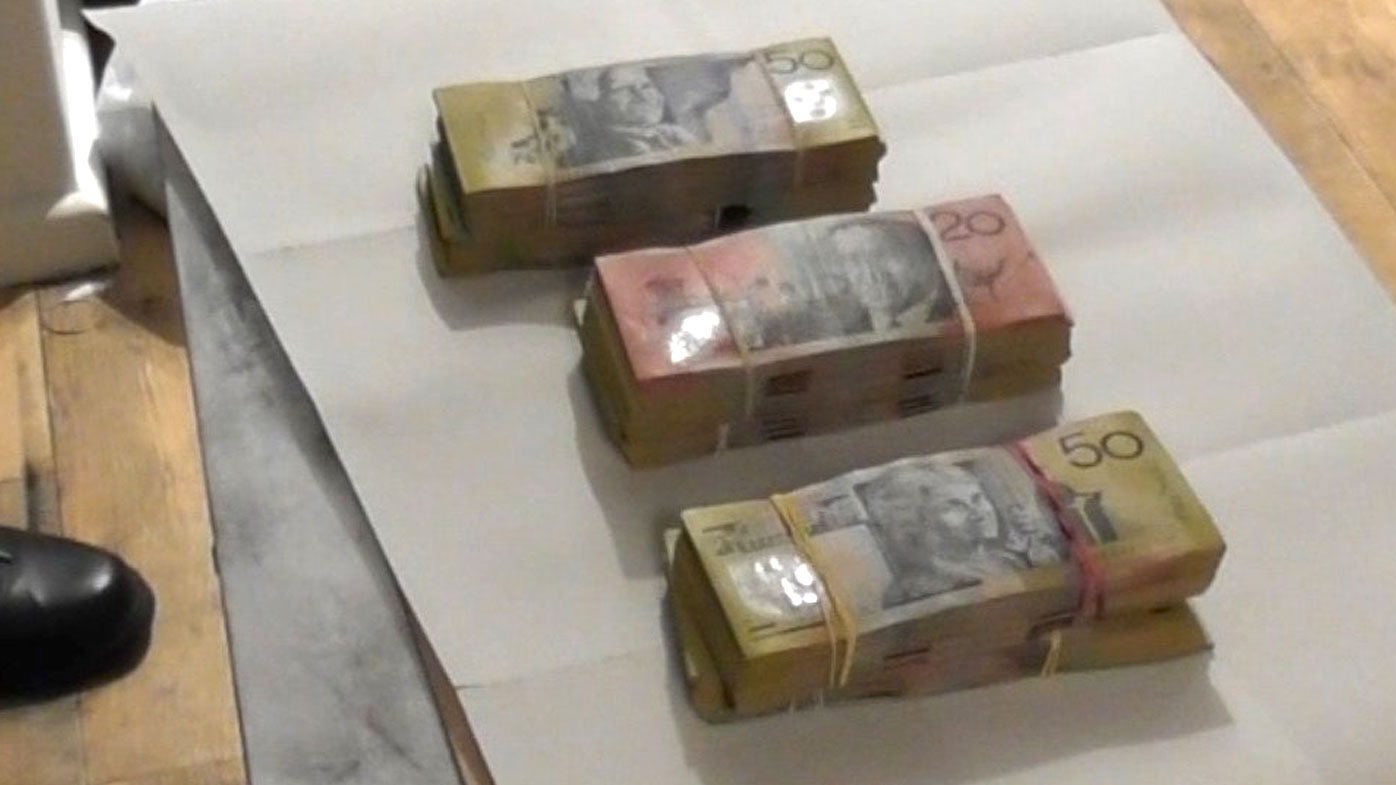
A Sydney drug dealer is cursing a broken toilet after a leaking pipe led to police discovering 220 kilograms of ice and $1.1 million in cash.

The drugs, with an estimated street value of $44 million, were found in a unit in Sydney's south-west after plumbers fixing a toilet pipe found bags of cash and a crystal substance in an open cupboard.

Police believe the unit was being used as a "safe house" to store the "illicit items".

READ MORE: Petrol prices hitting record 14-year highs in Australia

A leaking toilet pipe led to the discovery of $44m worth of ice and $1.1m cash

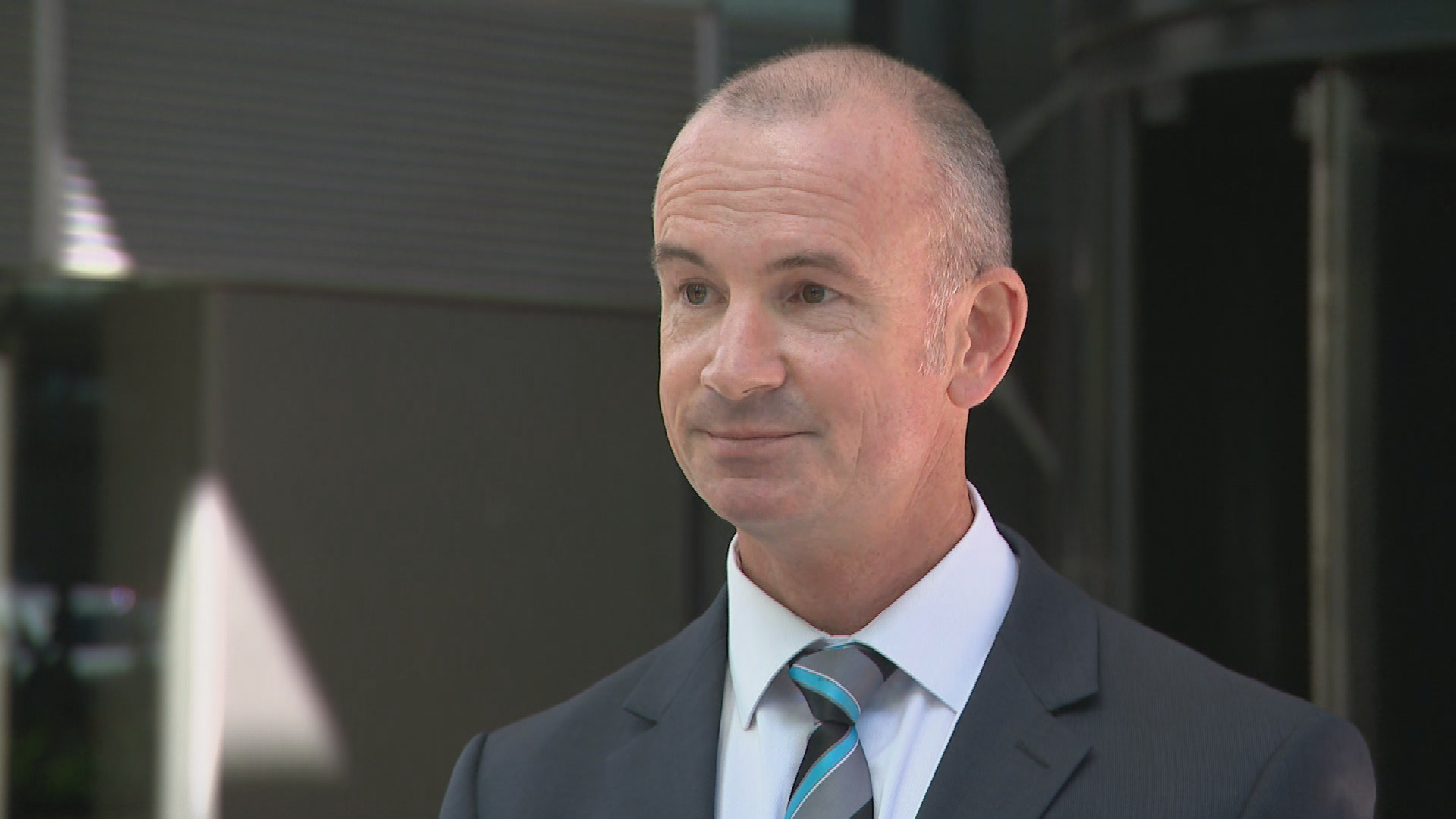
Detective Acting Superintendent Stuart Gordon said it would have been an unusual discovery for the tradesman.

"No tradesman really anticipates going to work on any given day and tripping over hundreds of kilos of drug and cash, certainly a good story for some people to tell I'm sure," he said.

Police were called and searched the unit and a locked garage underneath the residential complex.

In another search, officers found 15 cardboard boxes full of almost 220 kilograms of crystal methamphetamine.

READ MORE: Cold front slams into south-eastern Australia

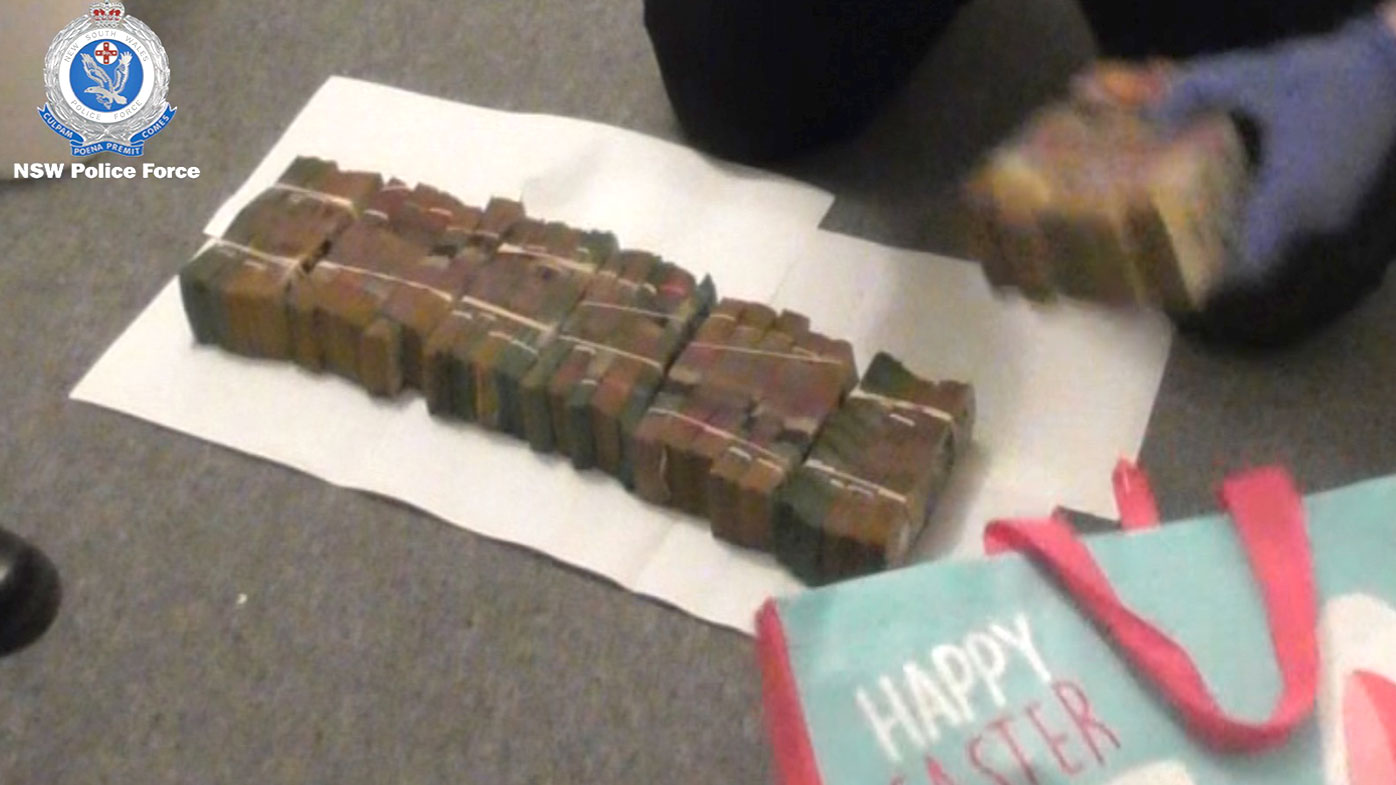
Police seized almost $1.15 million – some of which was found in a grocery bag.Workers fixing a leaking toilet pipe reported finding bags of cash and a crystal substance in an open cupboard.

Police also seized 95 grams of MDMA and 35 grams of cocaine, along with chemicals consistent with the manufacture of gamma-hydroxybutyrate (GHB), gamma-butyrolactone (GBL) and ice.

Almost $1.15 million – some of it hidden in a grocery bag – was found inside the unit and garage.

Detective Acting Superintendent Gordon said the people involved in the drug haul are part of organised crime.

Detective Acting Superintendent Stuart Gordon said the haul is linked to organised crime.

"220 kg of drug is a lot of drugs in anyone's language and when we're talking these quantities of drugs and cash you're looking at organised crime," he said.

"We would say people involved in organised crime and moving this quantity of drugs are a risk to the public every day of the week."

Since the search and drug seizure in July last year, the investigation has rolled on and today police released CCTV of a man they believe could help with inquiries.

READ MORE: Putin said Russia won't 'escalate' Ukraine crisis, Macron claims

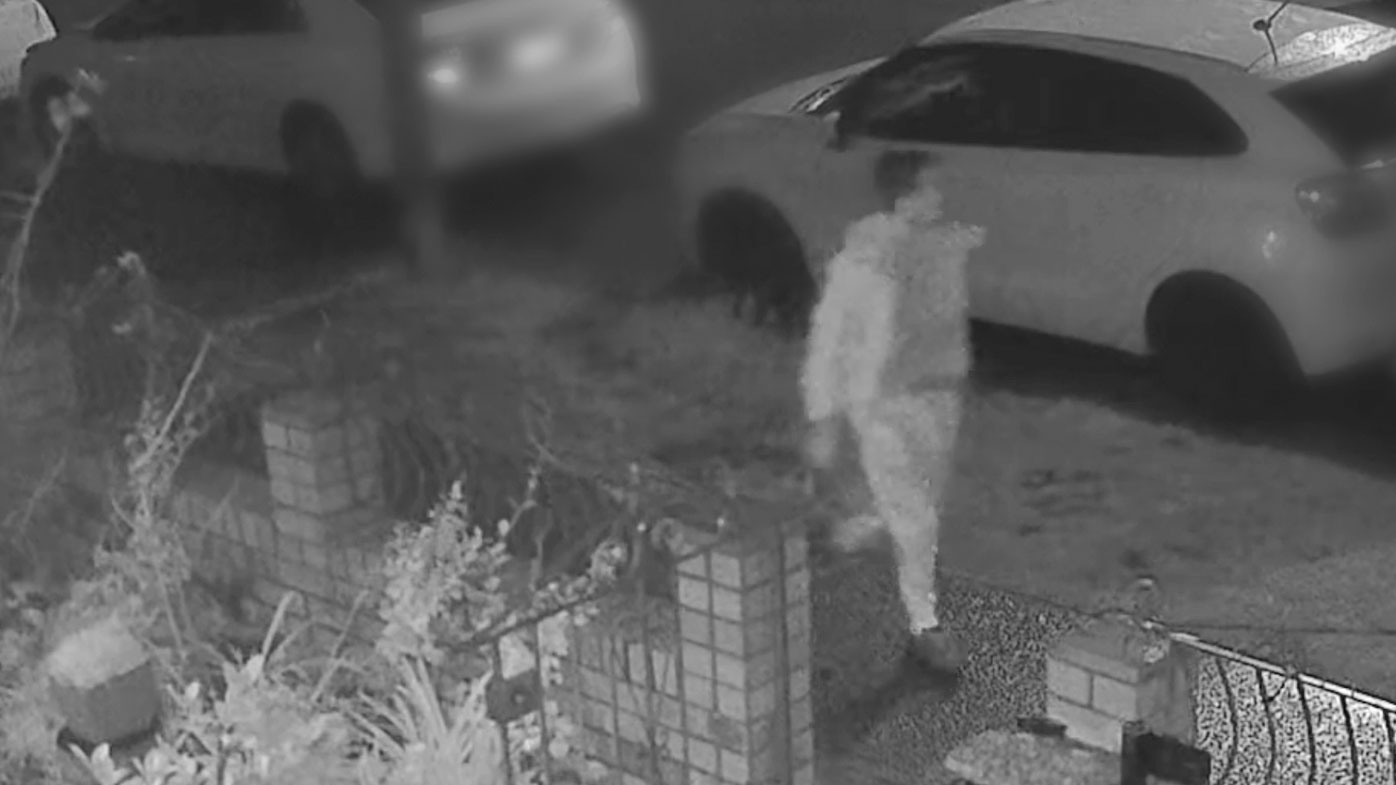
Police believe this man can assist with their investigations

In the footage, the man is walking along Minter Street in Canterbury about 8.10pm on July 9, the day police first searched the unit.

Police believe he could be Asian, about 170cm tall and likely aged between 25-30.

Investigations are continuing.

Anyone with information about the incident or the man seen in the CCTV is urged to contact Crime Stoppers on 1800 333 000.

'Like she was in prison': Heartbroken families denied goodbyes to dying relatives

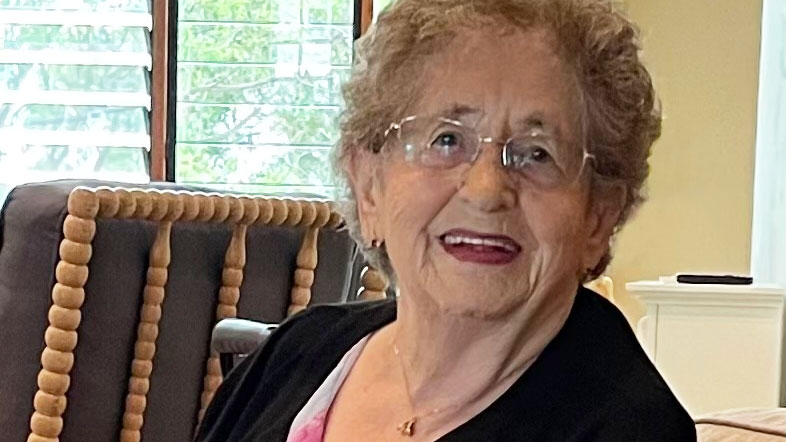
Robina Moran had not seen her family for two weeks before she died at Campbelltown Hospital, in Sydney's south west, at the age of 91.

"She died alone, scared and confused, thinking we didn't want to see her," her daughter Norma Toweel told 9news.com.au.

Ms Toweel and her sisters had been desperately begging staff to be allowed to see their mother, but were told they were not allowed because of COVID-19 regulations imposed during the Omicron outbreak.

Ms Moran died on January 3, three weeks after she had a fall at her home.

READ MORE: NSW nurses vote to strike for the first time in a decade

Robina Moran's family were not able to visit the hospital in the two weeks before she died at Campbelltown Hospital.

The day before her death, Ms Toweel said her sister received a call from hospital staff to say their mother had taken a turn for the worse and was refusing food and water.

"We asked to come in and see her, but were refused," Ms Toweel said.

"That night a nurse told my sister that we had entered palliative care, we were denied access and told to ring back in the morning.

"We got a phone call at 7am – she had passed away.

"It's just so unfair and cruel, it was like she was in prison."

NSW Hospitals are currently on red alert and visitors are restricted, however, there is a provision for visitors to be allowed where a patient is close to death or receiving palliative care.

"Visitors for patients receiving end of life or palliative care should not be restricted," NSW Health guidelines, published on the department's website, state.

"Visits by immediate family, support people and carers who meet the most current COVID-19 screening criteria on entry to the facility should be allowed."

Robina Morgan's three daughters were trying desperately to visit her before she died.

Despite the guidelines, Ms Toweel is one of many distraught relatives who have come forward to recount their experiences of being denied the chance to say goodbye to their loved ones in hospital.

Gayle Roberts told 2GB's Ben Fordham yesterday of waiting five hours in a foyer – again at Campbelltown Hospital – only to have her mother pass away in her room alone.

9news.com.au has contacted Campbelltown Hospital for comment.

A hospital spokesperson told 2GB in relation to Ms Roberts' mother's case: "Ms Roberts should have been allowed to remain with her mother for compassionate reasons".

Other family members have told of being made to wait so long they were unable to say a proper goodbye by the time they were allowed in to hospital.

Debbie Cheetham told 9news.com.au her father, Len, was admitted on Friday to Maitland's new $470 million hospital in the Hunter Valley, which opened on January 19.

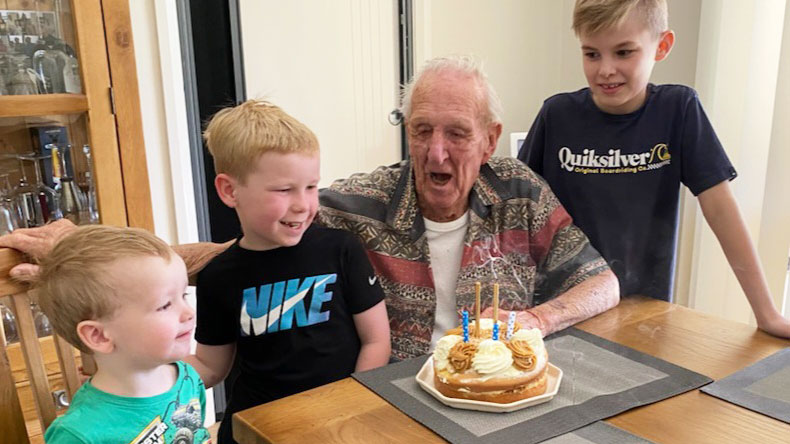
Debbie Cheetham's dad Len, pictured with his great grandchildren, who were unable to say goodbye to him before he died.

"At lunchtime on the Friday we were rung by a lovely doctor who informed us that my dad was actually was riddled with cancer, no one knew this before he entered hospital," Ms Cheetham said.

"We were beside ourselves not knowing if he knew, and, if he did, then he was lying in a bed with no one around him."

Ms Cheetham said she and her siblings' requests to visit their dad were denied over the next two days because he was not considered to be at the "end of life" stage.

This changed however, at 1am on Monday morning when Ms Cheetham received a call to say her father's condition had deteriorated and they should come in.

However, by the time she rushed to the hospital with her elderly mother and daughter, Ms Cheetham said it was virtually too late.

"We were ushered into a room but couldn't communicate with him as he was past that point and within three hours he had passed away," she said.

"Even though we got to the hospital before his last breathe we had been pleading for access to at least reassure him, and to try and say goodbyes.

"At no stage are we blaming doctors or nurses, but (it's) the hierarchy running the hospitals and the politicians sitting in offices that have no idea of what is happening."

NSW Health Minister Brad Hazzard was questioned by Fordham on 2GB this morning over the issue, which the emotional presenter described as an "appalling failure to show compassion and common sense".

https://omny.fm/shows/ben-fordham-full-show/let-them-in-ben-fordhams-fiery-clash-with-health-m/embed

Mr Hazzard defended the situation, saying it was a "difficult balancing act" where the risk of spreading COVID-19 in a hospital setting needed to be considered.

However, NSW Premier Dominic Perrottet told 2GB's Deborah Knight yesterday afternoon families being denied access to dying loved ones was unacceptable.

"I've spoken to the health minister a number of times and we will be clarifying that to ensure this situation never happens again".

"Compassion needs to override caution in these circumstances."

Mr Perrottet has said the recent issues have been caused due to a lack of clarification in relation to COVID guidelines.

"It's become apparent that those guidelines are not clear enough.

"Vistors, families and friends need to be there for those incredibly precious last moments."

Contact reporter Emily McPherson at em********@******om.au.

New dinosaur 'size of a London bus' identified from remains

A team of paleontologists have identified a new species of dinosaur from remains found in the Pyrenees, a mountain range straddling the border of Spain and France.

The 70-million-year-old skeleton is from a titanosaur, a herbivorous group of dinosaurs.

Dubbed Abditosaurus kuehnei, the reptile is thought to be the largest titanosaur species found in the region.

LIVE COVERAGE: Mandatory third jab for tourists a 'crippling blow'

An artists recreation of Abditosaurus kuehnei.

Size estimates place the ancient beast at a whopping 17.5 metres, which is around the length of a London bus.

It had a body mass of 14,000 kg.

The size of the dinosaur is a factor that's surprised researchers, as it roamed at a time when the region was part of the Ibero-Armorican Island.

READ MORE: Fresh hope Tasmanian tiger could be resurrected

Animals from isolated regions like islands are typically smaller.

"Titanosaurs from the Upper Cretaceous of Europe tend to be small or medium-sized due to their evolution in insular conditions," explained Bernat Vila, paleontologist at the ICP leading the research explained in a press release.

READ MORE: These eggs contain one of the most venomous animals

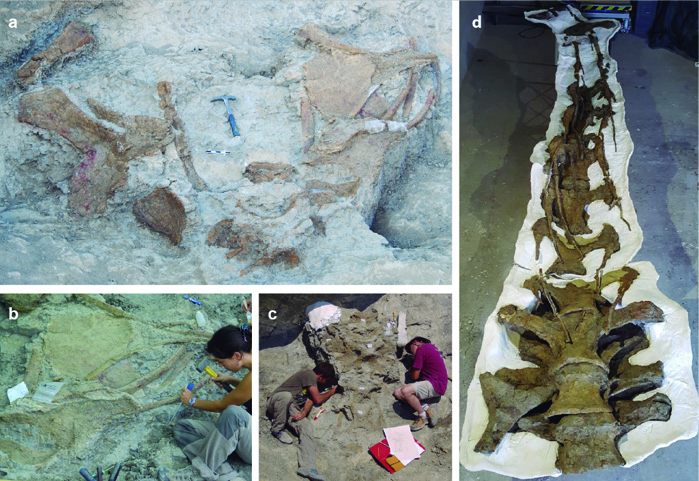
Images of different fossil remains of Abditosaurus kuehne at the Orcau-1 site (a), the excavation process (b and c) and the neck after fossil preparation (d).

The research has been published in the Journal Nature Ecology & Evolution.

The first remains of the dinosaur were collected in 1954 by German paleontologist Walter Kühne.

Since then 53 skeletal elements of the specimen have been unearthed, making it the most complete titanosaur specimen ever discovered in Europe.

Fresh hope iconic Australian animal could be resurrected

For the first time in history, a full genome sequence of the Tasmanian tiger's closest living relative has been mapped, sparking hope the lost species could one day be resurrected.

The numbat genome was fully sequenced by researchers from The University of Western Australia and DNA Zoo Australia in hopes to protect the endangered species — WA's animal emblem.

But there is an added bonus to the development.

READ MORE: Temperatures to 'see-saw' as cold front hits

Endangered numbat in the Western Australia (AAP Image/Department of Environment and Conservation)

Numbats and Tasmanian tigers, also known as thylacines, share a common ancestor that lived between 35 million and 41 million years ago.

It's hoped the DNA profile could serve as a "blueprint", of sorts, to clone the thylacine.

Associate Professor Parwinder Kaur, from the University of Western Australia's School of Agriculture and Environment, told 9news.com.au the cloning process is "possible".

READ MORE: Megacomet 137km wide officially the largest ever seen

Tasmanian tiger may not be extinct

"It is absolutely possible to bring back the most missed Australian iconic species the thylacine," she said, explaining 95 per cent of numbat and thylacine DNA may be identical.

"Science and technology have come a long way and we surely have got all the knowledge pieces in hand now to fill the gaps in the DNA sequence of thylacine by sequencing its close living relatives like numbat, dunnarts, quolls and Tasmanian devil.

"I would say it is not a science fiction or distant dream to realise however, the more important thing which we've got in hand right now is one million species on the verge of extinction.

"We need to save them first, before we start the Jurassic Park dream."

READ MORE: Iconic Tasmanian tiger seen in colour footage for the first time

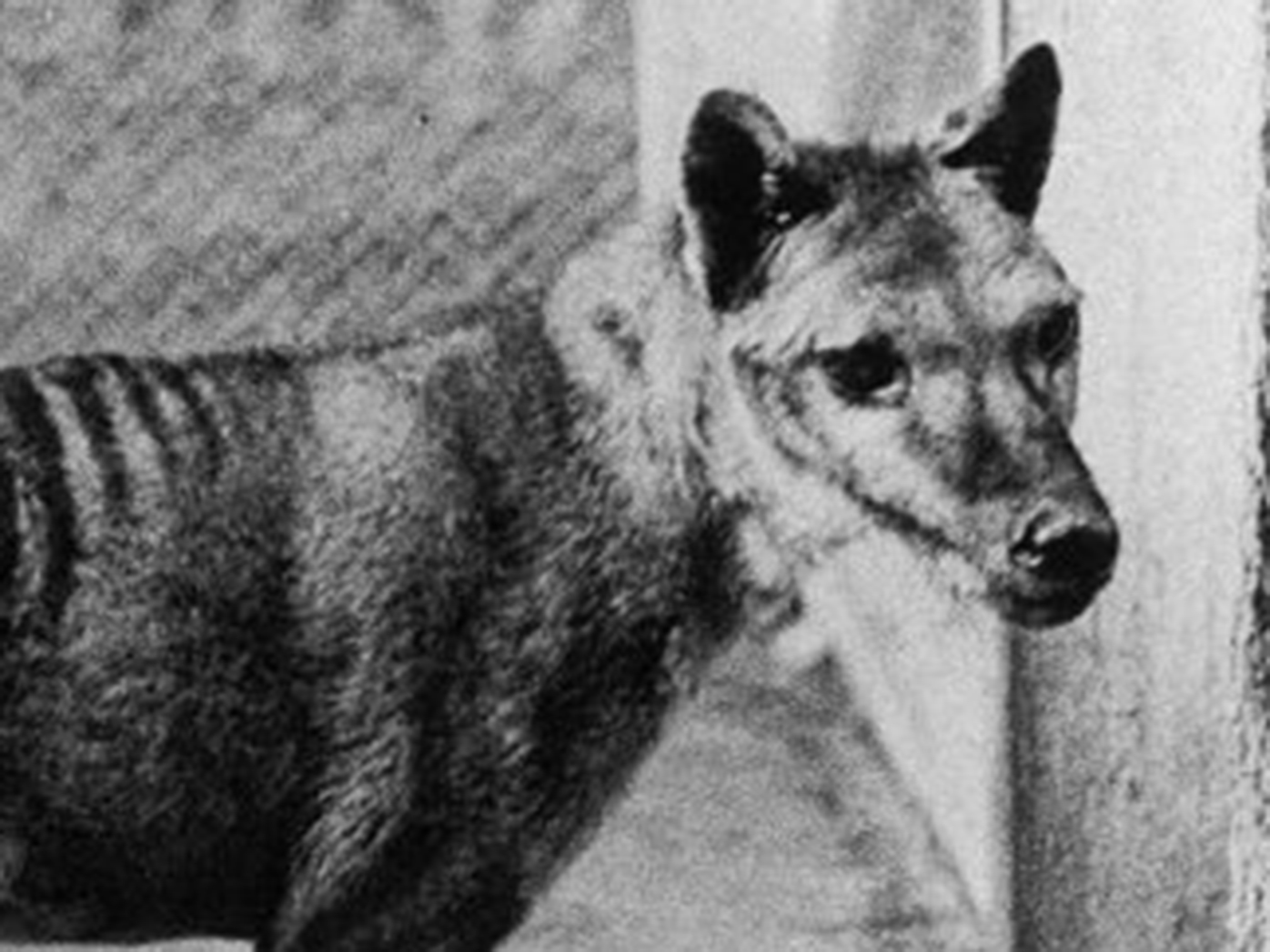
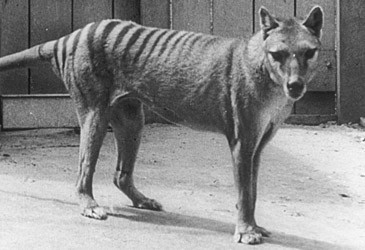
Thylacine in zoo (Getty)

"Benjamin", the last known thylacine, died from exposure at the Beaumaris Zoo in Hobart on September 7, 1936.

Prior to European settlement, there were an estimated 5000 of the native marsupials roaming the island state but hunting drove the animal to extinction.

Associated Professor Kaur hopes the genomic sequencing will transform numbat conservation efforts.

"With less than 1000 numbats left in the wild, this genomic resource will open new doors for numbat conservation efforts as well as for our scientists on the front line, fighting the very genetic diseases threatening to exterminate numbats," Associate Professor Kaur said.

Western Australia Premier targeted by written death threat

Western Australian Premier Mark McGowan received a fresh death threat yesterday, once again forcing the closure of his Rockingham office.

Hazmat crews called into Mr McGowan's office in Rockingham yesterday after a suspicious package arrived around midday.

The package contained a white powder and was intended for the state leader. Workers had also received mail containing death threats.

LIVE COVERAGE: Mandatory third jab for tourists would be a 'crippling blow'

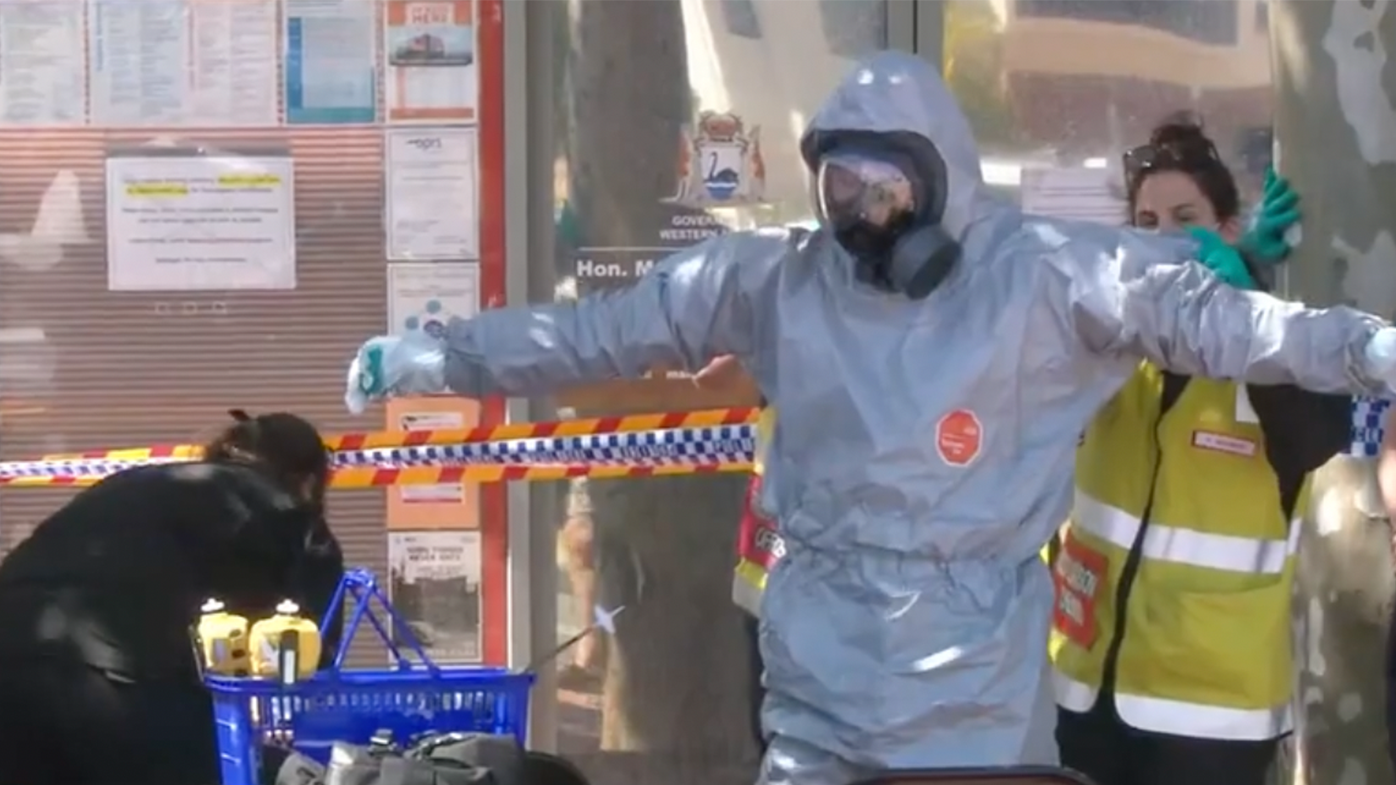
Hazmat crews were called in after a suspicious package intended for Mark McGowan was found to contain white powder.

The office was shut down as police, forensics and hazmat crews attended the scene.

The package was taken away for testing.

It has seen been confirmed the powder was non-toxic and staff have since returned for work.

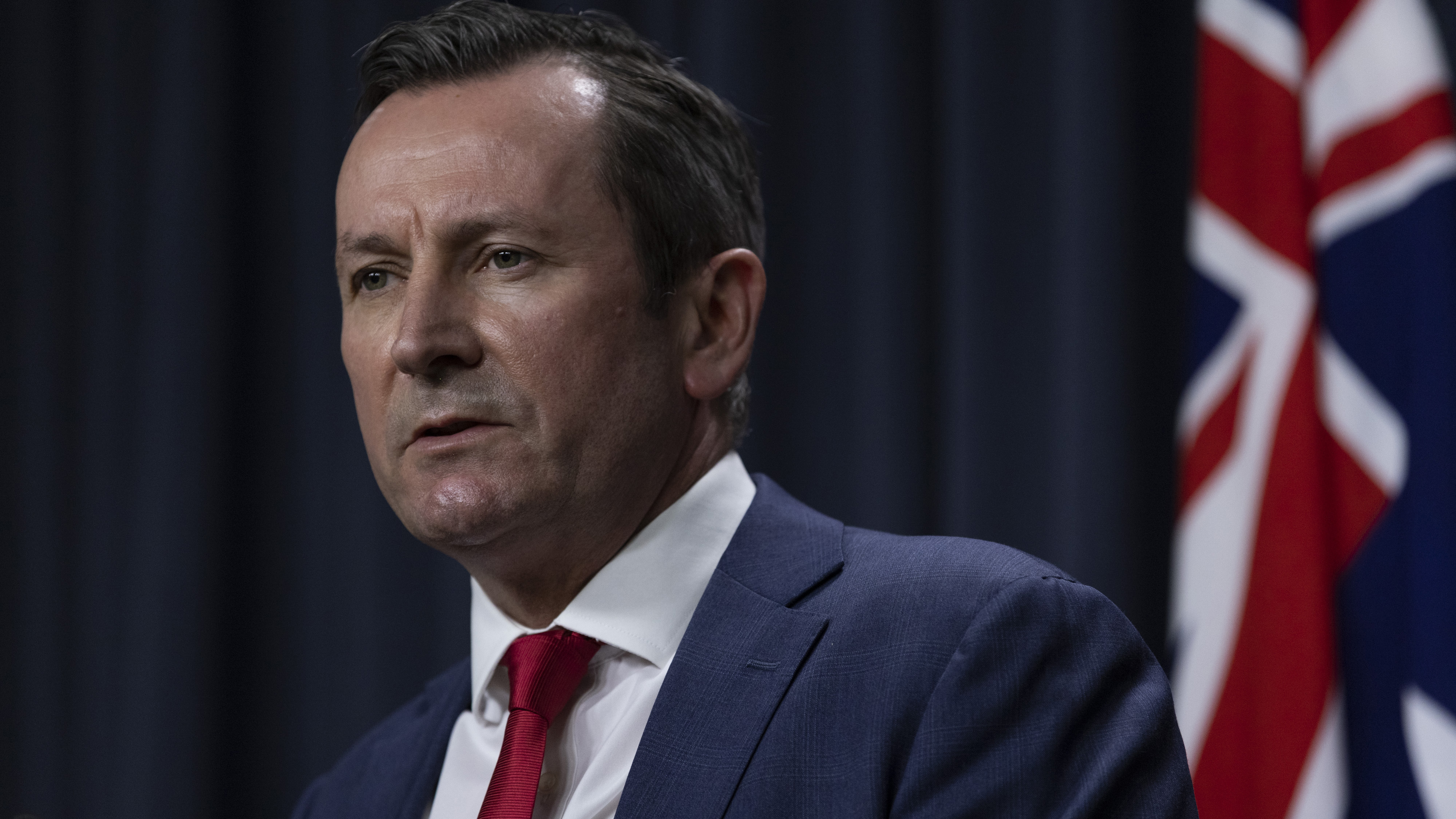
WA Premier Mark McGowan won't open the borders as planned on February 5.

This is the second time Mr McGowan's office has been forced to close over alleged threats.

In November staff received bomb and death threats while Mr McGowan received a chilling message on his mobile phone.

Two men have been charged with allegedly making the threatening phone calls.

Temperatures to 'see-saw' as cold front hits

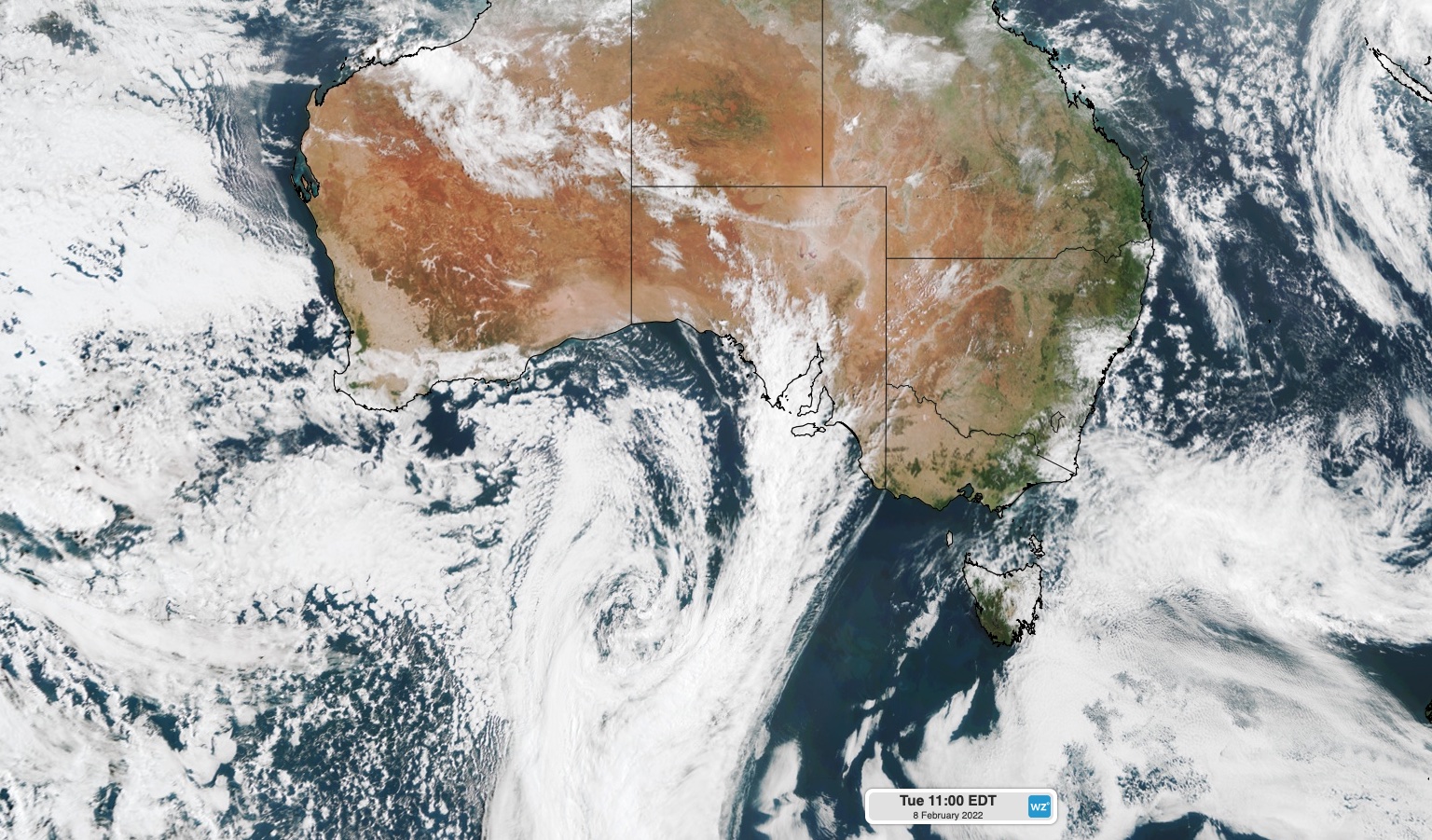
A cold front sweeping across south-eastern Australia will cause temperatures to plummet dramatically mid-week, before the mercury climbs again on the weekend.

Weatherzone said the cold front is moving across Victoria and Tasmania after hitting South Australia yesterday.

It will arrive in Sydney late today.

READ MORE: Putin said Russia won't 'escalate' Ukraine crisis, Macron claims

A cold front will cause temperatures to 'see saw' in south east Australia.

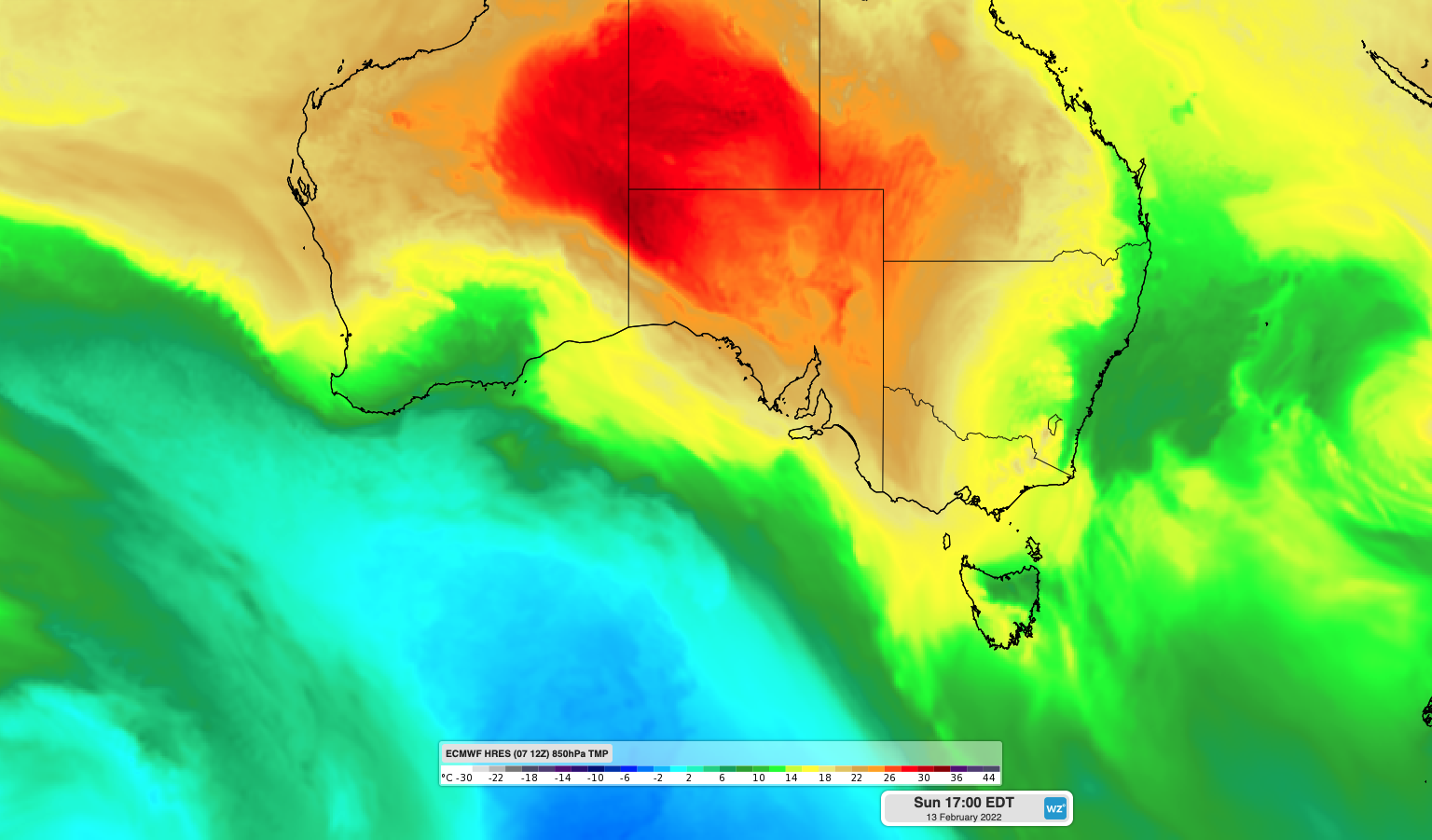
"A pair of cold fronts passing over southern Australia during the coming week will cause temperatures to flip around by around 10 degrees within one or two days in some areas," Weatherzone wrote.

"This front will drop maximum temperatures back to the low-to-mid 20s in Adelaide, Melbourne, Hobart and Sydney."

Visible true colour satellite image captured at 11am AEDT on Tuesday.

It comes after temperatures neared 30C in the capitals.

However, Weatherzone said the cold front will be short-lived with the next round of heat arriving "in southern Australia by the weekend."

Adelaide and Melbourne are tipped to exceed 30C on both Saturday and Sunday, and possibly reach around 36C to 37C as heat peaks on Sunday.

Hobart could also get close to 30C on the weekend.

Western Australia smashed by destructive storms

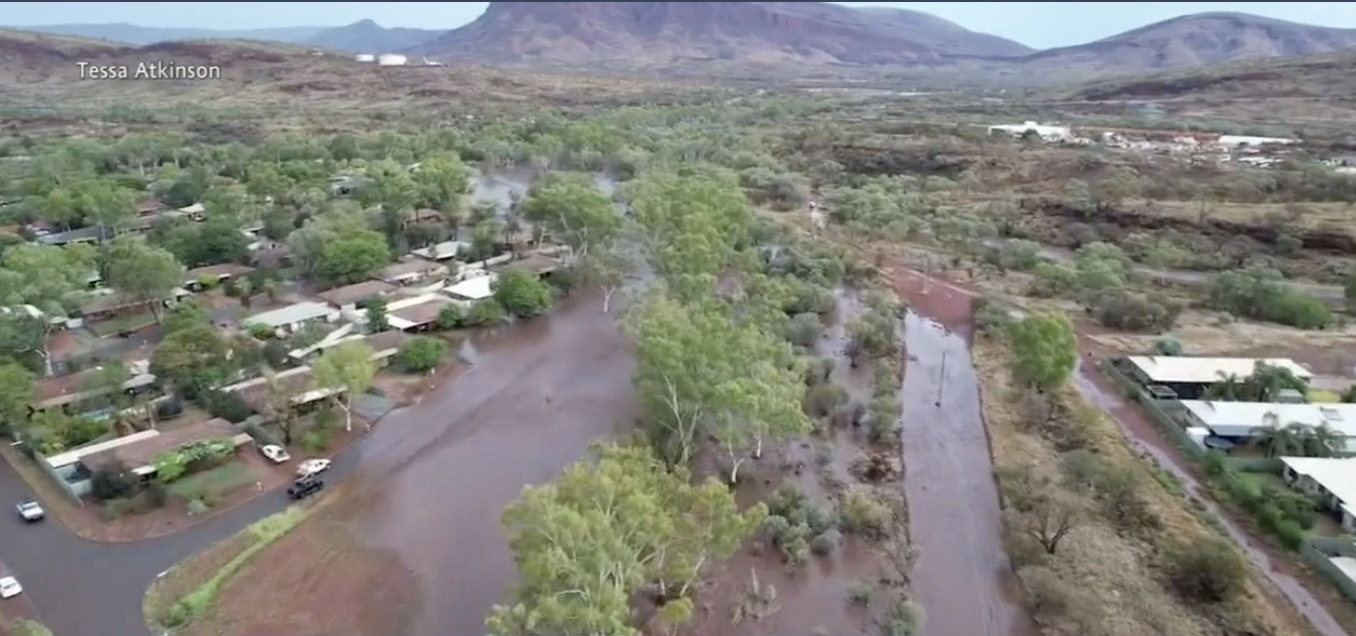
Fierce storms have ripped through the Pilbara region in Western Australia overnight.

Heavy rain has been dumped on the outback damaging homes, schools and roads.

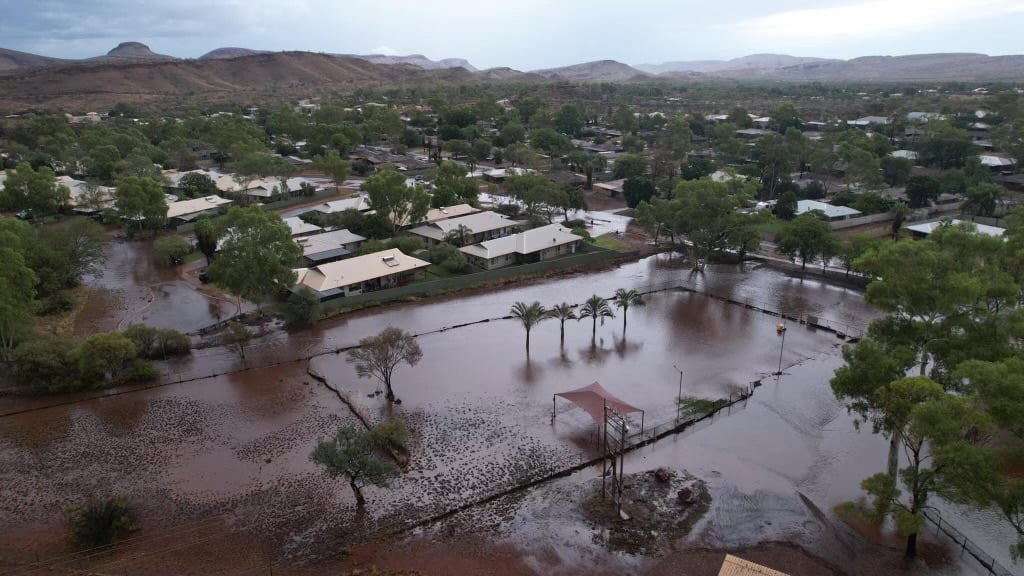
Heavy rain has once again fallen on Western Australia's outback transforming towns into inland seas.

Marble Bar in the state's north received over 100 millimetres of rain in just 24 hours while the mining town of Tom Price was inundated by floodwaters.

Storms are forecast for the remainder of the week.

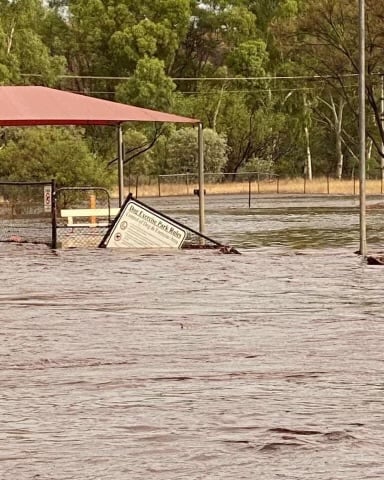
The town of Tom Price copped a drenching, after fierce storms lashed Western Australia's Pilbara.The dog park in the mining town of Tom Price was left underwater after the storms.

A flood watch has been issued for the De Grey River following the storms.

The Bureau of Meteorology (BoM) has urged drivers to check road conditions before travelling.

"Flooding of low lying areas and river rises are expected," it wrote.

"Many roads, and possibly secondary highways, may be affected. Some communities and homesteads may become or remain isolated."

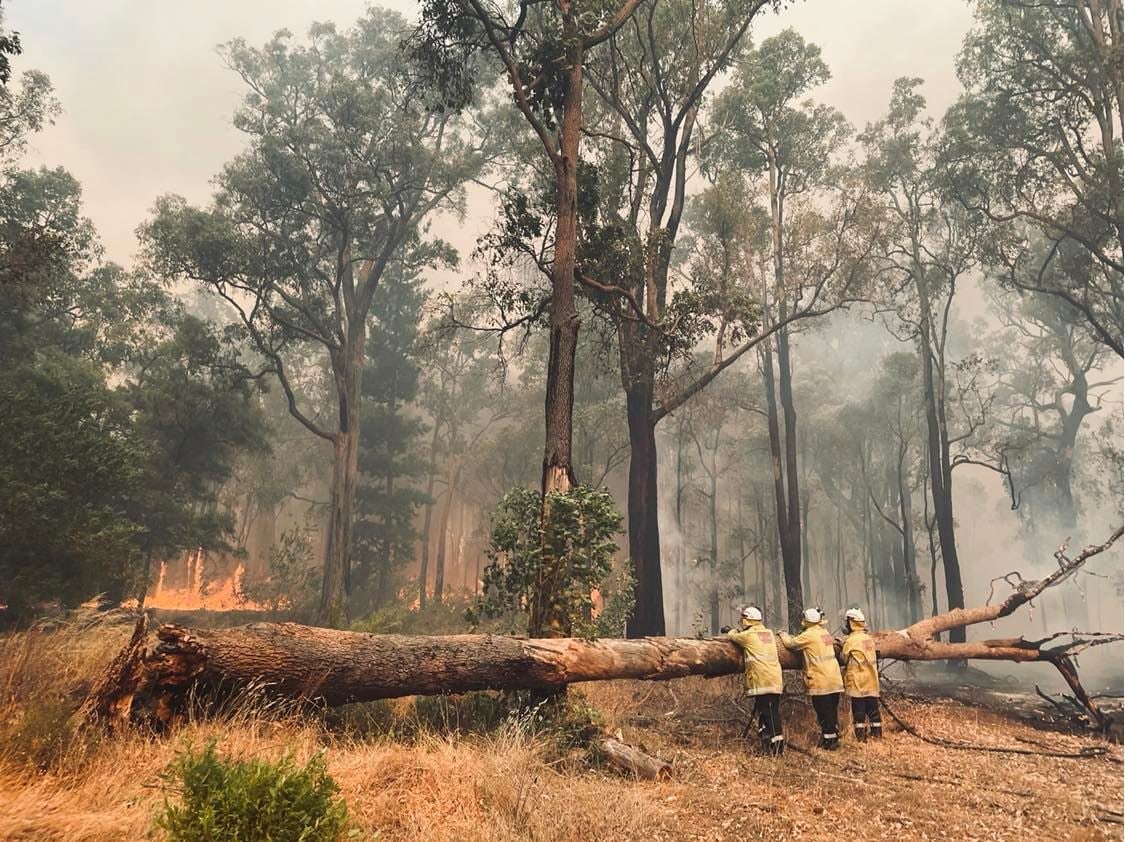
Western Australia fires remain 'dangerous'

Bushfires near Shackleton, Narrogin, Denmark, Bridgetown and Anketell are still active.

The Department of Fire and Emergency Services (DFES) said the firegrounds remain dangerous.

The two fires in Denmark and Bridgetown have together burned through almost 4700 hectares

Residents in the south-western town of Bridgetown will also find out whether it is safe to return to their properties today, after a fire tore through the area leaving toxic ash in its wake.

Fire damaged 600 tonnes of treated pine logs at the treatment plant, sending toxic chemicals into the air.

Up to 27 properties are possibly coated in the ash. Residents will need to wear masks and gloves while cleaning their homes.

Let's take a look what the weather is doing around the nation's capitals today.

Brisbane

It will be a mostly clear, sunny day in Brisbane today with the mercury climbing to a top of 31C.

Sydney

The same conditions will be felt across the Harbour City, which will reach a top of 31C and a low of 17C.

Melbourne

In the Victorian capital, residents should brace for a shower, with a slight chance forecast by the BoM. The top temperature will be 29C with a low of 20C forecast.

Canberra

It will be a chilly morning in Canberra with residents waking to 11C. From there temperatures will climb to 28C.

It will be mostly sunny.

Hobart

Temperatures will range between 14C and 28 C in Hobart.

A medium chance of showers is forecast during this afternoon and evening.

There is a chance of a thunderstorm late this afternoon and evening.

Adelaide

Temperatures will climb to a top of 25C in Adelaide.

It will be partly cloudy with a slight chance of a light shower about the hills and southern suburbs and near the coast.

Darwin

Darwin has a medium chance of showers forecast with a chance of a thunderstorm.

Temperatures will reach a maximum of 32C.

Perth

And finally, it will be sunny, hot and clear in Perth with temperatures reaching 30C.

Putin said Russia won't 'escalate' Ukraine crisis: Macron

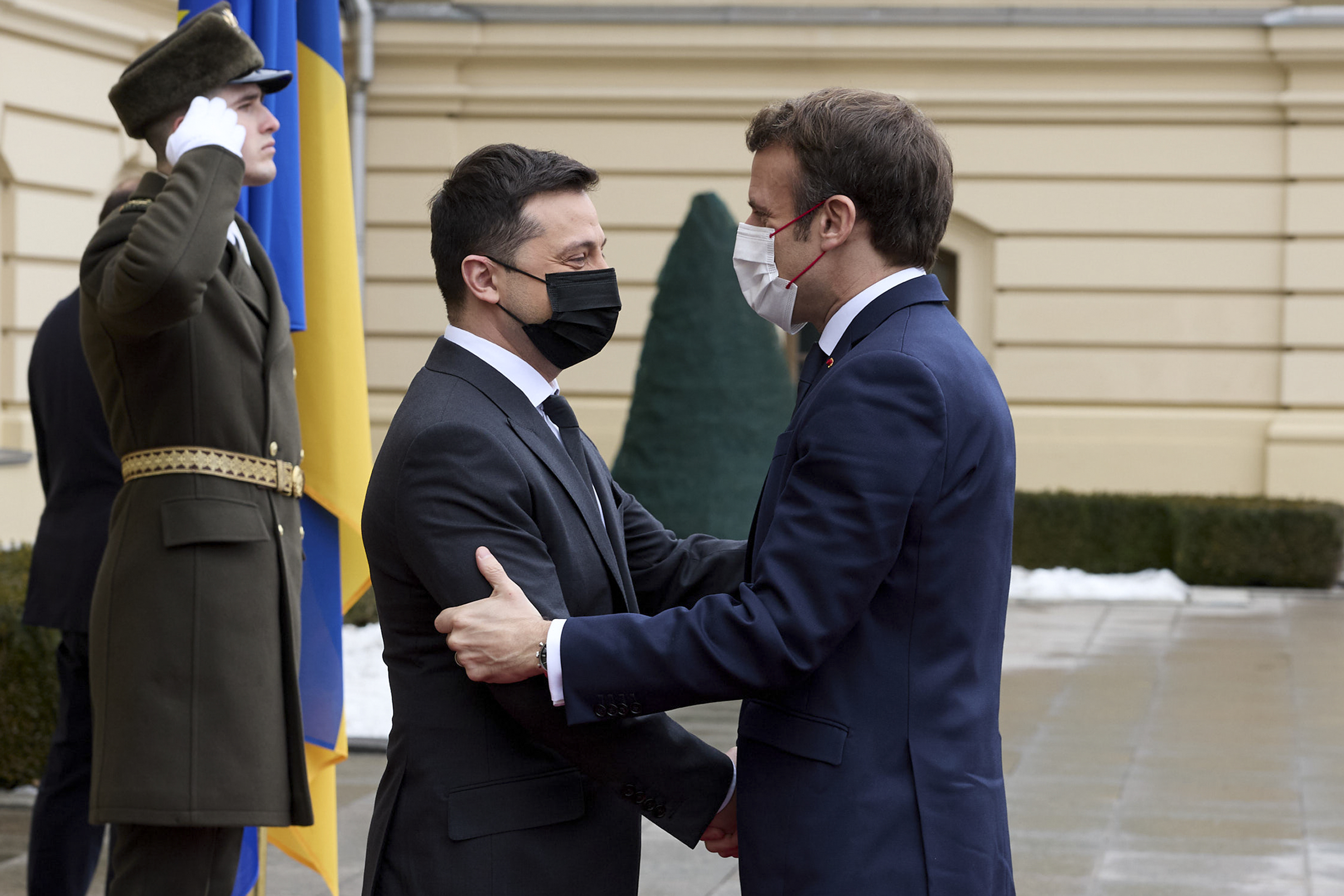
French President Emmanuel Macron has said that Russian President Vladimir Putin told him that Moscow would not further escalate the Ukraine crisis.

Mr Macron also said it would take time to find a diplomatic solution to the rising tensions, which represent the biggest security crisis between Russia and the West since the Cold War.

His remarks on a visit to Kyiv came as the Kremlin denied reports that he and Mr Putin struck a deal on de-escalating the crisis. Kremlin spokesman Dmitry Peskov said that "in the current situation, Moscow and Paris can't be reaching any deals."

READ MORE: Biden threatens Kremlin: No gas pipeline if Russia invades Ukraine
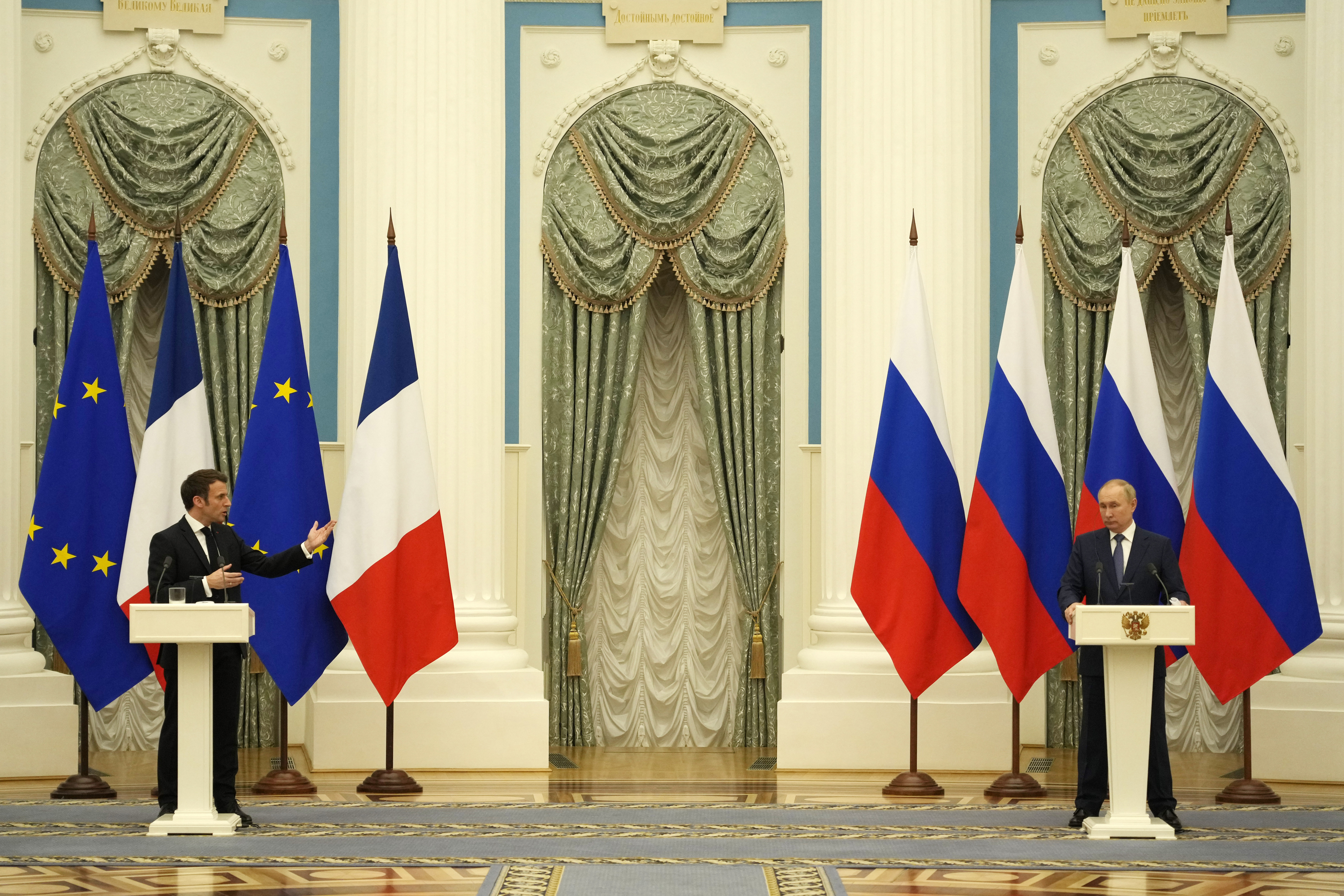
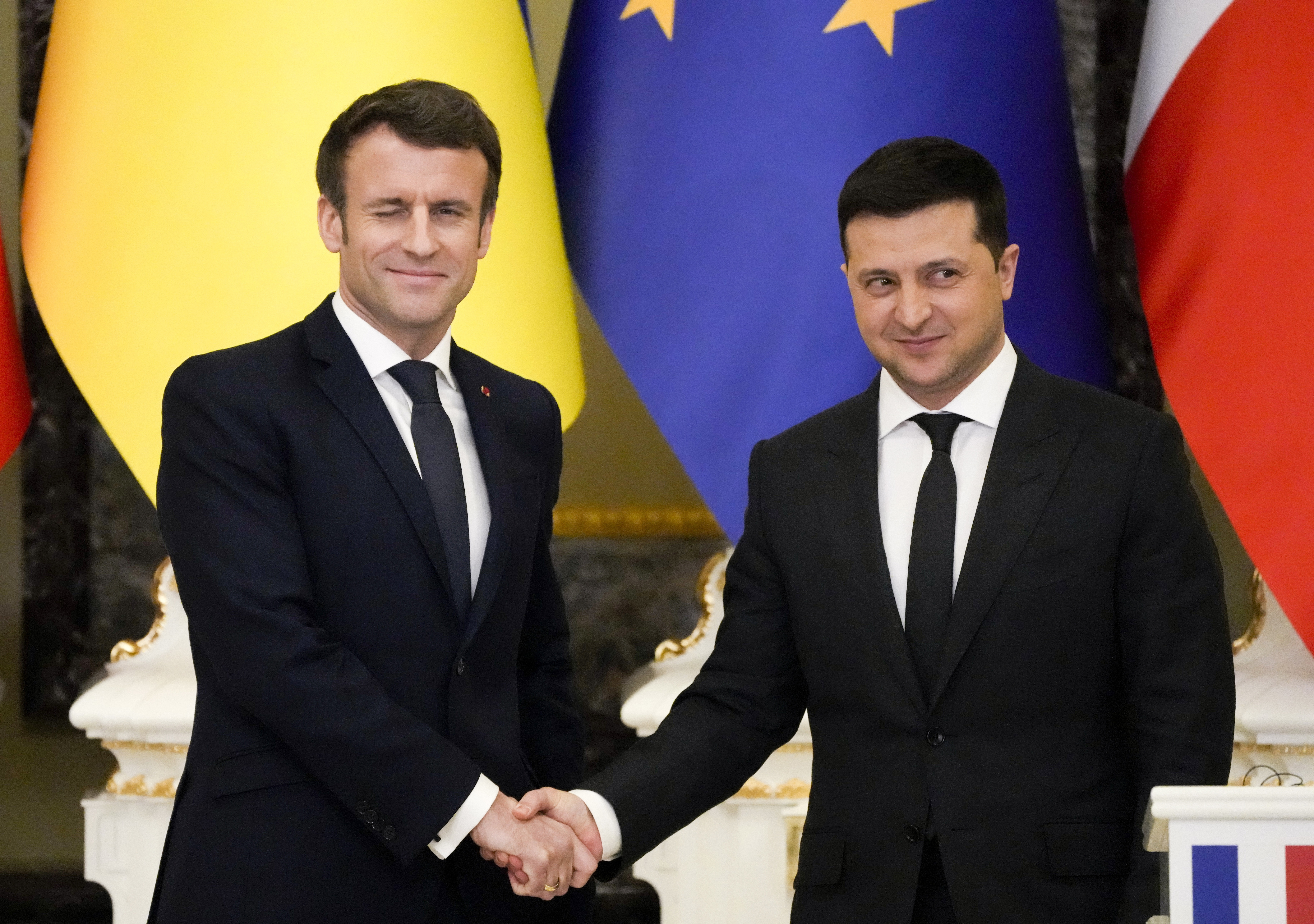
Mr Macron met with Ukrainian President Volodymyr Zelenskyy amid mounting fears of a Russian invasion. Moscow has massed over 100,000 troops near Ukraine's borders, but insists it has no plans to attack.

The Kremlin wants guarantees from the West that NATO will not accept Ukraine and other former Soviet nations as members, that it halt weapon deployments there and roll back its forces from Eastern Europe — demands the US and NATO reject as non-starters.

At a news conference after meeting Mr Zelenskyy, Mr Macron said Mr Putin told him during their more than five-hour session Monday that "he won't be initiating an escalation. I think it is important."

According to the French president, Mr Putin also said there won't be any Russian "permanent (military) base" or "deployment" in Belarus, where Russia had sent a large number of troops for war games.

Mr Peskov said withdrawing Russian troops from Belarus after the maneuvers was the plan all along.

READ MORE: Religion bill: MP mourns nephew, hails high-heel-wearing son's bravery
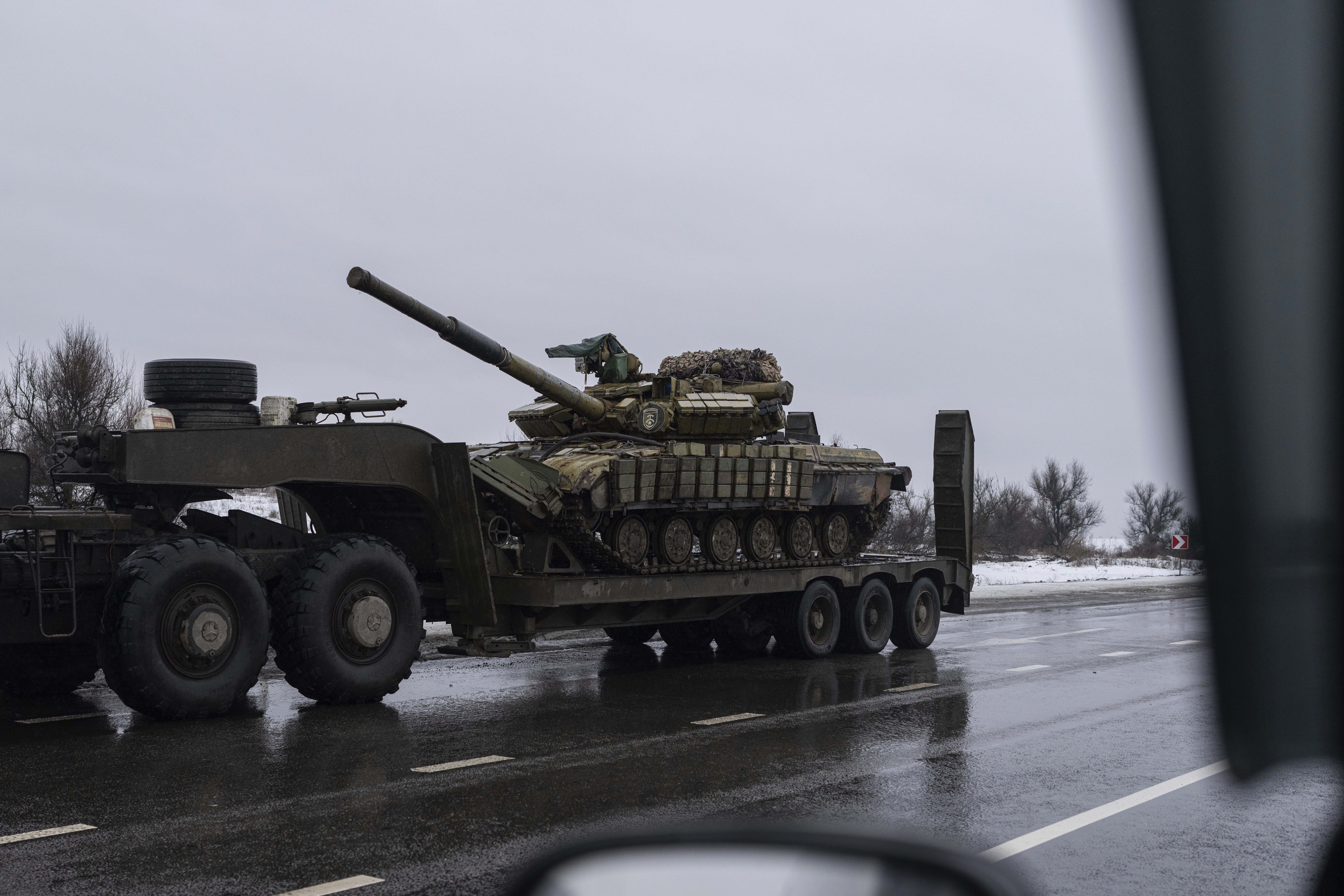
Mr Zelenskyy said he would welcome concrete steps from Mr Putin for de-escalation, adding he didn't "trust words in general."

Mr Macron also sought to temper expectations.

"Let's not be naive," he said.

"Since the beginning of the crisis, France hasn't been inclined to exaggerate, but at the same time, I don't believe this crisis can be settled in a few hours, through discussions"

Mr Zelenskyy called his talks with Mr Macron "very fruitful."

"We have a common view with President Macron on threats and challenges to the security of Ukraine, of the whole of Europe, of the world in general," Mr Zelenskyy said.

READ MORE: Luxury house explosion captured on doorbell camera
He said France was giving 1.2 billion euros ($1.92 billion) in financial aid to Ukraine and helping restore infrastructure in the war-ravaged east of the country.

Western leaders in recent weeks have engaged in high-level talks, and more are planned amid the backdrop of military drills in Russia and Belarus. On Tuesday, Russia's Defense Ministry said six large warships were moving from the Mediterranean to the Black Sea for exercises.

Mr Macron said he had not expected Mr Putin to make any "gestures" Monday, saying his objective was to "prevent an escalation and open new perspectives. … That objective is met."

Mr Macron said Mr Putin "set a collective trap" by initiating the exchange of documents with the US. Moscow submitted its demands to Washington in the form of draft agreements that were made public, and insisted on a written response, which was then leaked.

READ MORE: What happens to Europe's energy if Russia acts?
"In the history of diplomacy, there was never a crisis that has been settled by exchanges of letters which are to be made public afterward," he said, adding that's why he decided to go to Moscow for direct talks.

Mr Putin said after the meeting that the US and NATO ignored Moscow's demands, but signaled readiness to continue talking. He also reiterated a warning that NATO membership for Ukraine could trigger a war between Russia and the alliance should Kyiv try to retake the Crimean Peninsula, which Moscow annexed in 2014.

NATO, US and European leaders reject the demands that they say challenge NATO's core principles, like shutting the door to Ukraine or other countries that might seek membership; but they have offered to discuss other Russian security concerns in Europe.

US President Joe Biden has said any prospect of Ukraine entering NATO "in the near term is not very likely," but he and other alliance members and NATO itself refuse to rule out Ukraine's future entry.

Mr Biden met Monday with German Chancellor Olaf Scholz, who also will travel to Kyiv and Moscow on February 14-15. They threatened Russia with grave consequences if it invaded, and Mr Biden vowed that the Nord Stream 2 Russia-to-Germany gas pipeline, which has been completed but is not yet operating, will be blocked. Such a move would hurt Russia economically but also cause energy supply problems for Germany.

British Prime Minister Boris Johnson, in an article in the Times of London, also urged allies to finalize heavy economic sanctions that would take effect if Russia crosses into Ukraine. He said the UK is ready to bolster NATO forces in Latvia and Estonia as he prepared to meet the Lithuanian prime minister in London to show support for the Baltic nations.

Mr Johnson said he was considering dispatching RAF Typhoon fighters and Royal Navy warships to south-eastern Europe. Britain said Monday it is sending 350 troops to Poland to bolster NATO's eastern flank. It already has sent anti-tank weapons to Ukraine.

More than 100 US military personnel arrived in Romania ahead of a deployment of about 1000 NATO troops expected in the country in the coming days, Romania's Defense Minister Vasile Dincu said.

US officials have said that about 1000 alliance troops will be sent from Germany to Romania, a NATO member since 2004. Romania borders Ukraine to the north. About 1700 US soldiers from the 82nd Airborne are also going to Poland.

US officials have portrayed the threat of an invasion of Ukraine as imminent — warnings Moscow has scoffed at, accusing Washington of fueling tensions.

Russia and Ukraine have been locked in a bitter conflict since 2014, when Ukraine's Kremlin-friendly president was ousted, Moscow annexed Crimea and then backed a separatist insurgency in the east of the country. The fighting between Russia-backed rebels and Ukrainian forces has killed over 14,000 people.

In 2015, France and Germany helped broker a peace deal, known as the Minsk agreements, that ended large-scale hostilities but failed to bring a political settlement of the conflict. The Kremlin has repeatedly accused Kyiv of sabotaging the deal, and Ukrainian officials in recent weeks said that implementing it would hurt Ukraine.

After meeting Mr Macron, Mr Putin said without elaboration that some of the French president's proposals could serve as a basis for a settlement of the separatist conflict, adding that they agreed to speak by phone after Mr Macron's visit to Kyiv.

Mr Peskov said such a call would take place "in the nearest future."

Mr Macron said both Mr Putin and Mr Zelenskyy confirmed they were willing to implement the Minsk agreements — "the only path allowing to build peace … and find a sustainable political solution."

Mr Macron also said the presidential advisers of France, Germany, Russia and Ukraine will meet Thursday in Berlin on the next steps. "It will take time to get results," he said.

Mr Zelenskyy was mum on where Ukraine stands on implementing the Minsk agreements and whether he assured Mr Macron that Kyiv is committed to do so, saying only that his country views Thursday's meeting "very positively" and hoped for a subsequent meeting by the four leaders.

German Foreign Minister Annalena Baerbock, visiting the front line in eastern Ukraine's Donbas region, said she wanted "to get an impression of what it means that we still have war in the middle of Europe."

Germany has given Ukraine about 1.8 billion euros ($2.88 billion) in aid since 2014, part of which is helping those displaced by fighting.