Hawke’s Bay had five new cases of Covid 19 on Waitangi Day 2022.One has been linked to a previously reported case and the other four remain under investigation.This follows six cases announced on Saturday. Read More Covid…
Tag Archives: oceania
Covid 19 Omicron outbreak locations of interest: Auckland bars, churches among latest
Anyone who visited two popular Auckland bars last Sunday evening are being advised to self-isolate immediately and get tested.O’Hagan’s Irish Bar in Auckland’s CBD and Hoppers Garden Bar in Grey Lynn are among eight new locations…
Covid 19 Omicron outbreak: 208 cases as numbers dip from Saturday's peak
There are 208 Covid-19 cases which have been reported in the community – a dip on yesterday’s record number of infections.The new cases are across Northland, Auckland, Waikato, Lakes, Bay of Plenty, Hawke’s Bay, Wellington, Nelson…
Waitangi Day: Te Pāti Māori calls for 'divorce' from British monarchy
Te Pāti Māori has called for a “divorce” from the British monarchy and to move Aotearoa to a nation based on Te Tiriti o Waitangi.Party co-leader Debbie Ngarewa-Packer made the call today as the country’s political leaders…
Calls for compulsory te reo Māori in schools within 5 years by Race Relations Commissioner Meng Foon
Race Relations Commissioner Meng Foon is calling for compulsory te reo Māori classes to be introduced in schools within five years.A fluent te reo speaker himself says he wrote to the education Minister Chris Hopkins and other…
Boy trapped down well for five days dies
A Moroccan boy who had been trapped in a well since Tuesday has died, according to two media outlets, Morocco's state news agency, Maghreb Arab Press, and SNRT.
The five-year-old boy, previously identified only as Rayan, was retrieved by rescue teams from the well on Saturday but did not survive his ordeal, state media reported.
King Mohammed VI of Morocco offered condolences to Rayan's family in a phone call, according to a statement from the Royal Palace.
READ MORE: Queen Elizabeth backs plan to one day call Prince Charles' wife 'Queen Camilla'
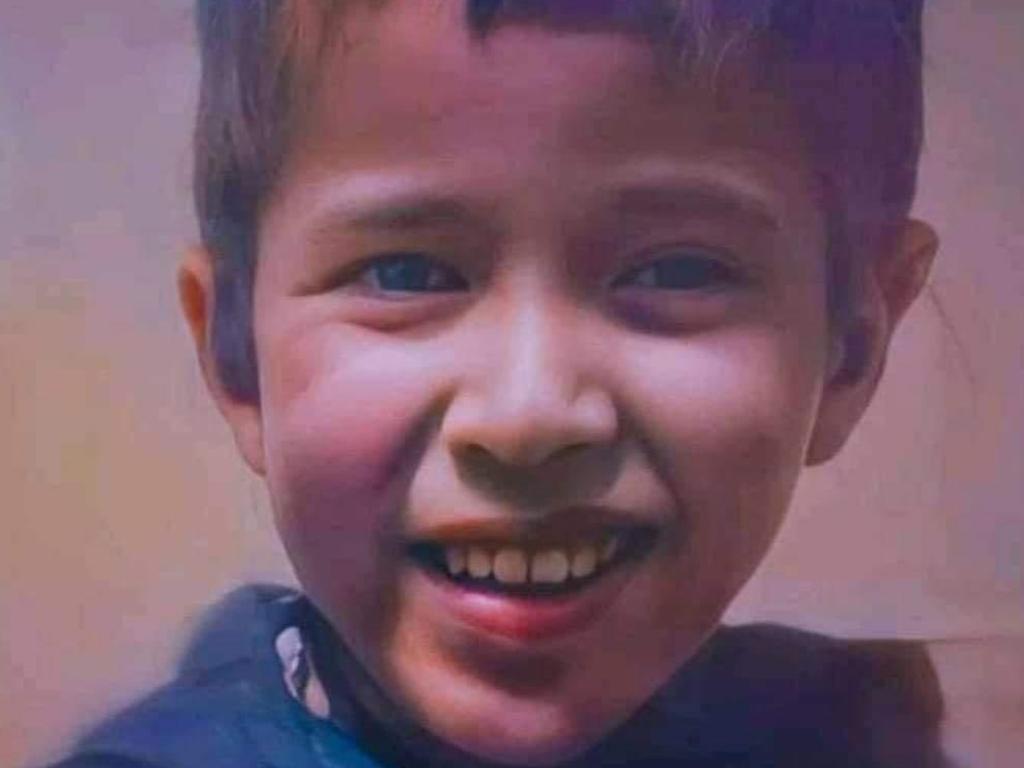
"Following the tragic accident that claimed the life of the child Rayan Oram, His Majesty King Mohammed VI, may God protect him, made a phone call to Mr Khaled Oram, and Mrs Wassima Khersheesh, the parents of the deceased who passed away, after falling into a well," the statement said.
The child was stuck in a well that reached more than 30 metres underground in the Chefchaouen province.
Rayan fell into the well Tuesday afternoon and was discovered after he was heard crying, his mother said in an interview with state-owned Al-Aoula TV two days later.
READ MORE: WHO issues warning for countries with high vaccination rates
She said he was playing nearby before he disappeared, and that she quickly called authorities after finding out what had happened.
Rayan fell into the well Tuesday afternoon and was discovered after he was heard crying
As rescue efforts continued throughout the week, gripping much of the country, the hashtag #SaveRayan went viral across North Africa.
The boy's father previously told Al-Aoula that authorities sent food and water down the well and that he saw his son drinking some water.
READ MORE: Athletes blast 'unreasonable' hotels
"He was moving, and drank a little bit of water. I believe he will be okay, God help him," he said.
Local media also reported that the child had taken food and water that was dropped down to him using a rope.
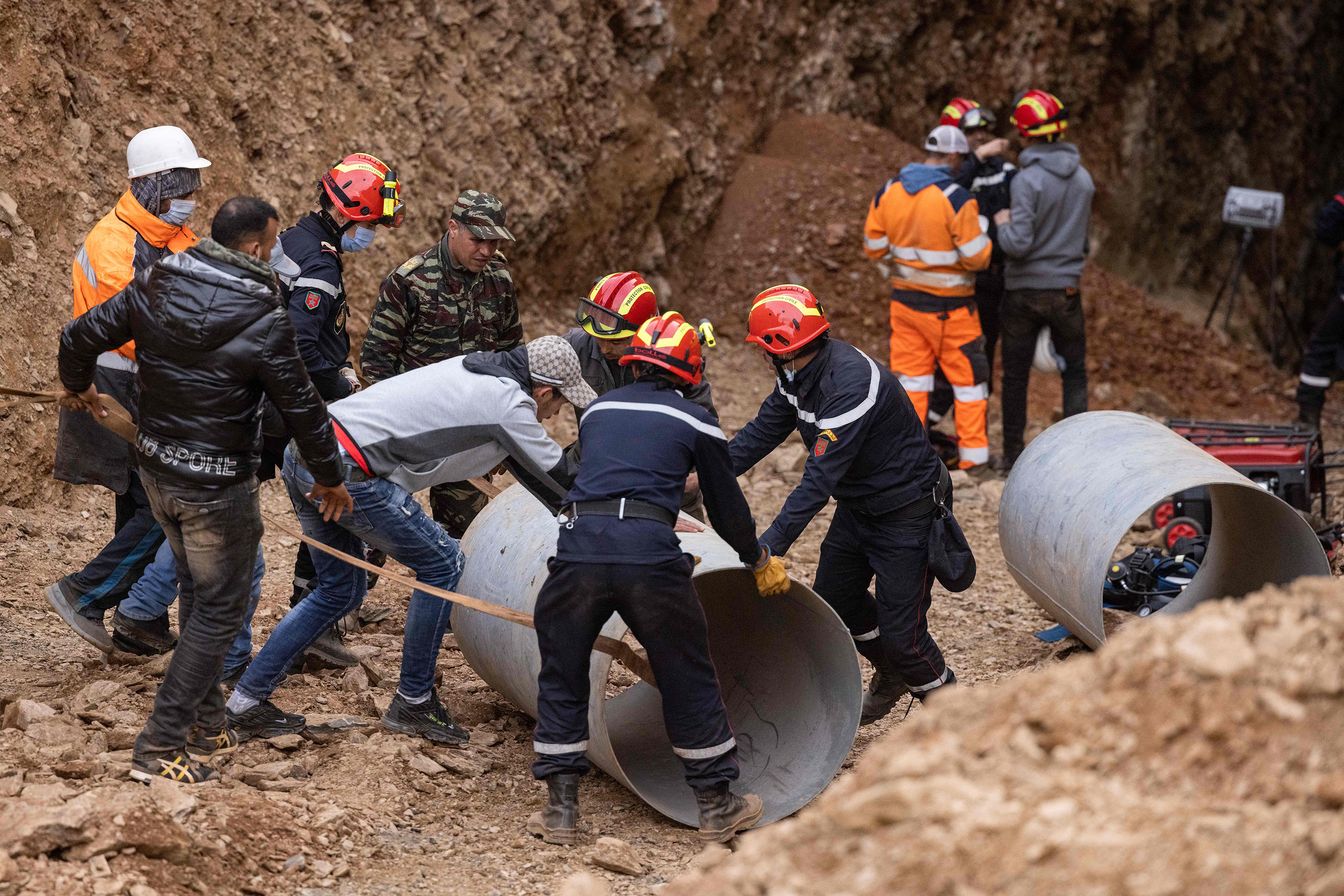
A report from MAP noted that it would be difficult to determine the time needed to complete the rescue operation, because of the nature of the soil that remained to be dug up in the horizontal gap connecting the well with a parallel hole.
Authorities used machinery in the difficult operation because the diameter of the well was only just over a foot and a half wide, Al-Aoula reported.
Meanwhile, a medical helicopter and medical staff specialising in resuscitation had also been deployed to the area to take care of Rayan once he was pulled from the well, local authorities told MAP.
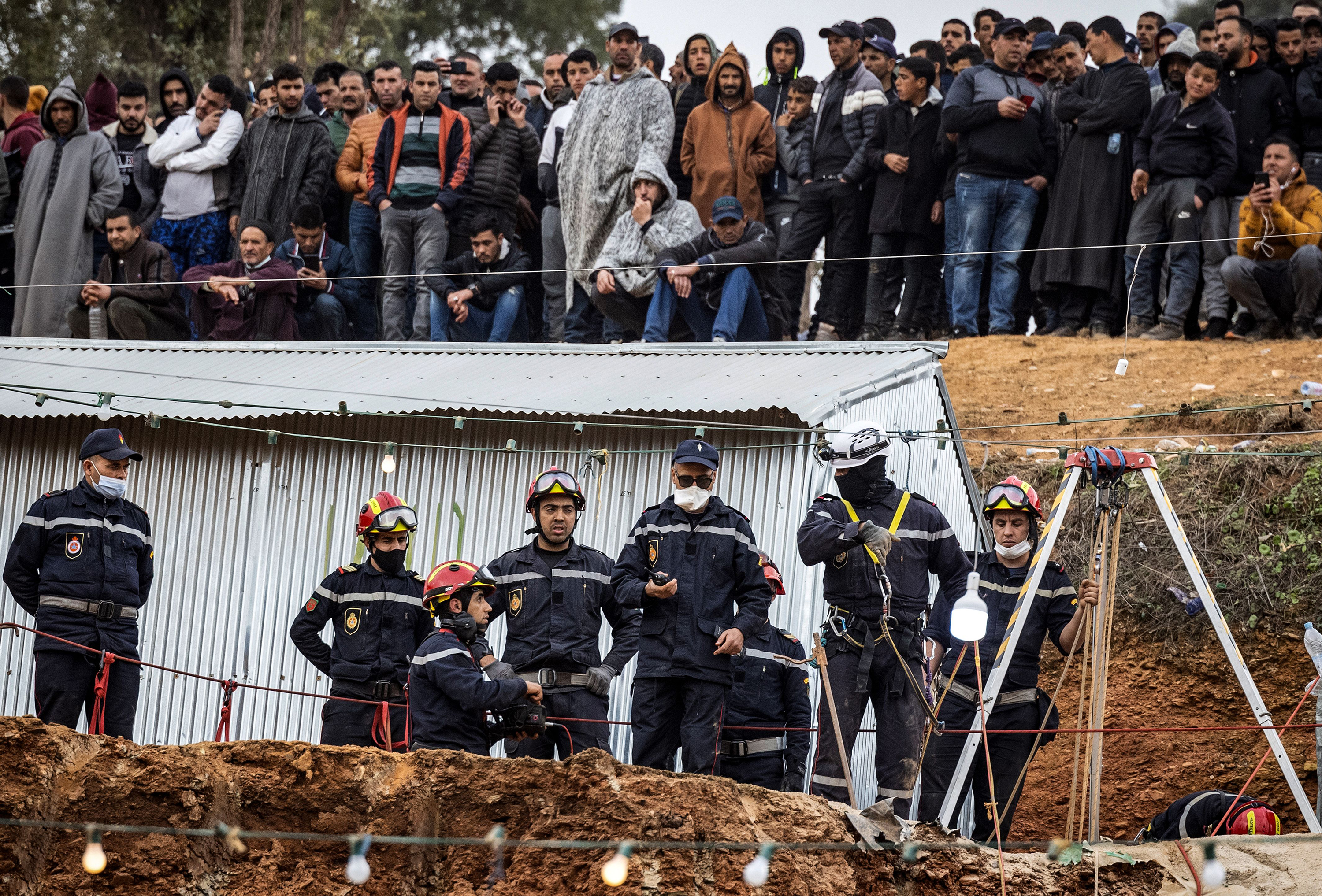
The response and rescue teams remained at the site of the well since they learned about the incident, encountering several difficulties including a landslide and boulders in some layers, MAP reported. Hundreds of locals watched on as the efforts continued, photos showed.
"People who love us are sparing no effort to save my child," Rayan's father said as he stood watching rescue efforts on Friday night, Reuters reported.
Police search in Otago after alleged Dunedin hit-and-run, cars stolen
Police are investigating an alleged hit-and-run and multiple stolen vehicles in Dunedin as a driver continues to evade police around Otago.A police spokeswoman said a vehicle of interest, reported as stolen, was located in Oamaru…
Queen Elizabeth backs plan to call Prince Charles' wife 'Queen Camilla'
Queen Elizabeth II offered her support to have the Duchess of Cornwall become Queen Camilla — using a special Platinum Jubilee message to make a significant decision in shaping the future of the British monarchy.
In remarks delivered on the eve of the 70th anniversary of her accession to the throne, the monarch expressed a "sincere wish'' that Camilla be known as "Queen Consort" when her eldest son Charles, the Prince of Wales, succeeds her as expected to the throne. In giving her blessing, the popular and respected sovereign is placing significant heft behind the move.
''When, in the fullness of time, my son Charles becomes king, I know you will give him and his wife Camilla the same support that you have given me,'' the monarch wrote.
READ MORE: Queen hosts special reception ahead of Platinum Jubilee
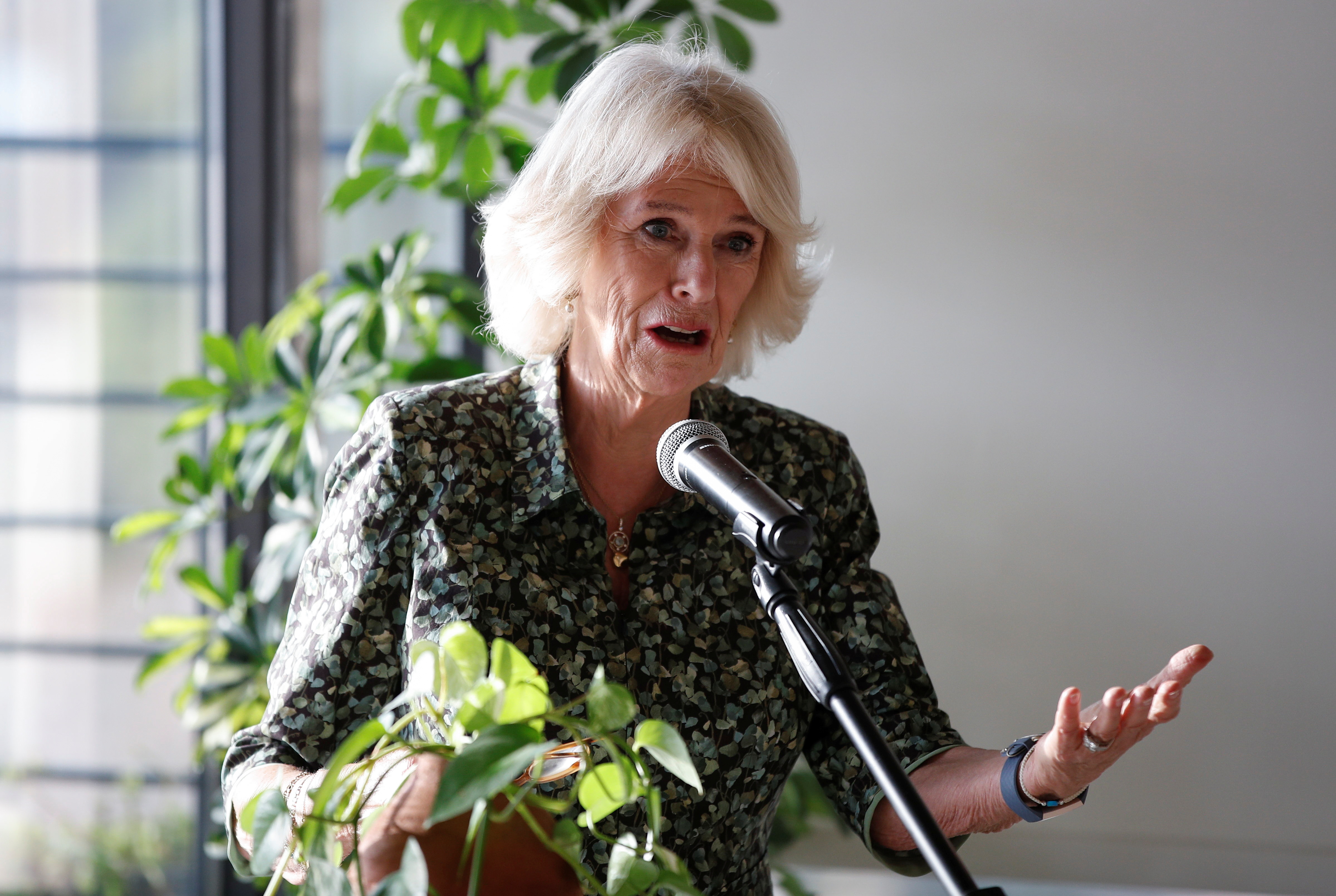
"And it is my sincere wish that, when that time comes, Camilla will be known as Queen Consort as she continues her own loyal service."
The message ties up a loose end that has hung over the House of Windsor since Charles' divorce from the popular Princess Diana.
It took years for many in Britain to forgive Charles, the man whose admitted infidelity brought such pain to "the people's princess" before she died in a Paris car crash in 1997. But the public mood softened after Charles married Camilla Parker Bowles in 2005 and she became the Duchess of Cornwall.
Although Camilla played a significant role in the breakup of Charles' first marriage, her down-to-Earth style and sense of humor eventually won over many Britons.
Her warmth softened the Charles' hard edges and made him appear more approachable, if not happier, as he cut ribbons, unveiled plaques and waited for his chance to reign.
READ MORE: Downing Street apologises to Queen for party on eve of Prince Philip's funeral
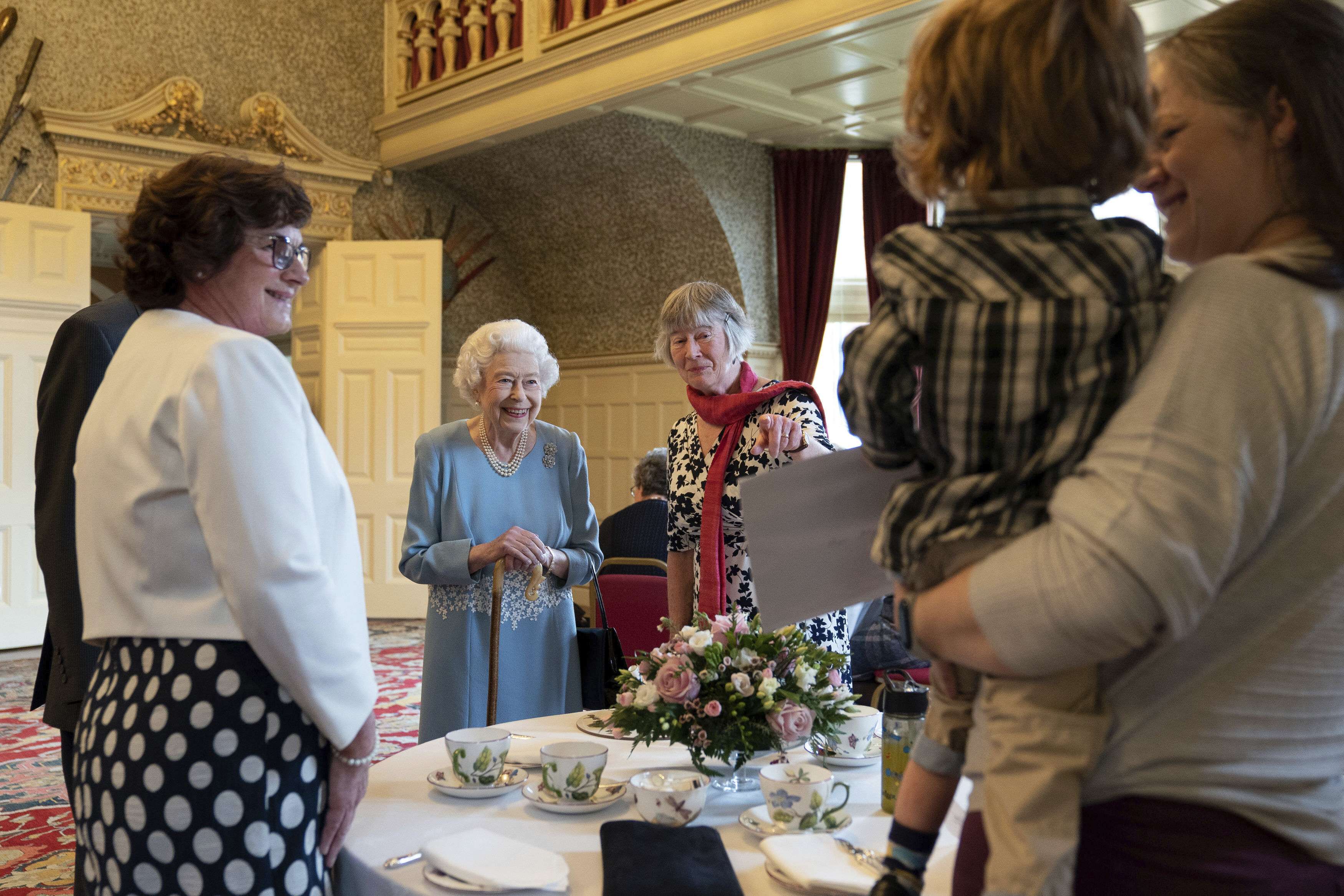
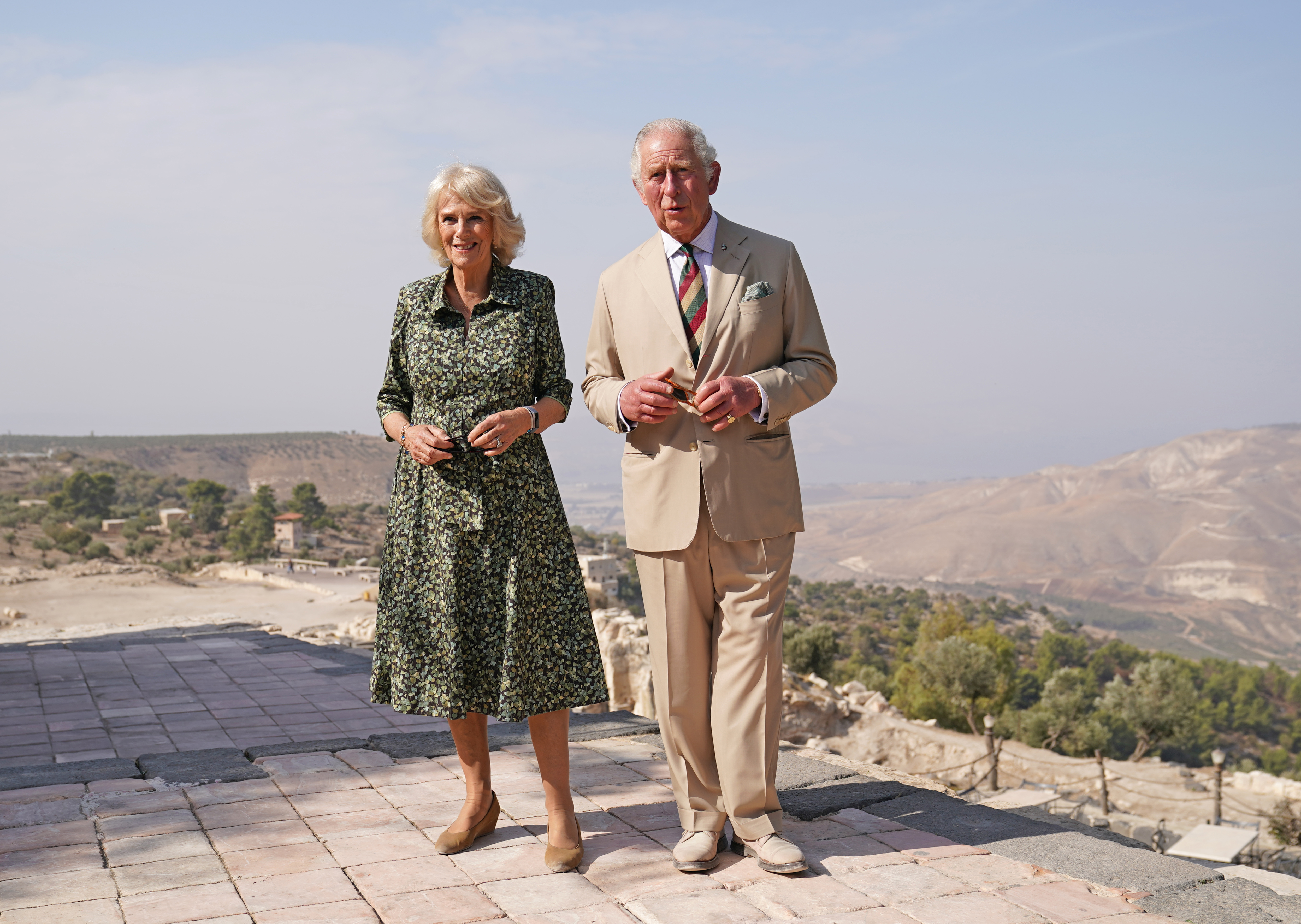
At the time of their marriage, royal aides had suggested that Camilla did not want to be called queen and "intended" to be known instead as Princess Consort — a first in British history. But the careful use of the word ''intend'' led to the possibility of change later on.
The move is seen as an effort to safeguard a smooth transition to the future as the queen navigates the twilight of her reign.
"This is the most extraordinary message. The queen is ensuring the transition, when it comes, to her son as king is as seamless and trouble-free as possible,'' former BBC royal correspondent Peter Hunt told the Press Association.
"She's future-proofing an institution she's served for 70 years. And for Camilla, the journey from being the third person in a marriage to queen-in-waiting is complete."
The queen also paid tribute to the Duke of Edinburgh, who died last year after decades of serving as her consort, and to the work of her mother.
"I am fortunate to have had the steadfast and loving support of my family. I was blessed that, in Prince Philip, I had a partner willing to carry out the role of consort and unselfishly make the sacrifices that go with it,'' she wrote.
"It is a role I saw my own mother perform during my father's reign."
READ MORE: Prince Andrew stripped of royal patronages, military titles
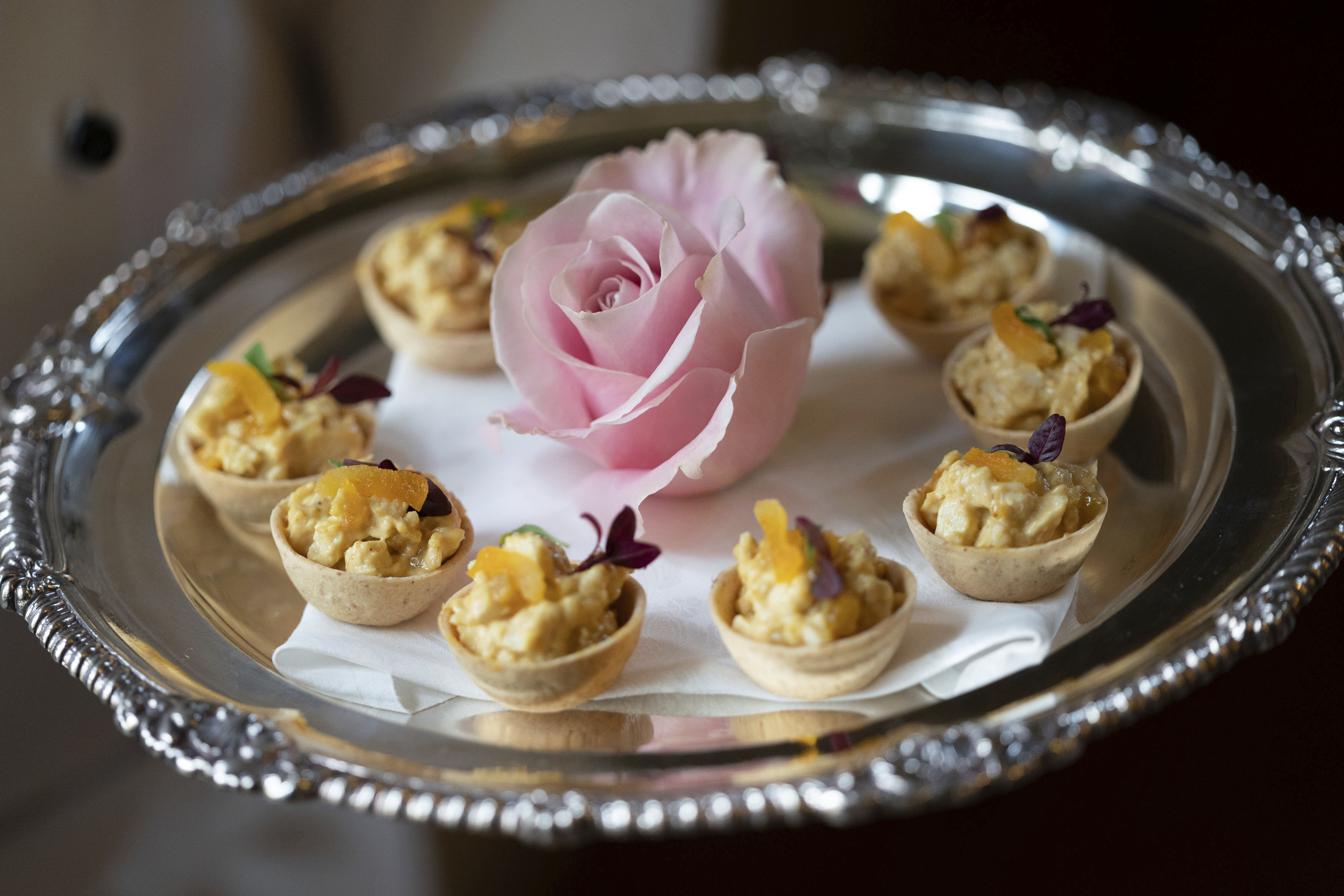
Earlier Saturday, Elizabeth attended her largest public engagement since a recent health scare, mingling with guests at a reception ahead of her platinum anniversary.
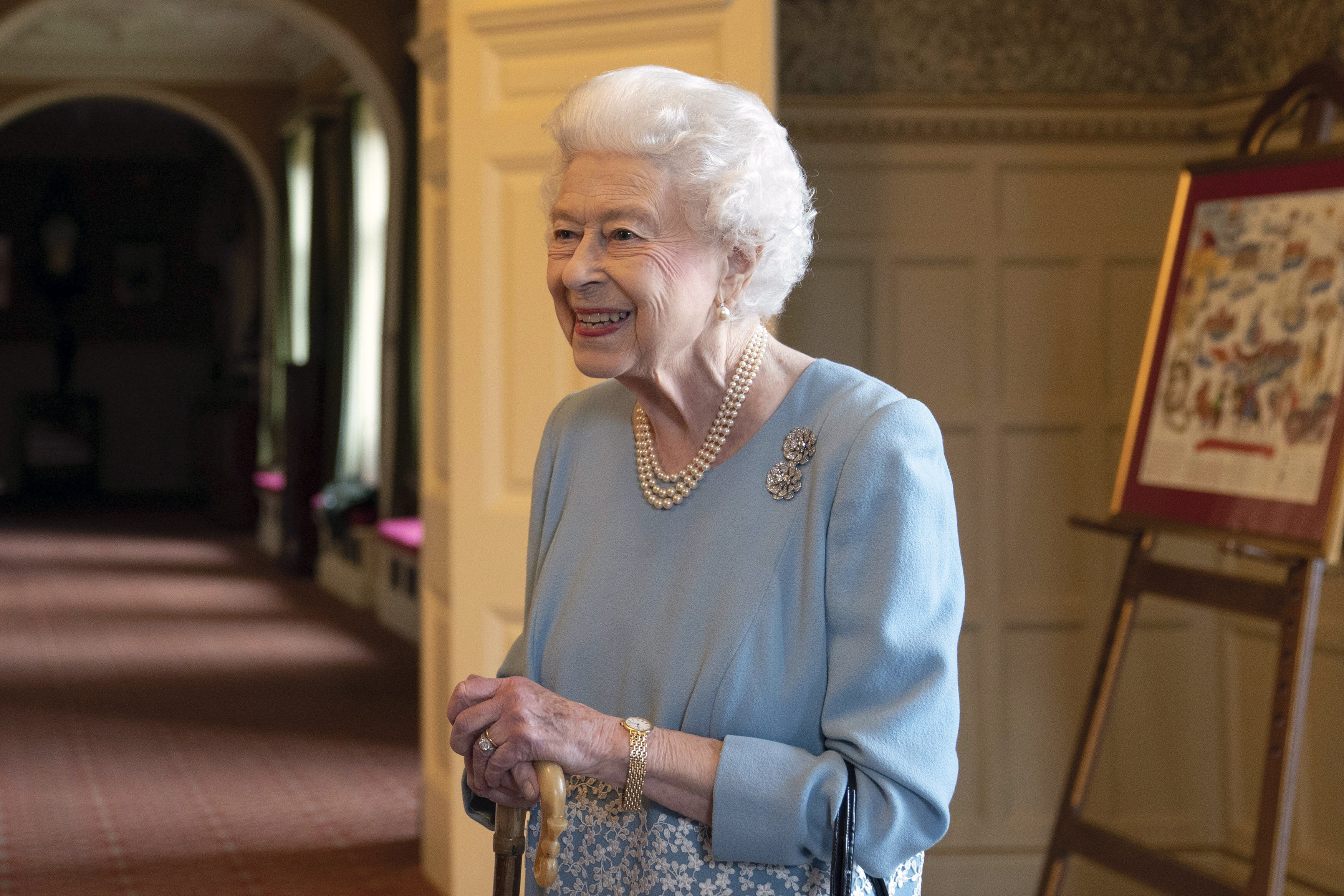
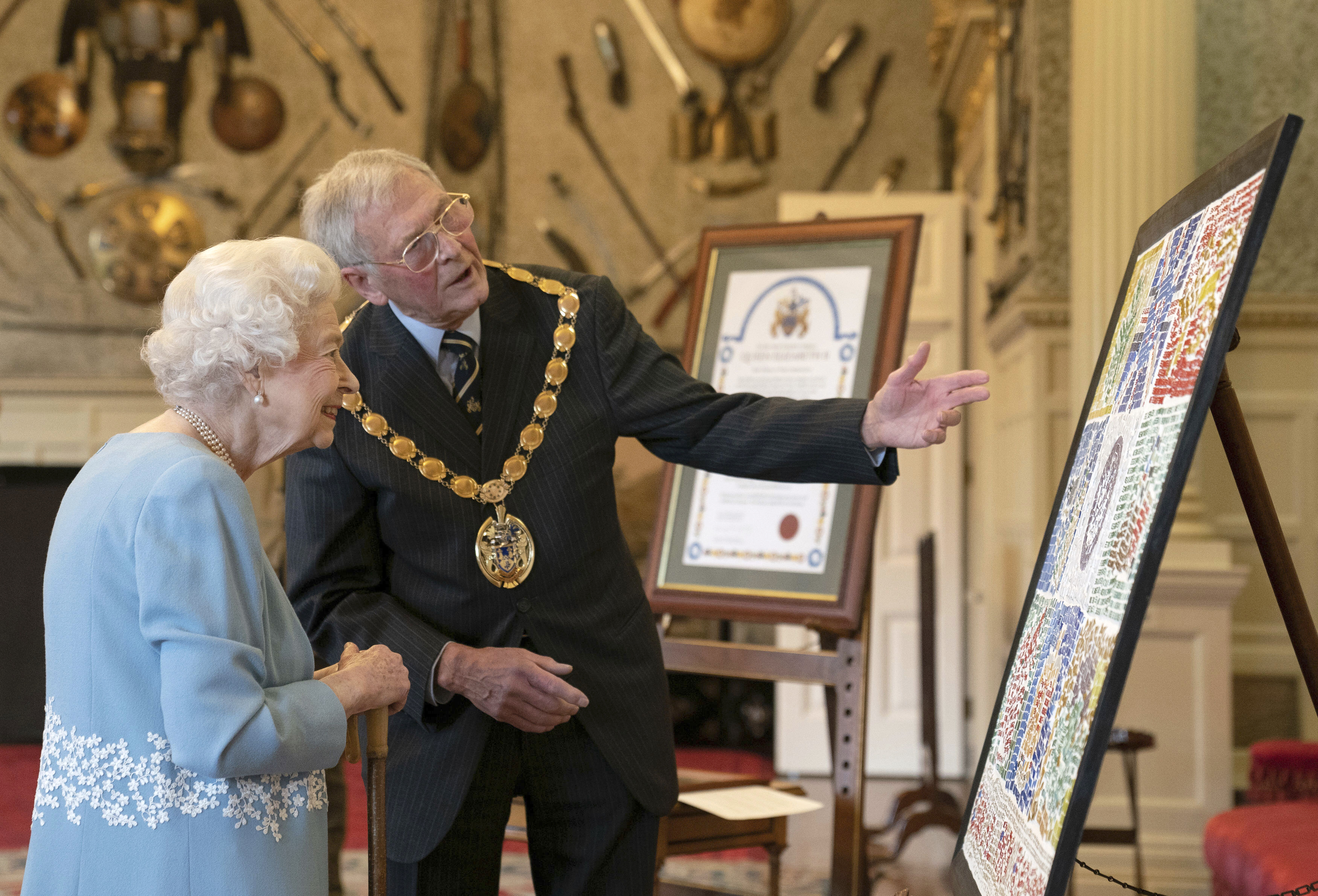
The monarch met with members of the local community during a tea at Sandringham, her country estate in eastern England where she normally spends the anniversary. The 95-year-old queen leaned on a walking stick as she chatted with guests.
Despite recent concerns about her health, Elizabeth moved freely and appeared to use her stick more to lean on when she stopped moving rather than depending on it as she walked around the room.
The monarch's health has been a concern since she cancelled a two-day trip to Northern Ireland in October and was quietly admitted to a hospital overnight for preliminary tests. Doctors advised her to rest and restrict herself to light duties.
READ MORE: Queen's poignant message on first Christmas without Prince Philip
But in her message, she promised she would continue to serve and said she was optimistic about the upcoming Platinum Jubilee celebrations.
"I am reminded of how much we can be thankful for,″ she wrote. "These last seven decades have seen extraordinary progress socially, technologically and culturally that have benefitted us all; and I am confident that the future will offer similar opportunities to us and especially to the younger generations in the United Kingdom and throughout the Commonwealth."
The sovereign signed the message "Your servant Elizabeth R."
WHO issues warning for countries with high vaccination rates
A spokesperson for the World Health Organisation (WHO) has issued a warning to countries with high vaccination rates, like Australia, who may be tempted to remove coronavirus restrictions.
It comes after Denmark completely removed all COVID-19 restrictions on February 1, declaring the virus to no longer be a "socially critical disease".
Gone are face masks, the requirement to isolate if COVID-positive, and social distancing — despite the fact the Scandinavian nation is leading the world in per capita infections.
READ MORE: How COVID-19 will impact this year's election
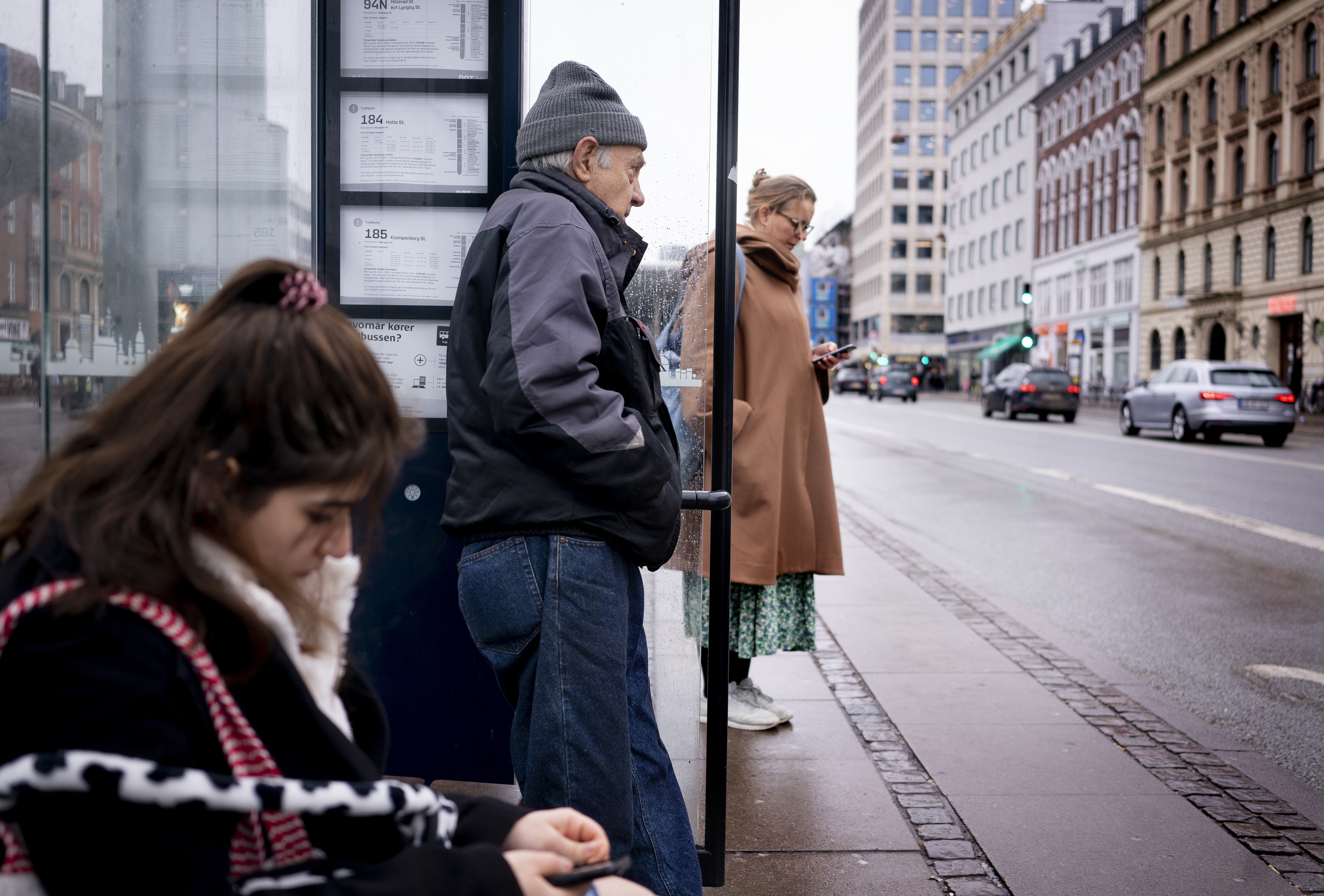
However it does boast a high COVID-19 vaccination rate, with 80.9 per cent of eligible citizens double vaccinated and 60.9 per cent, receiving three doses.
Spokesperson for the World Health Organisation Dr Margaret Harris has deemed the move risky.
"We are certainly not looking at the common cold right now. We're looking at a very lethal and dangerous disease," she told Weekend Today, warning more variants are inevitable with a high infection rate.
"We do expect to see more variants. We have so much infection and we have so much of this virus circulating.
"We've seen already with Omicron, it's developed four linages and there is something called 'BA.2' which is replacing the first version of Omicron in some countries."
READ MORE: Prince Andrew to give statement under oath in March
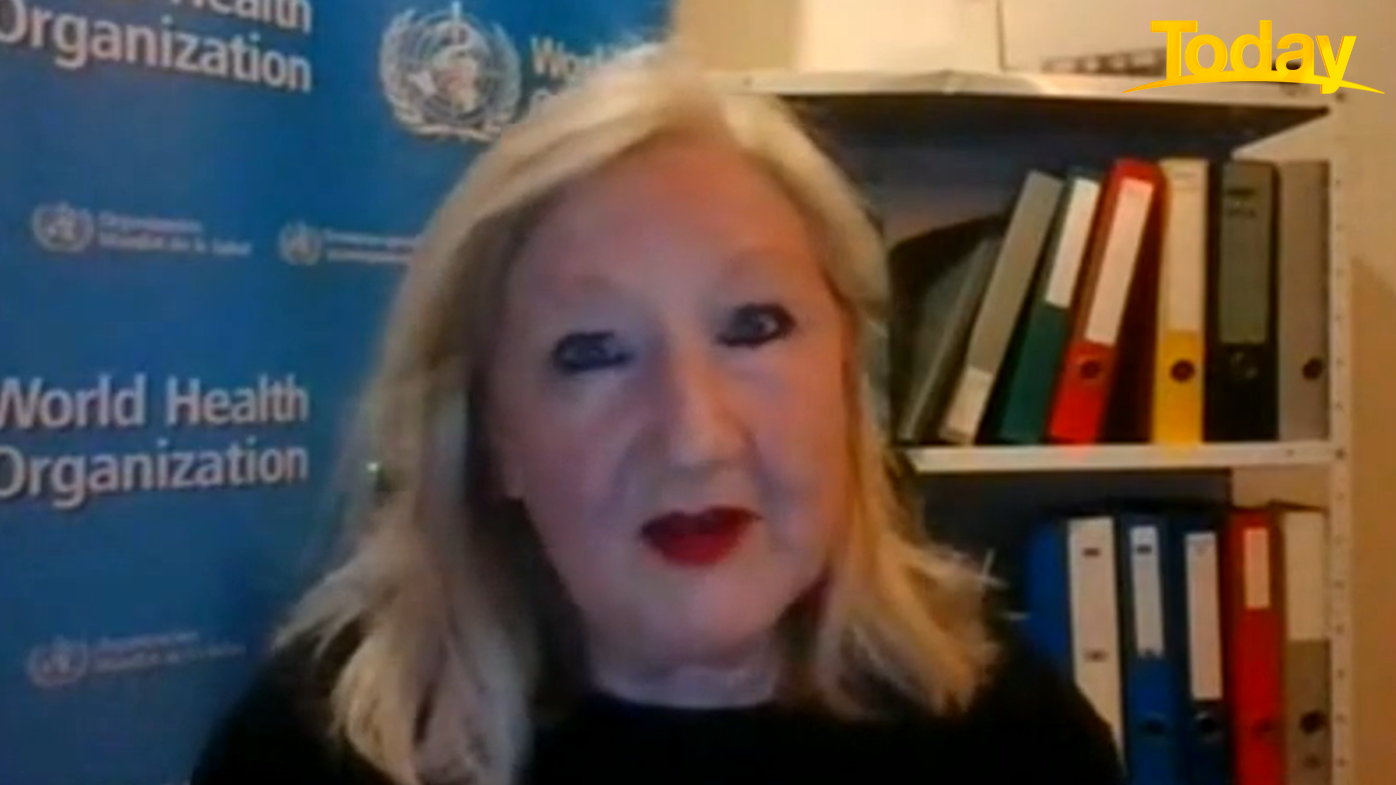
Dr Harris fears Denmark's move could lead to complacency amongst the population, fuelling infections.
"(People) may feel like they're going back to normal. The risk is people might start doing using the risky behaviours when this virus is very much still circulating around Europe and the world," she said.
"The critical thing is to really be testing and to be watching what's happening so that you know early whether or not you have to change your strategy."
The doctor went on to flag the measures that would help to protect countries considering following Denmark's lead.

"We simply say be very careful," she said.
"Really make sure you're doing testing and genetic sequencing to see if a genetic variant has come along and make sure you have lots of space in your hospitals.
"(So) your healthcare workers are free to do all the other jobs they need to do as well."
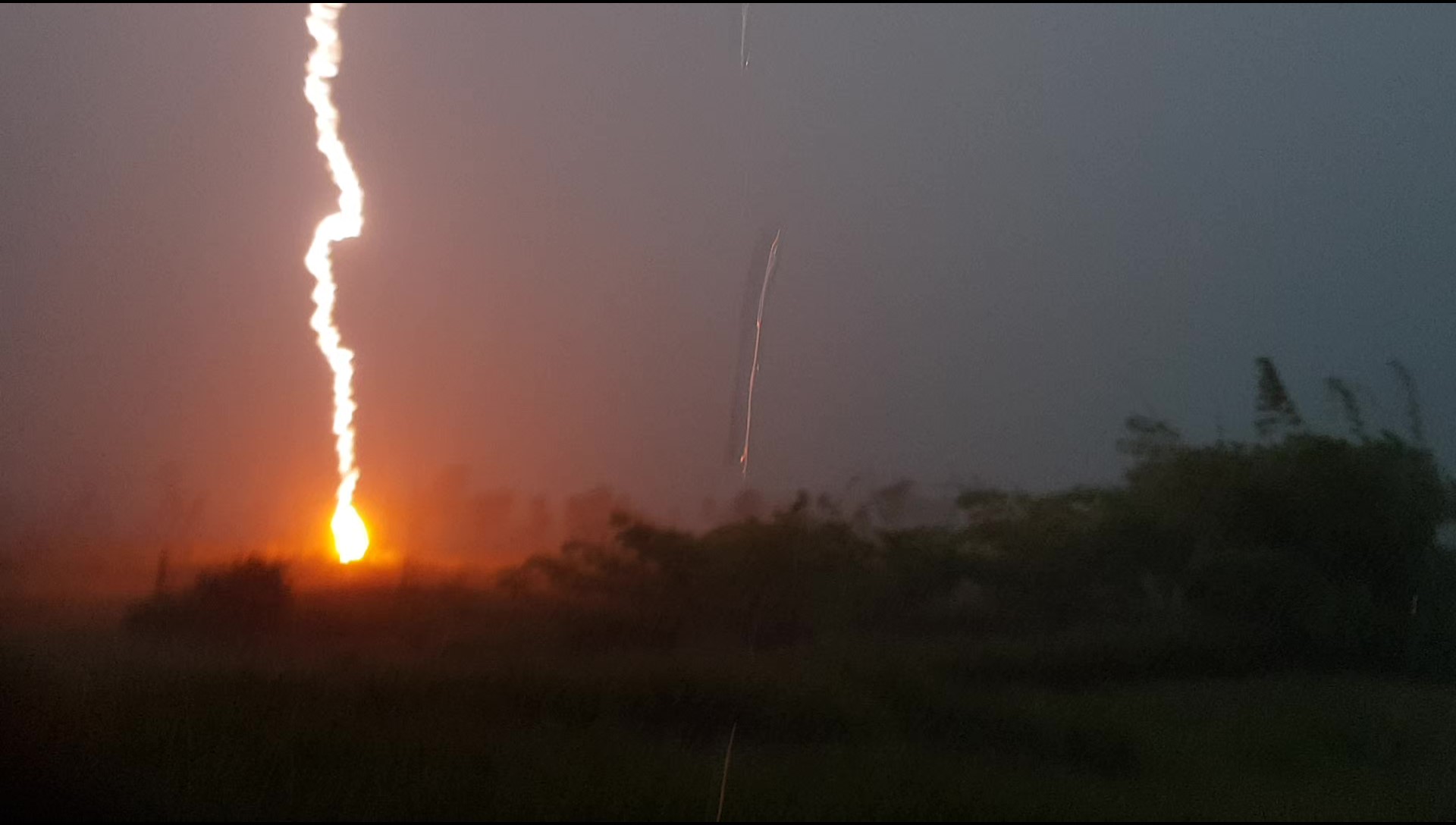
Explainer: What happens when sand is struck by lightning?
If you're ever at the beach or out on a sandy dune and you see something that looks vaguely like a tree root made of glass, handle with care.
It's almost literally lightning come to Earth.
Well – perhaps not. But fulgurites, as these rare crystals are known, are the result of lightning strikes, with the tremendous energy petrifying the soil as it dissipates.
There are conditions. The lightning has to be at least 1800C or more in temperature – not a difficult ask considering a typical bolt can heat the air around it to be five times hotter than the sun's surface – and it won't work on just any soil.
READ MORE: Record-breaking megaflash lightning documented
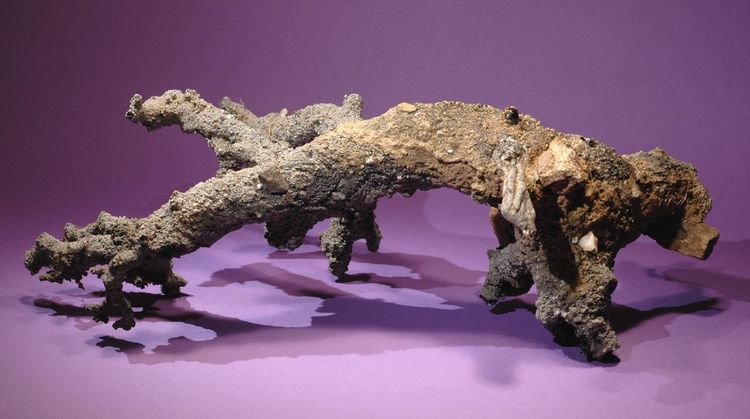
Fulgurites are most commonly found in very sandy earth. The lightning strike melts the sand particles, which as they cool, meld together and cohere with other particles around them.
They often resemble tree roots, mirroring the path taken by the lightning's dissipating energy.
Fulgurites form below the surface, but can be revealed when winds or tides brush away the surface sand.
READ MORE: German artist puts $15m cube of gold in New York's Central Park
They are fragile and rarely can endure much exposure, especially without breaking apart.
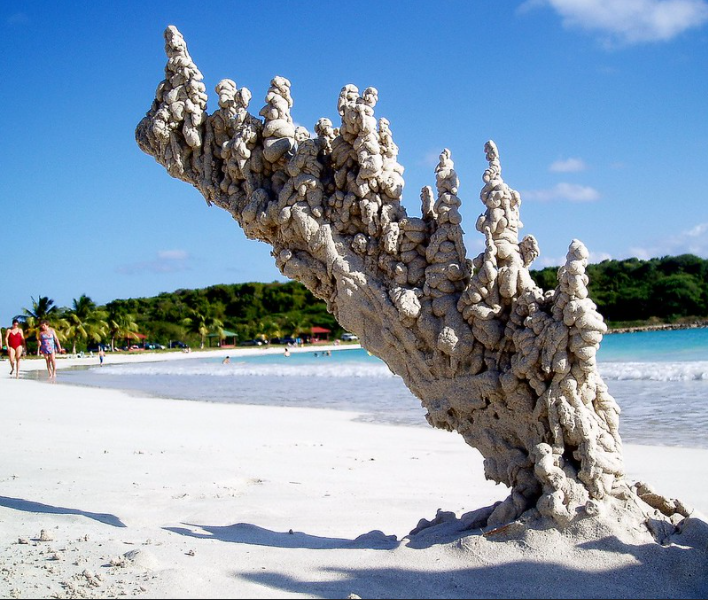
A much-seen viral image purported to be of a fulgurite shows an arc of sand curving above a beach – but it's actually the work of a sculptor who goes by Sandcastle Matt on Flickr.
Typically, fulgurites measure about five to seven centimetres in diameter, but their length can vary. Most samples found have already been reduced to just several inches in length, but some can measure metres.
READ MORE: Giant iceberg blocks scientists' study of 'Doomsday Glacier'
And while most often seen emerging from the earth's surface, the "roots" can burrow extremely deep underground, depending on how far the lightning's energy travelled at hot enough temperatures.
Fulgurites are not considered to be precious per se, but they can be scientifically valuable.
Some samples discovered in the Sahara Desert, for example, dated back 250 million years and add to the theory that the region was once highly fertile and received frequent storms.
Fulgurites can also be found in placed where lightning has struck rock.
There, it will take the form of a coating of glass on the surface, or else as a filigree of glass that fills existing cracks within the rock.