An Auckland movie theatre, JetStar flight, Sikh place of worship and Rotorua fun park are among the latest Covid high-risk exposure sites.The sites include Hoyts Cinema Botany Downs, Auckland’s domestic airport and Timezone Motion…
Tag Archives: oceania
West Coast weather: Residents given all-clear to return home after 100+ evacuated
The West Coast has been praised by the Government for its response to recent severe weather events, acting early and decisively. Residents in the Buller and Westport regions have been given the all-clear to return home, after more…
'A terrible thing': Hapū decry attack on Russell's historic flagpole
For the first time in living memory, Russell hapū won’t be able to raise Te Kara (the flag) at historic Maiki Hill at dawn on Waitangi Day tomorrow.That’s because someone has made a concerted effort to destroy the flagpole…
Auckland mayoralty: Who wants the job? The incumbent, the declared and the potential contenders
It’s a thankless job, charged with wrangling a disparate group of councillors and a large and unwieldy organisation. The incumbent can’t decide if he still wants it, but there’s a growing list of candidates ready to take his place….
Hawke's Bay summer photo competition winner revealed
Twelve-year-old Archer Woods-Vaney probably has his sister to thank for winning the Summer in the Bay photo competition.The annual summer photo competition is run by Hawke’s Bay Today in conjunction with Canon NZ and Harvey Norman…
Emboldened China opens Olympics, with lockdown and boycotts
China, which used its first Olympics to amplify its international aspirations, invited the world back on Friday — sort of — for the pandemic era's second Games, this time as an emboldened and more powerful nation whose government's authoritarian turn provoked some countries' leaders into staying home.
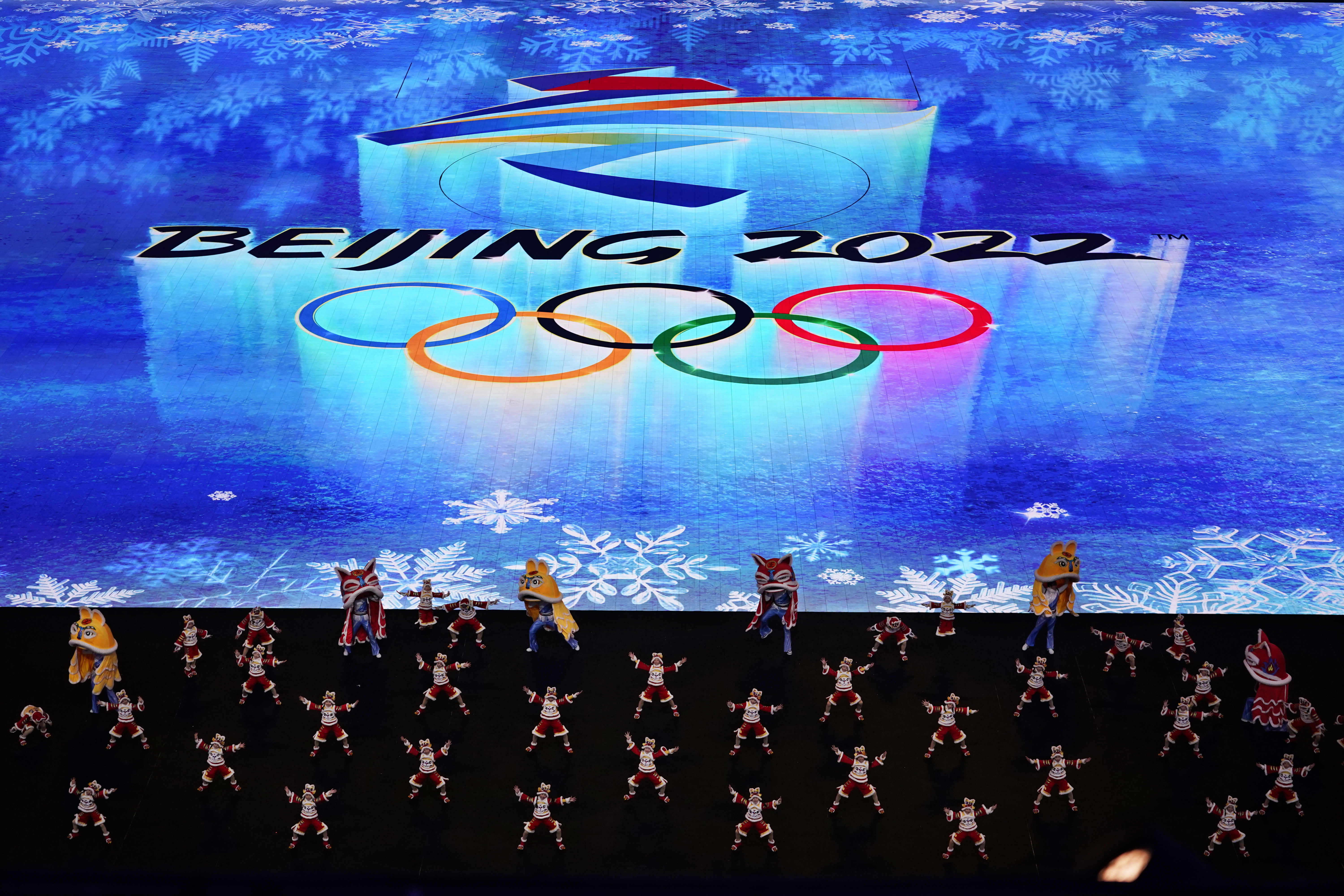
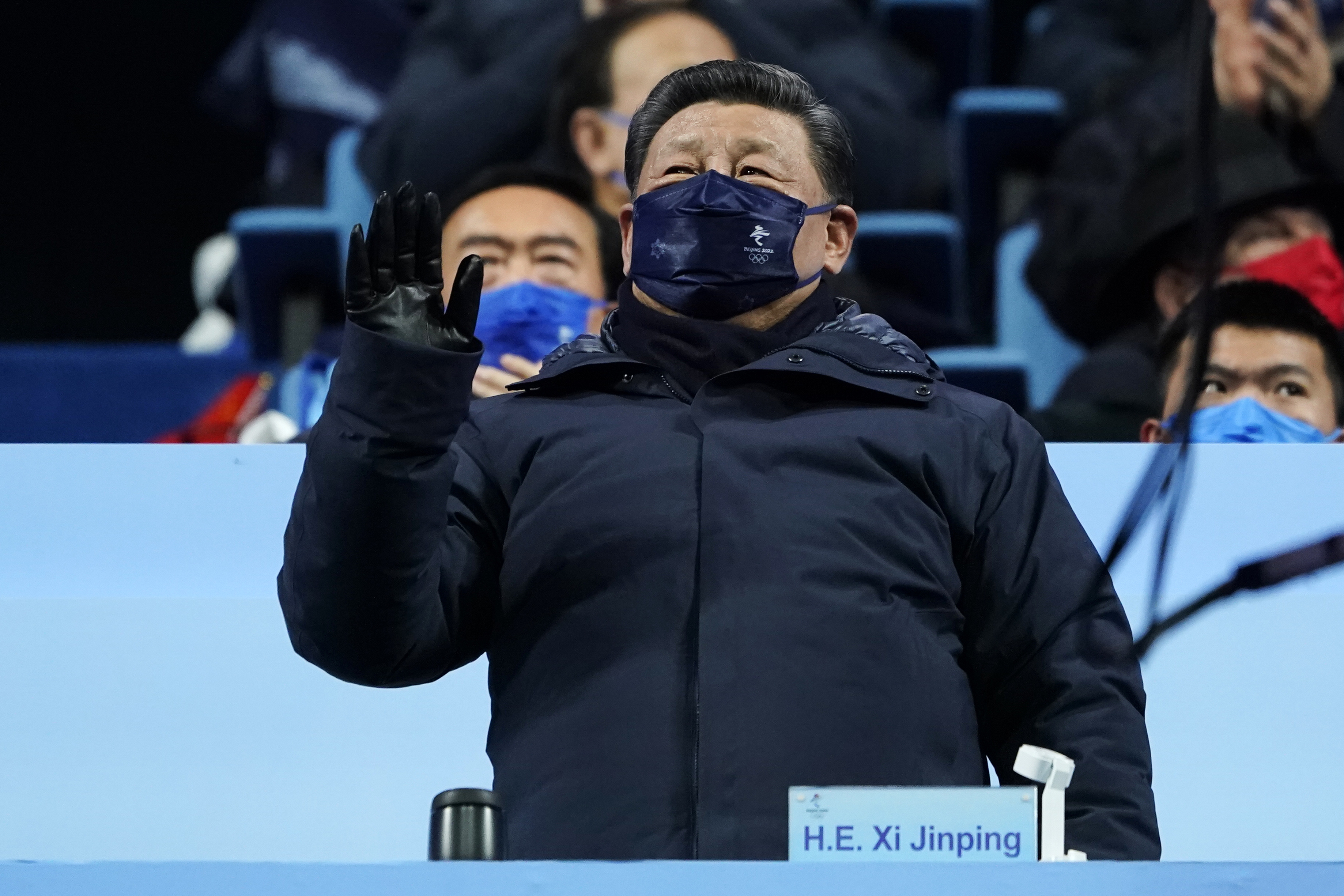
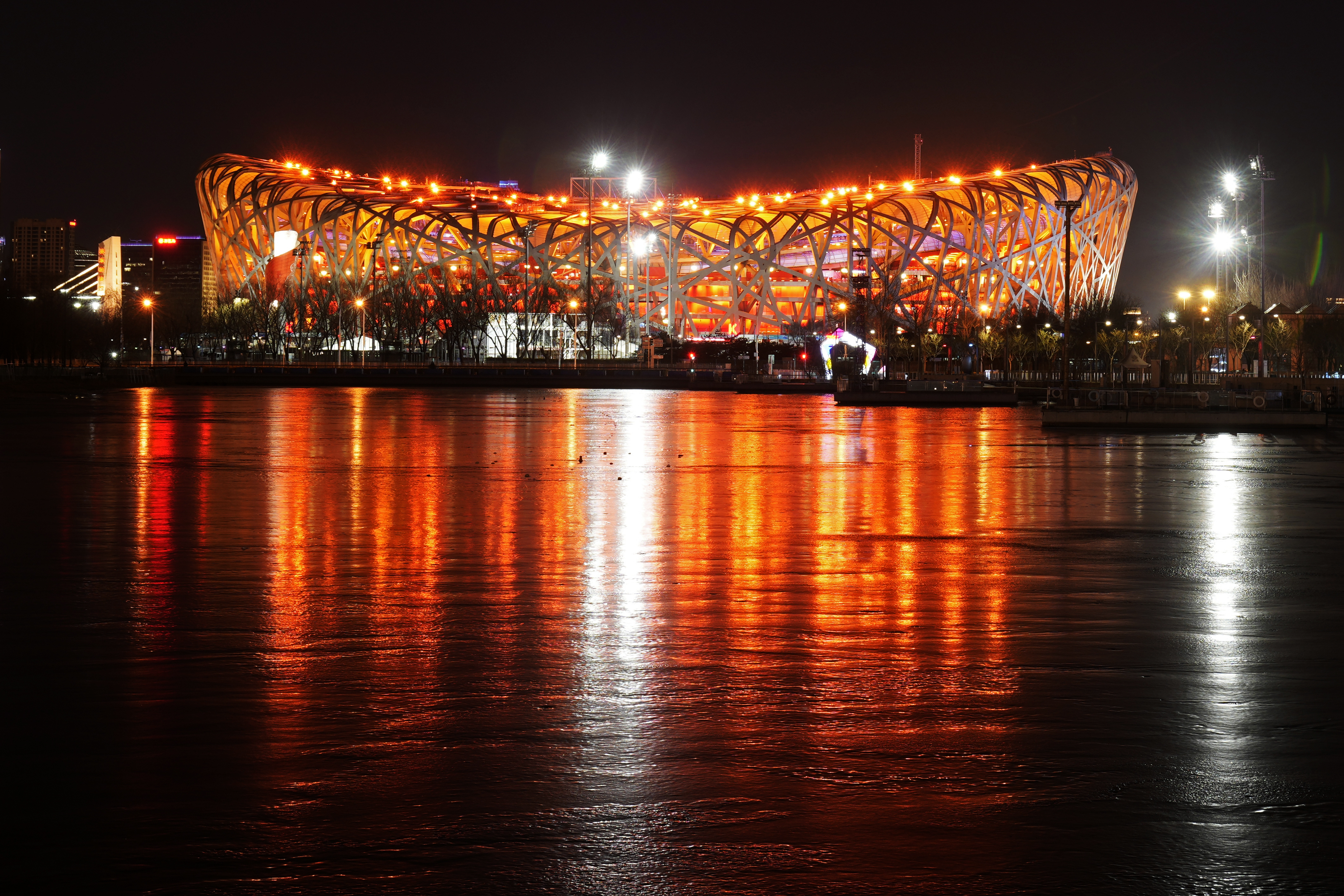
Chinese President Xi Jinping declared the Games open during a ceremony heavy on ice-blue tones and winter imagery, held in the same lattice-encased Bird's Nest stadium that hosted the inaugural event of the 2008 Summer Olympics.
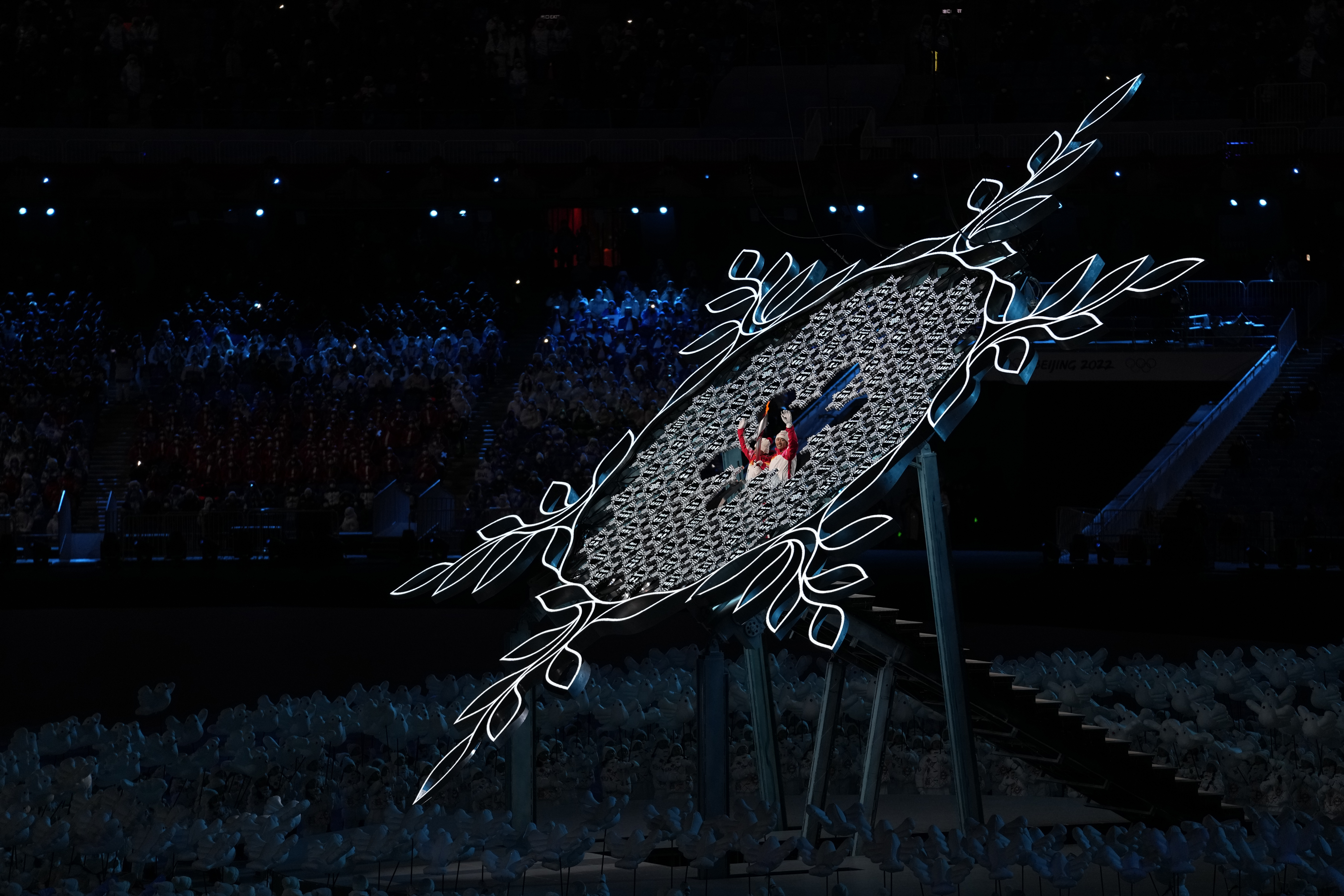
Athletes Zhao Jiawen and Dinigeer Yilamujiang, a member of the country's Uyghur Muslim minority, delivered the final Olympic flame. The choice of Yilamujiang was steeped in symbolism since critics say the Beijing government has abused and oppressed Uyghurs on a massive scale.
READ MORE: Australian Olympian to return to training after COVID-19 scare in Beijing
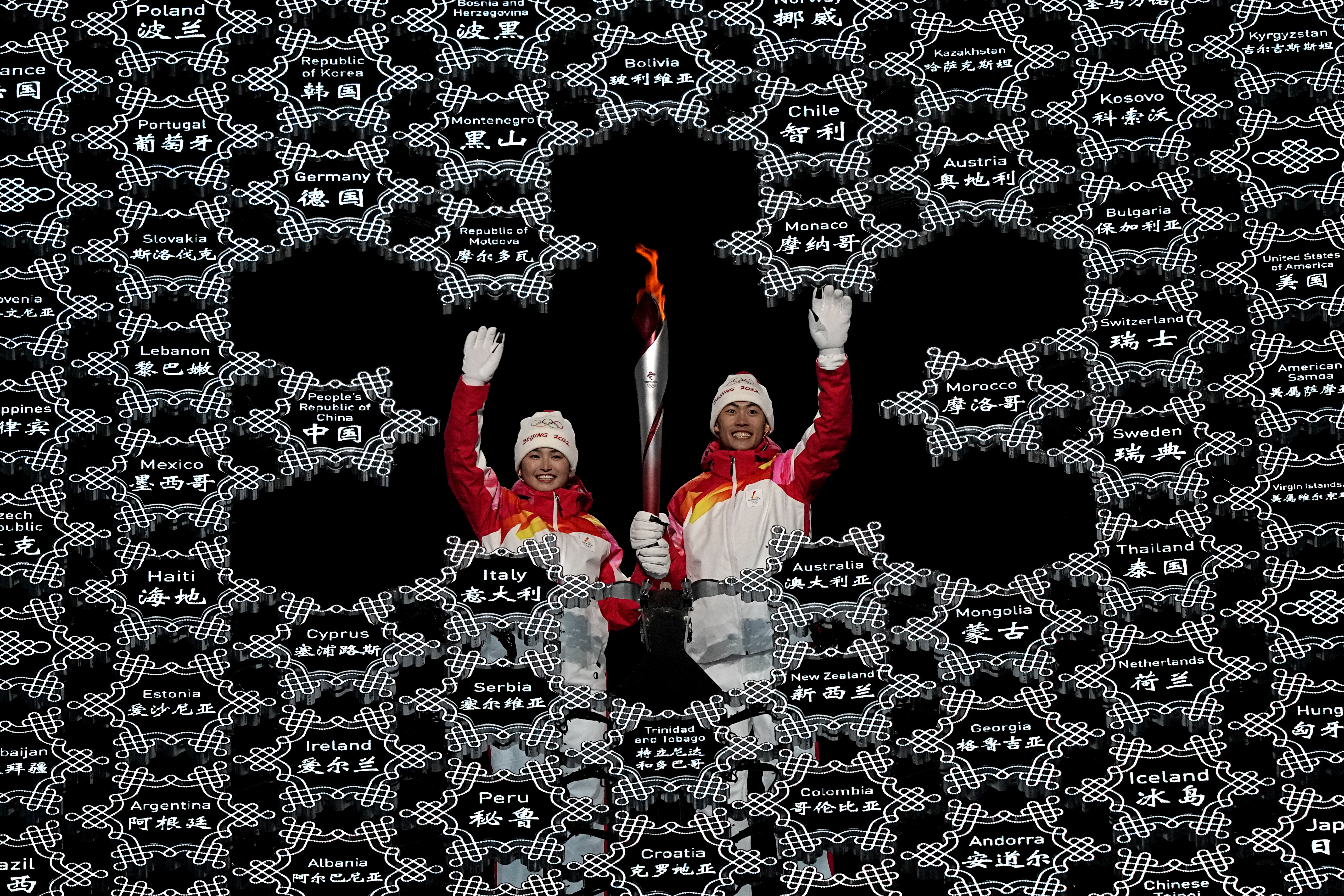
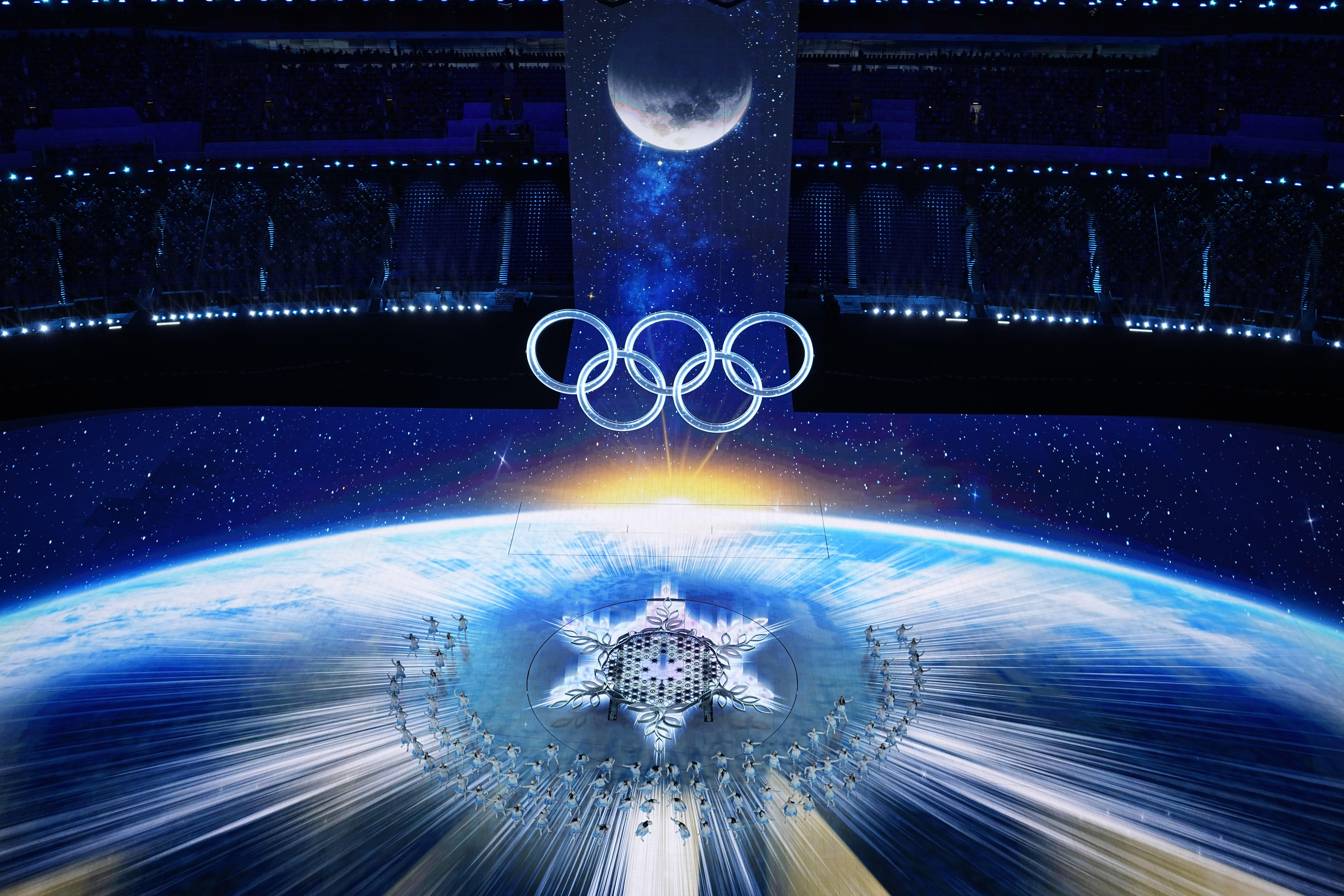
With the flame lit, Beijing became the first city to host both winter and summer Games. And while some are staying away from the second pandemic Olympics in six months, many other world leaders attended the opening ceremony. Most notable: Russian President Vladimir Putin, who met privately with Xi earlier in the day as a dangerous standoff unfolded at Russia's border with Ukraine.
International Olympic Committee President Thomas Bach addressed assembled athletes: "Dear fellow Olympians: Your Olympic stage is set."
The opening ceremony typically provides the host nation a chance to showcase its culture, define its place in the world, flaunt its best side. That's something China in particular has been consumed with for decades. But at this year's Beijing Games, the gulf between performance and reality is shaping up to be particularly jarring.
READ MORE: Slurpees found to contain more sugar than a week's recommended intake
Fourteen years ago, a Beijing opening ceremony that featured massive pyrotechnic displays and thousands of card-flipping performers set a new standard of extravagance to start an Olympics that no host since has matched. It was a fitting start to an event often billed as China's "coming out."
Now, no matter how you view it, China has arrived — but the hope for a more open country that accompanied those first Games has faded.
For Beijing, these Olympics are a confirmation of its status as world player and power. But for many outside China, particularly in the West, they have become a confirmation of the country's embrace of more oppressive policies.
Chinese authorities are crushing pro-democracy activism and tightening their control over Hong Kong, becoming more confrontational with Taiwan, and interning Muslim Uyghurs in the far west — a crackdown the U.S. government and others have called genocide.
In protest of those actions, leaders of the United States, Britain, Australia and Canada, among others, imposed a diplomatic boycott on these Games, shunning appearances alongside Chinese leadership while allowing their athletes to compete. But China came back with its own finger in the eye Friday, putting Yilamujiang in arguably the most anticipated role of the night.
The pandemic also weighs heavily on this year's Games, just as it did last summer in Tokyo. More than two years after the first COVID-19 cases were identified in China's Hubei province, nearly 6 million human beings have died and hundreds of millions more around the world have been sickened.
The host country itself claims some of the lowest rates of death and illness from the virus, in part because of strict lockdowns imposed by the government aimed at quickly stamping out any outbreaks. Such measures instantly greeted anyone arriving to compete in or attend the Winter Games.
In the lead-up to the Olympics, China's suppression of dissent was also on display in the controversy surrounding Chinese tennis star Peng Shuai. She disappeared from public view last year after accusing a former Communist Party official of sexual assault. Her accusation was quickly scrubbed from the internet, and discussion of it remains heavily censored.
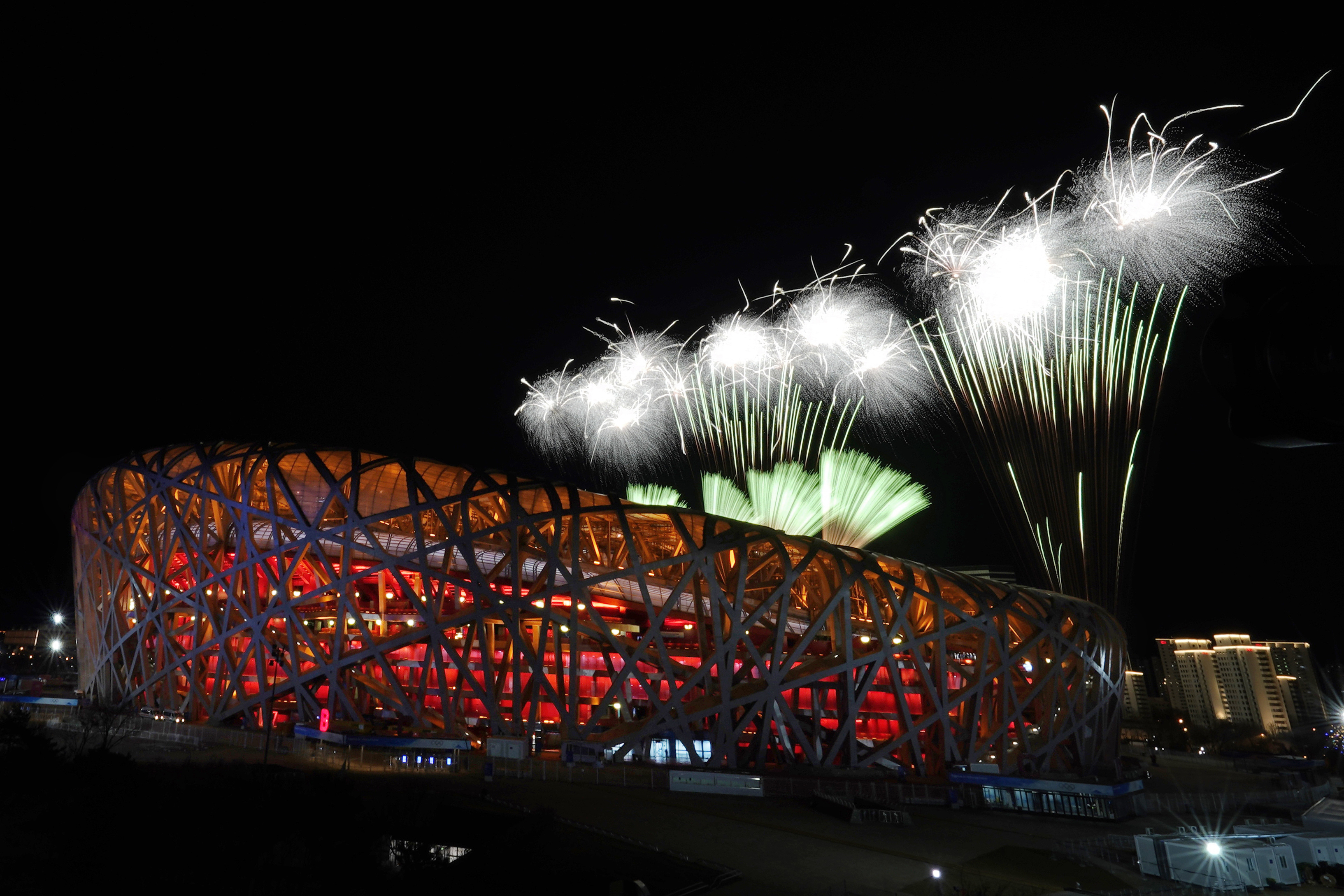
In the shadow of those political issues, China put on its show. As Xi took his seat, the performers turned toward him and repeatedly bowed. A simultaneous cheer went up as they raised their pom poms toward their president — China's most powerful leader since Mao Zedong. A barrage of fireworks, including some that spelled out "Spring," announced that the festivities were at hand.
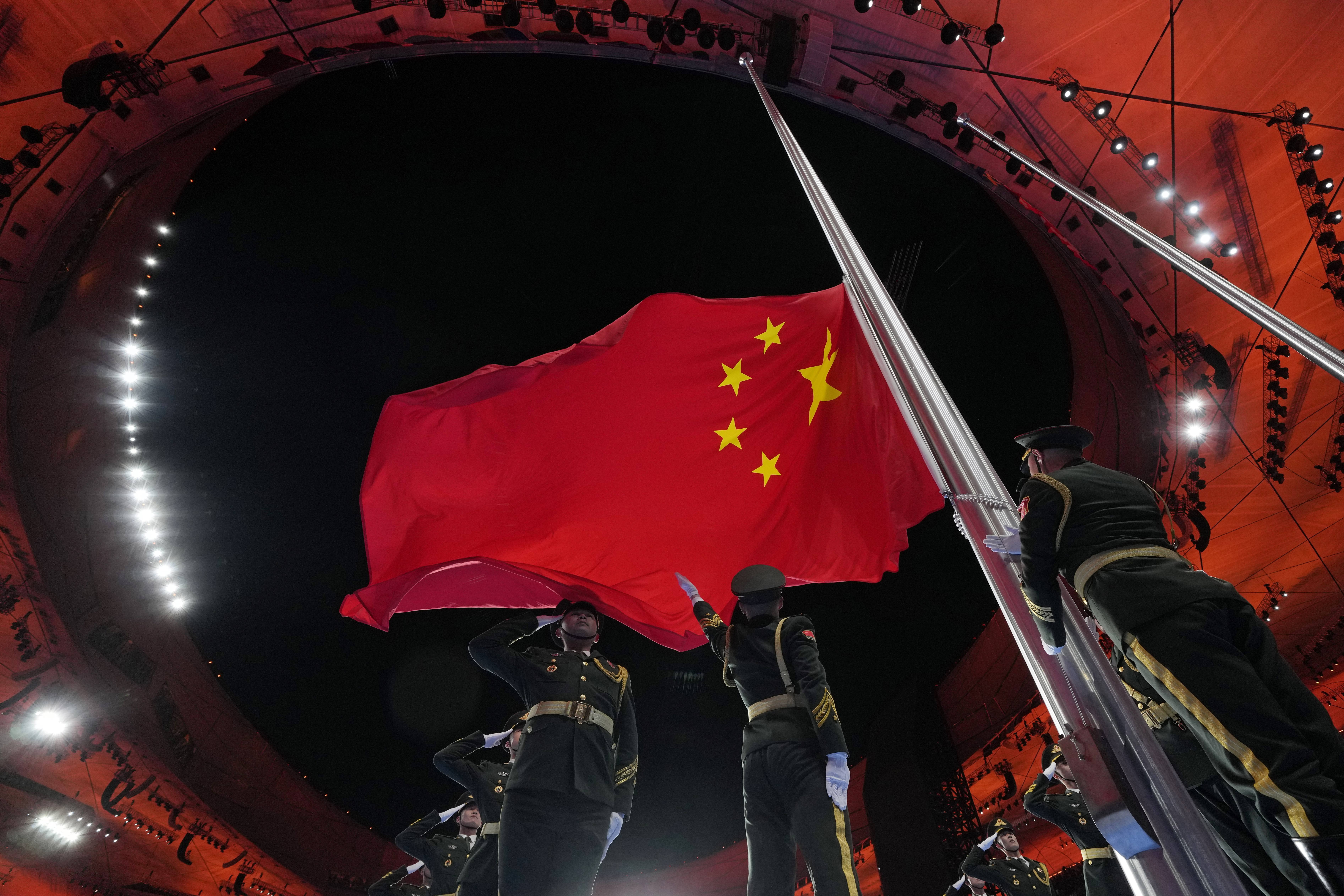
A line of people dressed in costumes representing China's varied ethnicities passed the national flag to the pole where it was raised — a show of unity that the country often puts on as part of its narrative that its wide range of ethnic groups live together in peace and prosperity.
But politics still elbowed its way into the proceedings. The parade of athletes from Taiwan — the island democracy that China says belongs to it but that competes separately as Chinese Taipei — was greeted with a cheer from the crowd, as were the Russian competitors. An overcoated Putin stood and waved at the delegation, nodding crisply as they marched.
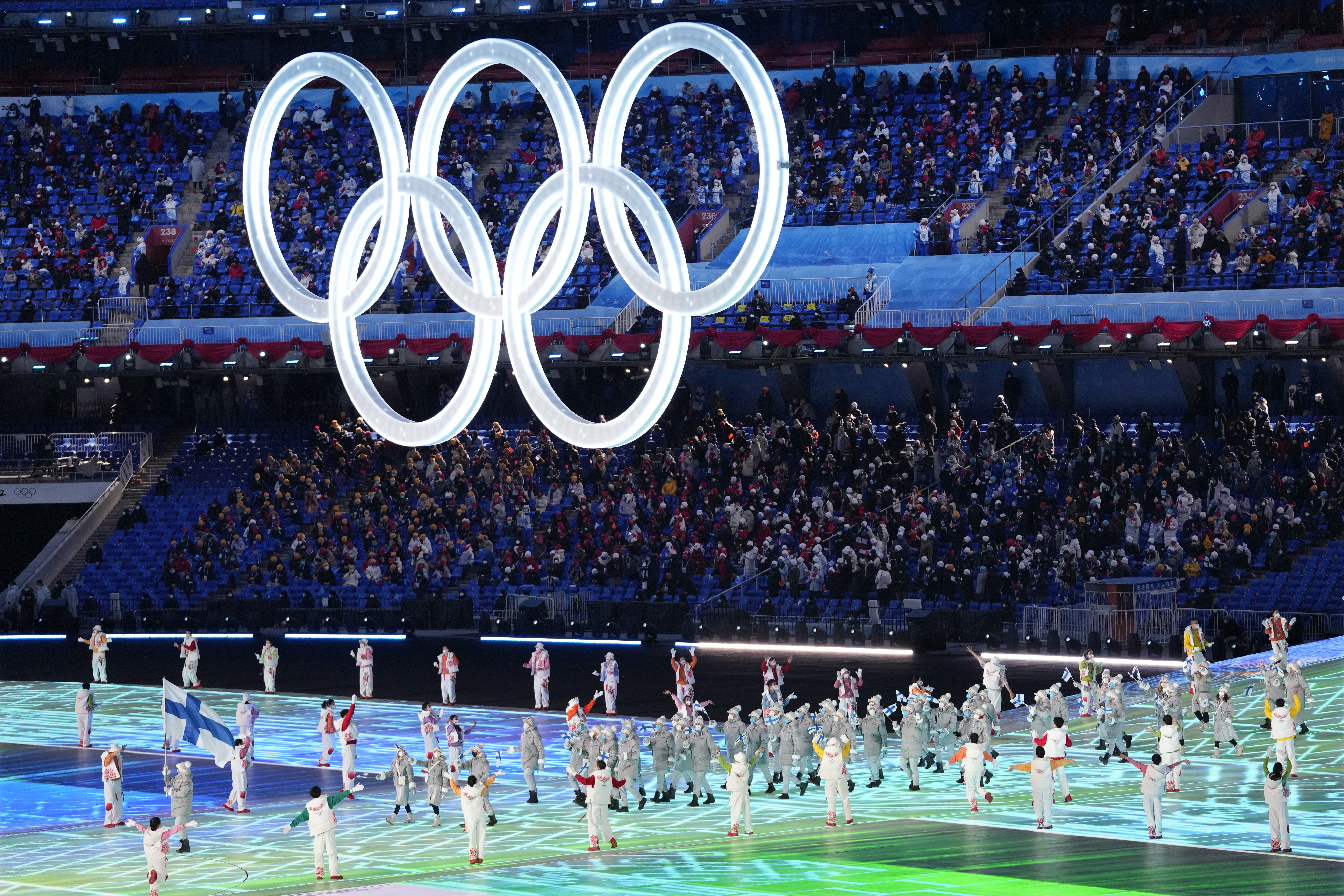
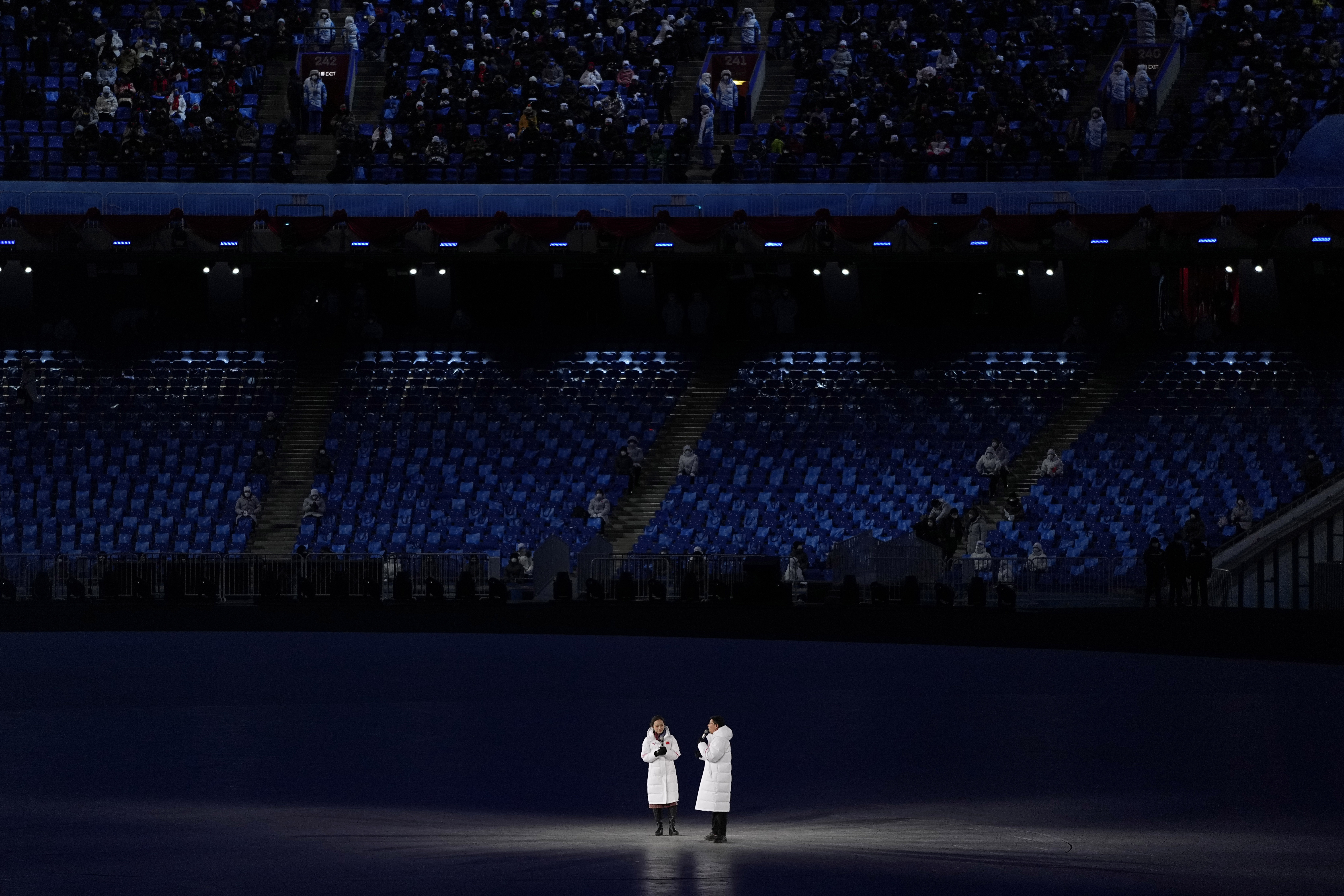
The stadium was relatively full — though by no means at capacity — after authorities decided to allow a select group to attend events.
As with any Olympics, attention will shift Saturday — at least partially — from the geopolitical issues of the day to the athletes themselves.
All eyes turn now to whether Alpine skiing superstar Mikaela Shiffrin, who already owns three Olympic medals, can exceed sky-high expectations. How snowboard sensation Shaun White will cap off his Olympic career — and if the sport's current standard-bearer, Chloe Kim, will wow us again. And whether Russia's women will sweep the medals in figure skating.
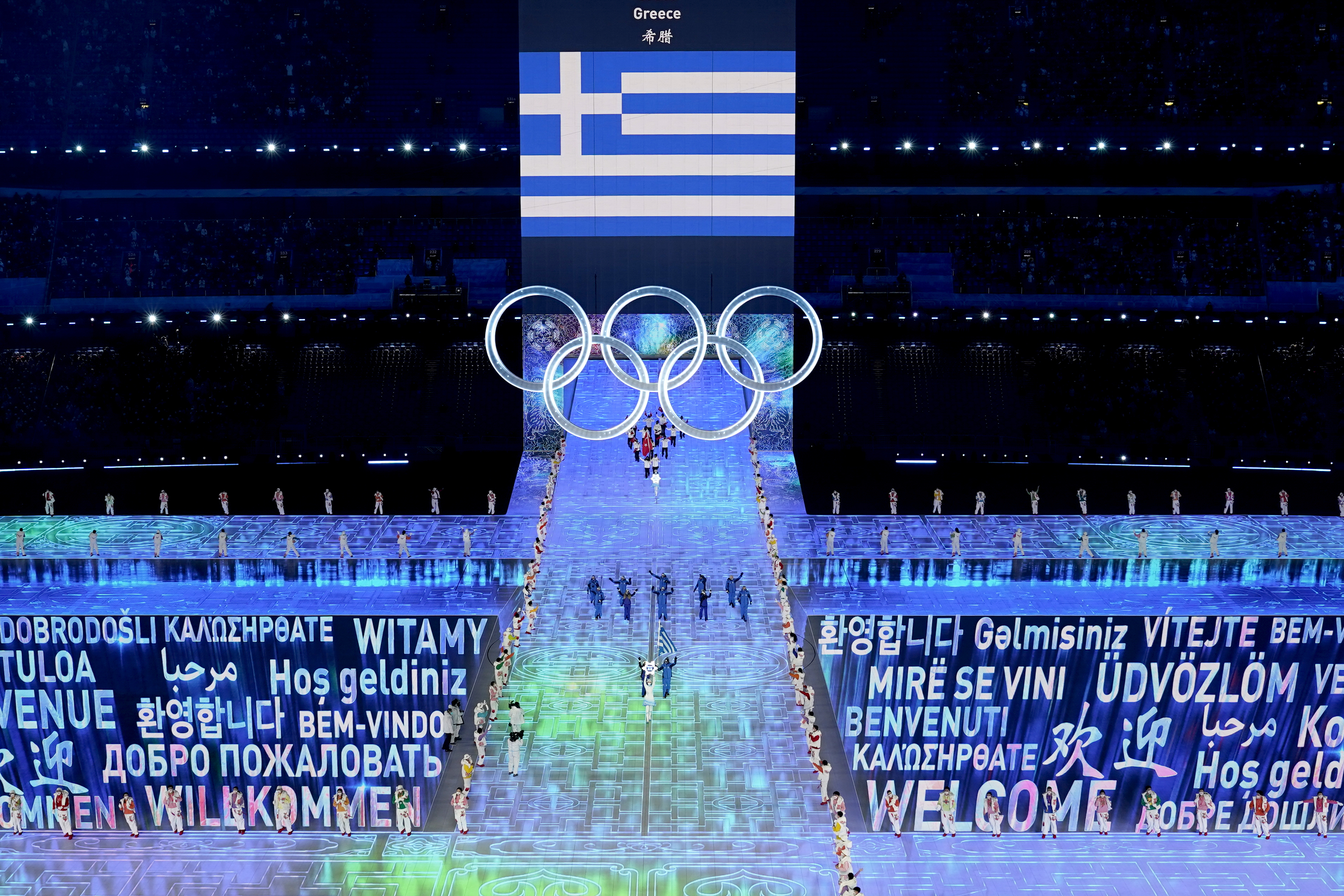
And China is pinning its hopes on Eileen Gu, the 18-year-old, American-born freestyle skier who has chosen to compete for her mother's native country and could win three gold medals.
As they compete, the conditions imposed by Chinese authorities offer a stark contrast to the party atmosphere of the 2008 Games. Some flight attendants, immigration officials and hotel staff have been covered head-to-toe in hazmat gear, masks and goggles. There is a daily testing regimen for all attendees, followed by lengthy quarantines for all those testing positive. And there is no passing from the Olympic venues through the ever-present cordons of chain-link fence — covered in cheery messages of a "shared future together" — into the city itself.
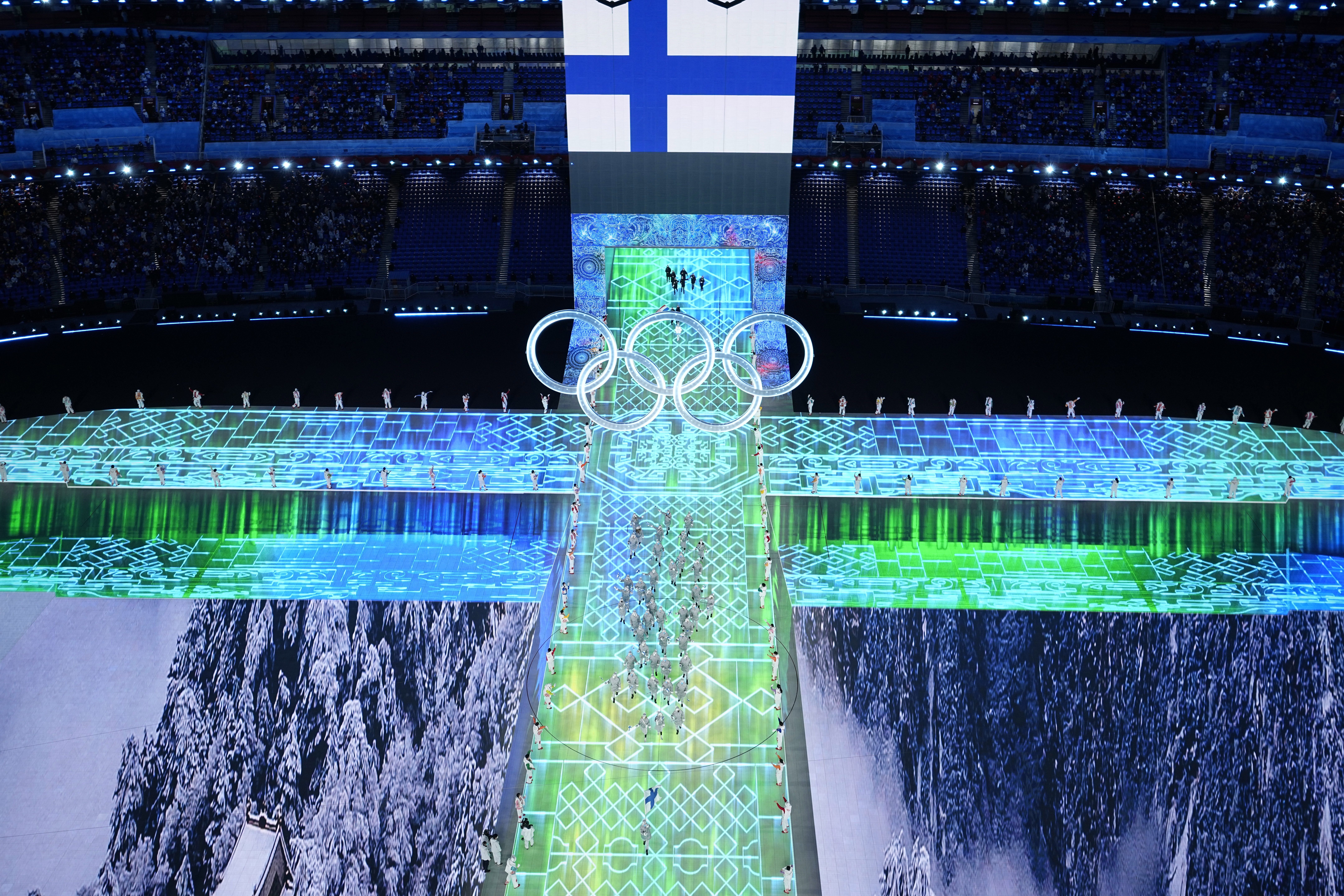
China itself has also transformed in the years since its first Games. Then, it was an emerging global economic force making its biggest leap yet onto the global stage. Now it is a burgeoning superpower. Xi, who was the head of the 2008 Olympics, now runs the entire country and has encouraged a personality-driven campaign of adulation.
Three decades after its troops crushed massive democracy demonstrations in Tiananmen Square, killing hundreds and perhaps thousands of Chinese, the government locked up an estimated 1 million members of minority groups, mostly Uyghurs, in mass internment camps. The situation has led human rights groups to dub these the "Genocide Games."
China says the camps are "vocational training and education centres" that are part of an anti-terror campaign and have closed. It denies any human rights violations.
Outside the Olympic "bubble" that separates regular Beijingers from Olympians and their entourages, thousands of people, bundled up in winter jackets, gathered west of the stadium hoping for a distant glimpse of the fireworks, but they were pushed back by police.
Elsewhere in the city, others expressed enthusiasm and pride at the world coming to their doorstep. Zhang Wenquan, a collector of Olympic memorabilia, said Friday that he was excited, but that was tempered by the virus that has changed so much for so many.
"I think the effect of the fireworks is going to be much better than it in 2008," he said. "I actually wanted to go to the venue to watch it. … But because of the epidemic, there may be no chance."
Leaked email reveals alleged promise made by SA Premier
A leaked email has revealed a promise South Australian Premier Steven Marshall allegedly made in private to the hospitality industry regarding the easing of restrictions.
The confidential email, obtained by 9News, was sent by Australian Hotels Association boss Ian Horne and details his meeting with Mr Marshall on Tuesday.
Mr Horne allegedly sent the email to members and then asked them to immediately delete it.
READ MORE: Young Australians urged to take a gap year in the regions amid labour shortages
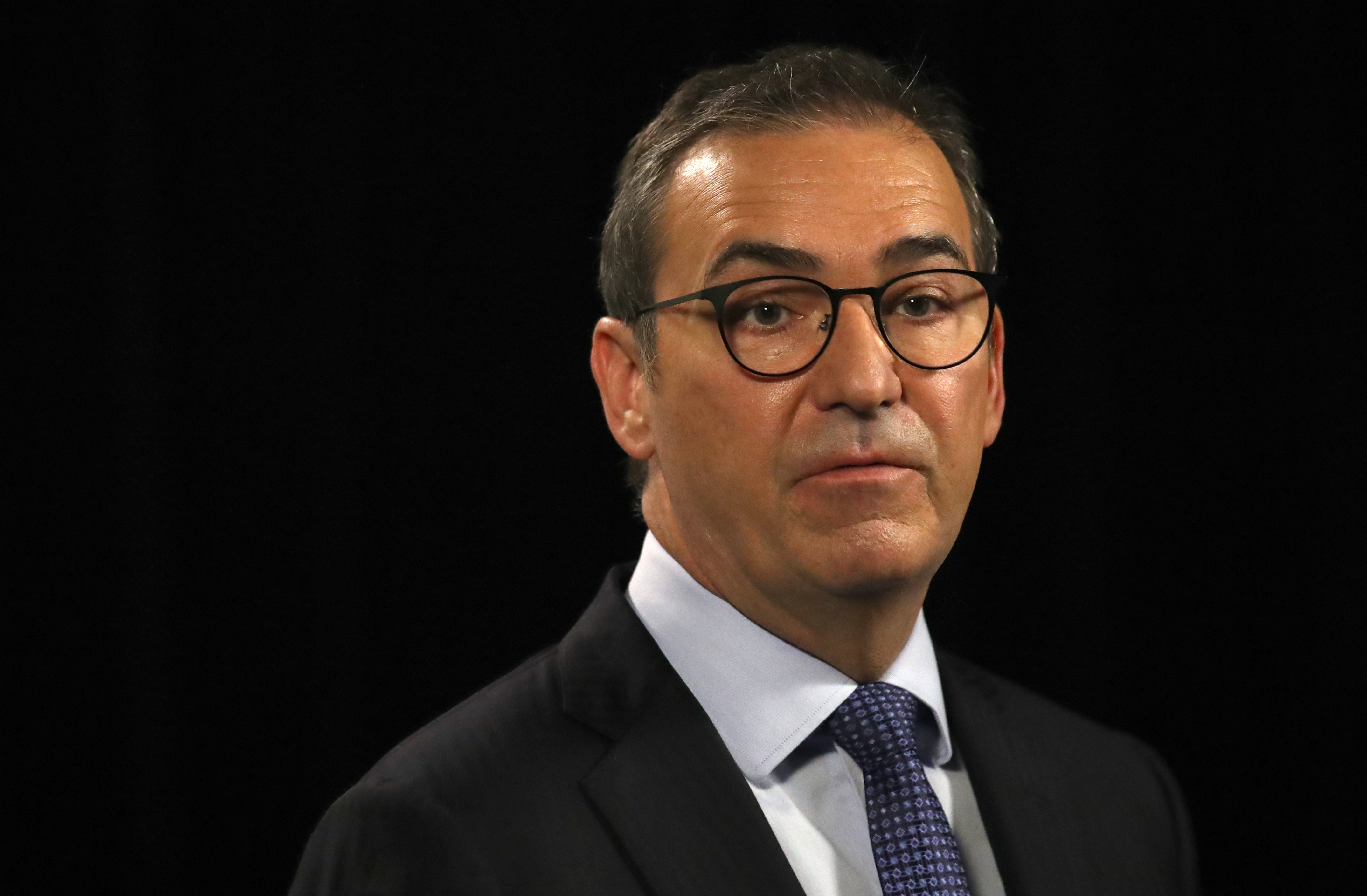
In the email Mr Horne indicated Mr Marshall said he could see the state being restriction free within a month to six weeks.
And that at the COVID Ready meeting next Friday "he is prepared to advocate for the return of Private Functions to a capacity of 150 with dancing & stand up drinking … and support stand up consumption inside and outside".
But the document details that in return Mr Marshall would "welcome some positive industry comment and support if he is successful in persuading the Police Commissioner … to support these change".
Both parties have denied that any deal has been done.
"No bargains struck, no commitments made," Mr Horne said.
Mr Marshall said any restriction changes are "not a secret".
READ MORE: 'Insulting': PM criticised for hair salon photo-op stunt
"We will be announcing further easing of restrictions next week then the fortnight after that and the fortnight after that," Mr Marshall said.
Café owner Jacob Booth said it was too little, too late.
"Today's the last day I will be working this cafe for the next little while anyway. Trade has been abysmal to the point that I have had to cut a staff member so I have decided to cut myself," Mr Booth said.
The state recorded 1363 new COVID-19 cases and three more deaths on Friday.
Police called over group engaged in sexual activity at Auckland's Ladies Bay
A St Heliers resident called the police after witnessing a group of around 10 people engaged in sexual activity in public at a central Auckland nudist beach.Police say they received a report of a sexual incident in Ladies Bay, St…
Covid 19 Omicron outbreak: Thames-Coromandel mayor Sandra Goudie won't get Novavax jab
The mayor of Thames-Coromandel who was “waiting for the Novavax” jab says she won’t be getting that Covid-19 vaccine either. The country’s medicines regulator Medsafe provisionally approved Novavax’s Covid-19 vaccine today and ministers…
'Insulting': PM criticised for hair salon photo-op stunt
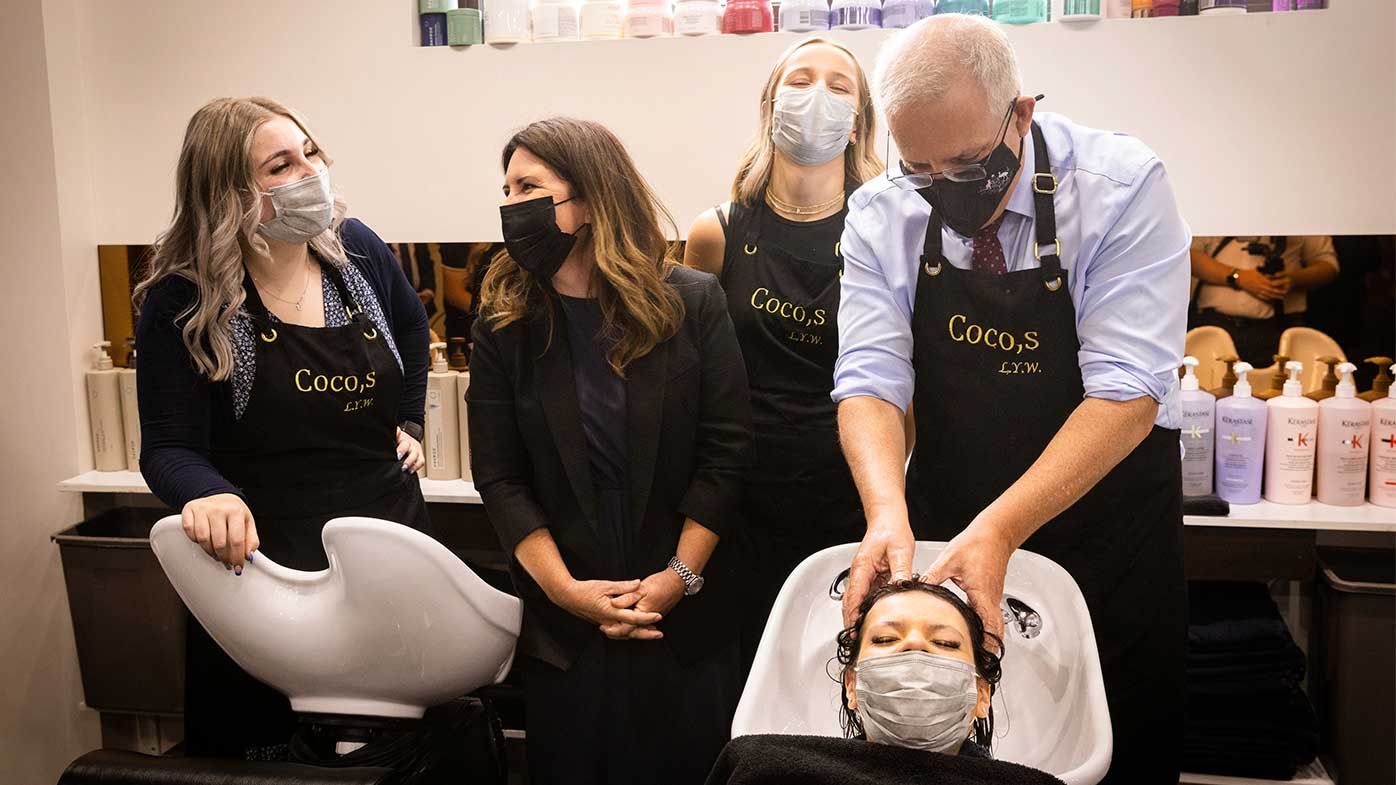
The Prime Minister has been criticised by health workers for his visit to a hair salon this morning which they claim is nothing more than a photo opportunity.
The Health Services Union (HSU) called the stunt "insulting" amid the aged care sector pleading for assistance as COVID-19 outbreaks cripple nursing homes.
"A photo op in a hairdresser is really insulting to those aged care workers who are right now struggling," HSU aged care secretary Lauren Hutchins said.
LIVE UPDATES: Wall of police confront anti-vaccine protesters
It comes as staff shortages in the aged care sector are worsening.
"Somewhere close to 25 per cent of shifts on any given day are going unfilled," Leading Age Services Australia CEO Sean Rooney said.
Mr Morrison dropped in to Coco's Salon in the Victorian town of Mount Eliza, and quickly rolled up his sleeves to wash a customer's hair.
While the Prime Minister has no formal training in hairdressing, he got good reviews from the customer.
"That's not too hard is it?" Mr Morrison asked about his washing technique.
"No, that's fine," the customer replied.
READ MORE: 'Out yourself', Joyce tells minister who allegedly sent text about PM
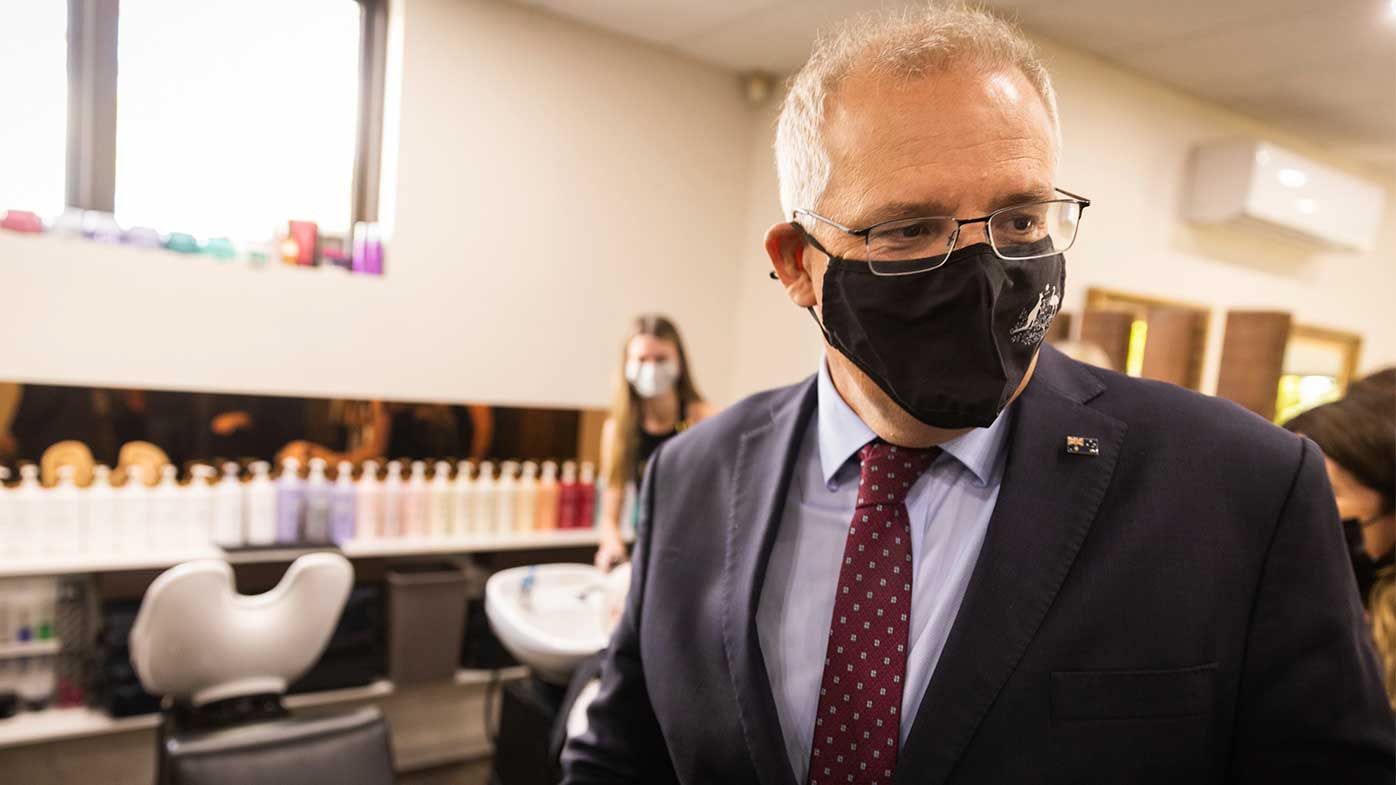
The town on the Mornington Peninsula is located in the seat of Dunkley, a Labor-held electorate the Liberals are keen to win back come election day.
From there, the Prime Minister headed north to KOR Equipment Solutions, an equipment supplier in Mulgrave in Melbourne's east.