New Zealand will move to phase 3 of the Omicron response at midnight tonight. There are more than 6000 new Covid cases today, with more than 200 people in hospital, and numbers are forecast to rise sharply in coming weeks. Covid-19…
Tag Archives: oceania
Herald afternoon quiz: February 24
Test your brains with the Herald’s afternoon quiz. Be sure to check back on nzherald.co.nz for the morning quiz tomorrow. To challenge yourself with more quizzes, CLICK HERE.
Phase 3: Retailers must be given green light now to sell rapid antigen tests – Barnett
Hospitality and small businesses around the country are welcoming the Government’s announcement of moving New Zealand to phase 3 of the Omicron outbreak response from midnight tonight.But they say shortages of rapid antigen tests…
Huge red bellied black snake spotted amid Queensland downpour
A Queensland resident has spotted an unusually large and thick red-bellied black snake in his home, confirmed by snake catchers as one of the biggest seen in recent memory.
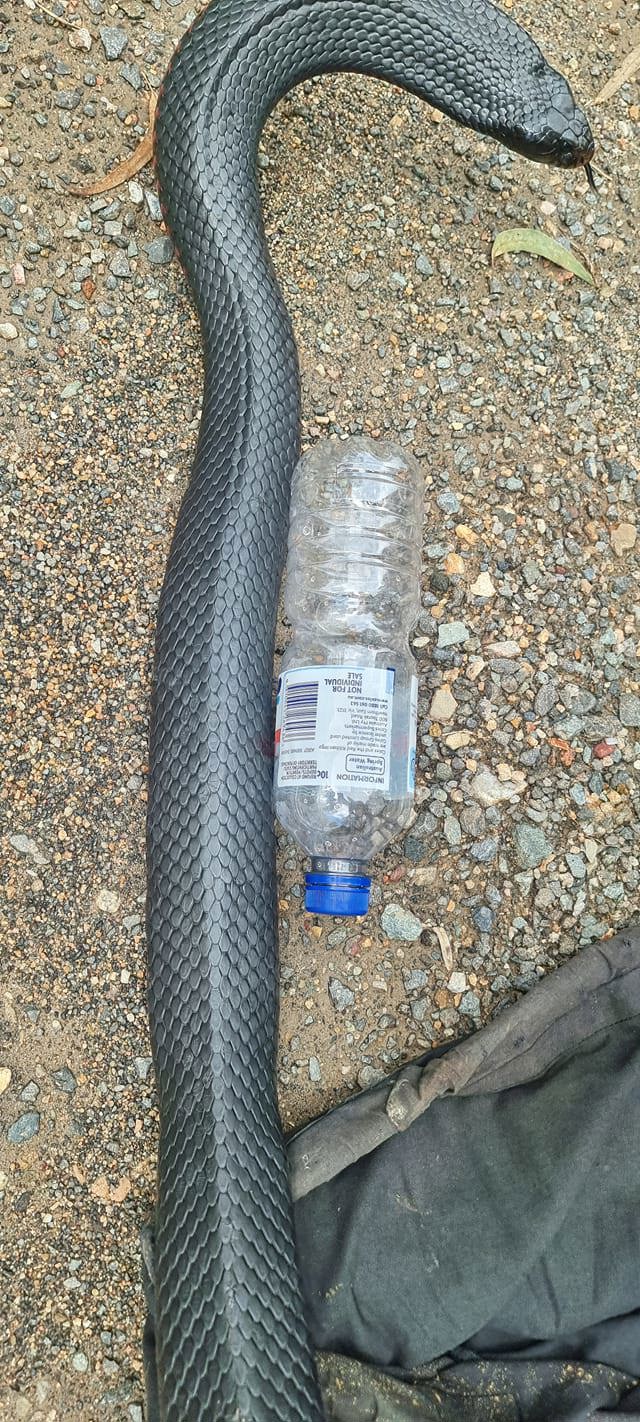
Snake Catcher Stu McKenzie said his team were called to a job in Ningi, in south-east Queensland's Moreton Bay region, where a man was concerned about a red bellied black snake seen in his yard.
"The guy just saw this big black snake cruising through the yard and then it's hidden behind a retainer wall," Mr McKenzie said.
READ MORE: The sanctions that could really hurt Russia
"He had a couple of dogs so wanted someone to take it.
"When snake catcher Rhien got there he was surprised to see a massive red belly, a lot bigger than what we were expecting that's for sure."
Mr McKenzie said whilst highly venomous, red-bellied black snakes are typically shy, and pose little risk to humans unless stepped on or pursued.
"It'll try and get away from you so not really a threat unless humans do something silly. If you were bitten you'd be in a bit of strife.
"We don't see really big black bellies that often, around 1.1 metres usually, this one was around five foot, probably the thickest point is as thick as your wrist."
READ MORE: One of our largest construction companies plunged into administration
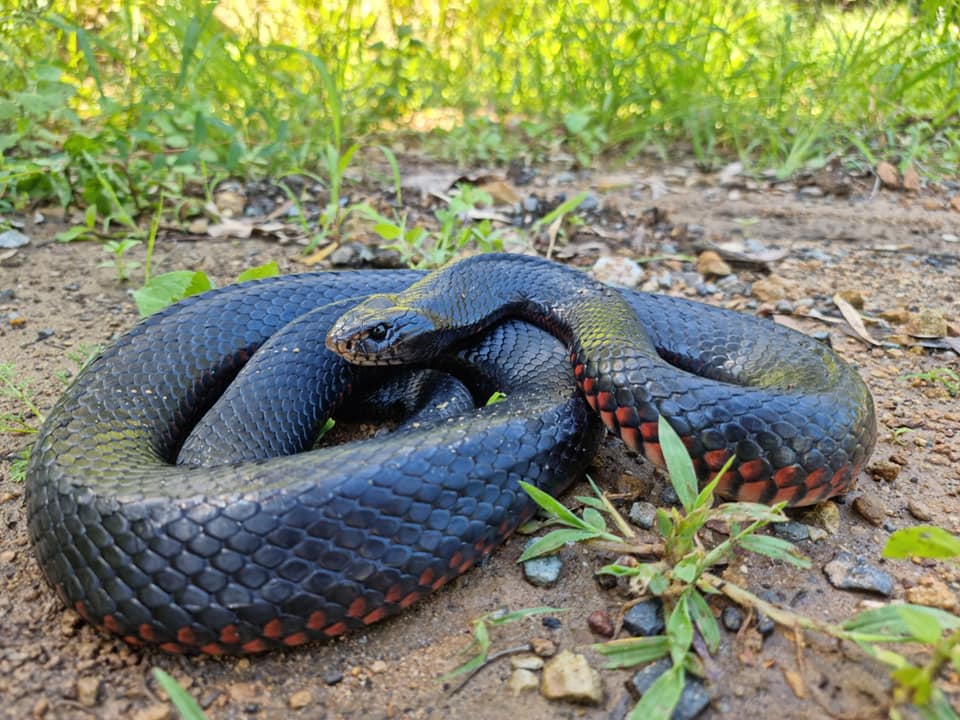
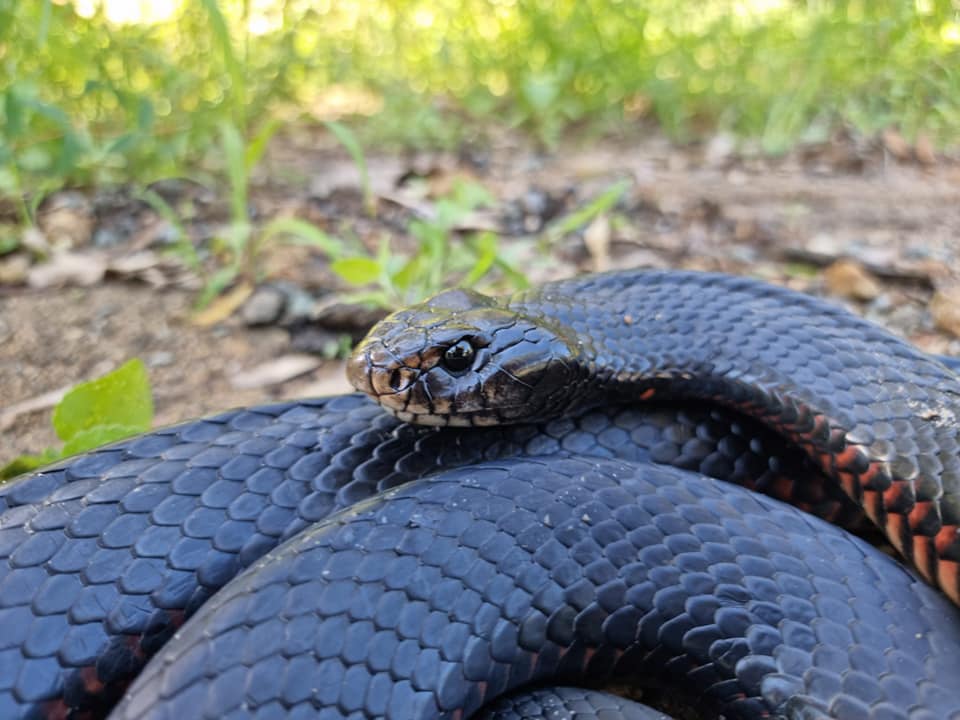
He said this particular snake was likely on the older side, and extremely healthy due to wet weather bringing more frogs, the red-bellies typical diet.
"I think there's a few factors where we're finding a lot of healthy snakes and red bellies," Mr McKenzie said.
He added his client seemed unconcerned by the enormous find.
"He was pretty chill about it when I called to sort out payment we said that's one of the biggest red bellied black snakes we'd seen in a while and he was like 'ah righto.'"
READ MORE: US warns full-scale invasion of Ukraine could be imminent
Despite wet, Summer weather usually triggering busy periods for snake catchers, Mr McKenzie said snakes were likely in hiding due to the torrential rains.
"A bit of rain and humidity is good for snakes but when its a downpour and drenching it slows them down a bit," he said.
"It's actually been a slower February compared to normal but in saying that when the sun comes out it might make for a pretty crazy March."
The Sunshine Coast snake catcher advised residents to keep a look out for snakes and to call a qualified catcher for relocations.
"Common sense goes a long way."
Ukraine warns of 'danger areas' in airspace after Russian flight ban
The Ukrainian government is closing airports in eastern Ukraine because of the confrontation with Russia.
Ukrainian aviation authorities also have declared some airspace in the east to be "danger areas" because of attempts by Russian aviation authorities to seize control of the airspace.
Ukraine acted after Russia issued a ban on civilian air traffic in airspace over eastern Ukraine.
READ MORE: Russia declares 'military action' in Ukraine, warns other countries against interfering
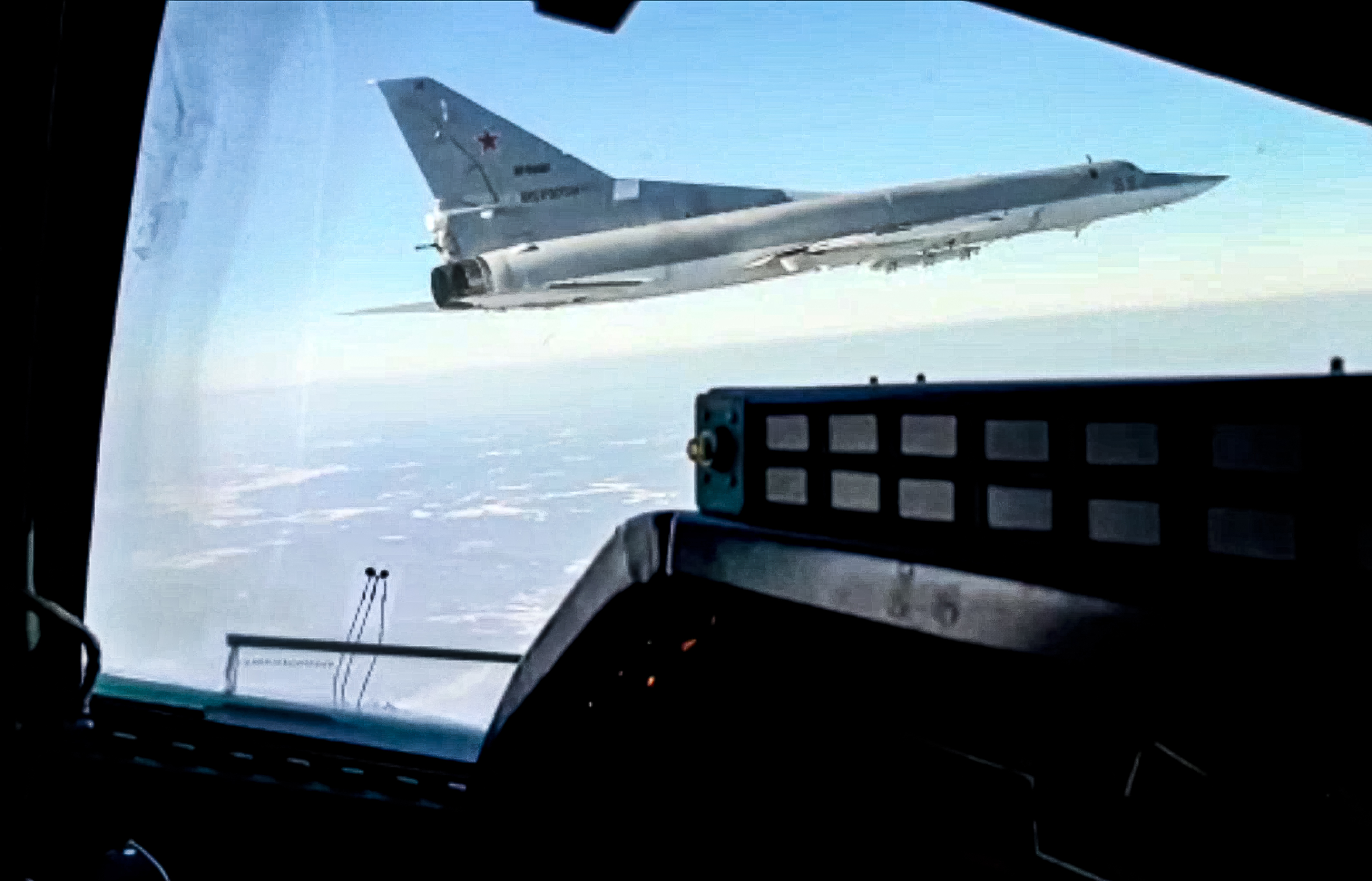
The announcement on Wednesday night (local time) establishes buffer zones for traffic controlled by Ukrainian authorities to avoid coming into potentially hazardous conflict with air traffic controlled by Russian authorities.
Last week, Ukrainian aviation officials warned pilots in the region to be on the lookout for Russian authorities trying to take control of the airspace and to only recognise Ukraine's controllers.
READ MORE: UN Security Council sets second emergency meeting on Ukraine
Russia had earlier issued a notice banning civil aircraft from flight routes bordering north-eastern Ukraine.
Russia issued a NOTAM (notice to airmen or notice to air missions) that covers a corridor of territory where Russian forces have gathered over the past weeks.
The NOTAM remains in force until May 18.
READ MORE: Ukraine president vows his country will 'fight back'
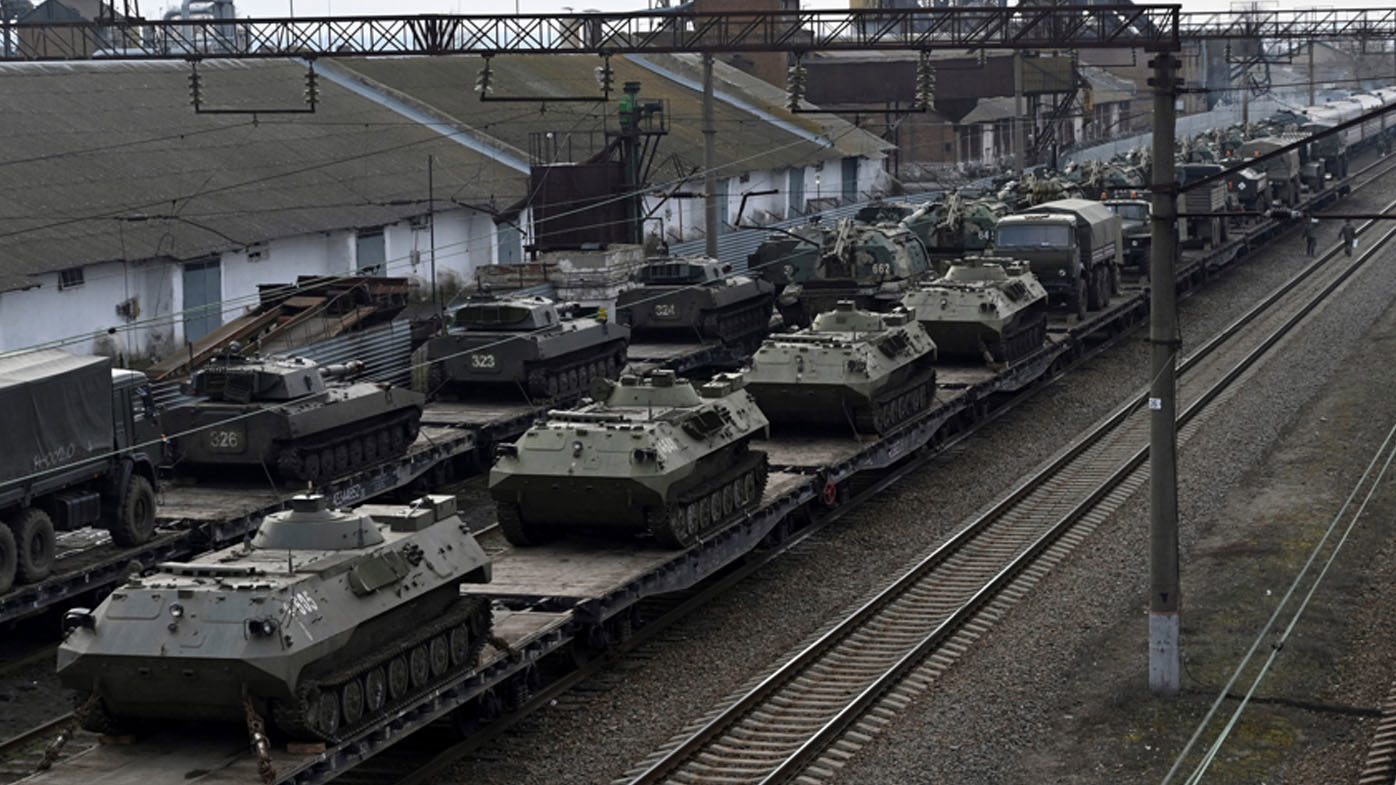
Travel expert Quentin Long, of Australian Traveller Magazine, told Today the escalating Ukraine crisis could force airlines to re-route and airlines would be monitoring the situation.
He said there is a major flight path through Ukraine, flown by commercial aircraft from Europe to south-east Asia.
"As long as things don't escalate, we will just fly around them and be OK. And then we will watch and wait and see what happens," Mr Long said.
Covid-19 Omicron Parliament protest: Protester accused of driving car at police named, granted bail
The man who allegedly drove a car at police during the Wellington protests has been granted bail.Name suppression lapsed this afternoon for Joseph Witana, 53.He is charged with allegedly assaulting police using a car as a weapon.The…
Gisborne beach blaze spreads from Hicks Bay to nearby farmland
A major blaze broke out at a Gisborne beach this morning. Three fire trucks and two helicopters attended the incident in Hicks Bay at around 8.45am.The fire started at the beach, confirmed Fire and Emergency shift manager Chris…
New book sheds light on con-man killer who talked himself free
Edgar Smith was a convicted murderer on death row when he began a slow and subtle process of manipulation, his first target – a conservative news editor.
Smith had been found guilty of the murder of 15-year-old Victoria Zielinski in 1957.
In a new book, “Scoundrel: How a Convicted Murderer Persuaded the Women Who Loved him, the Conservative Establishment, and the Courts to Set Him Free," author Sarah Weinman paints a portrait of Smith as a charming killer who managed to dupe those around him.
READ MORE: Russia likely to hit back at Australia with cyberattacks, PM says
Miss Zielinski's body was found in a sand pit in Ramsey, New Jersey after she failed to return home the night before.
The police quickly made an arrest in what seemed like an open-and-shut case: Edgar Smith, who knew Vickie, admitted to giving her a ride that night in a car the police found to be stained with blood.
Smith also disposed of pants that the police later found, which were stained with blood that was Vickie’s blood type. And Smith confessed after lengthy questioning by police.
Smith subsequently claimed he was innocent and put the blame on an acquaintance, but he was tried and convicted of Miss Zielinski’s murder and sentenced to death.
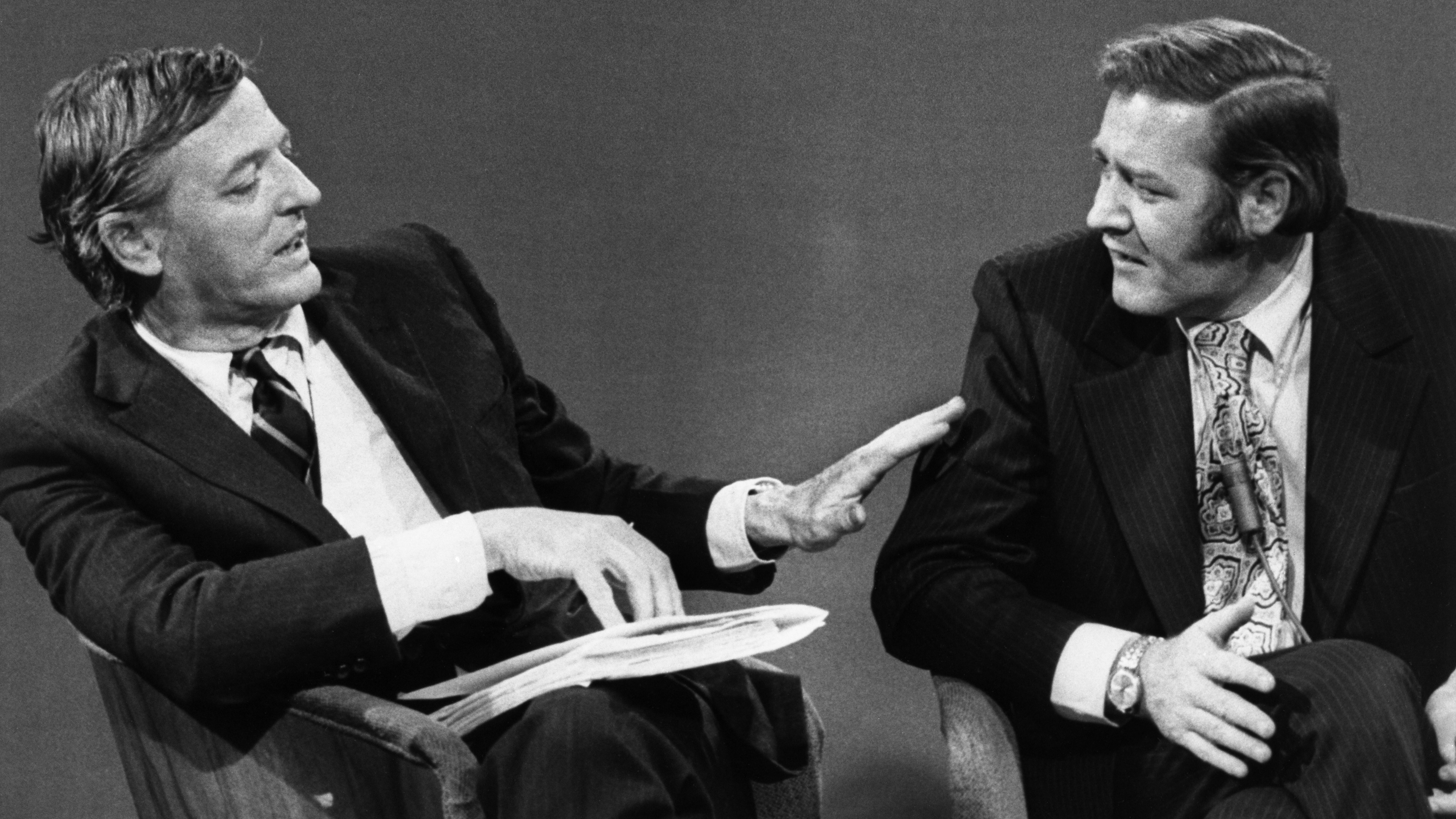
While waiting on death row, Smith caught the attention of conservative intellectual William F Buckley, then the editor of the National Review, after Smith professed his admiration of the publication.
The two began a correspondence, and Smith was able to win over Buckley and convince him of his innocence.
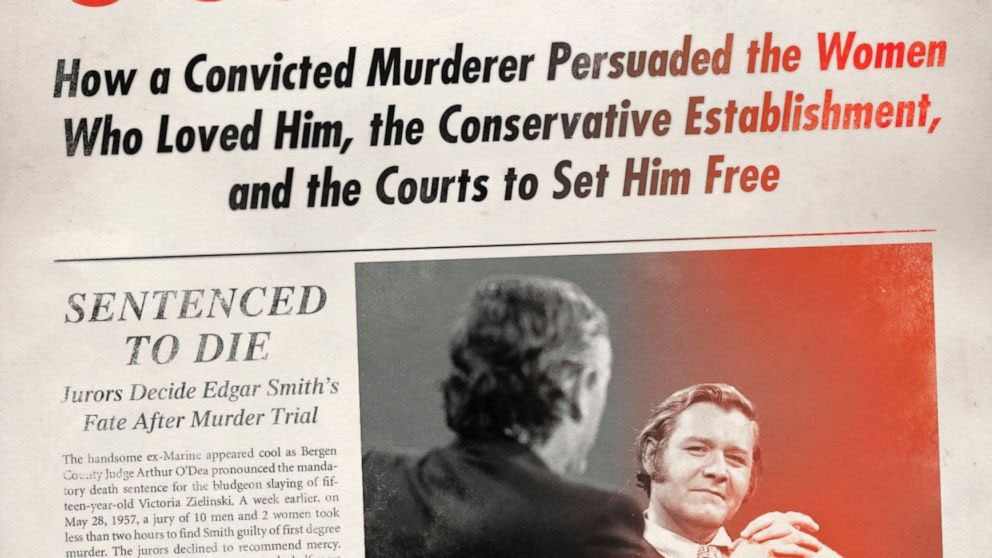

Author Sarah Weinman digs deep into their letters in “Scoundrel” to show readers how a cunning Smith worked Buckley’s attention to his advantage.
A book deal was arranged, and Smith soon won over his editor, Sophie Wilkins at Knopf, too – so much so that they began a romance of sorts, though only by letters and supervised prison visits.
Meanwhile, Smith’s lawyers, mostly bankrolled by Buckley, kept winning his appeals, and his execution date was pushed back later and later.
Smith’s book, “Brief Against Death,” championed by Buckley, won warm praise from critics when it came out in 1968.
And Smith’s lawyers, who argued Smith confessed under duress, were able to make headway with his appeals, too.
Eventually, after serving 14 years, he was offered a deal in 1971 to plead no contest to second-degree murder in exchange for time served.
A free man, Smith at first made the most of it, appearing at parties in New York and Buckley’s TV show, “Firing Line.”
But after his notoriety died down, writing gigs dried up, and Smith’s darker side resurfaced. Unable or unwilling to hold down a job, he bounced around, eventually settling in San Diego with a new wife.
Then, in 1976, he kidnapped a woman who was walking down the street and stabbed her in his car when she fought against him in a botched robbery attempt.
She was able to fight her way out of the car, however, and survived to name Smith as her attacker.
Smith returned to jail, where he stayed for decades, dying in 2017.
Meticulously researched, “Scoundrel” paints a portrait of a criminal adept at targeting people like Buckley who he could win over — but whose violent instincts eventually led to his downfall.
Two large sharks captured on drumlines after fatal Sydney attack
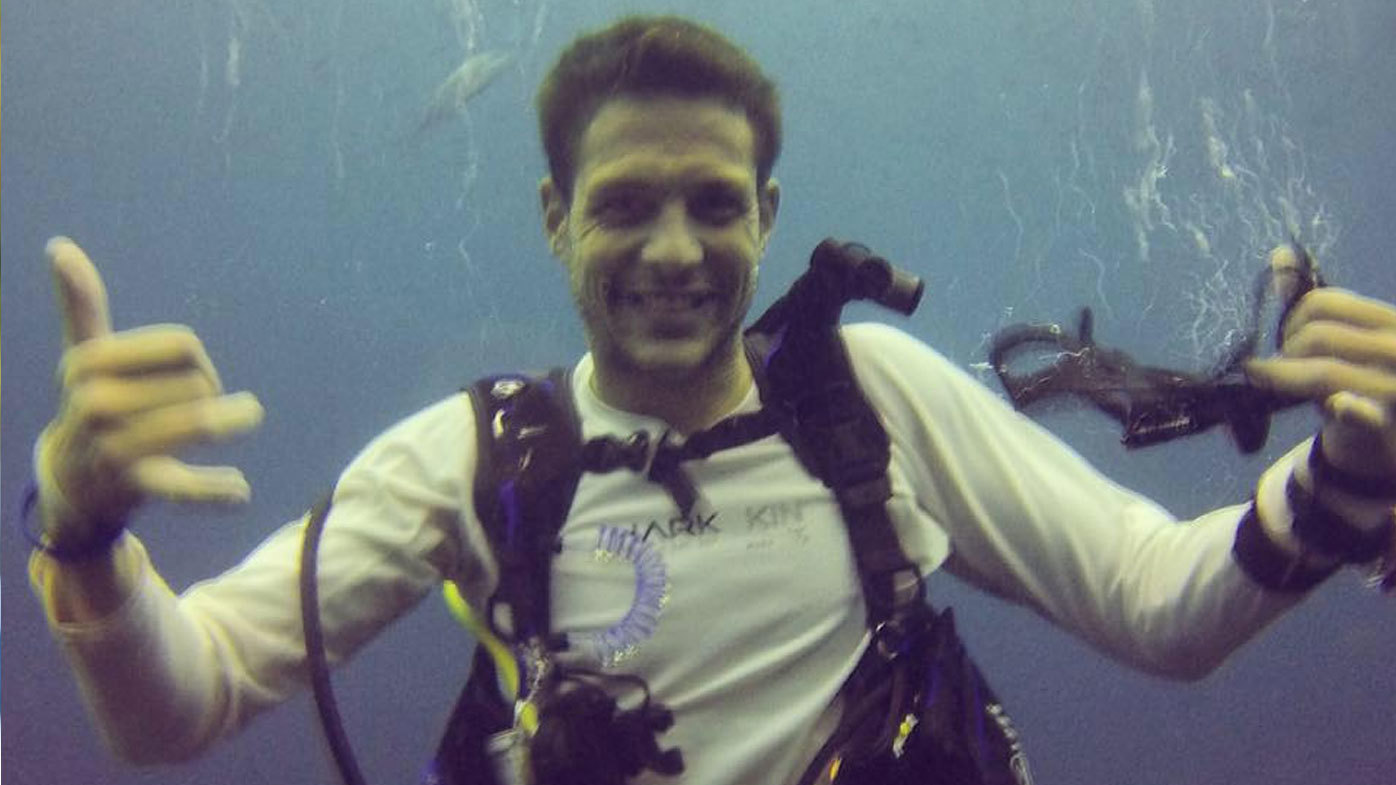
Two large sharks have been captured on SMART drumlines off Sydney beaches in the week following a dive instructor's fatal mauling, the Department of Primary Industries (DPI) has confirmed.
However neither animal were the "at least three metre" long great white suspected of killing 35-year-old Simon Nellist off Little Bay last Wednesday, the DPI said.
Instead, two tiger sharks ranging from 1.5 to almost two metres were captured, tagged and released.
READ MORE: The sanctions that could really hurt Russia
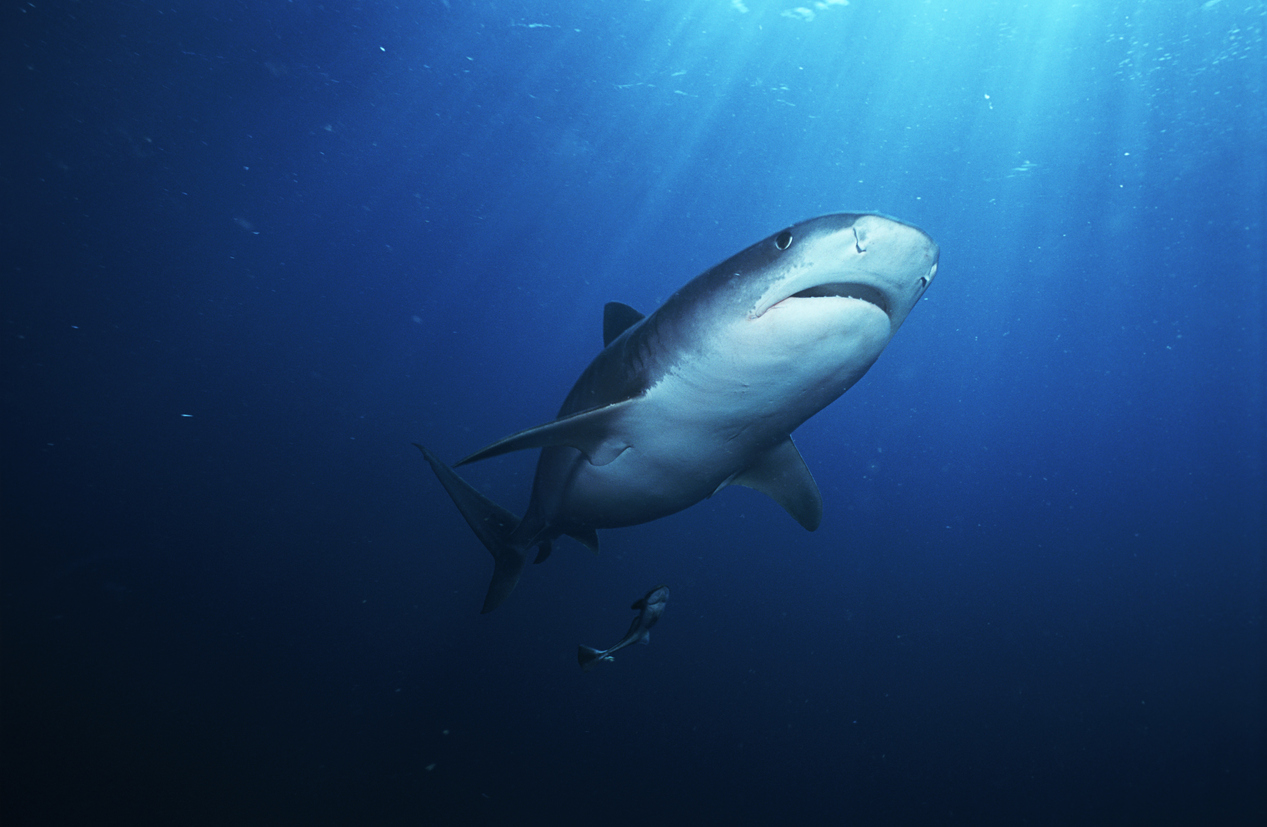
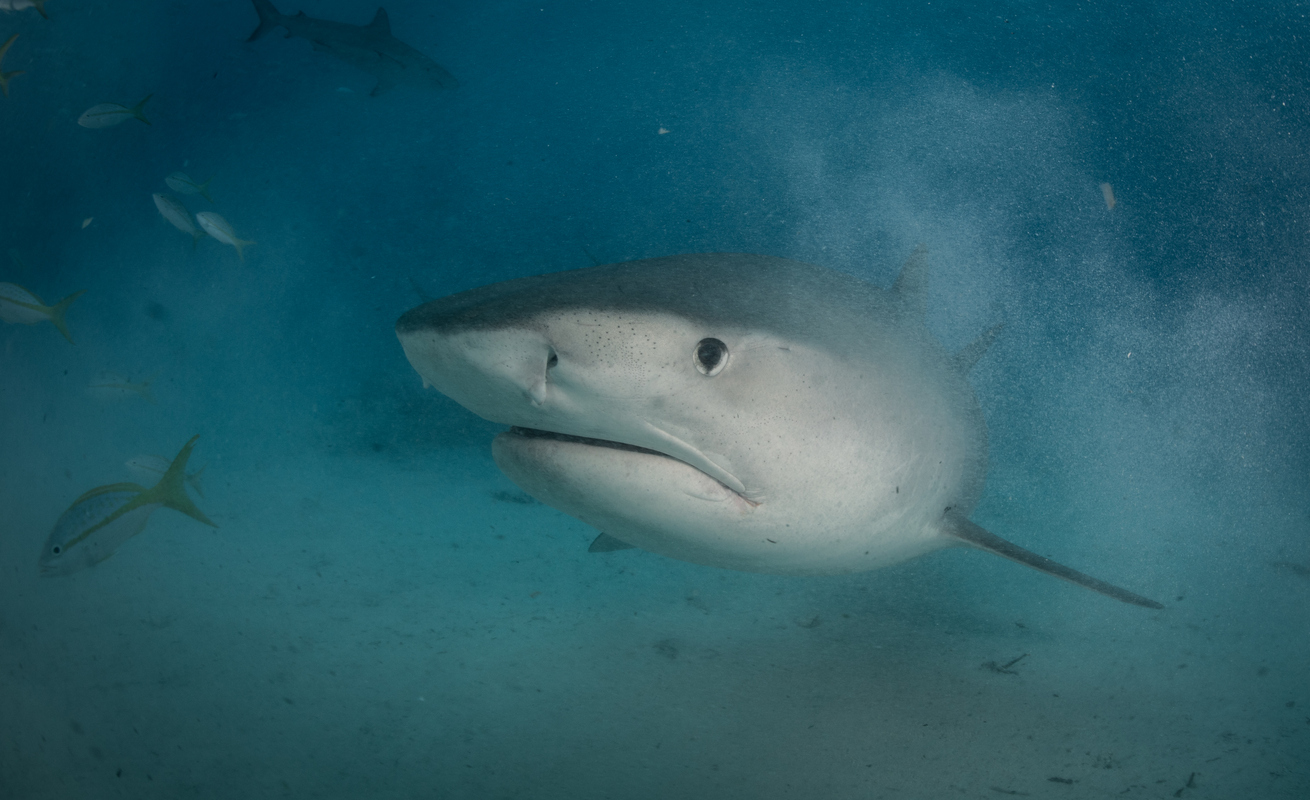
"Both animals were tagged and released approximately one kilometre further offshore," the DPI said in a statement supplied to 9news.com.au.
"Neither of these sharks are suspected to have been involved in the tragic Little Bay incident on 16 February."
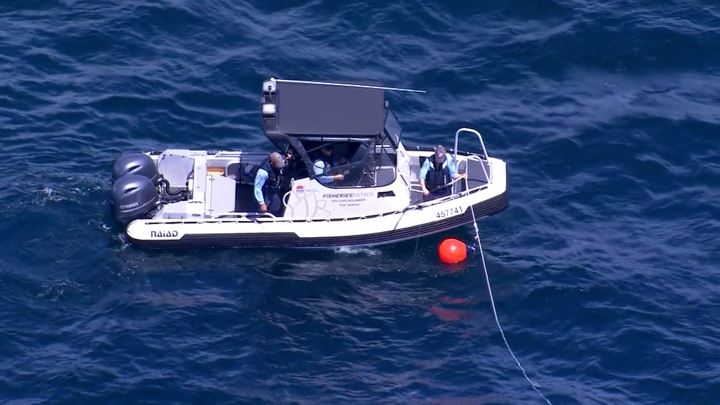
The first shark was caught off Clovelly at 1:37pm on 20 February 2022, with the second tagged a day later off Malabar/Long Bay; this is close to where Mr Nellist was attacked.
The death of Mr Nellist sent shockwaves around the city as it is Sydney's first shark related fatality in almost 60 years.
READ MORE: One of our largest construction companies plunged into administration
In response, the DPI are installing 15 SMART drumlines along the coast from Little Bay Beach to Bondi daily.
"DPI Fisheries staff have been on the water in the Sydney area since first light Thursday morning 17 February, deploying SMART drumlines, when weather permits," the DPI said.
"SMART drumlines are deployed and retrieved daily, weather permitting, until 30 June under the 2021/22 Shark Management Program."
In addition to SMART drumlines, authorities have conducted a sweeping search for the animal responsible for Mr Nellist's death.
READ MORE: US warns full-scale invasion of Ukraine could be imminent
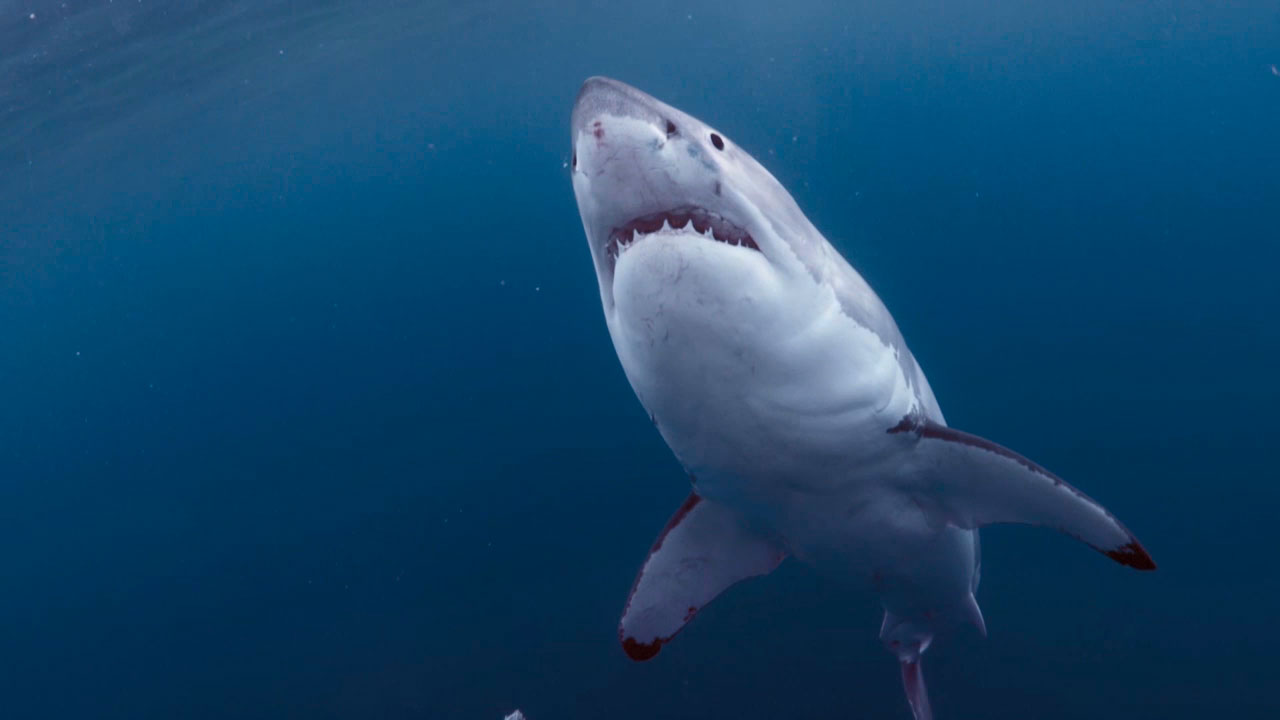
However, wildlife scientist Dr Vanessa Pirotta thinks its unlikely the animal responsible will ever be found.
"Authorities failed to locate this shark in the waters off Sydney after extensive searching," she wrote in the Sydney Morning Herald.
"This is not surprising as they are not known to be territorial animals."
Great whites are capable of swimming large distances, with some estimates saying they can swim up to 80 kilometres in a day.
READ MORE: What we know about shark attack occurrences off NSW and around Australia
Shark Management Program under the spotlight
The drumlines are just one measure employed by the state government to protect residents on NSW beaches.
Also in use are:
- 51 shark nets as part of the NSW Shark Meshing Program from Newcastle to Wollongong.
- Surf Life Saving NSW (SLS) drones at 15 coastal beaches in Greater Sydney Local Government Areas (LGAs) which operate in school holidays or at the discretion of SLS drone pilot availability on weekends outside of school holidays.
- Tagged shark listening stations at Redhead (Lake Macquarie LGA) and Bondi Beach (Waverly LGA).
- Shark tagging program (statewide) – tagging White, Tiger and Bull Sharks caught via DPI Fisheries research or as part of the SMART drum-lining program – which are then detected via the tagged shark listening stations along the coast and alerts sent via SharkSmart app).
- SharkSmart education program statewide.
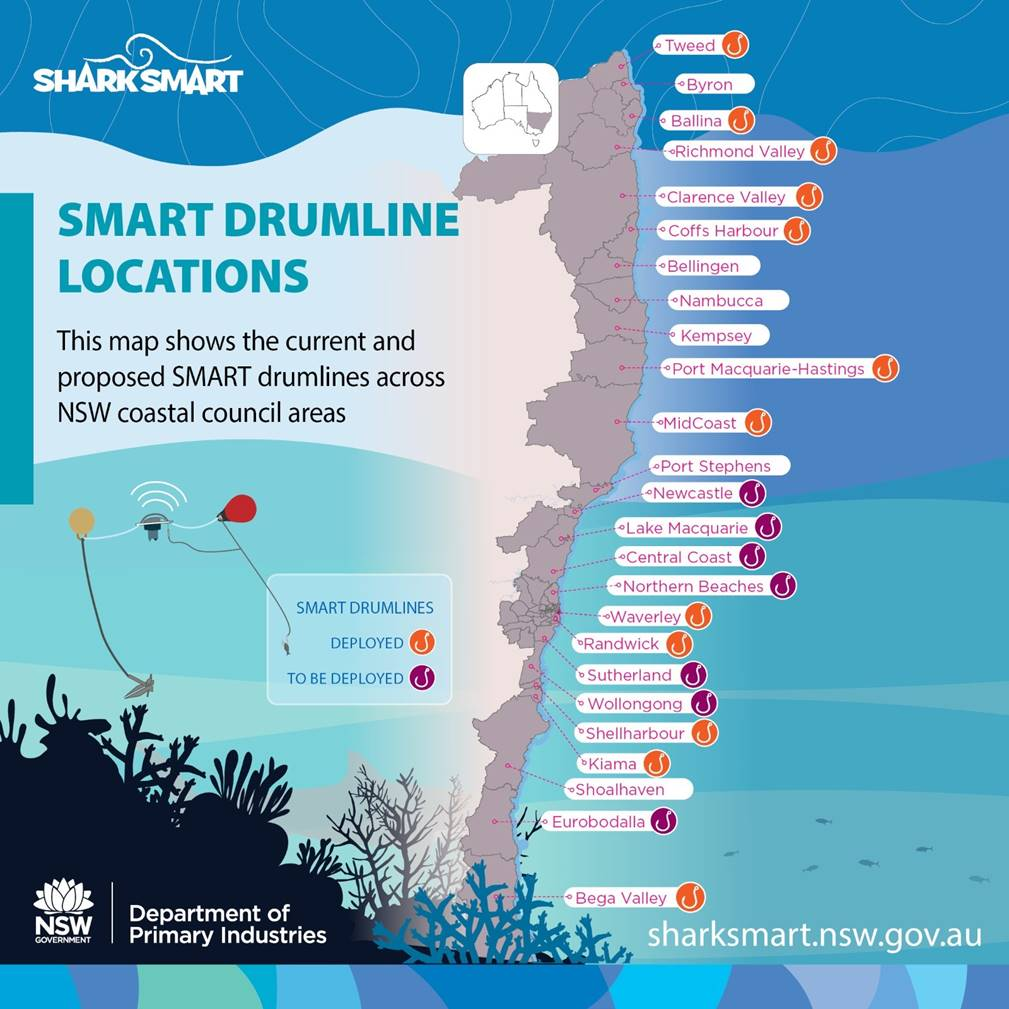
SMART drumlines have been widely heralded as a non-lethal method of shark control.
They're anchored to the seafloor and send an alert to officials once an animal is caught on a seperate hook.
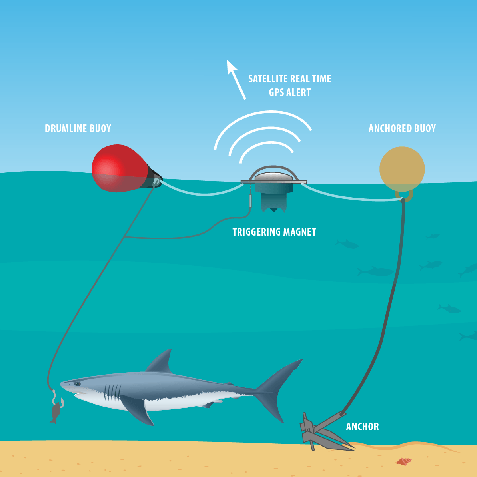
"The team then responds immediately to the SMART drumline alert to manage the animal," the DPI explained.
"Sharks and any other marine fauna caught on SMART drumlines can be tagged, relocated approximately 1km offshore, and released."
However they are not without controversy, the Animal Justice Party has criticised the large hooks that capture animals.
https://twitter.com/AJPNSW/status/1496376919025405952
Despite this other wildlife advocacy groups welcome the use of SMART drumlines and shark spotting drones, over the use of nets.
Lawrence Chlebeck, marine biologist with Humane Society International said the nets are a death trap to other wildlife and provide a "false sense of security".
"There have been 34 shark bites on NSW netted beaches and they entangle and kill hundreds of harmless dolphins, turtles, rays and sharks", Mr Chlebeck said in a statement.
"One turtle is caught in the shark nets every twenty days and no Sydney-sider wants that for a false sense of security."
Australian sanctions targeting Russia's oligarchs and super-rich
Australia has expanded its sanction powers to better target super-rich Russian elites and oligarchs in Vladimir Putin's inner-circle.
As Canberra ramped up its sanction powers, Prime Minister Scott Morrison refused to criticise the US and NATO for not sending troops into Ukraine to deter a Russian invasion.
He admitted the sanctions would likely not force a backdown from Moscow, but said the targeting of Russia's most powerful people would cause pain to those closest to Mr Putin.
READ MORE: Who are the three Russian oligarchs hit by sanctions?
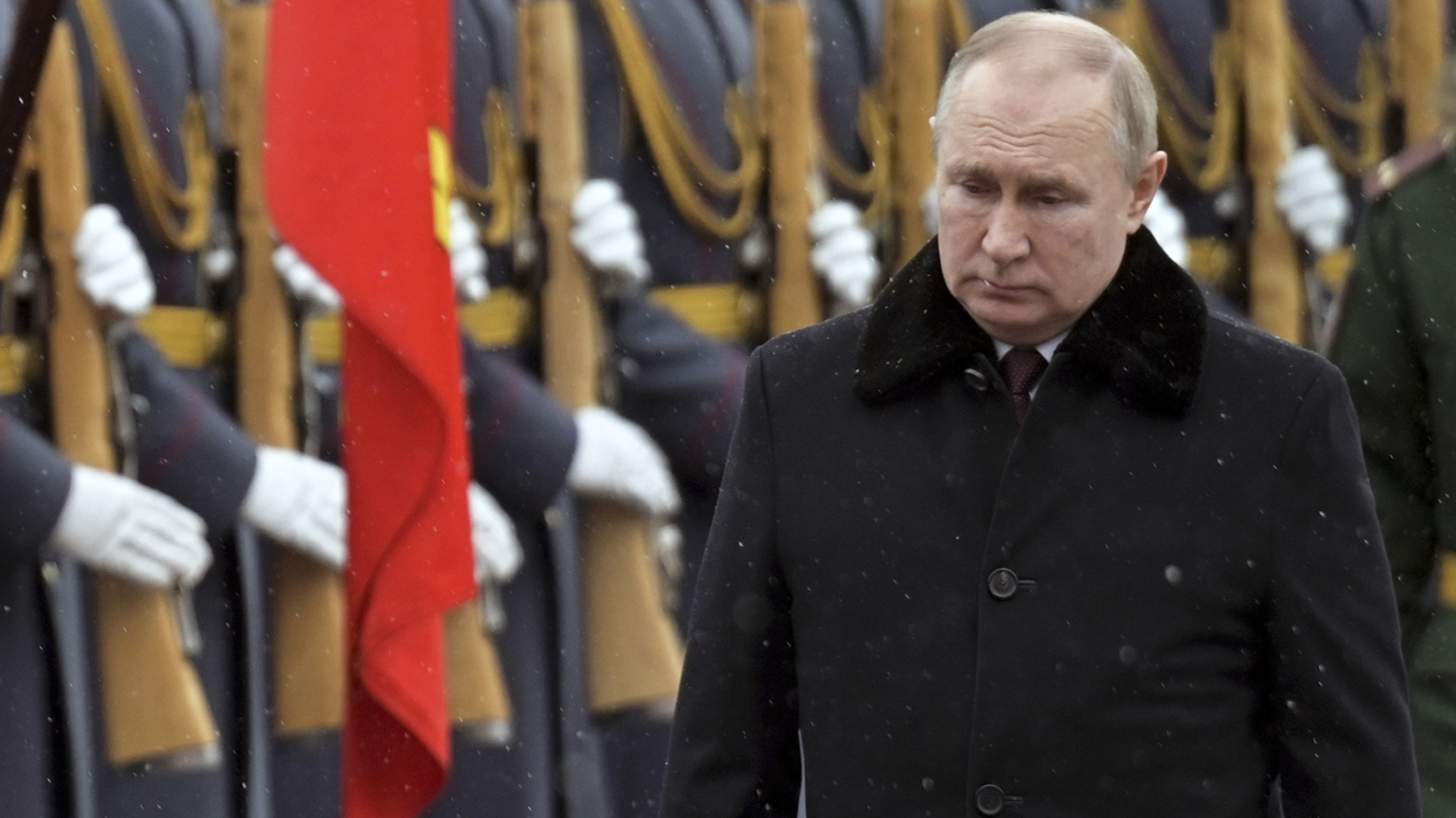
Australian sanctions will come into effect at the end March, Mr Morrison said, which would give Australian businesses time to make alternate arrangements.
"(The sanctions) target their financial interests, it prevents them from travelling, it stops them from moving money around," Mr Morrison said, describing how Russia's elite would be hit.
"It stops them from coming and having holidays in countries such as Australia or going shopping in Harrods or doing the things of that nature and trying to live their lives as if they have nothing to do with the violence and bullying and intimidation that they are supporting from the Russian regime."
Several Russian banks have been included in Australian sanctions.
While some critics questioned why the West was not doing more to stop Russia, Mr Morrison said he understood why Europe was reluctant to put boots on the ground.
"I'm not going to lecture Europe," Mr Morrison said on Today, earlier this morning.
"They're the ones whose own people, were they to have troops deployed in Ukraine, it would have been their people, their soldiers."
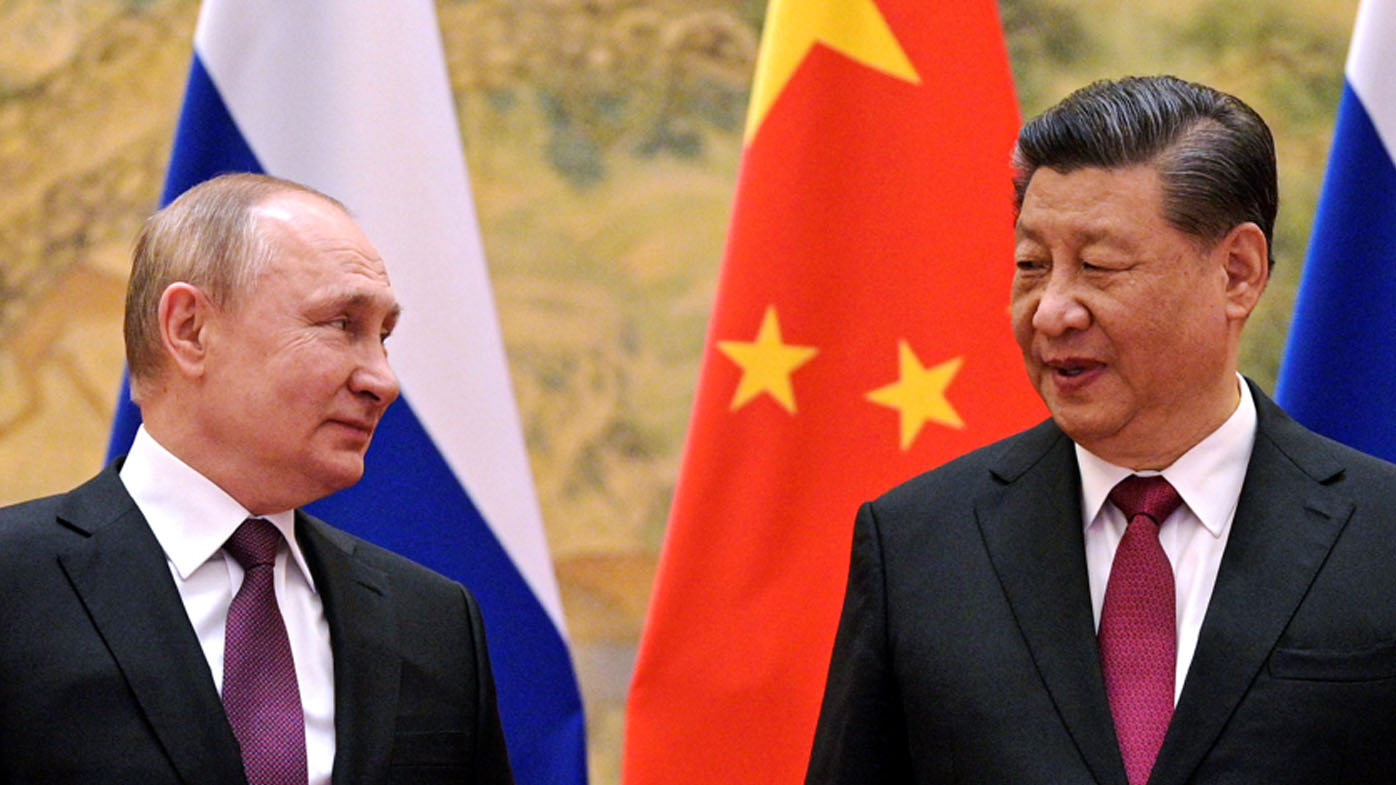
China has yet to sanction Russia, a decision Mr Morrison criticised.
He said Beijing should "fully denounce" its superpower neighbour.
READ MORE: All the ways a Russian invasion could hit your wallet
He denied Taiwan was under any kind of increased threat because of Russian aggression towards Ukraine.
"I'd caution between drawing two different parallels, they are quite different."
Russian cyber attacks on Australia now likely
With global tensions rising, retaliatory cyber attacks out of Russia are now "a real threat", Mr Morrison said
He called on Australian public and private companies to "urgently adopt an enhanced cyber security posture".
"There has been a pattern of cyberattacks against Ukraine and that continues now," Mr Morrison said, explaining Australian intelligence agencies are braced for offensives.
READ MORE: Ukrainian government websites hit by mass cyber attack
"Malicious cyber activity could impact Australian organisations through unintended interruption or unmaintained cyber activities.
"He said Australian intelligence were "not aware" of any current or specific threats against Australian organisations.
Russia has one of the most feared cyber armies in the world.
Moscow also has links to criminal hacking gangs which attack private and public targets in the West.
Key Australia security partner fails to impose sanctions
As many Western allies moved in lock-step over the past day, Mr Morrison refused to criticise India, which is part of the Quad alliance alongside the United States, Japan and Australia, for not imposing sanctions on Russia.
"All countries have different levels of engagement with Russia," he said.
"But my position is very clear … it is important for like-minded countries to take the strongest possible action, because one day it's a country like Russia threatening the border and seeking to invade Ukraine and then next it could be countries in our own region seeking to do the same thing.
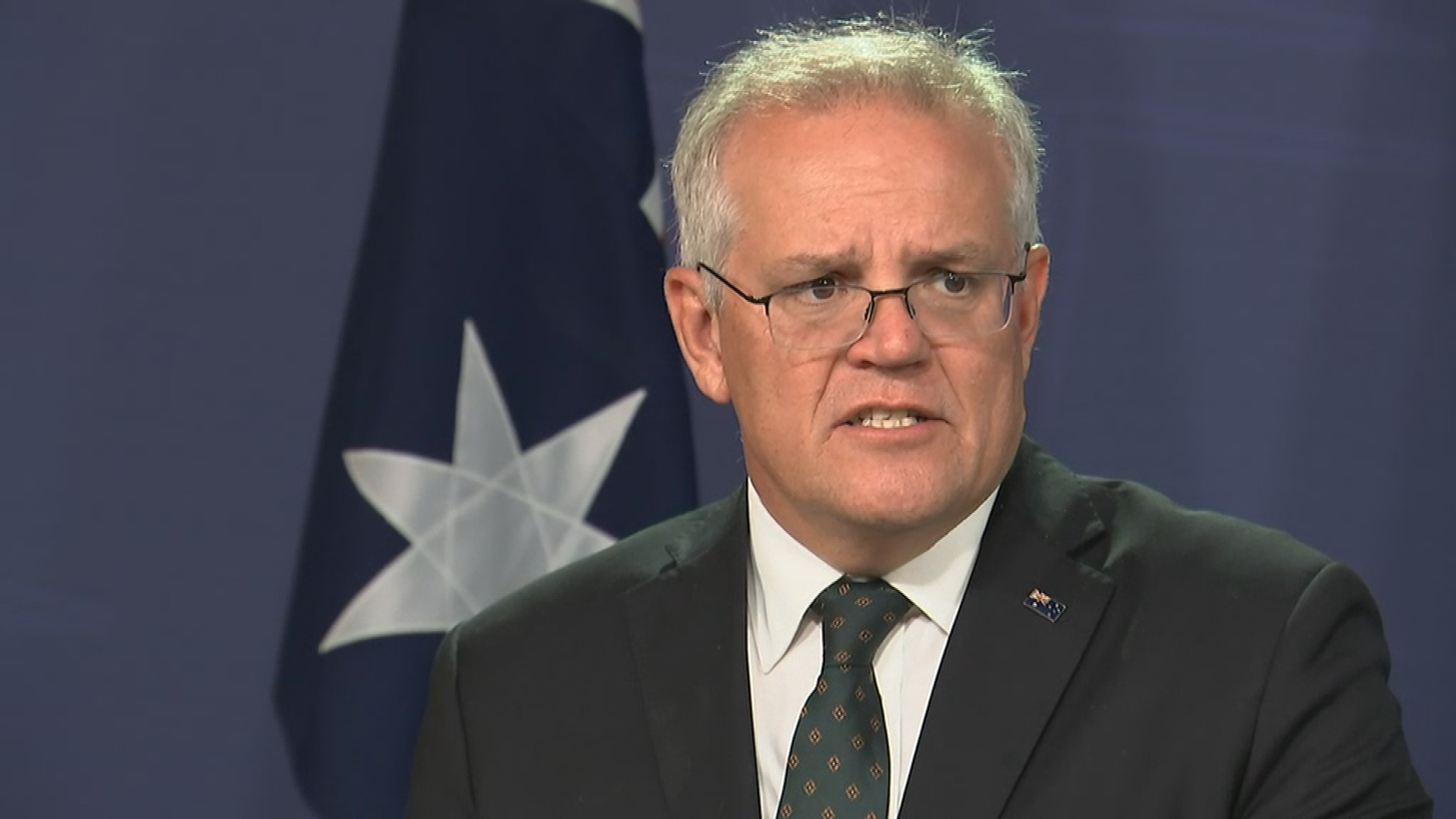
Earlier this morning, Russian officials responded to the Federal Government's economic sanctions slapped on Moscow – hitting back at the Mr Morrison's claim that Australia stands up to bullies.
Mr Morrison yesterday announced the sanctions against Moscow in response to Russian troops entering rebel-held areas of eastern Ukraine.
He said Australia would initially impose travel bans and targeted financial sanctions on eight members of the Security Council of the Russian Federation.
READ MORE: Nearly 200,000 Russian troops on border, says Ukraine president after trying to call Putin
https://twitter.com/jekearsley/status/1496567038600302597?ref_src=twsrc%5Etfw
"Australians always stand up to bullies," Mr Morrison said, in announcing the sanctions.
But today Russia's embassy in Canberra has responded, insisting Moscow's actions to recognise independence in the separatist east Ukraine regions of Donetsk and Luhansk "will not be reverted".
In a statement, it also disputed Mr Morrison's comments about Australia "standing up to bullies".
"Australia does not always stand up to bullies. Canberra has been totally indifferent to the discrimination of the Russian speakers by the radical nationalistic regime in Ukraine."
Russian diplomats accused the Australian government of "supporting and encouraging the xenophobic bullies based in Kyiv".

The Australian sanctions will also include entities linked to Moscow, as well as Russian banks, transport, energy, telecommunications, oil, gas and minerals.
Australia will also extend the sanctions currently imposed on Crimea to include Donetsk and Luhansk, the separatist states in eastern Ukraine.
READ MORE: International Space Station 'largely isolated' from tensions over Ukraine