Tag Archives: oceania

WA records nine cases, outlines plan for inevitable Omicron spike

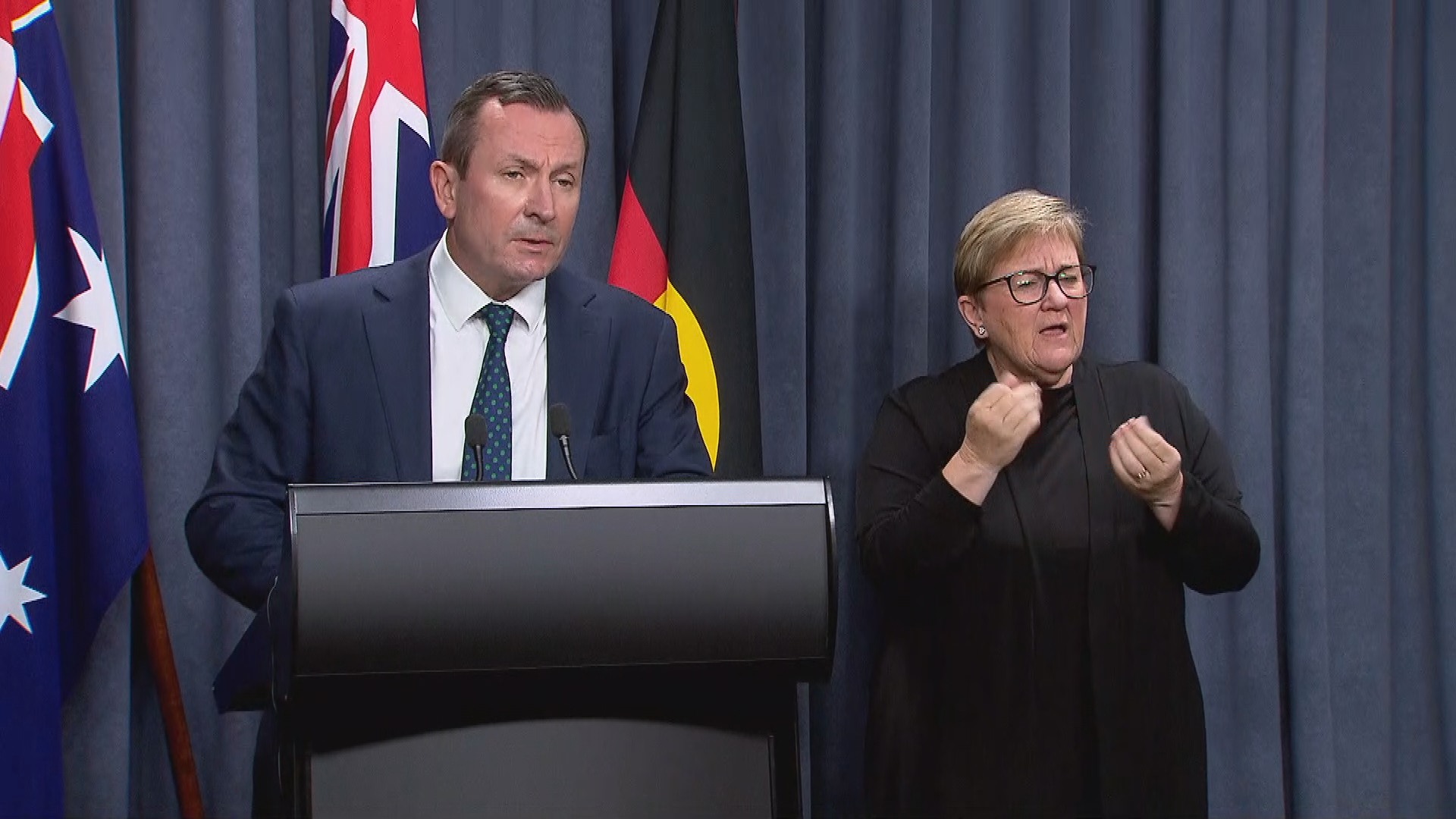
Western Australia has recorded nine new local COVID-19 cases, and the state's Premier Mark McGowan has outlined the plan for when cases inevitably spike.

Of today's cases, all are linked, but some were infectious in the community. There are two people in hospital with the virus.

"These numbers this far into an Omicron outbreak are pleasing," Mr McGowan said, adding it is not a time for complacency.

READ MORE: What we know about BA.2 variant, the 'stealth' version of Omicron

West Australian Premier Mark McGowan has outlined new rules for when cases inevitably spike in the state.

He has also outlined new rules around testing, isolating and other restrictions which will be introduced when cases inevitably rise when the borders open and the "caseload is higher".

"Omicron infected tens of thousands daily, requiring isolation of tens of thousands more," he said.

"Many workplaces and supply chains were dramatically affected. We want to do what we can to minimise those impacts."

"Firstly, casual contact will no longer be considered. That means being at an exposure site the same time as a positive case will not be a reason for forced testing and isolation," he said.

READ MORE: US Navy wants to get crashed stealth fighter back – before China can

People will be asked to keep checking in to venues so they can monitor for symptoms.

"Secondly, the definition for close contacts will change," Mr McGowan said.

A household member or intimate partner of a person with COVID-19 is still considered a close contact, as is anyone who has had "a close personal interaction" with someone during their infectious period.

This is defined as 15 minutes of face-to-face contact without a mask.

The isolation period for close contacts will also be reduced from 14 to 7 days in some circumstances.

READ MORE: First records of killer whales hunting largest animals on Earth

Like most other states and territories, WA will introduce isolation exemptions for asymptomatic close contacts in some critical industries.

Some of these industries include: "transport, food beverages pharmaceutical supplies, agriculture, critical resources, power utilities and waste management services, corrective and judicial services, police and emergency services, schools and childcare, healthcare services, social assistance at residential care, veterinary services, funeral, crematorium and cemetery services and defence and defence-related industries," Mr McGowan said.

None of these changes will be implemented until there are more cases in the state. WA will also shift to using rapid tests as a diagnostic tool and not rely solely on PCRs.

The full and detailed breakdown of these restrictions, and when they will be implemented, will be available on the Healthy WA website.

COVID-19 hits one of the last uninfected places on the planet

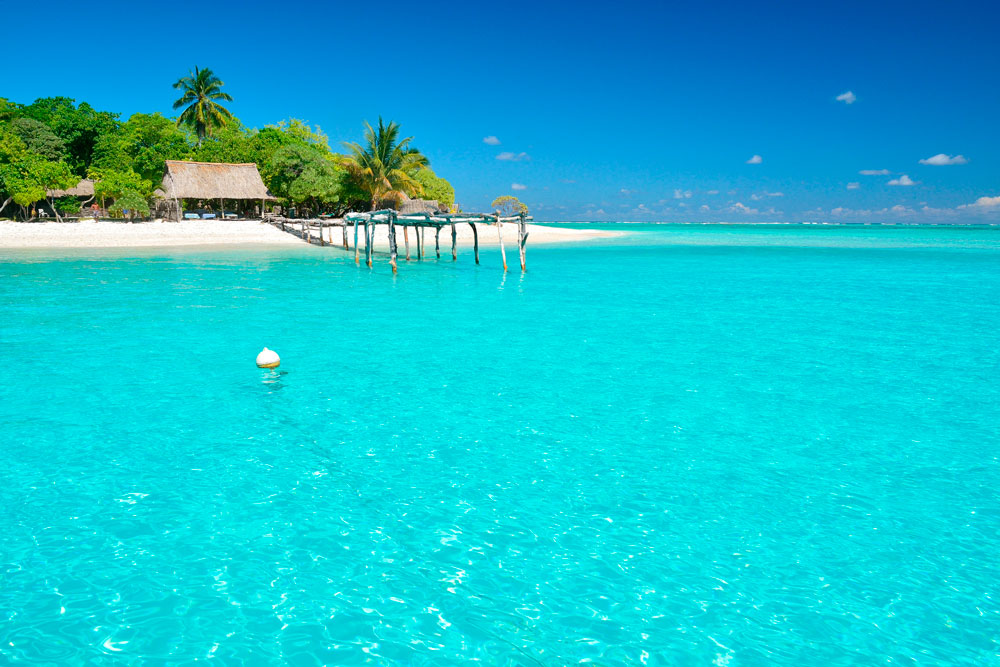
When the coronavirus began spreading around the world, the remote Pacific archipelago of Kiribati closed its borders, ensuring the disease didn't reach its shores for nearly two full years.

Kiribati finally began reopening this month, allowing the Church of Jesus Christ of Latter-day Saints to charter a plane to bring home 54 of the island nation's citizens.

Many of those aboard were missionaries who had left Kiribati before the border closure to spread the faith abroad for what is commonly known as the Mormon church.

READ MORE: What we know about BA.2 variant, the 'stealth' version of Omicron
Officials tested each returning passenger three times in nearby Fiji, required that they be vaccinated, and put them in quarantine with additional testing when they arrived home.

It wasn't enough.

More than half the passengers tested positive for the virus, which has now slipped out into the community and prompted the government to declare a state of disaster.

An initial 36 positive cases from the flight has ballooned to 181 cases today.

Kiribati and several other small Pacific nations were among the last places on the planet to have avoided any virus outbreaks, thanks to their remote locations and strict border controls.

But their defences appear no match against the highly contagious omicron variant.

“Generally speaking, it’s inevitable. It will get to every corner of the world,” Helen Petousis-Harris, a vaccine expert at the University of Auckland in New Zealand, said.

“It’s a matter of buying enough time to prepare and getting as many people vaccinated as possible.”

Only 33 per cent of Kiribati's 113,000 people are fully vaccinated, while 59 per cent have had at least one dose, according to the online scientific publication Our World in Data.

And like many other Pacific nations, Kiribati offers only basic health services.

READ MORE: US Navy wants to get crashed stealth fighter back – before China can
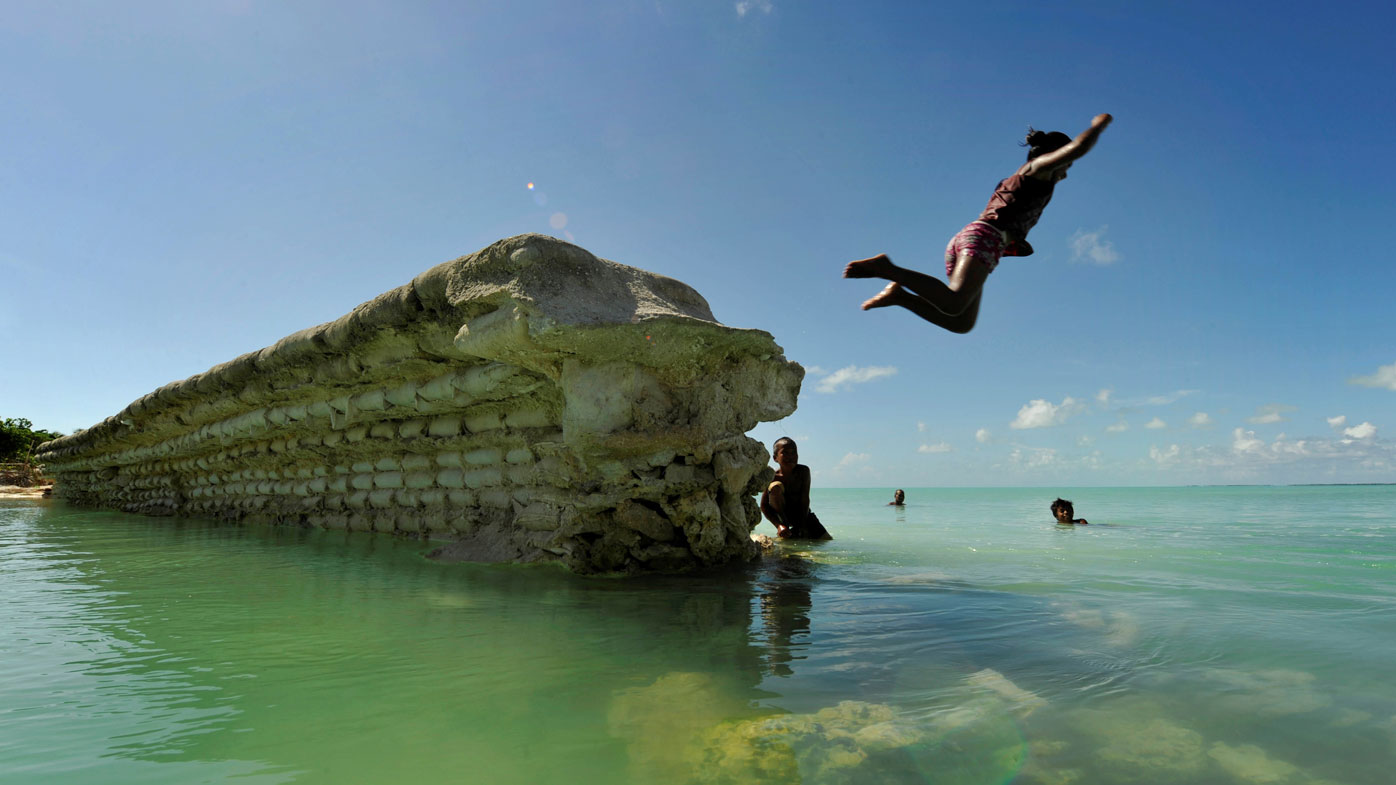
Dr Api Talemaitoga, who chairs a network of Indigenous Pacific Island doctors in New Zealand, said Kiribati had only a couple of intensive care beds in the entire nation, and in the past relied on sending its sickest patients to Fiji or New Zealand for treatment.

He said that given the limitations of Kiribati's health system, his first reaction when he heard about the outbreak was, “Oh, my lord.”

Kiribati has now opened multiple quarantine sites, declared a curfew and imposed lockdowns.

President Taneti Maamau said on social media that the government is using all its resources to manage the situation, and urged people to get vaccinated.

The Church of Jesus Christ of Latter-day Saints, based in the US state of Utah, has a strong presence in many Pacific nations, including Kiribati, where its 20,000 members make it the third-largest Christian denomination.

The church has about 53,000 missionaries serving full time around the world, working to convert people.

The pandemic has presented challenges for their missionary work, which is considered a rite of passage for men as young as 18 and women as young as 19.

READ MORE: First records of killer whales hunting largest animals on Earth
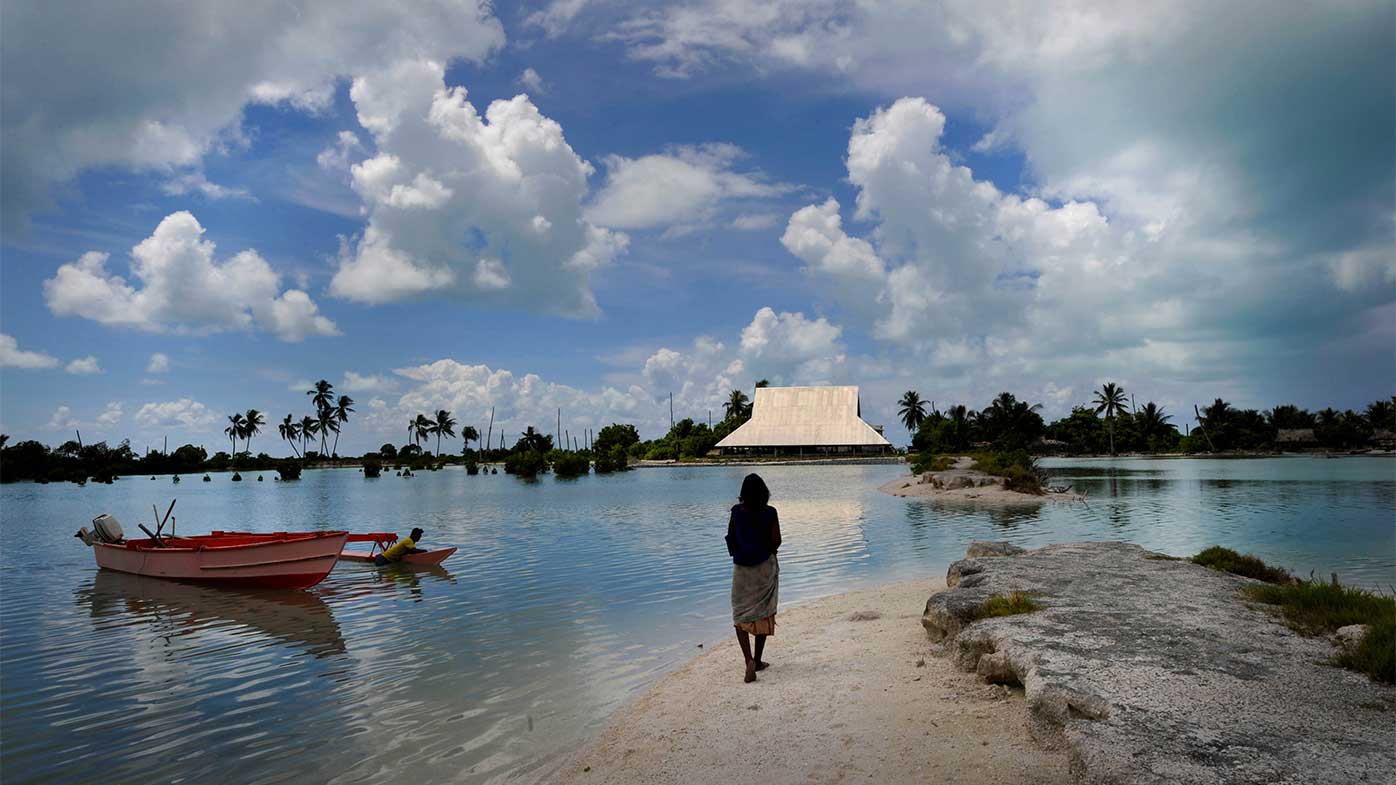
Kiribati went two years without any COVID-19 cases.

As the pandemic ebbed and flowed, the church responded. It recalled about 26,000 missionaries who were serving overseas in June 2020, reassigning them to proselytise online from home before sending some back out into the field five months later.

When COVID-19 vaccines became widely available in many countries in April 2021, church officials encouraged all missionaries to get inoculated and required it of those serving outside their home countries.

Church spokesperson Sam Penrod said the returning missionaries remained in quarantine, were cooperating with local health authorities and would be released from their service upon completion of their quarantine.

“With Kiribati’s borders being closed since the onset of the pandemic, many of these individuals have continued as missionaries well beyond their 18 to 24 months of anticipated service, with some serving as long as 44 months,” he said.

Before this month’s outbreak, Kiribati had reported just two virus cases: crew members on an incoming cargo ship that ultimately wasn’t permitted to dock.

But the Kiribati charter flight wasn’t the first time missionaries returning home to a Pacific island nation tested positive for COVID-19.

In October, a missionary returning to Tonga from service in Africa was reported as the country’s first — and so far only — positive case after flying home via New Zealand.

Like those returning to Kiribati, he also was vaccinated and quarantined.

Tonga is desperately trying to prevent any outbreaks as it recovers from a devastating volcanic eruption and tsunami earlier this month.

The nation of 105,000 has been receiving aid from around the world but has requested that crews from incoming military ships and planes drop their supplies and leave without having any contact with those on the ground.

“They’ve got enough on their hands without compounding it with the spread of COVID,” Dr Petousis-Harris, the vaccine expert, said.

“Anything they can do to keep it out is going to be important. COVID would be just compounding that disaster.”

In the long term, however, it is going to be impossible to stop the virus from entering Tonga or any other community, Dr Petousis-Harris said.

Nearby Samoa, with a population of 205,000, is also trying to prevent its first outbreak.

It imposed a lockdown through until this evening after 15 passengers on an incoming flight from Australia last week tested positive.

By yesterday, that number had grown to 27, including five front-line nurses who had treated the passengers.

Officials said all those infected had been isolated and there was no community outbreak so far.

While the incursion of the virus into the Pacific has prompted lockdowns and other restrictions, there were signs that not all traditional aspects of island life would be lost for long.

“Government has decided to allow fishing,” Kiribati declared yesterday, while listing certain restrictions on times and places.

“Only four people will be allowed to be on a boat or part of a group fishing near shore.”
Lunar New Year celebrations for 2022 mark the Year of the Tiger

Countries around the world are gearing up to celebrate the Lunar New Year, also known as Chinese New Year, next week.

It is a huge event for billions of people filled with celebrations and long-held cultural traditions.

In Sydney, the city is preparing to roll out a host of events to celebrate the Year of the Tiger.

READ MORE: Prince Andrew demands trial by jury in US sex assault case

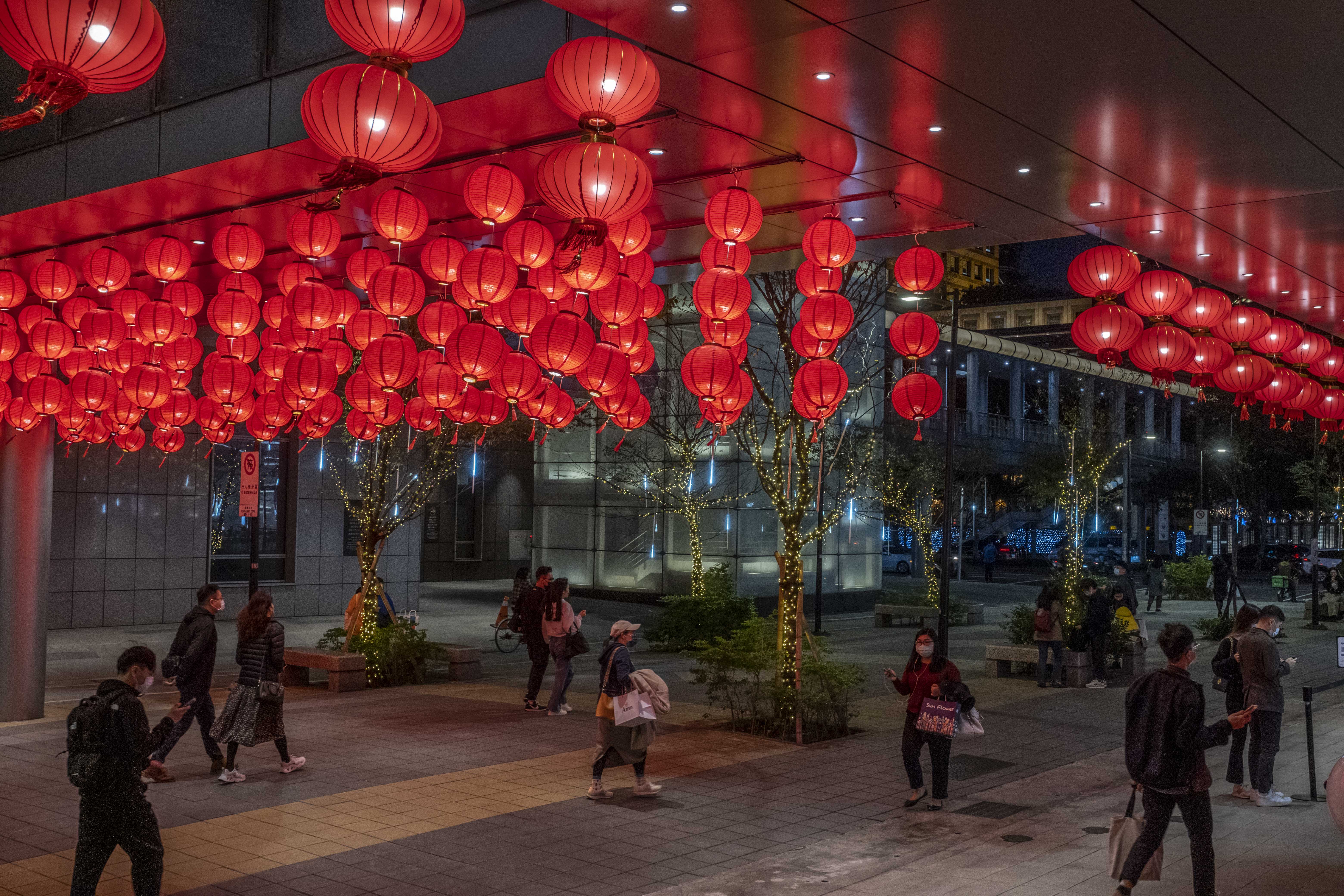
TAIPEI, TAIWAN - JANUARY 27: People wear protective face masks while shopping for Lunar New Year goods on January 27, 2022 in Taipei, Taiwan. Taiwanese will celebrate the Year of the Tiger in relative safety, as the country has managed the Covid-19 pandemic with moderate success compared to many in the region. (Photo by Lam Yik Fei/Getty Images)

What is Lunar New Year?

Lunar New Year, also commonly referred to as Chinese New Year, starts on Tuesday, February 1.

It's the start of the new year on the Chinese calendar.

In Sydney, which is known for its large celebrations, the festivities will occur between January 29 and February 13.

READ MORE: What we know about BA.2 variant, the 'stealth' version of Omicron

How do people celebrate Lunar New Year?

Most Asian countries celebrate Lunar New Year, as well as those with major populations, including Indonesia, Singapore, South Korea, Thailand and Vietnam.

Lunar New Year usually falls on the second new moon after the winter solstice, which makes it move every year.

There are many traditional celebrations that occur during the Lunar New Year.

This includes senior family members handing out red envelopes containing money to younger ones.

Cleaning the house before the new year to get rid of back luck, and decorating the house with special symbols are also common.

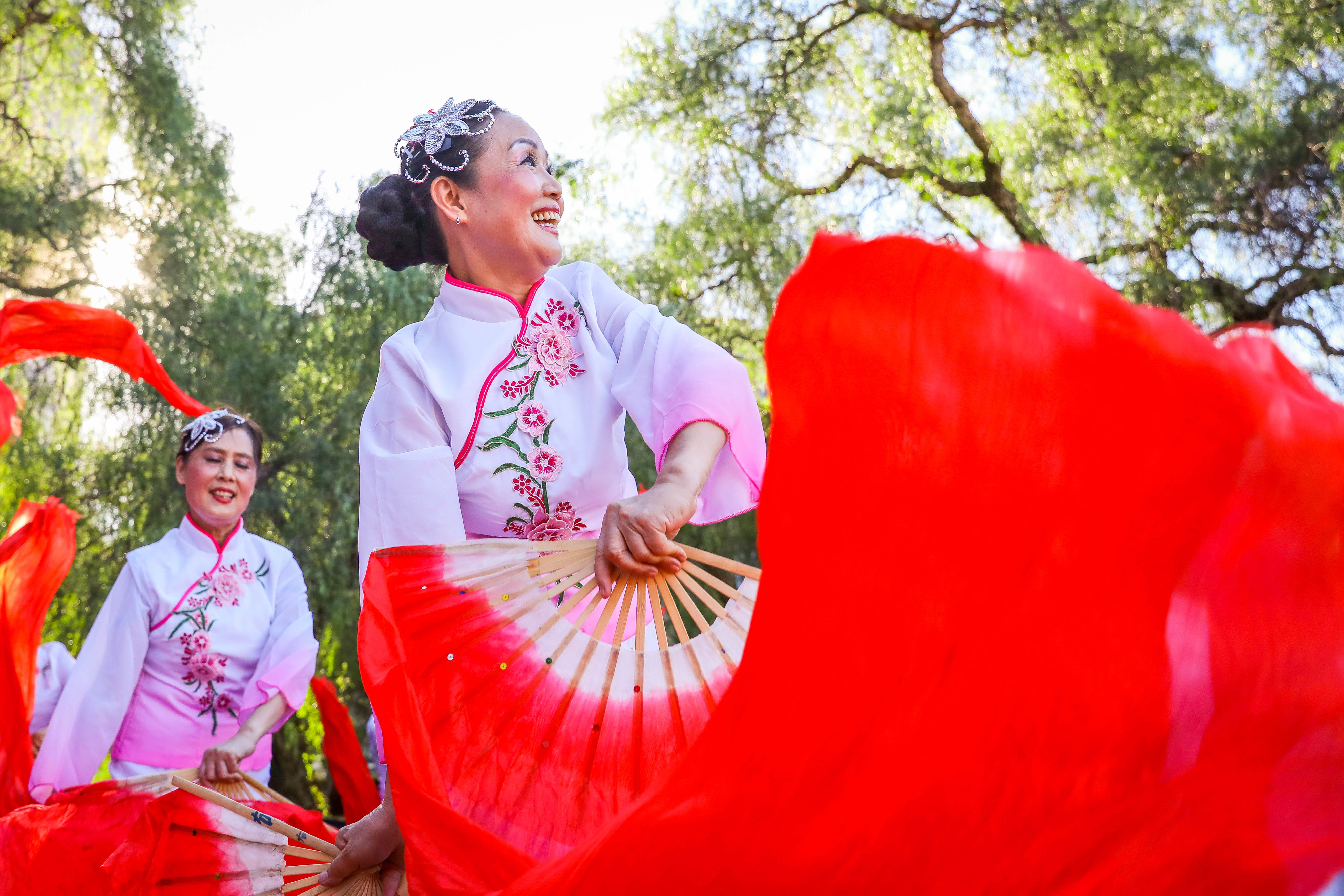
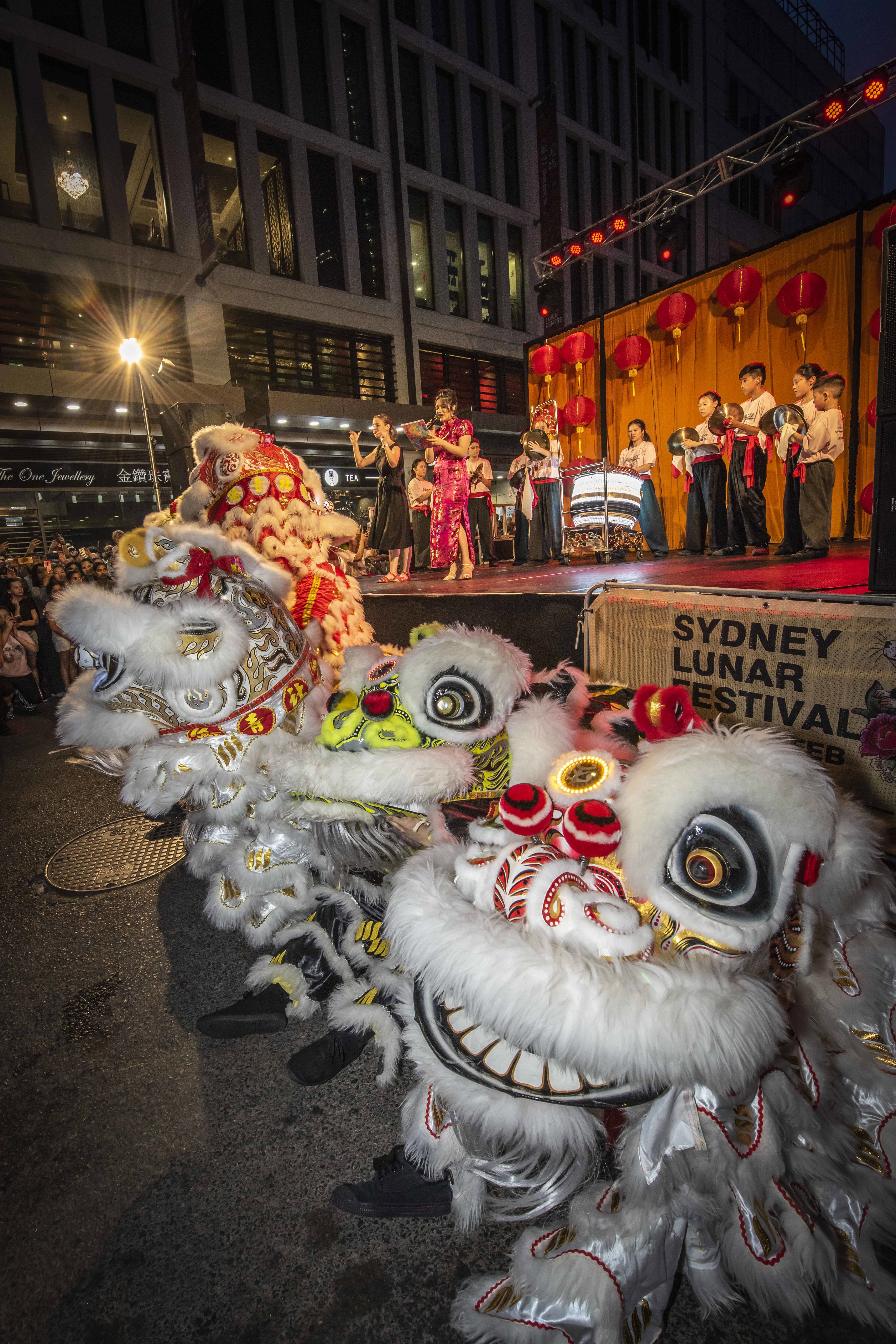
Circular Quay, Sydney - 9th February 2019. City of Sydney present Sydney Lunar Festival. Community dance groups perform for the Lunar Spectacular Show.

Red is a commonly seen colour during the Lunar New Year celebrations as it is the symbol of joy.

Red lanterns are often displayed during the celebrations.

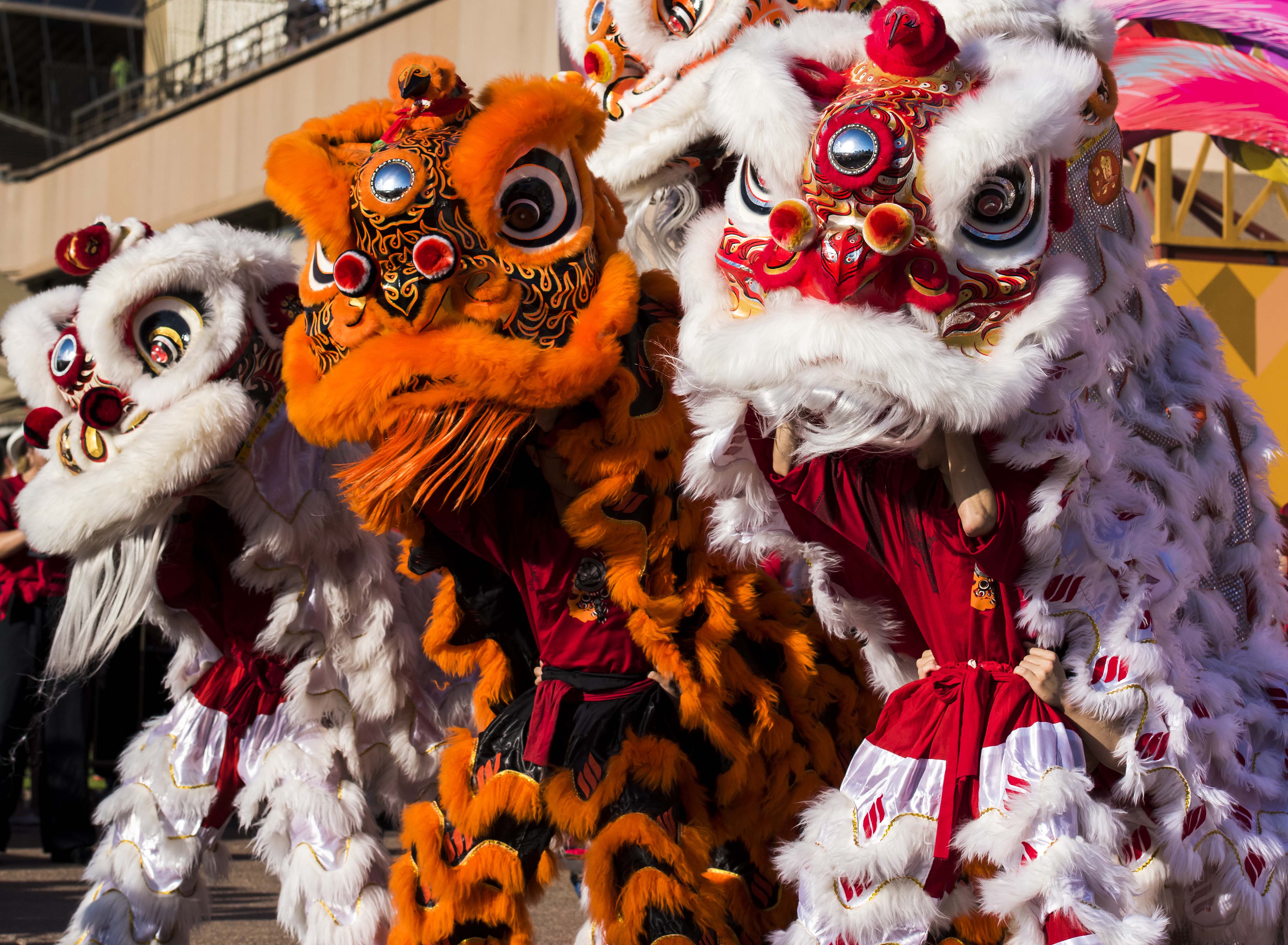
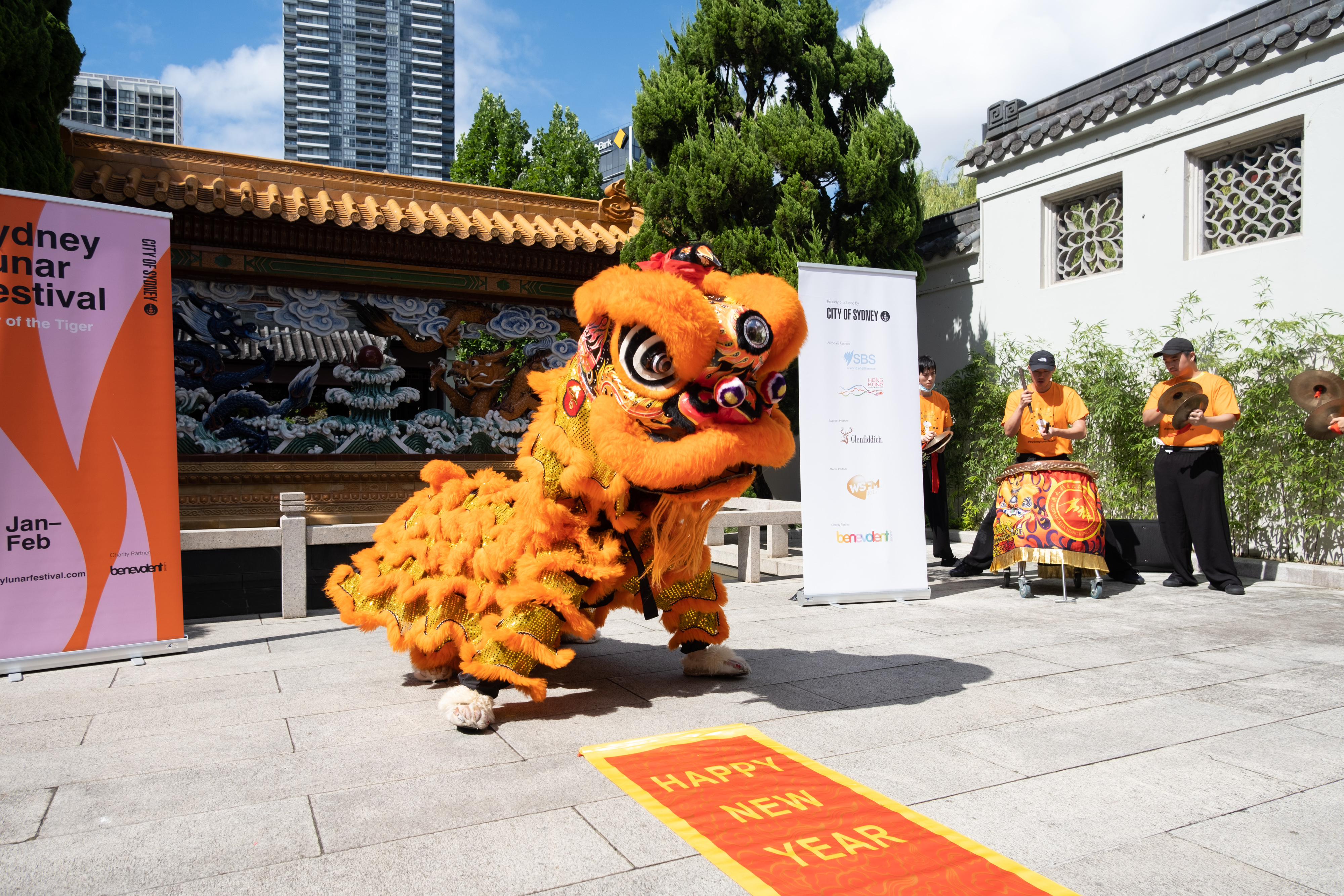
Dancing dragons or lions, accompanied by the beating of drums, are said to banish evil spirits.

Reunion family dinners are also held on the eve of the Lunar New Year.

READ MORE: 'Once per century' weather event smashes Victoria

Is Chinese New Year and Lunar New Year the same thing?

Chinese New Year and Lunar New Year are usually terms used synonymously, however, the two can be celebrated on different dates in different cultures.

The different names can also be used in different countries.

Why is Lunar New Year important?

The Lunar New Year marks the start of a new year, according to the Chinese lunar calendar.

The celebrations are deeply rooted in history.

It marks a time of year for friends and family to spend time together.

Sydney prepares to celebrate the Lunar New Year

What is the Chinese New Year animal for 2022?

The animal for 2022 is the tiger. Every year has a different animal, based on the Chinese Zodiac.

In Chinese folklore, tigers are the guardians of children.

Each year in a 12-year cycle is represented by a zodiac animal, each with its own attributes.

The animals are the Rat, Ox, Tiger, Rabbit, Dragon, Snake, Horse, Goat, Monkey, Rooster, Dog and Pig.

Each person has an animal that corresponds with the year they were born and it can represent important details in their life.

READ MORE: First records of killer whales hunting largest animals on Earth

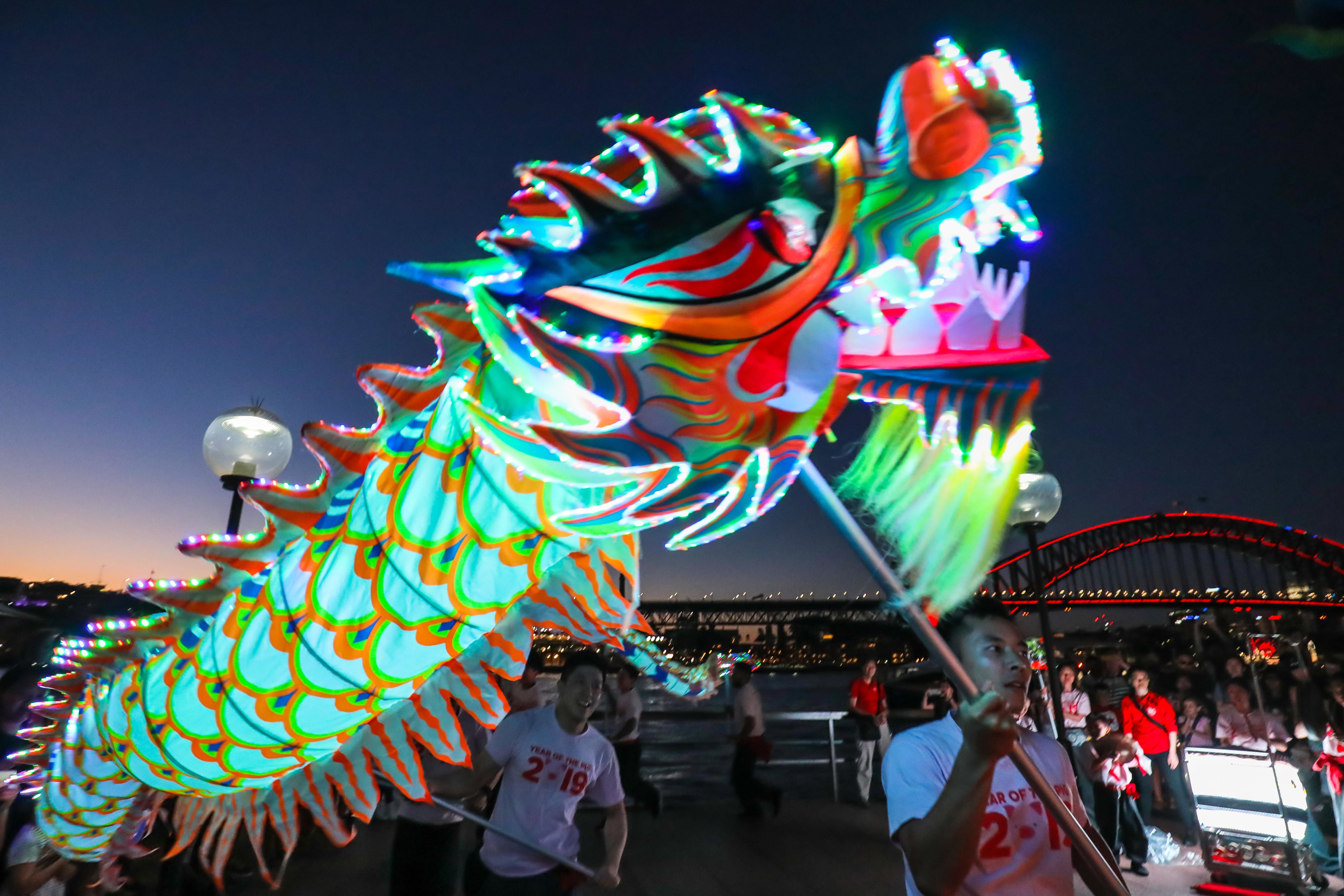
Circular Quay, Sydney - 9th February 2019. City of Sydney present Sydney Lunar Festival. People enjoy an LED lion and dragon performance in front of the monkey lantern.

What events are there in Sydney?

More than 80 events, exhibitions, concerts, outdoor displays and celebrations are planned across Sydney between January 29 and February 13.

The Lunar Lanes outdoor event will take place in Chinatown on Saturday, January 29 from 5pm to 10pm, featuring live entertainment, performers, markets stalls, food trucks, DJs and lion dancing.

Welcome to Koreatown will be a one-night event in Wilmot Street on February 12 from 5pm to 11pm. It will celebrate local culture, food and artists.

Illuminated lanterns featuring the 12 animals of the zodiac will be on display along George Street and Chinatown.

Sydney prepares to celebrate the Lunar New Year

The Lunar Spectacular Show at Town Hall on Saturday, February 12 will feature community performers.

Banners will be erected throughout the city featuring the work of five local Asian-Australian artists, showing what the Year of the Tiger means to them.

Dragon Boat Race competitions will be held over the weekend of Saturday, February 5 and Sunday, February 6 at Darling Harbour's Cockle Bay.

The 100 Good Wishes quilt installation will be shown in Chinatown featuring artworks created by Sydney children.

Lion dancers will rove the streets of the city and Chinatown over the two-week period.

Is Lunar New Year a holiday in Australia?

The Lunar New Year is not a public holiday in Australia but it is becoming more widely observed.

READ MORE: What is SWIFT and why it might be the weapon Russia fears most

Sydney prepares to celebrate the Lunar New Year

Lunar New Year COVID-19 restrictions

Under current restrictions in NSW, masks are mandatory in all indoor settings.

Singing and dancing in hospitality venues is banned.

There are also density limits on indoor hospitality venues of one person per two square metres.

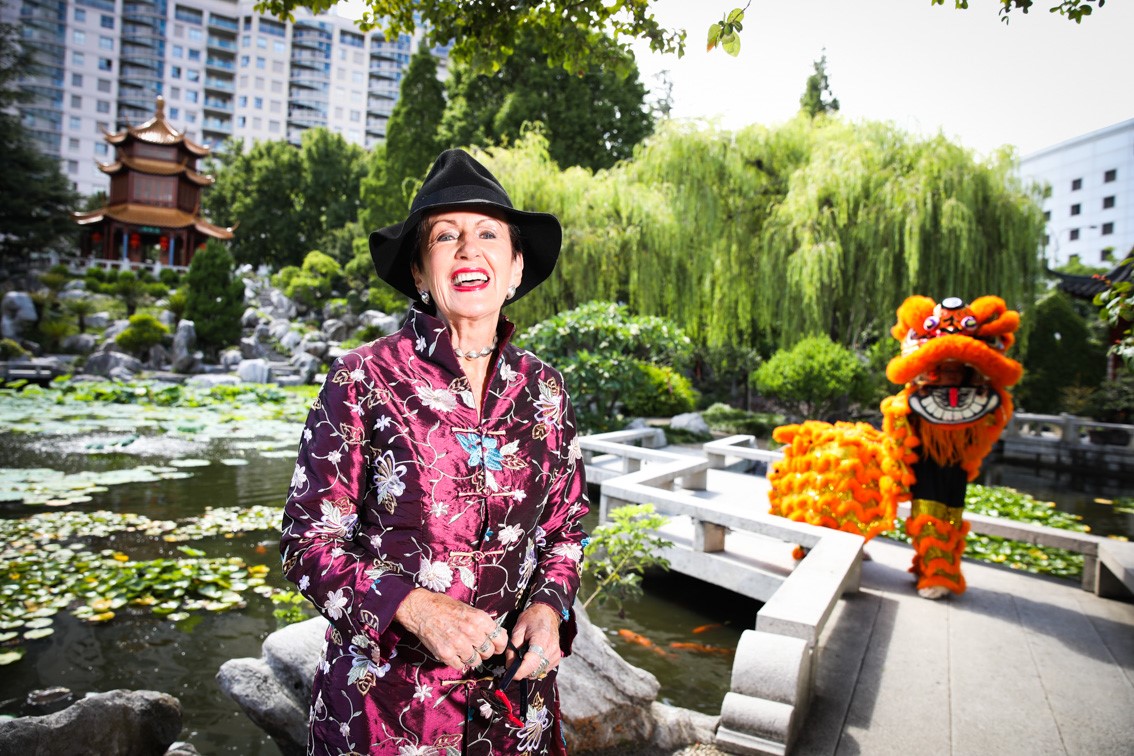
Sydney Lord Mayor Clover Moore said COVID-19 safety plans will be in place for all City of Sydney Lunar Festival events and NSW Health regulations will be followed.   

Sydney prepares to celebrate the Lunar New Year

"Many events and programs across NSW continue to be impacted by the COVID-19 pandemic and the recent surge in case numbers," she said.

"As we deal with the impacts of the latest Omicron variant, we will work with the NSW Government to ensure the event is managed in line with public health orders."

Ms Moore urged anyone attending Lunar New Year events to be vaccinated, wear a mask, and practise safe distancing.

SA restrictions to ease as lowest number of COVID-19 cases of 2022 recorded

Restrictions in South Australia are set to ease from 12.01am tomorrow after the state recorded its lowest daily numbers of new COVID-19 cases all year.

A total of 1846 new cases were recorded overnight, as were five deaths of people who had the virus, with all being over the age of 80.

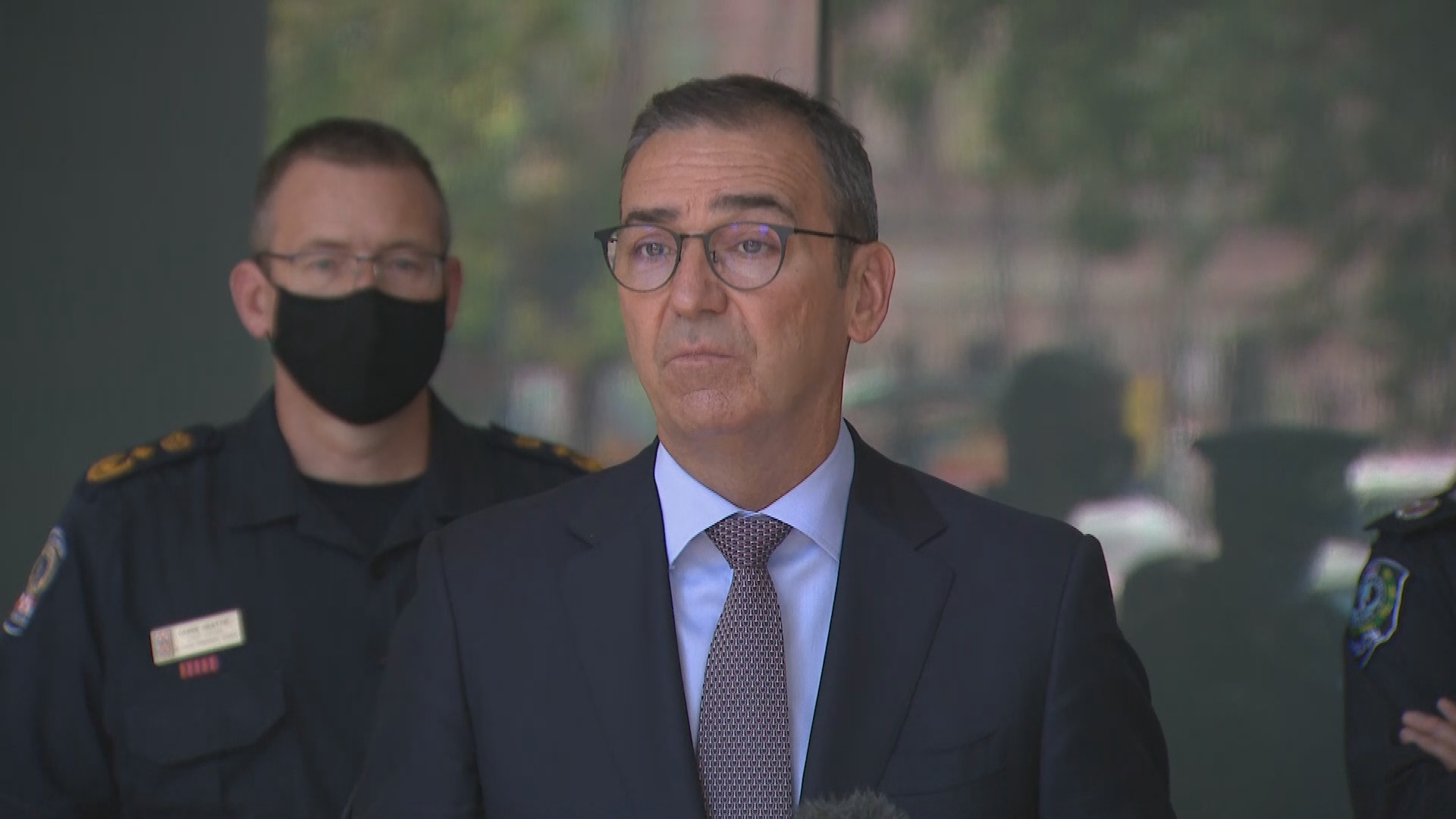
Premier Steven Marshall said the ongoing steady decline in COVID-19 cases in South Australia had given the government confidence to gradually ease restrictions in the state.

READ MORE: Victoria records 12,755 new COVID-19 cases and 39 deaths

Mr Marshall said that as of 12.01am tomorrow, capacity for indoor hospitality would be increased to 50 per cent of density while pediatric elective surgery would also be recommended.

Mr Marshall said the two restriction changes had been chosen first because they created jobs.

He said more easing of restrictions would be coming, and would likely occur on a fortnightly basis.

https://twitter.com/SAHealth/status/1486936208844681224

Office workers returned to their workplaces yesterday.

There are 285 people in hospital with the virus in South Australia, including 24 in intensive care and four on ventilators.

There are 24,612 known active cases of COVID-19 in the state.