As surging global temperatures alter the landscape of the Arctic, scientists are observing what's shaping up to be a new record at the other end of the globe.
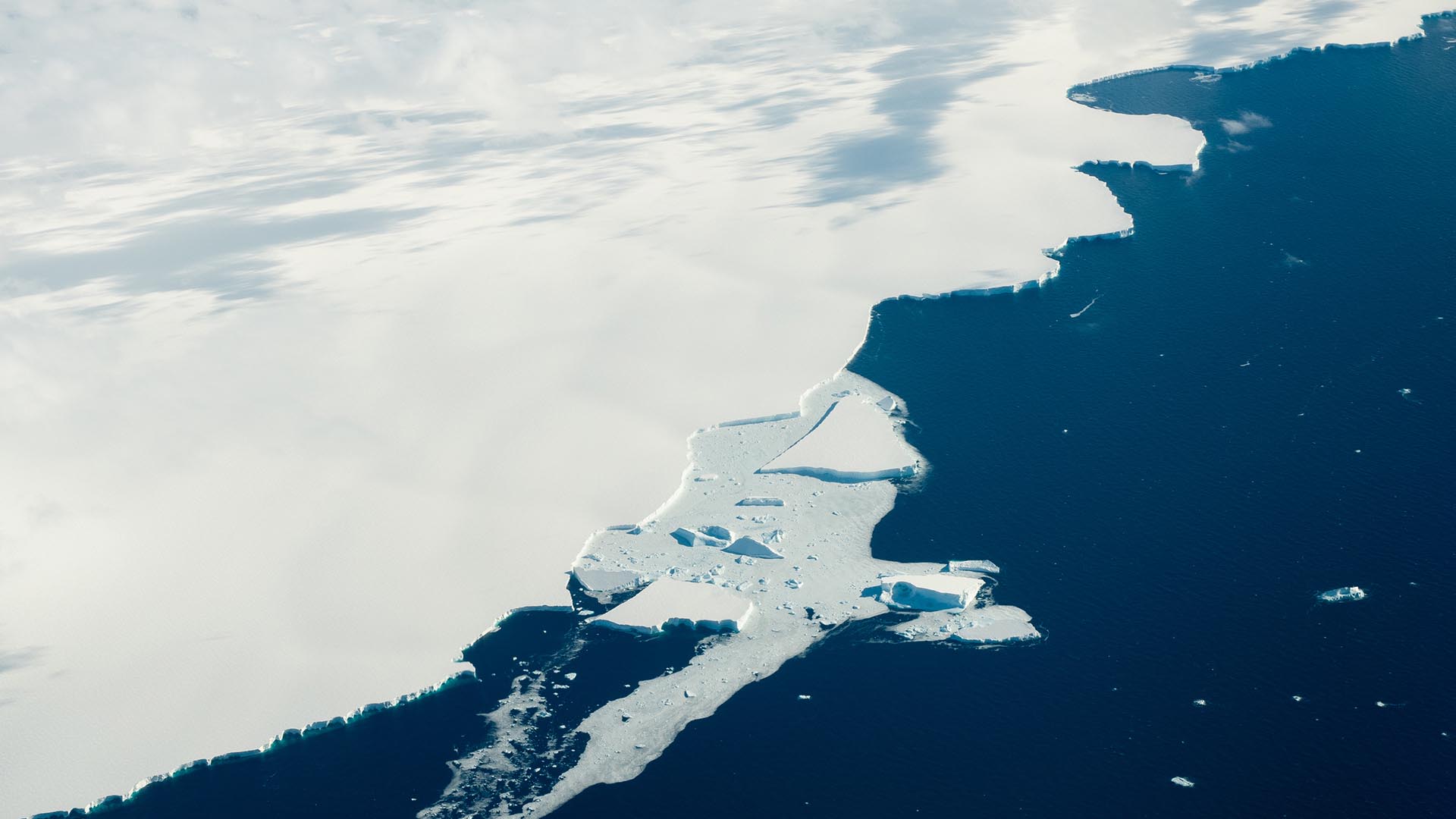
Preliminary data from the National Snow and Ice Data Center suggests Antarctica will likely set a record this year for the lowest sea ice extent — the area of ocean covered by sea ice. On Wednesday, sea ice around the continent dropped lower than the previous record minimum set in March 2017.
"What's going on in the Antarctic is an extreme event," Ted Scambos, a glaciologist at the University of Colorado Boulder and lead scientist at NSIDC, told CNN. "But we've been through this a bit."
READ MORE: Ukrainian rebels evacuate civilians to Russia amid crisis
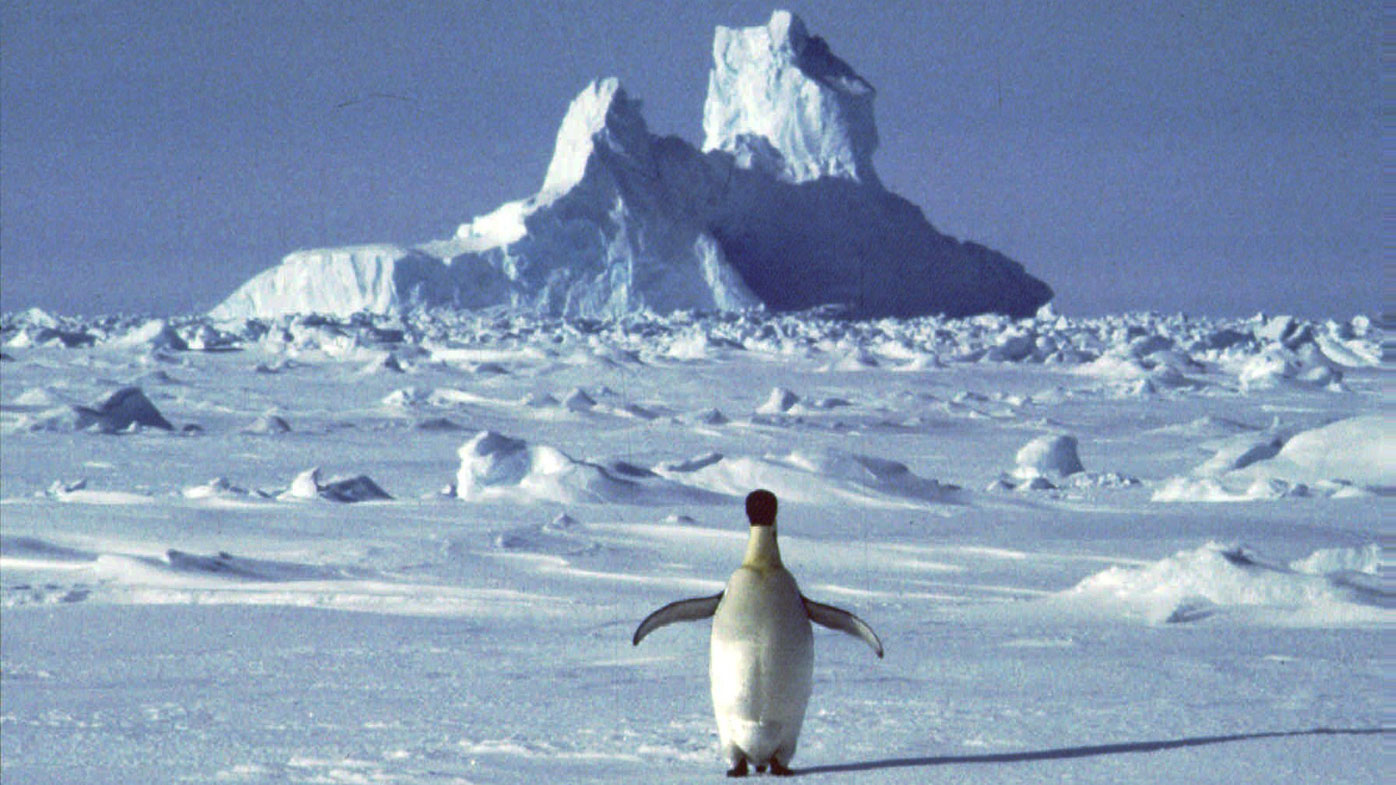
What he means by "this" is a roller coaster of sea ice extent over the past couple of decades, swinging wildly from record highs to record lows. Unlike the Arctic, where scientists say climate change is accelerating its impacts, Antarctica's sea ice extent is highly variable.
"There's a link between what's going on in Antarctica and the general warming trend around the rest of the world, but it's different from what we see in mountain glaciers and what we see in the Arctic," he added.
Satellite data that stretches back to 1978 shows the region was still producing record-high sea ice extent as recently as 2014 and 2015. Then it suddenly plunged in 2016 and has stayed lower-than-average since.
"That kind of drop is pretty much unprecedented in the record," Marilyn Raphael, geography professor and director at UCLA's Institute of the Environment and Sustainability, told CNN. "Antarctic sea ice does vary from year to year, but that was a bigger variation than what normally happens."
READ MORE: At least nine dead as storm bears down on northern Europe
Scientists say the recent shift doesn't yet necessarily signify a change in the long-term trend. But Professor Raphael said the sea ice is retreating earlier now, which can be concerning.
"There are two parts of me that answer this — the scientist part says, 'wait a little bit longer and see.' That's my cautious part," Professor Raphael said.
"Then the other part of me says, this is unusual variation in the ice. The degree is unusual, and it could be that that's a sign that climate is changing, and that's the speculation part."
The rate of sea ice loss in the Arctic and the Antarctic differs in part due to their location and proximity to other continents. In the Arctic, surrounded by land, sea ice forms and extends throughout Europe, Asia, North America and Greenland. Meanwhile, the Antarctic is a large continent surrounded by a vast ocean where sea ice can stretch across the Southern Ocean.
Dr Scambos said because continents are warming rapidly, snow cover is melting earlier than usual and exposing the dark surface of the ground, which absorbs more heat, causing the Arctic to melt faster. In contrast, the Antarctic stays covered in ice, which reflects sunlight and keeps the surrounding air cooler.
READ MORE: Passengers trapped on burning ferry in Greece
Despite the complex climate signals in Antarctica's record low sea ice, scientists point out that the increasing warming trend in the polar regions amplifies the consequences of the crisis globally.
"Polar regions really have a way of making these small changes a bigger deal," Dr Scambos said, "either through sea-level rise, which is the main cause for concern from Antarctica, or through warmer climate generally, because the Arctic is sort of the air conditioner for the places where most of us live in the Northern Hemisphere."
He adds it would take more than a decade of a persistent downward trend in order to link the dwindling sea ice in the Antarctic to climate change, even though temperature conditions in many parts of Antarctica are already exhibiting a warming trend.
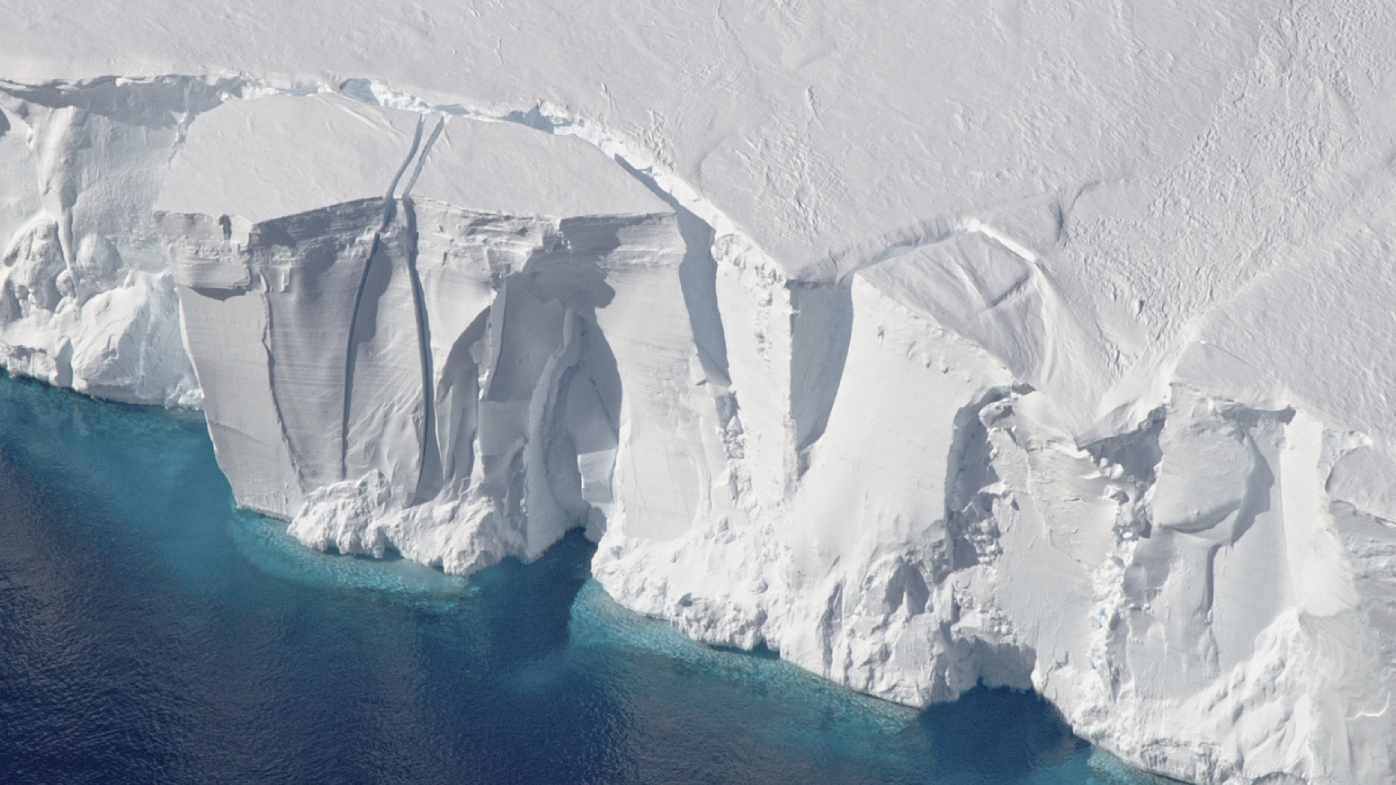
But on the continent itself, some alarming effects of climate change have started to take shape: Just last year, researchers, including Dr Scambos, observed that the critical ice shelf holding back the Thwaites glacier in western Antarctica could shatter within the next three to five years, which could result in devastating sea-level rise.
From their camp in the middle of the Antarctic to their stations on the coast, researchers flew over the gargantuan Thwaites glacier, also known as the "Doomsday Glacier," for two hours.
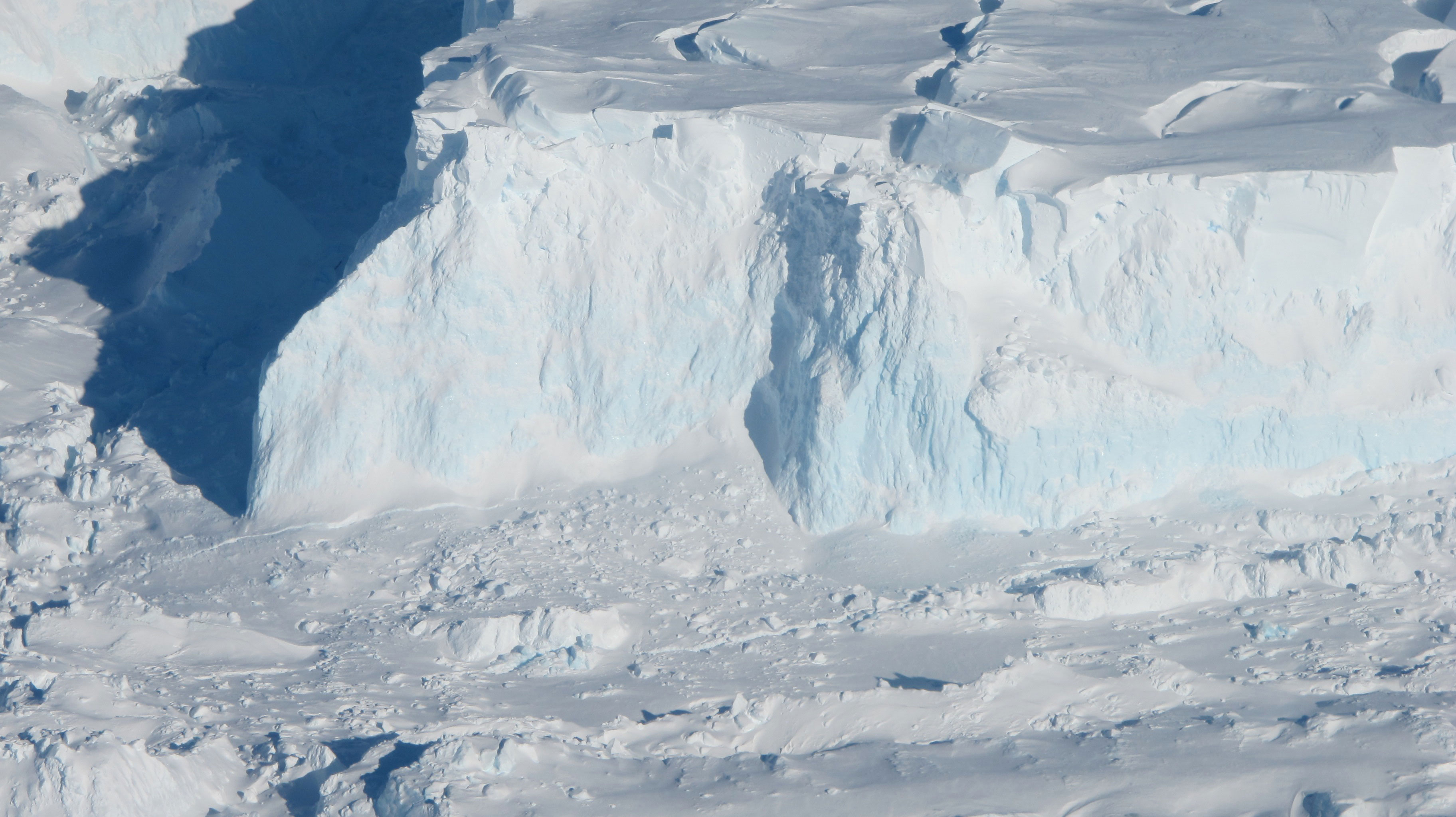
Dr Scambos said they could see "massive cracks in this ice shelf, places where the ice is tearing apart."
He said it's an example of how the climate change impact in one very specific location could have consequences for the entire planet.
"The trends have rearranged a little bit because fundamentally over the last four decades, Antarctica has just been pushed around by the changes in ocean temperature and wind," said Dr Scambos.
"The thing about Antarctica and sea ice is it is very unconstrained, sort of at the mercy of wind patterns, storms, snowfall, and ocean temperatures — all these things have an impact."
He said that the only rational way to tackle climate change is to rapidly adapt to the impacts and slash the planet-warming emissions that are the root cause of the crisis and have thrown our planet's most pristine places, such as the Antarctic, into a downward spiral.
Recalling his time in West Antarctica, Dr Scambos said he looked in the horizon with the cracking ice shelf holding back the Doomsday glacier in the background, and saw sobering signs of what's likely to happen in the future. He realised how much more climate research needs to be done.
"It raises your level of concern quite a bit," he said.
"I won't say it's scary because you're not scared in the moment. You're in awe of what's going on here."