Tag Archives: oceania

Grieving Perth mother campaigns to establish a 'wind phone'

A grieving Perth mother is campaigning for a unique instrument to be set up to help people connect with lost loved ones.

Merle Taylor says she hopes to have a 'wind phone' installed in the suburb of Bayswater, just north-east of Perth.

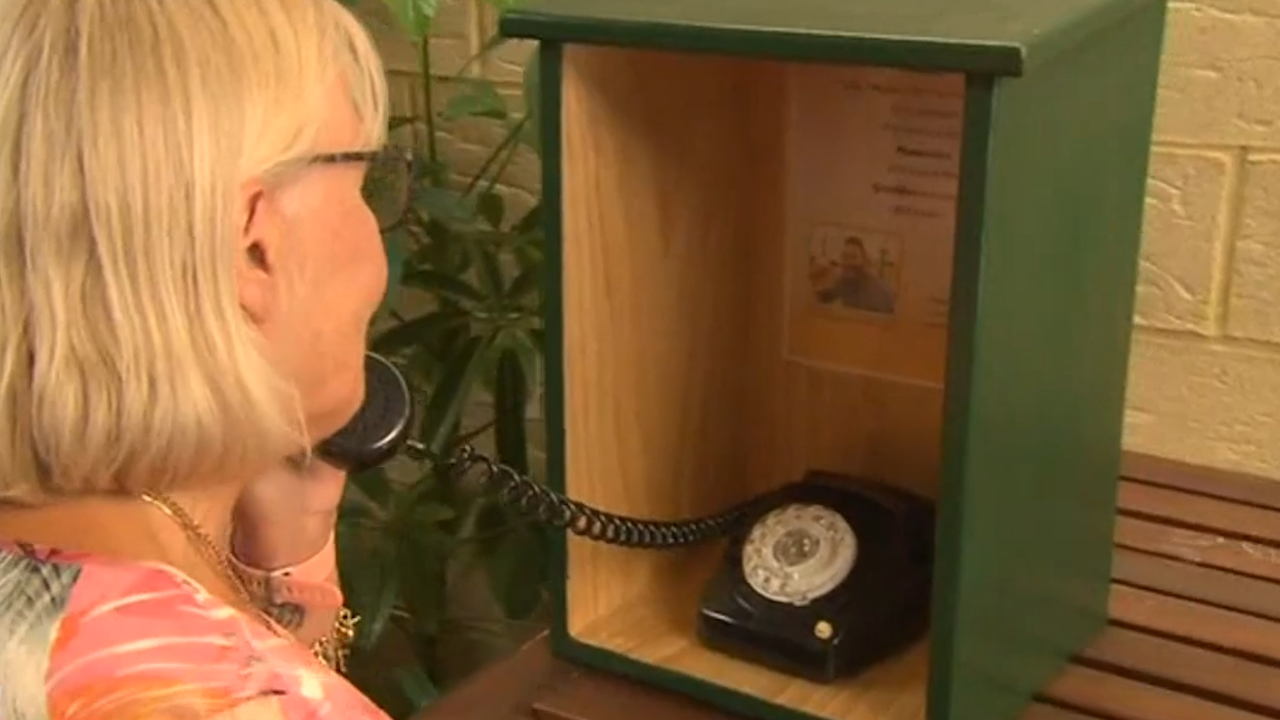
A 'wind phone' is an disconnected telephone booth that serves as a place where people can have one-way conversations with loved ones who have passed away.

READ MORE: Western Australia to bring down hard border on March 3

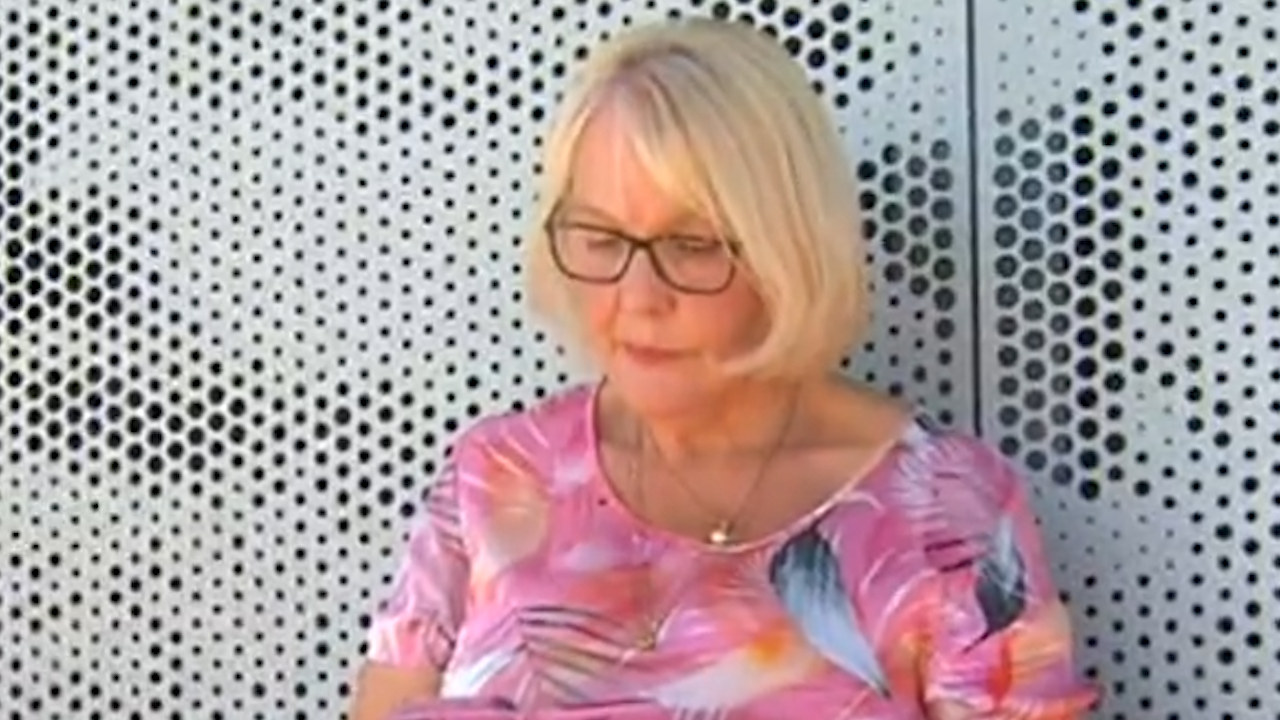
Merle Taylor is hoping to have a a 'wind phone' installed in the suburb of Bayswater, just north-east of Perth.

The concept originated in Japan in 2011 as way of grieving following a devastating tsunami and earthquake in the Tōhoku region that killed more than 15,000 people.

Ms Taylor lost her son Chris when he was just 34 years old after he stopped breathing in his sleep during a holiday in Bali with his wife and two young boys, she told 9News.

"Chris was an amazing man and father," Ms Taylor said.

READ MORE: Effectiveness of shark nets questioned after fatal Sydney attack

Merle Taylor lost her son Chris when he was just 34 years old.

Now she says she wants to connect with her deceased son through the 'wind phone', and hopes it can help others too, with the disconnected phone line designed to act as an avenue of comfort for the grieving.

"It's just a telephone that people can go and use to talk to a loved one that's on the other side," Ms Taylor said.

"Picking up a phone and dialling a phone number just changes everything."

Ms Taylor said she hopes the public 'wind phone' can be installed at Claughton Reserve in Bayswater, which was her son's favourite spot.

"I think it's a lovely sentiment," Bayswater Mayor Filomena Piffaretti said.

READ MORE: Development levy proposed to pay for new social housing in Victoria

Merle Taylor says she wants to connect with her deceased son through the 'wind phone', and hopes it can help others too.

"I can't imagine what it feels like to lose a child but I do know what it feels like to lose a loved one. Grief affects all of us and I know this [wind phone] is a tool that's been used successfully in Japan as part of the healing process," Ms Piffaretti said.

The Bayswater Council is set to vote on the 'wind phone' proposal on Tuesday, and Ms Taylor says it will mean a lot to her if it gets approved.

"You do whatever you can to get through it and this just might be one thing that people can use that will help them get through their grief."

What it's like inside 'enclosed loop' of the Beijing Winter Olympics

Every morning three soldiers, dressed for warmth, march up the ski run that leads to our hotel.

They march in file, in stride, alongside the chairlift that has been shut down for the Winter Olympics, to the halfway point of the piste and stand guard.

Exactly who they are expecting to come tearing down the slope isn't clear, but the whole process is indicative of a Games where security and the pandemic loom over every moment.

READ MORE: The story behind those towers at the Winter Olympics big air

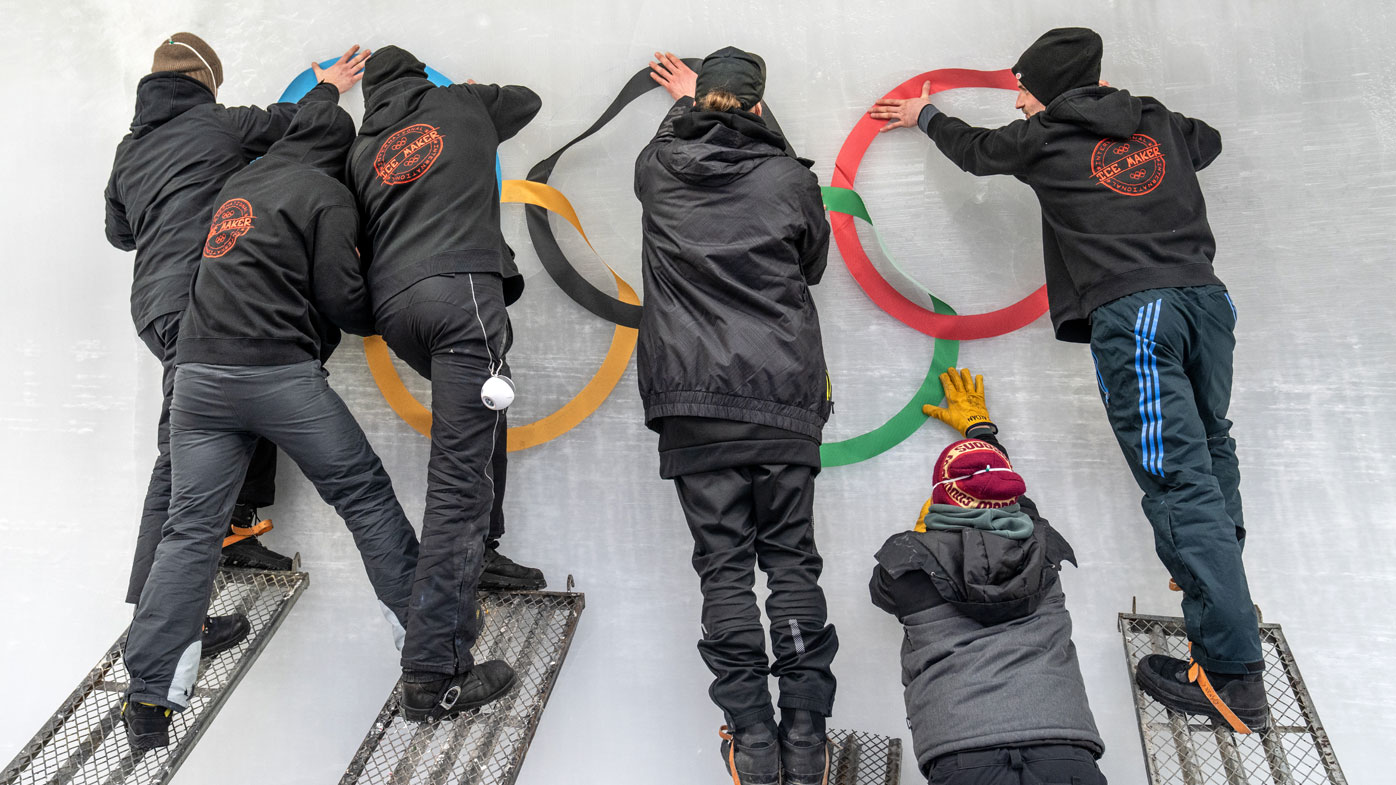
Beijing Winter Olympics inside the games

The effort from China is enormous.

"Part of these Games was always going to be that it's the COVID games," Australian chef de mission Geoff Lipshut said a few days after arriving.

"Our athletes are being very well looked after."

The Omicron variant swept the globe at the worst possible time for these Olympics, forcing an almighty rework from games officials.

Masks are compulsory everywhere; temperatures are checked everywhere.

The notorious test on arrival in Beijing is more sensitive to remnants of the virus, catching hundreds of people out, including Australian athletes Tahli Gill and Katie Parker.

Crowds are limited to a couple of dozen members of the Communist Party, sitting in a socially distanced-checkerboard pattern waving flags when instructed to by volunteers.

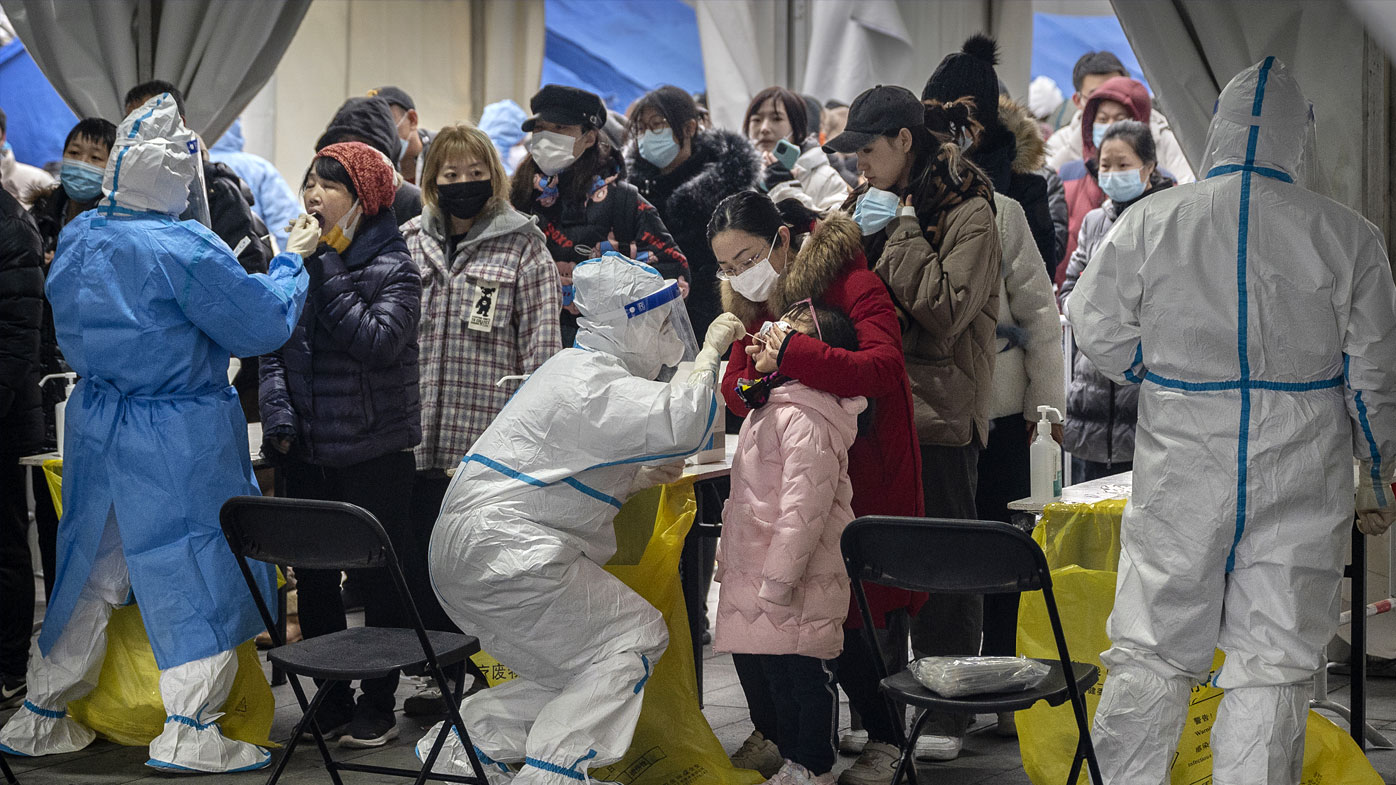
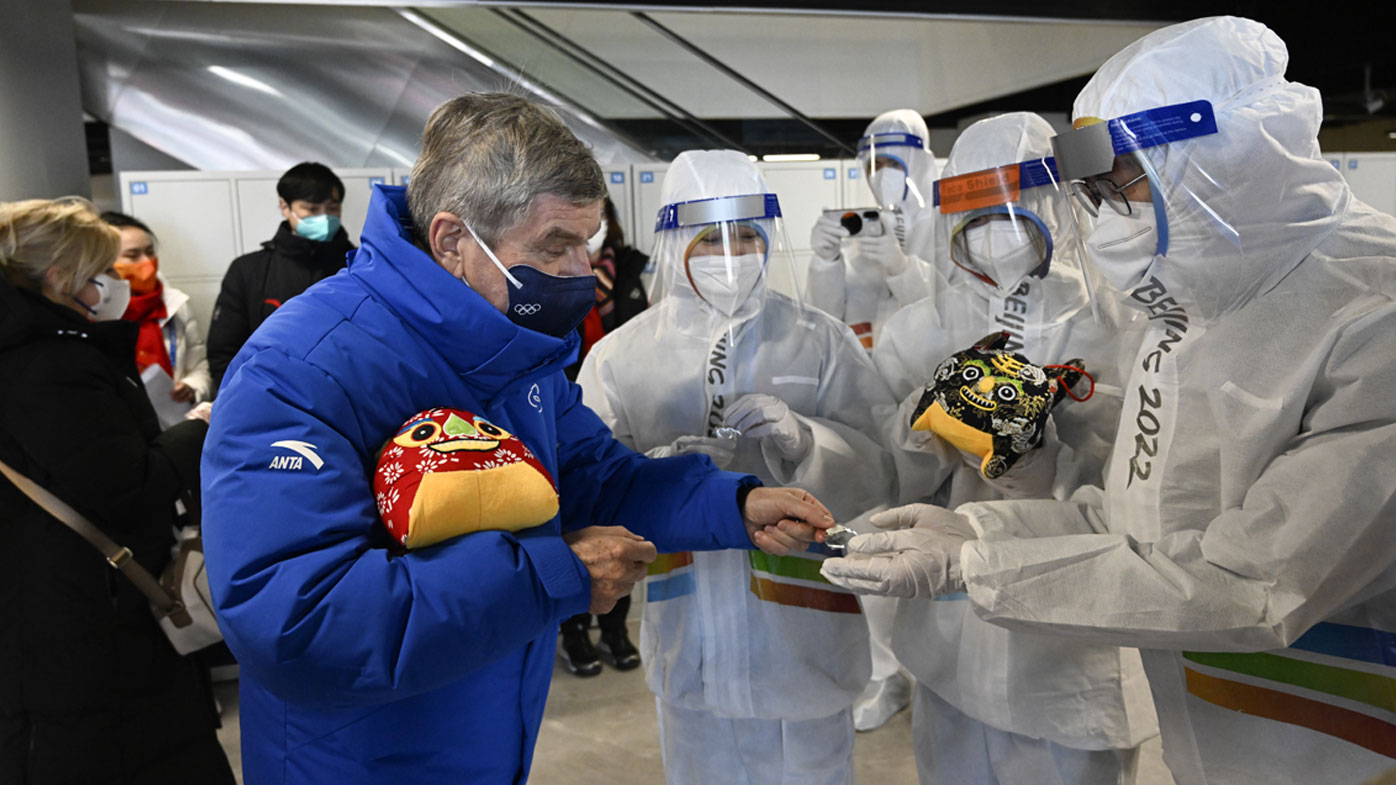
The definitive memory of these games, for those lucky enough to be here, will likely be the volunteers in head-to-toe protective clothing.

Beijing Winter Olympics inside the games

There are tens of thousands of these volunteers.

They were the first things we saw leaving the plane at Beijing Airport, they clean, they test, they deliver food and complete maintenance on the newly built resorts in the mountains.

They are a crucial part of keeping COVID-19 out of the village and the venues.

They also live away from their families for the duration of the Games inside the "enclosed loop" – a series of interconnected isolation bubbles that have been established for the Winter Olympics.

Every person is tested every day and you're not permitted to leave the loop.
Beijing Winter Olympics inside the games

Anyone that does faces a fortnight in a Chinese quarantine facility.

These strict rules deny our athletes the usual perks of Olympics, the visits to city centres, celebrations with teammates and the progressive party of the Olympic village.

But for gold medallist Jakara Anthony, the rules assisted her focus.

"I actually think the bubble is excellent," she said before winning the women's moguls.

"I feel as if the bubble is our safe haven."

The Australian team has the benefit of a live-in nutritionist preparing food for them in the village and the much-hyped barista on site.

"Coffee is a performance-enhancing stimulant," cross country skier Phil Bellingham said straight-faced when questioned about the barista by a foreign reporter.
Beijing Winter Olympics inside the games

Other teams haven't been so lucky.

The Norwegian delegation has complained about food, the Swedes are concerned about the cold.

And it is cold.

Zhangjiakou, the mountain city in China's Hebei province that plays host to most of the snow events, has had more days below -20C than above.

The weather is better in Beijing, where the ice events are being held and where the Bird's Nest became the first venue to host opening ceremonies of both the summer and winter Games.

In Beijing, robots both prepare and deliver food in a large food hall that also features a robotic bartender mixing cocktails.

The major hubs are linked by a bullet train that has been established for the Games and operates for people inside the closed loop only.

It cuts the three-hour drive into a 50-minute trip.
Beijing Winter Olympics inside the games

The train is impressive, comfortable and slick.

Screens on board regularly update passengers on the travel speed, at times boasting 350km/h.

This is the Beijing organisers were hoping to show off to everyone before Omicron stormed the globe.

"The world is turning its eyes to China," President Xi said.

"And China is ready.

"China will do its best to deliver to the world a simple, safe and splendid Games."

Simple.

Nothing about these Games was meant to be simple – this was meant to be China's coronation as a winter sport nation and global winter power.

The big air jump launching athletes into the sky surrounded by an edgy, urban defunct steel mill wasn't designed for simplicity.

The robotic waiters, ultra-fast train and lights along the great wall of China – not simple.

Organising those thousands of volunteers and millions of tests can't be simple.

But the Games have gone ahead.

Put simply, that might be the crowning achievement of Beijing 2022.
'Convenient' animal shelter killings banned as NSW passes rehoming bill

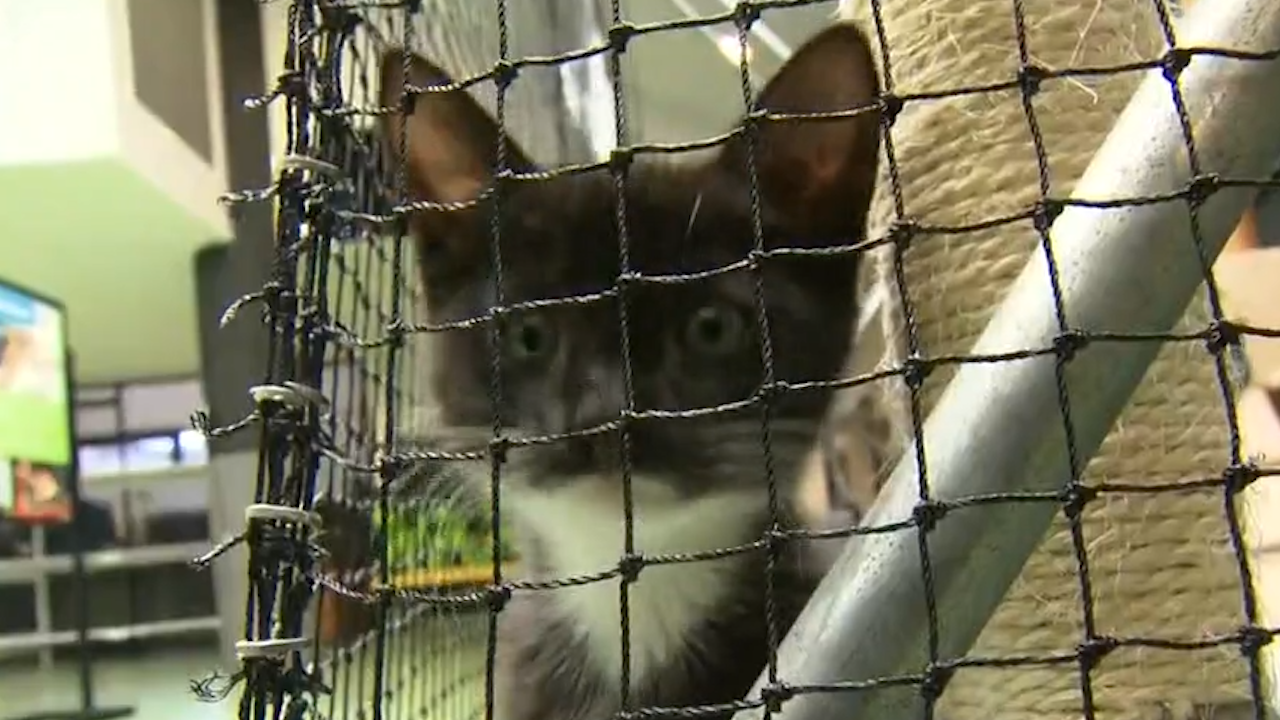
A bill to prohibit the "convenient" murder of animals inside rescue shelters has passed in the New South Wales Legislative Assembly.

The Companion Animals Amendment (Rehoming Animals) Bill 2021 enforces councils to take certain steps towards rehoming a seized or surrendered animal before euthanisation – ensuring further safeguarding for impounded animals across the state.

The RSPCA NSW said the new legislation was a win for animal welfare.

READ MORE: Victorian woman fleeced $10,000 from 'harrowing' phone scam

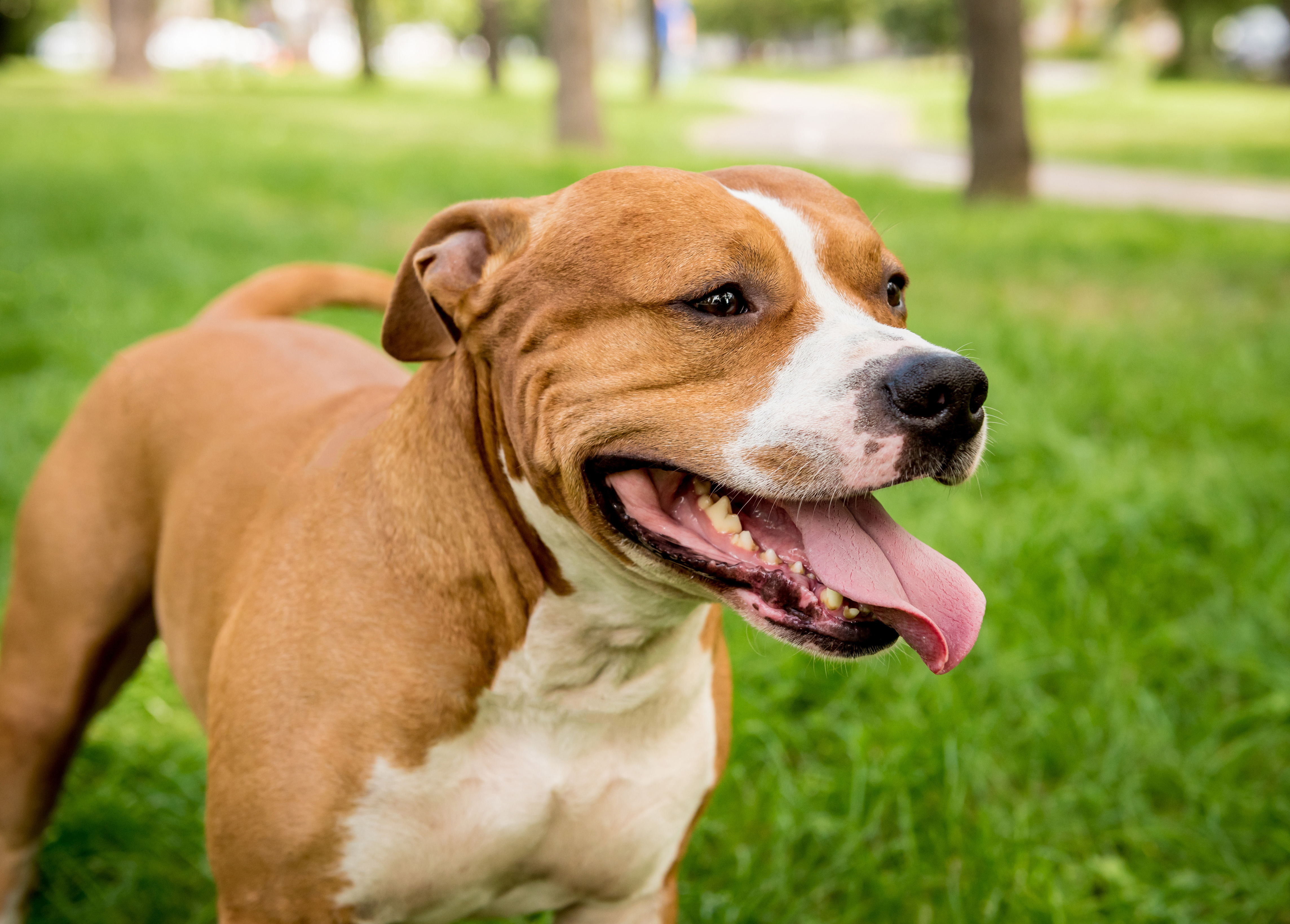
RSPCA NSW says dogs should be judged on an animal's individual merits, rather than by breed.

"This is a huge step in the right direction and will help build on a lot of the good work that many councils have already achieved," RSPCA NSW CEO Steve Coleman said.

"Every animal deserves a fair go at a second chance, and we can only achieve this by working together.

"More than anything, this Bill sets up the framework for a solid network dedicated to saving more animals lives."

READ MORE: If your password is on this list, you're in trouble

The RSPCA urges people to consider adopting a rescue animal.

Animal shelters in NSW have come under scrutiny for euthanising animals as a cheaper practice than finding them their forever home.

The bill was introduced after 15 dogs and puppies were shot by Bourke Shire Council in August, despite at least two rescue organisations offering to rehome them.

The council was cleared of any legal wrongdoing after investigations by the RSPCA, the NSW Ombudsman and Office of Local Government.

Animal Justice Party MP Emma Hurst tabled the bill, which was carried to the lower house by independent Alex Greenwich.

"The shooting of these dogs should never have happened. Now we can be sure it will never happen again," Ms Hurst said.

"This atrocity could have been avoided – our weak laws failed these dogs."

'He just smashed me: Fisherman attacked by shark off Queensland coast

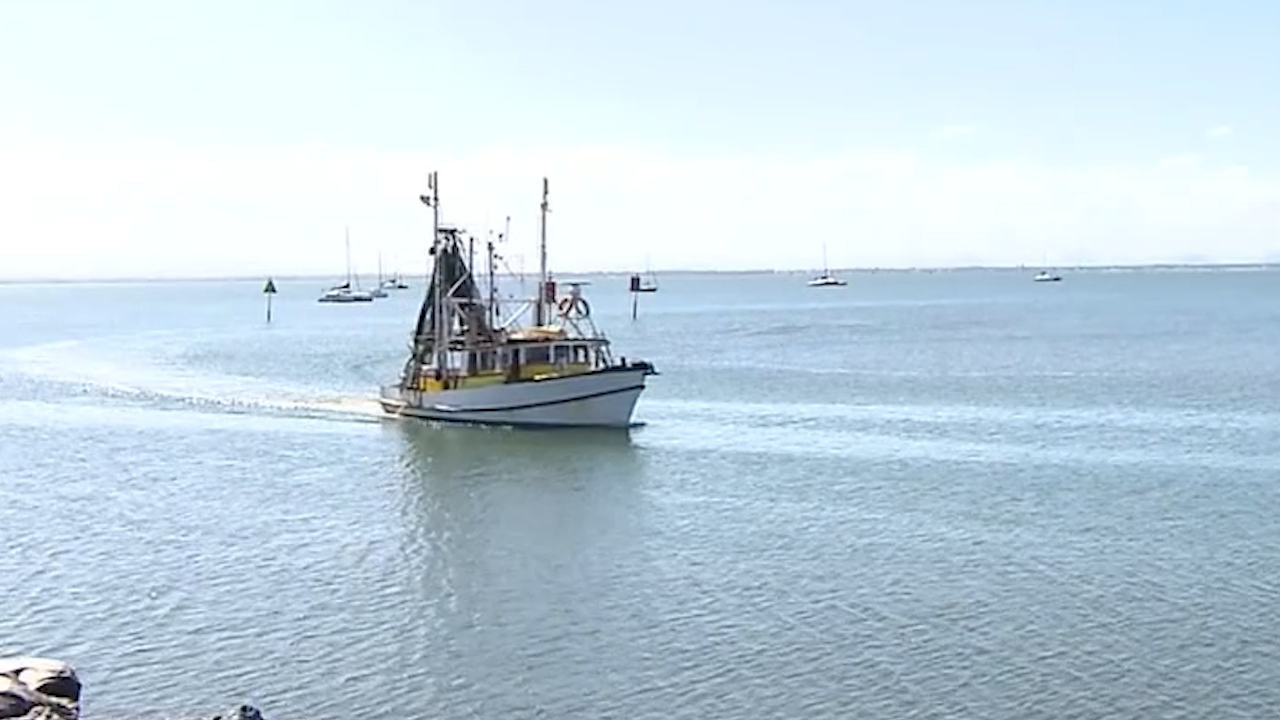
A fisherman has described the moment a three-metre shark charged at him while he was fishing off Queensland's south-east coast.

WARNING: Graphic images below

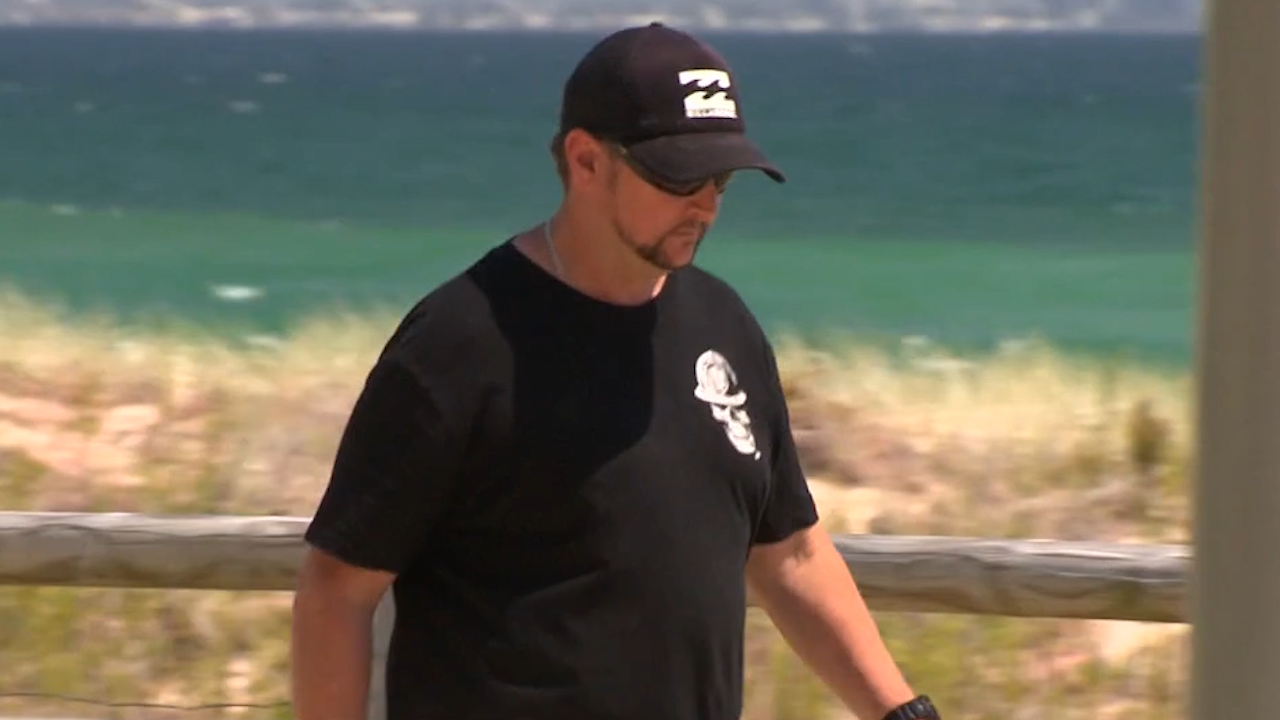
Rodney Forster had taken his boat off the coast of Redcliffe, just north of Brisbane, yesterday when he jumped into the water to untangle a net from his propeller.

READ MORE: 'Just really sad': Mick Fanning on Sydney shark attack

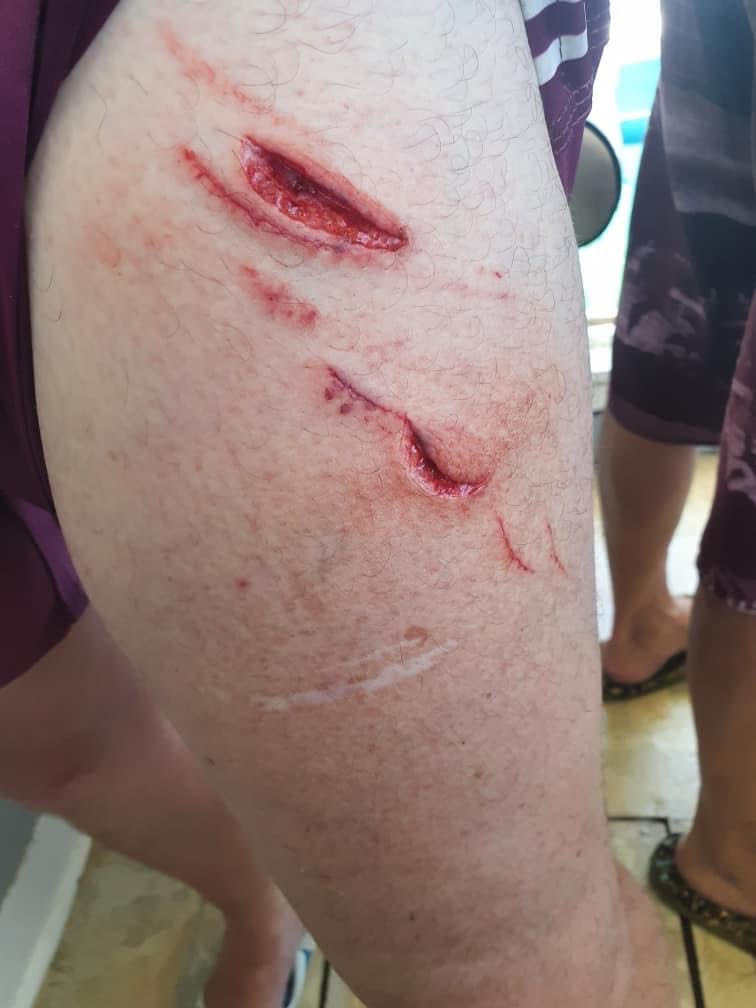
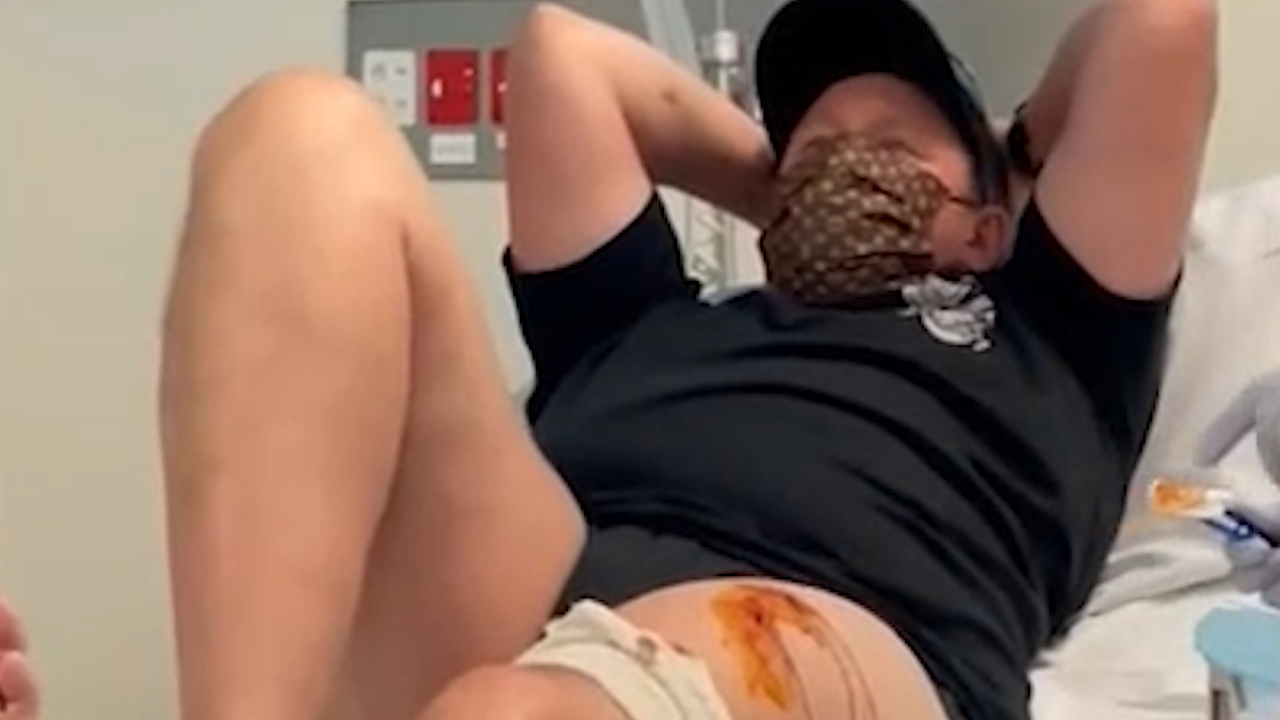
It's then he said a three-metre tiger shark launched into him, leaving him with significant bite wounds on his leg.

Mr Forster said he feels lucky to be alive.

"It happened that quick, he just smashed me into the keel of the boat. It hit me, felt like a shoulder charge you didn't see coming," he said.

Mr Forster was pulled from the water by a fellow fisherman, initially unaware of his injuries.

"I just thought, 'Get me out of the water before it gets me,'" he said.

"Lucky they were at the back of the boat and they pulled me straight out."

The incident has occurred just a day after a Sydney swimmer lost his life in a great white shark attack, the first shark-related fatality in the city in almost 60 years.

Whilst shark attacks are typically rare, tiger sharks are considered one of the most dangerous species to humans due to their aggression and tendency to attack unprovoked.

READ MORE: Tagging great white sharks with Ocearch's Chris Fischer

Mr Forster said while he initially laughed his experience off, the reality of the situation soon hit.

"My cousins told me they didn't think sharks liked cockroaches. I was wearing my footy shorts at the time, maybe that was it," he said, referring to the NSW Origin team.

Mr Forster's leg wounds have been bandaged up and he will return to work next Wednesday.

He is now hoping to raise awareness of what can happen when out on the ocean and is warning others to be shark aware.

"It could have been much worse," Mr Forster said.

"It was a good outcome in the end."

WA sets new border reopening date

Western Australia's hard border will come down in March, allowing the state to finally reopen to the rest of the country.

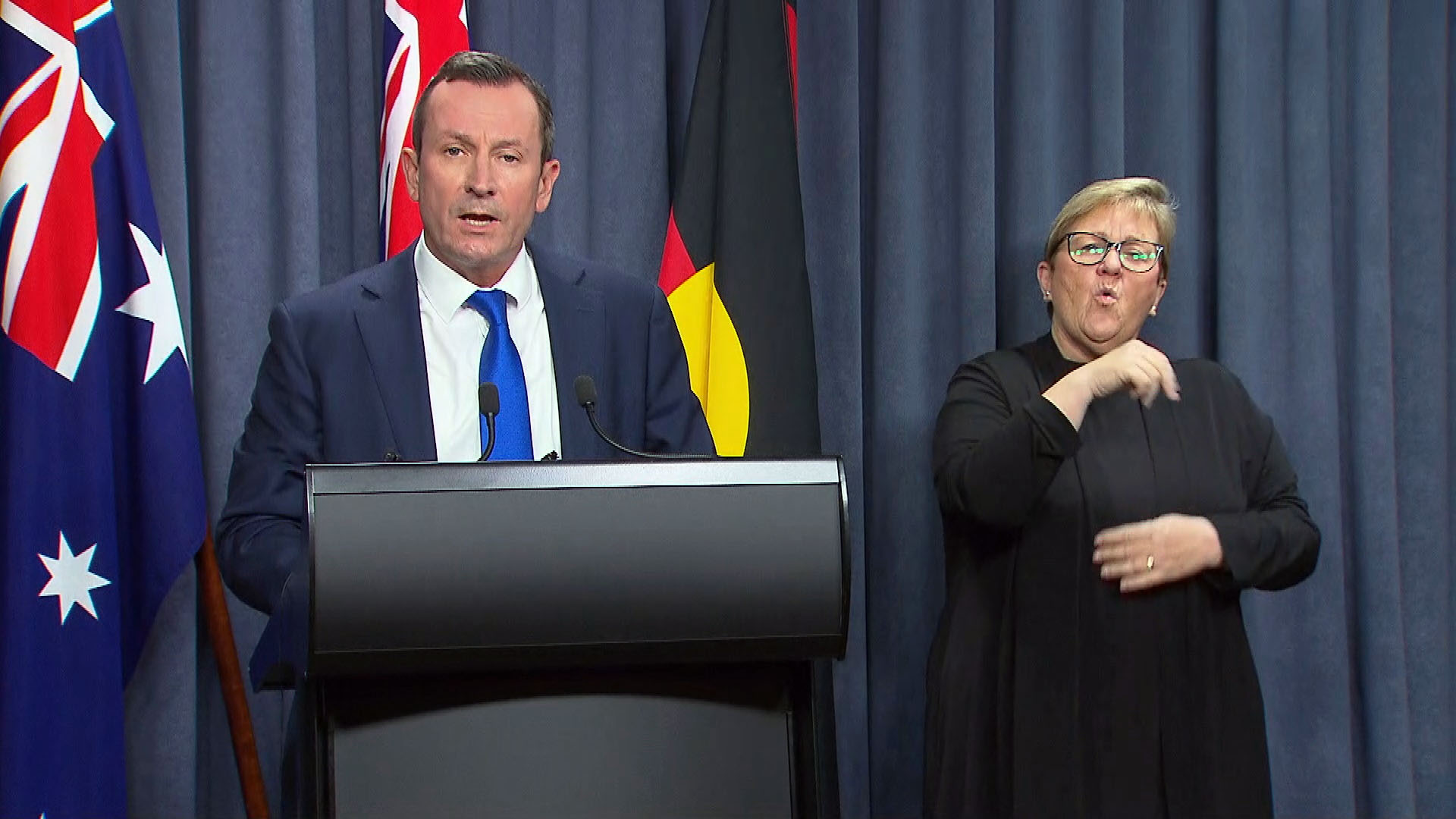
Premier Mark McGowan announced the border will reopen at 12.01am on Thursday, March 3, allowing quarantine-free travel across the border for people triple-dosed with a COVID-19 vaccine.

This comes after Mr McGowan cancelled the border reopening for February 5 back in January due to the high transmission of COVID-19 cases on the east coast.

READ MORE: What we know about shark attacks off NSW and around Australia

WA Premier Mark McGowan

"Eventually there comes a point where the border is ineffective, when you get to high numbers within the state," he said.

Mr McGowan said delaying the opening of Western Australia's border from the planned date of February 5 had saved hundreds of lives.

"Proceeding with the original plan on February 5 would have been a complete unforced error," he said.

"Instead we created a safe pathway for tens of thousands of Western Australians to come home."

Mr McGowan has emphasised the state will reach over 70 per cent triple vaccination rates by March 3, acknowledging some Western Australians will be "apprehensive" about the reopening.

"March 3 will be a step forward for Western Australia, a safe step forward."

Interstate arrivals will have to take a RAT within 12 hours of arrival as well as having to have had three doses of a COVID-19 vaccine.

International arrivals will also have to take a RAT within 12 hours of arrival.

Unvaccinated returning Australians to the state will have to undergo seven days of hotel quarantine.

Mr McGowan said the date set for opening WA's borders is final.

"This date is locked in and I can't foresee a situation where it would change," he said.

Mr McGowan said he could not say when restrictions in the state would end and that they would be active for "quite some time".

He said other states had been too quick to ease restrictions, referencing New South Wales removing and later reintroducing restrictions.

READ MORE: Israeli strawberry clocks in as world's heaviest on record

New COVID-19 restrictions in WA

Mr McGowan has also announced increased COVID-19 restrictions in the state.

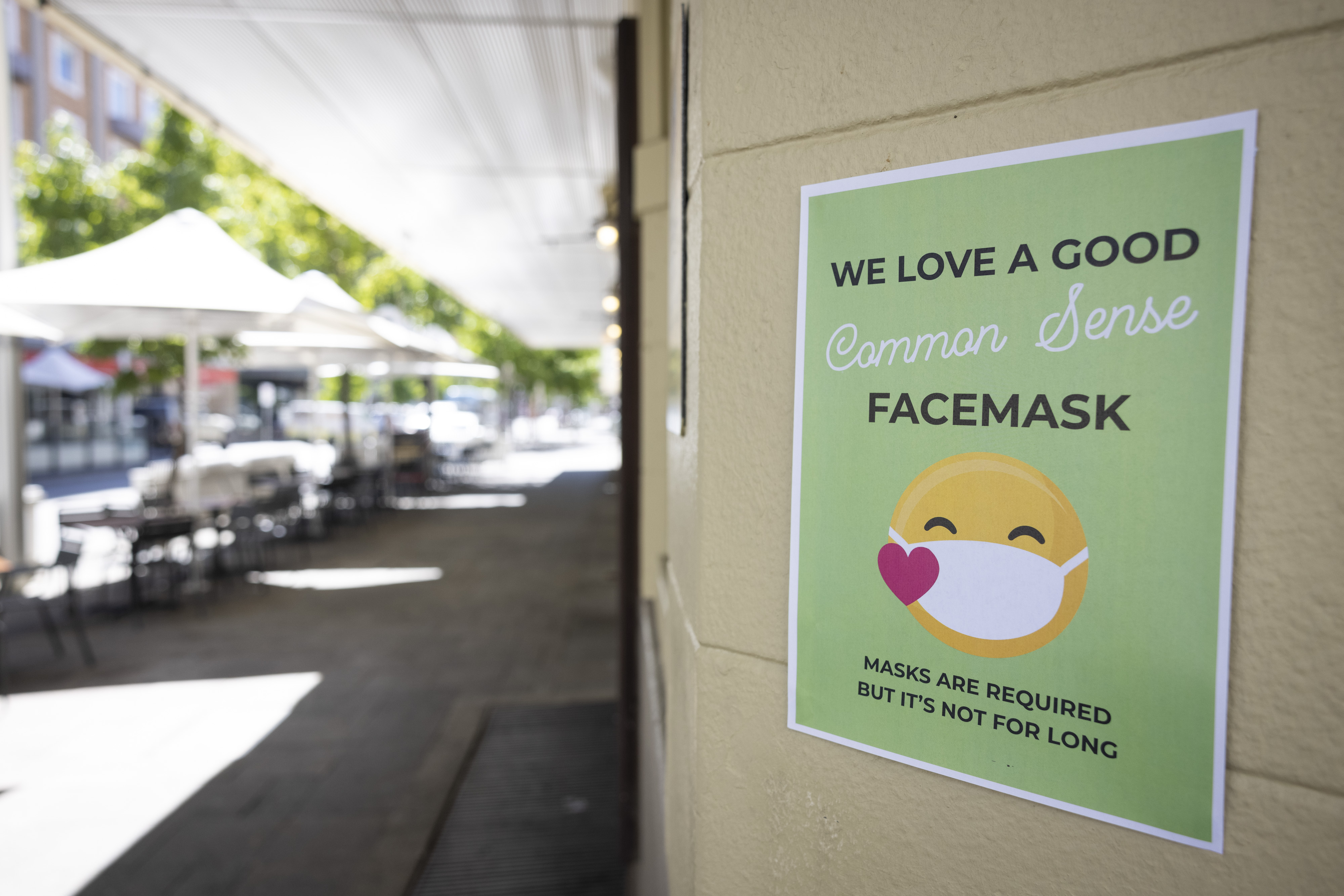
From 6am February 21, indoor mask requirements will be extended statewide.

Level one measures will be introduced in Perth, Peel and the south-west, the Great Southern, Wheatbelt and Pilbara.

Mr McGowan said these areas are where there is community transmission of the virus.

https://twitter.com/Natalia_Cooper9/status/1494559872481824769

Level one measures include the two-square-metre rule for all hospitality venues, cultural venues, fitness venues, hair and beauty salons and places of worship.

Theatres, cinemas and major stadiums will be limited to 75 per cent capacity.

Nightclubs will also have the two square metre rule and will be capped at 500 patrons.

Dancing and standing consumption are still allowed.

"We are trying to strike a safe balance," Mr McGowan said.

PERTH, AUSTRALIA - DECEMBER 24: A sign on display advises the public to the requirements of face masks on December 24, 2021 in Perth, Australia. The Western Australian government has implemented new COVID-19 restrictions, following the detection of a new community COVID-19 case. From 6pm on Thursday, masks will be mandatory in all public indoor settings in the Perth and Peel regions until December 28th. Authorities are also recommending people wear masks outdoors when physical distance can't be

Home gatherings are limited to 30 people and private outdoor events not at a person's home will be capped at 200 people.

Hospitals, disability and aged care centres will only permit four visitors per day, but Mr McGowan flagged there will be exemptions in compassionate circumstances.

Mr McGowan has announced bottle shops across WA will be removed from the list of places where proof of COVID-19 vaccination is required.

Spike in local COVID-19 cases

Western Australia recorded 194 new local COVID-19 cases in the past 24 hours.

The state also reported eight travel-related cases.

That is a jump in cases from 177 local infections reported yesterday.

Mr McGowan said Western Australians will see a "continued growth in cases in the days ahead" due to the transmissibility of the Omicron variant.

There are no COVID-related patients admitted to hospital or ICU in the state.

READ MORE: Robotexts leaving Australians 'under attack all the time'

It comes as more than 95 per cent of Western Australians aged over 12 have received two doses of the COVID-19 vaccine.

Just over 55 per cent of the population aged over 16 are triple vaccinated.