Nine new cases of Covid-19 have cropped up in the Nelson Tasman region, the Ministry of Health has confirmed.All nine cases are in one household.Public health officials are investigating recent travel to Auckland as the possible…
Tag Archives: oceania
'Underlying health conditions' of people who died with COVID-19
Throughout the pandemic, the term "underlying health condition" has been used in relation to people who died with COVID-19.
According to the Australian Bureau of Statistics (ABS), 47 per cent of the population have "one or more chronic conditions".
That is a huge chunk of the population, and the term has been used fairly vaguely by health authorities.
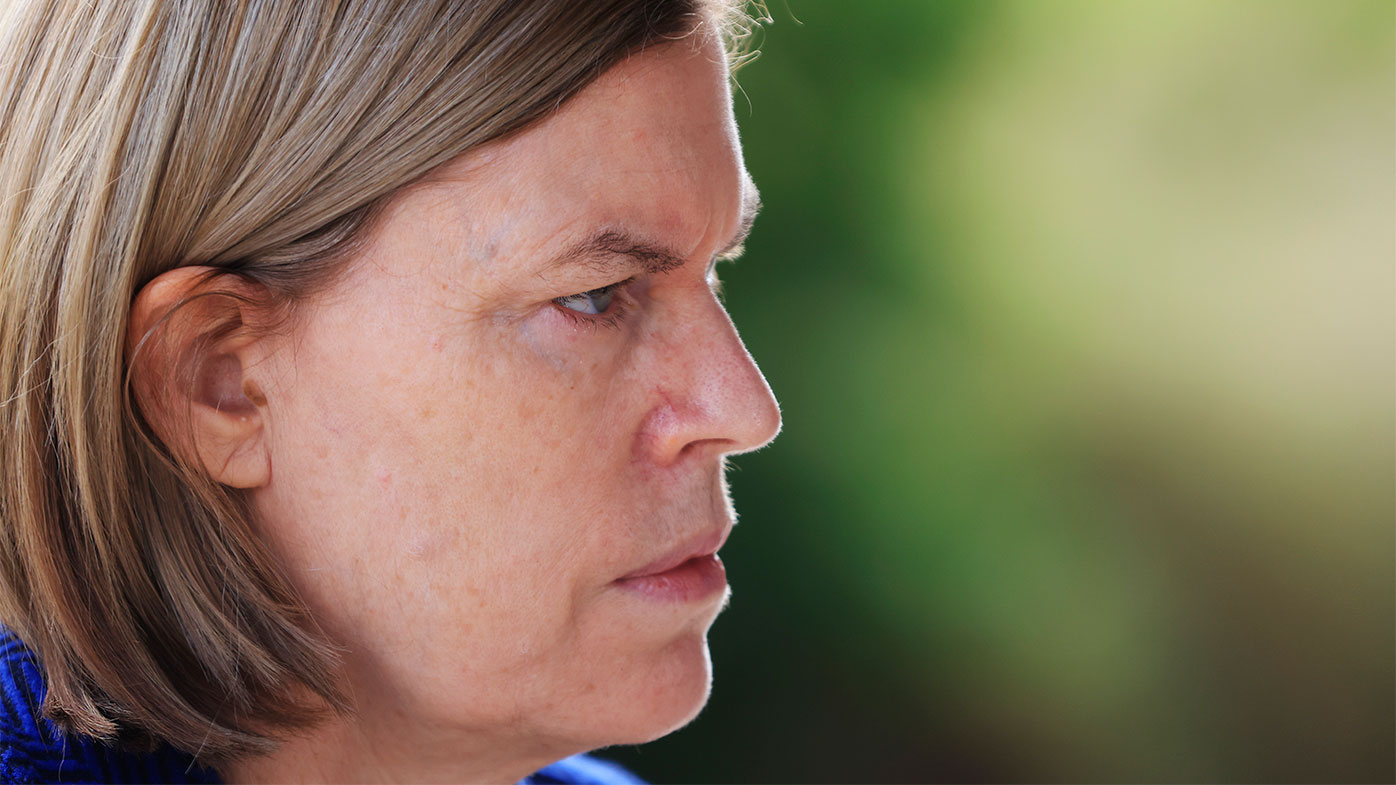
But today NSW Chief Health Officer Dr Kerry Chant gave some more detail on the kind of conditions, sometimes known as comorbidities, people who died with COVID-19 had.
READ MORE: NSW records deadliest day of the COVID-19 pandemic
She spoke about 28 people in particular, who died between January 15 and 21.
Below is a breakdown of the health conditions they had:
- Ten had significant heart or valvular disease
- Six had obesity
- Six had chronic lung disease
- Two had asthma
- Seven had diabetes
- Six had significant kidney disease
- Two had significant rheumatological diseases
- Three had other autoimmune diseases
- Four had severe liver disease
- Four had cancer
- Five were significantly immunocompromised
- One had a significant mental health illness
- Four had chronic neurological disorders
- One was on a palliative care pathway pre-COVID diagnosis
- Four did not have any significant underlying health conditions
Dr Chant also said that each Friday she, or someone from NSW Health, would give a more detailed briefing about the conditions and vaccination status of those who died with the virus.
READ MORE: Everything you need to know about WA's hard border
According to self-reported data to the ABS, around 2.7 million Australians (11 per cent of the total population) have asthma.
An estimated 1.2 million people in the country have diabetes, based on the same data set.
Two in three adults over 18 are overweight or obese, while it's estimated one in five people self-reported that they have a mental or behavioural condition.
Today in NSW 46 people died with the virus, and there were 25,168 cases.
The death of the "young infant" in December was also confirmed by health authorities.
Rare snow and hailstorms cover Saudi desert
For most people, thinking about the Saudi Arabian desert probably conjures up images of sand dunes baked by relentless sunshine.
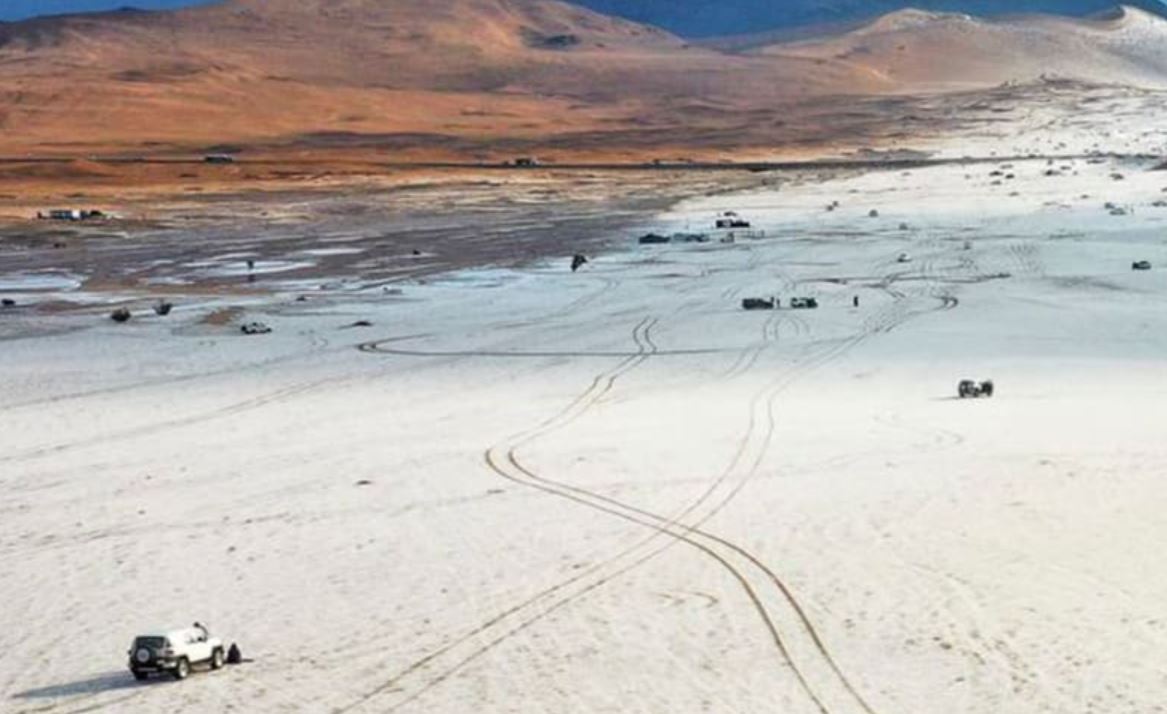
More recently, however, those sands have been covered in snow.
READ MORE: NSW records deadliest day of the COVID-19 pandemic

READ MORE: Everything you need to know about WA's hard border
Several recent snow and hailstorms in the region have transformed landscapes in and around Saudi Arabia, stirring excitement among locals and causing a sensation on social media.
Earlier this month, Saudi photographer Osama Al-Habri captured aerial images of Badr Governorate, southwest of the Islamic pilgrimage city of Medina, dressed in white as locals gathered to enjoy the unusual sight.
Mr Al-Harbi told CNN that winter weather of such intensity in the Badr desert area was a rare phenomenon that had not occurred for years.
He described it as a "historic hailstorm".
The Saudi photographer, who documented the scenes on January 11, said the site was teeming with visitors, many who had travelled a great distance for a glimpse of the frozen landscape.
READ MORE: Man survived 28-hour swim after tsunami
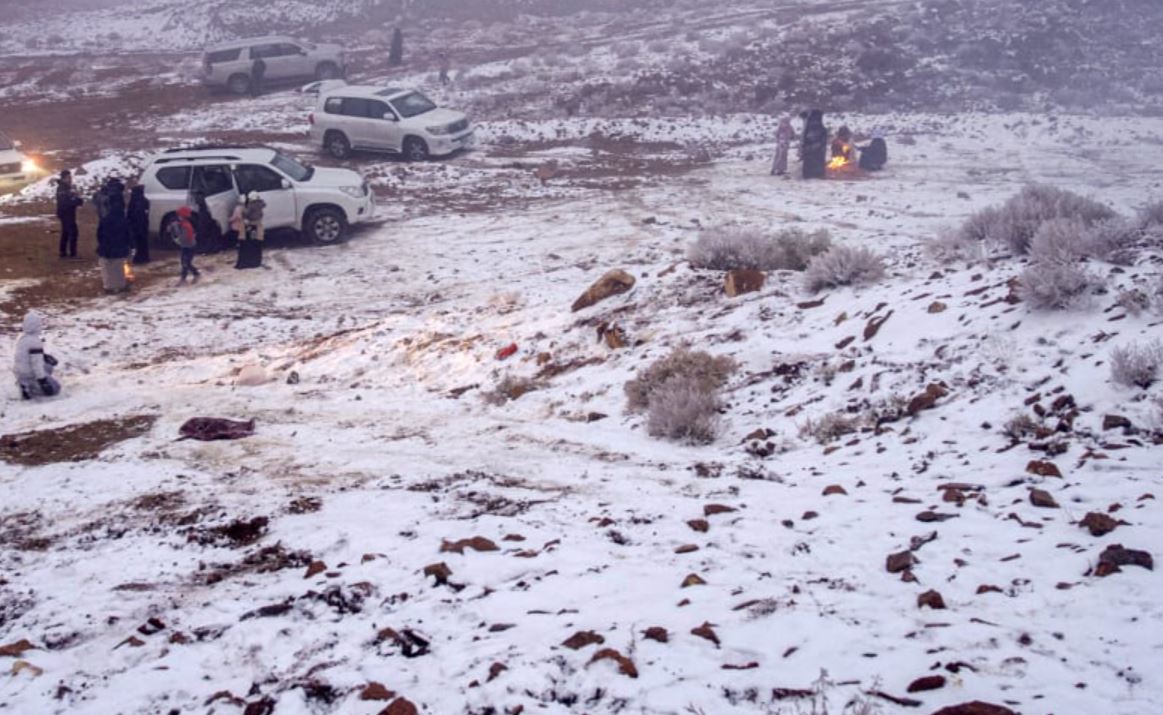
At the time of Mr Al-Harbi's visit, Saudi Arabia's National Centre of Meteorology had forecast moderate to heavy rain in the Medina region, along with winds, low visibility and hail, according to the Saudi Press Agency.
Wintry conditions were experienced again this week, when snow fell in northwestern Saudi Arabia, covering the city of Tabuk, near the border with Jordan, and nearby mountains on January 16, according to Reuters.
Covid 19 Omicron outbreak: Several ways Palmerston North case may have caught Omicron – health expert
By RNZ A health expert believes an Omicron case in Palmerston North could have laid dormant for the duration of the person’s MIQ stay and five negative tests.After the negative tests, the person was released from the MIQ facility…
Cameras found in women's locker room at handball club
German police are investigating after two hidden cameras were found in the locker room of a leading women's handball team, the club said yesterday.
The team, TuS Metzingen, which plays in the top-tier Bundesliga – said the cameras were found earlier this week.
READ MORE: NSW records deadliest day of the COVID-19 pandemic

READ MORE: Everything you need to know about WA's hard border
They said that an unnamed person who worked with the team is being treated by police as a suspect and their role with the club has been terminated.
The women's handball Bundesliga said in a statement that it was "shocked" by the find and that "we condemn this reprehensible behaviour in the strongest possible terms."
READ MORE: Man survived 28-hour swim after tsunami
There was a similar incident in the same league last year when three cameras were found at another club, HL Buchholz 08-Rosengarten. The league said Thursday that investigations in that case are still ongoing.
Covid 19 Delta outbreak: Auckland locations of interest – Chemist Warehouse, Pak'nSave Manukau among latest
A Chemist Warehouse and a supermarket are the latest Auckland location of interest to be identified.Pak’nSave Manukau is the most recent location of interest. A Covid-19 case visited the supermarket on Wednesday from 7.58pm and…
Zara Rutherford becomes youngest woman to circumnavigate the world
Not only did the 19-year-old break that record, she's also the first Belgian to do it – and in an ultra-light aircraft.
Labour regaining momentum in latest poll, as National's Luxon surge stalls
Labour has found some momentum in the latest Taxpayers’ Union-Curia poll.Labour has risen 1.7 points to 41.2 per cent, widening a lead against the National Party, which sits on 33 per cent, up 0.4 points.Act is on 11.5 per cent,…
Covid 19: WorkSafe probes vaccine pass complaints at Wellington cafe Prefab
WorkSafe is probing complaints that Wellington cafe Prefab is not checking Covid-19 vaccine passes. A WorkSafe spokesman confirmed the regulator has received notifications of concerns and was “looking into them”. Prefab Eatery,…
Why is there a lag in Australia's COVID-19 booster rollout?
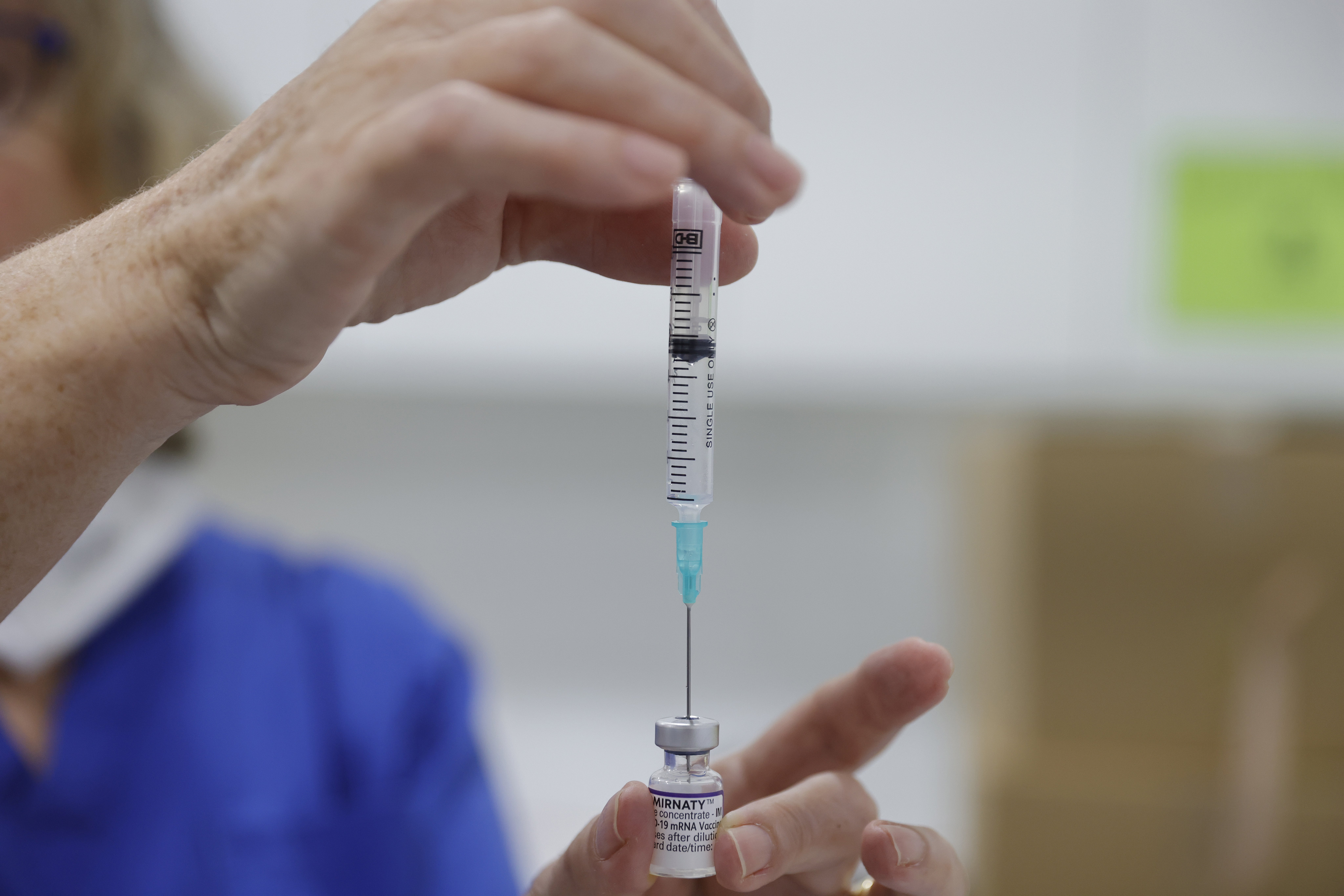
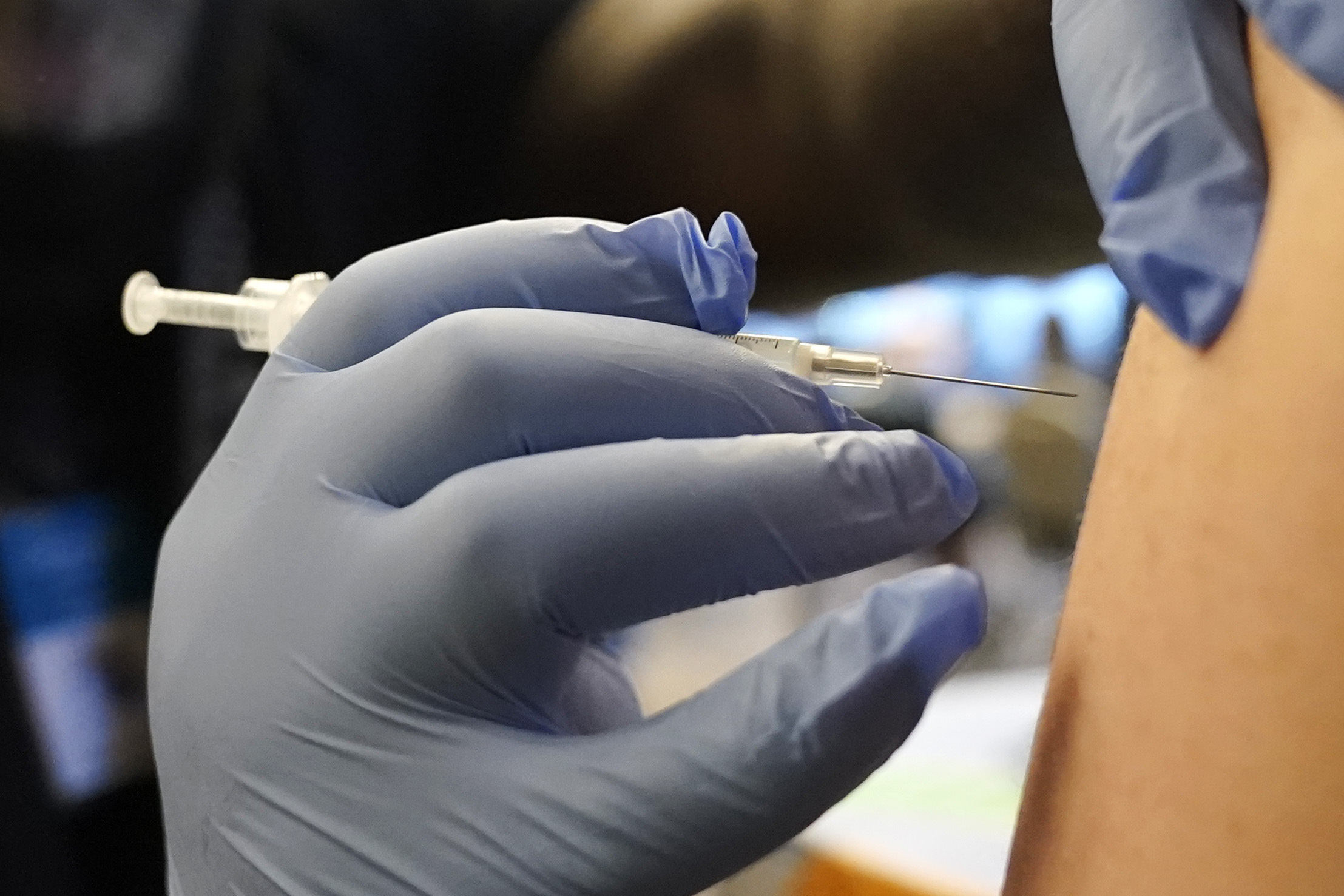
Despite claims from the Federal Government that Australia's booster program is "ahead of schedule", there is a gap between the number of people eligible for a booster jab and those who've actually received them.
Last year, Prime Minister Scott Morrison apologised for Australia's vaccination rate lagging amid the height of the Delta outbreak, blaming ongoing supply challenges for the slow roll-out.
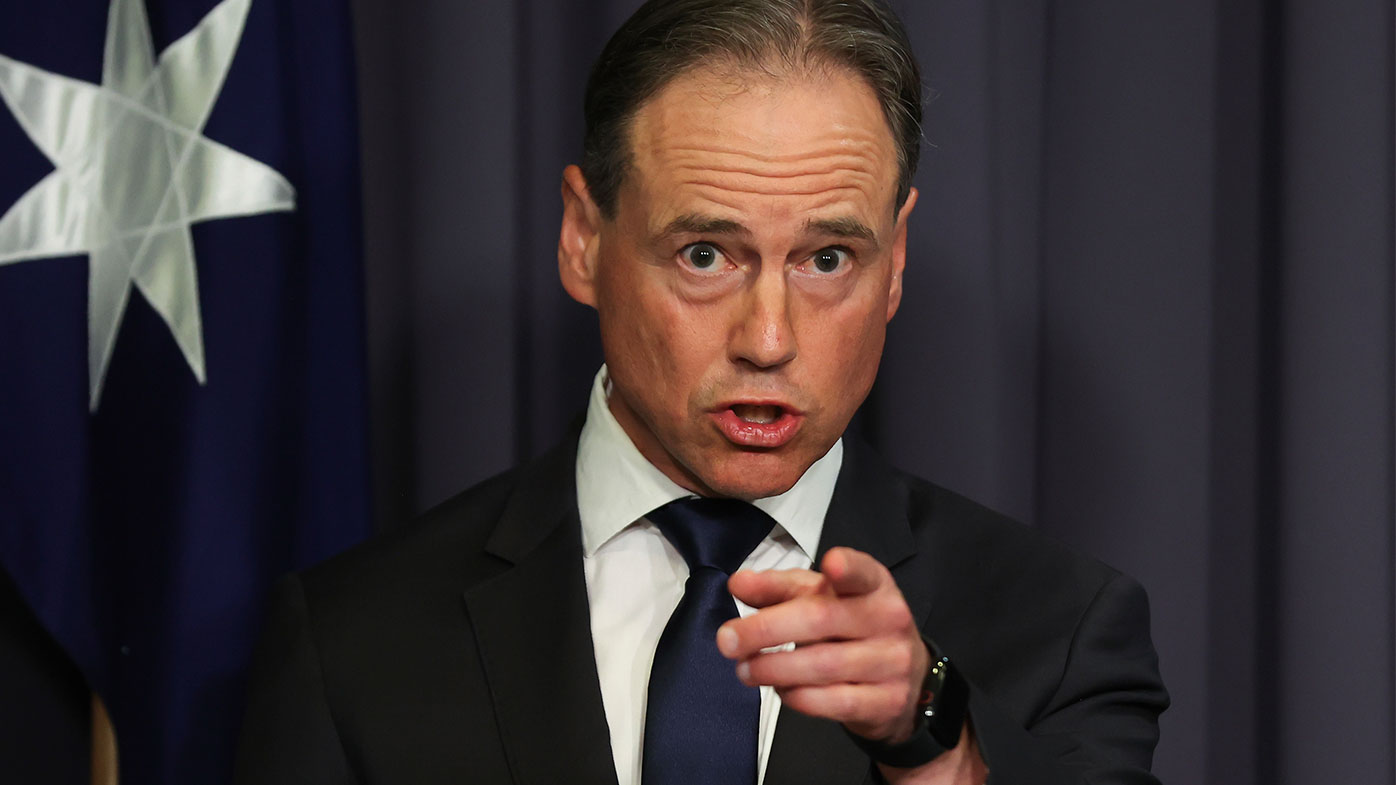
When it comes to the roll-out of the booster shot program, however, Federal Health Minister Greg Hunt said supply has not been an issue and that the booster program is "actually well ahead of schedule".
READ MORE: NSW records deadliest day in pandemic
But people eligible for their boosters are not getting jabbed.
Four months ago, on September 20, 9,690,933 Australians had received their second dose of a COVID-19 vaccine.
However, only 5,798,370 of those people have now received their third shot, leaving a gap of around four million eligible people without a booster.
Epidemiologist Dr Katrina Roper from the Australian National University said there are several factors that could be contributing to the gap.
"Firstly, it's holidays… People are probably making up for lost time in terms of catching up with friends and family going away on holiday," Dr Roper said.
READ MORE: Mum's partner charged with murder of nine-year-old Charlise Mutten
"They're probably not getting the booster because they're busy doing holiday things and they're not wanting to inconvenience themselves.
"It's not the best excuse, but it's understandable because we've had a couple of very unusual years."
The second reason that possibly accounts for the millions of eligible people not getting boosted Dr Roper said could be that eligible people might be COVID-positive cases themselves who are currently symptomatic or in isolation.
"Case numbers at the moment are very high and so probably quite a few people are being caught out by that," Dr Roper said.
She added it's important for those people to not forget to reschedule their booster appointment so that once they're out of isolation and are not symptomatic they can get the jab.
"Another reason could be there's been a little bit of confusion about it," Dr Roper said.
"Only back in early December the ATAGI advice was around six months for the boosters, and it came down to five months. Now it's four months."
READ MORE: Ukraine crisis intensifies as US warns Russia
Australia's Chief Medical Officer, Professor Paul Kelly, has also pointed to timeframes as a contributing factor to the booster take-up.
He said the "booster program is relatively recent" resulting in people only becoming eligible until "fairly recently".
Victoria, New South Wales, and South Australia have now reduced the vaccine interval for third doses to three months.
"Some people might not have got that messaging. They might be still thinking, oh, it's six months. It's not," Dr Roper said.
Navodhya Kumaravithana said she experienced some of this confusion.
The 25-year-old, who was eager to get her booster shot, thought she could get her jab at 16 weeks.
However, Ms Kumaravithana said she received a call from her pharmacy on the day saying she wasn't eligible.
"They called me up and said, I can't actually get it because it hadn't been four months, even though it had been 16 weeks," Ms Kumaravithana said.
READ MORE: Byron Bay worker claims she was sacked after vaccination
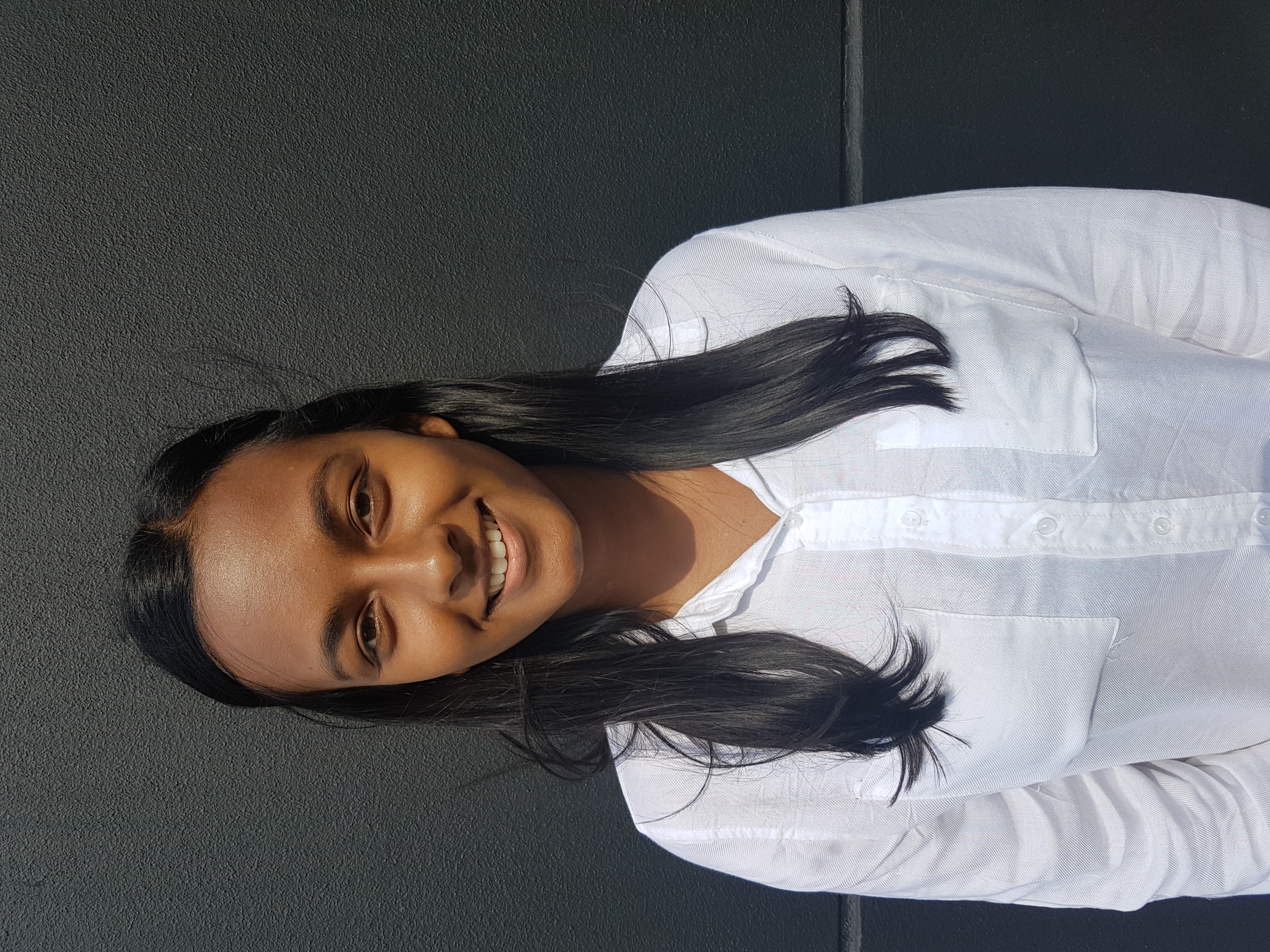
"So, then I had to cancel and try and find another booking which was hard because a lot of the spots were taken."
A fourth reason for the booster gap Dr Roper said could just be "vaccine fatigue".
"People might just be a little bit over being jabbed," she said.
However, NSW Chief Health Officer Dr Kerry Chant has stressed the importance of the third dose.
"There needs to be a sense of urgency in embracing the booster doses," she said on Tuesday.
"For Omicron, we know the protection is lower and we need that next boosting."