A year on from placing their first set of books for children to find and enjoy at parks around the district, Kāpiti Hidden Books is celebrating a year of encouraging kids to have fun reading.Started by Y’vonne Miller in February…
Tag Archives: oceania
Dunedin Railways chairman speaks out over backlash on planned asset sale
The chairman of Dunedin Railways has hit back at the backlash to the planned sale of heritage railway assets, saying, “We’re not a museum”.The Dunedin City Council-owned company announced the start of a sale process for a variety…
The Doomsday Clock turns 75 – so how close to midnight are we?
The famous Doomsday Clock turns 75 this year, and it's possible its hands could move closer to midnight than ever before.
The symbolic clock, maintained by the non-profit organisation Bulletin of the Atomic Scientists, measures what the Bulletin thinks is the likelihood of a "global catastrophe" – a cataclysmic event that could endanger human life on a worldwide scale.
The Bulletin will update the clock for 2022 at 2am AEDT tomorrow.
LIVE UPDATES: Victorian Premier calls for booster shots to be mandatory
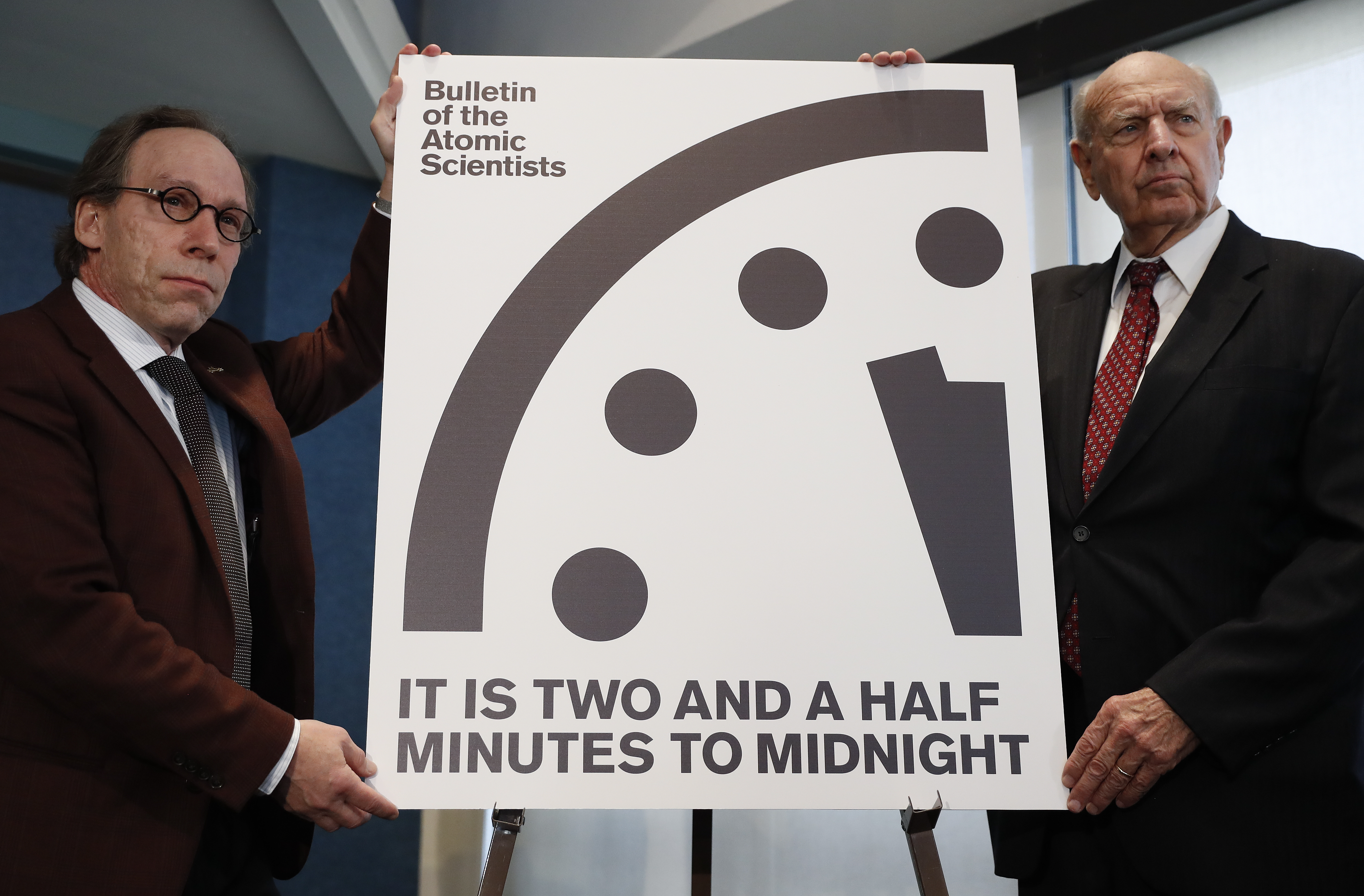
What actually is the Doomsday Clock?
Besides being a catchy name, the Doomsday Clock is a concept established in 1947, by which a group of scientists and analysts can express the risk of a potentially world-ending disaster.
Midnight represents the moment of that disaster.
The symbolic timepiece also serves as a call to action for humanity as a whole to attempt to "turn back the clock" and retreat from a headlong rush into the apocalypse.
It was established by the Bulletin of the Atomic Scientists, a non-profit organisation of scientists and researchers itself founded in 1945 by, among others, Albert Einstein.
READ MORE: Mum's partner charged with murder of nine-year-old Charlise Mutten

How do they measure the likelihood of disaster?
The Bulletin of the Atomic Scientists members who are involved analyse risks posed in three key areas – nuclear weapons, climate change, and disruptive technologies in other fields.
Nuclear technology was obviously much on the minds of scientists in 1947, but in later years climate change, and more recently still the global response to the COVID-19 outbreak, have emerged as crucial factors.
Where are the hands at the moment?
Since 2020, the hands have sat at 100 seconds to midnight – just over a minute and a half away.
And yes, that is the closest we've come to the proverbial stroke of midnight.
READ MORE: Ukraine crisis intensifies as US warns Russia
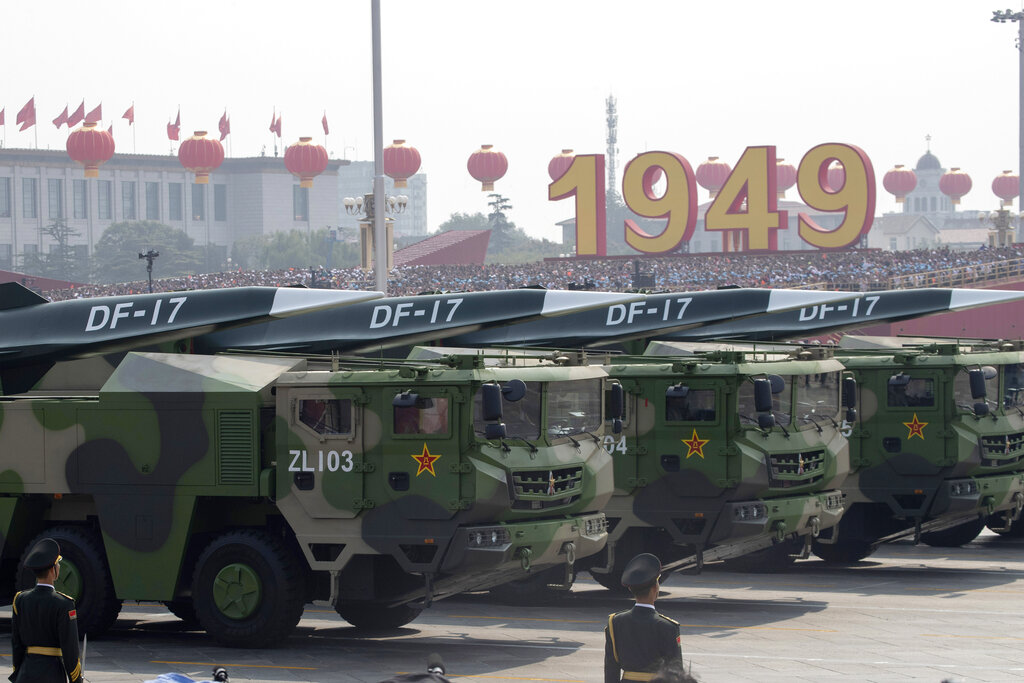
Why are we so close now?
In last year's Doomsday Clock statement, the Bulletin declared the COVID-19 pandemic a "wake-up call", pointing to laggard and lacking responses from world leaders that allowed the disease to spread.
"The pandemic revealed just how unprepared and unwilling countries and the international system are to handle global emergencies properly," the statement read.
"In this time of genuine crisis, governments too often abdicated responsibility, ignored scientific advice, did not cooperate or communicate effectively, and consequently failed to protect the health and welfare of their citizens."
The Bulletin said while COVID-19 itself had been devastating, it did not represent an "existential threat" to humanity, but what it revealed of world leadership might do.
READ MORE: Byron Bay worker claims she was sacked after vaccination
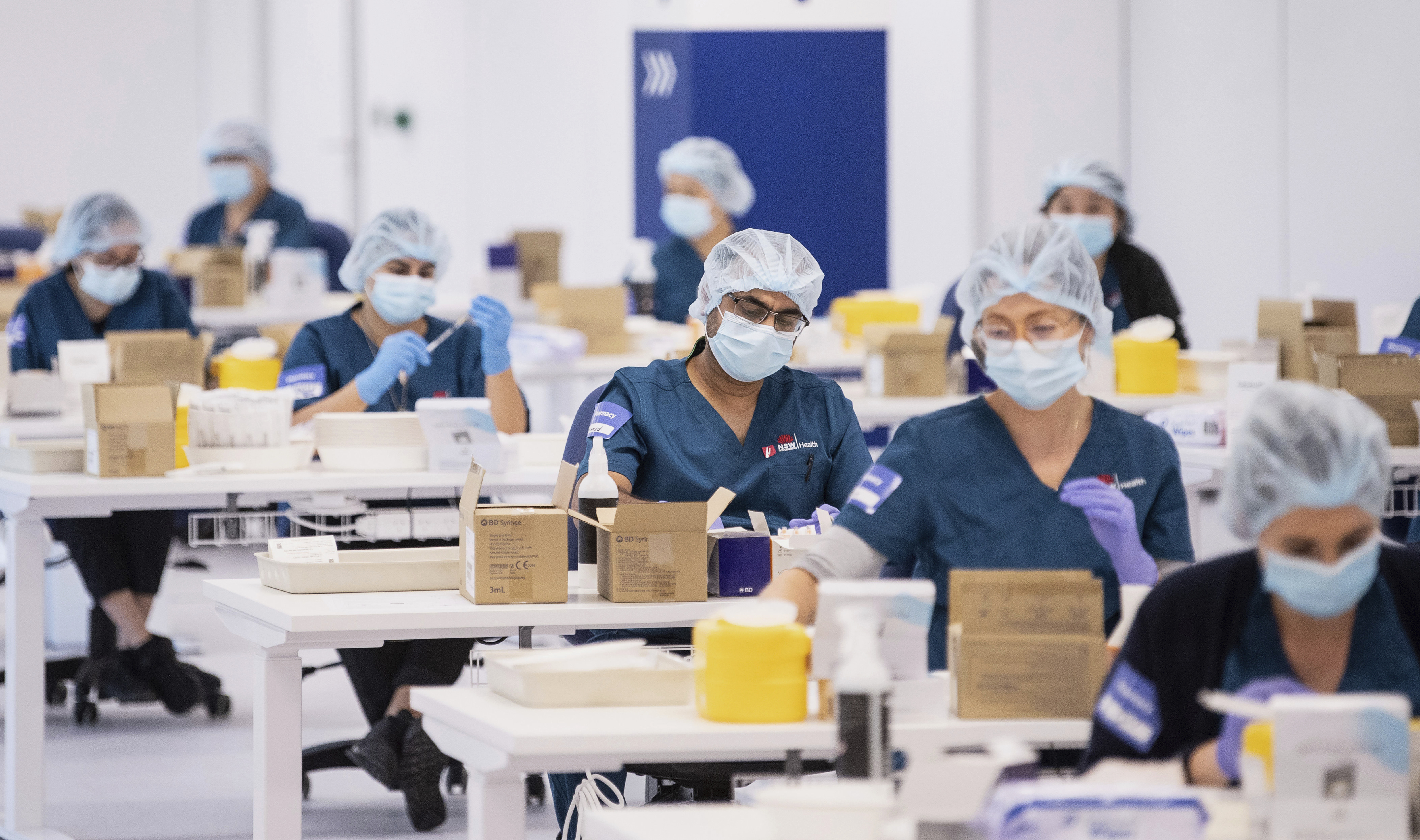
"The pandemic serves as a historic wake-up call, a vivid illustration that national governments and international organisations are unprepared to manage nuclear weapons and climate change, which currently pose existential threats to humanity, or the other dangers—including more virulent pandemics and next-generation warfare—that could threaten civilisation in the near future," the statement read.
A global acceleration of misinformation – also highlighted by COVID-19 – was also pointed to.
"This wanton disregard for science and the large-scale embrace of conspiratorial nonsense – often driven by political figures and partisan media – undermined the ability of responsible national and global leaders to protect the security of their citizens," the Bulletin said.
"False conspiracy theories about a 'stolen' presidential election led to rioting that resulted in the death of five people and the first hostile occupation of the US Capitol since 1814.
"In 2020, online lying literally killed."
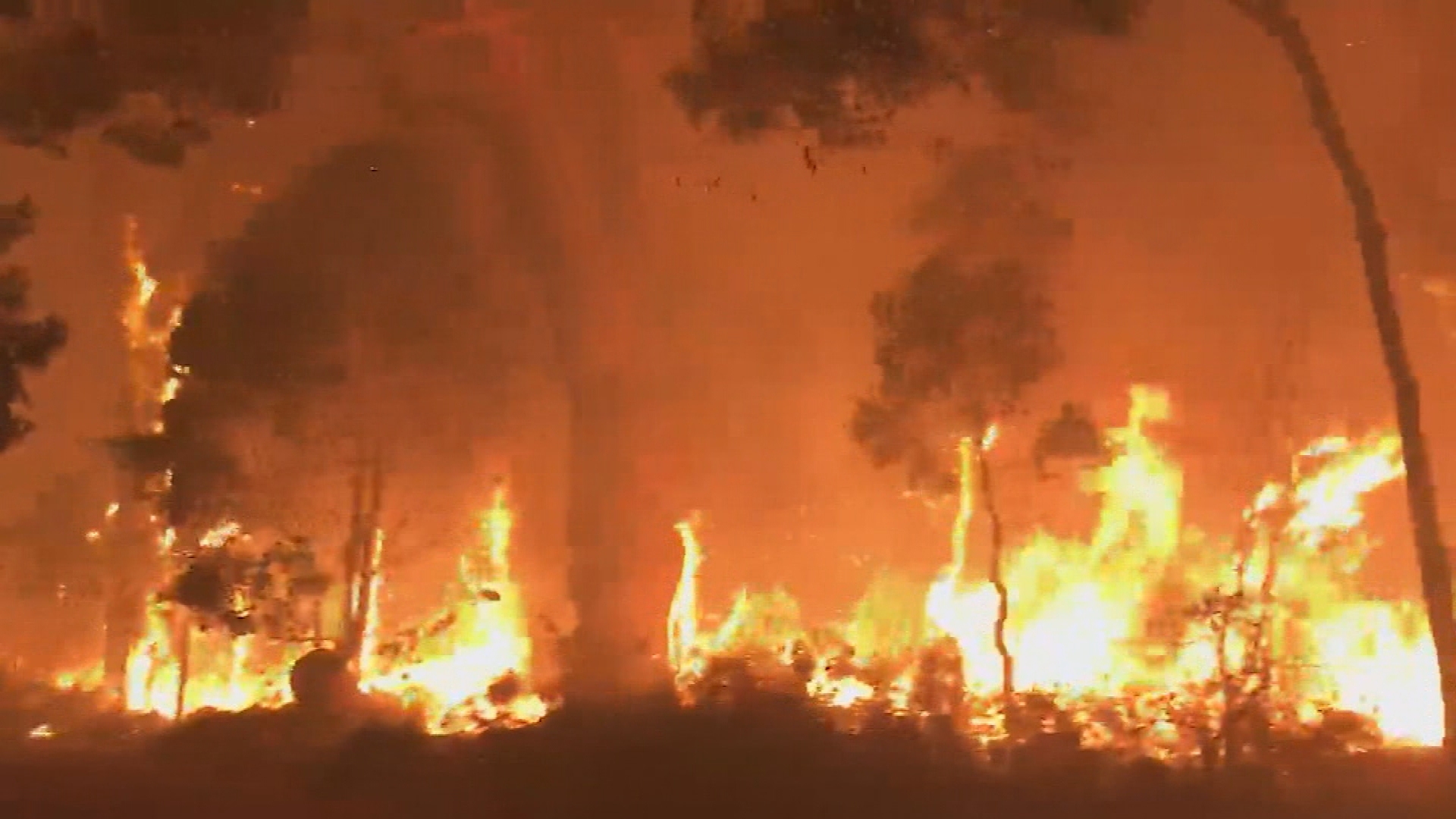
How do we turn back the clock?
The Bulletin proposed a number of measures to curb the proliferation of nuclear weapons, and fight back against the threat of climate change.
It called for the US and Russia to work together to limit the production of nuclear weapons and delivery systems, as well as for the US and Iran to return to the Joint Comprehensive Action Plan.
Banks were called on to limit investment in fossil fuel projects, as was China for its Belt and Road initiative.
Tomorrow's statement will no doubt illustrate how much progress the Bulletin believes has been made.
When was the last time the hands moved away from midnight?
That would be in 2010, when the clock moved back to six minutes from midnight, after reaching five minutes to midnight in 2007.
The Bulletin noted that year that the world was "poised to bend the arc of history toward a world free of nuclear weapons".
"For the first time since atomic bombs were dropped in 1945, leaders of nuclear weapons states are cooperating to vastly reduce their arsenals and secure all nuclear bomb-making material," the 2010 statement read.
"And for the first time ever, industrialised and developing countries alike are pledging to limit climate-changing gas emissions that could render our planet nearly uninhabitable."
It came after then-US President Barack Obama and then-Russian President Dmitri Medvedev embarked on a partnership to limit their nuclear proliferation in 2009, while the US and China agreed to reduce carbon emissions at a Copenhagen summit.
Since its founding in 1947, the clock has been moved forward 16 times, and back just eight. Its initial position was seven minutes to midnight.
When was it furthest from midnight?
In 1991, when it was moved to 17 minutes away – 11.43pm, as it were.
Since the clock was originally conceived as having a 15-minute range – ie, from 11.45pm-12am – this was quite a statement.
The previous year and more had seen the Cold War dramatically de-escalate, with the Berlin Wall being brought down in 1989, and the US and Russia both scaling down their nuclear activities.
The Bulletin said it felt as though the world was entering a "new era".
"The Cold War is over," they declared in that year's statement.
Say I'm up at 2am (AEDT) – can I watch what happens?
You can indeed. The Bulletin's website will live stream the event, as will their Facebook page.
Tonga volcano eruption and tsunami: RNZAF Hercules on way to Tonga after runway cleared of ash
A much-anticipated aid flight is finally on its way to Tonga and will arrive with food and water in a few hours.The Royal NZ Air Force’s Hercules aircraft left Whenuapai Airbase, in West Auckland, about midday and is on track to…
Hundreds gather to mourn Charlise Mutten in hometown
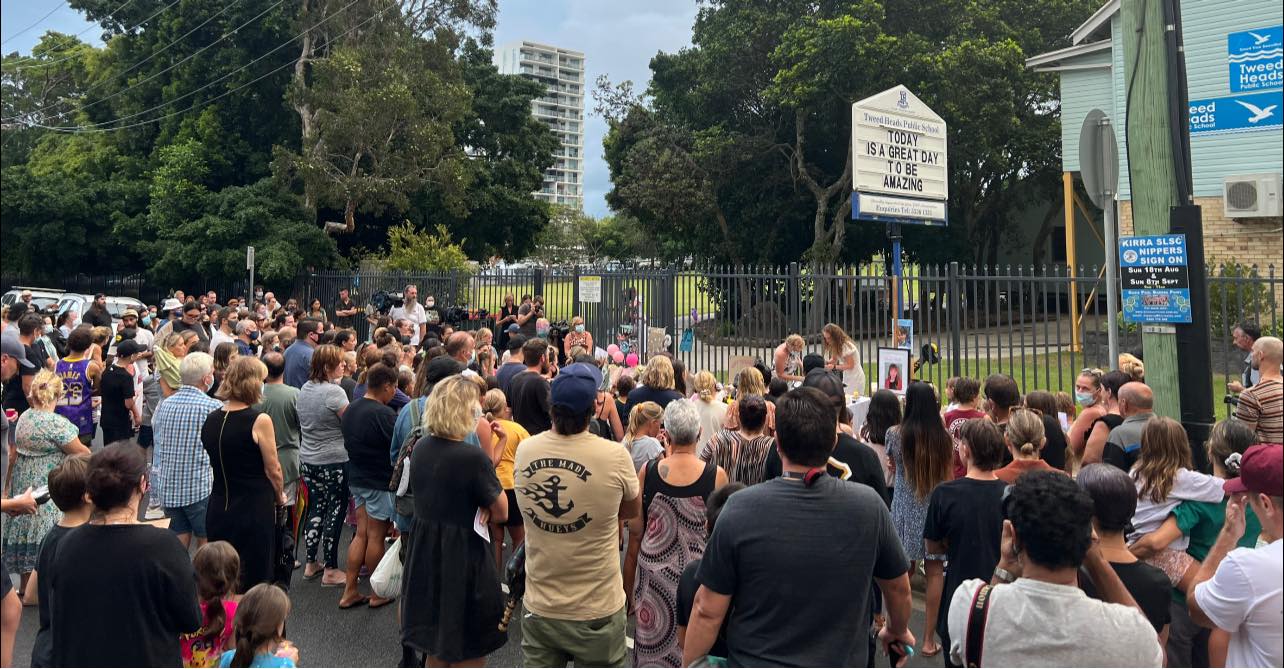
Hundreds gathered in Tweed Heads to mourn the death of nine-year-old girl Charlise Mutten, who was found dead after being reported missing in the Blue Mountains last week.
The remains of a child, found in a barrel near the Colo River on Tuesday, are said to be "consistent" with Charlise, who was reported missing last Friday.
Her mother's partner, 31-year-old Justin Stein, has been charged with murder over the girl's death.
LIVE UPDATES: State's Omicron wave 'fills equivalent of three large hospitals'
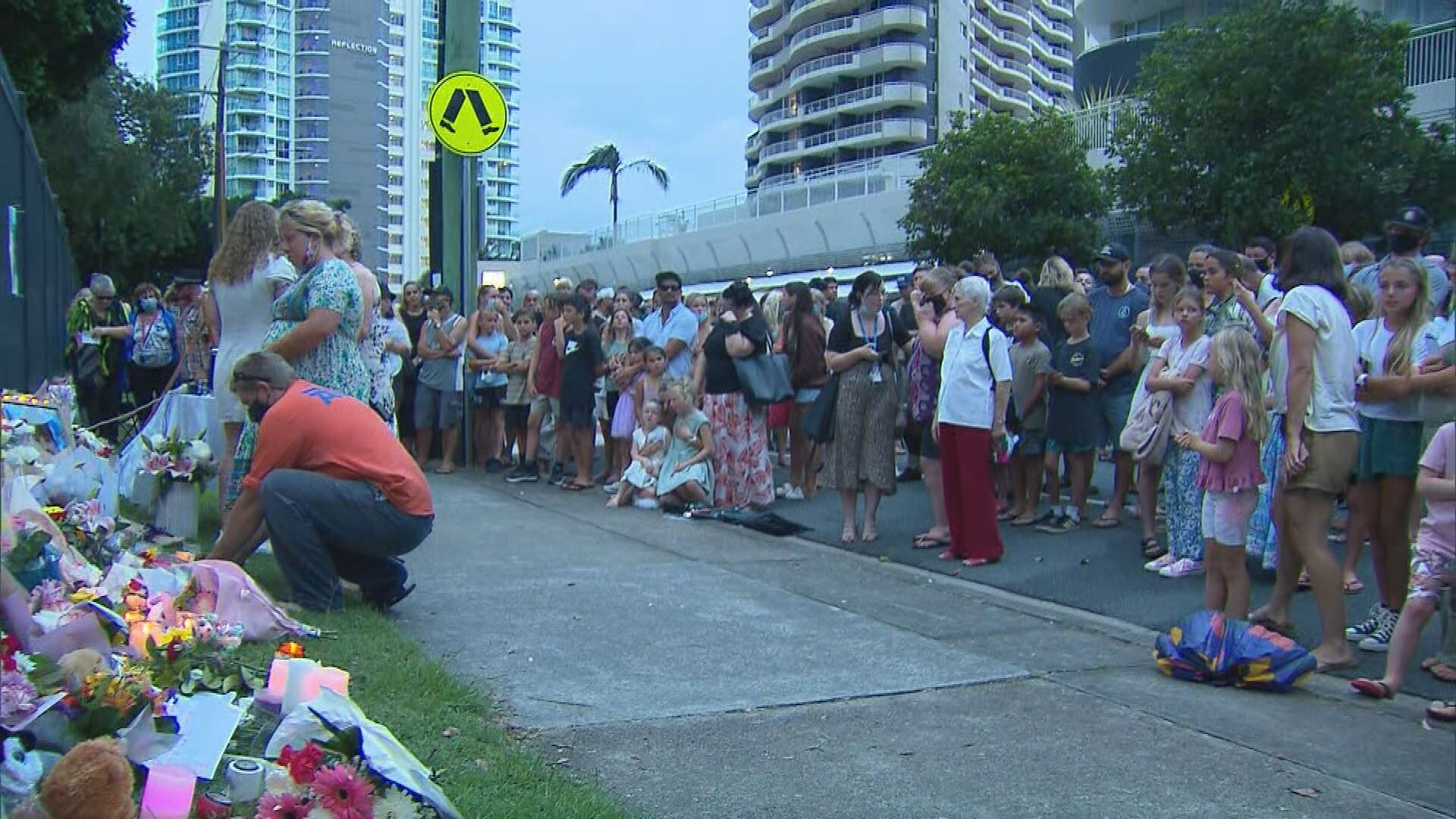
Charlise was on holiday in NSW, but lived in Queensland, where her school friends and hundreds of others came together overnight for a vigil.
Attendees spoke of the girl's sense of humour, her kindness, and her love of swimming and butterflies.
Her teachers spoke about how she would always say something nice to them as she came into class, to brighten their days.
AUSTRALIAN OPEN: Medvedev's pre-match swipe at Kyrgios
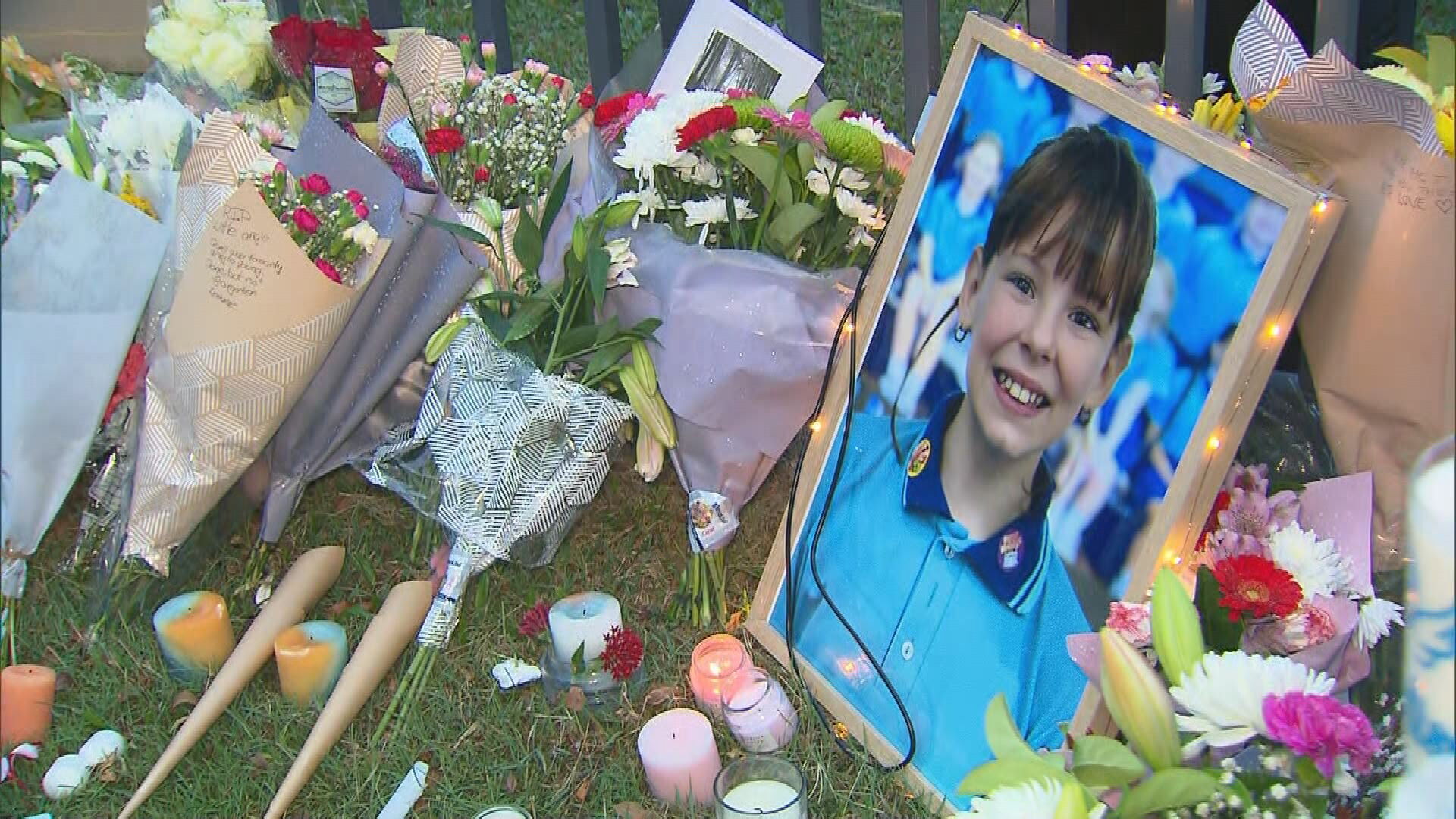
Friends, loved ones and complete strangers shared their grief, with dozens of notes left at the vigil site.
"Dear Charlise, I was in your class in Year 2," one read.
"It makes me really sad what happened to you. You were a really nice person and I wish you were coming back to school with me. Rest in peace."
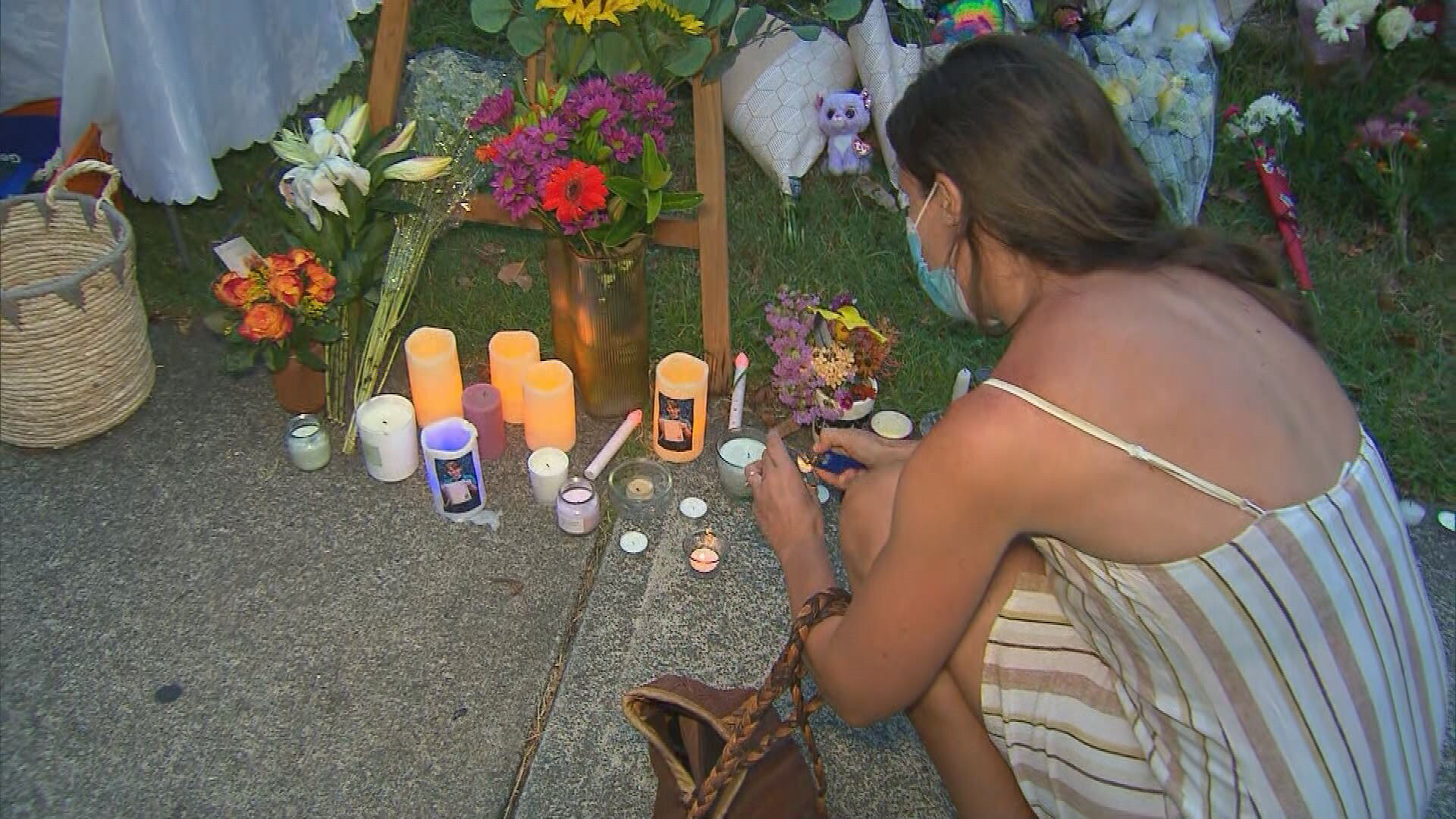
Another note read, "From a little girl – I hope that you have an amazing time in heaven".
Currumbin MP Laura Gerber said the vigil was a fitting tribute to a "beautiful little girl".
"I think it is a community that is just heartbroken. I think that we are still in a bit of shock," she said.
"You kind of don't think something like this would ever happen in your community.
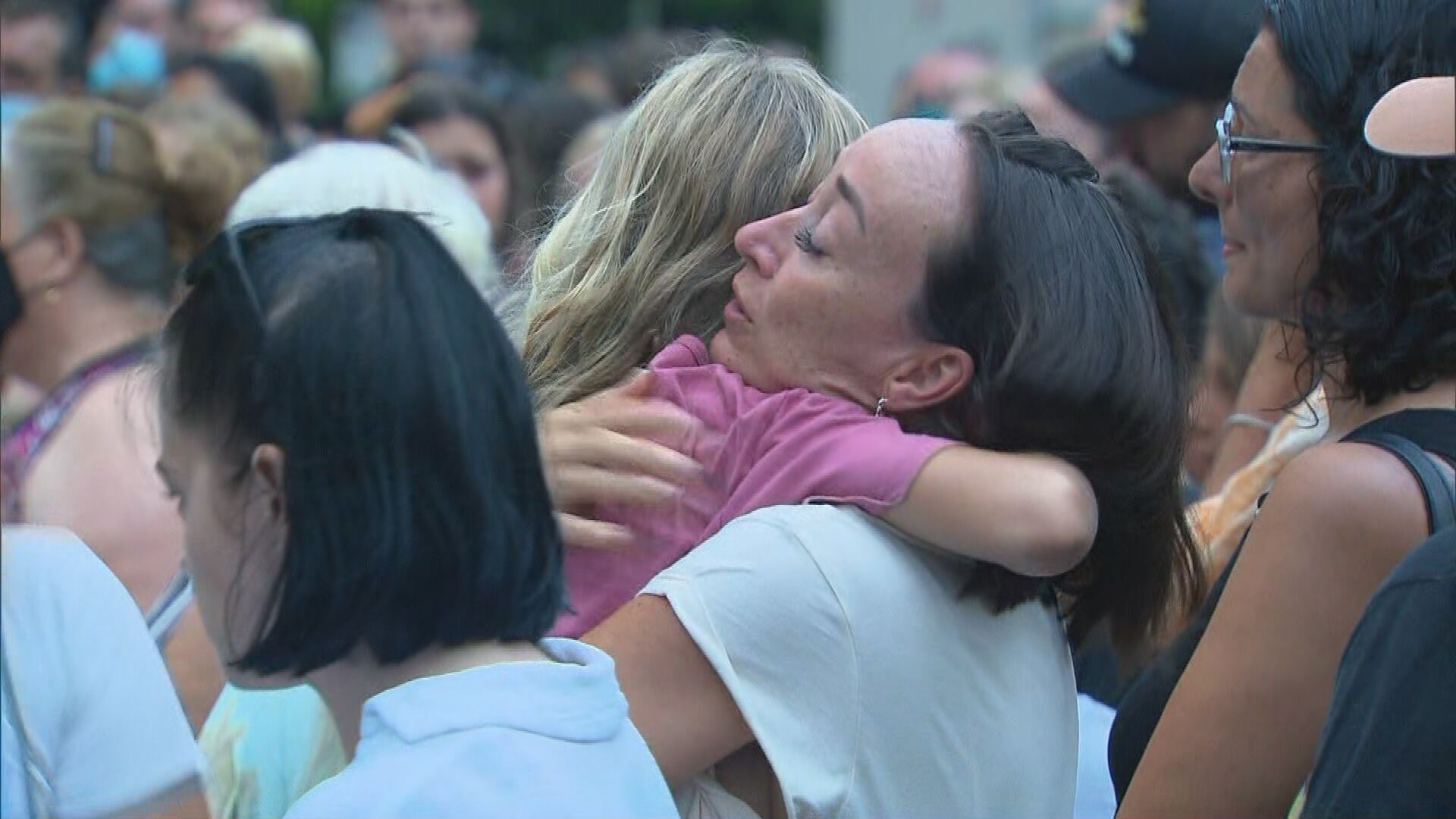
"I think, more importantly, last night was about the community coming together to try to support other friends, her teachers and everyone who loved her, in their grief and their loss. Because she really did touch so much lives."
She said Education Queensland would be providing targeted support to parents and teachers when school returned.
NSW Premier Dominic Perrottet described Charlise's death as "devastating".
"It's one of the most difficult conversations you have as premier to hear something like that. As a dad, you feel sick," he told Today.
"It's never easy and the whole thing, I think, is … incredibly sad and tragic."
Mr Stein appeared in court yesterday, where he was refused bail.
He will return to court on March 18.
'Agriculture is ruined': Latest Tonga blow brings politician to tears
More photos have emerged of the damage wrought on Tonga by a devastating volcano-triggered tsunami, as Australia's armed forces prepare to help with communications, drinking water and humanitarian efforts on the archipelago.
The images, released on Wednesday night by the Consulate of the Kingdom of Tonga amid warnings the nation is facing a food and water shortage, show trees and debris strewn across the capital of Nuku'alofa and a thick layer of ash covering a car.
The damage appears even worse about 15km away on the main island of Tongatapu's western peninsula, where the Ha'atafu Beach Resort's managers declared the area "unrecognisable" after the "devastation".
READ MORE: Man charged with murder of nine-year-old NSW girl
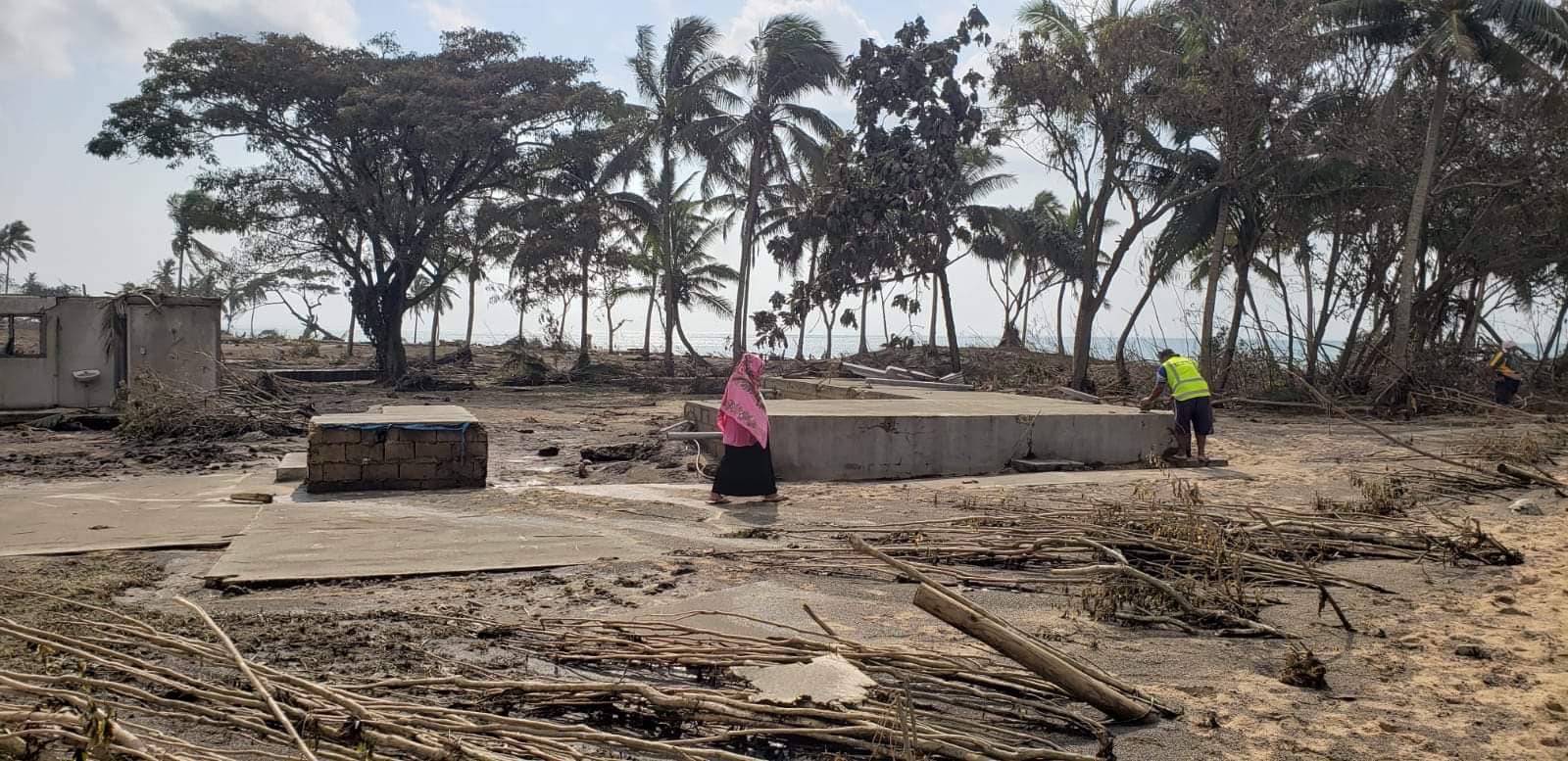
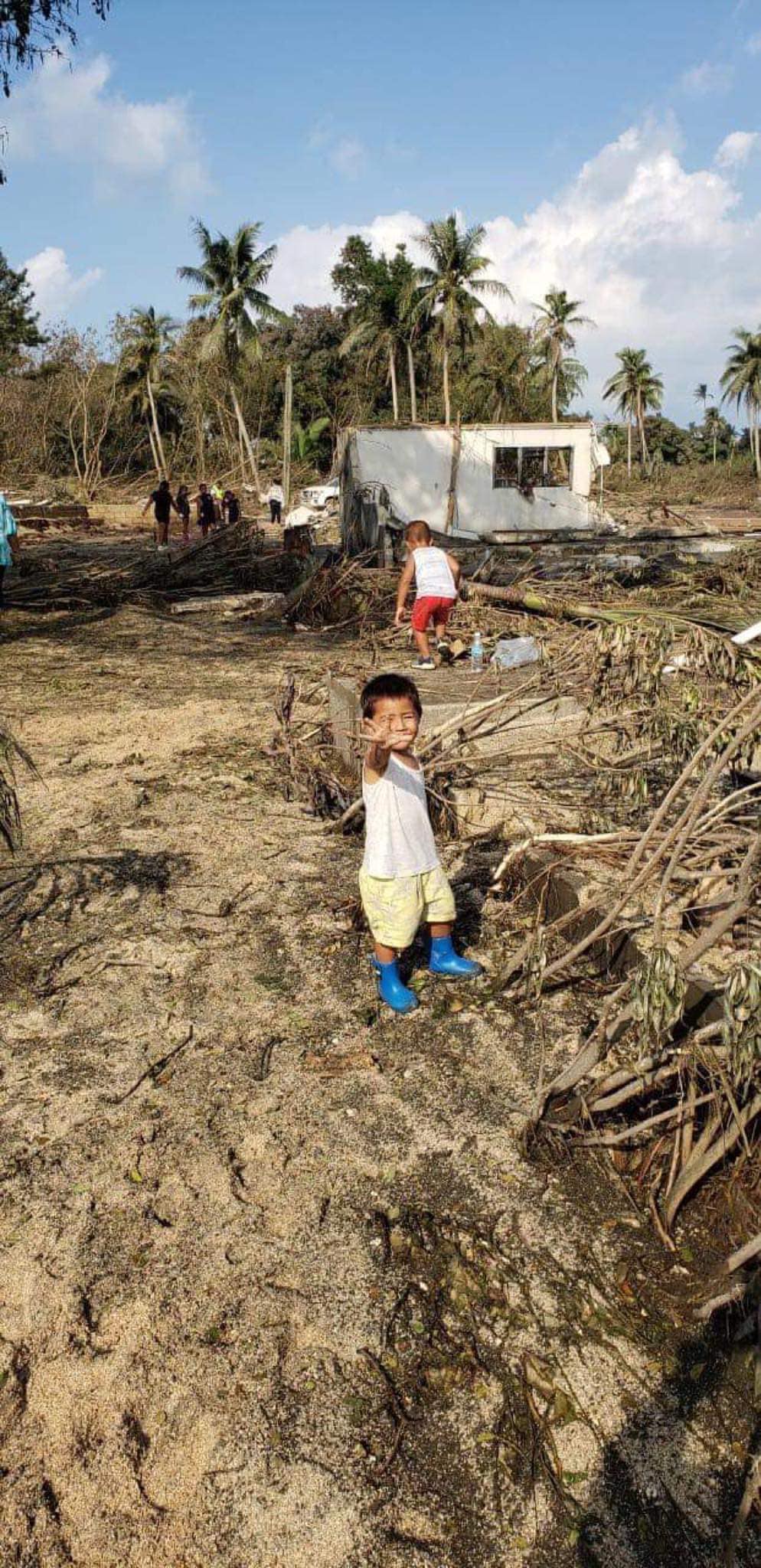
"It's a miracle everyone got out to safety," they said.
Australia, New Zealand, Japan, France and other Pacific island nations are working to help Tonga assess and recover from the damage but those efforts have been complicated by several factors.
The underwater cable connecting Tonga to the rest of the world was cut when the Hunga-Tonga-Hunga-Ha'apai erupted, sending ash 20km into the sky and triggering tsunamis across the Pacific.
Falling ash has severely impacted drinking water and complicated flight efforts into Tongatapu, and Tongan authorities are desperate to avoid any humanitarian efforts triggering a COVID-19 outbreak.
READ MORE: Man charged with murder of nine-year-old NSW girl
https://twitter.com/ConsulateKoT/status/1483741932970983428
Australia's armed forces are expected to launch efforts to help with two of those problems on Thursday.
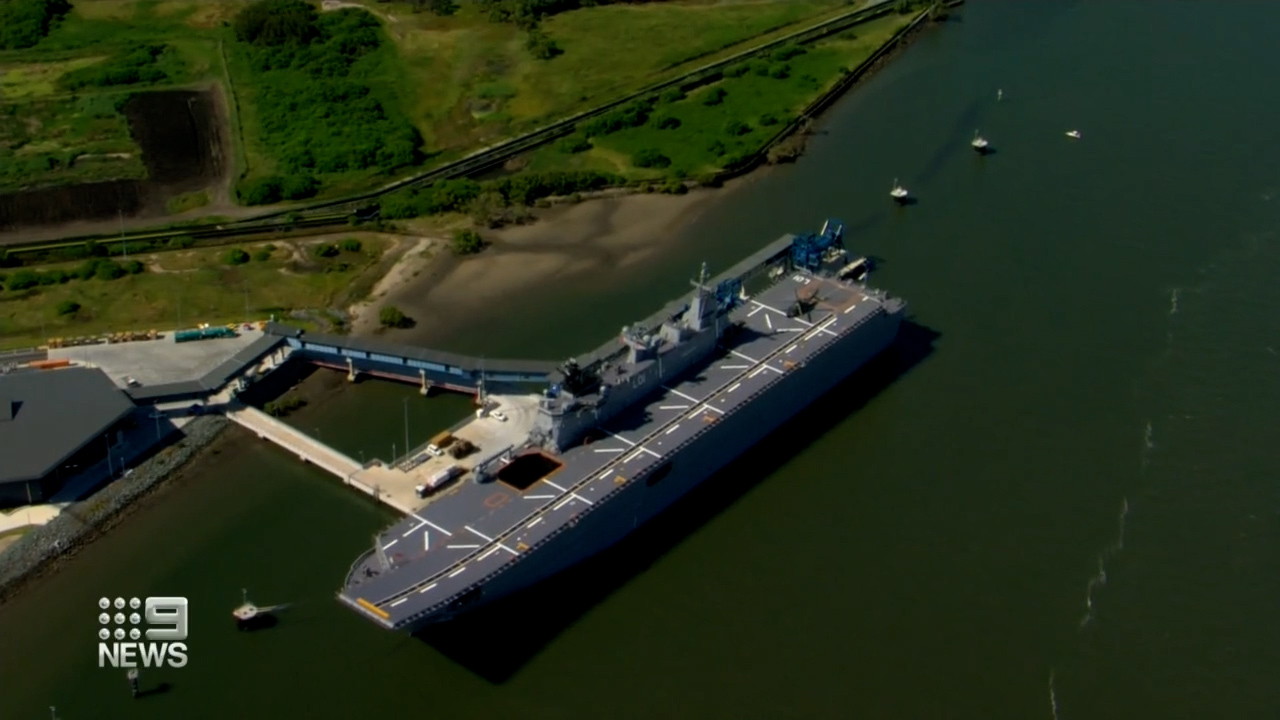
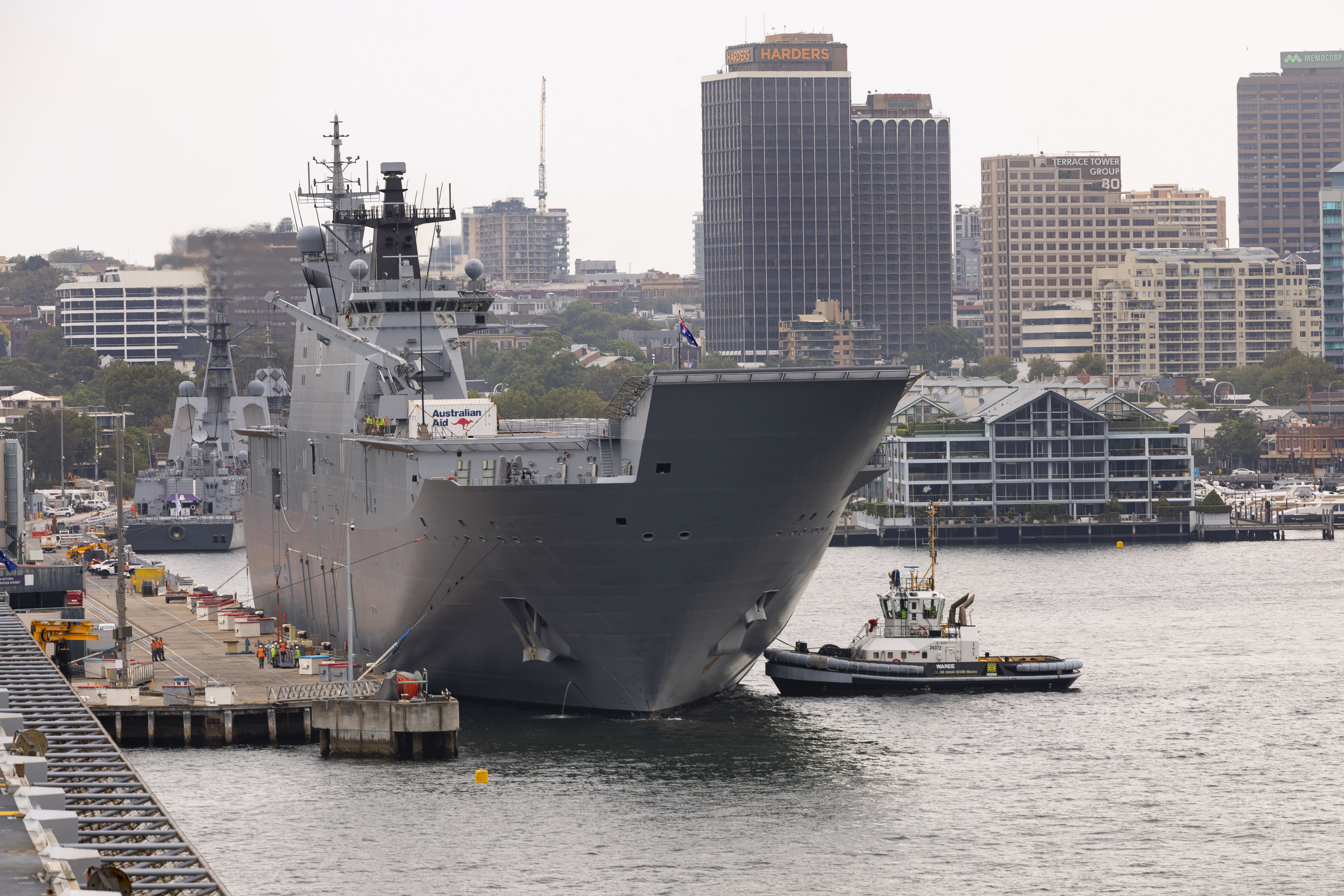
Prime Minister Scott Morrison said two Royal Australian Air Force planes were ready to leave as soon as conditions allowed with telecommunications equipment and the HMAS Adelaide was getting ready to leave Brisbane with with water purification equipment.
All three would also be carrying general humanitarian supplies.
"It's a very small island community in Tonga, and there are a lot of Australians of Tongan descent and who have family and friends, and many Australians have visited there," he said.
"So they would be expecting us to do everything we can to stand with our Pacific family in Tonga and and their faithful community and their beautiful community.
"And I'm sure they'll be supporting each other, but they need us now and they're getting our help."
READ MORE: Volcano destroyed every home on Tongan island
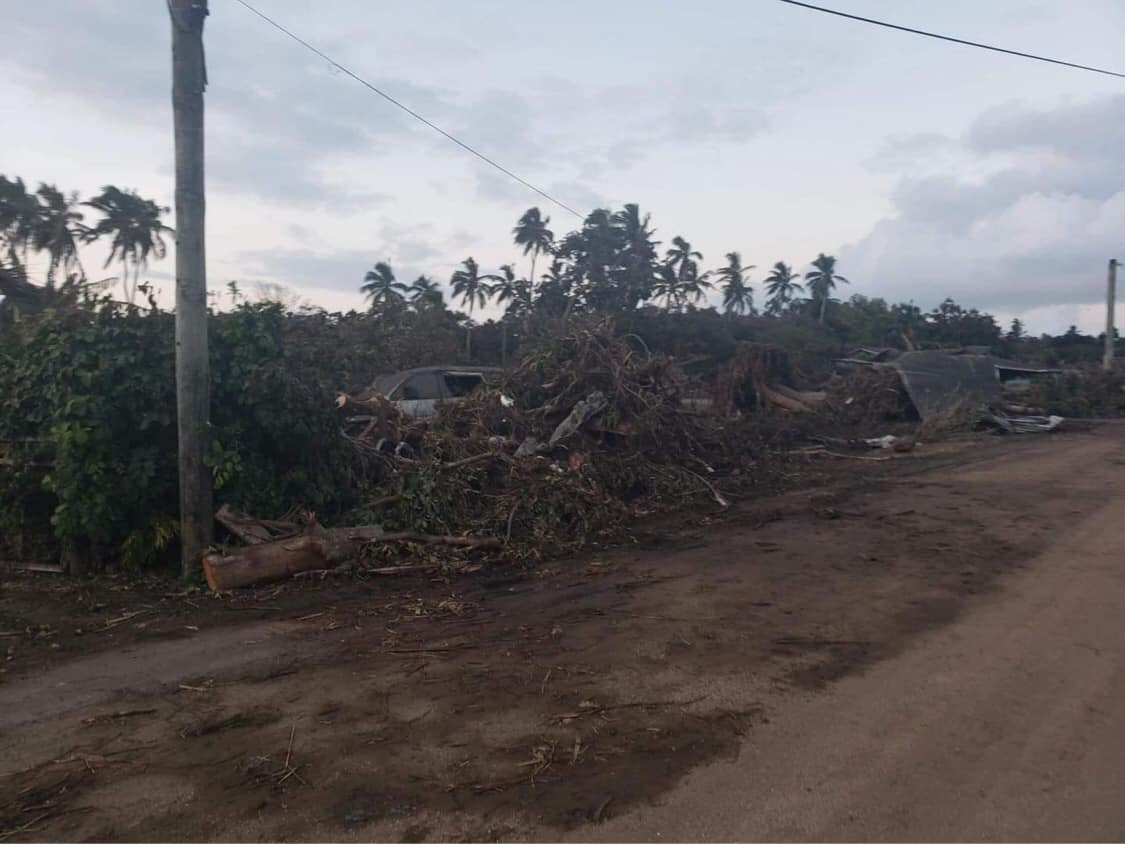
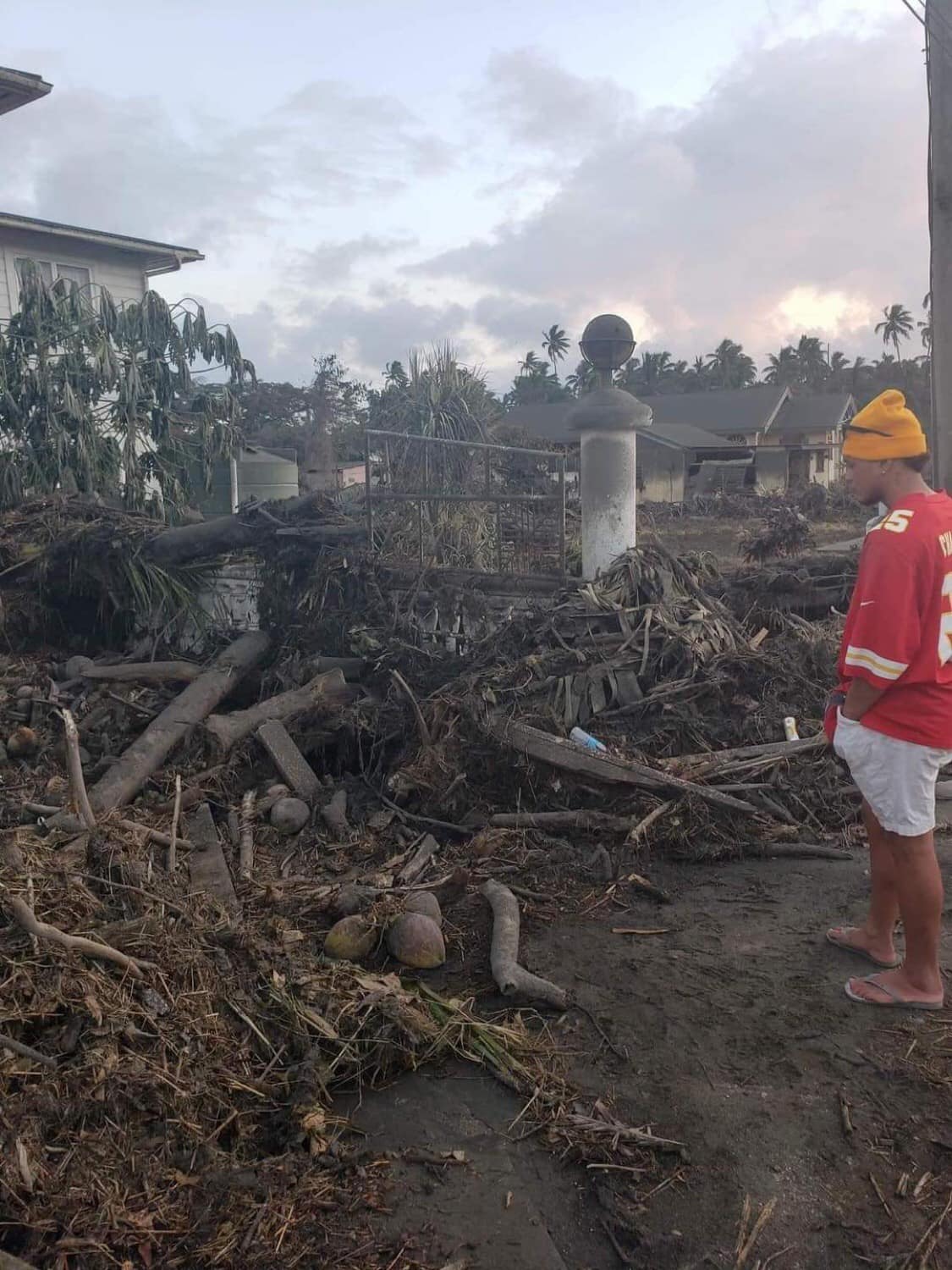
The full picture of damage is still emerging but Tonga's government has confirmed three deaths and described extensive damage across multiple islands, including tiny Mango Island, where every house was destroyed.
Beyond the immediate impact, Tonga's Speaker of the House Lord Fakafanua wiped away tears as he warned a food shortage could be on the way.
"All agriculture is ruined and I hear the farmers have been reassured by the Prime Minister that they will be taken care of, but it's very sad to hear, so on top of the water that we need in Tonga, it seems that we'll be facing a food shortage," he told Pacific Media Network.
But that's you know, it's very sad to hear. So on top of the water that we need in Tonga, it seems like we'll be facing a food shortage as well."
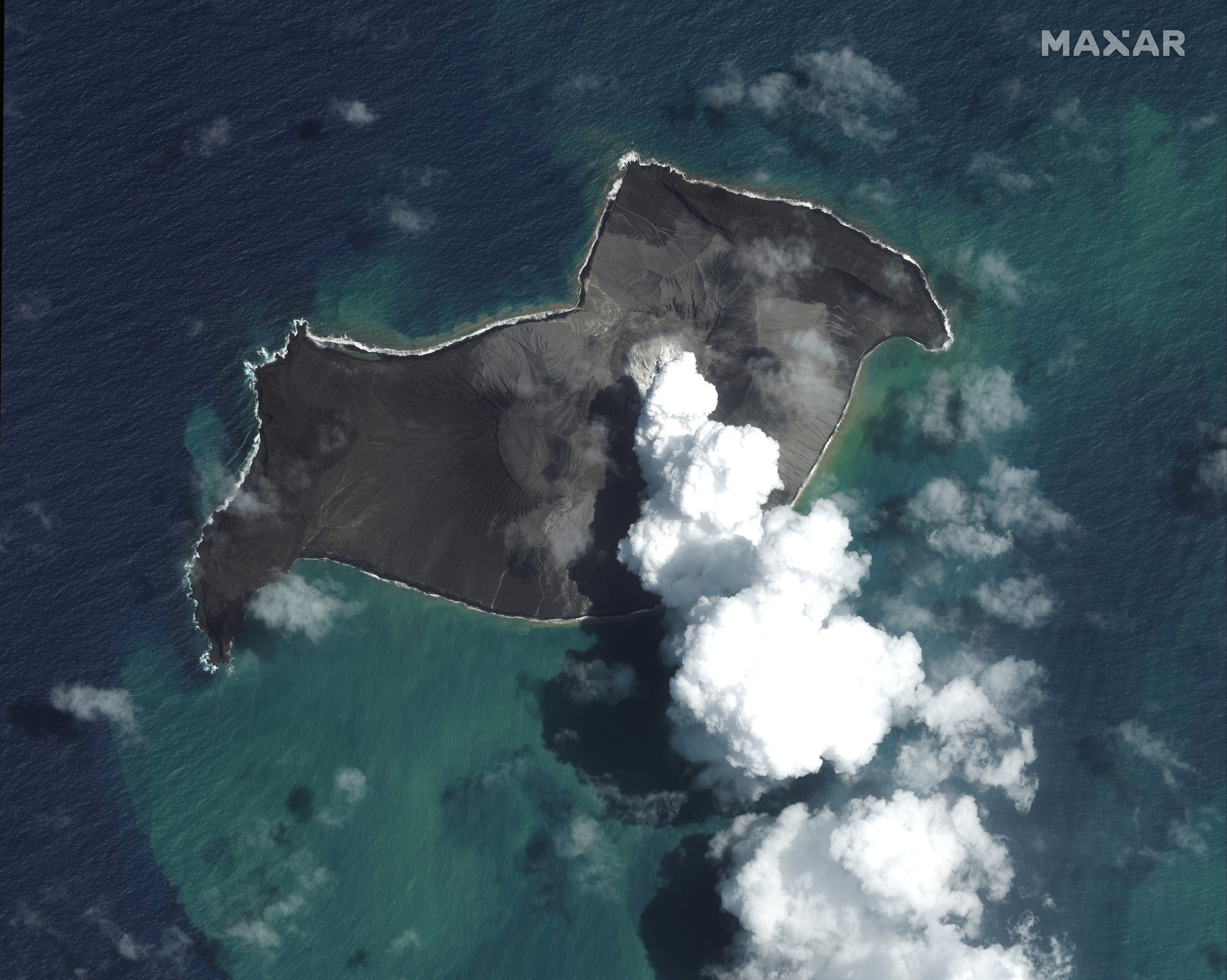
Australia and New Zealand have promised initial commitments of $1 million and NZ$1 million in aid.
"We are supporting the government of Tonga's assessment of the damage through aerial surveillance flights by the Royal Australian Air Force," Mr Morrison said.
"The Australian High Commission in Nuku'alofa is in close contact with the Government of Tonga to ensure our relief efforts best meet the country's immediate needs. The Government is also engaged with the many Tongans living in Australia to provide information and support."
The HMAS Adelaide will be used as a helicopter base from which to deliver aid, transporting officers who will assist with disaster relief.
"We will provide whatever is required," Defence Minister Peter Dutton said.
"There will be a crew on Adelaide and that will be the skills we require to deliver that aid, do assessments, provide first aid, to help with initial recovery response."
The ship will take a week to reach Tonga, while New Zealand Navy ship HMNZS Wellington is already on the way.
Lord Fakafanua was expecting the main airport's runway to be cleared by the end of Wednesday.
Mother's partner charged with murder of nine-year-old Charlise Mutten
Police have revealed what led them to charge a man with the murder of nine-year-old Charlise Mutten, whose body was found in a barrel by a NSW river.
Charlise was reported missing from Mount Wilson on Friday and a search had been carried out in bushland for the past five days.
Her mother's partner, Justin Stein, 31, was arrested at a home in inner Sydney last night and charged with murder.
READ MORE: Volcano destroyed every home on Tongan island
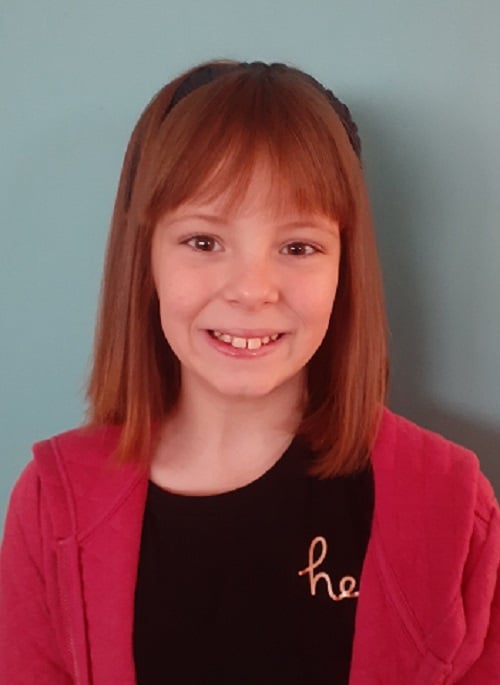
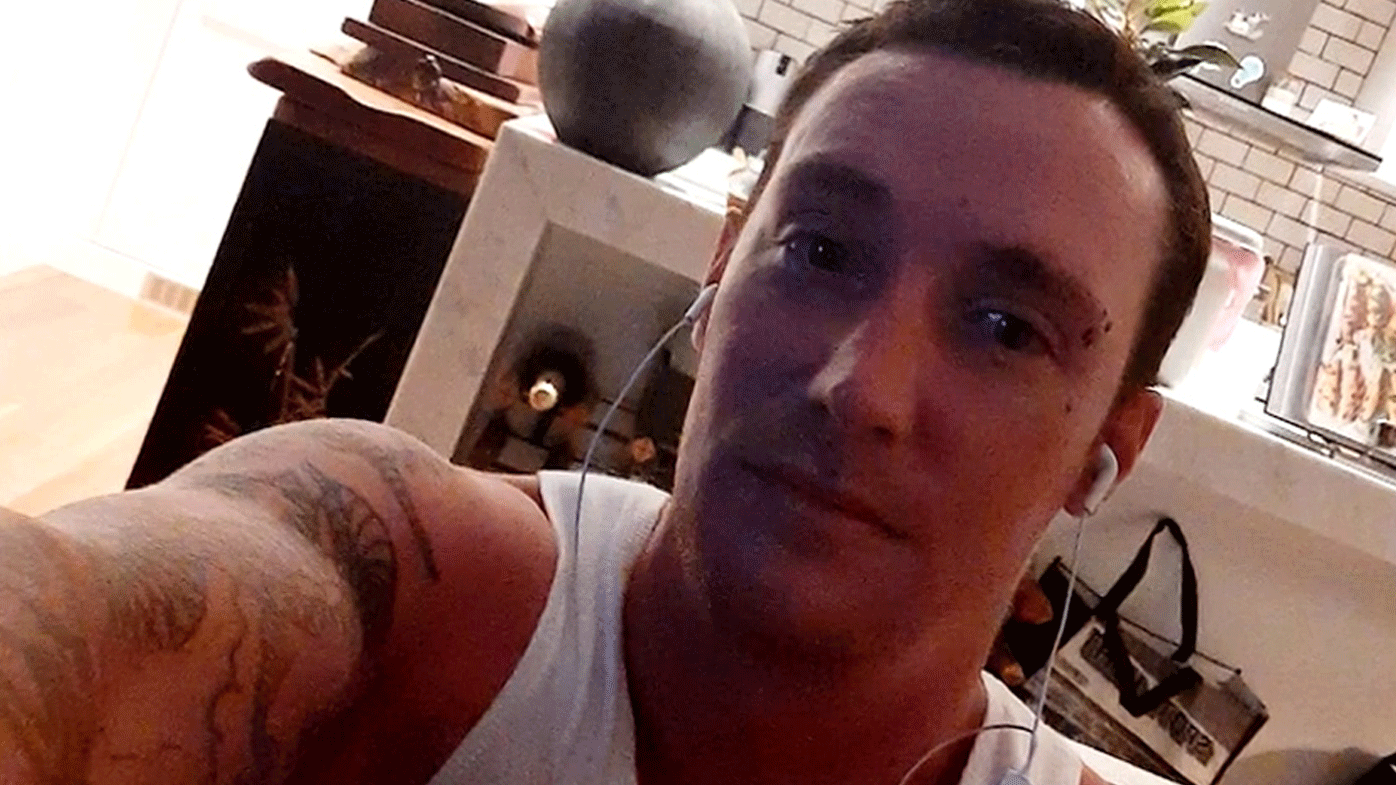
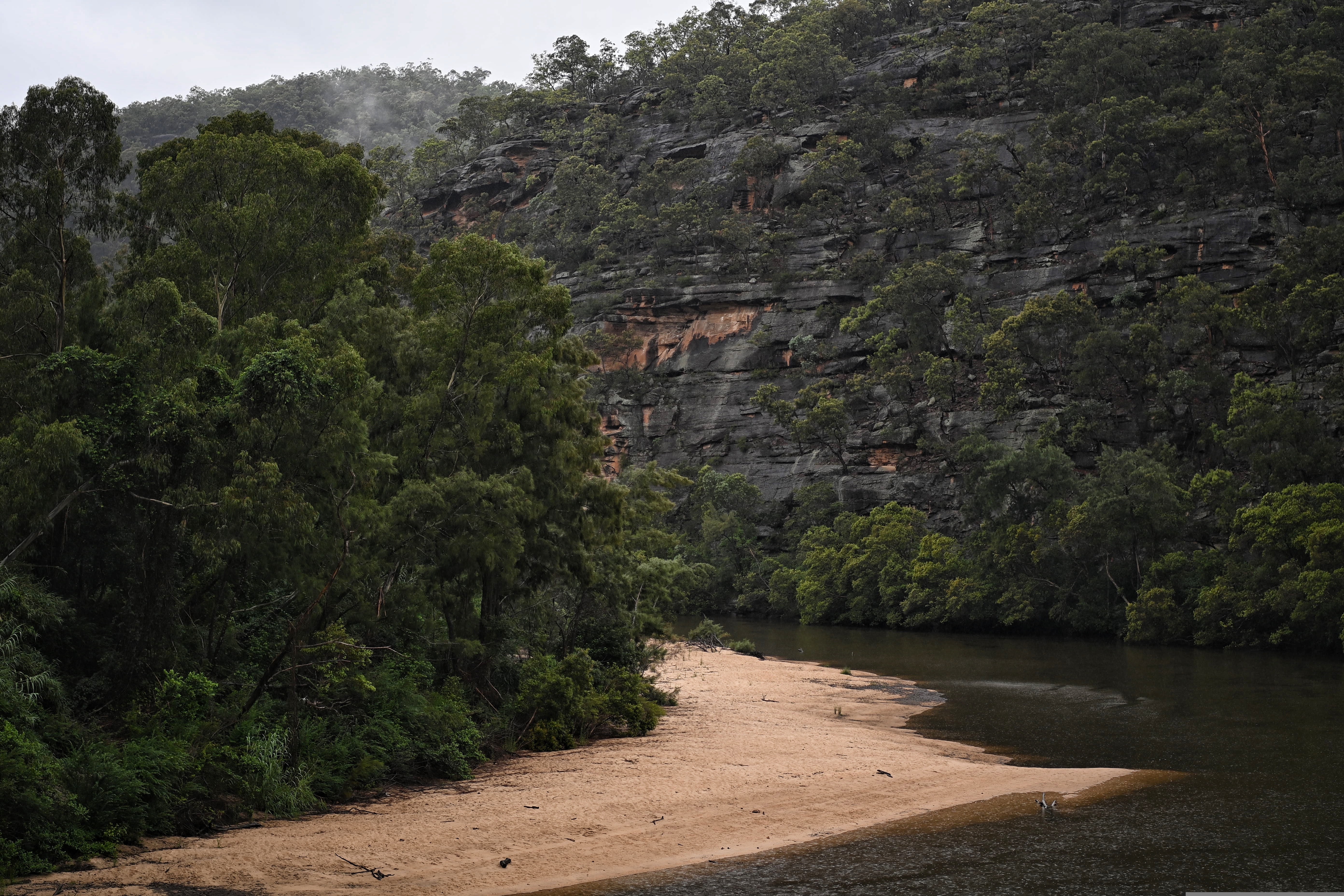
A search in the vicinity of the Colo River, about an hour from the Blue Mountains, located human remains last night.
The body of a child, believed to be Charlise, was found in a barrel on public property.
The remains are "consistent with the missing nine-year-old", Acting Commissioner Karen Webb has confirmed.
About 8.30pm yesterday, detectives arrested Mr Stein at a unit in Riley Street, Surry Hills, in inner Sydney.
He was charged with murder and appeared briefly in court today.
He was refused bail to next appear in court on March 18.
Charlise had been staying with her mother during the school holidays.
Her mother is now in hospital after suffering a medical episode after reporting the girl missing.
How police tracked the accused
There were a number of "anomalies in relation to movement data", NSW Police Deputy Commissioner David Hudson said today.
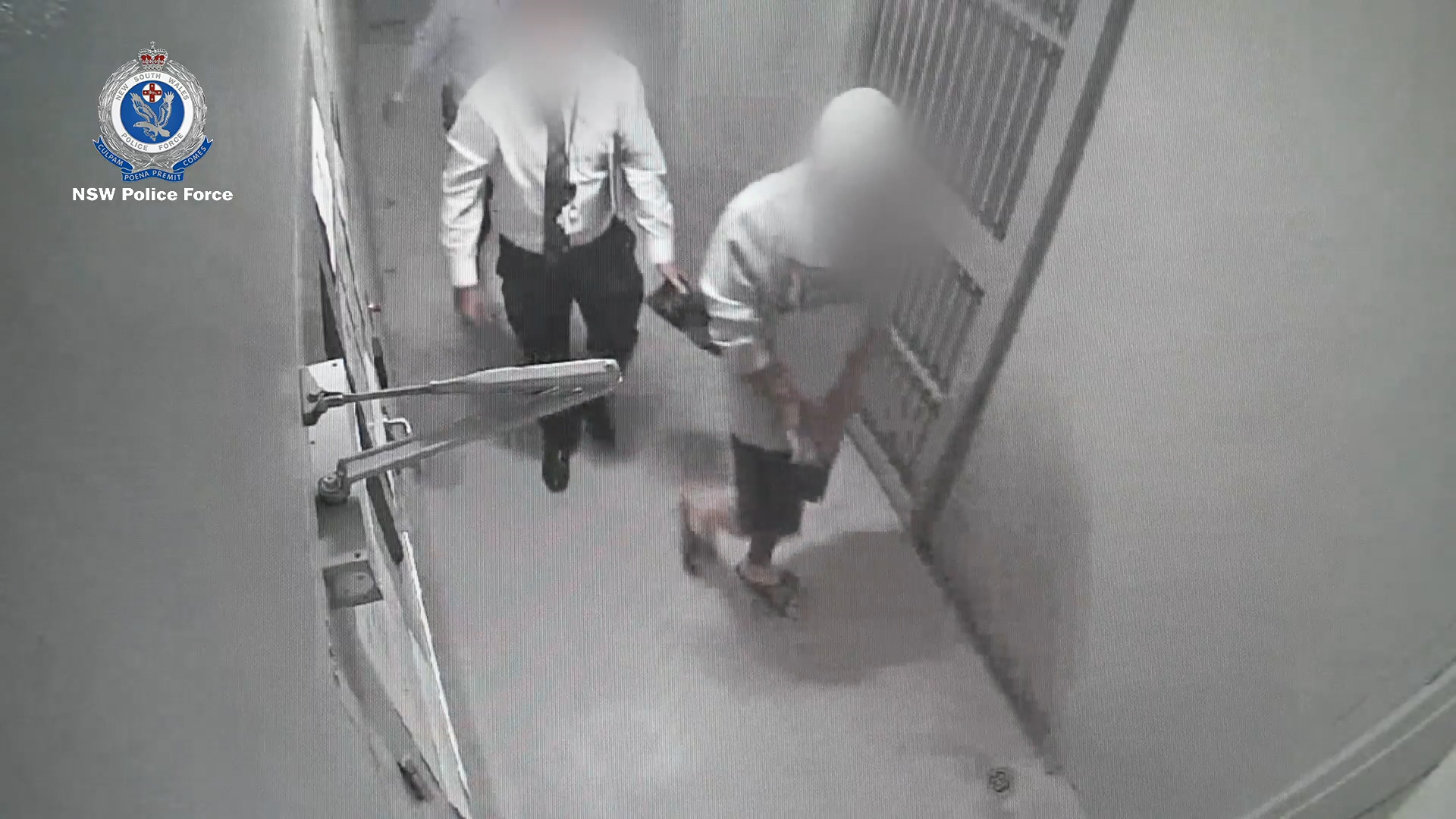
"Through electronic means, through GPS tracking, through CCTV tracking, we were able to establish certain facts in relation to the vehicle he was driving and those movements and also certain suspicious behaviour which escalated our scrutiny in relation to his potential involvement," he said.
Police believe the little girl was killed at Mount Wilson sometime between Tuesday night and Wednesday last week.
Police will allege Mr Stein bought up to 100 kilograms of sandbags from Bunnings at Marsden Park on Thursday before fuelling his boat at a nearby BP.
He's then accused of driving to several locations, including Windsor boat ramp, where divers have focused their search, but the boat was inoperable.
His last stop was Colo, where he allegedly placed the barrel on the edge of the river.
The following morning, the girl's mother reported her missing before Mr Stein spoke to police at Penrith.
Officers towed his car on a nearby street as he did so.
Mr Stein allegedly gave many different versions of events to police, but detectives tracked his phone and collected CCTV, which led them to the barrel.
Deputy Commissioner Hudson also said the girl's cause of death will not be known until a post-mortem is undertaken.
"Until the post-mortem is conducted, we are still uncertain of what exactly happened to her," Deputy Commissioner Hudson said.
"What we are sure of is that the accused that we charged with murder was responsible for, firstly, placing her in the barrel, and then disposing of that barrel in the bushland where she was located."
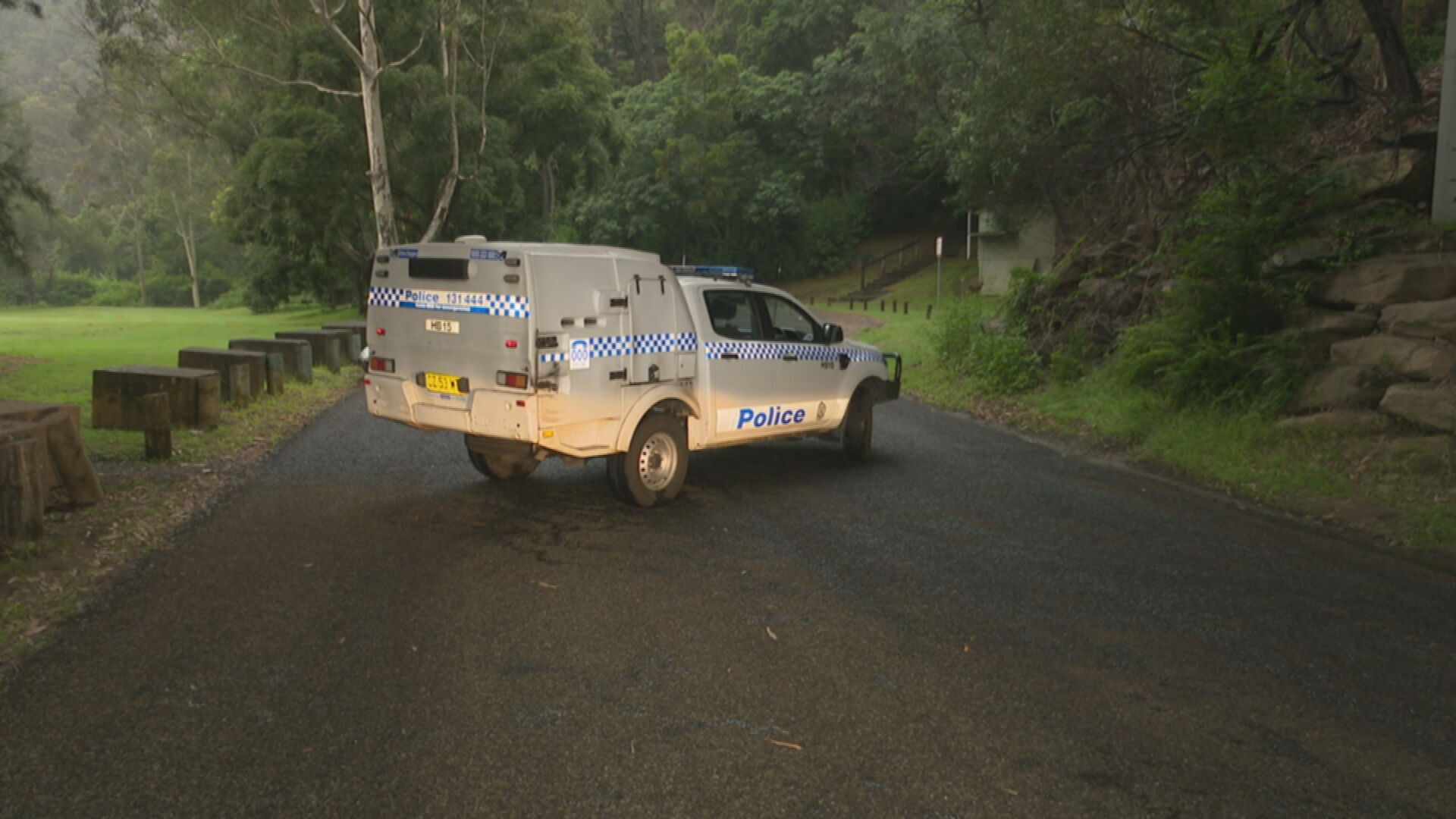
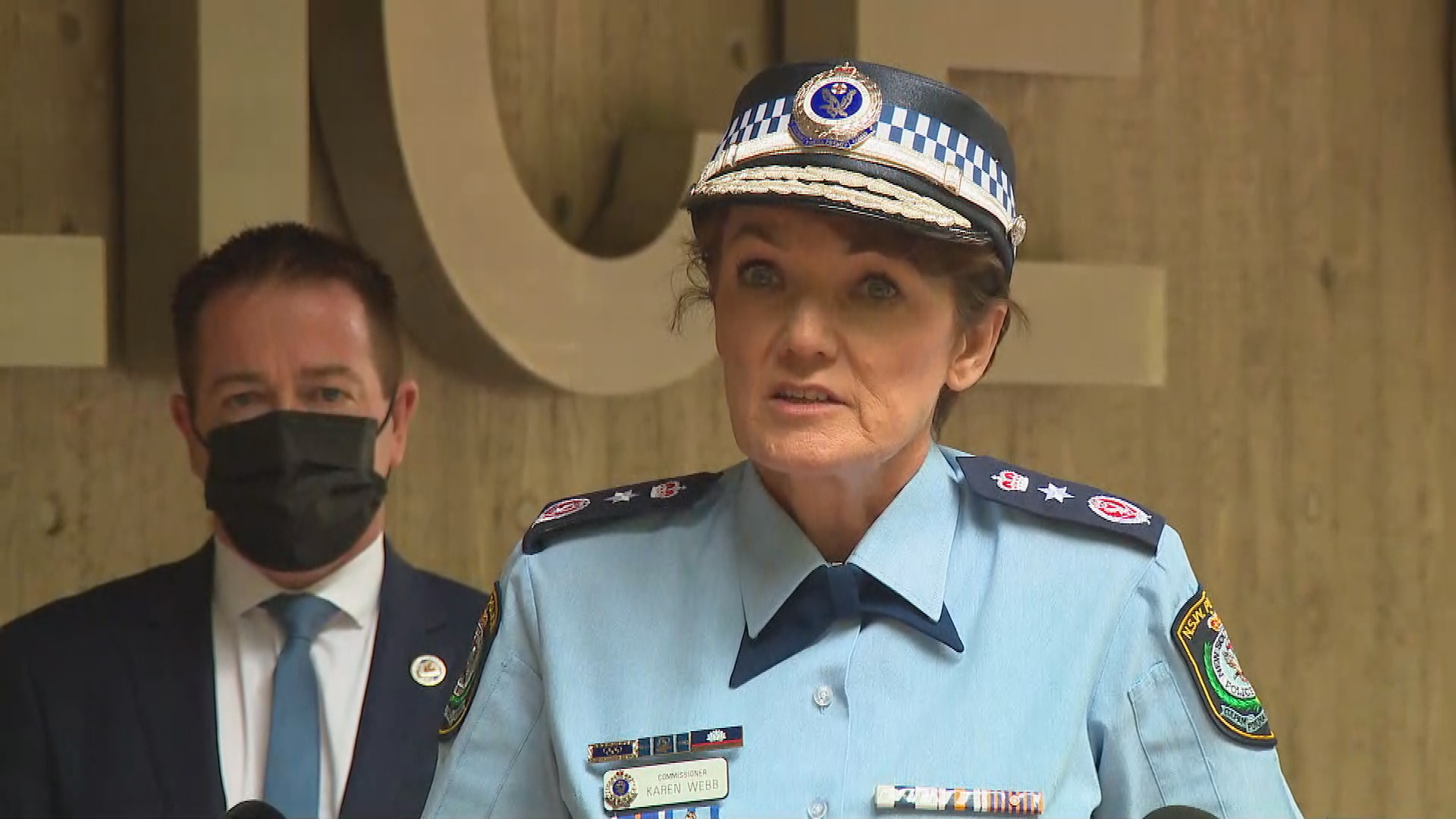
Acting Commissioner Webb said the police investigation would continue.
"There is still a lot to determine… it's now in the hands of the coroner, cause of death and a number of other lines of inquiry," she said.
"The search will remain ongoing to look for any clues to help us identify the cause of the death."
She urged anybody with information to come forward.
"There are still many elements of this investigation that we have to work through to determine exactly what happened from the time the young girl was reported missing up until last night when those remains were found," Acting Commissioner Webb said.
'Horrific' end after massive police effort
Deputy Commissioner Hudson thanked the police, emergency service workers, and volunteers, who searched a large area of the Blue Mountains and surrounds for five days in challenging weather conditions.
"Obviously we start off these searches with a lot of hope but, unfortunately, we always have in the back of our minds the worst and that's why lessons from previous investigations have taught us that we don't just need to conduct the missing persons search but also, in parallel to that, an investigative search, which revealed remains last night," Deputy Commissioner Hudson said.
"Again, the police involved – we've had over 200 investigators from State Crime Command assisting north-west region detectives on the investigative side of this.
"That has been quite a laborious task in analysing GPS data, analysing CCTV footage and leading us to search the location we searched last night."
NSW Deputy Premier and Minister for Police Paul Toole described the outcome as "horrific".
"We've had hundreds of police, RFS, and SES and volunteers on the ground over the last five days," he said.
"I want to thank them again for their efforts, because they have worked through torrential conditions.
"We've seen pouring rain over that time. They never gave up hope. People across this country have been hoping and praying for a good outcome.
"Today's news is not what we wanted to hear.
"I mean, this is horrible. This is horrific. This is shocking.
"I know that many people are distressed by what they're hearing today."
Sydney family stranded in Fiji after contracting COVID-19
A Sydney family is stranded in Fiji after catching COVID-19 while on holiday.
Ivan Kules, his niece, and his mother-in-law are stuck in the country and unable to board a plane due to being COVID-positive.
"I call it a prison in paradise, I look out the window and I see a beautiful view but I can't enjoy it," Mr Kules said.
READ MORE: Man charged with murder of nine-year-old NSW girl
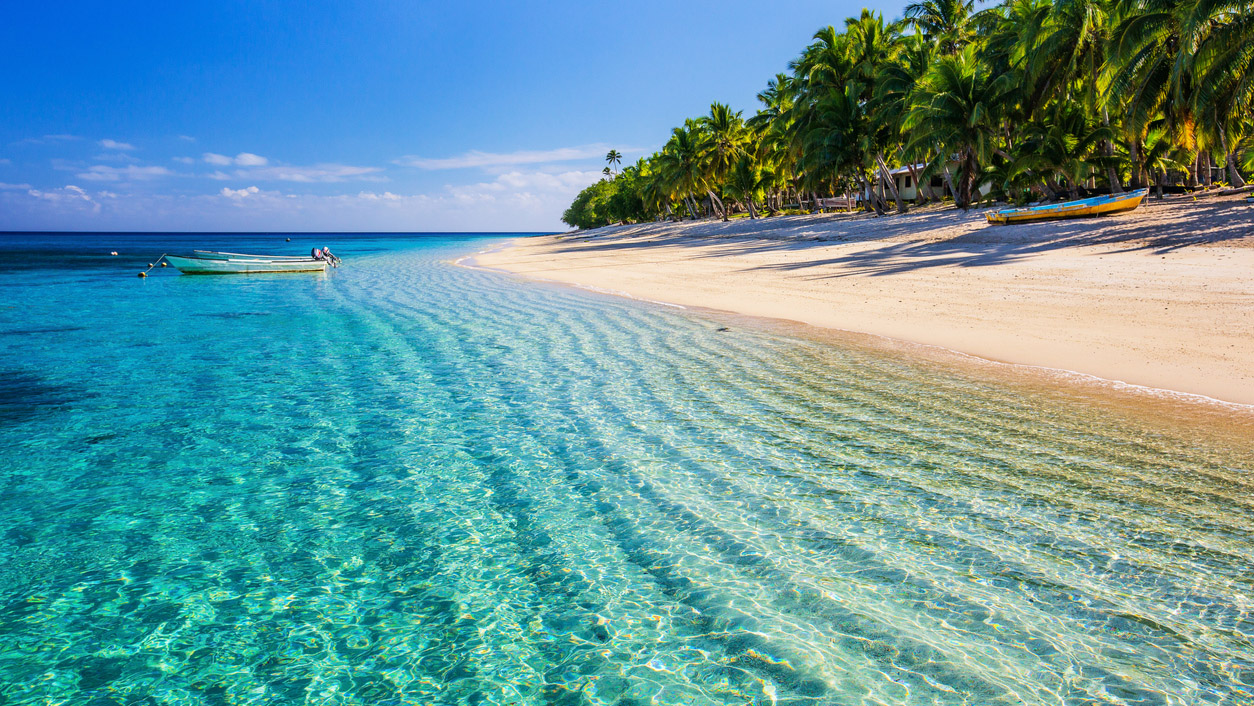
For the Kules family, a family holiday turned sour as a COVID-19 outbreak began at their resort.
"We were told when we arrived there were six cases, the next morning there were 15 cases, by day five it was 50 per cent of the resort," Lynn Glohe, Mr Kules' mother-in-law, said.
Ms Glohe stayed to look after her COVID-positive granddaughter.
Now she, her granddaughter and Mr Kules must wait until they return a negative PCR test to come home.

Mr Kules' wife Alison was able to return to the family home in Oran Park, in Sydney's south-west, but has also contracted the virus.
"We're terrified they're going to be stuck there for four, five, six weeks," Ms Kules said.
"We haven't been anywhere in years, so we thought well Fiji, it's safe they've got this 'Bula Bubble.'"
READ MORE: Volcano destroyed every home on Tongan island

It's been almost a week since the rest of the family flew home and the cost of staying at the resort while isolating and the PCR tests are beginning to add up.
"They just charged me $450 per PCR today," Ms Glohe said.
"So that's $1350 for three tests."
For Australians travelling overseas, there are strict requirements to get back home.
Travellers need a negative PCR test 72 hours before their scheduled flight.
In some countries where a PCR is harder to come by, like Fiji, the timeframe is extended to 96 hours.
Rapid antigen tests are currently not accepted for returning travellers.
Travellers also need to download and fill out the Australia Travel Declaration application 72 hours prior to flying home.
READ MORE: How much Aussies need to earn to 'feel wealthy'
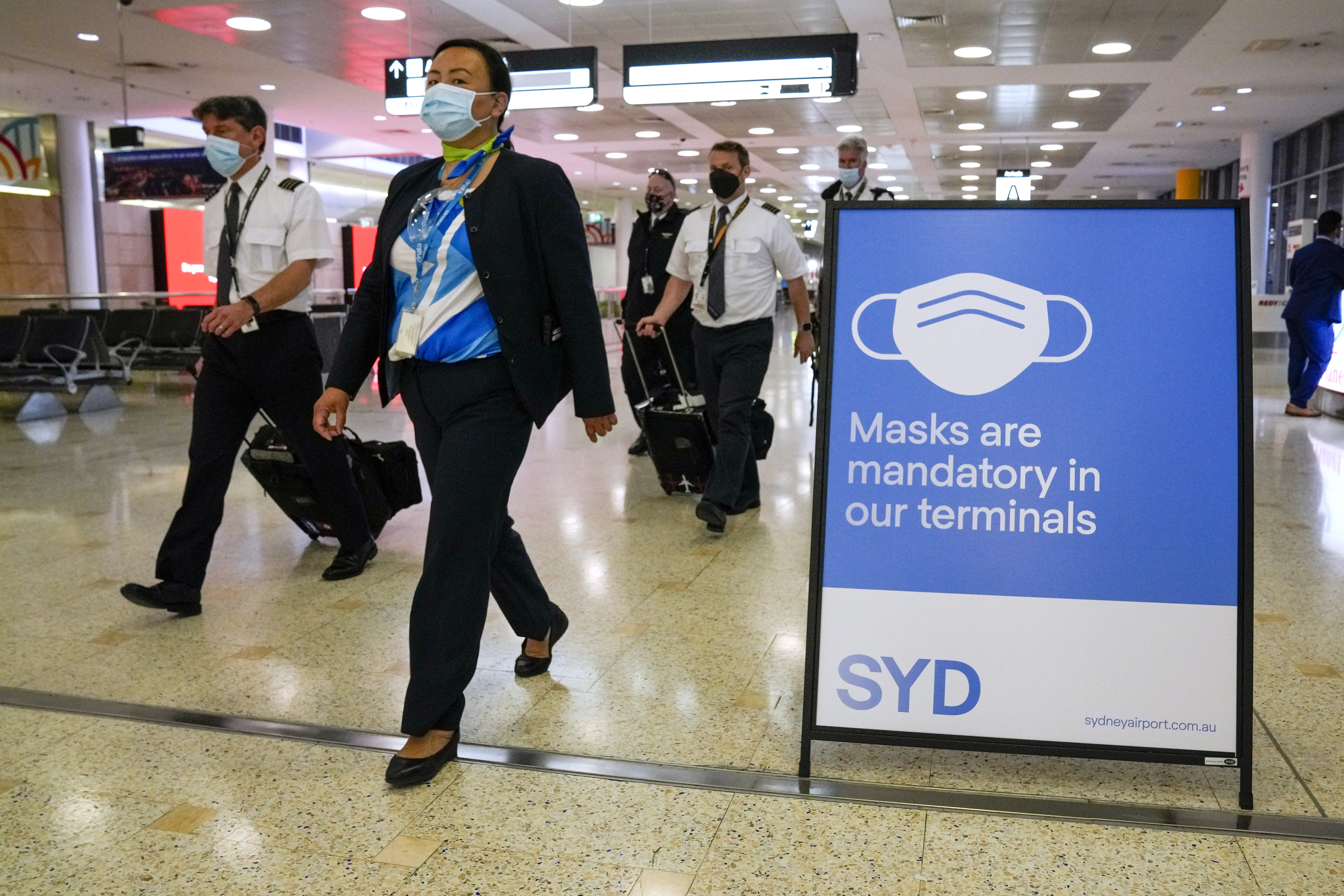
If travellers return a positive COVID-19 result, they cannot board a plane back to Australia and must isolate overseas.
Confirmed COVID-19 cases must wait until they receive a negative PCR result before flying home.
After 14 days, if a traveller is still showing a positive PCR, they can obtain a medical exemption certificate from a local doctor confirming they have now recovered.
Melbourne optometrist hit with $20k damage after thieves ram-raid store
A Melbourne optometrist has been left with a $20,000 damage bill after thieves ram-raided the luxury business before dawn.
A four-wheel-drive rammed into the shopfront of Designer Eyes in Glenroy before 5am, shattering glass and breaking through the door.
The balaclava-clad burglars ran off with about $5000 worth of designer sunglasses – including pairs of Tom Ford and Tiffany & Co.
READ MORE: Victoria reduces COVID-19 booster dose interval to three months
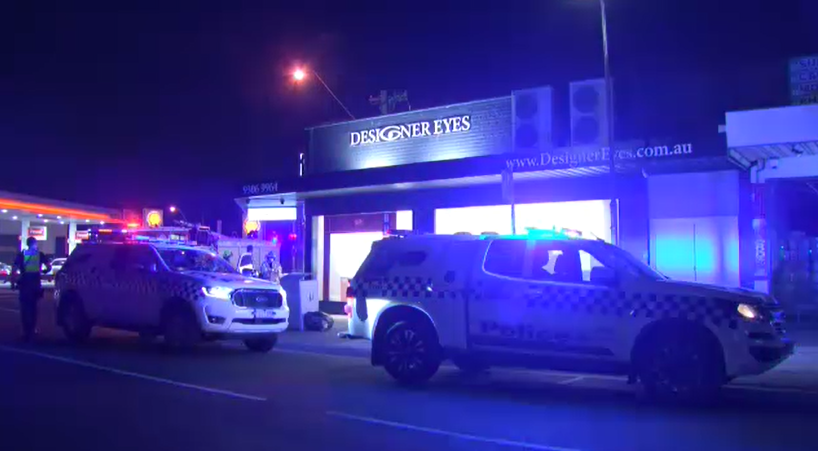
It is the second time in two years the eyewear store has been destroyed.
"Just gutted, just gutted," shop owner Gino Nardella said.
"Been through this before, it's not the first time.
"It's not so much what they take, it's the damage they cause."
The thieves' getaway car – with a distinctive bullbar – sped off towards Pascoe Vale Road this morning.
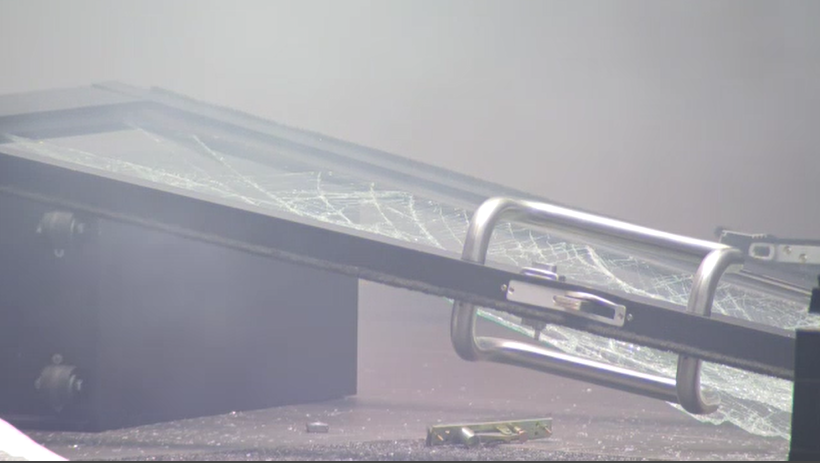
Vision from the scene showed firefighters and police investigating at the scene on Glenroy Road early this morning.
The front of the store is now boarded up and it will be another day before the business can trade.
"You put your heart and soul into something and to see it destroyed like this, it just kills you," Mr Nardella said.
"We've had a tough two years, enough to put up with."
Anyone who has information, or was in the area and has dashcam footage, has been urged to contact Crime Stoppers on 1800 333 000.
US slaps 'do not travel' warning on Australia
The US is advising its citizens not to travel to Australia because of COVID-19.
The US has slapped a "Do Not Travel" Level 4 advisory on the country "due to COVID-19-related travel restrictions" — even though tourists are not yet allowed in.
Per population, Australia is recording one of the highest COVID-19 rates in the world, just behind France.
READ MORE: Remains found in barrel 'consistent' with those of missing girl
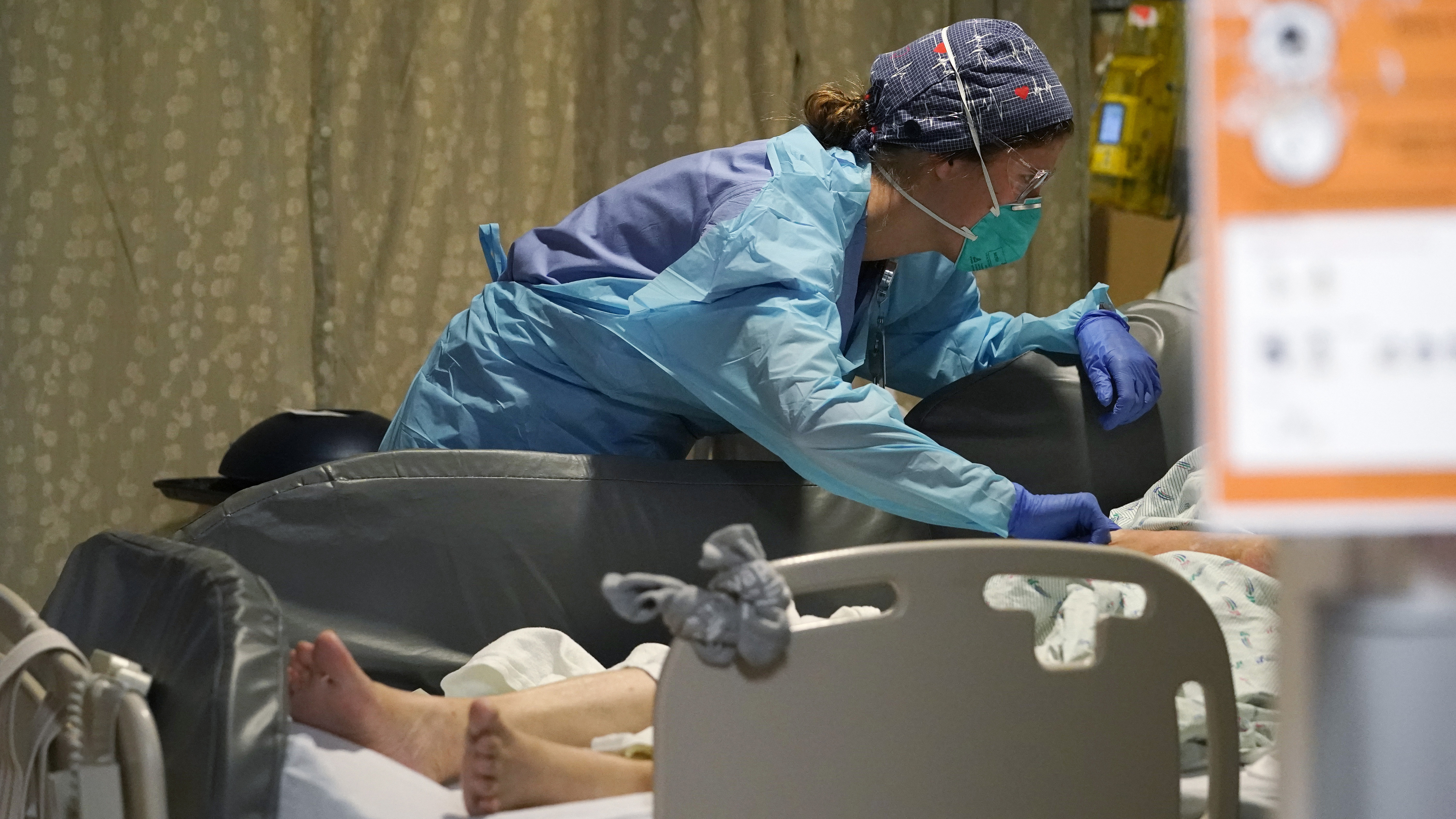
But Australia has among the lowest death rates in the world — while the USA has the highest, likely because of the wide gap between vaccination rates.
The USA has had the most deaths in the world with COVID-19 — 854,000 according to Our World in Data, compared to Australia's 2843.
That's 2565 per million people in the USA compared with 110 per million in Australia
According to the US Department of State, a Level 4 travel warning is the "highest advisory level due to greater likelihood of life-threatening risks".
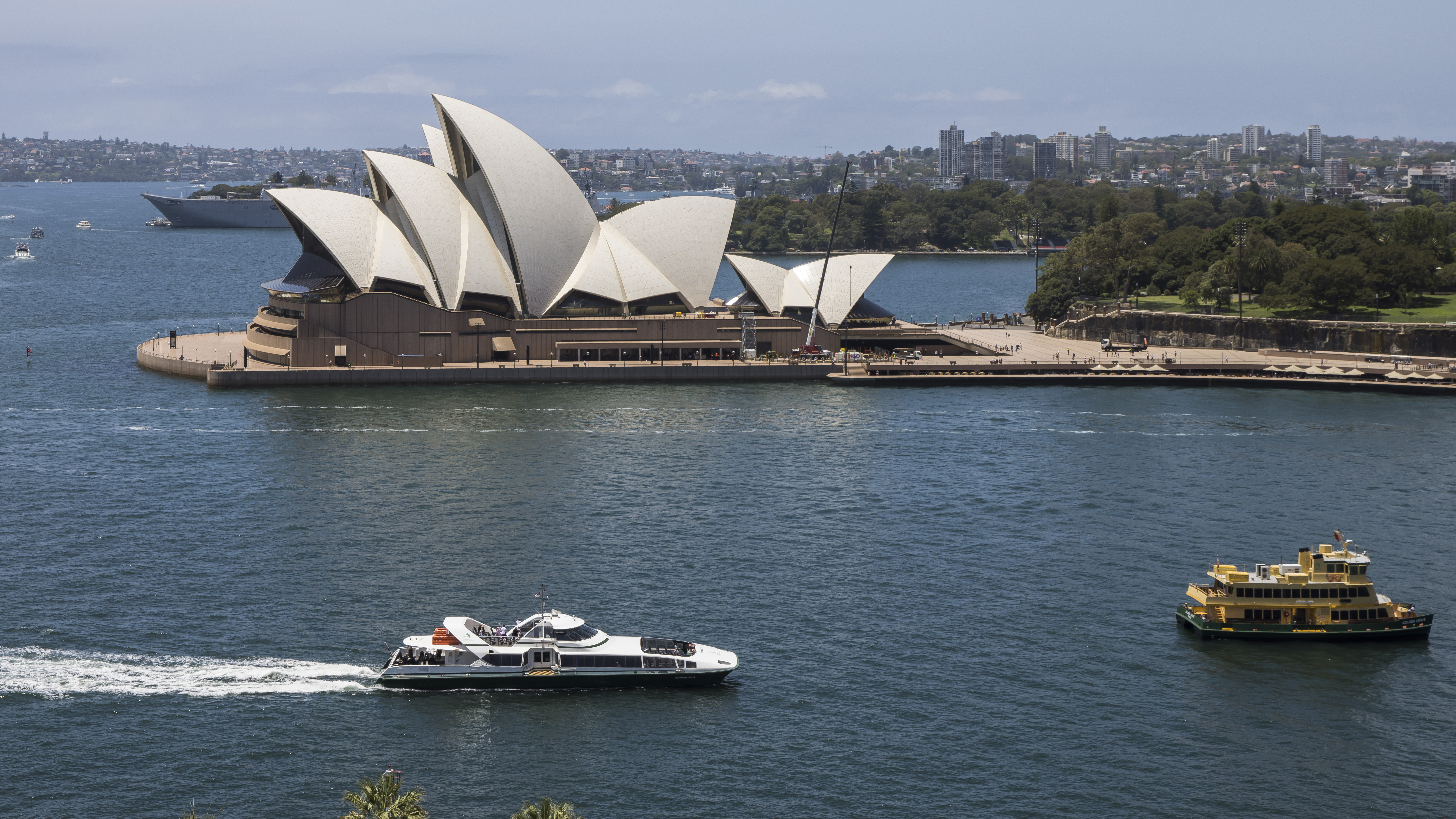
"The Centers for Disease Control and Prevention (CDC) has issued a Level 4 Travel Health Notice for Australia due to COVID-19, indicating a very high level of COVID-19 in the country," it said.
"The Department of State advises that US citizens not travel to the country or to leave as soon as it is safe to do so."
However, much of the world is under the same advisory, including Canada, most of Europe, much of Africa and parts of South America.
US expert Dr Anthony Fauci said it's still too early to predict whether Omicron's rapid spread will help push coronavirus from the pandemic phase to a more manageable endemic phase.
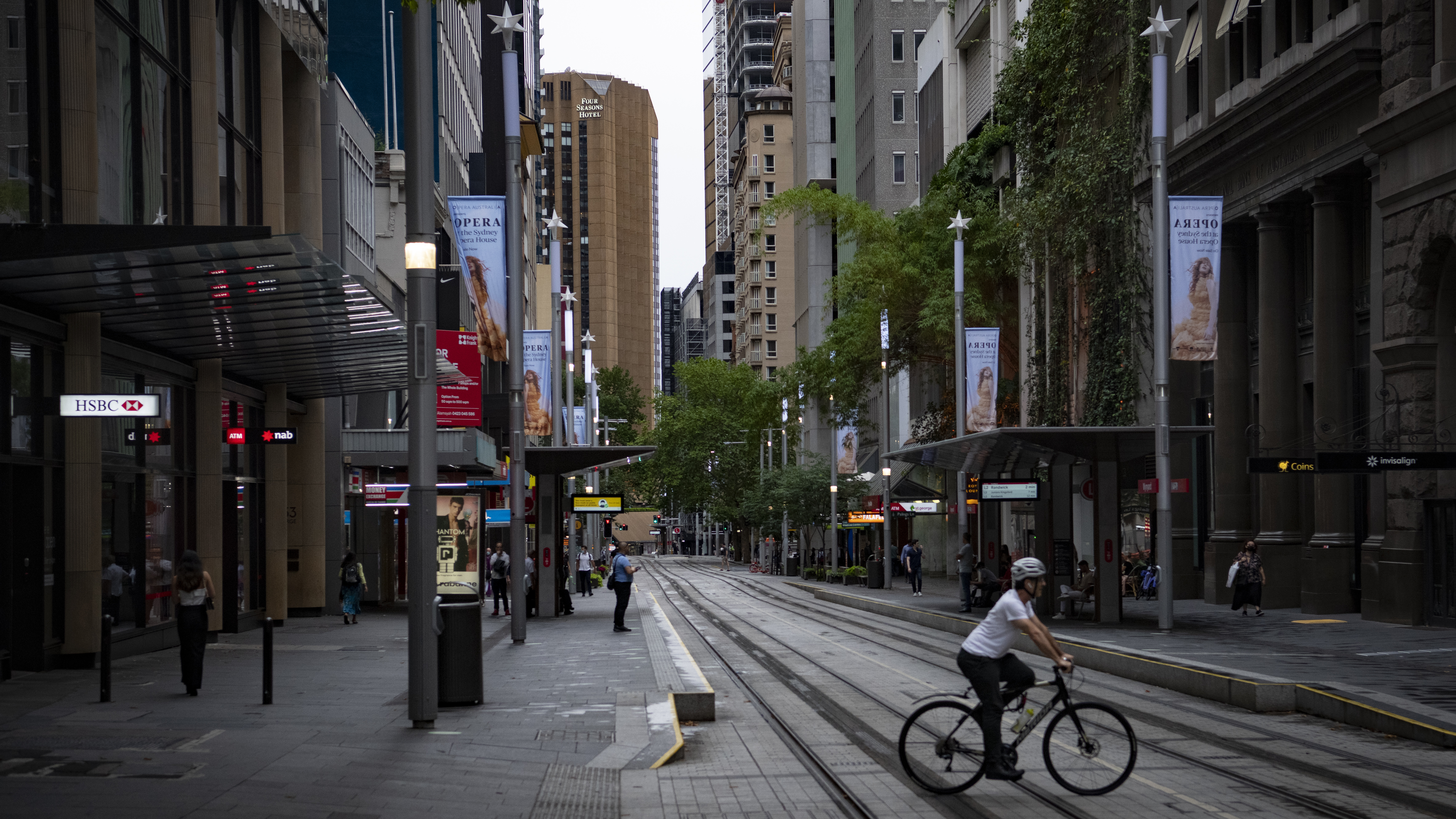
The advisory came as Queensland became the last state other than WA to remove quarantine for international travel.
Vaccinated Queenslanders can now return from overseas without having to do 14 days home quarantine.
Australia is calling on backpackers and students, including from the USA, to now come to Australia to help fill jobs, by returning their visa fee.
Australians have been allowed to travel overseas since November 1 after more than 18 months of border closures, but only certain visa holders can come in.
READ MORE: One of the US Navy's most powerful weapons appears in Guam