A stevedore was thinking of his family and children and feared he would die as he slipped into unconsciousness in the fume-filled hold of a logging ship at Napier Port, he has told a Napier court.Iakopo Sagote was one of six men…
Tag Archives: oceania
'Up there with Krakatoa': Tonga explosion likely biggest in 30 years
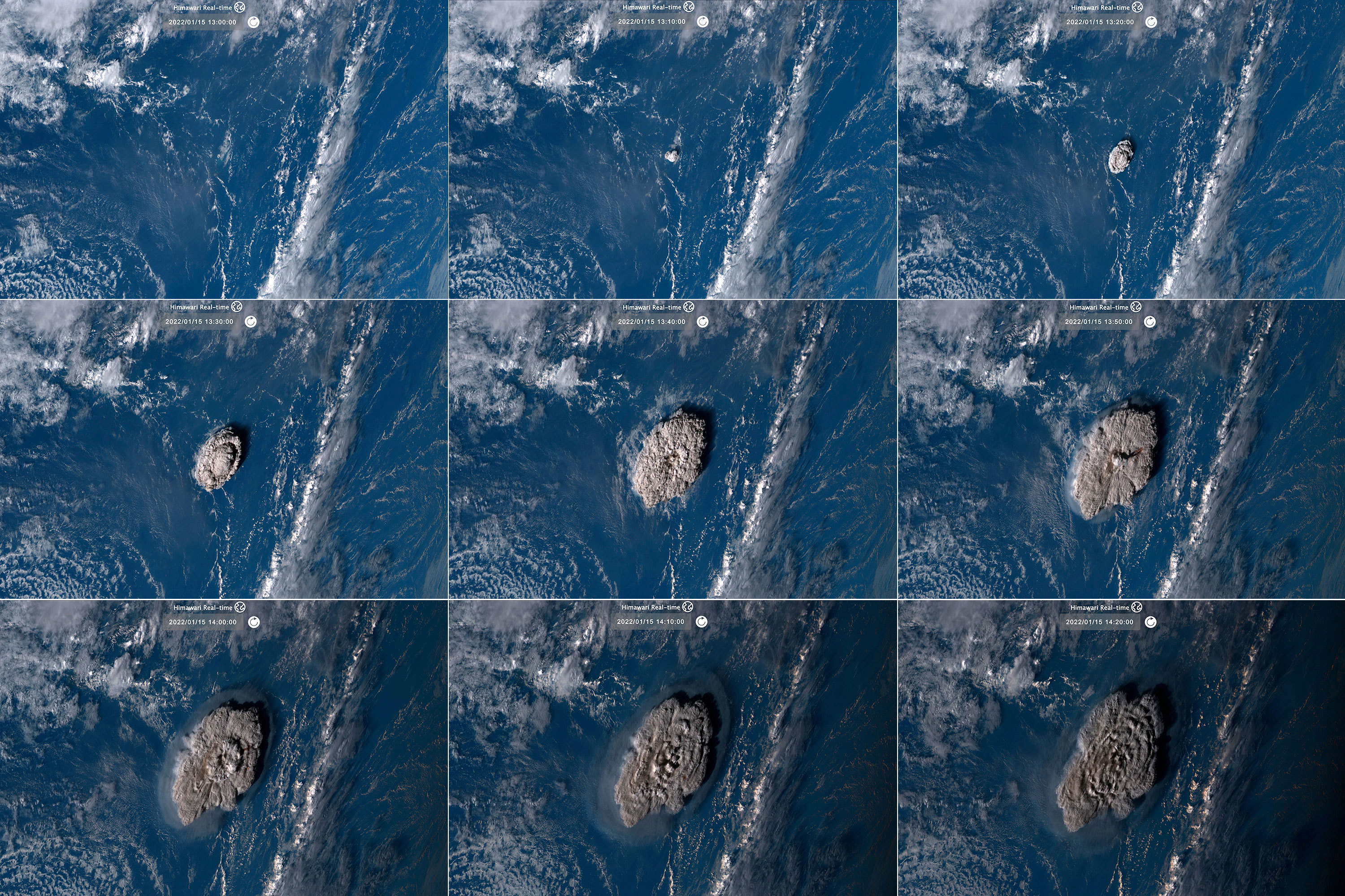
The massive underwater eruption near Tonga in the Pacific was probably the biggest volcanic explosion in the world in 30 years, according to an Australian earth scientist.
Although scientific data which will confirm the size of the eruption is still to be finalised, Australian National University volcano expert Richard Arculus said the Hunga-Tonga-Hunga-Ha'apai eruption would likely sit on a world top 10, alongside the eruptions of Krakatoa in 1883 and Mount Pinatubo in 1991.
Professor Arculus expected more Hunga-Tonga-Hunga-Ha'apai eruptions over the coming days and weeks, but he said explosions should be smaller than what appeared to be a one-in-1000 year blast on Saturday, which sent a plume of ash, gas and steam at least 20 kilometres into the air.
LIVE UPDATES: Aussie wildcard wins on first day of Australian Open
READ MORE: NSW cases drop but hospitalisations rise
Similar to seismologists who use a Richter scale to measure earthquakes, volcanologists have a Volcanic Explosivity Index (VEI) to gauge of the explosiveness of volcanic eruptions.
"This would be up there at around probably a five or six," Professor Arculus said.
"So it's pretty big.
"On a scale of bangs, it's up there with Krakatoa."
The maximum VEI is 8, which humans have never witnessed.
An eruption's VEI is based on the amount of material thrown out, the time over which that material was thrown out, and the eruption height column.
Some reports today suggested the plume could have climbed as high as 30 kilometres.
READ MORE: Tonga calls for 'immediate assistance' after volcano, tsunami
READ MORE: Search for girl, 9, in Blue Mountains enters fourth day
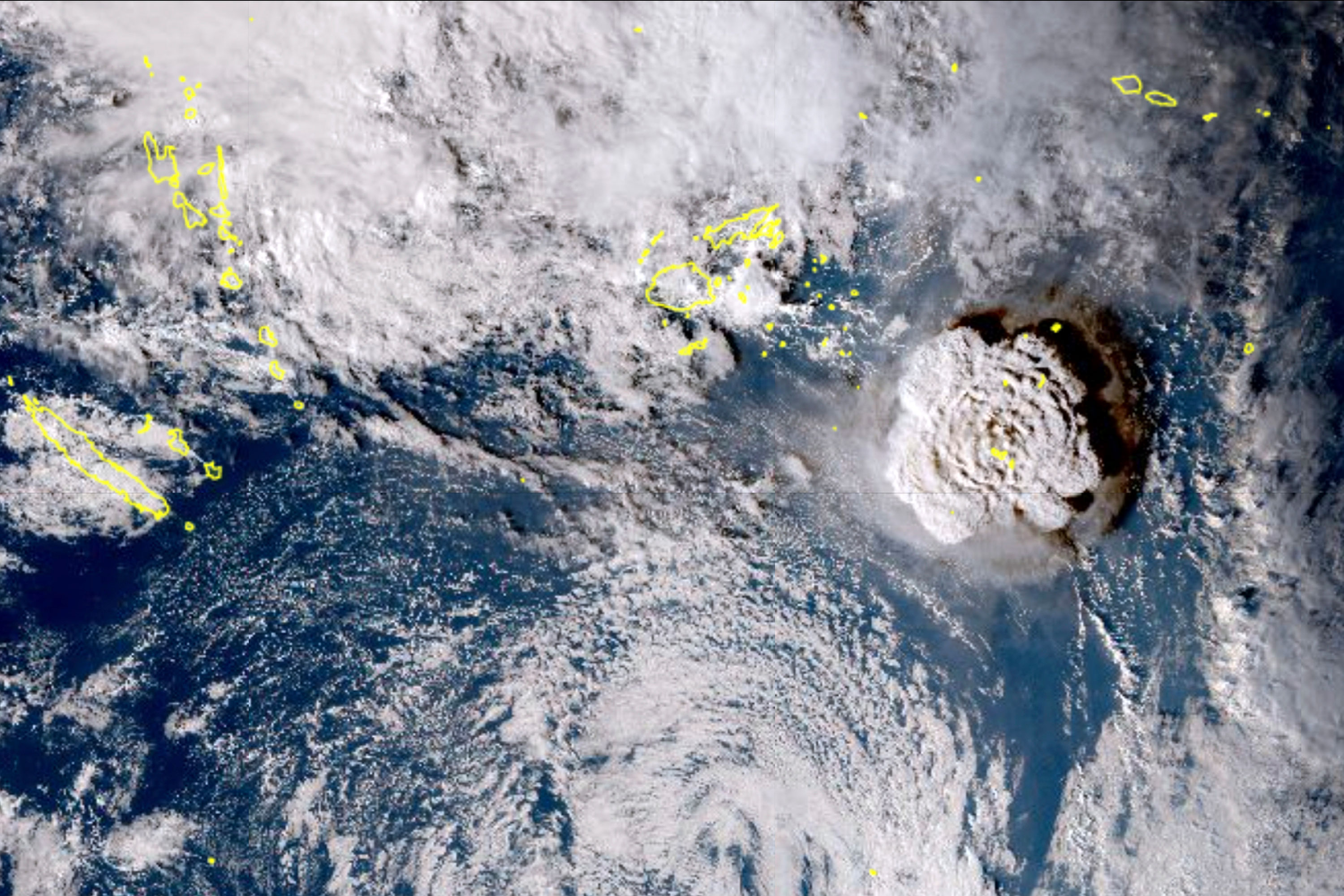
Professor Arculus described the eruption as "spectacular", an impression amplified because it had been captured on satellite imagery, which showed a massive ash cloud and shockwaves spreading from the eruption.
The explosion could be heard in Alaska, over 9000 kilometres away, and the sound wave spread out across the Pacific at 1200 kilometres an hour, Professor Arculus said.
The eruption caused a tsunami on Tongatapu, with waves flowing onto coastal roads and flooding properties.
Tsunami warnings were issued on Australia's east coast, parts of New Zealand, Japan, the United States and Canada.
https://twitter.com/NiwaWeather/status/1482259999724535809?ref_src=twsrc%5Etfwhttps://twitter.com/USGSVolcanoes/status/1482805903124414464
Professor Arculus explained how the tsunami was not generated by the explosion of the volcano, but instead a more complex combination of tremendous forces at play.
He called it a "rebound effect of the ocean" because an underwater mountain had effectively been "vaporised".
Measuring around 1800m high and 20km wide, the Hunga-Tonga-Hunga-Ha'apai volcano is hidden under the water.
"The reason for the tsunami is not the explosion itself," he said.
"If you make a big hole in the crust, and throw out so much material, you are essentially vaporising a mountain.
"Then the sea rushes in to fill the cavity, and bounces back out again.
"So it's a kind of rebound effect for the ocean … and that spreads all the way, circumferentially, radially out, across the ocean.
"So that's the source of the tsunami."
When Krakatoa blew, killing 36,000 people, it was this rebound effect which generated a catastrophic tsunami 37-metres high.
https://twitter.com/WeatherWatchNZ/status/1482876643819810816
People on Tonga today described their country as looking like a moonscape as they began the task of cleaning up from the tsunami waves and ashfall caused by the eruption.
Communications with the island nation remained limited after the internet was cut soon after the eruption on Saturday evening.
There were no reports of injuries or deaths, although concerns remained for the fate of people on some of the smaller islands near the volcano.
Words: Mark Saunokonoko
Interactive graphics: Tara Blancato
With AP
Aussie billionaires double their wealth during COVID-19: report
The richest people in Australia have effectively doubled their collective wealth during the COVID-19 pandemic, earning an eye-watering $205 million a day over two years.
That is according to a new report by global anti-poverty charity Oxfam that claimed the 47 billionaires in Australia doubled their collective wealth during the pandemic to a combined $255 billion.
When broken down over two years, that equates to the 47 billionaires earning $205 million a day or $2376 every second of the global crisis.
LIVE UPDATES: Australian Open day 1
As a result, there is now more wealth in possession of 47 Australian billionaires than there is in the poorest 30 per cent of residents, estimated to be around 7.7 million people.
Oxfam Australia's Chief Executive Lyn Morgain said the divide between the megarich and poor has blown out during the global crisis.
"The record-breaking nature of the growth in their wealth means that while many have been pushed to the brink, billionaires have had a terrific pandemic," Ms Morgain said.
READ MORE: NSW cases drop but hospitalisations rise
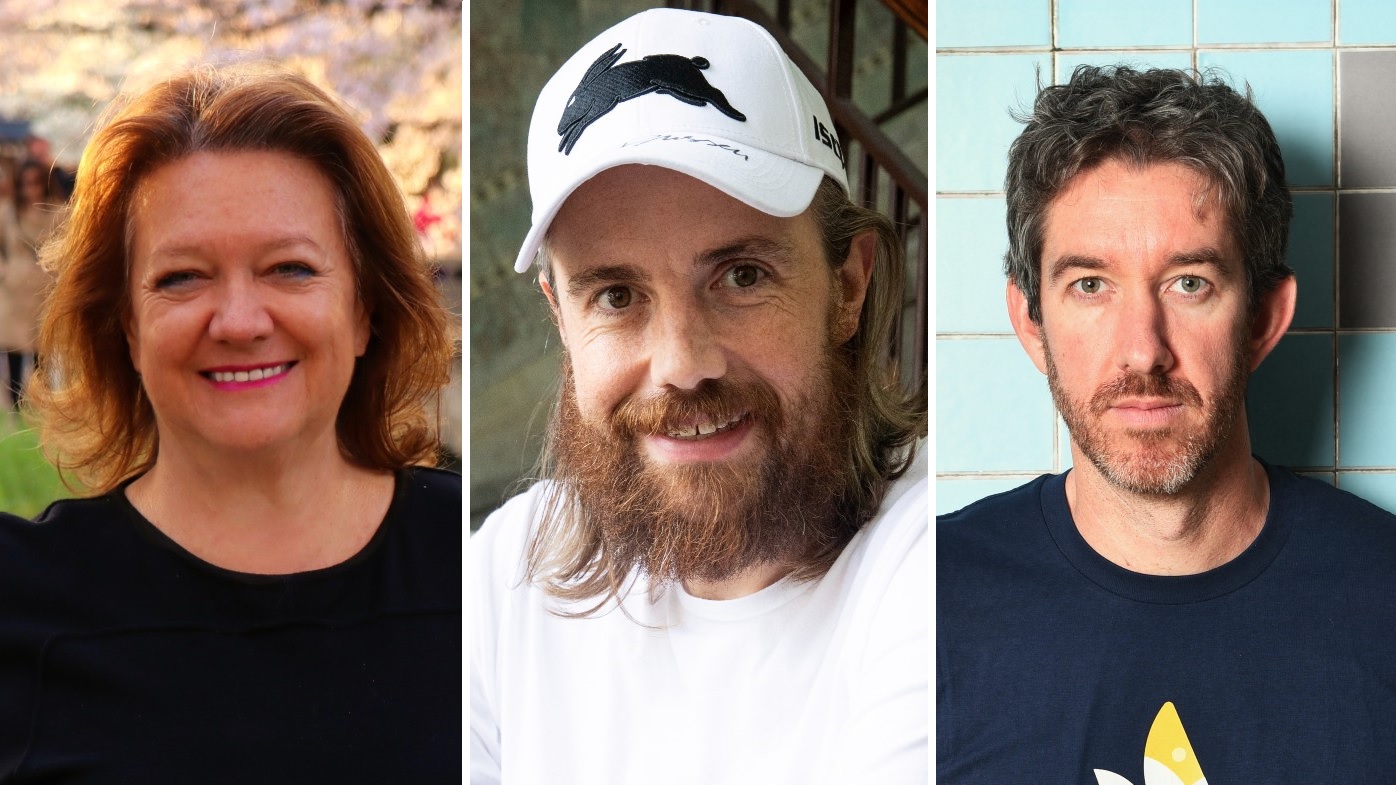
Mining magnate Gina Rinehart remains Australia's richest person with an estimated personal net worth of more than $22 billion, followed by software entrepreneurs Mike Cannon-Brookes and Scott Farquhar each with a shade over $19.5 billion, according to Oxfam estimates.
A full list of Australia's top 10 billionaires as estimated by Oxfam can be found below.
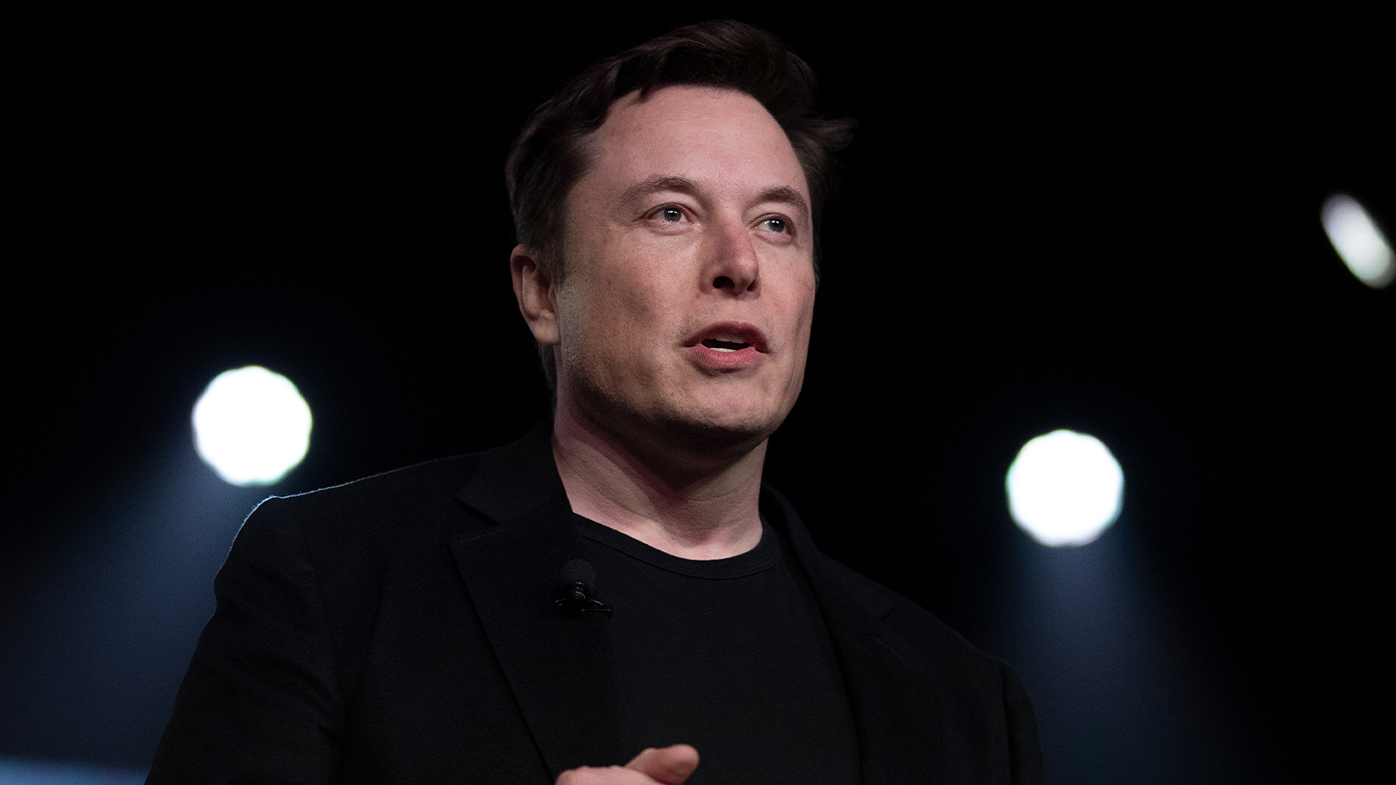
The report also dealt with wealth on a global scale, finding that the world's ten richest men – including current top spot holder Elon Musk – made a collective $1.6 billion a day during the pandemic or $18,750 per second.
READ MORE: Tonga calls for 'immediate assistance' after volcano, tsunami
If those top 10 richest men were to lose 99.9 per cent of their wealth, they would still be richer than 99 per cent of all people on Earth.
Ms Morgain blamed Australia's economic landscape for the widening divide between rich and poor, arguing the system enables the uber-rich to more easily grow their wealth.
"Inequality at such pace and scale is happening by choice, not chance," she said.
READ MORE: Search for girl, 9, in Blue Mountains enters fourth day
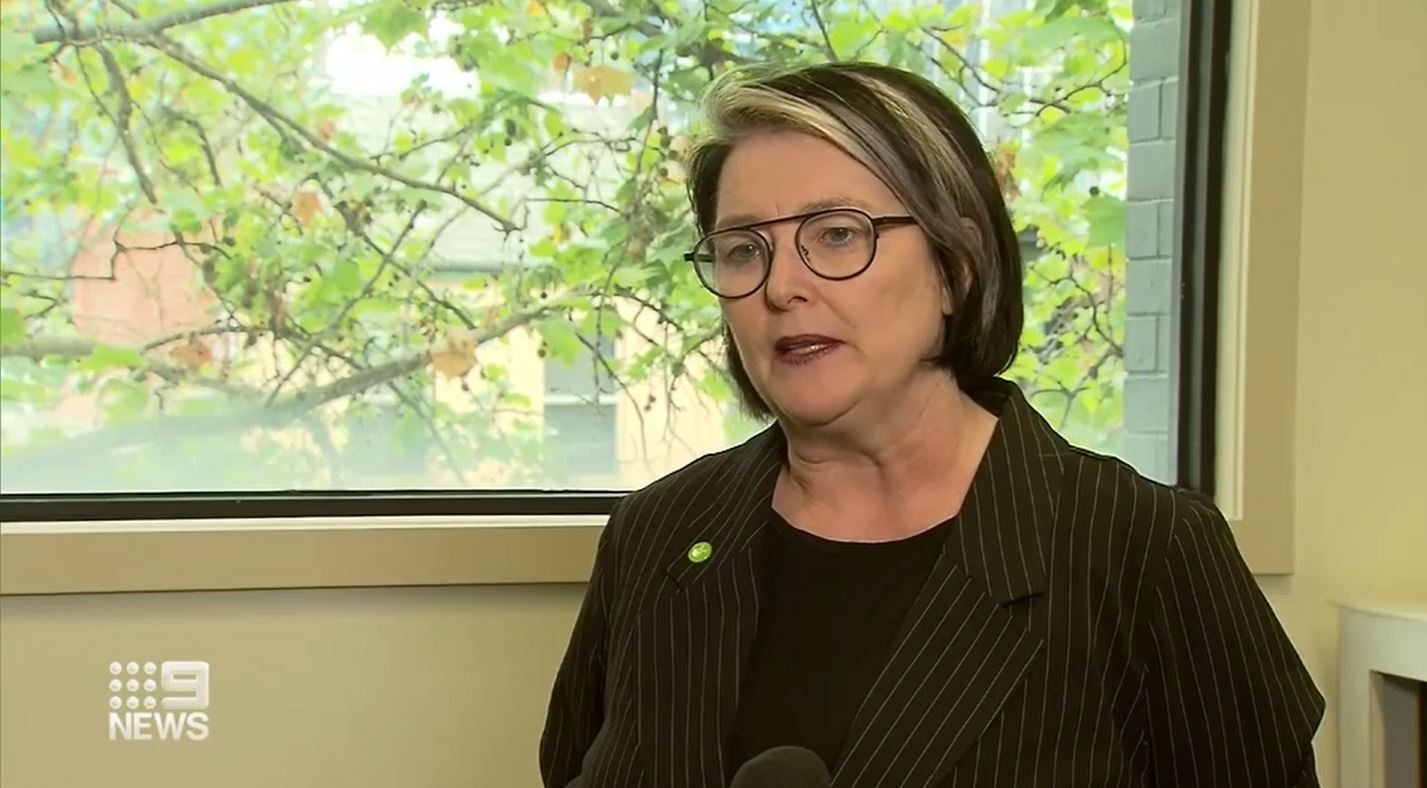
Mirroring a growing movement in the United States, Ms Morgain called for a "wealth tax" that would see higher tax rates imposed on the ultra-rich.
"It's time for the Australian Government to take this issue seriously and take action to close the gap between the rich and poor. We have calculated that an annual $30 billion wealth tax would have a massive impact," she said.
"For example, it could cover close to half the cost of achieving the World Health Organization's mid2022 vaccination goal for lower income countries, helping protect all people, including Australians, from further variants and preventing millions of people around the world being pushed into greater hardship and poverty,"
AUSTRALIA TOP 10 RICHEST PEOPLE: OXFAM REPORT
1. Gina Rinehart – $22.2 Billion (Mining)
2. Mike Cannon-Brookes – $19.6 Billion (Software)
3. Scott Farquhar – $19.5 Billion (Software)
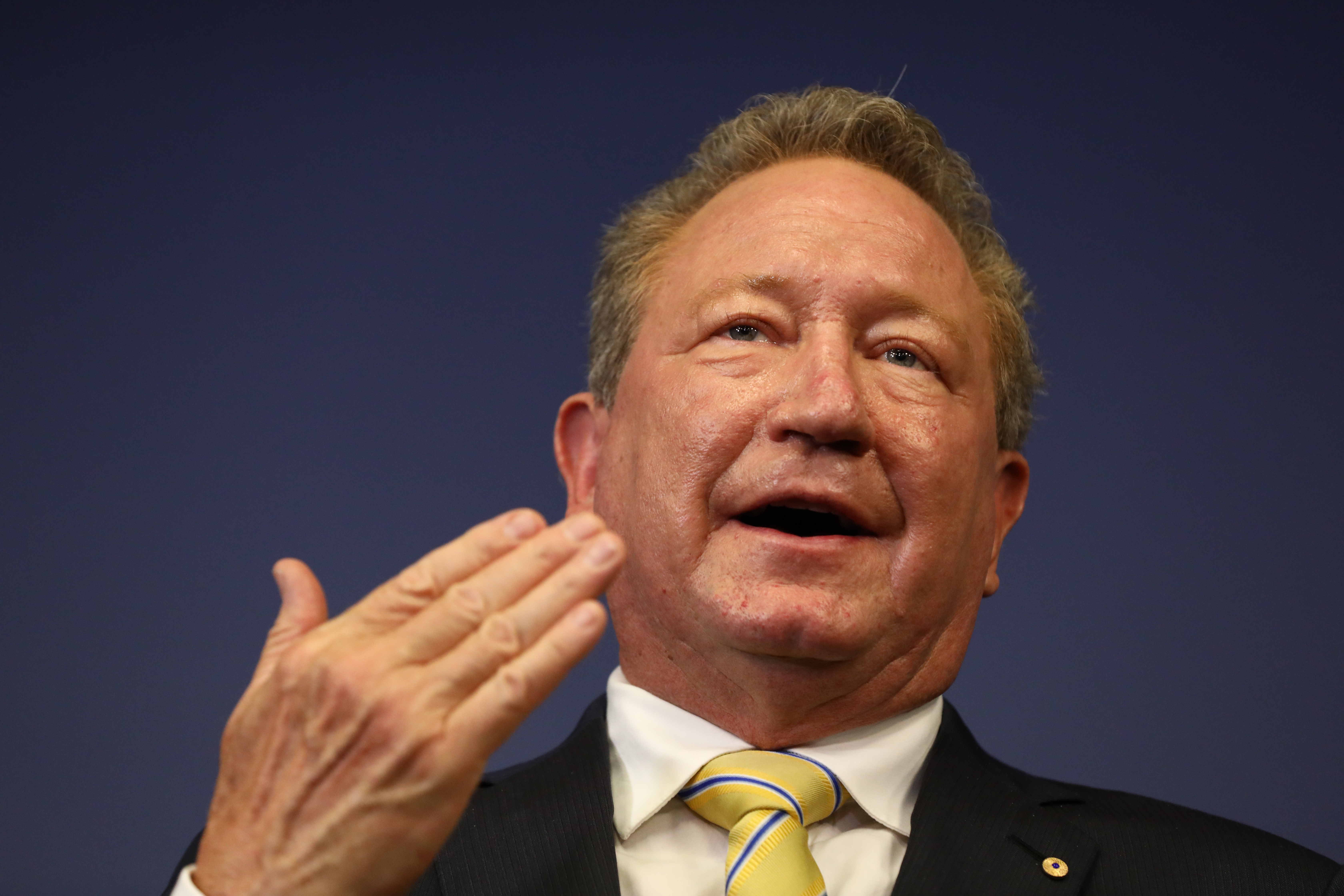
4. Andrew Forrest – $18.6 Billion (Mining)
5. Harry Triguboff – $10.1 Billion (Real estate)
6. Anthony Pratt – $10.0 Billion (Manufacturing)
7. John, Alan & Bruce Wilson – $6.6 Billion (Retail)
8. Melanie Perkins – $6.5 Billion (Software)
9. Cliff Obrecht – $6.5 Billion (Software)
10. Richard White – $5.5 Billion (Software)
Two people dead after serious South Island crashes
Two people have died in separate crashes in the South Island this morning.The first was on State Highway 6, just south of Wanaka Airport.Police were informed of the single-vehicle crash at about 4.20am. Read More Serious…
'Exhausted' doctor explains how hard Omicron has hit hospitals
Sydney lung specialist Dr Lucy Morgan has been on the COVID-19 frontline for two years, and speaking at a press conference today, she showed just how much it was weighing on health workers.
"Please excuse my notes," she told reporters.
"I'm a bit nervous speaking in front of you, and I'm really very tired. I was in the hospital to about 1am this morning.
LIVE UPDATES: Greats slam 'error' made in Djokovic 'mess'
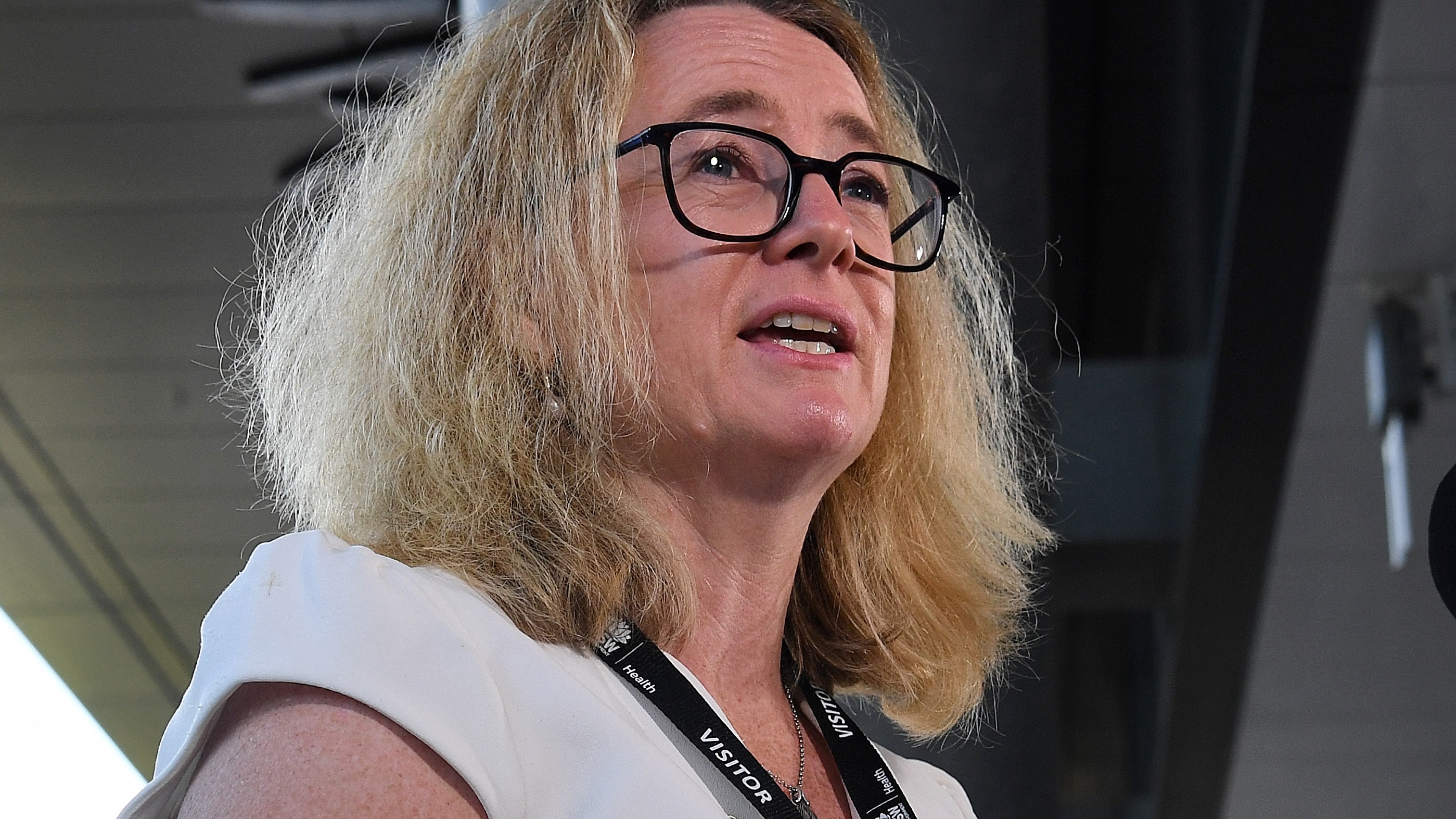
"And about every hour between 1am and 6am, I got another call about another patient sick enough to be admitted to my hospital with COVID."
Nervous or not, Dr Morgan was blunt about how much medical professionals were struggling as she called on people to keep up sanitising, mask and social-distancing practices.
"We are exhausted," she said.
"And in responding to the unprecedented demands, the thousands of patients presenting to our hospitals every day, our capacity to manage everything else has also really changed.
"In the short-term, that's okay. But in the long-term, and it's two years now, this is bad.
"It's really hard on us and it's really hard on the people of NSW because this is leading to some delayed diagnosis, some longer waiting times for everything, and a huge burden on our community as we try to keep everything ticking over."
READ MORE: NSW cases drop but hospitalisations rise
Why 'mild' Omicron still hits hard
Dr Morgan also spoke about why, if Omicron is supposedly a "milder" variant of COVID-19, hospitals are under so much pressure.
Most people who presented with COVID-19 symptoms, she said, were assessed and sent home.
"But even so, thousands are admitted across the state every day," she said.
"I think in the last 24 hours, and I've been on call for that 24 hours, there were more than 2500 patients admitted to hospital."
READ MORE: Tonga calls for 'immediate assistance' after volcano, tsunami
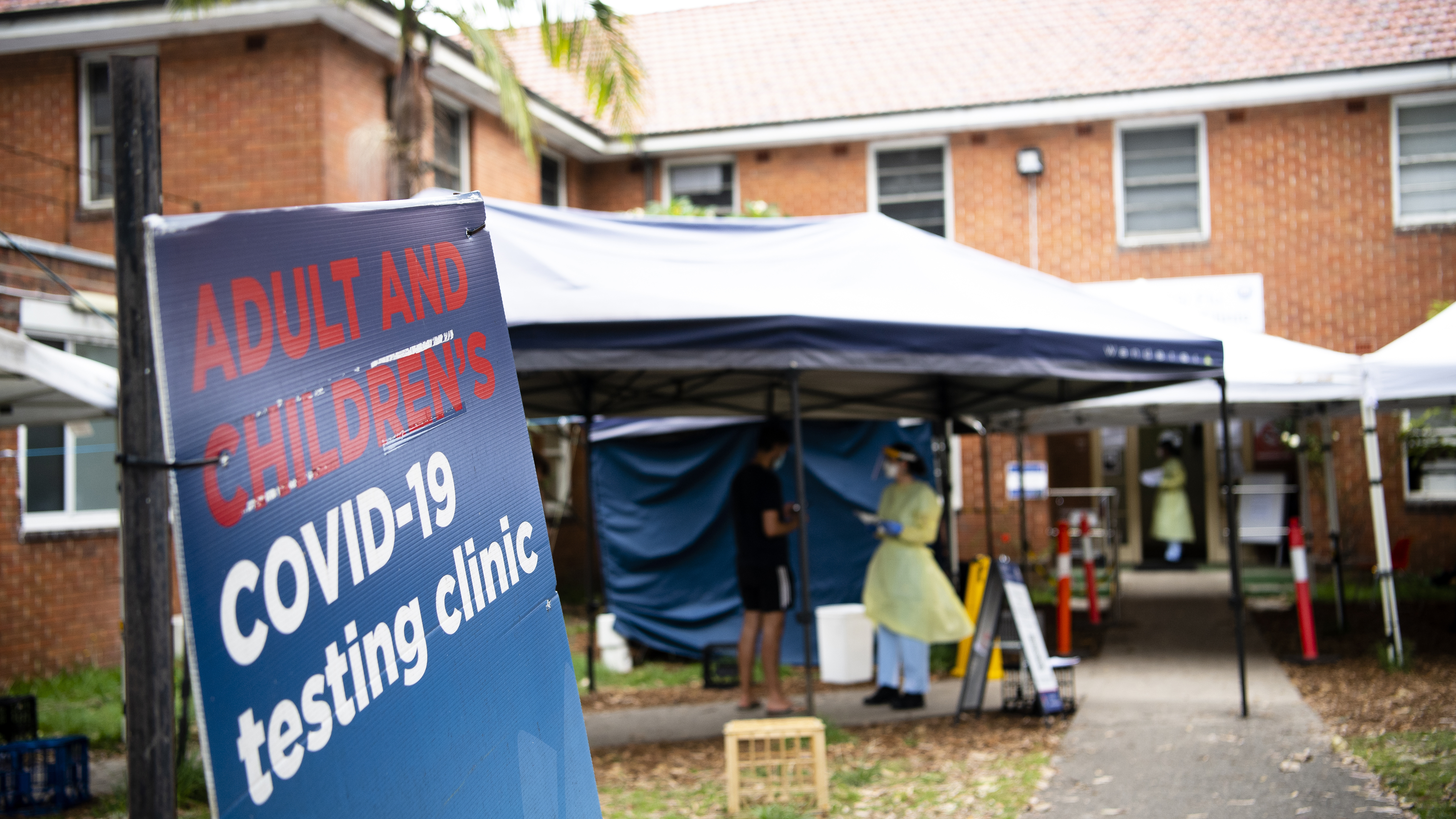
She said this was due in part to some people remaining unvaccinated, including many of the state's most vulnerable, such as the homeless, and people with severe mental health problems.
Other people had seen their immunity wane since their vaccination.
"And then there's our hospital staff who, of course, are part of our community living at home with their families and who are now catching COVID themselves," she said.
"These are not staff who caught COVID at work. Our PPE works and we know how to use it really, really well. But these are people who are living with their families and therefore catching COVID in their family units, and therefore, can't come to work.
READ MORE: Search for girl, 9, in Blue Mountains enters fourth day
"These are the people that keep our hospitals running. Yes, it's doctors, yes, it's nurses. But it's cleaner, it's porters, it's people who help to feed patients, to wash patients, to clean the wards and to get food to the patients."
Dr Morgan said at her hospital at 1am overnight, the senior nurse in the COVID-19 ward had clocked on at 7am the previous morning.
"She'd been there all day with a double shift. The hospital is full of stories like that," she said.
READ MORE: Retailers found to be price gouging rapid tests could face $10 million fines
'Up to $500 for two': Watchdog to crack down on 'outrageous' RAT prices
Large retailers who are selling COVID-19 rapid antigen tests for "excessive" prices could face fines of up to $10 million or more as consumers raise fears of price gouging.
The Australian Competition and Consumer Commission (ACCC) today said it had "significant concerns" over the pricing of the tests, which it has seen as extreme as $500 for two tests.
The watchdog said it is receiving on average around 150 reports from consumers a day about the pricing of rapid antigen tests – or RATSs – as state governments push residents towards DIY testing to ease pressure on PCR test clinics.
LIVE UPDATES: PM not ruling out Djokovic return
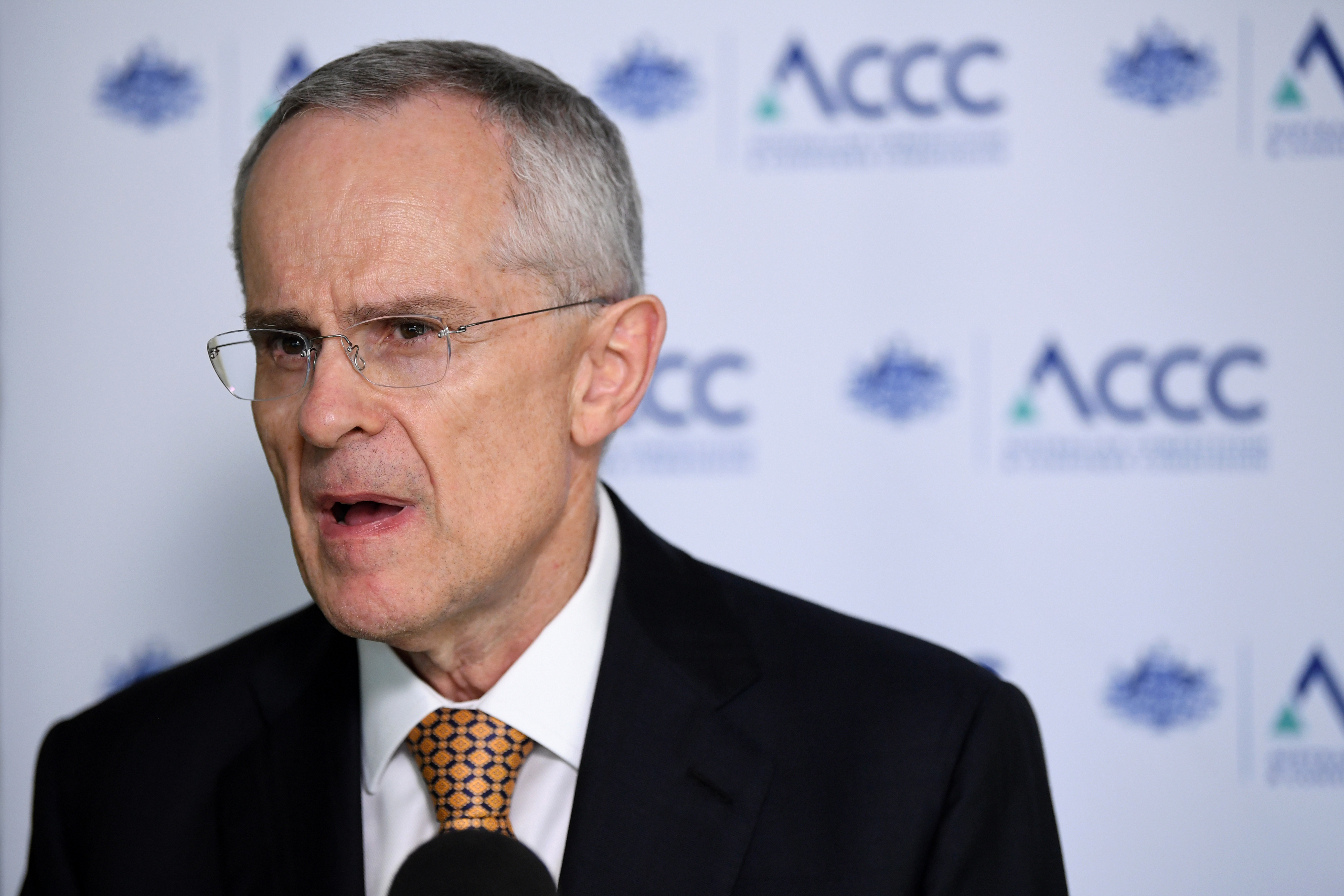
ACCC Chair Rod Sims said if large stores and chains were found to be selling tests for "excessive prices" they could face fines of up to $10 million or 10 per cent of turnover per breach, whichever is higher.
Penalties for smaller independent stores will be lower, but Mr Sims said fines would still be "very painful for them".
"The penalties can be extremely high and if we found large stores and chains engaging in this sort of behaviour, we won't hesitate to take action and the penalties will be very large," Mr Sims said.
"Where it is individual stores we still may take action but they are of such a size that the penalties will be very painful for them."
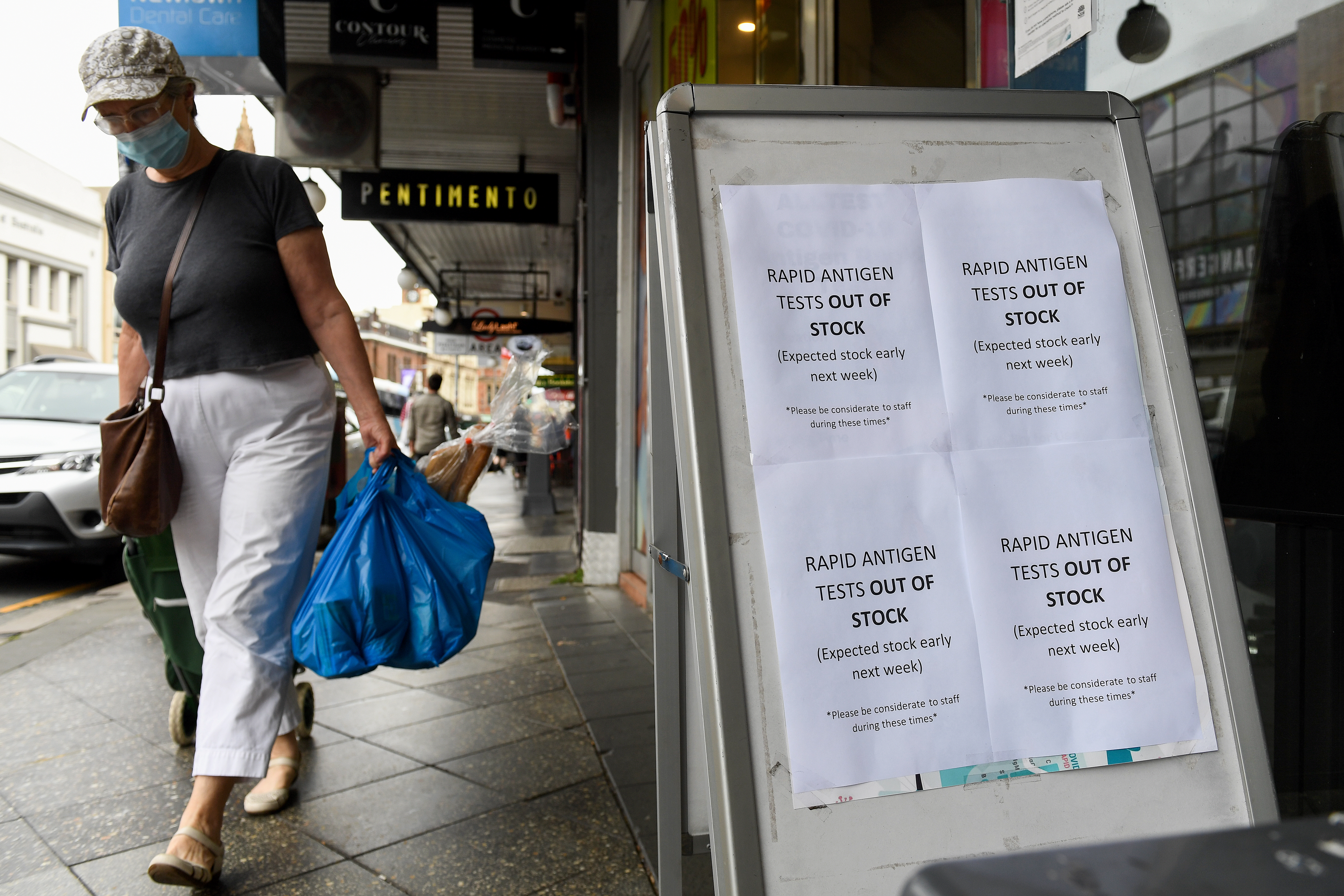
READ MORE: Australia's biggest retailers can't keep up with exploding RAT demand
Following a public call-out to consumers, the ACCC has been flooded with complaints where Australians have found retailers to be selling rapid tests at "outrageous" prices.
"At the extreme end, we have received reports or seen media coverage of tests costing up to $500 for two tests through online marketplaces, and over $70 per test through convenience stores, service stations and independent supermarkets, which is clearly outrageous," ACCC Chair Rod Sims said.
READ MORE: What you need to know about registering a rapid antigen test result in NSW
"There are several businesses that have repeatedly come to our notice thanks to the information provided by the public.
"We are asking those businesses to urgently explain the prices they are charging."
Mr Sims said the ACCC had contacted more than 40 test suppliers, major retailers and pharmacy chains seeking information about their costs and current pricing.
Wholesale prices for a single rapid antigen test currently vary between $3.95 and $11.45, subject to supply chain variables such as the size of the order placed and who manufactures the tests.
"The supply chain is often complex, with several businesses involved from the initial supply to the retail sale of tests to consumers. Retailers operating under the same brand or chain may be setting prices and selling tests independently of the other stores in the chain," Mr Sims said.
"This means the wholesale and resulting retail prices can vary significantly."
READ MORE: Treasurer's solution for supply chain crisis
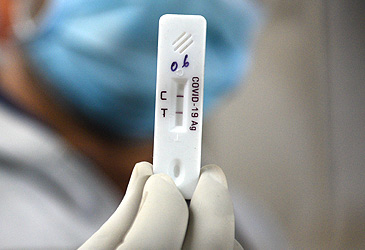
Of particular concern are the pricing strategies used at convenience stores and petrol stations, which make up the bulk of consumer-led complaints.
"We are looking in particular at reports of single tests being sold at around $30 or above from certain stores," Mr Sims said.
The most commonly complained about retail price in the watchdog's reports is around $20 for a single test.
"In the middle of a significant outbreak of COVID-19 in a pandemic, the excessive pricing of rapid antigen tests required to diagnose the illness and protect other members of the public, is of significant concern to the ACCC," Mr Sims said.
"Only a few weeks ago tests were readily available at most chemists and supermarkets for around $10 for a single test.
"We realise demand and supply chain issues have impacted since then, but our initial research suggests that a price of around $20 per test or more, however packaged, may be hard to justify based on the average wholesale costs and such retailers should explain why the price is so high."
READ MORE: Scientists warn to expect more concerning variants of COVID-19

Under Australian Consumer Law, businesses and suppliers can largely set their own prices but they may not make false or misleading statements about the reasons for those prices.
READ MORE: What you can do with the UV torches from your rapid test kits (it involves kittens)
In specific circumstances, excessive pricing of a product deemed to be essential may come under the legal definition of "unconscionable conduct".
A Biosecurity Act which came into force on 8 January 2022 and will remain in place until 17 February 2022 prohibits a person from reselling, or offering to resell, rapid antigen tests bought at retail level for mark-ups above 20 per cent.
Tonga calls for 'immediate assistance' after volcano, tsunami
The Tongan government has said "immediate assistance" is needed as the island kingdom deals with the fallout of a massive volcanic eruption.
Satellite images showed the spectacular eruption Saturday evening, with a plume of ash, steam and gas rising like a mushroom above the blue Pacific waters. A sonic boom could be heard as far away as Alaska.
Communication with the nation has been largely cut off, with people around the world unsure of the fates of their friends and relatives.
The Speaker of Tonga's Legislative Assembly, Lord Fatafehi Fakafanua, released a message this morning.
"On January 15, 2022, following an unprecedented volcanic eruption, a devastating tsunami struck the Kingdom of Tonga. Many areas were also affected by substantial volcanic ashfall," he said.
"Communications remain down and the full extent of the harm to lives and property is currently unknown.
"What we do know is that Tonga needs immediate assistance to provide its citizens with fresh drinking water and food."
He said more details on Tonga's official disaster relief fund would be announced shortly so those looking to help can contribute directly to the relief effort.
"Please keep the people of Tonga in your prayers, and may God bless you," Lord Fakafanua said.
A geology expert has warned future volcanic eruptions can be expected from Tonga, with international efforts to aid the island nation delayed by a gigantic ash cloud.
"What we would expect from now is that we really just need to keep an eye on what is happening with this volcano," Associate Professor Hannah Power told Today.
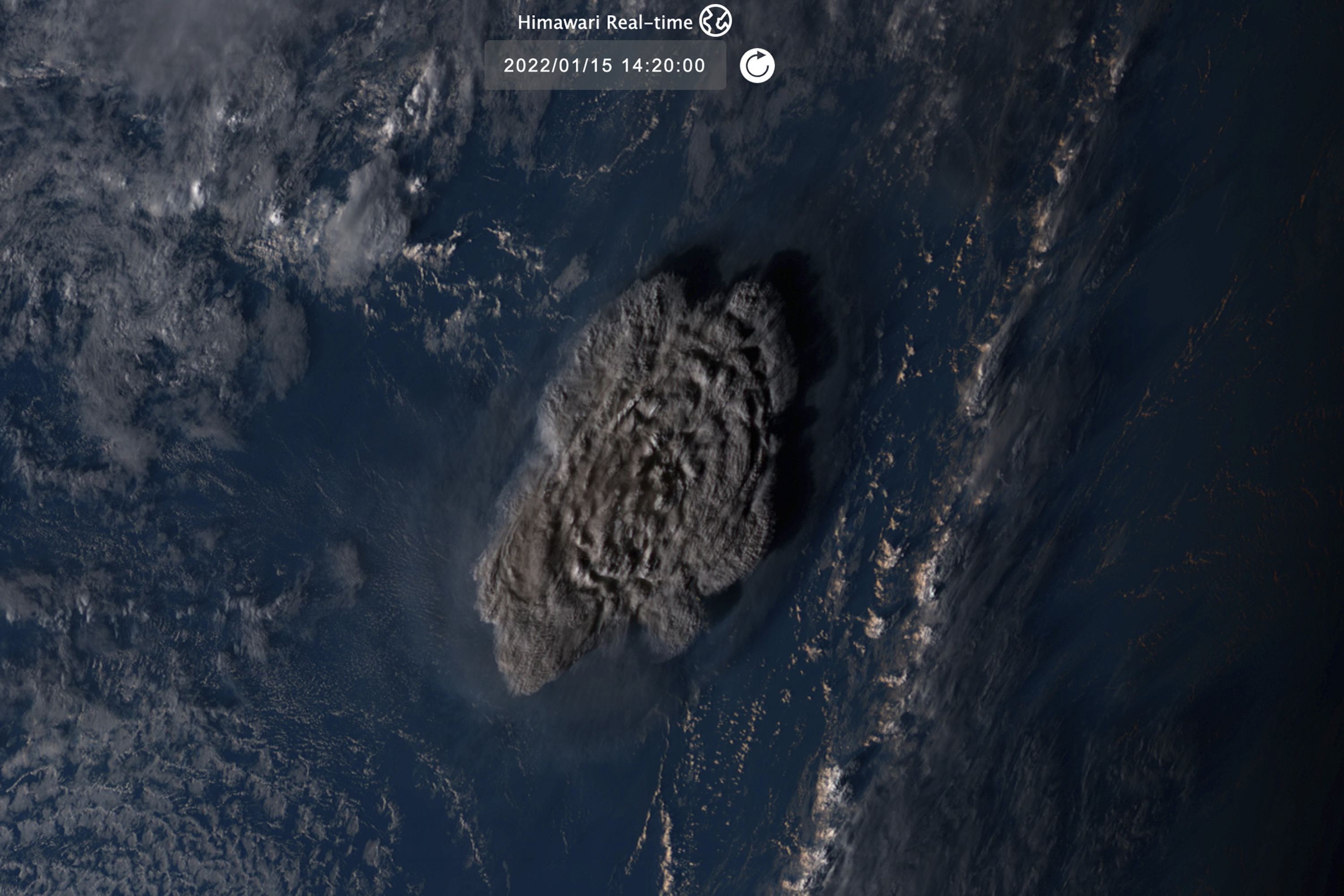
"Because eruptions like this don't often happen as a one-off, they often come in clusters.
"So we would expect to see that we might get some future eruptions."
And she said that future eruptions might be the same size as the one that prompted tsunami warnings yesterday from Australia to the US.
"So we need to keep a really careful eye on what is happening there in terms of what that volcano is doing," she said.
The tsunami threat around the Pacific has receded, but the massive ash cloud covering the tiny island nation prevented surveillance flights from New Zealand to assess the extent of damage.
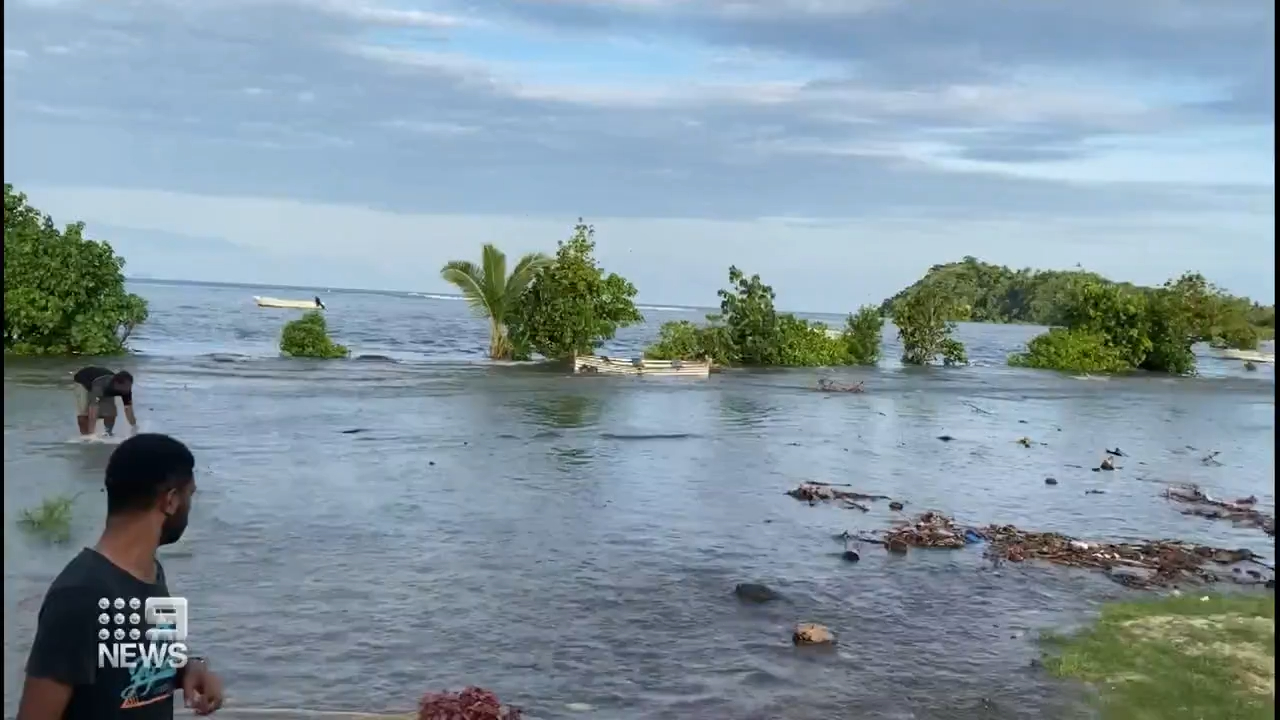
In Tonga, the eruption sent tsunami waves crashing across the shore and people rushing to higher ground.
READ MORE: Djokovic deported from Australia after Federal Court loss
The eruption cut the internet to Tonga, leaving friends and family members around the world anxiously trying to get in touch to figure out if there were any injuries. Even government websites and other official sources remained without updates on Sunday afternoon.
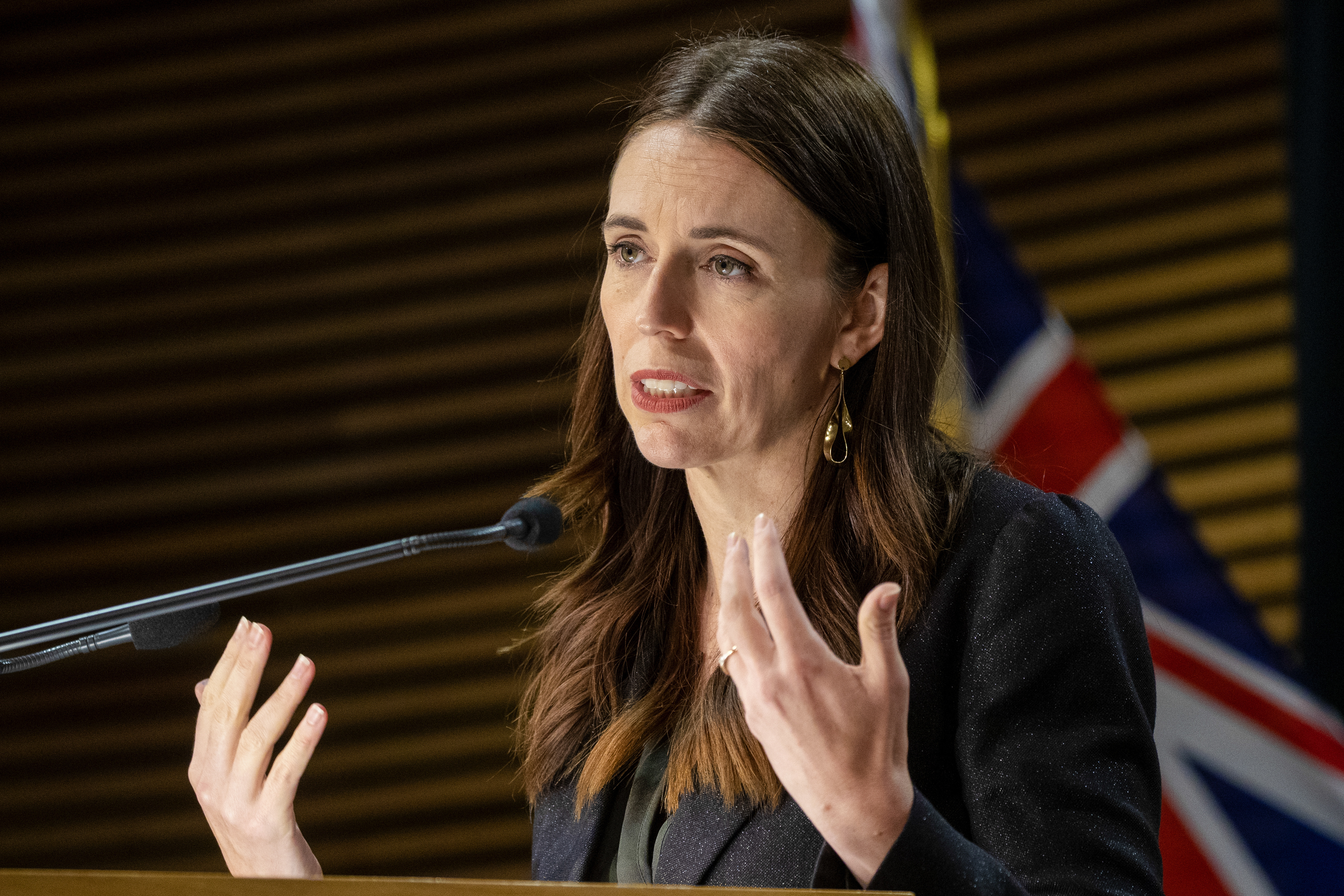
New Zealand Prime Minister Jacinda Ardern said there had not yet been any official reports of injuries or deaths in Tonga, but cautioned that authorities hadn't yet made contact with some coastal areas and smaller islands.
"Communication with Tonga remains very limited. And I know that is causing a huge amount of anxiety for the Tongan community here," Ms Ardern said.
She said there had been significant damage to boats and shops along the Tongan coastline. The capital, Nuku'alofa, was covered in a thick film of volcanic dust, Ms Ardern said, contaminating water supplies and making fresh water a vital need.
Aid agencies said thick ash and smoke had prompted authorities to ask people to wear masks and drink bottled water.
READ MORE: Karl Stefanovic reveals whole family's COVID-19 diagnosis
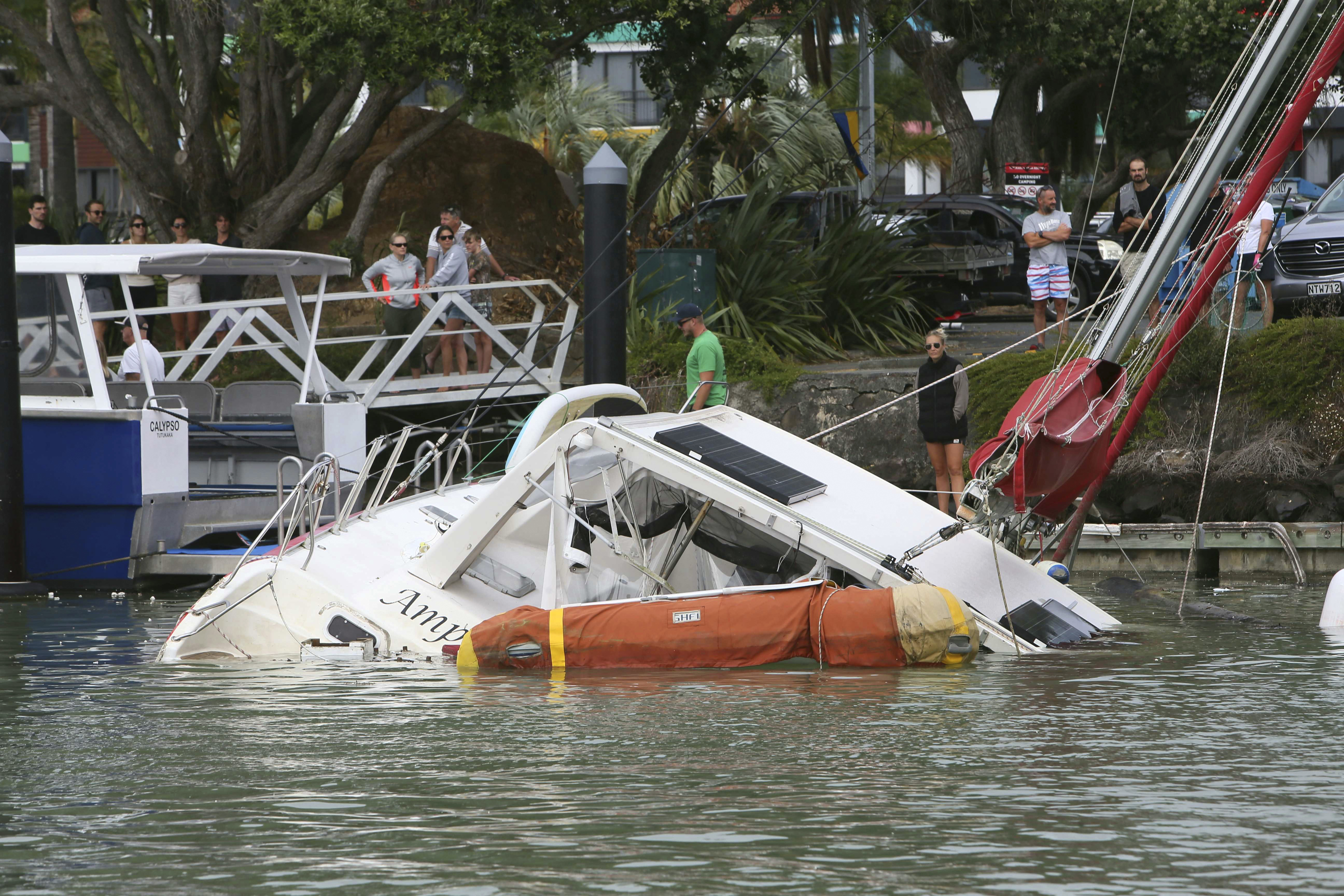
In a video posted on Facebook, Nightingale Filihia was sheltering at her family's home from a rain of volcanic ash and tiny pieces of rock that turned the sky pitch black.
"It's really bad. They told us to stay indoors and cover our doors and windows because it's dangerous," she said.
"I felt sorry for the people. Everyone just froze when the explosion happened. We rushed home."
Outside the house, people were seen carrying umbrellas for protection.
Ms Ardern said New Zealand was unable to send a surveillance flight over Tonga on Sunday because the ash cloud was 19km high but they hoped to try again on Monday, followed by supply planes and navy ships.
Australia also has a flight scheduled for the area this morning to assess the extent of the damage.
READ MORE: Tsunami alert canceled for New South Wales after beaches closed
One complicating factor to any international aid effort is that Tonga has so far managed to avoid any outbreaks of COVID-19. Ms Ardern said New Zealand's military staff were all fully vaccinated and willing to follow any protocols established by Tonga.
Australia is also working to send crucial aid, Prime Minister Scott Morrison said this morning.
Mr Morrison told 2GB that the Australian Defence Force and officials from the Department of Foreign Affairs and Trade were assessing the situation.
"They will be examining what the best ways are we can help."
He said Australians were thinking about the impact of the natural disaster on Tonga's population after the eruption sent tsunami waves crashing across the shore forcing people to seek shelter to higher ground.
"Tonga is part of the Pacific family that Australian cherishes so much," Mr Morrison said.
Dave Snider, the tsunami warning coordinator for the National Tsunami Warning Center in Palmer, Alaska, said it was very unusual for a volcanic eruption to affect an entire ocean basin, and the spectacle was both "humbling and scary."
The tsunami waves caused damage to boats as far away as New Zealand and Santa Cruz, California, but did not appear to cause any widespread damage. Mr Snider said he anticipated the tsunami situation in the US and elsewhere to continue improving.
Tsunami advisories were earlier issued for Australia, Japan, Hawaii, Alaska and the US Pacific coast. The US Geological Survey estimated the eruption caused the equivalent of a magnitude 5.8 earthquake. Scientists said tsunamis generated by volcanoes rather than earthquakes are relatively rare.
Rachel Afeaki-Taumoepeau, who chairs the New Zealand Tonga Business Council, said she hoped the relatively low level of the tsunami waves would have allowed most people to get to safety, although she worried about those living on islands closest to the volcano. She said she hadn't yet been able to contact her friends and family in Tonga.
READ MORE: Queensland dad was video calling son as tsunami wave hit house
"We are praying that the damage is just to infrastructure and people were able to get to higher land," she said.
US Secretary of State Antony Blinken wrote on Twitter he is "deeply concerned for the people of Tonga as they recover from the aftermath of a volcanic eruption and tsunami. The United States stands prepared to provide support to our Pacific neighbors."
Tonga gets its internet via an undersea cable from Suva, Fiji. All internet connectivity with Tonga was lost at about 6.40pm local time Saturday, said Doug Madory, director of internet analysis for the network intelligence firm Kentik.
On Tonga, which is home to about 105,000 people, video posted to social media showed large waves washing ashore in coastal areas and swirling around homes, a church and other buildings. A Twitter user identified as Dr Faka'iloatonga Taumoefolau posted video showing waves crashing ashore.
"Can literally hear the volcano eruption, sounds pretty violent," he wrote, adding in a later post: "Raining ash and tiny pebbles, darkness blanketing the sky."
The explosion of the Hunga Tonga Hunga Ha'apai volcano, about 64km north of Nuku'alofa, was the latest in a series of dramatic eruptions. In late 2014 and early 2015, eruptions created a small new island and disrupted international air travel to the Pacific archipelago for several days.
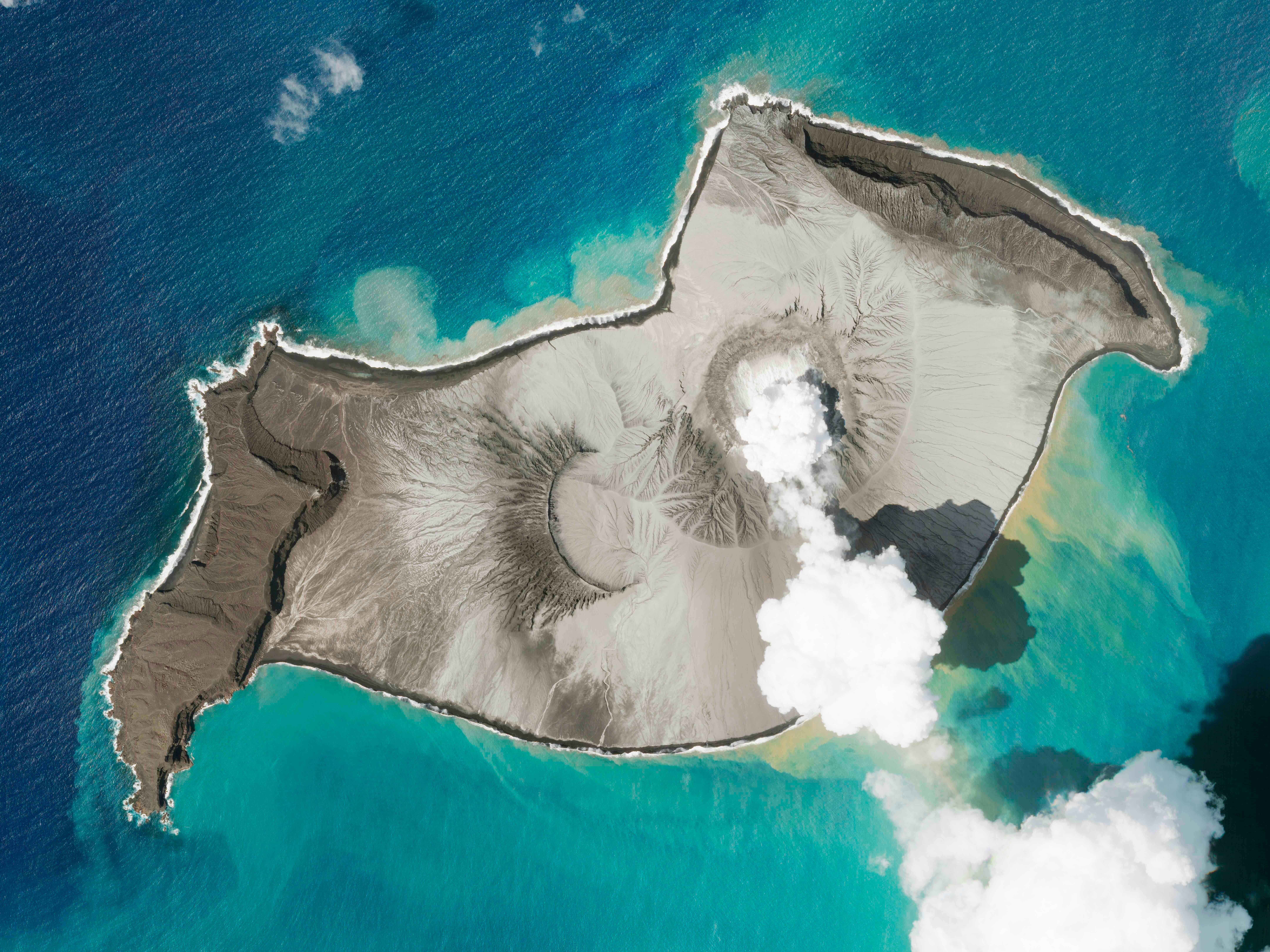
Earth imaging company Planet Labs PBC had watched the island in recent days after a new volcanic vent began erupting in late December. Satellite images showed how drastically the volcano had shaped the area, creating a growing island off Tonga.
"The surface area of the island appears to have expanded by nearly 45 per cent due to ashfall," Planet Labs said days before the latest activity.
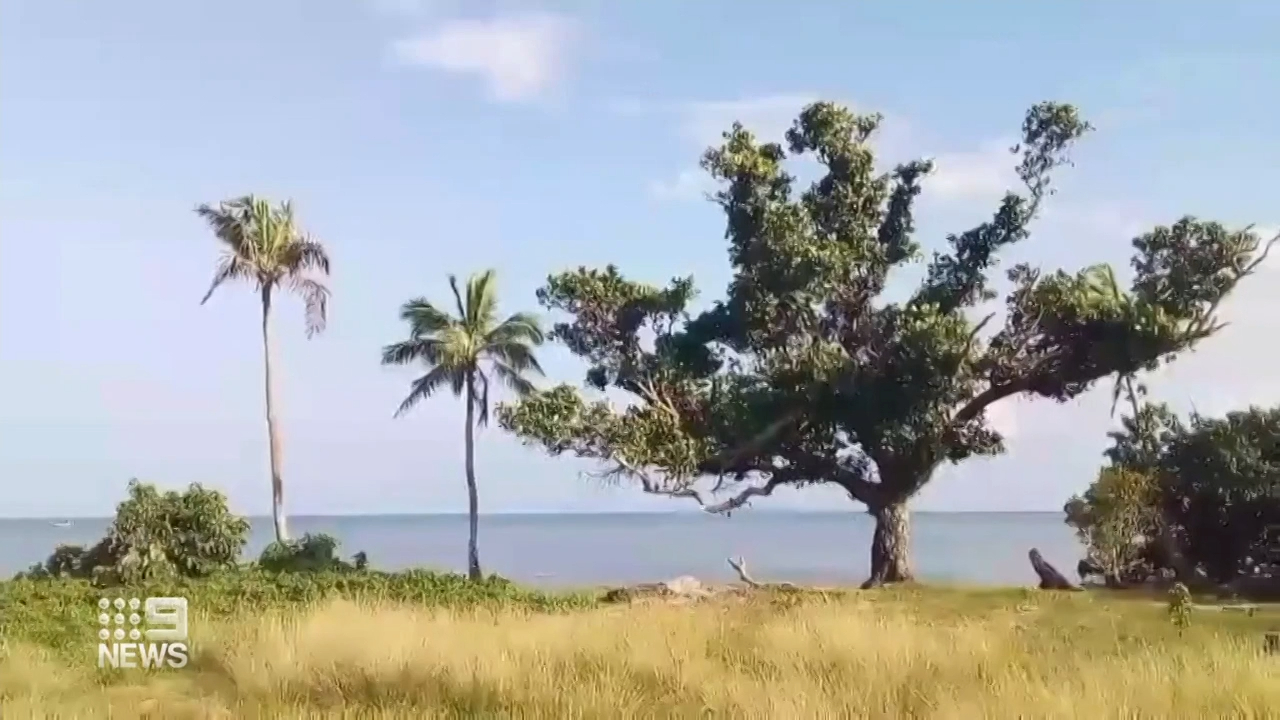
Following Saturday's eruption, residents in Hawaii, Alaska and along the US Pacific coast were advised to move away from the coastline to higher ground.
Savannah Peterson watched in shock as the water rose several feet in a matter of minutes in front of her oceanfront house in Pacifica, California, just south of San Francisco.
"It came up so fast, and a few minutes after that it was down again. It was nuts to see that happen so quickly," she said. "I've never had water come all the way up to my front door, and today it did."
In northern Peru's Lambayeque region, two women drowned after being swept away by ″abnormal waves″ following the eruption, authorities said. A dozen restaurants and a coastal street were also flooded along El Chaco beach in Paracas district.
With Associated Press.
Thieves in LA are looting freight trains filled with packages
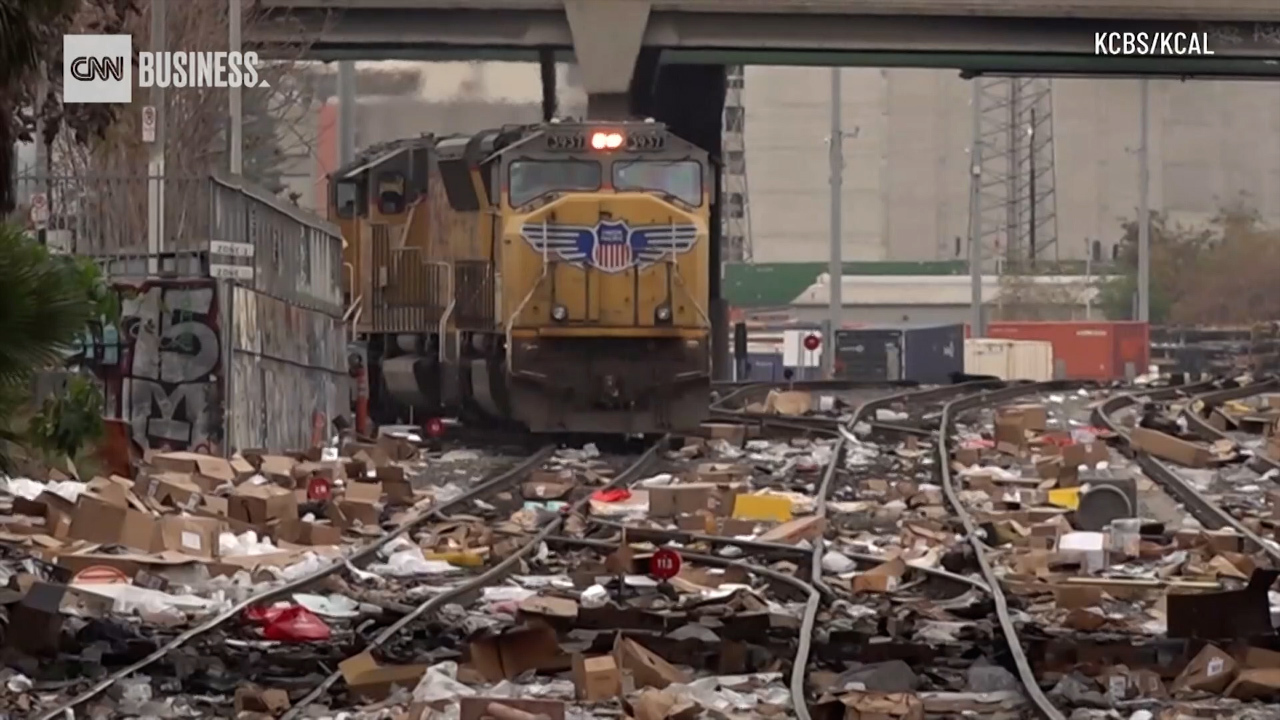
Photos and videos showing piles of empty boxes littered alongside rail tracks in Los Angeles County, California have gone viral as shipping companies say they've seen a dramatic spike in railroad theft. Some of the boxes are packages from companies like UPS, Amazon and FedEx.
Union Pacific, one of the country's largest railroad companies, says it may avoid operating in Los Angeles County following the spike in thefts, which it blames on lax prosecution of crimes. The containers and trains are locked, but can be broken into.
Union Pacific said last month in a letter to the Los Angeles District Attorney that it saw a 160 per cent year-over-year increase in theft in LA county. The company claims that a December 2020 special directive issued by District Attorney George Gascón that changed how low-level offences are prosecuted has contributed to the uptick.
READ MORE: Search for missing nine-year-old in Blue Mountains enters fourth day
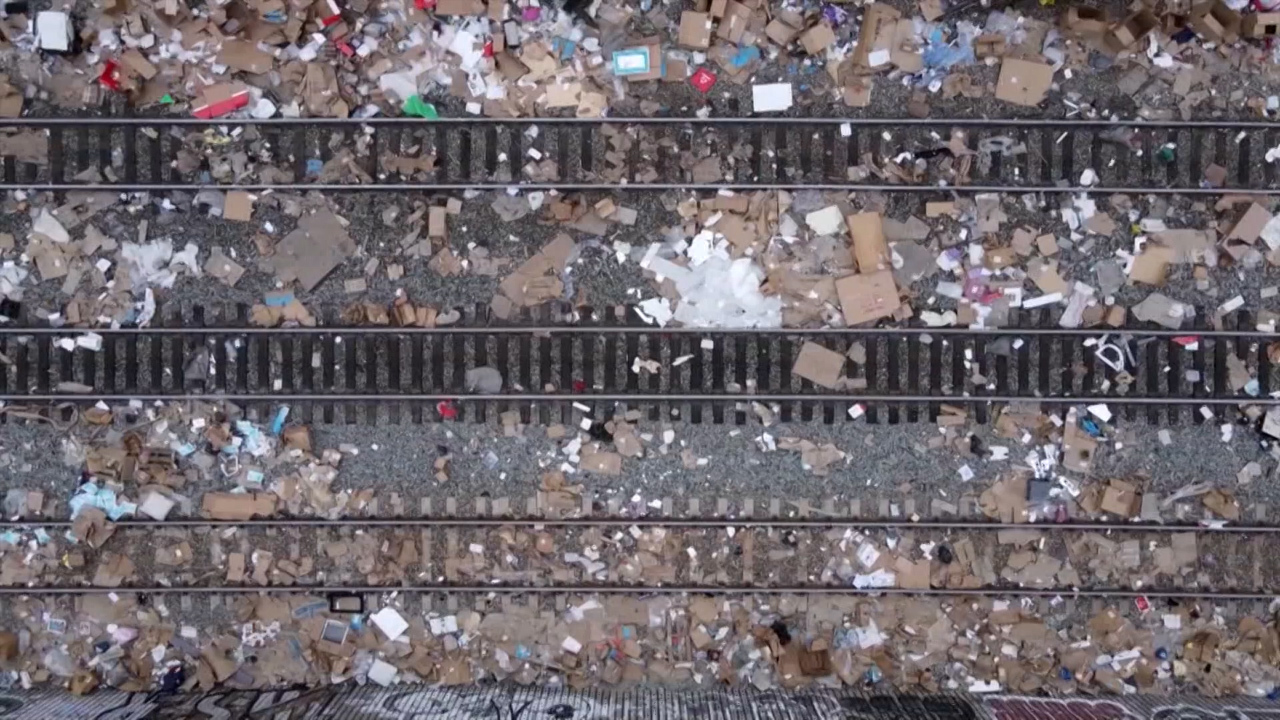
Union Pacific said in its letter that in the last three months of the year it made over 100 arrests of "active criminals vandalising our trains" in partnership with the LA police department and Los Angeles Sherriff department.
But Union Pacific, which has its own police department with jurisdiction over the 32,000 miles of tracks it owns, said that even as it has expanded its security resources and partnered more closely with local law enforcement, the problem isn't going away. After being arrested individuals are released from custody within 24 hours, it said.
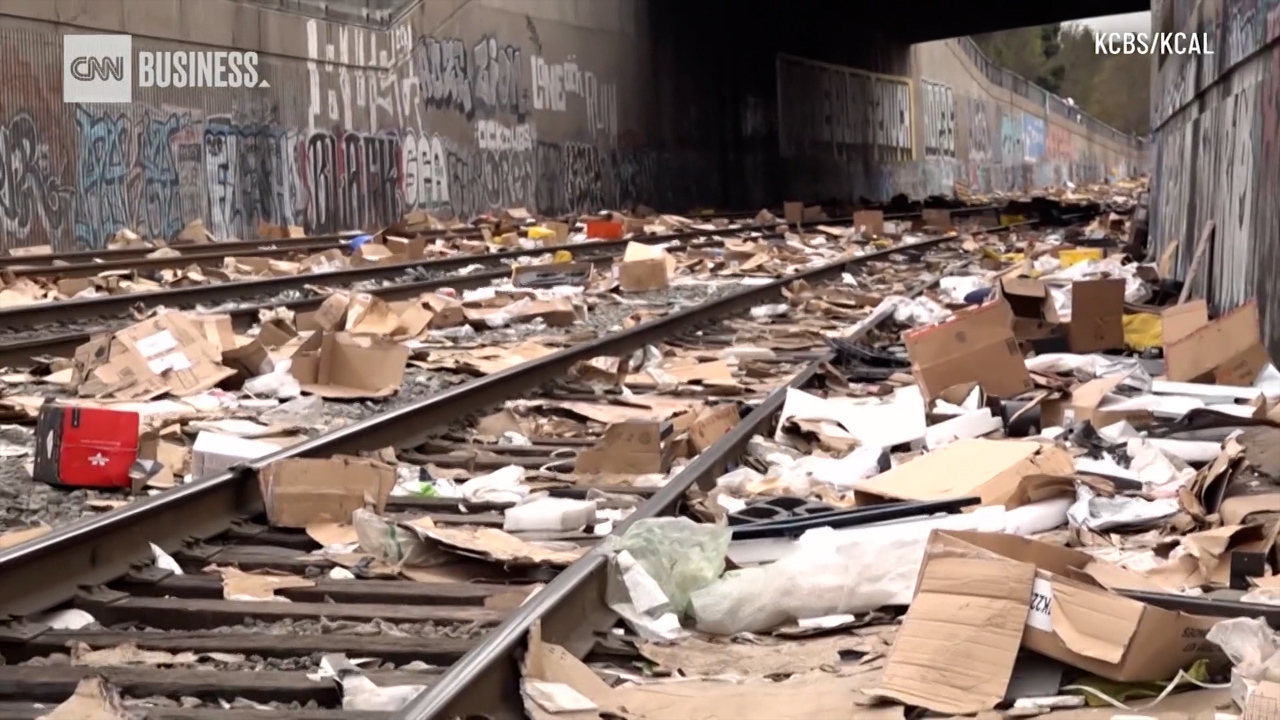
Crime is associated with increases in poverty, which has increased during the pandemic. The county's directive was intended to combat social ills that come from misdemeanour convictions, such as difficulties with employment, housing, education, government benefits and immigration.
READ MORE: Australian government 'humiliated' itself in Novak Djokovic saga, Serbian President says
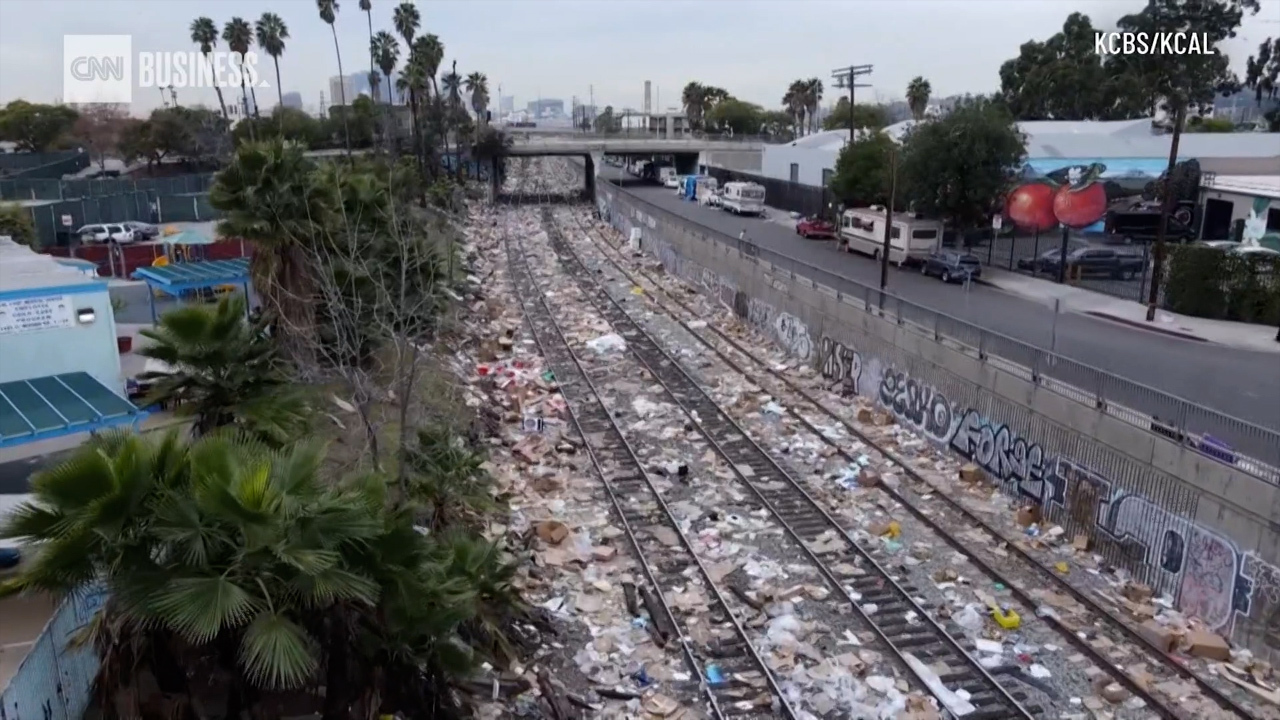
"Studies show that prosecution of the offences driving the bulk of misdemeanour cases have minimal, or even negative, long-term impacts on public safety," Mr Gascón said when the directive was issued.
"Our office is committed to working with law enforcement to ensure collective safety across Los Angeles County's sprawling infrastructure, whether it's at our ports or on railroad tracks," Alex Bastian, Special Advisor to District Attorney Gascón said when reached for comment.
"Some cases presented to our office by Union Pacific have been filed, such as burglary and grand theft, while others have been declined due to insufficient evidence. We make charging decisions based on the evidence. Our office takes Union Pacific's concerns seriously and hopes to discuss this issue more in the coming weeks," he added.
READ MORE: 'Cluster' of eruptions expected from Tonga volcano as island nation cut off from the world
"While we understand the well-intended social justice goals of the policy, we need our justice system to support our partnership efforts with local law enforcement, hold these criminals accountable, and most important, help protect our employees and the critical local and national rail network," Mr Guerrero said.
READ MORE: Millions of rapid antigen tests roll out across Victoria
The Association of American Railroads expressed concern about the crime increase.
"In coordination with local law and where necessary federal law enforcement partners, the industry is committed to pursuing all avenues necessary to address this criminal behavior," spokesman Ted Greener said in a statement.
Elephants dying from eating plastic in Sri Lankan dump
Conservationists and veterinarians are warning that plastic waste in an open landfill in eastern Sri Lanka is killing elephants in the region, after two more were found dead over the weekend.
Around 20 elephants have died over the last eight years after consuming plastic trash in the dump in Pallakkadu village in Ampara district, about 210 kilometres east of the capital, Colombo.
Examinations of the dead animals showed they had swallowed large amounts of non-degradable plastic that is found in the garbage dump, wildlife veterinarian Nihal Pushpakumara said.
READ MORE: Search for missing nine-year-old in Blue Mountains enters fourth day
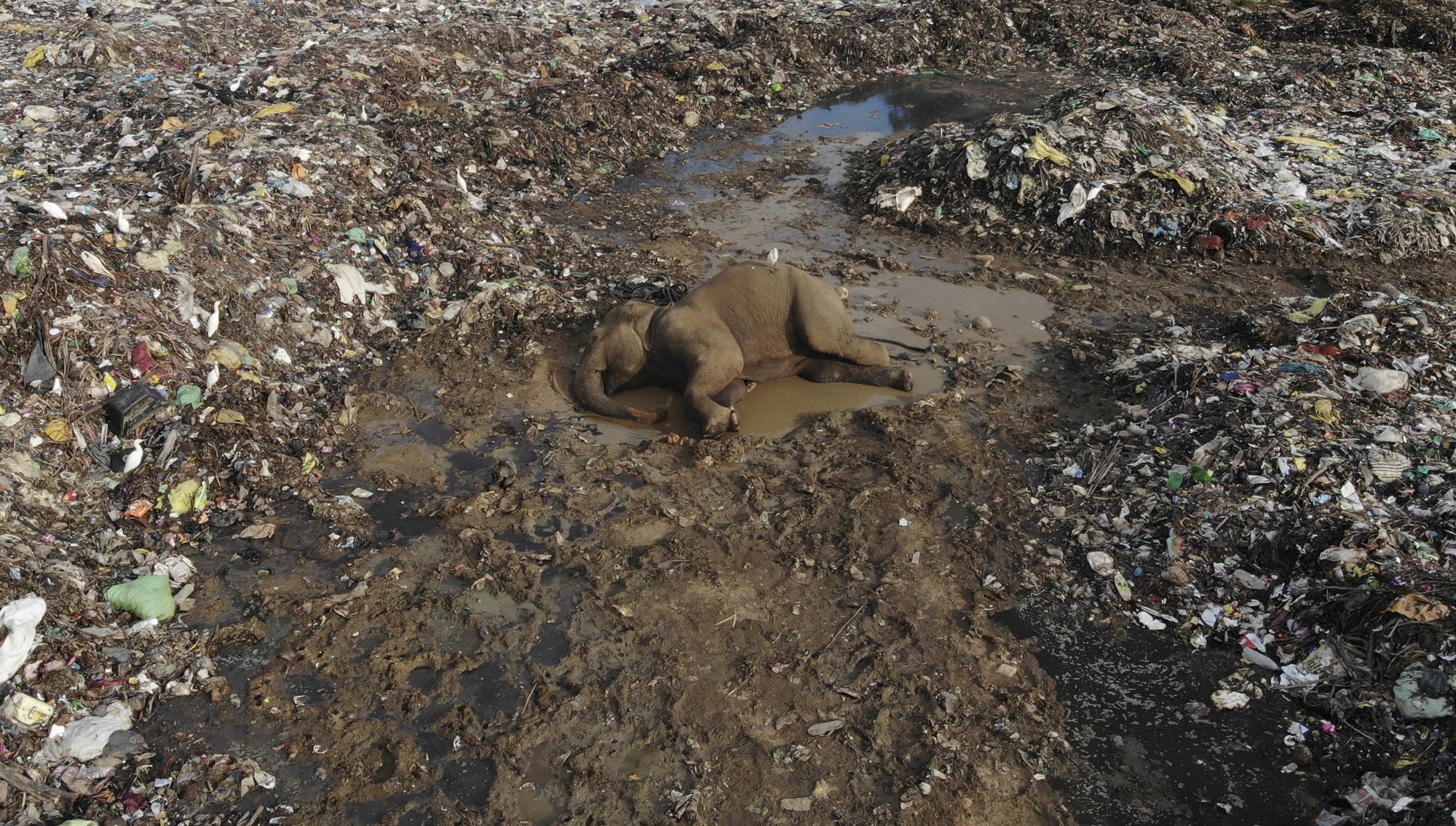
"Polythene, food wrappers, plastic, other non-digestibles and water were the only things we could see in the post mortems. The normal food that elephants eat and digest was not evident," he said.
Elephants are revered in Sri Lanka but are also endangered. Their numbers have dwindled from about 14,000 in the 19th century to 6,000 in 2011, according to the country's first elephant census.
They are increasingly vulnerable because of the loss and degradation of their natural habitat. Many venture closer to human settlements in search of food, and some are killed by poachers or farmers angry over damage to their crops.
READ MORE: Australian government 'humiliated' itself in Novak Djokovic saga, Serbian President says
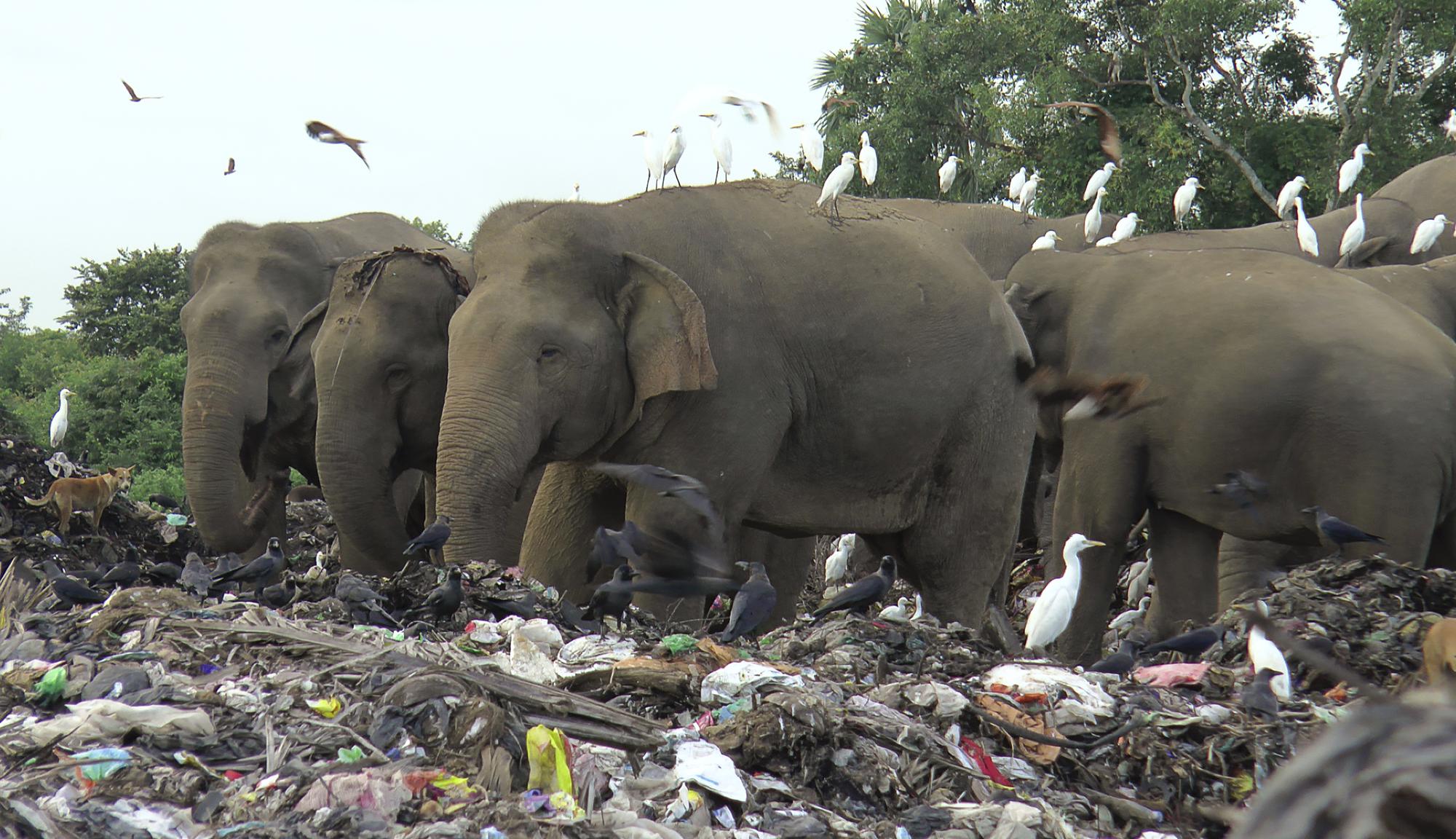
Hungry elephants seek out the waste in the landfill, consuming plastic as well as sharp objects that damage their digestive systems, Mr Pushpakumara said.
"The elephants then stop eating and become too weak to keep their heavy frames upright. When that happens, they can't consume food or water, which quickens their death," he said.
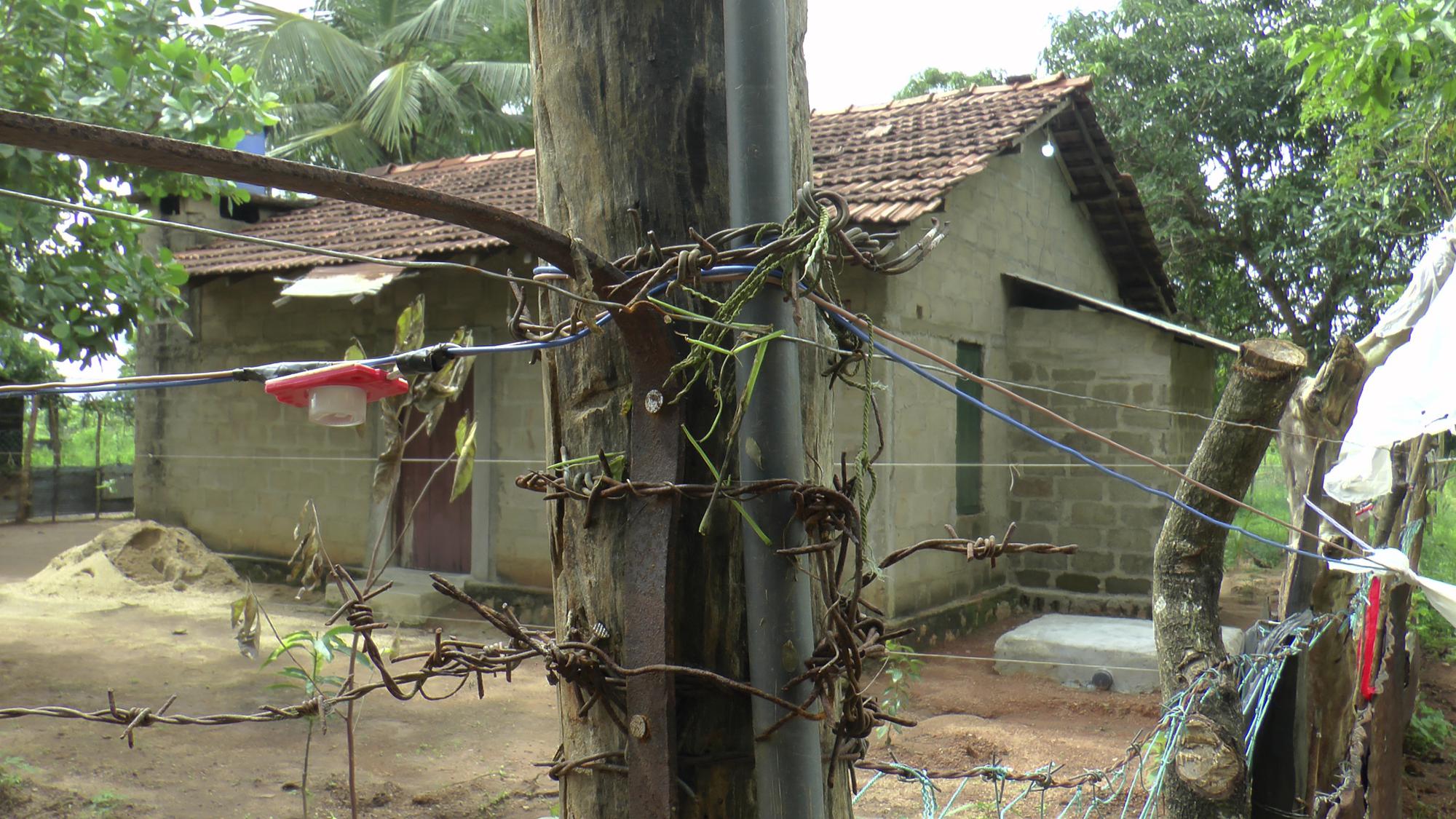
In 2017, the government announced that it will recycle the garbage in dumps near wildlife zones to prevent elephants from consuming plastic waste. It also said electric fences would be erected around the sites to keep the animals away. But neither has been fully implemented.
There are 54 waste dumps in wildlife zones around the country, with around 300 elephants roaming near them, according to officials.
READ MORE: 'Cluster' of eruptions expected from Tonga volcano as island nation cut off from the world
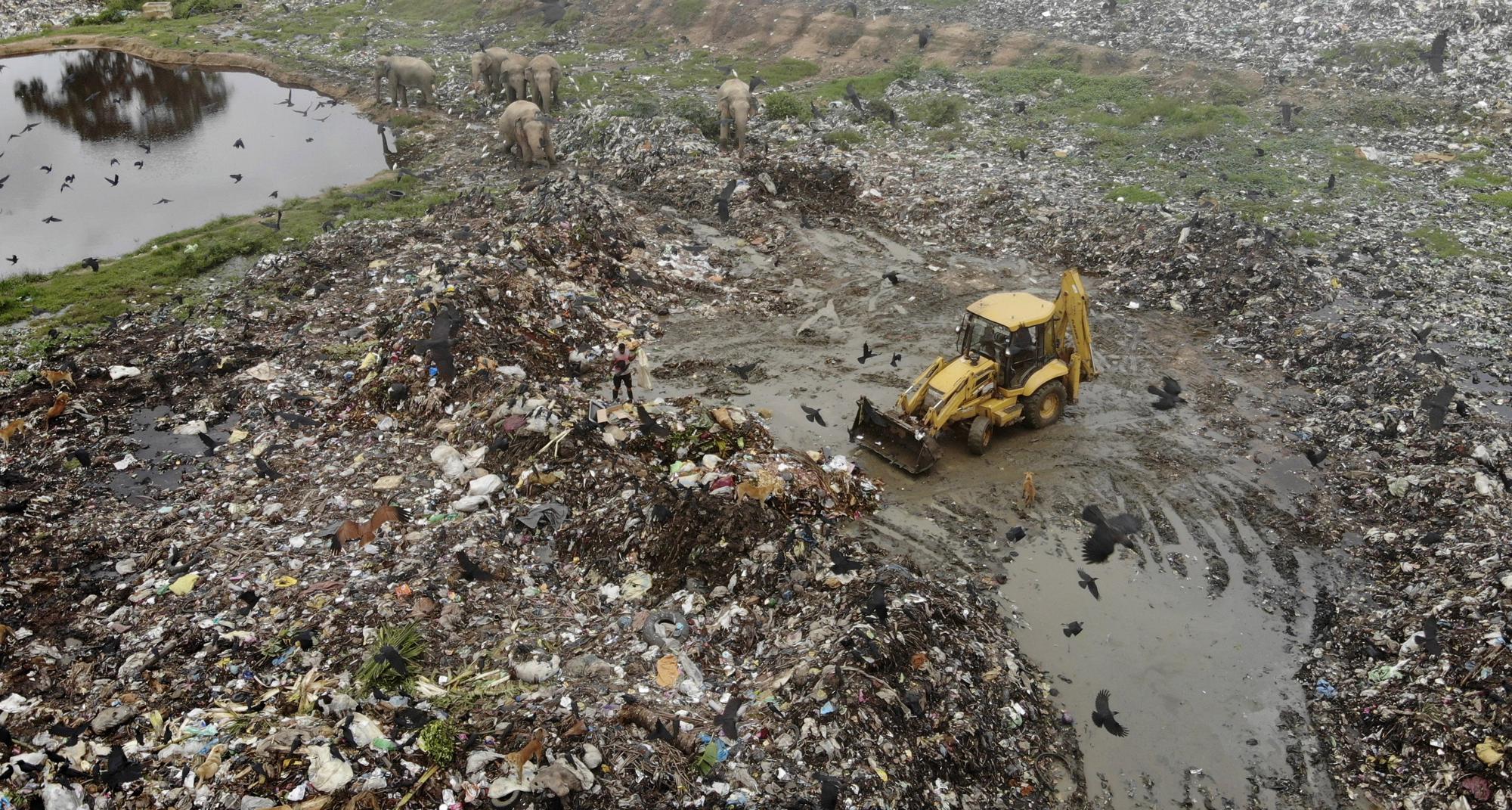
The waste management site in Pallakkadu village was set up in 2008 with aid from the European Union. Garbage collected from nine nearby villages is being dumped there but is not being recycled.
In 2014, the electric fence protecting the site was struck by lightning and authorities never repaired it, allowing elephants to enter and rummage through the dump. Residents say elephants have moved closer and settled near the waste pit, sparking fear among nearby villagers.
READ MORE: Millions of rapid antigen tests roll out across Victoria
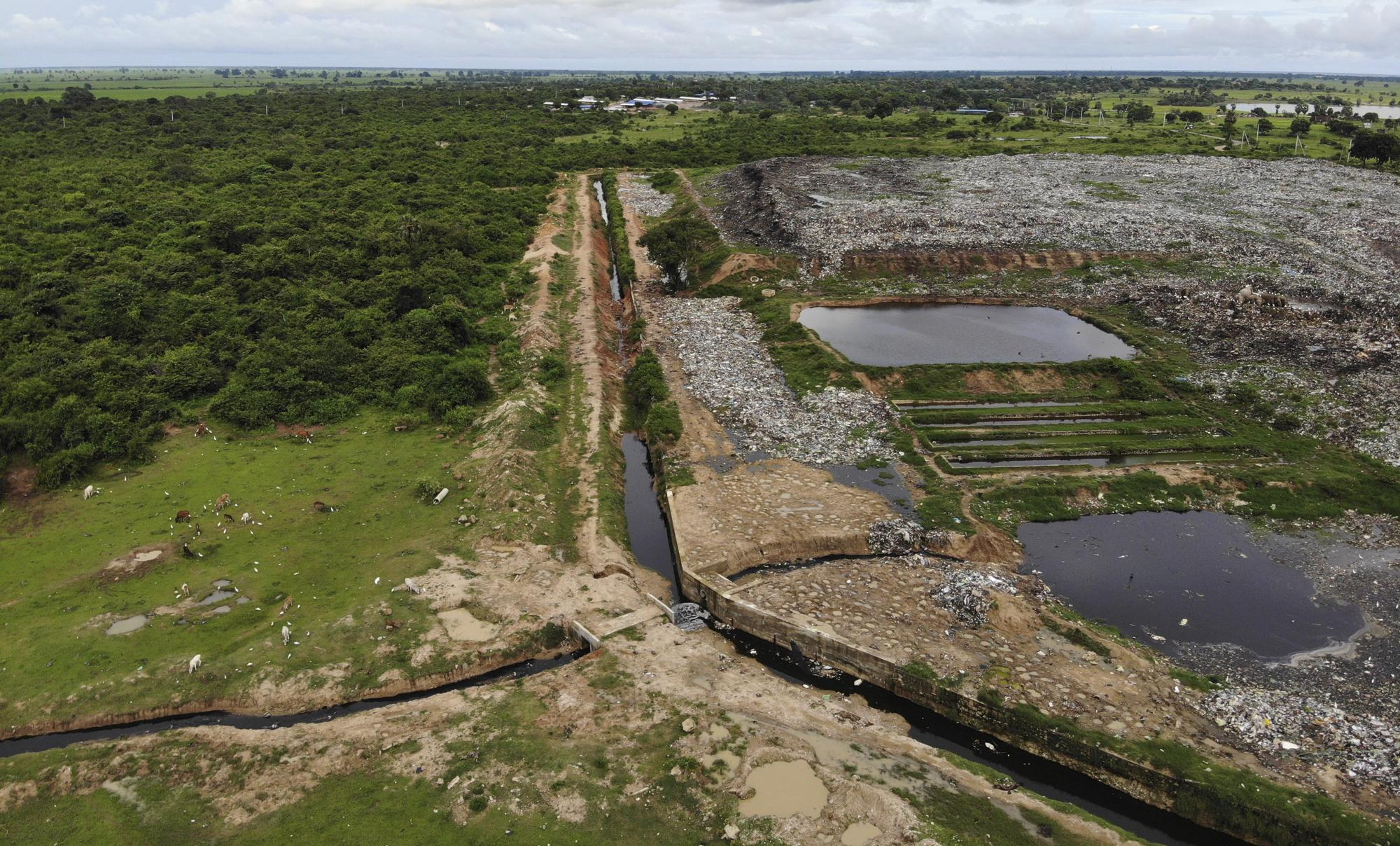
Many use firecrackers to chase the animals away when they wander into the village, and some have erected electric fences around their homes.
But the villagers often don't know how to install the electric fences so they are safe and "could endanger their own lives as well as those of the elephants," said Keerthi Ranasinghe, a local village councillor.
"Even though we call them a menace, wild elephants are also a resource. Authorities need to come up with a way to protect both human lives and the elephants that also allows us to continue our agricultural activities," he said.
Four helicopters battling scrub fire in Waimate, South Island
Fire and Emergency crews in Waimate, Canterbury, are currently battling a scrub fire that is threatening a pine forest. Fenz shift manager Simon Lyford said they were called to the fire on Parkers Bush Rd just east of Waimate at…