A second case of Covid 19 has been discovered in Hastings after a household contact of the first case returned a positive result on Sunday.The Hawke’s Bay District Health Board announced on Saturday night a positive Covid 19 result…
Tag Archives: oceania
MIQ worker confirmed as Omicron case, multiple high-risk locations of interest named
The Auckland MIQ worker who returned a positive test result as part of routine testing has been confirmed as an Omicron case by the Ministry of Health.All of the case’s seven household contacts identified have already been contacted,…
Scientists warn to expect more concerning variants of COVID-19
Get ready to learn more Greek letters. Scientists warn that Omicron’s whirlwind advance practically ensures it won’t be the last version of the coronavirus to worry the world.
Every infection provides a chance for the virus to mutate, and Omicron has an edge over its predecessors: It spreads way faster despite emerging on a planet with a stronger patchwork of immunity from vaccines and prior illness.
That means more people in whom the virus can further evolve. Experts don’t know what the next variants will look like or how they might shape the pandemic, but they say there’s no guarantee the sequels of Omicron will cause milder illness or that existing vaccines will work against them.
READ MORE: Latest COVID-19 figures, including 34,000 new cases in NSW
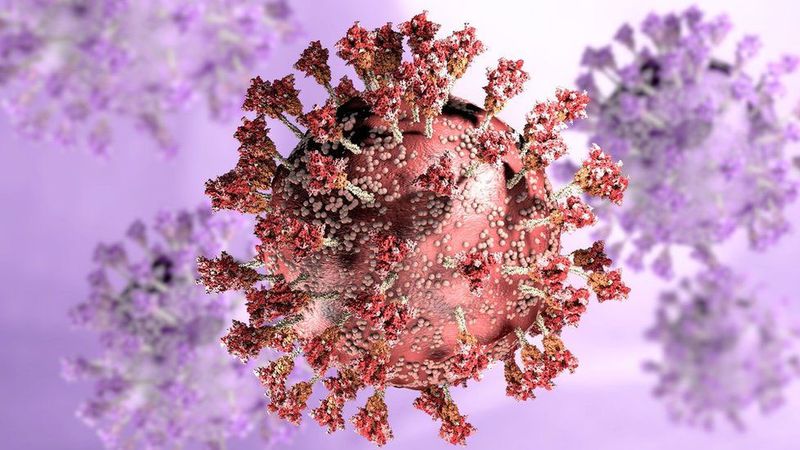
They urge wider vaccination now, while today's shots still work.
"The faster Omicron spreads, the more opportunities there are for mutation, potentially leading to more variants,” Leonardo Martinez, an infectious disease epidemiologist at Boston University, said.
Since it emerged in mid-November, Omicron has raced across the globe like fire through dry grass. Research shows the variant is at least twice as contagious as Delta and at least four times as contagious as the original version of the virus.
Omicron is more likely than Delta to reinfect individuals who previously had COVID-19 and to cause “breakthrough infections” in vaccinated people while also attacking the unvaccinated. The World Health Organisation reported a record 15 million new COVID-19 cases for the week of January 3-9, a 55 per cent increase from the previous week.
Along with keeping comparatively healthy people out of work and school, the ease with which the variant spreads increases the odds the virus will infect and linger inside people with weakened immune systems — giving it more time to develop potent mutations.
READ MORE: Tsunami alerts for Australia after underwater volcano eruption near Tonga
“It’s the longer, persistent infections that seem to be the most likely breeding grounds for new variants,” said Dr Stuart Campbell Ray, an infectious disease expert at Johns Hopkins University.
"It’s only when you have very widespread infection that you’re going to provide the opportunity for that to occur.”
Because Omicron appears to cause less severe disease than Delta, its behaviour has kindled hope that it could be the start of a trend that eventually makes the virus milder like a common cold.
It's a possibility, experts say, given that viruses don’t spread well if they kill their hosts very quickly. But viruses don’t always get less deadly over time.
A variant could also achieve its main goal — replicating — if infected people developed mild symptoms initially, spread the virus by interacting with others, then got very sick later, Dr Ray explained by way of example.
READ MORE: Novak Djokovic and Immigration Minister legal teams outline arguments in court showdown
“People have wondered whether the virus will evolve to mildness. But there’s no particular reason for it to do so,” he said.
“I don’t think we can be confident that the virus will become less lethal over time.”
Getting progressively better at evading immunity helps a virus to survive over the long term. When SARS-CoV-2 first struck, no-one was immune. But infections and vaccines have conferred at least some immunity to much of the world, so the virus must adapt.
There are many possible avenues for evolution. Animals could potentially incubate and unleash new variants. Pet dogs and cats, deer and farm-raised mink are only a few of the animals vulnerable to the virus, which can potentially mutate within them and leap back to people.
Another potential route: With both Omicron and Delta circulating, people may get double infections that could spawn what Dr Ray calls “Frankenvariants,” hybrids with characteristics of both types.
When new variants do develop, scientists say it’s still very difficult to know from genetic features which ones might take off. For example, Omicron has many more mutations than previous variants, around 30 in the spike protein that lets it attach to human cells. But the so-called IHU variant identified in France and being monitored by the WHO has 46 mutations and doesn’t seem to have spread much at all.
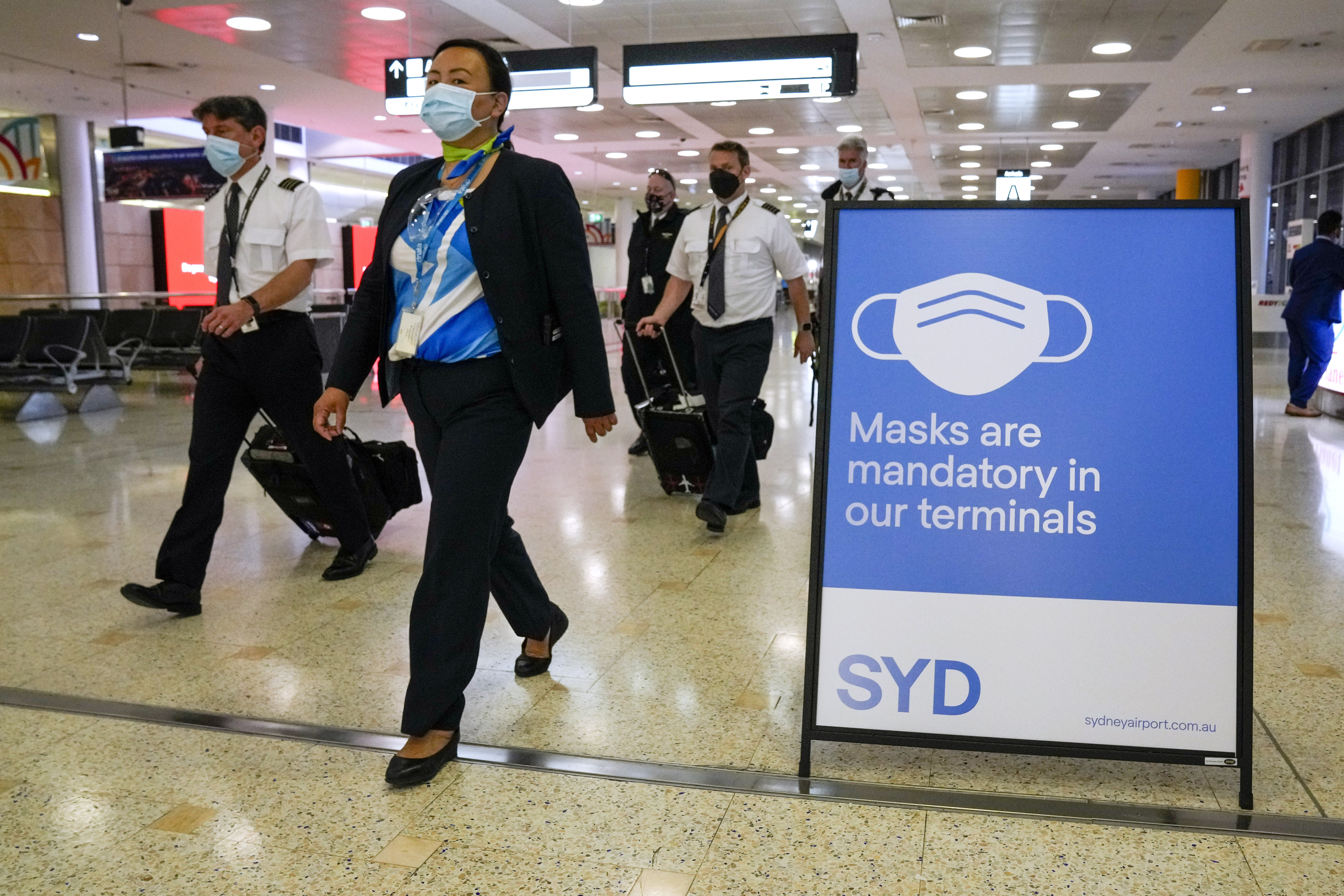

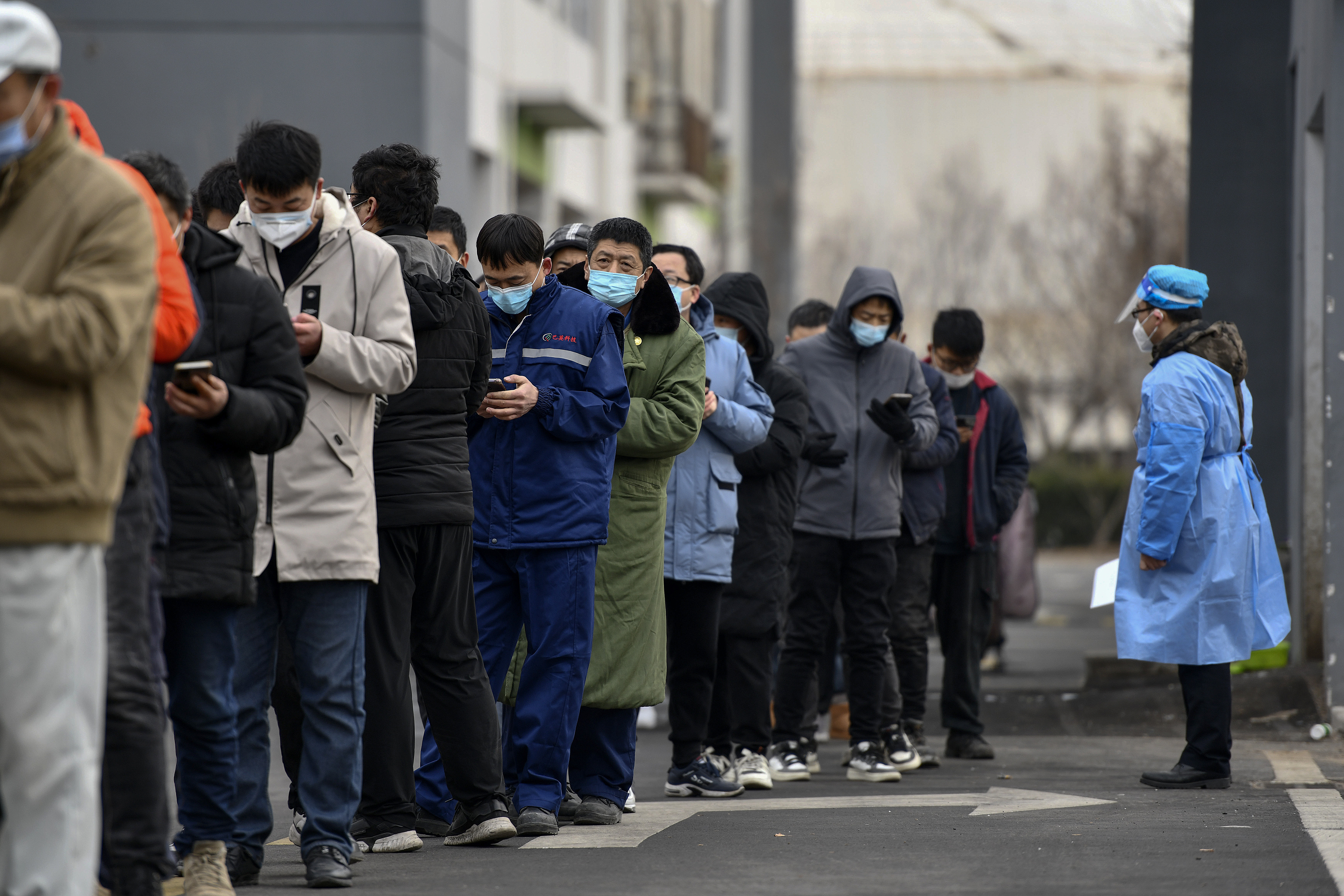
To curb the emergence of variants, scientists stress continuing with public health measures such as masking and getting vaccinated. While omicron is better able to evade immunity than delta, experts said, vaccines still offer protection and booster shots greatly reduce serious illness, hospitalisations and deaths.
Anne Thomas, a 64-year-old IT analyst in Westerly, Rhode Island, said she's fully vaccinated and boosted and also tries to stay safe by mostly staying home while her state has one of the highest COVID-19 case rates in the US.
“I have no doubt at all that these viruses are going to continue to mutate and we’re going to be dealing with this for a very long time," she said.
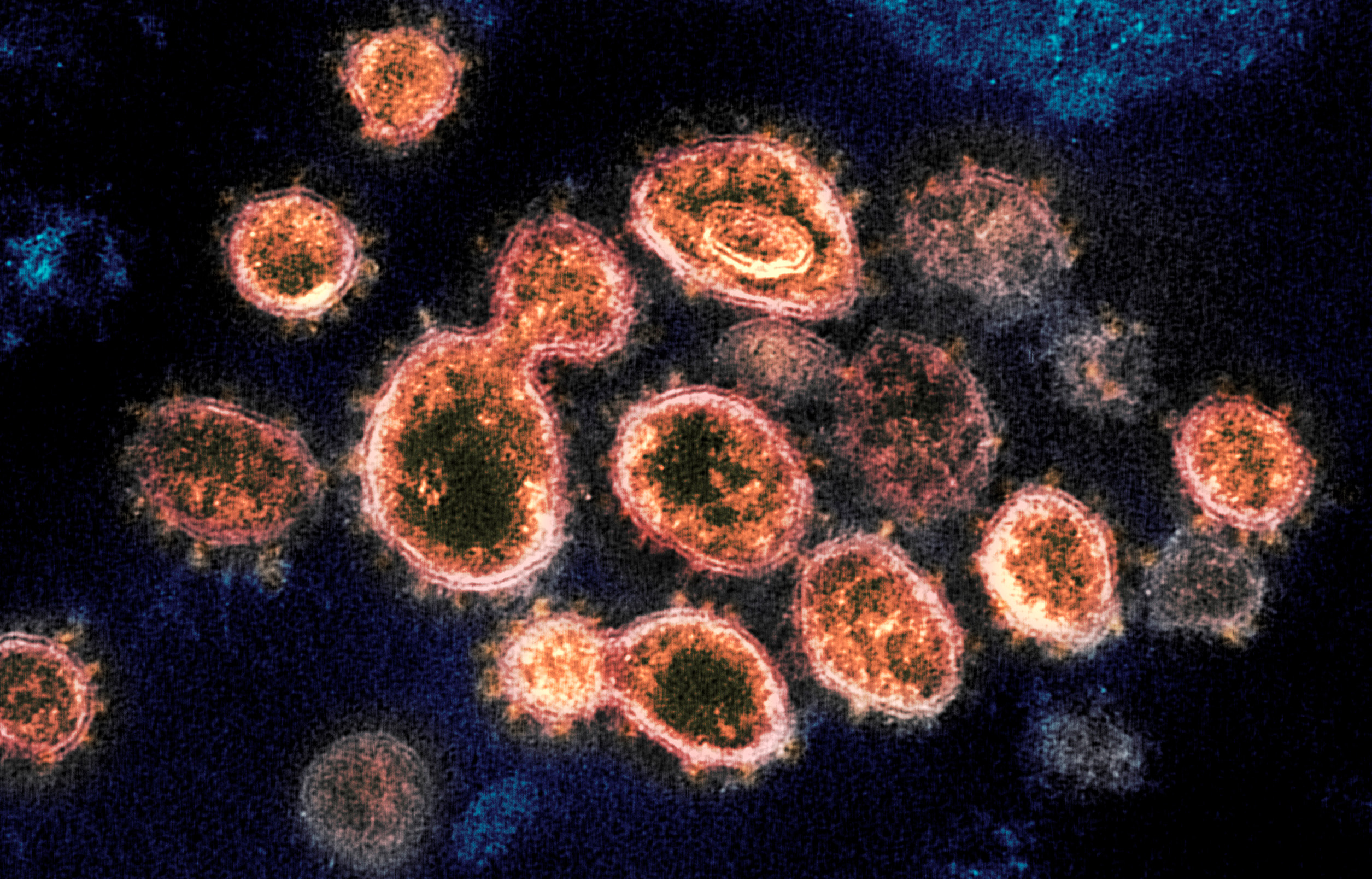
Dr Ray likened vaccines to armour for humanity that greatly hinders viral spread even if it doesn't completely stop it. For a virus that spreads exponentially, he said, "anything that curbs transmission can have a great effect”. Also, when vaccinated people get sick, Ray said their illness is usually milder and clears more quickly, leaving less time to spawn dangerous variants.
Experts say the virus won't become endemic like the flu as long as global vaccination rates are so low. During a recent press conference, WHO Director-General Tedros Adhanom Ghebreyesus said that protecting people from future variants — including those that may be fully resistant to today's shots — depends on ending global vaccine inequity.
Dr Tedros said he’d like to see 70 per cent of people in every country vaccinated by mid-year. Currently, there are dozens of countries where less than a quarter of the population is fully vaccinated, according to Johns Hopkins University statistics. And in the United States, many people continue to resist available vaccines.
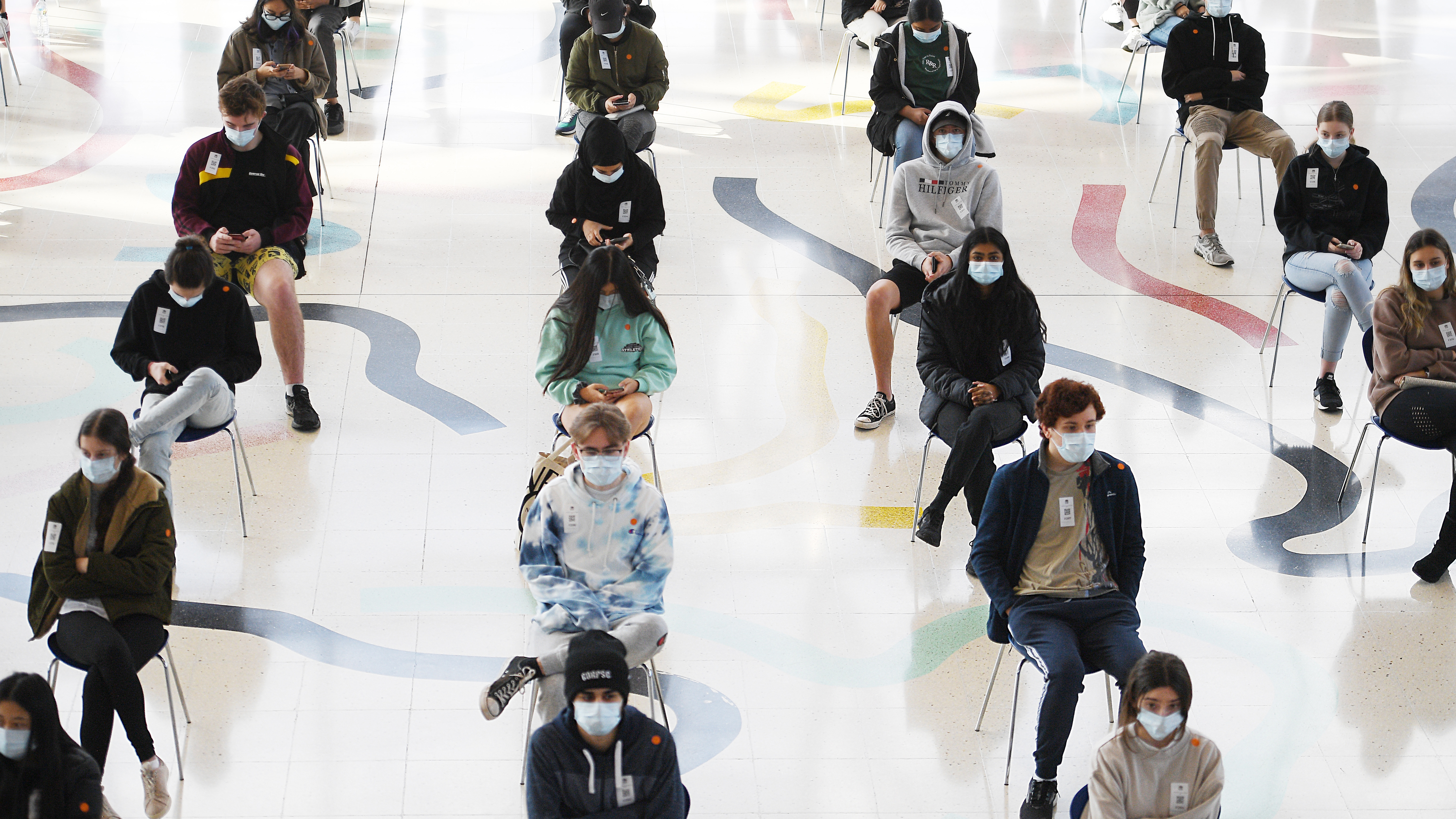
“These huge unvaccinated swaths in the US., Africa, Asia, Latin America and elsewhere are basically variant factories,” said Dr Prabhat Jha of the Centre for Global Health Research at St Michael's Hospital in Toronto.
“It's been a colossal failure in global leadership that we have not been able to do this.”
In the meantime, new variants are inevitable, said Louis Mansky, director of the Institute for Molecular Virology at the University of Minnesota.
With so many unvaccinated people, he said, “the virus is still kind of in control of what's going on.”
Tonga volcanic eruption: 'Too early to tell' – Jacinda Ardern on injuries, damage from disaster
Prime Minister Jacinda Ardern said it’s “too early to tell” whether anyone has lost their life in the volcanic eruption and tsunami that hit Tonga, although so far there were no official reports of deaths of injuries. A defence…
Woman killed in apparent subway shove at Times Square
A woman was pushed to her death in front of a subway train at the Times Square station Saturday, police said.
The death comes a little more than a week after the mayor and governor announced plans to boost subway policing and outreach to homeless people in New York City's streets and trains.
The man believed responsible fled the scene but turned himself into transit police a short time later, Police Commissioner Keechant Sewell said at a news conference with Mayor Eric Adams at the station.
READ MORE: Probe finds 'unintentional mistakes' in Petito police stop
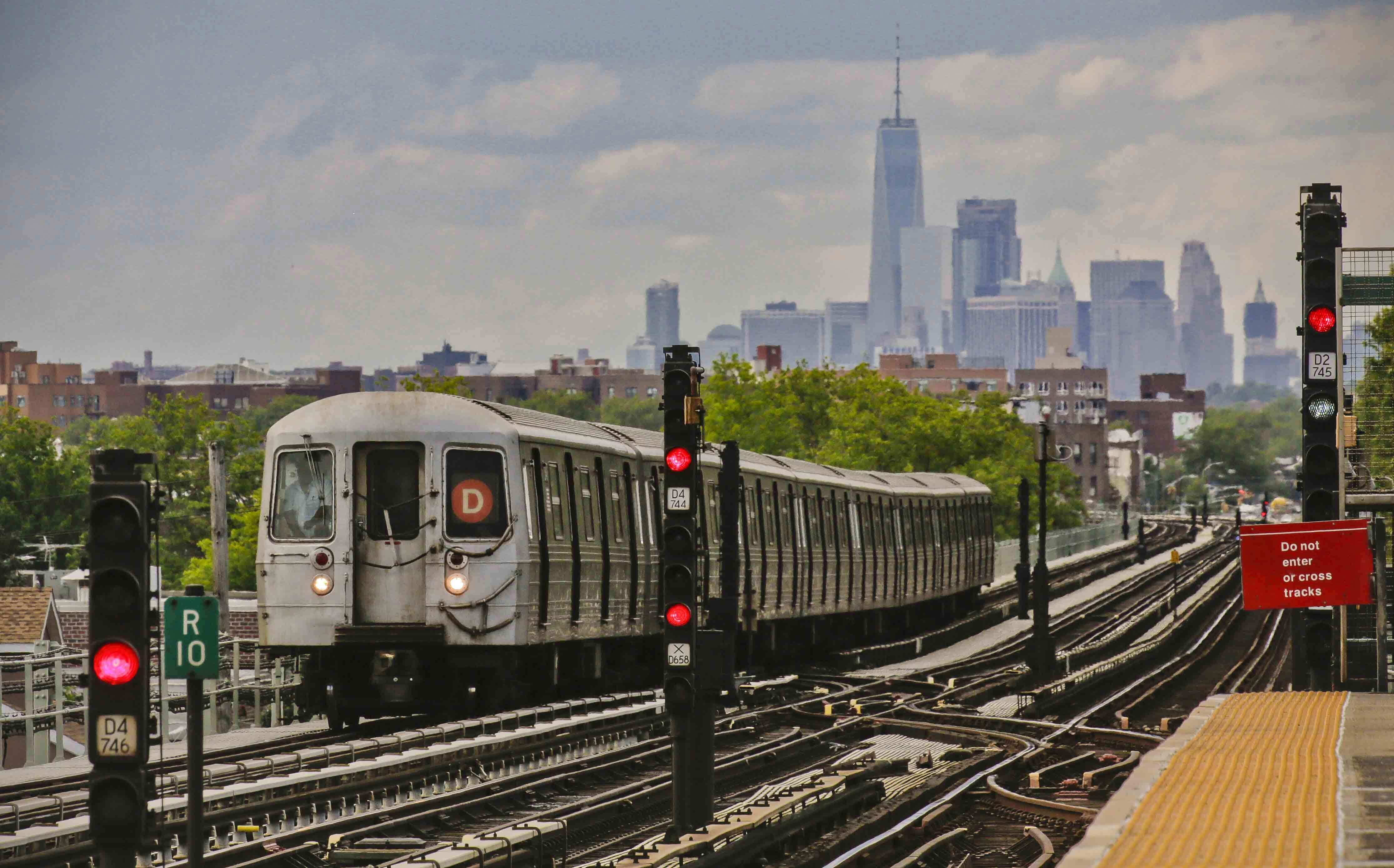
The 40-year-old victim, a city resident, was waiting for a southbound R train around 9.40am (local time) when she was apparently shoved, according to police.
"This incident was unprovoked, and the victim does not appear to have had any interaction with the subject," Ms Sewell said.
A second woman told police the man had approached her minutes earlier and she feared he would push her onto the tracks.
"He approaches her and he gets in her space. She gets very, very alarmed," Assistant Chief Jason Wilcox said, describing the earlier encounter.
"She tries to move away from him and he gets close to her, and she feels that he was about to physically push her onto the train.
"As she's walking away she witnesses the crime where he pushes our other victim in front of the train."
The suspect, whose name was not immediately released, has a criminal history and has been on parole, Mr Wilcox said.
READ MORE: Heater sparked fire in the Bronx that killed 17 people
"He does have in the past three emotionally disturbed encounters with us that we have documented," he said.
Charges against him in connection with the alleged subway attack were pending, he said.
Subway conditions and safety have become a worry for many New Yorkers during the pandemic.
Although police statistics show major felonies in the subways have dropped over the past two years, so has ridership, making it difficult to compare.
And some recent attacks have gotten public attention and raised alarms.
In September, three transit employees were assaulted in separate incidents on one day.
Several riders were slashed and assaulted by a group of attackers on a train in lower Manhattan in May, and four separate stabbings — two of them fatal — happened within a few hours on a single subway line in February.
In recent months there have been several instances of people being stabbed, assaulted or shoved onto the tracks at stations in the Bronx, Brooklyn and at Times Square.
Mr Adams, who has been mayor for two weeks, has noted that a perception of danger could drive more people to eschew the subway, complicating the city's economic recovery as it tries to draw people back to offices, tourist attractions and more.
READ MORE: Harrowing tales of escape after fire tears through New York building
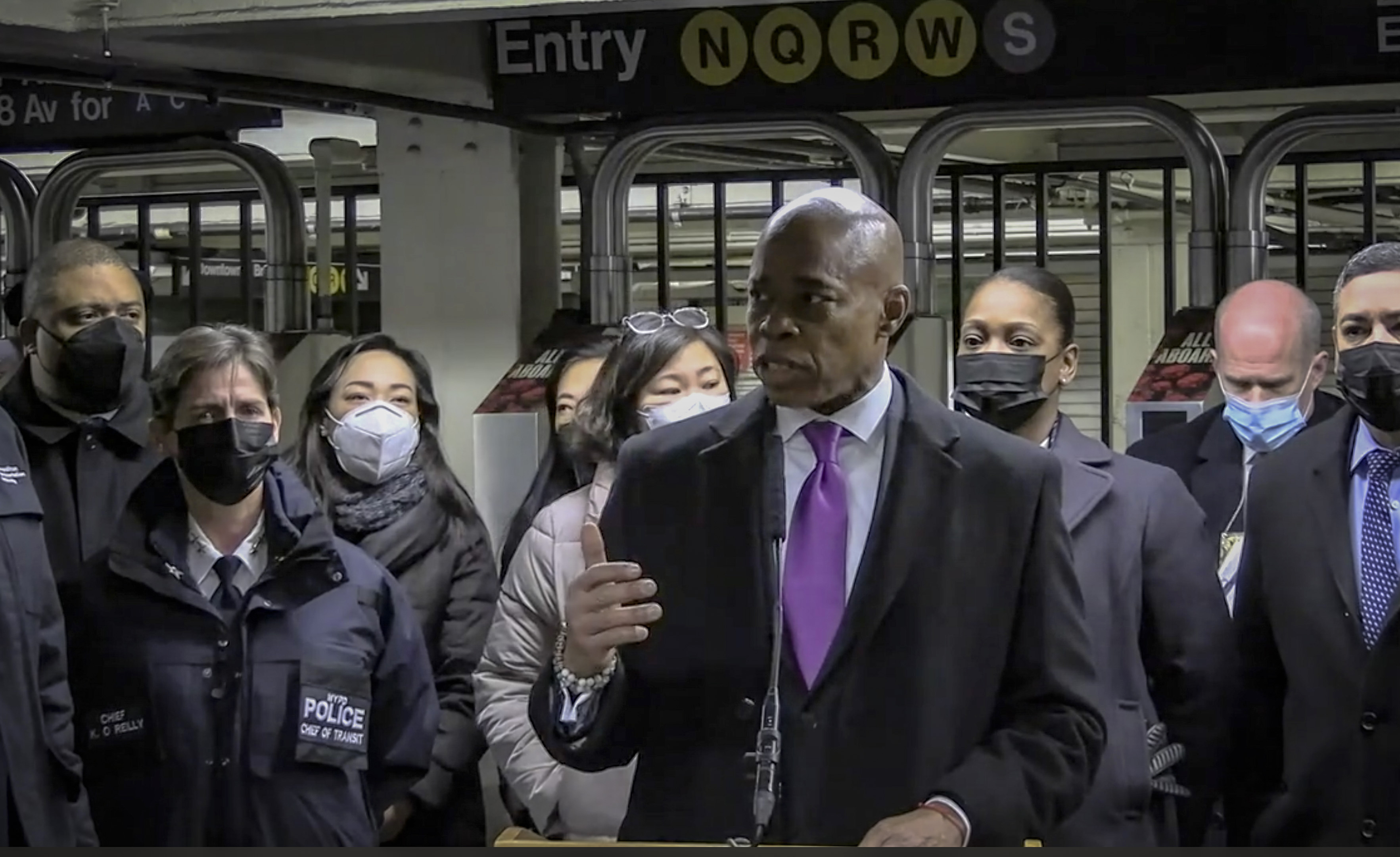
"We want to continue to highlight how imperative it is that people receive the right mental health services, particularly on our subway system," the mayor said Saturday. "To lose a New Yorker in this fashion will only continue to elevate the fears of individuals not using our subway system."
"Our recovery is dependent on the public safety in this city and in the subway system," Mr Adams said.
Under his predecessor, Bill de Blasio, the city repeatedly said it was deploying more police to subways after attacks last year and pressure from transit officials.
The agency that runs the subway system, the Metropolitan Transportation Authority, sped up work to install security cameras in all 472 subway stations citywide, finishing that project in September.
However, the city also has repeatedly faced complaints in recent years about heavy-handed policing in subways.
Protests erupted, for example, after police were seen on bystander video handcuffing a woman they said was selling churros without a licence at subway stations in 2019 and punching a Black teenager during a brawl on a subway platform that same year.
Six police officers were assigned to the station Saturday, authorities said.
Joining Mr Adams last week to discuss the state of the subways, Governor Kathy Hochul said she was planning to put together five teams of social workers and medical professionals to help the city guide people living on streets and subways to shelter, housing and services.
Both Ms Hochul and Mr Adams are Democrats.
Four people seriously injured in two unrelated Sunday morning crashes
One person is understood to be seriously injured following a crash in Drury.Police were called about 10.35am to the corner of Pitt Rd and Great South Rd, near Drury, following a serious two-vehicle crash.”Initial indications are…
Serious two-vehicle crash in Counties Manukau
Emergency services are responding to a serious crash in Counties Manukau.Police were called to the two-vehicle crash, on the corner of Pitt and Great South rds, near Drury, at about 10.35am.Initial indications are that one person…
Aggravated robbery in Oamaru Pharmacy: Police seek information
Police want to hear from those with information about an aggravated robbery in Oamaru.The robbery took place just after 5.30pm on Friday January 14 at the Unichem Northend Pharmacy.A man entered the premises, threatened staff…
Hawke's Bay: Boaties, beachgoers asked to stay out of the water until Wednesday
The public and boaties are being warned to stay out of the water and away from beaches across Hawke’s Bay until Wednesday, as the region faces the potential double whammy of tsunami and cyclone after-effects.The Hawke’s Bay Civil…
Tsunami warnings explained
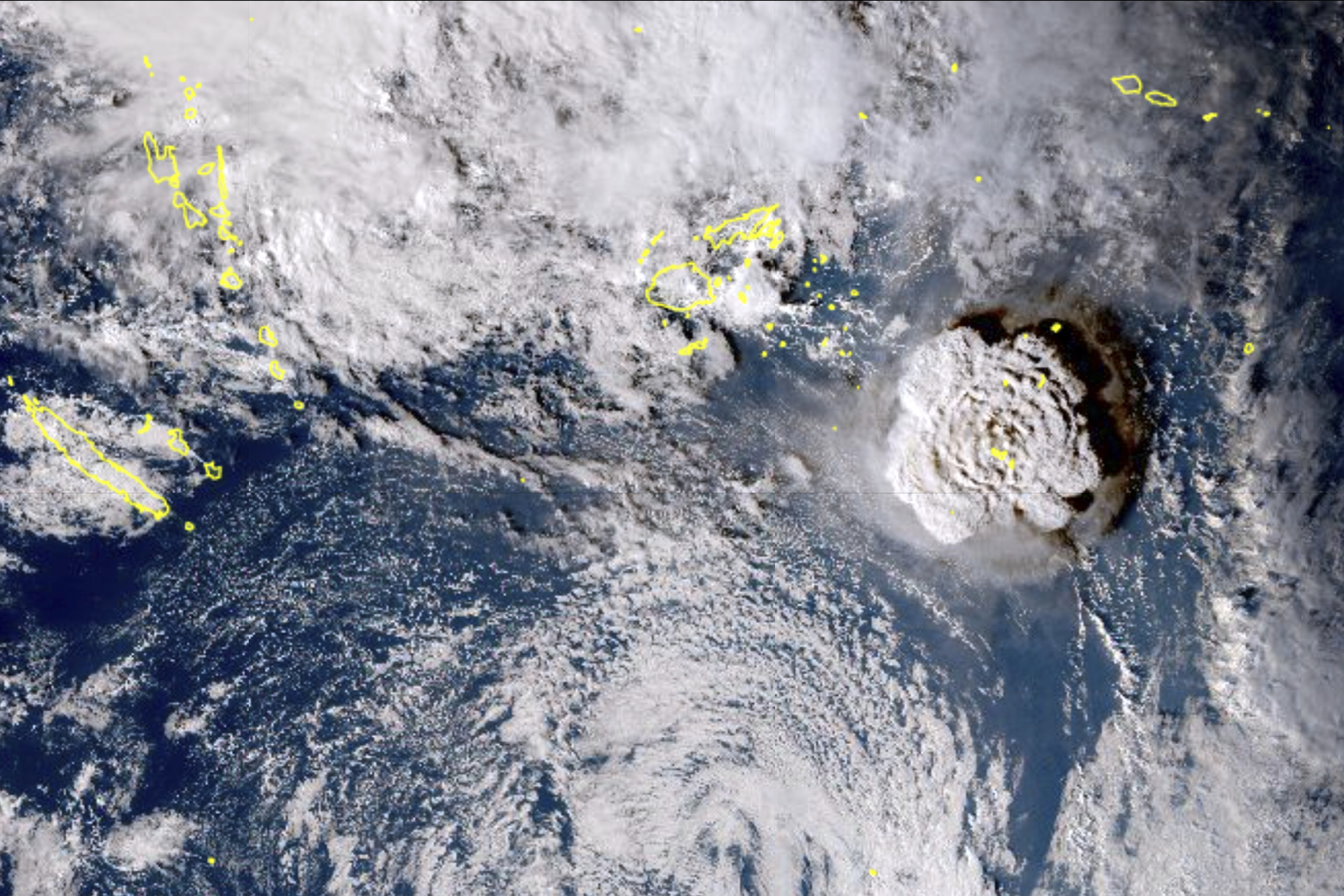
The Bureau of Meteorology has issued a tsunami warning for parts of Australia's east coast after an undersea volcano erupted near Tonga.
The warning stretches across Queensland, New South Wales, Victoria and Tasmania, and also is for Lord Howe, Norfolk and Macquarie islands.
The BoM says the size of the waves means the threat is for the marine environment, but there is potential for land impact on Lord Howe Island and Norfolk Island.
READ MORE: Tongan king evacuated after huge underwater volcano eruption
What is a marine warning?
There are three categories of threat levels within tsunami warnings, the Bureau of Meteorology (BoM) says.
No threat is when an undersea earthquake has been detected, however it has not generated a tsunami, or the tsunami poses no threat to Australia and its offshore territories.
Marine and immediate foreshore threat is a warning of potentially dangerous rips, waves and strong ocean currents in the marine environment and the possibility of only some localised overflow onto the immediate foreshore.
Land inundation threat is a warning for low-lying coastal areas of major land inundation, flooding, dangerous rips, waves and strong ocean currents.
How often do tsunamis occur?
Tsunamis are recorded in Australia about once every two years, the BoM says.
"Most are small and present little threat of land inundation to our coastal communities.
"However the abnormal waves, tides and currents caused by even relatively small tsunami can be dangerous to swimmers and mariners."
More information on tsunami warnings can be found on the BoM website here.