A downtown Auckland bar has been revealed as one of the latest “high-risk” locations of interest after it was visited by a person infected with Covid. Anyone who was at Roxy Bar, located on Fort Lane in Auckland Central, between…
Tag Archives: oceania
North Korea claims successful test of hypersonic missile
North Korea says leader Kim Jong Un oversaw a successful flight test of a hypersonic missile he claimed would remarkably increase the country's nuclear "war deterrent".
The report by North Korean state media on Wednesday came a day after the militaries of the United States, South Korea and Japan said they detected North Korea firing a suspected ballistic missile into its eastern sea.
The Korean Central News Agency said Tuesday's launch involved a hypersonic glide vehicle, which after its release from the rocket booster demonstrated "glide jump flight" and "corkscrew maneuvering" before hitting a sea target 1000 kilometres (621 miles) away.
READ MORE: Mystery North Korea border crosser a former defector, officials say
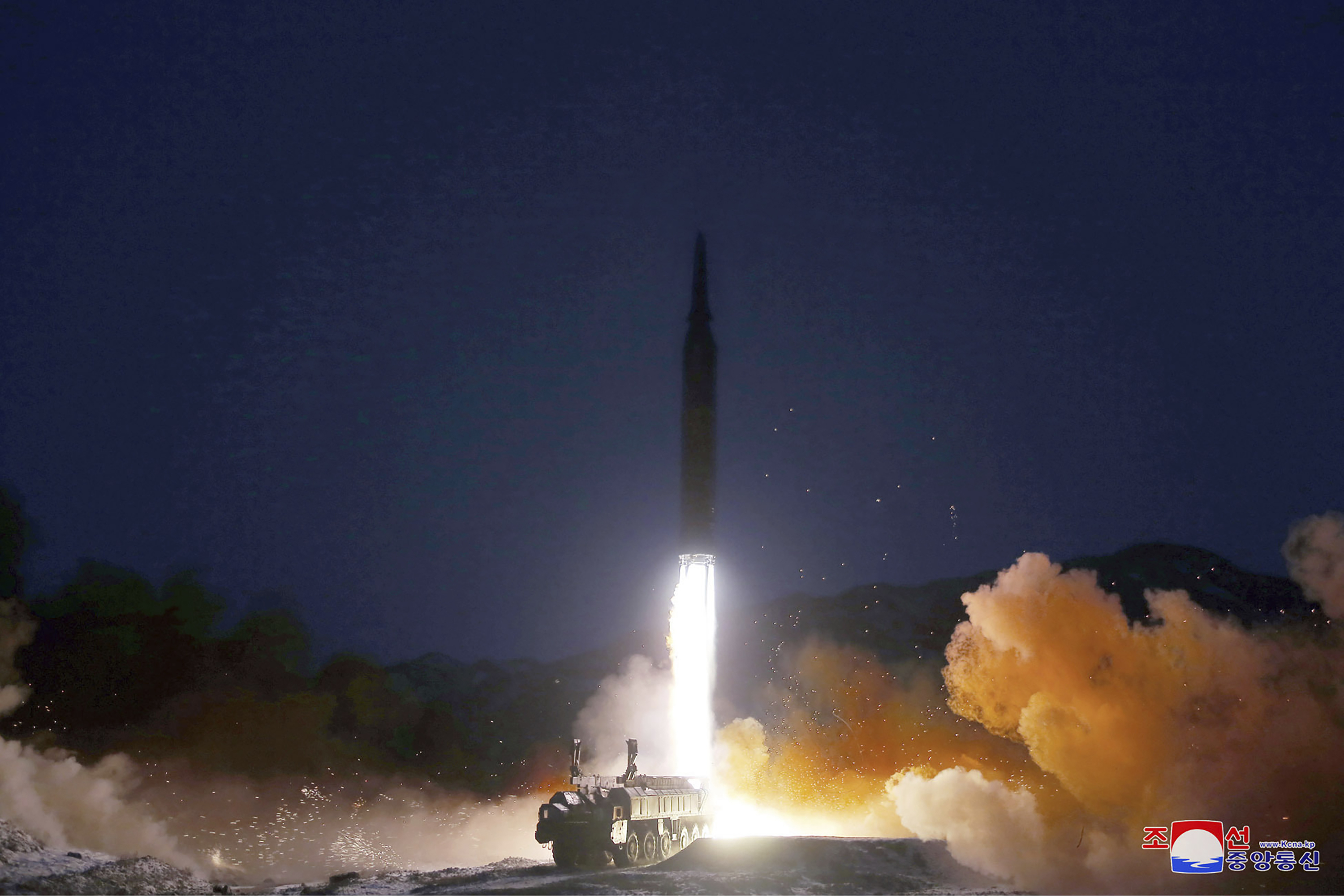
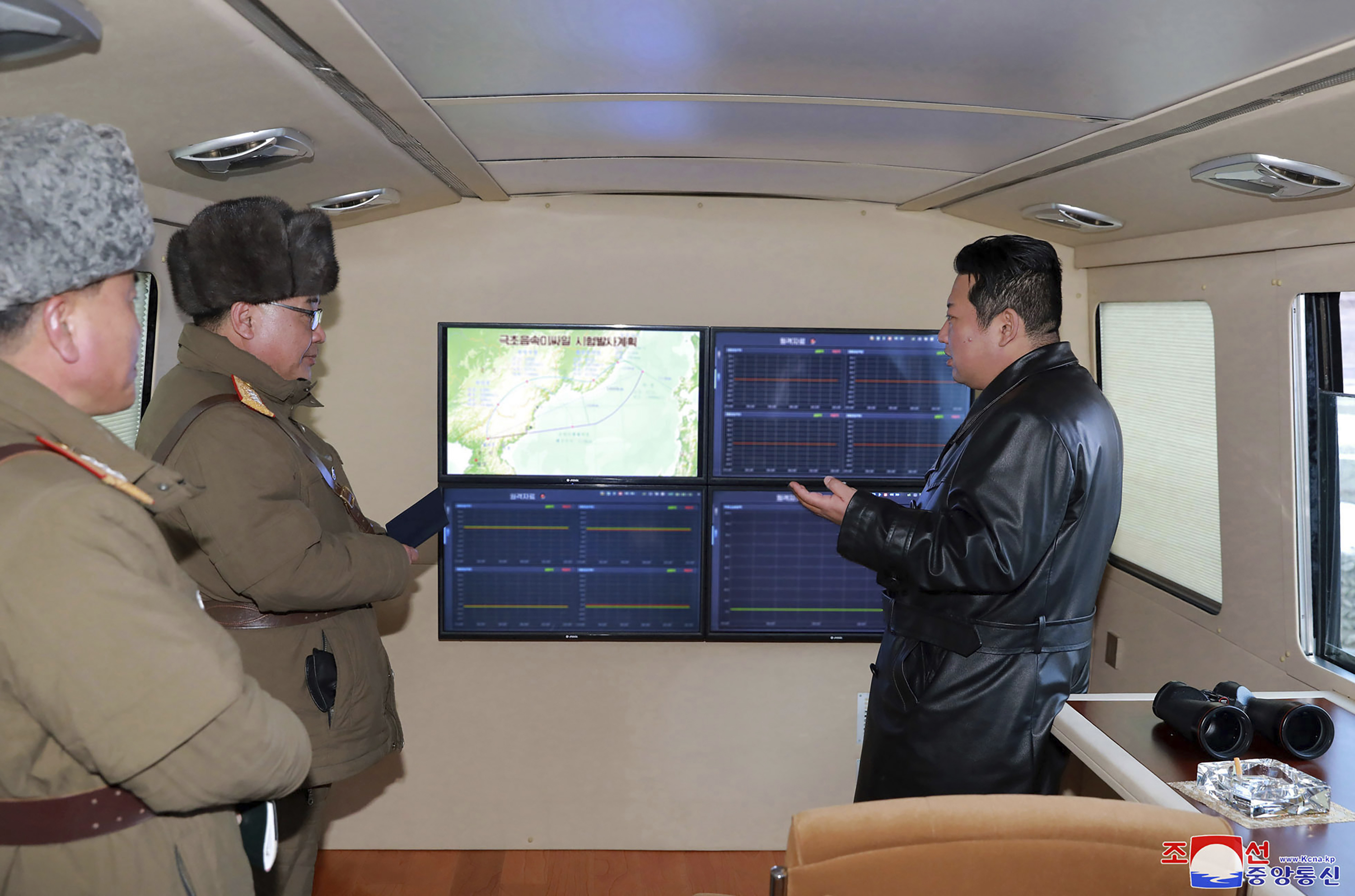
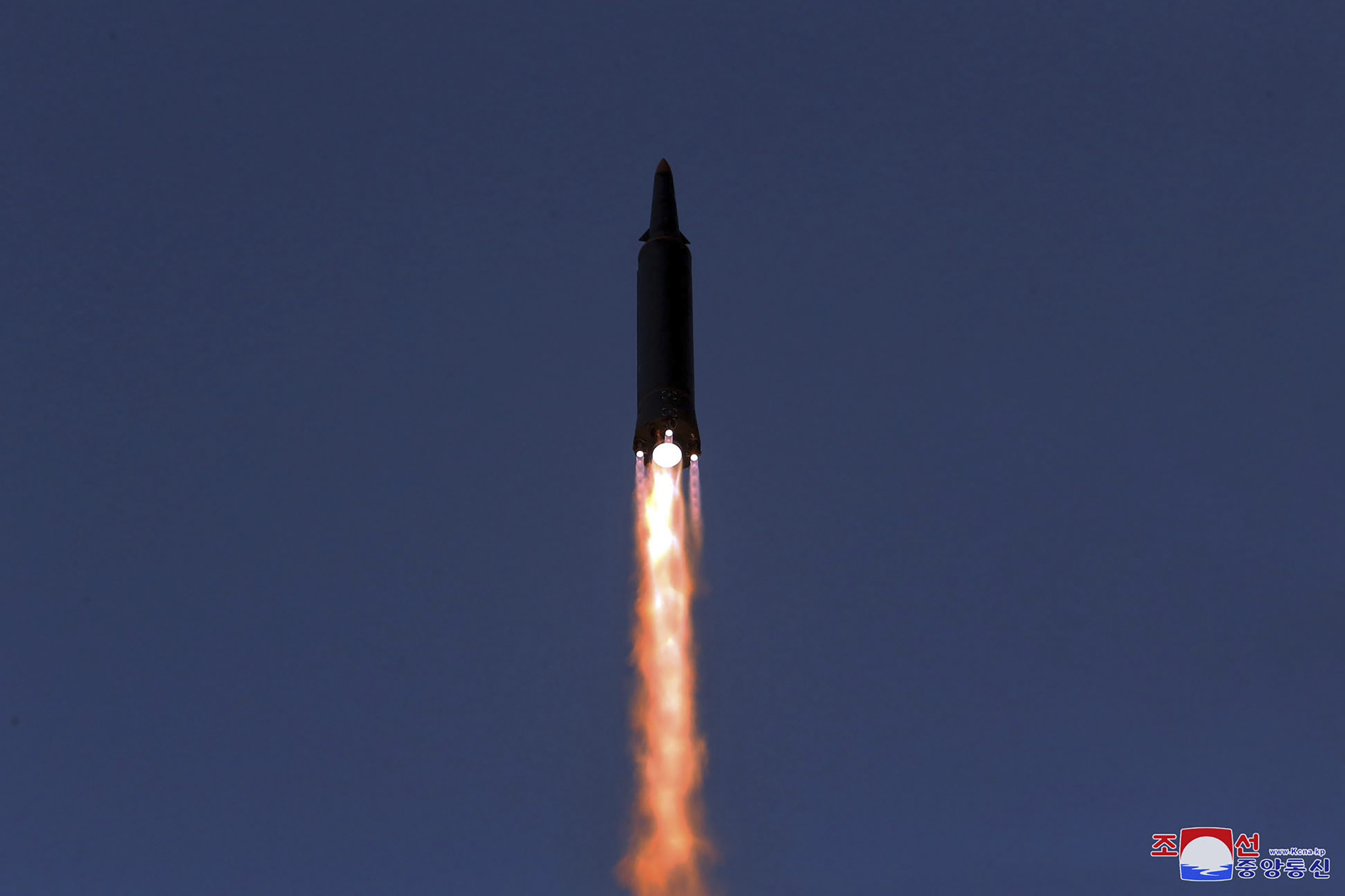
Photos released by the agency showed a missile mounted with a pointed cone-shaped payload soaring into the sky while leaving a trail of orange flames and Kim watching from a small cabin with top officials, including his sister Kim Yo Jong.
The launch was North Korea's second test of its purported hypersonic missile in a week, a type of weaponry it first tested in September, as Kim Jong Un continues a defiant push to expand his nuclear weapons capabilities in the face of international sanctions, pandemic-related difficulties, and deadlocked diplomacy with the United States.
The North has been ramping up its testing activity since last fall in what experts see as an attempt to apply more pressure on rivals Washington and Seoul to accept it as a nuclear power in hopes of winning relief from economic sanctions.
It was the first time since March 2020 that North Korean state media reported Kim's attendance at a missile test, according to South Korea's Unification Ministry, which handles inter-Korean affairs.

The KCNA said Kim praised the accomplishments made by his military scientists and officials involved in developing the hypersonic missile system, which he described as the most significant part of a new five-year plan announced in early 2021 to build up the North's military force.
The North has described the new missile as part of its "strategic" weaponry, implying that the system is being developed to deliver nuclear weapons.
"The superior maneuverability of the hypersonic glide vehicle was more strikingly verified through the final test-fire," KCNA said.
READ MORE: Food supply shortage hits KFC, supermarkets
It said Kim stressed the need to speed up the expansion of the country's "strategic military muscle both in quality and quantity and further modernise the army" and encouraged military scientists to continue their success in "remarkably increasing the war deterrent of the country".
Hypersonic weapons, which fly at speeds in excess of Mach 5, or five times the speed of sound, could pose a crucial challenge to missile defence systems because of their speed and maneuverability. Such weapons were on a wish-list of sophisticated military assets Kim unveiled early last year along with multi-warhead missiles, spy satellites, solid-fuel long-range missiles and submarine-launched nuclear missiles.
Experts say North Korea needs more successful and longer-range tests that would take years before acquiring a credible hypersonic system.
Kim's attendance at Tuesday's test and state media's description of the event as a "final test-fire" could indicate that North Korea is pushing to deploy the weapon relatively soon.
But it's more likely that the North will continue testing to increase the system's range, stability and accuracy, said Kim Dong-yub, a professor at the University of North Korean Studies in Seoul.
US State Department spokesman Ned Price said Washington condemns the North's latest launch, which violates multiple U.N. Security Council resolutions and poses a threat to neighbours and to the broader international community.
The US Indo-Pacific Command said the launch highlighted the "destabilising impact of (North Korea's) illicit weapons program" but didn't pose an immediate threat to US territory or its allies.
"We continue to call on the DPRK to refrain from further provocations and, importantly, to engage in sustained and substantive dialogue," Price said, using an abbreviation of North Korea's formal name, the Democratic People's Republic of Korea.
Minutes after Tuesday's launch, airports across the western United States halted flights for a short time without explanation.
A spokeswoman for San Diego International Airport referred questions to the Federal Aviation Administration.
The FAA acknowledged the "ground stop" in a tweet, without offering a reason why it issued the order.
"Full operations resumed in less than 15 minutes," the FAA said.
"The FAA regularly takes precautionary measures. We are reviewing the process around this ground stop as we do after all such events."
South Korea's Joint Chiefs of Staff had said the North Korean missile flew 700 kilometres at a maximum speed of around Mach 10 before landing in waters off the North's eastern coast.
South Korea's Defense Ministry had played down North Korea's earlier test on January 5, insisting that the North exaggerated its capabilities after testing a conventional ballistic missile and expressing doubt that the North had acquired the technologies needed for hypersonic weapons.
Following Tuesday's launch, the Joint Chief of Staff said in a statement that the North demonstrated more advanced capability compared to its previous test, but didn't elaborate further.
Kim Jong Un entered the new year renewing his vow to bolster his military forces, even as the nation grapples with pandemic-related difficulties that have further strained its economy, crippled by US-led sanctions over its nuclear program.
READ MORE: Half of Europe could have COVID-19 in two months
The economic setbacks have left Kim with little to show for his diplomacy with former U.S. President Donald Trump, which derailed after their second meeting in 2019 when the Americans rejected North Korea's demand for major sanctions relief in exchange for a partial surrender of its nuclear capabilities.
The Biden administration, whose policies have reflected a broader shift in US focus from counterterrorism and so-called rogue states like North Korea and Iran to confronting a near-peer adversary in China, has said it's willing to resume talks with North Korea at any time without preconditions.
But North Korea has so far rejected the idea of open-ended talks, saying the US must first withdraw its "hostile policy", a term Pyongyang mainly uses to describe the sanctions and joint US-South Korea military drills.
Omicron COVID-19 wave may be headed for rapid drop in US and Britain
Scientists are seeing signals that COVID-19′s alarming Omicron wave may have peaked in Britain and is about to do the same in the US, at which point cases may start dropping off dramatically.
The reason: the variant has proved so wildly contagious that it may already be running out of people to infect, just a month and a half after it was first detected in South Africa.
"It's going to come down as fast as it went up," said Ali Mokdad, a professor of health metrics sciences at the University of Washington in Seattle.
READ MORE: Djokovic statement addresses 'misinformation', admits errors
At the same time, experts warn that much is still uncertain about how the next phase of the pandemic might unfold.
The plateauing or ebbing in the two countries is not happening everywhere at the same time or at the same pace.
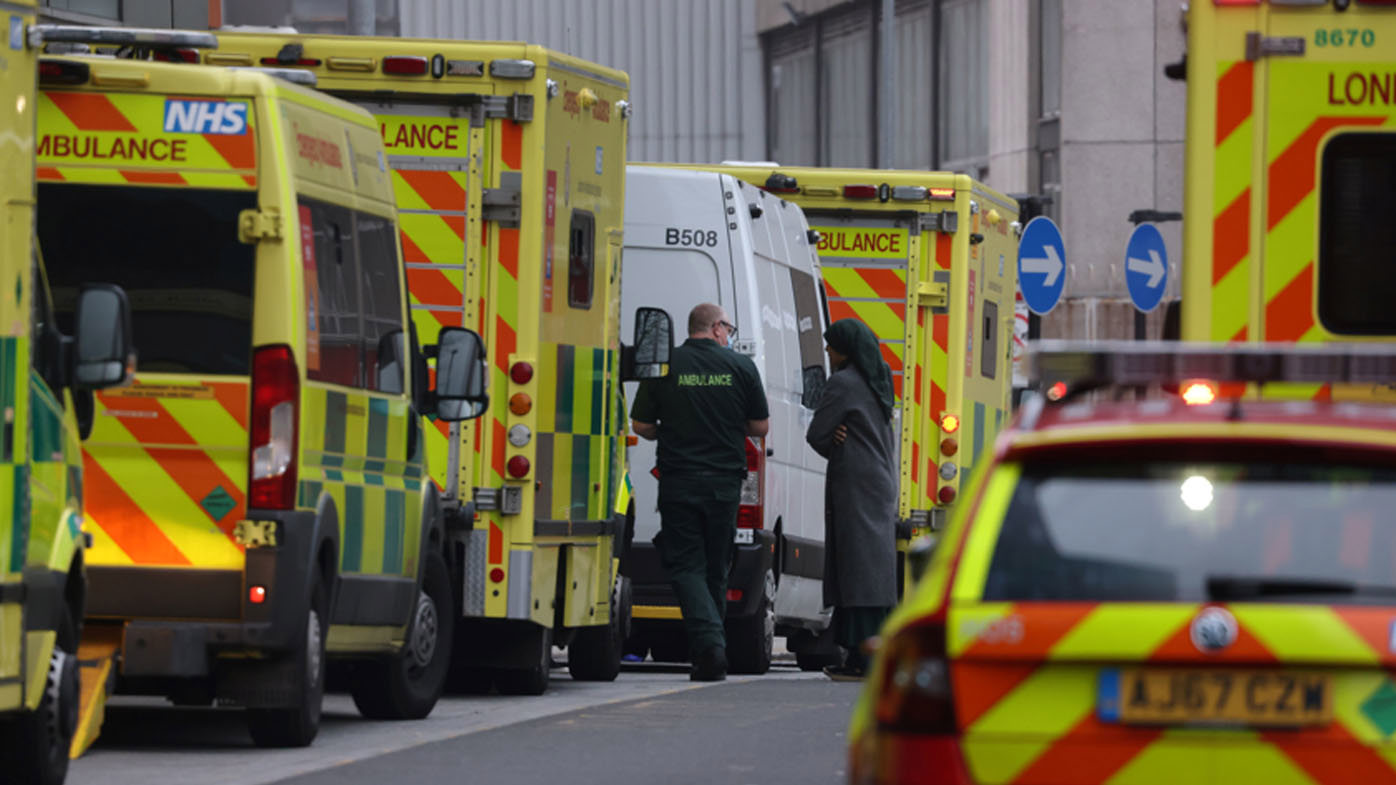
And weeks or months of misery still lie ahead for patients and overwhelmed hospitals even if the drop-off comes to pass.
"There are still a lot of people who will get infected as we descend the slope on the backside," said Lauren Ancel Meyers, director of the University of Texas COVID-19 Modeling Consortium, which predicts reported cases will peak within the week.
The University of Washington's own highly influential model projects the number of daily reported cases in the US will crest at 1.2 million by January 19 and will then fall sharply "simply because everybody who could be infected will be infected," according to Professor Mokdad.
READ MORE: Five reasons you should not deliberately catch Omicron
In fact, he said, by the university's complex calculations, the true number of new daily infections in the US — an estimate that includes people who were never tested — has already peaked, hitting six million on January 6.
In Britain, meanwhile, new COVID-19 cases dropped to about 140,000 a day in the last week, after skyrocketing to more than 200,000 a day earlier this month, according to government data.
Kevin McConway, a retired professor of applied statistics at Britain's Open University, said that while cases are still rising in places such as southwest England and the West Midlands, the outbreak may have peaked in London.
The figures have raised hopes that the two countries are about to undergo something similar to what happened in South Africa, where in the span of about a month the wave crested at record highs and then fell significantly.
"We are seeing a definite falling-off of cases in the UK, but I'd like to see them fall much further before we know if what happened in South Africa will happen here," Dr Paul Hunter, a professor of medicine at Britain's University of East Anglia, said.
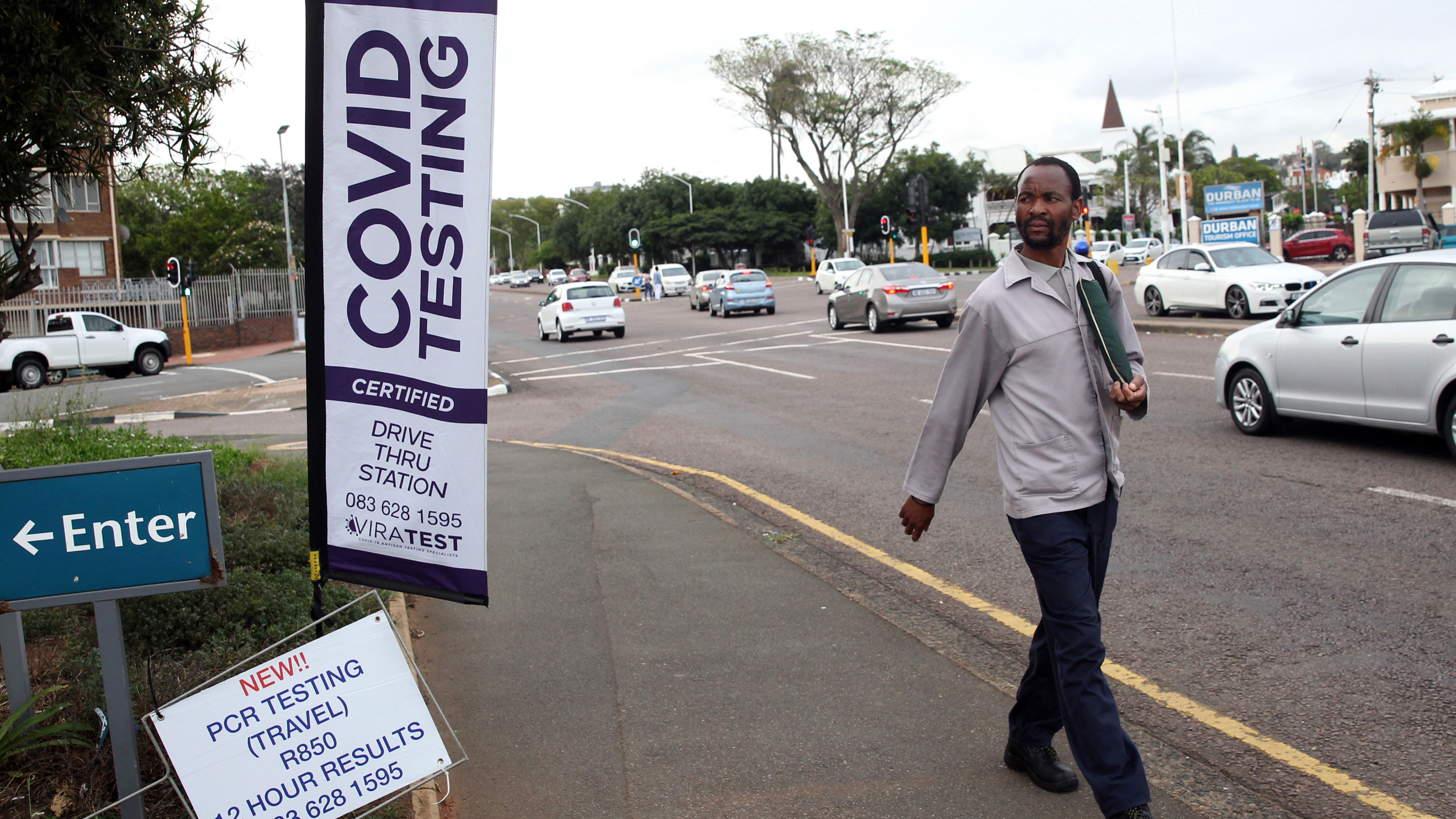
Differences between Britain and South Africa, including Britain's older population and the tendency of its people to spend more time indoors in the winter, could mean a bumpier outbreak for the country and other nations like it.
On the other hand, British authorities' decision to adopt minimal restrictions against Omicron could enable the virus to rip through the population and run its course much faster than it might in Western European countries that have imposed tougher COVID-19 controls, such as France, Spain and Italy.
Shabir Mahdi, dean of health sciences at South Africa's University of Witwatersrand, said European countries that impose lockdowns won't necessarily come through the
Omicron wave with fewer infections; the cases may just be spread out over a longer period of time.
On Tuesday, the World Health Organisation said there have been seven million new COVID-19 cases across Europe in the past week, calling it a "tidal wave sweeping across the region". The WHO cited modelling from Professor Mokdad's group that predicts half of Europe's population will be infected with Omicron within about eight weeks.
READ MORE: As Omicron surges, here's the best way to treat COVID-19 at home
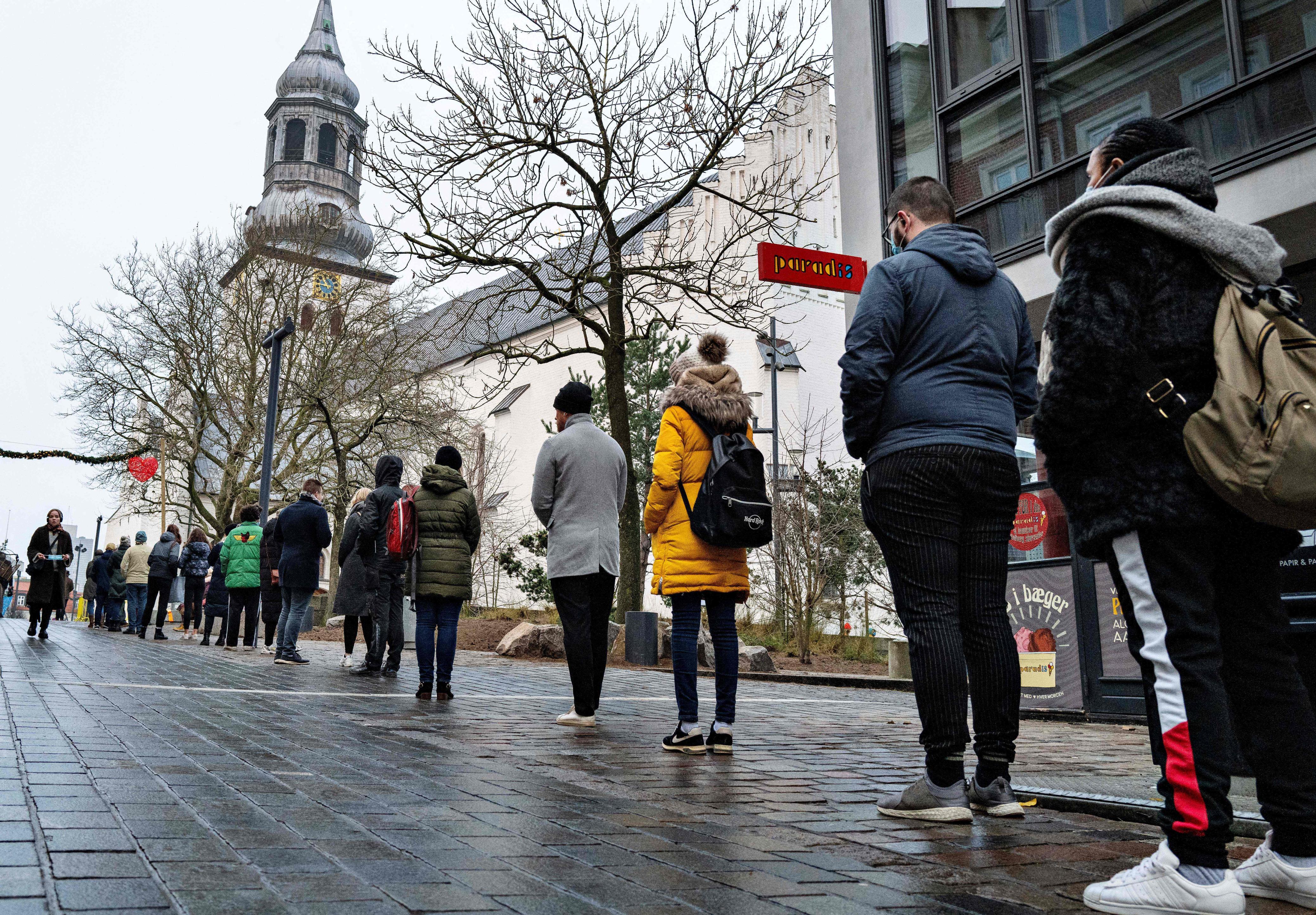
By that time, however, Hunter and others expect the world to be past the Omicron surge.
"There will probably be some ups and downs along the way, but I would hope that by Easter, we will be out of this," Hunter said.
Still, the sheer number of people infected could prove overwhelming to fragile health systems, said Dr Prabhat Jha of the Centre for Global Health Research at St Michael's Hospital in Toronto.
"The next few weeks are going to be brutal because in absolute numbers, there are so many people being infected that it will spill over into ICUs," Dr Jha said.
Professor Mokdad likewise warned in the US: "It's going to be a tough two or three weeks. We have to make hard decisions to let certain essential workers continue working, knowing they could be infectious."
Omicron could one day be seen as a turning point in the pandemic, said Ms Meyers, at the University of Texas.
Immunity gained from all the new infections, along with new drugs and continued vaccination, could render the coronavirus something with which we can more easily coexist.
"At the end of this wave, far more people will have been infected by some variant of COVID," Ms Meyers said.
"At some point, we'll be able to draw a line — and Omicron may be that point — where we transition from what is a catastrophic global threat to something that's a much more manageable disease."
That's one plausible future, she said, but there is also the possibility of a new variant — one that is far worse than Omicron — arising.
COVID-19 staff shortages affecting Hunter Valley vineyards
Hunter Valley wineries have had mixed fortunes over the years, from record droughts to bushfire smoke wreaking havoc.
Now, the entire industry is experiencing its worst seasonal staff shortage in years due to COVID-19.
Winemaker Brian McGuigan usually hires 45 contractors to help pick grapes during harvest, but so far, he only has one prepared to help.
READ MORE: Half of Europe could have COVID-19 in two months
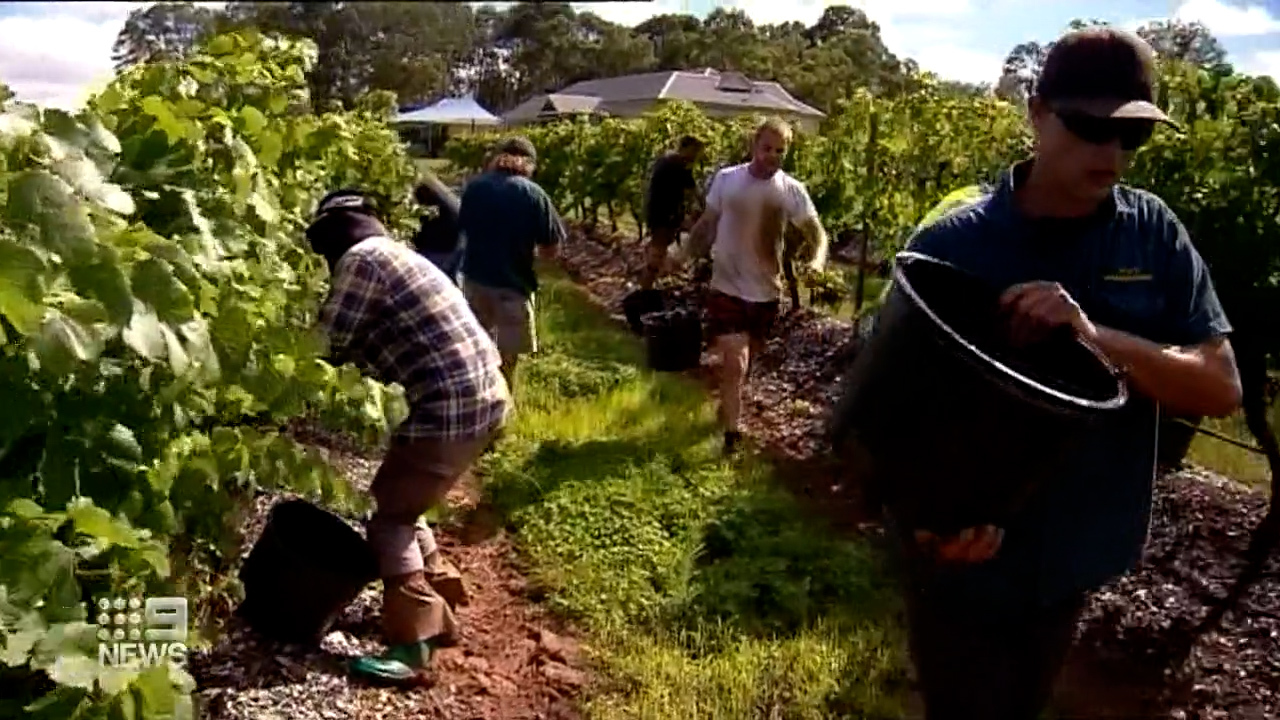

"We're down on pickers for two reasons, firstly because backpackers haven't been coming to Australia," Mr McGuigan said.
"Secondly, we can't encourage enough Australians to get off their tails and come give us a hand."
It means the old fashioned and preferred way of doing things might need to be scaled back in many vineyards.
"Machines can do a good job, in fact they are going to be used more and more extensively this year because simply we don't have the grape pickers to do it," Mr McGuigan added.
READ MORE: Food supply shortage hits KFC, supermarkets
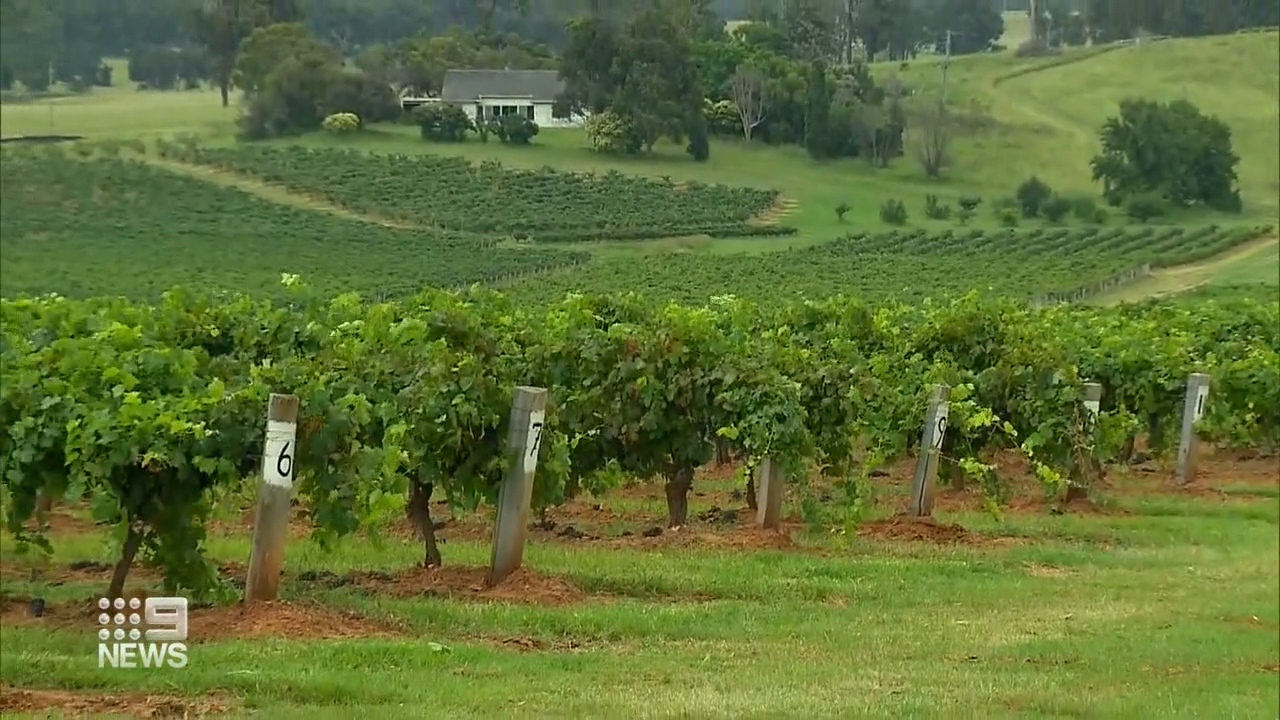
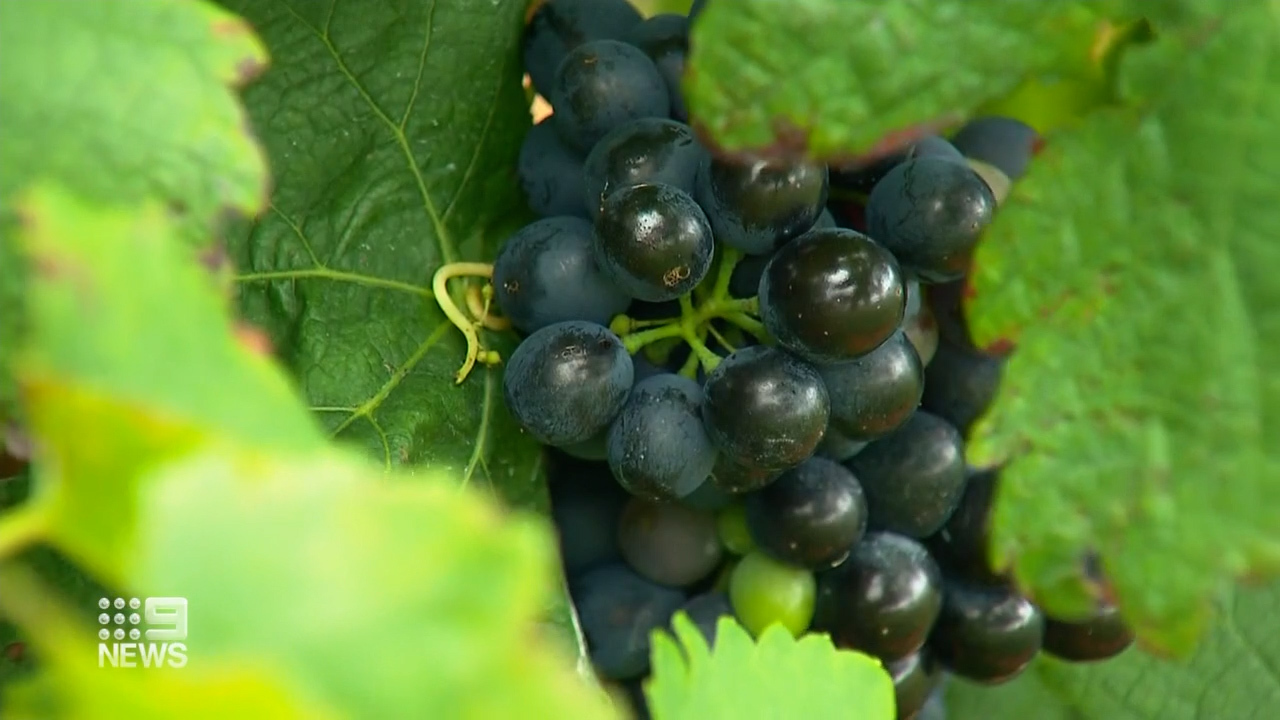
That's a last resort at Tyrell's in Pokolbin, where some of the vines were planted in the 1800s.
"We've got some of the oldest vineyards in the world and they really need to be looked after pretty tenderly and handpicked," owner Bruce Tyrell said.
"We've got about a third of the pickers we need and that's pretty much right across the Valley."
Mr Tyrell estimates more than 500 people will be needed to help all the region's vineyards get their grapes to the crusher in time.
"I think everyone will remember 2020, for three or four months we were shrouded in smoke and a lot of people lost their vintage," he said.
"We can't afford to lose two out of three, everyone will go dry they'll be nothing to drink."
READ MORE: How to treat COVID-19 at home
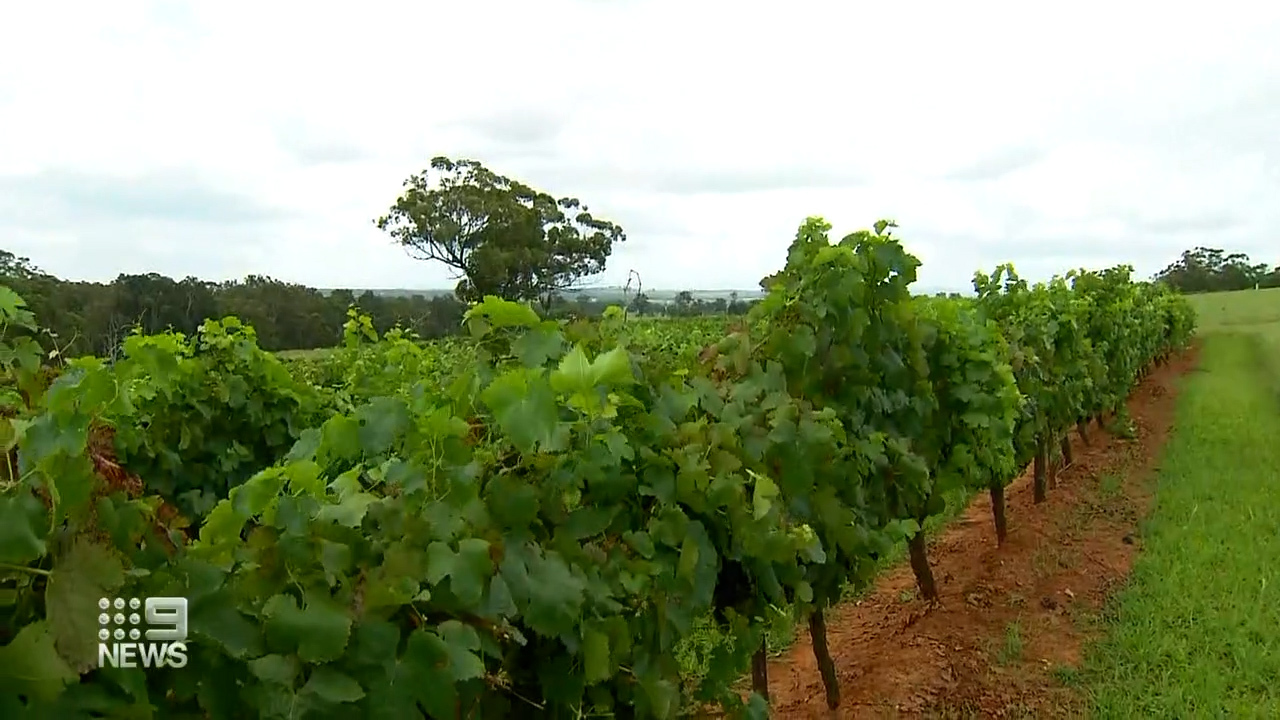
The industry is pleading for anyone to come and help, for good money.
"If anyone out there is looking for four, five, six weeks of work come here straight away, we really do need that," Mr Tyrell said.
"Everyone is pretty much going to be looking for pickers, so it won't take more than a call or two to get a spot."
Dramatic CCTV released as Sydney man let go 48 hours after abduction
Dramatic CCTV has emerged of the abduction of a western Sydney man who was freed after more than 48 hours last night.
Officers were contacted after 39-year-old Omar Elomar was taken from his home in Condell Park just before 7.30pm on Sunday.
Mr Elomar presented to Bankstown Hospital last night, suffering a black eye and broken ribs.
LIVE UPDATES: Nearly 75k new cases across Victoria and NSW
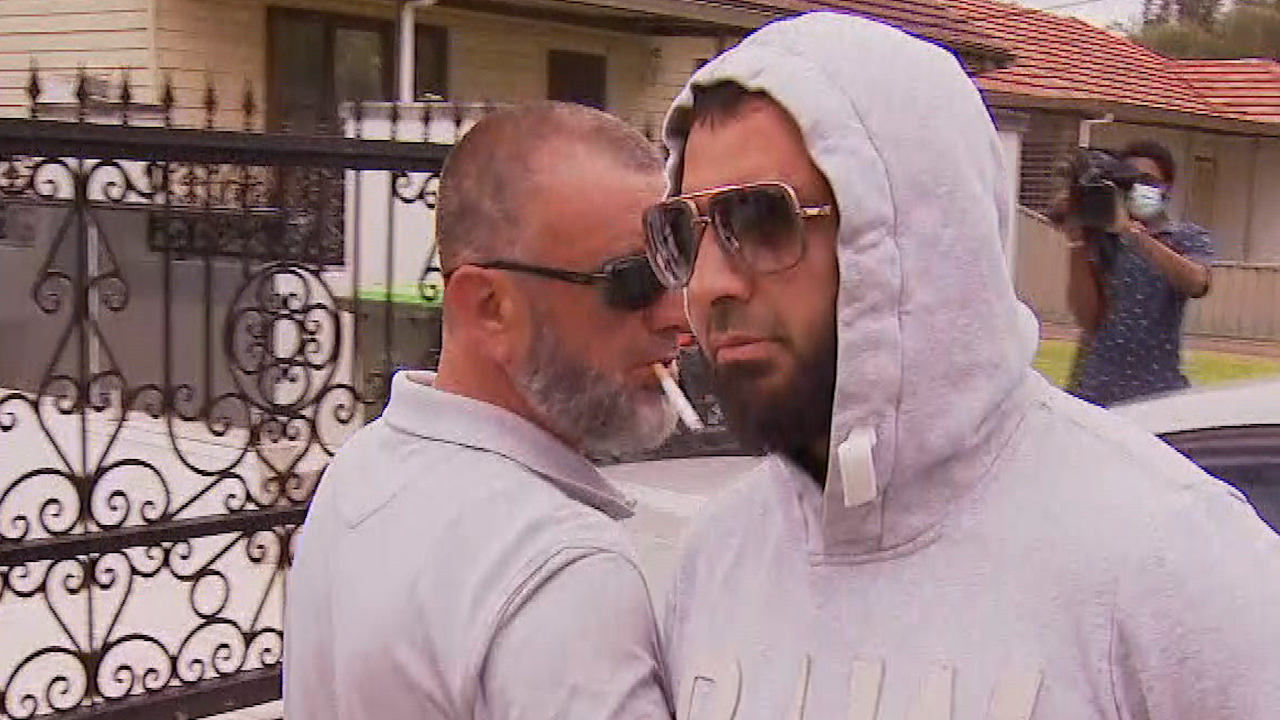
New CCTV obtained by 9News shows a group of men arriving at Mr Elomar's home on Sunday night in a stolen Mercedes SUV.
The men, one of whom was brandishing a handgun, can be seen assaulting Mr Elomar before dragging him into the car.
Just before 1.30am on Monday a luxury SUV, believed to be the one used in the kidnapping, was set alight at a carpark on Lawford Street in Greenacre.
READ MORE: Food supply shortage hits KFC, supermarkets


Police are investigating several theories as to why Mr Elomar was kidnapped, including whether he was mistakenly targeted by the Comancheros over a significant cocaine heist.
Officers are also investigating whether a $3 million ransom was paid for his release.
Mr Elomar arrived back at his Condell Park home this morning where he is surrounded by his family.
A number of relatives visited his home today including Ahmed Elomar, who was jailed over the 2012 Hyde Park riots.
Mr Elomar's lawyer, Fadi Abbas, said today he is "doing well".
He also did not comment on rumours of a ransom being paid.
"We don't know nothing about that and I can't comment on that," Mr Abbas said.
Olive oil may reduce your risk of disease and death, study finds
Using olive oil instead of margarine, butter or other saturated fats may protect you from dying from cancer, cardiovascular and respiratory disease, dementia, and other conditions, a Harvard University study has found.
The study analysed the diets of people enrolled in two large government-funded studies: the Nurses' Health Study and the Health Professionals Follow-up Study.
Researchers then compared the diet findings to disease and death records for those people over time.
LIVE UPDATES: Djokovic issues statement over 'hurtful misinformation'

"It's a combination of both decreasing the amount of saturated fat at the same time you're increasing the monounsaturated fats found in olive oil," Dr Howard LeWine, the chief medical editor of Harvard Health Publishing, part of Harvard Medical School, said.
"The takeaway is to use olive oil every time you can as a substitute for saturated fats when you're cooking or in your salad dressings," Dr LeWine said, who was not involved in the study.
Men and women who replaced just over two teaspoons (10 grams) of margarine, butter, mayonnaise or dairy fat with the same amount of olive oil had up to a 34 per cent lower overall risk of dying than people who ate little to no olive oil, according to study author Marta Guasch-Ferre, a senior research scientist at the Harvard T.H. Chan School of Public Health.
READ MORE: Merchants on Amazon selling boxes of tampons for triple figures
"This is the first long-term study, including more than 90,000 participants followed for up to 30 years, conducted in the American population on olive oil and mortality," she said.
"Previous studies were conducted in Mediterranean and European populations where the consumption of olive oil tends to be higher.
"Our results provide further support for recommendations to replace saturated fat and animal fat with unsaturated plant oils, such as olive oil, for the prevention of premature death."
People who reported eating the highest levels of olive oil had a 19 per cent lower risk of dying from heart conditions, a 17 per cent lower risk of dying from cancer, a 29 per cent lower risk of dying from neurodegenerative disease, and an 18 per cent lower risk of dying from respiratory disease mortality compared with those who never or rarely consumed olive oil in place of saturated fats, said Susanna Larsson, an associate professor of epidemiology at the Karolinska Institutet in Sweden, in an accompanying editorial.
Both the study and editorial were published on Monday in the Journal of the American College of Cardiology.
The connection between olive oil and fewer deaths from brain disease was "novel," Professor Larsson wrote.
"Considering the lack of preventive strategies for Alzheimer's disease and the high morbidity and mortality related to this disease, this finding, if confirmed, is of great public health importance."
Man arrested during investigation into illegal online selling of pāua
A man has been arrested and taken to Lower Hutt Police station for obstructing fishery officers during an investigation into illegal online selling of pāuaThe Ministry for Primary Industries (MPI) acting deputy director general…
Two seriously injured following crash involving multiple vehicles south of Cambridge
Two people have been seriously injured following a multiple-vehicle crash south of Cambridge this evening. In a statement, police said the crash occurred along SH1. The road was closed south of Cambridge, while emergency services…
'Deeply inappropriate': Clarke Gayford sorry for 'confusion' after claim he tried to get mate rapid Covid test
The Prime Minister’s fiancé Clarke Gayford has today apologised for “any confusion” he caused after speaking to a pharmacist about rapid antigen testing on behalf of a musician mate.The pharmacist alleges Gayford gave inaccurate…
New data on the way to help Melbourne hay fever sufferers
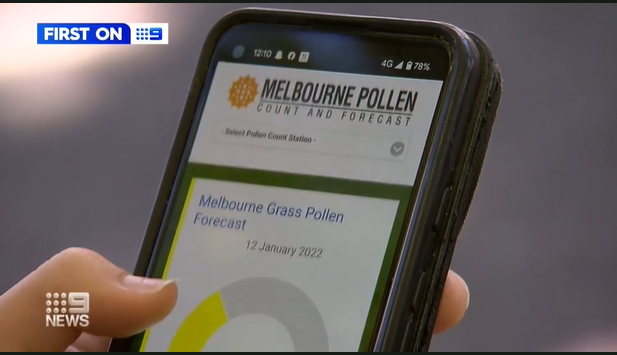
Breakthrough technology is giving Melbourne hay fever sufferers never-before-seen data to help manage their allergies.
Melbourne University scientists can now track airborne pollen in real-time, sending the data straight to people's smartphones.
With one in five Australians suffering from hay fever, many people already check the Melbourne Pollen Count and Forecast App.
READ MORE: Is it COVID-19 or hayfever? What your symptoms mean
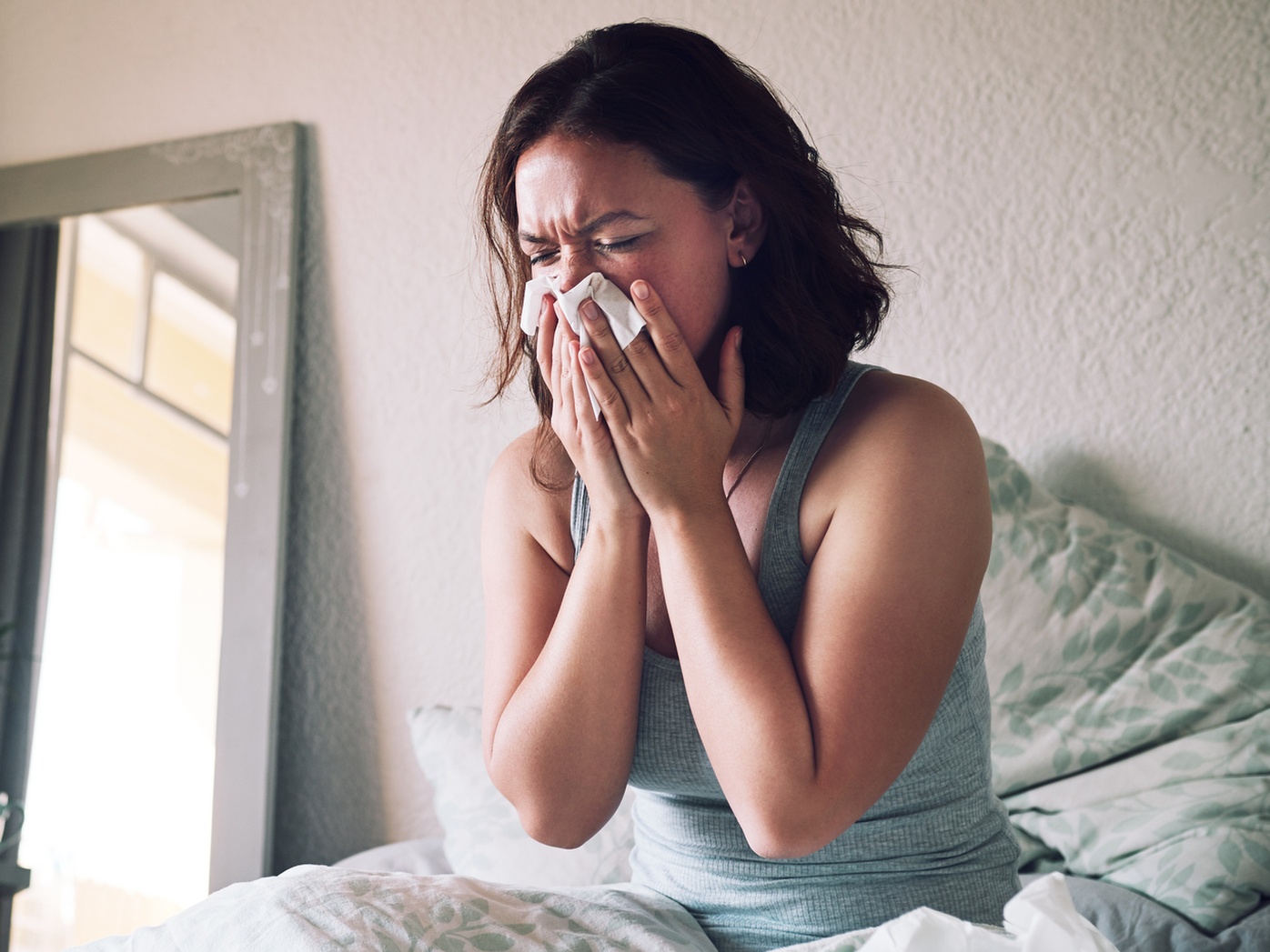
However, its data is about to become much more accurate after Melbourne University got hold of Australia's first automated pollen counter.
Doctors Edwin Lampugnani and Ed Newbigin are confident the brand new piece of technology is the biggest breakthrough in pollen tracking since the 1950s.
"It's going to be a huge deal," Dr Lampugnani said.
"It's able to provide us with real-time information about what's in the air."
The machine constantly collects air samples and measures the number of pollen particles.
READ MORE: Another 21 COVID-19 deaths in Victoria as healthcare system under 'extreme strain'
Until now, researchers had to measure the pollen particles by looking through a microscope.
They only did the process once a day, but now there will be a constant flow of data available to the public.
Dr Newbigin said the technology would enable the professors to spend more time doing research and giving service improvements.