A man convicted of one of Canterbury’s most high-profile murders has been recalled to prison after breaching his parole conditions by repeatedly engaging the services of a sex worker.Timothy Taylor was sentenced to life in prison…
Tag Archives: oceania
Subduction secrets: What triggers 'megathrust' earthquakes?
Scientists have ventured to one of the wildest corners of the planet in the hope of unlocking secrets about a process known to trigger enormous underwater earthquakes and tsunamis. Niwa marine geoscientist Dr Joshu Mountjoy recently…
Albany homicide: Man charged with murder after suspected stabbing in Auckland
A man has been charged with murder following a suspected stabbing in the Auckland suburb of Albany overnight.Police were called to Vinewood Drive around 1.30am where a man was located with critical injuries after a fight between…
How psychedelic beer helped build an ancient empire
Beer laced with hallucinogenic drugs derived from plant seeds may have helped leaders of a South American culture maintain their political control for hundreds of years, according to new research.
The Wari, who built an empire and ruled the highlands of what is now Peru from 600CE to 1000CE, preceded the Incas.
Archaeological excavations at the Quilcapampa site in southern Peru, which took place between 2013 and 2017, have found that the Wari used seeds from the vilca tree and combined the hallucinogenic drug with chicha, or beer made from the molle tree.
LIVE UPDATES: Nearly 75k new cases across Victoria and NSW
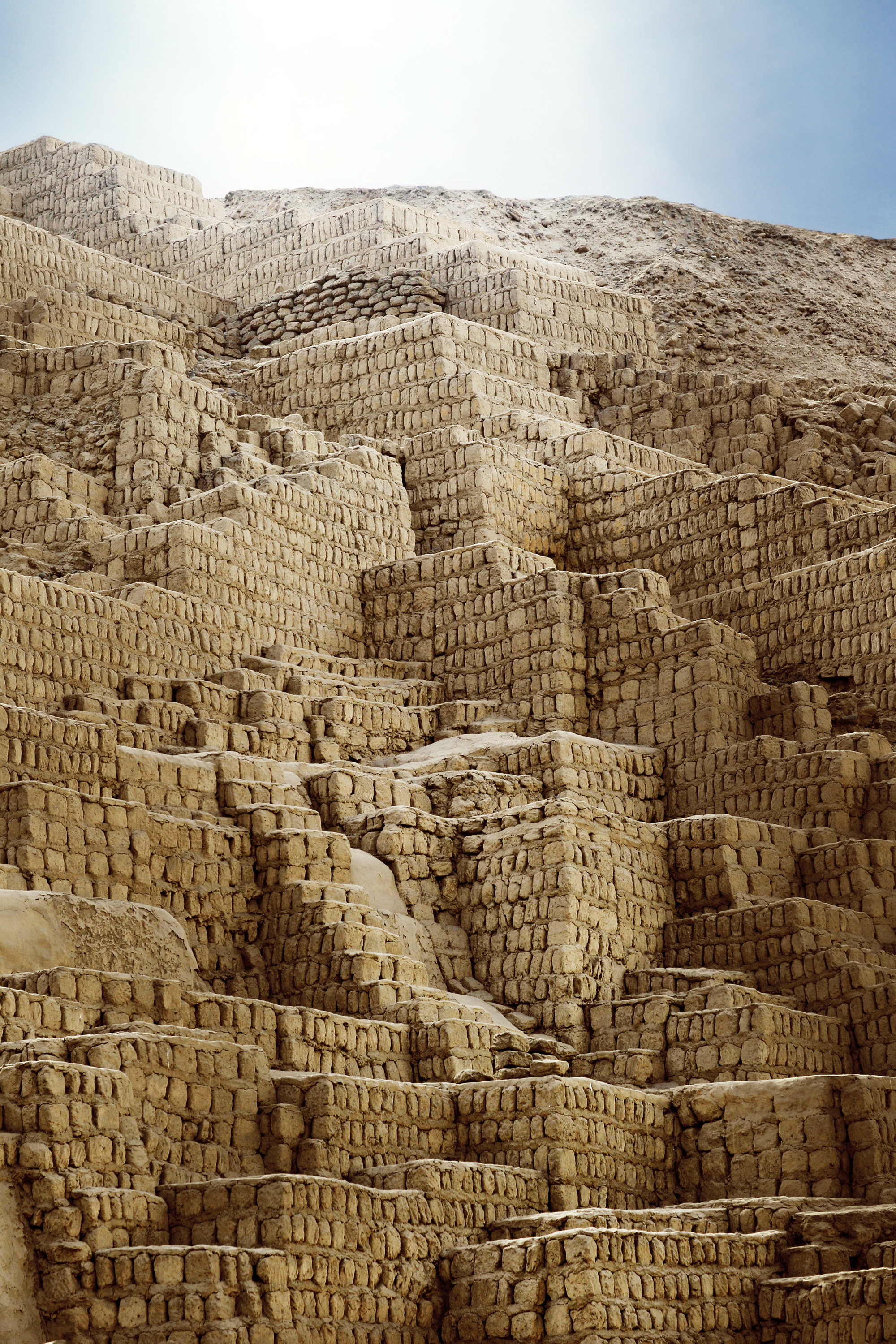
This beer was then served to guests at communal feasts, reinforcing relationships while maintaining Wari political control.
The research, published Tuesday in the journal Antiquity, has shown the first evidence of vilca seeds at a Wari site.
The discovery of vilca at Quilcapampa fills a gap in the understanding of how different civilizations used substances.
"This was a turning point in the Andes in terms of politics and use of hallucinogens," said study author Matthew Biwer, a visiting assistant professor of archaeology at Dickinson College in Pennsylvania.
"We see this kind of use of hallucinogens as different use context than in prior civilizations, who seem to have closely guarded the use of hallucinogens to a select few, or the latter Inca Empire who emphasized the mass-consumption of beer but did not use psychotropic substances such as vilca at feasts."
The power of the feast
Researchers have yet to uncover the reason behind the collapse of the Wari Empire, but studying Wari sites is revealing more about its people.
"The Wari Empire stretched from northern Peru to the far south near the Chilean border, and from the coast to the mountainous areas of the Andes," Professor Biwer said.
"It is the first example of an empire in South America, having collapsed around 400 years prior to the rise of the Inca Empire."
It has long been known that the Wari used beer and feasting as part of their political control, but the research proved their access to vilca and its use as a hallucinogen.
READ MORE: Half of Europe could have COVID-19 in two months
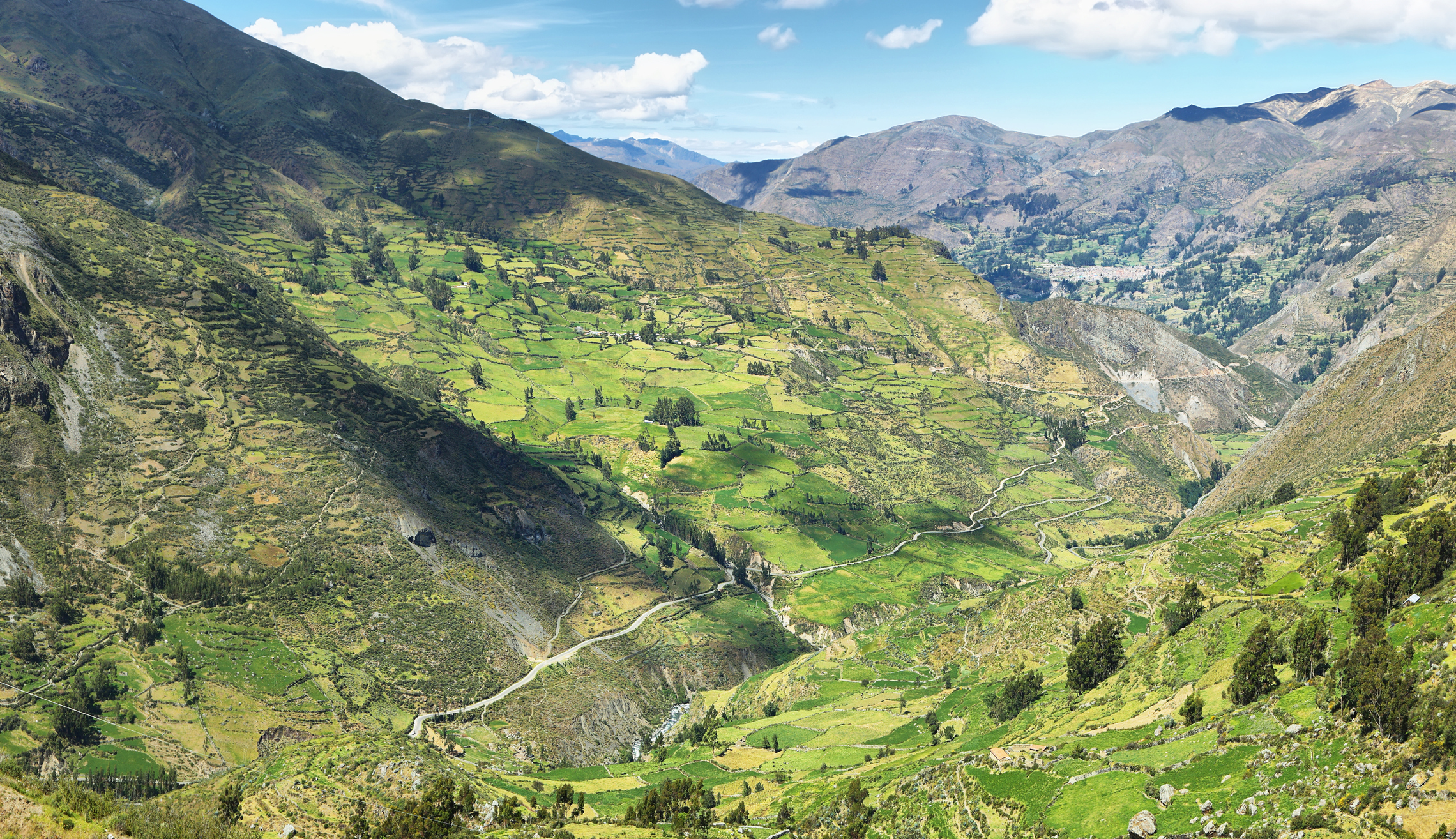
Additionally, the scientists discovered evidence that the Wari were brewing chicha in large quantities. Alongside the well-preserved botanical remains were ceramics from the centre of the site, which indicate that this is where the feasts were held, the study authors said.
"The Wari added the vilca to the chicha beer in order to impress guests to their feasts who could not return the experience," Professor Biwer said.
"This created an indebted relationship between Wari hosts and guests, likely from the surrounding region.
READ MORE: Food supply shortage hits KFC, supermarkets
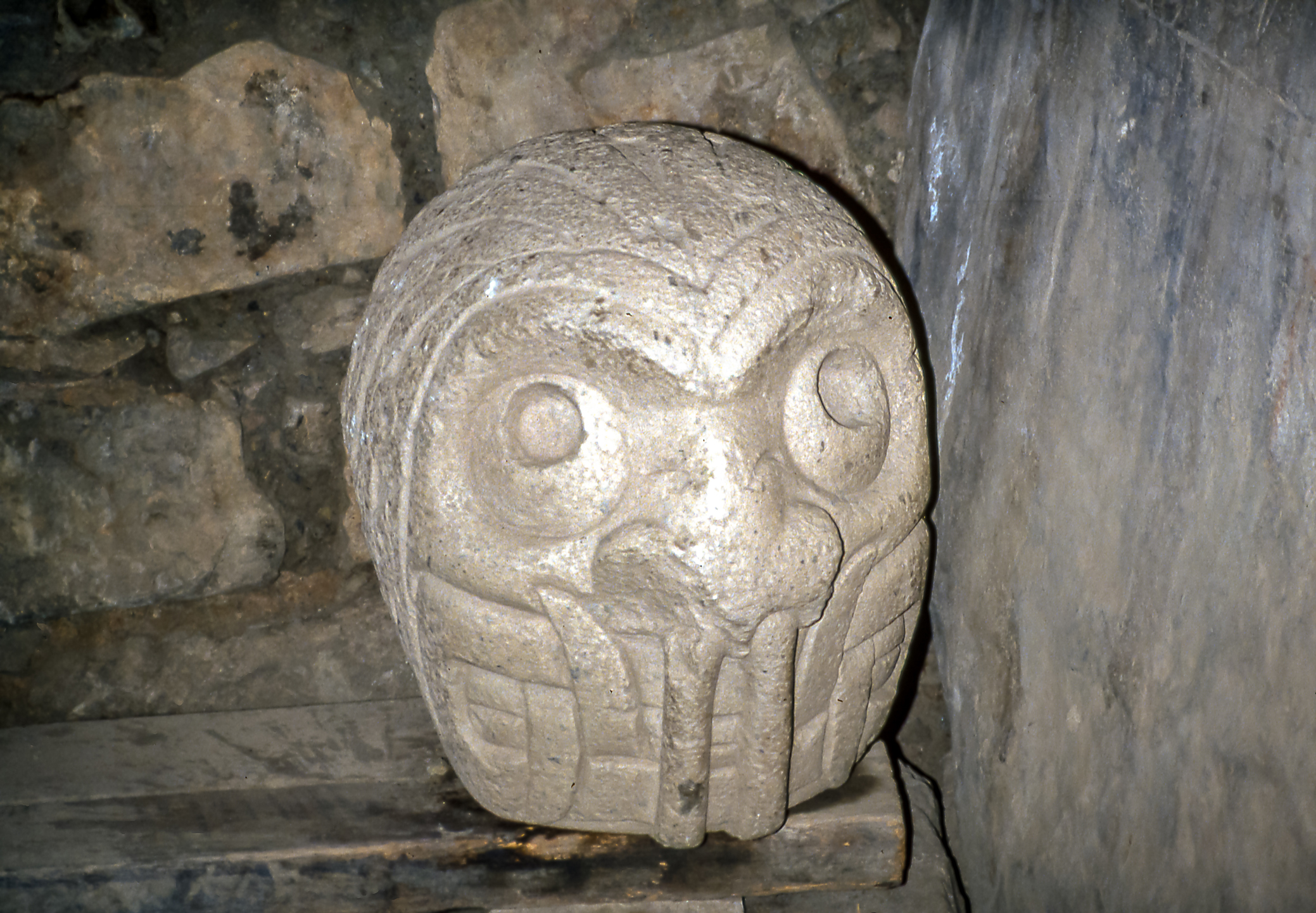
"We argue that the feasting, beer, and vilca thus served to create and cement social connections between Wari affiliated peoples and locals as the Empire expanded. It also was a way for Wari leaders to demonstrate and maintain social, economic, and political power."
The guests of these feasts would have felt compelled to acknowledge the power of their hosts or feel the need to owe them a favour in the future, he said.
"In the Andes, this is typically known to have occurred by the consumption of beer (chicha), llama meat, various plants such as corn and potatoes, and other foods and drink," Professor Biwer said.
The use of vilca, typically inhaled like snuff or through a pipe, dates back at least 4000 years, indicated by an ancient pipe from that time found at the Inca Cueva site in Argentina. The drug was also used by those in Tiwanaku, a neighbouring site in Bolivia, during the time of Wari rule.
A ritual for empire-building
Earlier findings also showed vilca was only provided exclusively to some, like priests, and not available to all.
The Wari, however, were likely dropping the drug in their alcohol and providing it to others, effectively enhancing the psychoactive effects of both substances. This inclusive behaviour by the Wari elites not only showed off their hospitality, but offered an experience that wasn't widely available elsewhere and couldn't be easily replicated by anyone who may want to oppose Wari control.
"They may have experienced euphoric or spiritual sensations," Professor Biwer said.
READ MORE: How to treat COVID-19 at home
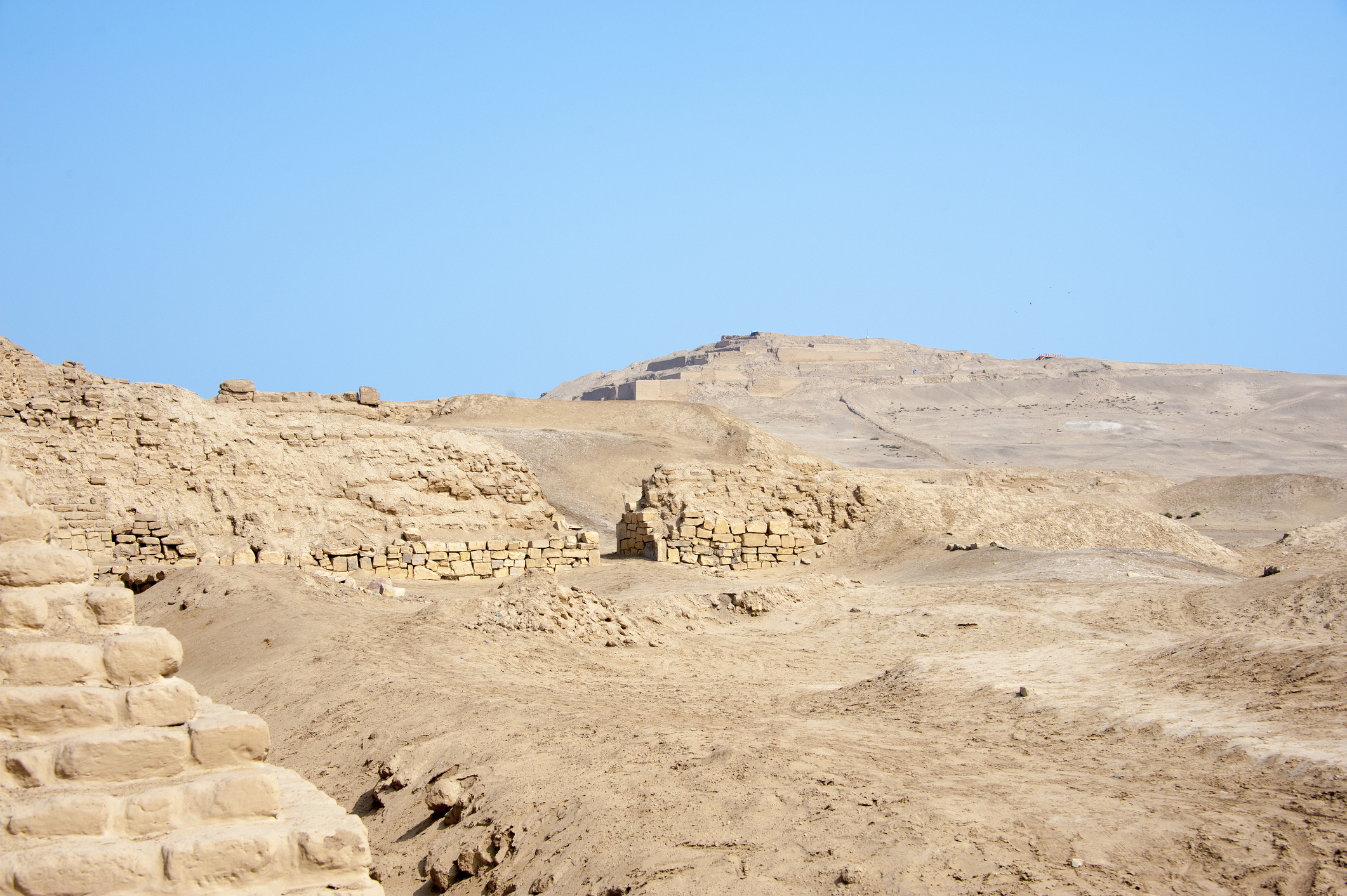
"This type of food would have been a very powerful experience for guests who were led on a journey by Wari hosts."
It would have been too dry in the region surrounding Quilcapampa to grow vilca, he said.
"Wari established a system of roads, which the later Inca used, that move people and resources," Professor Biwer said.
"I would say that it would not have been accessible to everyone, as it was in the interest of Wari leaders to control the use and access to vilca, but it would not have been extremely difficult to get vilca to Quilcapampa."
Vilca grows in the Ayacucho region, where the capital of the Wari Empire once stood, as well as parts of the Cusco region 400km from Quilcapampa, he said.
Previous research has shown that the Wari were also capable of accessing other distant resources, like seashells, obsidian and Amazonian feathers.
Next, Professor Biwer and his team are eager to search for Wari sites in a coastal valley in Peru. Discovering new sites could help researchers determine how climate change and drought could have impacted the Wari before their reign ended.
Police searching for missing Whangārei man appeal for dashcam footage
Police carrying out a search around Pipiwai for missing Whangārei man Kukama Waa are appealing to anyone with dashcam footage who travelled through the Pipiwai area on January 5 in the hope it may provide some clues.The last…
Te Rito journalism cadetship: Groundbreaking media initiative draws in close to 100 applicants
A groundbreaking initiative by four media partners to attract and develop more diverse voices into the industry has reached a milestone.New Zealand Media and Entertainment (NZME), Māori TV, Discovery / Newshub and thePacific…
Te Matau a Maui waka navigators battle sleep deprivation and big waves to guide it to Rēkohu
Te Matau a Maui’s rookie celestial navigators have steered the waka to the Chatham Islands.Sibling navigators Te Kaha and Te Po Hawaikirangi dealt with constantly changing winds, cloudy nights and large swells on the waka’s first…
Manawatū River drownings: Two men named – Toetu Tonisitino, 39, and Aukusitino Ioane, 25
Police have released the names of the two men who drowned in the Manawatū River on January 2. They were Toetu Tonisitino, 39, and Aukusitino Ioane, 25, both of Palmerston North.Police were continuing to make inquiries on…
Five reasons you should not deliberately catch Omicron
The question hung in the air like a bad odour, silencing the small group of fully vaccinated and boosted friends and family at my dinner table.
"Why not just get Omicron and get it over with? It's mild, right? And it can boost immunity?"
The fully vaccinated, boosted, well-educated friend who asked was sincere, echoing opinions heard on many social platforms.
READ MORE: How to treat COVID-19 at home

The idea of intentionally trying to catch Omicron is "all the rage," in the US said Dr Paul Offit, the director of the Vaccine Education Centre at Children's Hospital of Philadelphia, with an exasperated sigh.
"It's caught on like wildfire," agreed Dr Robert Murphy, executive director of the Havey Institute for Global Health at Northwestern University Feinberg School of Medicine.
"And it's widespread, coming from all types of people, the vaccinated and boosted and the anti-vaxxers," he added, with a warning. "You'd be crazy to try to get infected with this. It's like playing with dynamite."
In case the thought had crossed your mind, here are five reasons why you should not purposely try to catch Omicron.
1. It's not a 'bad cold'
Significant fever, body aches, swollen lymph nodes, sore throats and heavy congestion are often reported even in milder cases of Omicron variant, Dr Murphy said, leaving people debilitated for days.
"People are talking about Omicron like it's a bad cold. It is not a bad cold," Dr Murphy said. "It's a life-threatening disease."
A recent study of over a million people published by the US Centres for Disease Control and Prevention found the risk of a severe outcome from COVID-19 was higher in vaccinated people who were 65 or older, people with weakened immune systems, or people who had at least one of the following health conditions: diabetes or chronic kidney, cardiac, pulmonary, neurologic or liver disease.
READ MORE: Food supply shortage hits KFC, supermarkets
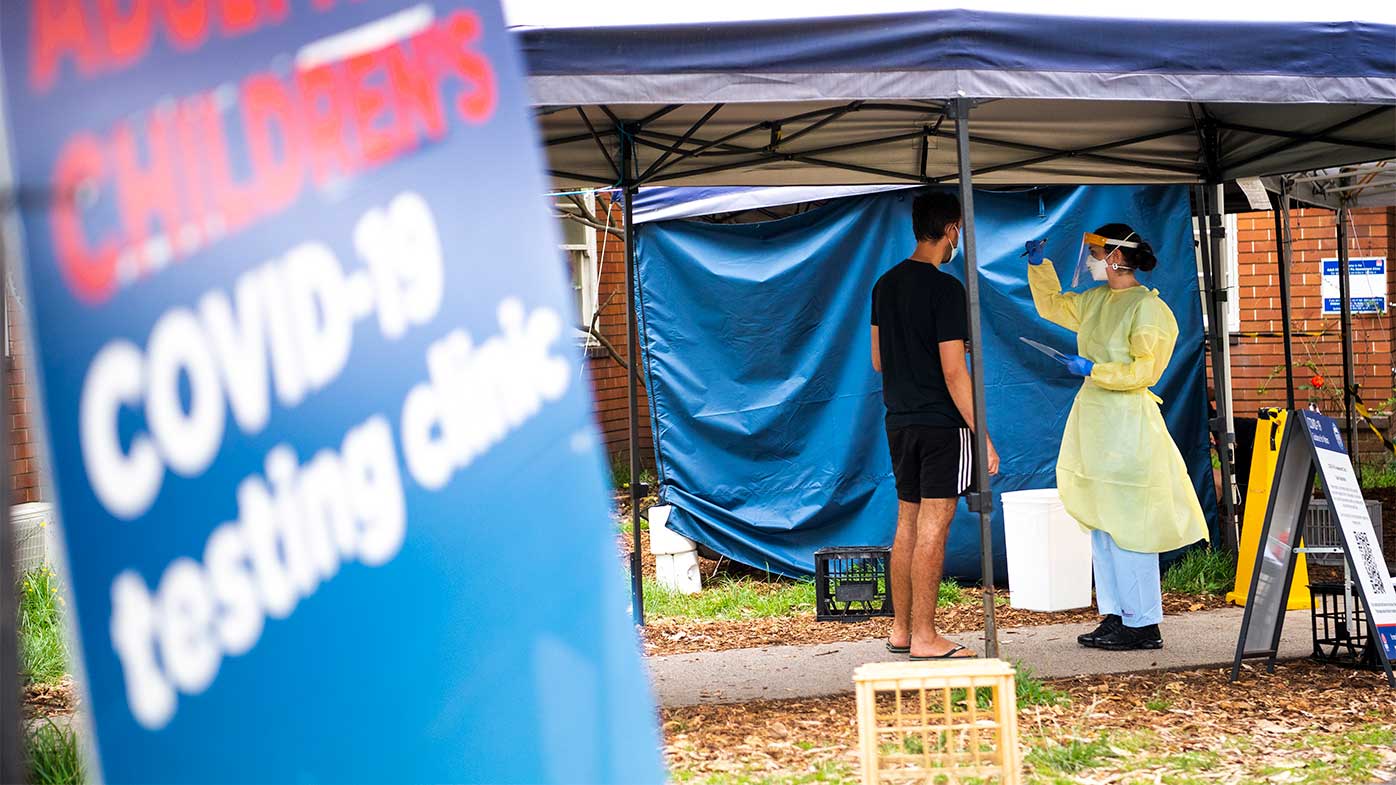
However, even people without any underlying health conditions can get severely ill, Dr Murphy said. "I have a vaccinated, boosted patient right now — over 65 with no underlying risk factors — who is in the hospital and doing poorly."
It is true that if you catch the Omicron variant of COVID-19, as opposed to the Delta variant, "you're less likely to be hospitalised, less likely to go to the ICU (intensive care unit), less likely to be put on a mechanical ventilator and less likely to die – and that's true of all age groups," Dr Offit said.
"But that doesn't mean that it can't be a severe illness," Dr Offit added. "It's just less severe. But you don't have a zero per cent chance of dying. You should never want to get infected."
2. You could get long COVID
Losing your sense of smell (and therefore your sense of taste) has become a more common symptom in mild cases of COVID-19. Studies show some 80 per cent of people recover the ability within a month or so, but others still can't smell or taste after six months or more. An unfortunate few may never regain those two senses.
As unpleasant as that may be, it's only one of a number of health concerns that can last and last after a case of COVID-19. Called "long COVID," the phenomenon is characterised by such debilitating symptoms as shortness of breath, severe fatigue, fever, dizziness, brain fog, diarrhoea, heart palpitations, muscle and abdominal pain, mood changes and sleep difficulties.
READ MORE: Half of Europe could have COVID-19 in two months
Severe forms of long COVID can damage lungs, heart and kidneys, as well as your mental health.
"We're still trying to understand long COVID," Dr Offit said. "Because we don't understand it, I wouldn't be so quick to want to get an infection from a natural virus.
"A natural virus is always called the wild type virus, and there's a good reason for that: It's out of control," Dr Offit said. "Don't ever risk catching an infection from a natural virus."
3. You're spreading the disease to children
Most children have not been able to get fully vaccinated as yet.
That means any risky behaviour that might expose you to Omicron, such as not wearing a mask, not following social distancing guidelines, or gathering with crowds, especially indoors, will potentially expose others who may then carry the virus to their children.
Data from the American Academy of Paediatrics shows an upward trend of infections in children, which far exceeds "the peak of past waves of the pandemic."
"For the week ending January 6th, over 580,000 child COVID-19 cases were reported," according to numbers released Monday by the AAP.
READ MORE: What you need to know about registering a rapid antigen test result in NSW
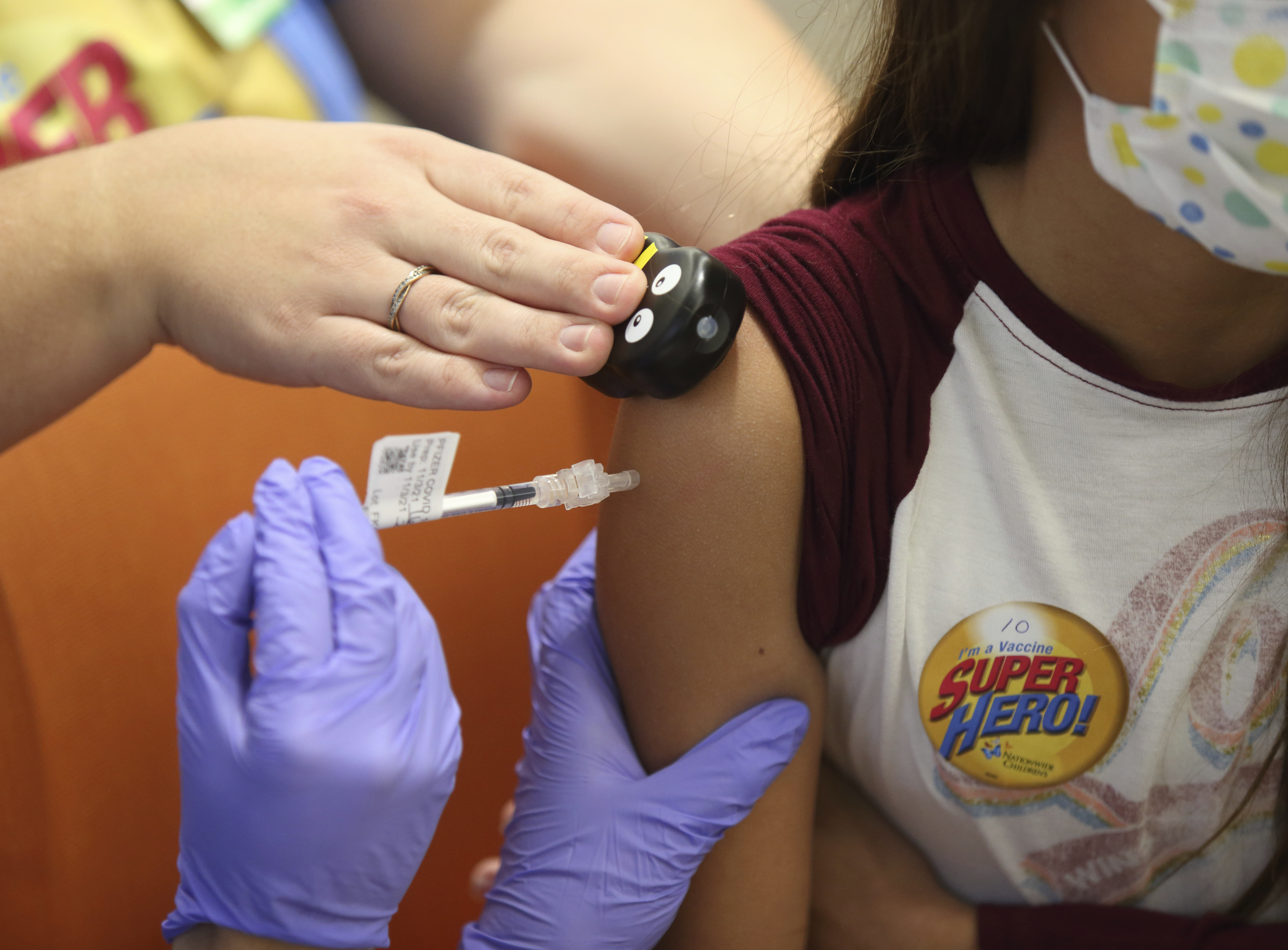
"This number is a 78 per cent increase over the 325,000 added cases reported the week ending December 30th and an almost tripling of case counts from the two weeks prior," the AAP stated.
COVID-19 Infections in children have typically been mild so far in the pandemic, but the sheer magnitude of cases caused by the very contagious Omicron variant is sending children under age 18 to hospitals in record numbers, according to data from the CDC.
"I would say the best way to keep those children protected is to vaccinate them as they're eligible and surround them by siblings and parents who are vaccinated themselves," said CDC Director Dr. Rochelle Walensky in a Friday news conference.
4. You'll stress the health care system
By deliberately catching any variant of SARS-CoV-2, which is the official name of the novel coronavirus, "you're going to keep the pandemic going and stress the health care system," Dr Murphy said.

5. Don't mess with Mother Nature
Was it ever a good idea to catch a disease on purpose? Those of a certain age will recall when parents used to host "chicken-pox parties" to expose their young children to an infected child. Because cases of adult chicken pox are more severe, the idea was to have your child catch it early to "get it over with."
"Oh, that was a bad idea too," Dr Offit said. He told a story about an educational film on vaccines he made years ago, and the cameraman revealed he had a sister who had taken her child to a chicken pox party. Tragically, the child died from the infection.
"Don't mess with Mother Nature," he said. "She's been trying to kill us ever since we crawled out of the ocean onto the land."
Australia's rolling COVID-19 average among highest in the world
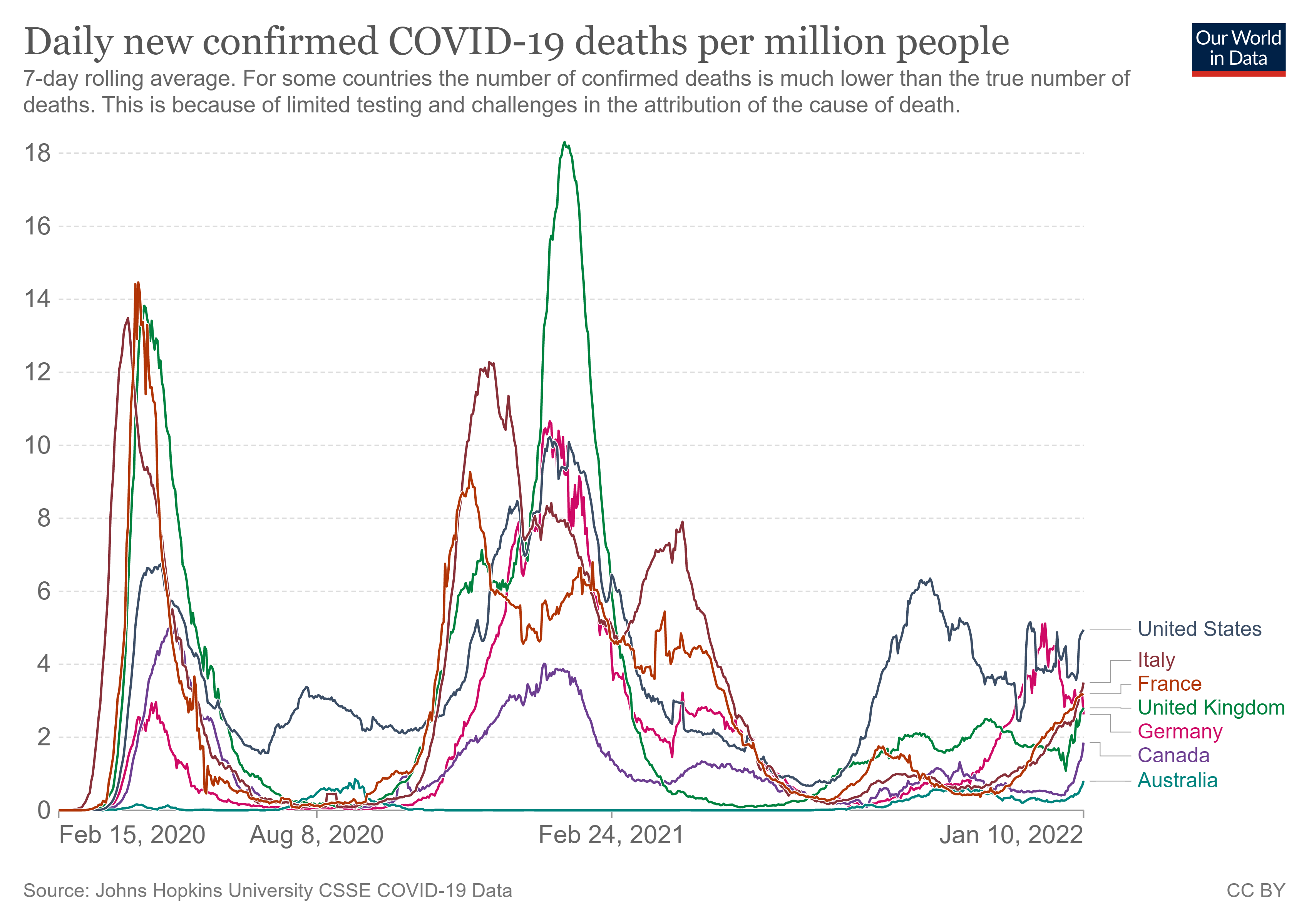
Australia's seven-day rolling average of COVID-19 cases is among the highest in the world – as a percentage of population – for the first time during the course of the pandemic.
Data collected by Johns Hopkins University, available on the Our World In Data site, shows how Australia's average ranks among several other developed, Western nations, including the US, UK, France, Italy, Germany, and Canada.
Australia's average is close to 3400 cases per million people – the second highest on the graph, behind only France.
LIVE UPDATES: More than 40 dead, nearly 75k new cases across Victoria and NSW

It's the first time since January 28, 2020, that Australia has ranked so highly – but the graph shows that the other countries on it have also recorded recent, massive spikes, underscoring the spread of the highly transmissible Omicron variant.
But it's not the full picture.
Measuring Australia's death and hospitalisation rates against the same countries offers a necessary balance, with our country recording the lowest percentage of both.
READ MORE: How Australia's fast food giants are facing food supply crunch

The data shows that as a seven-day rolling average, Australia has recorded fewer than two deaths per million people, and about 150 hospitalisations per million.
Given the US takes top spot in both metrics (about five deaths and just over 400 hospitalisations per million people), this can likely be attributed to Australia's high rate of vaccination.
Canada and Australia top the vaccination percentage list among the countries measured, with the US languishing at a shade over 60 per cent.
READ MORE: Frustration at 'crippling' Qld quarantine for international pilots
This morning, infectious disease expert Professor Peter Collignon told Today that the mental paradigm shift of trusting in the vaccine's protection was still yet to take place in Australia, with people's reflexive wariness after two years of the pandemic very much dominant.
READ MORE: Five reasons you should not deliberately catch Omicron to 'get it over with'
"A lot of us will get COVID over the next year or two," Professor Collignon said.
"We need to avoid it, if we can. But the consequences now for serious disease, which is the main thing that matters, are so much less than a year ago. We need to come to terms with that."