A property linked to the Mongrel Mob has been badly damaged by fire in Christchurch.Emergency services were called to the two-storey property in New Brighton just after 1pm. The fire was well-involved and the property is badly…
Tag Archives: oceania
Covid 19 Delta outbreak: 14 community cases, 9 in MIQ, 34 people with virus in hospital
There are just 14 community cases today and nine new cases of Covid-19 at the border. “The low number of cases reported today is welcome news, particularly with increasing testing numbers. We thank New Zealanders for the care they…
The Conversation: NZ summers are getting hotter – and humans aren't the only ones feeling the effects
It’s not a mirage, our summers are getting hotter on average and we are experiencing more extremely hot days. News from Niwa that 2021 was New Zealand’s hottest year on record fits with the long term trend.Analysis of 70 years of…
Covid 19 Delta outbreak: Herald includes booster coverage in vaccine tracker
The Herald’s daily Covid vaccination tracker will now include the percentage of eligible people who have received their booster shot. It comes as Omicron continues to knock on New Zealand’s door, with experts warning it’s a matter…
'Farcical': How world's media reacted to Djokovic's visa court case win
"Farcical", "a stunning embarrassment" and an "unforced error". These are some of the ways the world's media has described the ongoing Novak Djokovic saga after his visa cancellation was quashed in the Federal Circuit Court.
The world number one returned to training overnight after Judge Anthony Kelly ordered his release in what his mother called the greatest victory of his career.
But it's a victory that may be short-lived, as Immigration Minister Alex Hawke is still weighing whether to use his "personal power" to cancel the visa for a second time.
READ MORE: Novak Djokovic thanks fans after visa cancellation court victory
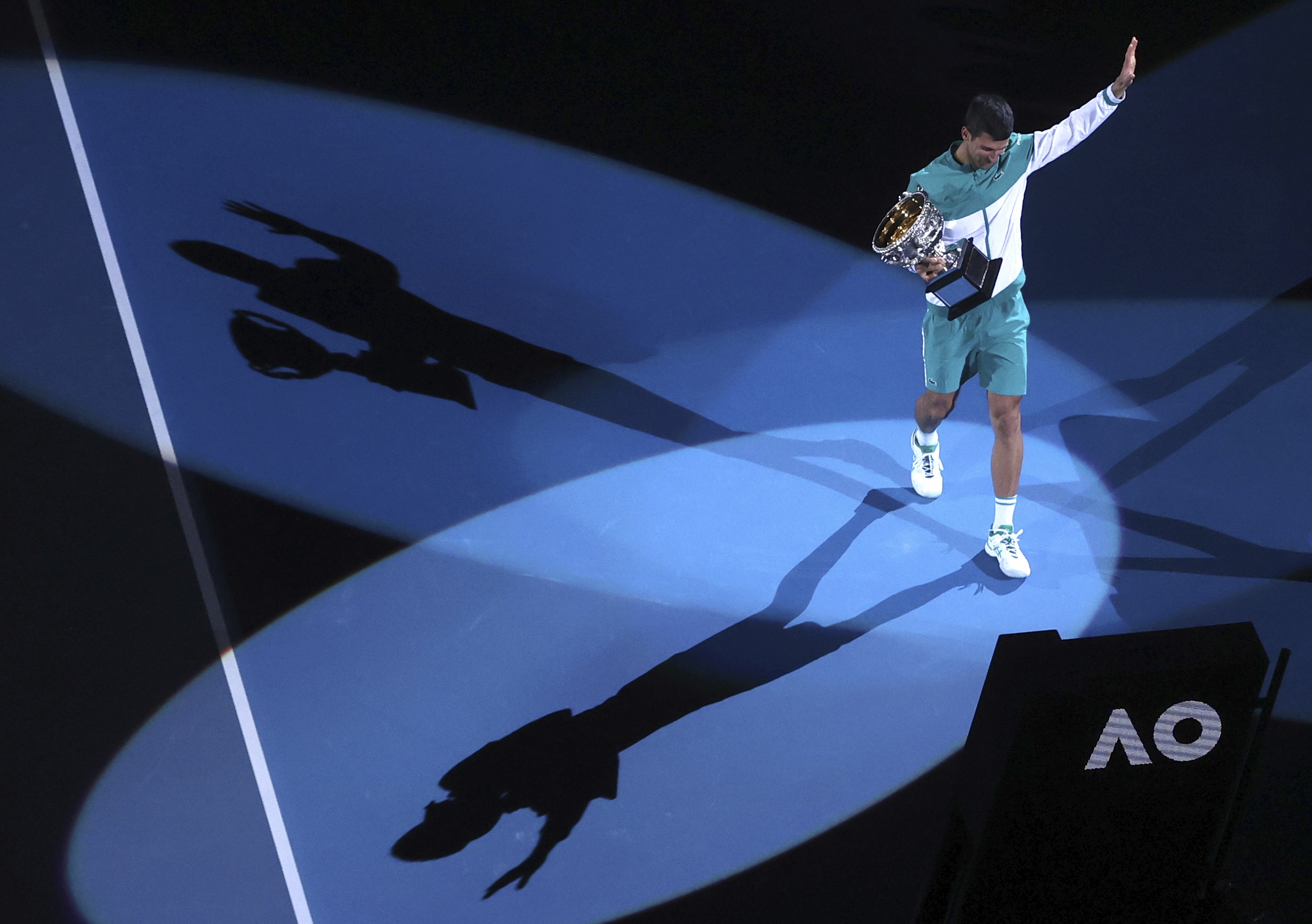
Sean O'Grady, associate editor of The Independent, said the Morrison government was "not for the first time … behaving disgracefully towards an incomer to Australia, because they think their folk like that sort of thing".
"As someone who cares little for tennis, and who has no time for Djokovic's toxic views on vaccines, even I can see that the guy hasn't had a fair go. That is not, as I understand it, the Australian way of doing things," he wrote.
"Somehow Morrison is turning an anti-vaxxer into a hero, a martyr even. So, even if he never gets to swing his racquet, Djokovic will return from Australia a winner."
READ MORE: Immigration Minister to make call on whether to cancel Novak Djokovic's visa again
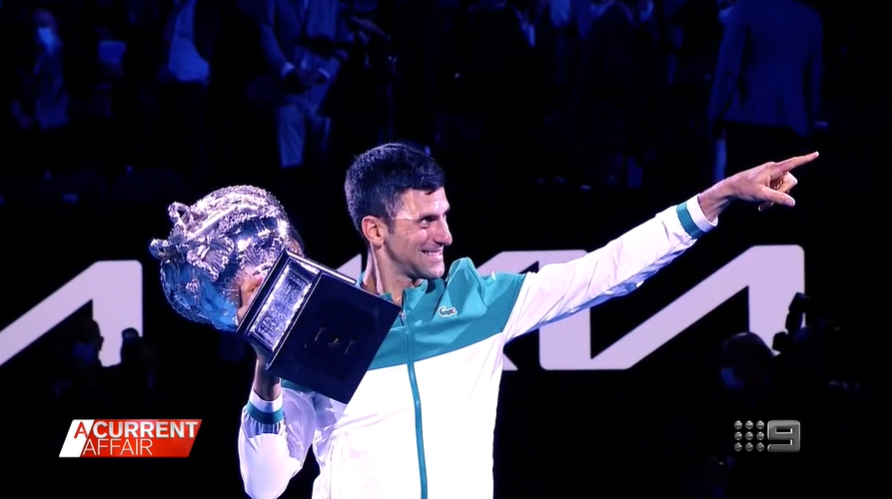
The Telegraph's chief sports writer, Oliver Brown, called the situation "farcical".
"The move marked a stunning embarrassment for the Australian government, who had sought to use this case as proof that nobody was too rich or too privileged to bypass the nation's uncompromising COVID-19 vaccination rules." he wrote.
Brown highlighted a key comment from Judge Kelly — "what more could this man have done?" — but noted Djokovic's "ordeal" was far from over.
"The stand-off between Djokovic and an Australian administration campaigning for re-election in four months' time has become a high-wire political game," Brown wrote.
"On the one hand, Morrison has significant reputational capital invested in the Serb's case, having used it as symbolic of Australia's unbending restrictions at the border.
"'Rules are rules," as he put it, before Judge Kelly's intervention left those rules in doubt.
"But on the other hand, the Prime Minister risks looking vindictive if he continues to pursue other avenues for ejecting Djokovic from the country."
READ MORE: Novak Djokovic wins court battle to have visa cancellation overturned
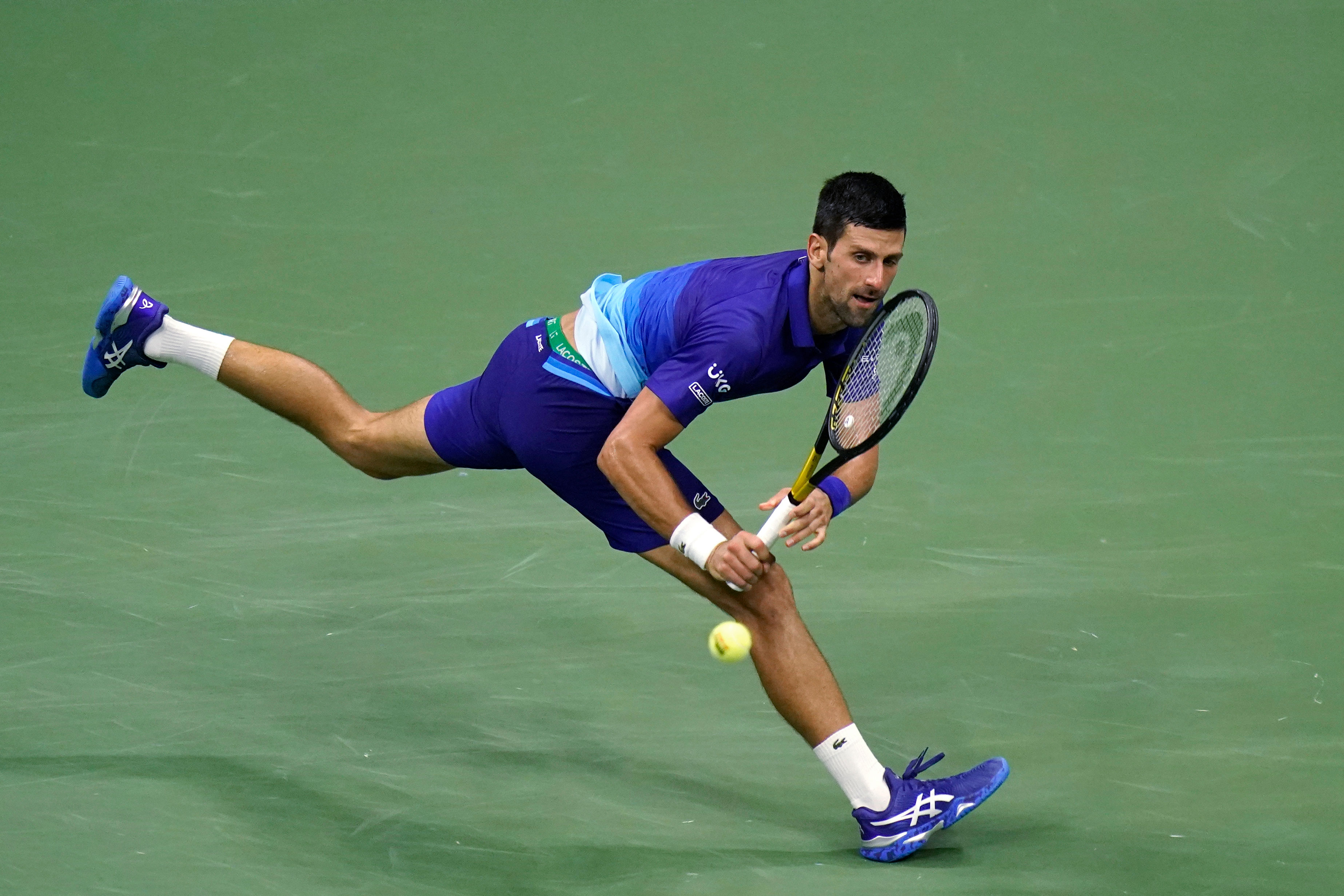
The BBC's Australia correspondent, Shaimaa Khalil, asked whether the incident was an "unforced error" for Australia.
"It's impossible to ignore the politics at play here," she wrote, pointing to Prime Minister Scott Morrison's 24-hour "U-turn" from accepting the situation as a matter for Victoria to putting his foot down on border rules.
"The tension between state and federal authorities exists because each wants something different from this.
"Victoria wants the world number one to compete in one of the state's most important events.
"The federal government, feeling the anger at Djokovic being allowed to fly in, wants to show Australians that they are in control of who comes in and out of the country and that everyone — including the tennis star — is expected to follow the COVID rules."
READ MORE: Serbian fans swarm car leaving Novak Djokovic's lawyers' office
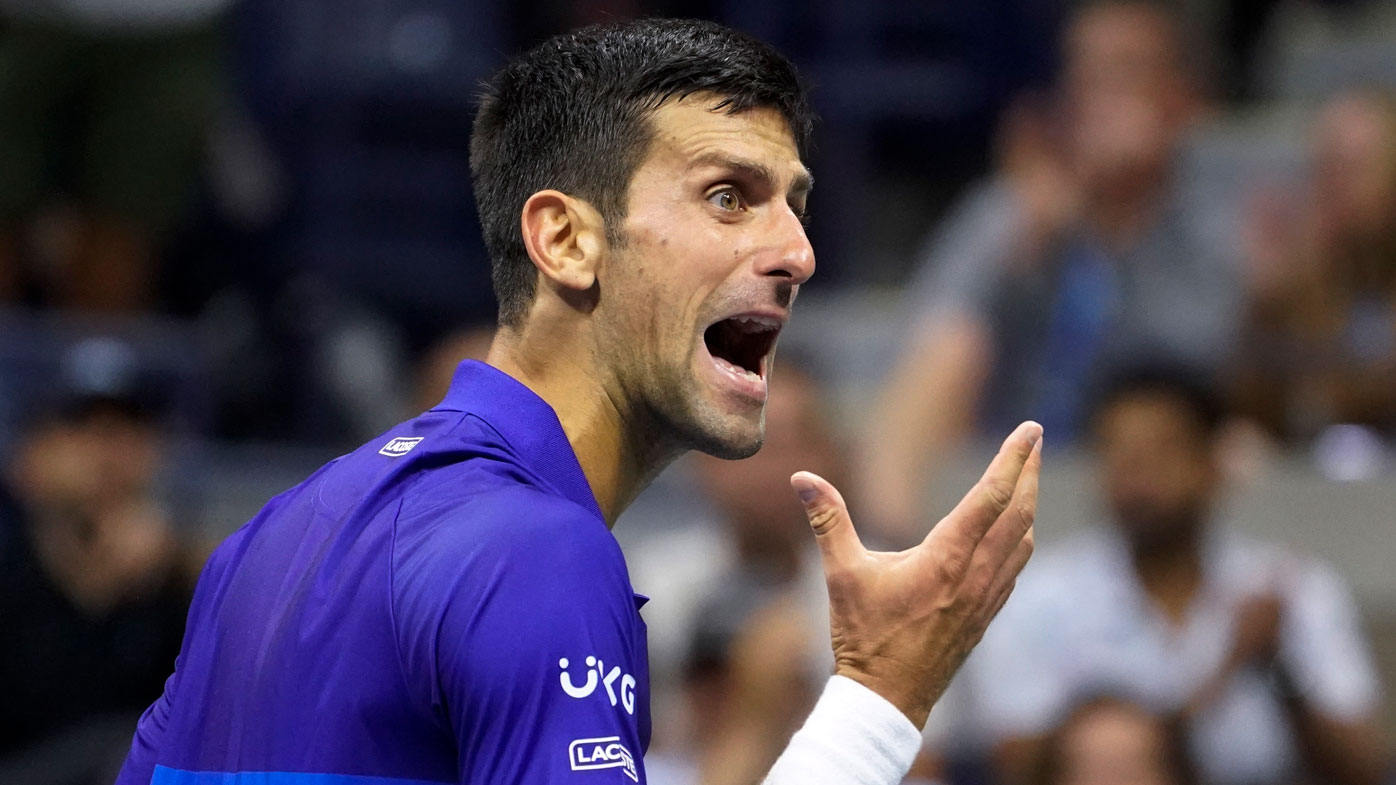
The New York Times also mentioned Mr Morrison's role in the process, describing "a drawn-out conflict" and the difficulty of hosting any international sporting event as Omicron spreads rapidly around the world.
"The court victory on Monday was unlike anything he had ever experienced," Damien Cave and Matthew Futterman wrote.
"Instead of a rival attempting to snuff out his shot at a championship, it was an overnight crew of border officials, supported by an Australian prime minister attempting to enforce the will of millions of citizens who generally loathe "queue jumpers" trying to skirt the rules."
Djokovic's visa cancellation overturned
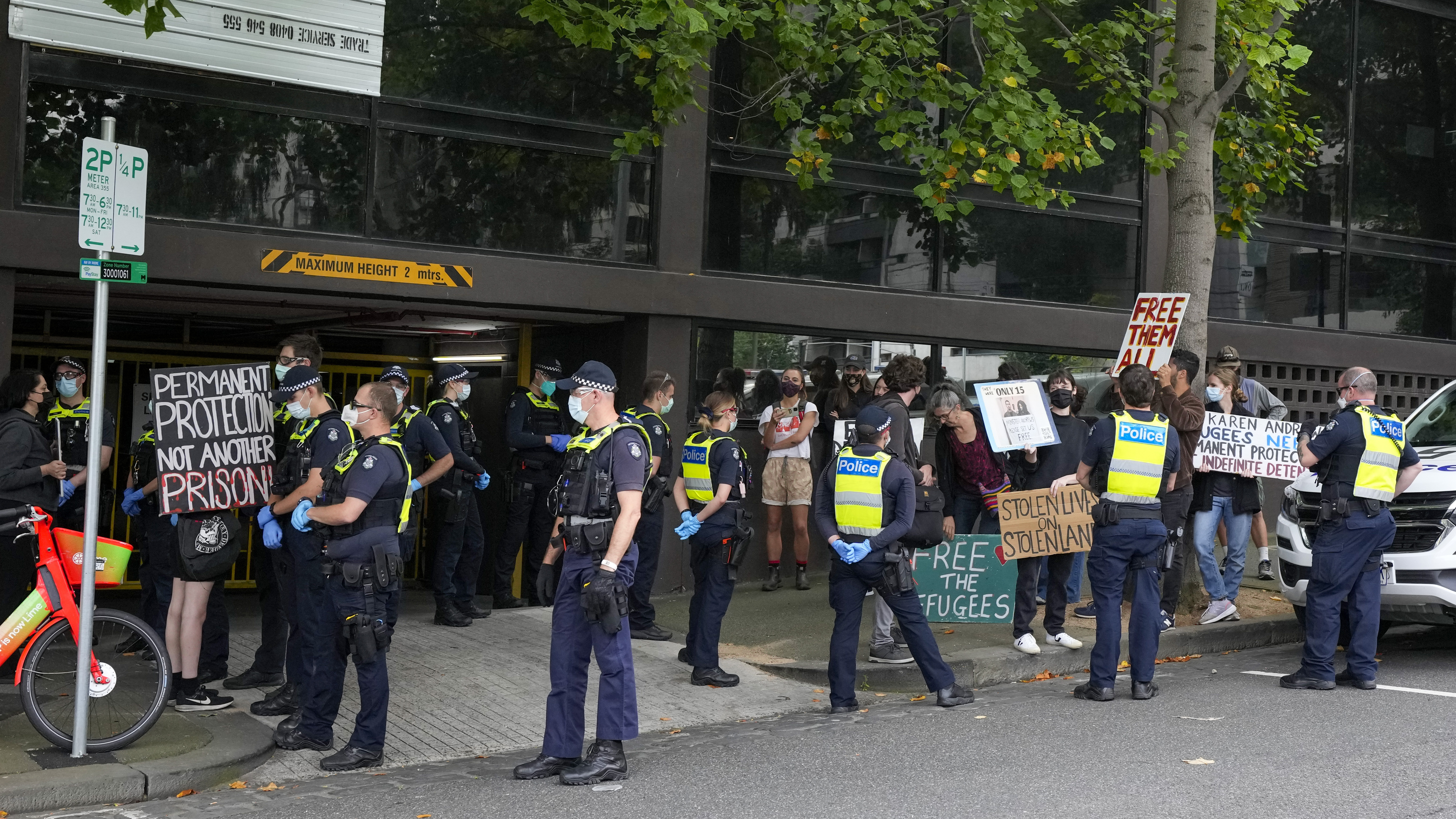
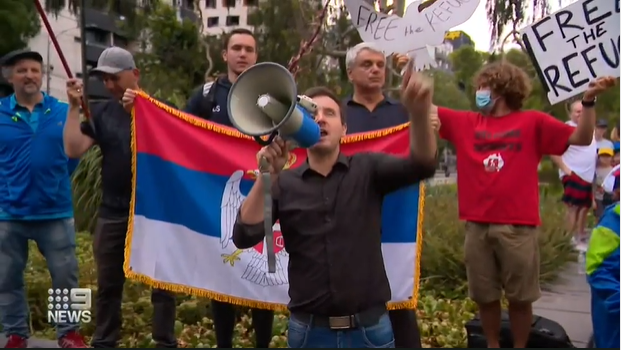
Media and police have gathered outside the office of Novak Djokovic's lawyer as the tennis star's father says they're awaiting a decision from the Immigration Minister about whether to cancel the Serbian's visa.
The minister, Alex Hawke, holds the executive power to cancel Djokovic's visa for a second time, despite a judge ruling in his favour hours earlier.
There have been mixed reports on social media that police are seeking to arrest the men's world No.1, but police are yet to comment publicly.
https://twitter.com/ajhegarty9/status/1480459520954761221
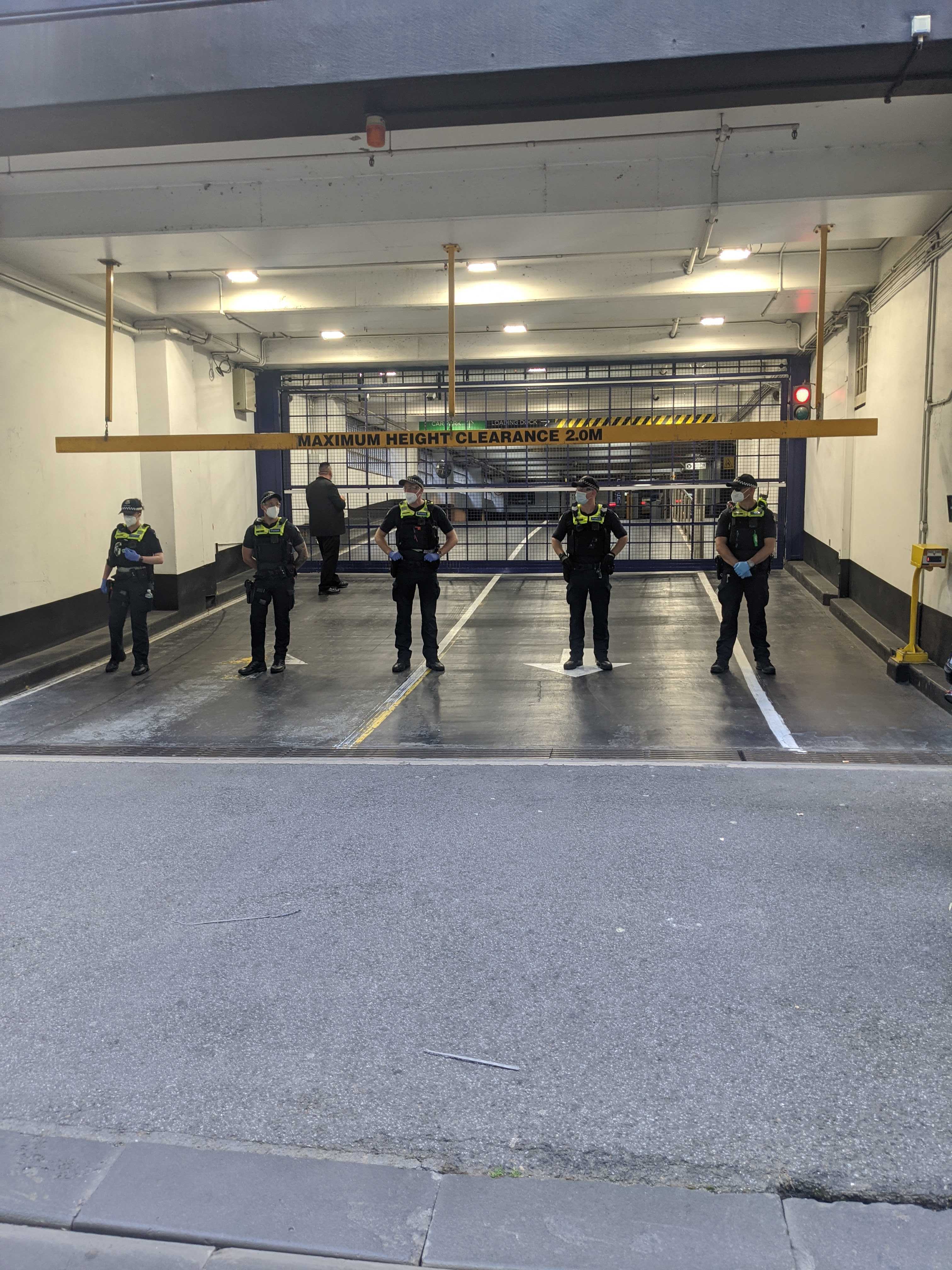
Judge Anthony Kelly ruled Djokovic could be immediately released from immigration detention this afternoon after he won his challenge to the Australian government's visa revocation.
The judge said the cancellation "was unreasonable".
The Australian government has been ordered to pay all of Djokovic's costs.
Judge Kelly ordered Djokovic be released from immigration detention within 30 minutes of the order, which was read in open court about 5.15pm.
However, Commonwealth government barrister Christopher Tran followed the order being read by telling the court he had been instructed Mr Hawke could now use his discretionary powers to cancel Djokovic's visa.
Judge Kelly confirmed that if Djokovic was summarily removed in that way, he would not be able to return to Australia for three years.
READ MORE: Government says Djokovic can be detained again even if he wins appeal
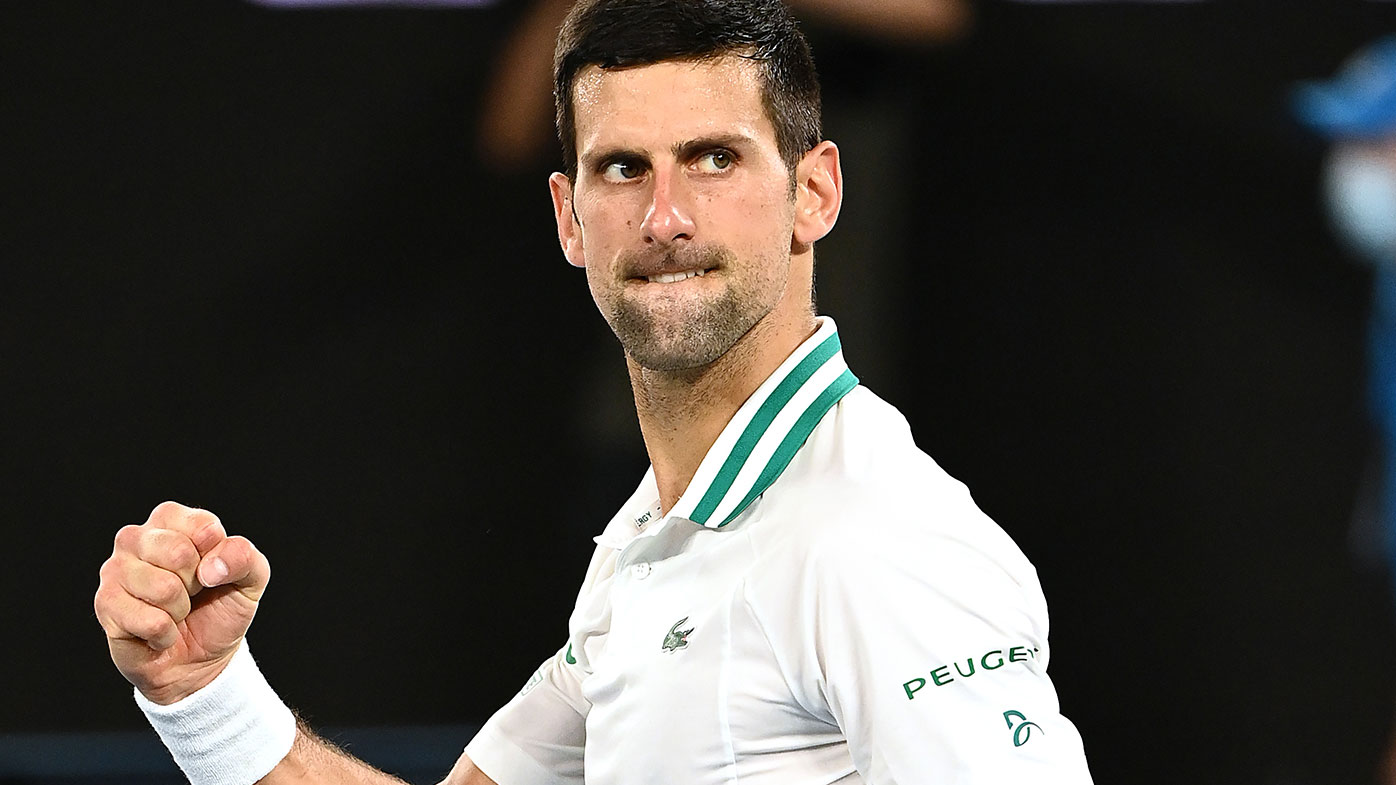
Judge Kelly cited the procedure in which the delegate dealt with Djokovic as the reason the visa cancellation was quashed.
"If the applicant had had until 8.30am he could have consulted others and made submissions to the delegate about why his visa had not been cancelled," Judge Kelly said.
How the day played out
The much-anticipated hearing encountered several technical issues throughout the day, with media around the world initially locked out after a glitch knocked out the live stream.
The live stream was restored after the hearing began, but crashed again.
In early remarks, Djokovic's lawyer Nick Wood, SC, told the court the Biosecurity Act requires overseas travellers to declare whether they are vaccinated, unvaccinated or medically contraindicated upon arrival into Australia.
"Mr Djokovic made a declaration that he had a medical contraindication," Mr Wood said.
He said Djokovic did his "level best" to provide authorities with the evidence and documentation necessary to lawfully enter the country on his visa.
Upon arrival into Australia, the tennis star's phone was confiscated at Melbourne's Tullamarine Airport, Judge Kelly said.
"If you will let me talk to people – although you've taken my phone from me – I will try and get you what you want," he said, according to Judge Kelly.
Mr Wood said Djokovic provided the evidence required for vaccination exemption in Dubai before he boarded the plane and when he landed in Australia.
Judge Kelly further addressed the medical exemption Djokovic received, which was was separately further reviewed by an independent specialist panel established by the Victorian Government.
"The point I am somewhat agitated about is what more could this man have done?" he said.
Mr Wood agreed with the judge's sentiment, saying the tennis star had abided by all the requirements he understood were necessary to enter Australia.
"He had done absolutely everything that he understood, was required to enter Australia," Mr Wood said.
"He had engaged with Tennis Australia."
Mr Wood said "any reasonable person" in the star tennis player's case would have thought they had "ticked every box" regarding visa entry requirements into Australia.
"I am utterly confused, I have done everything that has been asked of me," Mr Wood said Djokovic had told authorities.
"He was saying, 'If there has been an error, I don't understand what it is. I would like some time to speak to lawyers.'"
Mr Wood told the court that "it was abundantly clear throughout the whole process" of Djokovic being interviewed on the morning of January 6 that he wanted more time to speak to his advisors than Australian authorities gave him.
Mr Wood referenced multiple points throughout the transcript of discussions between authorities and Djokovic when the tennis star indicated he wanted more time.
Mr Wood said Djokovic wasn't able to fully respond when the issues with his visa application arose at Melbourne Airport on January 6.
"He was essentially saying, 'I have no idea how this could have come to pass,'" given advice he had been given from Tennis Australia and the state government, Mr Wood told the court.
"He needed to speak to people. He wanted to say more and wasn't given this opportunity."
Mr Wood has said it was unfair that the delegate and the officers did not give Djokovic more time.
"There was no intelligible reason not to allow him that more time," he said.
Commonwealth government barrister Mr Tran was due to begin presenting the government's case this afternoon, which he previously flagged would show that the delegate's process in dealing the Djokovic had not been unfair.
However, after Mr Tran requested the hearing be adjourned when his arguments were due to begin, the hearing returned straight to the judge making orders.
It is not known what occurred between the parties when the court was closed.
Djokovic was in the room with his lawyer during the hearing.
The world watches on
Djokovic's case has attracted attention around the world, particularly in his homeland of Serbia, where the country will be watching for the outcome of the case very closely.
Djokovic, 34, has been detained at a Melbourne immigration hotel since Thursday after the Federal Government cancelled his visa due to the tennis star being unable to provide sufficient evidence to prove he was vaccinated against COVID-19 or qualified for a medical exemption.
His lawyers will today argue the tennis star met Australia's criteria for temporary vaccine exemption as he had contracted COVID-19 on December 16, which they believe to be a valid excuse under the Australian Technical Advisory Group on Immunisation (ATAGI) guidelines.
Documents released by the court cite the ATAGI advice to be: "COVID-19 vaccination in people who have had PCR-confirmed SARS-CoV-2 infection can be deferred for a maximum of six months after the acute illness, as a temporary exemption due to acute major medical illness".
Djokovic provided evidence of his COVID-19 diagnosis upon arrival into the country.
However, lawyers representing the Federal Government are set to argue today Djokovic was relying on outdated advice from the ATAGI, pointing to this line in the guidance: "Past infection with SARS-CoV-2 is not a contraindication to vaccination".
READ MORE: TA boss blames Djokovic bungle on 'contradictory information'
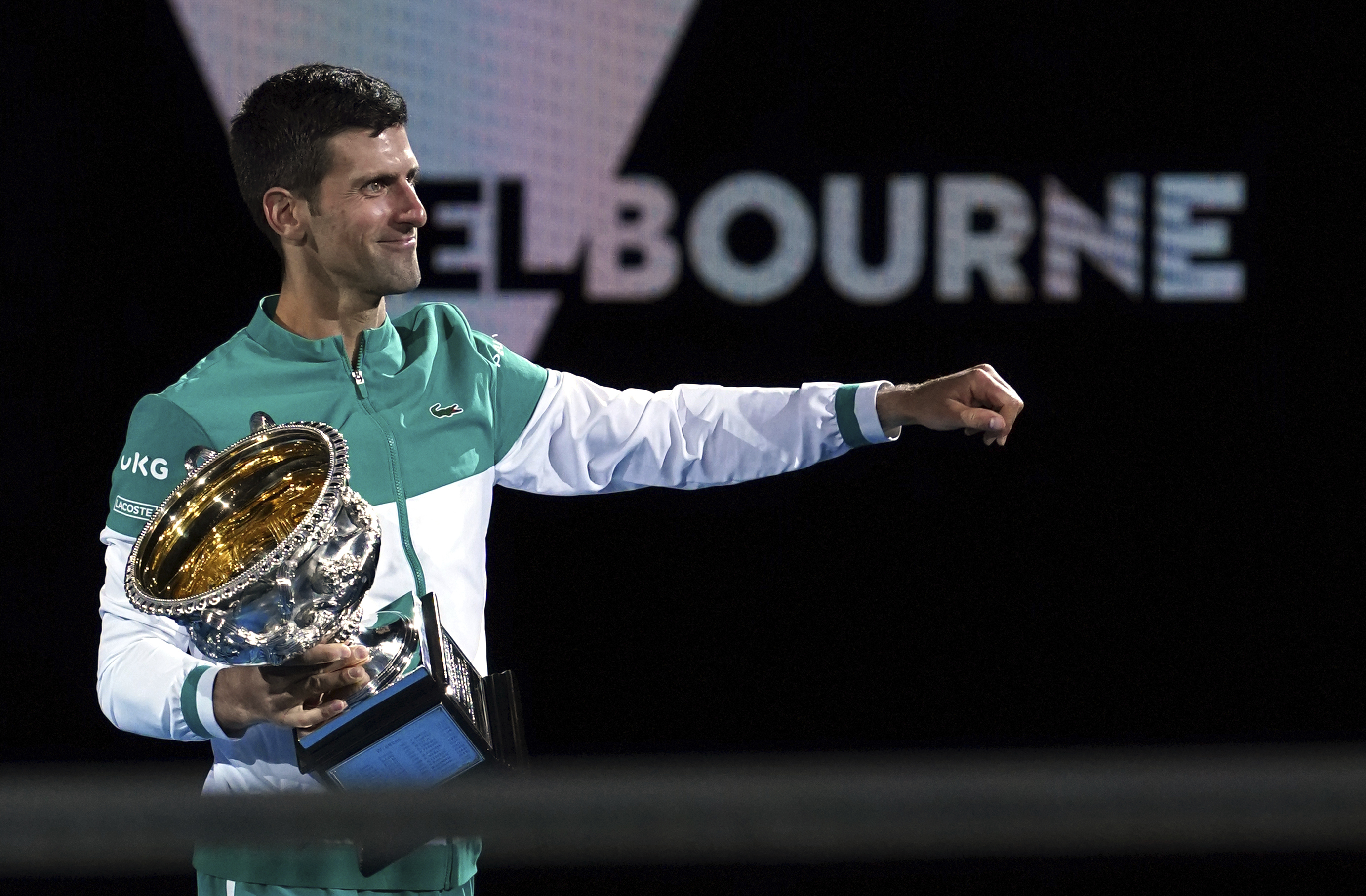
Svjetlana Kovacevic from the Serbian Australian Chamber of Commerce defended Djokovic, telling Today the tennis star thought he had followed all rules and regulations of the Australian Government.
"The fact is he wouldn't be on that plane at all if he hasn't got his papers authorised by the Australian Government," she said.
"All he knows he has done everything according to the rules and he follows the whole process to be able to come and play at the Open.
"Novak acted in good faith and believed that he had all the proper paperwork to compete at the Open."
Ms Kovacevic described the situation as a "debacle" that was "not easy to comprehend".
"Giving him the green light it is OK to come and play – as soon as he landed on Australian soil telling him that he needs to go back – I mean, I can't think of a more embarrassing situation," she said.
"It's just hard to believe that something like this would happen to anyone."
Ms Kovacevic did not confirm reports Djokovic had suffered fleas in his bed or maggots in his food, but said the conditions were "very restrictive" and claimed he needed to make special requests for food, medicine, and "basic necessities".
"For him to be stuck in a detention centre in a small room by himself on Serbian Orthodox Christmas Day, not allowed to have a priest visit him when he normally goes to church, that's a bit upsetting for him."
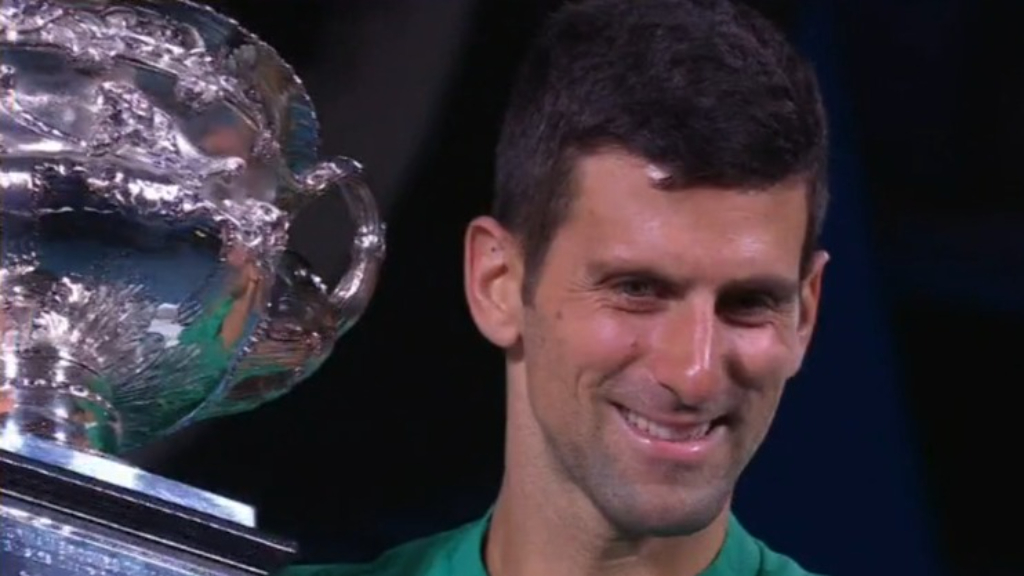
The suggestion the Serbian tennis star was unfairly treated at Melbourne Airport has been rejected by the Federal Government.
In a 13-page response published late on Sunday to the Serbian's The Federal Circuit and Family Court of Australia appeal, the Minister for Home Affairs argued Djokovic's claims of "procedural unfairness" and "illogicality" were meritless.
His letter from Tennis Australia did not "give any medical reason why the applicant could not be vaccinated".
The submission urged the court to avoid ordering the "immediate release" of the 34-year-old and argued even if such an order was made, it would not prevent Djokovic's "re-detention".
Nor would the quashing of the cancellation guarantee the nine-time Australian Open the chance to defend his 2021 title, the government argued, saying the Minister could then decide whether to make "another cancellation decision".
READ MORE: Victoria records 34,808 new COVID-19 cases as pandemic declaration extended
Covid 19 Delta outbreak: Queenstown Shotover Jet passengers considered close contacts
Passengers on a jetboat ride operated by Shotover Jet Queenstown on January 2 between 9am and midday need to isolate until they return a negative test result, the Ministry of Health said.It confirmed that the passengers are regarded…
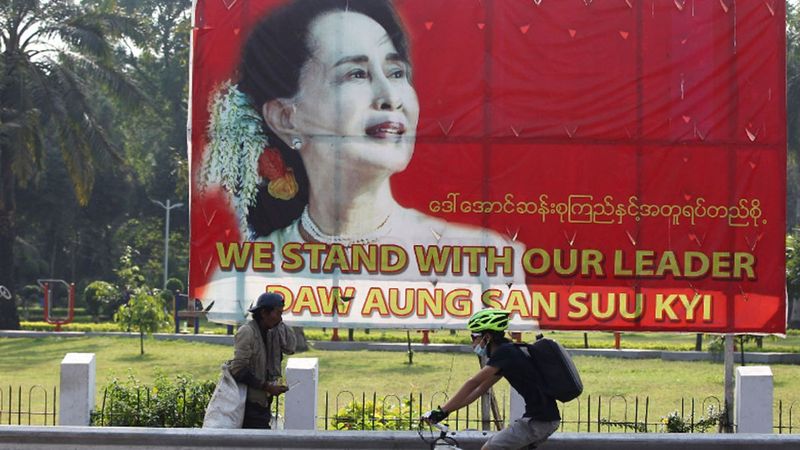
Myanmar leader Aung San Suu Kyi sentenced to four more years in prison
A court in Myanmar sentenced ousted leader Aung San Suu Kyi to four more years in prison today after finding her guilty of illegally importing and possessing walkie-talkies and violating coronavirus restrictions, a legal official said.
Ms Suu Kyi was convicted last month on two other charges and given a four-year prison sentence, which was then halved by the head of the military-installed government.
The cases are among about a dozen brought against the 76-year-old Nobel Peace Prize laureate since the army seized power last February, ousting her elected government and arresting top members of her National League for Democracy party.
READ MORE: 'What more could this man have done?': Judge backs 'utterly confused' Djokovic
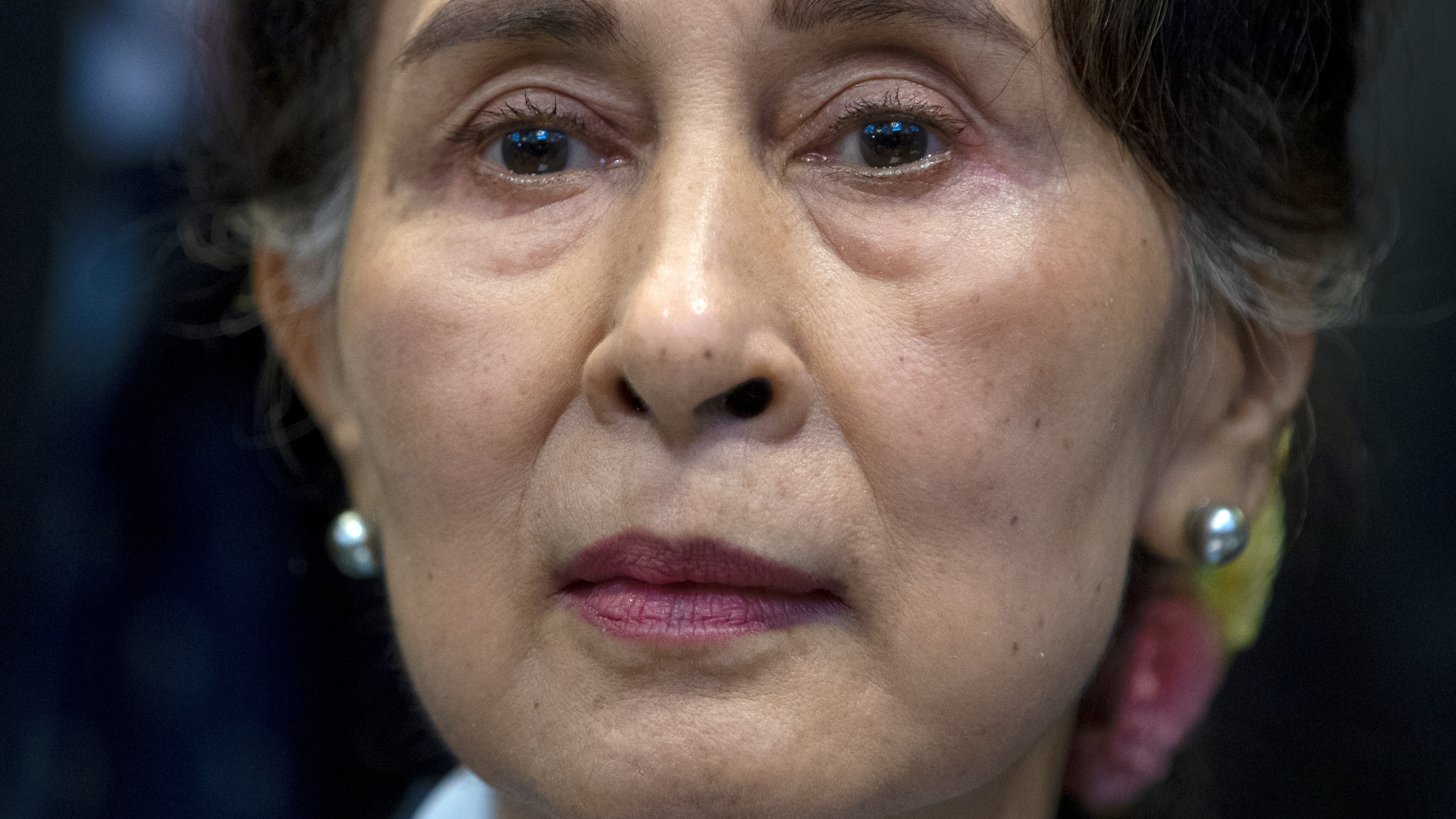
If found guilty of all the charges, she could be sentenced to more than 100 years in prison.
Ms Suu Kyi's supporters and independent analysts say the charges against her are contrived to legitimise the military's seizure of power and prevent her from returning to politics.
The verdict in the court in the capital, Naypyitaw, was conveyed by a legal official who insisted on anonymity for fear of being punished by the authorities, who have restricted the release of information about Ms Suu Kyi's trials.
He said she was sentenced to two years in prison under the Export-Import Law for importing the walkie-talkies and one year under the Telecommunications Law for possessing them.
READ MORE: Eighteen dead with COVID-19 in NSW
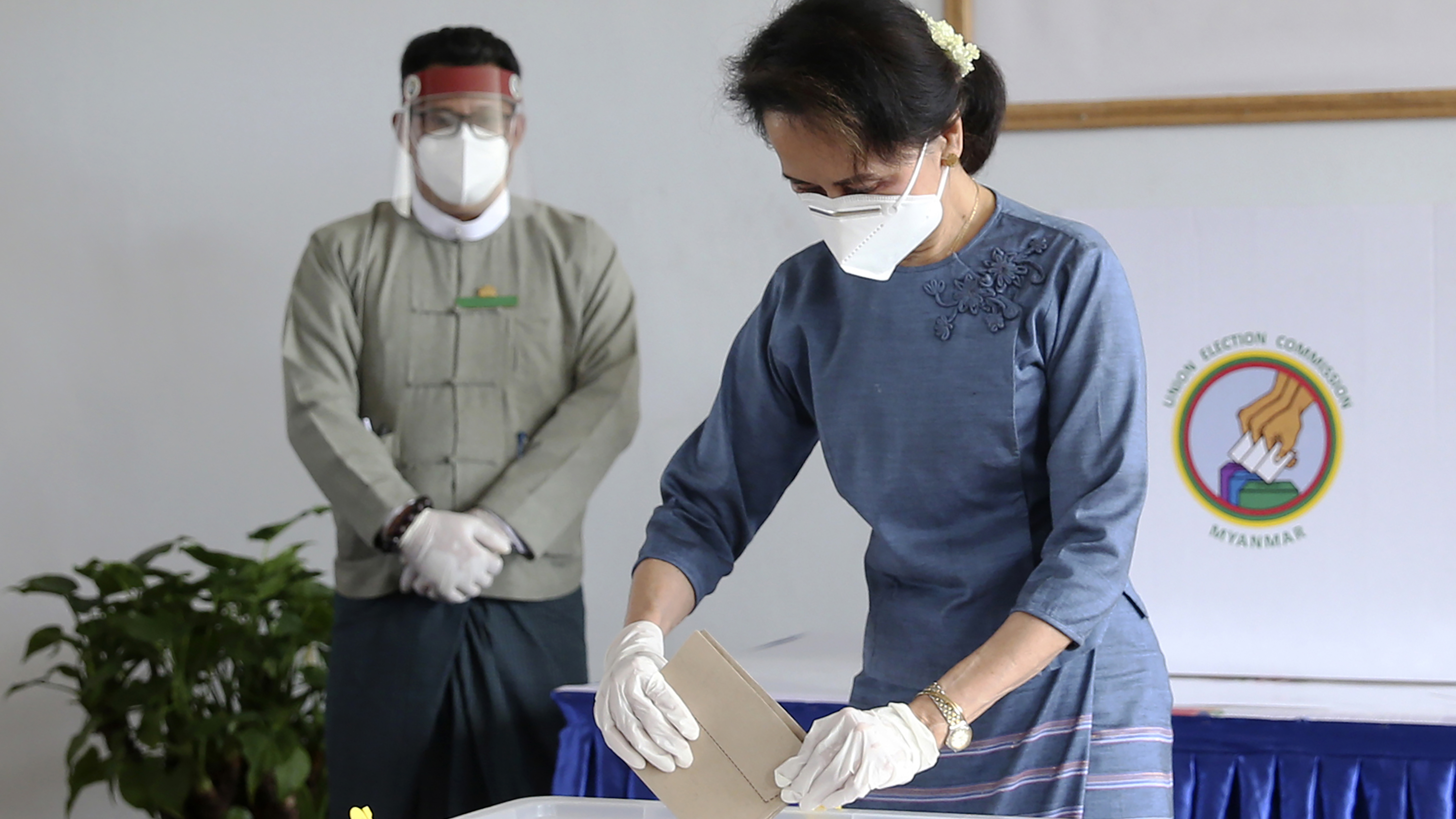
The sentences are to be served concurrently.
She also received a two-year sentence under the Natural Disaster Management Law for allegedly violating coronavirus rules while campaigning.
Ms Suu Kyi was convicted last month on two other charges — incitement and breaching COVID-19 restrictions — and sentenced to four years' imprisonment.
Hours after that sentence was issued, the head of the military-installed government, Senior General Min Aung Hlaing, reduced it by half.
Ms Suu Kyi's party won a landslide victory in a 2020 general election, but the military claimed there was widespread electoral fraud, an assertion that independent poll watchers doubt.
Since her first guilty verdict, Ms Suu Kyi has been attending court hearings in prison clothes — a white top and a brown longyi skirt provided by the authorities.
READ MORE: Turkmenistan leader wants 'Gates of Hell' fire snuffed out
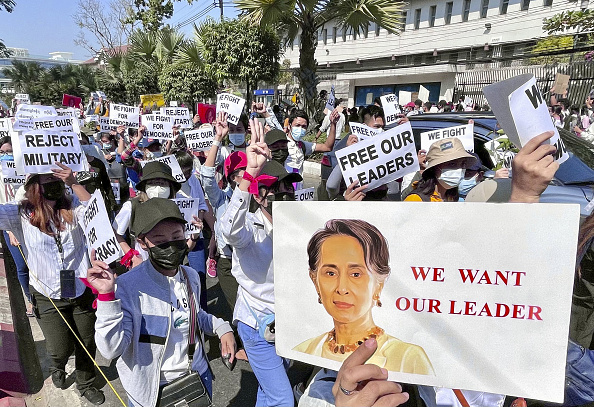
She is being held by the military at an unknown location, where state television reported last month she would serve her sentence.
The hearings are closed to the media and spectators and the prosecutors do not comment.
Her lawyers, who had been a source of information on the proceedings, were served with gag orders in October.
The military-installed government has not allowed any outside party to meet with Ms Suu Kyi since it seized power, despite international pressure for talks including her that could ease the country's violent political crisis.
It would not allow a special envoy from the Association of Southeast Asian Nations, of which Myanmar is a member, to meet her.
The refusal received a rare rebuke from fellow members, who barred General Min Aung Hlaing from attending its annual summit meeting.
READ MORE: Two charity workers still missing after Myanmar 'Christmas massacre'
Even Cambodian Prime Minister Hun Sen, who took over as the regional group's chair for this year and advocates engagement with the ruling generals, failed to meet her last week when he became the first head of government to visit Myanmar since the army's takeover.
The military's seizure of power was quickly met by nonviolent nationwide demonstrations, which security forces quashed with deadly force, killing over 1400 civilians, according to a detailed list compiled by the Assistance Association for Political Prisoners.
Peaceful protests have continued, but amid the severe crackdown, an armed resistance has also grown, to the point that UN experts have warned the country could be sliding into civil war.
"Throwing a plethora of criminal charges at Aung San Suu Kyi … reeks more of desperation than confidence," said Mark Farmaner, director of Burma Campaign UK, a democracy promotion group.
He said in an email interview after her first convictions that the military "massively miscalculated" in thinking that it could prevent protests by arresting Ms Suu Kyi, her fellow party members and veteran independent political activists.
"A new mass movement was born which doesn't depend on a single leader. There are hundreds of small groups organising and resisting in different ways, from peaceful protest, boycotts and armed resistance," Mr Farmaner said.
"Even with more than 7000 people arrested since the coup, three times the average number detained under the previous military dictatorship, the military have been unable to suppress dissent."
Ms Suu Kyi was charged right after the military's takeover with having improperly imported the walkie-talkies, which served as the initial justification for her continued detention.
A second charge of illegally possessing the radios was filed the following month.
The radios were seized from the entrance gate of her residence and the barracks of her bodyguards during a search on February 1, the day she was arrested.
Ms Suu Kyi's lawyers argued that the radios were not in her personal possession and were legitimately used to help provide for her security, but the court declined to dismiss the charges.
She was charged with two counts of violating coronavirus restrictions during campaigning for the 2020 election.
She was found guilty on the first count last month.
She is also being tried by the same court on five counts of corruption.
The maximum penalty for each count is 15 years in prison and a fine.
A sixth corruption charge against her and ousted President Win Myint in connection with granting permits to rent and buy a helicopter has not yet gone to trial.
In separate proceedings, she is accused of violating the Official Secrets Act, which carries a maximum sentence of 14 years.
Additional charges were also added by Myanmar's election commission against Ms Suu Kyi and 15 other politicians in November for alleged fraud in the 2020 election.
The charges by the military-appointed Union Election Commission could result in Ms Suu Kyi's party being dissolved and unable to participate in a new election the military has promised will take place within two years of its takeover.
Pilot pulled from crashed plane seconds before train hits wreckage
Los Angeles police have rescued a pilot from a downed plane just seconds before a train collided with the aircraft's wreckage.
Dramatic body camera video released by the Los Angeles Police Department (LAPD) shows two officers pulling the man away from the railway tracks after he made an emergency landing in Pacoima yesterday afternoon.
Other officers stood nearby to keep an eye out for the oncoming train.
READ MORE: Eighteen dead from COVID-19 in NSW
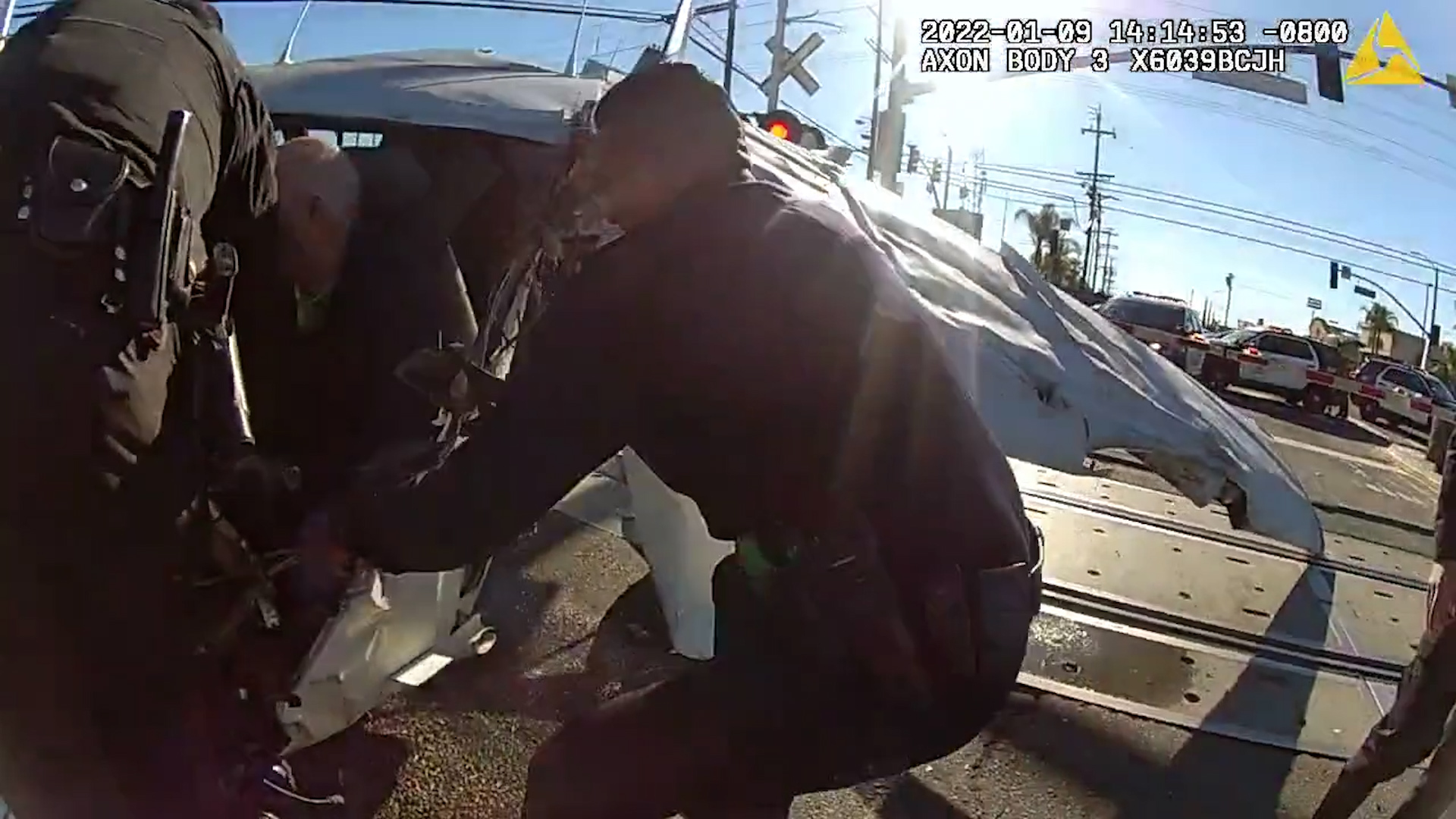
As the speeding Metrolink train approached, the police officers were heard yelling out "go, go, go" as they pulled the injured pilot away from danger.
Seconds later, the train slammed into the aircraft and sent debris from the single-engine Cessna flying in different directions.
After the incident, the LAPD said the Foothill Division Officers "displayed heroism and quick action by saving the life of a pilot".
The pilot was taken to hospital in a stable condition.
It's believed the plane made the emergency landing after losing power.
Why was Djokovic's visa cancellation overturned and what happens now?
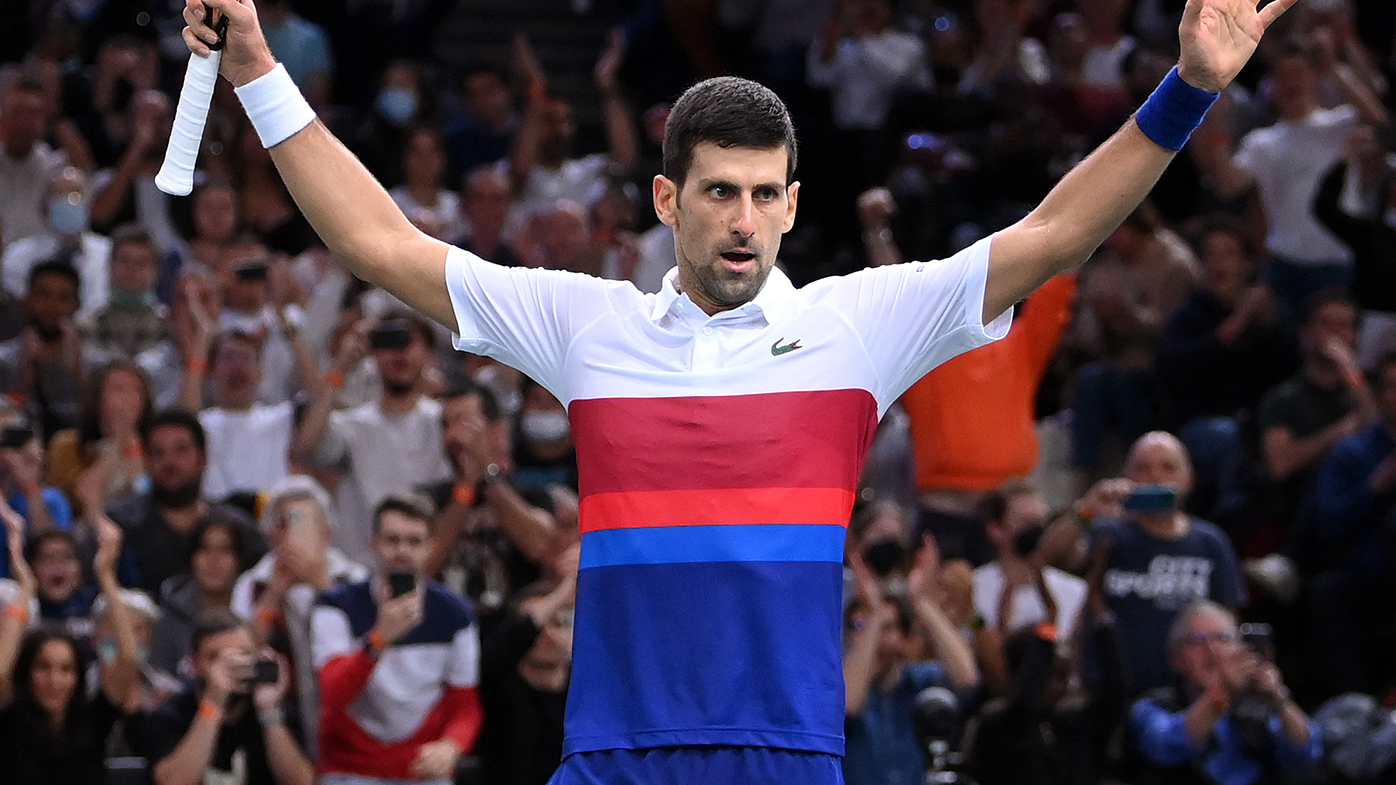
Novak Djokovic has won his appeal against the Australian government cancelling his visa in another twist for those around the world watching the conflict unfold.
Judge Anthony Kelly ordered the decision to cancel Djokovic's visa be quashed in the Federal Circuit and Family Court of Australia this afternoon, directing the Australian government to pay all of the tennis star's costs.
However, it is still not guaranteed Djokovic will be able to stay in Australia and play in the Australian Open.
So why did Djokovic win his case and what happens now?
READ MORE: Novak Djokovic wins court battle to have visa cancellation overturned
Why Djokovic won his appeal
Judge Kelly ruled the decision of a delegate to cancel Djokovic's visa was "unreasonable".
Judge Kelly said Djokovic had been told at 5.20am on Thursday, January 6 that he would could have until 8.30am to provide comments in response to a notice of proposed cancellation of the visa.
It was heard Djokovic's comments were then sought about 6.14am, with the delegate's decision made at 7.42am.
"If the applicant had had until 8.30am, he could have consulted others and made submissions to the delegate about why his visa had not been cancelled," Judge Kelly said.
Djokovic's lawyer Nick Wood, SC, spent hours in the hearing conveying the unfairness and/or unreasonableness of this process to the court.
"He had done absolutely everything that he understood, was required to enter Australia," Mr Wood said.
"He needed to speak to people. He wanted to say more and wasn't given this opportunity.
"There was no intelligible reason not to allow him that more time."
What happens now?
It is not yet known for sure whether Djokovic will stay in Australia.
Commonwealth government barrister Christopher Tran followed the order being read by telling the court he had been instructed that the Minister for Home Affairs Karen Andrews could now use discretionary powers to cancel Djokovic's visa.
Judge Kelly confirmed that if Djokovic was summarily removed in that way, he would not be able to return to Australia for three years.
As the court decision was made based on a procedural issue, Immigration Minister Alex Hawke could still use his personal discretion to cancel the visa for a second time.
The Commonwealth could argue Djokovic still did not present all the right documents that were said to be required to obtain the visa.